Kumquat
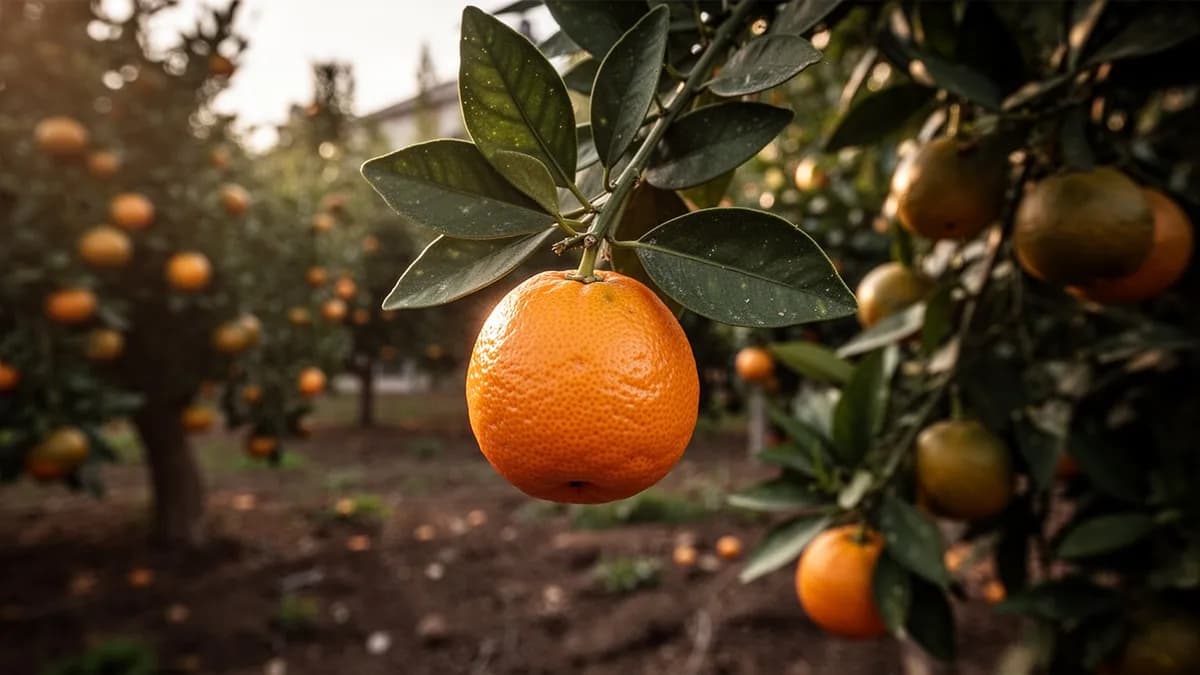
Eine zierliche Zitrusfrucht, die winzige, olivengroße Früchte hervorbringt, die ganz gegessen werden – mitsamt der süßen, essbaren Schale und dem säuerlichen Fruchtfleisch.





Auf dieser SeiteÜberblick
Kumquat im Überblick
Eine zierliche Zitrusfrucht, die winzige, olivengroße Früchte hervorbringt, die ganz gegessen werden – mitsamt der süßen, essbaren Schale und dem säuerlichen Fruchtfleisch. Kumquats sind die frosthärtesten echten Zitrusfrüchte und vertragen Temperaturen bis weit unter den Gefrierpunkt. Ihre kompakte Größe macht sie zu hervorragenden Kübelpflanzen für Terrassen und Wintergärten.
Wann Kumquat pflanzen
Kumquats wachsen aufgrund der Nucellus-Embryonie relativ sortenecht aus Samen und erzeugen Sämlinge, die oft genetische Klone der Mutterpflanze sind. Allerdings dauert es bei samengewachsenen Bäumen sechs bis zehn Jahre bis zur ersten Frucht. Für schnellere Ergebnisse kaufen Sie veredelte Bäume auf Poncirus-trifoliata-Unterlage für maximale Frosthärte oder auf Flying-Dragon-Unterlage für natürlichen Zwergwuchs. Um aus Samen zu ziehen, entnehmen Sie die Kerne aus reifen Früchten, waschen Sie sie gründlich und pflanzen Sie sie einen Zentimeter tief in feuchte Anzuchterde. Halten Sie die Temperatur bei 21 bis 27 °C und rechnen Sie mit einer Keimung in zwei bis vier Wochen. Sämlinge wachsen langsam und benötigen helles, indirektes Licht.
Dein Kumquat-Jahr
Abgestimmt auf Zone 7 · typische Saison · Frost geht um den 2. Apr. und kehrt um den 1. Nov. zurück
Kumquat Mär – Mai pflanzen, Jan – Mär, Nov – Dez ernten. Beachte die Pflanzmethoden unten und wähle dein Klima für passende Zeiträume.
So baust du Kumquat an
Kumquats sind die frosthärtesten echten Zitrusfrüchte und vertragen Temperaturen bis -8 °C, wodurch sie für die USDA-Zonen 8 bis 11 geeignet sind. Pflanzen Sie sie in voller Sonne in gut durchlässigen Boden mit einem Abstand von 2,5 bis 3 Metern. Kumquats bleiben von Natur aus klein und erreichen nur 2,5 bis 4,5 Meter Höhe, was sie ideal für kleine Gärten und Kübel macht. Setzen Sie die Veredelungsstelle oberhalb der Erdoberfläche und wässern Sie nach dem Pflanzen gründlich.
Kumquats gehen früher und vollständiger in die Winterruhe als andere Zitrusarten, was ihre überlegene Frosthärte erklärt. Sie blühen im Frühjahr später als Orangen und Zitronen, wodurch das Risiko von Frostschäden an den Blüten verringert wird. Die Bäume wachsen langsam und erfordern Geduld, aber einmal etabliert, tragen sie reichlich bei minimalem Pflegeaufwand.
Düngen Sie dreimal jährlich mit einem ausgewogenen Zitrusdünger – im Spätwinter, Spätfrühling und Frühherbst. Kumquats benötigen weniger Stickstoff als größere Zitrusarten. Für die Kübelkultur verwenden Sie einen 60- bis 80-Liter-Topf mit ausgezeichneter Drainage und topfen Sie alle drei bis vier Jahre um. Schneiden Sie leicht, um die Form zu erhalten und totes Holz zu entfernen. Wässern Sie während der Fruchtentwicklung von Spätsommer bis Winter gleichmäßig, um Fruchtfall zu vermeiden.
Für Kumquat ist ein Beet von 120 × 240 cm zu klein
Kumquat braucht 180 cm Platz pro Pflanze. Der Planer hält diesen Abstand für dich ein — jede Pflanze, jedes Beet.
Die besten Nachbarn für Kumquat
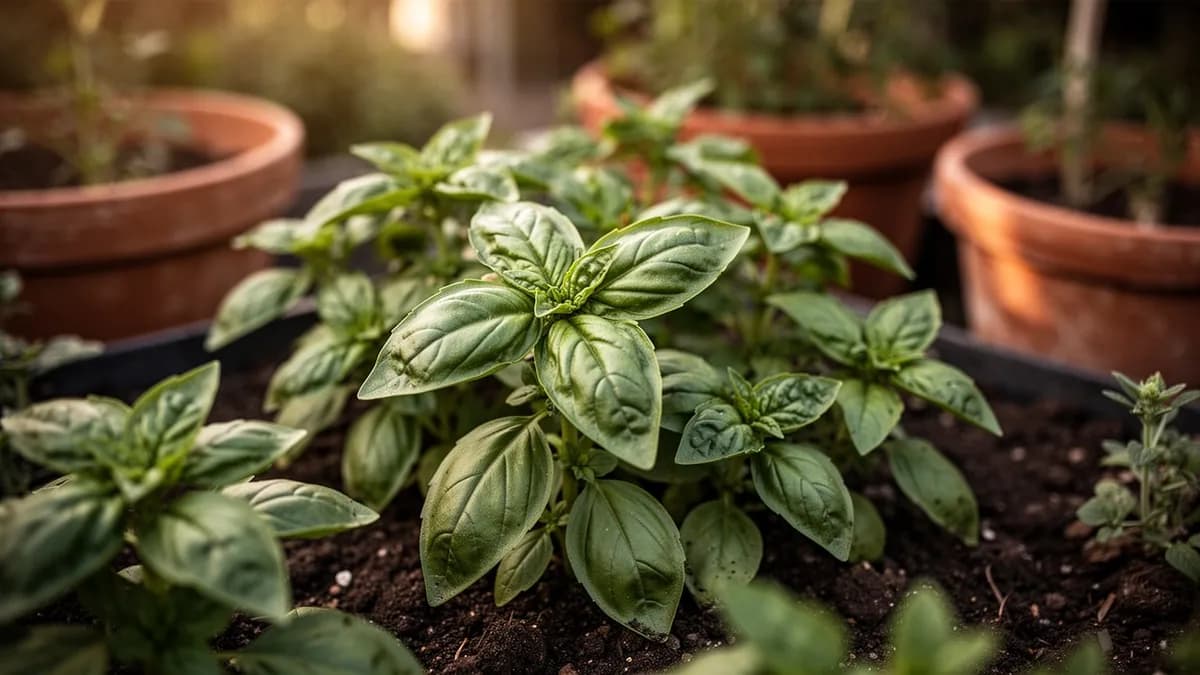
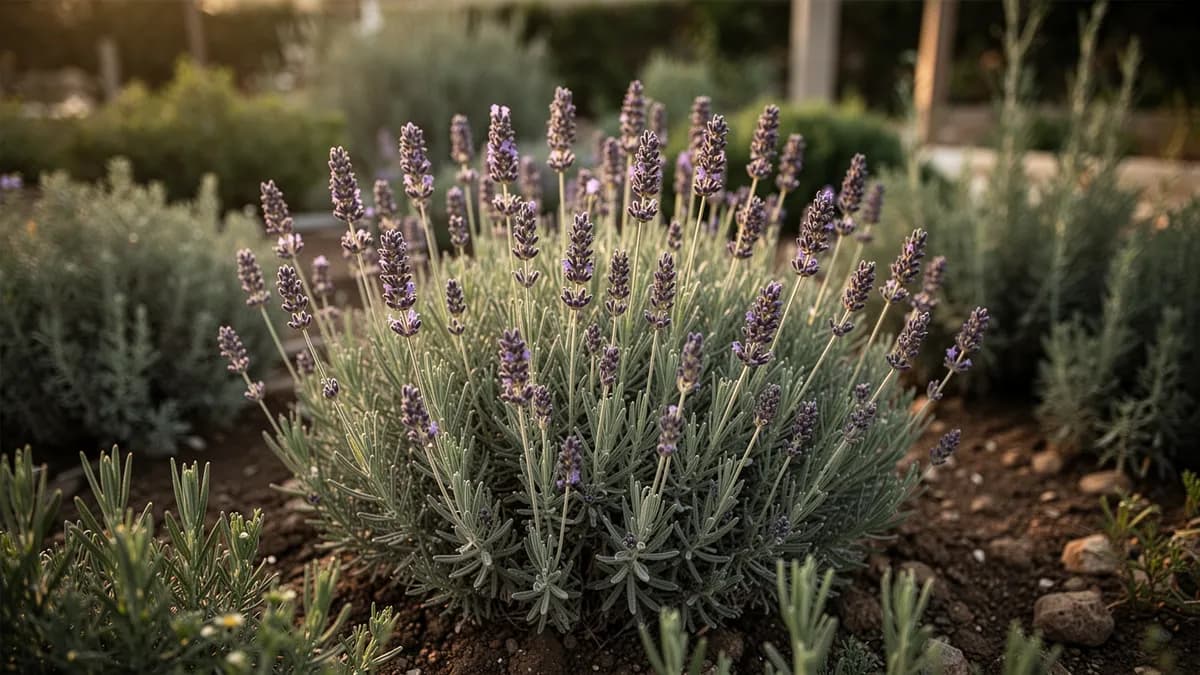
Kumquats eignen sich aufgrund ihrer kompakten Größe gut für Mischpflanzungen. Unterpflanzen Sie sie mit niedrig wachsenden Kräutern wie Thymian, Oregano und Kamille, die Bestäuber anlocken, ohne um Licht zu konkurrieren. Tagetes, die um den Stamm gepflanzt werden, halten Nematoden fern. Weißklee ist eine ausgezeichnete stickstoffbindende Bodenbegrünung unter Kumquatbäumen. In Kübeln kombinieren Sie sie mit hängendem Rosmarin oder Duftsteinrich für eine produktive und attraktive Zusammenstellung. Kumquats können auch als Windschutz für empfindlichere Zitrusarten dienen.
Basilikum gehört daneben. Walnussbaum nicht.
Altes Gärtnerwissen, geprüft an der echten Nachbartabelle von Kumquat — teste jede Pflanze, die du anbaust.
Probiere Kumquat direkt hier im Beet
Ein echtes Planer-Beet, Kumquat steht schon drin. Tippe einen Begleiter an, platziere ihn und sieh, wie die Nachbarschaftsprüfung antwortet — grün für gute Nachbarn, rot bei Streit.


Passende Anbau-Ratgeber
Richtig düngen
Kumquats bevorzugen gut durchlässigen sandigen Lehm mit einem leicht sauren pH-Wert von 5,5 bis 6,5. Sie sind weniger anspruchsvoll als größere Zitrusarten und vertragen etwas ärmere Böden. Verwenden Sie einen ausgewogenen Zitrusdünger in der halben Dosierung wie für Orangen, da Kumquats langsam wachsen und empfindlich auf Überdüngung reagieren. Übermäßiger Stickstoff führt zu starkem vegetativem Wachstum auf Kosten der Fruchtbildung. Ergänzen Sie bei Blattvergilbung zwischen den Adern mit Eisenchelat. Für Kübelbäume verwenden Sie einen Langzeitdünger und ergänzen Sie während der Wachstumsperiode monatlich mit flüssigem Zitrusdünger.
Ideale Temperatur
Winterhärtezone-Kompatibilität
Von der Saat zur Ernte, Schritt für Schritt
Samenkeimung oder Baumschulpflanzung
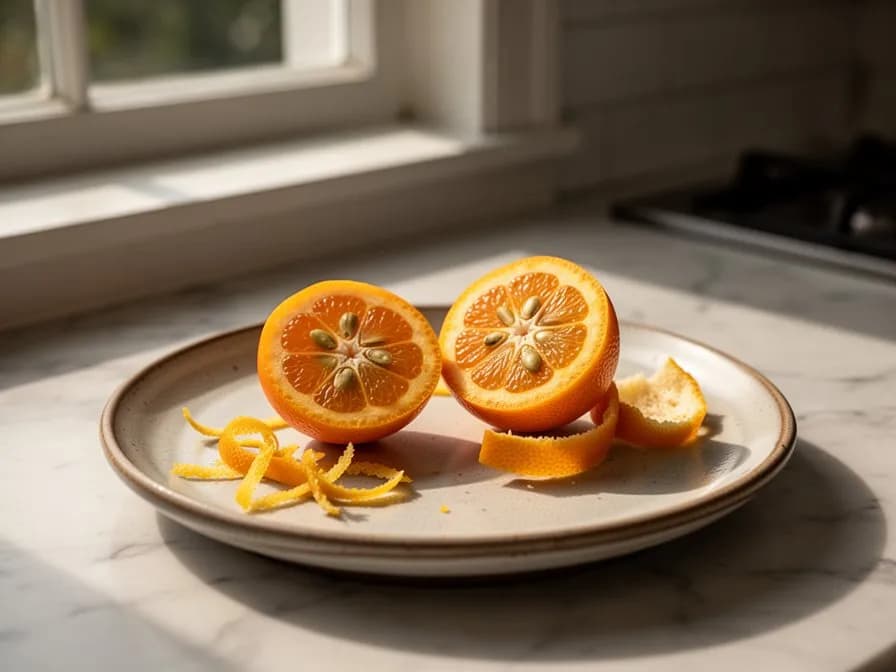
Kumquatsamen keimen innerhalb von 2–4 Wochen, wenn sie warm und gleichmäßig feucht gehalten werden. Allerdings können aus Samen gezogene Bäume 5–10 Jahre bis zur Fruchtbildung benötigen und tragen möglicherweise nicht sortenecht. Die meisten Hobbygärtner beginnen mit veredelten Baumschulbäumen, die sich schnell etablieren und innerhalb von 2–3 Jahren zu tragen beginnen. Wurzelnackte oder Containerbäume konzentrieren ihre ersten Wochen auf die Wurzeletablierung statt auf sichtbares Triebwachstum.
Sämlings- und Etablierungsphase
Junge Kumquatbäume bilden ihre ersten Austriebe glänzender, dunkelgrüner Blätter. Das Wurzelsystem dehnt sich aus, um den Baum zu verankern und Wasser sowie Nährstoffe aufzunehmen. Veredelte Bäume wachsen in dieser Phase deutlich schneller als Sämlinge und legen in der ersten Saison oft 20–40 cm Neuwachstum zu. Der Baum entwickelt die dichte, kompakte Verzweigungsstruktur, die Kumquats zu so attraktiven Zierpflanzen macht.
Vegetatives Wachstum und Kronenentwicklung
Der Kumquatbaum wächst zu seiner charakteristischen kompakten, rundlichen Form mit dichtem, dunkelgrünem Laub heran. Während der warmen Jahreszeit treten mehrere Wachstumsschübe auf. Kumquats sind von Natur aus kleiner als die meisten Zitrusbäume und werden im Freiland selten höher als 3–4 Meter, in Kübeln bleiben sie deutlich kompakter. Der Baum kann im zweiten Jahr einige Blüten bilden, der Fruchtansatz ist in diesem Stadium jedoch oft unzuverlässig.
Erste zuverlässige Blüte
Veredelte Kumquatbäume beginnen typischerweise in ihrem zweiten oder dritten Jahr zuverlässig zu blühen. Die kleinen weißen fünfblättrigen Blüten erscheinen in Büscheln im Spätfrühling und sind intensiv duftend. Anders als die meisten Zitrusarten produzieren Kumquats oft einen zweiten Blütenschub im Spätsommer, was zu zwei Ernten führen kann. Kumquats sind selbstfruchtbar, sodass ein einzelner Baum ohne Bestäuber Früchte ansetzt.
Fruchtentwicklung
Nach der Bestäubung bilden sich kleine grüne Fruchtansätze, die sich über 3–5 Monate langsam entwickeln. Die Früchte sind im Vergleich zu anderen Zitrusfrüchten winzig und erreichen ihre volle ovale oder runde Form, bevor sie sich zu verfärben beginnen. In dieser Phase entwickeln sich die charakteristischen ätherischen Öle der Schale, die den Kumquats ihren unverwechselbaren würzig-süßen Duft verleihen. Der Baum kann gleichzeitig sowohl sich entwickelnde als auch reifende Früchte aus aufeinanderfolgenden Blütenschüben tragen.
Reife und Ernte
Kumquats reifen über mehrere Wochen von Grün zu ihrem charakteristischen leuchtenden Orange, vom Spätherbst bis in den Winter hinein, wobei einige Sorten bis weit ins Frühjahr am Baum verbleiben können. Die Schale wird dünn, glatt und brillant gefärbt. Anders als die meisten Zitrusfrüchte können reife Kumquats über einen längeren Zeitraum am Baum bleiben, ohne sich zu verschlechtern, wodurch der Baum quasi als lebende Vorratskammer dient. Ein ausgewachsener Baum trägt 100–400 Früchte pro Saison.
Nachernte-Ruhe und Erneuerung
Nach Abschluss der Haupternte tritt die Kumquat in eine ruhigere Phase der Wurzelaktivität und Vorbereitung auf den nächsten Wachstums- und Blütezyklus ein. Dies ist die ideale Zeit für eventuellen Strukturschnitt. Kumquats sind deutlich frosthärter als die meisten anderen Zitrusarten und können milde Winter produktiv nutzen, wobei die Wurzeln aktiv bleiben, auch wenn das oberirdische Wachstum nachlässt. Der Baum beginnt im Spätwinter mit der Vorbereitung des nächsten Frühjahrsaustriebs.
Wenn Sie aus Samen starten, weichen Sie die Samen 24 Stunden in warmem Wasser ein, bevor Sie sie 1 cm tief in Zitrus-Anzuchterde pflanzen. Halten Sie die Temperatur bei 21–27 °C. Für veredelte Baumschulbäume pflanzen Sie in derselben Tiefe wie im Baumschulcontainer und wässern Sie gründlich ein. Stören Sie den Wurzelballen beim Umpflanzen nicht.
Kumquat Monat für Monat pflegen
Was du jeden Monat für deine Kumquat tun solltest
Oktober
Aktueller MonatErste Ernten früher Sorten sind möglich. Bereiten Sie Frostschutzmaterialien für Kübel- und Freilandbäume in kühleren Klimazonen vor. Reduzieren Sie die Bewässerungshäufigkeit bei sinkenden Temperaturen. Stellen Sie Kübelbäume vor dem ersten Frost an einen geschützten Platz.
Immer wissen, was jetzt im Garten zu tun ist
Eine E-Mail zum Monatsanfang: was du jetzt säen, pflanzen und anpacken solltest — für deine Kumquat und alles, was drumherum wächst. Dazu ein kurzer Startkurs, der dich vor den klassischen Fehlern bewahrt.
- Was jetzt zu tun ist
- Passend zu deiner Saison
- Startkurs inklusive
Kumquat ernten
Kumquats reifen von November bis März, wobei die Früchte bei Reife leuchtend orange werden. Anders als bei anderen Zitrusfrüchten werden Kumquats ganz gegessen – mit Schale und allem –, ernten Sie sie daher, wenn die Schale voll durchgefärbt ist und die Frucht bei leichtem Druck leicht nachgibt. Die süße Schale kontrastiert mit dem säuerlichen Inneren. Schneiden Sie die Früchte mit einer kleinen Schere vom Baum, um die empfindlichen Stiele nicht zu beschädigen. Früchte, die über den optimalen Reifezeitpunkt hinaus am Baum bleiben, werden zunehmend sauer und können schrumpeln.
angenommen, du pflanzt zu Beginn des Zeitraums — trage dein tatsächliches Datum ein
Ernte Kumquat zügig, dann trägt die Pflanze weiter.
Lagerung & Konservierung
Frische Kumquats halten sich bei Raumtemperatur etwa eine Woche und gekühlt bis zu drei Wochen. Sie lassen sich hervorragend ganz einfrieren, um sie später zum Kochen und für Cocktails zu verwenden. Kumquat-Konfitüre und -Marmelade sind klassische Zubereitungen, die die einzigartige Kombination aus süßer Schale und saurem Fruchtfleisch zur Geltung bringen. Kandierte Kumquats sind eine elegante Konfektspezialität aus in Zuckersirup gekochten halbierten Früchten. Kumquat-Likör wird hergestellt, indem Früchte mit Zucker in Wodka eingelegt werden. Getrocknete Kumquatscheiben verleihen Studentenfutter und Tees eine frische Zitrusnote.
Was schiefgeht — und die Lösung
Zitrusblattläuse
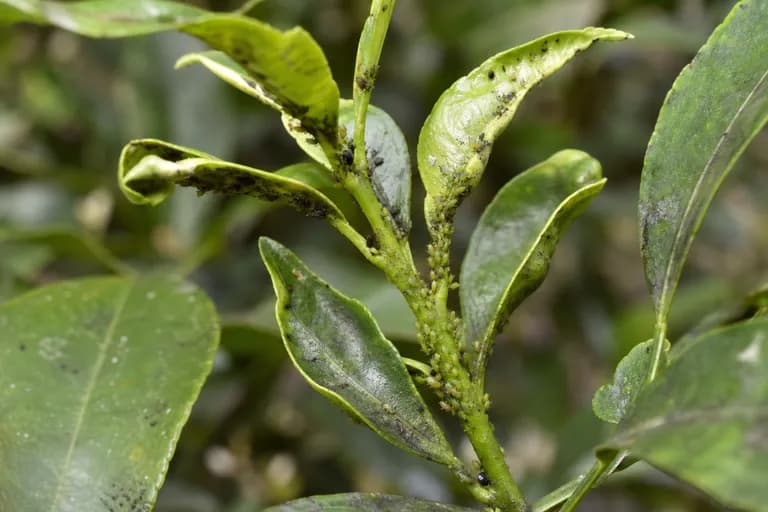
SchädlingAnsammlungen grüner oder schwarzer Blattläuse an Neutrieben, die Blattkräuselung, Honigtauablagerungen und Rußtau verursachen. Am problematischsten während des Frühjahrsaustriebs.
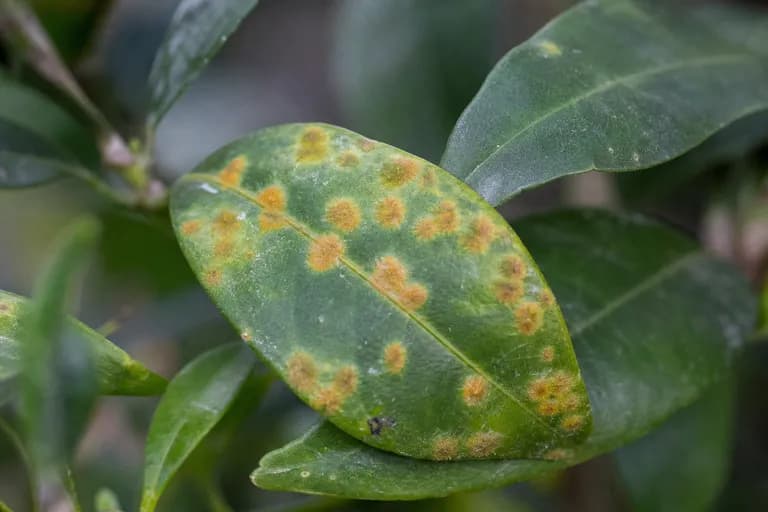
Algenblatfleckenkrankheit
KrankheitErhabene, samtige orange-grüne Flecken auf Blättern, verursacht durch die parasitäre Alge Cephaleuros virescens. Häufig in feuchten Klimazonen auf dem langsam wachsenden Kumquat-Laub.
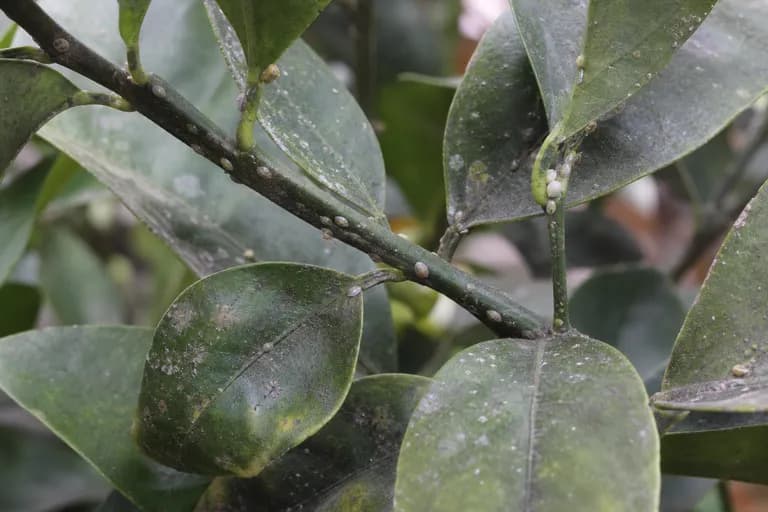
Kumquat-Schildläuse
SchädlingBraune oder weiße wachsartige Erhebungen an Stängeln und Blattoberflächen. Starker Befall schwächt den Baum und reduziert die Fruchtproduktion. Honigtau zieht Rußtau an.
Fehlerbehebung bei häufigen Problemen
Kumquats sind im Vergleich zu anderen Zitrusarten generell problemlos. Das häufigste Problem ist Fruchtfall durch Wasserstress während der Entwicklungsphase von Spätsommer bis Herbst. Sorgen Sie in dieser kritischen Zeit für gleichmäßige Bewässerung. Überdüngung mit Stickstoff verursacht übermäßiges vegetatives Wachstum und weniger Blüten. Kübelbäume können unter Salzanreicherung durch Leitungswasser leiden – spülen Sie die Töpfe daher monatlich mit klarem Wasser durch. Die kleinen, dornigen Zweige können die Ernte ohne Handschuhe schmerzhaft machen.
Anbautipps
- Kaufen Sie einen veredelten Baum von einer seriösen Baumschule, anstatt aus Samen zu ziehen. Veredelte Kumquats tragen in 2–3 Jahren Früchte, während aus Samen gezogene Bäume 5–10 Jahre benötigen und oft minderwertige Früchte produzieren. Achten Sie auf gesundes, glänzendes Laub und eine deutlich sichtbare Veredelungsstelle nahe der Stammbasis.
- Kumquats gehören zu den am besten geeigneten Zitrusarten für die Kübelkultur. Wählen Sie einen Topf mit mindestens 40–50 cm Durchmesser und ausgezeichneten Abzugslöchern und verwenden Sie eine spezielle Zitrus- oder lehmbasierte Topferde. Topfen Sie alle 2–3 Jahre in einen etwas größeren Behälter um, wenn der Baum wächst.
- Sorgen Sie für mindestens 6–8 Stunden volle Sonne täglich. Kumquats verzeihen Halbschatten besser als andere Zitrusarten, produzieren aber in voller Sonne deutlich mehr Früchte. In kühlen Klimazonen kann eine nach Süden ausgerichtete Wand, die Wärme speichert und reflektiert, einen grenzwertigen Standort nutzbar machen.
- Anders als die meisten anderen Zitrusarten profitieren Kumquats von einer Phase kühler Temperaturen im Herbst und Winter, um ihre Ruhephase auszulösen und die Frühjahrsblüte anzuregen. Stellen Sie Kübelbäume im Winter nicht in einen beheizten Raum – ein kühles Gewächshaus, ein frostfreier Nebenraum oder ein kühler, heller Raum mit 5–12 °C ist ideal.
- Wässern Sie gründlich, lassen Sie aber die oberen 3–4 cm des Bodens zwischen den Wassergaben abtrocknen. Kumquats sind nach der Etablierung trockenheitstoleranter als Zitronen, werfen aber bei starkem Stress Früchte und Blüten ab. Gleichmäßige Feuchtigkeit ist besonders während des Fruchtansatzes und der Fruchtentwicklung wichtig.
- Düngen Sie während der Wachstumsperiode alle 4–6 Wochen mit einem speziell für Zitrus formulierten Dünger. Zitrusdünger liefern wichtige Mikronährstoffe wie Eisen, Zink, Magnesium und Mangan, die Kumquats für gesundes dunkelgrünes Laub und reichliche Fruchtbildung benötigen.
- Schneiden Sie nach der Haupternte leicht zurück, um eine kompakte, gut belüftete Krone zu erhalten. Kumquats haben einen von Natur aus ordentlichen Wuchs und benötigen weit weniger Schnitt als die meisten Obstbäume. Konzentrieren Sie sich auf das Entfernen toter oder sich kreuzender Äste und aller Triebe, die unterhalb der Veredelungsstelle wachsen.
- Schützen Sie vor Temperaturen unter -5 °C, indem Sie den Baum mit Frostschutzvlies umhüllen oder Kübel ins Haus bringen. Obwohl Nagami-Kumquats die härtesten üblicherweise angebauten Zitrusfrüchte sind, kann anhaltender strenger Frost das Holz beschädigen und den Baum möglicherweise abtöten. Junge Bäume unter 2 Jahren sind weniger frosthart als ausgewachsene Exemplare.
- Kontrollieren Sie regelmäßig auf Schildläuse, die dazu neigen, sich an Stängeln und Blattunterseiten anzusammeln und den Baum bei Nichtbehandlung erheblich schwächen können. Eine Behandlung mit Paraffinöl im Spätwinter ist hochwirksam zur Vorbeugung von Schildlausbefall und sollte als routinemäßige Präventivmaßnahme durchgeführt werden.
- Kumquats sind das ganze Jahr über hervorragende dekorative Kübelpflanzen und können während der Winterfruchtsaison in Innenräumen aufgestellt werden, sowohl wegen des Zierwerts als auch wegen des Raumdufts durch die ätherischen Öle in der Schale. Stellen Sie sie im Frühjahr nach draußen in die volle Sonne, sobald die Nachttemperaturen zuverlässig über 10 °C bleiben.
Bau deine beste Kumquat an — und alles drumherum.
Starte heute kostenlos. Lege deine Beete an, setze deine Kumquat ein und lass PlotMyGarden Timing, Abstände, Begleiter und Erinnerungen von der Saat bis zum Erntekorb übernehmen.
Finde deine Kumquat
Nagami
Die häufigste Kumquat mit ovalen Früchten und einem ausgeprägten süß-sauren Kontrast. Kräftiger, ertragreicher Baum, der auch im Kübel reichlich Früchte trägt. Die Standardsorte für die meisten Anbauer.
Meiwa
Runde Früchte, die süßer und weniger sauer als Nagami sind, mit einer dickeren, süßeren Schale. Wird oft als süße Kumquat bezeichnet. Am besten für den Frischverzehr direkt vom Baum geeignet.
Marumi
Runde Kumquat mit einem etwas würzigeren Geschmack als Nagami. Frosthärter und dorniger. Die ursprüngliche Kumquat, die nach Europa eingeführt wurde.
Centennial Variegated
Eine auffällige Ziersorte mit grün-weiß gestreiften Blättern und gestreiften Früchten, die zu einheitlichem Orange ausreifen. Etwas weniger ertragreich, aber äußerst dekorativ.
Ein ausgewachsener Kumquatbaum, der in der Baumschule 25–50 € kostet, kann nach der Etablierung 100–400 Früchte pro Jahr produzieren. Spezial- und Bio-Kumquats kosten im Handel 8–15 € pro 250-g-Schale, sodass ein produktiver Baum leicht Obst im Wert von 150–400 € pro Jahr ersetzen kann. Kumquats eignen sich zudem hervorragend für hochwertige selbstgemachte Konfitüren – handwerklich hergestellte Kumquat-Marmelade und kandierte Kumquats können 10–18 € pro Glas kosten, was weitere Einsparungen bringt. Kübelbäume sind besonders kosteneffizient, da sie keinen eigenen Gartenplatz benötigen und auf Balkonen und Terrassen gezogen werden können.
Schnelle Rezepte
Kumquat-Marmelade
45 Minuten (plus Mazeration über Nacht)Eine juwelengleich leuchtende Marmelade, die die süß-saure Komplexität selbst angebauter Kumquats voll einfängt. Dünn geschnittene Kumquats werden über Nacht mit Zucker mazeriert, dann mit natürlichem Pektin aus den Kernen zu einer seidigen Konsistenz eingekocht. Das Ergebnis ist eine Marmelade mit einer Geschmackstiefe und einem Duft, den kein kommerzielles Produkt erreichen kann – perfekt auf Sauerteigbrot oder zu gereiftem Käse.
5 Zutaten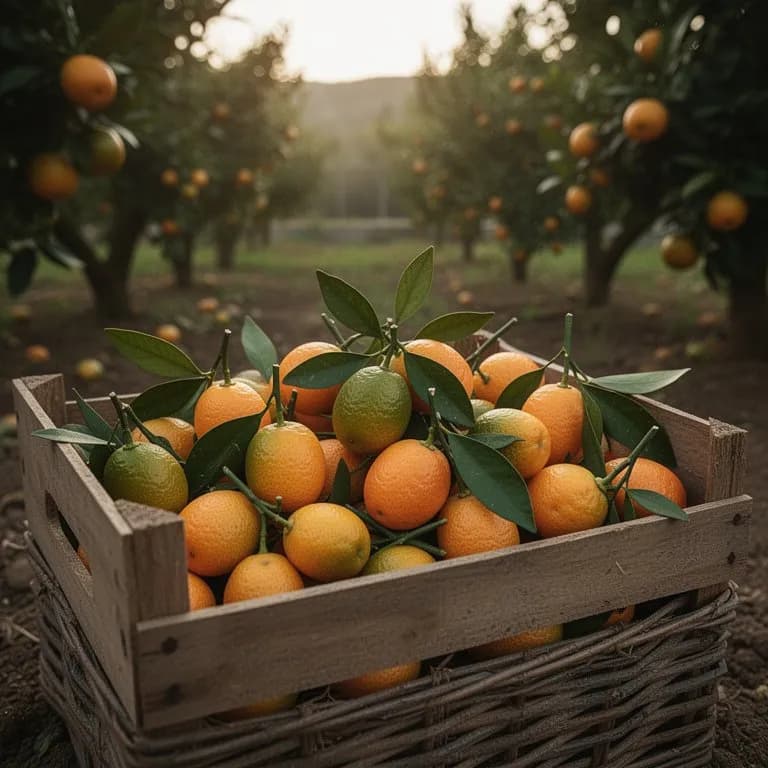
Kumquat-Honig-Glasur für gebratene Ente oder Hähnchen
15 MinutenEine leuchtende und aromatische Glasur, die einen einfachen Braten in ein Schaugericht verwandelt. Die natürlichen Öle der Kumquatschale durchdringen den Honig mit einem komplexen Zitrusduft, während die Säure des Fruchtfleischs die Reichhaltigkeit des Fleischs ausgleicht. Bestreichen Sie den Vogel während der letzten 20–30 Minuten des Bratens für ein lackiertes, tiefgründig aromatisches Ergebnis.
7 ZutatenKumquat-Agua-Fresca
10 MinutenEin erfrischendes und wunderschön gefärbtes Getränk, das den leuchtenden Geschmack frischer Kumquats mit minimalem Aufwand zur Geltung bringt. Die ganze Frucht wird gemixt – Schale und alles –, dann abgeseiht, um eine duftende, leicht süß-saure Agua Fresca zu erzeugen, die weit interessanter ist als jedes andere Zitrusgetränk. Servieren Sie sie auf Eis als Mittelpunkt einer Gartenparty.
6 ZutatenKulinarische Verwendung
Kumquats werden einzigartigerweise ganz gegessen, wobei die süße Schale den Hauptgeschmack liefert und das säuerliche Fruchtfleisch den Kontrast bietet. Schneiden Sie sie in Salate, Getreideschalen oder auf Käseplatten. Kumquat-Marmelade und -Konfitüre sind für ihren komplexen süß-sauren Charakter geschätzt. Verwenden Sie sie in Wok-Gerichten mit Ente oder Schweinefleisch, kochen Sie sie zu Chutneys ein oder kandieren Sie sie als Dessertgarnitur. Mit Kumquat aromatisierter Wodka oder Gin ergibt eine unverwechselbare Cocktail-Basis.
Was drinsteckt
Gesundheitsvorteile
- Hervorragende Ballaststoffquelle mit 6,5 g pro 100 g, wenn die Frucht ganz mit Schale gegessen wird – weit mehr als die meisten Zitrusfrüchte – unterstützt die Verdauungsregelmäßigkeit, ernährt nützliche Darmbakterien und hilft, Blutzucker- und Cholesterinspiegel zu regulieren
- Reich an Vitamin C und Flavonoid-Antioxidantien, die in der essbaren Schale konzentriert sind, darunter Hesperidin und Naringenin, die die Immunfunktion unterstützen, oxidativen Stress reduzieren und in klinischen Studien entzündungshemmende Wirkungen gezeigt haben
- Liefert bedeutende Mengen an Kalzium – mehr als andere Zitrusfrüchte –, was die Knochendichte, Muskelkontraktion und Nervenleitung unterstützt und Kumquats zu einer nützlichen Ergänzungsquelle für Personen macht, die ihren Milchkonsum reduzieren
- Die Limonen- und anderen ätherischen Ölverbindungen in der Kumquatschale haben antimikrobielle Eigenschaften gegen häufige Krankheitserreger und entzündungshemmende Wirkungen gezeigt, die die Atemwegsgesundheit unterstützen und chronische Entzündungen reduzieren können
- Kumquats haben trotz ihrer natürlichen Süße eine relativ niedrige glykämische Last, da ihr hoher Ballaststoffgehalt die Zuckeraufnahme verlangsamt – was sie zu einer geeigneten Snack-Wahl für Menschen macht, die ihren Blutzucker kontrollieren oder sich glykämisch günstig ernähren
- Die Kombination aus Vitamin C, Flavonoiden und Beta-Cryptoxanthin in Kumquats unterstützt die Hautgesundheit, indem sie die Kollagensynthese fördert, vor UV-bedingtem oxidativem Schaden schützt und zu einer gesunden Entzündungsreaktion im Hautgewebe beiträgt
Woher Kumquat stammt
Die Kumquat (Citrus japonica, früher Fortunella japonica und verwandte Arten) ist eine der ältesten kultivierten Zitrusfrüchte mit einer mindestens 1.200 Jahre zurückreichenden Anbaugeschichte in China. Die früheste schriftliche Erwähnung von Kumquats findet sich in den Werken des chinesischen Gelehrten Han Yen-chih während der Song-Dynastie, etwa im 12. Jahrhundert n. Chr., obwohl die Frucht mit ziemlicher Sicherheit schon lange vorher im Jangtse-Tal und in Südchina angebaut wurde. Kumquats wurden in der chinesischen Kultur nicht nur als Nahrungsmittel, sondern auch als Zierpflanze und Glückssymbol geschätzt, und ihre Verbindung mit dem Glück während der Neujahrsfeiern reicht viele Jahrhunderte zurück. Die Frucht verbreitete sich allmählich in ganz Ost- und Südostasien und wurde in Japan, Vietnam, Korea und auf den Philippinen zu einer verbreiteten Gartenpflanze, wo unterschiedliche Selektionsbedingungen zur Entwicklung verschiedener regionaler Sorten führten.
Kumquats erreichten die westliche Welt erst Mitte des 19. Jahrhunderts. Der schottische Pflanzensammler Robert Fortune, der für die Royal Horticultural Society und später die Ostindien-Kompanie arbeitete, sammelte Kumquat-Exemplare in chinesischen Gärten und verschiffte sie 1846 nach Europa. Die Gattung Fortunella wurde anschließend zu seinen Ehren benannt, in Anerkennung seiner Rolle bei der Einführung der Frucht in den Westen. Von Großbritannien aus verbreiteten sich Kumquats rasch in andere Teile Europas und in die Vereinigten Staaten, wo sie in den 1850er Jahren erstmals in Kalifornien dokumentiert wurden. Florida wurde ein weiteres wichtiges Zentrum des Kumquat-Anbaus in Amerika, und die Stadt Dade City in Florida veranstaltet noch heute ein jährliches Kumquat-Festival zu Ehren der Frucht.
Taxonomisch gehörten Kumquats über ein Jahrhundert lang zu ihrer eigenen Gattung Fortunella, die sich durch botanische Merkmale wie festes Mark in der Schale und eine süße äußere Haut von echten Zitrusfrüchten unterschied. Moderne molekularphylogenetische Studien haben jedoch gezeigt, dass Kumquats innerhalb der Gattung Citrus eingeordnet werden, und sie werden nun als Citrus japonica (für die Marumi- und Nagami-Typen) und verwandte Arten klassifiziert. Es existieren mehrere natürliche und gezüchtete Hybriden zwischen Kumquats und anderen Zitrusfrüchten, darunter die Limequat (Kumquat × Limette), die Calamondin (Kumquat × Mandarine) und die Orangequat (Kumquat × Orange), die die Frosthärte der Kumquat erben und dabei unterschiedliche Geschmacksprofile bieten. Heute werden Kumquats kommerziell in China, Japan, den Vereinigten Staaten, Israel und im gesamten Mittelmeerraum angebaut und sind nach wie vor eine beliebte Zier- und Nutzpflanze für Hobbygärtner weltweit.
Kumquat: Schon gewusst?
Faszinierende Fakten über Kumquat
Kumquats sind die einzige Zitrusfrucht, die ganz gegessen wird – die süße, aromatische Schale wird zusammen mit dem säuerlichen, saftigen Fruchtfleisch verzehrt, was ein einzigartiges Geschmackserlebnis erzeugt, das das Profil aller anderen Zitrusfrüchte umkehrt.
Kumquat: Fragen & Antworten
Wann sollte ich Kumquat pflanzen?
Was sind gute Begleitpflanzen für Kumquat?
In welchen Winterhärtezonen kann Kumquat wachsen?
Wie viel Sonne braucht Kumquat?
Welchen Abstand sollte ich zwischen Kumquat lassen?
Welche Schädlinge und Krankheiten befallen Kumquat?
Wie lagere ich Kumquat nach der Ernte?
Was sind die besten Kumquat-Sorten zum Anbauen?
Welchen Boden braucht Kumquat?
Wie isst man eine Kumquat – muss man sie vorher schälen?
Sind Kumquats frosthart? Kann ich sie in einem gemäßigten Klima im Freien anbauen?
Warum trägt mein Kumquatbaum trotz Blüte keine Früchte?
Was ist der Unterschied zwischen Nagami-, Marumi- und Meiwa-Kumquats?
Wie lange dauert es, bis ein Kumquatbaum Früchte trägt?
Kann ich einen Kumquatbaum dauerhaft in Innenräumen anbauen?
Du hast die Theorie gelesen. Jetzt baue sie auf Autopilot an.
Alles, was Kumquat knifflig macht — das Timing, die Abstände, die Begleiter, das Erntefenster — genau das übernimmt PlotMyGarden für dich, für jede Pflanze im Garten.
Ein Plan, der dein Wetter kennt
Standort einmal festlegen. Aussaat-, Dünge- und Erntedaten rund um deinen echten letzten Frosttermin und die Live-Vorhersage — kein Raten mehr nach Saattüte.
Aus dem Abschnitt „Pflanzzeit“Beetplaner per Drag & Drop
Beete auf einem Raster gestalten. Jede Pflanze rastet im richtigen Abstand ein, und du siehst die ganze Saison, bevor du einen Cent für Saatgut ausgibst.
Aus dem Abschnitt „Anbau“Begleiter-Konflikte früh erkannt
Über 200 gute und schlechte Kombinationen werden beim Pflanzen live geprüft — so landet ein saisonruinierender Fehler nie in der Erde.
Aus dem Abschnitt „Begleiter“Erinnerungen, nach denen du wirklich handelst
„Gieß die Bohnen.“ „Heute ernten, bevor's umschlägt.“ Pünktlich, konkret und auf deine echten Pflanzen bezogen.
Aus dem Abschnitt „Ernte“Staffel-Aussaat, geplant
Sechs Wochen ernten statt sechs Tage? Die App verteilt deine Aussaaten automatisch und erinnert dich, wenn der nächste Satz fällig ist.
Aus dem Abschnitt „Pflanzzeit“Ein Verlauf, der schlauer wird
Jede protokollierte Ernte bringt der App deinen Garten bei. Der Plan fürs nächste Jahr startet bei dem, was in deinem Boden wirklich funktioniert hat.
Aus dem Abschnitt „Überblick“Pflanze diese neben Kumquat
Weitere Zitrusfrüchte
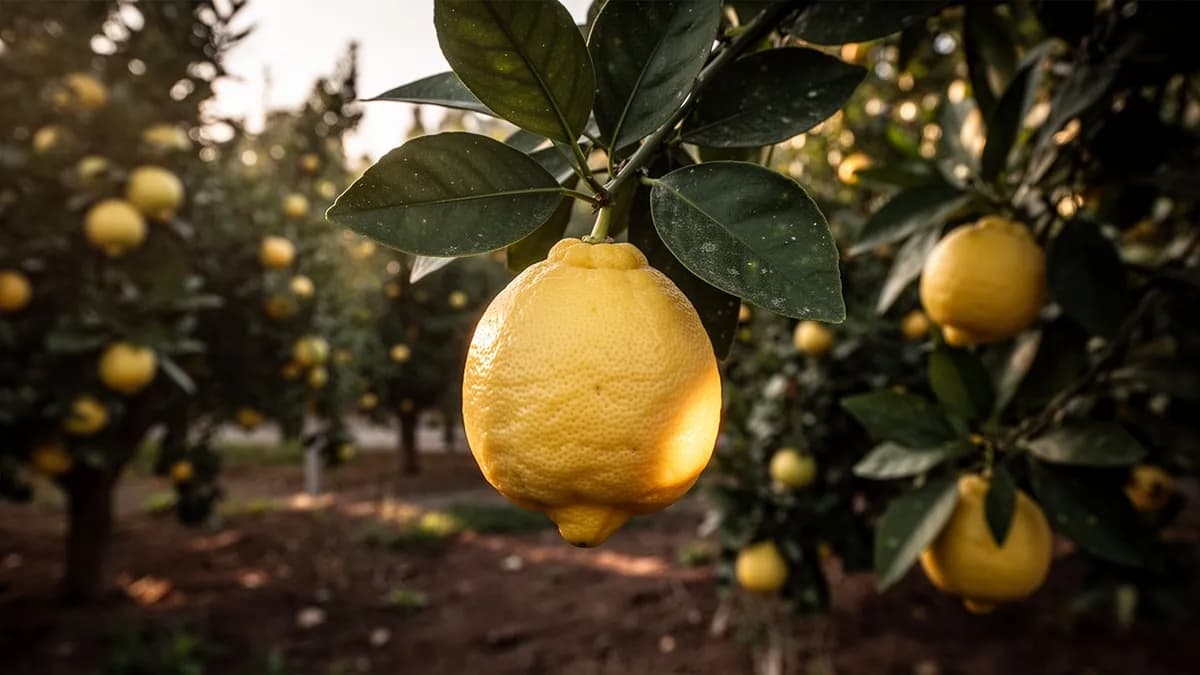
Halte Kumquat von diesen fern
Bau deine beste Kumquat an — und alles drumherum.
Starte heute kostenlos. Lege deine Beete an, setze deine Kumquat ein und lass PlotMyGarden Timing, Abstände, Begleiter und Erinnerungen von der Saat bis zum Erntekorb übernehmen.