Süßholzwurzel
Eine mehrjährige Hülsenfruchtpflanze, deren süße Wurzeln 50-mal süßer als Zucker sind und in Kräuterteemischungen für Geschmack und beruhigende Eigenschaften verwendet werden.





Auf dieser SeiteÜberblick
Süßholzwurzel im Überblick
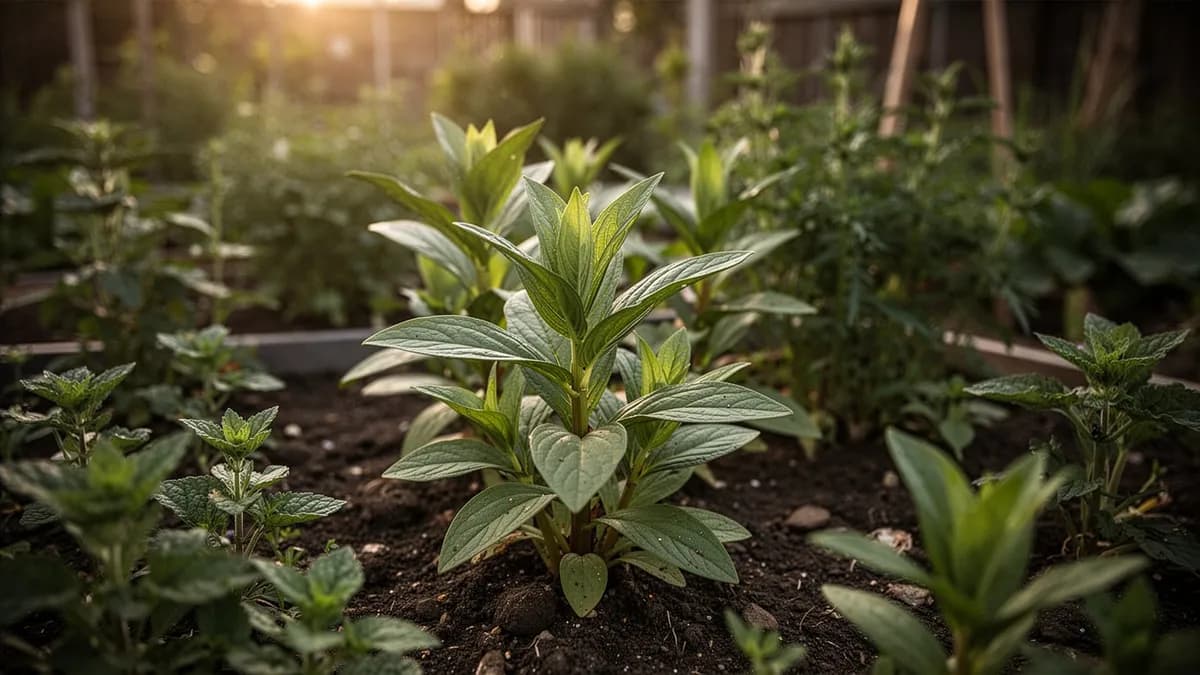
Eine mehrjährige Hülsenfruchtpflanze, deren süße Wurzeln 50-mal süßer als Zucker sind und in Kräuterteemischungen für Geschmack und beruhigende Eigenschaften verwendet werden. Süßholzwurzeltee ist eines der beliebtesten Kräutergetränke weltweit für Halskomfort und Verdauungsunterstützung. Die Wurzeln werden nach drei bis vier Jahren Wachstum geerntet, in Scheiben geschnitten und für Teeaufgüsse getrocknet.
Wann Süßholzwurzel pflanzen
Süßholz kann aus Samen gezogen werden, aber Wurzelteilungen sind schneller und zuverlässiger. Für die Aussaat ritzen Sie die Samen ein, indem Sie die Samenschale mit einer Feile anritzen oder sie über Nacht in warmem Wasser einweichen. Säen Sie im Frühjahr in tiefe Töpfe (mindestens 20 cm), gefüllt mit sandigem Kompost, und bedecken Sie die Samen 1 cm tief. Die Keimung dauert 2–4 Wochen bei 20–25 °C. Setzen Sie die Sämlinge an ihren endgültigen Standort um, wenn sie 4–6 echte Blätter haben. Alternativ teilen Sie etablierte Pflanzen im Frühjahr, indem Sie Ausläuferstücke mit mindestens zwei Knospen abschneiden.
Dein Süßholzwurzel-Jahr
Abgestimmt auf Zone 7 · typische Saison · Frost geht um den 2. Apr. und kehrt um den 1. Nov. zurück
Süßholzwurzel Mär – Mai pflanzen, Okt – Nov ernten. Beachte die Pflanzmethoden unten und wähle dein Klima für passende Zeiträume.
So baust du Süßholzwurzel an
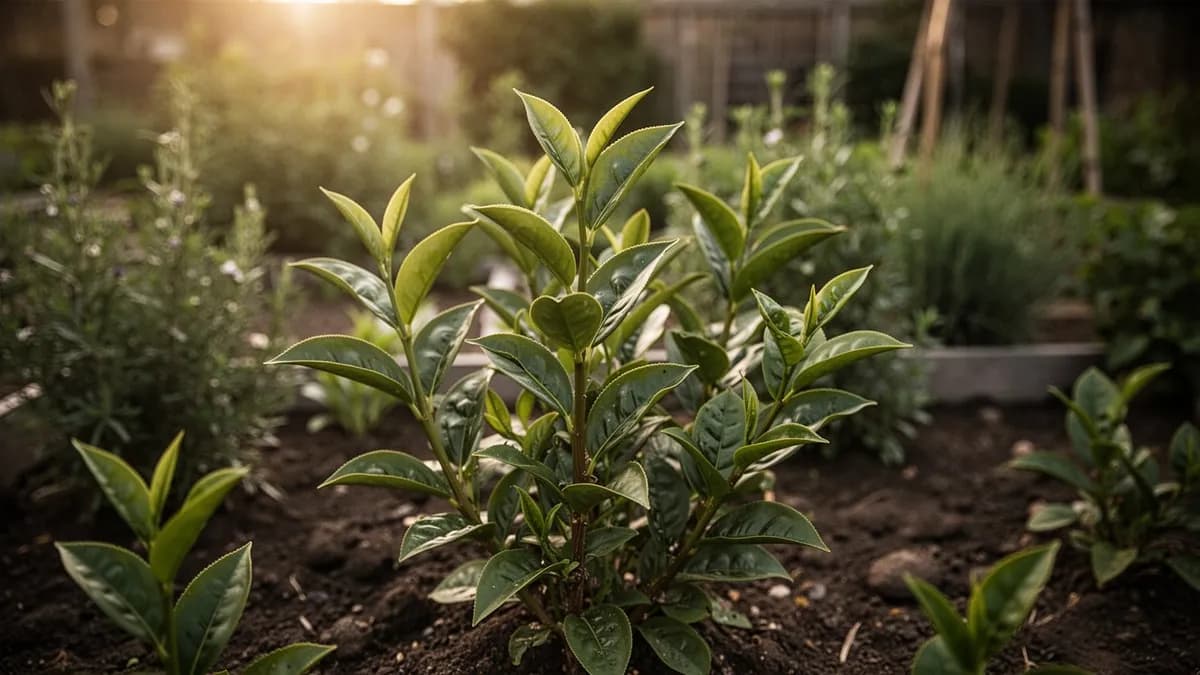
Süßholz ist eine winterharte, mehrjährige Hülsenfrucht, die im südlichen Europa und in Westasien beheimatet ist und seit Tausenden von Jahren wegen ihrer charakteristisch süßen Wurzeln angebaut wird. Die Pflanze wird etwa 1 Meter hoch und hat gefiederte Blätter sowie kurze Ähren mit blassblau-violetten Blüten. Sie breitet sich über unterirdische Ausläufer aus und kann recht hartnäckig werden, sobald sie etabliert ist – daher empfiehlt sich ein eigenes Beet oder die Verwendung von Wurzelbarrieren.
Pflanzen Sie Wurzelteilungen oder Rhizomstücke im Frühjahr mit einem Abstand von 45 cm in tiefgründigen, fruchtbaren, feuchtigkeitsspeichernden Boden. Süßholz braucht eine lange, warme Vegetationsperiode, um eine gute Wurzelentwicklung zu erzielen – mindestens 3–4 Jahre bis zur ersten Ernte. Gießen Sie während der Wachstumsperiode regelmäßig, da gleichmäßige Feuchtigkeit die süßesten und kräftigsten Wurzeln hervorbringt. Die Pflanze ist wie andere Hülsenfrüchte ein Stickstoffbinder und verbessert die Bodenfruchtbarkeit für benachbarte Pflanzen.
Süßholz ist erstaunlich winterhart, sobald es etabliert ist, und verträgt im Ruhezustand Temperaturen bis -15 °C. Der oberirdische Wuchs stirbt im Herbst ab und frische Triebe erscheinen im Frühjahr. Vermeiden Sie schwere Tonböden, die das Wurzelwachstum behindern – tiefer, sandiger Lehm ist ideal. Mulchen Sie im Frühjahr mit Kompost, um die Bodenfruchtbarkeit zu erhalten und die Feuchtigkeit bei heißem Wetter zu bewahren.
10 Pflanzen passen in ein Beet von 120 × 240 cm
Süßholzwurzel braucht 45 cm Platz pro Pflanze. Der Planer hält diesen Abstand für dich ein — jede Pflanze, jedes Beet.
Die besten Nachbarn für Süßholzwurzel
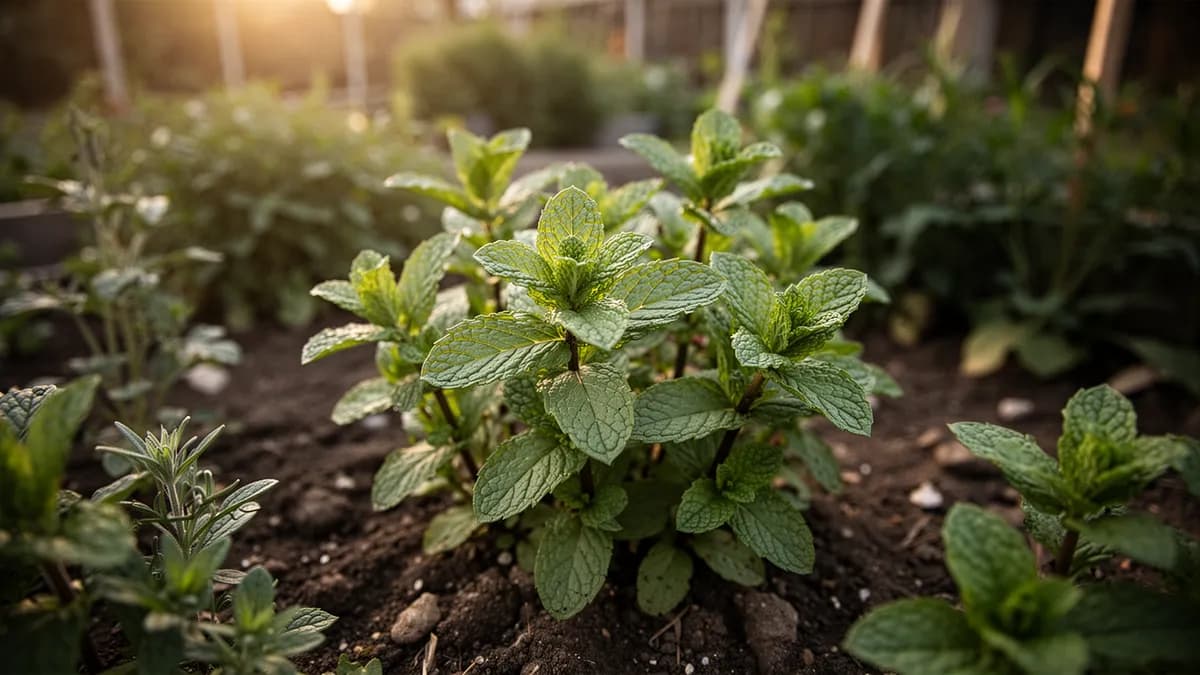
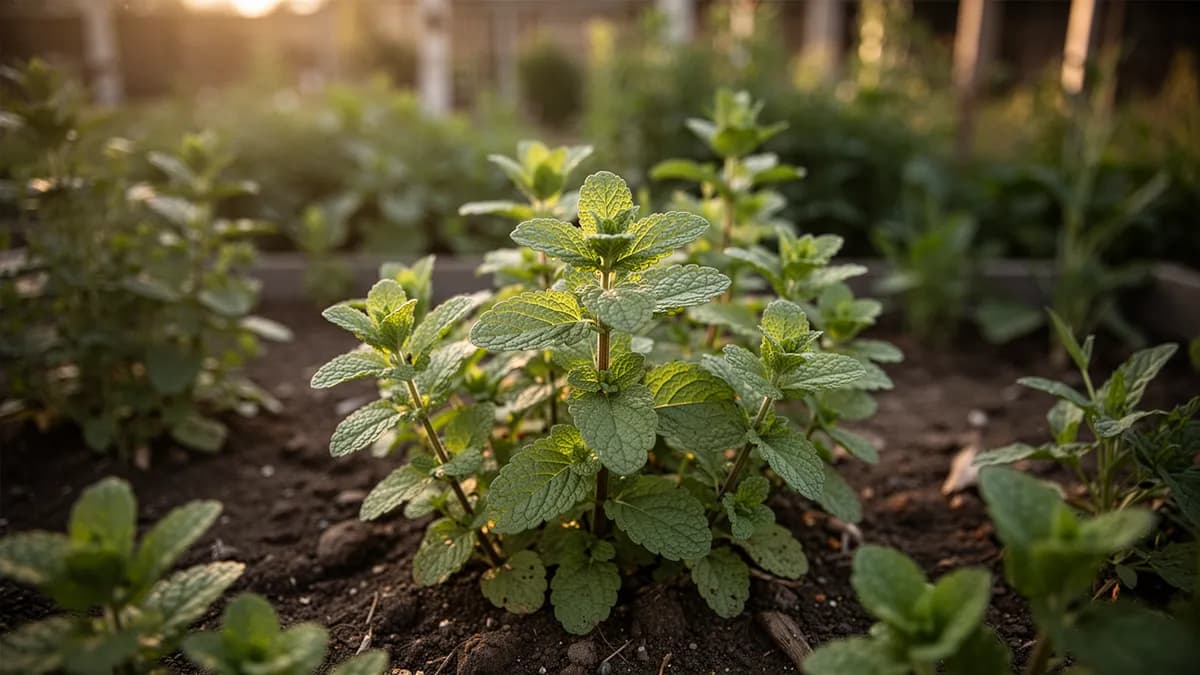
Als stickstoffbindende Hülsenfrucht reichert Süßholz den Boden für benachbarte Pflanzen an. Es wächst gut neben tiefwurzelnden Kräutern wie Beinwell und Eibischwurzel. Das ausgedehnte Wurzelsystem hilft, verdichteten Boden im Laufe der Zeit aufzulockern. Vermeiden Sie die Pflanzung neben flachwurzelnden Pflanzen, die von den kräftigen Ausläufern des Süßholzes überwuchert werden könnten. Der hohe Wuchs der Pflanze kann in heißen Klimazonen leichten Schatten für Unterpflanzungen wie Minze und Zitronenmelisse bieten.
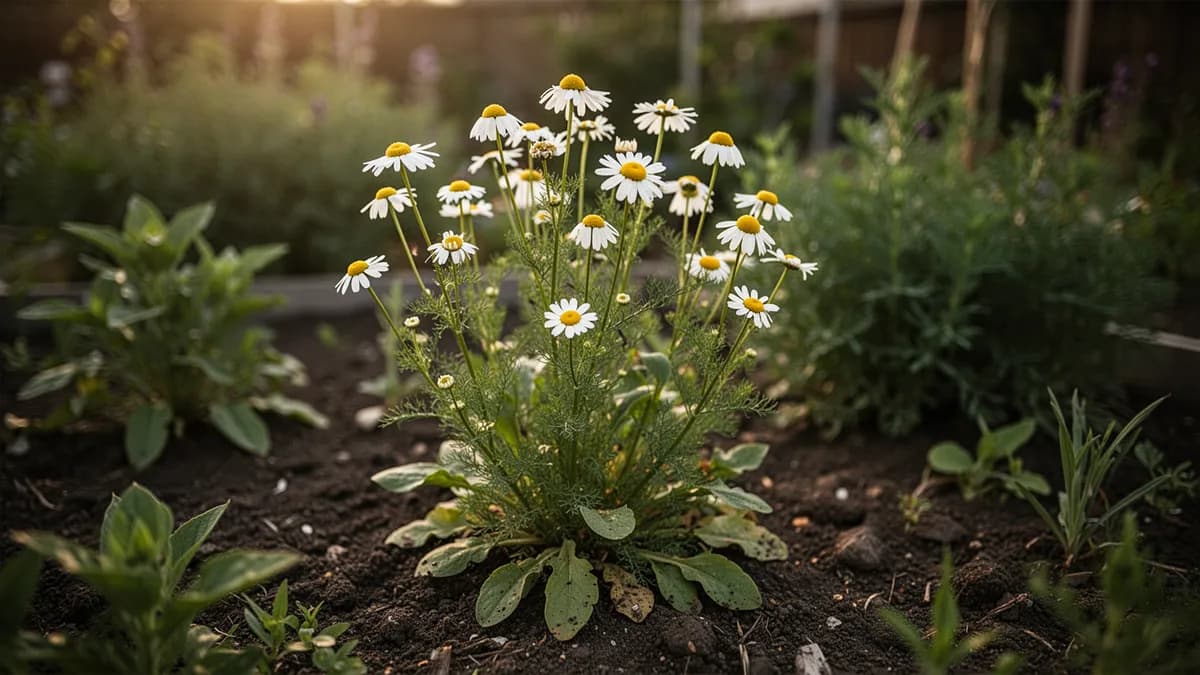
Kamille gehört daneben.
Altes Gärtnerwissen, geprüft an der echten Nachbartabelle von Süßholzwurzel — teste jede Pflanze, die du anbaust.
Probiere Süßholzwurzel direkt hier im Beet
Ein echtes Planer-Beet, Süßholzwurzel steht schon drin. Tippe einen Begleiter an, platziere ihn und sieh, wie die Nachbarschaftsprüfung antwortet — grün für gute Nachbarn, rot bei Streit.


Passende Anbau-Ratgeber
Richtig düngen
Süßholz gedeiht am besten in tiefgründigem, fruchtbarem, gut durchlässigem sandigem Lehm mit einem pH-Wert von 6,0–8,0. Der Boden muss mindestens 60 cm tief und frei von Steinen sein, um eine ordentliche Wurzelentwicklung zu ermöglichen. Als Hülsenfrucht bindet Süßholz atmosphärischen Stickstoff über Wurzelknöllchen, wodurch der Bedarf an Stickstoffdünger sinkt. Arbeiten Sie vor der Pflanzung gut verrotteten Kompost oder abgelagerten Mist ein und düngen Sie jährlich im Frühjahr mit Kompost nach. Vermeiden Sie stickstoffreiche Düngung, die das Blattwachstum auf Kosten der Wurzelsüße fördert. Geben Sie Phosphor und Kalium hinzu, um die Wurzelentwicklung zu unterstützen.
Ideale Temperatur
Winterhärtezone-Kompatibilität
Von der Saat zur Ernte, Schritt für Schritt
Samenkeimung und Austrieb
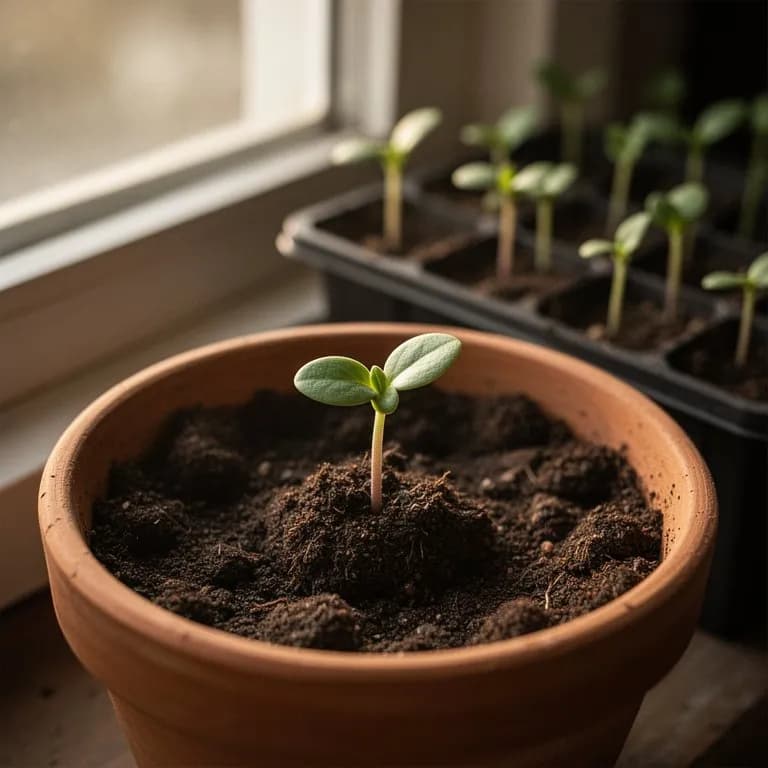
Süßholzsamen haben eine harte Außenschale, die vor der Aussaat durch Skarifizierung oder Einweichen in warmem Wasser für 24 Stunden behandelt werden muss. Die Keimung ist langsam und ungleichmäßig und dauert typischerweise 14 bis 21 Tage in warmem Boden bei 20–25 °C. Die Samen sollten 1–2 cm tief in gut durchlässige Anzuchterde gesät werden.
Sämlingsetablierung
Junge Süßholz-Sämlinge entwickeln ihre ersten gefiederten Blätter mit kleinen ovalen Blättchen. Das oberirdische Wachstum ist in dieser Phase langsam, da die Pflanze die Etablierung eines tiefen Pfahlwurzelsystems priorisiert. Die Sämlinge sind empfindlich und benötigen Schutz vor starkem Wind und intensiver direkter Sonneneinstrahlung.
Vegetatives Wachstum im ersten Jahr
Die Pflanze entwickelt ein buschiges, krautiges Blätterdach von 30–60 cm Höhe mit mehreren verzweigten Stängeln und gefiederten Blättern. Unterirdisch beginnt die Pfahlwurzel sich zu verdicken und seitliche Ausläufer breiten sich aus. Das Wurzelsystem wächst schnell, enthält aber noch keine nennenswerten Konzentrationen von Glycyrrhizin, der Verbindung, die für den süßen Geschmack verantwortlich ist.
Wachstum und Blüte im zweiten Jahr
Die Pflanzen wachsen in ihrer zweiten Saison kräftiger und erreichen 90–120 cm Höhe. Im Hochsommer erscheinen Blütenähren mit Büscheln kleiner violett-blauer, schmetterlingsförmiger Blüten. Das Wurzelsystem breitet sich weiter nach unten und seitlich durch Ausläufer aus, und der Glycyrrhizin-Gehalt beginnt deutlich zu steigen.
Ausgereifte Wurzelentwicklung
Im dritten Jahr ist das Wurzelsystem umfangreich und voll ausgereift, mit einer holzigen Pfahlwurzel, die 1–2 Meter tief reicht. Die Glycyrrhizin-Konzentration erreicht ihren Höhepunkt und die Wurzeln entwickeln ihren charakteristischen süßen Geschmack. Das oberirdische Wachstum ist kräftig und die Pflanze kann durch Ausläuferbildung eine beachtliche Kolonie bilden.
Etablierte Staudenphase
Einmal vollständig etabliert, ist Süßholz eine langlebige Staude, die über Jahrzehnte erntereife Wurzeln produzieren kann. Die Pflanze treibt jeden Frühling kräftig aus ihrem tiefen Wurzelsystem neu aus, und die Kolonie breitet sich allmählich aus. Wurzelqualität und Süße entwickeln sich weiter, wobei vier bis fünf Jahre alte Wurzeln als optimal im Geschmack gelten.
Ritzen Sie die Samenschale mit einer Feile an oder weichen Sie die Samen über Nacht in warmem Wasser ein, um die Keimrate zu verbessern. Halten Sie den Boden gleichmäßig feucht, aber nicht staunass. Eine Heizmatte auf 22 °C eingestellt beschleunigt die Keimung. Alternativ können Sie Wurzelteilungen für eine schnellere und zuverlässigere Etablierung verwenden.
Süßholzwurzel Monat für Monat pflegen
Was du jeden Monat für deine Süßholzwurzel tun solltest
Oktober
Aktueller MonatErnten Sie reife Wurzeln, nachdem das Laub abgestorben ist, indem Sie vorsichtig mit einer Grabegabel um die Wurzelzone graben. Waschen Sie die Wurzeln gründlich, schneiden Sie sie in Stücke und trocknen Sie sie in einem gut belüfteten Bereich. Teilen und pflanzen Sie Ausläufer, um neue Pflanzen zu etablieren.
Immer wissen, was jetzt im Garten zu tun ist
Eine E-Mail zum Monatsanfang: was du jetzt säen, pflanzen und anpacken solltest — für deine Süßholzwurzel und alles, was drumherum wächst. Dazu ein kurzer Startkurs, der dich vor den klassischen Fehlern bewahrt.
- Was jetzt zu tun ist
- Passend zu deiner Saison
- Startkurs inklusive
Süßholzwurzel ernten
Süßholzwurzeln benötigen mindestens drei Jahre Wachstum vor der Ernte, wobei vier Jahre die süßesten und kräftigsten Wurzeln hervorbringen. Ernten Sie im Spätherbst, nachdem das Laub abgestorben ist und die Süße der Wurzeln ihren Höhepunkt erreicht hat. Graben Sie vorsichtig mit einer Grabegabel, um die brüchigen Wurzeln nicht zu beschädigen, und arbeiten Sie mindestens 60 cm tief. Lassen Sie einige Wurzelstücke und Ausläufer im Boden, damit die Pflanzung sich regenerieren kann. Waschen Sie die Wurzeln gründlich und schneiden Sie sie in 10–15 cm lange Stücke zum Trocknen.
angenommen, du pflanzt zu Beginn des Zeitraums — trage dein tatsächliches Datum ein
Ernte Süßholzwurzel zügig, dann trägt die Pflanze weiter.
Lagerung & Konservierung
Waschen Sie die geernteten Wurzeln und schneiden Sie sie in gleichmäßige Stäbchen oder Scheiben für ein gleichmäßiges Trocknen. Trocknen Sie sie im Dörrautomaten bei 40–45 °C oder in einem warmen, gut belüfteten Raum für 2–3 Wochen, bis sie vollständig trocken und brüchig sind. Lagern Sie getrocknete Wurzelstücke in luftdichten Glasgefäßen an einem kühlen, dunklen Ort – sie behalten ihre Süße 2–3 Jahre lang. Für Tee schneiden Sie getrocknete Wurzeln in dünne Scheiben oder mahlen sie zu einem groben Pulver. Süßholzwurzeln können auch zu Sirup verarbeitet werden, indem man die Stücke in Wasser köchelt und einreduziert.
Was schiefgeht — und die Lösung
Rote Spinnmilbe
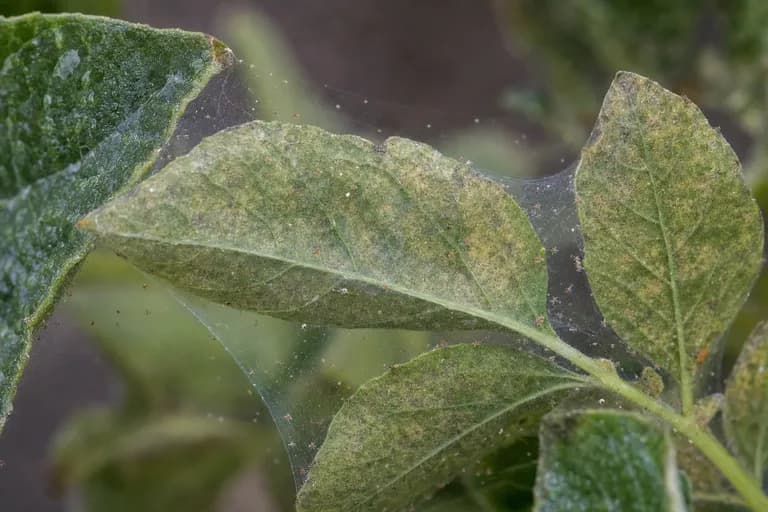
SchädlingFeine Gespinste auf den Blattunterseiten, gelblich-bronzefarbene Verfärbung der Blätter und verringerte Wuchskraft bei heißen, trockenen Bedingungen.
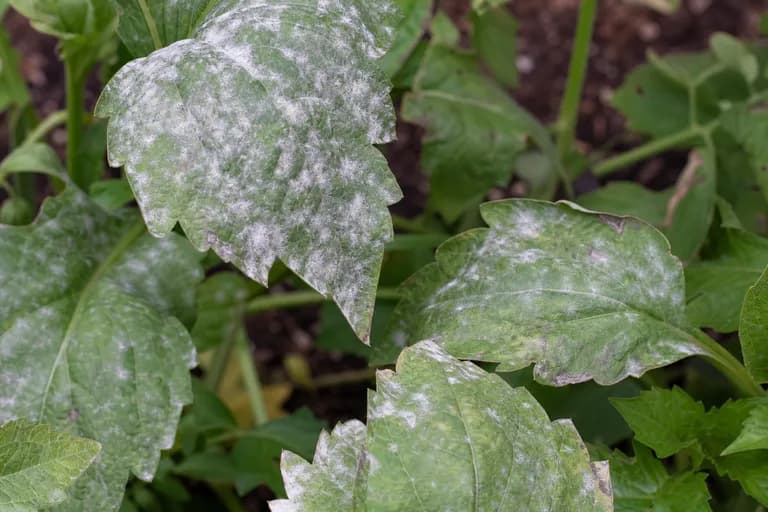
Echter Mehltau
KrankheitWeiße, pudrige Flecken auf Blättern und Stängeln, die typischerweise im Spätsommer auftreten, wenn die Tage warm und die Nächte kühl sind.
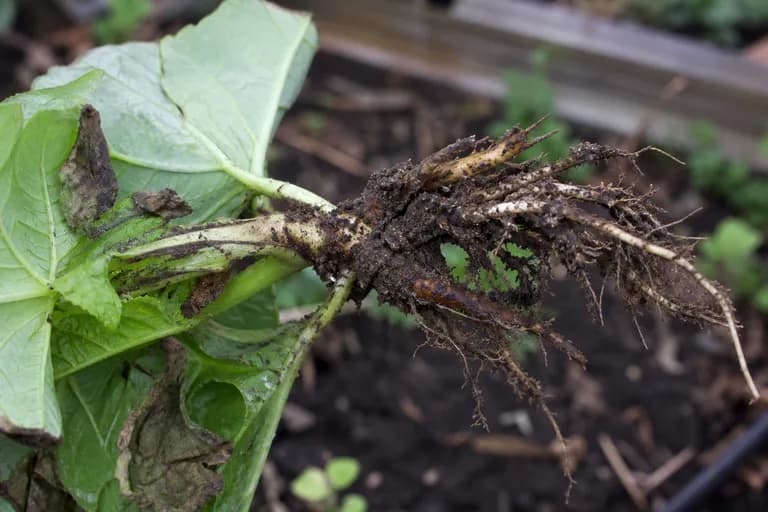
Wurzelfäule
KrankheitWelkende Pflanzen trotz ausreichender Feuchtigkeit, vergilbendes Laub und dunkle, weiche Wurzeln beim Ausgraben. Oft verursacht durch Staunässe.
Fehlerbehebung bei häufigen Problemen
Die häufigste Frustration ist die lange Wartezeit bis zur Ernte – drei bis vier Jahre sind eine erhebliche Investition. Markieren Sie Ihr Süßholzbeet deutlich, damit es nicht versehentlich gestört wird. Ausbreitende Ausläufer können Süßholz invasiv machen; installieren Sie Wurzelbarrieren oder pflanzen Sie in tiefen Hochbeeten, um es einzudämmen. Schwache Wurzelentwicklung deutet meist auf verdichteten oder flachen Boden hin – graben Sie die Beete vor der Pflanzung doppelt um. In kühlen Klimazonen mit kurzen Sommern können die Wurzeln weniger süß sein; wählen Sie den geschütztesten, sonnigsten Standort.
Anbautipps
- Skarifizieren Sie Süßholzsamen, indem Sie die harte Außenschale vorsichtig mit einer kleinen Feile oder Schmirgelpapier anritzen, bevor Sie sie 24 Stunden in warmem Wasser einweichen. Dies bricht die Samenruhe und kann die Keimrate von unter 20 % auf über 70 % verbessern.
- Wählen Sie einen dauerhaften Pflanzstandort mit tiefgründigem, sandigem Lehmboden und voller Sonne bis leichtem Halbschatten. Süßholz entwickelt ein ausgedehntes Wurzelsystem, das 1–2 Meter tief reicht – vermeiden Sie daher Bereiche mit verdichtetem Unterboden, hohem Grundwasserspiegel oder flachem Felsuntergrund.
- Pflanzen Sie Wurzelteilungen oder Ausläufer im Frühjahr horizontal in einer Tiefe von 10–15 cm für die schnellste Etablierung. Jede Teilung sollte mindestens eine Wachstumsknospe oder ein Auge haben. Diese Methode bringt ein bis zwei Jahre schneller erntereife Pflanzen hervor als die Aussaat.
- Installieren Sie Wurzelbarrieren aus dickem Kunststoff oder Metall-Rasenkanten, die mindestens 60 cm tief eingegraben werden, rund um die Pflanzfläche, um zu verhindern, dass sich Süßholz über unterirdische Ausläufer aggressiv in unerwünschte Gartenbereiche ausbreitet.
- Gießen Sie einmal etabliert gründlich, aber selten, und lassen Sie den Boden zwischen den Wassergaben abtrocknen. Süßholz ist dank seines tiefen Pfahlwurzelsystems überraschend trockenheitstolerant und produziert bei leicht trockenen Bedingungen sogar höhere Glycyrrhizin-Konzentrationen.
- Vermeiden Sie starke Stickstoffdüngung, die übermäßiges Blattwachstum auf Kosten der Wurzelentwicklung fördert. Geben Sie stattdessen eine leichte jährliche Kompost- oder gut verrottete Mistgabe im zeitigen Frühjahr und überlassen Sie den stickstoffbindenden Wurzelknöllchen den Rest.
- Mulchen Sie im Spätherbst großzügig mit Stroh oder Holzhäckseln, um den Wurzelstock in kälteren Regionen vor Winterschäden zu schützen. Entfernen Sie den Mulch im Frühjahr schrittweise, wenn neue Triebe erscheinen, um die empfindlichen Wachstumspunkte nicht zu ersticken.
- Warten Sie mindestens drei volle Vegetationsperioden, bevor Sie Ihre erste Wurzelernte versuchen. Zu früh geerntete Wurzeln sind dünn, holzig und es fehlt ihnen die konzentrierte Süße und die wertvollen Inhaltsstoffe, die sich erst mit der Reife entwickeln.
- Ernten Sie Wurzeln im Spätherbst, nachdem das Laub vollständig abgestorben ist, wenn die Glycyrrhizin-Konzentration ihren saisonalen Höhepunkt erreicht hat. Verwenden Sie eine Grabegabel, um den Boden rund um die Wurzelzone vorsichtig zu lockern, und heben Sie die Wurzeln behutsam an, um ein Abbrechen der Pfahlwurzel zu vermeiden.
- Trocknen Sie geerntete Wurzeln, indem Sie sie in 5–10 mm dicke Scheiben schneiden und auf Gittern in einem warmen, gut belüfteten Bereich ohne direkte Sonneneinstrahlung für 7–14 Tage ausbreiten. Richtig getrocknete Wurzeln sollten beim Biegen sauber brechen und können in luftdichten Behältern bis zu drei Jahre gelagert werden.
Bau deine beste Süßholzwurzel an — und alles drumherum.
Starte heute kostenlos. Lege deine Beete an, setze deine Süßholzwurzel ein und lass PlotMyGarden Timing, Abstände, Begleiter und Erinnerungen von der Saat bis zum Erntekorb übernehmen.
Finde deine Süßholzwurzel
Glycyrrhiza glabra var. typica
Das spanische oder italienische Standardsüßholz mit der süßesten Wurzel – die wichtigste kommerzielle Sorte weltweit.
Glycyrrhiza glabra var. glandulifera
Russisches Süßholz mit etwas weniger süßen Wurzeln, aber größerer Winterhärte, geeignet für nördliche Gärten.
Glycyrrhiza uralensis
Chinesisches Süßholz, die in der traditionellen chinesischen Medizin verwendete Sorte, mit einem leicht unterschiedlichen Geschmacksprofil, das in der asiatischen Kräuterkunde geschätzt wird.
Glycyrrhiza glabra var. violacea
Persisches Süßholz mit attraktiven violetten Blüten, das sowohl als Zierpflanze als auch zur Wurzelernte angebaut wird.
Eine einzelne etablierte Süßholzpflanze kann pro Erntezyklus alle 3–4 Jahre 200–500 g getrocknete Wurzeln produzieren, wobei die Pflanze nach der Reifung über Jahrzehnte weiter Ertrag liefert. Getrocknete Süßholzwurzel wird in Bioläden und Kräuterfachgeschäften für 15–30 € pro 100 g verkauft, was bedeutet, dass eine gut gepflegte Pflanze pro Ernte 30–150 € einsparen kann. Da sich Süßholz über unterirdische Ausläufer ausbreitet, kann eine einzige Startpflanze, die 8–15 € kostet, innerhalb von fünf Jahren ohne zusätzliche Investition über die grundlegende Gartenpflege hinaus zu einer produktiven Kolonie von 5–10 erntefähigen Pflanzen heranwachsen.
Schnelle Rezepte

Klassischer Süßholzwurzeltee
15 Min.Ein beruhigender und natürlich süßer Kräutertee aus getrockneter Süßholzwurzel, perfekt für kalte Abende oder als sanfte Verdauungshilfe nach dem Essen. Die Wurzel gibt ihren süßen Geschmack langsam beim Köcheln ab und ergibt einen goldamberfarbenen Aufguss mit einer reichen, milden Süße, die keinen zusätzlichen Zucker benötigt.
5 Zutaten
Süßholzwurzel-Honig-Halswohltat
20 Min.Eine traditionelle Kräuterzubereitung, die die reizlindernden Eigenschaften der Süßholzwurzel mit rohem Honig zu einem beruhigenden Sirup für raue Kehlen und saisonale Beschwerden kombiniert. Dieser einfache Absud wird seit Jahrhunderten in der Volksmedizin Europas und Asiens verwendet.
6 Zutaten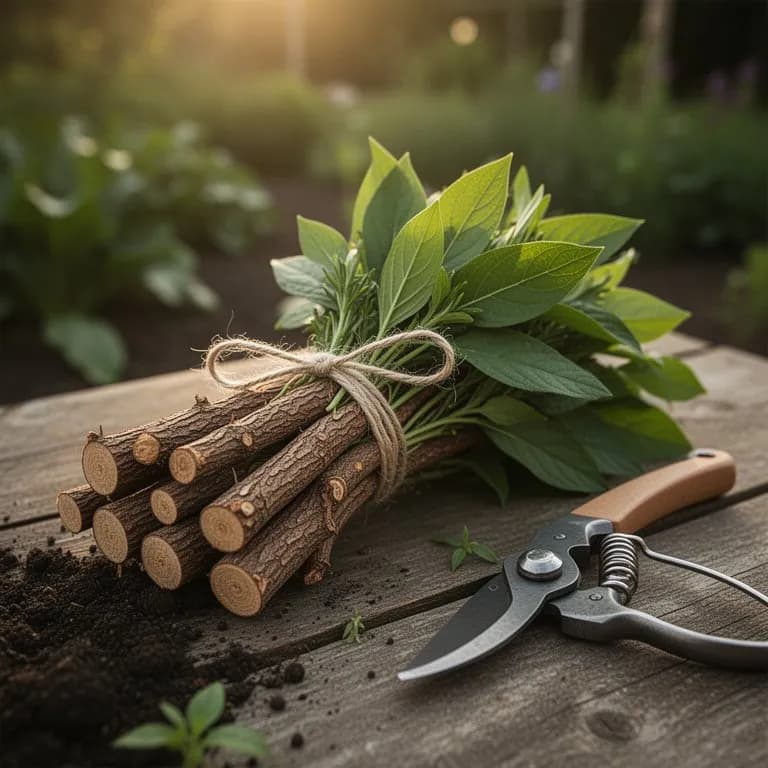
Süßholz-Gewürz-Pochierte Birnen
30 Min.Ein elegantes und aromatisches Dessert mit ganzen Birnen, pochiert in einem duftenden Süßholzwurzel-Gewürzsirup. Die natürliche Süße der Süßholzwurzel ergänzt den zarten Birnengeschmack wunderbar und ergibt ein raffiniertes, aber einfaches Gericht, das dieses uralte Kraut in einem modernen kulinarischen Kontext präsentiert.
7 ZutatenKulinarische Verwendung
Süßholzwurzel wird hauptsächlich als Teezutat verwendet, entweder allein oder gemischt mit anderen Kräutern. Sie harmoniert wunderbar mit Pfefferminze, Kamille und Ingwer in beruhigenden Mischungen. Die Wurzel verleiht Tee eine natürliche Süße ohne Zucker. In der Küche aromatisiert Süßholzwurzel Süßwaren, Eiscreme und Backwaren. Kleine Stücke können als natürlicher Atemerfrischer gekaut werden. Die Wurzel wird auch zur Herstellung traditioneller Lakritzebonbons und Aromaextrakte verwendet.
Was drinsteckt
Gesundheitsvorteile
- Enthält Glycyrrhizin und Glycyrrhizinsäure, die in einigen Studien signifikante entzündungshemmende Wirkungen vergleichbar mit Hydrocortison zeigen und potenziell bei der Beruhigung gereizter Schleimhäute und Gelenkbeschwerden helfen können
- Wird traditionell als reizlinderndes und schleimlösendes Mittel zur Unterstützung der Atemwegsgesundheit eingesetzt und hilft, Halsschmerzen zu lindern, Husten zu mildern und das Abhusten von Schleim aus den Atemwegen zu fördern
- Reich an Flavonoiden wie Liquiritin und Isoliquiritin, die antioxidative Aktivität aufweisen, Zellen vor oxidativem Stress schützen und die allgemeine Zellgesundheit unterstützen
- Enthält Glabridin, eine einzigartige Isoflavon-Verbindung, die in der Forschung vielversprechende magenschützende Eigenschaften gezeigt hat und die Gesundheit der Magenschleimhaut sowie den Verdauungskomfort unterstützt
- Kann die Nebennierenfunktion unterstützen und dem Körper helfen, sich an Stress anzupassen, indem es den Cortisol-Stoffwechsel beeinflusst – mit traditioneller Anwendung sowohl in der ayurvedischen als auch in der chinesischen Medizin als adaptogenes Kraut
- Zeigt in Laborstudien antimikrobielle Eigenschaften gegen verschiedene Bakterien und Viren und wird traditionell als Mundspülung zur Unterstützung der Mundgesundheit und zur Reduzierung des Bakterienwachstums eingesetzt
Woher Süßholzwurzel stammt
Süßholz (Glycyrrhiza glabra) stammt aus dem Mittelmeerraum, Südrussland und Westasien, wobei sein Hauptursprungszentrum in den Flusstälern des heutigen Irak, der Türkei und des Iran vermutet wird. Die Pflanze wird seit mindestens 4.000 Jahren als Heilmittel und Aromastoff verwendet und ist damit eines der ältesten dokumentierten pflanzlichen Heilmittel der Menschheitsgeschichte. Altumerische Tontafeln aus etwa 2100 v. Chr. enthalten Hinweise auf Süßholz als Heilpflanze, und es war ein fester Bestandteil der Arzneimittelkunde des antiken Assyriens und Babylons. Die Ägypter bauten Süßholz umfangreich an, und es erscheint im berühmten Papyrus Ebers von 1550 v. Chr., einem der ältesten erhaltenen medizinischen Texte, als Mittel gegen Atemwegserkrankungen. Griechische und römische Ärzte wie Theophrast, Dioskurides und Plinius der Ältere schrieben ausführlich über die Pflanze, wobei der griechische Name Glycyrrhiza wörtlich süße Wurzel bedeutet. Alexander der Große soll seine Truppen bei langen Märschen mit Süßholzwurzel versorgt haben, um den Durst zu stillen und Energie zu spenden. Vom Mittelmeerraum aus verbreitete sich der Süßholzanbau über die Seidenstraße ostwärts nach China, wo es unter dem Namen Gan Cao, was süßes Kraut bedeutet, zu einem der am häufigsten verschriebenen Kräuter der traditionellen chinesischen Medizin wurde. Im mittelalterlichen Europa kultivierten Dominikanermönche Süßholz in Klostergärten in England, Spanien und Italien, und die Stadt Pontefract in Yorkshire wurde ab dem 17. Jahrhundert für ihren Süßholzanbau und die Herstellung der Pontefract-Kuchen berühmt. Spanische Konquistadoren und englische Kolonisten brachten Süßholz im 16. und 17. Jahrhundert nach Amerika. Heute wird Glycyrrhiza glabra kommerziell in der Türkei, im Iran, in China, Italien und Spanien angebaut und bleibt eine der am weitesten verbreiteten pflanzlichen Zutaten in traditionellen Medizinsystemen und der modernen Lebensmittel- und Pharmaindustrie weltweit.
Süßholzwurzel: Schon gewusst?
Faszinierende Fakten über Süßholzwurzel
Süßholzwurzel ist schätzungsweise 30- bis 50-mal süßer als Haushaltszucker, dank der Verbindung Glycyrrhizin, und enthält dabei praktisch keine Kalorien – damit ist sie einer der wirkungsvollsten natürlichen Süßstoffe der Natur.
Süßholzwurzel: Fragen & Antworten
Wann sollte ich Süßholzwurzel pflanzen?
Was sind gute Begleitpflanzen für Süßholzwurzel?
In welchen Winterhärtezonen kann Süßholzwurzel wachsen?
Wie viel Sonne braucht Süßholzwurzel?
Welchen Abstand sollte ich zwischen Süßholzwurzel lassen?
Welche Schädlinge und Krankheiten befallen Süßholzwurzel?
Wie lagere ich Süßholzwurzel nach der Ernte?
Was sind die besten Süßholzwurzel-Sorten zum Anbauen?
Welchen Boden braucht Süßholzwurzel?
Wie lange dauert es, bis ich Süßholzwurzel ernten kann?
Wird sich Süßholzwurzel ausbreiten und in meinem Garten invasiv werden?
Kann ich Süßholzwurzel in einem kalten Klima anbauen?
Ist der regelmäßige Verzehr von Süßholzwurzel unbedenklich?
Was ist der Unterschied zwischen Süßholzwurzel und Anis oder Sternanis?
Wie trockne und lagere ich geerntete Süßholzwurzel richtig?
Du hast die Theorie gelesen. Jetzt baue sie auf Autopilot an.
Alles, was Süßholzwurzel knifflig macht — das Timing, die Abstände, die Begleiter, das Erntefenster — genau das übernimmt PlotMyGarden für dich, für jede Pflanze im Garten.
Ein Plan, der dein Wetter kennt
Standort einmal festlegen. Aussaat-, Dünge- und Erntedaten rund um deinen echten letzten Frosttermin und die Live-Vorhersage — kein Raten mehr nach Saattüte.
Aus dem Abschnitt „Pflanzzeit“Beetplaner per Drag & Drop
Beete auf einem Raster gestalten. Jede Pflanze rastet im richtigen Abstand ein, und du siehst die ganze Saison, bevor du einen Cent für Saatgut ausgibst.
Aus dem Abschnitt „Anbau“Begleiter-Konflikte früh erkannt
Über 200 gute und schlechte Kombinationen werden beim Pflanzen live geprüft — so landet ein saisonruinierender Fehler nie in der Erde.
Aus dem Abschnitt „Begleiter“Erinnerungen, nach denen du wirklich handelst
„Gieß die Bohnen.“ „Heute ernten, bevor's umschlägt.“ Pünktlich, konkret und auf deine echten Pflanzen bezogen.
Aus dem Abschnitt „Ernte“Staffel-Aussaat, geplant
Sechs Wochen ernten statt sechs Tage? Die App verteilt deine Aussaaten automatisch und erinnert dich, wenn der nächste Satz fällig ist.
Aus dem Abschnitt „Pflanzzeit“Ein Verlauf, der schlauer wird
Jede protokollierte Ernte bringt der App deinen Garten bei. Der Plan fürs nächste Jahr startet bei dem, was in deinem Boden wirklich funktioniert hat.
Aus dem Abschnitt „Überblick“Pflanze diese neben Süßholzwurzel
Weitere Teekräuter
Bau deine beste Süßholzwurzel an — und alles drumherum.
Starte heute kostenlos. Lege deine Beete an, setze deine Süßholzwurzel ein und lass PlotMyGarden Timing, Abstände, Begleiter und Erinnerungen von der Saat bis zum Erntekorb übernehmen.