Lemongrass
A tropical grass producing thick, aromatic stalks essential in Thai, Vietnamese, and Indonesian cuisine.





On this pageOverview
Meet Lemongrass
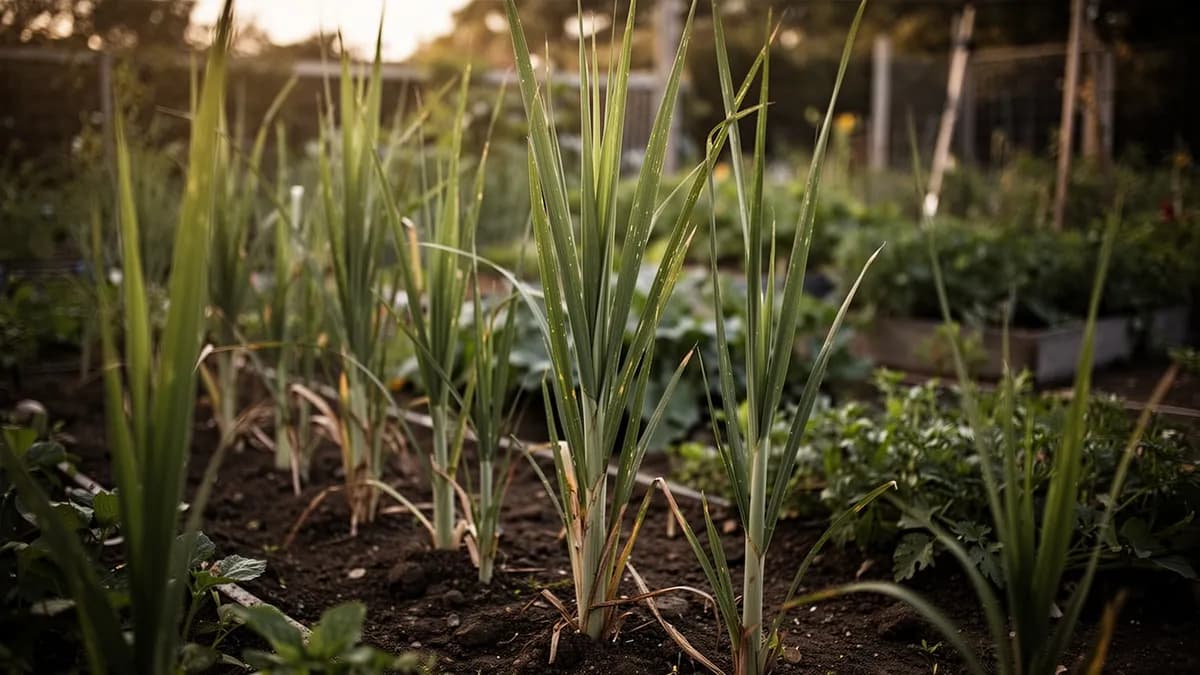
A tropical grass producing thick, aromatic stalks essential in Thai, Vietnamese, and Indonesian cuisine. The white, fleshy base of the stalk is bruised and added to curries, soups, and teas for its bright citrus flavor. Plants form large clumps of graceful, arching leaves that also make an attractive ornamental grass. In frost-prone areas, grow in containers and bring indoors in winter, or harvest stalks and freeze for year-round use.
When to plant Lemongrass
While lemongrass can be grown from seed, it is much easier and faster to propagate from store-bought stalks. Choose fresh stalks with the base intact and place them in a glass of water in a sunny window. Change the water every few days and roots should appear within one to three weeks. Once roots are at least two inches long, transplant into a pot with rich potting mix. If starting from seed, sow indoors eight to ten weeks before the last frost. Seeds need light to germinate, so press them onto the surface of moist seed-starting mix without covering.
Your Lemongrass Year
Composed for Zone 7 · typical seasons · frost passes Apr 2, returns Nov 1
Plant Lemongrass Apr – Jun, pick Jul – Oct. Check the planting methods below and set your climate to personalize these windows.
How to grow Lemongrass
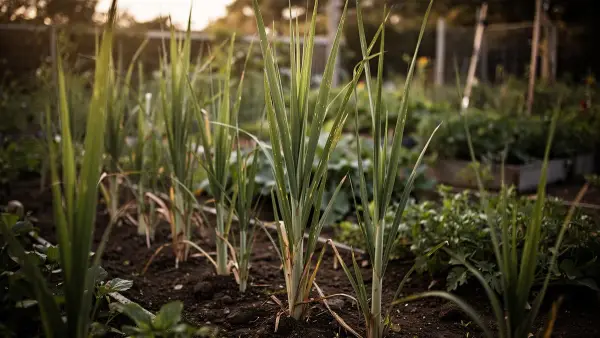
Lemongrass is a tropical perennial that thrives in warm, humid conditions with full sun and rich, well-drained soil. Start from store-bought stalks by placing them in a glass of water on a sunny windowsill until roots develop, typically within two to three weeks. Once roots are two inches long, transplant into pots or directly into the garden after all danger of frost has passed.
Space plants 24 inches apart in fertile soil amended with compost. Water regularly to keep soil consistently moist but not waterlogged. Lemongrass is a heavy feeder and benefits from monthly applications of nitrogen-rich fertilizer during the growing season. In containers, use a large pot of at least five gallons and feed every two weeks with liquid fertilizer.
In zones below 8, grow lemongrass as an annual or in containers that can be brought indoors before the first frost. Cut plants back to six inches tall in fall and overwinter in a cool, bright location with minimal watering. Plants will regrow vigorously from the base once returned outdoors in spring. In tropical climates, lemongrass grows year-round and can reach six feet tall.
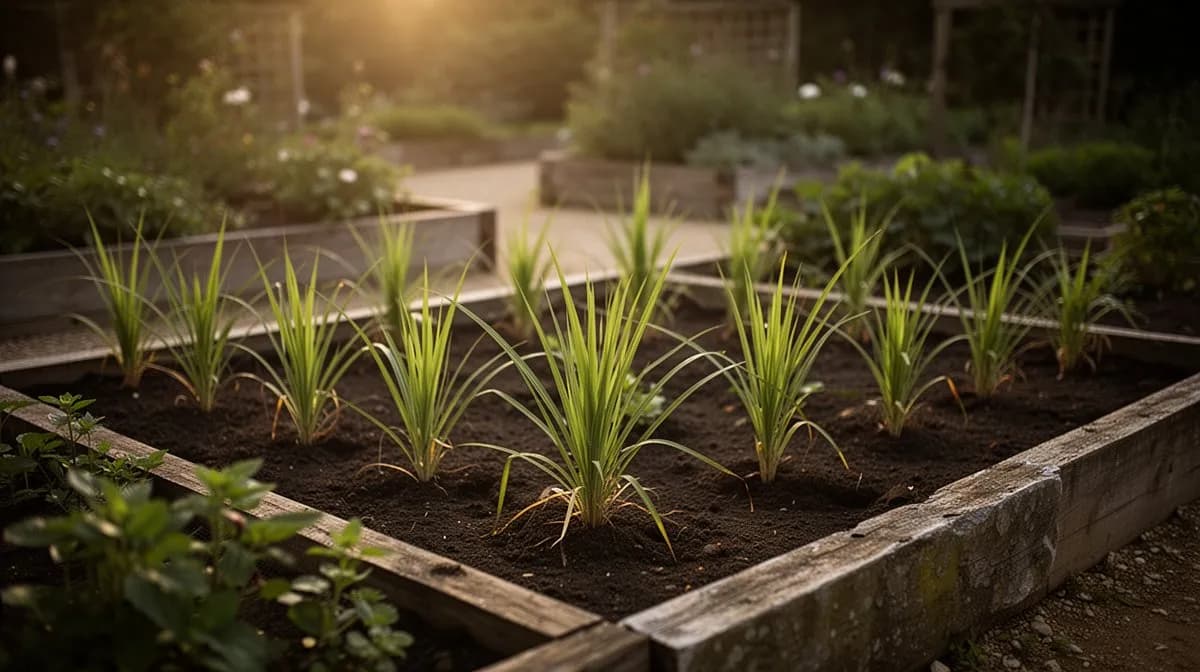
8 plants fit a 4 × 8 ft bed
Each Lemongrass wants 60 cm of elbow room. The planner keeps that spacing for you — every plant, every bed.
Lemongrass's best neighbours
Lemongrass is an excellent companion plant due to its strong citrus scent, which helps repel mosquitoes, whiteflies, and other flying pests. Plant it near tomatoes, peppers, and other vegetables that are susceptible to aphids and whiteflies. It grows well alongside other tropical herbs like ginger, turmeric, and galangal. Lemongrass also works as a natural border plant, as its dense clumping habit helps define garden beds and suppress weeds along edges.
Tomato belongs beside it.
Old growers' knowledge, checked against Lemongrass's real companion table below — test any plant you're growing.
Try Lemongrass in a bed — right here
A real planner bed with Lemongrass already in it. Tap a companion to place it and watch the pairing checks answer — green for good neighbours, red for a clash.


Related growing guides
Feed it well
Lemongrass prefers rich, loamy soil with a pH between 6.0 and 7.0. Amend planting areas with generous amounts of compost or well-rotted manure before planting. The soil should drain well but retain moisture consistently. Apply a nitrogen-rich fertilizer monthly during the growing season, or use a balanced slow-release fertilizer at planting time. In containers, use a high-quality potting mix and feed every two weeks with liquid fertilizer. Mulch around plants to conserve moisture and suppress weeds.
Ideal Temperature
Hardiness Zone Compatibility
From seed to harvest, stage by stage
Division & Planting
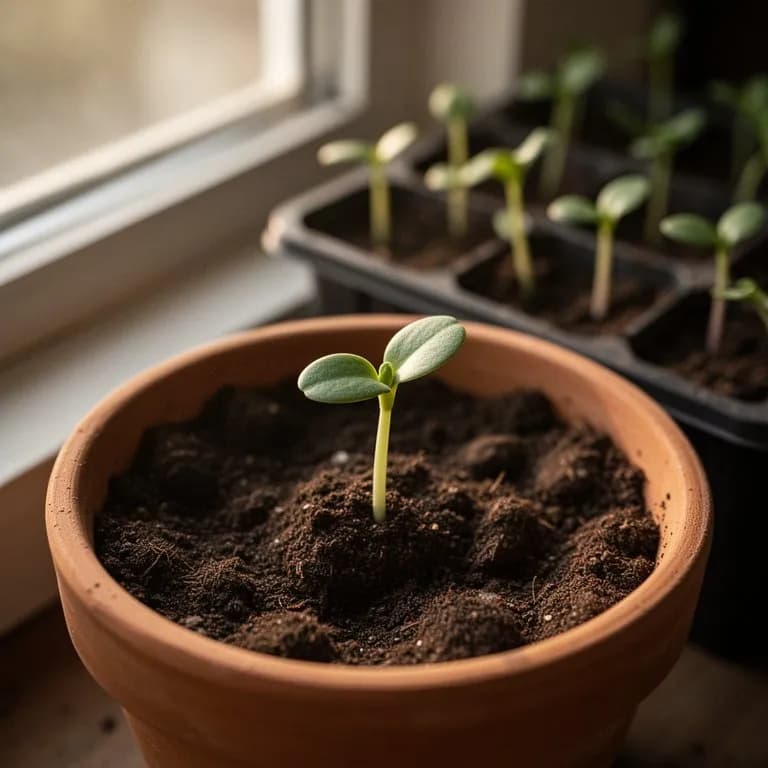
Lemongrass is almost always propagated by division or from store-bought stalks rather than seed. Fresh stalks placed in water develop white roots within 1-2 weeks. Divisions from established clumps already have roots and begin growing immediately in warm soil. The base of the stalk swells slightly as new root tissue forms.
Establishment
New green shoots emerge from the base of each planted stalk as the root system expands. Leaves grow rapidly in warm conditions, reaching 30-40 cm within the first month. The plant begins to tiller, sending up additional shoots from the base to form the characteristic clumping habit.
Vegetative Growth
The clump expands rapidly in warm weather, producing new tillers from the base every few weeks. Leaves become long, arching blades 60-100 cm in length with sharp edges and a strong lemon scent when crushed. The white, bulbous stalk bases thicken as the plant stores energy.
Mature Clump
The plant reaches full size, forming a dense fountain-shaped clump 90-150 cm tall and 60-90 cm wide. Individual stalks have thick, fleshy white bases 1.5-2.5 cm in diameter — the primary culinary part. In tropical climates, lemongrass may produce feathery seed heads, but this is rare in temperate gardens.
Ongoing Harvest
The clump continues producing new stalks throughout the warm season. In tropical and subtropical climates, lemongrass is a perennial that can be harvested year-round. In temperate zones, harvest intensifies before the first frost, when the entire plant can be cut back and stalks stored.
Place store-bought stalks in a jar of water on a sunny windowsill, changing water every 2 days. Once roots reach 3-5 cm, transplant into warm soil. Divisions should be planted 5 cm deep with the crown just above the soil line.
Caring for Lemongrass month by month
What to do each month for your Lemongrass
October
You are hereIn zones 8 and below, harvest all remaining stalks before the first frost. Cut the clump back to 10-15 cm and dig up roots for indoor overwintering, or compost the plant and start fresh next spring. In warm zones, lemongrass continues growing.
Know exactly what to do in your garden — every month
One email at the start of each month: what to sow, plant, and tackle right now — for your Lemongrass and everything growing around it. Plus a short starter course that helps you dodge the classic mistakes.
- What to do, right now
- Matched to your season
- Starter course included
Harvesting Lemongrass
Harvest lemongrass stalks when they are at least half an inch thick at the base, typically three to four months after planting. Cut or twist individual stalks from the outer edges of the clump at ground level. The most flavorful portion is the lower four to six inches of the white, bulbous base. Peel away the tough outer layers to reveal the tender inner core. Harvest regularly to encourage new growth from the center of the clump. Plants can be harvested throughout the growing season once well established.
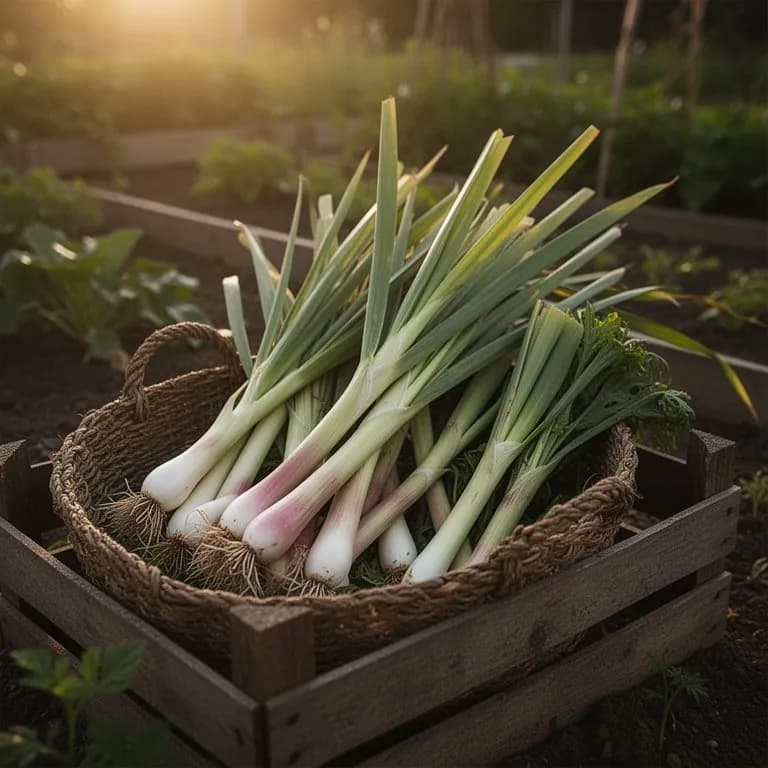
assuming you plant when the window opens — set your real date
Pick Lemongrass promptly and the plant keeps producing.
Storage & Preservation
Fresh lemongrass stalks will keep in the refrigerator for two to three weeks wrapped loosely in a damp paper towel and placed in a plastic bag. For longer storage, trim stalks to six-inch lengths, wrap tightly in plastic wrap, and freeze for up to six months. Frozen stalks can be used directly in cooking without thawing. Lemongrass can also be dried by slicing thinly and dehydrating, though dried lemongrass has a milder flavor than fresh. The leaves can be dried for tea.
What goes wrong — and the fix
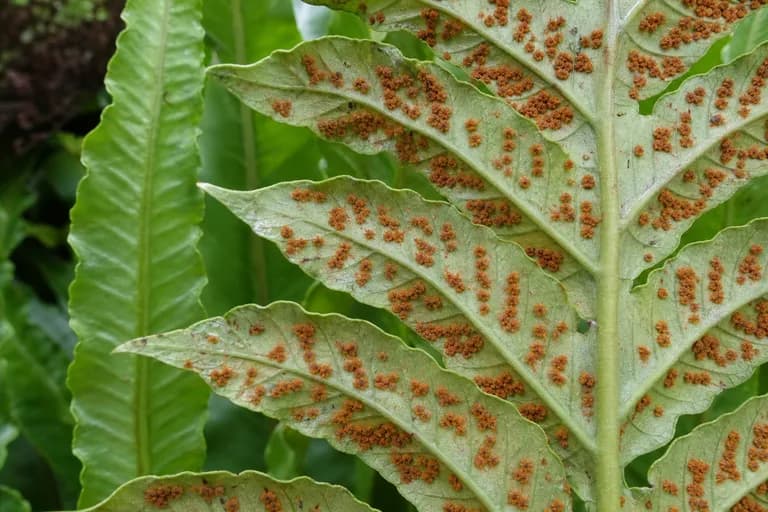
Rust Fungus
DiseaseOrange-brown pustules on leaves, starting as small spots and spreading to cover large areas of foliage.
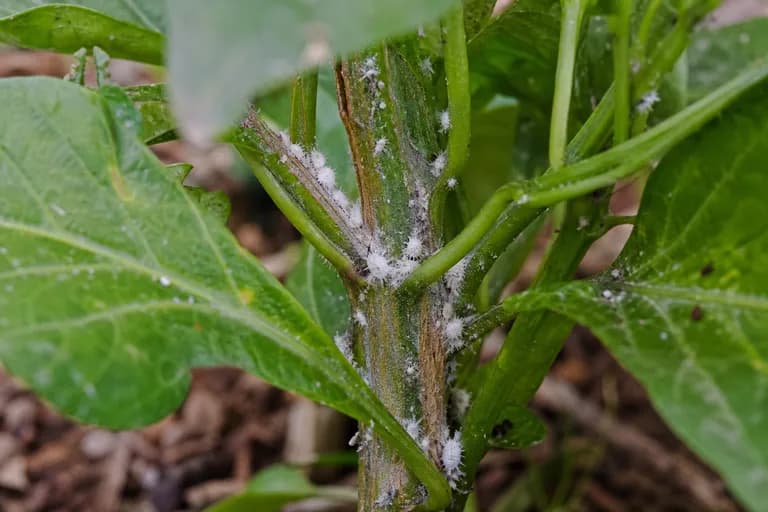
Mealybugs
PestWhite, cottony masses at the base of leaves and between leaf sheaths. Yellowing and stunted growth.
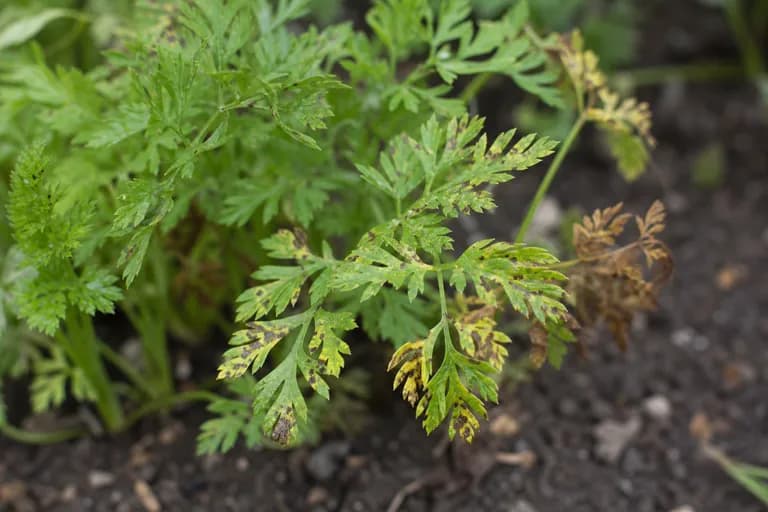
Leaf Blight
DiseaseBrown to tan lesions on leaves that expand rapidly in warm, wet conditions. Leaves may die back from the tips.
Troubleshooting Common Problems
The most common issue with lemongrass is cold sensitivity, as plants will die at temperatures below 20 degrees Fahrenheit. In marginal climates, forgetting to bring container plants indoors before frost is a frequent cause of loss. Overwatering can lead to root rot, especially in heavy soils or during winter dormancy. Plants grown indoors may become leggy and pale without sufficient light. Spider mites can be problematic on indoor plants during winter months when air is dry.
Growing Tips
- Start from store-bought stalks rather than seed for the fastest results. Choose the freshest stalks with intact bases — trim the tops to 10 cm, place in a jar of water in a sunny spot, and change the water every 2 days. Roots appear in 1-2 weeks.
- Full sun and heat are non-negotiable. Lemongrass needs a minimum of 6-8 hours of direct sunlight daily and warm soil to thrive. In cool climates, grow against a south-facing wall or in large dark-colored containers that absorb heat.
- Rich, well-draining soil amended with generous compost produces the thickest, most aromatic stalks. Lemongrass is a heavy feeder that responds dramatically to monthly applications of nitrogen-rich fertilizer during the growing season.
- Water deeply but allow the top 2-3 cm of soil to dry between waterings. While lemongrass needs consistent moisture for best growth, waterlogged soil causes root rot. Established plants are moderately drought-tolerant but produce fewer stalks under dry stress.
- Always harvest from the outside of the clump inward. Grip the stalk near the base, twist, and pull firmly — it should release from the clump with roots attached. This method stimulates new tiller production from the center of the clump.
- In zones 8 and below, plan for overwintering before frost arrives. Dig up a small division, pot it in well-draining mix, and place in the brightest indoor window you have. Water sparingly through winter — the goal is survival, not growth.
- Lemongrass makes an excellent companion plant for vegetables. Its strong citrus scent repels whiteflies, aphids, and mosquitoes, while its dense root system does not compete aggressively with neighboring plants.
- Cut back the entire clump to 15-20 cm once per year in early spring (or after bringing indoors for winter). This removes dead leaf material, improves air circulation, and stimulates a flush of vigorous new growth from the base.
Grow your best Lemongrass yet — and everything around it.
Start a free plan today. Lay out your beds, drop in your Lemongrass, and let PlotMyGarden handle the timing, spacing, companions and reminders from seed to harvest basket.
Pick your Lemongrass
West Indian Lemongrass
The most common culinary variety with thick, aromatic stalks and a strong citrus flavor. Widely used in Southeast Asian cooking.
East Indian Lemongrass
Also known as Malabar grass, this variety has a more intense citrus oil content and is preferred for essential oil production and teas.
Ornamental Lemongrass
A smaller, more compact variety with reddish-tinged foliage that works well in containers and as a decorative garden plant.
Cochin Lemongrass
A robust variety from southern India with particularly thick stalks and high essential oil content, excellent for both cooking and aromatic uses.
Fresh lemongrass costs $2-5 for a bundle of 3-4 stalks at most grocery stores, and is often unavailable outside Asian markets. A single rooted stalk (cost: virtually free from a grocery store purchase) grows into a clump producing 30-50 stalks per season. At store prices, that represents $20-60 worth of fresh lemongrass annually from a single plant. Growing your own also guarantees access to the freshest possible stalks with maximum aroma — far superior to the often dried-out stalks found in supermarkets.
Quick recipes
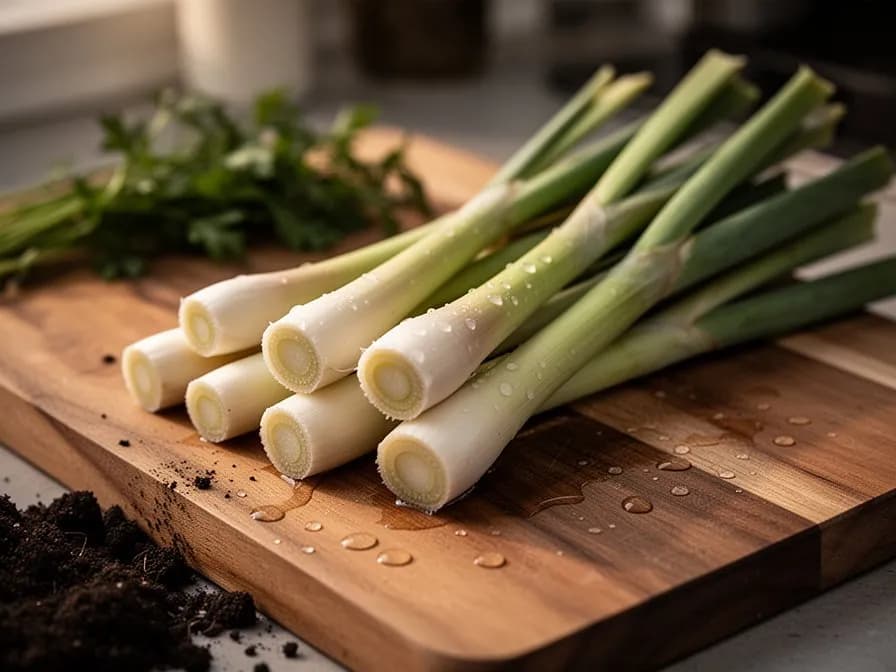
Tom Yum Goong (Thai Hot and Sour Shrimp Soup)
30 minThailand's most famous soup — a fragrant, spicy, sour broth built on bruised lemongrass stalks, galangal, and kaffir lime leaves. Shrimp are poached gently in the aromatic liquid just before serving for a stunning balance of heat, acid, and herbal complexity.
10 ingredients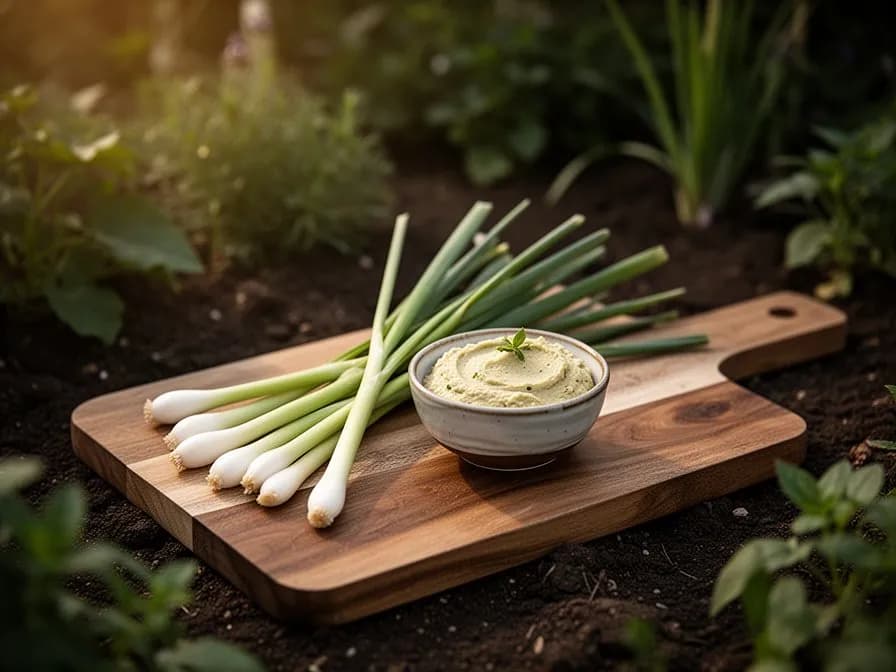
Fresh Lemongrass Tea
10 minA soothing, caffeine-free herbal tea with a bright citrus aroma and subtle sweetness. Simply steep bruised lemongrass in hot water for a calming drink enjoyed across Southeast Asia. Delicious hot or iced with a touch of honey and fresh ginger.
5 ingredientsLemongrass Chicken Stir-Fry
25 minA vibrant Vietnamese-inspired stir-fry where finely minced lemongrass is fried until fragrant and golden, then tossed with tender chicken, chillies, and fish sauce. The lemongrass becomes crispy and intensely aromatic — utterly addictive over steamed jasmine rice.
9 ingredientsCulinary Uses
Lemongrass is essential in Thai, Vietnamese, Indonesian, and Malaysian cuisines. The tender inner base is finely sliced for salads and stir-fries or bruised and added whole to curries, soups, and broths like tom yum. It pairs beautifully with coconut milk, ginger, galangal, and chili. Lemongrass tea is a refreshing beverage made by steeping chopped stalks or leaves in hot water. The stalks also make excellent skewers for grilling satay.
What's inside
Health Benefits
- Citral, the primary compound in lemongrass oil, has demonstrated significant anti-inflammatory effects in studies — it may help reduce inflammation associated with arthritis, digestive disorders, and respiratory conditions.
- Lemongrass tea has been shown in clinical studies to have mild anxiolytic (anti-anxiety) and sedative properties, supporting its traditional use as a calming herbal remedy across Asia.
- Rich in antioxidant compounds including chlorogenic acid, isoorientin, and swertiajaponin that help neutralize free radicals and may reduce oxidative stress linked to chronic disease.
- Studies suggest lemongrass may support healthy cholesterol levels — animal and preliminary human research indicates it can help lower LDL cholesterol while maintaining beneficial HDL levels.
- The antimicrobial properties of lemongrass essential oil have been extensively documented, showing effectiveness against a broad range of bacteria and fungi in laboratory studies.
- Lemongrass tea acts as a natural digestive aid, helping to relieve bloating, cramping, and nausea — a use validated by centuries of traditional practice in Ayurvedic and Southeast Asian folk medicine.
Where Lemongrass comes from
Lemongrass (Cymbopogon citratus) is native to the tropical regions of South and Southeast Asia, with its likely center of origin in Sri Lanka, southern India, or the Malay Archipelago. Wild populations of related Cymbopogon species are found from India through Indonesia, and the genus has been used by humans for thousands of years. Ancient Sanskrit texts reference aromatic grasses used in cooking and medicine that are almost certainly lemongrass or its close relatives. In India, lemongrass has been used in Ayurvedic medicine for at least 2,000 years to treat fevers, digestive disorders, and infections.
Lemongrass became central to the cuisines of Thailand, Vietnam, Cambodia, Laos, Indonesia, and Malaysia, where it is used in an enormous range of dishes from soups and curries to salads and beverages. Thai tom yum soup, Vietnamese pho, Malaysian rendang, and Indonesian sate all rely on lemongrass as a foundational aromatic. European traders encountered lemongrass during the colonial era and brought it to tropical colonies in Africa, the Caribbean, and South America, where it naturalized readily in warm climates.
The commercial cultivation of lemongrass expanded dramatically in the 19th and 20th centuries, driven by demand for its essential oil. India, Guatemala, China, and Sri Lanka became major producers, with the oil used in perfumery, soap-making, food flavoring, and insect repellent production. Citronella grass (Cymbopogon nardus), a close relative, became the basis of the global citronella oil industry. Today, lemongrass is grown in tropical and subtropical regions across every continent, and has become widely available in Western supermarkets as Asian cuisines have gained global popularity. Home gardeners in temperate climates grow it as a warm-season annual or overwinter it indoors, drawn by its dual role as a productive culinary herb and a striking ornamental grass.
Lemongrass: did you know?
Fascinating facts about Lemongrass
Lemongrass contains citral, the same aromatic compound found in lemon peel — but at concentrations of 65-85% of its essential oil, making it far more intensely lemon-scented than actual lemons. This is why it is used commercially to produce natural lemon flavoring.
Lemongrass questions, answered
When should I plant Lemongrass?
What are good companion plants for Lemongrass?
What hardiness zones can Lemongrass grow in?
How much sun does Lemongrass need?
How far apart should I space Lemongrass?
What pests and diseases affect Lemongrass?
How do I store Lemongrass after harvest?
What are the best Lemongrass varieties to grow?
What soil does Lemongrass need?
Can I grow lemongrass from stalks bought at the grocery store?
How do I use lemongrass in cooking — which part is edible?
Will lemongrass survive winter outdoors?
Why is my lemongrass turning brown or yellow?
How big does lemongrass get and how much space does it need?
How do I store fresh lemongrass for later use?
You just read the theory. Now grow it on autopilot.
Everything that makes Lemongrass fiddly — the timing, the spacing, the companions, the harvest window — is exactly what PlotMyGarden handles for you, for every plant in your garden.
A plan that knows your weather
Set your location once. Get sow, feed and harvest dates built around your real last-frost date and live forecast — no more guessing from a generic seed packet.
From the “When to plant” sectionDrag-and-drop bed planner
Design beds on a grid. Every plant snaps to its proper spacing, and you can see your whole season laid out before you spend a cent on seed.
From the “Growing guide” sectionCompanion conflicts, caught early
200+ good-and-bad pairings checked live as you plant — so a season-wrecking mistake never makes it into the ground.
From the “Companions” sectionReminders you'll actually act on
“Water the beans.” “Pick today before it turns.” Timely, specific, and tied to the plants you're really growing.
From the “Harvest” sectionSuccession, scheduled
Want a harvest for six weeks, not six days? It spaces your sowings automatically and reminds you when each new block is due.
From the “When to plant” sectionA record that gets smarter
Every harvest you log teaches it your garden. Next year's plan starts from what actually worked in your soil, not a textbook's.
From the “Overview” sectionPlant these alongside Lemongrass
More Stalks & Stems
Grow your best Lemongrass yet — and everything around it.
Start a free plan today. Lay out your beds, drop in your Lemongrass, and let PlotMyGarden handle the timing, spacing, companions and reminders from seed to harvest basket.