Wollziest (Lammohren)
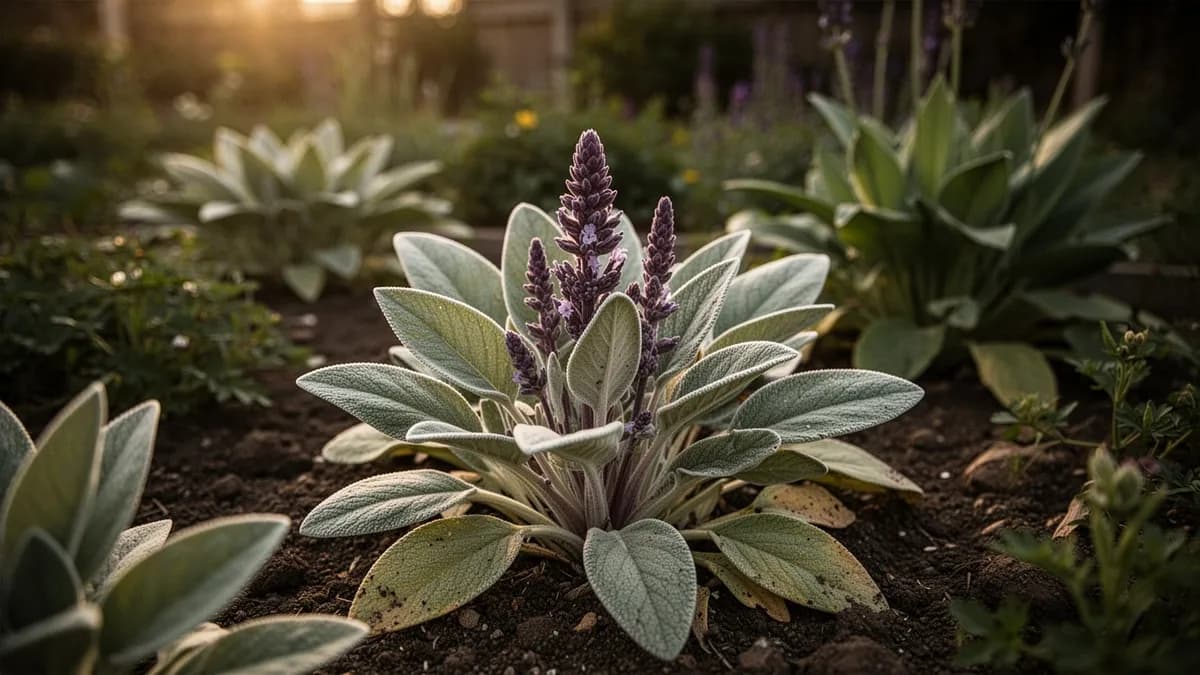
Ein weicher, flauschiger mehrjähriger Bodendecker mit silbrig-weißen, wolligen Blättern, die Kinder gerne anfassen.





Auf dieser SeiteÜberblick
Wollziest (Lammohren) im Überblick
Ein weicher, flauschiger mehrjähriger Bodendecker mit silbrig-weißen, wolligen Blättern, die Kinder gerne anfassen. Wollziest ist trockenheitsresistent und hirschfest, was ihn zu einer idealen pflegeleichten Einfassungspflanze für sonnige Beete macht. Entfernen Sie die Blütenstängel, sobald sie erscheinen, um den Blätterteppich ordentlich zu halten, oder lassen Sie sie stehen, damit Bienen die kleinen violetten Blüten genießen können.
Wann Wollziest (Lammohren) pflanzen
Wollziest lässt sich am einfachsten durch Teilung im Frühling vermehren – ziehen Sie einfach den sich ausbreitenden Teppich auseinander und pflanzen Sie Abschnitte wieder ein. Für die Aussaat säen Sie Samen auf feuchtes, körniges Substrat bei 18–22 °C aus. Die Keimung dauert 14–28 Tage. Sämlinge wachsen anfangs langsam, nehmen aber Fahrt auf, sobald sie etabliert sind. Benannte Sorten wie 'Silver Carpet' und 'Big Ears' müssen vegetativ durch Teilung vermehrt werden.
Dein Wollziest (Lammohren)-Jahr
Abgestimmt auf Zone 7 · typische Saison · Frost geht um den 2. Apr. und kehrt um den 1. Nov. zurück
Wollziest (Lammohren) Mär – Apr, Sep pflanzen, Mai – Jul ernten. Beachte die Pflanzmethoden unten und wähle dein Klima für passende Zeiträume.

So baust du Wollziest (Lammohren) an
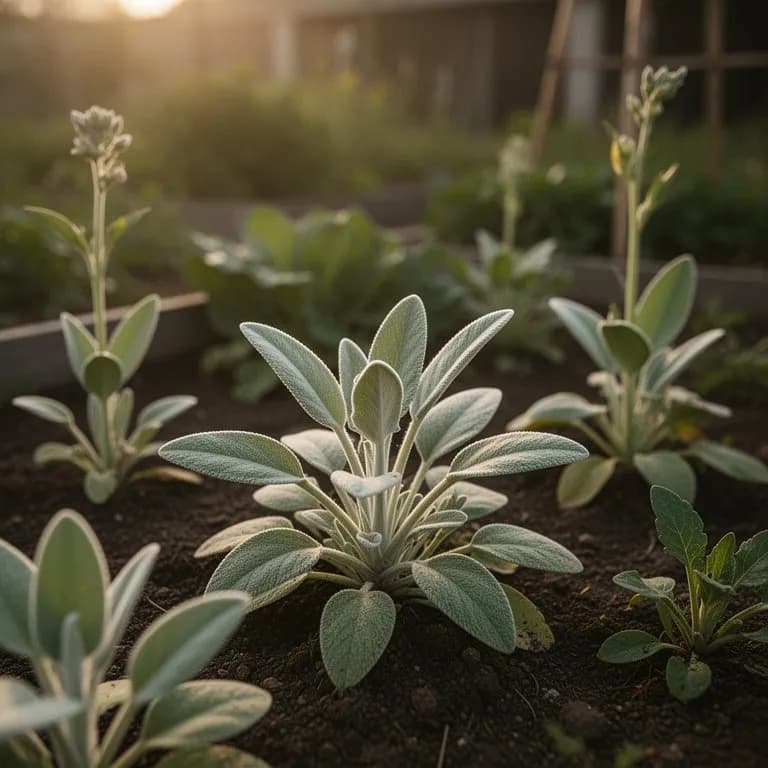
Wollziest ist eine unwiderstehliche Staude, die hauptsächlich wegen ihrer unglaublich weichen, silbrig-weißen, wolligen Blätter angebaut wird, die zum Berühren einladen. Die niedrig wachsenden Rosetten (15–20 cm) aus dicken, zungenförmigen Blättern bilden einen dichten, sich ausbreitenden Teppich, der zu den effektivsten silbernen Bodendeckern gehört. Im Sommer treibt die Pflanze 30–45 cm hohe Blütenstängel mit wolligen Hochblättern und kleinen violetten Blüten, die Bienen lieben.
Pflanzen Sie in voller Sonne in gut durchlässigen, durchschnittlichen bis mageren Boden. Wie die meisten silberblättrigen Pflanzen stammt Wollziest aus heißen, trockenen Umgebungen (Türkei und Kaukasus) und benötigt eine ausgezeichnete Drainage. Er gedeiht in sandigem, kiesigem oder steinigem Boden und hat Schwierigkeiten in reichhaltigen, feuchten Bedingungen. Setzen Sie die Pflanzen im Abstand von 30 cm als Bodendecker.
Die wichtigste Pflegeentscheidung ist, ob die Blütenstängel behalten oder entfernt werden sollen. Einige Gärtner bevorzugen den ordentlichen Blätterteppich ohne Stängel, während andere die Blüten genießen. Entfernen Sie die Stängel an der Basis, wenn sie unansehnlich werden. In feuchten Klimazonen kann das wollige Laub Feuchtigkeit einschließen und Fäulnis entwickeln – entfernen Sie matschige oder geschwärzte Blätter umgehend. Teilen Sie alle 2–3 Jahre im Frühling und pflanzen Sie die kräftigen äußeren Teile wieder ein.
32 Pflanzen passen in ein Beet von 120 × 240 cm
Wollziest (Lammohren) braucht 30 cm Platz pro Pflanze. Der Planer hält diesen Abstand für dich ein — jede Pflanze, jedes Beet.
Die besten Nachbarn für Wollziest (Lammohren)
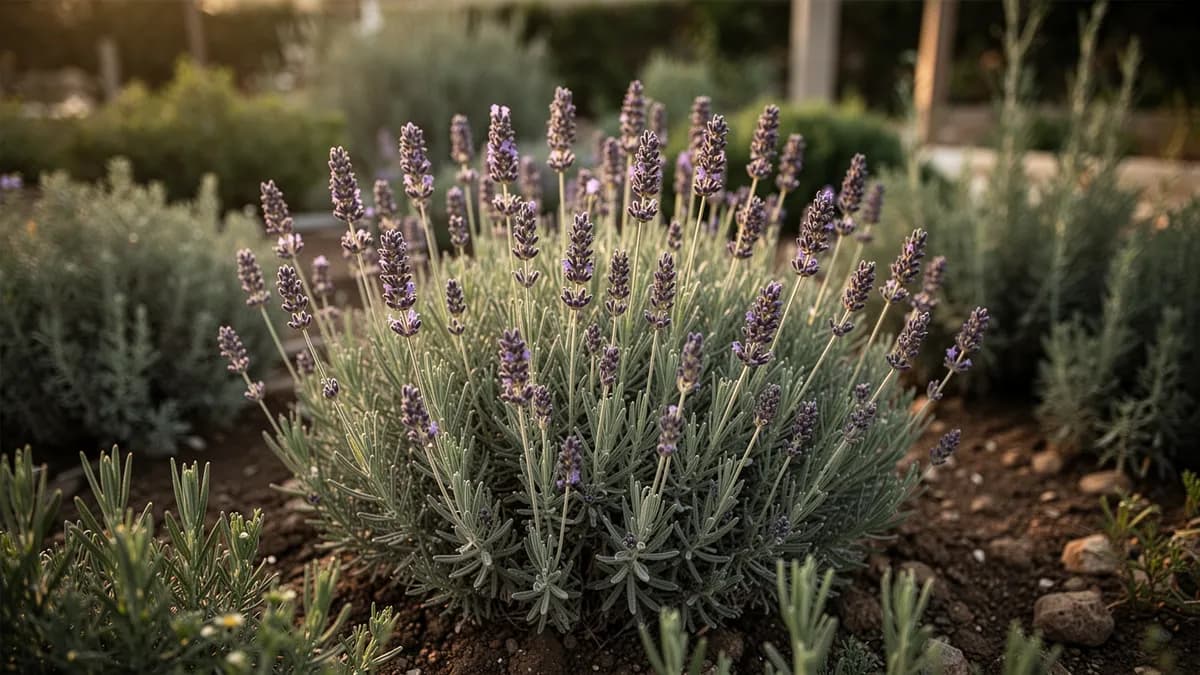
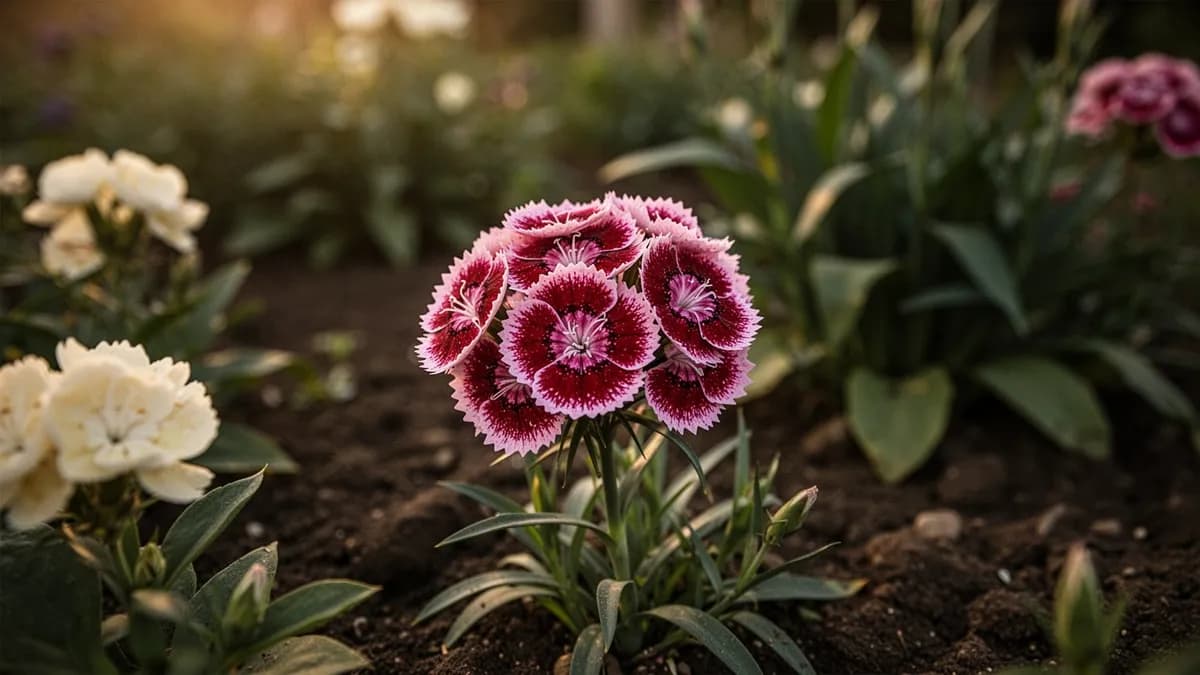
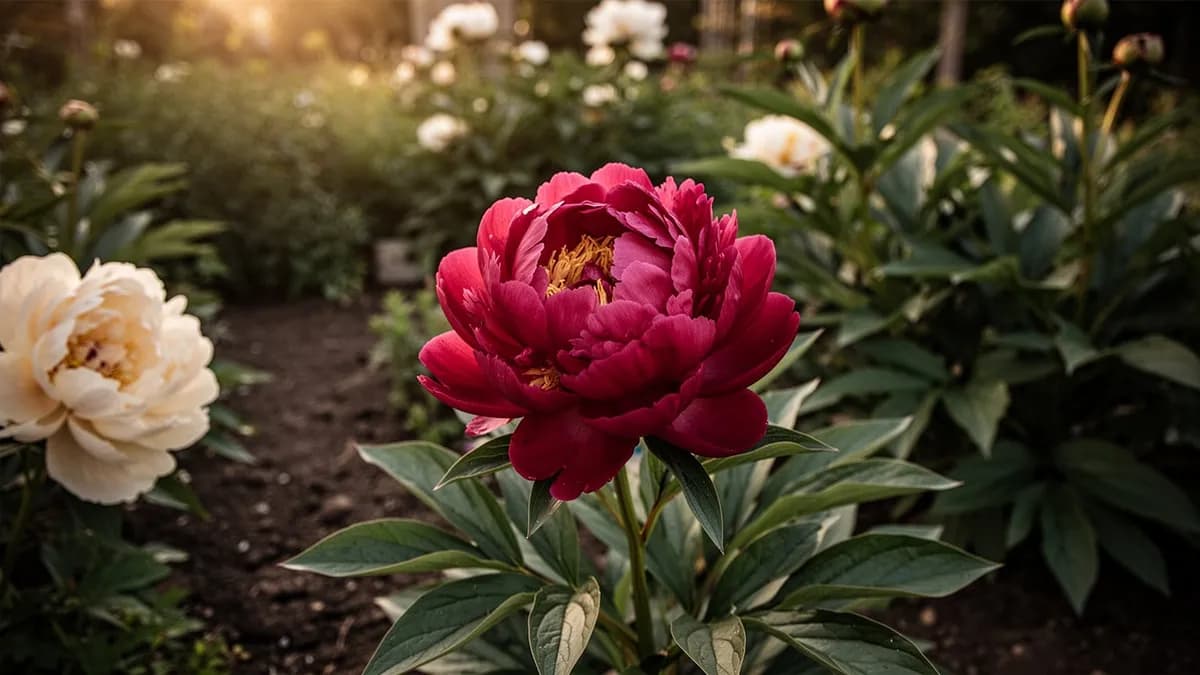
Wollziest ist ein klassischer Begleiter für Rosen und bildet einen silbrigen Teppich an deren Basis. Das weiche Laub kontrastiert wunderschön mit dem tiefen Grün von Buchsbaum, dem Violett von Salbei und dem Rosa von Nelken. Verwenden Sie ihn als Einfassung entlang von Wegen, wo Passanten die berührbare Textur genießen können. In Kindergärten ist Wollziest ein unverzichtbarer Bestandteil für die sensorische Erkundung. Die silbernen Blätter erhellen dunkle Beete und ergänzen sowohl warme als auch kühle Farbschemata.
Rose gehört daneben.
Altes Gärtnerwissen, geprüft an der echten Nachbartabelle von Wollziest (Lammohren) — teste jede Pflanze, die du anbaust.
Probiere Wollziest (Lammohren) direkt hier im Beet
Ein echtes Planer-Beet, Wollziest (Lammohren) steht schon drin. Tippe einen Begleiter an, platziere ihn und sieh, wie die Nachbarschaftsprüfung antwortet — grün für gute Nachbarn, rot bei Streit.


Passende Anbau-Ratgeber

Richtig düngen
Wollziest benötigt gut durchlässigen, mageren Boden mit einem pH-Wert von 6,0–7,5. Reichhaltiger, feuchter Boden verursacht üppiges Wachstum, das zu Fäulnis neigt. Sandige, kiesige oder steinige Böden sind ideal. Nicht düngen oder mit reichhaltigem Kompost verbessern. Falls eine Düngung nötig ist, genügt eine einzige leichte Gabe von ausgewogenem Dünger im Frühling. Die Pflanze ist an nährstoffarme Bedingungen angepasst und gedeiht bei Vernachlässigung.
Ideale Temperatur
Winterhärtezone-Kompatibilität
Von der Saat zur Ernte, Schritt für Schritt
Aussaat
Wollziest-Samen sind klein und benötigen Licht zum Keimen. Säen Sie sie auf feuchte, gut durchlässige Aussaaterde und drücken Sie sie leicht an, ohne sie zu bedecken. Halten Sie eine Temperatur von 18–21 °C und halten Sie das Substrat gleichmäßig feucht mit einem feinen Nebel.
Keimung und Sämlingsphase
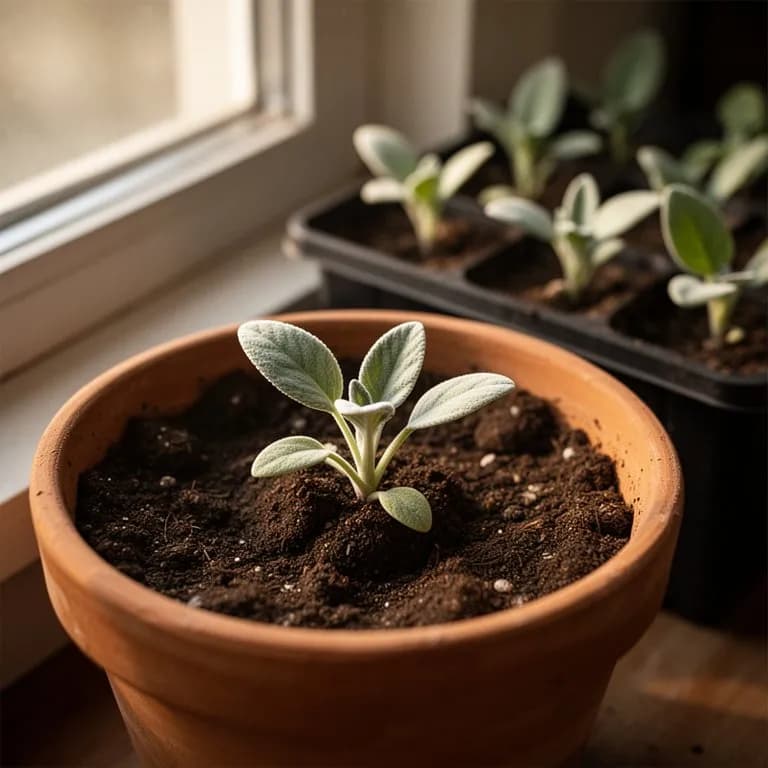
Winzige Sämlinge erscheinen mit kleinen, abgerundeten Keimblättern, gefolgt vom ersten Paar echter Blätter, die bereits einen leichten Flaum zeigen. Das Wachstum ist in dieser Phase langsam und die Sämlinge sind anfällig für Umfallkrankheit bei übermäßig nassen Bedingungen.
Rosettenbildung
Pflanzen bilden kompakte Grundrosetten aus zunehmend wolligen, silbrig-grünen Blättern. Die weiche, filzartige Textur wird deutlicher, wenn die Trichomdichte zunimmt. Das Wurzelsystem dehnt sich aus und die Pflanze beginnt sich über kurze Ausläufer auszubreiten.
Ausbreitung und Etablierung
Etablierte Rosetten senden Ausläufer und neue Ableger aus und bilden allmählich einen dichten, unkrautunterdrückenden Bodendeckerteppich. Das silbrige Laub verdichtet sich und einzelne Pflanzen verschmelzen zu durchgehenden Kolonien. Dies ist die visuell eindrucksvollste Schmuckphase.
Blütenstängelbildung
Im späten Frühling bis Frühsommer erheben sich wollige Blütenstängel 30–45 cm über das Laub. Kleine röhrenförmige rosa-violette Blüten öffnen sich in Quirlen entlang des Stängels und locken Bienen, Schmetterlinge und andere Bestäuber an. Die Blüte dauert drei bis vier Wochen.
Samenreife und Spätsaisonpflege
Nach der Blüte reifen die Samenstände und trocknen an den Stängeln. Die Pflanze tritt in eine langsamere Wachstumsphase ein. Ältere untere Blätter können braun werden und matschig werden, besonders in feuchten Klimazonen, während die Krone weiterhin frische Rosetten produziert.
Ruhephase und Überwinterung
In kalten Klimazonen (USDA-Zonen 4–5) stirbt das Laub nach strengem Frost teilweise oder vollständig ab. Das Wurzelsystem bleibt im Boden lebendig und treibt im Frühling frisch aus. In milderen Zonen (6–9) ist die Pflanze halbimmergrün und behält eine reduzierte Rosette über den Winter.
Begraben Sie die Samen nicht tief. Eine sehr dünne Schicht Vermiculit kann helfen, die Oberflächenfeuchtigkeit zu halten, ohne das für die Keimung benötigte Licht zu blockieren.
Wollziest (Lammohren) Monat für Monat pflegen
Was du jeden Monat für deine Wollziest (Lammohren) tun solltest
Oktober
Aktueller MonatRäumen Sie herabgefallene Baumblätter weg, die das wollige Laub ersticken und Feuchtigkeit einschließen. Bringen Sie leicht eine Deckschicht aus Kies oder grobem Sand um die Krone auf, um die Winterdrainage zu verbessern.
Immer wissen, was jetzt im Garten zu tun ist
Eine E-Mail zum Monatsanfang: was du jetzt säen, pflanzen und anpacken solltest — für deine Wollziest (Lammohren) und alles, was drumherum wächst. Dazu ein kurzer Startkurs, der dich vor den klassischen Fehlern bewahrt.
- Was jetzt zu tun ist
- Passend zu deiner Saison
- Startkurs inklusive
Wollziest (Lammohren) ernten
Wollziest-Blätter sind bei Bastelprojekten für Kinder beliebt und können als natürliche Verbände für kleine Schnitte verwendet werden – die weichen, saugfähigen Blätter wurden historisch auf diese Weise genutzt. Schneiden Sie frische Blätter als texturale Ergänzung für Blumenarrangements. Die wolligen Blütenstängel trocknen dekorativ und können für Trockengestecke geschnitten werden.
angenommen, du pflanzt zu Beginn des Zeitraums — trage dein tatsächliches Datum ein
Ernte Wollziest (Lammohren) zügig, dann trägt die Pflanze weiter.
Lagerung & Konservierung
Wollziest-Blütenstängel trocknen auf natürliche Weise und behalten ihre silbrige Erscheinung monatelang in Trockengestecken. Schneiden Sie, wenn die Blüten auf dem Höhepunkt sind, und hängen Sie sie kopfüber zum Trocknen auf. Einzelne Blätter können für Bastelprojekte gepresst werden. Für die Gartenvermehrung ziehen Sie im Frühling einfach die sich ausbreitenden Matten auseinander und pflanzen Abschnitte wieder ein.
Was schiefgeht — und die Lösung
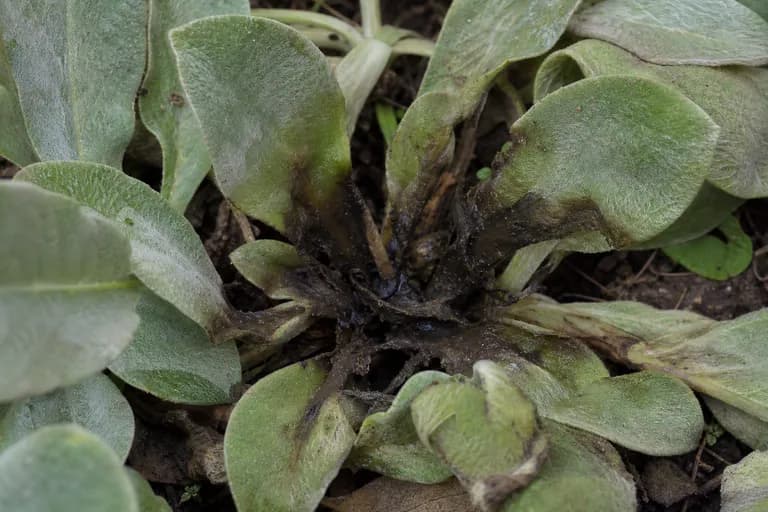
Kronenfäule / Blattfäule
KrankheitMatschige, geschwärzte Blätter in der Mitte der Rosette. Ganze Abschnitte des Teppichs lösen sich bei nassen, feuchten Bedingungen auf.
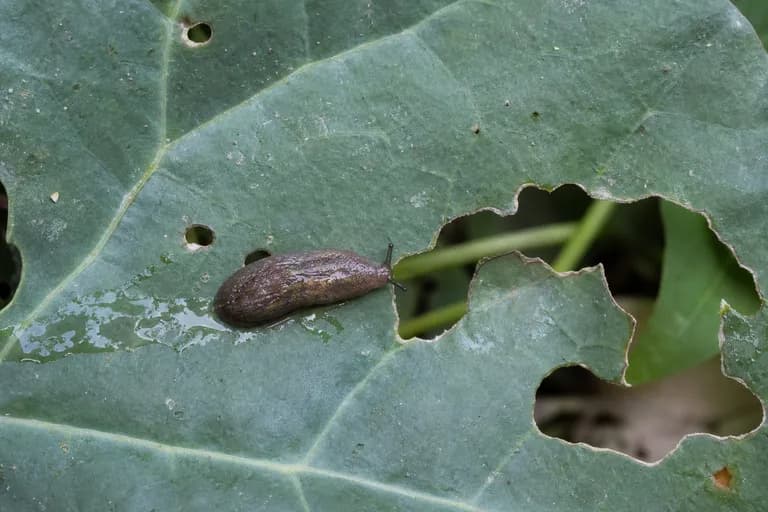
Nacktschnecken
SchädlingLöcher in den wolligen Blättern, obwohl Wollziest aufgrund seiner flauschigen Textur schneckenresistenter ist als die meisten Stauden.
Fehlerbehebung bei häufigen Problemen
Feuchtigkeitsbedingte Fäulnis ist das Hauptproblem – die wolligen Blätter schließen Feuchtigkeit ein, was bei nassem Wetter zu matschigen Stellen führt. Wählen Sie Sorten wie 'Big Ears' mit besserer Feuchtigkeitstoleranz, sorgen Sie für scharfe Drainage und entfernen Sie verfaultes Material umgehend. In sehr heißen, feuchten Klimazonen kann Wollziest kurzlebig sein; behandeln Sie ihn gegebenenfalls als Kaltjahreszeitenpflanze. Selbstaussaat kann reichlich sein, wenn Blüten stehen gelassen werden; entfernen Sie Stängel oder wählen Sie den nicht blühenden 'Silver Carpet'.
Anbautipps
- Pflanzen Sie Wollziest in voller Sonne mit gut durchlässigem Boden – schwerer Lehm oder staunasse Bedingungen sind der Feind Nummer eins dieser ansonsten robusten Pflanze.
- Verbessern Sie schwere Böden vor dem Pflanzen mit grobem Sand, Perlit oder feinem Kies, um die Drainage im flachen Wurzelbereich deutlich zu verbessern.
- Setzen Sie Pflanzen im Abstand von 30–40 cm für eine schnelle Bodendeckeretablierung; sie füllen Lücken innerhalb von ein bis zwei Vegetationsperioden.
- Gießen Sie tief, aber selten, und lassen Sie die oberen 5 cm des Bodens zwischen den Bewässerungen vollständig abtrocknen. Überbewässerung verursacht weitaus häufiger Kronenfäule als Trockenheit Schäden verursacht.
- Vermeiden Sie Überkopfbewässerung vollständig. Die wolligen Blätter schließen Feuchtigkeit ein und werden zum Nährboden für Pilzkrankheiten, wenn sie nass gehalten werden. Verwenden Sie Tropfbewässerung oder gießen Sie auf Bodenniveau.
- Entfernen Sie abgestorbene, braune oder matschige Blätter regelmäßig während der Saison, um die Luftzirkulation aufrechtzuerhalten und die Ausbreitung von Pilzproblemen in der Kolonie zu verhindern.
- Tragen Sie einen 2–3 cm dicken Mulch aus Erbsenkies oder Schotter um die Kronen auf, anstatt organischen Mulch zu verwenden, der zu viel Feuchtigkeit gegen das wollige Laub hält.
- In feuchten Klimazonen (Südost-USA, britische Küstenregionen) wählen Sie die Sorte 'Big Ears' (Helene von Stein), die größere, weniger dicht wollige Blätter hat, die Fäulnis besser widerstehen als die Art.
- Teilen Sie dicht gewachsene Horste alle zwei bis drei Jahre im zeitigen Frühling oder Frühherbst, indem Sie den gesamten Teppich ausheben, bewurzelte Abschnitte auseinanderziehen und sofort wieder einpflanzen.
- Wenn Selbstaussaat unerwünscht ist, entfernen Sie Blütenstängel, sobald sie erscheinen; alternativ wählen Sie die nicht blühende Sorte 'Silver Carpet' für einen pflegefreien Blätterteppich.
Bau deine beste Wollziest (Lammohren) an — und alles drumherum.
Starte heute kostenlos. Lege deine Beete an, setze deine Wollziest (Lammohren) ein und lass PlotMyGarden Timing, Abstände, Begleiter und Erinnerungen von der Saat bis zum Erntekorb übernehmen.
Finde deine Wollziest (Lammohren)
Stachys byzantina 'Silver Carpet'
Eine nicht blühende Auswahl, die nur den schönen silbrigen Blätterteppich bildet – ideal für alle, die einen reinen Blattschmuckeffekt wünschen.
Stachys byzantina 'Big Ears' (Syn. 'Helene von Stein')
Extragroße Blätter, doppelt so groß wie die der Art, mit besserer Feuchtigkeitsresistenz und einem kräftigeren Bodendeckereffekt.
Stachys byzantina 'Cotton Boll'
Ungewöhnliche Blütenstängel mit runden, flauschigen, wattebauschartigen Büscheln anstelle offener Blüten. Sehr beliebt für Trockengestecke.
Wollziest ist einer der kosteneffektivsten mehrjährigen Bodendecker überhaupt. Eine einzelne gekaufte Pflanze (typischerweise 3–5 €) kann innerhalb von zwei Jahren in 6–10 neue Pflanzen geteilt werden und füllt so große Beetflächen praktisch ohne zusätzliche Kosten. Seine kräftige Ausbreitung macht kommerziellen Mulch in bepflanzten Bereichen überflüssig und spart etwa 25–45 € pro 10 Quadratmeter jährlich. Die extreme Trockenheitstoleranz der Pflanze reduziert die Bewässerungskosten im Sommer erheblich, und da sie in armen, nicht verbesserten Böden gedeiht, ist kein gekaufter Kompost oder Dünger nötig. Selbst angebaute Blätter können gekaufte Kräuterteemischungen zur Halsberuhigung ersetzen, und das dekorative Laub bietet ganzjährige Gartenästhetik ohne die wiederkehrenden Kosten saisonaler Einjähriger.
Schnelle Rezepte
Beruhigender Wollziest-Kräutertee
10 Min.Ein sanfter Kräuteraufguss aus frischen oder getrockneten Wollziest-Blättern, der traditionell zur Linderung von Halsschmerzen und leichten Magenbeschwerden verwendet wird. Der Tee hat einen sehr milden, leicht erdigen Geschmack und kann mit Honig gesüßt werden.
5 Zutaten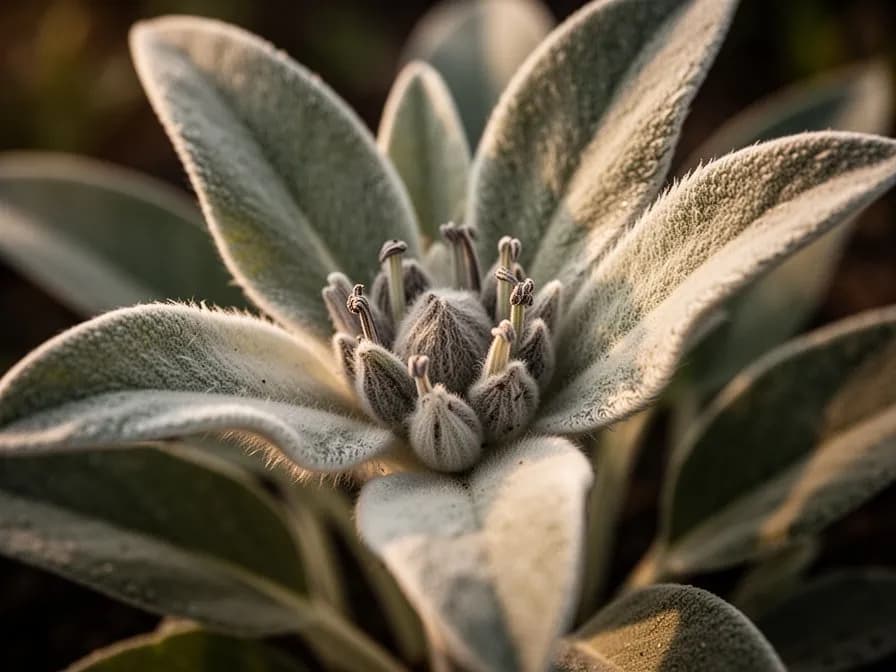
Wollziest-Kräuterumschlag
5 Min.Eine traditionelle Erste-Hilfe-Zubereitung, die die natürliche Saugfähigkeit und die milden antibakteriellen Eigenschaften frischer Wollziest-Blätter nutzt. Die weichen Blätter passen sich der Haut an und können als improvisierter Wundverband für kleine Schnitte und Insektenstiche verwendet werden.
4 ZutatenWollziest- und Kräutergarten-Kranz
30 Min.Ein duftender Dekorationskranz mit getrockneten Wollziest-Blättern als weiche silbrige Basis, kombiniert mit anderen Gartenkräutern. Obwohl nicht essbar, ist dieses Bastelprojekt eine schöne Möglichkeit, eine reichliche Ernte zu nutzen, und ergibt ein reizendes handgemachtes Geschenk.
5 ZutatenWas drinsteckt
Gesundheitsvorteile
- Die Blätter enthalten natürliche antibakterielle Verbindungen, darunter Tannine und Flavonoide, die das Wachstum häufiger wundinfizierender Bakterien hemmen, wenn sie als frischer Umschlag aufgetragen werden.
- Wollziest-Tee wird in der traditionellen Volksmedizin als mildes Entzündungshemmendes Mittel zur Linderung von Halsschmerzen, zur Reduzierung von Mundreizungen und zur Beruhigung leichter Verdauungsbeschwerden verwendet.
- Die dichten Trichome auf den Blättern machen sie von Natur aus saugfähig, und sie dienten historisch als wirksame improvisierte Wundverbände, die die Blutgerinnung bei kleinen Schnitten und Abschürfungen fördern.
- Verbindungen in Stachys byzantina haben in ethnobotanischen Studien milde adstringierende Eigenschaften gezeigt, die helfen, Gewebe zu straffen und leichte Blutungen bei äußerlicher Anwendung zu reduzieren.
- Der Anbau von Wollziest in Sinnesgärten bietet dokumentierte therapeutische Vorteile für Kinder und Erwachsene mit Angstzuständen oder sensorischen Verarbeitungsstörungen, da das Berühren des weichen Laubs eine beruhigende Wirkung hat.
- Das silbrige Laub und der pflegeleichte Wuchs der Pflanze tragen zur Stressreduktion durch passive Gartenbeschäftigung bei und unterstützen die gut belegten psychischen Gesundheitsvorteile der Pflege von Grünflächen.
Woher Wollziest (Lammohren) stammt
Wollziest (Stachys byzantina) ist eine krautige Staude, die in den Bergregionen der Türkei, Armeniens und des Irans beheimatet ist, wo sie an felsigen Hängen und trockenen Wiesen in Höhenlagen zwischen 500 und 2.500 Metern gedeiht. Der Gattungsname Stachys stammt vom griechischen Wort für 'Getreideähre' und bezieht sich auf die ährenartigen Blütenstände, während das Artepitheton byzantina die Pflanze mit dem historischen Byzantinischen Reich verbindet und ihre Entdeckung und frühe Kultivierung in dem Gebiet widerspiegelt, das heute Istanbul und die umliegende anatolische Landschaft ist. Wollziest wird seit Jahrtausenden vom Menschen geschätzt, zunächst als Heilpflanze und nicht als Zierpflanze. Antike Heiler im Nahen Osten und im Mittelmeerraum legten die weichen, saugfähigen Blätter direkt auf Wunden als natürliche Verbände und nutzten sowohl ihre physische Textur als auch ihre milden antibakteriellen Eigenschaften. Die Pflanze wurde entlang früher Karawanenrouten gehandelt und erreichte schließlich im Mittelalter europäische Klostergärten, wo Mönche sie neben anderen Heilkräutern kultivierten. Im 17. und 18. Jahrhundert begannen europäische Gartenbauer, Wollziest für sein auffälliges silbriges Laub und seine bodendeckende Fähigkeit zu schätzen, und führten ihn in Zierbeete und Bauerngärten ein. Englische Gartendesigner der viktorianischen Ära machten ihn als Einfassungspflanze populär, eine Rolle, die er noch heute erfüllt. Die Pflanze wurde von europäischen Siedlern nach Nordamerika gebracht und etablierte sich schnell in gemäßigten Regionen. Im 20. Jahrhundert entwickelten Züchter beliebte Sorten wie 'Silver Carpet' (nicht blühend), 'Big Ears' (auch als 'Helene von Stein' verkauft, mit größeren, hitzeresistenteren Blättern) und 'Primrose Heron' (mit gelblichem Frühlingslaub). Heute wird Wollziest weltweit in den USDA-Winterhärtezonen 4 bis 9 angebaut und geschätzt für seine Trockenheitstoleranz, bestäuberfreundlichen Blüten, seinen Reiz in Sinnesgärten und seinen pflegeleichten Charakter.
Wollziest (Lammohren): Schon gewusst?
Faszinierende Fakten über Wollziest (Lammohren)
Wollziest-Blätter wurden historisch als natürliche Verbände auf Schlachtfeldern verwendet, was ihnen den Spitznamen 'Wundkraut' einbrachte – die dichten Trichome sind von Natur aus saugfähig und enthalten antibakterielle Verbindungen.
Wollziest (Lammohren): Fragen & Antworten
Wann sollte ich Wollziest (Lammohren) pflanzen?
Was sind gute Begleitpflanzen für Wollziest (Lammohren)?
In welchen Winterhärtezonen kann Wollziest (Lammohren) wachsen?
Wie viel Sonne braucht Wollziest (Lammohren)?
Welchen Abstand sollte ich zwischen Wollziest (Lammohren) lassen?
Welche Schädlinge und Krankheiten befallen Wollziest (Lammohren)?
Wie lagere ich Wollziest (Lammohren) nach der Ernte?
Was sind die besten Wollziest (Lammohren)-Sorten zum Anbauen?
Welchen Boden braucht Wollziest (Lammohren)?
Ist Wollziest giftig für Haustiere oder Kinder?
Warum wird mein Wollziest in der Mitte braun und matschig?
Sollte ich die Blütenstängel vom Wollziest entfernen?
Kann Wollziest den Winter in kalten Klimazonen überstehen?
Wie vermehre ich Wollziest?
Breitet sich Wollziest aggressiv aus und wird er invasiv?
Du hast die Theorie gelesen. Jetzt baue sie auf Autopilot an.
Alles, was Wollziest (Lammohren) knifflig macht — das Timing, die Abstände, die Begleiter, das Erntefenster — genau das übernimmt PlotMyGarden für dich, für jede Pflanze im Garten.
Ein Plan, der dein Wetter kennt
Standort einmal festlegen. Aussaat-, Dünge- und Erntedaten rund um deinen echten letzten Frosttermin und die Live-Vorhersage — kein Raten mehr nach Saattüte.
Aus dem Abschnitt „Pflanzzeit“Beetplaner per Drag & Drop
Beete auf einem Raster gestalten. Jede Pflanze rastet im richtigen Abstand ein, und du siehst die ganze Saison, bevor du einen Cent für Saatgut ausgibst.
Aus dem Abschnitt „Anbau“Begleiter-Konflikte früh erkannt
Über 200 gute und schlechte Kombinationen werden beim Pflanzen live geprüft — so landet ein saisonruinierender Fehler nie in der Erde.
Aus dem Abschnitt „Begleiter“Erinnerungen, nach denen du wirklich handelst
„Gieß die Bohnen.“ „Heute ernten, bevor's umschlägt.“ Pünktlich, konkret und auf deine echten Pflanzen bezogen.
Aus dem Abschnitt „Ernte“Staffel-Aussaat, geplant
Sechs Wochen ernten statt sechs Tage? Die App verteilt deine Aussaaten automatisch und erinnert dich, wenn der nächste Satz fällig ist.
Aus dem Abschnitt „Pflanzzeit“Ein Verlauf, der schlauer wird
Jede protokollierte Ernte bringt der App deinen Garten bei. Der Plan fürs nächste Jahr startet bei dem, was in deinem Boden wirklich funktioniert hat.
Aus dem Abschnitt „Überblick“Pflanze diese neben Wollziest (Lammohren)
Weitere Stauden

Gartenpläne mit Wollziest (Lammohren)
Bau deine beste Wollziest (Lammohren) an — und alles drumherum.
Starte heute kostenlos. Lege deine Beete an, setze deine Wollziest (Lammohren) ein und lass PlotMyGarden Timing, Abstände, Begleiter und Erinnerungen von der Saat bis zum Erntekorb übernehmen.