Alegría de la casa
La anual de sombra por excelencia, que produce flores sin parar en colores vivos durante todo el verano sin necesidad de retirar las flores marchitas.





En esta páginaResumen
Conoce Alegría de la casa
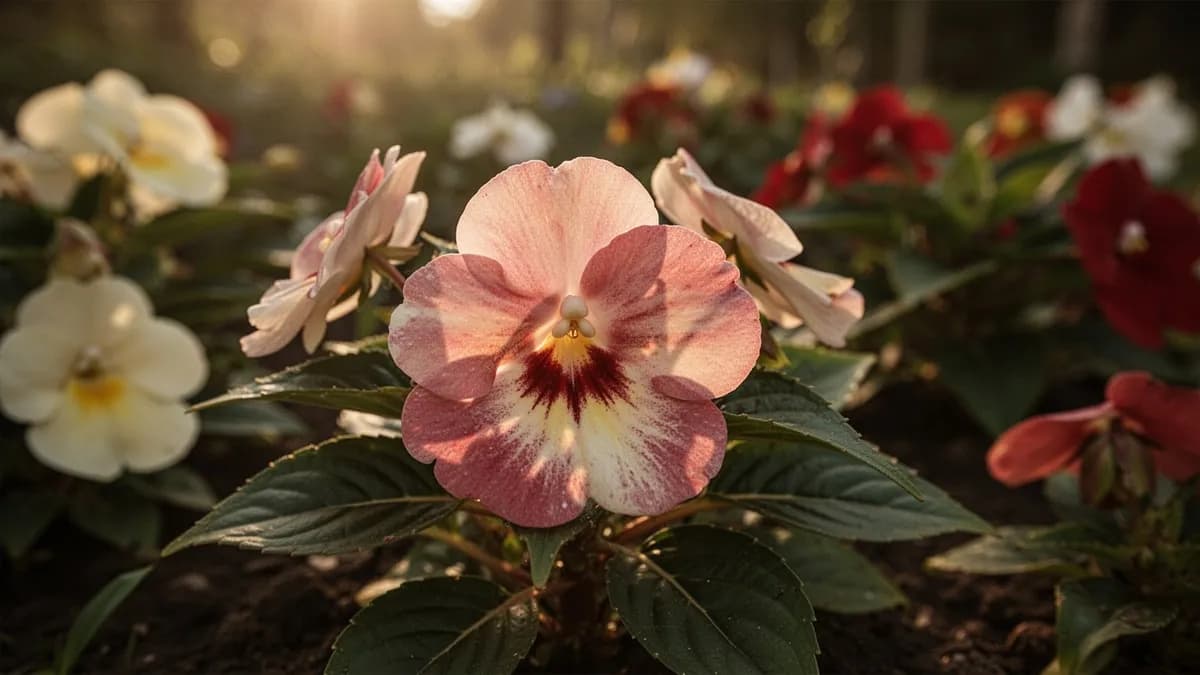
La anual de sombra por excelencia, que produce flores sin parar en colores vivos durante todo el verano sin necesidad de retirar las flores marchitas. La alegría de la casa requiere humedad constante y se marchita de forma llamativa cuando le falta agua, aunque se recupera rápidamente al regarla. Evite plantarla en zonas con historial de mildiú velloso y elija tipos resistentes de Nueva Guinea para los lugares más soleados.
Cuándo plantar Alegría de la casa
Las semillas de impatiens son muy finas y necesitan luz para germinar. Siémbrelas en interior diez a doce semanas antes de la última helada, extendiéndolas sobre la superficie del sustrato húmedo para semilleros sin cubrirlas. Manténgalas a 21 a 24 °C bajo luces fluorescentes y conserve una humedad superficial constante. La germinación tarda de diez a veinte días. Las plántulas crecen muy despacio al principio y requieren paciencia. La mayoría de los jardineros encuentra más práctico comprar plantones ya establecidos, ya que cultivar impatiens desde semilla exige mucho tiempo y atención.
Tu año de Alegría de la casa
Ajustado a Zona 7 · temporada típica · la helada se va hacia el 2 abr y vuelve hacia el 1 nov
Planta Alegría de la casa May – Jun y cosecha Jun – Oct. Consulta los métodos de plantación y elige tu clima para adaptar los periodos.
Cómo cultivar Alegría de la casa
Plante los plantones de alegría de la casa al aire libre una vez haya pasado todo peligro de heladas y las temperaturas nocturnas se mantengan por encima de 10 °C. Elija una ubicación con semisombra a sombra completa, ya que la Impatiens walleriana tradicional no tolera el sol directo durante más que unas pocas horas de la mañana. Separe las plantas entre 25 y 30 cm en un suelo rico, húmedo y bien drenado, enmendado con abundante compost.
La alegría de la casa es una planta amante de la humedad que se marchita de forma llamativa cuando se seca, pero se recupera rápido al regar. Mantenga el suelo constantemente húmedo durante toda la temporada de crecimiento, regando siempre que el centímetro superior de la tierra se note seco. Aplique una capa de mantillo de 5 a 8 cm para retener la humedad y mantener frescas las raíces. En macetas, revise la humedad a diario con tiempo caluroso, ya que las plantas en contenedor se secan más rápido que las del suelo.
Abone cada dos o tres semanas con un fertilizante líquido equilibrado para sostener la floración continua. La alegría de la casa es autolimpiante y nunca necesita desmochado, lo que la convierte en la flor ideal de sombra y bajo mantenimiento. Pinche una vez las plantas jóvenes para fomentar la ramificación si llegan del vivero con un solo tallo. Vigile el mildiú velloso, una enfermedad devastadora que se ha extendido en muchas zonas, y considere cambiar a SunPatiens resistentes o a impatiens de Nueva Guinea si su área se ve afectada.
36 plantas caben en un bancal de 120 × 240 cm
Cada Alegría de la casa pide 25 cm de margen. El planificador guarda ese marco por ti — cada planta, cada bancal.
Los mejores vecinos de Alegría de la casa
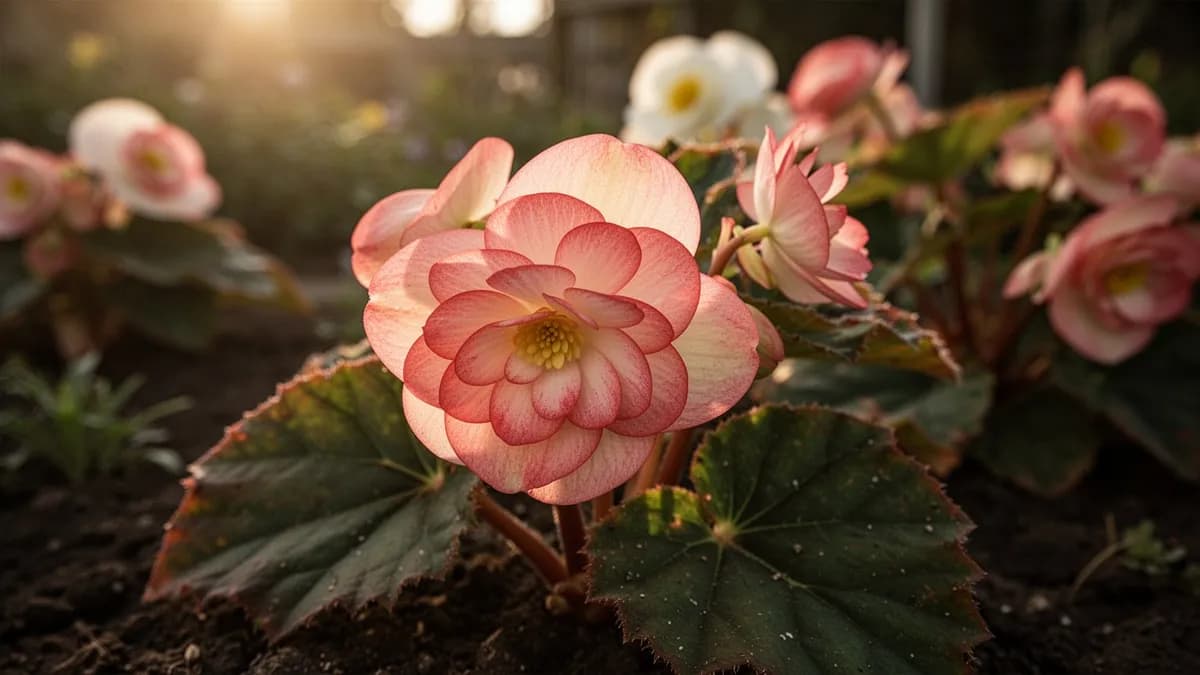
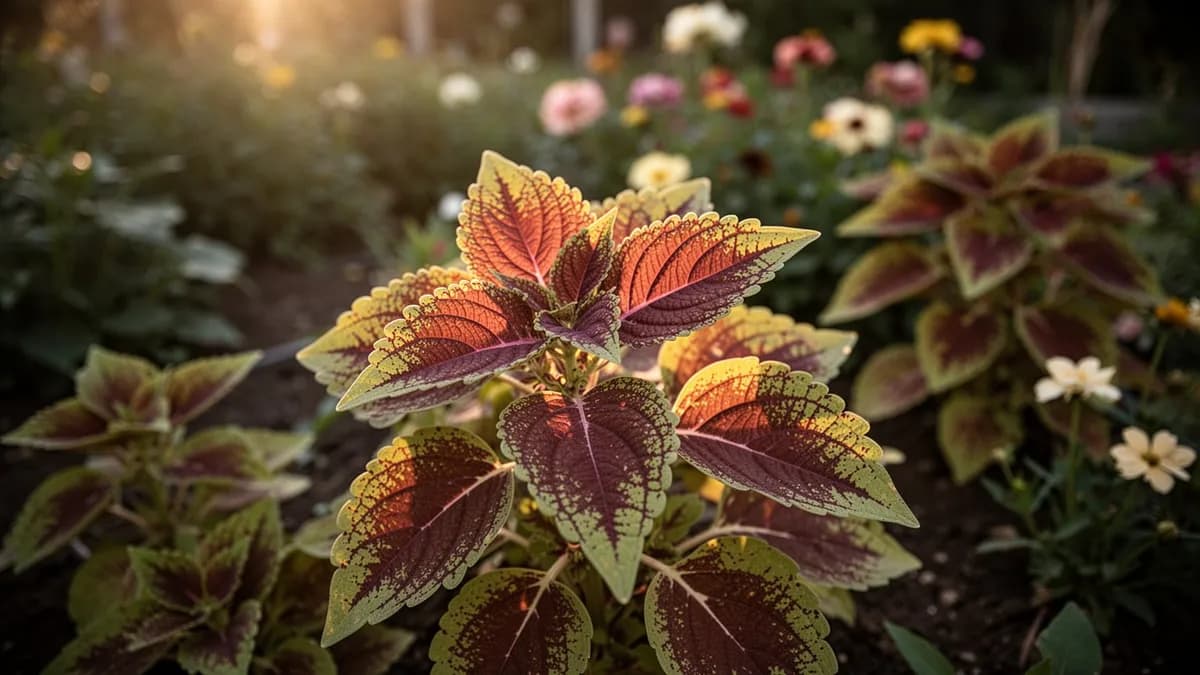
La alegría de la casa es una compañera clásica para jardines de sombra junto a hostas, helechos, begonias y coleus. Aporta color durante toda la temporada bajo los árboles, donde pocas otras anuales floridas prosperan. Plántela junto a caladios para un efecto tropical en sombra. En macetas, combínela con hiedra colgante, helecho espárrago y hierba de la moneda para crear combinaciones de sombra en capas. Los colores vivos de sus flores iluminan rincones oscuros del jardín y plantaciones de fachada orientadas al norte.
Begonia va a su lado.
Saber de huerto de siempre, cotejado con la tabla real de Alegría de la casa — prueba cualquier planta que cultives.
Prueba Alegría de la casa en un bancal, aquí mismo
Un bancal real del planificador con Alegría de la casa ya plantado. Toca una planta compañera para colocarla y mira cómo responde la comprobación de vecinos: verde para buenos vecinos, rojo si hay conflicto.


Guías de cultivo relacionadas
Abónalo bien
La alegría de la casa prospera en un suelo rico, con abundante humus y humedad constante, y un pH de 6.0 a 6.5. Enmiende las zonas de plantación con abundante compost para mejorar la retención de humedad y la estructura del suelo. Aplique un fertilizante equilibrado de liberación lenta al plantar y complemente con fertilizante líquido cada dos o tres semanas durante la temporada de crecimiento. En macetas, use un sustrato que retenga la humedad y abone semanalmente con fertilizante líquido diluido. Evite que la tierra se seque por completo, ya que eso estresa a la planta y reduce la floración.
Temperatura ideal
Compatibilidad de zonas de rusticidad
De la semilla a la cosecha, etapa por etapa
Siembra
Las semillas de impatiens son muy pequeñas y necesitan luz para germinar. Presiónalas suavemente sobre la superficie de un sustrato fino y húmedo para siembra, sin cubrirlas. Necesitan calor constante y humedad para brotar. La germinación es lenta y puede tardar de 10 a 21 días.
Desarrollo de plántulas
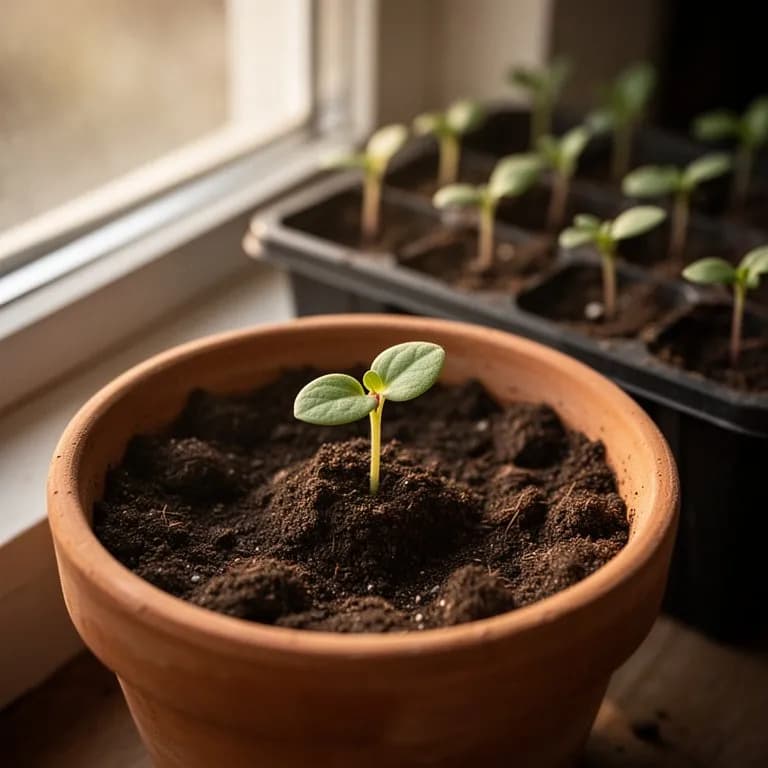
Las plántulas diminutas emergen con pequeños cotiledones redondeados. Al principio el crecimiento es muy lento y las plántulas son frágiles. Después de unas semanas aparecen las primeras hojas verdaderas, que son ovaladas con bordes ligeramente aserrados. Durante esta fase, las plántulas se mantienen compactas y bajas.
Crecimiento vegetativo
Las plantas empiezan a ramificarse y a llenarse, desarrollando sus característicos tallos suculentos y un follaje verde oscuro y brillante. Los tallos carnosos son semitranslúcidos y frágiles, y se rompen con facilidad si se manipulan bruscamente. La producción de hojas se acelera y las plantas comienzan a formar una silueta redondeada.
Formación de botones y floración temprana
Aparecen pequeños botones florales en las axilas de las hojas y en las puntas de los tallos. Las primeras flores se abren dentro de una semana después de que aparezcan los botones. Las flores son planas y abiertas, con cinco pétalos y un espolón nectarífero distintivo en la parte posterior. Las plantas siguen creciendo y ramificándose mientras florecen.
Floración máxima
Las impatiens entran en su periodo de floración más abundante, produciendo flores de forma continua sin necesidad de despunte. Las plantas son autolimpiantes, es decir, las flores marchitas caen solas mientras se abren nuevos botones. Una sola planta bien desarrollada puede cubrirse simultáneamente de docenas de flores abiertas.
Formación de semillas y final de temporada
A medida que bajan las temperaturas en otoño, la floración se ralentiza gradualmente. Algunas flores dan paso a cápsulas verdes y carnosas que se hinchan mientras las semillas se desarrollan en su interior. Cuando están completamente maduras, las cápsulas explotan al menor toque y lanzan las semillas en todas direcciones hasta un metro de distancia.
Cubre las bandejas de siembra con film transparente o una cúpula de humedad para conservar la humedad. Proporciona luz brillante indirecta o luces fluorescentes de cultivo durante 12 a 16 horas al día. Pulveriza la superficie en lugar de regar en exceso para no desplazar las diminutas semillas.
Cuidar Alegría de la casa mes a mes
Qué hacer cada mes para tu Alegría de la casa
Octubre
Mes actualEnjoy the last flush of autumn flowers. Bring potted impatiens indoors before the first frost if you wish to keep them as houseplants over winter. Pull spent garden plants after frost kills them and add the debris to the compost pile.
Ten claro qué hacer en tu huerto, cada mes
Un correo al empezar cada mes: qué sembrar, plantar y hacer ahora mismo — para tu Alegría de la casa y todo lo que crece alrededor. Más un breve curso inicial para esquivar los errores clásicos.
- Qué hacer ahora mismo
- Ajustado a tu temporada
- Curso inicial incluido
Cosechar Alegría de la casa
La alegría de la casa no se cultiva como flor cortada y sus tallos suculentos no resisten bien en arreglos. No hace falta desmochar, ya que las flores marchitas caen limpias por sí solas. Las impatiens producen cápsulas de semillas que se abren de forma explosiva al tocarlas, de ahí el nombre común de no me toques. Para recoger semillas, envuelva suavemente una cápsula casi madura en un pañuelo y apriétela para desencadenar la apertura. Guarde las diminutas semillas en un sobre de papel en un lugar fresco y seco. La alegría de la casa se auto siembra con facilidad en climas suaves.
se supone que plantas al comenzar el periodo — indica tu fecha real
A medida que se abren las flores, no hace falta eliminar las flores marchitas porque se desprenden solas y limpias.
Almacenamiento y conservación
La alegría de la casa no es adecuada para cortar ni secar. Su valor está por completo en su rendimiento viva como planta de sombra y de maceta. Para conservar las variedades favoritas durante el invierno, tome esquejes de 7 a 10 cm antes de la primera helada. Enraízan con mucha facilidad en agua en un plazo de siete a diez días. Plante los esquejes enraizados y cultívelos en interior, en una ventana luminosa, durante el invierno; después, vuelva a sacarlos al exterior tras la última helada primaveral.
Qué falla — y cómo solucionarlo
Mildiú velloso de la impatiens
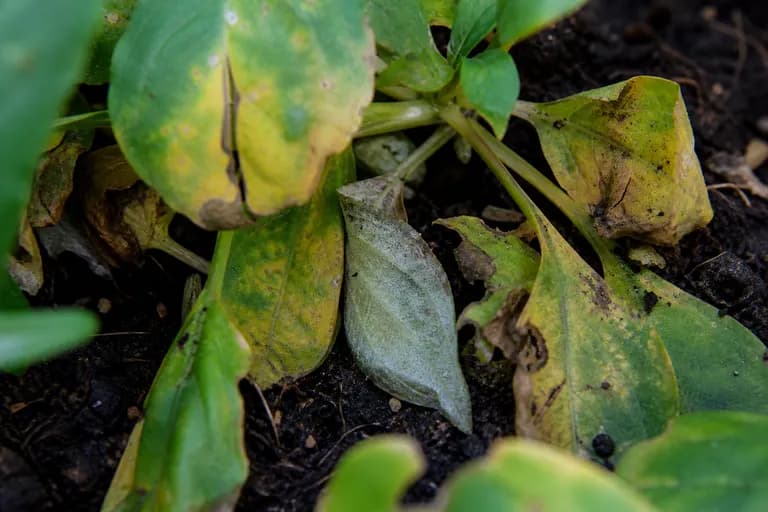
EnfermedadLas hojas adquieren un aspecto moteado y amarillento, seguido de un revestimiento blanco y algodonoso en el envés. Las plantas se defolian rápidamente de abajo arriba y pueden colapsar en pocas semanas. Esta enfermedad transmitida por el suelo persiste durante años.
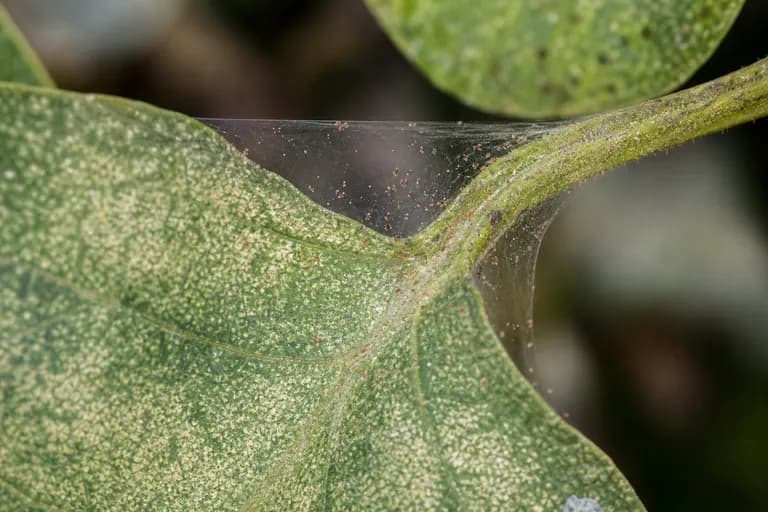
Araña roja
PlagaFinos punteados en las hojas que poco a poco se vuelven bronceadas o grises, con delicadas telarañas en el envés. Es más común en tiempo caluroso y seco y en plantas sometidas a estrés hídrico.
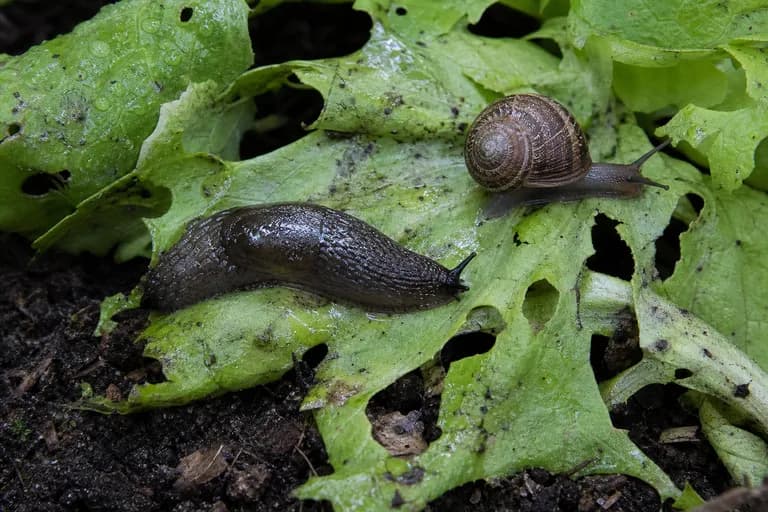
Babosas y caracoles
PlagaAgujeros irregulares en hojas y flores, con rastros plateados de baba sobre el follaje, más activos por la noche y con tiempo húmedo. Los trasplantes jóvenes son especialmente vulnerables.
Solución de problemas comunes
El mildiú velloso de la impatiens ha devastado la Impatiens walleriana tradicional en muchas zonas del este de Estados Unidos y Europa, provocando defoliación completa y la muerte de la planta sin un tratamiento eficaz. Esto ha llevado a la adopción generalizada de alternativas resistentes. Otros problemas frecuentes son el marchitamiento por humedad irregular, el crecimiento espigado en sombra profunda y el daño de babosas en los plantones jóvenes. La alegría de la casa es muy sensible a las heladas y se ennegrece de inmediato con la primera congelación.
Consejos de cultivo
- Plant impatiens in partial to full shade for the best performance. While they tolerate some morning sun in cooler climates, direct afternoon sunlight causes leaf scorch, wilting, and faded flower colors in most regions.
- Provide consistently moist, well-drained soil rich in organic matter. Amend heavy clay or sandy soils with compost before planting to improve moisture retention and drainage simultaneously.
- Space plants 25-30 cm apart to allow good air circulation, which helps prevent fungal diseases like downy mildew. Avoid overcrowding, even though the gaps between young plants may look sparse at first.
- Water impatiens at the base of the plants rather than overhead to keep foliage dry and reduce the risk of downy mildew and other foliar diseases. Morning watering is preferable to evening watering.
- Feed every two weeks during the growing season with a balanced water-soluble fertilizer diluted to half strength. Over-fertilizing with high-nitrogen formulas produces leggy growth with fewer flowers.
- Pinch back the growing tips of young plants when they have three to four sets of leaves to encourage branching and a denser, more compact habit that fills in more quickly and produces more blooms.
- Mulch around impatiens with 5-7 cm of shredded bark or compost to conserve soil moisture, keep root temperatures cool, and suppress weed competition in the garden bed.
- Monitor closely for signs of downy mildew, which appears as yellowing leaves, white fuzzy growth on leaf undersides, and sudden defoliation. Remove and destroy affected plants immediately to prevent spread.
- Take 8-10 cm stem cuttings in late summer and root them in water or moist perlite to create new plants for overwintering indoors on a bright windowsill. Cuttings root readily within two to three weeks.
- In frost-free regions or when grown indoors as houseplants, impatiens can become leggy over time. Cut plants back by half in late winter to rejuvenate them and promote fresh bushy growth and abundant flowering.
Cultiva tu mejor Alegría de la casa — y todo lo que la rodea.
Empieza un plan gratis hoy. Diseña tus bancales, coloca tu Alegría de la casa y deja que PlotMyGarden gestione el momento, el espaciado, las asociaciones y los recordatorios de la semilla a la cesta.
Elige tu Alegría de la casa
Serie Super Elfin
El estándar de la industria para impatiens de arriate, con plantas compactas de unos 25 cm y más de veinticinco colores, de uniformidad excepcional para plantaciones masivas.
Serie SunPatiens
Híbridos interespecíficos resistentes al mildiú velloso que toleran pleno sol, con un crecimiento vigoroso y una altura de 45 a 90 cm.
Serie Beacon
Criadas específicamente para resistir el mildiú velloso de la impatiens, manteniendo el porte clásico de walleriana y la tolerancia a la sombra.
Serie Imara XDR
Impatiens con resistencia extra a enfermedades y fuerte tolerancia al mildiú velloso, en plantas compactas y bien ramificadas con una amplia gama de colores.
Impatiens de Nueva Guinea
Una especie aparte con flores más grandes, follaje colorido y mayor tolerancia al sol. Resistentes de forma natural al mildiú velloso.
A pack of impatiens seeds containing 50-100 seeds costs approximately $3-5, while nursery transplants sell for $3-6 per individual plant or $15-25 per flat of 18-36 plants. Starting from seed saves 70-80% compared to buying transplants, and a single seed packet can fill an entire shade garden bed. Rooting stem cuttings from existing plants in late summer provides free new plants for the following year. Given that professional landscapers charge $4-8 per plant installed, a gardener who grows their own impatiens from seed can save $100-300 or more per season on shade garden color alone.
Recetas rápidas
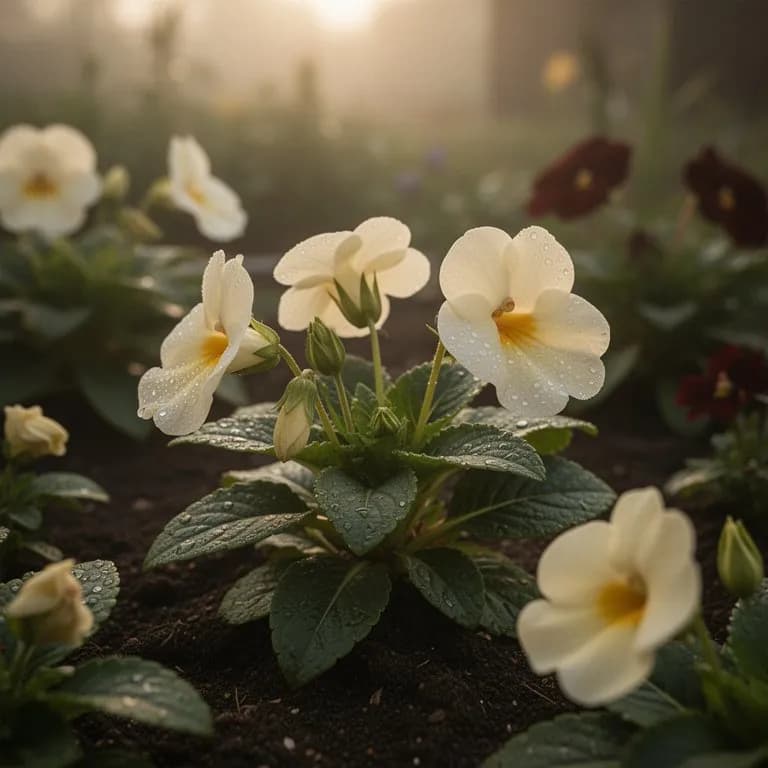
Edible Flower Ice Cubes with Impatiens
15 minutes plus freezing timeCreate stunning decorative ice cubes by suspending individual impatiens blooms in water and freezing them. These colorful cubes add a whimsical garden touch to lemonade, sparkling water, or cocktails at summer gatherings. Use only organically grown flowers that have never been treated with pesticides.
4 ingredientes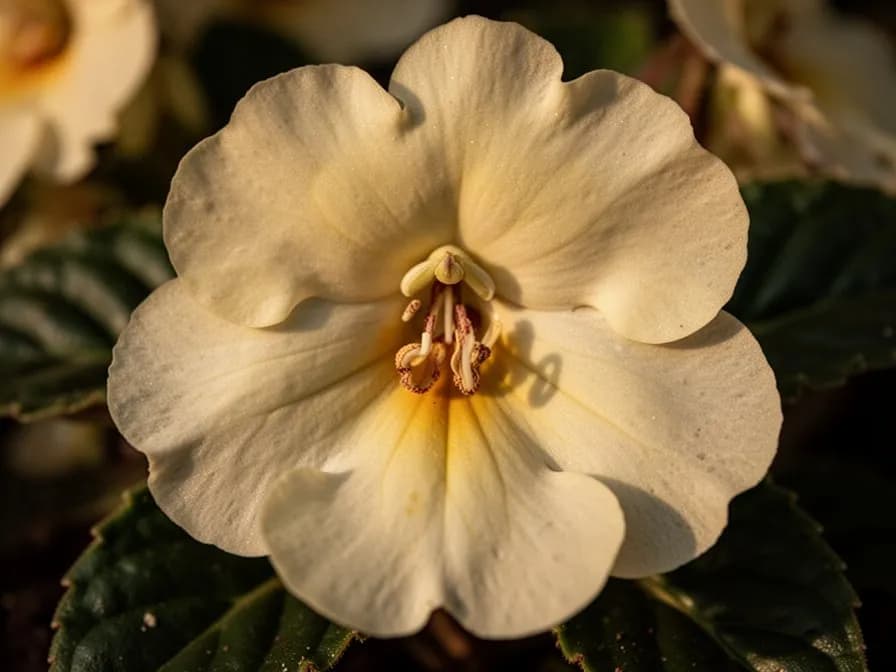
Impatiens Flower Garnish Salad
10 minutesScatter fresh impatiens petals over a simple green salad for a burst of garden color. The flowers have a very mild, slightly sweet flavor that does not overpower the other ingredients. This is a lovely way to use a handful of blooms from your shade garden at a special dinner.
5 ingredientes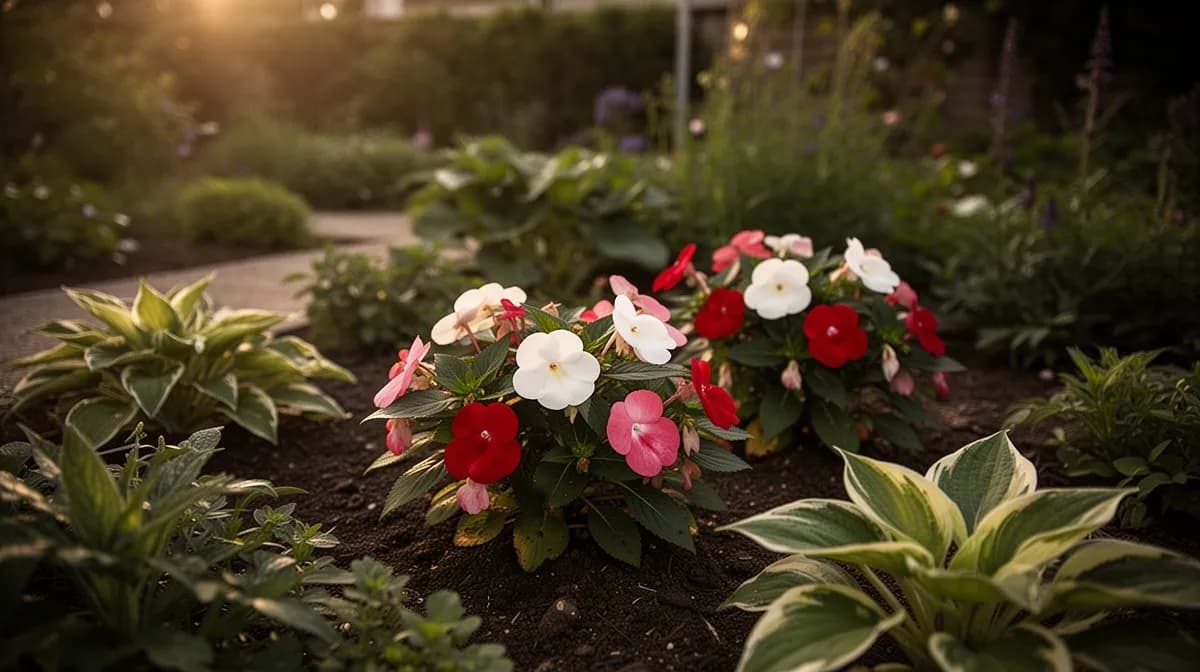
Candied Impatiens Flowers
30 minutes plus drying overnightPreserve the beauty of impatiens blooms by coating them in egg white and superfine sugar to create delicate candied flowers. These crystallized decorations keep for weeks in an airtight container and make gorgeous toppings for cakes, cupcakes, and dessert plates.
5 ingredientesQué contiene
Beneficios para la salud
- In East African traditional medicine, the crushed leaves and stems of Impatiens walleriana have been applied as a soothing poultice to relieve skin irritation, minor rashes, and insect stings due to their cooling mucilaginous sap.
- The anti-inflammatory properties of impatiens sap have been used in folk remedies to reduce the itching and discomfort caused by contact with stinging nettles, similar to the related North American species Impatiens capensis (jewelweed).
- Growing impatiens in shaded outdoor spaces can support mental well-being by bringing vibrant color and life to otherwise dark and uninviting areas of the garden, contributing to a more relaxing and uplifting outdoor environment.
- Tending to impatiens and other garden plants provides gentle physical activity and a connection to nature that has been shown in numerous studies to reduce stress, lower cortisol levels, and improve overall mood.
- Impatiens flowers attract beneficial pollinators including butterflies, hawk moths, and certain native bees, supporting local biodiversity and contributing to a healthier garden ecosystem overall.
- The simple act of nurturing plants like impatiens through the growing season offers therapeutic value for practitioners of horticultural therapy, helping to improve focus, patience, and a sense of accomplishment.
De dónde viene Alegría de la casa
Impatiens walleriana, commonly known as busy Lizzie, is a tender perennial native to the mountainous tropical forests of eastern Africa, where it grows wild along stream banks and on the damp, shaded forest floor in countries including Tanzania, Mozambique, Kenya, and Malawi. The species was first described scientifically by the British botanist Joseph Dalton Hooker in 1868 and was named in honor of Horace Waller, a British missionary and antislavery activist who collected plant specimens during his years in East Africa. The plant was introduced to European horticulture in the late nineteenth century, initially grown as a greenhouse curiosity and conservatory specimen. Its ability to flower profusely in low light conditions quickly made it popular among Victorian gardeners who struggled to find colorful plants for their shaded parlor gardens and north-facing window boxes. By the early twentieth century, plant breeders in Europe and the United States began developing compact cultivars in a broader range of colors, transforming impatiens from a botanical oddity into a mainstream bedding plant. The mid-twentieth century saw an explosion in impatiens popularity as garden centers and nurseries recognized the enormous demand for shade-tolerant annuals. By the 1980s and 1990s, impatiens had become the best-selling bedding plant in North America, with hundreds of millions of plants sold annually. This dominance was challenged beginning around 2004 when a devastating strain of downy mildew caused by Plasmopara obducens began spreading through impatiens plantings worldwide, wiping out entire landscape installations almost overnight. The crisis spurred intensive breeding efforts that led to the development of resistant species and interspecific hybrids, including the increasingly popular Impatiens hawkeri (New Guinea impatiens) and SunPatiens series. Today impatiens remain a beloved choice for shade gardens, containers, and hanging baskets around the world, valued for their unmatched flower power in low light and their forgiving, easy-care nature.
Alegría de la casa: ¿sabías que?
Datos fascinantes sobre Alegría de la casa
The name Impatiens comes from the Latin word for impatient, referring to the way the ripe seed capsules burst open explosively at the slightest touch, catapulting seeds up to a meter away from the parent plant.
Alegría de la casa: preguntas frecuentes
¿Cuándo debo plantar Alegría de la casa?
¿Cuáles son buenas plantas acompañantes para Alegría de la casa?
¿En qué zonas de rusticidad puede crecer Alegría de la casa?
¿Cuánto sol necesita Alegría de la casa?
¿A qué distancia debo espaciar Alegría de la casa?
¿Qué plagas y enfermedades afectan a Alegría de la casa?
¿Cómo almaceno Alegría de la casa después de la cosecha?
¿Cuáles son las mejores variedades de Alegría de la casa para cultivar?
¿Qué suelo necesita Alegría de la casa?
Why do my impatiens wilt so easily even when the soil seems moist?
What is impatiens downy mildew and how can I prevent it?
Can impatiens grow in full sun or do they strictly need shade?
How do I overwinter impatiens indoors?
Why are my impatiens getting leggy and producing fewer flowers?
Are impatiens toxic to pets or children?
Acabas de leer la teoría. Ahora cultívala en piloto automático.
Todo lo que hace que Alegría de la casa sea delicado — el momento, el espaciado, las asociaciones, la ventana de cosecha — es justo lo que PlotMyGarden resuelve por ti, para cada planta de tu huerto.
Un plan que conoce tu clima
Indica tu ubicación una vez. Recibe fechas de siembra, abonado y cosecha basadas en tu última helada real y el pronóstico en vivo — sin adivinar con un sobre genérico.
De la sección “Cuándo plantar”Planificador de bancales de arrastrar y soltar
Diseña bancales sobre una cuadrícula. Cada planta encaja con su espaciado correcto y ves toda la temporada antes de gastar un céntimo en semillas.
De la sección “Cultivo”Conflictos de asociación, detectados a tiempo
Más de 200 buenas y malas combinaciones comprobadas en vivo mientras plantas — para que un error que arruine la temporada nunca llegue a la tierra.
De la sección “Asociaciones”Recordatorios que sí vas a seguir
“Riega las judías.” “Recoge hoy antes de que se pase.” Oportunos, concretos y ligados a las plantas que de verdad cultivas.
De la sección “Cosecha”Escalonado, programado
¿Quieres cosechar seis semanas en vez de seis días? Reparte tus siembras automáticamente y te avisa cuando toca el siguiente lote.
De la sección “Cuándo plantar”Un registro que se vuelve más listo
Cada cosecha que registras le enseña tu huerto. El plan del año que viene parte de lo que de verdad funcionó en tu suelo, no en un manual.
De la sección “Resumen”Planta estos junto a Alegría de la casa
Más Anuales
Cultiva tu mejor Alegría de la casa — y todo lo que la rodea.
Empieza un plan gratis hoy. Diseña tus bancales, coloca tu Alegría de la casa y deja que PlotMyGarden gestione el momento, el espaciado, las asociaciones y los recordatorios de la semilla a la cesta.