Ysop
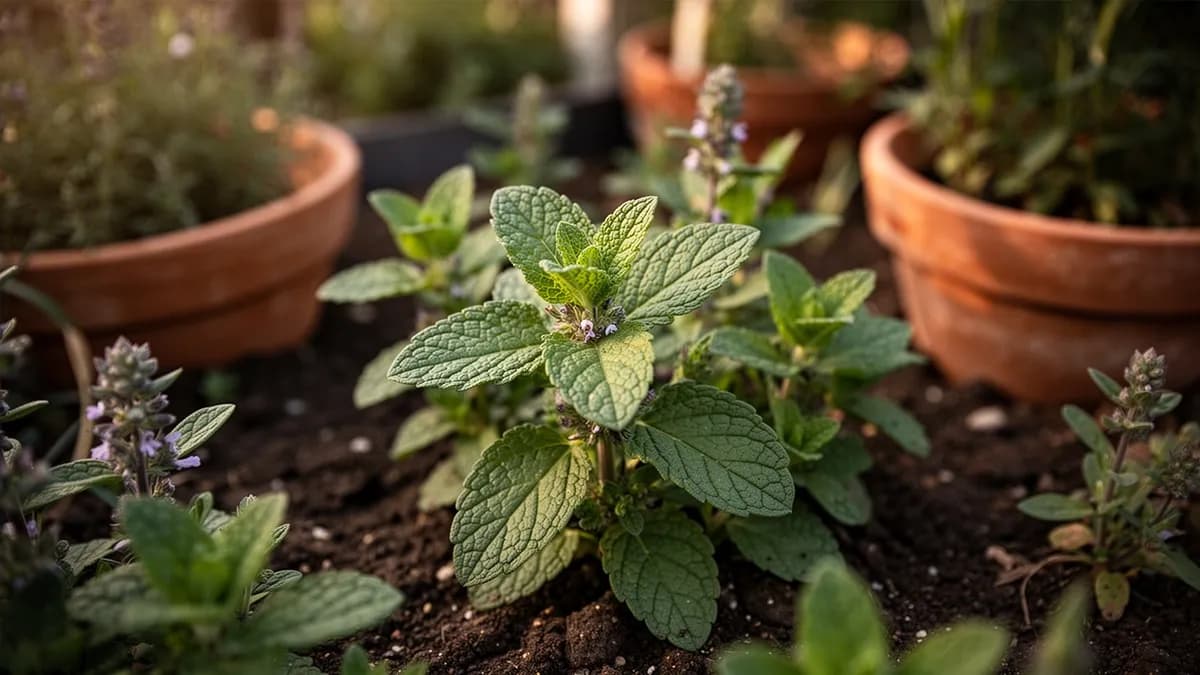
Ein halbimmergrüner Zwergstrauch mit Blütenähren in Blau, Rosa oder Weiß und einem bitteren, minzig-kampferartigen Aroma, das in Likören und Füllungen verwendet wird.





Auf dieser SeiteÜberblick
Ysop im Überblick
Ein halbimmergrüner Zwergstrauch mit Blütenähren in Blau, Rosa oder Weiß und einem bitteren, minzig-kampferartigen Aroma, das in Likören und Füllungen verwendet wird. Ysop ist eine hervorragende Bienenpflanze und eignet sich als attraktive niedrige Hecke in Kräutergartenrabatten. Verwenden Sie frische oder getrocknete Blätter sparsam in reichhaltigen, fettigen Gerichten, Suppen und kräuterinfundierten Honigen.
Wann Ysop pflanzen
Ysopsamen keimen leicht ohne besondere Vorbehandlung. Säen Sie 8 bis 10 Wochen vor dem letzten Frost drinnen aus, indem Sie die winzigen Samen auf die Oberfläche feuchter Anzuchterde drücken. Nicht abdecken, da die Samen Licht zum Keimen benötigen. Halten Sie 15 bis 21 °C ein und sorgen Sie für gleichmäßige Feuchtigkeit. Die Keimung erfolgt in 7 bis 21 Tagen. Vereinzeln Sie die Sämlinge auf 8 cm Abstand und pflanzen Sie sie in Einzeltöpfe um, wenn sie 4 echte Blätter entwickelt haben. Härten Sie ab und pflanzen Sie nach dem letzten Frost ins Freiland. Direktsaat im Freiland ist ebenfalls erfolgreich von Mitte bis Ende Frühling.
Dein Ysop-Jahr
Abgestimmt auf Zone 7 · typische Saison · Frost geht um den 2. Apr. und kehrt um den 1. Nov. zurück
Ysop Mär – Mai pflanzen, Jun – Sep ernten. Beachte die Pflanzmethoden unten und wähle dein Klima für passende Zeiträume.
So baust du Ysop an
Ysop ist ein vielseitiger halbimmergrüner Zwergstrauch, der die Lücke zwischen Ziergartenpflanze und Küchenkraut schließt. Er bildet dichte Ähren nektarreicher blauer, rosafarbener oder weißer Blüten von Hochsommer bis Frühherbst, die für Bienen, Schmetterlinge und Kolibris unwiderstehlich sind. Pflanzen Sie ihn in voller Sonne mit gut durchlässigem, magerem Boden mit einem pH-Wert von 6,0 bis 8,0. Wie die meisten mediterranen Kräuter entwickelt Ysop sein bestes Aroma und den stärksten Gehalt an ätherischen Ölen in armem, trockenem Boden.
Säen Sie die Samen 8 bis 10 Wochen vor dem letzten Frost drinnen aus oder säen Sie im Frühling nach der Bodenerwärmung direkt ins Freiland. Setzen Sie die Pflanzen in einem Abstand von 30 bis 45 cm. Ysop kann auch durch Stecklingsvermehrung im Frühsommer oder durch Teilung etablierter Horste im Frühling oder Herbst vermehrt werden. Er wird 45 bis 60 cm hoch und bildet einen attraktiven, kissenförmigen Wuchs.
Schneiden Sie die Pflanzen im zeitigen Frühling um ein Drittel zurück, um einen kompakten Wuchs zu erhalten und frische Verzweigung zu fördern. Nach der Hauptblüte schneiden Sie verblühte Blütenstiele zurück, um eine zweite, leichtere Blüte zu fördern. Ysop ist bis Zone 3 winterhart und kann als niedrige informelle Hecke in Kräutergartenrabatten dienen. Er ist rehresistent und verträgt mageren Boden, Hitze und Trockenheit, sobald er etabliert ist.
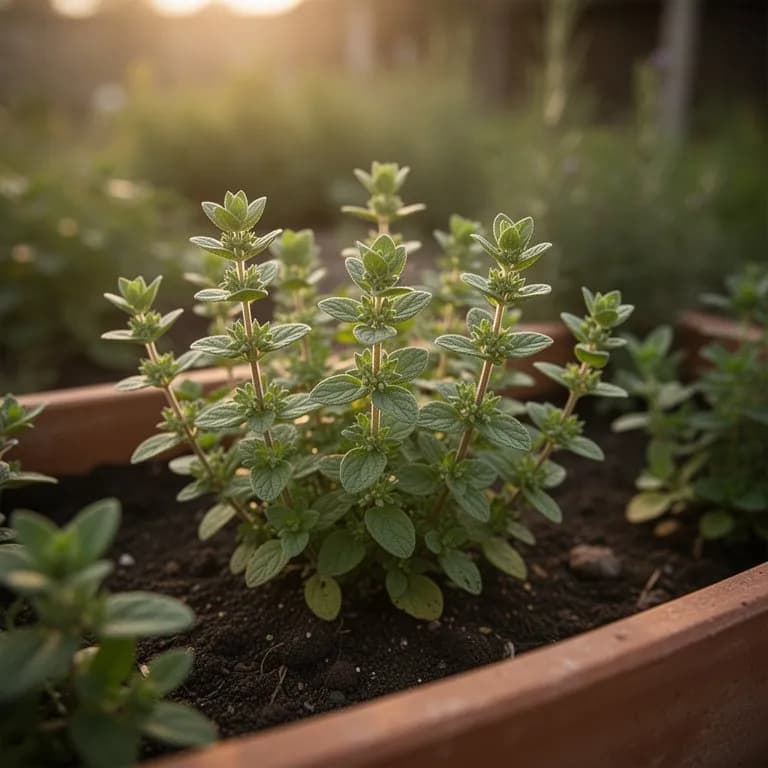
32 Pflanzen passen in ein Beet von 120 × 240 cm
Ysop braucht 30 cm Platz pro Pflanze. Der Planer hält diesen Abstand für dich ein — jede Pflanze, jedes Beet.
Die besten Nachbarn für Ysop
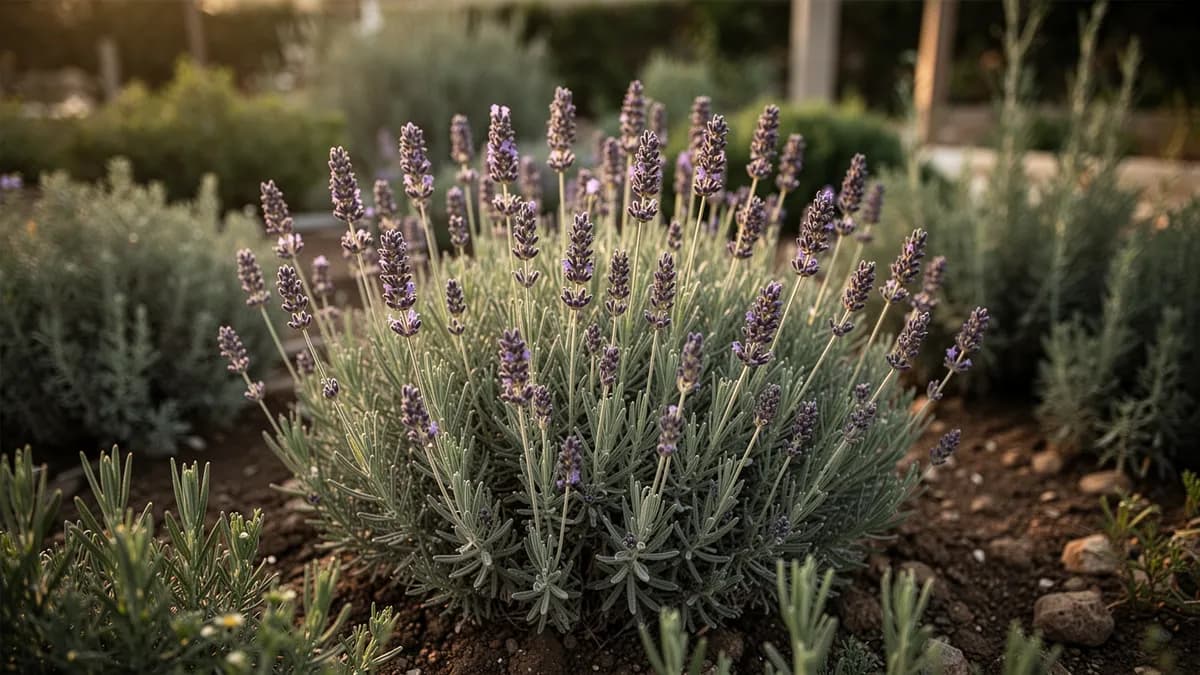
Ysop ist ein starker Bestäubermagnet, der Bienen, Schmetterlinge und nützliche Wespen in den Garten lockt. Pflanzen Sie ihn in der Nähe von Gemüsebeeten, um die Bestäubung von Kürbis, Gurken und anderen blühenden Kulturen zu fördern. Traditionell wird ihm nachgesagt, Kohlweißlinge abzuschrecken, was ihn zu einem nützlichen Begleiter neben Kohlgewächsen macht. Kombinieren Sie ihn mit anderen mediterranen Kräutern wie Lavendel, Rosmarin und Salbei an sonnigen, gut durchlässigen Standorten. Vermeiden Sie die Pflanzung in der Nähe von Radieschen, die Berichten zufolge neben Ysop nicht gut gedeihen.
Lavendel gehört daneben.
Altes Gärtnerwissen, geprüft an der echten Nachbartabelle von Ysop — teste jede Pflanze, die du anbaust.
Probiere Ysop direkt hier im Beet
Ein echtes Planer-Beet, Ysop steht schon drin. Tippe einen Begleiter an, platziere ihn und sieh, wie die Nachbarschaftsprüfung antwortet — grün für gute Nachbarn, rot bei Streit.


Passende Anbau-Ratgeber
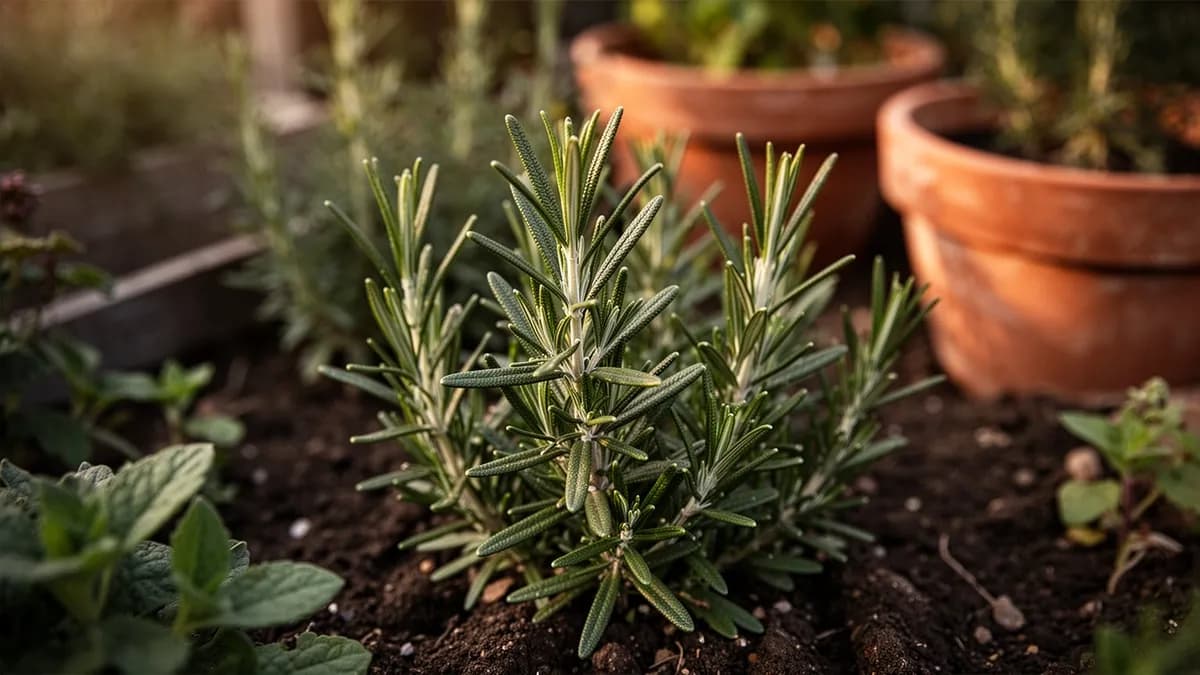
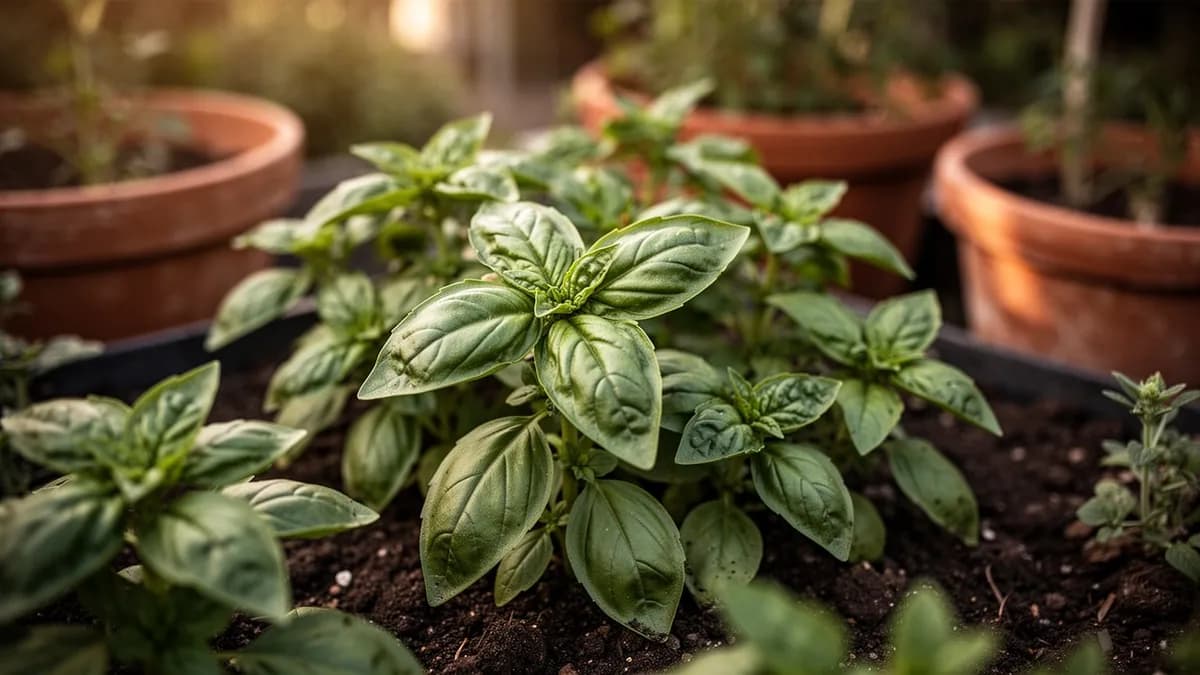
Richtig düngen
Ysop gedeiht in magerem, gut durchlässigem Boden mit einem pH-Wert von 6,0 bis 8,0. Nährstoffreicher Boden erzeugt üppigen, aber schwach aromatischen Wuchs. Sandiger oder kiesiger Boden ist ideal. Für Lehmgärten verbessern Sie mit Perlit und grobem Sand die Drainage. Minimale Düngung ist nötig; eine leichte Kompostschicht im Frühling reicht aus. Übermäßiges Düngen reduziert den Gehalt an ätherischen Ölen und erzeugt schlaksigen, schlaffen Wuchs. Kübelpflanzen können in Standard-Blumenerde mit zusätzlichem Perlit kultiviert werden.
Ideale Temperatur
Winterhärtezone-Kompatibilität
Von der Saat zur Ernte, Schritt für Schritt
Samenkeimung
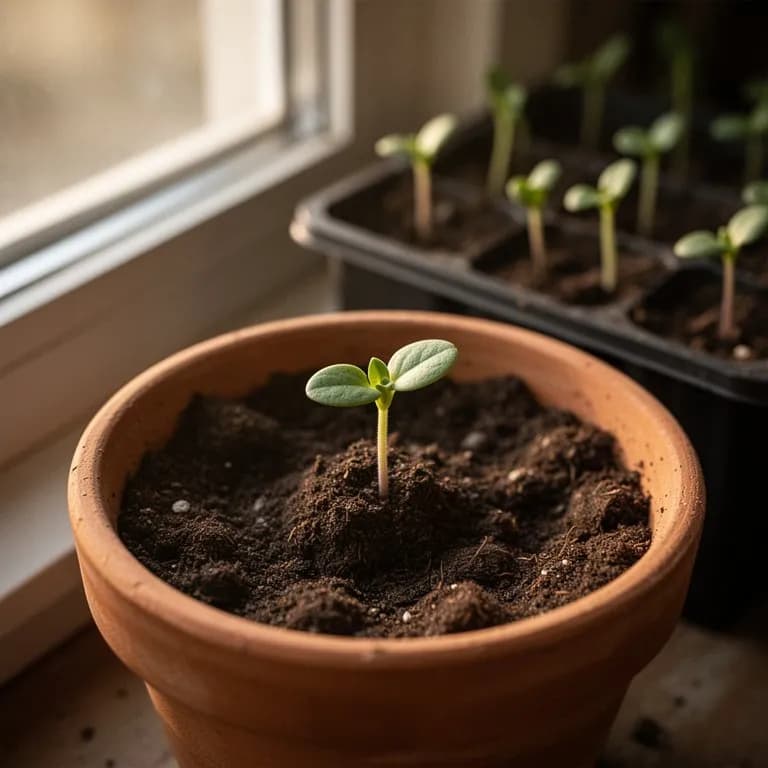
Ysopsamen sind sehr klein und benötigen Licht zum Keimen, daher sollten sie oberflächlich ausgesät oder nur mit einer feinen Schicht Vermiculit bedeckt werden. Die Keimung ist langsam und ungleichmäßig und dauert typischerweise 14–21 Tage bei Bodentemperaturen von 15–20 °C. Das erste Paar kleiner, abgerundeter Keimblätter wird von der charakteristischen gegenständigen Blattanordnung gefolgt.
Sämlingsentwicklung
Die Sämlinge wachsen anfangs langsam und entwickeln ihre ersten echten Paare schmaler, lanzettlicher, aromatischer Blätter. Der Stängel beginnt den leicht vierkantigen Querschnitt zu entwickeln, der für die Lippenblütlerfamilie (Lamiaceae) charakteristisch ist. Das Wurzelwachstum ist kräftig, auch wenn das oberirdische Wachstum bescheiden erscheint, und etabliert das tiefe Pfahlwurzelsystem, das die ausgewachsene Pflanze bemerkenswert trockenheitsresistent macht.
Vegetatives Wachstum
Die Pflanzen entwickeln sich rasch zu buschigen, halbverholzenden Zwergsträuchern von 40–60 cm Höhe. Mehrere aufrechte Stängel treiben aus der Basis aus, besetzt mit Paaren schmaler, intensiv aromatischer, dunkelgrüner Blätter. Die Pflanze nimmt ihre charakteristische kissenförmige Gestalt mit verholzter Basis und krautigem oberen Wuchs an. Etablierte Pflanzen aus dem Vorjahr brechen die Winterruhe und bilden neues Wachstum aus der verholzten Krone.
Blüte
Dichte endständige Ähren kleiner röhrenförmiger Blüten erscheinen an den Stängelspitzen und öffnen sich über mehrere Wochen fortschreitend von unten nach oben. Die typische Farbe ist ein markantes Blau-Violett, obwohl es auch rosa und weiße Sorten gibt. Jede Blüte ist reich an Nektar und lockt einen stetigen Strom von Honigbienen, Hummeln, Schmetterlingen und Kolibris an. Die Blüte hält 6–8 Wochen von Hochsommer bis Frühherbst an.
Samenbildung und Winterruhe
Nach der Blüte entwickeln sich kleine Klausensamen innerhalb der beständigen Kelche entlang der getrockneten Blütenähren. Jede Blüte bildet vier winzige dunkelbraune Samen. Wenn die Temperaturen im Herbst sinken, sterben die krautigen oberen Stängel ab, während die verholzte Basis am Leben bleibt. In milden Klimazonen (Zonen 6–9) behält die Pflanze halbimmergrünes unteres Laub über den Winter.
Säen Sie die Samen auf die Oberfläche feuchter, gut durchlässiger Anzuchterde und drücken Sie sie leicht an, ohne sie zu bedecken. Halten Sie sie gleichmäßig feucht mit einem Zerstäuber – vermeiden Sie starkes Gießen, das die feinen Samen wegspülen kann. Bodenwärme von 18–20 °C beschleunigt die Keimung. Seien Sie geduldig, da das Auflaufen langsam und ungleichmäßig erfolgt.
Ysop Monat für Monat pflegen
Was du jeden Monat für deine Ysop tun solltest
Oktober
Aktueller MonatSammeln Sie reife Samen von getrockneten Blütenähren und lagern Sie sie in beschrifteten Papierumschlägen. Schneiden Sie krautigen Wuchs nach dem ersten starken Frost auf 15 cm über der verholzten Basis zurück. Bringen Sie in den Zonen 5–6 eine leichte Kiesmulchschicht um die Krone auf, um die Winterdrainage im Wurzelbereich zu verbessern.
Immer wissen, was jetzt im Garten zu tun ist
Eine E-Mail zum Monatsanfang: was du jetzt säen, pflanzen und anpacken solltest — für deine Ysop und alles, was drumherum wächst. Dazu ein kurzer Startkurs, der dich vor den klassischen Fehlern bewahrt.
- Was jetzt zu tun ist
- Passend zu deiner Saison
- Startkurs inklusive
Ysop ernten
Ernten Sie Ysopblätter und -blüten während der gesamten Vegetationsperiode. Für den konzentriertesten Geschmack ernten Sie kurz bevor sich die Blüten vollständig öffnen, wenn der Gehalt an ätherischen Ölen am höchsten ist. Schneiden Sie Stängel von 10 bis 15 cm Länge von den Spitzen. Sowohl Blätter als auch Blüten sind essbar, wobei die Blüten eine mildere, süßere Version des Blattgeschmacks haben. Zum Trocknen schneiden Sie die Stängel an einem trockenen Morgen, nachdem der Tau verdunstet ist. Verwenden Sie das Kraut sparsam beim Kochen, da der Kampfer-Minz-Geschmack in großen Mengen überwältigend sein kann.
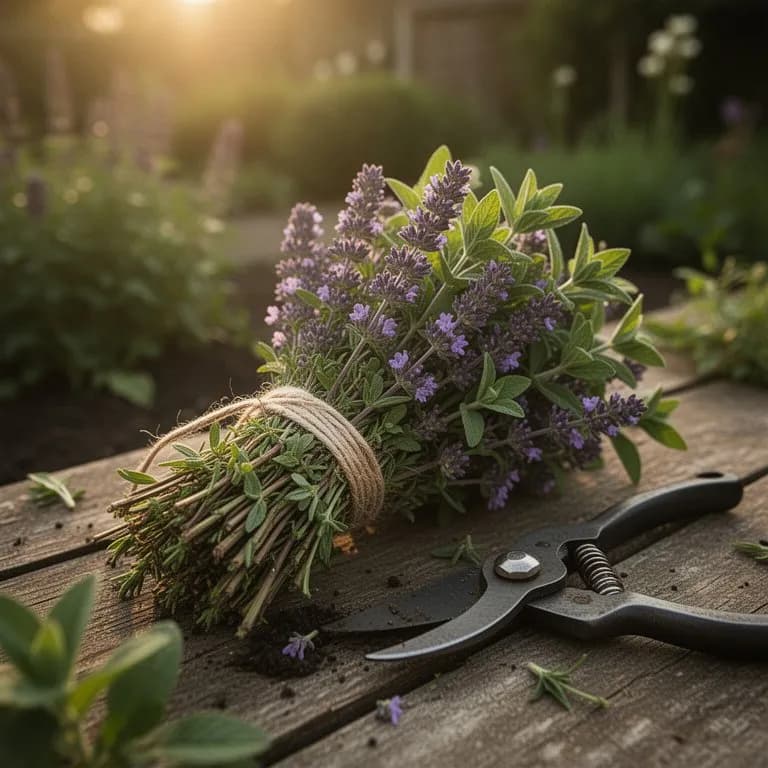
angenommen, du pflanzt zu Beginn des Zeitraums — trage dein tatsächliches Datum ein
Ernte Ysop zügig, dann trägt die Pflanze weiter.
Lagerung & Konservierung
Frischer Ysop hält sich etwa eine Woche im Kühlschrank, eingewickelt in feuchte Küchentücher. Zum Trocknen bündeln Sie 6 bis 8 Stängel und hängen sie kopfüber in einem warmen, dunklen, gut belüfteten Bereich für 1 bis 2 Wochen auf. Streifen Sie getrocknete Blätter von den Stängeln und lagern Sie sie in luftdichten Glasgefäßen fern von Hitze und Licht, wo sie bis zu 2 Jahre ihr Aroma behalten. Ysop kann auch in Eiswürfelformen mit Wasser oder Öl eingefroren oder in Honig, Essig oder einfachen Sirup zur Konservierung eingelegt werden.
Was schiefgeht — und die Lösung
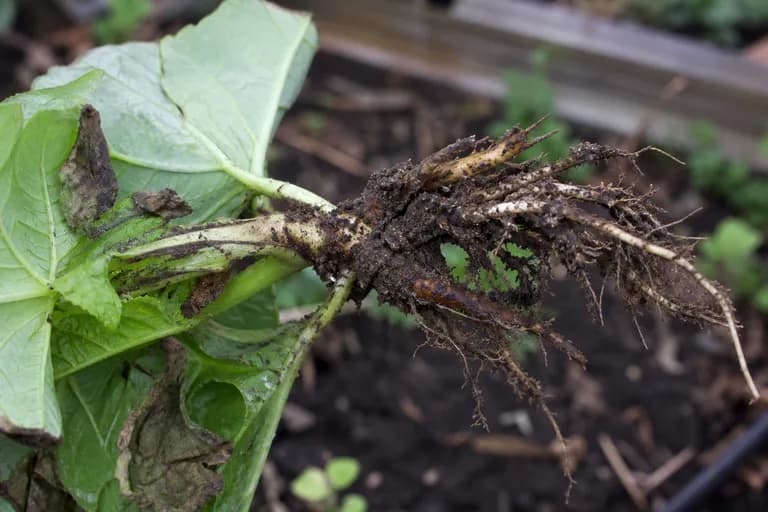
Wurzelfäule
KrankheitVergilbung und Welken trotz ausreichender Feuchtigkeit. Stängel werden an der Basis weich. Wurzeln werden dunkel und matschig. Am häufigsten in schwerem, nassem Boden bei kühlem Wetter.
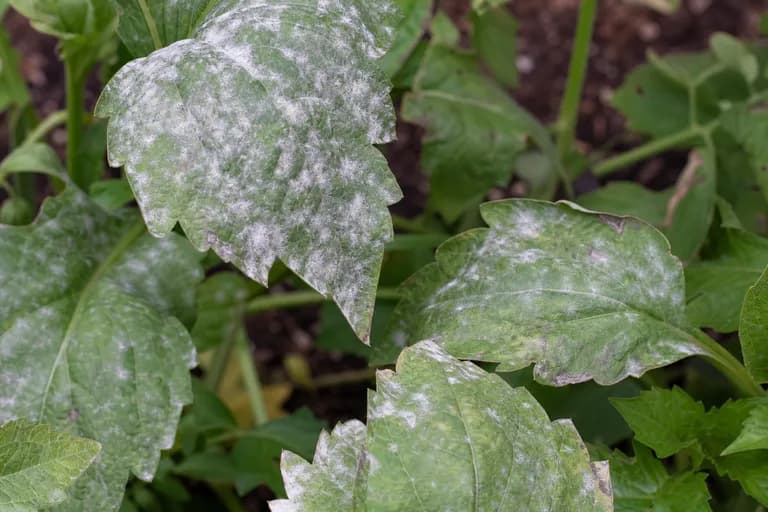
Echter Mehltau
KrankheitWeißer, pudriger Belag auf Blättern und Stängeln im Spätsommer, besonders bei feuchtem Wetter. Befallene Blätter können sich verformen und abfallen.
Fehlerbehebung bei häufigen Problemen
Überwässerung und schlechte Drainage verursachen Wurzelfäule, die häufigste Ursache für das Versagen von Ysop. Feuchte Bedingungen fördern Echten Mehltau im Spätsommer. Pflanzen können nach 3 bis 4 Jahren verholzen und spärlich werden; ersetzen Sie sie durch neue Pflanzen aus Stecklingen oder Teilung. Winterschäden an exponierten Standorten können Stängel bis zum Boden absterben lassen, obwohl Pflanzen im Frühling meist aus der Basis wieder austreiben. Der starke Kampfergeschmack kann überwältigend sein, wenn zu viel beim Kochen verwendet wird.
Anbautipps
- Beginnen Sie mit der Ysop-Aussaat drinnen 8–10 Wochen vor dem letzten Frost. Die Samen brauchen Licht zum Keimen, also säen Sie sie oberflächlich auf feuchte Anzuchterde und drücken Sie sie leicht an, ohne sie zu bedecken. Rechnen Sie mit langsamer, ungleichmäßiger Keimung über 14–21 Tage bei 18–20 °C.
- Ausgezeichnete Drainage ist der wichtigste Einzelfaktor für den erfolgreichen Ysopanbau. In schweren Lehmböden pflanzen Sie in Hochbeeten, die mit grobem Sand oder Kies verbessert wurden. Mehr Ysoppflanzen werden durch Winternässe getötet als durch Kälte – eine Kiesmulchschicht um die Krone ist weit besser als organischer Mulch.
- Pflanzen Sie Ysop in voller Sonne für besten Geschmack, höchsten Gehalt an ätherischen Ölen und reichlichste Blüte. Pflanzen vertragen leichten Nachmittagsschatten in sehr heißen Klimazonen (Zonen 8–9), aber unzureichende Sonne erzeugt schlaksigen, schlecht aromatischen Wuchs mit spärlichen Blüten.
- Gießen Sie sparsam, sobald die Pflanzen etabliert sind. Ysop stammt von trockenen Felshängen und produziert tatsächlich konzentriertere aromatische Öle, wenn er eher trocken gehalten wird. Gießen Sie tief, aber selten, und lassen Sie den Boden zwischen den Wassergaben abtrocknen. Vermeiden Sie Überkopfbewässerung.
- Schneiden Sie etablierte Pflanzen im zeitigen Frühling kräftig zurück, indem Sie verholzte Stängel um ein Drittel bis zur Hälfte kürzen, gerade wenn das neue Wachstum beginnt. Dies verhindert, dass die Pflanze schlaksig und lückig wird mit kahlen verholzten Stängeln an der Basis. Ohne regelmäßigen Schnitt wird Ysop nach 2–3 Jahren ausladend und unansehnlich.
- Ernten Sie blühende Stängel zum Trocknen, wenn etwa die Hälfte der Blüten an jeder Ähre geöffnet ist – dann erreicht die Konzentration ätherischer Öle ihren Höhepunkt. Schneiden Sie die Stängel morgens, nachdem der Tau getrocknet ist, aber bevor die Mittagshitze flüchtige Öle verdunsten lässt.
- Ysop eignet sich hervorragend als niedrige Hecke oder Rabattenpflanze bei einem Abstand von 30 cm. Der dichte, aromatische Wuchs schreckt viele Gartenschädlinge ab, darunter Kohlmotten und Erdflöhe. Pflanzen Sie ihn neben Kohlgewächsen, Weinreben oder Obstbäumen als Begleitpflanze zur Schädlingsbekämpfung.
- Vermehren Sie Ysop durch Weichholzstecklinge im Spätfrühling oder halbreife Stecklinge im Spätsommer für exakte Sortenvermehrung. Stecklinge bewurzeln leicht in einer kiesigen, gut durchlässigen Mischung innerhalb von 3–4 Wochen. Die Teilung etablierter Horste im Frühling oder Frühherbst ist die schnellste Vermehrungsmethode.
- Ersetzen Sie Ysoppflanzen alle 4–5 Jahre, da sie mit zunehmendem Alter immer stärker verholzen und weniger produktiv werden. Nehmen Sie Stecklinge oder Teilungen von den leistungsstärksten Pflanzen, bevor Sie alte Exemplare entfernen. Wechseln Sie den Pflanzstandort, um den Aufbau von bodenbürtigen Krankheiten zu verhindern.
- In Kübeln verwenden Sie eine frei durchlässige Mischung aus gleichen Teilen Blumenerde, Perlit und grobem Sand. Wählen Sie Terrakottatöpfe statt Plastik für bessere Feuchtigkeitsregulierung. Kübel-Ysop braucht Schutz vor extremer Kälte unter minus 15 °C – stellen Sie die Töpfe in eine unbeheizte Garage oder einen Kaltrahmen für den Winter.
Bau deine beste Ysop an — und alles drumherum.
Starte heute kostenlos. Lege deine Beete an, setze deine Ysop ein und lass PlotMyGarden Timing, Abstände, Begleiter und Erinnerungen von der Saat bis zum Erntekorb übernehmen.
Finde deine Ysop
Blauer Ysop
Die Standardart mit leuchtend blauen Blütenähren von Juli bis September. Die aromatischste Form für die kulinarische Verwendung. Kompakter, kissenförmiger Wuchs bis 60 cm.
Rosa Ysop
Zart rosafarbene Blütenähren auf der gleichen kompakten Pflanzenform. Etwas milderer Geschmack als die blaue Form. Attraktiv in gemischten Kräutergartenrabatten.
Weißer Ysop
Reinweiße Blütenähren, die schattige Ränder von Kräutergärten aufhellen. Gleich starkes Aroma wie die blaue Form. Seltener erhältlich, aber die Suche lohnt sich.
Anis-Ysop (Agastache foeniculum)
Eine andere Art mit anisduftenden Blättern und lavendelfarbenen Blütenähren. Heimisch in Nordamerika. Milderer, süßerer Geschmack, hervorragend für Tees und Desserts.
Frischer Ysop ist in Lebensmittelgeschäften selten erhältlich, und getrockneter Ysoptee erzielt Premiumpreise von 15–30 € pro 30 g in Spezialkräuterläden. Ätherisches Ysopöl wird für 12–25 € pro kleiner Flasche verkauft. Ein einzelnes Samentütchen für 3–4 € ergibt 50–100 Pflanzen, und da Ysop eine winterharte Staude mit einer Lebensdauer von 4–5 Jahren ist, bietet die Anfangsinvestition jahrelange kostenlose Ernten. Zwei bis drei ausgewachsene Pflanzen versorgen den Jahresbedarf eines Haushalts an frischem und getrocknetem Kraut für Tee, Kochen und Kräuterheilmittel – ein Wert von 40–80 € pro Jahr an Spezialkräuterkäufen, plus den Bonus eines hervorragenden Bestäuberhabitats, das die Obst- und Gemüseerträge Ihres gesamten Gartens verbessert.
Schnelle Rezepte
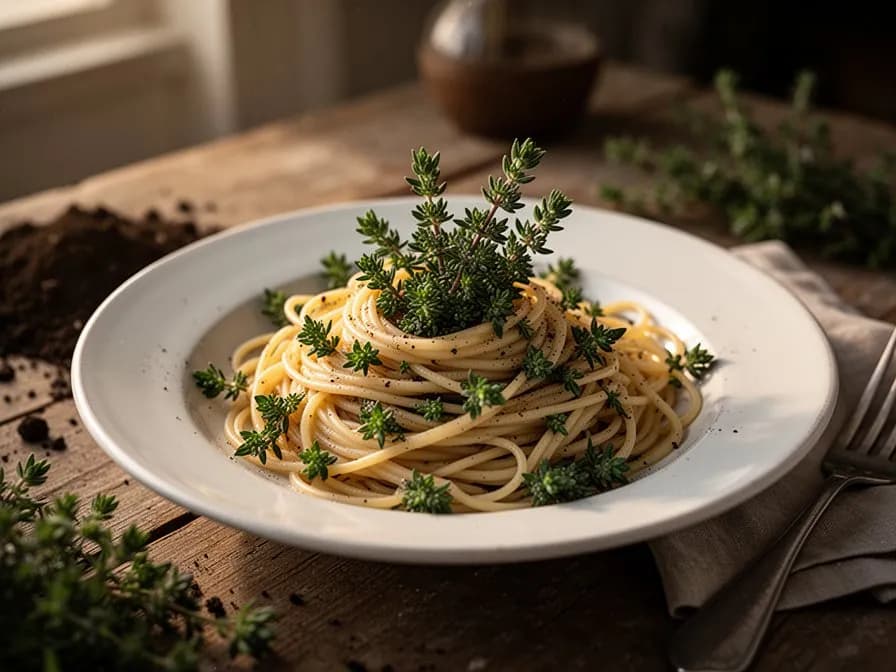
Wohltuender Ysop-Kräutertee
10 Min.Ein traditioneller Kräuteraufguss, der seit Jahrhunderten zur Linderung von Atemwegsbeschwerden und zur Beruhigung von Halsschmerzen verwendet wird. Frische oder getrocknete Ysopblätter und -blüten werden in heißem Wasser aufgegossen, um ihre aromatischen ätherischen Öle freizusetzen, und ergeben einen angenehm minzigen, leicht bitteren Tee, der mit Honig gesüßt werden kann.
5 ZutatenYsop-Zitronen-Kräuterbutter
15 Min.Eine duftende Kräuterbutter, die das einzigartige Kampfer-Minz-Aroma des Ysops einfängt, perfekt zum Schmelzen über gegrilltem Fisch, gebratenem Lamm oder gedünstetem Gemüse. Die aromatische Intensität des Ysops bedeutet, dass wenig viel bewirkt – er harmoniert besonders gut mit reichhaltigen, fettigen Gerichten.
6 ZutatenYsopblütensirup
25 Min.Ein wunderschön violett gefärbter Einfachsirup, infundiert mit Ysopblüten, ideal zum Beträufeln von Desserts, Einrühren in Cocktails und Limonade oder zum Süßen von Eistee. Das blumige, leicht minzige Aroma verleiht Getränken und Gebäck eine raffinierte Kräuternote.
5 ZutatenKulinarische Verwendung
Ysop hat ein komplexes, bitteres Aroma, das Minze, Kampfer und leichte Lakritznoten vereint. Verwenden Sie ihn sparsam zum Würzen reichhaltiger, fettiger Gerichte wie gebratenes Fleisch, Schwein, Wild und Bohneneintöpfe. Frische Blätter verleihen Salaten und Gemüsegerichten eine würzige Note. Das Kraut ist eine traditionelle Zutat in der französischen Kräutermischung Herbes de Provence und im Likör Chartreuse. Ysophonig ist ein geschätztes handwerkliches Produkt. Die Blüten sind eine attraktive essbare Garnitur für Suppen und Salate. Legen Sie Blätter in Honig oder Essig für einzigartige Würzmittel ein.
Was drinsteckt
Gesundheitsvorteile
- Traditionelles Kraut zur Unterstützung der Atemwege – Ysoptee und Dampfinhalationen werden seit Jahrhunderten verwendet, um Stauungen, Husten und Bronchialreizungen zu lindern, wobei die ätherischen Ölverbindungen Pinocamphon und 1,8-Cineol schleimlösende und krampflösende Eigenschaften bieten.
- Reich an Rosmarinsäure, einem starken Polyphenol-Antioxidans, das laut Forschung helfen kann, Entzündungen zu reduzieren, allergische Reaktionen zu hemmen und Zellen vor oxidativem Stress zu schützen – vergleichbare Mengen wie in Rosmarin und Zitronenmelisse.
- Enthält Flavonoide wie Diosmin und Hesperidin, die auf ihre Fähigkeit untersucht wurden, eine gesunde Blutzirkulation zu unterstützen, Kapillarwände zu stärken und Symptome chronischer venöser Insuffizienz zu reduzieren.
- Traditionell als Verdauungstonikum verwendet – Ysoptee nach den Mahlzeiten kann helfen, Verdauungssekrete anzuregen, Blähungen und Völlegefühl zu lindern und Magenkrämpfe zu beruhigen, was ihn zu einem geschätzten After-Dinner-Kräuteraufguss in der europäischen Volksmedizin macht.
- Das ätherische Öl hat in Laborstudien antimikrobielle Aktivität gegen mehrere Bakterien- und Pilzstämme gezeigt, was die traditionelle Verwendung von Ysop in Wundspülungen, Gurgelwasser bei Halsschmerzen und Haushaltsreinigungsmitteln unterstützt.
- Kann die Immunfunktion durch seine Kombination aus antioxidativen Polyphenolen, Vitamin C und aromatischen Verbindungen unterstützen – traditionelle Kräuterkundige empfehlen seit Langem täglichen Ysoptee während der Erkältungs- und Grippesaison als sanftes immunstärkendes Tonikum.
Woher Ysop stammt
Ysop (Hyssopus officinalis) stammt von den trockenen, felsigen Kalksteinhängen Südeuropas, des Mittelmeerraums und Zentralasiens, wo er wild wächst von der Iberischen Halbinsel über die Türkei bis in den Kaukasus und den Iran. Archäologische und textliche Belege bestätigen seine Nutzung über Tausende von Jahren, was ihn zu einem der ältesten kultivierten Kräuter der Menschheitsgeschichte macht. Die alten Ägypter verwendeten Ysop in Reinigungszeremonien, und er erscheint wiederholt in der Hebräischen Bibel als Pflanze der rituellen Reinigung – der Aufruf Entsündige mich mit Ysop in Psalm 51 sicherte seinen Platz im westlichen religiösen und kulturellen Bewusstsein über Jahrtausende.
Die alten Griechen kannten Ysop gut. Hippokrates verschrieb ihn bei Atemwegserkrankungen und Brustbeschwerden, während Dioskurides ihn in seinem grundlegenden Kräuterbuch De Materia Medica um 70 n. Chr. dokumentierte. Die Römer verbreiteten den Ysopanbau in ihrem gesamten Reich und verwendeten ihn sowohl medizinisch als auch als Küchenkraut zum Würzen von Saucen, Suppen und gebratenem Fleisch. Als das Römische Reich dem Mittelalter wich, fand Ysop eine sichere Heimat in den Klostergärten der Benediktiner- und Kartäusermönche, die ihn für Medizin, Küche und die Herstellung von Kräuterlikören kultivierten – am berühmtesten Chartreuse, erstmals 1737 aus einem geheimen Rezept mit über 130 Kräutern destilliert, wobei Ysop eine Schlüsselzutat war.
Während des Mittelalters war Ysop eines der unverzichtbaren ‚Streukräuter', die auf Böden verteilt wurden, um die Luft zu süßen, Ungeziefer abzuwehren und angeblich vor der Pest zu schützen. Kräuterkundige wie Culpeper und Gerard priesen seine Tugenden zur Behandlung von Husten, Asthma und Verdauungsbeschwerden. Europäische Kolonisten brachten Ysop nach Nordamerika, wo er sich in gut durchlässigen Böden einbürgerte und in die frühe amerikanische Kräutermedizin-Tradition aufgenommen wurde. Thomas Jefferson baute Ysop in Monticello an, und er wurde zu einem Grundbestandteil kolonialer Kräutergärten.
Heute wird Ysop kommerziell für sein ätherisches Öl angebaut, das in der Aromatherapie, Parfümerie und Aromenindustrie verwendet wird. Er bleibt eine wichtige Bienenpflanze in der europäischen Imkerei und wird von Gärtnern weltweit zunehmend als trockenheitstolerante, bestäuberfreundliche Zierkrautpflanze geschätzt, die die Lücke zwischen Küchengarten und Blumenrabatte schließt.
Ysop: Schon gewusst?
Faszinierende Fakten über Ysop
Ysop ist eines der ältesten Heilkräuter der aufgezeichneten Geschichte – er wird mehrfach in der Bibel erwähnt und wurde in antiken Reinigungsritualen verwendet. Die Wendung Entsündige mich mit Ysop aus Psalm 51 hat dieses Kraut seit über 3.000 Jahren im kulturellen Gedächtnis bewahrt.
Ysop: Fragen & Antworten
Wann sollte ich Ysop pflanzen?
Was sind gute Begleitpflanzen für Ysop?
In welchen Winterhärtezonen kann Ysop wachsen?
Wie viel Sonne braucht Ysop?
Welchen Abstand sollte ich zwischen Ysop lassen?
Welche Schädlinge und Krankheiten befallen Ysop?
Wie lagere ich Ysop nach der Ernte?
Was sind die besten Ysop-Sorten zum Anbauen?
Welchen Boden braucht Ysop?
Ist Ysop dasselbe wie Anis-Ysop oder Riesenysop?
Kann ich Ysop beim Kochen verwenden, und wie schmeckt er?
Wie trockne und lagere ich Ysop für Tee und zum Kochen?
Ist Ysop sicher zum Verzehr, und gibt es Vorsichtsmaßnahmen?
Warum stirbt meine Ysoppflanze trotz regelmäßigem Gießen?
Wann und wie sollte ich Ysop schneiden?
Du hast die Theorie gelesen. Jetzt baue sie auf Autopilot an.
Alles, was Ysop knifflig macht — das Timing, die Abstände, die Begleiter, das Erntefenster — genau das übernimmt PlotMyGarden für dich, für jede Pflanze im Garten.
Ein Plan, der dein Wetter kennt
Standort einmal festlegen. Aussaat-, Dünge- und Erntedaten rund um deinen echten letzten Frosttermin und die Live-Vorhersage — kein Raten mehr nach Saattüte.
Aus dem Abschnitt „Pflanzzeit“Beetplaner per Drag & Drop
Beete auf einem Raster gestalten. Jede Pflanze rastet im richtigen Abstand ein, und du siehst die ganze Saison, bevor du einen Cent für Saatgut ausgibst.
Aus dem Abschnitt „Anbau“Begleiter-Konflikte früh erkannt
Über 200 gute und schlechte Kombinationen werden beim Pflanzen live geprüft — so landet ein saisonruinierender Fehler nie in der Erde.
Aus dem Abschnitt „Begleiter“Erinnerungen, nach denen du wirklich handelst
„Gieß die Bohnen.“ „Heute ernten, bevor's umschlägt.“ Pünktlich, konkret und auf deine echten Pflanzen bezogen.
Aus dem Abschnitt „Ernte“Staffel-Aussaat, geplant
Sechs Wochen ernten statt sechs Tage? Die App verteilt deine Aussaaten automatisch und erinnert dich, wenn der nächste Satz fällig ist.
Aus dem Abschnitt „Pflanzzeit“Ein Verlauf, der schlauer wird
Jede protokollierte Ernte bringt der App deinen Garten bei. Der Plan fürs nächste Jahr startet bei dem, was in deinem Boden wirklich funktioniert hat.
Aus dem Abschnitt „Überblick“Pflanze diese neben Ysop
Weitere Küchenkräuter
Gartenpläne mit Ysop
Bau deine beste Ysop an — und alles drumherum.
Starte heute kostenlos. Lege deine Beete an, setze deine Ysop ein und lass PlotMyGarden Timing, Abstände, Begleiter und Erinnerungen von der Saat bis zum Erntekorb übernehmen.