Guter Heinrich
Ein mehrjähriger Spinatersatz, der seit dem Mittelalter in europäischen Gärten angebaut wird und pfeilförmige Blätter sowie spargelähnliche Triebe hervorbringt.





Auf dieser SeiteÜberblick
Guter Heinrich im Überblick
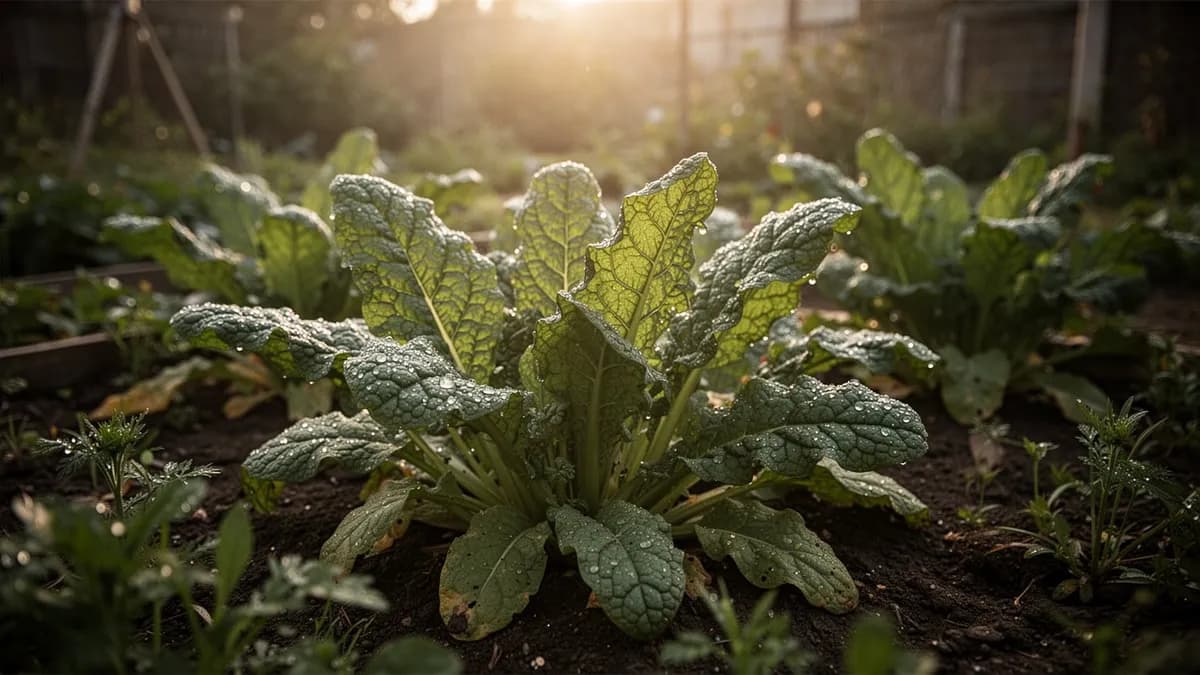
Ein mehrjähriger Spinatersatz, der seit dem Mittelalter in europäischen Gärten angebaut wird und pfeilförmige Blätter sowie spargelähnliche Triebe hervorbringt. Einmal etabliert, kehren die Pflanzen Jahr für Jahr zurück und vertragen nährstoffarme Böden und Halbschatten. Junge Frühlingstriebe können wie Spargel geerntet werden, während die Blätter während der gesamten Wachstumsperiode wie Spinat zubereitet werden. Eine ausgezeichnete pflegeleichte Kultur für Permakultur und mehrjährige Gemüsegärten.
Wann Guter Heinrich pflanzen
Säen Sie die Samen im Frühling oder Herbst einen halben Zentimeter tief aus. Stratifizieren Sie die Samen 2 bis 4 Wochen im Kühlschrank, um die ungleichmäßige Keimung zu verbessern. Die Keimung dauert bei 10 bis 18 Grad Celsius 2 bis 6 Wochen und kann lückenhaft sein. Das Vorziehen in Töpfen ermöglicht eine bessere Kontrolle. Pflanzen Sie die Sämlinge an ihren endgültigen Standort um, wenn sie 4 echte Blätter haben. Die Pflanzen etablieren sich im ersten Jahr langsam, werden aber zu kräftigen Stauden.
Dein Guter Heinrich-Jahr
Abgestimmt auf Zone 7 · typische Saison · Frost geht um den 2. Apr. und kehrt um den 1. Nov. zurück
Guter Heinrich Mär – Mai pflanzen, Apr – Jul ernten. Beachte die Pflanzmethoden unten und wähle dein Klima für passende Zeiträume.
So baust du Guter Heinrich an
Guter Heinrich ist ein altes europäisches Staudengemüse, das einst häufig in Bauerngärten wegen seiner essbaren Blätter, Triebe und Blütenstände angebaut wurde. Säen Sie die Samen im Frühling oder Herbst einen halben Zentimeter tief aus, mit einem Abstand von 30 bis 45 Zentimetern. Die Keimung kann langsam und ungleichmäßig verlaufen und dauert bei 10 bis 18 Grad Celsius 2 bis 6 Wochen.
Die Pflanzen bevorzugen nährstoffreichen, feuchten Boden in voller Sonne bis Halbschatten. Guter Heinrich etabliert sich im ersten Jahr langsam, wird aber in den Folgejahren zunehmend produktiver. Die dreieckigen, pfeilförmigen Blätter erscheinen im zeitigen Frühjahr und können wie Spinat geerntet werden.
Im Frühling können die jungen, spargelähnlichen Triebe gebleicht und geerntet werden, bevor sich die Blätter entfalten. Schneiden Sie die Blütenstände ab, solange sie noch in der Knospe stehen, um ein brokkoli-ähnliches Gemüse zu erhalten. Einmal etabliert, sind die Pflanzen langlebige Stauden, die nur minimale Pflege benötigen. Düngen Sie jährlich im Spätwinter mit Kompost und teilen Sie die Horste alle 4 bis 5 Jahre, um die Vitalität zu erhalten.
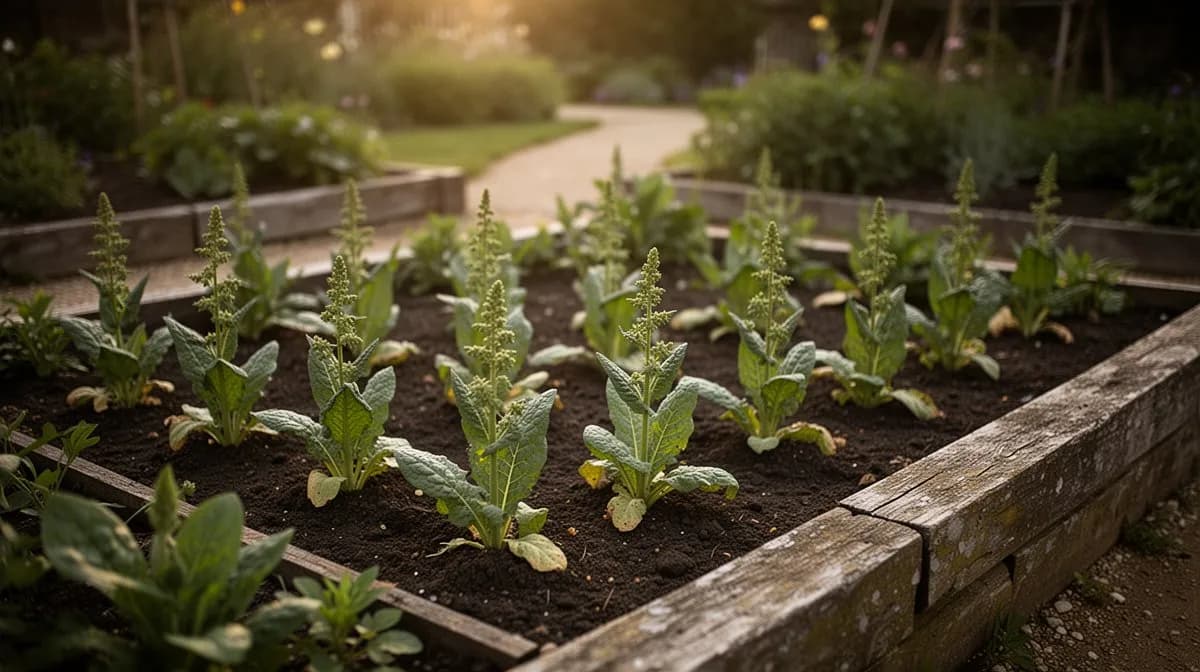
32 Pflanzen passen in ein Beet von 120 × 240 cm
Guter Heinrich braucht 30 cm Platz pro Pflanze. Der Planer hält diesen Abstand für dich ein — jede Pflanze, jedes Beet.
Die besten Nachbarn für Guter Heinrich
Als Staude eignet sich Guter Heinrich am besten in einem speziellen Staudenbeet neben anderen dauerhaften Kulturen wie Rhabarber, Spargel und Sauerampfer. Seine tiefen Wurzeln verbessern die Bodenstruktur für benachbarte Pflanzen. Pflanzen Sie ihn an einen Standort, an dem er viele Jahre ungestört bleiben kann. Vermeiden Sie einjährige Gemüsebeete, in denen er das Umgraben stören würde.
Kopfsalat gehört daneben.
Altes Gärtnerwissen, geprüft an der echten Nachbartabelle von Guter Heinrich — teste jede Pflanze, die du anbaust.
Probiere Guter Heinrich direkt hier im Beet
Ein echtes Planer-Beet, Guter Heinrich steht schon drin. Tippe einen Begleiter an, platziere ihn und sieh, wie die Nachbarschaftsprüfung antwortet — grün für gute Nachbarn, rot bei Streit.


Passende Anbau-Ratgeber
Richtig düngen
Guter Heinrich gedeiht in nährstoffreichem, feuchtem, gut durchlässigem Boden mit einem pH-Wert zwischen 6,0 und 7,5. Verbessern Sie den Pflanzbereich großzügig mit Kompost und gut verrottetem Mist. Düngen Sie jährlich im Spätwinter mit Kompost, um die Bodenfruchtbarkeit zu erhalten. Eine Frühjahrsgabe von ausgewogenem organischem Dünger fördert kräftiges Trieb- und Blattwachstum. Die tiefen Wurzeln erschließen Nährstoffe, die für flachwurzelnde Kulturen unerreichbar sind.
Ideale Temperatur
Winterhärtezone-Kompatibilität
Von der Saat zur Ernte, Schritt für Schritt
Samenkeimung
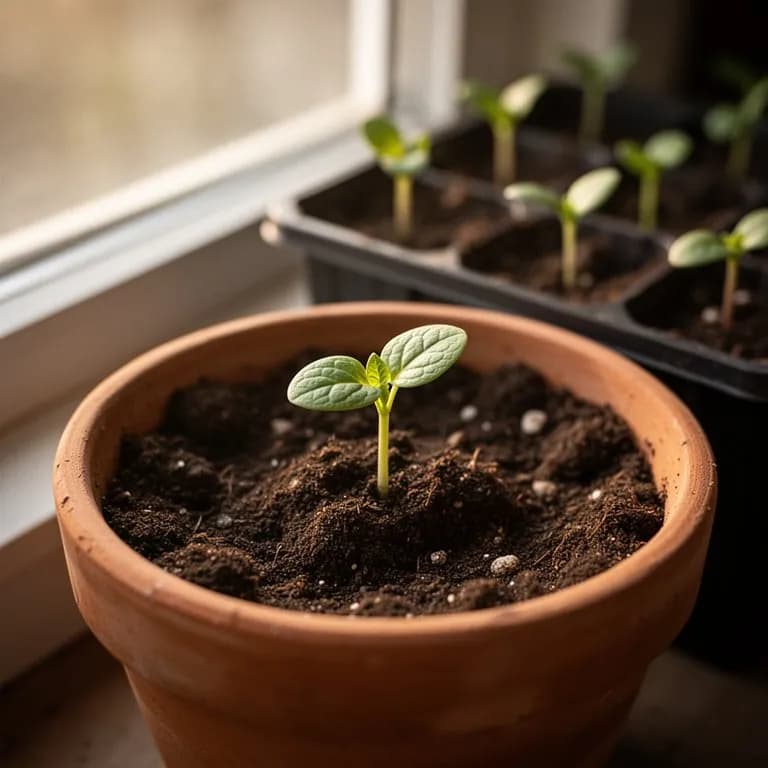
Guter-Heinrich-Samen sind bekannt dafür, langsam und ungleichmäßig zu keimen — oft dauert es selbst unter idealen Bedingungen 14–28 Tage. Die Samen benötigen eine Kältestratifikation (2–4 Wochen bei 1–5 °C), um die Keimruhe zu brechen. Die winzigen Keimlinge erscheinen mit kleinen, runden Keimblättern, bevor sich die ersten echten pfeilförmigen Blätter entwickeln.
Sämlingsetablierung
Sämlinge wachsen in ihrer ersten Saison langsam und bilden eine Rosette kleiner dreieckiger Blätter sowie den tiefen, fleischigen Wurzelstock, der die Pflanze über Jahre versorgen wird. Erstjahrespflanzen übersteigen selten 15–20 cm Höhe und sollten nicht beerntet werden.
Wurzeletablierung
Während der ersten vollen Wachstumsperiode lenkt die Pflanze den Großteil ihrer Energie in den Aufbau ihres dicken, fleischigen Wurzelstocks und des tiefen Wurzelsystems. Im Herbst stirbt das oberirdische Laub bis zum Boden ab, wenn die Pflanze in die Winterruhe eintritt und Energie in den Wurzeln für einen kräftigen Frühjahrsaustrieb speichert.
Frühlingstrieb-Produktion
Ab dem zweiten Jahr treiben dicke, spargelähnliche Triebe aus dem Wurzelkopf im zeitigen Frühjahr aus. Diese blassgrünen bis violett getönten Triebe sind der geschätzteste essbare Teil der Pflanze. Werden sie nicht geerntet, entwickeln sie sich zu den hohen Blütenstielen mit dichten Ähren winziger grünlich-gelber Blüten.
Ausgereifte Blattproduktion
Nach der Triebernte geht die Pflanze in kräftiges Blattwachstum über. Große, dunkelgrüne, dreieckige Blätter mit mehligem oder wachsartigem Belag entwickeln sich an verzweigten Stängeln, die 60–80 cm Höhe erreichen. Die Blätter können den ganzen Sommer über regelmäßig wie mehrjähriger Spinat geerntet werden.
Blüte und Samenbildung
Dichte Blütenähren entwickeln sich an der Spitze reifer Stängel mit Büscheln winziger grünlich-gelber Blüten, die windbestäubt werden. Die Samen reifen bis zum Spätsommer zu kleinen, dunklen, rundlichen Nüsschen heran. Die Pflanze zieht im Herbst allmählich bis zum Wurzelkopf ein und geht in die Winterruhe über, bevor sie den Zyklus 10–20 Jahre oder länger wiederholt.
Stratifizieren Sie die Samen 2–4 Wochen in feuchtem Sand im Kühlschrank vor der Aussaat. Säen Sie flach in 1 cm Tiefe im Frühling aus. Halten Sie den Boden feucht, aber nicht staunass. Haben Sie Geduld — lückenhafte Keimung über mehrere Wochen ist völlig normal.
Guter Heinrich Monat für Monat pflegen
Was du jeden Monat für deine Guter Heinrich tun solltest
Oktober
Aktueller MonatSchneiden Sie abgestorbenes und welkendes Laub bodennah zurück, sobald es vollständig vergilbt ist. Bringen Sie eine großzügige Schicht gut verrotteten Komposts oder Lauberde über den Wurzelköpfen als Wintermulch und Bodendüngung auf. Teilen Sie zu dichte Horste und pflanzen Sie die Teilstücke wieder ein.
Immer wissen, was jetzt im Garten zu tun ist
Eine E-Mail zum Monatsanfang: was du jetzt säen, pflanzen und anpacken solltest — für deine Guter Heinrich und alles, was drumherum wächst. Dazu ein kurzer Startkurs, der dich vor den klassischen Fehlern bewahrt.
- Was jetzt zu tun ist
- Passend zu deiner Saison
- Startkurs inklusive
Guter Heinrich ernten
Ernten Sie junge Frühlingstriebe, wenn sie 10 bis 15 Zentimeter groß sind, bevor sich die Blätter entfalten, als spargelähnliches Gemüse. Schneiden Sie Blütenstände ab, solange sie noch fest geschlossen sind, als brokkoli-ähnliches Gemüse. Ernten Sie während der gesamten Wachstumsperiode einzelne äußere Blätter wie Spinat. Ernten Sie im ersten Jahr nicht zu stark, damit die Pflanzen ein kräftiges Wurzelsystem aufbauen können. Ab dem zweiten Jahr sind die Pflanzen sehr ertragreich.
angenommen, du pflanzt zu Beginn des Zeitraums — trage dein tatsächliches Datum ein
Ernte Guter Heinrich zügig, dann trägt die Pflanze weiter.
Lagerung & Konservierung
Frische Blätter und Triebe sollten innerhalb von 2 bis 3 Tagen nach der Ernte verbraucht werden. Lagern Sie sie im Kühlschrank in einem feuchten Tuch. Zum Konservieren blanchieren Sie Blätter und Triebe 1 bis 2 Minuten, schrecken Sie sie in Eiswasser ab und frieren Sie sie bis zu 6 Monate ein. Guter Heinrich eignet sich nicht zum Trocknen. Als Staude liefert er von Frühling bis Herbst frische Ernten direkt aus dem Garten.
Was schiefgeht — und die Lösung
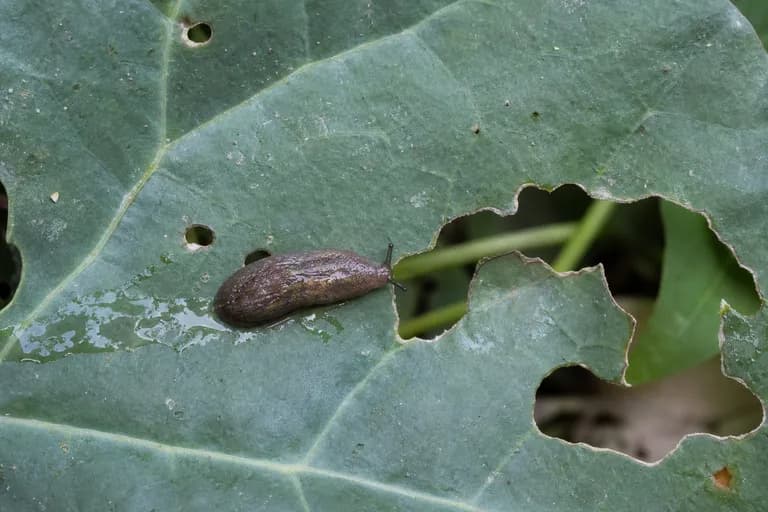
Nacktschnecken
SchädlingLöcher in jungen, im Frühling austreibenden Blättern, Schleimspuren rund um den Pflanzenkopf.
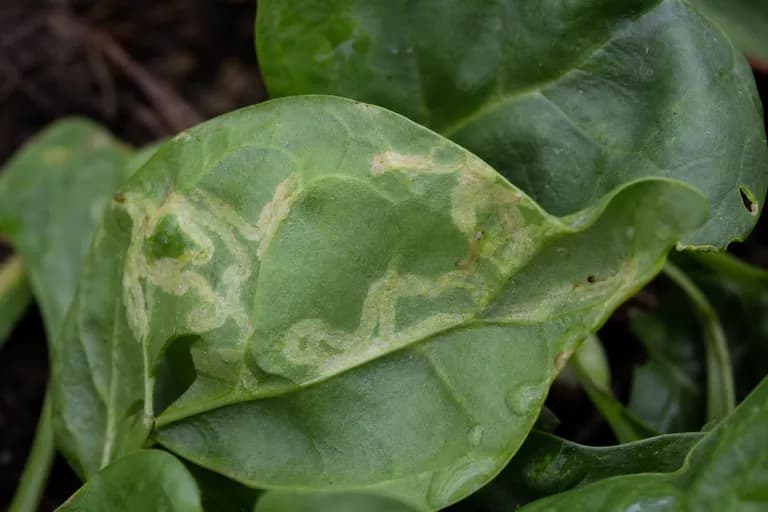
Minierfliegen
SchädlingWeiße oder hellbraune, gewundene Gänge in den Blättern, in denen die Larven zwischen den Blattoberflächen fressen.
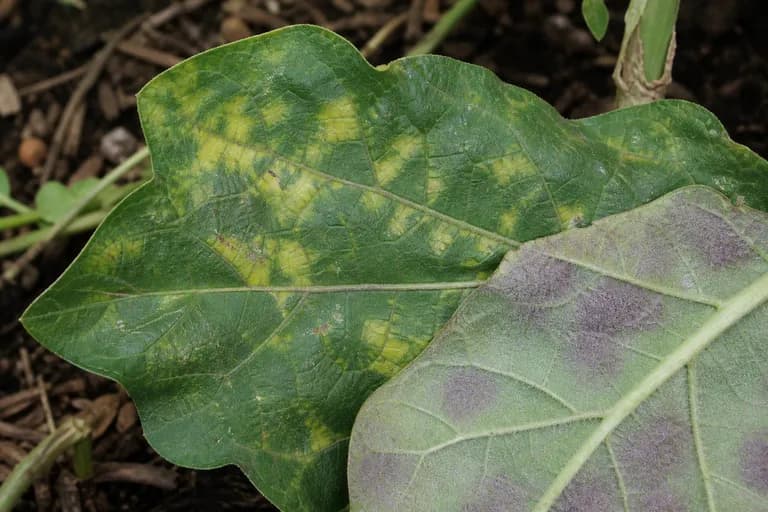
Falscher Mehltau
KrankheitGelbe Flecken auf den Blättern mit grauem, flaumigem Belag auf der Unterseite, am häufigsten bei kühlem, feuchtem Wetter.
Fehlerbehebung bei häufigen Problemen
Die langsame und ungleichmäßige Samenkeimung frustriert viele Erstanbauer. Im ersten Jahr produzieren die Pflanzen nur wenig erntefähiges Material, während sie ihr Wurzelsystem aufbauen. Die Blätter enthalten Oxalsäure und sollten nur in Maßen verzehrt werden, besonders von Personen, die zu Nierensteinen neigen. Ohne Pflege können sich die Pflanzen durch Selbstaussaat und Wurzelausbreitung langsam ausbreiten.
Anbautipps
- Stratifizieren Sie die Samen vor der Aussaat kalt — das ist der wichtigste einzelne Schritt für den Erfolg. Ohne 2–4 Wochen kalte, feuchte Behandlung können die Keimraten nur 10–20 % betragen. Alternativ können Sie die Samen im Herbst im Freiland aussäen und den Winter die natürliche Stratifikation übernehmen lassen.
- Ernten Sie im ersten Jahr nichts. Guter Heinrich ist eine sich langsam etablierende Staude und benötigt die gesamte erste Saison, um den tiefen, fleischigen Wurzelstock aufzubauen, der sie über Jahrzehnte versorgen wird. Geduld jetzt bedeutet reichliche Ernten für 15–20 Jahre.
- Bleichen Sie die Frühlingstriebe, indem Sie 10–15 cm Erde, Kompost oder Stroh über die austreibenden Wurzelköpfe im Spätwinter anhäufeln. Gebleichte Triebe sind heller, süßer und zarter — diese Technik brachte der Pflanze ihren Ruf als ‚Spargel des armen Mannes' ein.
- Kochen Sie Guter-Heinrich-Blätter immer vor dem Verzehr. Wie Spinat und viele andere Chenopodium-Verwandte enthalten die rohen Blätter Oxalsäure, die den Mund reizen und die Mineralstoffaufnahme verringern kann. Kurzes Kochen, Dämpfen oder Anbraten neutralisiert Oxalate und verbessert den Geschmack.
- Pflanzen Sie in nährstoffreichen, feuchtigkeitsspeichernden Boden mit viel organischer Substanz. Guter Heinrich ist ein Starkzehrer, der sich auf den stickstoffreichen Böden in der Nähe von Siedlungen und Viehweiden entwickelt hat. Jährliches Aufbringen von gut verrottetem Mist oder Kompost ist die beste Einzelmaßnahme für die Produktivität.
- Wählen Sie einen Standort in Halbschatten bis voller Sonne. Anders als die meisten Gemüsearten gedeiht Guter Heinrich in wärmeren Klimazonen tatsächlich besser mit etwas Nachmittagsschatten, der die Blattbitterkeit und das vorzeitige Schossen verhindert, die bei voller Sonne in heißem Wetter auftreten.
- Teilen Sie etablierte Horste alle 4–5 Jahre im Herbst oder zeitigen Frühjahr, um die Vitalität zu erhalten und Ihre Pflanzung zu erweitern. Jedes Teilstück sollte einen Teil des fleischigen Wurzelstocks mit mindestens einer Wachstumsknospe enthalten. Pflanzen Sie sofort wieder ein und gießen Sie gut an.
- Kombinieren Sie ihn mit anderen Staudengemüsen wie mehrjährigem Grünkohl, Sauerampfer und Rhabarber, um einen pflegeleichten Nahrungsgarten zu schaffen, der Jahr für Jahr produziert. Die tiefen Wurzeln des Guten Heinrich konkurrieren nicht aggressiv mit Nachbarn, und er ist ein hervorragender Begleiter in der Unterschicht eines Waldgartens.
Bau deine beste Guter Heinrich an — und alles drumherum.
Starte heute kostenlos. Lege deine Beete an, setze deine Guter Heinrich ein und lass PlotMyGarden Timing, Abstände, Begleiter und Erinnerungen von der Saat bis zum Erntekorb übernehmen.
Finde deine Guter Heinrich
Guter Heinrich
Die Standardart ohne benannte Sorten, die dreieckige Blätter und spargelähnliche Frühlingstriebe hervorbringt.
Lincolnshire Spinach
Eine regionale englische Auslese, der größere, zartere Blätter als der Standardart nachgesagt werden.
Mercury Plant
Ein weiterer gebräuchlicher Name für dieselbe Art, die manchmal unter diesem Namen in Kräuterkatalogen angeboten wird.
Guter Heinrich ist ein Einmal-pflanzen-immer-ernten-Staudengemüse — eine einzelne Pflanze, die 3–6 € kostet, produziert 15–20 Jahre lang Nahrung praktisch ohne laufende Kosten. Die Frühlingstriebe liefern einen echten Spargelersatz zu einer Zeit, in der frischer Spargel für 5–10 € pro Bund verkauft wird, und die Sommerblätter ersetzen Spinat zu 3–5 € pro Beutel. Über ihre Lebensdauer kann eine einzelne Pflanze leicht Produkte im Wert von 50–100 € liefern — ohne Neupflanzung, mit minimalem Aufwand und nahezu null Pflege.
Schnelle Rezepte

Guter Heinrich in Butter
10 Min.Die einfachste und traditionellste Art, Guten Heinrich zu genießen — junge gebleichte Triebe, gedämpft und mit zerlassener Butter serviert, so wie englische Bauerngärtner sie seit Jahrhunderten zubereiten. Der Geschmack erinnert an Spargel mit einem Hauch von Spinat.
5 ZutatenGuter-Heinrich-Ricotta-Tarte
45 Min.Eine herzhafte Tarte mit gewelkten Guter-Heinrich-Blättern in einer cremigen Ricotta-Parmesan-Füllung — eine wunderbare Art, eine große Blatterntemenge zu verwerten. Der leicht mineralische, erdige Geschmack der Blätter harmoniert perfekt mit der reichhaltigen Käsefüllung.
8 ZutatenGuter-Heinrich-Colcannon
30 Min.Eine Variante des klassischen irischen Kartoffelgerichts mit Guter-Heinrich-Blättern anstelle von Kohl oder Grünkohl. Das erdige, spinatähnliche Grün verschmilzt mit buttrigem Kartoffelpüree zum ultimativen traditionellen Wohlfühlessen.
6 ZutatenKulinarische Verwendung
Junge Frühlingstriebe werden wie Spargel gedämpft oder blanchiert und mit zerlassener Butter serviert. Die Blätter werden wie Spinat in Suppen, Quiches und Gratins verarbeitet. Unreife Blütenstände werden wie Brokkoli zubereitet. Die Blätter haben einen milden, spinatähnlichen Geschmack mit leichter Mineralität. Traditionelle Bauerngarten-Rezepte kombinieren ihn mit Eiern, Sahne und Muskatnuss.
Was drinsteckt
Gesundheitsvorteile
- Außergewöhnlich reich an Vitamin A als Beta-Carotin (über 100 % TW pro 100 g), das für die Erhaltung gesunder Sehkraft, die Unterstützung der Immunzellproduktion und die Förderung der Haut- und Schleimhautintegrität unerlässlich ist.
- Gute Eisenquelle (2,4 mg pro 100 g), die den Sauerstofftransport im Blut unterstützt und Eisenmangelanämie vorbeugt — besonders wertvoll als pflanzliche Eisenquelle in Kombination mit Vitamin-C-reichen Lebensmitteln.
- Enthält nennenswerte Mengen an Kalzium (70 mg pro 100 g) für die Knochen- und Zahngesundheit — das Kochen der Blätter baut Oxalate ab, die sonst Kalzium binden, und verbessert die Bioverfügbarkeit von Mineralstoffen erheblich.
- Reich an B-Vitaminen einschließlich Folsäure, die für die DNA-Synthese, Zellteilung und besonders während der Schwangerschaft zur Vorbeugung von Neuralrohrdefekten von entscheidender Bedeutung ist.
- Der hohe Ballaststoffgehalt fördert die Verdauungsgesundheit, unterstützt regelmäßigen Stuhlgang und ernährt nützliche Darmbakterien, die kurzkettige Fettsäuren produzieren, die wichtig für die Darmgesundheit sind.
- Traditionell in der europäischen Volksmedizin als mildes Abführmittel, als Wundauflage (die Blätter wurden bei leichten Verbrennungen und Hautreizungen aufgelegt) und als Frühjahrskur zur Wiederherstellung der Vitalität nach dem Winter verwendet — ein Ausdruck jahrhundertelanger beobachteter Gesundheitsvorteile.
Woher Guter Heinrich stammt
Guter Heinrich (Chenopodium bonus-henricus) stammt aus den Bergregionen Mittel- und Südeuropas, wo er wild auf nährstoffreichen Böden in der Nähe von Siedlungen, Weiden und Bergwiesen von den Pyrenäen bis zu den Karpaten und nördlich bis nach Skandinavien und auf die Britischen Inseln wächst. Er gedeiht in den Alpen in Höhenlagen bis zu 2.500 Metern und wird seit Jahrtausenden als Wildnahrung gesammelt, wobei archäologische Belege seiner Nutzung bis in neolithische Siedlungen zurückreichen.
Die Pflanze wurde mindestens seit dem Mittelalter gezielt kultiviert und entwickelte sich ab dem 12. Jahrhundert zu einem der wichtigsten Blattgemüse in europäischen Bauerngärten und Klosteranlagen. Sie wurde in ganz England, Deutschland, den Niederlanden und Skandinavien als zuverlässiges Staudengemüse angebaut, das drei unterschiedliche Ernten lieferte: spargelähnliche Frühlingstriebe, spinatähnliche Sommerblätter und brokkoli-ähnliche Blütenknospen. In einer Zeit ohne Kühlung und Welthandel war ein mehrjähriges Gemüse, das Jahr für Jahr mit minimalem Aufwand zuverlässig Nahrung produzierte, für Selbstversorgerhaushalte von enormem Wert.
Die Beliebtheit der Pflanze begann zu sinken, nachdem Spinat im Mittelalter aus Persien in europäische Gärten eingeführt wurde. Spinat wuchs schneller, produzierte im ersten Jahr reichhaltiger und hatte einen milderen Geschmack, der dem sich wandelnden Geschmack entsprach. Bis zum 18. Jahrhundert hatte sich Guter Heinrich weitgehend aus den Marktgärten in Bauerngärten und wilde Randgebiete zurückgezogen. Englische Siedler brachten ihn nach Nordamerika, wo er sich in Teilen Neuenglands und Ostkanadas einbürgerte, aber nie eine weite Verbreitung als Kulturpflanze erlangte. Heute erlebt Guter Heinrich eine bescheidene Renaissance unter Permakultur-Praktizierenden und Liebhabern historischer Gemüsesorten, die seine außergewöhnliche Langlebigkeit, seinen minimalen Pflegebedarf und seine Rolle als seltenes essbares Staudengemüse im gemäßigten Gemüsegarten schätzen.
Guter Heinrich: Schon gewusst?
Faszinierende Fakten über Guter Heinrich
Guter Heinrich (Chenopodium bonus-henricus) ist nicht nach einem englischen König benannt, sondern nach der deutschen Sagenfigur Heinrich, einem hilfreichen Hausgeist — das ‚Gute' unterscheidet ihn vom giftigen ‚Bösen Heinrich' (Mercurialis perennis, Bingelkraut).
Guter Heinrich: Fragen & Antworten
Wann sollte ich Guter Heinrich pflanzen?
Was sind gute Begleitpflanzen für Guter Heinrich?
In welchen Winterhärtezonen kann Guter Heinrich wachsen?
Wie viel Sonne braucht Guter Heinrich?
Welchen Abstand sollte ich zwischen Guter Heinrich lassen?
Welche Schädlinge und Krankheiten befallen Guter Heinrich?
Wie lagere ich Guter Heinrich nach der Ernte?
Was sind die besten Guter Heinrich-Sorten zum Anbauen?
Welchen Boden braucht Guter Heinrich?
Warum keimen meine Guter-Heinrich-Samen nicht?
Kann ich Guter-Heinrich-Blätter roh im Salat essen?
Wie lange dauert es, bis ich Guten Heinrich ernten kann?
Ist Guter Heinrich dasselbe wie Weißer Gänsefuß oder Melde?
Welche Winterhärtezonen sind für Guten Heinrich geeignet?
Wie vermehre ich Guten Heinrich, wenn die Samenkeimung so schwierig ist?
Du hast die Theorie gelesen. Jetzt baue sie auf Autopilot an.
Alles, was Guter Heinrich knifflig macht — das Timing, die Abstände, die Begleiter, das Erntefenster — genau das übernimmt PlotMyGarden für dich, für jede Pflanze im Garten.
Ein Plan, der dein Wetter kennt
Standort einmal festlegen. Aussaat-, Dünge- und Erntedaten rund um deinen echten letzten Frosttermin und die Live-Vorhersage — kein Raten mehr nach Saattüte.
Aus dem Abschnitt „Pflanzzeit“Beetplaner per Drag & Drop
Beete auf einem Raster gestalten. Jede Pflanze rastet im richtigen Abstand ein, und du siehst die ganze Saison, bevor du einen Cent für Saatgut ausgibst.
Aus dem Abschnitt „Anbau“Begleiter-Konflikte früh erkannt
Über 200 gute und schlechte Kombinationen werden beim Pflanzen live geprüft — so landet ein saisonruinierender Fehler nie in der Erde.
Aus dem Abschnitt „Begleiter“Erinnerungen, nach denen du wirklich handelst
„Gieß die Bohnen.“ „Heute ernten, bevor's umschlägt.“ Pünktlich, konkret und auf deine echten Pflanzen bezogen.
Aus dem Abschnitt „Ernte“Staffel-Aussaat, geplant
Sechs Wochen ernten statt sechs Tage? Die App verteilt deine Aussaaten automatisch und erinnert dich, wenn der nächste Satz fällig ist.
Aus dem Abschnitt „Pflanzzeit“Ein Verlauf, der schlauer wird
Jede protokollierte Ernte bringt der App deinen Garten bei. Der Plan fürs nächste Jahr startet bei dem, was in deinem Boden wirklich funktioniert hat.
Aus dem Abschnitt „Überblick“Pflanze diese neben Guter Heinrich
Weitere Blattgemüse
Bau deine beste Guter Heinrich an — und alles drumherum.
Starte heute kostenlos. Lege deine Beete an, setze deine Guter Heinrich ein und lass PlotMyGarden Timing, Abstände, Begleiter und Erinnerungen von der Saat bis zum Erntekorb übernehmen.