Cilantro (Semilla)
La misma planta que el cilantro, pero cultivada específicamente por sus semillas redondas y cítricas, usadas como especia en curris, encurtidos y repostería.





En esta páginaResumen
Conoce Cilantro (Semilla)
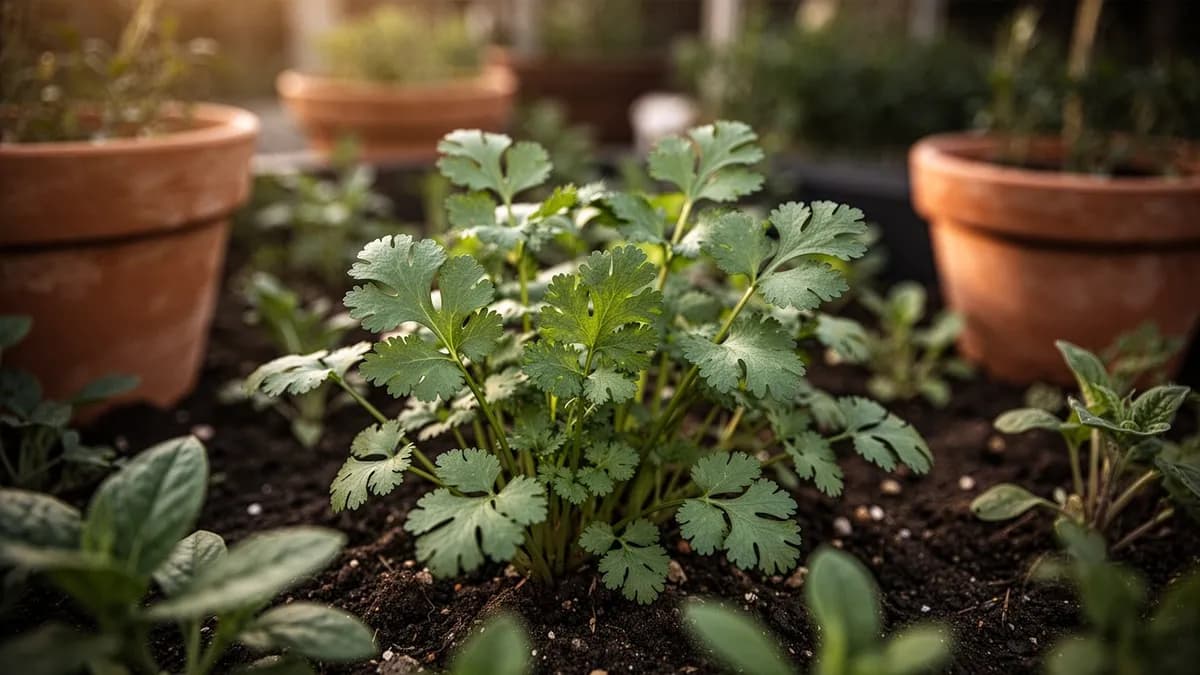
La misma planta que el cilantro, pero cultivada específicamente por sus semillas redondas y cítricas, usadas como especia en curris, encurtidos y repostería. Permite que el cilantro florezca libremente y forme cabezuelas con semillas, luego cosecha cuando las semillas se tornen beige y empiecen a caer. Las semillas secas tienen un sabor cálido y ligeramente lemónico, muy distinto al de las hojas frescas, y se recomiendan tostar antes de moler.
Cuándo plantar Cilantro (Semilla)
Siembra directamente las semillas de cilantro en el exterior después de la última helada, ya que trasplantar suele provocar un espigado prematuro por la perturbación de las raíces. Planta las semillas a 1-2 cm de profundidad, separadas 15 cm entre sí. Aplasta suavemente la cubierta redonda de la semilla antes de sembrar para mejorar la velocidad y uniformidad de la germinación. Mantén el suelo uniformemente húmedo hasta que germine en 7-14 días. Para una cosecha continua de semillas, realiza dos o tres siembras sucesivas con dos semanas de diferencia en primavera. Las semillas germinan mejor cuando la temperatura del suelo está entre 13-20 °C. En climas cálidos, siembra a principios de primavera o en otoño para obtener los mejores resultados.
Tu año de Cilantro (Semilla)
Ajustado a Zona 7 · temporada típica · la helada se va hacia el 2 abr y vuelve hacia el 1 nov
Planta Cilantro (Semilla) Mar – May y cosecha Jul – Sep. Consulta los métodos de plantación y elige tu clima para adaptar los periodos.
Cómo cultivar Cilantro (Semilla)
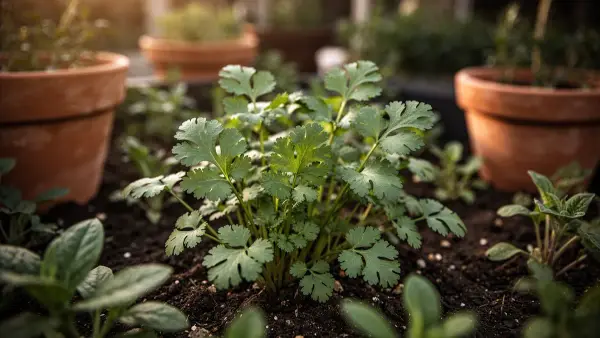
La semilla de cilantro se cosecha de la misma especie que el cilantro (Coriandrum sativum), pero el enfoque de cultivo difiere porque el objetivo es la producción de semillas y no la cosecha de hojas. Siembra directamente en el exterior después de la última helada, a un centímetro de profundidad y con 15 cm de separación entre plantas, en hileras separadas 30 cm. Elige un lugar soleado y bien drenado, y riega con moderación durante el período de establecimiento. A diferencia del cilantro para hoja, aquí se busca que la planta florezca rápidamente.
Una vez que aparecen los tallos florales, reduce el riego para favorecer la formación de semillas y evitar problemas fúngicos en las cabezuelas en desarrollo. Las pequeñas flores blancas o rosa pálido en umbelas resultan muy atractivas para insectos beneficiosos como las moscas cazadoras y las avispas parasitoides. Si es necesario, sostén los tallos altos con tutores ligeros, especialmente en zonas ventosas.
Deja que las cabezuelas se sequen en la planta hasta que pasen del verde al beige y que las semillas empiecen a caer al sacudirlas. Corta las cabezuelas enteras dentro de bolsas de papel en una mañana seca y cuélgalas boca abajo para que terminen de secarse en interior durante una o dos semanas. Trilla las semillas frotando las cabezuelas secas entre las palmas sobre un paño limpio.
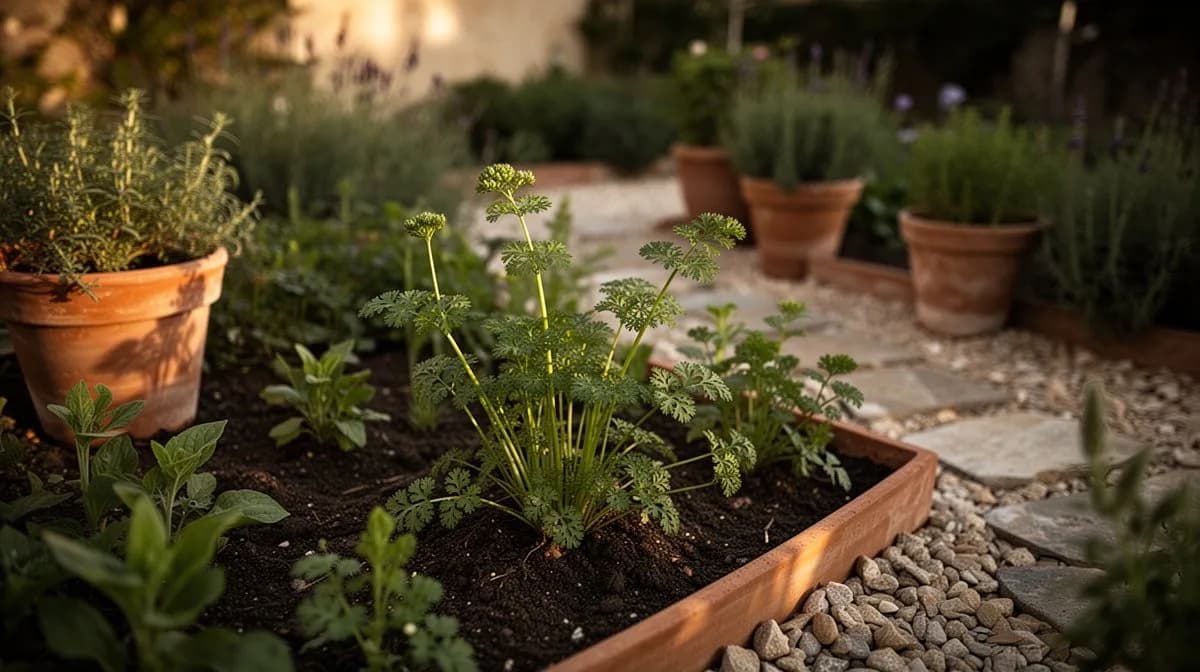
128 plantas caben en un bancal de 120 × 240 cm
Cada Cilantro (Semilla) pide 15 cm de margen. El planificador guarda ese marco por ti — cada planta, cada bancal.
Los mejores vecinos de Cilantro (Semilla)
Las flores en umbela del cilantro son extraordinariamente atractoras de insectos beneficiosos, como moscas cazadoras, avispas parasitoides y crisopas, que se alimentan de las plagas del huerto. Plántalo cerca de tomates, pimientos y brásicas para potenciar su control de plagas. El cilantro crece bien junto al eneldo, el perifollo y el anís, que comparten requisitos culturales similares. Evita plantarlo cerca del hinojo, que puede cruzarse y alterar el sabor de las semillas. El cilantro también ayuda a repeler a los escarabajos de la patata cuando se cultiva junto a los bancales de patatas.
Cilantro va a su lado. Hinojo no.
Saber de huerto de siempre, cotejado con la tabla real de Cilantro (Semilla) — prueba cualquier planta que cultives.
Prueba Cilantro (Semilla) en un bancal, aquí mismo
Un bancal real del planificador con Cilantro (Semilla) ya plantado. Toca una planta compañera para colocarla y mira cómo responde la comprobación de vecinos: verde para buenos vecinos, rojo si hay conflicto.


Guías de cultivo relacionadas
Abónalo bien
El cilantro crece mejor en suelos moderadamente fértiles y bien drenados con un pH de 6.2-6.8. Evita suelos excesivamente ricos que favorezcan el exceso de follaje a expensas del desarrollo de semillas. Incorpora una ligera aplicación de compost equilibrado antes de plantar. Abona en cobertura con un fertilizante bajo en nitrógeno y alto en fósforo una vez que comiencen a formarse los botones florales, para favorecer la cuajada de semillas. Evita los abonos ricos en nitrógeno durante las etapas de floración y desarrollo de semillas. El franco-arenoso es ideal, aunque el cilantro tolera la mayoría de los tipos de suelo siempre que el drenaje sea adecuado.
Temperatura ideal
Compatibilidad de zonas de rusticidad
De la semilla a la cosecha, etapa por etapa
Germinación de la Semilla
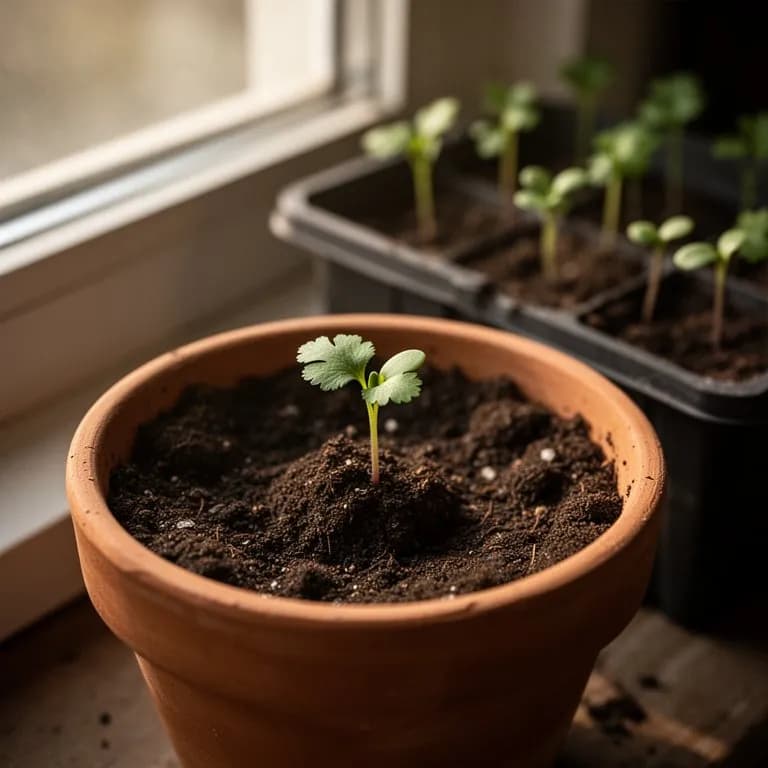
Las semillas de cilantro son en realidad frutos secos (esquizocarpos) que contienen cada uno dos semillas verdaderas. Tras la siembra, la cáscara exterior absorbe humedad y los embriones se hinchan, enviando delgadas raíces radiculares en 5-7 días. Las estrechas hojas cotiledonares en forma de tira emergen a través de la superficie del suelo entre los días 10 y 14, con un aspecto muy diferente al del follaje maduro.
Plántula y Desarrollo de la Roseta
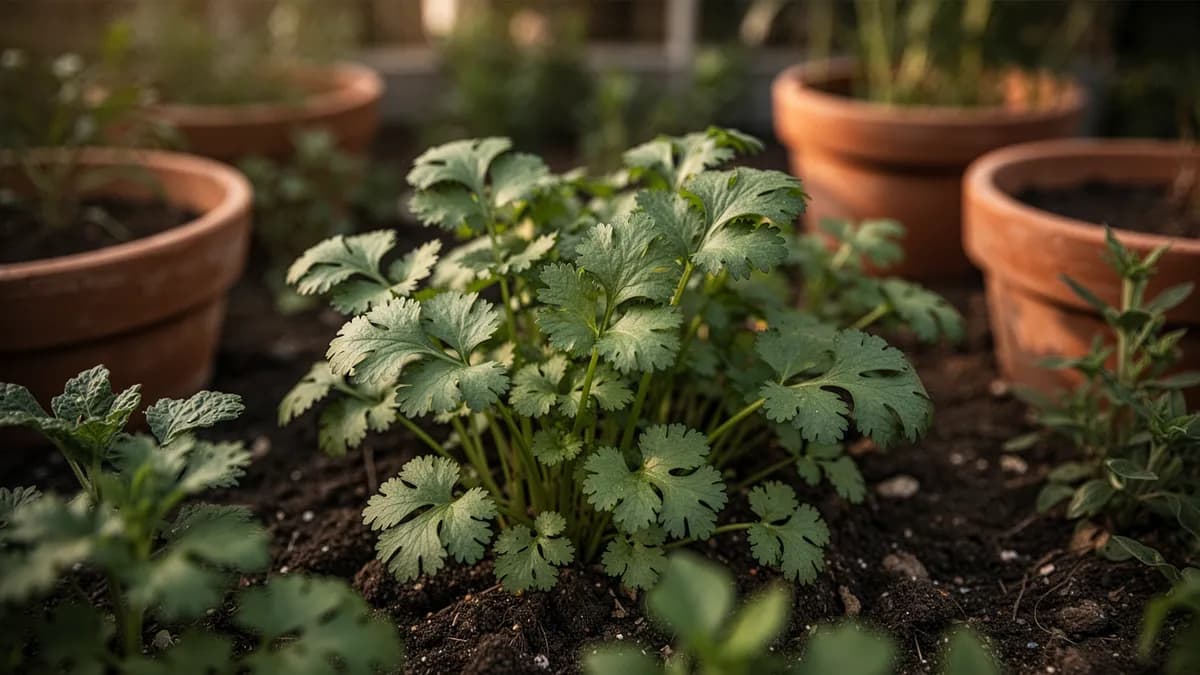
Las primeras hojas verdaderas emergen como un pequeño follaje redondeado y profundamente lobulado que se desarrolla gradualmente hasta adoptar la forma ancha y plana conocida como cilantro. Las plantas forman una baja roseta de follaje aromático cerca del suelo. El sistema radicular desarrolla una delgada raíz pivotante que ancla firmemente la planta y dificulta el trasplante una vez establecida.
Crecimiento Vegetativo
Las plantas crecen con vigor, produciendo abundantes hojas anchas y planas en tallos ramificados. El follaje alcanza su máximo nivel de aroma y sabor en esta etapa. A medida que sube la temperatura o aumenta la duración del día, la planta empieza a orientar su energía hacia la reproducción. La forma de la hoja transita gradualmente de ancha y lobulada a finamente dividida y plumosa — una señal de que se aproxima el espigado.
Espigado y Floración
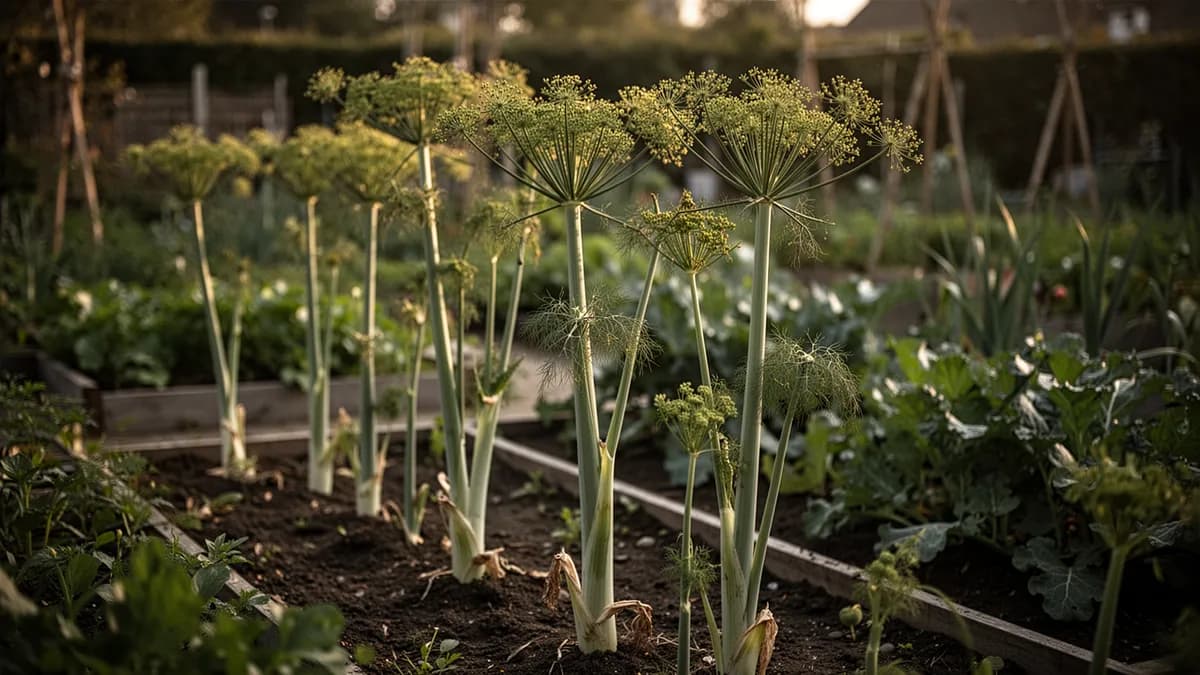
El tallo central se alarga rápidamente, elevándose hasta 60-90 cm con follaje finamente dividido y plumoso. Las umbelas compuestas de minúsculas flores blancas a rosa pálido se abren en sucesión a lo largo de 2-3 semanas. Las flores son muy atractivas para insectos beneficiosos como moscas cazadoras, crisopas y avispas parasitoides, lo que convierte al cilantro en una excelente planta compañera para el control de plagas.
Desarrollo de las Semillas
Pequeños frutos verdes y redondos se desarrollan en racimos por toda la umbela, conteniendo cada uno dos semillas. Las semillas verdes tienen un sabor cítrico y brillante, muy diferente al de la especia seca. A medida que las semillas maduran, pasan del verde al dorado-marrón y desarrollan el cálido y ligeramente dulce perfil aromático que hace de la semilla de cilantro una de las especias más importantes del mundo.
Cosecha y Conservación de Semillas
Las semillas se secan completamente en la planta, adquiriendo un cálido color dorado-marrón. Los tallos se amarillean y se vuelven frágiles. Las semillas maduras se desprenden fácilmente de las umbelas — un suave sacudido las libera. Cada planta produce cientos de semillas, muchas más de las necesarias para uso culinario, lo que hace que la conservación de semillas para la siguiente temporada sea muy sencilla. Las semillas autosembradas suelen germinar la primavera siguiente.
Aplasta suavemente las semillas antes de sembrar para dividir el fruto en sus dos mitades — esto acelera la germinación entre 3 y 5 días. Siembra a 1-2 cm de profundidad en suelo húmedo y bien drenado. Mantén una humedad constante pero sin encharcamiento. Las temperaturas del suelo de 15-20 °C son ideales; la germinación se ralentiza significativamente en suelo cálido por encima de 25 °C.
Cuidar Cilantro (Semilla) mes a mes
Qué hacer cada mes para tu Cilantro (Semilla)
Octubre
Mes actualContinúa cosechando hojas de cilantro de las plantaciones otoñales. En las zonas 8-12, realiza una última siembra para la cosecha invernal. En las zonas más frías, protege las plantas con mantas de cultivo o túneles fríos para prolongar la temporada de cosecha hasta principios de invierno. El cilantro tolera las heladas ligeras sin daños.
Ten claro qué hacer en tu huerto, cada mes
Un correo al empezar cada mes: qué sembrar, plantar y hacer ahora mismo — para tu Cilantro (Semilla) y todo lo que crece alrededor. Más un breve curso inicial para esquivar los errores clásicos.
- Qué hacer ahora mismo
- Ajustado a tu temporada
- Curso inicial incluido
Cosechar Cilantro (Semilla)
Cosecha las semillas de cilantro aproximadamente 90 días después de la siembra, cuando las cabezuelas pasen del verde al marrón beige y las semillas suenen sueltas al sacudirlas. Corta las umbelas enteras con unos 15 cm de tallo en una mañana seca. Coloca las cabezuelas cortadas boca abajo en bolsas de papel y cuélgalas en un lugar cálido, seco y bien ventilado durante 7-14 días. Trilla las cabezuelas secas frotándolas entre las palmas. Aventa la paja vertiendo las semillas entre dos recipientes con una brisa suave. Guarda las semillas enteras en tarros de cristal herméticos alejados de la luz y el calor.
se supone que plantas al comenzar el periodo — indica tu fecha real
Cosecha Cilantro (Semilla) a tiempo y la planta sigue produciendo.
Almacenamiento y conservación
Las semillas de cilantro enteras conservan su sabor hasta tres años cuando se almacenan en tarros de cristal herméticos en una despensa fresca y oscura. Tuesta las semillas en una sartén seca a fuego medio durante 2-3 minutos antes de molerlas para potenciar al máximo su aroma cítrico. El cilantro molido pierde potencia en seis meses, así que muele solo lo que vayas a necesitar. Las semillas también se pueden guardar en el congelador indefinidamente. Para semillas de plantación, consérvelas en sobres de papel en un lugar fresco y seco, donde mantienen su viabilidad durante 2-3 años.
Qué falla — y cómo solucionarlo
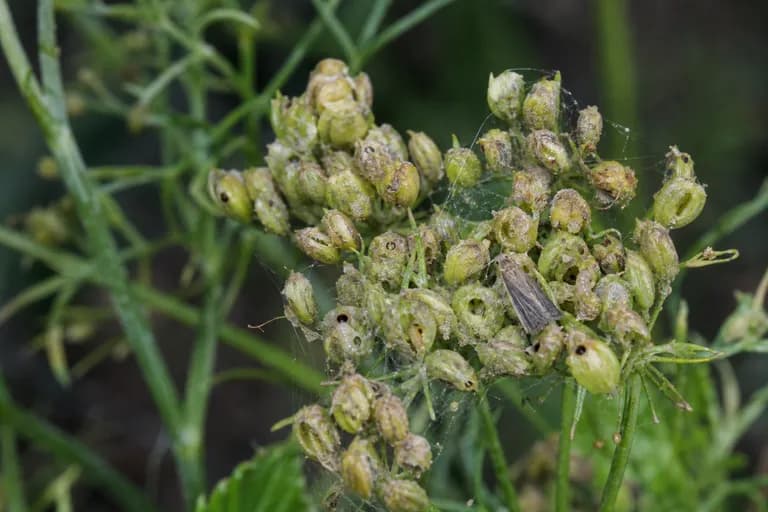
Polilla de la Semilla de Cilantro
PlagaPequeños agujeros perforados en las semillas en desarrollo, finas telarañas alrededor de las cabezuelas, larvas visibles dentro de las semillas dañadas.
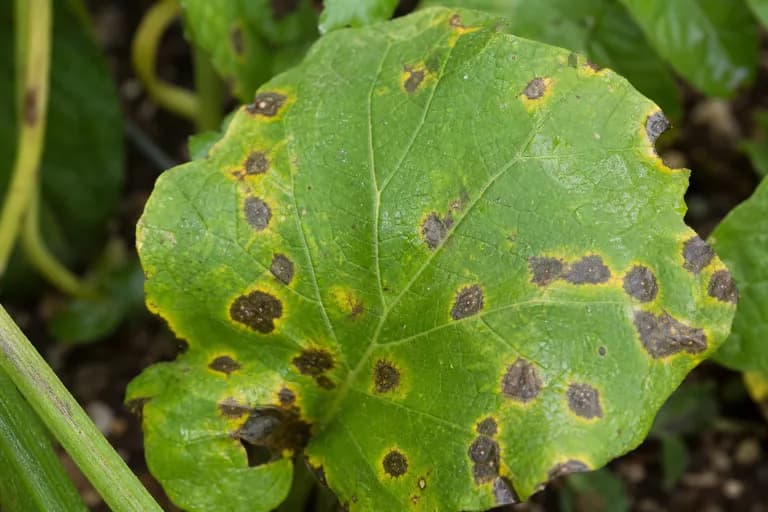
Mancha Bacteriana de la Hoja
EnfermedadManchas oscuras y con aspecto de empapadas en hojas y tallos, lesiones que se tornan marrones con halos amarillos, caída prematura de hojas.
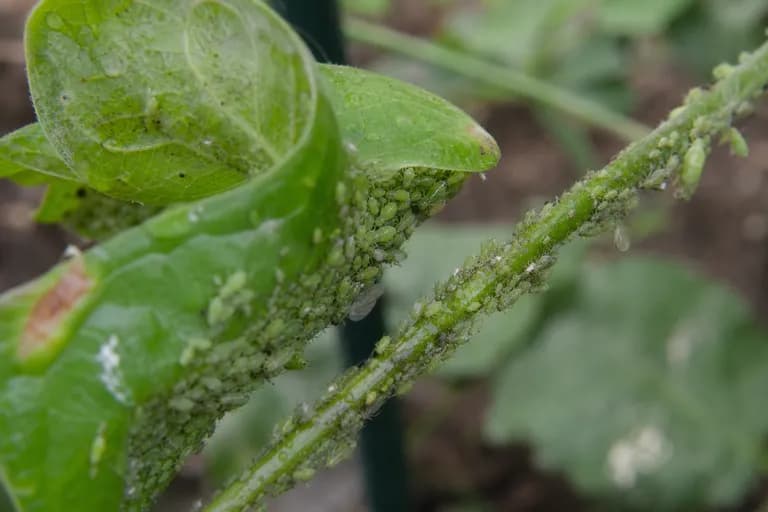
Pulgones
PlagaColonias de insectos verdes o negros en los tallos florales y las cabezuelas en desarrollo, depósitos pegajosos de melaza, crecimiento deformado.
Solución de problemas comunes
El florecimiento prematuro antes de que las plantas estén bien establecidas puede reducir el rendimiento de semillas; siembra directamente en el exterior en lugar de trasplantar, para evitar la perturbación radicular que desencadena el espigado. La mala cuajada de semillas en climas húmedos suele deberse a problemas fúngicos en las flores; asegura una buena circulación del aire y evita el riego por aspersión durante la floración. La dispersión prematura de semillas ocurre cuando la cosecha se retrasa demasiado; vigila de cerca el cambio de color y cosecha en cuanto las semillas se pongan beige. La germinación desigual es habitual con semilla fresca; aplasta ligeramente la cubierta de la semilla antes de sembrar para mejorar las tasas de germinación.
Consejos de cultivo
- Aplasta suavemente las semillas de cilantro antes de sembrar presionándolas con un rodillo o la parte plana de un cuchillo. Cada 'semilla' redonda es en realidad un fruto que contiene dos semillas verdaderas — separarlas expone ambos embriones a la humedad y acelera la germinación entre 3 y 5 días.
- Siembra de forma escalonada cada 2-3 semanas desde principios de primavera hasta finales de otoño para disponer de un suministro continuo de hojas frescas de cilantro. Una siembra única espiga en 4-6 semanas en tiempo cálido, por lo que las plantaciones escalonadas son esenciales para una cosecha de hojas sin interrupciones.
- Elige variedades de espigado lento como Calypso, Leisure o Santo si cultivas principalmente para hoja (cilantro). Las variedades estándar espigarán más rápido pero producen semillas más grandes y aromáticas — cultiva ambos tipos si deseas cosechas abundantes tanto de hojas como de semilla en el mismo jardín.
- El cilantro desarrolla una delgada raíz pivotante y no soporta bien el trasplante. Siembra siempre directamente en el lugar donde crecerán las plantas en lugar de empezar en bandejas. Si debes comenzar en interior, usa macetas biodegradables profundas que se puedan plantar directamente en el suelo sin alterar las raíces.
- Proporciona sombra parcial durante los meses más calurosos para prolongar la producción de hojas y retrasar el espigado. La mañana soleada con sombra por la tarde es ideal para el cultivo estival de cilantro. En épocas más frescas, el pleno sol produce el crecimiento más vigoroso y las semillas de mayor calidad.
- Riega de forma constante pero evita el suelo encharcado — el cilantro es susceptible a la pudrición de raíces en condiciones de anegamiento. El riego por goteo o con mangueras de exudación es ideal, manteniendo el follaje seco y reduciendo el riesgo de oídio y mancha bacteriana.
- Permite que algunas plantas florezcan y formen semillas cada temporada. El cilantro se autosiembra fácilmente, y las plántulas voluntarias que emergen la primavera siguiente suelen ser más vigorosas y estar mejor adaptadas a las condiciones locales que las semillas compradas. Un bancal autosuficiente de cilantro requiere prácticamente ningún esfuerzo de replantación.
- Cosecha las hojas de cilantro cortando los tallos exteriores por la base en lugar de arrancar las plantas enteras. Este método de corte y rebrote prolonga la vida productiva de cada planta varias semanas y retrasa la aparición del espigado.
- Para obtener la semilla de cilantro seca más aromática, cosecha cuando aproximadamente dos tercios de las semillas de cada umbela se hayan vuelto dorado-marrón. Las semillas cosechadas demasiado verdes carecen de un desarrollo pleno del sabor, mientras que las demasiado maduras se dispersan y caen al suelo antes de poder recogerlas.
- Cultiva cilantro cerca de los cultivos de hortalizas como planta compañera — las flores atraen a moscas cazadoras, crisopas y avispas parasitoides que se alimentan de pulgones, orugas y otras plagas del jardín. El cilantro es especialmente beneficioso plantado junto a brásicas, tomates y pimientos.
Cultiva tu mejor Cilantro (Semilla) — y todo lo que la rodea.
Empieza un plan gratis hoy. Diseña tus bancales, coloca tu Cilantro (Semilla) y deja que PlotMyGarden gestione el momento, el espaciado, las asociaciones y los recordatorios de la semilla a la cesta.
Elige tu Cilantro (Semilla)
Santo
Una variedad de doble propósito que florece rápidamente para la producción de semillas, aunque también ofrece una breve ventana de cosecha de hojas. Produce semillas grandes y uniformes con un sabor excelente.
Jantar
Una variedad europea seleccionada específicamente por su alto contenido en aceites esenciales en las semillas, que produce semillas carnosas con un intenso aroma cítrico-floral ideal para mezclas de especias.
Marroquí
Produce semillas pequeñas y redondas con un sabor más pungente y terroso, preferido en la cocina norteafricana y del Oriente Medio. Plantas compactas adecuadas para siembras densas.
Indio (Desi)
Produce semillas de forma ovalada con un sabor más intenso y sabroso, muy utilizado en las mezclas de curry en polvo y garam masala de la cocina india.
Las semillas de cilantro enteras se venden entre 3-7 € por 100 g en los supermercados y entre 8-15 € por 100 g en variedades orgánicas premium. Un solo sobre de semillas de 2-3 € produce 20-40 plantas que rinden entre 400-800 g de semillas secas, con un valor de 12-56 € a precios de venta al público. El ahorro se multiplica si se tienen en cuenta las hojas frescas de cilantro (típicamente 2-4 € por manojo en el mercado) cosechadas de las mismas plantas antes de que espiguen. El cilantro en semilla cultivado en casa y recién molido tiene un sabor considerablemente más complejo y aromático que el polvo comercial premolido, que pierde sus aceites volátiles pocas semanas después de ser molido.
Recetas rápidas
Dukkah Egipcio con Semillas de Cilantro Tostadas
15 minUna aromática mezcla egipcia de frutos secos y especias en la que la semilla de cilantro ocupa el papel protagonista. Las semillas tostadas se muelen groseramente con avellanas, comino y sésamo para obtener un versátil condimento que se sirve con aceite de oliva y pan, o se espolvorea sobre verduras asadas y ensaladas.
7 ingredientesPescado a la Sartén con Costra de Cilantro
20 minLas semillas de cilantro recién partidas crean una costra fragante y crujiente sobre filetes de pescado blanco suave. Las cálidas notas cítricas del cilantro complementan a la perfección el delicado pescado, rematado con un chorrito de limón y hierbas frescas.
8 ingredientes
Tisana de Semilla de Cilantro y Cítricos
10 minUna suave infusión sin cafeína elaborada sumergiéndose semillas de cilantro ligeramente molidas con cáscara de cítrico y miel. Esta reconfortante tisana ha sido utilizada durante siglos como digestivo después de comidas copiosas y como bebida relajante de noche.
6 ingredientesUsos culinarios
Las semillas de cilantro enteras o molidas aportan un sabor cálido, cítrico y ligeramente a frutos secos a curris, estofados, encurtidos y embutidos. Tuesta las semillas antes de molerlas para intensificar el aroma. Son imprescindibles en el garam masala, el curry en polvo, el dukkah y la harissa. Usa las semillas enteras en salmueras de encurtido, vinos especiados y carnes braseadas a fuego lento. El cilantro molido combina muy bien con comino, cardamomo y canela tanto en preparaciones saladas como en repostería.
Qué contiene
Beneficios para la salud
- Contiene linalool y otros compuestos terpénicos con demostradas propiedades antiinflamatorias y analgésicas — los sistemas de medicina tradicional de Asia y el Mediterráneo han empleado preparados de semilla de cilantro para el dolor articular y los dolores de cabeza durante siglos.
- Rico en fibra dietética con 41.9 g por cada 100 g de semillas secas, favoreciendo una digestión saludable, la regularidad intestinal y la diversidad del microbioma intestinal beneficioso cuando el cilantro se usa habitualmente como especia culinaria.
- Aporta un contenido excepcional en hierro de 16.3 mg por cada 100 g (91% VD), convirtiendo a la semilla de cilantro en una de las especias más ricas en hierro disponibles — su uso regular en la cocina contribuye de manera significativa a prevenir la anemia ferropénica.
- La investigación indica que los compuestos de la semilla de cilantro pueden ayudar a reducir el colesterol LDL y los triglicéridos, al tiempo que favorecen los niveles de colesterol HDL, contribuyendo a mejorar los marcadores de salud cardiovascular cuando se consumen de forma consistente como parte de una dieta equilibrada.
- Los extractos de semilla de cilantro muestran una potente actividad antibacteriana y antifúngica contra patógenos alimentarios comunes, lo que puede explicar su uso tradicional generalizado en la conservación de alimentos en regiones tropicales donde no había refrigeración.
- Contiene quercetina y otros antioxidantes flavonoides que ayudan a neutralizar los radicales libres y a reducir el estrés oxidativo — los compuestos del cilantro han mostrado un potencial neuroprotector en investigaciones preliminares sobre el deterioro cognitivo relacionado con la edad.
De dónde viene Cilantro (Semilla)
El cilantro (Coriandrum sativum) se encuentra entre las plantas cultivadas más antiguas de la Tierra, con orígenes en el Mediterráneo oriental y el occidente de Asia. La evidencia arqueológica de la cueva de Nahal Hemar en Israel data el uso del cilantro hacia aproximadamente el 6000 a. C., mientras que las semillas descubiertas en tumbas egipcias — incluida la de Tutankamón (circa 1325 a. C.) — confirman su prominencia en la antigua civilización norteafricana. La planta aparece mencionada en textos sánscritos que datan de alrededor del 1500 a. C. y en el libro bíblico del Éxodo, donde el maná se compara con la semilla de cilantro, lo que subraya su familiaridad entre las culturas antiguas.
Desde su cuna mediterránea, el cilantro se difundió por las rutas comerciales en todas direcciones. Los romanos lo llevaron por toda Europa y hasta Gran Bretaña, donde se naturalizó y se convirtió en un elemento imprescindible de los jardines herbarios de los monasterios medievales. Los comerciantes árabes introdujeron el cilantro en el este de África y, a través del océano Índico, en el subcontinente indio, donde se convirtió en una base indispensable de los currys en polvo, el garam masala y las innumerables mezclas de especias regionales. Los registros chinos mencionan el cultivo del cilantro desde la dinastía Han (206 a. C. - 220 d. C.), y quedó profundamente arraigado en las tradiciones culinarias del Sudeste Asiático, Persia y Asia Central.
Los colonizadores españoles y portugueses llevaron el cilantro a las Américas en los siglos XV y XVI, donde fue adoptado con entusiasmo en las cocinas mexicana, caribeña y sudamericana — estas regiones consumen actualmente más hoja fresca de cilantro per cápita que cualquier otro lugar del mundo. En forma de semilla, el cilantro resultó igualmente esencial en las tradiciones de elaboración de cerveza, destilería (es un botánico clave en la ginebra), charcutería y encurtidos del norte de Europa.
Hoy en día, India, Marruecos, Rusia y varios países de Europa del Este son los principales productores de semilla de cilantro, con una producción mundial que supera las 600.000 toneladas anuales. La planta ocupa un papel dual único entre las hierbas culinarias: sus hojas frescas (cilantro) y sus semillas secas son tratadas como dos ingredientes completamente distintos con perfiles de sabor muy diferentes — cítrico y pungente para las hojas, cálido y ligeramente dulce para las semillas. Esta versatilidad, combinada con su facilidad de cultivo y su prolífico hábito de autosembrarse, garantiza que el cilantro siga siendo una de las hierbas más ampliamente cultivadas del planeta.
Cilantro (Semilla): ¿sabías que?
Datos fascinantes sobre Cilantro (Semilla)
El cilantro es una de las especias más antiguas de la historia humana — se encontraron semillas secas en la cueva de Nahal Hemar en Israel que datan de aproximadamente 6000 a. C., y se colocó cilantro en la tumba del faraón Tutankamón hacia el año 1325 a. C., lo que sugiere que tenía una importancia tanto culinaria como espiritual en el antiguo Egipto.
Cilantro (Semilla): preguntas frecuentes
¿Cuándo debo plantar Cilantro (Semilla)?
¿Cuáles son buenas plantas acompañantes para Cilantro (Semilla)?
¿En qué zonas de rusticidad puede crecer Cilantro (Semilla)?
¿Cuánto sol necesita Cilantro (Semilla)?
¿A qué distancia debo espaciar Cilantro (Semilla)?
¿Qué plagas y enfermedades afectan a Cilantro (Semilla)?
¿Cómo almaceno Cilantro (Semilla) después de la cosecha?
¿Cuáles son las mejores variedades de Cilantro (Semilla) para cultivar?
¿Qué suelo necesita Cilantro (Semilla)?
¿Cuál es la diferencia entre cilantro (semilla) y cilantro (hoja)?
¿Por qué mi cilantro espiga tan rápido antes de que pueda cosechar muchas hojas?
¿Puedo usar las semillas de cilantro verdes sin madurar en la cocina?
¿Cómo debo almacenar las semillas de cilantro cosechadas para conservar al máximo su sabor?
¿Es fácil cultivar cilantro en macetas?
¿El cilantro vuelve a crecer solo cada año?
Acabas de leer la teoría. Ahora cultívala en piloto automático.
Todo lo que hace que Cilantro (Semilla) sea delicado — el momento, el espaciado, las asociaciones, la ventana de cosecha — es justo lo que PlotMyGarden resuelve por ti, para cada planta de tu huerto.
Un plan que conoce tu clima
Indica tu ubicación una vez. Recibe fechas de siembra, abonado y cosecha basadas en tu última helada real y el pronóstico en vivo — sin adivinar con un sobre genérico.
De la sección “Cuándo plantar”Planificador de bancales de arrastrar y soltar
Diseña bancales sobre una cuadrícula. Cada planta encaja con su espaciado correcto y ves toda la temporada antes de gastar un céntimo en semillas.
De la sección “Cultivo”Conflictos de asociación, detectados a tiempo
Más de 200 buenas y malas combinaciones comprobadas en vivo mientras plantas — para que un error que arruine la temporada nunca llegue a la tierra.
De la sección “Asociaciones”Recordatorios que sí vas a seguir
“Riega las judías.” “Recoge hoy antes de que se pase.” Oportunos, concretos y ligados a las plantas que de verdad cultivas.
De la sección “Cosecha”Escalonado, programado
¿Quieres cosechar seis semanas en vez de seis días? Reparte tus siembras automáticamente y te avisa cuando toca el siguiente lote.
De la sección “Cuándo plantar”Un registro que se vuelve más listo
Cada cosecha que registras le enseña tu huerto. El plan del año que viene parte de lo que de verdad funcionó en tu suelo, no en un manual.
De la sección “Resumen”Planta estos junto a Cilantro (Semilla)
Más Hierbas culinarias
Mantén Cilantro (Semilla) lejos de estos
Cultiva tu mejor Cilantro (Semilla) — y todo lo que la rodea.
Empieza un plan gratis hoy. Diseña tus bancales, coloca tu Cilantro (Semilla) y deja que PlotMyGarden gestione el momento, el espaciado, las asociaciones y los recordatorios de la semilla a la cesta.