Comino
Hierba anual cultivada por sus distintivas semillas cálidas y terrosas, ingrediente fundamental de las mezclas de especias de la cocina india, mexicana y del Medio Oriente.





En esta páginaResumen
Conoce Comino
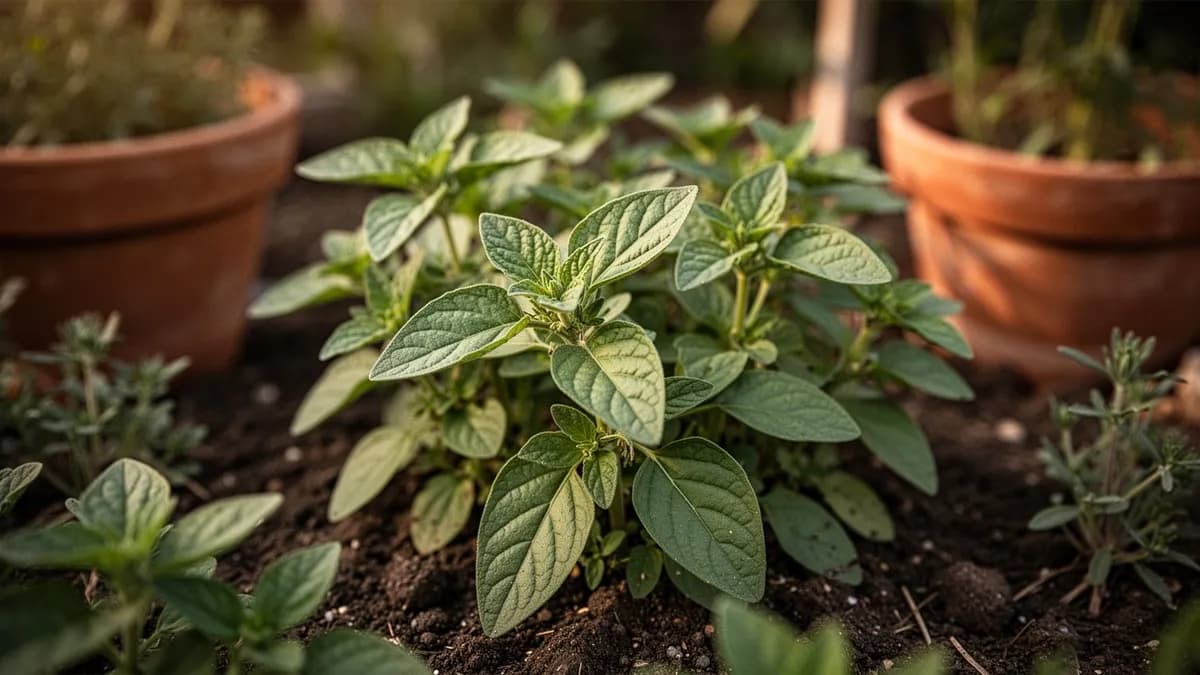
Hierba anual cultivada por sus distintivas semillas cálidas y terrosas, ingrediente fundamental de las mezclas de especias de la cocina india, mexicana y del Medio Oriente. El comino requiere una larga temporada de crecimiento cálida, de 3 a 4 meses, y prospera mejor en regiones con noches templadas. Se cosecha cuando las cabezuelas semilleras se tornan marrones y se secan en la planta; luego se trillan para separar las aromáticas semillas.
Cuándo plantar Comino
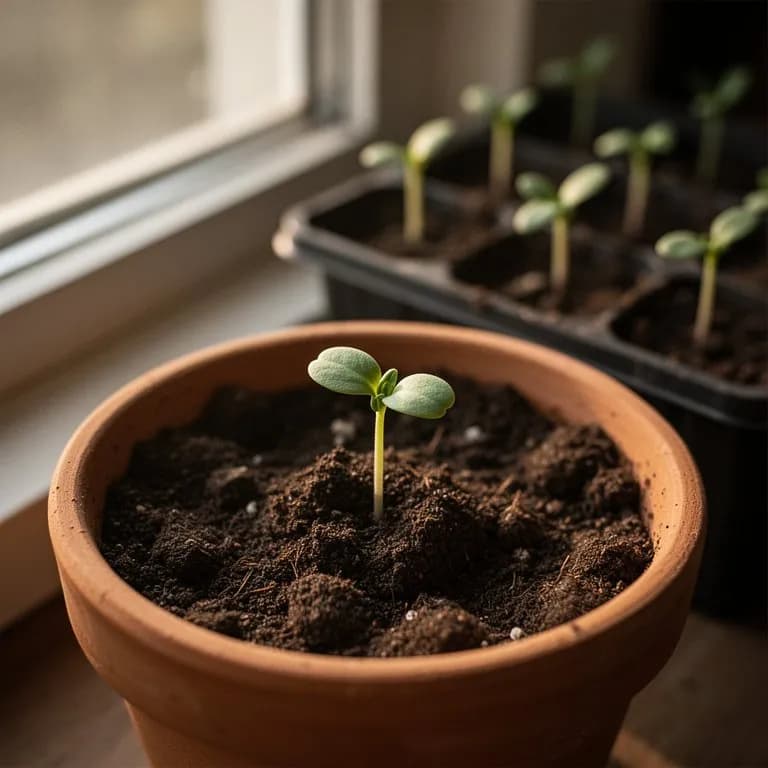
Inicie las semillas de comino en interiores 4 a 6 semanas antes de la última helada prevista. Siembre a 6 mm de profundidad en macetas individuales pequeñas rellenas con sustrato de siembra cálido y húmedo. Mantenga la temperatura del suelo entre 18 y 24 °C con una esterilla de calor. Las semillas germinan en 7 a 14 días. Proporcione 12 a 16 horas de luz intensa una vez que emerjan las plántulas. El comino tiene una raíz pivotante delicada, por lo que trasplante con cuidado sin perturbar las raíces. Endurezca las plántulas durante 7 a 10 días antes de llevarlas al exterior, una vez que haya pasado todo riesgo de helada y las temperaturas del suelo alcancen los 15 °C.
Tu año de Comino
Ajustado a Zona 7 · temporada típica · la helada se va hacia el 2 abr y vuelve hacia el 1 nov
Planta Comino Abr – May y cosecha Ago – Sep. Consulta los métodos de plantación y elige tu clima para adaptar los periodos.
Cómo cultivar Comino
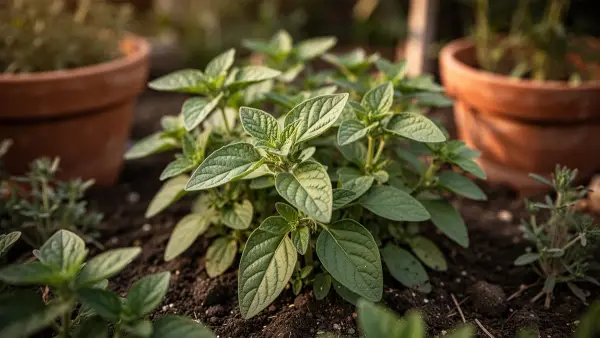
El comino necesita una larga temporada de crecimiento cálida de 3 a 4 meses, con días calurosos y noches templadas para producir semillas. Inicie las semillas en interiores 4 a 6 semanas antes de la última fecha de helada, sembrando a 6 mm de profundidad en macetas pequeñas con sustrato de siembra cálido y húmedo. La germinación tarda 7 a 14 días a temperaturas del suelo de 18 a 24 °C. Manipule las plántulas con cuidado, ya que el comino tiene una delicada raíz pivotante.
Trasplante las plántulas endurecidas al exterior una vez pasado todo riesgo de helada y cuando el suelo se haya calentado a al menos 15 °C. Elija el lugar más cálido y soleado del huerto, con suelo arenoso y franco, ligero y bien drenado. Espacie las plantas 10 a 15 cm entre sí en surcos separados 30 cm. El comino crece como una planta anual esbelta y delicada que alcanza 30 a 50 cm de altura; las plantas se benefician de crecer en grupos densos que se apoyan mutuamente.
Riegue con moderación una vez establecido, pues el comino es tolerante a la sequía y el exceso de humedad favorece las enfermedades fúngicas. Evite el riego por aspersión, especialmente durante la floración y el desarrollo de las semillas. El comino es más adecuado para climas cálidos y áridos, y puede tener dificultades en regiones con veranos frescos y húmedos. En climas marginales, cultívelo en camas elevadas junto a una pared orientada al sur para maximizar el calor.
128 plantas caben en un bancal de 120 × 240 cm
Cada Comino pide 15 cm de margen. El planificador guarda ese marco por ti — cada planta, cada bancal.
Los mejores vecinos de Comino
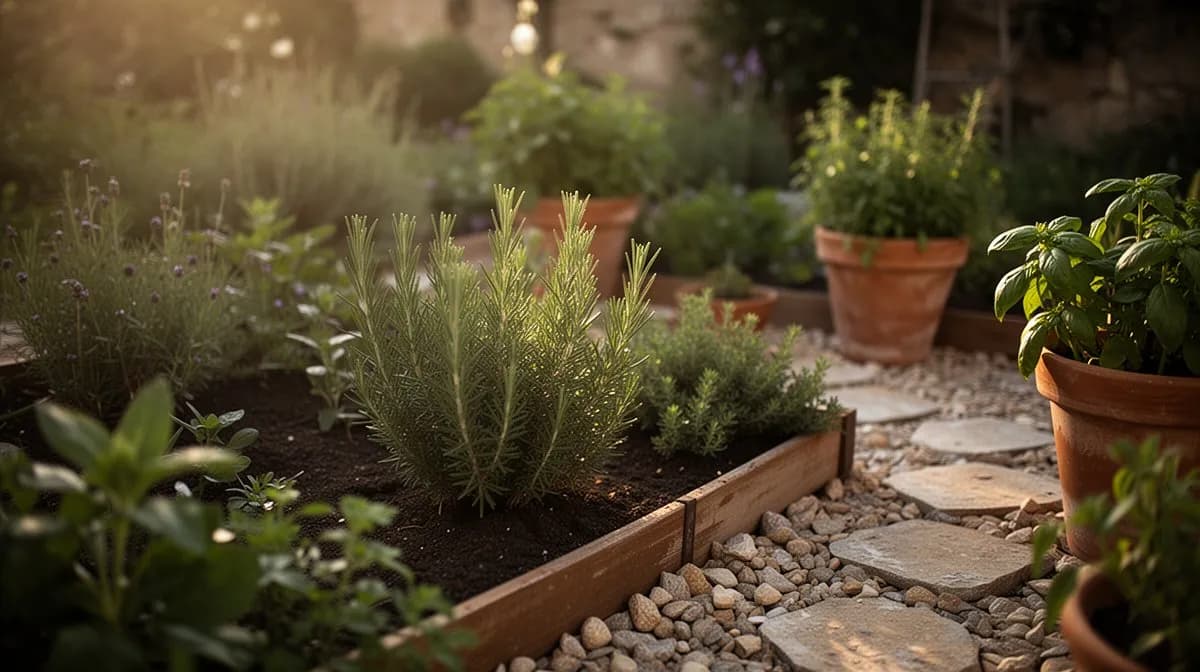
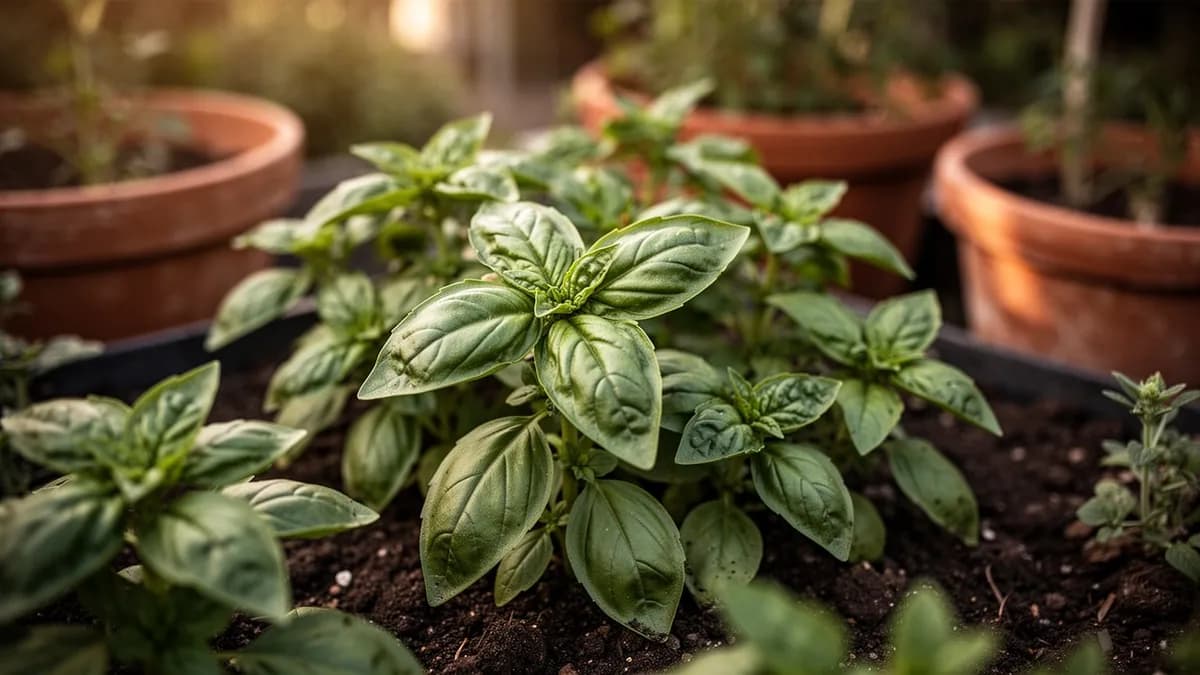
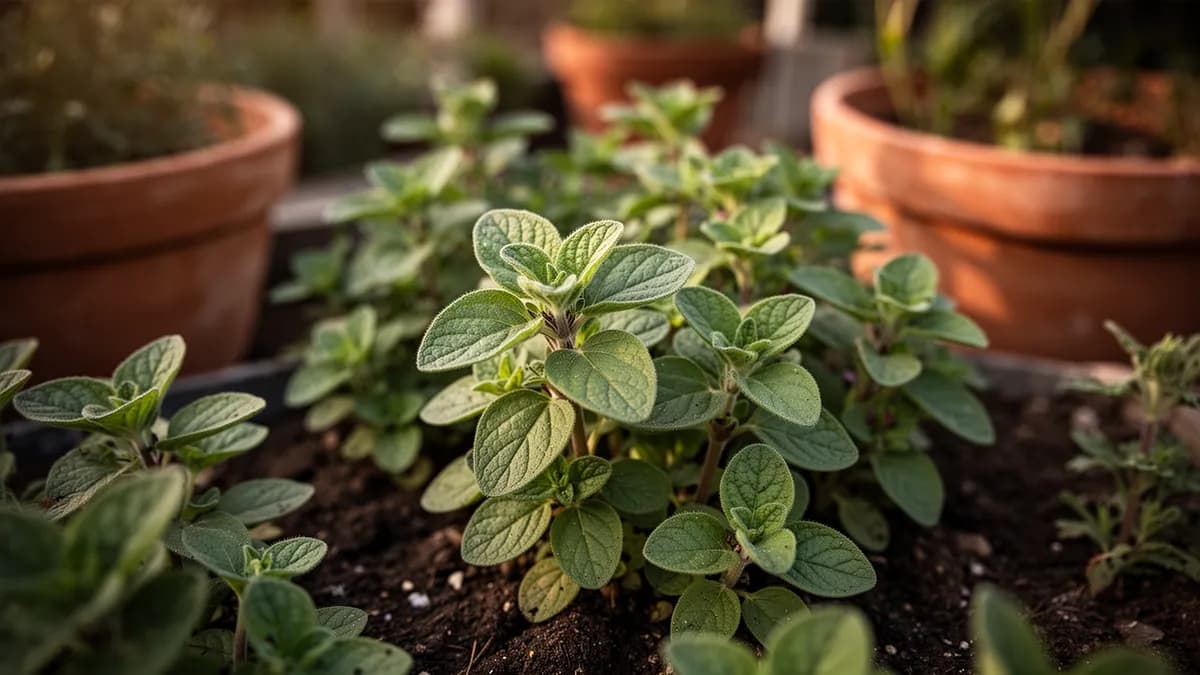
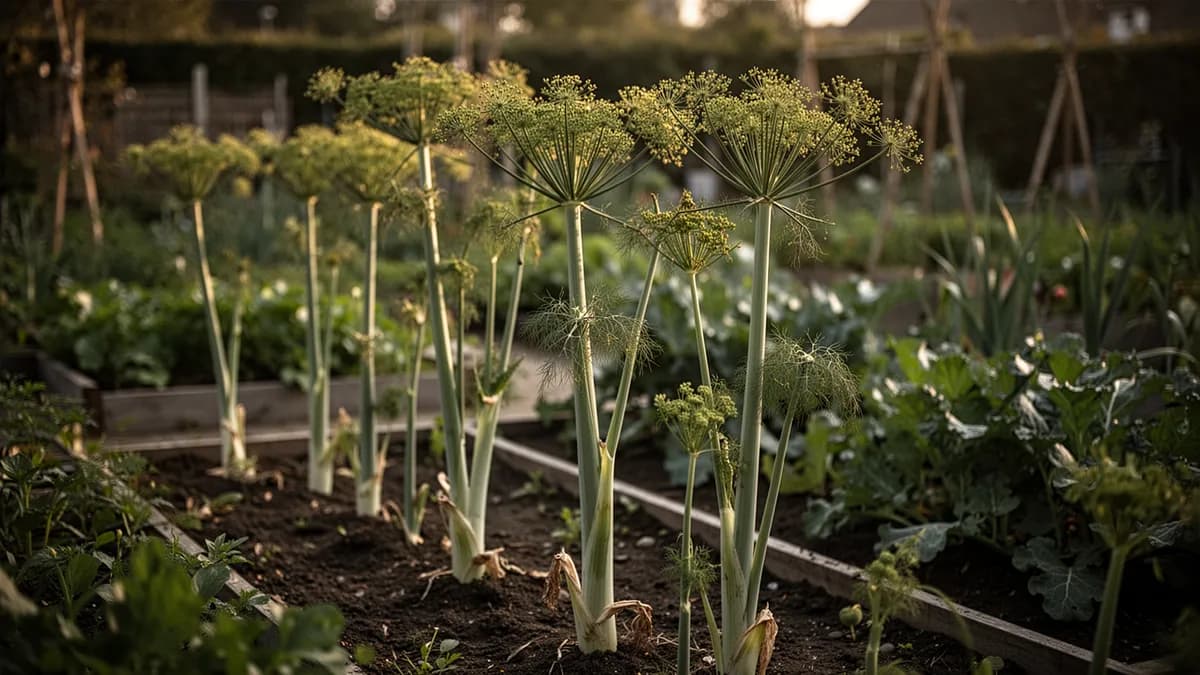
El comino crece bien junto al cilantro, la albahaca y el orégano, que aprecian condiciones cálidas similares. Sus pequeñas flores en umbela atraen insectos beneficiosos, incluidas avispas parasitarias y sírfidos, cuando se les permite florecer. Evite plantarlo cerca del hinojo, que puede cruzarse con otras umbelíferas emparentadas e inhibe el crecimiento de muchas plantas cercanas. Las bajas necesidades hídricas del comino lo convierten en un buen compañero para otras hierbas mediterráneas tolerantes a la sequía. Plante en bloques en lugar de hileras para una mejor protección mutua contra el viento.
Cilantro va a su lado. Hinojo no.
Saber de huerto de siempre, cotejado con la tabla real de Comino — prueba cualquier planta que cultives.
Prueba Comino en un bancal, aquí mismo
Un bancal real del planificador con Comino ya plantado. Toca una planta compañera para colocarla y mira cómo responde la comprobación de vecinos: verde para buenos vecinos, rojo si hay conflicto.


Guías de cultivo relacionadas
Abónalo bien
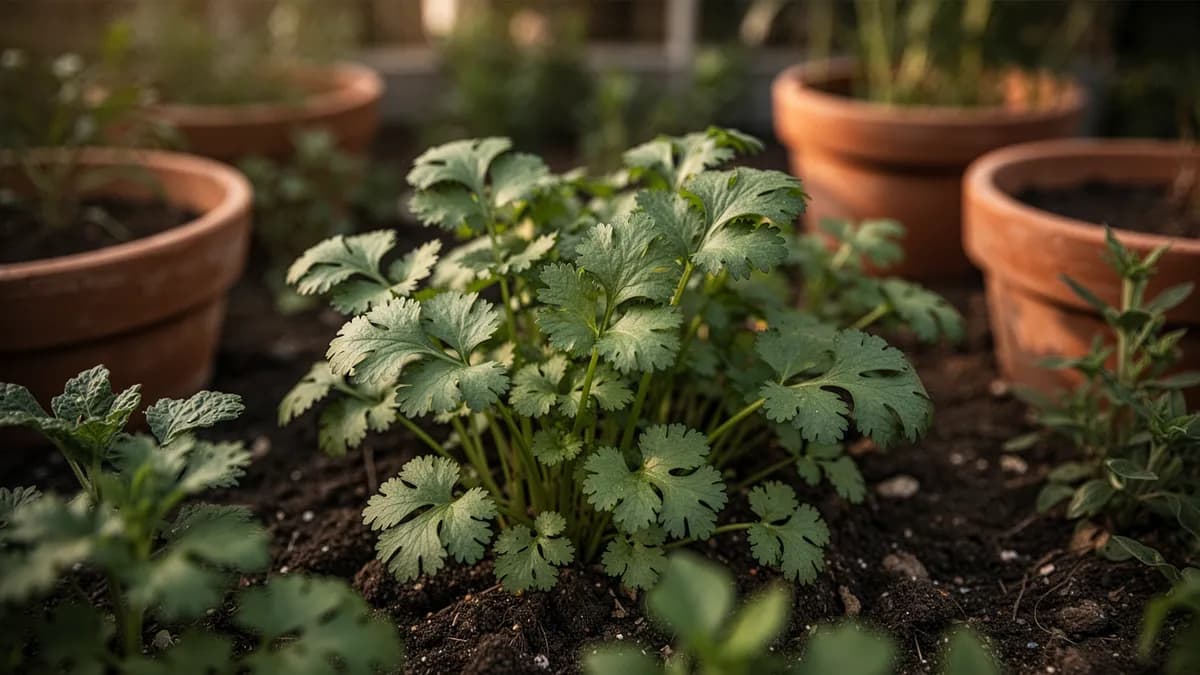
El comino se desarrolla mejor en suelos ligeros, arenosos y bien drenados con un pH de 6.8 a 7.5. Los suelos ricos producen follaje excesivo a expensas de la producción de semillas. Incorpore una cantidad moderada de compost antes de plantar para una fertilidad básica. Evite los suelos arcillosos pesados, que retienen demasiada humedad y favorecen las enfermedades radiculares. Una sola aplicación ligera de fertilizante equilibrado al momento de la plantación suele ser suficiente. El exceso de nitrógeno reduce la calidad de las semillas y el contenido de aceite esencial. En suelos pesados, cultive el comino en camas elevadas enmendadas con arena para mejorar el drenaje.
Temperatura ideal
Compatibilidad de zonas de rusticidad
De la semilla a la cosecha, etapa por etapa
Germinación
Las semillas de comino germinan lenta e irregularmente, tardando 7 a 14 días en emerger en suelo cálido. Las diminutas semillas emiten una fina radícula blanca seguida de cotiledones esbeltos, similares a hilos, que pueden confundirse fácilmente con hierba o maleza. Una humedad constante del suelo y temperaturas superiores a 20 °C son esenciales para obtener tasas de germinación fiables.
Establecimiento de Plántulas
Las primeras hojas verdaderas aparecen como frondes finamente divididas y plumosas muy parecidas a las de la plántula de eneldo o zanahoria. Las plántulas son delicadas y crecen lentamente en esta etapa, desarrollando gradualmente un tallo central fino pero cada vez más robusto. El sistema radicular establece una raíz pivotante esbelta que ancla la planta y busca humedad en capas más profundas del perfil del suelo.
Crecimiento Vegetativo
Las plantas alcanzan de 20 a 40 cm de altura con múltiples tallos ramificados cubiertos de follaje finamente disecado y aromático. Las hojas se vuelven cada vez más filiformes y plumosas a medida que la planta madura. El comino desarrolla un porte compacto y erguido con tallos que se endurecen al prepararse para el peso de las cabezuelas semilleras en desarrollo.
Floración
Umbelas compuestas y planas de diminutas flores blancas a rosadas emergen en los extremos de los tallos ramificados. Cada umbela se compone de 5 a 7 umbelillas más pequeñas con numerosas flores individuales. Las flores atraen una gran variedad de pequeños insectos beneficiosos, incluidas avispas parasitarias, sírfidos y pequeñas abejas. La floración dura 2 a 3 semanas y requiere condiciones cálidas y secas para una polinización y producción de semillas óptimas.
Desarrollo y Maduración de Semillas
Las flores polinizadas se transforman en pares de semillas alargadas y estriadas (esquizocarpos) que se hinchan gradualmente y cambian de verde a amarillo-pardo a medida que maduran. Las semillas desarrollan su característico aroma cálido y terroso a medida que los aceites esenciales se concentran en la cubierta seminal durante la fase final de maduración. La planta comienza a amarillear y secarse desde la base hacia arriba, ya que toda la energía se dirige a la maduración de las semillas.
Siembre las semillas a 5-8 mm de profundidad en suelo fino y bien drenado. Mantenga el semillero constantemente húmedo con riego suave por nebulización — evite el riego pesado que puede arrastrar o enterrar las diminutas semillas. Cubrir con una fina capa de vermiculita ayuda a retener la humedad permitiendo al mismo tiempo la penetración de la luz.
Cuidar Comino mes a mes
Qué hacer cada mes para tu Comino
Octubre
Mes actualComplete la cosecha y el trillado. Separe las semillas de la cascarilla frotando suavemente las cabezuelas secas entre las manos y aventando con una brisa ligera. Guarde las semillas enteras en frascos de vidrio herméticos en un lugar fresco y oscuro. Limpie las camas del huerto y composte los restos vegetales.
Ten claro qué hacer en tu huerto, cada mes
Un correo al empezar cada mes: qué sembrar, plantar y hacer ahora mismo — para tu Comino y todo lo que crece alrededor. Más un breve curso inicial para esquivar los errores clásicos.
- Qué hacer ahora mismo
- Ajustado a tu temporada
- Curso inicial incluido
Cosechar Comino
Coseche las semillas de comino cuando las cabezuelas se tornen marrones y comiencen a secarse en la planta, por lo general 120 días después de la siembra. Corte las cabezuelas enteras por la mañana, cuando estén ligeramente húmedas por el rocío, para evitar que se dispersen. Colóquelas en bolsas de papel y cuélguelas boca abajo en un lugar cálido y bien ventilado durante 7 a 10 días para completar el secado. Trille las semillas frotando las cabezuelas secas entre las palmas de las manos. Aventee para eliminar la cascarilla lanzando suavemente las semillas en una brisa ligera. Las semillas deben ser duras, secas y aromáticas cuando estén listas para guardar. No retrase la cosecha, pues las semillas sobremaduradas caerán y se dispersarán por el suelo.
se supone que plantas al comenzar el periodo — indica tu fecha real
Cosecha Comino a tiempo y la planta sigue produciendo.
Almacenamiento y conservación
Guarde las semillas enteras de comino en frascos de vidrio herméticos en un lugar fresco, oscuro y seco, donde conservarán toda su potencia durante 3 a 4 años. Las semillas enteras retienen su sabor mucho más tiempo que el comino molido, que pierde su aroma en menos de 6 meses. Tueste las semillas en una sartén seca justo antes de molerlas para obtener el sabor más intenso. El comino molido debe guardarse en recipientes herméticos, alejado del calor y la luz, y usarse en pocos meses. Las semillas también pueden congelarse en recipientes sellados por tiempo indefinido sin perder sabor.
Qué falla — y cómo solucionarlo
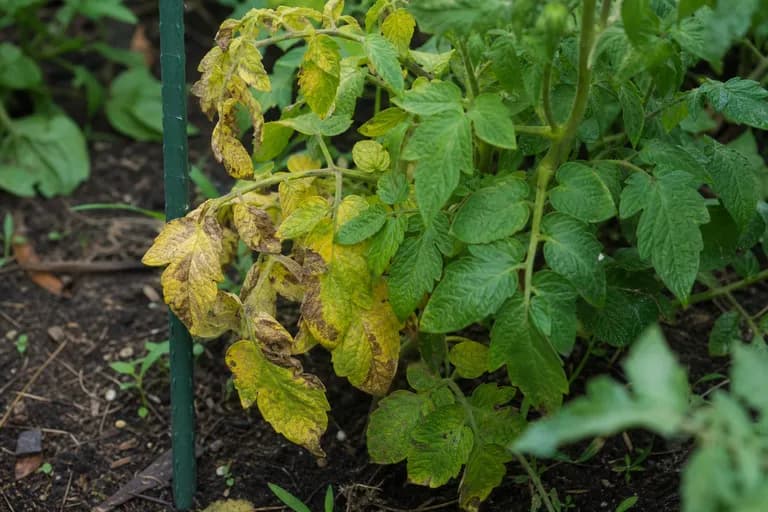
Marchitez por Fusarium
EnfermedadAmarillamiento y marchitamiento de las hojas inferiores que asciende progresivamente, decoloración parda en el interior de los tallos al cortarlos, colapso de la planta.
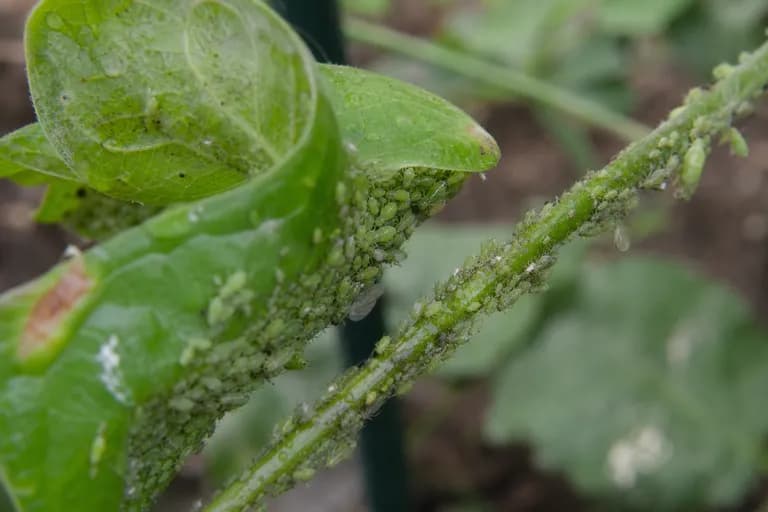
Pulgones
PlagaColonias de pequeños insectos en las cabezuelas florales en desarrollo y en las umbelas semilleras, melaza pegajosa y reducción en la producción de semillas.
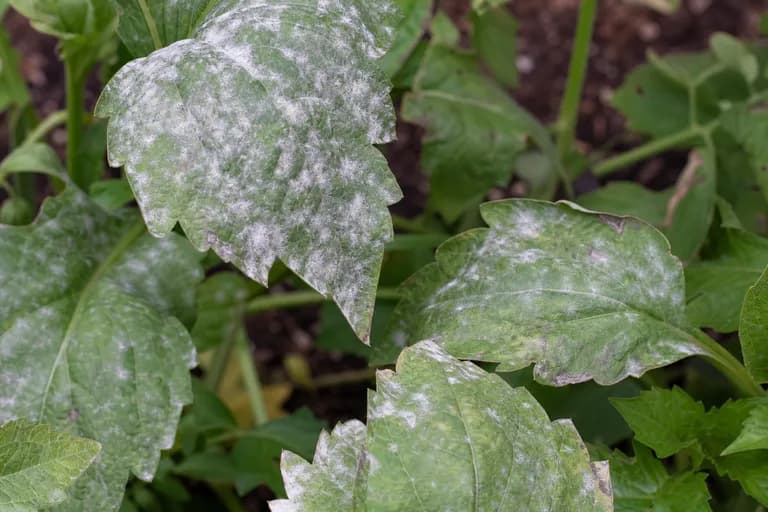
Oídio
EnfermedadManchas blancas polvorientas en hojas y tallos, follaje enrollado o deformado, reducción del vigor y de la producción de semillas.
Solución de problemas comunes
El mayor desafío del comino en climas templados es su necesidad de una larga y calurosa temporada de crecimiento. Los veranos frescos y lluviosos pueden impedir la maduración de las semillas y favorecer las enfermedades fúngicas. Comenzar las semillas temprano en interiores ayuda a prolongar la temporada de crecimiento efectiva. Las plantas esbeltas pueden acamarse con lluvias fuertes o viento; plantar densamente ayuda a que los tallos se sostengan entre sí. El riego irregular durante el desarrollo de las semillas puede causar una maduración desigual. El comino es muy sensible a las heladas y debe protegerse o cosecharse antes de la primera helada otoñal.
Consejos de cultivo
- El comino requiere una larga y calurosa temporada de crecimiento de al menos 120 días libres de helada con calor sostenido por encima de 25 °C. Los jardineros en climas frescos o de temporada corta deben iniciar las semillas en interiores 6 a 8 semanas antes de la última helada y trasplantar cuando el suelo esté completamente cálido.
- Siembre las semillas superficialmente a 5-8 mm de profundidad en suelo fino y bien drenado. Las semillas de comino son pequeñas y germinan lentamente — sea paciente y mantenga el semillero constantemente húmedo con nebulización suave durante las primeras 2 semanas. No permita que la superficie forme costra.
- Elija el lugar más cálido y soleado de su jardín para el comino. Las paredes orientadas al sur, las camas elevadas y los contenedores en patios soleados proporcionan el calor adicional que el comino necesita. En climas marginales, cultivar en contenedores negros sobre superficies de piedra o cemento aumenta significativamente las temperaturas en la zona radicular.
- Un excelente drenaje es innegociable para el comino. Enmiende los suelos arcillosos pesados con arena gruesa, perlita y compost hasta que el suelo drene libremente. El hogar ancestral del comino es árido y las raíces de la planta son extremadamente susceptibles a la pudrición en condiciones de encharcamiento.
- Riegue el comino con moderación y deje que el centímetro superior del suelo se seque entre riegos. El riego excesivo es la causa más común de fracaso del comino en los jardines caseros. La planta es tolerante a la sequía una vez establecida y, de hecho, produce un mayor contenido de aceite esencial en las semillas cuando se cultiva en el lado más seco.
- Evite completamente el riego por aspersión una vez que las plantas comiencen a florecer. La humedad en el follaje y las flores favorece la tizón alternaria y la marchitez por fusarium — las dos enfermedades fúngicas más probables de devastar un cultivo de comino. Use riego por goteo o riegue cuidadosamente en la base de las plantas.
- Plante el comino densamente a 10-15 cm de separación para proporcionar apoyo mutuo a los tallos y maximizar el rendimiento en un área pequeña. Las plantaciones densas también crean un microclima de aire cálido y tranquilo entre las plantas que el comino aprecia. Los surcos deben estar separados 25-35 cm.
- El momento de la cosecha es crítico. Corte las cabezuelas cuando se tornen dorado-pardas pero antes de que se sequen completamente y se abran en la planta. La ventana entre la madurez perfecta y la pérdida de semillas es de solo unos pocos días. Cosechar por la mañana, una vez que el rocío se haya evaporado, reduce la dispersión de semillas.
- Seque las cabezuelas cosechadas colgándolas boca abajo dentro de bolsas de papel en un lugar cálido y bien ventilado, lejos de la luz solar directa. Las semillas terminarán de madurar y caerán limpiamente en la bolsa durante 7 a 14 días. Guarde las semillas enteras en frascos de vidrio herméticos — muela solo según sea necesario para preservar el sabor.
- Rote las ubicaciones de siembra del comino anualmente y evite plantarlo en camas donde recientemente hayan crecido otros miembros de la familia Apiaceae (zanahorias, eneldo, hinojo, perejil, cilantro) para minimizar la transmisión de enfermedades. Una rotación de 3 años es ideal para prevenir la acumulación de marchitez por fusarium de origen edáfico.
Cultiva tu mejor Comino — y todo lo que la rodea.
Empieza un plan gratis hoy. Diseña tus bancales, coloca tu Comino y deja que PlotMyGarden gestione el momento, el espaciado, las asociaciones y los recordatorios de la semilla a la cesta.
Elige tu Comino
Comino Común
La variedad estándar, que produce semillas de sabor cálido y terroso utilizadas en todo el mundo en mezclas de especias. Requiere una larga y calurosa temporada de crecimiento de 120 días o más.
Comino Negro (Bunium persicum)
Especie emparentada con semillas más pequeñas y oscuras, y un sabor más complejo y ahumado. Muy apreciada en la cocina de Asia Central y el norte de la India, especialmente en platos de cordero.
Comino de Gujarat
Variedad autóctona india conocida por sus semillas especialmente aromáticas con alto contenido de aceite esencial. Ampliamente cultivada en Rajastán y Gujarat para exportación.
Si bien las semillas enteras de comino son relativamente asequibles a 3-6 € por 100 g en los supermercados, las semillas de comino cultivadas en casa y recién cosechadas son incomparablemente más aromáticas y sabrosas que las semillas comerciales que pueden haber estado almacenadas durante años. Un sobre de semillas de comino para plantar cuesta 2-4 € y puede producir 30 a 50 plantas que rinden 60 a 250 g de semillas secas valoradas en 2 a 15 € a precio de venta al público. El verdadero valor reside en la calidad más que en el ahorro económico — el comino casero recién secado, tostado y molido momentos antes de usarlo ofrece una intensidad de sabor que ninguna especia de tienda puede igualar. Cultivar comino también brinda la satisfacción de producir una de las especias más importantes del mundo en su propio jardín.
Recetas rápidas
Arroz con Comino Tostado y Lima
25 minArroz basmati fragante cocinado con semillas enteras de comino recién tostadas, terminado con un chorrito de lima y cilantro picado. El tostado en seco libera la profundidad ahumada y a nuez del comino de una manera que las semillas crudas nunca logran. Un acompañamiento perfecto para curries, carnes a la parrilla y platos de inspiración mexicana.
7 ingredientesJeera Aloo (Patatas con Comino)
20 minUn clásico acompañamiento del norte de la India con patatas tiernas templadas con semillas enteras de comino chisporroteando en aceite caliente — las semillas crepitan y liberan su intenso aroma en segundos. Sencillo, rápido y profundamente satisfactorio como guarnición o relleno en panes planos para una comida rápida.
8 ingredientesMezcla de Especias Comino-Cilantro Casera
10 minUna mezcla de especias fundamental utilizada en las cocinas india, del Medio Oriente y del norte de África. Tostar juntas las semillas enteras de comino y cilantro antes de molerlas crea un sabor complejo y con capas que las mezclas comerciales previamente molidas no pueden replicar. Guarde en un frasco sellado y use en menos de un mes para máxima potencia.
5 ingredientesUsos culinarios
Las semillas de comino son un pilar fundamental de las cocinas india, mexicana, del Medio Oriente y del norte de África. Son esenciales en el garam masala, el chile en polvo, el condimento para tacos y las mezclas de curry. Tueste las semillas enteras en aceite caliente para liberar su aroma cálido y terroso antes de añadir los demás ingredientes. El comino molido sazona el hummus, los falafel, las enchiladas y el dal. Combínelo con cilantro, cúrcuma y pimientos para obtener clásicas combinaciones de especias.
Qué contiene
Beneficios para la salud
- Rico en hierro con 66.4 mg por 100 g de semillas enteras — incluso pequeñas cantidades culinarias de comino contribuyen con hierro significativo a la dieta, ayudando a prevenir la anemia ferropénica, la deficiencia nutricional más común en el mundo.
- Contiene cuminaldehído y otros compuestos volátiles que estimulan la secreción de enzimas digestivas del páncreas y las glándulas salivales, favoreciendo una digestión eficiente y la absorción de nutrientes después de las comidas.
- Investigaciones indican que el extracto de comino puede ayudar a regular los niveles de azúcar en sangre al mejorar la sensibilidad a la insulina, con varios estudios clínicos que muestran reducciones modestas pero consistentes de glucosa en sangre en pacientes con diabetes tipo 2 que consumen suplementos de comino.
- Los aceites esenciales de las semillas de comino poseen propiedades antimicrobianas documentadas efectivas contra varios patógenos transmitidos por los alimentos, lo que puede explicar en parte el uso tradicional generalizado del comino en las cocinas de climas cálidos donde la conservación de los alimentos es una preocupación constante.
- El comino es una fuente concentrada de compuestos antioxidantes, incluidos flavonoides y ácidos fenólicos, que ayudan a neutralizar los radicales libres, reduciendo potencialmente el daño oxidativo celular relacionado con la inflamación crónica y el envejecimiento.
- Los sistemas de medicina tradicional ayurvédica y del Medio Oriente han utilizado el comino durante milenios para aliviar la hinchazón, la flatulencia y la indigestión — la investigación moderna apoya estos usos al confirmar los efectos carminativos y antiespasmódicos del comino en el tracto gastrointestinal.
De dónde viene Comino
El comino (Cuminum cyminum) es originario del Mediterráneo oriental y el Alto Egipto, con ancestros silvestres que aún se encuentran en la región del Levante, que abarca la Siria, Turquía e Irán actuales. Se cuenta entre las especias cultivadas más antiguas de la humanidad, con evidencias arqueológicas de uso del comino que se remontan al menos al año 2000 a. C. en Mesopotamia y el antiguo Egipto. Las semillas de comino descubiertas en yacimientos arqueológicos sirios sugieren que la especia se comercializaba por todo el antiguo Próximo Oriente mucho antes de la historia registrada, convirtiéndola en un pilar de las primeras redes de comercio de especias.
Los antiguos griegos y romanos adoptaron el comino con entusiasmo. En Roma, el comino era tan común que se convirtió en una metáfora de la avaricia — de una persona tacaña se decía que había 'tragado comino'. Las legiones romanas lo llevaron por todo su imperio, introduciéndolo en Iberia y el norte de África, donde quedó permanentemente integrado en las cocinas regionales. La especia viajó hacia el este por la Ruta de la Seda hasta India, donde encontró su mayor hogar culinario. La cocina india adoptó el comino con pasión incomparable, convirtiéndolo en un componente esencial del garam masala, los polvos de curry y la técnica del tadka (templado de especias) que define gran parte de la cocina india.
Los colonizadores españoles y portugueses llevaron el comino a las Américas en el siglo XVI, donde se convirtió en un sabor definitorio de la cocina mexicana, tex-mex y sudamericana. El comino es la especia característica del chili con carne, el condimento para tacos y un sinfín de salsas y guisos latinoamericanos. Este viaje transatlántico consolidó el estatus del comino como una especia verdaderamente global — uno de los pocos condimentos adoptados por prácticamente todas las grandes tradiciones culinarias, desde Marruecos hasta Mumbai y Ciudad de México.
Hoy en día India domina la producción mundial de comino, cultivando más del 70 % del suministro global principalmente en los áridos estados occidentales de Rajastán y Gujarat. Otros grandes productores son Turquía, Siria, Irán y Egipto — todas regiones dentro o adyacentes a la tierra ancestral del comino. Para los jardineros caseros, el comino sigue siendo un reto gratificante que conecta al cultivador con una de las especias más antiguas e ilustres de la civilización humana, aunque requiere una larga y calurosa temporada de crecimiento y un suelo bien drenado para prosperar.
Comino: ¿sabías que?
Datos fascinantes sobre Comino
El comino es la segunda especia más popular del mundo después de la pimienta negra, consumida en enormes cantidades en India, el Medio Oriente, el norte de África y América Latina — solo India produce y consume más del 70 % del suministro mundial de comino.
Comino: preguntas frecuentes
¿Cuándo debo plantar Comino?
¿Cuáles son buenas plantas acompañantes para Comino?
¿En qué zonas de rusticidad puede crecer Comino?
¿Cuánto sol necesita Comino?
¿A qué distancia debo espaciar Comino?
¿Qué plagas y enfermedades afectan a Comino?
¿Cómo almaceno Comino después de la cosecha?
¿Cuáles son las mejores variedades de Comino para cultivar?
¿Qué suelo necesita Comino?
¿Puedo cultivar comino en un clima fresco o húmedo?
¿El comino es lo mismo que el alcaravea o el comino negro?
¿Cómo sé cuándo las semillas de comino están listas para cosechar?
¿Por qué el comino cultivado en casa sabe mucho más intenso que el del supermercado?
¿Puedo cultivar comino en contenedores?
¿Cómo debo guardar las semillas de comino caseras para máximo sabor?
Acabas de leer la teoría. Ahora cultívala en piloto automático.
Todo lo que hace que Comino sea delicado — el momento, el espaciado, las asociaciones, la ventana de cosecha — es justo lo que PlotMyGarden resuelve por ti, para cada planta de tu huerto.
Un plan que conoce tu clima
Indica tu ubicación una vez. Recibe fechas de siembra, abonado y cosecha basadas en tu última helada real y el pronóstico en vivo — sin adivinar con un sobre genérico.
De la sección “Cuándo plantar”Planificador de bancales de arrastrar y soltar
Diseña bancales sobre una cuadrícula. Cada planta encaja con su espaciado correcto y ves toda la temporada antes de gastar un céntimo en semillas.
De la sección “Cultivo”Conflictos de asociación, detectados a tiempo
Más de 200 buenas y malas combinaciones comprobadas en vivo mientras plantas — para que un error que arruine la temporada nunca llegue a la tierra.
De la sección “Asociaciones”Recordatorios que sí vas a seguir
“Riega las judías.” “Recoge hoy antes de que se pase.” Oportunos, concretos y ligados a las plantas que de verdad cultivas.
De la sección “Cosecha”Escalonado, programado
¿Quieres cosechar seis semanas en vez de seis días? Reparte tus siembras automáticamente y te avisa cuando toca el siguiente lote.
De la sección “Cuándo plantar”Un registro que se vuelve más listo
Cada cosecha que registras le enseña tu huerto. El plan del año que viene parte de lo que de verdad funcionó en tu suelo, no en un manual.
De la sección “Resumen”Planta estos junto a Comino
Más Hierbas culinarias
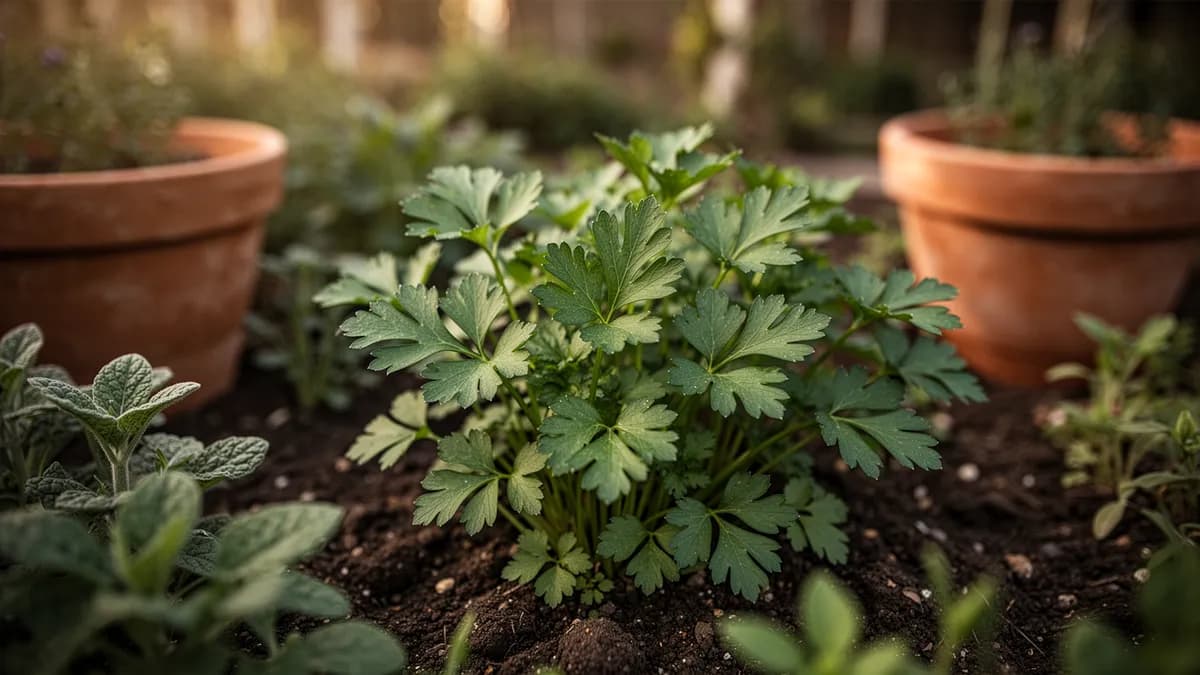
Mantén Comino lejos de estos
Cultiva tu mejor Comino — y todo lo que la rodea.
Empieza un plan gratis hoy. Diseña tus bancales, coloca tu Comino y deja que PlotMyGarden gestione el momento, el espaciado, las asociaciones y los recordatorios de la semilla a la cesta.