Chervil
A delicate French herb with lacy leaves and a subtle anise-parsley flavor, one of the four fines herbes of classic French cuisine.





On this pageOverview
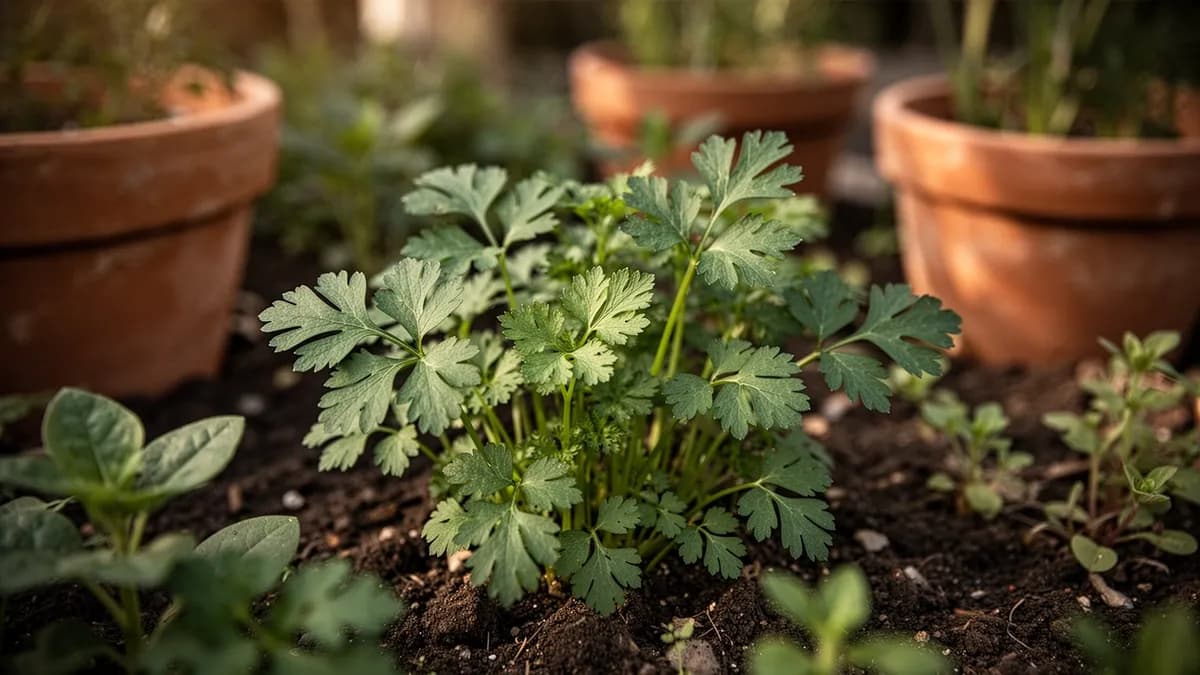
Meet Chervil
A delicate French herb with lacy leaves and a subtle anise-parsley flavor, one of the four fines herbes of classic French cuisine. Chervil prefers cool conditions and partial shade, bolting quickly in summer heat. Sow directly where it will grow, as it resents transplanting, and use the leaves fresh since they lose flavor rapidly when dried.
When to plant Chervil
Direct sow chervil seeds where they will grow, as the taproot makes transplanting unreliable. Scatter seeds on the surface of moist soil and press lightly without covering, as light aids germination. Seeds germinate in 10-14 days at 55-65°F. Chervil seed viability drops rapidly after the first year, so always use fresh seed. Sow in early spring as soon as the ground can be worked, or in late summer for fall harvest. For winter windowsill growing, sow in pots in late summer and move indoors before frost.
Your Chervil Year
Composed for Zone 7 · typical seasons · frost passes Apr 2, returns Nov 1
Plant Chervil Mar – Apr, Sep – Oct, pick Apr – Jun, Oct – Nov. Check the planting methods below and set your climate to personalize these windows.
How to grow Chervil
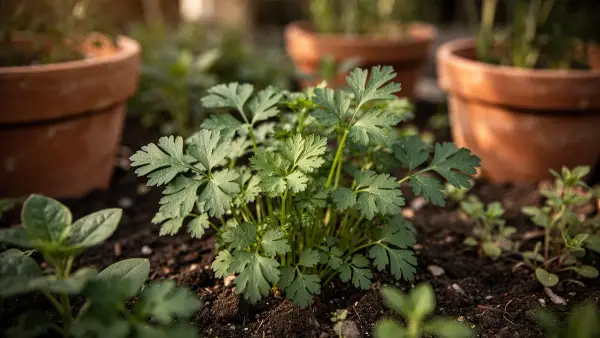
Chervil (Anthriscus cerefolium) is a cool-season annual herb that is one of the four fines herbes of French cuisine. It thrives in conditions that most herbs dislike: partial shade, cool temperatures, and moist soil. Direct sow seeds where they will grow, as chervil has a taproot and resents transplanting. Scatter seeds on the soil surface in early spring or late summer, pressing lightly without covering, as seeds need light to germinate.
Chervil performs best at temperatures between 55-70°F and bolts quickly when temperatures exceed 75°F. In warm climates, grow chervil as a fall, winter, and early spring crop. Plant in partial to full shade with consistently moist, humus-rich soil. Space plants 6-8 inches apart or broadcast seed for a dense patch.
Succession sow every 2-3 weeks for a continuous harvest, as individual plants have a short productive life before bolting. Chervil makes an excellent shade-garden herb, growing well under taller plants or on the north side of buildings. Allow some plants to flower and set seed for self-sowing, as chervil naturalizes readily in favorable conditions and provides its own succession planting.
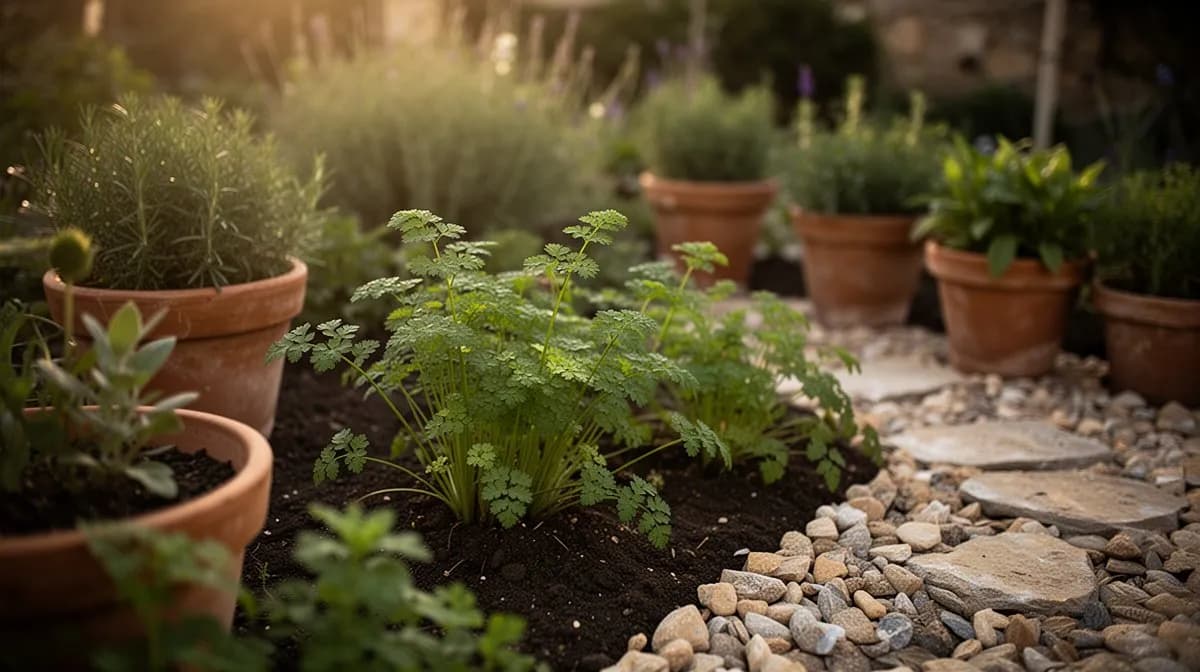
128 plants fit a 4 × 8 ft bed
Each Chervil wants 15 cm of elbow room. The planner keeps that spacing for you — every plant, every bed.
Chervil's best neighbours
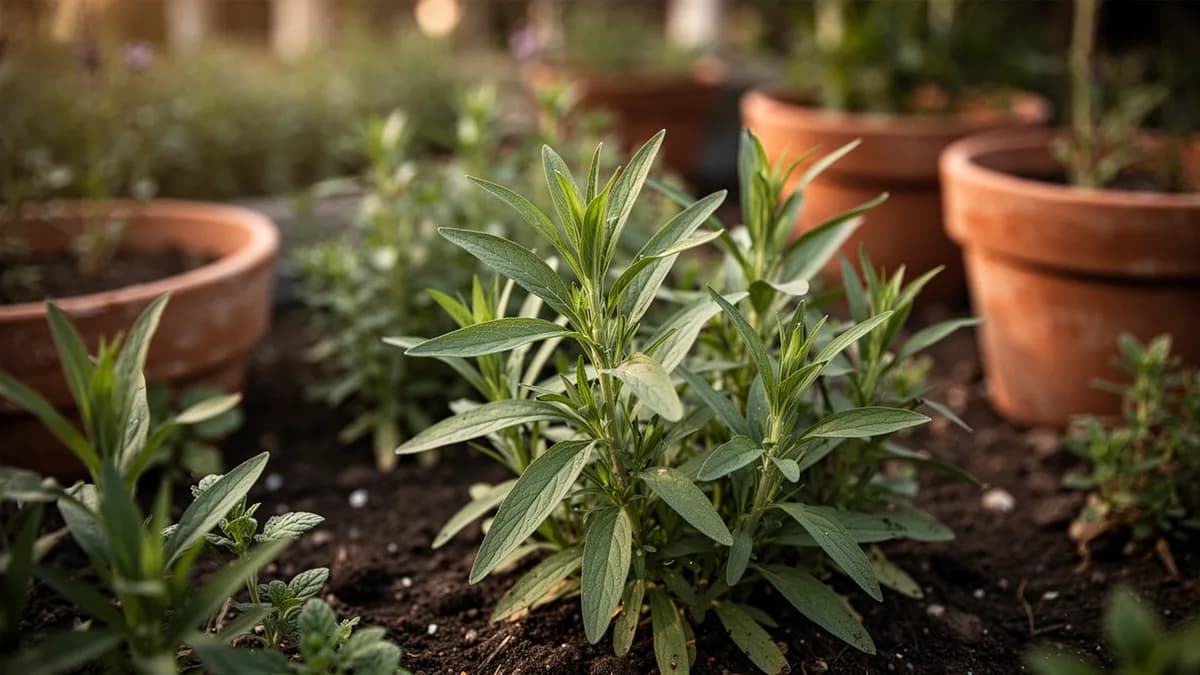
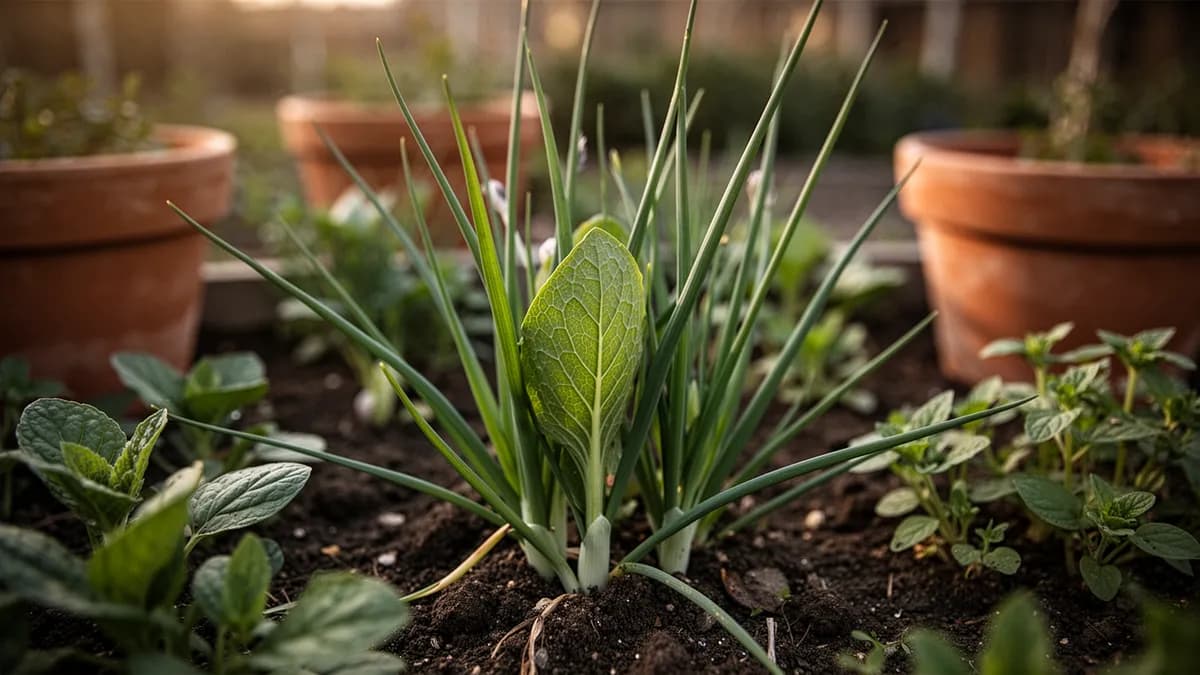
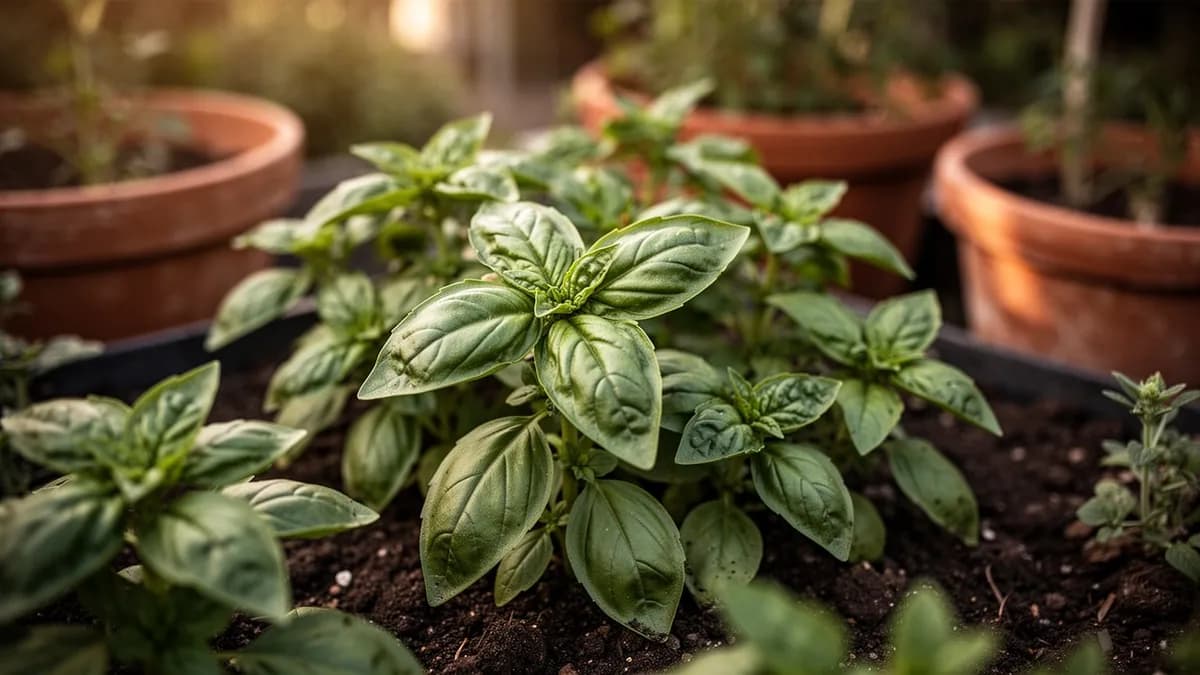
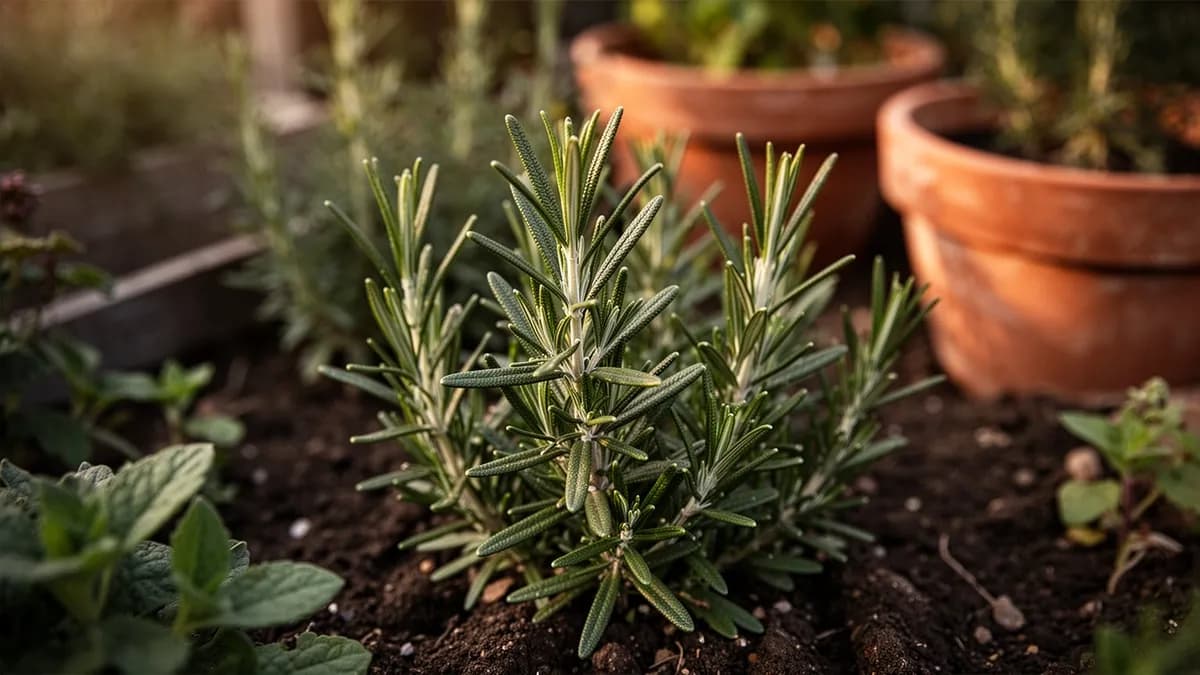
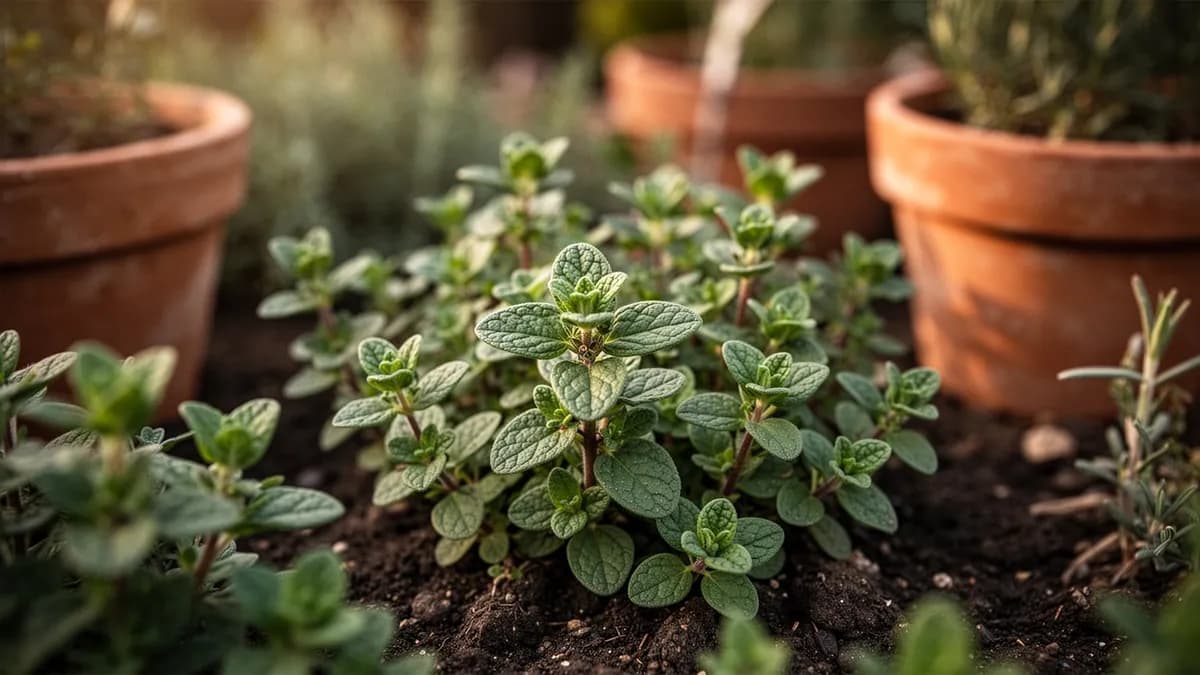
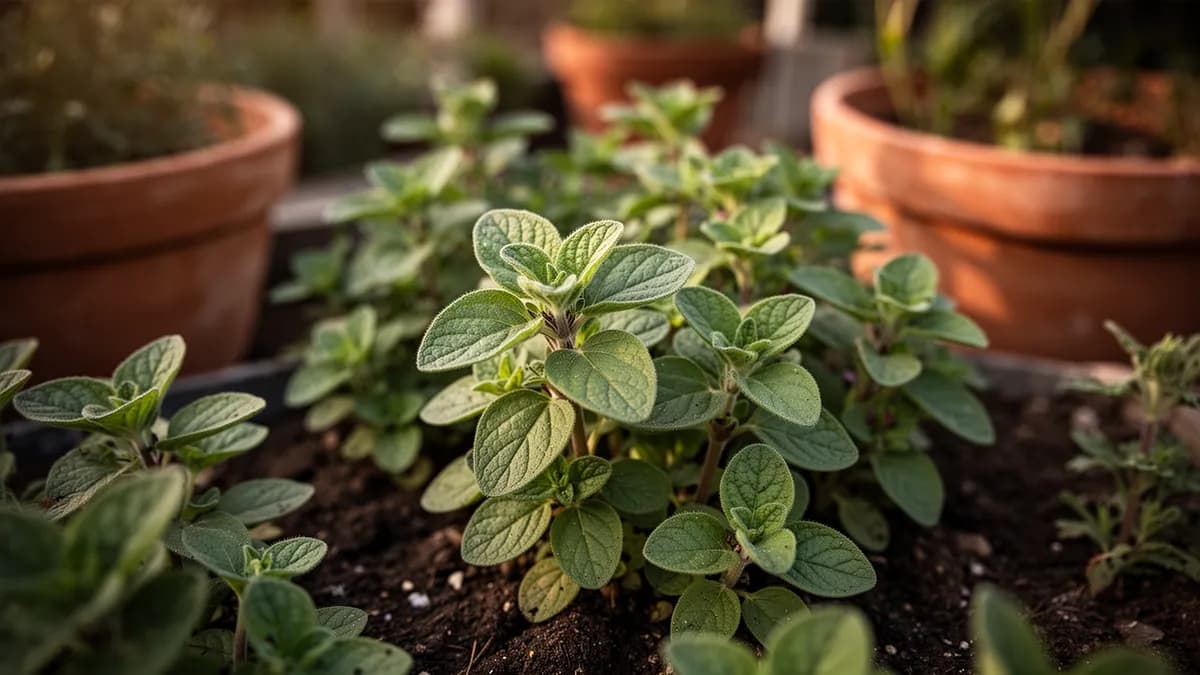
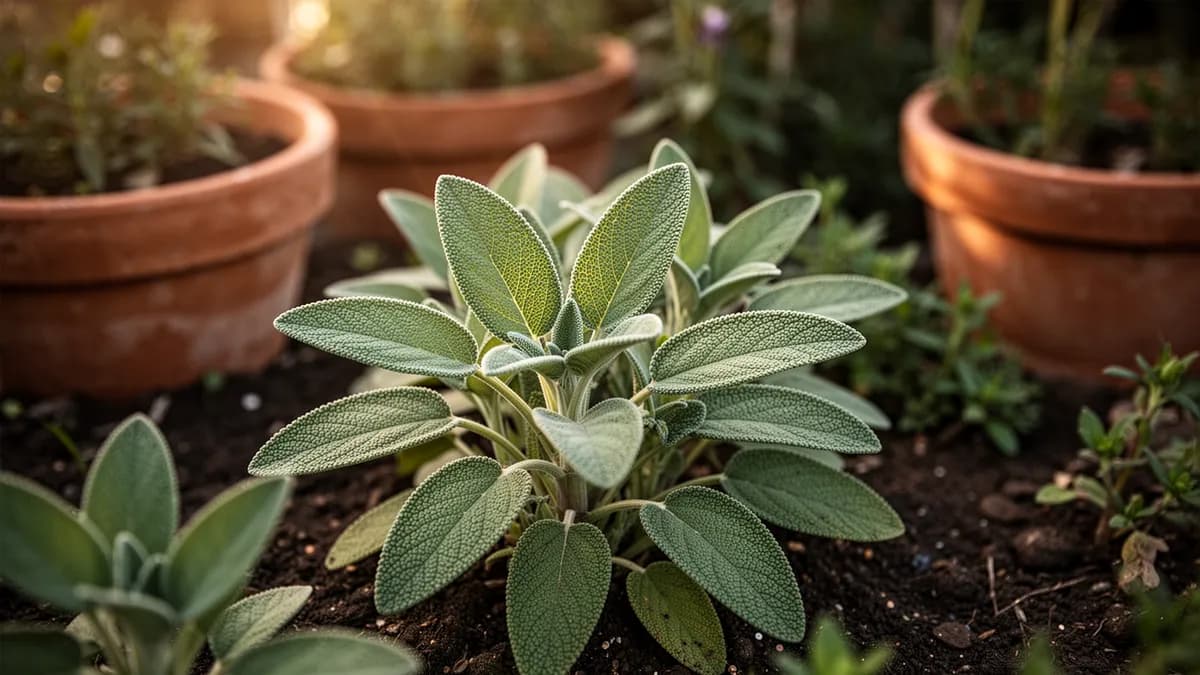
Chervil is an ideal companion for shade-loving vegetables and herbs. Plant alongside lettuce, spinach, and radishes, where its partial shade tolerance allows it to thrive beneath taller crops. Chervil is reputed to improve the growth and flavor of nearby radishes. It pairs well with other fines herbes plants: parsley, tarragon, and chives. Avoid planting near sage and other Mediterranean herbs that prefer dry, sunny conditions opposite to chervil's needs.
Parsley belongs beside it. Sage doesn't.
Old growers' knowledge, checked against Chervil's real companion table below — test any plant you're growing.
Try Chervil in a bed — right here
A real planner bed with Chervil already in it. Tap a companion to place it and watch the pairing checks answer — green for good neighbours, red for a clash.


Related growing guides
Feed it well
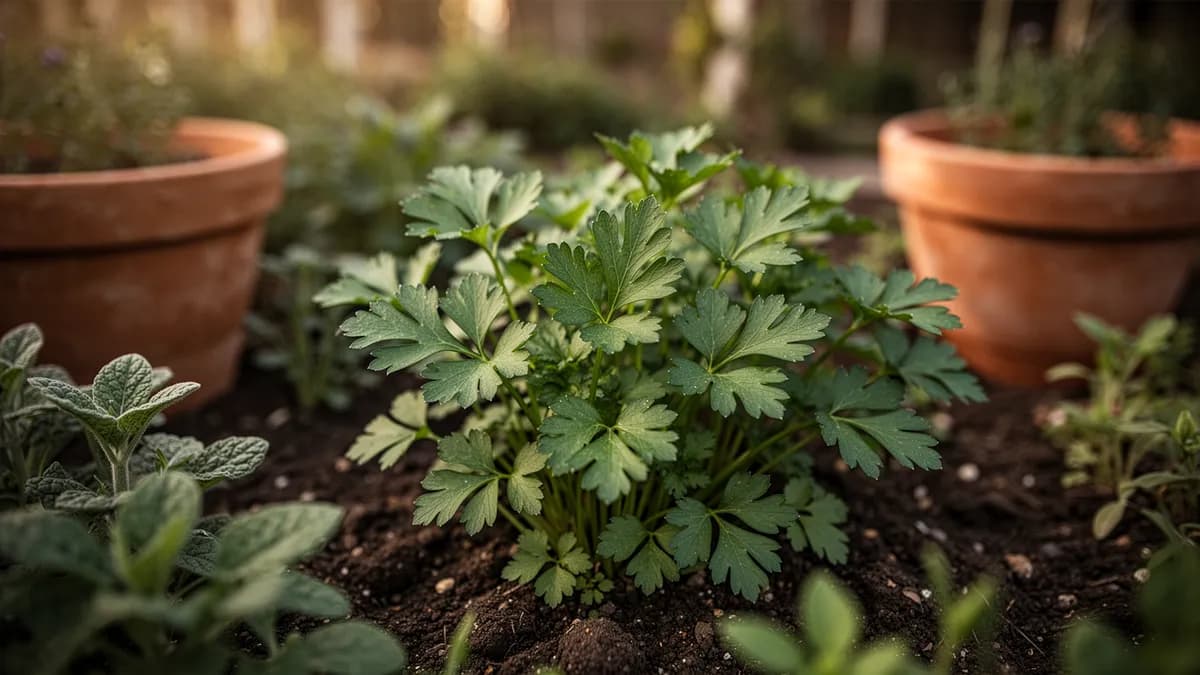
Chervil prefers rich, humus-filled soil with a pH of 6.5-7.5 that retains moisture well. Work 2-3 inches of compost or well-rotted leaf mold into the planting area. Chervil is a light feeder and rarely needs additional fertilization if grown in good soil. If growth seems slow, a light application of fish emulsion every 3-4 weeks is sufficient. In containers, use a moisture-retentive potting mix and keep consistently moist. Avoid heavy clay soil, which stays too waterlogged.
Ideal Temperature
Hardiness Zone Compatibility
From seed to harvest, stage by stage
Seed Germination
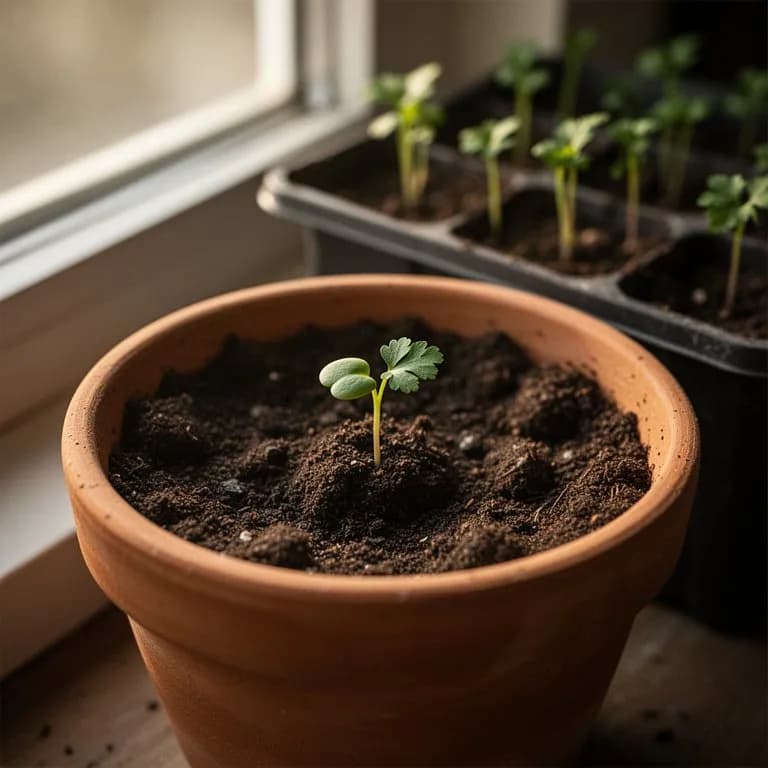
Chervil seeds are small, elongated, and dark brown. They require darkness and cool soil temperatures of 13-18°C (55-65°F) for best germination. Seeds are slow to sprout, typically taking 10-14 days. The tiny cotyledons emerge as a pair of narrow, strap-shaped leaves that are easily mistaken for grass seedlings.
Seedling Development
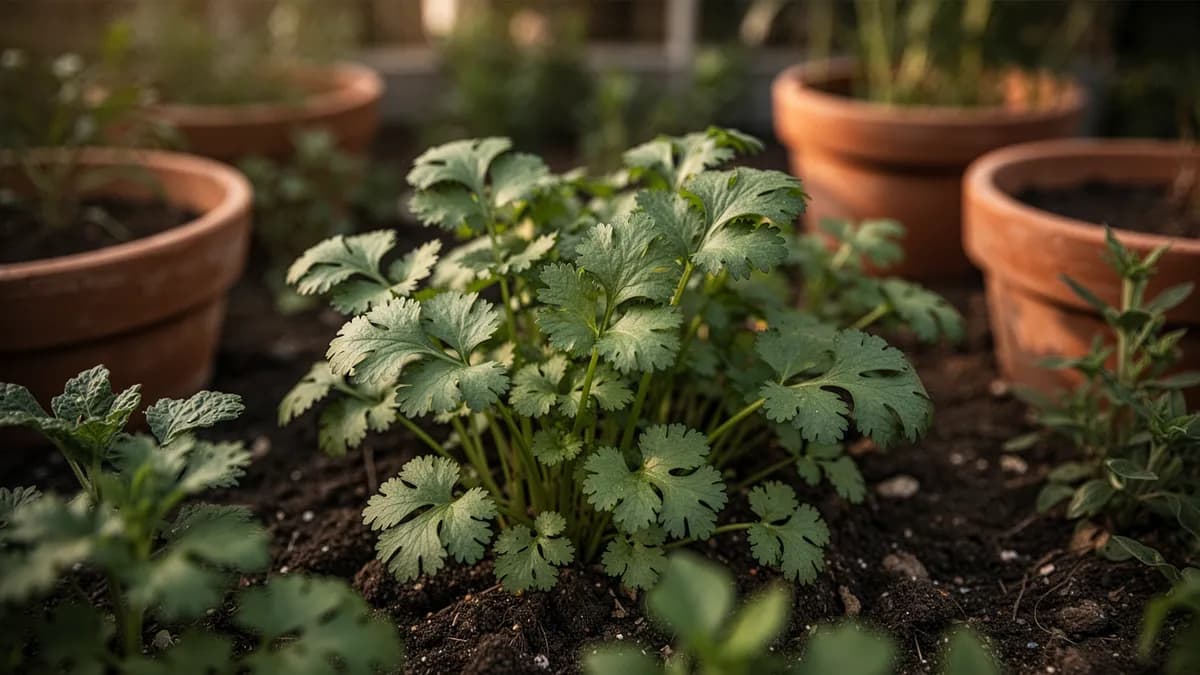
The first true leaves appear with their characteristic finely divided, fern-like shape. Seedlings grow slowly at first, developing a slender taproot that anchors the plant. Leaves become progressively more divided and lacy with each new set, and the plant begins to form a low rosette close to the soil surface.
Vegetative Growth
Plants grow into lush, bushy mounds 25-40 cm tall with dense, finely cut foliage that resembles a more delicate version of flat-leaf parsley. Leaves are bright green with a soft, almost feathery texture. This is the prime harvest period when the aromatic oils are most concentrated and the anise-parsley flavor is at its peak.
Flowering (Bolting)
A central flower stalk elongates rapidly, reaching 45-60 cm tall. Tiny white flowers appear in delicate compound umbels typical of the Apiaceae (carrot) family. Once flowering begins, leaf production slows dramatically and existing leaves become tougher and less flavorful. The flowers attract hoverflies, lacewings, and tiny parasitic wasps — all valuable beneficial insects.
Seed Setting and Decline
Flowers give way to pairs of elongated seeds (schizocarps) that darken from green to brown-black as they ripen. The foliage yellows and dries as the plant redirects energy into seed maturation. Seeds shatter and fall when ripe, often germinating in place within weeks if conditions are cool and moist, creating a self-perpetuating patch.
Sow seeds directly where they will grow — chervil has a long taproot and resents transplanting. Press seeds lightly into the surface and cover with just 3-5 mm of fine soil. Keep consistently moist with a fine mist spray. Fresh seed germinates best; viability drops sharply after one year.
Caring for Chervil month by month
What to do each month for your Chervil
October
You are hereHarvest from fall-sown plants as they reach usable size. In zones 7 and above, chervil can continue growing through mild winters. Apply a light mulch around plants to moderate soil temperature swings. Collect any remaining seeds from self-sown plants and store in a cool, dark place.
Know exactly what to do in your garden — every month
One email at the start of each month: what to sow, plant, and tackle right now — for your Chervil and everything growing around it. Plus a short starter course that helps you dodge the classic mistakes.
- What to do, right now
- Matched to your season
- Starter course included
Harvesting Chervil
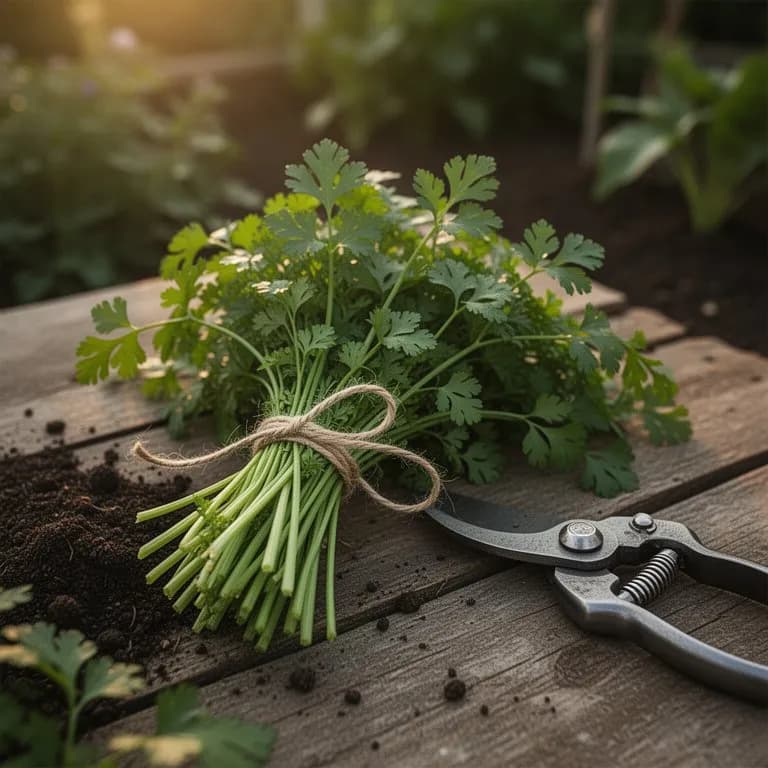
Begin harvesting chervil leaves when plants are 4-6 inches tall, typically 6-8 weeks after sowing. Cut outer leaves at the base, leaving the center to continue growing. Harvest early in the morning for peak flavor. Chervil has a short harvest window before bolting, usually 3-4 weeks of good leaf production per planting. The delicate leaves bruise easily, so handle gently. Once flower stalks appear, flavor declines rapidly. Use chervil immediately after cutting, as the subtle flavor dissipates within hours of harvest.
assuming you plant when the window opens — set your real date
Pick Chervil promptly and the plant keeps producing.
Storage & Preservation
Chervil is best used absolutely fresh, as its delicate anise-parsley flavor fades rapidly. Store briefly by placing stems in a glass of water in the refrigerator, covered loosely with a plastic bag, for 1-2 days maximum. Chervil does not dry well at all, losing virtually all flavor in the process. The best preservation method is freezing: chop leaves finely and freeze in ice cube trays with water or blend into chervil butter and freeze in portions. Chervil vinegar captures some of the herb's character for later use.
What goes wrong — and the fix
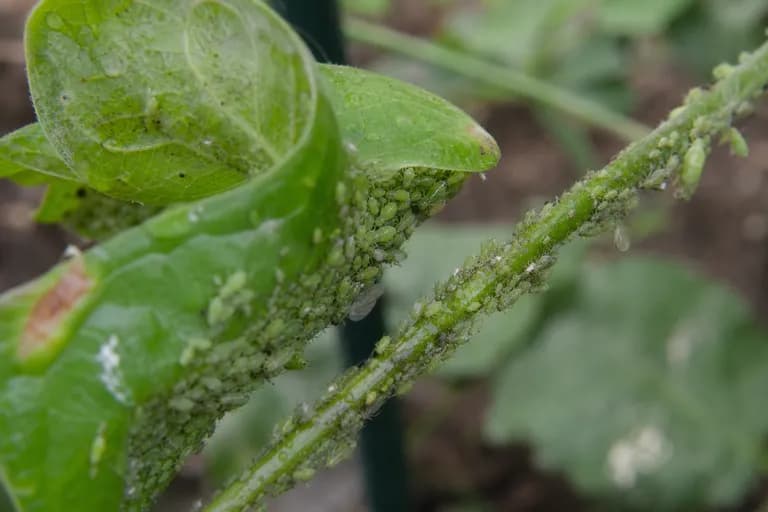
Aphids
PestSmall green insects clustered on tender new growth and flower stems, curled leaves, sticky residue.
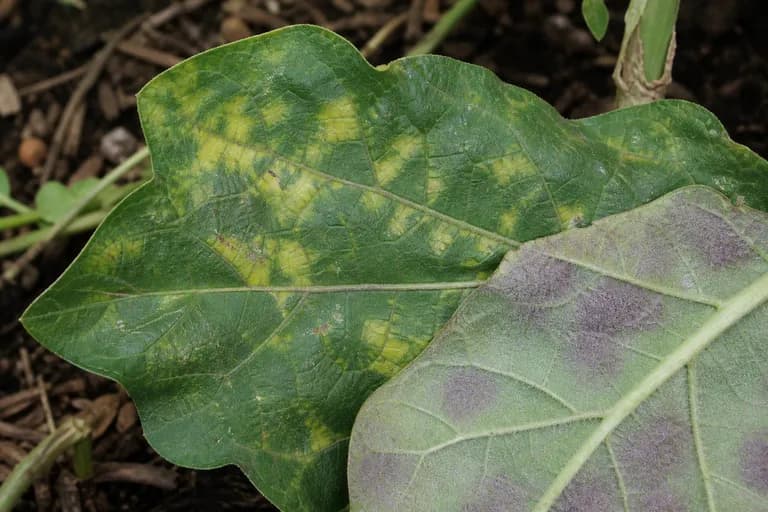
Downy Mildew
DiseaseYellow patches on upper leaf surfaces with grey-white fuzzy growth underneath, especially in cool, damp conditions.
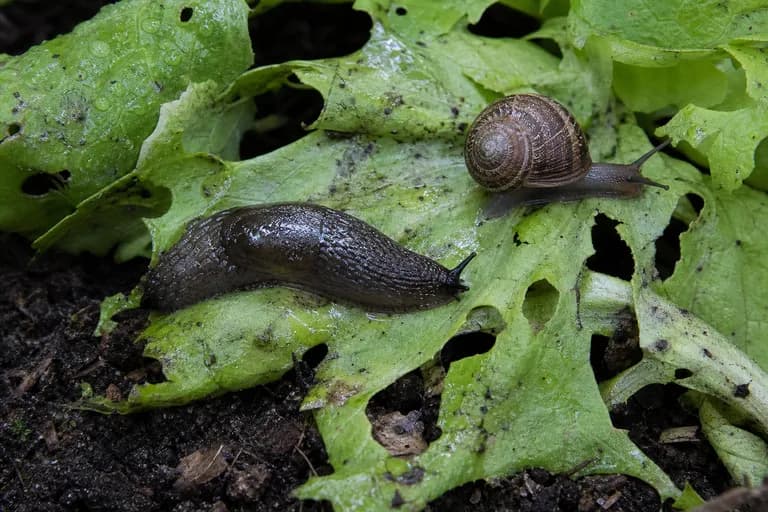
Slugs and Snails
PestIrregular holes in leaves, slime trails, damage worst in moist, shady growing conditions.
Troubleshooting Common Problems
Premature bolting is the most common issue with chervil, caused by warm temperatures above 75°F, transplant stress, or inconsistent moisture. Always direct sow and grow in the coolest part of the garden. The delicate leaves wilt quickly after cutting, so harvest just before use. Poor germination results from buried seed (chervil needs light) or old seed that loses viability quickly. In very moist, shady conditions, slugs and fungal diseases can be problematic. Chervil may self-sow aggressively in ideal conditions.
Growing Tips
- Always sow chervil seeds directly where you want plants to grow. Chervil develops a delicate taproot that does not tolerate transplanting — seedlings moved from pots or trays rarely establish well and often bolt prematurely from the stress of root disturbance.
- Use the freshest seed available. Chervil seed loses viability rapidly, with germination rates dropping from 80-90% in fresh seed to below 30% after just one year of storage. Buy new seed each season or collect your own from the current year's plants for the best results.
- Embrace shade. Unlike most herbs that demand full sun, chervil performs best in partial shade receiving 3-4 hours of direct morning sun with afternoon shade. North-facing walls, under deciduous trees, or between taller crops are ideal locations that few other herbs can exploit.
- Succession sow every 3-4 weeks starting in early spring and again from late summer through autumn. Individual chervil plants have a short productive lifespan of 4-6 weeks before bolting, so overlapping plantings are essential for continuous harvest throughout the cool months.
- Keep soil consistently moist but never waterlogged. Chervil's fine, feathery foliage loses moisture quickly, and even brief dry spells can trigger premature bolting. A thin mulch of straw, leaf mold, or compost helps maintain the cool, moist conditions chervil craves.
- Harvest by cutting entire outer stems at the base rather than picking individual leaves. This encourages the plant to produce new growth from the center and extends the productive life of each plant by several weeks compared to leaf-by-leaf harvesting.
- Add chervil to dishes at the very last moment. Its delicate anise-parsley flavor is destroyed by heat, so always stir it into soups after removing from the burner, toss it with salads just before serving, or scatter it over finished dishes as a fresh garnish.
- Let one or two plants flower and set seed each season to establish a self-sowing colony. Chervil naturalizes beautifully in suitable conditions, producing volunteer seedlings in spring and autumn that provide free harvests with no sowing effort required.
- Grow chervil in containers on a cool windowsill or shaded balcony if garden space is limited. Use a pot at least 20 cm deep to accommodate the taproot, keep soil moist, and position in the coolest, least sunny window available — a north-facing windowsill is ideal.
- Pair chervil with lettuce, radishes, and spinach in the garden. These cool-season crops share the same preference for moderate temperatures, consistent moisture, and partial shade, making them natural companions that thrive together in spring and autumn beds.
Grow your best Chervil yet — and everything around it.
Start a free plan today. Lay out your beds, drop in your Chervil, and let PlotMyGarden handle the timing, spacing, companions and reminders from seed to harvest basket.
Pick your Chervil
Common Chervil
The standard variety with finely divided, lacy foliage and a delicate anise-parsley flavor. The most widely available form.
Brussels Winter
A cold-hardy selection bred for overwintering in mild climates. More bolt-resistant and productive in cool conditions.
Vertissimo
A darker green variety with improved bolt resistance and slightly thicker leaves. Better suited for warmer spring conditions.
Fresh chervil is one of the most expensive herbs to purchase, often costing $3-6 for a tiny 15-30g bunch at specialty grocers and farmers markets — when it can be found at all. Many supermarkets simply do not stock it, forcing home cooks to substitute inferior alternatives or go without. A single $2-3 seed packet produces dozens of plants over a season through succession sowing, yielding the equivalent of $30-60 worth of fresh chervil. Since chervil self-sows readily, established patches can produce free harvests year after year with virtually no effort or expense.
Quick recipes
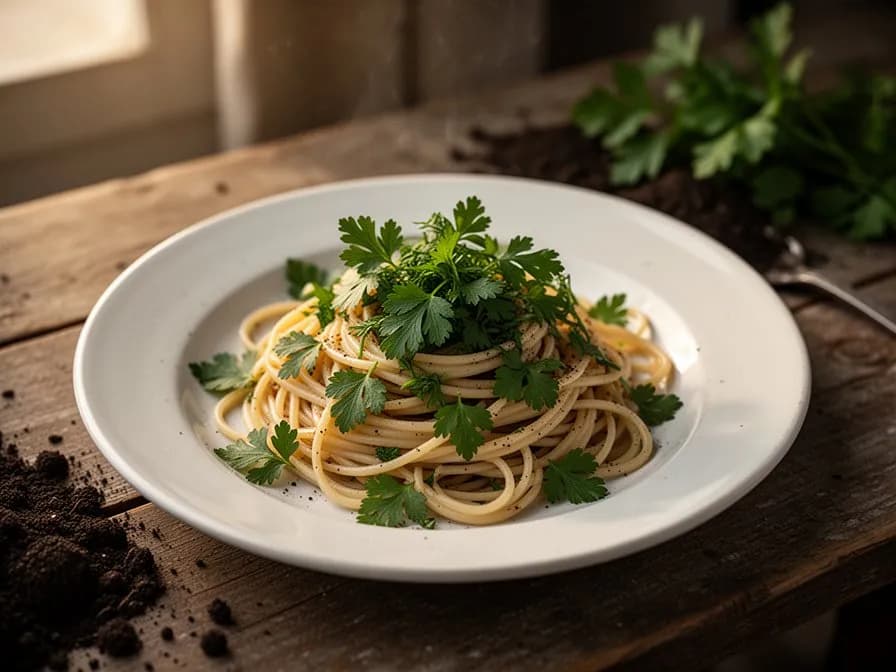
Classic French Chervil Soup (Potage au Cerfeuil)
30 minAn elegant, silky spring soup that is a staple of traditional French cuisine. Potatoes provide body while a generous amount of fresh chervil stirred in at the end preserves its delicate anise-parsley flavor and vibrant green color.
8 ingredientsChervil Butter (Beurre de Cerfeuil)
10 minA compound butter that captures chervil's fleeting flavor in a versatile form. Melt a knob over grilled fish, toss with steamed new potatoes, or spread on warm crusty bread. Rolls of chervil butter freeze beautifully, preserving the herb's flavor for months.
6 ingredientsEggs en Cocotte with Chervil
20 minA classic French bistro dish that showcases chervil at its best. Eggs are baked in individual ramekins with cream and a generous shower of fresh chervil, creating an elegant yet effortless brunch or light supper dish.
7 ingredientsCulinary Uses
Chervil is one of the four fines herbes of French cuisine alongside parsley, tarragon, and chives. Its delicate anise-parsley flavor enhances eggs, fish, chicken, spring vegetables, and cream-based sauces. Always add chervil at the very end of cooking or use raw, as heat destroys its subtle flavor. Essential in bearnaise sauce, ravigote, and classic French omelets. Scatter over asparagus, new potatoes, and spring soups for an elegant finish.
What's inside
Health Benefits
- Rich in beta-carotene and vitamin A, which support healthy vision, immune system function, and skin cell turnover — regular consumption contributes meaningful amounts of these essential nutrients to the diet.
- Contains volatile compounds including estragole and apigenin that have demonstrated antioxidant properties in research studies, helping to neutralize free radicals and reduce oxidative stress in the body.
- Traditionally used in European herbal medicine as a gentle digestive aid — the aromatic oils in chervil are believed to stimulate bile production and ease bloating, gas, and mild digestive discomfort after meals.
- Provides a useful source of vitamin C when consumed fresh, supporting collagen production, iron absorption from plant-based foods, and overall immune defense — particularly valuable as a fresh green available in the cool seasons when other garden herbs are dormant.
- Contains meaningful amounts of iron, manganese, and other trace minerals that support red blood cell formation, bone health, and enzymatic processes throughout the body when consumed regularly as a culinary herb.
- The mild diuretic properties attributed to chervil in traditional European folk medicine may help support healthy kidney function and reduce mild fluid retention, though these effects have not been extensively studied in clinical trials.
Where Chervil comes from
Chervil (Anthriscus cerefolium) is native to the Caucasus region and Western Asia, where it has grown wild for millennia in the cool, shaded woodlands and mountain meadows stretching from modern-day Georgia and southern Russia through Iran and into Central Asia. Ancient Greek and Roman writers were among the first to document its culinary and medicinal uses, and it was the Romans who are credited with spreading chervil throughout Europe during their territorial expansion between the 1st century BCE and the 4th century CE.
The herb became deeply embedded in European culinary tradition during the medieval period, cultivated extensively in monastery gardens alongside other kitchen herbs. Charlemagne listed chervil among the essential plants to be grown in every imperial garden in his Capitulare de villis of 795 CE, ensuring its place in European horticulture for centuries to come. Throughout the Middle Ages, chervil was valued not only for cooking but as a medicinal herb believed to aid digestion, purify the blood, and treat ailments from hiccups to kidney complaints. Its association with Easter and spring festivals across France, Germany, and the Low Countries further cemented its cultural importance.
It was in France, however, that chervil achieved its highest culinary status. French chefs elevated the humble herb into an essential element of their cuisine, making it one of the four indispensable fines herbes. The great codifiers of French cooking, from Escoffier to Bocuse, insisted on its inclusion in countless classic preparations — bearnaise sauce, ravigote, omelets aux fines herbes, and dozens of delicate spring soups. Unlike its hardier companions parsley and chives, chervil demands careful handling and last-moment addition to preserve its fragile aromatic compounds, giving it an air of refinement that has kept it central to haute cuisine.
Chervil arrived in the Americas with early European colonists but never achieved the widespread popularity it enjoys in France and the Low Countries. Today it remains somewhat underappreciated in English-speaking countries, though a growing interest in French culinary techniques and heirloom kitchen gardens is bringing renewed attention to this elegant, shade-loving herb.
Chervil: did you know?
Fascinating facts about Chervil
Chervil is one of the four essential herbs in the classic French fines herbes blend, alongside parsley, tarragon, and chives. This delicate combination is a cornerstone of French cuisine, used to finish sauces, omelets, and salads just before serving to preserve its subtle aromatics.
Chervil questions, answered
When should I plant Chervil?
What are good companion plants for Chervil?
What hardiness zones can Chervil grow in?
How much sun does Chervil need?
How far apart should I space Chervil?
What pests and diseases affect Chervil?
How do I store Chervil after harvest?
What are the best Chervil varieties to grow?
What soil does Chervil need?
Why does my chervil bolt so quickly?
Can I dry or freeze chervil to preserve it?
Is chervil safe to forage from the wild?
What can I substitute for chervil in recipes?
How do I grow chervil indoors during winter?
Does chervil come back every year or do I need to replant?
You just read the theory. Now grow it on autopilot.
Everything that makes Chervil fiddly — the timing, the spacing, the companions, the harvest window — is exactly what PlotMyGarden handles for you, for every plant in your garden.
A plan that knows your weather
Set your location once. Get sow, feed and harvest dates built around your real last-frost date and live forecast — no more guessing from a generic seed packet.
From the “When to plant” sectionDrag-and-drop bed planner
Design beds on a grid. Every plant snaps to its proper spacing, and you can see your whole season laid out before you spend a cent on seed.
From the “Growing guide” sectionCompanion conflicts, caught early
200+ good-and-bad pairings checked live as you plant — so a season-wrecking mistake never makes it into the ground.
From the “Companions” sectionReminders you'll actually act on
“Water the beans.” “Pick today before it turns.” Timely, specific, and tied to the plants you're really growing.
From the “Harvest” sectionSuccession, scheduled
Want a harvest for six weeks, not six days? It spaces your sowings automatically and reminds you when each new block is due.
From the “When to plant” sectionA record that gets smarter
Every harvest you log teaches it your garden. Next year's plan starts from what actually worked in your soil, not a textbook's.
From the “Overview” sectionPlant these alongside Chervil
More Culinary Herbs
Keep Chervil away from these
Garden plans featuring Chervil
Grow your best Chervil yet — and everything around it.
Start a free plan today. Lay out your beds, drop in your Chervil, and let PlotMyGarden handle the timing, spacing, companions and reminders from seed to harvest basket.