Celeriac
A knobby root vegetable with intense celery flavor that is a staple of European winter cooking.





On this pageOverview
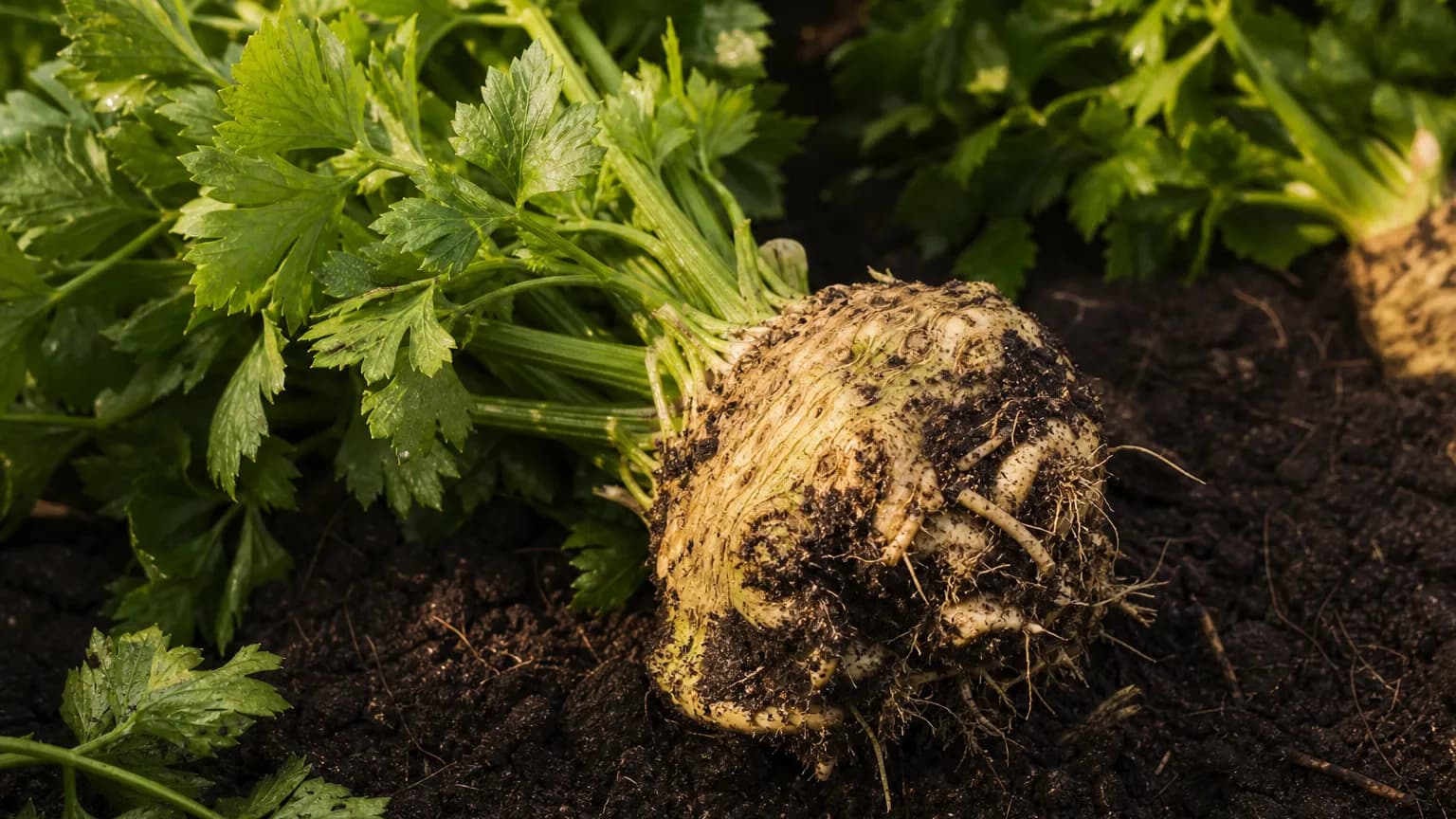
Meet Celeriac
A knobby root vegetable with intense celery flavor that is a staple of European winter cooking. Celeriac has a very long growing season and should be started indoors early, as it is slow to germinate and develop. The root must be peeled before use, revealing creamy white flesh that is excellent pureed, roasted, or shredded raw in the classic French remoulade. Mulch heavily and keep soil consistently moist for the largest, smoothest roots with the fewest side rootlets.
When to plant Celeriac
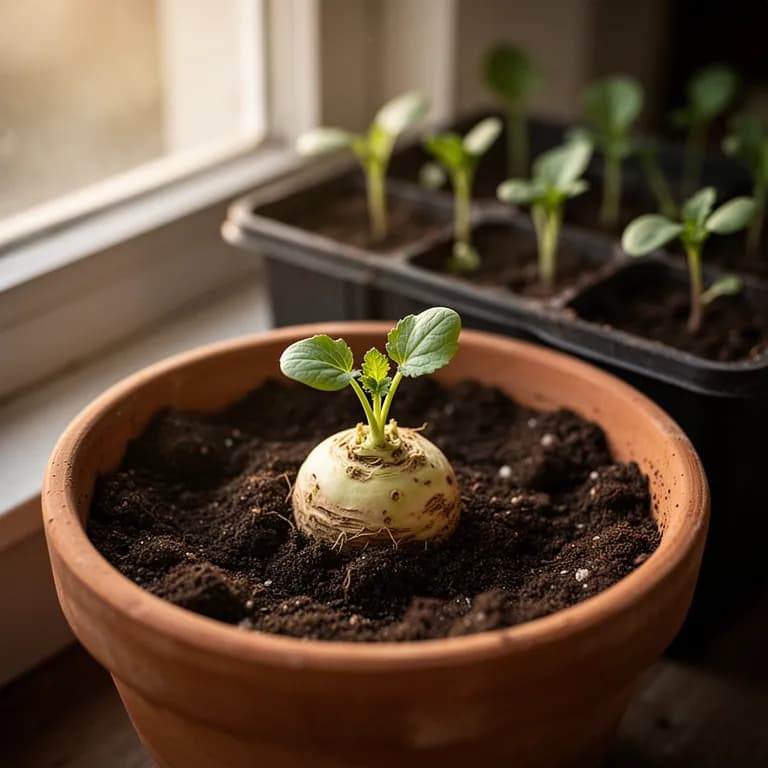
Start seeds 10-12 weeks before last frost indoors. Sow on the soil surface; seeds need light to germinate. Keep moist at 60-70°F. Germination takes 14-21 days and is often patchy. Provide bottom heat for more consistent results. Transplant after last frost when seedlings have 4-5 true leaves. Handle seedlings gently. This is one of the earliest crops to start indoors.
Your Celeriac Year
Composed for Zone 7 · typical seasons · frost passes Apr 2, returns Nov 1
Plant Celeriac Mar – Apr, pick Oct – Dec. Check the planting methods below and set your climate to personalize these windows.
How to grow Celeriac
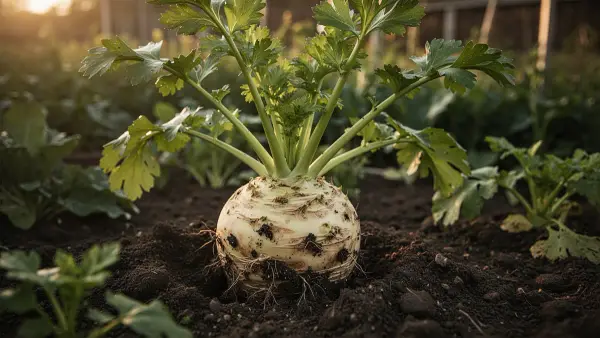
Start celeriac seeds indoors 10-12 weeks before last frost, as it has the longest growing season of any common vegetable (100-120 days). Sow tiny seeds on the soil surface (they need light to germinate) and keep consistently moist at 60-70°F. Germination takes 14-21 days and is often irregular.
Transplant hardened-off seedlings outdoors after last frost, spacing 8-12 inches apart in rows 18-24 inches apart. Celeriac demands consistently moist, fertile soil and cool temperatures. Provide regular water and feed every 2-3 weeks with balanced fertilizer. Mulch heavily to maintain moisture and cool soil.
As the knobby root develops, remove lower leaves and side shoots to direct energy to the swelling root ball. Celeriac tolerates light frost, which improves its flavor. In mild climates, it can be left in the ground through winter with a heavy mulch cover. The gnarled, ugly exterior hides a smooth, creamy-white interior with intense celery flavor.
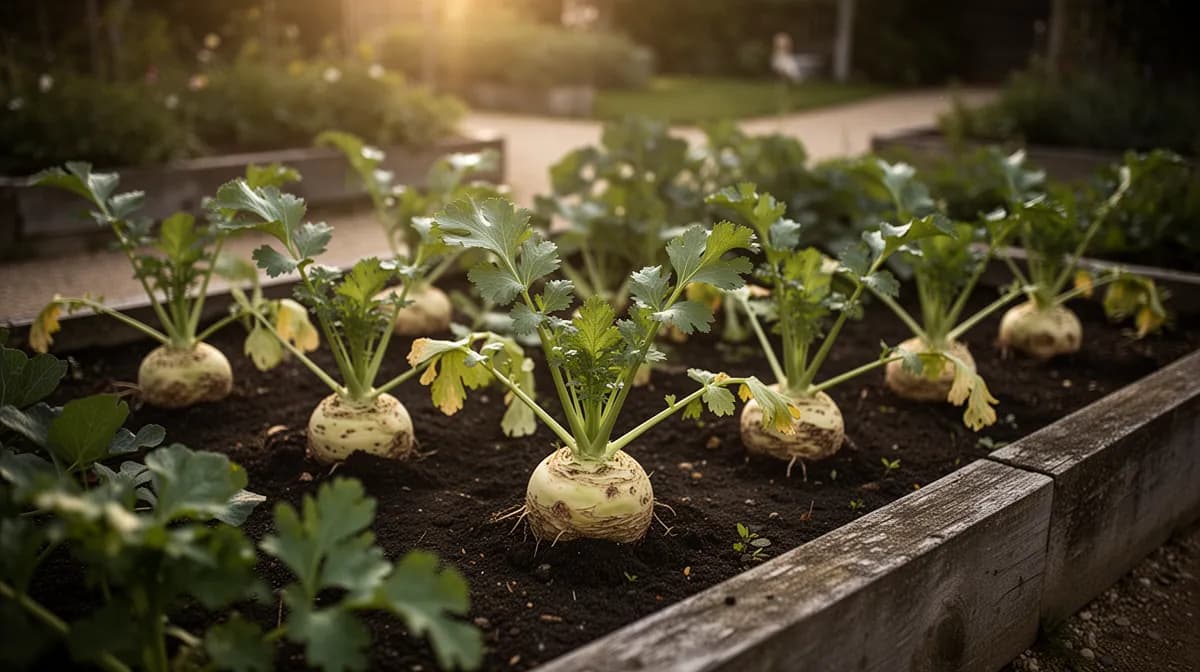
32 plants fit a 4 × 8 ft bed
Each Celeriac wants 30 cm of elbow room. The planner keeps that spacing for you — every plant, every bed.
Celeriac's best neighbours
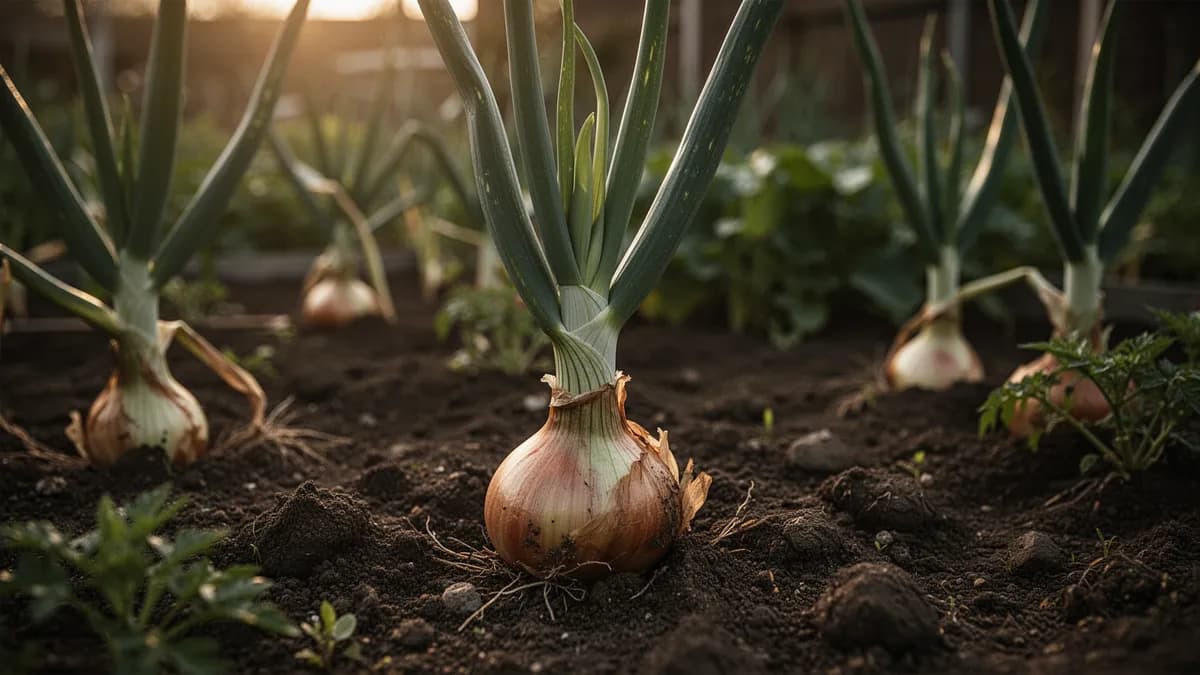
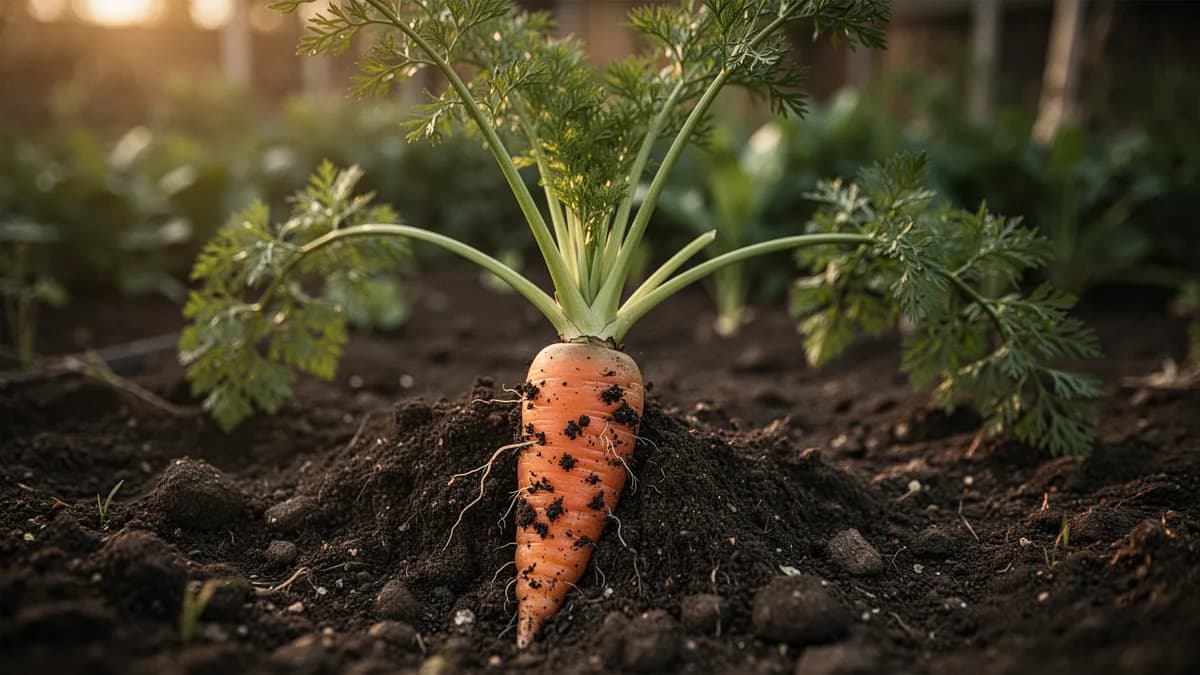
Celeriac grows well with leeks, onions, and tomatoes. Interplant with quick-maturing lettuce or radishes early in the season. The long growing period means celeriac occupies garden space from spring through fall. Avoid planting near carrots and parsnips, which share some pests. The celery scent may help deter some garden pests from nearby crops.
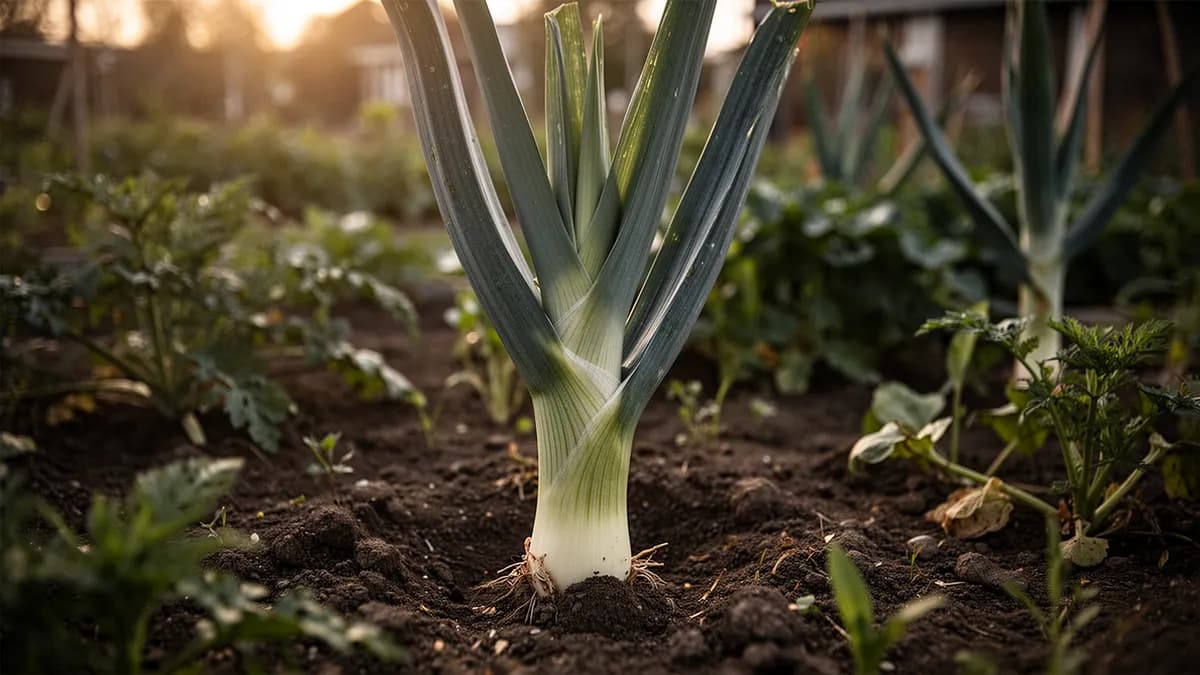
Leek belongs beside it. Parsnip doesn't.
Old growers' knowledge, checked against Celeriac's real companion table below — test any plant you're growing.
Try Celeriac in a bed — right here
A real planner bed with Celeriac already in it. Tap a companion to place it and watch the pairing checks answer — green for good neighbours, red for a clash.


Related growing guides
Feed it well
Celeriac demands rich, moist, well-drained soil with a pH of 6.0-7.0. Amend heavily with compost and well-rotted manure. Apply balanced fertilizer every 2-3 weeks throughout the long growing season. Celeriac is a heavy feeder that needs consistent nutrition. Maintain constant moisture; any drought stress produces tough, fibrous roots. Mulch heavily to conserve moisture.
Ideal Temperature
Hardiness Zone Compatibility
From seed to harvest, stage by stage
Seed Starting
Tiny seeds are sown on the soil surface as they require light to germinate. Germination is slow and irregular, taking 14-21 days at 60-70°F. Seedlings are extremely small and fragile in the early stages, requiring careful attention to moisture.
Seedling Development
Seedlings develop true leaves that resemble small celery leaves. Growth is painfully slow — this is the most patience-testing stage. Seedlings may take 6-8 weeks to reach transplant size with 4-5 true leaves.
Transplant Establishment
Hardened-off seedlings are transplanted outdoors after last frost. Plants establish their root system and begin producing vigorous celery-like foliage. The stem base begins to thicken slightly at the soil line.
Root Swelling
The hypocotyl (stem base) begins to swell noticeably above the soil line, forming the characteristic knobby root ball. Side roots and small shoots develop around the swelling root. Foliage is full and tall.
Maturation and Harvest
The root reaches full size at 8-12 cm in diameter and feels solid and heavy when pressed. Light frosts actually improve the flavor by converting starches to sugars. In mild climates, celeriac can be left in the ground and harvested through winter.
Use a heat mat set to 18-21°C (65-70°F) and mist the surface regularly. Do not cover seeds with soil. Bottom watering prevents washing away the minuscule seeds. Expect patchy germination — this is normal for celeriac.
Caring for Celeriac month by month
What to do each month for your Celeriac
October
You are herePrimary harvest month. Use a garden fork to lever roots from the ground. Light frosts improve flavor by converting starches to sugars. In mild climates, mulch heavily and leave roots in the ground for winter harvest.
Know exactly what to do in your garden — every month
One email at the start of each month: what to sow, plant, and tackle right now — for your Celeriac and everything growing around it. Plus a short starter course that helps you dodge the classic mistakes.
- What to do, right now
- Matched to your season
- Starter course included
Harvesting Celeriac
Harvest celeriac when roots reach 3-4 inches in diameter, typically 100-120 days from transplanting. The knobby root should feel solid and heavy. Cut stalks close to the root. Celeriac tolerates frost and actually improves in flavor after cold exposure. In mild climates, mulch heavily and harvest through winter. Use a garden fork to pry roots from the ground without damage.
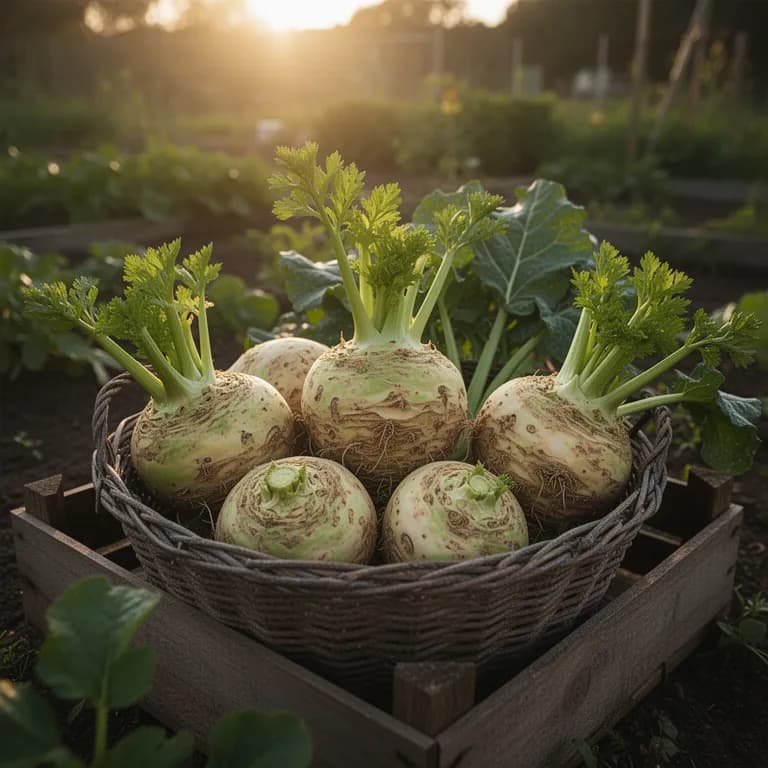
assuming you plant when the window opens — set your real date
Pick Celeriac promptly and the plant keeps producing.
Storage & Preservation
Celeriac is an outstanding storage vegetable. Trim roots and store in damp sand in a root cellar at 32-40°F for up to 5 months. In the refrigerator, it keeps for 6-8 weeks in a perforated bag. Once cut, the flesh oxidizes quickly; submerge in acidulated water. Puree and freeze for soups. Celeriac remoulade (grated with mustard dressing) keeps several days refrigerated.
What goes wrong — and the fix
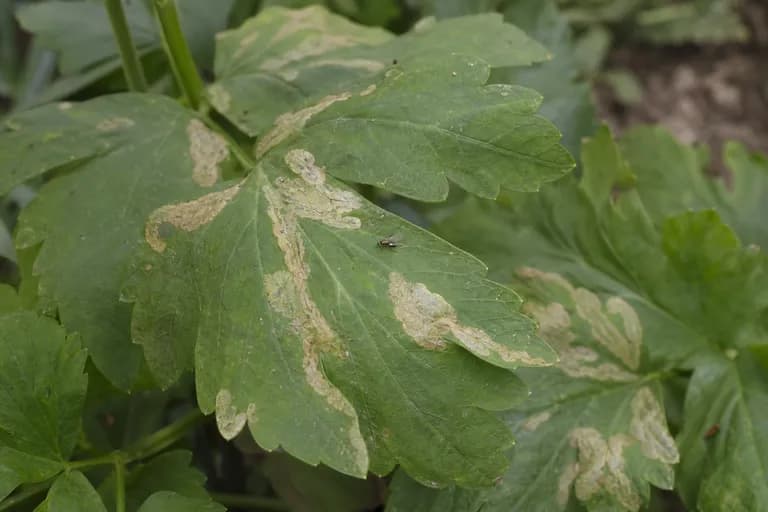
Celery Leaf Miner
PestBrown blistered tunnels in leaves, reduced vigor, stunted growth.
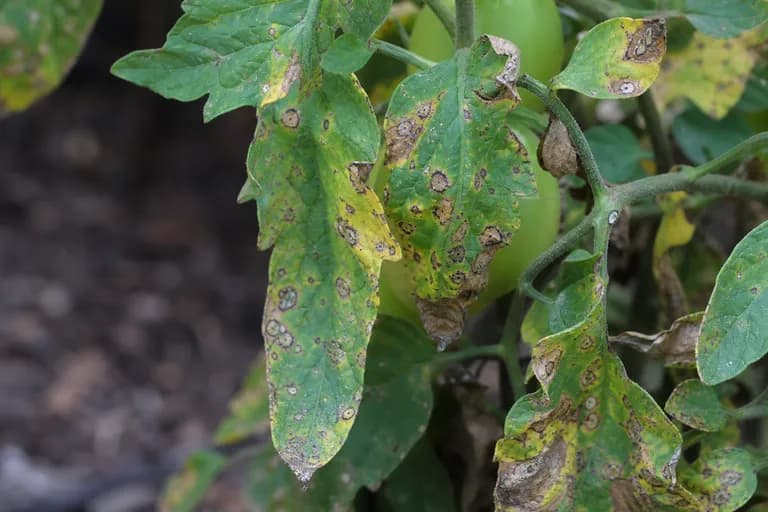
Septoria Leaf Spot
DiseaseSmall brown spots with yellow halos on leaves, eventual defoliation.
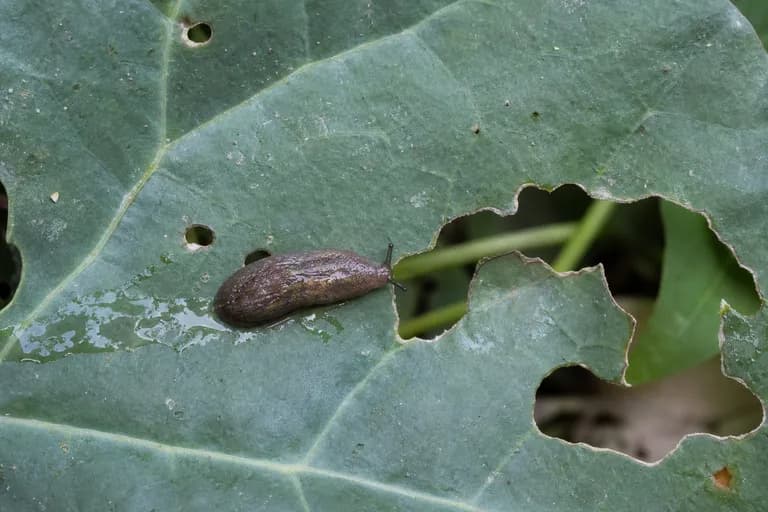
Slugs
PestHoles in leaves and damage to developing root, slimy trails.
Troubleshooting Common Problems
The extremely long growing season (100-120 days) and slow seedling growth challenge patience. Start very early indoors. Hollow or pithy roots result from drought stress or insufficient fertility. The knobby exterior requires significant trimming, resulting in waste. Slow, irregular germination is normal. Bolting can occur from cold exposure of young transplants; avoid setting out too early.
Growing Tips
- Start seeds absurdly early. Celeriac has the longest seed-to-harvest timeline of almost any common vegetable. Begin indoors 10-12 weeks before last frost — this means January or February for most gardeners. Late starters will get undersized roots.
- Do not cover seeds with soil. Celeriac seeds are tiny and require light to germinate. Sprinkle them on the surface of moist seed-starting mix and press gently. Mist rather than water from above to avoid burying or displacing seeds.
- Consistent moisture is the single most important growing factor. Celeriac that dries out — even briefly — develops tough, fibrous, or hollow roots. Mulch deeply and water at least 2.5 cm per week throughout the entire growing season without exception.
- Remove lower leaves and side shoots from the developing root ball starting in midsummer. This redirects the plant's energy into the main root and produces a smoother, rounder shape with fewer gnarly side rootlets to trim at harvest.
- Choose smooth-skinned varieties to minimize waste. Older heirloom varieties like Giant Prague are very knobby, requiring extensive peeling that wastes up to 30% of the root. Modern varieties like Brilliant and Diamant have noticeably smoother skin.
- Feed heavily and consistently. Celeriac is a heavy feeder that needs regular fertilization every 2-3 weeks throughout its long growing season. Underfed plants produce small, woody roots that are not worth the garden space they occupied for five months.
- Use celeriac's frost tolerance to your advantage. Light frosts convert starches to sugars, improving flavor significantly. In mild climates (zones 7-10), mulch plants with 15-20 cm of straw and harvest through winter as needed.
- Do not discard the leafy tops. Celeriac leaves and thin stalks have an intense celery flavor and are excellent for flavoring stocks, soups, and stews. Chop and freeze for year-round use as a seasoning herb.
Grow your best Celeriac yet — and everything around it.
Start a free plan today. Lay out your beds, drop in your Celeriac, and let PlotMyGarden handle the timing, spacing, companions and reminders from seed to harvest basket.
Pick your Celeriac
Brilliant
Smooth-skinned variety with less knobby texture. Easier to peel and prepare. Strong celery flavor.
Diamant
Reliable hybrid with white, smooth flesh and good disease resistance. The standard for home gardens.
Giant Prague
Large heirloom variety producing big, round roots. Intense celery flavor. Good storage quality.
Celeriac is surprisingly expensive at retail — typically $3-6 per root at grocery stores and $4-8 at farmers markets. A packet of seeds ($3-5) produces dozens of plants, and growing 8-10 roots saves $25-50 per season on fresh celeriac alone. The real savings come from storage: properly cellared celeriac lasts 5 months, providing a continuous supply of an ingredient that costs a premium in winter months when imported from Europe.
Quick recipes
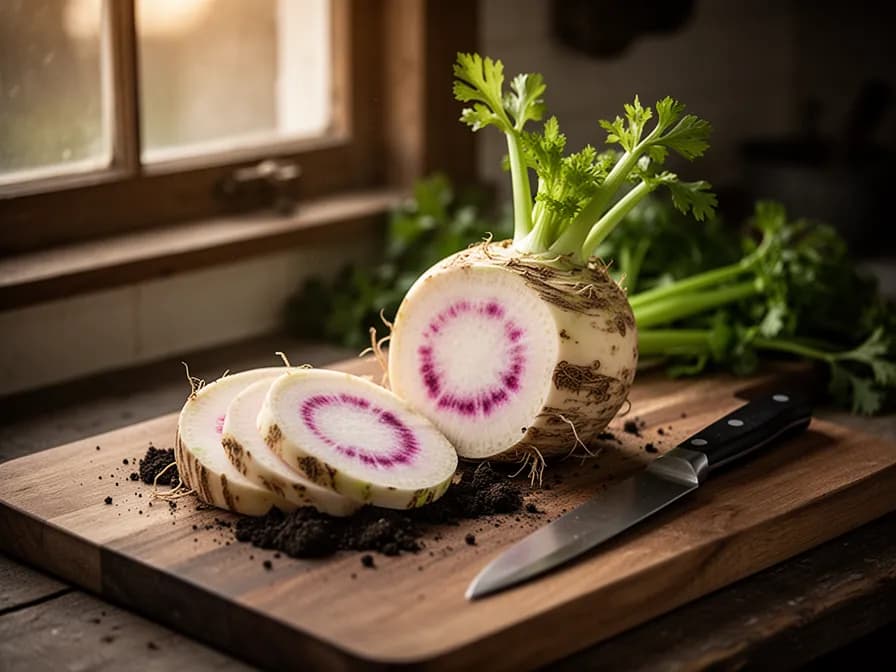
Classic French Celeriac Remoulade
20 minThe quintessential French bistro salad — raw celeriac julienned and tossed in a tangy mustard-cream dressing. Bright, crunchy, and intensely flavored, this is the best way to showcase celeriac's raw character.
7 ingredients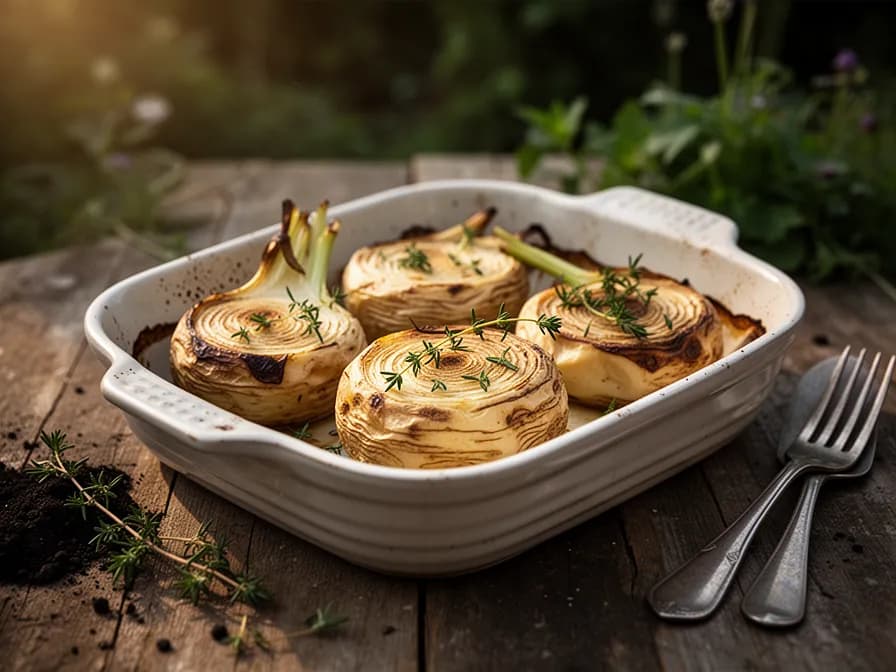
Silky Celeriac and Potato Soup
45 minA velvety, elegant soup where celeriac's deep celery flavor shines against a backdrop of potato and cream. Simple to make yet sophisticated enough for a dinner party starter.
9 ingredientsRoasted Celeriac Wedges with Herbs
50 minThick wedges of celeriac roasted until golden and caramelized on the edges, tender and creamy within. The high heat transforms celeriac's flavor into something nutty, sweet, and deeply savory.
7 ingredientsCulinary Uses
Celeriac remoulade (julienned with mustard-cream dressing) is the classic French preparation. Puree into silky soups with potato. Roast chunks until golden and caramelized. Mash as a lower-carb alternative to potatoes. Grate raw into winter salads. Add to gratins and casseroles. Dice into stews and braises. The intense celery flavor means a little goes a long way.
What's inside
Health Benefits
- Significantly lower in calories and carbohydrates than potatoes (42 vs 77 calories per 100g), making celeriac an excellent substitute in mashes, gratins, and purees for those managing blood sugar or weight.
- Excellent source of vitamin K, providing about 50% of the daily value per 100g — critical for proper blood clotting and calcium regulation in bone metabolism.
- Rich in phosphorus (115mg per 100g), which works with calcium to build and maintain strong bones and teeth, and plays a key role in cellular energy production.
- Contains apigenin, a flavonoid with demonstrated anti-inflammatory and antioxidant properties that may help reduce the risk of chronic inflammatory conditions.
- Good source of dietary fiber (1.8g per 100g) that supports healthy digestion, feeds beneficial gut bacteria, and promotes satiety to help with appetite management.
- Provides vitamin B6, essential for neurotransmitter synthesis and protein metabolism, supporting brain function and mood regulation.
Where Celeriac comes from
Celeriac (Apium graveolens var. rapaceum) shares its origins with stalk celery, descending from wild celery native to the Mediterranean basin, the Middle East, and parts of Central Asia. Wild celery has been gathered for thousands of years — references to a plant called 'selinon' appear in Homer's Odyssey, and celery leaves were found woven into garlands in the tomb of Pharaoh Tutankhamun. However, it was not until the Renaissance that European gardeners began deliberately selecting for enlarged roots, eventually producing the knobby, swollen hypocotyl we know today as celeriac.
The first clear written descriptions of celeriac as a distinct root vegetable appear in early 17th-century European botanical texts. By the 1700s, celeriac had become a common kitchen garden vegetable across France, Germany, the Netherlands, and Central Europe, where winters are long and reliable root cellar storage was essential for survival. It became deeply embedded in the cuisines of these regions — French celeriac remoulade, German Selleriesalat, and the Central European tradition of adding celeriac to every pot of soup or stock. In these food cultures, celeriac remains more widely used than stalk celery to this day.
Celeriac was introduced to North America by European immigrants but never achieved the popularity it holds in Europe. The long growing season, slow germination, and unattractive appearance worked against it in a market that favored quick, photogenic crops. In recent decades, renewed interest in root vegetables, European cooking traditions, and low-carb alternatives to potatoes has brought celeriac back into specialty grocery stores and farmers markets across the United States and Canada.
Celeriac: did you know?
Fascinating facts about Celeriac
Celeriac and stalk celery are the same species (Apium graveolens) but have been selectively bred for centuries to emphasize completely different parts — celeriac for its swollen root and celery for its crisp stalks.
Celeriac questions, answered
When should I plant Celeriac?
What are good companion plants for Celeriac?
What hardiness zones can Celeriac grow in?
How much sun does Celeriac need?
How far apart should I space Celeriac?
What pests and diseases affect Celeriac?
How do I store Celeriac after harvest?
What are the best Celeriac varieties to grow?
What soil does Celeriac need?
Why did my celeriac roots turn out small and woody?
Why is my celeriac bolting (going to flower)?
Can I eat the stalks and leaves of celeriac?
How do I store celeriac through winter?
Is celeriac a good low-carb substitute for potatoes?
Why is the inside of my celeriac hollow or spongy?
You just read the theory. Now grow it on autopilot.
Everything that makes Celeriac fiddly — the timing, the spacing, the companions, the harvest window — is exactly what PlotMyGarden handles for you, for every plant in your garden.
A plan that knows your weather
Set your location once. Get sow, feed and harvest dates built around your real last-frost date and live forecast — no more guessing from a generic seed packet.
From the “When to plant” sectionDrag-and-drop bed planner
Design beds on a grid. Every plant snaps to its proper spacing, and you can see your whole season laid out before you spend a cent on seed.
From the “Growing guide” sectionCompanion conflicts, caught early
200+ good-and-bad pairings checked live as you plant — so a season-wrecking mistake never makes it into the ground.
From the “Companions” sectionReminders you'll actually act on
“Water the beans.” “Pick today before it turns.” Timely, specific, and tied to the plants you're really growing.
From the “Harvest” sectionSuccession, scheduled
Want a harvest for six weeks, not six days? It spaces your sowings automatically and reminds you when each new block is due.
From the “When to plant” sectionA record that gets smarter
Every harvest you log teaches it your garden. Next year's plan starts from what actually worked in your soil, not a textbook's.
From the “Overview” sectionPlant these alongside Celeriac
More Root Vegetables
Keep Celeriac away from these
Garden plans featuring Celeriac
Grow your best Celeriac yet — and everything around it.
Start a free plan today. Lay out your beds, drop in your Celeriac, and let PlotMyGarden handle the timing, spacing, companions and reminders from seed to harvest basket.