Rasselblume
Eine mediterrane Staude mit papierartigen, kornblumenblauen Blüten auf drahtigen Stielen, die sich wunderschön für beständige Trockengestecke eignen.





Auf dieser SeiteÜberblick
Rasselblume im Überblick
Eine mediterrane Staude mit papierartigen, kornblumenblauen Blüten auf drahtigen Stielen, die sich wunderschön für beständige Trockengestecke eignen. Die Rasselblume gedeiht bei heißen, trockenen Bedingungen und gut durchlässigem Boden, was sie ideal für Kiesgärten und sonnige Rabatten macht. Sie ist kurzlebig, sät sich jedoch unter günstigen Bedingungen sanft selbst aus.
Wann Rasselblume pflanzen
Saatgut im Frühjahr auf der Oberfläche von körnigem, gut drainierendem Anzuchtsubstrat aussäen. Bei 18 °C halten. Die Keimung dauert 14–21 Tage. Nach dem letzten Frost auspflanzen. Direktsaat im Frühjahr funktioniert in geeigneten Klimazonen ebenfalls gut. Pflanzen blühen typischerweise im ersten Jahr aus Samen.
Dein Rasselblume-Jahr
Abgestimmt auf Zone 7 · typische Saison · Frost geht um den 2. Apr. und kehrt um den 1. Nov. zurück
Rasselblume Mär – Mai pflanzen, Jun – Aug ernten. Beachte die Pflanzmethoden unten und wähle dein Klima für passende Zeiträume.
So baust du Rasselblume an
Die Rasselblume ist eine bezaubernde mediterrane Staude, die sonnigen Rabatten und Kiesgärten eine luftige, wildblumenartige Qualität verleiht. Im Frühjahr pflanzen, mit einem Abstand von 30 cm, in voller Sonne und sehr gut durchlässigem Boden. Diese Pflanzen gedeihen bei heißen, trockenen Bedingungen und faulen in schwerem, nassem Boden.
Die papierartigen, kornblumenblauen Blüten erscheinen auf drahtigen Stielen von Früh- bis Hochsommer; jede Blüte hält mehrere Tage, bevor die silbrigen, papierartigen Hüllblätter dekorativ bestehen bleiben. Verblühtes abschneiden, um anhaltende Blüte zu fördern und übermäßige Selbstaussaat zu verhindern.
Die Rasselblume ist typischerweise kurzlebig (2–3 Jahre), sät sich jedoch unter günstigen Bedingungen sanft selbst aus und bildet natürliche Ersatzpflanzen. Als kurzlebige Staude behandeln oder alle paar Jahre aus gesammeltem Saatgut neu aussäen, um den Bestand zu erhalten. Die getrockneten Blüten sind für beständige Gestecke sehr geschätzt, da sie ihre blaue Farbe wunderschön bewahren.
32 Pflanzen passen in ein Beet von 120 × 240 cm
Rasselblume braucht 30 cm Platz pro Pflanze. Der Planer hält diesen Abstand für dich ein — jede Pflanze, jedes Beet.
Die besten Nachbarn für Rasselblume
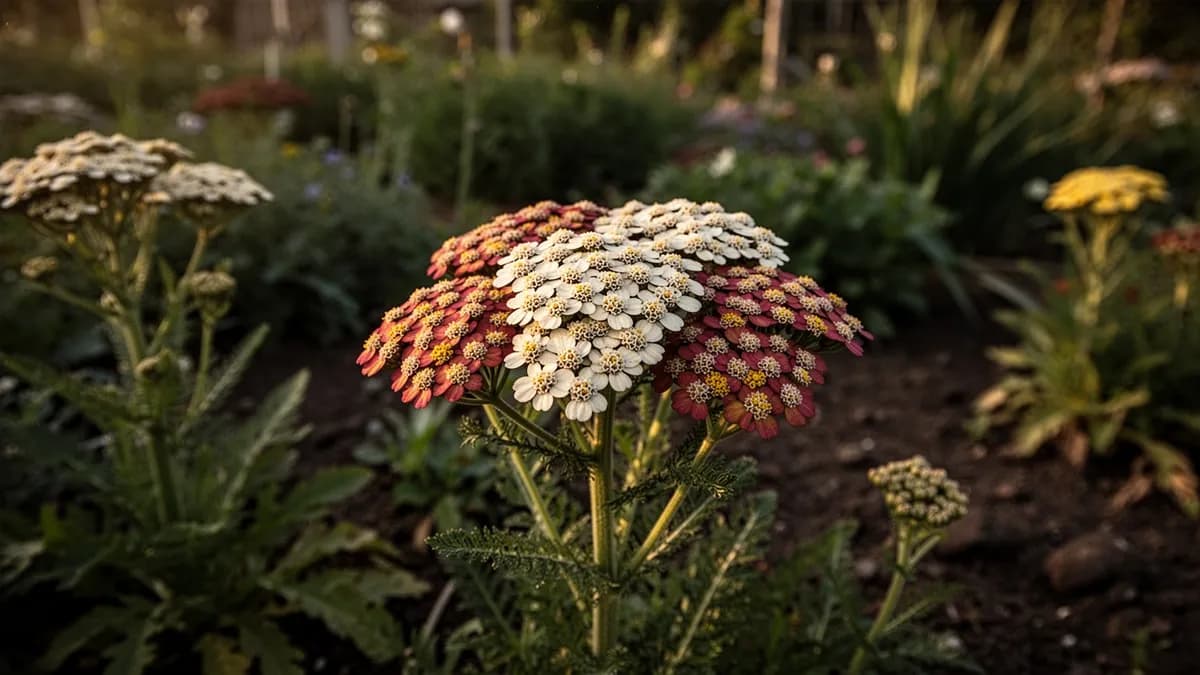
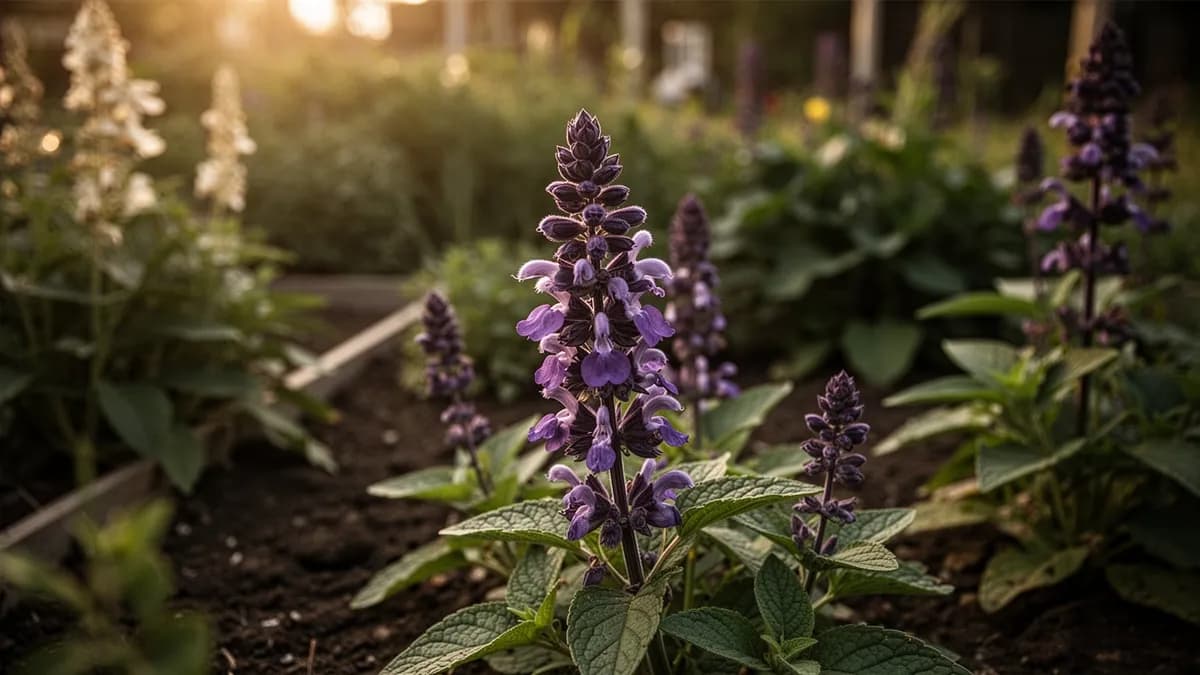
Die Rasselblume ist ein natürlicher Begleiter für andere mediterrane Trockenheitsliebhaber: Lavendel, Achillea, Salvia und Ziergräser. Die drahtigen Stiele und blauen Blüten verleihen Kiesgärten eine ungezwungene, wiesenartige Qualität. Neben russischem Salbei und Echinacea pflanzen, um eine trockenheitstolerante Sommerrabatte zu gestalten.
Schafgarbe gehört daneben.
Altes Gärtnerwissen, geprüft an der echten Nachbartabelle von Rasselblume — teste jede Pflanze, die du anbaust.
Probiere Rasselblume direkt hier im Beet
Ein echtes Planer-Beet, Rasselblume steht schon drin. Tippe einen Begleiter an, platziere ihn und sieh, wie die Nachbarschaftsprüfung antwortet — grün für gute Nachbarn, rot bei Streit.


Passende Anbau-Ratgeber
Richtig düngen
Die Rasselblume benötigt mageren, gut durchlässigen Boden mit einem pH-Wert von 6,5–8,0. Sie gedeiht in sandigen, kiesigen und felsigen Bedingungen, wie sie für mediterrane Landschaften typisch sind. Reichen Boden und Dünger vermeiden – diese Pflanze gedeiht am besten mit minimaler Nährstoffversorgung. Hervorragende Drainage ist unerlässlich, besonders im Winter.
Ideale Temperatur
Winterhärtezone-Kompatibilität
Von der Saat zur Ernte, Schritt für Schritt
Keimung
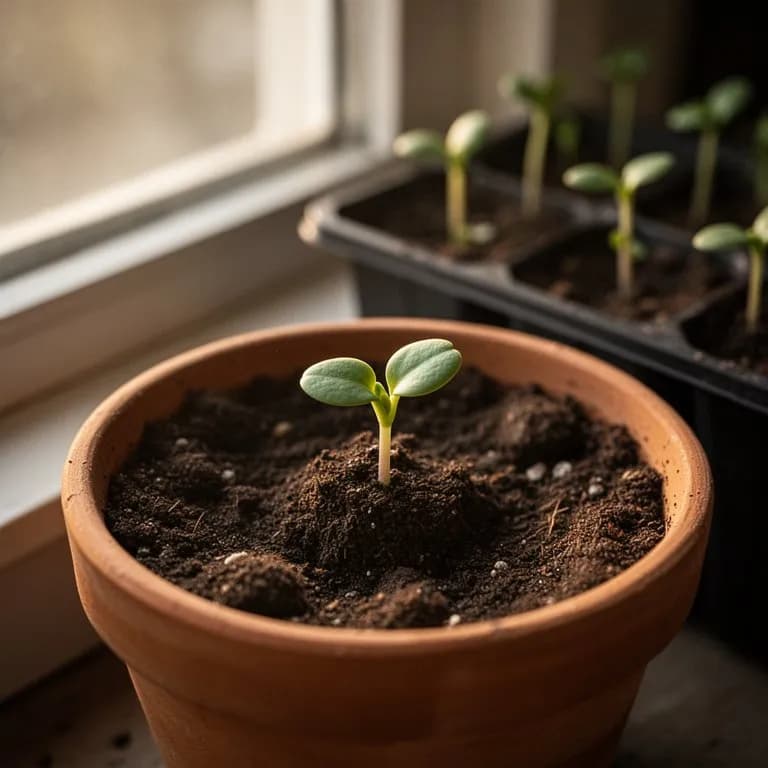
Samen werden auf der Oberfläche ausgesät oder leicht bedeckt und bei 18–21 °C feucht gehalten. Die Keimung ist etwas unregelmäßig und dauert typischerweise 14–21 Tage. Eine Kältestratifizierung für 2–3 Wochen kann die Keimungsrate verbessern.
Keimlingsentwicklung
Keimlinge entwickeln ihre ersten echten Blätter, die schmal und graslaubartig sind. Das Wachstum ist anfangs langsam, da die Pflanze sich auf die Ausbildung eines tiefen Pfahlwurzelsystems konzentriert, das an trockene Bedingungen angepasst ist.
Rosettenbildung
Die Pflanze bildet eine niedrige Grundrosette aus schmalen, silbrig-grünen, lanzettlichen Blättern von bis zu 30 cm Länge. Das Laub hat eine leicht behaarte Textur und bleibt in milden Klimazonen halbimmergrün.
Stielstreckung und Knospung
Drahtartige, aufrechte Blütenstiele erheben sich 40–60 cm über die Rosette. Jeder Stiel endet in einer länglichen Knospe, die von charakteristischen silbrigen, papierartigen Hüllblättern umschlossen wird, die der Pflanze ihre beständige Qualität verleihen.
Blüte
Blüten öffnen sich in den meisten Klimazonen von Juni bis August. Jeder Blütenkopf ist 3–4 cm breit, mit lavendelblauen Zungenblüten und einem dunkleren blauvioletten Zentrum. Die Blüten öffnen sich bei Sonnenschein und schließen sich bei bedecktem Wetter. Regelmäßiges Ausputzen verlängert die Blütezeit erheblich.
Samenreife und Ausbreitung
Nach der Bestäubung schließen sich die papierartigen Hüllblätter um die sich entwickelnden Samen. Jeder Same ist mit einem federigen Pappus versehen, der die Windverbreitung unterstützt. Die Samen reifen über 3–4 Wochen und werden im Spätsommer und Herbst freigesetzt.
Ruhe
Die Pflanze zieht sich im Spätherbst auf ihre Grundrosette zurück. In kälteren Regionen kann das Laub über Winter vollständig verschwinden. Die tiefe Pfahlwurzel erhält die Pflanze während der Ruhephase, obwohl Catananche relativ kurzlebig ist und typischerweise 2–3 Jahre überlebt.
Gut drainierendes Anzuchtsubstrat verwenden und Überwässerung vermeiden, da die Samen in staunassen Bedingungen zum Faulen neigen.
Rasselblume Monat für Monat pflegen
Was du jeden Monat für deine Rasselblume tun solltest
Oktober
Aktueller MonatAbgestorbene Stiele und Laub entfernen. Einen Kiesbelag rund um den Wurzelhals auftragen, um die Winterdrainage zu verbessern. Überfüllte Horste teilen und Teilstücke sofort wieder einpflanzen.
Immer wissen, was jetzt im Garten zu tun ist
Eine E-Mail zum Monatsanfang: was du jetzt säen, pflanzen und anpacken solltest — für deine Rasselblume und alles, was drumherum wächst. Dazu ein kurzer Startkurs, der dich vor den klassischen Fehlern bewahrt.
- Was jetzt zu tun ist
- Passend zu deiner Saison
- Startkurs inklusive
Rasselblume ernten
Blumen für frische Gestecke schneiden, wenn sie vollständig geöffnet sind. Zum Trocknen schneiden, wenn die Blüten auf dem Höhepunkt ihrer Farbe sind, und kopfüber an einem warmen, dunklen Ort 1–2 Wochen aufhängen. Die papierartigen Hüllblätter behalten ihre blaue Farbe beim Trocknen wunderschön. Frische Blumen halten 5–7 Tage in der Vase.
angenommen, du pflanzt zu Beginn des Zeitraums — trage dein tatsächliches Datum ein
Ernte Rasselblume zügig, dann trägt die Pflanze weiter.
Lagerung & Konservierung
Getrocknete Rasselblumen gehören zu den besten Trockenblumen und bewahren ihre blaue Farbe jahrelang. Getrocknete Stiele an einem trockenen Ort, abseits von direktem Licht, aufbewahren. Saatgut aus getrockneten Blütenköpfen für die Nachsaat sammeln, da die Pflanzen kurzlebig sind. Samen bleiben 2–3 Jahre keimfähig.
Was schiefgeht — und die Lösung
Wurzelhalsfäule
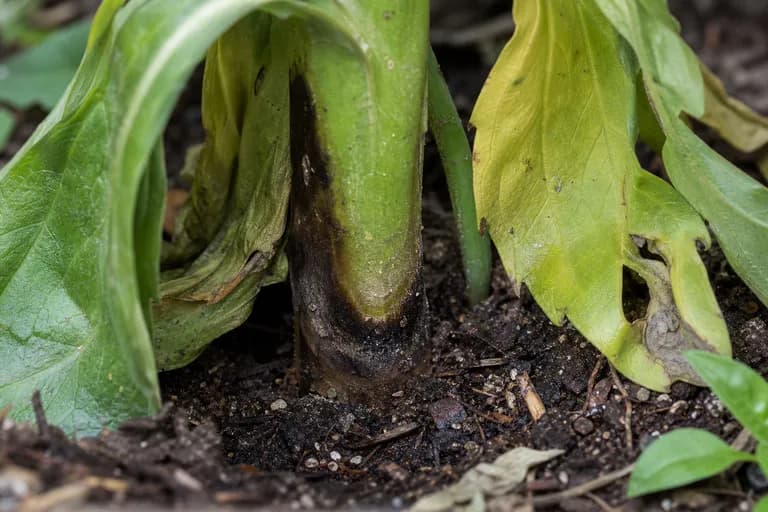
KrankheitPflanzen kollabieren an der Basis bei nassen, schlecht drainierten Bedingungen. Wurzeln werden matschig.
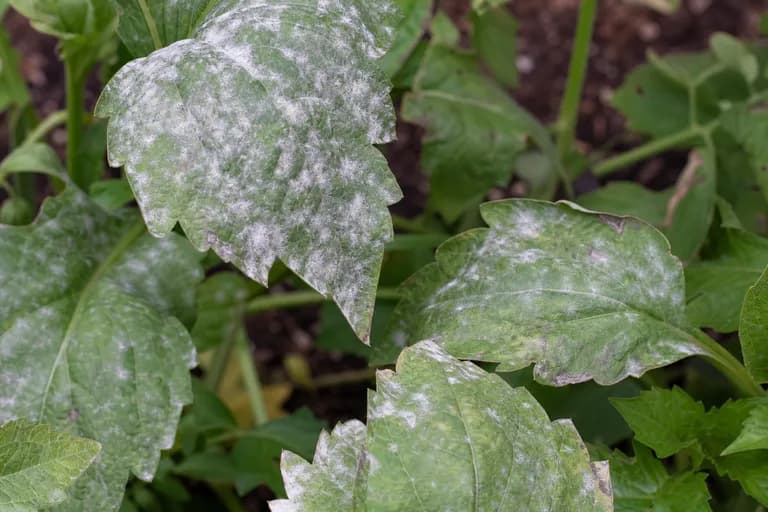
Echter Mehltau
KrankheitWeißer Belag auf den Blättern bei feuchtem Wetter. Meist spätsaisonal und geringfügig.
Fehlerbehebung bei häufigen Problemen
Die kurze Lebensdauer (2–3 Jahre) ist artimmanent. Ersatz einplanen, indem man Selbstaussaat zulässt oder Saatgut sammelt. Wurzelhalsfäule in nassem Boden ist das Hauptkultureproblem – hervorragende Drainage beugt dem vor. Pflanzen können in reichem Boden oder zu viel Schatten umfallen.
Anbautipps
- Catananche in den ärmsten, bestdrainierten Boden pflanzen, den Sie haben. Reicher, fruchtbarer Boden bringt üppiges Laub, aber weniger Blüten hervor und verkürzt die ohnehin begrenzte Lebensdauer der Pflanze erheblich.
- Volle Sonne ist absolut unerlässlich. Schon Halbschatten führt zu zügigem, fallendem Wuchs, reduzierter Blüte und einem deutlich höheren Winterausfallrisiko durch Pilzkrankheiten.
- Schwere Lehmböden durch Einarbeiten großer Mengen grobem Splitt oder Perlit vor dem Pflanzen verbessern. Alternativ in Hochbeeten oder Kiesgärten anbauen, wo die Drainage von Natur aus hervorragend ist.
- Einen 2–3 cm dicken Kiesbelag rund um den Wurzelhals anstelle von organischem Mulch aufbringen. Kies hält den Wurzelhals trocken, reflektiert Wärme und ahmt die natürlichen mediterranen Lebensbedingungen der Pflanze nach.
- Nach der Etablierung sparsam wässern. Catananche ist wirklich trockenheitstolerant, und Überwässerung ist eine weit größere Bedrohung als Unterwässerung. Den Boden zwischen den Bewässerungen vollständig austrocknen lassen.
- Den ganzen Sommer über konsequent ausputzen, um die Blütezeit um mehrere Wochen zu verlängern. Verblühte Stiele bis zur Basis der Pflanze zurückschneiden, anstatt nur den Blütenkopf zu entfernen.
- Im Herbst oder Frühjahr Wurzelschnittlinge nehmen, um den Bestand zu erhalten, da Catananche eine kurzlebige Staude ist, die nach zwei bis drei Jahren intensiver Blüte typischerweise zurückgeht.
- Einige Blütenköpfe Samen setzen und sich natürlich aussäen lassen. Keimlinge erscheinen im folgenden Frühjahr im nahegelegenen Kies oder in Ritzen, oft an den reizendsten und unerwartetsten Stellen.
- Catananche zusammen mit ergänzenden mediterranen Pflanzen wie Lavendel, Rosmarin, Stachys byzantina und Ziergräsern anbauen, um ein naturalistisches, pflegeleichtes Pflanzschema zu gestalten.
- Für die besten Trockenblumen Stiele kurz nach dem vollständigen Öffnen der Blüten an einem trockenen, sonnigen Morgen ernten. Kopfüber in kleinen Bündeln an einem dunklen, gut belüfteten Ort zwei bis drei Wochen aufhängen.
Bau deine beste Rasselblume an — und alles drumherum.
Starte heute kostenlos. Lege deine Beete an, setze deine Rasselblume ein und lass PlotMyGarden Timing, Abstände, Begleiter und Erinnerungen von der Saat bis zum Erntekorb übernehmen.
Finde deine Rasselblume
Catananche caerulea 'Major'
Größere Blüten als die Art in einem satten Kornblumenblau. Die beste Auswahl für Gartendekoration und Schnittblumen.
Catananche caerulea 'Alba'
Reinweiße Blüten, die neben der blauen Form in gemischten Pflanzungen elegante Kontraste setzen.
Catananche caerulea ist äußerst einfach aus Samen zu ziehen und sät sich in gut drainierendem Boden frei aus, was eine kontinuierliche Pflanzenversorgung zu minimalen Kosten ermöglicht. Eine einzelne Samentüte kostet typischerweise etwa 2–3 Euro und kann Dutzende von Pflanzen hervorbringen. Die getrockneten Blüten halten jahrelang und ersetzen den Bedarf, teure Trockenblumengestecke zu kaufen. Durch das Nehmen von Wurzelschnittlingen oder das Zulassen von Selbstaussaat können Gärtner eine dauerhafte Kolonie ohne zusätzliche Ausgaben über den anfänglichen Samenkauf hinaus aufrechterhalten.
Schnelle Rezepte
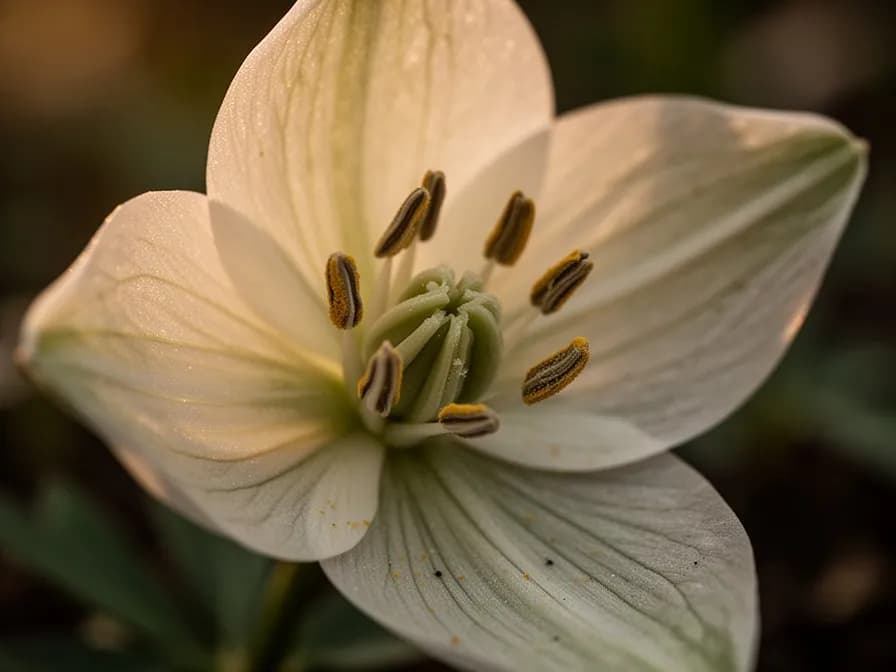
Klassischer Trockenblumenstrauß mit Rasselblumen
15 Min. (plus 2–3 Wochen Trocknungszeit)Einen eleganten, beständigen Strauß mit den papierartigen blauen Blüten von Catananche caerulea neben anderen getrockneten Gartenblumen gestalten. Die silbrigen Hüllblätter und blauen Blütenblätter behalten ihre Farbe jahrelang wunderschön ohne jegliche chemische Behandlung.
6 ZutatenMediterrane Trockenblumen-Grußkarten
30 Min. (plus 2–4 Wochen Presszeit)Die zarten blauen Blütenköpfe und silbrigen Hüllblätter der Rasselblume verwenden, um schöne Pressblumenkarten zu gestalten. Die flachen, zusammengesetzten Blütenköpfe lassen sich außergewöhnlich gut pressen und bewahren ihre lebhafte lavendelblaue Farbe monatelang.
6 Zutaten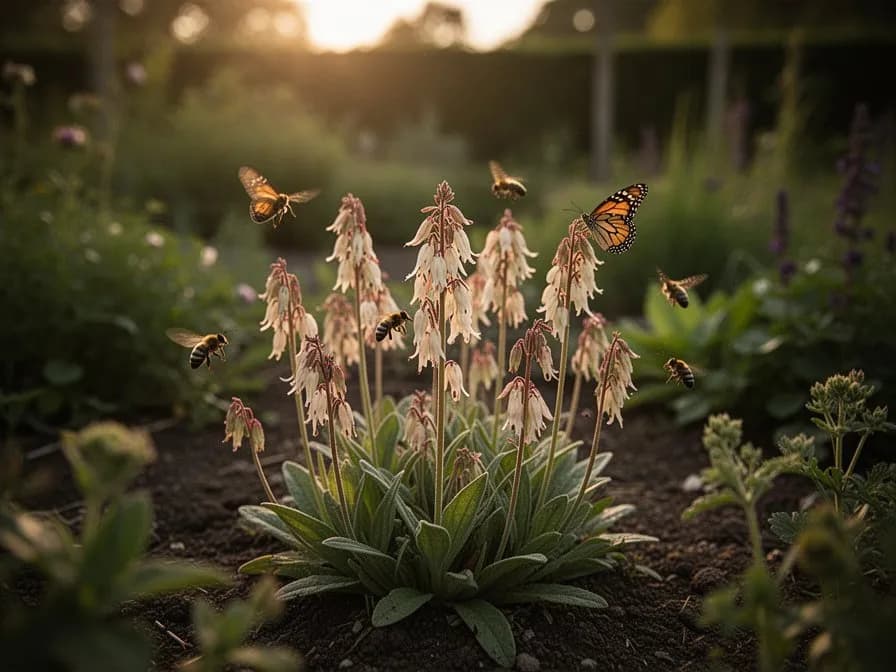
Beständiger Blumenkranz mit Catananche
45 Min. (plus vorgetrocknete Blüten)Einen dauerhaften Dekorationskranz mit den silbrig-blauen getrockneten Köpfen der Rasselblume gestalten. Der Kranz ist eine schöne Wand- oder Türdekoration, die bei Schutz vor direktem Sonnenlicht und Feuchtigkeit mehrere Jahre hält.
7 ZutatenWas drinsteckt
Gesundheitsvorteile
- Catananche caerulea wird weder medizinisch noch als Nahrungspflanze verwendet; sie wird ausschließlich zu Zier- und Trockenblumenzwecken kultiviert.
- Der Anbau von Rasselblumen unterstützt die Gesundheit der Bestäuber, indem Bienen, Schmetterlingen und Schwebfliegen während der sommerlichen Blütezeit Nektar und Pollen angeboten werden.
- Die Pflege eines Blumengartens mit Catananche bietet gut dokumentierte psychische Gesundheitsvorteile, darunter Stressabbau, Stimmungsverbesserung und ein Gefühl der Erfüllung.
- Die getrockneten Blüten der Rasselblume bieten eine natürliche, chemikalienfreie Alternative zu künstlichen Blumenarrangements und vermeiden die Ausgasung, die mit Kunststoff- oder Synthetikdekorationen verbunden ist.
- Als trockenheitstolerante, pflegeleichte Pflanze unterstützt Catananche nachhaltige Gartenpraktiken, die den Wasserverbrauch und den Bedarf an chemischen Betriebsmitteln reduzieren.
- Die Einbeziehung von Catananche in gemischte Rabatten trägt zur Gartenbiodiversität bei, indem eine Reihe nützlicher Insekten angelockt wird, was wiederum die natürliche Schädlingsbekämpfung und ein gesünderes Gartenökosystem unterstützt.
Woher Rasselblume stammt
Catananche caerulea, allgemein bekannt als Rasselblume, ist eine krautige Staude, die im westlichen Mittelmeerraum beheimatet ist, wo sie wild in den trockenen, felsigen Wiesen, Buschländern und offenen Garrigues-Lebensräumen Portugals, Spaniens, Südfrankreichs, Italiens und Teilen Nordafrikas wächst. Der Gattungsname Catananche leitet sich vom altgriechischen Wort 'katananke' ab, was 'starker Antrieb' oder 'Zwang' bedeutet – ein Hinweis auf die lange Geschichte der Pflanze in Liebestränken und romantischen Amuletten. Altgriechische Frauen sollen die getrockneten Blüten in Philtren und Beschwörungen verwendet haben, um Liebe zu entfachen oder wiederzubeleben, woraus der gebräuchliche Name 'Cupid's Dart' (Amor-Pfeil) entstand. Das Artepitheton 'caerulea' bedeutet schlicht 'blau' und beschreibt die charakteristische lavendelblaue Farbe der Zungenblüten. Die Pflanze war in der Antike gut bekannt und wurde vom griechischen Arzt Dioskurides und später vom römischen Naturforscher Plinius dem Älteren beschrieben, die beide ihre angeblichen aphrodisischen Eigenschaften erwähnten. Catananche wurde im frühen 17. Jahrhundert in nordeuropäische Gärten eingeführt, wahrscheinlich durch den renommierten englischen Botaniker und Pflanzensammler John Tradescant den Jüngeren, der bei seinen Mittelmeervoyagen Exemplare sammelte. Im 18. Jahrhundert war sie zu einer beliebten Cottage-Garden-Blume geworden, die für ihre lange Blütezeit und ihre außergewöhnliche Qualität als Trocken- oder Beständigblume geschätzt wurde. Die papierartigen, silbrigen Hüllblätter, die jeden Blütenkopf umgeben, behalten ihre Struktur und Farbe beim Trocknen unbegrenzt bei, was die Pflanze zu einem festen Bestandteil von Winterbuketts und Trockenblumenarbeiten macht. Heute wird Catananche caerulea weltweit in mediterranen Gärten, Kiesgärten und sonnigen Rabatten angebaut. Mehrere Kultivare wurden entwickelt, darunter die reinweiße Form 'Alba' und die zweifarbige 'Bicolor' mit weißen Blütenblättern und blauem Zentrum. Trotz ihrer ornamentalen Beliebtheit ist die Pflanze in ihren natürlichen Lebensräumen in Südeuropa weit verbreitet und wächst in alkalischen Böden und voller Sonne in Höhenlagen vom Meeresspiegel bis zu etwa 1.500 Metern.
Rasselblume: Schon gewusst?
Faszinierende Fakten über Rasselblume
Der Name Catananche leitet sich vom griechischen Wort 'katananke' ab, was 'starker Antrieb' bedeutet, da die alten Griechen die Pflanze in Liebestränken und Amuletten verwendeten, in dem Glauben, sie könne Liebe und Begehren erzwingen.
Rasselblume: Fragen & Antworten
Wann sollte ich Rasselblume pflanzen?
Was sind gute Begleitpflanzen für Rasselblume?
In welchen Winterhärtezonen kann Rasselblume wachsen?
Wie viel Sonne braucht Rasselblume?
Welchen Abstand sollte ich zwischen Rasselblume lassen?
Welche Schädlinge und Krankheiten befallen Rasselblume?
Wie lagere ich Rasselblume nach der Ernte?
Was sind die besten Rasselblume-Sorten zum Anbauen?
Welchen Boden braucht Rasselblume?
Warum stirbt meine Catananche nach nur zwei oder drei Jahren?
Kann ich Catananche caerulea in Lehmboden anbauen?
Ist Catananche caerulea hirsch- und kaninchenresistent?
Wie trockne ich Catananche-Blüten erfolgreich?
Lockt Catananche Bestäuber in den Garten?
Was sind die besten Begleitpflanzen für Catananche?
Du hast die Theorie gelesen. Jetzt baue sie auf Autopilot an.
Alles, was Rasselblume knifflig macht — das Timing, die Abstände, die Begleiter, das Erntefenster — genau das übernimmt PlotMyGarden für dich, für jede Pflanze im Garten.
Ein Plan, der dein Wetter kennt
Standort einmal festlegen. Aussaat-, Dünge- und Erntedaten rund um deinen echten letzten Frosttermin und die Live-Vorhersage — kein Raten mehr nach Saattüte.
Aus dem Abschnitt „Pflanzzeit“Beetplaner per Drag & Drop
Beete auf einem Raster gestalten. Jede Pflanze rastet im richtigen Abstand ein, und du siehst die ganze Saison, bevor du einen Cent für Saatgut ausgibst.
Aus dem Abschnitt „Anbau“Begleiter-Konflikte früh erkannt
Über 200 gute und schlechte Kombinationen werden beim Pflanzen live geprüft — so landet ein saisonruinierender Fehler nie in der Erde.
Aus dem Abschnitt „Begleiter“Erinnerungen, nach denen du wirklich handelst
„Gieß die Bohnen.“ „Heute ernten, bevor's umschlägt.“ Pünktlich, konkret und auf deine echten Pflanzen bezogen.
Aus dem Abschnitt „Ernte“Staffel-Aussaat, geplant
Sechs Wochen ernten statt sechs Tage? Die App verteilt deine Aussaaten automatisch und erinnert dich, wenn der nächste Satz fällig ist.
Aus dem Abschnitt „Pflanzzeit“Ein Verlauf, der schlauer wird
Jede protokollierte Ernte bringt der App deinen Garten bei. Der Plan fürs nächste Jahr startet bei dem, was in deinem Boden wirklich funktioniert hat.
Aus dem Abschnitt „Überblick“Pflanze diese neben Rasselblume
Weitere Stauden
Bau deine beste Rasselblume an — und alles drumherum.
Starte heute kostenlos. Lege deine Beete an, setze deine Rasselblume ein und lass PlotMyGarden Timing, Abstände, Begleiter und Erinnerungen von der Saat bis zum Erntekorb übernehmen.