Kapstachelbeere
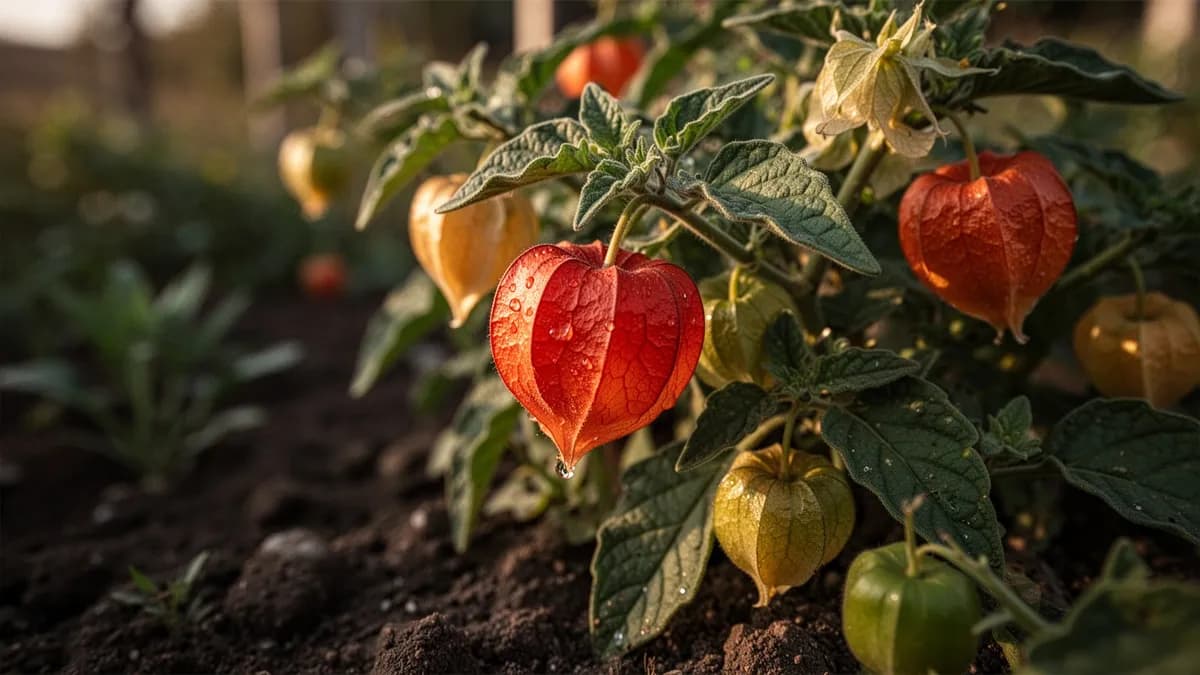
Eine tropische Staude, die in kühleren Klimazonen als einjährige Pflanze angebaut wird und goldene Beeren in papierartigen Hüllen mit einem süß-sauren, tropischen Geschmack hervorbringt.





Auf dieser SeiteÜberblick
Kapstachelbeere im Überblick
Eine tropische Staude, die in kühleren Klimazonen als einjährige Pflanze angebaut wird und goldene Beeren in papierartigen Hüllen mit einem süß-sauren, tropischen Geschmack hervorbringt. Kapstachelbeeren sind mit Tomatillos verwandt und wachsen ähnlich; sie profitieren von einer Stützkonstruktion, da die Pflanzen unter der Fruchtlast schwer werden. Für beste Ergebnisse die Samen 6–8 Wochen vor dem letzten Frost in der Wohnung vorziehen.
Wann Kapstachelbeere pflanzen
Kapstachelbeerensamen sechs bis acht Wochen vor dem letzten erwarteten Frost in der Wohnung aussäen. Die winzigen Samen auf die Oberfläche eines feuchten Anzuchtsubstrats streuen und leicht andrücken, ohne sie zu bedecken, da sie Licht zur Keimung benötigen. Temperaturen von 21 bis 27 Grad Celsius unter hellen Leuchtstoff- oder LED-Lampen aufrechterhalten. Die Keimung dauert 14 bis 21 Tage und kann ungleichmäßig verlaufen. Jungpflanzen in einzelne Töpfe umpflanzen, wenn die ersten echten Blätter erscheinen. Über eine Woche schrittweise abhärten, bevor die Pflanzen nach dem letzten Frost ins Freie gesetzt werden. Das Saatgut bleibt bei kühler und trockener Lagerung drei bis fünf Jahre keimfähig.
Dein Kapstachelbeere-Jahr
Abgestimmt auf Zone 7 · typische Saison · Frost geht um den 2. Apr. und kehrt um den 1. Nov. zurück
Kapstachelbeere Apr – Mai pflanzen, Aug – Okt ernten. Beachte die Pflanzmethoden unten und wähle dein Klima für passende Zeiträume.
So baust du Kapstachelbeere an
Die Kapstachelbeere ist eine frostempfindliche Staude, die in den meisten Klimazonen als wärmeliebende einjährige Pflanze kultiviert wird. Die Samen sechs bis acht Wochen vor dem letzten Frostdatum drinnen aussäen und dabei an der Oberfläche eines feuchten Anzuchtsubstrats unter hellem Licht aussäen. Die Keimung dauert zwei bis drei Wochen bei 21 bis 27 Grad Celsius. Abgehärtete Jungpflanzen nach dem letzten Frost ins Freie umpflanzen, mit einem Abstand von 60 bis 90 cm an einem vollsonnigen Standort mit gut durchlässigem, mäßig nährstoffreichem Boden bei einem pH-Wert von 5,5 bis 7,0.
Die Pflanzen werden 60 bis 90 cm hoch und breit, verzweigen sich frei und tragen ab Hochsommer reichlich Früchte. Eine Stütze oder ein Tomatenkäfig ist nötig, wenn die Pflanze sich mit Beeren beladen hat. Die Kapstachelbeere verträgt ein breiteres Spektrum an Bedingungen als die verwandte Tomate und gedeiht auch in ärmeren Böden und mit weniger Wasser. Gleichmäßige Feuchtigkeit fördert jedoch die größten Beeren und höchsten Erträge.
Die Kapstachelbeere ist selbstfruchtbar und benötigt keinen Bestäuber. Die kleinen gelben Blüten mit dunklen Zentren erscheinen während der gesamten Vegetationsperiode kontinuierlich und produzieren Früchte über einen langen Zeitraum von Hochsommer bis Frost. Das Entfernen der unteren Blätter und Seitentriebe verbessert die Luftzirkulation und lenkt die Energie in die Fruchtbildung. In frostfreien Zonen 8 bis 11 sind die Pflanzen ausdauernd und können ganzjährig Früchte tragen. In kühleren Klimazonen ist ein früher Start in der Wohnung wichtig, um eine möglichst lange Ernteperiode zu erreichen.
8 Pflanzen passen in ein Beet von 120 × 240 cm
Kapstachelbeere braucht 60 cm Platz pro Pflanze. Der Planer hält diesen Abstand für dich ein — jede Pflanze, jedes Beet.
Die besten Nachbarn für Kapstachelbeere
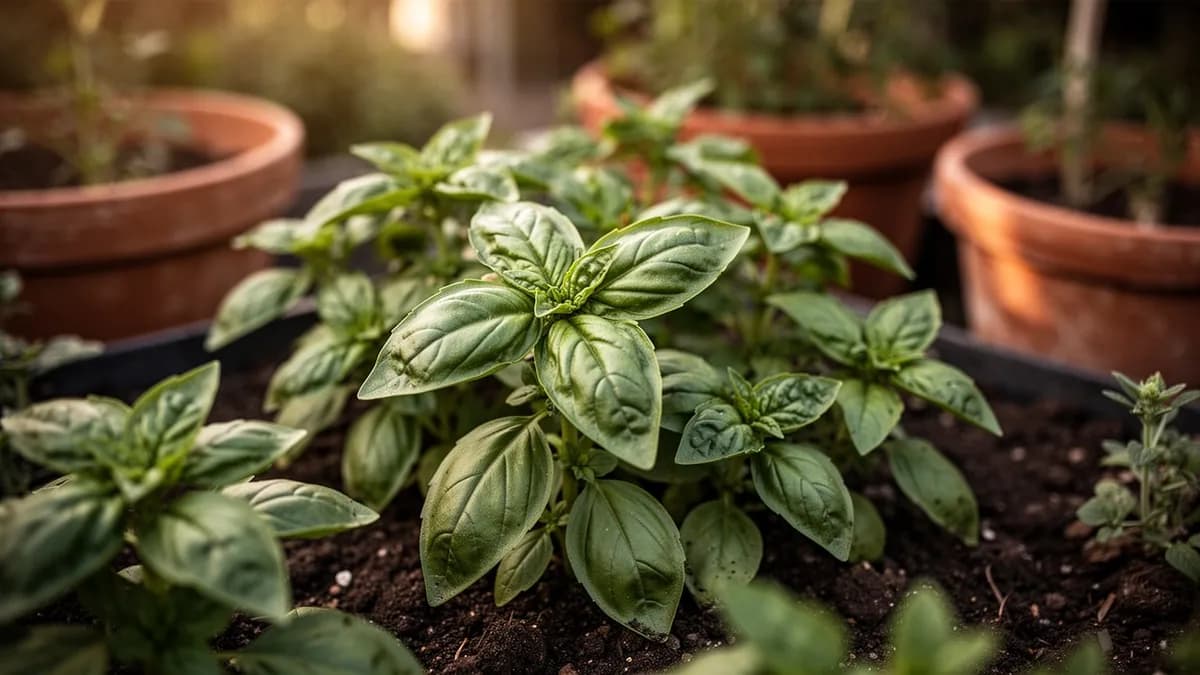
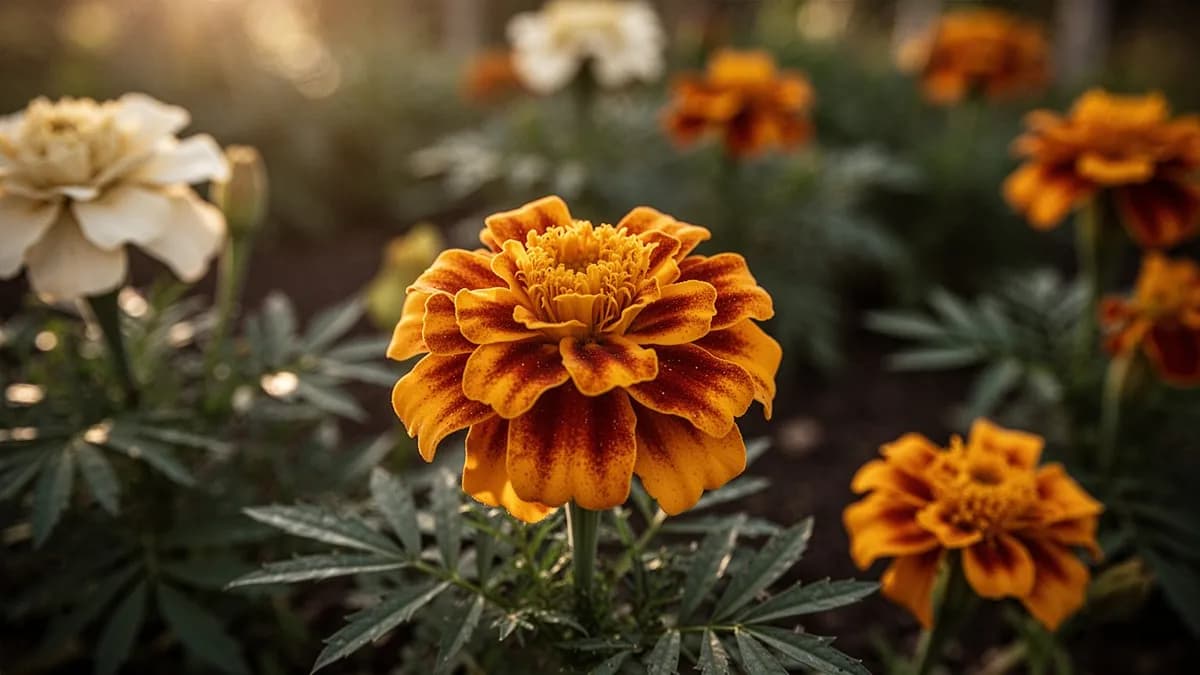
Die Kapstachelbeere gedeiht gut neben Basilikum, das hilft, Weiße Fliegen und Blattläuse abzuwehren. In der Nähe gepflanzte Tagetes vertreiben Nematoden und locken Nützlinge an. Das Pflanzen neben anderen Nachtschattengewächsen wie Tomaten, Paprika und Auberginen vermeiden, um gemeinsamen Krankheitsdruck zu reduzieren. Die Pflanzen profitieren von der reflektierten Wärme südlich ausgerichteter Wände oder hellfarbiger Mulchs in kühleren Klimazonen. Kapuzinerkresse dient als Fangpflanze für Blattläuse und lockt diese von den Stachelbeerpflanzen weg.
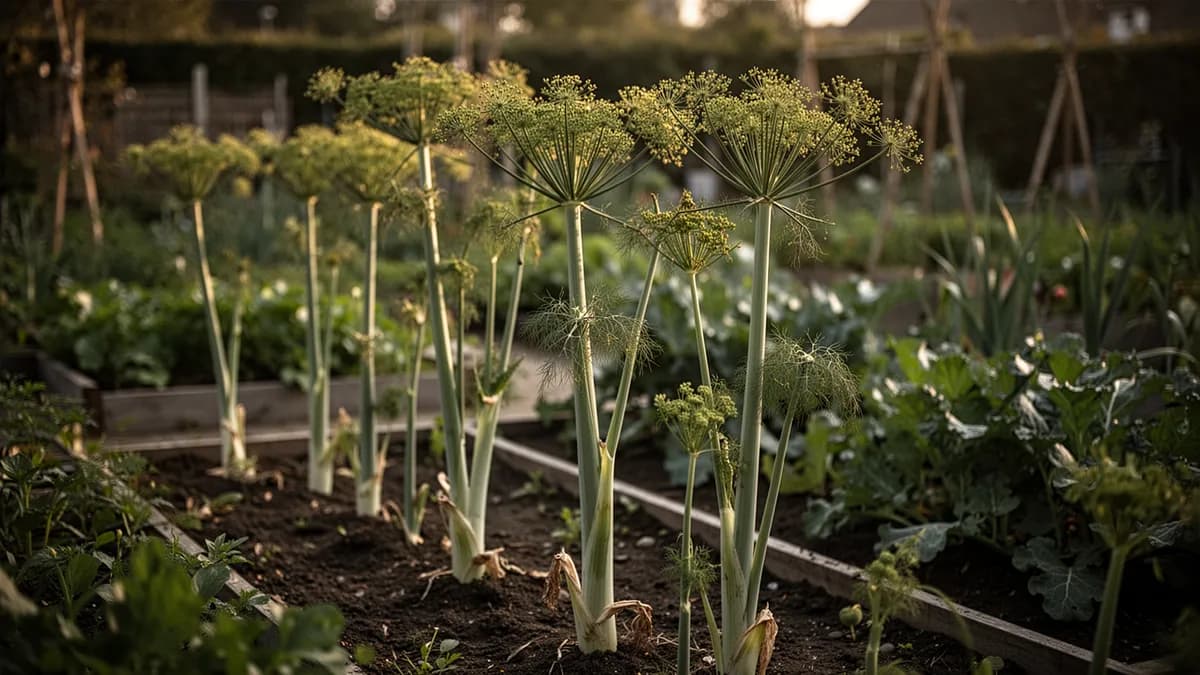
Basilikum gehört daneben. Fenchel nicht.
Altes Gärtnerwissen, geprüft an der echten Nachbartabelle von Kapstachelbeere — teste jede Pflanze, die du anbaust.
Probiere Kapstachelbeere direkt hier im Beet
Ein echtes Planer-Beet, Kapstachelbeere steht schon drin. Tippe einen Begleiter an, platziere ihn und sieh, wie die Nachbarschaftsprüfung antwortet — grün für gute Nachbarn, rot bei Streit.


Passende Anbau-Ratgeber
Richtig düngen
Die Kapstachelbeere wächst in einem breiten Bodenspektrum von sandig bis lehmig, bei einem bevorzugten pH-Wert von 5,5 bis 7,0. Sie verträgt ärmere Böden besser als Tomaten und trägt bei moderater statt hoher Nährstoffversorgung sogar mehr Früchte. Übermäßiger Stickstoff fördert üppiges Blattwachstum auf Kosten der Beerenproduktion. Beim Pflanzen einen ausgewogenen oder leicht phosphorbetonten Dünger ausbringen und einmal während der Vegetationsperiode nachdüngen. Mit Stroh oder Grasschnitt mulchen, um Feuchtigkeit zu erhalten und Unkraut zu unterdrücken.
Ideale Temperatur
Winterhärtezone-Kompatibilität
Von der Saat zur Ernte, Schritt für Schritt
Samenkeimung
Kapstachelbeerensamen gehören zu den kleinsten der Solanaceen-Familie und benötigen Wärme und Licht für eine zuverlässige Keimung. Bei Aussaat auf einem feuchten, feinkörnigen Anzuchtsubstrat und einer Temperatur von 20–25 °C erscheinen die ersten Sämlinge typischerweise nach 14–21 Tagen, wobei die Keimung über einen vollen Monat gestaffelt verlaufen kann. Die winzigen Keimblätter sind rundlich und leicht klebrig.
Sämlingsentwicklung
Nach dem Erscheinen der Keimblätter bilden sich die ersten echten Blätter mit ihrer charakteristischen weichen, herzförmigen, samtigen Textur. Die Sämlinge wachsen stetig, etablieren sich jedoch deutlich langsamer als verwandte Tomaten. Das Wurzelsystem entwickelt sich, bevor das oberirdische Wachstum anzieht. In diesem Stadium ist starkes Licht unerlässlich, um schwache, vergeile Stängel zu verhindern, die nach dem Auspflanzen ins Freie schlecht gedeihen würden.
Rasantes vegetatives Wachstum
Nach dem Auspflanzen ins Freie oder dem Umtopfen in einen größeren Behälter treten Kapstachelbeer-Pflanzen in eine Phase rasanter vegetativer Ausbreitung ein. Die Stängel werden an der Basis halbverholzt, und die Verzweigungsstruktur wird komplex, wobei jede Blattachsel einen Blütenstand ausbilden kann. Die buschige Wuchsform bedeutet, dass Pflanzen bis zu 60–90 cm breit werden können und robuste Stützkonstruktionen benötigen, um unter dem eigenen Gewicht nicht zusammenzubrechen.
Blüte
Kleine, nickende, glockenförmige gelbe Blüten erscheinen gleichzeitig an jedem Blattknoten über die gesamte Pflanze verteilt. Die Blüten sind selbstfruchtbar, werden durch Windbewegung und besuchende Insekten bestäubt und zeigen charakteristische dunkelbraun bis violette Fleckenmarkierungen an den Blütenblattbasen, die als Leitstrukturen für Bestäuber dienen. Der aufgeblasene Kelch (die spätere Hülle) beginnt sich innerhalb weniger Tage nach erfolgreicher Befruchtung um jede bestäubte Blüte zu formen.
Hüllen- und Fruchtentwicklung
Der Kelch bläht sich rasch um jede heranwachsende Frucht auf und bildet die charakteristische papierartige Laternen-Hülle. Die eingeschlossene Beere entwickelt sich langsam von hellgrün zu vollständig goldorange über 60–80 Tage nach erfolgreicher Bestäubung. In diesem Zeitraum sind Früchte in vielen verschiedenen Entwicklungsstadien gleichzeitig an der Pflanze vorhanden, was ihr sowohl ornamentalen als auch produktiven Charakter verleiht.
Reife und Selbsternte
Kapstachelbeeren ernten sich selbst, wenn sie reif sind, indem sie natürlich von der Pflanze fallen, während sie noch in ihren trockenen, papierartigen Hüllen eingeschlossen sind. Die Hülle wechselt von grün zu strohfarbenem Pergament, und die Beere im Inneren vertieft sich zu einem satten Goldorange. Die Pflanze blüht und fruchtet weiterhin in gestaffelten Abständen über ihre Zweige, was eine rollende Ernte statt gleichzeitiger Fruchtreife liefert.
Saisonverlängerung und Überwinterung
Mit kürzer werdenden Tagen und sinkenden Temperaturen unter 10 °C verlangsamt sich die Blüte und die Pflanze beginnt zu verhärten. In frostfreien Klimazonen bleibt die Kapstachelbeere als produktive Staude im zweiten und dritten Jahr erhalten und wird holziger strukturiert, wobei sie sogar mehr trägt als im ersten Jahr. In frostgefährdeten Zonen können die Pflanzen vor dem ersten Frost ausgegraben und eingetopft werden, um in einem hellen, kühlen Gewächshaus zu überwintern.
Samen oberflächlich aussäen und nur mit einer hauchdünnen Schicht Vermiculit bedecken – sie benötigen Licht zur Keimung. Eine Anzuchtmatte verwenden, um eine gleichmäßige Wärme von 22 °C aufrechtzuerhalten. Täglich mit einer Sprühflasche befeuchten, um die Oberfläche gleichmäßig feucht zu halten, ohne Staunässe zu verursachen. Geduldig sein und Schalen, die langsam zu keimen scheinen, nicht wegwerfen, da die Keimung über mehrere Wochen andauern kann.
Kapstachelbeere Monat für Monat pflegen
Was du jeden Monat für deine Kapstachelbeere tun solltest
Oktober
Aktueller MonatSo lange wie die Pflanze produktiv ist, weiterernten. Alle Früchte – einschließlich solcher mit noch grünen Hüllen – vor dem ersten harten Frost ernten, da leicht unreife Früchte langsam bei Raumtemperatur in ihren Hüllen nachreifen. Entscheiden, welche Pflanzen einzutopfen und in einem kühlen Gewächshaus zu überwintern sind. Eine dicke Mulchschicht auf alle Pflanzen auftragen, die in milden Klimazonen im Freien verbleiben.
Immer wissen, was jetzt im Garten zu tun ist
Eine E-Mail zum Monatsanfang: was du jetzt säen, pflanzen und anpacken solltest — für deine Kapstachelbeere und alles, was drumherum wächst. Dazu ein kurzer Startkurs, der dich vor den klassischen Fehlern bewahrt.
- Was jetzt zu tun ist
- Passend zu deiner Saison
- Startkurs inklusive
Kapstachelbeere ernten
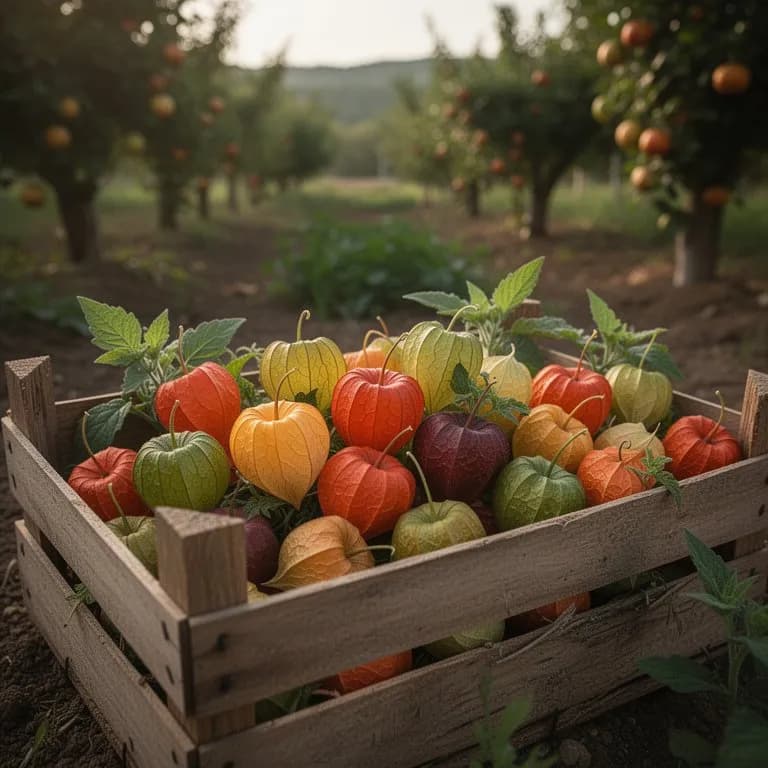
Kapstachelbeeren sind erntereif, wenn die papierartige Hülle strohbraun wird und die darin enthaltene Beere goldorange gefärbt ist. Die Früchte fallen bei Reife oft auf den Boden, daher die Pflanzenbasis täglich kontrollieren und gefallene Beeren aufsammeln. Die Hülle zurückklappen, um die goldene Frucht freizulegen. Die Beere sollte fest, glatt und vollständig gefärbt sein. Unreife grüne Beeren sind aufgrund ihres Solaningehalts leicht giftig und dürfen nicht verzehrt werden. Die verlängerte Ernteperiode von Hochsommer bis Herbst liefert wochenlang Früchte.
angenommen, du pflanzt zu Beginn des Zeitraums — trage dein tatsächliches Datum ein
Ernte Kapstachelbeere zügig, dann trägt die Pflanze weiter.
Lagerung & Konservierung
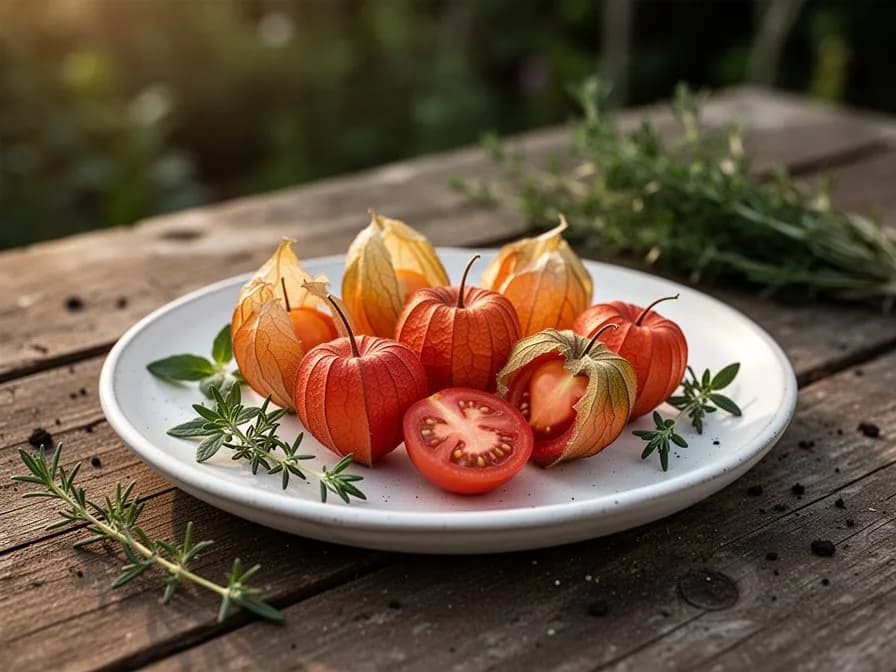
Kapstachelbeeren haben eine bemerkenswert lange Haltbarkeit als Frischfrucht, wenn sie in ihren Hüllen belassen werden: bis zu drei Monate an einem kühlen, trockenen Ort und noch länger im Kühlschrank. Die papierartige Hülle schützt die Frucht vor Beschädigungen und Feuchtigkeitsverlust. Die Beeren ergeben eine hervorragende Marmelade mit einem Aroma, das an Ananas und Vanille erinnert. In Schokolade getaucht eignen sie sich hervorragend als Konfekt. Halbierte Beeren lassen sich zu einem säuerlichen Trockenfrüchte-Snack dörren. Kapstachelbeeren-Chutney ist eine vielseitige Würzsauce zu indisch und asiatisch inspirierten Gerichten.
Was schiefgeht — und die Lösung
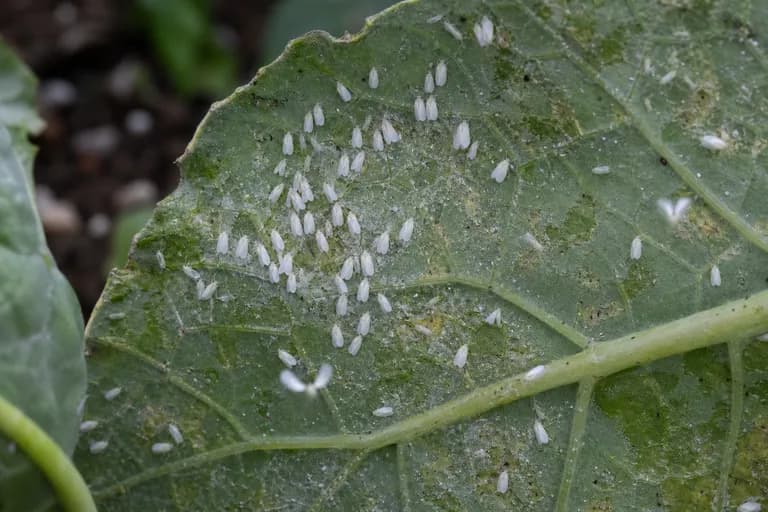
Weiße Fliegen
SchädlingWinzige weiße fliegende Insekten auf der Blattunterseite; vergilbendes Laub; Honigtau und Rußtau; verminderte Pflanzenvitalität.
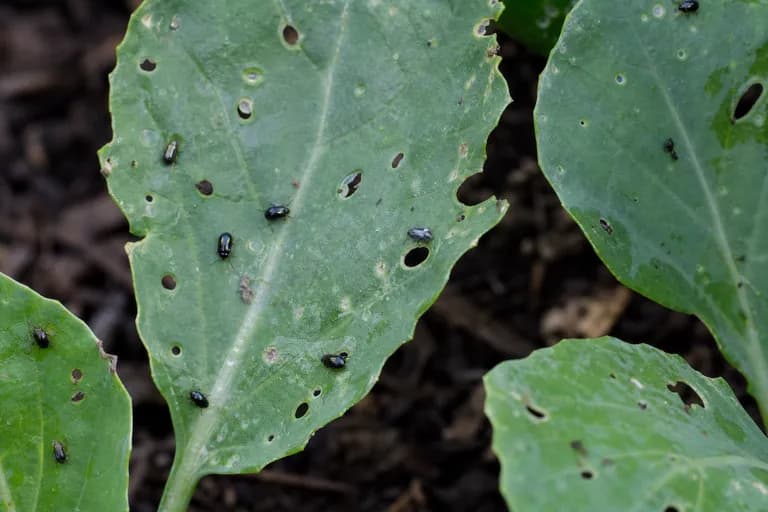
Erdflöhe
SchädlingZahlreiche kleine runde Löcher in den Blättern, die ein schrotschussartiges Muster ergeben; besonders schädlich für junge Umpflanzungen.
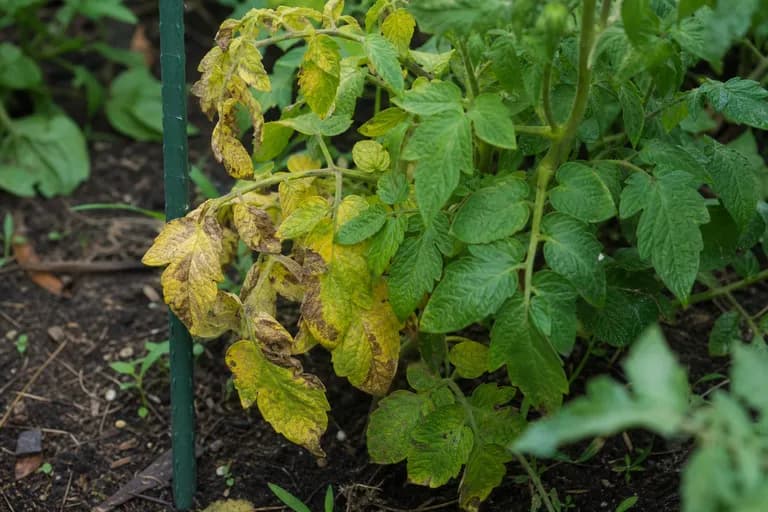
Fusarium-Welke
KrankheitVergilbung der unteren Blätter, die sich nach oben ausbreitet; Welken der gesamten Pflanze; braune Verfärbung des Stängelinneren.
Fehlerbehebung bei häufigen Problemen
Der lange Saisonbedarf bedeutet, dass in Klimazonen mit kurzen Sommern die Pflanzen möglicherweise nicht genug Früchte reifen lassen, bevor Frost sie zerstört. Ein sehr früher Start in der Wohnung ist unerlässlich. Ohne Stützkonstruktion können die Pflanzen ausladend und schlaff werden, was zu Fruchtfäule am Boden führt. Weiße Fliegen können sich unter warmen, feuchten Bedingungen schnell vermehren. Die Frucht ist im grünen Zustand leicht giftig, daher sicherstellen, dass Kinder wissen, dass sie nur reife goldene Beeren essen dürfen. In frostfreien Gebieten kann Selbstaussaat stark werden, wobei Sämlinge im ganzen Garten erscheinen.
Anbautipps
- Samen ausnahmslos 8–10 Wochen vor dem letzten Frostdatum aussäen – die Kapstachelbeere hat mit 120–160 Tagen eine der längsten Zeitspannen von der Saat bis zur Ernte unter allen einjährigen Obstgemüsepflanzen. Zu spätes Aussäen bedeutet minimale oder gar keine Ernte vor den Herbstfrösten, die die Saison beenden. Ein früher Start gibt der Pflanze Zeit, zu wachsen, zu blühen und den Großteil der Ernte zu reifen.
- Samen oberflächlich auf feuchtes Anzuchtsubstrat aussäen und dem Drang widerstehen, sie zu vergraben – Kapstachelbeerensamen benötigen Lichtkontakt mit der Oberfläche, um die Keimung auszulösen. Nur mit dem allerleichtesten Hauch von feinem Vermiculit bedecken, dann sofort nach der Aussaat unter helle Leuchtstoff- oder LED-Lampen stellen.
- Beim Umpflanzen einen Tomatenkäfig oder ein Stützsystem aufbauen, nicht nachdem die Pflanze zu wachsen begonnen hat. Die Kapstachelbeere entwickelt sich zu einem breiten, schlaffen Strauch, der sich zunehmend schwer stützen lässt, sobald er sich etabliert hat. Frühzeitiges Aufstellen ermöglicht es, Zweige von Beginn an durch die Käfigöffnungen zu leiten und so eine natürlich aufrechte Pflanze zu schaffen.
- Den Wachstumspunkt jedes Haupttriebs kappen, wenn die Pflanzen 15–20 cm hoch sind. Diese einzelne Maßnahme erhöht die Anzahl der Seitentriebe erheblich, und da jeder Zweigknoten ein potenzieller Blüh- und Fruchtpunkt ist, kann eine gut verzweigte Pflanze doppelt so viele Früchte produzieren wie eine ungekappte.
- Kräftig mulchen und diesen Schritt nicht auslassen. Die Kapstachelbeere erntet sich selbst, indem sie reife Früchte fallen lässt, und ohne eine dicke Pufferschicht aus Stroh, Holzschnitzeln oder ähnlichem organischen Mulch unter dem Blätterdach rollen gefallene Früchte in bloßen Boden, sammeln nachts Schneckenschäden an und werden schnell unbrauchbar. Mulch erhält auch die Feuchtigkeit und reduziert durch Bodenspritzer verursachte Pilzkrankheiten am unteren Laub.
- Sobald die ersten Blütenknospen erscheinen, von einem ausgewogenen Dünger auf einen kaliumreichen Tomatendünger wechseln. Die Fortsetzung der stickstoffreichen Düngung über diesen Punkt hinaus treibt vegetatives Wachstum auf Kosten des Fruchtansatzes und kann zu einer großen, schönen Pflanze führen, die verhältnismäßig wenige Früchte produziert.
- Niemals noch grüne Früchte essen – unreife Kapstachelbeeren enthalten Solanin und andere Glykoalkaloide, die für Menschen giftig sind und Übelkeit und Magen-Darm-Beschwerden verursachen. Warten, bis die Hülle vollständig papierartig und strohfarben ist und die eingeschlossene Beere ein tiefes, gleichmäßiges Goldorange hat, bevor man sie isst. Sogar leicht unreife Früchte haben eine unangenehme adstringierende Qualität.
- In Betracht ziehen, Pflanzen in einem kühlen Gewächshaus oder hellen Wintergarten zu überwintern, anstatt sie als jährliche Einwegpflanzen zu behandeln. Eine Kapstachelbeer-Pflanze, die den Winter bei 5–12 °C mit minimalem Wasser übersteht, nimmt früh im folgenden Frühling das Wachstum wieder auf, entwickelt ein stärkeres Wurzelsystem und produziert eine wesentlich größere und frühzeitigere Ernte als eine frische, aus Samen gestartete Umpflanzung.
- Kapstachelbeeren mit Begleitpflanzen kultivieren, die Bestäuber anziehen – ihre glockenförmigen Blüten werden von kleineren Bienen und Schwebfliegen besucht, die den Fruchtansatz verbessern. Borretsch, Phacelia und süßes Alyssum in der Nähe angepflanzt erhöhen die nützliche Insektenaktivität und können den Ertrag in Gärten ohne reichhaltige natürliche Bestäuberpopulationen merklich verbessern.
- Geerntete Früchte in ihren intakten Hüllen bei Raumtemperatur statt im Kühlschrank lagern. Die Hülle fungiert als natürliche modifizierte Atmosphären-Verpackung, und Raumtemperatur-Lagerung bewahrt Geschmack und Textur tatsächlich besser als Kühlung. Unter idealen kühlen, trockenen Innenbedingungen wurden gehüllte Früchte 10–12 Wochen nach der Ernte in ausgezeichnetem Verzehrzustand gehalten.
Bau deine beste Kapstachelbeere an — und alles drumherum.
Starte heute kostenlos. Lege deine Beete an, setze deine Kapstachelbeere ein und lass PlotMyGarden Timing, Abstände, Begleiter und Erinnerungen von der Saat bis zum Erntekorb übernehmen.
Finde deine Kapstachelbeere
Riesenkapstachelbeere
Eine großfrüchtigere Selektion mit Beeren von bis zu 2,5 cm Durchmesser; kräftige Pflanzen mit hohen Erträgen.
Aunt Molly's
Eine Erbsorte ursprünglich aus Polen mit außergewöhnlich süßen, aromatisch reichen goldenen Beeren; kompakter Wuchs.
Goldenberry
Eine kommerzielle Selektion, die auf einheitliche Größe und Süße gezüchtet wurde; häufig in Spezialitäten-Supermärkten erhältlich.
Giallo Grosso
Eine italienische Selektion mit großen goldenen Früchten und guter Krankheitsresistenz; gedeiht gut in mediterranen Klimazonen.
Kapstachelbeeren gehören zu den hochpreisigsten Frischfrüchten in Spezialgeschäften und werden typischerweise zu 8–15 € pro 125-g-Schälchen in Feinkostläden und auf Bauernmärkten verkauft – entsprechend 64–120 € pro Kilogramm. Eine einzige gut kultivierte Pflanze mit einem Ertrag von 1,5–3 kg Früchten entspricht einem Einzelhandelswert von 96–360 €. Eine Pflanze aus Samen zu ziehen kostet weniger als 2 € für Saatgut und Anzuchtzubehör. Getrocknete Kapstachelbeeren erzielen noch höhere Preise – 18–30 € pro 200-g-Beutel – was das Heimdörren zu einer besonders wirtschaftlichen Nutzung der Überschussernte macht. Kapstachelbeeren-Marmelade und Chutney aus selbst angebauten Früchten stellt eine weitere Wertschöpfung dar, da handwerkliche Kleinserien-Konserven auf Spezialitäten-Lebensmittelmärkten für 10–18 € pro Glas verkauft werden.
Schnelle Rezepte
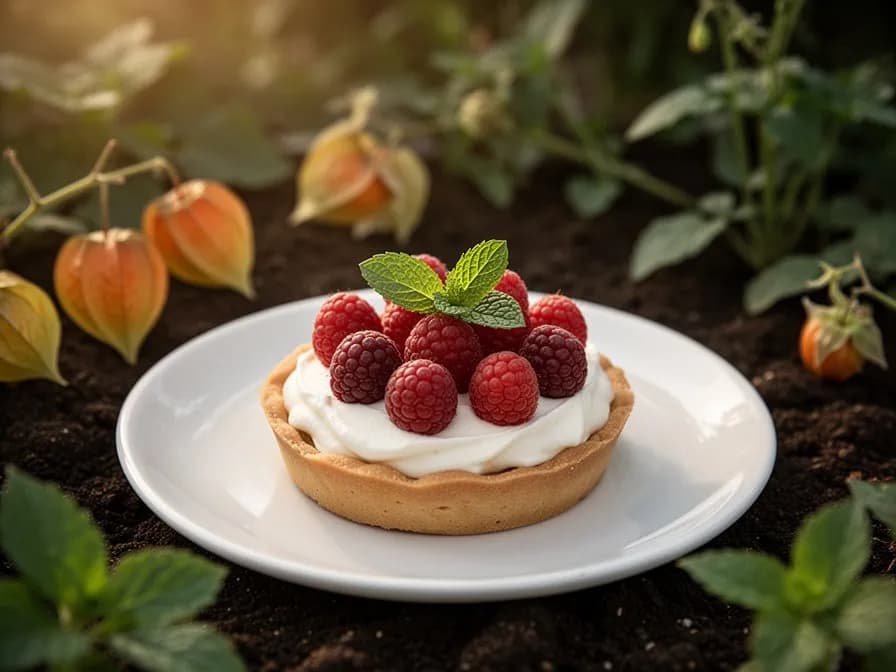
Kapstachelbeeren-Kurkuma-Chutney
50 Min.Ein lebhaftes goldenes Chutney mit tiefer süß-saurer Komplexität und einem warmen, gewürzten Abgang von frischer Kurkuma und Senfkörnern. Passt wunderbar zu Hartkäse, kaltem Brathähnchen und Currygerichten und ist schön genug, um es als handwerkliches Lebensmittelgeschenk zu machen.
9 ZutatenPavlova mit Kapstachelbeeren und Passionsfrucht
30 Min. (plus 2 Std. Backen und Abkühlen)Ein beeindruckendes Dessert, bei dem cremiges Baiser und Schlagsahne mit frischen Kapstachelbeeren belegt werden, deren Hüllen kunstvoll zu Sternformen zurückgezogen sind. Der herbe, tropische Geschmack der Beeren schneidet die Süße des Baisers und der Sahne perfekt durch.
8 ZutatenKapstachelbeeren-Caipirinha-Mocktail
10 Min.Ein anspruchsvolles alkoholfreies Getränk, inspiriert vom brasilianischen Caipirinha, bei dem frische Kapstachelbeeren mit Limettensaft und Rohzucker gestampft werden, um ein herbes, goldenes, tropisches Getränk zu erzeugen, das an einem Sommernachmittag ebenso schön wie erfrischend ist.
7 ZutatenKulinarische Verwendung
Kapstachelbeeren haben ein einzigartiges, süß-saures, tropisches Aroma, das Noten von Ananas, Mango und milder Zitrusfrucht verbindet. Frisch genießen, indem die Hülle zurückgeklappt wird – ideal als schneller Snack. In Schokolade getaucht ergeben sie elegante Konfekte für Dinnerpartys. Zu Salaten, Salsas und Getreideschalen hinzufügen, um eine tropische Süße zu erzielen. Die Beeren eignen sich hervorragend für Marmeladen, Chutneys und Kuchenfüllungen. In herzhaften Gerichten zusammen mit Fisch und Geflügel verwenden. In der südamerikanischen Küche begleitet Kapstachelbeerensauce gegrilltes Fleisch und Empanadas.
Was drinsteckt
Gesundheitsvorteile
- Reich an Beta-Carotin, der direkten Vorstufe von Vitamin A – regelmäßiger Konsum unterstützt die Augengesundheit, insbesondere das Nachtsehen und den Schutz vor altersbedingter Makuladegeneration, sowie eine gesunde Immunreaktion und Hautintegrität.
- Enthält Withanolide, bioaktive Steroidlaktonverbindungen, die in Lebensmitteln selten sind und in Zellkultur- und Tierstudien messbare entzündungshemmende, immunmodulatorische und antitumorale Wirkungen gezeigt haben, was die Kapstachelbeere zu einer der pharmakologisch interessantesten kleinen Früchte für Hobbygärtner macht.
- Liefert nützliche Mengen Vitamin C, das die antioxidativen Abwehrsysteme des Körpers unterstützt, die Kollagensynthese für die Gesundheit des Bindegewebes fördert und die Bioverfügbarkeit von pflanzlichem Eisen aus der Nahrung verbessert.
- Reich an löslichen Ballaststoffen und natürlichem Pektin, das nützliche Darmmikrobiota nährt, den regelmäßigen Verdauungstransit unterstützt und hilft, postprandiale Blutzuckerspitzen durch Verlangsamung der Kohlenhydratabsorption im Dünndarm zu moderieren.
- Enthält bedeutende Mengen an Phosphor und Eisen im Verhältnis zum Kaloriengehalt – Nährstoffe, die für die Knochenmineralisierung, die zelluläre Energieproduktion durch ATP-Synthese und eine gesunde Erythrozytenfunktion wichtig sind.
- Reich an polyphenolischen Verbindungen wie Quercetin und Chlorogensäure – Antioxidantien, die in der Forschungsliteratur gut dokumentiert sind für ihre Rolle bei der Reduzierung systemischer Entzündung, der Unterstützung der Gefäßgesundheit und der potenziellen Senkung des Herz-Kreislauf-Erkrankungsrisikos.
Woher Kapstachelbeere stammt
Die Kapstachelbeere (Physalis peruviana) ist eine Frucht mit tiefem andischem Erbe und stammt aus den kühlen Hochtälern von Peru, Ecuador und Kolumbien in Höhen zwischen 1.500 und 3.000 Metern über dem Meeresspiegel. Die Inka-Zivilisation kultivierte und schätzte die Frucht jahrhundertelang vor dem europäischen Kontakt und integrierte sie in die terrassierten Anbausysteme des Heiligen Tals neben Kartoffeln, Quinoa, Mais und anderen Grundnahrungsmitteln. Wildpopulationen der Art wachsen noch immer im gesamten andischen Hochland, und die Goldbeere – in verschiedenen Regionalsprachen als Uvilla, Uchuva oder Aguaymanto bekannt – hat die kulinarischen Traditionen der Gemeinschaften, die sie zuerst kultivierten, nie verlassen.
Spanische Kolonisatoren begegneten der Pflanze während der Eroberung Südamerikas im 16. Jahrhundert und brachten sie nach Europa, wo sie zunächst als ornamentale Kuriosität eingestuft wurde. In den folgenden zwei Jahrhunderten gelangten Samen über die globalen Handelsrouten nach Afrika, Asien und Ozeanien. Die Pflanze fasste besonders in Südafrika Fuß, wo britische und niederländische Siedler am Kap der Guten Hoffnung sie als sehr gut an die lokalen Bedingungen angepasst fanden und sie wegen ihrer lange haltbaren Früchte und außergewöhnlichen Marmeladenqualitäten weithin anbauten. Diese Verbindung zur Kapkolonie gab der Frucht den englischen Trivialnamen, der bis heute Bestand hat, obwohl die Pflanze ihren Ursprung Tausende von Kilometern entfernt in Südamerika hat.
Von Südafrika aus naturalisierte sich die Kapstachelbeere in subtropischen und tropischen Hochlagen weltweit und etablierte verwilderte Populationen in Indien, Australien, Neuseeland, Ostafrika und Südostasien. In vielen Regionen wurde sie zu einer kleinen, aber geschätzten Nahrungspflanze, die besonders in Gebieten, in denen die Lebensmittellagerung aufgrund ihrer außergewöhnlichen Haltbarkeit in der intakten Hülle schwierig war, geschätzt wurde. Im 20. Jahrhundert investierten kolumbianische Agrarforscher in die Verbesserung der Pflanze durch die Selektion von Sorten mit höherem Ertrag, größeren Früchten und höherem Zuckergehalt und verwandelten sie von einer Subsistenzkultur in ein bedeutendes Exportgut. Heute exportiert Kolumbien Kapstachelbeeren in Premiummärkte in Europa, Japan und Nordamerika, wo die Frucht frisch, getrocknet und gefriergetrocknet zu Preisen verkauft wird, die ihren exotischen Status und die anspruchsvollen Anbauerfordernisse widerspiegeln. Das Interesse der Hobbygärtner in gemäßigten Regionen ist stetig gewachsen, da die Frucht zunehmend besser verstanden und für ihren einzigartigen Geschmack, ihre außergewöhnliche Haltbarkeit und ihren ornamentalen Gartenwert geschätzt wird.
Kapstachelbeere: Schon gewusst?
Faszinierende Fakten über Kapstachelbeere
Trotz des Namens stammt die Kapstachelbeere weder vom Kap der Guten Hoffnung (wo sie lediglich von europäischen Siedlern popularisiert wurde) noch ist sie eine echte Stachelbeere. Sie ist in den peruanischen und ecuadorianischen Anden beheimatet und gehört zur Nachtschatten-Familie – eine entfernte Verwandte von Tomate, Kartoffel und Aubergine.
Kapstachelbeere: Fragen & Antworten
Wann sollte ich Kapstachelbeere pflanzen?
Was sind gute Begleitpflanzen für Kapstachelbeere?
In welchen Winterhärtezonen kann Kapstachelbeere wachsen?
Wie viel Sonne braucht Kapstachelbeere?
Welchen Abstand sollte ich zwischen Kapstachelbeere lassen?
Welche Schädlinge und Krankheiten befallen Kapstachelbeere?
Wie lagere ich Kapstachelbeere nach der Ernte?
Was sind die besten Kapstachelbeere-Sorten zum Anbauen?
Welchen Boden braucht Kapstachelbeere?
Wie lange dauert es bei einer Kapstachelbeer-Pflanze vom Samen bis zur ersten Ernte?
Meine Kapstachelbeer-Pflanze blüht, aber es bilden sich Hüllen ohne Beere darin – was passiert hier?
Sind die Blätter, Stängel und Hüllen der Kapstachelbeere essbar?
Kann ich Kapstachelbeeren aus Stecklingen statt aus Samen vermehren?
Welche Schädlinge und Krankheiten befallen Kapstachelbeeren am häufigsten?
Was ist der Unterschied zwischen der Kapstachelbeere (Physalis peruviana) und der Erdkirsche (Physalis pruinosa)?
Du hast die Theorie gelesen. Jetzt baue sie auf Autopilot an.
Alles, was Kapstachelbeere knifflig macht — das Timing, die Abstände, die Begleiter, das Erntefenster — genau das übernimmt PlotMyGarden für dich, für jede Pflanze im Garten.
Ein Plan, der dein Wetter kennt
Standort einmal festlegen. Aussaat-, Dünge- und Erntedaten rund um deinen echten letzten Frosttermin und die Live-Vorhersage — kein Raten mehr nach Saattüte.
Aus dem Abschnitt „Pflanzzeit“Beetplaner per Drag & Drop
Beete auf einem Raster gestalten. Jede Pflanze rastet im richtigen Abstand ein, und du siehst die ganze Saison, bevor du einen Cent für Saatgut ausgibst.
Aus dem Abschnitt „Anbau“Begleiter-Konflikte früh erkannt
Über 200 gute und schlechte Kombinationen werden beim Pflanzen live geprüft — so landet ein saisonruinierender Fehler nie in der Erde.
Aus dem Abschnitt „Begleiter“Erinnerungen, nach denen du wirklich handelst
„Gieß die Bohnen.“ „Heute ernten, bevor's umschlägt.“ Pünktlich, konkret und auf deine echten Pflanzen bezogen.
Aus dem Abschnitt „Ernte“Staffel-Aussaat, geplant
Sechs Wochen ernten statt sechs Tage? Die App verteilt deine Aussaaten automatisch und erinnert dich, wenn der nächste Satz fällig ist.
Aus dem Abschnitt „Pflanzzeit“Ein Verlauf, der schlauer wird
Jede protokollierte Ernte bringt der App deinen Garten bei. Der Plan fürs nächste Jahr startet bei dem, was in deinem Boden wirklich funktioniert hat.
Aus dem Abschnitt „Überblick“Pflanze diese neben Kapstachelbeere
Weitere Beeren
Halte Kapstachelbeere von diesen fern
Bau deine beste Kapstachelbeere an — und alles drumherum.
Starte heute kostenlos. Lege deine Beete an, setze deine Kapstachelbeere ein und lass PlotMyGarden Timing, Abstände, Begleiter und Erinnerungen von der Saat bis zum Erntekorb übernehmen.