Irische Glocken
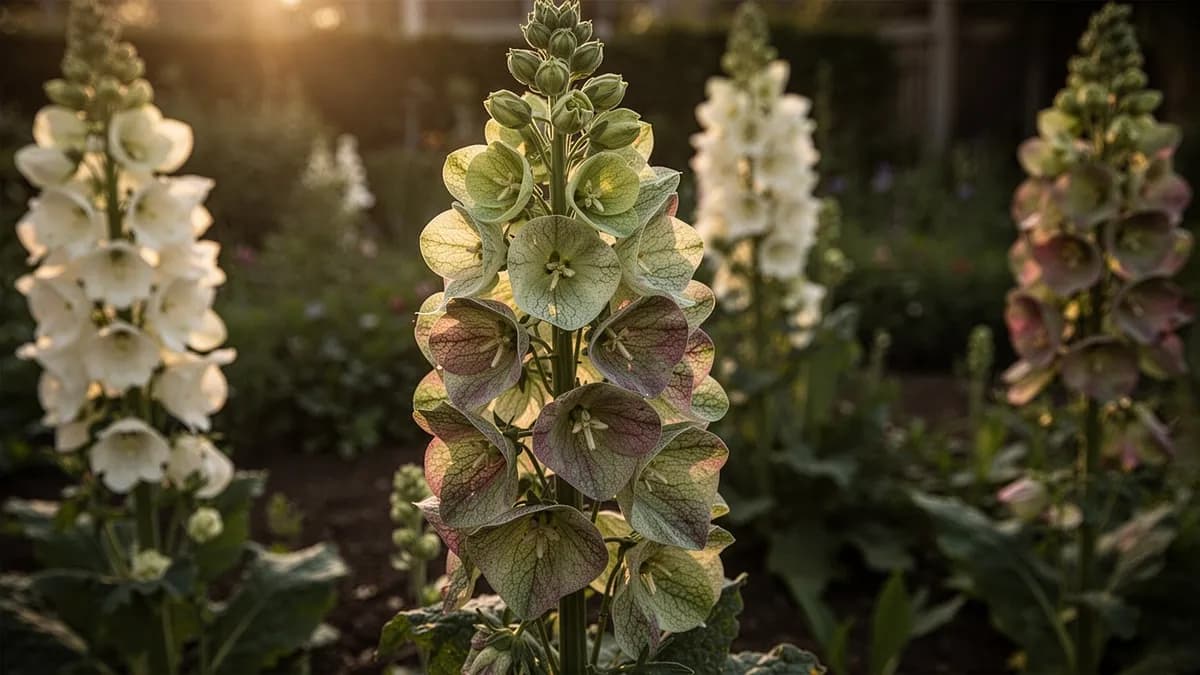
Eine auffällige Einjährige mit hohen Stängeln aus muschelförmigen grünen Kelchblättern, die winzige weiße Blüten umhüllen und von Blumendesignern sehr geschätzt werden.





Auf dieser SeiteÜberblick
Irische Glocken im Überblick
Eine auffällige Einjährige mit hohen Stängeln aus muschelförmigen grünen Kelchblättern, die winzige weiße Blüten umhüllen und von Blumendesignern sehr geschätzt werden. Samen benötigen Kältestratifikation und keimen oft langsam, daher frühzeitig drinnen starten oder nach dem letzten Frost direkt aussäen. Die eindrucksvollen senkrechten Stängel trocknen wunderschön und verleihen Arrangements eine architektonische Wirkung.
Wann Irische Glocken pflanzen
Samen vor der Aussaat 2 Wochen im Kühlschrank kältestratifizieren – dies verbessert die Keimung erheblich. Samen auf der Oberfläche von feuchtem Kompost 8–10 Wochen vor dem letzten Frost drinnen aussäen. Samen nicht abdecken, da Licht die Keimung fördert. Bei 13–18 °C halten. Die Keimung ist bekanntermaßen langsam und ungleichmäßig und dauert 14–28 Tage. Geduldig sein und den Boden gleichmäßig feucht halten. Alternativ können Samen im frühen Frühling direkt im Freien ausgesät werden, solange der Boden noch kühl ist, was eine natürliche Stratifikation bietet.
Dein Irische Glocken-Jahr
Abgestimmt auf Zone 7 · typische Saison · Frost geht um den 2. Apr. und kehrt um den 1. Nov. zurück
Irische Glocken Mär – Apr pflanzen, Jul – Sep ernten. Beachte die Pflanzmethoden unten und wähle dein Klima für passende Zeiträume.
So baust du Irische Glocken an
Irische Glocken erfordern Geduld, da die Samen spezifische Keimungsanforderungen haben. Samen vor der Aussaat zwei Wochen im Kühlschrank lagern, um eine Kältestratifikation zu erreichen. 8–10 Wochen vor dem letzten Frost drinnen in feuchten Kompost aussäen und die Samen auf die Oberfläche drücken – sie benötigen Licht zur Keimung. Die Keimung ist langsam und unregelmäßig und dauert 2–4 Wochen bei 13–18 °C.
Jungpflanzen nach dem letzten Frost ins Freie verpflanzen, 30 cm voneinander entfernt, an einem vollsonnigen Standort. Diese hohen Pflanzen (60–90 cm) profitieren von Stützen oder der Unterstützung benachbarter Pflanzen in einem Cottage-Gartenbeet. Die Wachstumsspitze auszwicken, wenn Pflanzen 15 cm hoch sind, um Verzweigung und mehr Blütenähren zu fördern.
Irische Glocken gedeihen in mäßig nährstoffreichem, gut drainiertem Boden und vertragen leichten Schatten. Während des aktiven Wachstums gleichmäßig gießen, Staunässe jedoch vermeiden. Die grünen glockenförmigen Kelchblätter entwickeln sich von unten nach oben am Stängel, wobei winzige weiße duftende Blüten in jeder Glocke eingebettet sind. Die Blütenpracht hält wochenlang an, und die Kelchblätter bleiben auch nach dem Abfallen der eigentlichen Blüten attraktiv.
32 Pflanzen passen in ein Beet von 120 × 240 cm
Irische Glocken braucht 30 cm Platz pro Pflanze. Der Planer hält diesen Abstand für dich ein — jede Pflanze, jedes Beet.
Die besten Nachbarn für Irische Glocken
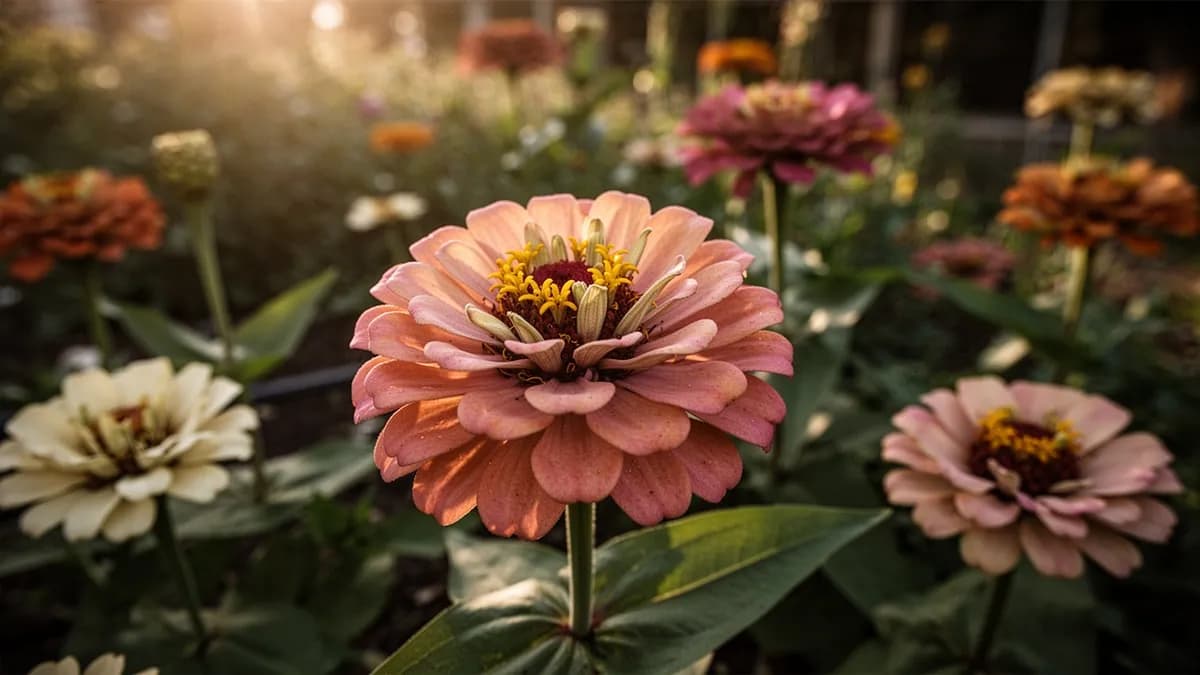
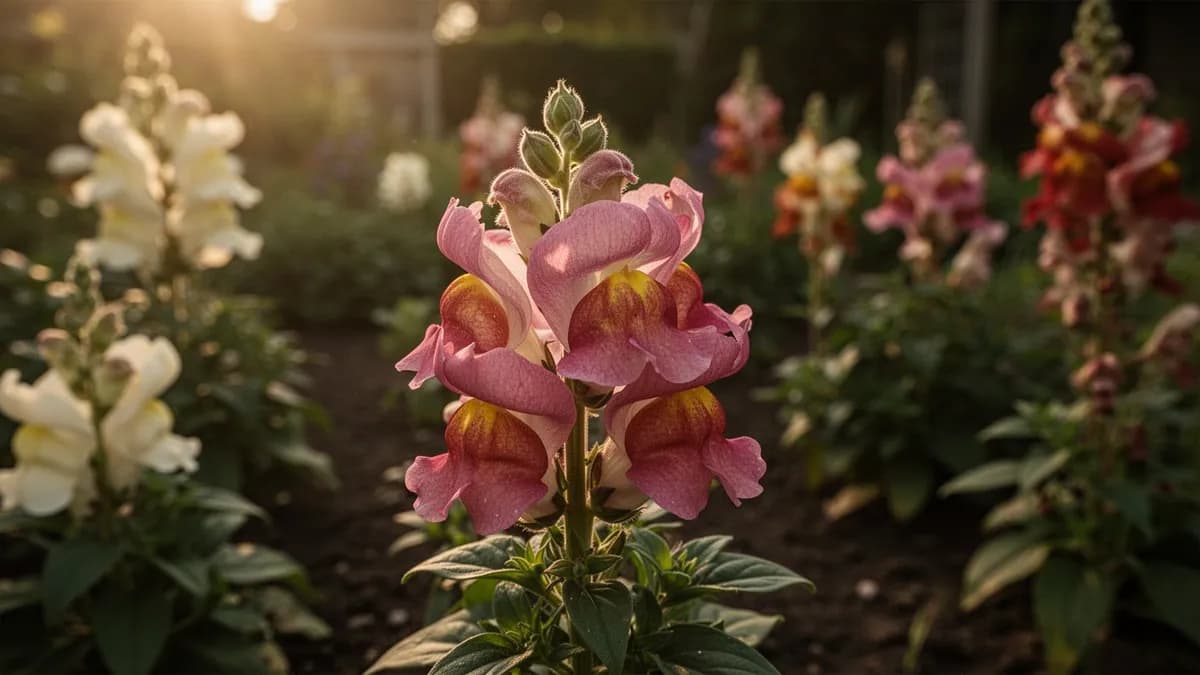
Irische Glocken bieten einzigartige senkrechte grüne Akzente in gemischten Rabatten und Schnittblumengärten. Neben kräftig gefärbten Blumen wie Zinnien, Löwenmäulchen und Dahlien pflanzen, wo die grünen Glocken einen kühlenden Kontrast bieten. Sie kombinieren sich wunderschön mit lila Rittersporn und blauem Delphinium für anspruchsvolle Arrangements. Im Schnittgarten mit Sonnenblumen, Lilien und Rosen für abwechslungsreiche, interessante Sträuße kombinieren.
Zinnie gehört daneben.
Altes Gärtnerwissen, geprüft an der echten Nachbartabelle von Irische Glocken — teste jede Pflanze, die du anbaust.
Probiere Irische Glocken direkt hier im Beet
Ein echtes Planer-Beet, Irische Glocken steht schon drin. Tippe einen Begleiter an, platziere ihn und sieh, wie die Nachbarschaftsprüfung antwortet — grün für gute Nachbarn, rot bei Streit.


Passende Anbau-Ratgeber
Richtig düngen
Irische Glocken gedeihen am besten in mäßig nährstoffreichem, gut drainiertem Boden mit einem pH-Wert von 6,5–7,5. Die Pflanzen bevorzugen leicht alkalische Bedingungen. Kompost in den Pflanzbereich einarbeiten und zum Zeitpunkt der Umpflanzung einen ausgewogenen Langzeitdünger ausbringen. Übermäßige Düngung vermeiden, da sie üppiges, zum Umkippen neigendes Wachstum fördert. Eine einzige Flüssigdüngergabe zur Mitte der Saison ist für die meisten Situationen ausreichend.
Ideale Temperatur
Winterhärtezone-Kompatibilität
Von der Saat zur Ernte, Schritt für Schritt
Stratifikation & Keimung
Samen der Irischen Glocken benötigen Kältestratifikation, um die Dormanz zu brechen. Samen keimen langsam und unregelmäßig, oft 14 bis 21 Tage. Samen 1 bis 2 Wochen vor der Aussaat im Kühlschrank lagern oder direkt im frühen Frühling aussäen, wenn die Nachttemperaturen noch nahe dem Gefrierpunkt liegen. Samen oberflächlich säen oder kaum abdecken, da Licht die Keimung fördert.
Jungpflanzenentwicklung
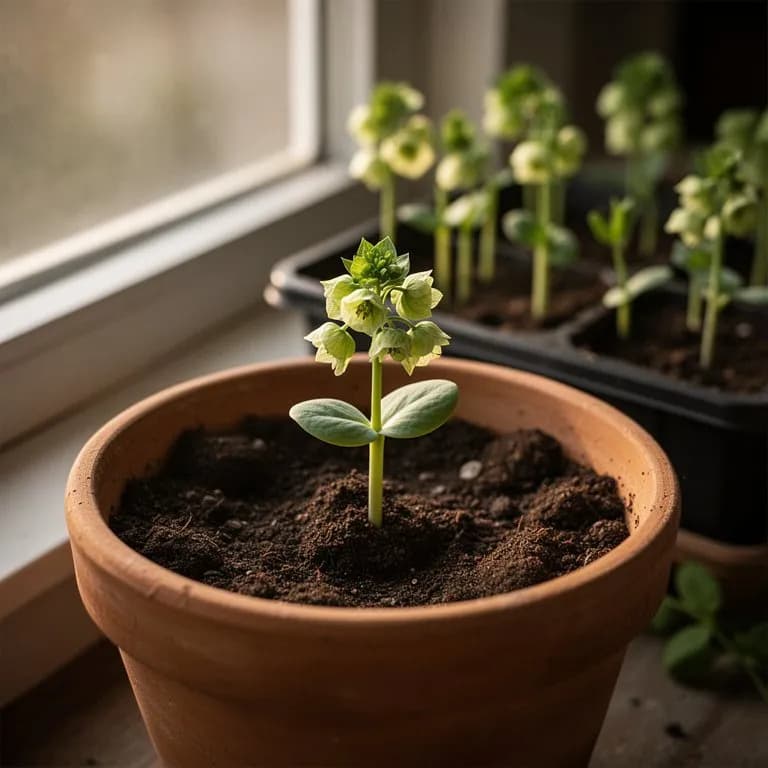
Jungpflanzen entwickeln rundliche Keimblätter gefolgt von echten Blättern mit gewellten oder gesägten Rändern. Das Wachstum ist zunächst langsam. Jungpflanzen sind empfindlich und sollten beim Ausdünnen oder Umpflanzen sorgfältig behandelt werden. Sie beginnen die charakteristischen viereckigen Stängel der Familie Lamiaceae zu entwickeln.
Vegetatives Wachstum
Pflanzen treten in eine rasche Wachstumsphase ein und bilden kräftige viereckige Stängel und üppiges grünes Laub. Stängel beginnen zu verzweigen und können 60 bis 90 cm Höhe erreichen. Das Wurzelsystem etabliert sich in dieser Phase gut, und die Pflanze gewinnt erheblich an Höhe und Masse als Vorbereitung auf die Blütenährenbildung.
Kelch- und Blütenbildung
Die markanten grünen glockenförmigen Kelchblätter beginnen sich im oberen Bereich der Stängel zu bilden. Jeder Kelch ist eine modifizierte Blattstruktur, die eine winzige, duftende weiße röhrenförmige Blüte umschließt. Die Kelchblätter öffnen sich fortschreitend von der Basis der Ähre nach oben und erzeugen das charakteristische gestaffelte Erscheinungsbild, das diese Pflanze bei Floristen so beliebt macht.
Vollblüte und Ernte
Blütenähren sind vollständig ausgebildet mit geöffneten Kelchblättern entlang der gesamten Stängellänge. Pflanzen erreichen ihre maximale Höhe von 60 bis 90 cm. Dies ist der ideale Zeitpunkt, Stängel für frische oder getrocknete Arrangements zu ernten. Die kleinen weißen Blüten im Inneren jedes Kelches sind leicht duftend und für Bestäuber attraktiv.
Samenreife und Seneszenz
Nach der Bestäubung verblassen die winzigen weißen Blüten und kleine schwarze Nüsschen entwickeln sich in jedem Kelchblatt. Die Kelchblätter wechseln allmählich von grün zu beige oder strohfarben. Pflanzen gehen natürlich zurück, während die Samen reifen. Irische Glocken säen sich unter günstigen Bedingungen zuverlässig selbst aus, und Selbstaussaat-Jungpflanzen erscheinen oft im folgenden Frühling.
Samen 10 bis 14 Tage vor dem Pflanzen im Kühlschrank kühlen. Boden während der Keimungszeit gleichmäßig feucht, aber nicht nass halten. Temperaturschwankungen zwischen 10 und 18 °C verbessern die Keimungsraten.
Irische Glocken Monat für Monat pflegen
Was du jeden Monat für deine Irische Glocken tun solltest
Oktober
Aktueller MonatVerbleibende Pflanzenreste aus dem Garten beseitigen. Gesammelte Samen in beschrifteten Umschlägen an einem kühlen, trockenen Ort aufbewahren. Das Pflanzenbeet mit Kompost für das nächste Jahr verbessern. In Klimazonen 9 und höher können im Herbst ausgesäte Samen keimen und als kleine Rosetten überwintern.
Immer wissen, was jetzt im Garten zu tun ist
Eine E-Mail zum Monatsanfang: was du jetzt säen, pflanzen und anpacken solltest — für deine Irische Glocken und alles, was drumherum wächst. Dazu ein kurzer Startkurs, der dich vor den klassischen Fehlern bewahrt.
- Was jetzt zu tun ist
- Passend zu deiner Saison
- Startkurs inklusive
Irische Glocken ernten
Irische Glocken schneiden, wenn die Kelche am Stängel vollständig ausgebildet und intensiv grün sind. Morgens mit langen Stängeln schneiden. Die Blätter entlang des Stängels entfernen (sie welken schnell und beeinträchtigen die Optik) und mehrere Stunden in tiefem, warmem Wasser konditionieren, bevor sie arrangiert werden. Die Stängel halten 7–10 Tage in frischem Wasser und sind ein Grundbestandteil des Blumendesigns dank ihrer einzigartigen senkrechten Linie und grünen Farbe.
angenommen, du pflanzt zu Beginn des Zeitraums — trage dein tatsächliches Datum ein
Ernte Irische Glocken zügig, dann trägt die Pflanze weiter.
Lagerung & Konservierung
Irische Glocken trocknen hervorragend und gehören zu den beliebtesten Trockenblumen. Stängel kopfüber in einem dunklen, warmen, gut belüfteten Bereich 2–3 Wochen hängen lassen. Die Glocken trocknen zu einem ansprechenden blassen Grün oder Strohton und behalten ihre Form dauerhaft. Für erhaltene grüne Farbe Silikageltrocknung verwenden. Die getrockneten Stängel sind in Herbst- und Winterarrangements beeindruckend. Samen aufbewahren, indem einige Stängel an der Pflanze trocknen gelassen werden.
Was schiefgeht — und die Lösung
Blattläuse
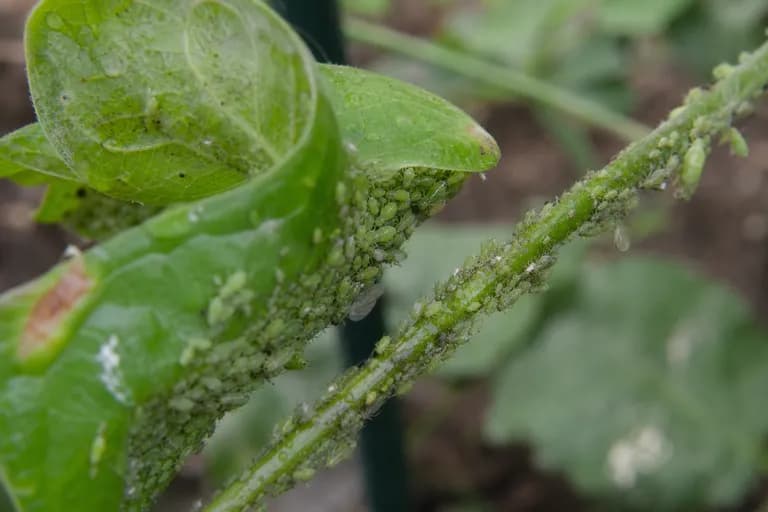
SchädlingGrüne Insekten, die sich an Stängelspitzen und in den glockenförmigen Kelchblättern sammeln. Klebriger Honigtau und deformiertes Wachstum.
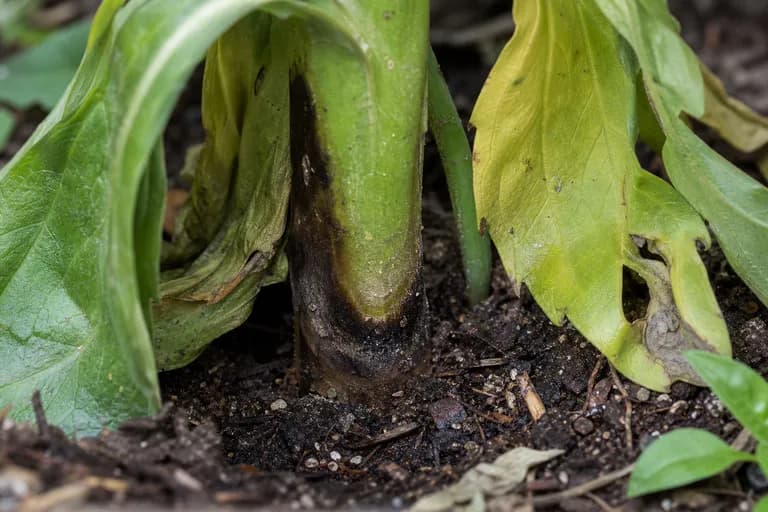
Kronenfäule
KrankheitStängel werden dunkel und kollabieren auf Bodenhöhe. Pflanzen kippen um und sterben plötzlich ab.
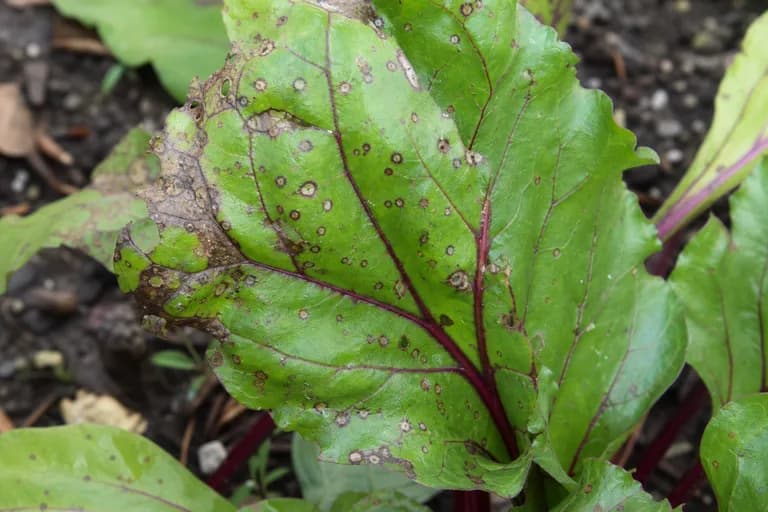
Cercospora-Blattflecken
KrankheitKleine braune Flecken auf Blättern, die sich vergrößern und konzentrische Ringe entwickeln. Schwere Infektionen führen zu Entlaubung.
Fehlerbehebung bei häufigen Problemen
Unregelmäßige Keimung ist die größte Frustration – Geduld haben und mehr Samen aussäen als nötig erscheint. Nicht kältestratifizierte Samen keimen möglicherweise gar nicht. Hohe Stängel benötigen häufig Stützen, besonders an exponierten oder windigen Standorten. Die Blätter entlang des Stängels sind unauffällig und werden oft für Dekorationszwecke entfernt, aber ihr Verbleib an der Pflanze ist für Photosynthese und kräftiges Wachstum unerlässlich.
Anbautipps
- Samen 10 bis 14 Tage vor der Aussaat in einem feuchten Papiertuch im Kühlschrank lagern, um die Dormanz zu brechen und die Keimungsraten von etwa 30 Prozent auf über 70 Prozent zu verbessern.
- Samen oberflächlich säen oder nur mit der dünnsten Schicht Vermiculit bedecken, da Samen der Irischen Glocken Lichteinwirkung benötigen, um die Keimung auszulösen.
- Direkt im frühen Frühling ins Freie aussäen, sobald der Boden bearbeitet werden kann, da die Samen von natürlichen Temperaturschwankungen zwischen kühlen Nächten und milden Tagen profitieren.
- Pflanzen in Reihen mit 30 cm Abstand und 45 bis 60 cm Reihenbreite setzen, um ausreichende Luftzirkulation zu ermöglichen, was die Anfälligkeit für Mehltau und andere Pilzprobleme verringert.
- Stützstäbe oder ein Stützgitter anbringen, wenn Pflanzen 30 bis 45 cm hoch werden, da die schweren Blütenähren reife Pflanzen bei Wind oder Regen zum Umkippen bringen können.
- Pflanzen an der Basis gießen statt von oben, um das Laub trocken zu halten und Blattfleckenkrankheiten vorzubeugen, die in der Familie Lamiaceae verbreitet sind.
- Die Wachstumsspitze junger Pflanzen auszwicken, wenn sie 20 bis 25 cm hoch werden, um Verzweigung und mehr Blütenährenproduktion pro Pflanze zu fördern.
- Aufeinanderfolgende Aussaaten alle 3 bis 4 Wochen vom frühen Frühling bis zum späten Frühling vornehmen, um eine kontinuierliche Versorgung mit frischen Stängeln während der Sommermonate zu gewährleisten.
- Stängel für Arrangements frühmorgens ernten, wenn die Pflanzen voll mit Wasser versorgt sind, und schneiden, wenn mindestens die Hälfte der Kelchblätter einer Ähre vollständig geöffnet ist.
- Einige Pflanzen am Ende der Saison in Saat gehen lassen, da Irische Glocken sich zuverlässig selbst aussäen und Selbstaussaat-Jungpflanzen oft im folgenden Frühling mit minimalem Aufwand erscheinen.
Bau deine beste Irische Glocken an — und alles drumherum.
Starte heute kostenlos. Lege deine Beete an, setze deine Irische Glocken ein und lass PlotMyGarden Timing, Abstände, Begleiter und Erinnerungen von der Saat bis zum Erntekorb übernehmen.
Finde deine Irische Glocken
Moluccella laevis (Standard)
Die einzige allgemein angebaute Art, die 60–90 cm hohe Ähren mit apfelgrünen glockenförmigen Kelchblättern produziert. Benannte Sorten sind nicht weit verbreitet erhältlich.
Moluccella laevis 'Pixie Bells'
Eine etwas kompaktere Form mit 45–60 cm Höhe. Besser für Kübel und kleine Gärten geeignet, während die klassische Glockenform erhalten bleibt.
Ein einzelnes Päckchen Samen der Irischen Glocken kostet zwischen 2 und 4 Euro und ergibt 30 bis 50 Pflanzen. Jede Pflanze kann 6 bis 10 vermarktungsfähige Stängel produzieren. Spezielle Floristen berechnen typischerweise 8 bis 15 Euro pro Bund mit 5 Stängeln, was bedeutet, dass ein Hobbygärtner das Äquivalent von 60 bis 100 Euro oder mehr an Schnittblumen aus einem einzigen günstigen Samenpaket produzieren kann. Getrocknete Stängel der Irischen Glocken erzielen in Bastel- und Blumenfachgeschäften noch höhere Preise, oft 12 bis 20 Euro pro Bündel. Die Eigenproduktion gewährleistet außerdem die frischestmöglichen Stängel mit der längsten Vasestandzeit, die weit über das hinausgeht, was bei Einzelhandelsfloristen erhältlich ist.
Schnelle Rezepte
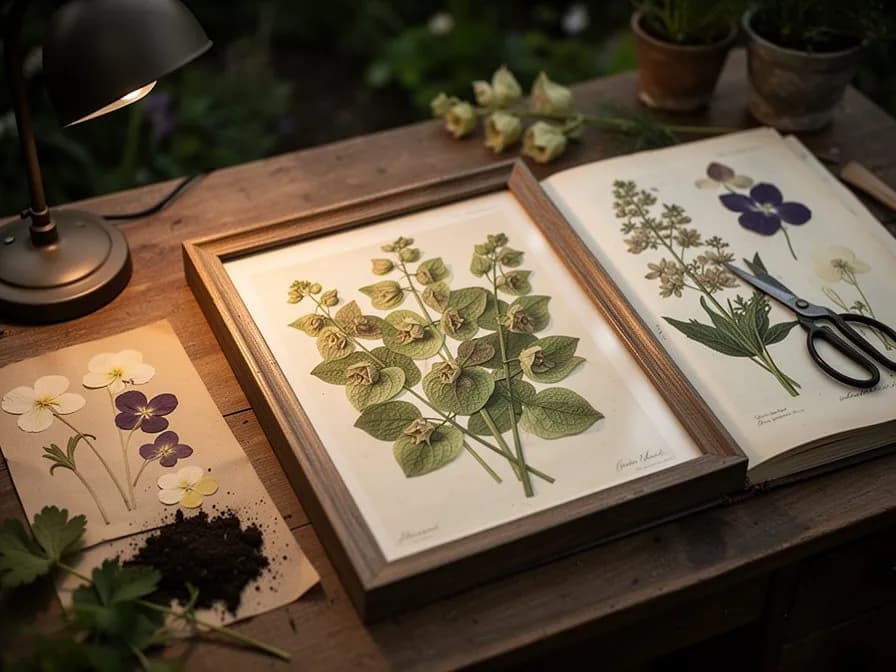
Klassisches grün-weißes Frischblumenarrangement
20 Min.Ein atemberaubendes monochromatisches Blumenarrangement kreieren, indem frisch geschnittene Irische Glocken mit weißen Rosen, weißem Lisianthus und üppigem Grün kombiniert werden. Die senkrechten Ähren der Glocken bieten architektonische Höhe, während die runden weißen Blüten Kontrast in Form und Textur bieten. Dieses Arrangement eignet sich für Hochzeiten, Dinnerpartys und elegante Heimdekoration.
6 Zutaten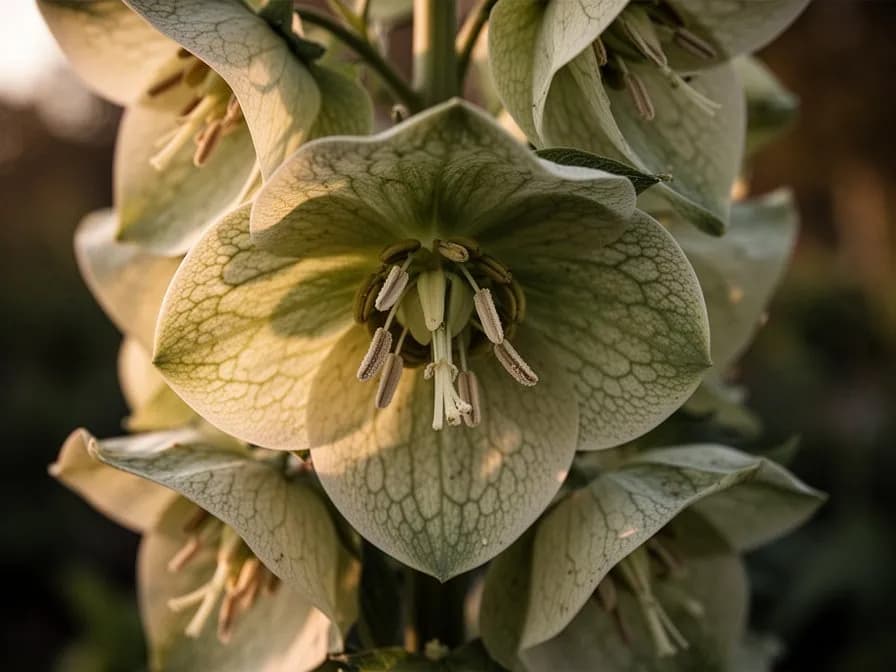
Getrockneter Kranz aus Irischen Glocken
45 Min. plus 2 bis 3 Wochen TrocknungszeitEinen langlebigen dekorativen Kranz aus getrockneten Irischen Glocken in Kombination mit anderen getrockneten Botanika herstellen. Die erhaltenen grün-bis-beigefarbenen Kelchblätter fügen wunderbare Textur und eine natürliche Waldästhetik hinzu. Dieser Kranz kann ein Jahr oder länger halten, wenn er vor direktem Sonnenlicht und Feuchtigkeit geschützt wird.
6 ZutatenSt.-Patrick's-Day-Tischgesteck
25 Min.Ein festliches grün-thematisches Tischgesteck gestalten, das perfekt für St.-Patrick's-Day-Feiern oder jedes irisch inspirierte Zusammentreffen ist. Irische Glocken dienen als Hauptelement, umgeben von ergänzenden grünen und weißen Blumen und mit saisonalen Akzenten versehen. Dieses Arrangement feiert die traditionelle Assoziation der Pflanze mit irischem Glück.
6 ZutatenWas drinsteckt
Gesundheitsvorteile
- Der Anbau von Irischen Glocken bietet hervorragende Stressabbau- und Achtsamkeitsvorteile, da der langsame Keimungsprozess und die erforderliche sorgfältige Pflege Geduld und Aufmerksamkeit im Garten fördern.
- Die Kultivierung eines Schnittgartens mit Irischen Glocken fördert regelmäßige körperliche Aktivität im Freien, einschließlich Bücken, Strecken und Gehen, was die kardiovaskuläre Gesundheit und Gelenkflexibilität unterstützt.
- Die Anwesenheit von frisch geschnittenen Blumen zu Hause, einschließlich Arrangements aus Irischen Glocken, hat laut Studien gezeigt, dass sie Angstzustände reduziert, die Stimmung verbessert und das Wohlbefinden und die Lebenszufriedenheit fördert.
- Die Pflege von Irischen Glocken und anderen Gartenpflanzen bietet eine meditative, bildschirmfreie Aktivität, die den Cortisolspiegel senken und zu verbesserter psychischer Gesundheit und kognitiver Funktion beitragen kann.
- Die winzigen duftenden Blüten ziehen nützliche Bestäuber wie einheimische Bienen und parasitische Wespen an und unterstützen so die lokale Ökosystemgesundheit und Biodiversität im Hausgarten.
- Die Beteiligung am kreativen Prozess des Arrangierens von Irischen Glocken in Sträußen und Trockenblumenarrangements bietet therapeutischen künstlerischen Ausdruck, der das Selbstwertgefühl steigern und Depressionssymptome lindern kann.
Woher Irische Glocken stammt
Irische Glocken (Moluccella laevis) sind eine einjährige Blütenpflanze, die in der östlichen Mittelmeerregion beheimatet ist, insbesondere in der Türkei, Syrien, dem Irak und dem Kaukasus. Trotz des irreführenden allgemeinen Namens hat die Art keine botanische Verbindung zu Irland. Die Assoziation mit der Smaragdinsel entstand rein aus der auffälligen grünen Färbung der Pflanze, die an die üppigen grünen Landschaften Irlands erinnerte. Der Gattungsname Moluccella selbst ist ein weiterer geografischer Irrtum, der von Linné aufgrund eines früheren fehlerhaften Berichts geprägt wurde, der den Ursprung der Pflanze auf den Molukken in Südostasien verortete. Die Pflanze wird seit mindestens dem 16. Jahrhundert in europäischen Gärten kultiviert, wo sie als Kuriosität in Apothekergärten und botanischen Sammlungen angebaut wurde. Im 18. Jahrhundert wurde sie zu einem beliebten Zierpflanze in englischen Cottage-Gärten, geschätzt für ihre ungewöhnliche senkrechte Form und ihre leuchtend grüne Farbe, die einen Kontrast in traditionellen Blumenrabatten bot. In der viktorianischen Ära erlangte die Irische Glocke symbolische Bedeutung in der Blumensprache und repräsentierte Glück und Wohlstand. Diese Symbolik festigte die Rolle der Pflanze in festlichen Arrangements, insbesondere für irisch geprägte Veranstaltungen und Hochzeiten. Die Art wurde im frühen 19. Jahrhundert in nordamerikanische Gärten eingeführt und erlangte rasch Beliebtheit bei Floristen wegen ihrer architektonischen Qualität und außergewöhnlichen Vasestandzeit, sowohl frisch als auch getrocknet. Heute wird die Irische Glocke weltweit als Spezialschnittblume kommerziell angebaut, mit großen Produktionszentren in den Niederlanden, Kolumbien und Kalifornien. Die Pflanze ist weiterhin ein Grundbestandteil der Blumenindustrie, geschätzt dafür, gemischten Sträußen und formellen Arrangements Höhe, Textur und ein charakteristisches grünes Element zu verleihen.
Irische Glocken: Schon gewusst?
Faszinierende Fakten über Irische Glocken
Obwohl ihr allgemeiner Name irische Herkunft nahelegt, stammen Irische Glocken tatsächlich aus der Türkei, Syrien und der kaukasischen Region Westasiens. Sie erhielten diesen Namen wahrscheinlich wegen ihrer leuchtend grünen Farbe, die mit Irland assoziiert wird.
Irische Glocken: Fragen & Antworten
Wann sollte ich Irische Glocken pflanzen?
Was sind gute Begleitpflanzen für Irische Glocken?
In welchen Winterhärtezonen kann Irische Glocken wachsen?
Wie viel Sonne braucht Irische Glocken?
Welchen Abstand sollte ich zwischen Irische Glocken lassen?
Welche Schädlinge und Krankheiten befallen Irische Glocken?
Wie lagere ich Irische Glocken nach der Ernte?
Was sind die besten Irische Glocken-Sorten zum Anbauen?
Welchen Boden braucht Irische Glocken?
Warum keimen meine Samen der Irischen Glocken nicht?
Stammen Irische Glocken wirklich aus Irland?
Wie trockne ich Irische Glocken für dauerhafte Arrangements?
Kann ich Irische Glocken in Kübeln anbauen?
Ziehen Irische Glocken Bestäuber an?
Kommen Irische Glocken jedes Jahr wieder?
Du hast die Theorie gelesen. Jetzt baue sie auf Autopilot an.
Alles, was Irische Glocken knifflig macht — das Timing, die Abstände, die Begleiter, das Erntefenster — genau das übernimmt PlotMyGarden für dich, für jede Pflanze im Garten.
Ein Plan, der dein Wetter kennt
Standort einmal festlegen. Aussaat-, Dünge- und Erntedaten rund um deinen echten letzten Frosttermin und die Live-Vorhersage — kein Raten mehr nach Saattüte.
Aus dem Abschnitt „Pflanzzeit“Beetplaner per Drag & Drop
Beete auf einem Raster gestalten. Jede Pflanze rastet im richtigen Abstand ein, und du siehst die ganze Saison, bevor du einen Cent für Saatgut ausgibst.
Aus dem Abschnitt „Anbau“Begleiter-Konflikte früh erkannt
Über 200 gute und schlechte Kombinationen werden beim Pflanzen live geprüft — so landet ein saisonruinierender Fehler nie in der Erde.
Aus dem Abschnitt „Begleiter“Erinnerungen, nach denen du wirklich handelst
„Gieß die Bohnen.“ „Heute ernten, bevor's umschlägt.“ Pünktlich, konkret und auf deine echten Pflanzen bezogen.
Aus dem Abschnitt „Ernte“Staffel-Aussaat, geplant
Sechs Wochen ernten statt sechs Tage? Die App verteilt deine Aussaaten automatisch und erinnert dich, wenn der nächste Satz fällig ist.
Aus dem Abschnitt „Pflanzzeit“Ein Verlauf, der schlauer wird
Jede protokollierte Ernte bringt der App deinen Garten bei. Der Plan fürs nächste Jahr startet bei dem, was in deinem Boden wirklich funktioniert hat.
Aus dem Abschnitt „Überblick“Pflanze diese neben Irische Glocken
Weitere Einjährige
Gartenpläne mit Irische Glocken
Bau deine beste Irische Glocken an — und alles drumherum.
Starte heute kostenlos. Lege deine Beete an, setze deine Irische Glocken ein und lass PlotMyGarden Timing, Abstände, Begleiter und Erinnerungen von der Saat bis zum Erntekorb übernehmen.