Aguacate
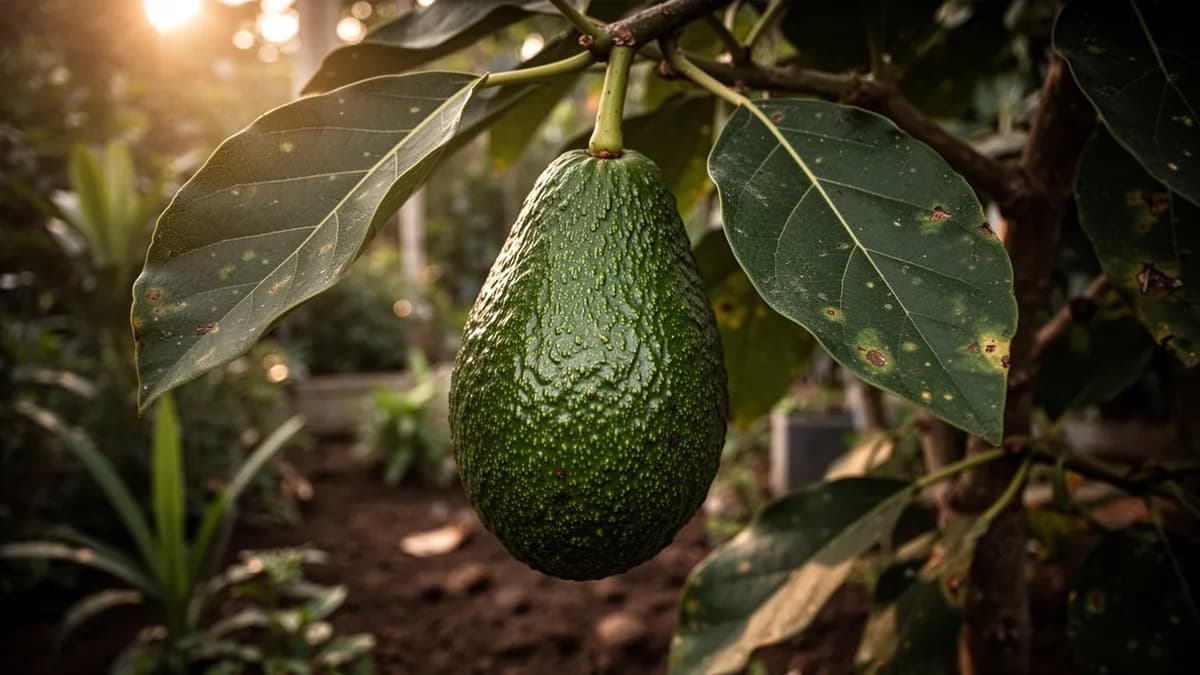
Un árbol subtropical perennifolio que produce frutos cremosos y ricos en nutrientes, con un alto contenido de grasas monoinsaturadas saludables.





En esta páginaResumen
Conoce Aguacate
Un árbol subtropical perennifolio que produce frutos cremosos y ricos en nutrientes, con un alto contenido de grasas monoinsaturadas saludables. Los aguacates maduran de forma singular solo después de la cosecha y nunca en el árbol, lo que permite ventanas de recolección más largas. Para un cuajado óptimo necesitan un polinizador de otro tipo de flor (A o B).
Cuándo plantar Aguacate
Las semillas de aguacate germinan con facilidad si se suspenden sobre agua con palillos, dejando sumergido el extremo plano, o si se plantan directamente en un sustrato de germinación húmedo. La germinación tarda de dos a seis semanas. Los árboles nacidos de semilla crecen con vigor, pero tardan de siete a quince años en fructificar y la calidad del fruto es impredecible. Para una producción fiable, son indispensables los árboles injertados de variedades nombradas. Las plántulas pueden servir como patrón para injertar variedades preferidas.
Tu año de Aguacate
Ajustado a Zona 7 · temporada típica · la helada se va hacia el 2 abr y vuelve hacia el 1 nov
Planta Aguacate Mar – May y cosecha Feb – Sep. Consulta los métodos de plantación y elige tu clima para adaptar los periodos.
Cómo cultivar Aguacate
Los aguacateros prosperan en climas subtropicales y tropicales y pueden alcanzar entre nueve y dieciocho metros de altura, aunque la poda suele mantenerlos más pequeños. Elija una ubicación soleada, con buen drenaje y protegida de los vientos fuertes. Los aguacates son extremadamente sensibles a la pudrición de raíz, por lo que nunca deben plantarse en arcilla pesada ni en suelos mal drenados. Eleve el área de plantación si el drenaje es un problema. Plante los árboles injertados a la misma profundidad a la que estaban en el contenedor y riegue a fondo.
Riegue los árboles jóvenes dos o tres veces por semana y, una vez establecidos, reduzca a un riego profundo semanal. Los aguacates tienen un sistema radicular poco profundo y extendido, y reaccionan mal tanto a la sequía como al exceso de riego. Aplique una capa gruesa de mantillo orgánico grueso hasta la línea de goteo, manteniendo el mantillo lejos del tronco. Abone cuatro veces al año con un fertilizante equilibrado formulado específicamente para aguacates, con énfasis en nitrógeno y zinc.
Las flores del aguacate son dicógamas: cada flor se abre dos veces, primero como femenina y luego como masculina. Las variedades de tipo A se abren por la mañana como femeninas y por la tarde del día siguiente como masculinas. Las variedades de tipo B hacen lo contrario. Para una polinización óptima, conviene plantar tanto árboles de tipo A como de tipo B. Pode los árboles jóvenes para fomentar la ramificación y mantener un tamaño manejable. Evite podar con fuerza los árboles maduros, ya que eso puede reducir el cuajado entre uno y dos años.
Para Aguacate un bancal de 120 × 240 cm se queda corto
Cada Aguacate pide 600 cm de margen. El planificador guarda ese marco por ti — cada planta, cada bancal.
Los mejores vecinos de Aguacate
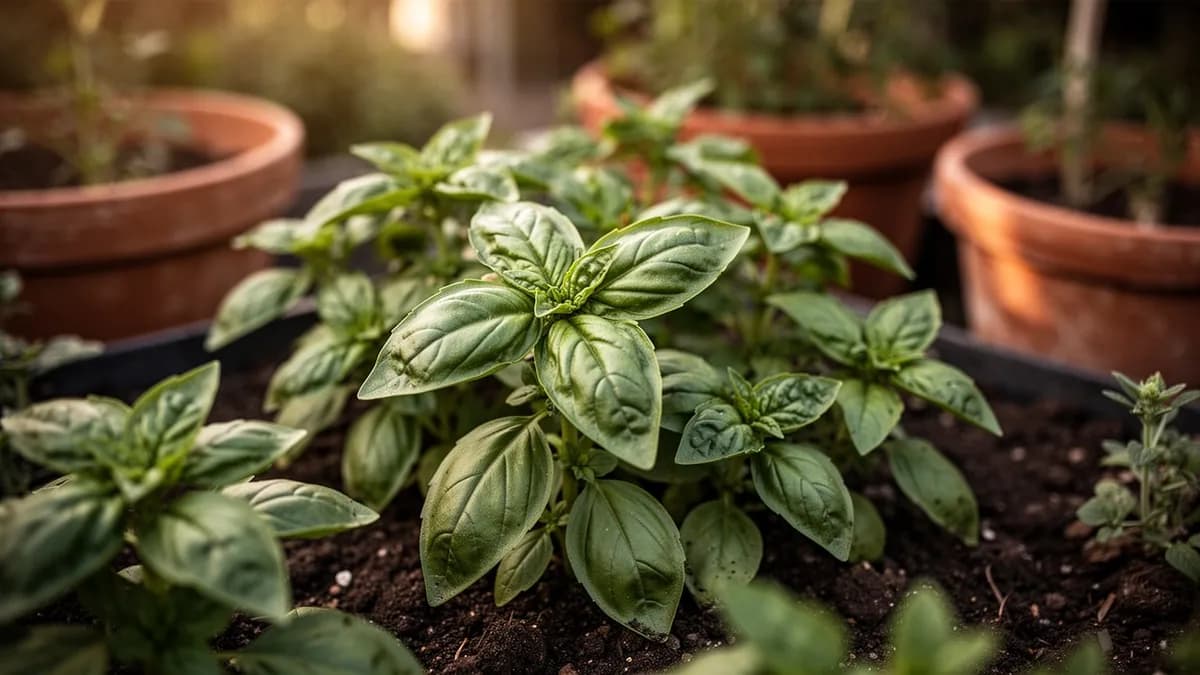
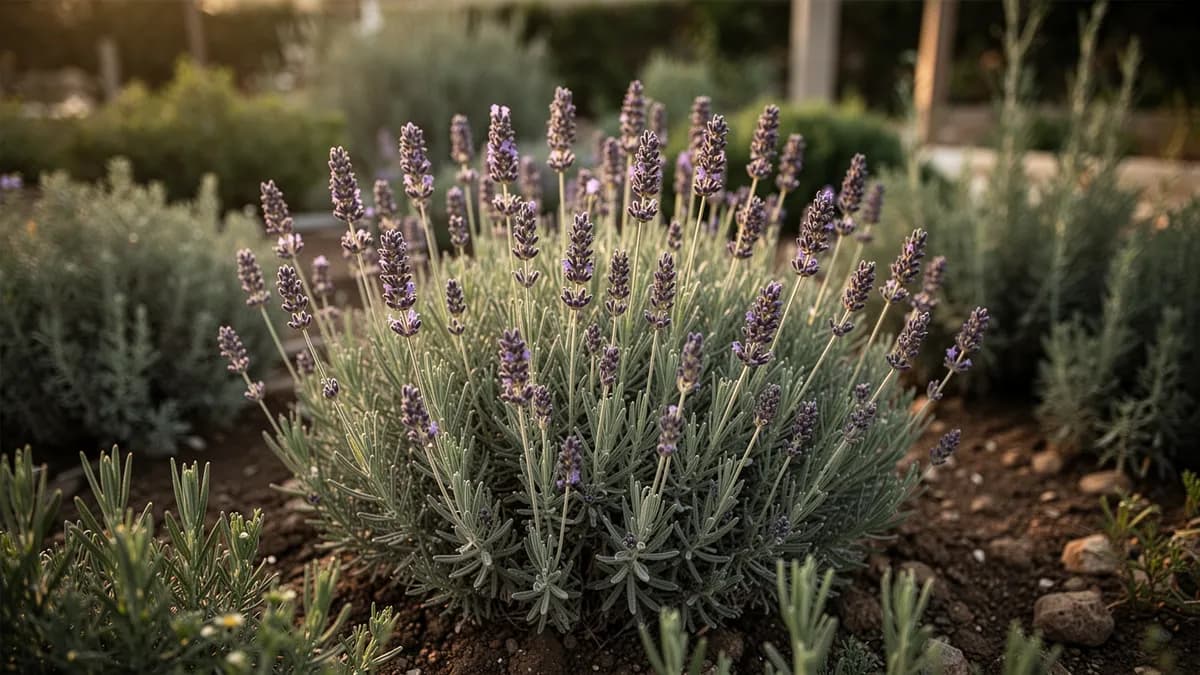
Los aguacateros se llevan bien con otras especies subtropicales como cítricos, macadamia y café en huertos mixtos. Las plantaciones cercanas de albahaca y lavanda pueden ayudar a atraer polinizadores. Las coberturas bajas del suelo, como el trébol blanco o el cacahuete perenne, protegen la superficie del suelo y aportan nitrógeno. Evite dejar que el césped crezca hasta el tronco, porque las raíces del aguacate son superficiales y compiten mal. La consuelda, plantada en la línea de goteo, aporta material de mantillo rico en nutrientes.
Albahaca va a su lado.
Saber de huerto de siempre, cotejado con la tabla real de Aguacate — prueba cualquier planta que cultives.
Prueba Aguacate en un bancal, aquí mismo
Un bancal real del planificador con Aguacate ya plantado. Toca una planta compañera para colocarla y mira cómo responde la comprobación de vecinos: verde para buenos vecinos, rojo si hay conflicto.


Guías de cultivo relacionadas
Abónalo bien
Los aguacates exigen sobre todo un suelo bien drenado y no sobreviven en condiciones encharcadas. El suelo ideal es un franco arenoso con un pH de 6.0 a 7.0. Aplique cuatro veces al año un fertilizante específico para aguacate, con nitrógeno como nutriente principal y zinc suplementario, que los aguacates necesitan en mayores cantidades que la mayoría de los frutales. El mantillo orgánico mejora la estructura del suelo, pero debe mantenerse alejado del tronco para evitar la pudrición del cuello. Evite los fertilizantes con alto contenido en sal.
Temperatura ideal
Compatibilidad de zonas de rusticidad
De la semilla a la cosecha, etapa por etapa
Germinación y brotación
La semilla se abre y emite un único brote mientras una raíz principal se adentra en el medio de cultivo. Las semillas germinadas en agua forman una raíz principal visible en 2-6 semanas.
Plántula
Se despliega el primer conjunto de hojas verdaderas y el tallo se engrosa. La planta es delicada y muy sensible al exceso de riego, al frío y al sol directo del mediodía.
Árbol joven
Un rápido crecimiento vegetativo forma un líder central vigoroso y varias ramas laterales. El árbol desarrolla masa radicular y copa, pero aún no florece.
Primera floración
Los árboles injertados pueden producir sus primeras panículas con pequeñas flores amarillentas entre 2 y 3 años después de plantarlos. Los árboles nacidos de semilla suelen tardar entre 5 y 13 años. La polinización requiere temperaturas cálidas e idealmente un polinizador de tipo B cerca.
Desarrollo del fruto
Las flores fecundadas se convierten en frutitos pequeños en un periodo de 6 a 18 meses, según la variedad. La fuerte caída natural de junio es normal; el árbol elimina de forma natural el exceso de frutos.
Maduración y cosecha
Los frutos alcanzan la madurez fisiológica, pero no se ablandan en el árbol. Los aguacates Hass están listos para cosechar cuando la piel empieza a oscurecerse. Coja un fruto y déjelo madurar dentro para comprobar el lote.
Mantenga la semilla caliente (al menos 20 °C) y asegúrese de que el tercio inferior permanezca en agua o en un medio húmedo. Cambie el agua cada pocos días para evitar la pudrición.
Cuidar Aguacate mes a mes
Qué hacer cada mes para tu Aguacate
Octubre
Mes actualSiga recogiendo los frutos tardíos. Reduzca el riego a medida que se acortan los días. Aplique la última capa de compost en la línea de goteo. Retire de inmediato los frutos caídos para mantener a raya plagas y enfermedades.
Ten claro qué hacer en tu huerto, cada mes
Un correo al empezar cada mes: qué sembrar, plantar y hacer ahora mismo — para tu Aguacate y todo lo que crece alrededor. Más un breve curso inicial para esquivar los errores clásicos.
- Qué hacer ahora mismo
- Ajustado a tu temporada
- Curso inicial incluido
Cosechar Aguacate
Los aguacates son únicos porque maduran solo después de la cosecha y nunca en el árbol. Los frutos pueden permanecer en el árbol durante meses una vez alcanzada la madurez fisiológica, lo que permite programar la recolección con flexibilidad. Compruebe la madurez recogiendo un fruto y dejándolo a temperatura ambiente; si se ablanda de manera uniforme en siete a diez días sin arrugarse, está listo para cosechar. Corte el tallo con tijeras de podar y deje un pequeño pedúnculo. Manipúlelo con cuidado para evitar magulladuras.
se supone que plantas al comenzar el periodo — indica tu fecha real
Cosecha Aguacate a tiempo y la planta sigue produciendo.
Almacenamiento y conservación
Los aguacates inmaduros maduran a temperatura ambiente en cuatro a siete días. Guardarlos en una bolsa de papel con un plátano acelera la maduración. Una vez maduros, consérvelos hasta cinco días en el refrigerador. La pulpa madura puede triturarse con zumo de limón y congelarse hasta cuatro meses. Comercialmente, el aguacate se procesa en guacamole congelado, aceite y polvo deshidratado. Por su alto contenido graso, no se conserva bien en conserva, pero puede deshidratarse para hacer chips.
Qué falla — y cómo solucionarlo
Podredumbre radicular por Phytophthora
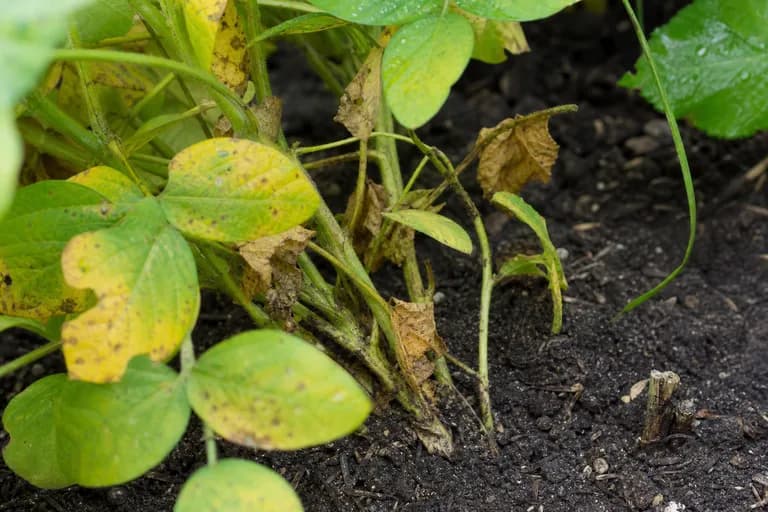
EnfermedadAmarilleo y marchitez de las hojas, hojas pequeñas y pálidas, muerte regresiva de ramas, raíces oscuras y en descomposición, y deterioro gradual del árbol.
Chinche de red del aguacate
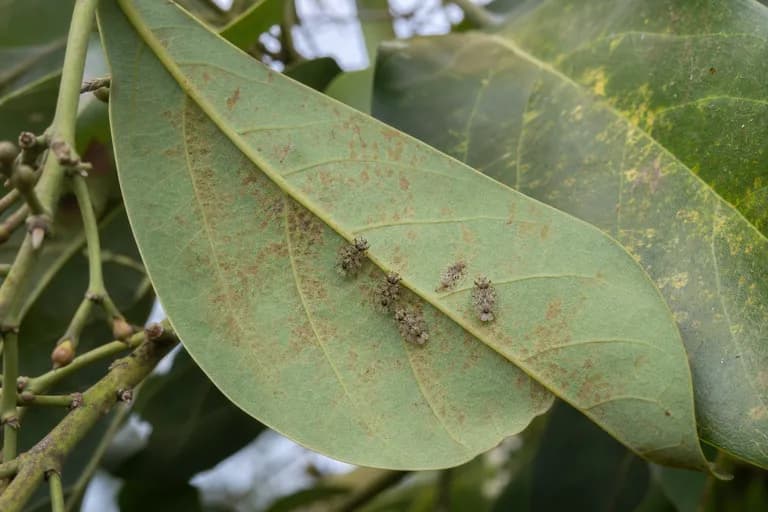
PlagaDaños marrones por alimentación en el envés de las hojas, punteado y pardeamiento del follaje, menor vigor del árbol y peor calidad del fruto.
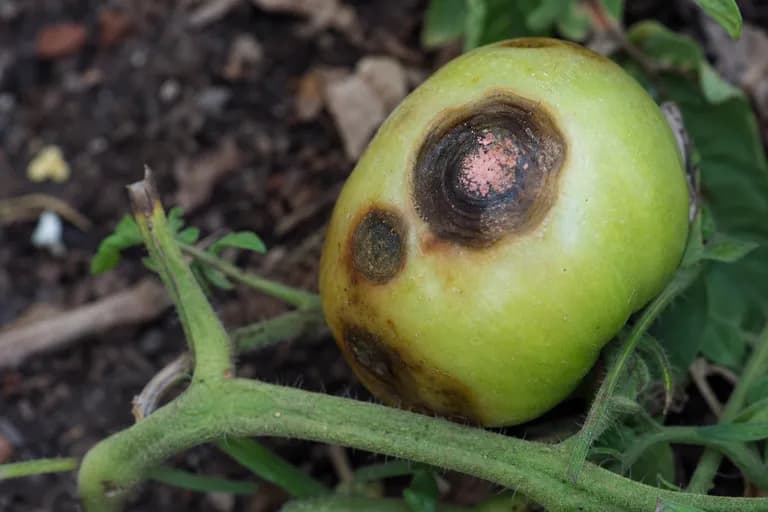
Antracnosis
EnfermedadManchas circulares oscuras en el fruto, pudrición de la pulpa después de la cosecha, y lesiones negras en hojas y ramas con tiempo húmedo.
Solución de problemas comunes
La podredumbre radicular por Phytophthora es la enfermedad más devastadora y mata millones de aguacateros en todo el mundo. Prospera en suelos húmedos y mal drenados. La caída de fruto es frecuente y natural; los árboles pueden desprender hasta el 90 por ciento de sus frutos antes de madurar. La sensibilidad a la sal provoca quemaduras en la punta de las hojas por agua o suelo salinos. Los aguacateros nacidos de semilla tardan de siete a quince años en fructificar y producen frutos de calidad variable. El sol daña la corteza expuesta, así que conviene blanquear el tronco de los árboles jóvenes.
Consejos de cultivo
- Compre siempre aguacateros injertados en lugar de plantas nacidas de semilla cuando sea posible: los injertados fructifican en 3-5 años frente a los 7-12 años de las plántulas, y variedades nombradas como 'Prolific' o 'Tikal' ofrecen una calidad de fruto y una previsibilidad de rendimiento mucho mejores.
- El aguacate es uno de los frutales más tolerantes a la sequía una vez establecido, pero el riego constante durante la floración y el desarrollo temprano del fruto mejora de forma notable el cuajado, evita la caída prematura y aumenta el tamaño del fruto: no deje que el árbol sufra estrés en esos periodos críticos.
- Para saber si un aguacate está maduro sin cosecharlo, rasque suavemente la piel con la uña: si la zona de debajo es verde, déjelo en el árbol; si revela un color marrón o tostado, el fruto está listo para recoger y madurará por completo a temperatura ambiente en 3-7 días.
- Nunca intente comer un aguacate verde: el fruto contiene altas concentraciones de taninos que lo vuelven extremadamente astringente y provocan una desagradable sensación de sequedad en la boca. Solo consuma frutos que se hayan ablandado por completo y cedan a una presión suave.
- El aguacate prospera en una amplia gama de suelos, incluidos los arenosos, pedregosos y calcáreos (a base de caliza) que serían inadecuados para muchos otros frutales, lo que lo convierte en una opción excelente para jardines costeros y zonas con suelo pobre o alcalino.
- En climas subtropicales, plante el aguacate en el microclima más cálido y resguardado del jardín, contra una pared o valla orientada al sur que ofrezca calor reflejado y protección contra el viento. Los árboles jóvenes se benefician de la protección con manta antiheladas durante los primeros 2-3 inviernos, hasta que estén bien establecidos.
- Acolche generosamente la base del árbol con 10-15 cm de mantillo orgánico, como virutas de madera, manteniendo el mantillo a unos centímetros del tronco: esto conserva la humedad, modera la temperatura del suelo, suprime las malas hierbas y mejora gradualmente la fertilidad a medida que el material se descompone.
- Si cultiva aguacate en contenedor, algo posible en climas más frescos para poder meterlo en interior en invierno, elija una maceta grande de al menos 100 litros y use una mezcla bien drenada de tierra para macetas, arena gruesa y perlita: los árboles en contenedor serán más pequeños, pero pueden producir cantidades significativas de fruto.
- El aguacate tiene muy pocos problemas serios de plagas o enfermedades en comparación con la mayoría de los frutales, pero vigile la polilla de las yemas del aguacate (Amorbia emigratella), que puede dañar las yemas florales y reducir el cuajado: las infestaciones leves pueden controlarse a mano; las más graves responden bien a pulverizaciones de Bacillus thuringiensis (Bt).
- A diferencia de muchas frutas tropicales, el aguacate se conserva razonablemente bien una vez cosechado: los frutos maduros aguantan de 3 a 5 días a temperatura ambiente y pueden refrigerarse durante 1-2 semanas, y la pulpa se congela bien hasta 6 meses, lo que facilita conservar una gran cosecha para batidos y postres.
Cultiva tu mejor Aguacate — y todo lo que la rodea.
Empieza un plan gratis hoy. Diseña tus bancales, coloca tu Aguacate y deja que PlotMyGarden gestione el momento, el espaciado, las asociaciones y los recordatorios de la semilla a la cesta.
Elige tu Aguacate
Hass
La variedad más popular del mundo, con piel oscura y rugosa y pulpa rica y mantecosa. Tipo de flor A. Disponible todo el año en distintas regiones productoras.
Fuerte
Una variedad de piel lisa y forma de pera, con un sabor más ligero y suave que Hass. Tipo de flor B, lo que la convierte en un polinizador ideal para Hass.
Bacon
Una variedad resistente al frío de tipo B, con piel verde lisa y pulpa suave, menos grasa. Soporta temperaturas de hasta -4 grados Celsius.
Reed
Una variedad grande y redonda de tipo A, con pulpa cremosa y rica. Excelente calidad para consumo, aunque con producción comercial limitada por la forma del fruto.
Mexicola
Una variedad extraordinariamente resistente al frío, con piel fina y comestible y sabor intenso. Soporta temperaturas de hasta -8 grados Celsius. Fruto pequeño y hueso grande.
Un solo aguacatero maduro y bien cuidado puede producir entre 200 y 800 frutos al año en climas tropicales. Dado que los aguacates de calidad pueden venderse entre $2 y $5 cada uno en mercados agrícolas o tiendas especializadas de Norteamérica y Europa, un árbol productivo del jardín puede compensar de forma realista entre $400 y $2.000 en fruta comprada al año. Además, el árbol requiere muy pocos insumos una vez establecido, con un riego, abonado y control de plagas mínimos en comparación con muchos otros frutales, lo que mantiene los costes corrientes muy bajos durante su vida productiva de varias décadas.
Recetas rápidas
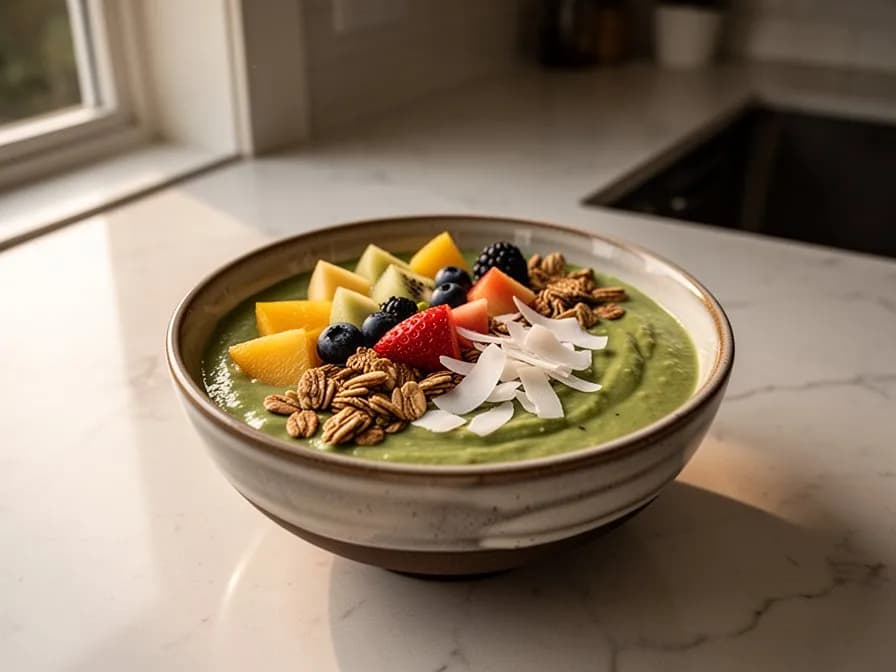
Guacamole clásico con trozos
10 min.Un guacamole sencillo y vibrante que pone el sabor fresco del aguacate en primer plano. Sírvalo enseguida con totopos o como cobertura para tacos y carnes a la parrilla.
8 ingredientesTostada de aguacate con huevo poché
15 min.Aguacate cremoso triturado sobre pan de masa madre tostado, coronado con un huevo poché de yema líquida, copos de chile y un chorrito de aceite de oliva virgen extra: un desayuno o brunch nutritivo y saciante.
9 ingredientesSopa fría de aguacate
15 min. (más 1 hora de refrigeración)Una sopa fría sedosa y refrescante, ideal para los días calurosos de verano. El aguacate crea una base increíblemente suave que combina de maravilla con yogur ácido y hierbas aromáticas.
9 ingredientesUsos culinarios
El aguacate se usa sobre todo en guacamole, y también como cobertura para tostadas, tacos y ensaladas. La pulpa cremosa se emplea en rollos de sushi, batidos y como sustituto de mantequilla o mayonesa. En Brasil, el aguacate se bate con azúcar y leche como bebida dulce de postre. El aceite se usa para cocinar y en aliños. El aguacate aporta una textura especialmente rica a la mousse de chocolate y a los brownies.
Qué contiene
Beneficios para la salud
- Su alto contenido de grasas monoinsaturadas favorece la salud cardiovascular y ayuda a mantener niveles saludables de colesterol.
- La fibra contribuye a la salud digestiva, ayuda a la saciedad y apoya el control de la glucosa en sangre.
- El folato favorece la división celular sana y resulta especialmente importante durante el embarazo y el desarrollo temprano.
- El potasio contribuye al funcionamiento normal de los músculos y a la regulación de la presión arterial.
- La luteína y la zeaxantina apoyan la salud ocular y ayudan a proteger la retina del estrés oxidativo.
- Su bajo contenido en azúcar lo convierte en una fruta especialmente adecuada para dietas bajas en carbohidratos.
De dónde viene Aguacate
El aguacate (Persea americana) mantiene una de las relaciones más antiguas y estrechas con la civilización humana en América. Las pruebas arqueológicas del valle de Tehuacán, en México, muestran que los aguacates silvestres ya se consumían hacia 10.000 a. C., lo que convierte al fruto en una de las primeras fuentes de alimento humano conocidas en el hemisferio occidental. Hacia 5.000 a. C., los pueblos mesoamericanos empezaron a cultivar activamente el árbol, seleccionando formas con frutos más grandes e integrando el aguacate en su alimentación, medicina y cosmología.
Las civilizaciones azteca y maya valoraban el aguacate no solo como alimento, sino también como símbolo de fertilidad y vitalidad. Los guerreros aztecas comían aguacates por su fuerza, y el fruto aparecía en numerosos códices precolombinos. Cuando llegaron los conquistadores españoles en el siglo XVI, conocieron el fruto y lo llevaron a Europa, donde se convirtió en una rareza exótica entre las clases acomodadas. Los españoles lo rebautizaron como aguacate, de donde más tarde surgió la palabra inglesa avocado, que apareció impresa por primera vez en 1696 en un catálogo botánico jamaicano.
Los colonizadores europeos extendieron el cultivo del aguacate por el mundo tropical y lo plantaron en el Caribe, Sudamérica, África, el sudeste asiático y, más tarde, el Mediterráneo. Sin embargo, el cultivo comercial a gran escala no comenzó hasta finales del siglo XIX y principios del XX en California y Florida. El descubrimiento de la variedad Hass en la década de 1920 transformó la industria: su piel gruesa y rugosa le permitía soportar mejor el transporte que las variedades de piel fina anteriores, abriendo mercados nacionales y globales.
México sigue siendo hoy el mayor productor mundial de aguacates, seguido de la República Dominicana, Perú, Indonesia y Colombia. La demanda mundial ha aumentado de forma espectacular desde los años 1990, impulsada por las tendencias de salud y la popularidad viral de platos como el guacamole y la tostada de aguacate. Esa demanda ha traído tanto oportunidades económicas como problemas medioambientales importantes, incluida la deforestación en Michoacán, México, donde el cultivo del llamado oro verde ha desplazado bosques autóctonos. El cultivo sostenible, el ahorro de agua y el comercio justo son cada vez más importantes para el productor y el consumidor modernos de aguacate.
Aguacate: ¿sabías que?
Datos fascinantes sobre Aguacate
Desde el punto de vista botánico, los aguacates son una baya: una baya grande con una sola semilla, producida por el árbol tropical Persea americana.
Aguacate: preguntas frecuentes
¿Cuándo debo plantar Aguacate?
¿Cuáles son buenas plantas acompañantes para Aguacate?
¿En qué zonas de rusticidad puede crecer Aguacate?
¿Cuánto sol necesita Aguacate?
¿A qué distancia debo espaciar Aguacate?
¿Qué plagas y enfermedades afectan a Aguacate?
¿Cómo almaceno Aguacate después de la cosecha?
¿Cuáles son las mejores variedades de Aguacate para cultivar?
¿Qué suelo necesita Aguacate?
¿Cuánto tarda un aguacatero en producir fruta?
¿Se puede cultivar aguacate en macetas o contenedores?
¿Por qué mi aguacate sabe astringente o me seca la boca?
¿El aguacate necesita otro árbol para polinizarse?
¿Cómo sé cuándo los aguacates están listos para recoger?
¿El aguacate está relacionado con el chicle?
Acabas de leer la teoría. Ahora cultívala en piloto automático.
Todo lo que hace que Aguacate sea delicado — el momento, el espaciado, las asociaciones, la ventana de cosecha — es justo lo que PlotMyGarden resuelve por ti, para cada planta de tu huerto.
Un plan que conoce tu clima
Indica tu ubicación una vez. Recibe fechas de siembra, abonado y cosecha basadas en tu última helada real y el pronóstico en vivo — sin adivinar con un sobre genérico.
De la sección “Cuándo plantar”Planificador de bancales de arrastrar y soltar
Diseña bancales sobre una cuadrícula. Cada planta encaja con su espaciado correcto y ves toda la temporada antes de gastar un céntimo en semillas.
De la sección “Cultivo”Conflictos de asociación, detectados a tiempo
Más de 200 buenas y malas combinaciones comprobadas en vivo mientras plantas — para que un error que arruine la temporada nunca llegue a la tierra.
De la sección “Asociaciones”Recordatorios que sí vas a seguir
“Riega las judías.” “Recoge hoy antes de que se pase.” Oportunos, concretos y ligados a las plantas que de verdad cultivas.
De la sección “Cosecha”Escalonado, programado
¿Quieres cosechar seis semanas en vez de seis días? Reparte tus siembras automáticamente y te avisa cuando toca el siguiente lote.
De la sección “Cuándo plantar”Un registro que se vuelve más listo
Cada cosecha que registras le enseña tu huerto. El plan del año que viene parte de lo que de verdad funcionó en tu suelo, no en un manual.
De la sección “Resumen”Planta estos junto a Aguacate
Más Frutas tropicales
Cultiva tu mejor Aguacate — y todo lo que la rodea.
Empieza un plan gratis hoy. Diseña tus bancales, coloca tu Aguacate y deja que PlotMyGarden gestione el momento, el espaciado, las asociaciones y los recordatorios de la semilla a la cesta.