Passion Fruit
A tropical climbing vine with exotic flowers and aromatic pulpy fruits, needing frost protection in cooler regions.





On this pageOverview
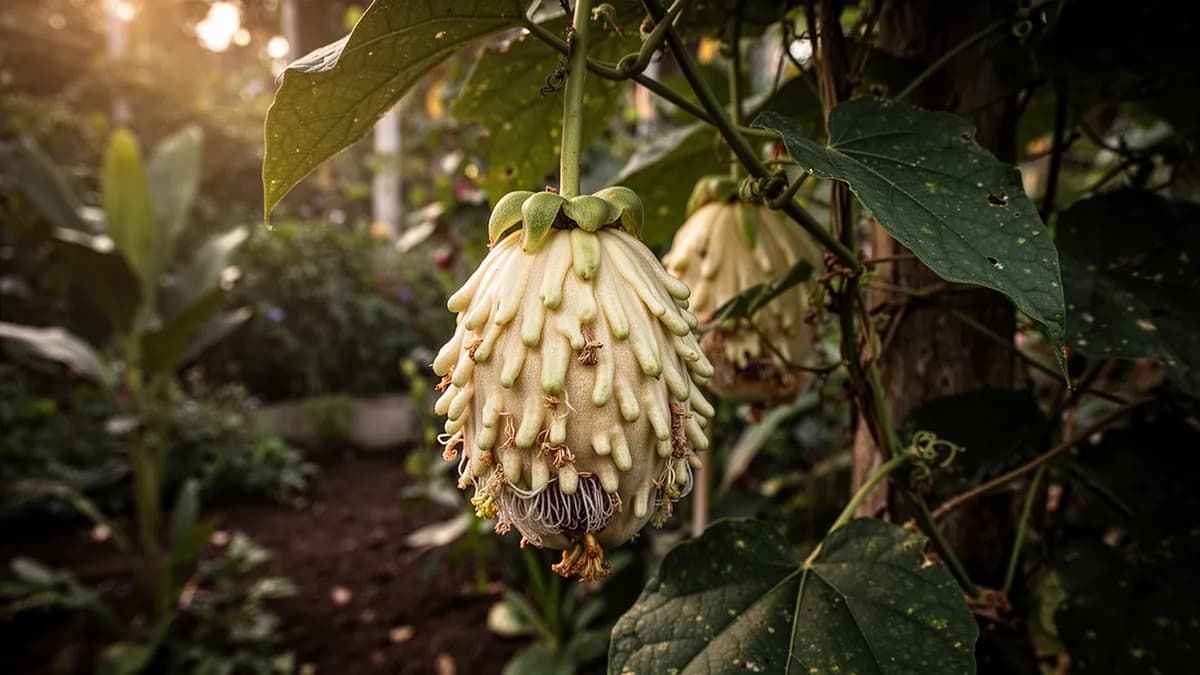
Meet Passion Fruit
A tropical climbing vine with exotic flowers and aromatic pulpy fruits, needing frost protection in cooler regions. Provide a strong trellis or fence for the vigorous tendrils to climb, and plant in rich, well-drained soil with regular feeding during the growing season. Most varieties benefit from hand pollination in areas lacking native carpenter bees, which are the primary natural pollinators. Harvest fruits when the skin wrinkles and the fruit falls from the vine, then scoop out the tangy, seed-filled pulp for juices and desserts.
When to plant Passion Fruit
Passion fruit is easily grown from fresh seed extracted from ripe fruit. Wash seeds clean of pulp and sow immediately, as viability drops quickly with storage. Plant seeds a quarter inch deep in warm, moist seed-starting mix and maintain temperatures of 70 to 85 degrees Fahrenheit. Germination takes two to four weeks. Seedlings grow rapidly and can be transplanted outdoors after the last frost when they have developed several true leaves. For named varieties, propagation by semi-hardwood cuttings or grafting ensures true-to-type plants.
Your Passion Fruit Year
Composed for Zone 7 · typical seasons · frost passes Apr 2, returns Nov 1
Plant Passion Fruit Mar – May, pick Jul – Oct. Check the planting methods below and set your climate to personalize these windows.
How to grow Passion Fruit
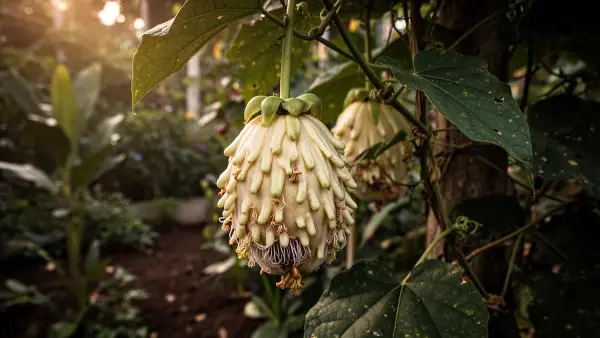
Passion fruit vines are fast-growing tropical climbers that can cover a fence or trellis within a single growing season, reaching twenty to thirty feet in length. Plant in a warm, sheltered location with full sun and well-drained, fertile soil enriched with aged compost. In frost-prone areas, grow passion fruit in large containers that can be moved indoors during winter, or treat the vine as an annual in zones below 9.
Install a strong support structure before planting, as the heavy vine and fruit load can collapse weak trellises. Train the main stem up the support and allow lateral branches to spread horizontally along the top. Passion fruit flowers on new growth, so regular pruning of spent laterals encourages continuous fruit production. Water deeply and consistently during the growing season, providing one to two inches per week, and reduce watering in winter if the vine goes semi-dormant.
Feed passion fruit vines every four to six weeks during the growing season with a balanced fertilizer supplemented with potassium to promote flowering and fruiting. Most purple passion fruit varieties are self-fertile, but hand pollination with a small brush significantly increases fruit set, especially in areas without large carpenter bees. Yellow varieties typically require cross-pollination from a different seedling. Protect vines from temperatures below 32 degrees Fahrenheit with frost cloth or bring container plants indoors.
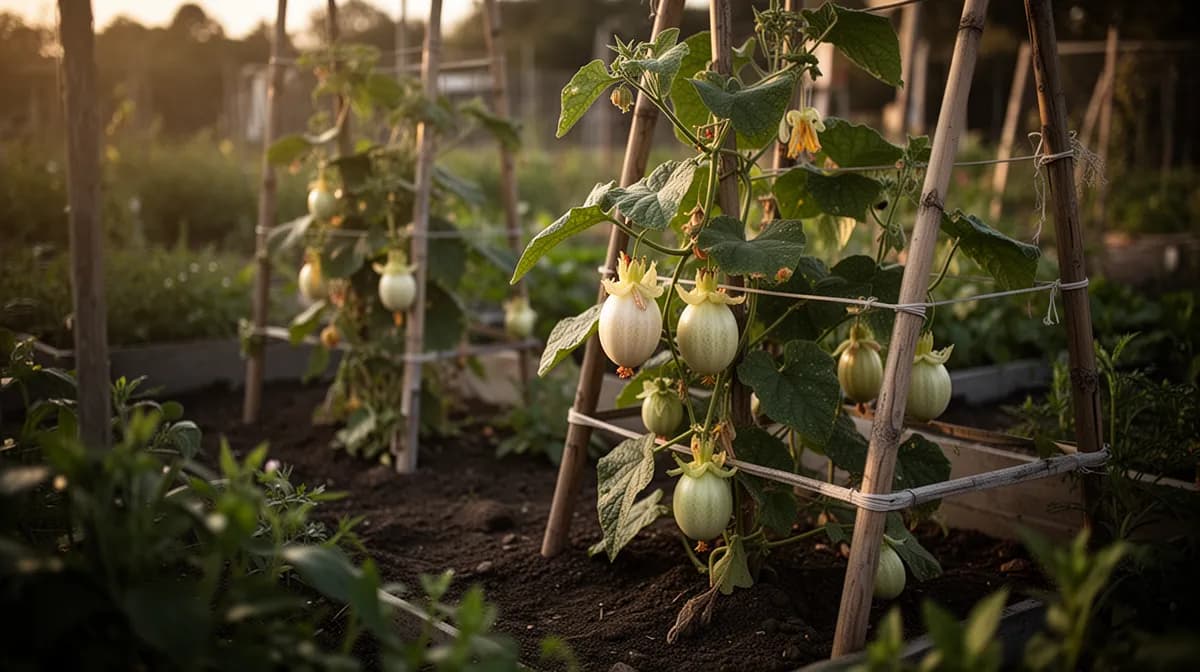
Passion Fruit needs more room than a 4 × 8 ft bed gives
Each Passion Fruit wants 300 cm of elbow room. The planner keeps that spacing for you — every plant, every bed.
Passion Fruit's best neighbours
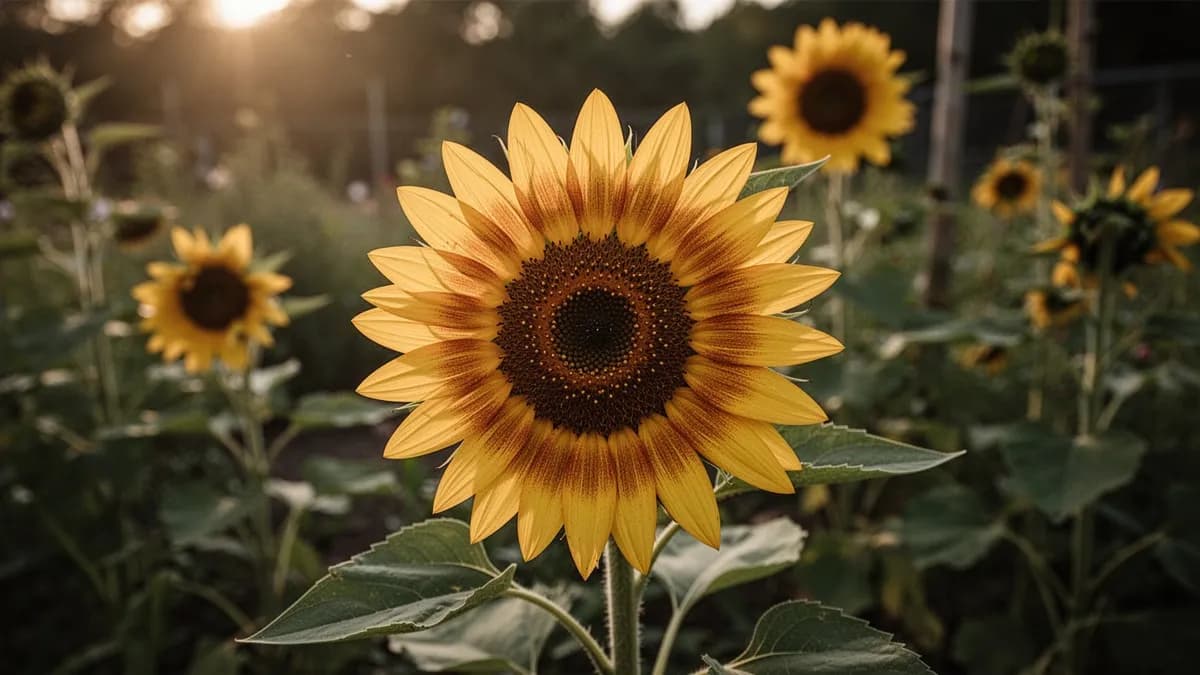
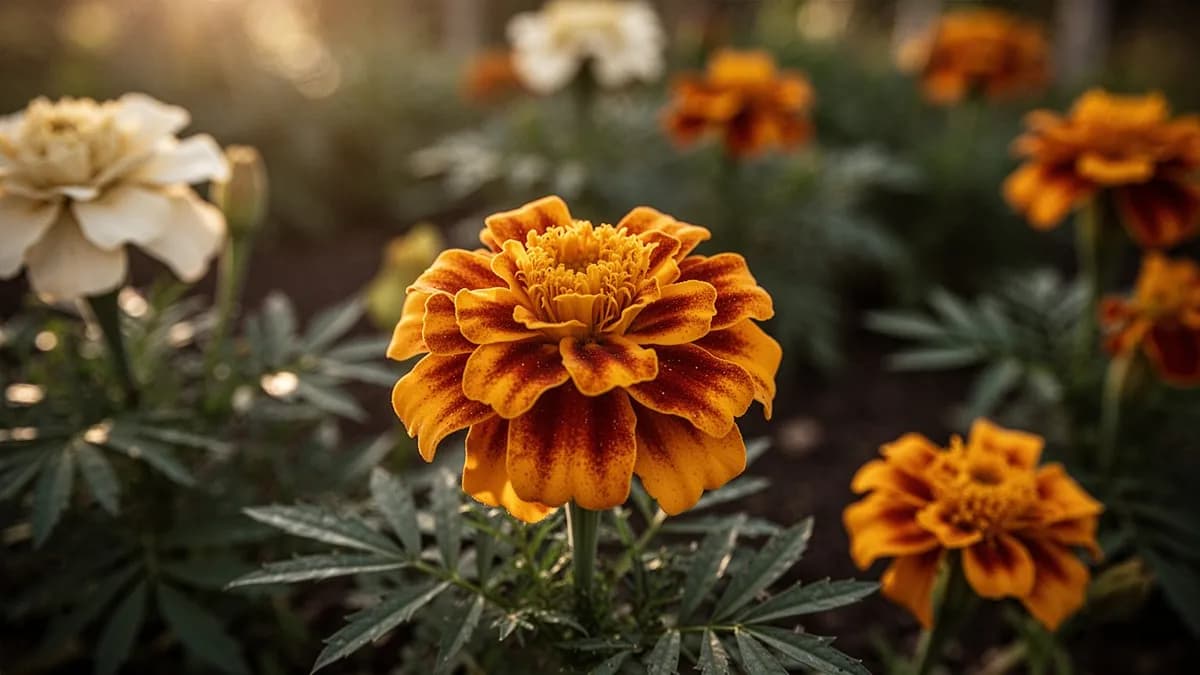
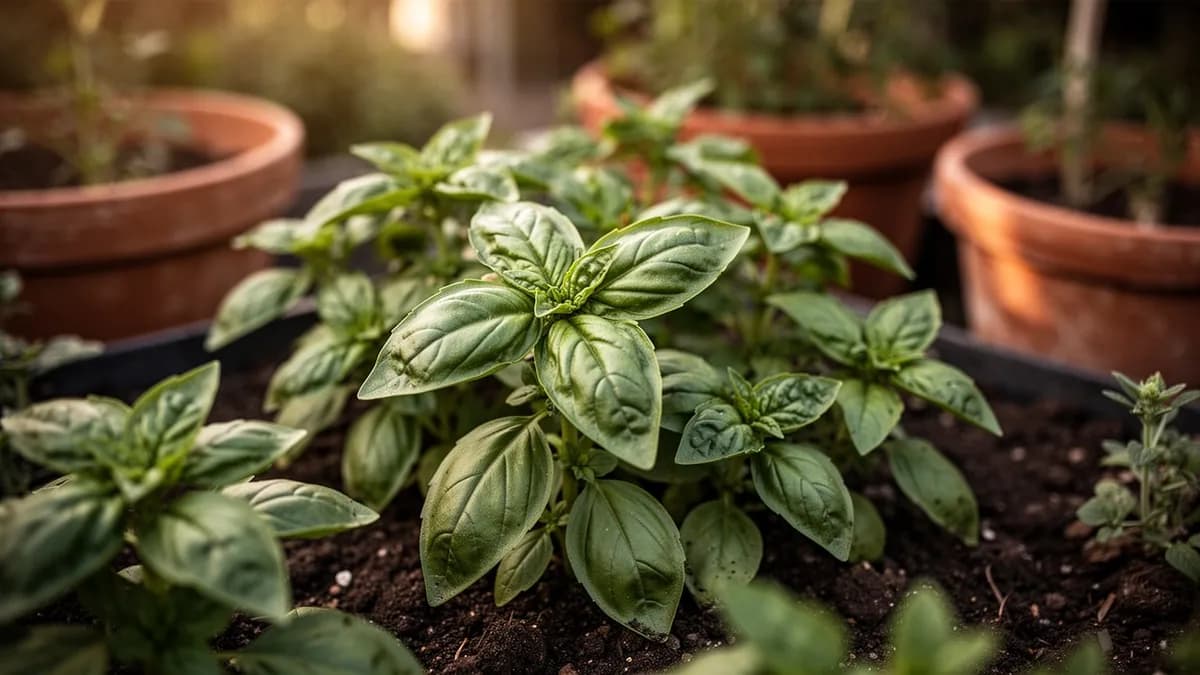
Sunflowers provide temporary vertical support for young vines and attract pollinators essential for fruit set. Marigolds deter nematodes and whiteflies that commonly affect passion fruit. Basil planted nearby may repel thrips and other small sap-sucking insects. Beans and other nitrogen-fixing plants enrich the soil naturally when grown at the base of the trellis. Avoid planting near other Passiflora species to reduce the risk of viral disease transmission.
Sunflower belongs beside it. Walnut Tree doesn't.
Old growers' knowledge, checked against Passion Fruit's real companion table below — test any plant you're growing.
Try Passion Fruit in a bed — right here
A real planner bed with Passion Fruit already in it. Tap a companion to place it and watch the pairing checks answer — green for good neighbours, red for a clash.


Related growing guides
Feed it well
Passion fruit thrives in rich, well-drained soil with a pH of 6.5 to 7.5. Heavy clay must be amended with coarse organic matter to prevent waterlogging, which quickly causes fatal root rot. Apply balanced fertilizer every four to six weeks during the growing season, increasing potassium content as fruiting begins to improve fruit size and sweetness. Avoid excessive nitrogen, which produces abundant leafy growth at the expense of flowers and fruit. Top-dress with compost or aged manure in spring and maintain a thick organic mulch around the root zone.
Ideal Temperature
Hardiness Zone Compatibility
From seed to harvest, stage by stage
Germination
Seeds germinate slowly, taking 2–4 weeks when kept warm and moist. Soak seeds in warm water for 24 hours before sowing to improve germination rates. Seedlings emerge with two oval cotyledons before producing their characteristic lobed leaves.
Seedling Establishment
The young plant develops its first true lobed leaves and begins producing tendrils. Root development is a priority during this stage. The vine remains compact but grows quickly once roots are established in warm conditions.
Vigorous Vine Growth
The vine enters a period of rapid vegetative growth, extending several meters and producing dense foliage. Tendrils grip and wind around any available support. This phase builds the structural framework that will support heavy fruit loads later in the season.
Flowering
Spectacular flowers appear on new growth — each blossom opens for just one day. The complex flower structure features intricate purple, white, and blue filaments surrounding a prominent central column bearing anthers and stigmas. Most varieties require cross-pollination or hand-pollination for reliable fruit set.
Fruit Development
Following successful pollination, small green fruits swell rapidly over 60–80 days. The fruit transitions from hard green to its mature color — deep purple or bright yellow depending on the variety. Internal pulp and seeds develop as the outer skin changes color.
Harvest & Ripening
Fruits are ready when they turn deep purple or golden yellow and begin to wrinkle slightly as the skin dries. Ripe fruits often fall naturally from the vine. The internal pulp intensifies in aroma and sweetness at this stage. A single vine in peak production can yield 30–50 fruits per flush.
Maintain soil temperature between 20–25°C and keep consistently moist but not waterlogged. Bottom heat from a seedling mat greatly improves germination speed.
Caring for Passion Fruit month by month
What to do each month for your Passion Fruit
October
You are hereAfter the main fruiting season winds down, perform a structural prune — cut back lateral shoots by about one-third to encourage fresh productive growth the following year. Apply a balanced fertilizer to support recovery before winter.
Know exactly what to do in your garden — every month
One email at the start of each month: what to sow, plant, and tackle right now — for your Passion Fruit and everything growing around it. Plus a short starter course that helps you dodge the classic mistakes.
- What to do, right now
- Matched to your season
- Starter course included
Harvesting Passion Fruit
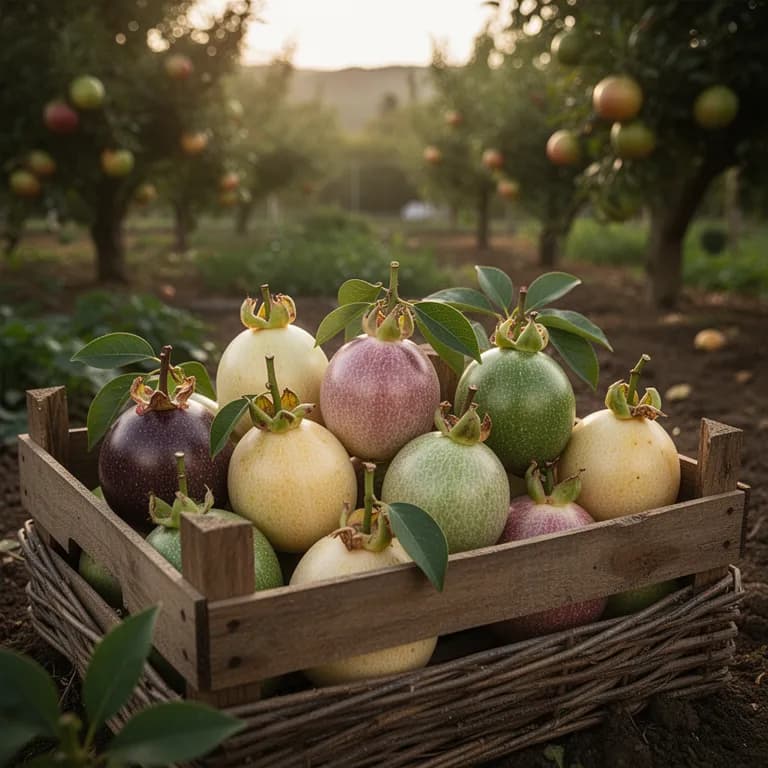
Passion fruit is ready to harvest when the skin changes from green to deep purple or yellow depending on the variety and becomes slightly wrinkled. The easiest harvest method is to simply collect fallen fruit from the ground daily, as ripe passion fruit naturally drops from the vine. Fruit that is slightly wrinkled but still heavy indicates full juice content and peak flavor. Do not pick green fruit from the vine, as passion fruit does not ripen significantly after harvest. Handle gently to avoid bruising the delicate skin.
assuming you plant when the window opens — set your real date
Pick Passion Fruit promptly and the plant keeps producing.
Storage & Preservation
Fresh passion fruit keeps at room temperature for up to a week or refrigerated for two to three weeks. The pulp freezes extremely well: scoop out the seeds and juice into ice cube trays, freeze, then transfer to freezer bags for up to six months. Passion fruit concentrate is made by straining out seeds and reducing the juice. The pulp makes outstanding curd, jam, syrup, and mousse. Dried passion fruit is also popular as a snack, though the seeds remain crunchy.
What goes wrong — and the fix
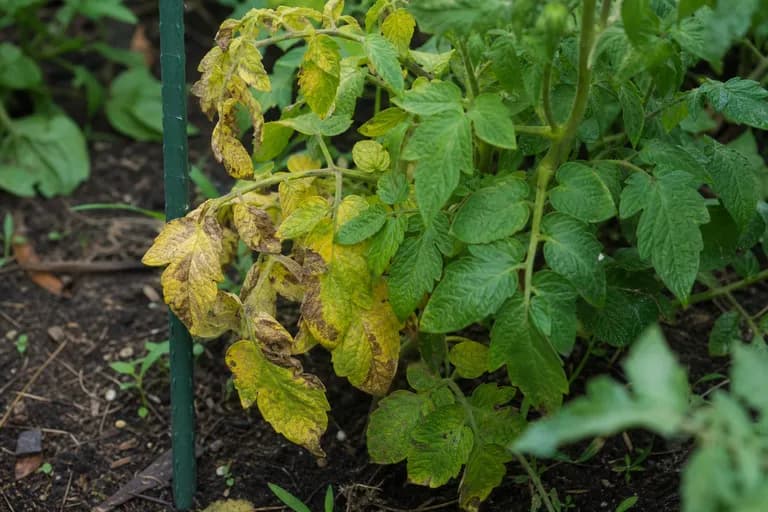
Fusarium Wilt
DiseaseWilting and yellowing of foliage on one side of the vine, progressing to total collapse; dark streaking visible in cut stems.
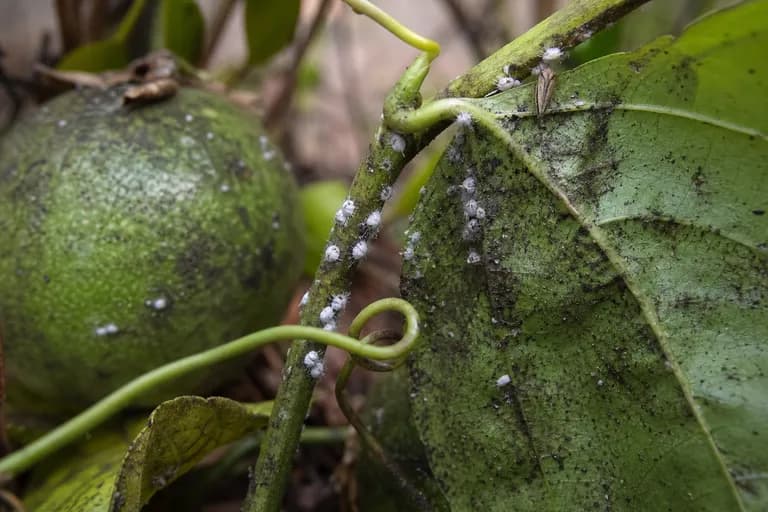
Passion Vine Hopper
PestClusters of fluffy white nymphs on stems and leaves; sticky honeydew and resulting sooty mold on foliage and fruit.
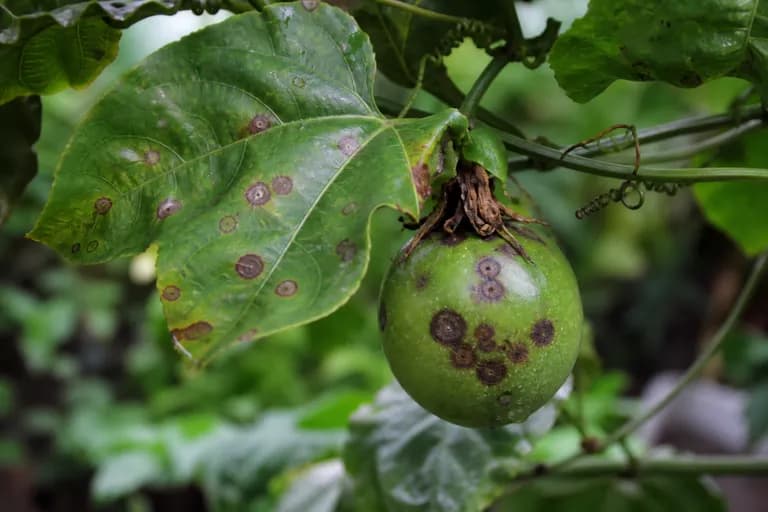
Brown Spot (Alternaria)
DiseaseSmall, dark brown spots on leaves and fruit with concentric ring patterns; severe infections cause premature leaf and fruit drop.
Troubleshooting Common Problems
Poor fruit set is the most common complaint and usually results from inadequate pollination. Hand-pollinate flowers in the early morning when pollen is most viable. Woodiness virus causes stunted fruit with thick, hard rinds and reduced pulp, and there is no cure for infected vines. Leaf yellowing may indicate nitrogen deficiency, iron chlorosis, or nematode damage to the roots. Excessive vegetative growth without flowering suggests too much nitrogen fertilizer or insufficient light.
Growing Tips
- Plant passion fruit in the warmest, most sheltered spot in your garden — ideally against a south or west-facing masonry wall that absorbs heat during the day and radiates it back at night, extending the frost-free season in borderline climates.
- Passion fruit is a heavy feeder and responds dramatically to generous fertilizing. Use a balanced NPK fertilizer monthly during vegetative growth, then switch to a high-potassium formula (such as tomato feed) once flowering begins to boost fruit set and flavor.
- Install a robust trellis before planting — passion fruit vines can reach 6–10 meters and become very heavy with fruit. A structure of treated timber posts with horizontal galvanized wire spaced 30 cm apart provides the ideal climbing framework.
- Hand-pollinate flowers in the morning for significantly improved fruit set. Using a small dry paintbrush, transfer bright yellow pollen from the anthers of one open flower to the sticky three-pronged stigma of another. Even when bees are present, hand-pollination reliably increases yield.
- Water deeply and consistently rather than shallowly and frequently. Deep watering encourages roots to descend into the soil where moisture is more stable, making the plant more resilient during dry spells and reducing the risk of fruit splitting.
- Prune annually after the main harvest season, cutting lateral fruiting shoots back by about one-third. This prevents the vine from becoming a tangled mass of unproductive old wood and ensures fresh lateral growth — which bears the flowers and fruit — is produced every season.
- Grow passion fruit in a large container (at least 40–50 liters) if you live in a frost-prone climate. Container growing allows you to bring the plant indoors or into a heated greenhouse over winter, protecting it from temperatures below -2°C that would kill an unprotected vine.
- Mulch the root zone generously with 10–15 cm of organic material such as wood chips, straw, or compost. Passion fruit roots are shallow and highly sensitive to temperature extremes and moisture fluctuation — mulching stabilizes both and dramatically improves plant health.
- Plant two different seedlings grown from different parent plants if possible, as cross-pollination between genetically distinct plants produces far better fruit set than self-pollination in most passion fruit varieties, especially the purple form.
- Passion fruit vines grown in the same spot for more than 5–6 years often decline due to soil-borne fungal diseases such as Fusarium wilt. Plan to replace old vines with cuttings taken from vigorous new growth, and replant in a fresh location to avoid disease carryover.
Grow your best Passion Fruit yet — and everything around it.
Start a free plan today. Lay out your beds, drop in your Passion Fruit, and let PlotMyGarden handle the timing, spacing, companions and reminders from seed to harvest basket.
Pick your Passion Fruit
Frederick
A purple-fruited variety with exceptional cold tolerance for a passion fruit, surviving brief dips to 28 degrees Fahrenheit.
Possum Purple
A vigorous self-fertile purple variety producing heavy crops of sweet, aromatic fruit over a long season.
Panama Gold
A yellow-fruited variety with larger fruit and higher juice content than purple types, requiring cross-pollination for best yields.
Nellie Kelly
An Australian grafted variety on cold-hardy rootstock, extending the growing range of passion fruit into cooler climates.
Fresh passion fruit at specialty grocery stores and farmers' markets typically sells for $2–5 per fruit depending on the season and region, with imported off-season fruit often priced even higher. A single well-established vine in a suitable climate produces 100–300 fruits per year across multiple flushes. At average retail prices, one productive vine can yield $200–600 worth of fruit annually — delivering an extraordinary return given that vines require minimal inputs beyond a trellis, water, and basic fertilizing. Passion fruit juice, pulp, and curd in processed form command premium prices at specialty food stores, making home-grown passion fruit one of the highest-value crops a backyard gardener can cultivate in warm climates.
Quick recipes
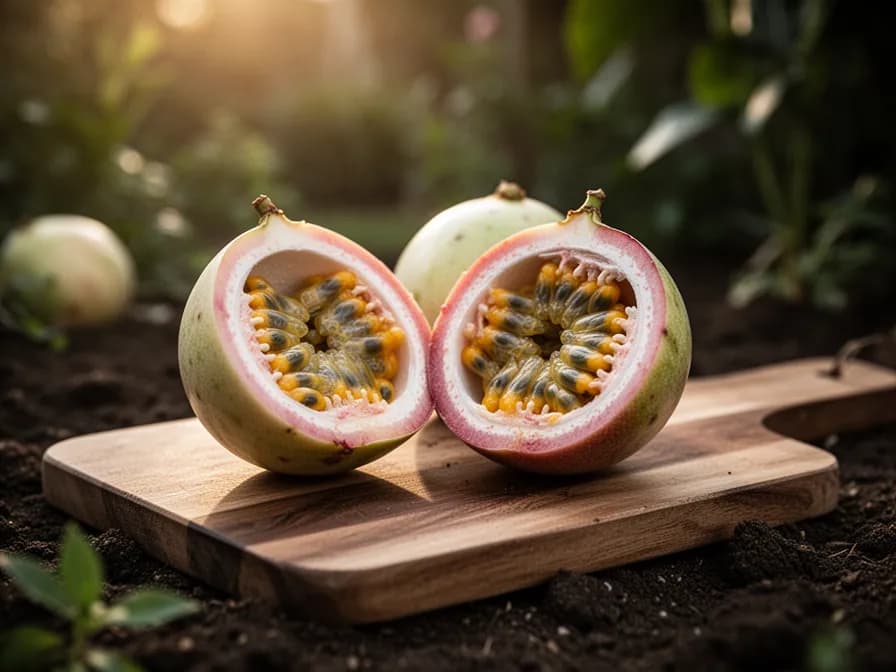
Classic Passion Fruit Curd
20 minutesA silky, intensely flavored curd that captures the bright tropical tartness of fresh passion fruit. Perfect spread on toast, spooned over yogurt, or used as a filling for tarts and cakes. Keeps refrigerated for up to two weeks.
5 ingredients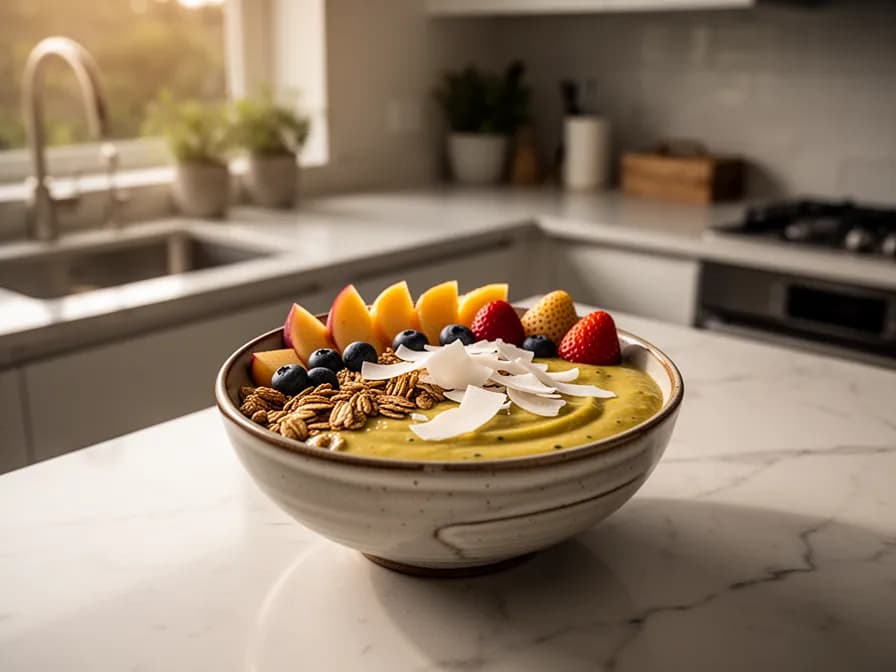
Tropical Passion Fruit Smoothie
5 minutesA refreshing morning drink bursting with tropical flavor and natural energy. The combination of passion fruit, mango, and banana creates a creamy, nutrient-dense smoothie that comes together in minutes. A quick way to use a glut of freshly harvested fruit.
6 ingredientsPassion Fruit Pavlova Topping
10 minutesThe definitive finishing touch for a classic pavlova — the sharp tropical flavor of passion fruit perfectly cuts through the sweetness of meringue and cream. This simple sauce can also be drizzled over cheesecake, panna cotta, or vanilla ice cream.
5 ingredientsCulinary Uses
Passion fruit pulp adds intense tropical flavor to juices, cocktails, and desserts. The juice blends beautifully with mango, coconut, and citrus. Use the pulp as a topping for cheesecake, pavlova, and yogurt. Passion fruit curd and mousse are elegant dessert options. The seeds are edible and add a pleasant crunch to dishes. In savory applications, the juice makes an excellent vinaigrette base and glaze for grilled seafood.
What's inside
Health Benefits
- The high soluble fiber content (over 10 g per 100 g) feeds beneficial gut bacteria, supports regular digestion, and helps reduce LDL cholesterol levels with regular consumption.
- Passion fruit contains piceatannol, a stilbene polyphenol converted from resveratrol in the body, which has shown anti-inflammatory, anti-cancer, and cardiovascular-protective effects in laboratory studies.
- The seeds and peel contain passiflorine and harmane alkaloids that interact with GABA receptors in the brain, providing a documented mild anxiolytic effect that may reduce anxiety and improve sleep quality.
- Significant vitamin C content supports immune function, collagen synthesis, and acts as a powerful antioxidant that neutralizes free radicals linked to premature aging and chronic disease.
- The carotenoids responsible for the golden color of the pulp — including beta-carotene and beta-cryptoxanthin — contribute to eye health and reduce the risk of age-related macular degeneration.
- Despite its sweetness, passion fruit has a low glycemic index due to its fiber content, making it a smart fruit choice for people managing blood sugar levels or following a diabetic-friendly diet.
Where Passion Fruit comes from
Passion fruit (Passiflora edulis) is native to the subtropical rainforests of southern Brazil, Paraguay, and northern Argentina, where it has been cultivated and eaten by indigenous peoples for thousands of years long before European contact. The Tupi and Guaraní peoples consumed the fruit fresh and used various parts of the Passiflora plant medicinally as a calming remedy for anxiety and sleeplessness — a traditional use that modern research has begun to validate.
European contact with the plant came in the 16th century when Jesuit missionaries exploring South America encountered the extraordinary flower. Deeply struck by what they saw as religious symbolism — the ten petals representing ten apostles, the corona filaments as the crown of thorns, the three stigmas as nails, the five anthers as wounds — they named it Flos passionis, "the flower of the Passion," giving rise to the common name still used today.
By the 17th century, passion fruit had been introduced to Europe as a botanical curiosity and ornamental climber. Its spread as a food crop came later, beginning with colonial-era introductions to tropical regions of Africa, Asia, and the Pacific. Hawaii received the purple variety in the 1880s, quickly becoming one of the world's most significant commercial producers. Australia took to the fruit enthusiastically in the early 20th century, and it became deeply embedded in Australian cuisine — most famously atop the pavlova dessert.
Today two distinct varieties dominate commercial production: the purple form (Passiflora edulis f. edulis), better adapted to subtropical and cooler tropical climates with outstanding flavor, and the yellow form (Passiflora edulis f. flavicarpa), which thrives in hotter lowland tropics and is more disease-resistant. Brazil remains the dominant global producer, followed by Colombia, Ecuador, and Indonesia. In home gardens across temperate and tropical zones worldwide, passion fruit is celebrated both for its extraordinary ornamental flowers and the intensely aromatic fruit it produces with relatively little care once established.
Passion Fruit: did you know?
Fascinating facts about Passion Fruit
The name "passion fruit" has nothing to do with romantic passion — Spanish missionaries in South America named it after the Passion of Christ, seeing symbols of the crucifixion in the flower's elaborate structure.
Passion Fruit questions, answered
When should I plant Passion Fruit?
What are good companion plants for Passion Fruit?
What hardiness zones can Passion Fruit grow in?
How much sun does Passion Fruit need?
How far apart should I space Passion Fruit?
What pests and diseases affect Passion Fruit?
How do I store Passion Fruit after harvest?
What are the best Passion Fruit varieties to grow?
What soil does Passion Fruit need?
Why is my passion fruit vine flowering but not producing fruit?
How do I know when passion fruit is ripe and ready to harvest?
Can I grow passion fruit in a cold climate or in containers?
What is the difference between purple and yellow passion fruit?
How often should I fertilize my passion fruit vine?
How do I propagate passion fruit from cuttings?
You just read the theory. Now grow it on autopilot.
Everything that makes Passion Fruit fiddly — the timing, the spacing, the companions, the harvest window — is exactly what PlotMyGarden handles for you, for every plant in your garden.
A plan that knows your weather
Set your location once. Get sow, feed and harvest dates built around your real last-frost date and live forecast — no more guessing from a generic seed packet.
From the “When to plant” sectionDrag-and-drop bed planner
Design beds on a grid. Every plant snaps to its proper spacing, and you can see your whole season laid out before you spend a cent on seed.
From the “Growing guide” sectionCompanion conflicts, caught early
200+ good-and-bad pairings checked live as you plant — so a season-wrecking mistake never makes it into the ground.
From the “Companions” sectionReminders you'll actually act on
“Water the beans.” “Pick today before it turns.” Timely, specific, and tied to the plants you're really growing.
From the “Harvest” sectionSuccession, scheduled
Want a harvest for six weeks, not six days? It spaces your sowings automatically and reminds you when each new block is due.
From the “When to plant” sectionA record that gets smarter
Every harvest you log teaches it your garden. Next year's plan starts from what actually worked in your soil, not a textbook's.
From the “Overview” sectionPlant these alongside Passion Fruit
More Tropical Fruits
Keep Passion Fruit away from these
Grow your best Passion Fruit yet — and everything around it.
Start a free plan today. Lay out your beds, drop in your Passion Fruit, and let PlotMyGarden handle the timing, spacing, companions and reminders from seed to harvest basket.