Papaya
Eine schnell wachsende, palmenähnliche Tropenpflanze, die unter optimalen Bedingungen innerhalb von neun Monaten nach der Aussaat Früchte tragen kann.





Auf dieser SeiteÜberblick
Papaya im Überblick
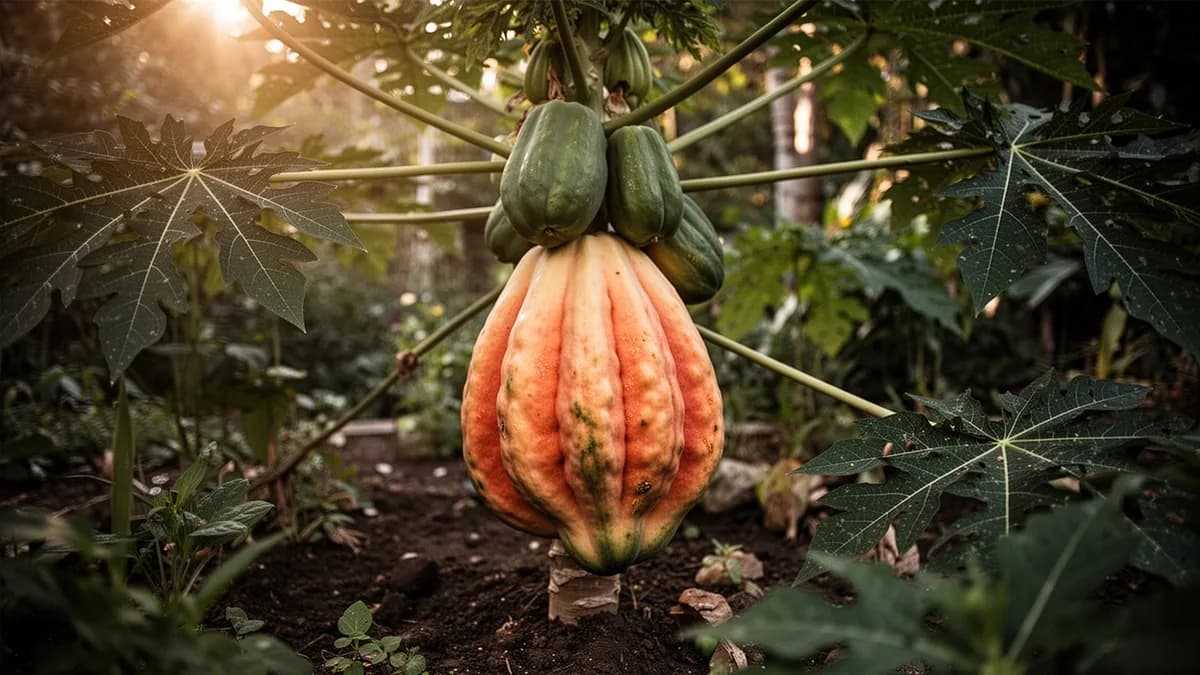
Eine schnell wachsende, palmenähnliche Tropenpflanze, die unter optimalen Bedingungen innerhalb von neun Monaten nach der Aussaat Früchte tragen kann. Papayas sind technisch gesehen große Kräuter und keine Bäume und enthalten das Enzym Papain, das als Fleischzartmacher nützlich ist. Pflanzen Sie mehrere Setzlinge, um sowohl männliche als auch weibliche Pflanzen sicherzustellen, oder wählen Sie selbstfruchtbare zwittrige Sorten.
Wann Papaya pflanzen
Papayasamen keimen leicht aus frischen Früchten. Schöpfen Sie die Samen aus einer reifen Papaya, spülen Sie die gallertartige Hülle ab und trocknen Sie sie einen Tag lang. Säen Sie die Samen in eine warme, feuchte Anzuchterde in einer Tiefe von etwa einem Zentimeter. Halten Sie für die beste Keimung Temperaturen von 24 bis 29 Grad Celsius ein, die Keimung dauert zwei bis vier Wochen. Pikieren Sie die Sämlinge, wenn sie vier bis sechs echte Blätter haben. Pflanzen Sie drei Sämlinge pro Pflanzloch und vereinzeln Sie auf die beste Pflanze, sobald das Geschlecht bei der Blüte bestimmt werden kann, wobei weibliche oder zwittrige Pflanzen bevorzugt werden. Samen bleiben mehrere Jahre keimfähig, wenn sie trocken und kühl gelagert werden.
Dein Papaya-Jahr
Abgestimmt auf Zone 7 · typische Saison · Frost geht um den 2. Apr. und kehrt um den 1. Nov. zurück
Papaya Mär – Jun pflanzen, Jan – Dez ernten. Beachte die Pflanzmethoden unten und wähle dein Klima für passende Zeiträume.
So baust du Papaya an
Papaya gedeiht in voller Sonne bei konstant warmen Temperaturen über 15 Grad Celsius und in nährstoffreichem, gut durchlässigem Boden. Pflanzen Sie an einem geschützten Standort, der vor Wind geschützt ist, da der hohle Stamm brüchig ist und leicht beschädigt werden kann. Setzen Sie die Pflanzen in einem Abstand von etwa 3 Metern und pflanzen Sie in Gruppen von drei bis fünf Setzlingen, um sicherzustellen, dass mindestens eine männliche und mehrere weibliche oder zwittrige Pflanzen für die Bestäubung vorhanden sind.
Gießen Sie reichlich und häufig, da Papayas mit ihrem flachen Wurzelsystem viel Wasser benötigen. Sie sind jedoch äußerst empfindlich gegenüber Staunässe, die innerhalb weniger Tage zu tödlicher Wurzelfäule führt. Halten Sie eine gleichmäßige Feuchtigkeit aufrecht, ohne den Boden durchnässt werden zu lassen. Mulchen Sie großzügig, um die Feuchtigkeit zu halten und Unkraut zu unterdrücken, wobei der Mulch vom Stamm ferngehalten werden sollte.
Düngen Sie alle zwei Wochen kräftig mit einem ausgewogenen, stickstoffreichen Dünger während des vegetativen Wachstums und wechseln Sie dann zu einer kaliumreichen Formel, sobald die Blüte beginnt. Papayapflanzen leben in der Regel nur vier bis fünf Jahre, planen Sie daher Nachpflanzungen ein. In Grenzklimaten können Sie sie in großen Kübeln anbauen, die bei Kälteeinbrüchen ins Haus gebracht werden können.
Für Papaya ist ein Beet von 120 × 240 cm zu klein
Papaya braucht 300 cm Platz pro Pflanze. Der Planer hält diesen Abstand für dich ein — jede Pflanze, jedes Beet.
Die besten Nachbarn für Papaya
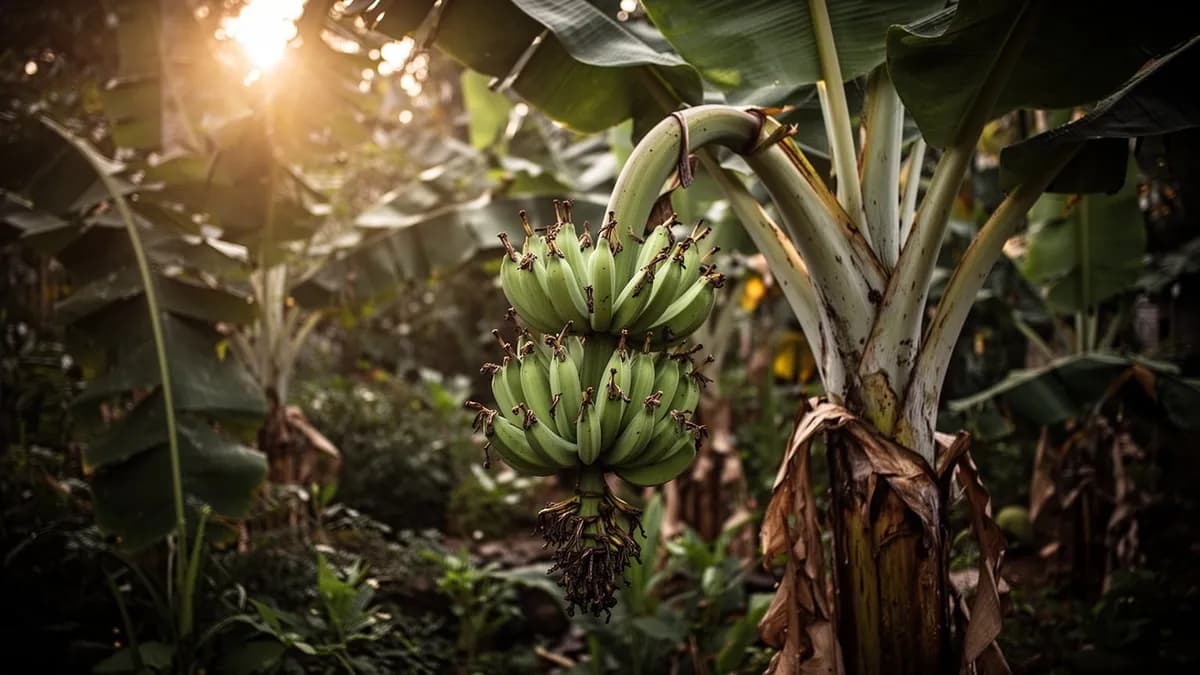
Papaya profitiert vom Windschutz, den Bananenpflanzen und höhere tropische Arten bieten. Stickstofffixierende Hülsenfrüchte wie Bohnen und Klee eignen sich hervorragend als Bodendecker-Begleitpflanzen und verbessern die Bodenfruchtbarkeit. In der Nähe gepflanzte Tagetes helfen, Nematoden abzuwehren, die Papayawurzeln schädigen können. Vermeiden Sie das Pflanzen neben anderen Mitgliedern der Caricaceae-Familie. Süßkartoffeln eignen sich gut als lebende Mulchbegleiter, sie unterdrücken Unkraut und ermöglichen gleichzeitig den Papayawurzeln, sich frei in der oberen Bodenschicht auszubreiten.
Banane gehört daneben.
Altes Gärtnerwissen, geprüft an der echten Nachbartabelle von Papaya — teste jede Pflanze, die du anbaust.
Probiere Papaya direkt hier im Beet
Ein echtes Planer-Beet, Papaya steht schon drin. Tippe einen Begleiter an, platziere ihn und sieh, wie die Nachbarschaftsprüfung antwortet — grün für gute Nachbarn, rot bei Streit.


Passende Anbau-Ratgeber
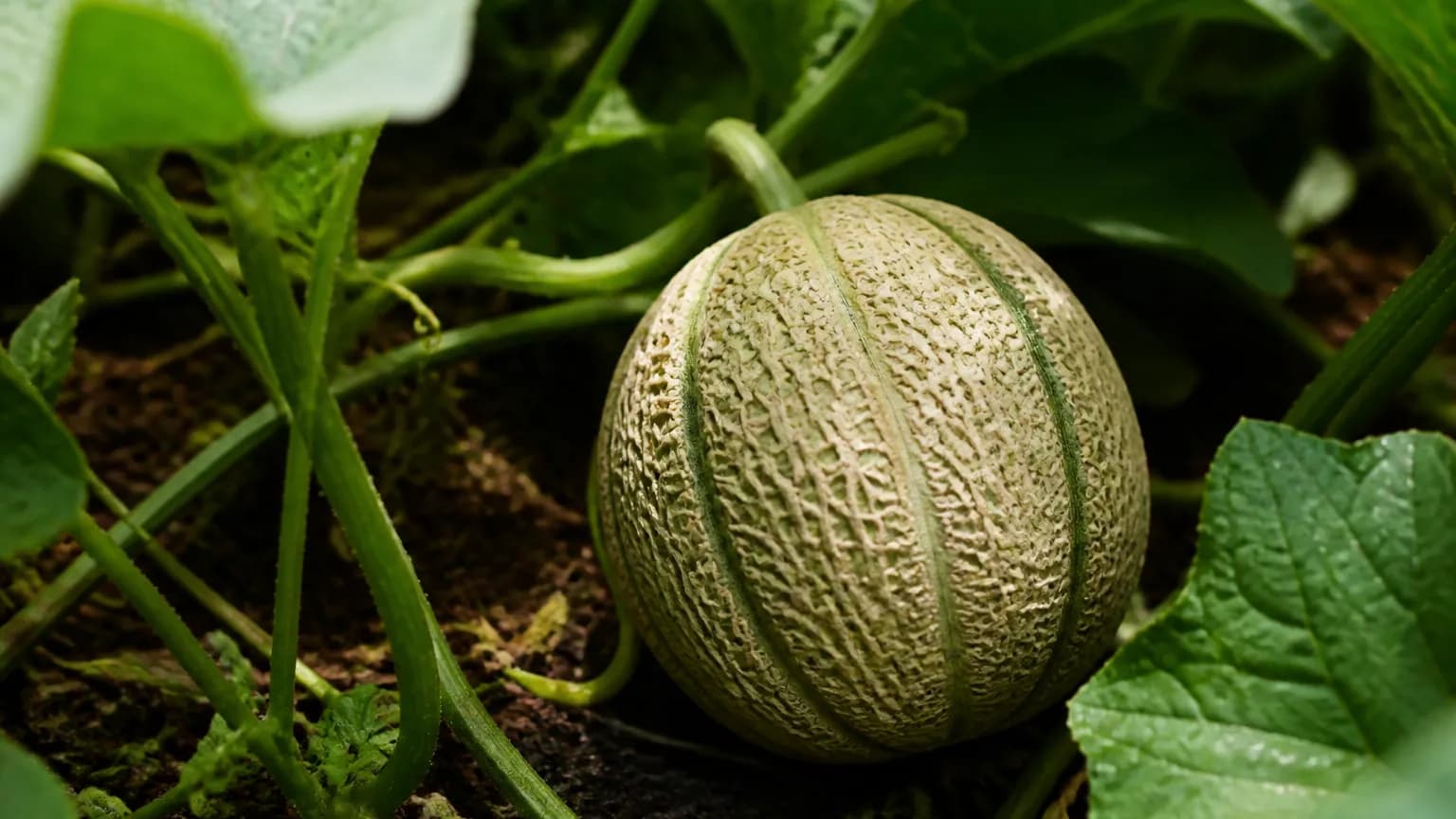
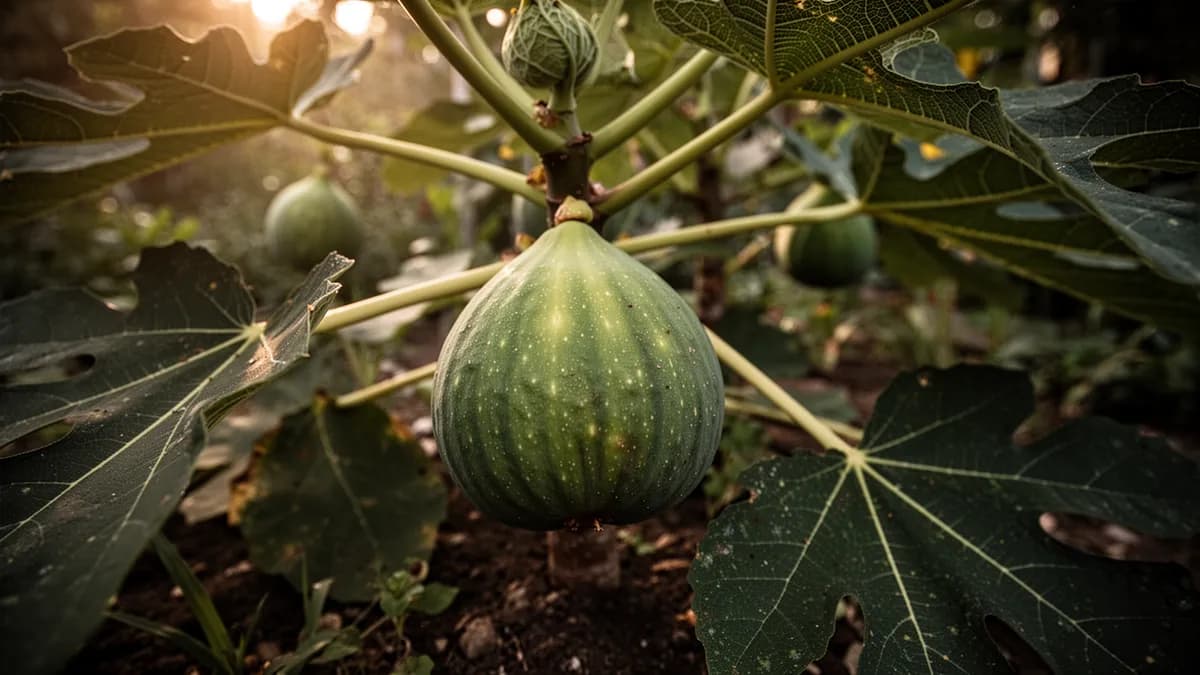
Richtig düngen
Papaya benötigt nährstoffreichen, gut durchlässigen Boden mit einem pH-Wert von 6,0 bis 6,5. Sandiger Lehm, der mit großzügigen Mengen Kompost angereichert ist, ist ideal. Die wichtigste Anforderung ist eine perfekte Drainage; selbst kurzzeitige Staunässe kann Papaya innerhalb von Tagen abtöten. Düngen Sie kräftig und häufig mit einem ausgewogenen Dünger (14-14-14) alle zwei Wochen während des aktiven Wachstums. Sobald die Blüte beginnt, wechseln Sie zu einer kaliumreichen Formel, um die Fruchtentwicklung zu fördern. Tragen Sie monatlich Kompost oder gut verrotteten Mist als Deckschicht auf. Blattsprühungen mit Mikronährstoffen einschließlich Bor und Zink helfen, Mangelerscheinungen vorzubeugen.
Ideale Temperatur
Winterhärtezone-Kompatibilität
Von der Saat zur Ernte, Schritt für Schritt
Keimung
Die Samen keimen innerhalb von 2 bis 3 Wochen unter warmen, feuchten Bedingungen. Die Samenschale bricht auf und eine kleine Keimwurzel tritt hervor, die den Sämling im Substrat verankert.
Sämling
Die ersten echten Blätter erscheinen und der Stängel beginnt sich zu festigen. Der Sämling bildet ein Wurzelsystem aus und wächst unter warmen Bedingungen mit ausreichend Licht schnell.
Vegetatives Wachstum
Die Pflanze wächst kräftig, bildet große handförmige Blätter und entwickelt einen dicken, hohlen Stamm. Die Höhe kann in dieser Phase um mehrere Zentimeter pro Woche zunehmen.
Blüte
Blüten erscheinen in den Blattachseln nahe der Krone. Das Geschlecht der Pflanze wird erkennbar: weibliche Pflanzen bilden rundliche Blüten, männliche Pflanzen lange Rispen, und zwittrige Pflanzen sind ideal für die Fruchtproduktion.
Fruchtentwicklung
Befruchtete Blüten entwickeln sich zu Früchten, die direkt unterhalb der Krone schnell wachsen. Die Früchte schwellen über mehrere Wochen an und beginnen, ihre Farbe von dunkelgrün zu hellerem Grün oder Gelb zu verändern.
Reifung
Die Früchte erreichen ihre volle Größe und beginnen zu reifen. Die Schale wechselt von grün zu gelb-orange, das Fruchtfleisch wird weicher und Zucker entwickeln sich. Das Aroma wird wahrnehmbar.
Fortlaufende Produktion
Eine gesunde Papaya blüht und fruchtet kontinuierlich weiter, während sie höher wächst. Bei guter Pflege kann eine einzelne Pflanze 2 bis 3 Jahre lang Früchte tragen, bevor die Erträge nachlassen.
Halten Sie die Bodentemperatur zwischen 25 und 30 Grad Celsius für beste Keimraten. Das Abdecken der Schale mit Frischhaltefolie hält Feuchtigkeit und Wärme.
Papaya Monat für Monat pflegen
Was du jeden Monat für deine Papaya tun solltest
Oktober
Aktueller MonatBeginnen Sie in subtropischen oder Grenzklimaten mit dem Reduzieren der Bewässerung, wenn die Temperaturen sinken. Bringen Sie eine leichte Kompostschicht um den Stamm aus. Ernten Sie verbleibende reife Früchte, bevor die Temperaturen fallen.
Immer wissen, was jetzt im Garten zu tun ist
Eine E-Mail zum Monatsanfang: was du jetzt säen, pflanzen und anpacken solltest — für deine Papaya und alles, was drumherum wächst. Dazu ein kurzer Startkurs, der dich vor den klassischen Fehlern bewahrt.
- Was jetzt zu tun ist
- Passend zu deiner Saison
- Startkurs inklusive
Papaya ernten
Papayas sind erntereif, wenn die Schale beginnt, sich von grün nach gelb zu verfärben, beginnend am unteren Ende der Frucht. Ernten Sie, wenn etwa ein Viertel bis zur Hälfte gelb gefärbt ist, um die Frucht innerhalb weniger Tage zu verzehren, oder vollständig gelb für den sofortigen Verzehr. Drehen Sie die Frucht vorsichtig, um sie vom Stiel abzubrechen, oder schneiden Sie sie mit einem scharfen Messer ab und lassen Sie einen kurzen Stielansatz stehen. Der weiße Latex, der aus der Schale unreifer Früchte austritt, kann Hautreizungen verursachen, tragen Sie daher beim Umgang mit unreifen Früchten Handschuhe. Eine einzelne Pflanze kann unter optimalen Bedingungen 30 bis 150 Früchte pro Jahr produzieren.
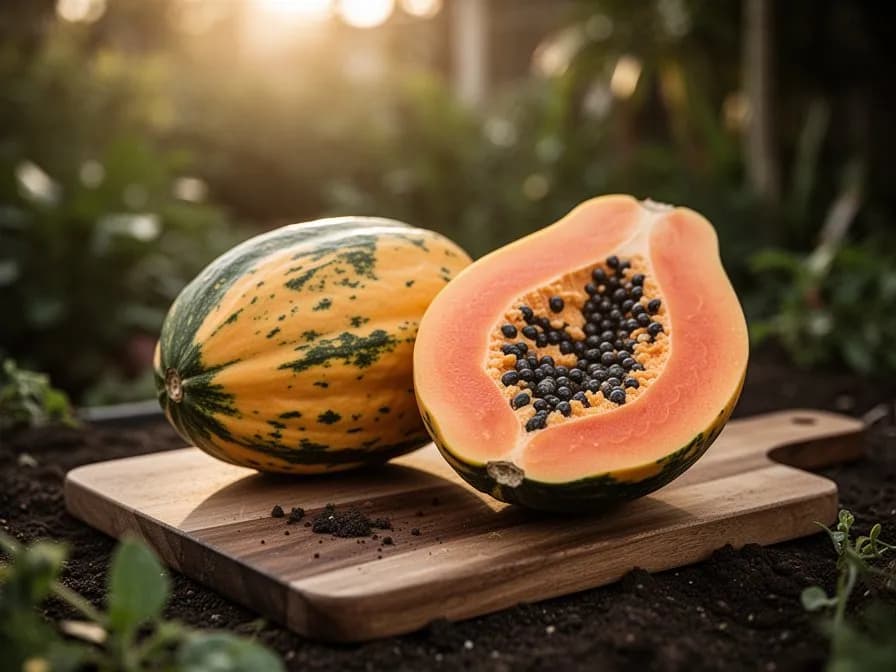
angenommen, du pflanzt zu Beginn des Zeitraums — trage dein tatsächliches Datum ein
Ernte Papaya zügig, dann trägt die Pflanze weiter.
Lagerung & Konservierung
Teilweise reife Papayas reifen bei Raumtemperatur innerhalb von zwei bis fünf Tagen nach. Vollständig reife Früchte können bis zu einer Woche im Kühlschrank aufbewahrt werden. Grüne Papaya kann bei Raumtemperatur ein bis zwei Wochen gelagert werden, während sie langsam nachreift. Zur Konservierung kann Papaya in Stücken eingefroren, zu zähen Streifen getrocknet oder zu Marmelade und Chutney verarbeitet werden. Grüne Papaya wird in vielen asiatischen Küchen geraspelt und eingelegt oder fermentiert. Das Enzym Papain aus dem Latex unreifer Papaya kann gesammelt und getrocknet werden, um es als Fleischzartmacher zu verwenden.
Was schiefgeht — und die Lösung
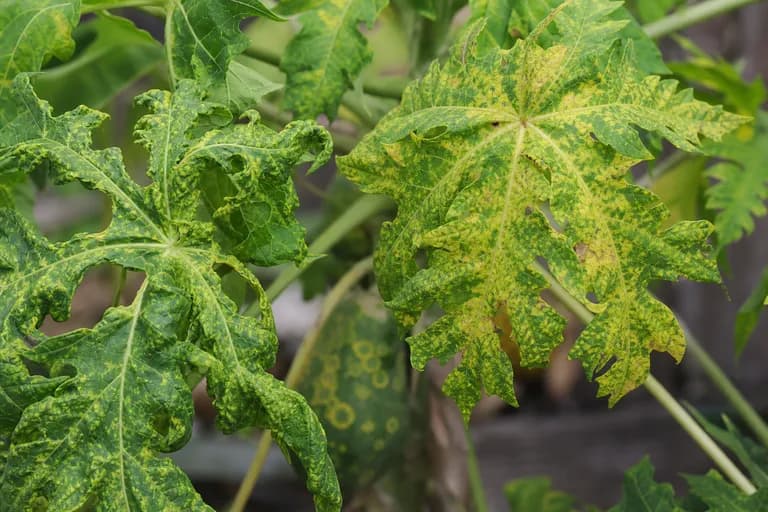
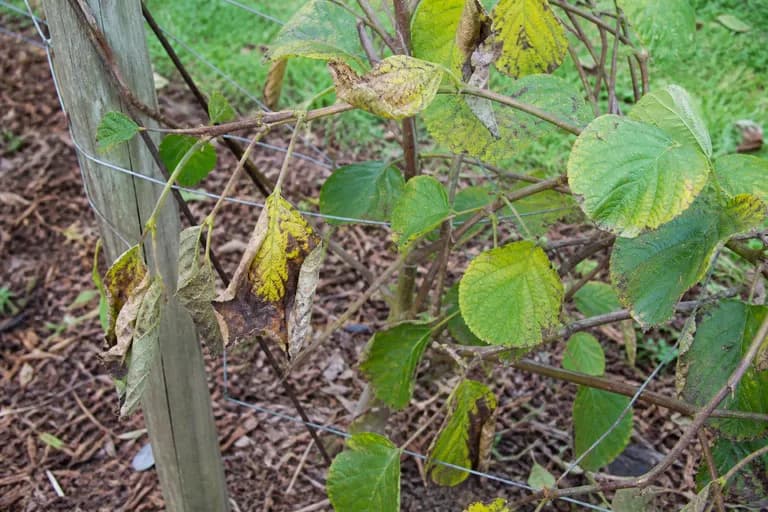
Papaya-Ringfleckenvirus
KrankheitGelbe Mosaikmuster auf den Blättern; ringförmige Flecken auf den Früchten; verkümmertes Wachstum; verformte Blattform.
Wurzelfäule (Phytophthora)
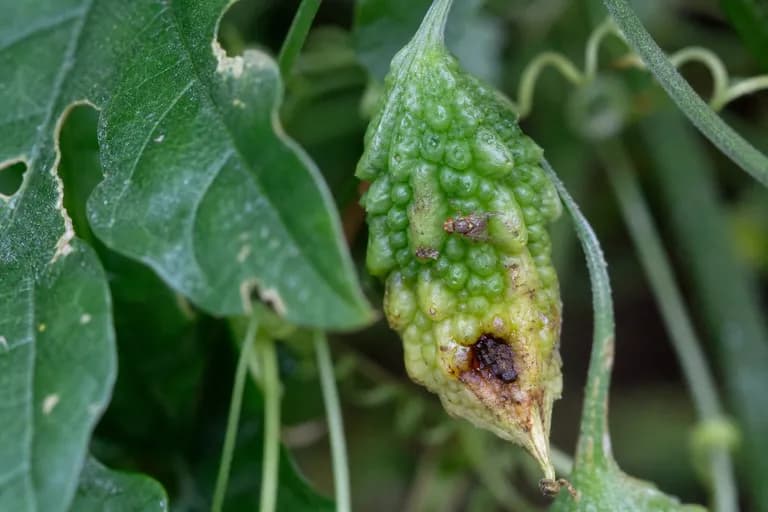
KrankheitWelken trotz feuchtem Boden; vergilbende Blätter; weicher, brauner Stängelgrund; Pflanzenzusammenbruch; übler Geruch der Wurzeln.
Fruchtfliege
SchädlingKleine Einstichstellen an reifenden Früchten; Maden im Fruchtfleisch; vorzeitiger Fruchtfall und Fäulnis.
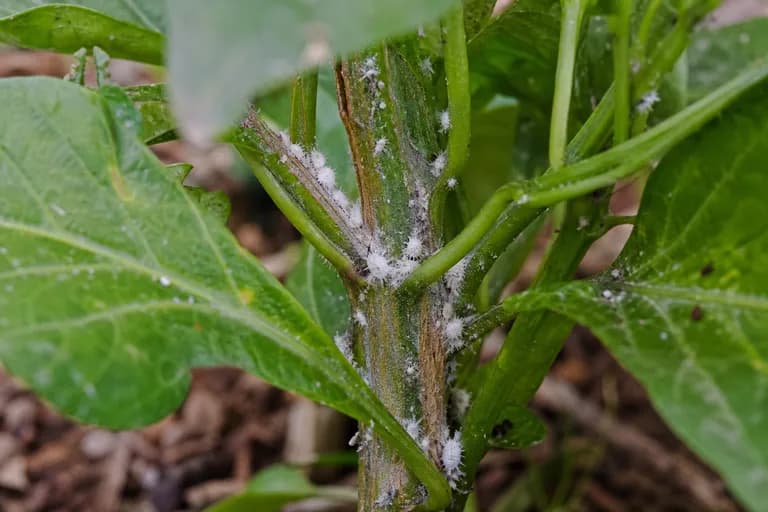
Schmierläuse
SchädlingWeiße, wattige Massen an Stängeln, Blattachseln und Früchten; klebriger Honigtau; Rußtau; verkümmertes Wachstum.
Fehlerbehebung bei häufigen Problemen
Wurzelfäule durch Überwässerung ist weltweit die häufigste Todesursache bei Papayapflanzen. Das Papaya-Ringfleckenvirus hat die kommerzielle Produktion in vielen Regionen verwüstet und ist nicht heilbar. Die Geschlechtsausprägung kann instabil sein, wobei zwittrige Pflanzen unter Temperaturstress manchmal zu männlichen Pflanzen zurückkehren. Windschäden sind aufgrund des brüchigen, hohlen Stamms und der großen Blätter häufig. Kalte Temperaturen unter 10 Grad Celsius lassen das Wachstum stocken, und Frost ist sofort tödlich. Fruchtfall kann in Zeiten extremer Hitze oder unregelmäßiger Bewässerung auftreten.
Anbautipps
- Pflanzen Sie Papaya an der sonnigsten Stelle Ihres Gartens, da sie für eine produktive Fruchtbildung mindestens 6 Stunden direkte Sonneneinstrahlung täglich benötigt.
- Verbessern Sie vor dem Pflanzen die Drainage, indem Sie Beete erhöhen oder groben Sand und Kompost in schwere Lehmböden einmischen, da Papayawurzeln äußerst anfällig für Staunässe und Wurzelfäule sind.
- Säen Sie drei bis vier Samen pro Pflanzloch und vereinzeln Sie auf die stärkste zwittrige oder weibliche Pflanze, sobald das Geschlecht zu Beginn der Blüte bestimmt werden kann.
- Verwenden Sie während des vegetativen Wachstums einen ausgewogenen, stickstoffreichen Dünger und wechseln Sie dann zu einer kaliumbetonten Formel, sobald die Pflanze zu blühen beginnt, um die Fruchtentwicklung und Süße zu fördern.
- Bringen Sie eine dicke Schicht organischen Mulch um die Basis der Pflanze aus, um die Bodenfeuchtigkeit zu bewahren, Unkraut zu unterdrücken und die Bodenwärme in kühleren Monaten zu erhalten.
- Stützen Sie in Gebieten mit starkem Wind junge Pflanzen ab und erwägen Sie das Pflanzen eines Windschutzes wie einer Bananen- oder Bambushecke, da Papayastämme brüchig sind und bei starkem Wind brechen können.
- Ernten Sie die Früchte noch leicht grün, wenn Sie in einem Klima mit kühlen Abenden leben, da die Früchte bei Raumtemperatur schnell nachreifen und bei früher Ernte weniger anfällig für Schädlingsbefall sind.
- Bauen Sie Papaya in großen Kübeln von mindestens 50 Litern an, wenn Sie in einem gemäßigten Klima leben, verwenden Sie ein gut durchlässiges Substrat und bringen Sie die Pflanze ins Haus oder in ein beheiztes Gewächshaus, wenn die Temperaturen unter 12 Grad Celsius fallen.
- Untersuchen Sie regelmäßig die Blattunterseiten auf Blattläuse und Spinnmilben, die häufige Überträger des Papaya-Ringfleckenvirus sind; handeln Sie umgehend mit Neemöl oder Schmierseifenspray.
- Verjüngen Sie alternde Bäume, die zum Ernten zu hoch geworden sind, indem Sie den Hauptstamm bei warmem Wetter auf etwa 1 Meter zurückschneiden, um neue Seitentriebe und eine handlichere Fruchthöhe zu fördern.
Bau deine beste Papaya an — und alles drumherum.
Starte heute kostenlos. Lege deine Beete an, setze deine Papaya ein und lass PlotMyGarden Timing, Abstände, Begleiter und Erinnerungen von der Saat bis zum Erntekorb übernehmen.
Finde deine Papaya
Rainbow
Eine hawaiianische Hybride, die für Resistenz gegen das Papaya-Ringfleckenvirus entwickelt wurde. Produziert birnenförmige Früchte mit gelb-orangefarbenem Fruchtfleisch und guter Süße.
Red Lady
Eine beliebte selbstfruchtbare zwittrige Sorte mit großen, rotfleischigen Früchten von durchschnittlich 1,4 bis 2,3 Kilogramm. Sehr produktiv und krankheitstolerant.
Maradol
Eine große mexikanische Sorte, die Früchte von bis zu 4,5 Kilogramm mit lachsrotem Fruchtfleisch produziert. Ausgezeichneter Geschmack, erfordert jedoch Fremdbestäubung.
Solo
Die klassische hawaiianische Papaya, die kleine Früchte von etwa 450 Gramm mit goldenem Fruchtfleisch produziert, perfekt für eine Einzelportion. Zwittrige Pflanzen sind selbstfruchtbar.
Tainung No. 2
Eine taiwanesische Hybride mit ausgezeichneter Krankheitsresistenz, die mittelgroße Früchte mit festem, orangerotem Fruchtfleisch produziert, ideal für den tropischen Anbau.
Der Anbau eigener Papayas kann in tropischen und subtropischen Klimazonen einen außergewöhnlichen wirtschaftlichen Wert liefern. Ein einzelner ausgewachsener Baum, der 50 bis 80 Früchte pro Jahr produziert, mit einem Gewicht von jeweils 400 bis 900 Gramm, kann den Gegenwert von 70 bis 175 € an frischem Obst jährlich zu üblichen Einzelhandelspreisen liefern. Bio-Papayas erzielen im Supermarkt oft einen Aufpreis von 50 bis 100 Prozent gegenüber konventionellem Obst, was den heimischen Anbau noch wirtschaftlich lohnender macht. Über den Frischverzehr hinaus erhöht die Möglichkeit, grüne Papaya zum Kochen zu ernten und überschüssige Früchte zu trocknen oder zu konservieren, den Wert jeder Pflanze zusätzlich. Die Saatgutkosten sind minimal, und etablierte Bäume benötigen kaum mehr als Wasser, Kompost und gelegentlichen Dünger, um eine kontinuierliche Produktion über 2 bis 3 Jahre aufrechtzuerhalten.
Schnelle Rezepte
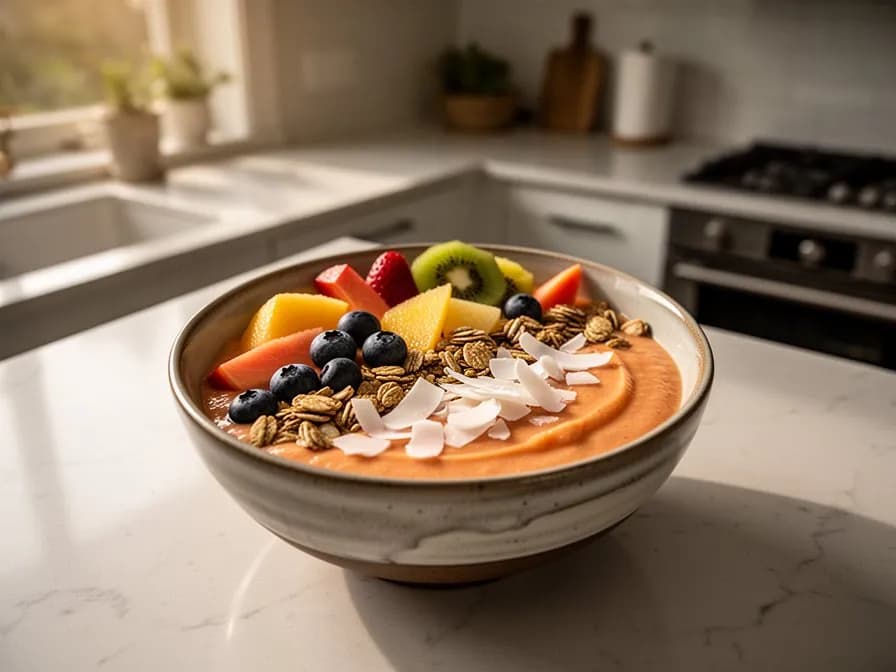
Klassischer Papaya-Smoothie
5 Min.Ein cremiger, tropischer Smoothie, der die natürliche Süße der Papaya hervorhebt. Das Mixen von reifer Papaya mit Kokosmilch und einem Spritzer Limette ergibt ein erfrischendes, vitaminreiches Getränk.
6 ZutatenThailändischer Grüner Papayasalat (Som Tam)
15 Min.Ein lebhafter, säuerlicher Salat aus geraspelter unreifer Papaya, Chili, Limette und Fischsauce. Dieses ikonische thailändische Gericht vereint Schärfe, Säure, Salzigkeit und Süße in einer Schüssel.
9 ZutatenPapaya-Ingwer-Marmelade
40 Min.Eine aromatische, tropische Marmelade, die den Geschmack reifer Papaya mit wärmendem Ingwer und frischen Zitrusnoten bewahrt. Hervorragend auf Toast, Pfannkuchen oder in Joghurt eingerührt.
6 ZutatenKulinarische Verwendung
Reife Papaya wird frisch mit einem Spritzer Limette gegessen, in Obstsalaten, Smoothies und tropischen Desserts. Grüne Papaya ist eine Schlüsselzutat im thailändischen Som-Tam-Salat und wird auch in Currys, Pfannengerichten und Eintöpfen verwendet. Die Kerne sind essbar mit einem pfeffrigen Geschmack und werden manchmal gemahlen als Gewürz verwendet. Papaya wird in den Tropen für Marmeladen, Eiscreme und Getränke verwendet.
Was drinsteckt
Gesundheitsvorteile
- Reich an Papain- und Chymopapain-Enzymen, die Proteine abbauen und eine gesunde Verdauung unterstützen, wodurch Blähungen und Verstopfung reduziert werden
- Der hohe Vitamin-C-Gehalt stärkt das Immunsystem und fördert die Kollagensynthese für gesunde Haut und Wundheilung
- Beta-Carotin und Lycopin wirken als Antioxidantien, die freie Radikale neutralisieren und das Risiko chronischer Krankheiten einschließlich bestimmter Krebsarten verringern können
- Der Folat- und Kaliumgehalt unterstützt die Herz-Kreislauf-Gesundheit, indem er zur Regulierung des Blutdrucks und zur Senkung des Homocysteinspiegels beiträgt
- Entzündungshemmende Verbindungen wie Cholin, Isothiocyanat und Flavonoide helfen, systemische Entzündungen im Zusammenhang mit Arthritis und anderen Erkrankungen zu reduzieren
- Papayakerne und Blattextrakte haben in der traditionellen und aufkommenden klinischen Forschung antimikrobielle und antiparasitäre Eigenschaften gezeigt, insbesondere gegen Darmparasiten
Woher Papaya stammt
Die Papaya (Carica papaya) stammt aus den tropischen Tiefebenen Mittelamerikas und Südmexikos, wo sie seit Jahrtausenden von indigenen Völkern kultiviert wird. Archäologische Belege und botanische Studien deuten darauf hin, dass die Papaya in Mesoamerika lange vor dem europäischen Kontakt domestiziert wurde und sich der Anbau über viele Jahrhunderte in die Karibik und nach Südamerika ausbreitete. Die Frucht hatte eine bedeutende kulturelle und medizinische Bedeutung bei den Maya- und Azteken-Zivilisationen, die sowohl die Frucht als auch den aus dem unreifen Fruchtfleisch gewonnenen Latex in traditionellen Heilpraktiken verwendeten.
Nach der Ankunft von Christoph Kolumbus in Amerika im Jahr 1492 trugen spanische und portugiesische Entdecker maßgeblich zur Verbreitung der Papaya in der tropischen Welt bei. Portugiesische Händler führten die Pflanze im sechzehnten Jahrhundert in Afrika und Asien ein, und sie verbreitete sich schnell in tropischen Regionen von Indien und den Philippinen bis nach Subsahara-Afrika. Im achtzehnten Jahrhundert hatte sich der Papayaanbau in den gesamten Tropen etabliert, und die Pflanze wurde in weiten Teilen Südostasiens, der Pazifischen Inseln und des indischen Subkontinents angebaut.
In der modernen Ära ist die Papaya zu einer der am weitesten verbreiteten tropischen Früchte weltweit geworden. Zu den wichtigsten Erzeugerländern gehören Indien, Brasilien, Indonesien, Nigeria und Mexiko. Die Entwicklung der Solo-Sorte auf Hawaii Mitte des zwanzigsten Jahrhunderts war ein Meilenstein im Papayaanbau und schuf eine kompakte, zwittrige Pflanze, die ideal für den Kleinanbau und Hausgärten ist. Hawaiis Papayaindustrie stand in den 1990er Jahren aufgrund des Papaya-Ringfleckenvirus kurz vor dem Zusammenbruch, doch die Einführung der Rainbow-Sorte — der ersten gentechnisch veränderten Fruchtkultur, die in den Vereinigten Staaten für den kommerziellen Verkauf zugelassen wurde — belebte die Produktion wieder und zeigte das Potenzial der landwirtschaftlichen Biotechnologie. Heute wird die Papaya weltweit für ihre kulinarische Vielseitigkeit, ihr schnelles Wachstum, ihre Nährstoffdichte und ihre Anpassungsfähigkeit an eine Vielzahl tropischer und subtropischer Klimazonen geschätzt.
Papaya: Schon gewusst?
Faszinierende Fakten über Papaya
Christoph Kolumbus soll die Papaya als 'Frucht der Engel' bezeichnet haben, nachdem er sie während seiner Reisen nach Amerika entdeckt hatte.
Papaya: Fragen & Antworten
Wann sollte ich Papaya pflanzen?
Was sind gute Begleitpflanzen für Papaya?
In welchen Winterhärtezonen kann Papaya wachsen?
Wie viel Sonne braucht Papaya?
Welchen Abstand sollte ich zwischen Papaya lassen?
Welche Schädlinge und Krankheiten befallen Papaya?
Wie lagere ich Papaya nach der Ernte?
Was sind die besten Papaya-Sorten zum Anbauen?
Welchen Boden braucht Papaya?
Wie lange dauert es, bis Papaya aus Samen Früchte trägt?
Kann ich Papaya in einem Topf oder Kübel anbauen?
Warum trägt meine Papayapflanze keine Früchte?
Ist Papaya frosthart?
Woran erkenne ich, dass eine Papaya erntereif ist?
Was ist der Unterschied zwischen männlichen, weiblichen und zwittrigen Papayapflanzen?
Du hast die Theorie gelesen. Jetzt baue sie auf Autopilot an.
Alles, was Papaya knifflig macht — das Timing, die Abstände, die Begleiter, das Erntefenster — genau das übernimmt PlotMyGarden für dich, für jede Pflanze im Garten.
Ein Plan, der dein Wetter kennt
Standort einmal festlegen. Aussaat-, Dünge- und Erntedaten rund um deinen echten letzten Frosttermin und die Live-Vorhersage — kein Raten mehr nach Saattüte.
Aus dem Abschnitt „Pflanzzeit“Beetplaner per Drag & Drop
Beete auf einem Raster gestalten. Jede Pflanze rastet im richtigen Abstand ein, und du siehst die ganze Saison, bevor du einen Cent für Saatgut ausgibst.
Aus dem Abschnitt „Anbau“Begleiter-Konflikte früh erkannt
Über 200 gute und schlechte Kombinationen werden beim Pflanzen live geprüft — so landet ein saisonruinierender Fehler nie in der Erde.
Aus dem Abschnitt „Begleiter“Erinnerungen, nach denen du wirklich handelst
„Gieß die Bohnen.“ „Heute ernten, bevor's umschlägt.“ Pünktlich, konkret und auf deine echten Pflanzen bezogen.
Aus dem Abschnitt „Ernte“Staffel-Aussaat, geplant
Sechs Wochen ernten statt sechs Tage? Die App verteilt deine Aussaaten automatisch und erinnert dich, wenn der nächste Satz fällig ist.
Aus dem Abschnitt „Pflanzzeit“Ein Verlauf, der schlauer wird
Jede protokollierte Ernte bringt der App deinen Garten bei. Der Plan fürs nächste Jahr startet bei dem, was in deinem Boden wirklich funktioniert hat.
Aus dem Abschnitt „Überblick“Pflanze diese neben Papaya
Weitere Tropische Früchte
Bau deine beste Papaya an — und alles drumherum.
Starte heute kostenlos. Lege deine Beete an, setze deine Papaya ein und lass PlotMyGarden Timing, Abstände, Begleiter und Erinnerungen von der Saat bis zum Erntekorb übernehmen.