Mango
The king of tropical fruits, producing aromatic, fiber-rich fruits in a stunning range of colors from green to red to golden.





On this pageOverview
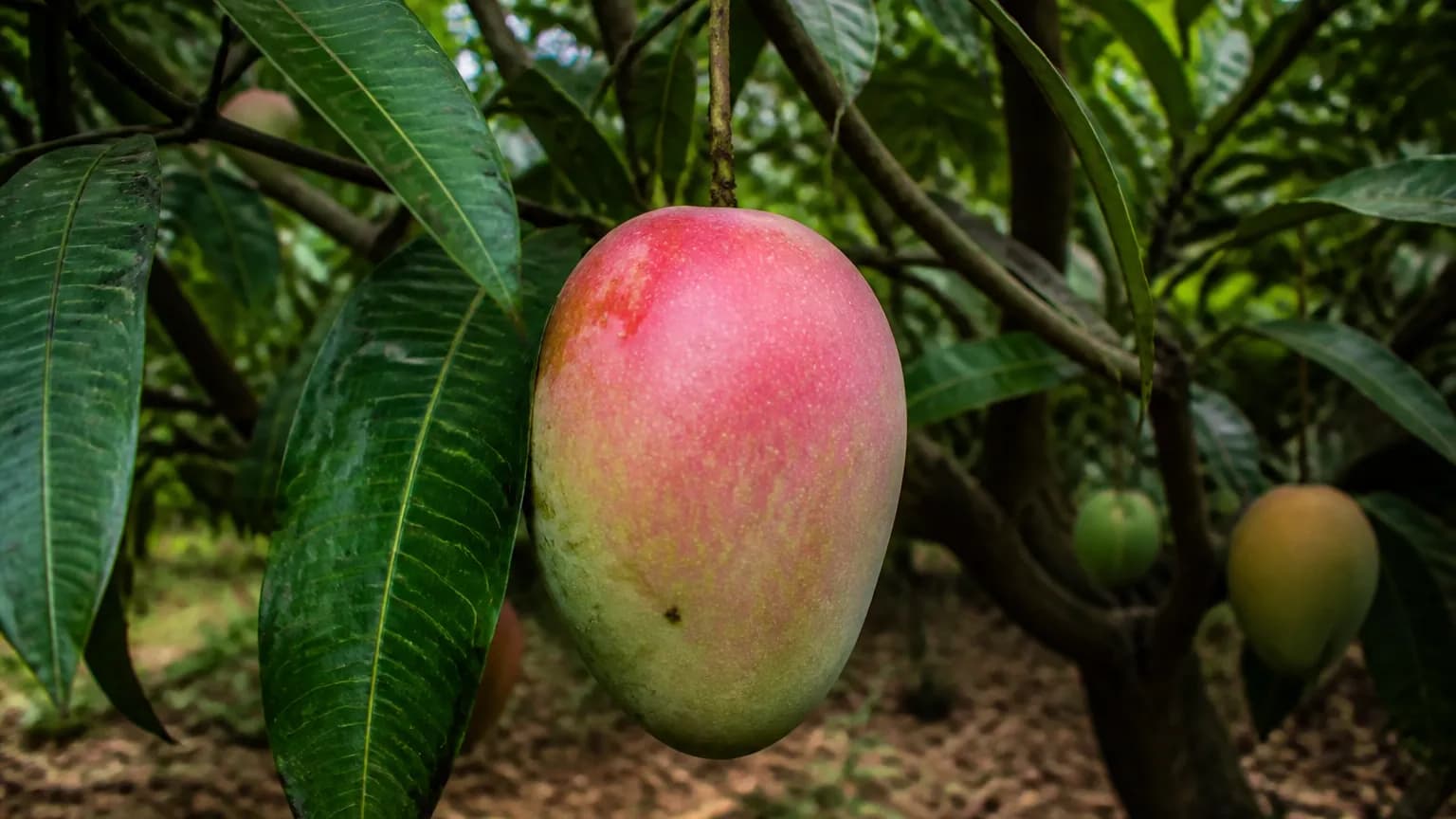
Meet Mango
The king of tropical fruits, producing aromatic, fiber-rich fruits in a stunning range of colors from green to red to golden. Mango trees can grow very large but dwarf varieties are available for container growing in greenhouses. They require a distinct dry season to trigger flowering and fruit set.
When to plant Mango
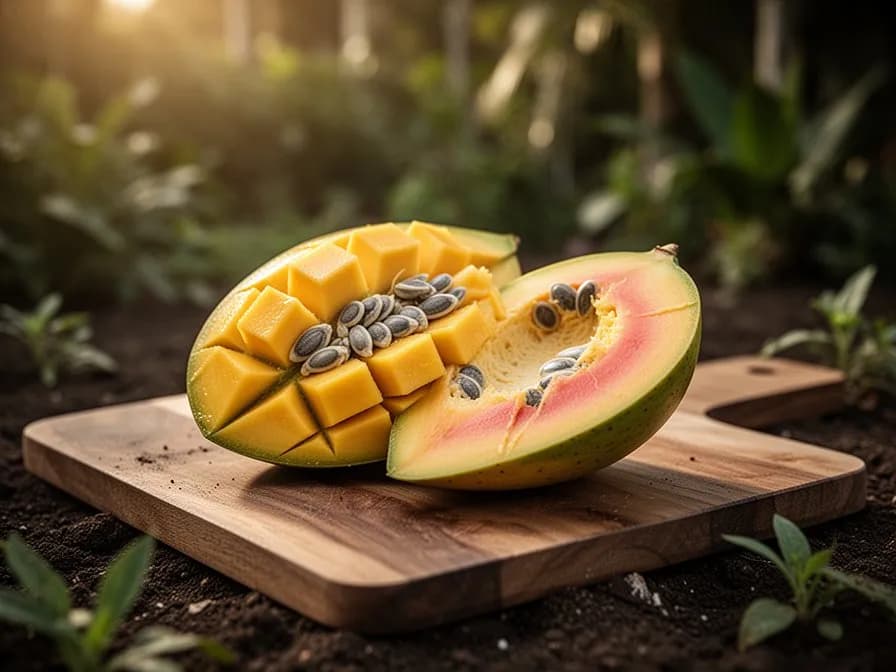
Mango seeds lose viability quickly and should be planted within a week of extraction from the fruit. Remove the husk by carefully cutting along the edge with scissors to expose the inner seed. Plant the seed on its edge with the top just above soil level in a deep pot with well-drained potting mix. Keep warm at 75 to 85 degrees Fahrenheit and moist but not waterlogged. Germination takes one to three weeks. Note that seedling trees may take five to eight years to fruit and will not be true to the parent variety. For named varieties, purchase grafted trees from a reputable nursery.
Your Mango Year
Composed for Zone 7 · typical seasons · frost passes Apr 2, returns Nov 1
Plant Mango Mar – May, pick May – Aug. Check the planting methods below and set your climate to personalize these windows.
How to grow Mango
Mango trees thrive in warm, frost-free climates with full sun exposure and well-drained soil. Plant grafted trees in spring, choosing a location sheltered from strong winds. In tropical regions, trees can reach 60 to 100 feet tall, but dwarf varieties like Nam Doc Mai and Pickering stay under 10 feet, making them suitable for containers and greenhouses.
Water young trees regularly to establish roots, then reduce watering as the tree matures. Mango trees are surprisingly drought-tolerant once established. A critical requirement for fruiting is a dry, cool period of two to three months, which triggers flower production. Avoid watering during this dormancy period. Resume regular watering once flower panicles appear.
Fertilize young trees monthly with a balanced fertilizer during the growing season. Mature bearing trees benefit from a low-nitrogen, high-potassium formula applied before and after flowering. Prune after harvest to maintain shape and encourage lateral branching. In container culture, restrict root space and prune roots periodically to keep trees compact and productive.
Mango needs more room than a 4 × 8 ft bed gives
Each Mango wants 600 cm of elbow room. The planner keeps that spacing for you — every plant, every bed.
Mango's best neighbours
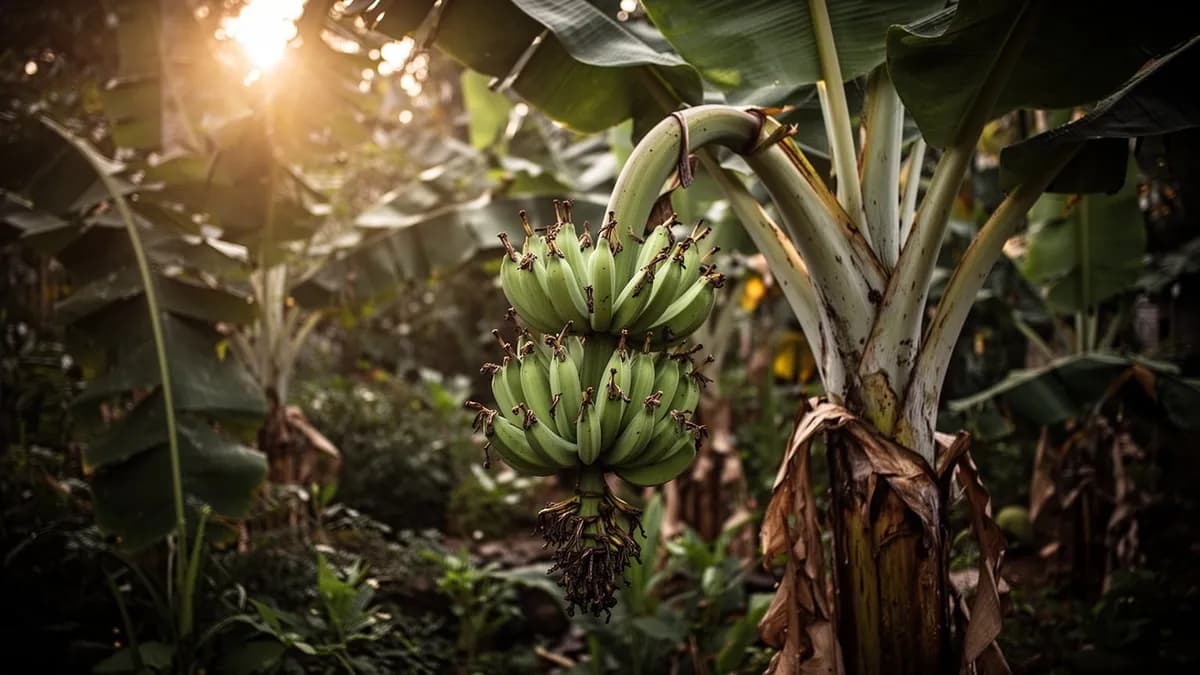
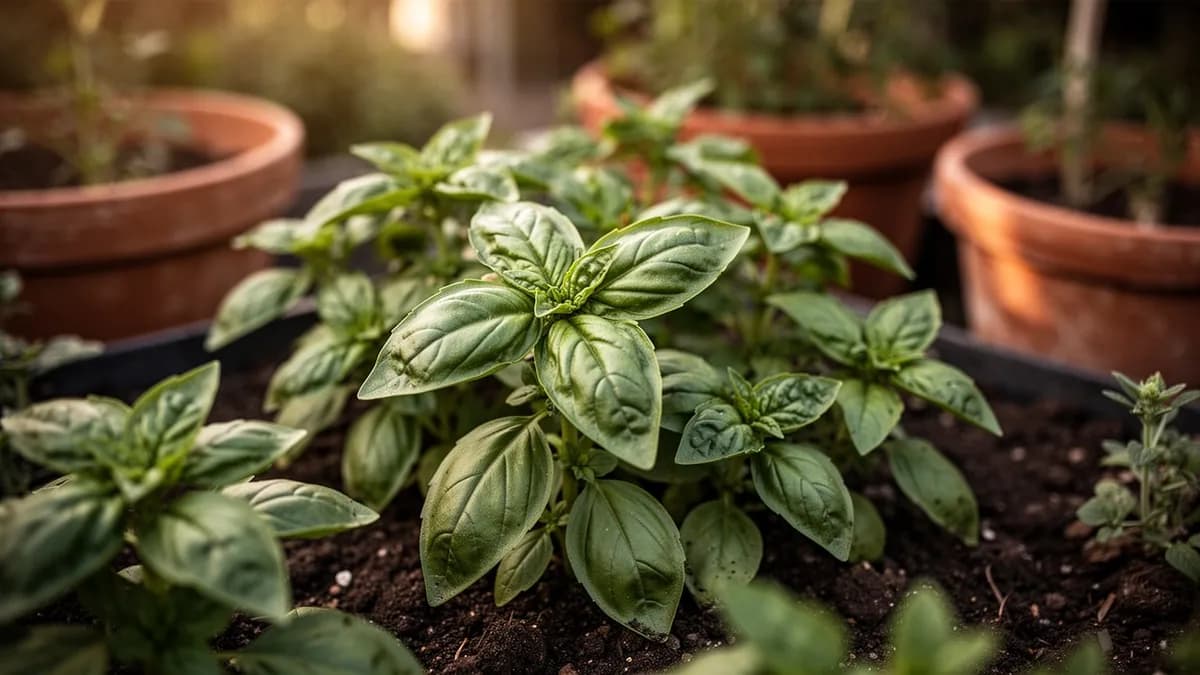
Mango trees benefit from companion planting with nitrogen-fixing legumes like pigeon pea or clover, which improve soil fertility. Banana plants make excellent companions, providing wind protection and creating a tropical microclimate. Basil and other aromatic herbs planted nearby can help deter some pest insects. Avoid planting other large trees within the mango's canopy spread as they compete for light and nutrients. Low-growing cover crops help suppress weeds and conserve soil moisture.
Banana belongs beside it.
Old growers' knowledge, checked against Mango's real companion table below — test any plant you're growing.
Try Mango in a bed — right here
A real planner bed with Mango already in it. Tap a companion to place it and watch the pairing checks answer — green for good neighbours, red for a clash.


Related growing guides
Feed it well
Mango trees prefer deep, well-drained sandy loam or laterite soils with a pH of 5.5 to 7.5. They cannot tolerate waterlogged conditions, which cause root rot. Amend heavy clay soils with sand and organic matter before planting. Feed young trees monthly with a balanced fertilizer (10-10-10) during the growing season. For bearing trees, switch to a low-nitrogen, high-potassium formula (0-0-50 or 4-6-12) applied before flowering to promote fruit production. Apply micronutrients including zinc, manganese, and iron as foliar sprays if deficiency symptoms appear.
Ideal Temperature
Hardiness Zone Compatibility
From seed to harvest, stage by stage
Seedling
The mango seed germinates within 2–4 weeks of planting. The seedling develops a taproot and produces its first flush of reddish-bronze leaves that gradually turn green as they mature. Growth is slow but steady during this foundational stage.
Juvenile Vegetative Growth
The young tree begins producing regular flushes of new growth, each starting with characteristic bronze-red leaves. The trunk thickens and branching becomes more pronounced. Trees grafted onto rootstock may reach 1–2 meters in height by the end of the first year.
Establishment & Canopy Development
During years two and three, the mango tree establishes a deep root system and develops its characteristic rounded to spreading canopy. Growth flushes become more regular and the tree begins to build the energy reserves necessary for flowering. Grafted trees may produce their first small flower panicles toward the end of this stage.
Flowering
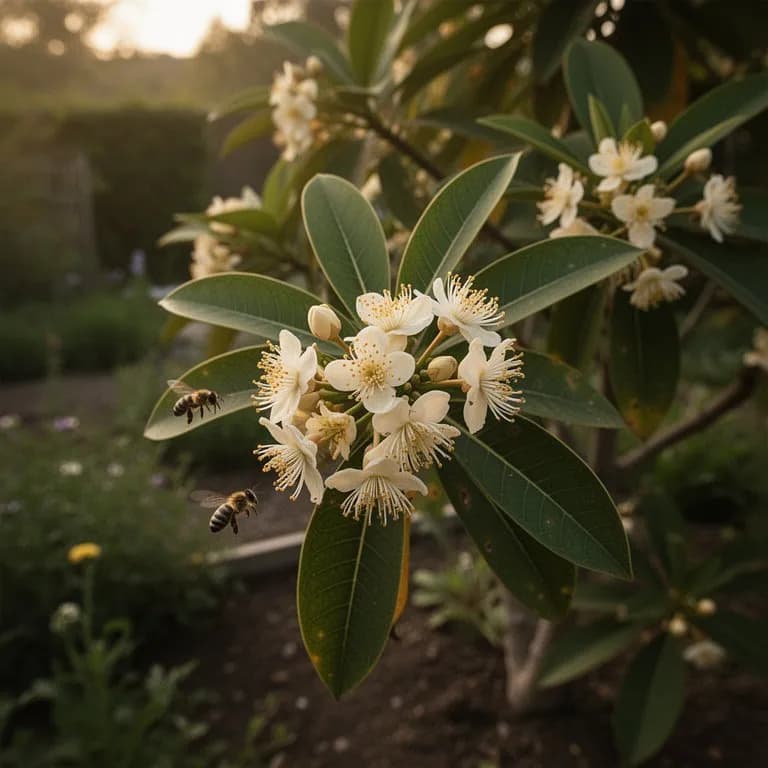
Mango trees typically flower in late winter to early spring, triggered by a period of cooler, dry weather followed by warming temperatures. Panicles of hundreds to thousands of small white or pale yellow flowers emerge at branch tips. Each panicle contains both male and hermaphrodite flowers, and successful pollination by insects is essential for fruit set.
Fruit Development
After successful pollination, fruits develop rapidly over 3–5 months depending on the variety. The fruit transitions from a small green marble to full size, developing its characteristic shape and beginning to accumulate sugars. Internal seed development completes before external color change occurs.
Ripening & Harvest
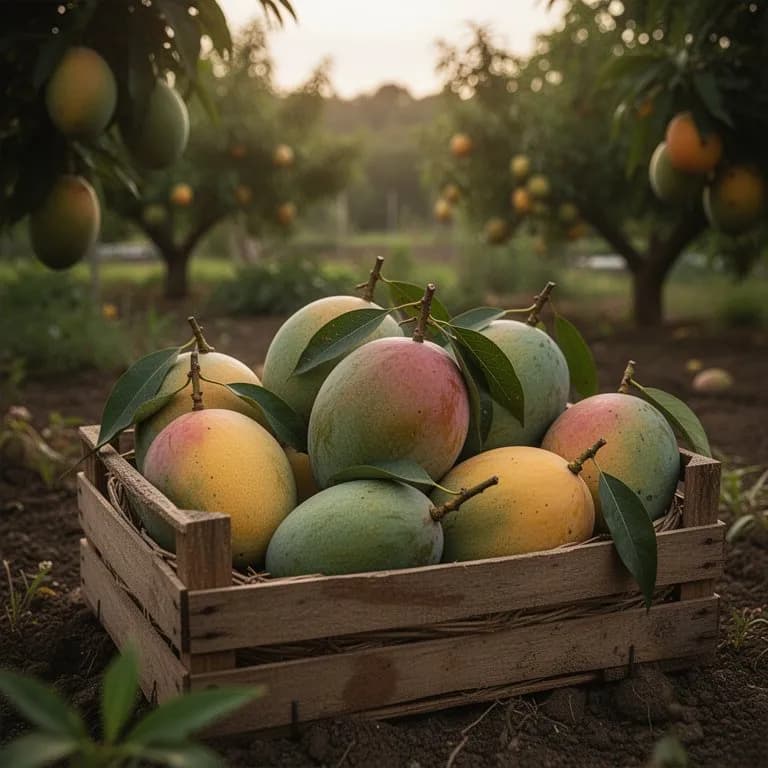
Ripe mangoes change color depending on variety — from green to yellow, orange, or red. The fruit softens slightly to the touch and emits a sweet, fragrant aroma near the stem. Most varieties ripen between May and September in the Northern Hemisphere. Harvest by gently twisting or cutting with a short stem to prevent sap burn.
Keep soil consistently moist but never waterlogged. Provide filtered light and protect the seedling from temperatures below 10°C.
Caring for Mango month by month
What to do each month for your Mango
October
You are hereReduce irrigation significantly to stress the tree in preparation for flowering. Apply a final application of potassium and phosphorus fertilizer. Remove fallen fruit and leaves to reduce disease and pest pressure. In cooler climates, prepare protective coverings for frost-sensitive young trees.
Know exactly what to do in your garden — every month
One email at the start of each month: what to sow, plant, and tackle right now — for your Mango and everything growing around it. Plus a short starter course that helps you dodge the classic mistakes.
- What to do, right now
- Matched to your season
- Starter course included
Harvesting Mango
Mangoes mature three to six months after flowering, depending on variety and climate. Harvest when fruits develop full color, yield slightly to gentle pressure, and emit a fruity aroma at the stem end. For commercial shipping, pick when mature but still firm, as mangoes ripen well off the tree. Cut the stem about an inch above the fruit, being careful to avoid sap contact with skin as mango sap can cause dermatitis. Allow fruits to ripen at room temperature for two to five days after picking.
assuming you plant when the window opens — set your real date
Pick Mango promptly and the plant keeps producing.
Storage & Preservation
Unripe mangoes can be stored at room temperature until ripe, typically three to seven days. Once ripe, refrigerate for up to five days. Do not refrigerate unripe mangoes as cold temperatures halt ripening. For longer preservation, peel and slice mangoes, then freeze on a baking sheet before transferring to freezer bags. Mangoes can also be dried into chewy strips, made into chutney, pickled when green, or pureed and frozen for smoothies. Mango puree is excellent for making jam, sorbet, and fruit leather.
What goes wrong — and the fix
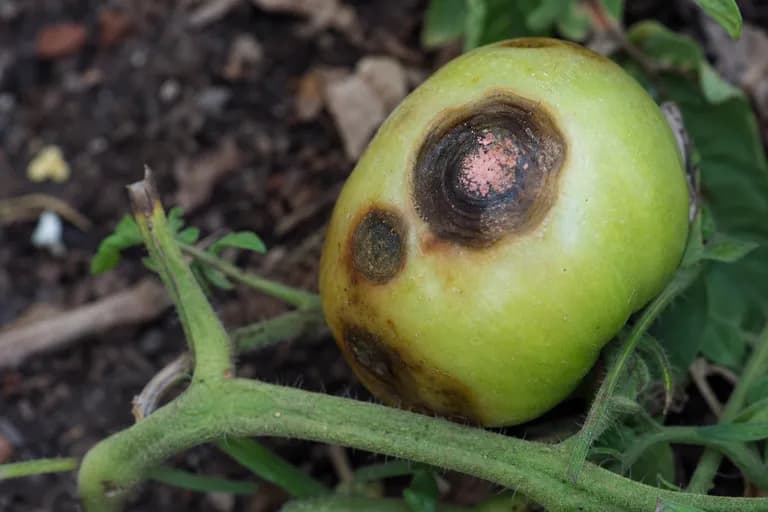
Anthracnose
DiseaseBlack, sunken lesions on flowers, fruits, and leaves; blossom blight causing entire flower panicles to blacken and die.
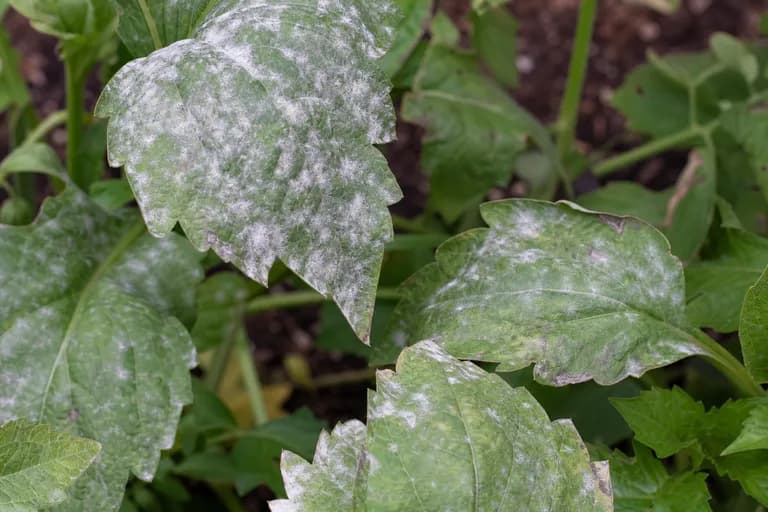
Powdery Mildew
DiseaseWhite, powdery coating on young leaves, flowers, and developing fruits; distorted growth; fruit drop.
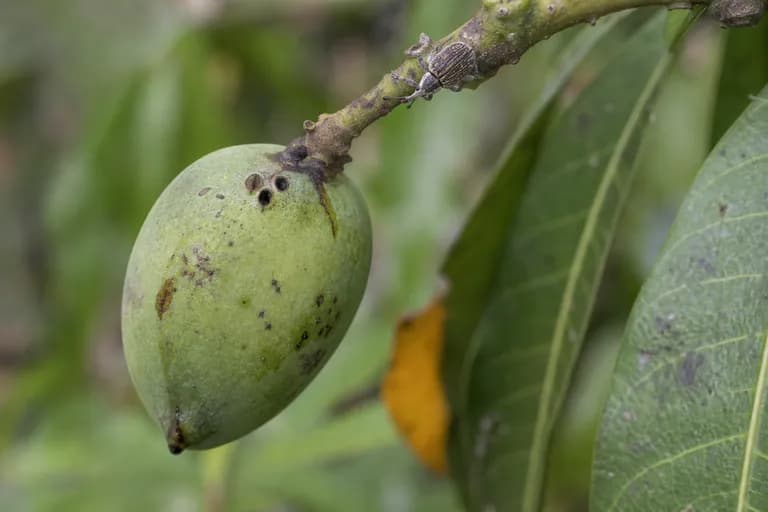
Mango Seed Weevil
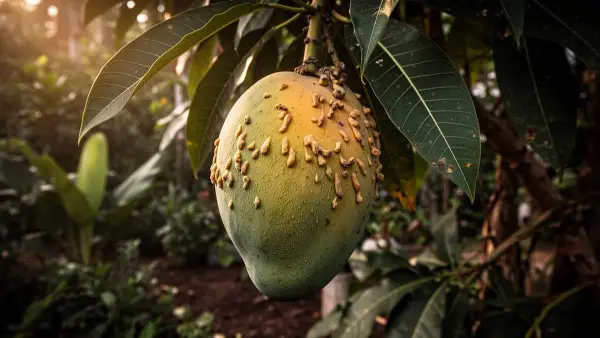
PestSmall holes in fruit skin near the stem end; larvae tunneling into the seed; premature fruit drop.
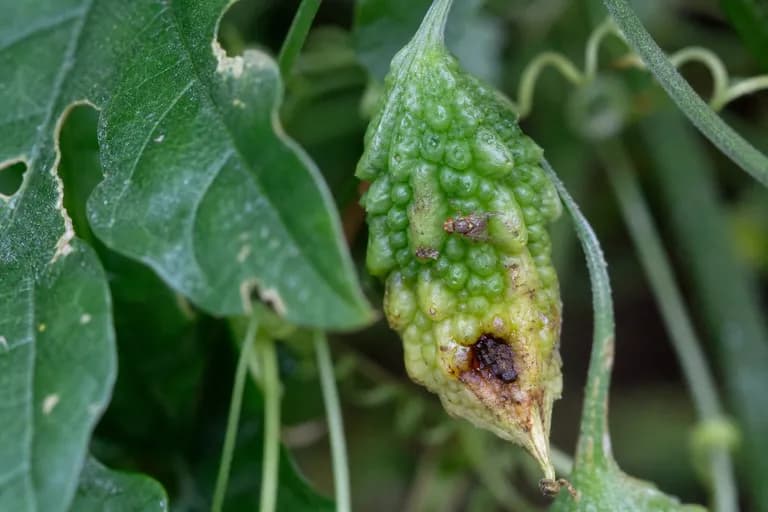
Fruit Fly
PestSmall puncture marks on ripening fruit; maggots inside fruit flesh; premature fruit drop and rotting.
Troubleshooting Common Problems
Mango trees frequently experience alternate bearing, producing heavy crops one year followed by light crops the next. This can be partially managed through proper pruning and thinning. Sap burn from harvesting can cause skin irritation and fruit blemishes. Young trees are highly susceptible to cold damage, even at temperatures above freezing. In humid climates, fungal diseases like anthracnose are the primary challenge, often requiring regular preventative spraying during flowering. Container trees may fail to fruit without adequate light and the necessary cool, dry rest period.
Growing Tips
- Always plant grafted trees rather than seedlings — grafted trees bear fruit in 3–5 years versus 8–10+ years for seed-grown trees, and they produce fruit true to the parent variety.
- Mango trees require a distinct dry season of 6–8 weeks in late autumn or early winter to trigger flower bud differentiation — without this stress period, many varieties will produce only vegetative growth.
- Plant mango in full sun with at least 8 hours of direct sunlight per day; insufficient light leads to poor flowering, weak vegetative growth, and increased susceptibility to fungal diseases.
- Avoid planting mango in low-lying areas where cold air pools on frosty nights — even a few hours below 0°C can damage or kill young trees and destroy flower panicles.
- Apply a thick layer of organic mulch 10–15 cm deep around the base of the tree but keep it 30 cm away from the trunk to prevent collar rot and retain soil moisture during the dry season.
- After the main harvest, prune back the outer 30–50 cm of canopy to encourage vigorous new growth flushes; these new shoots become the wood that bears flowers and fruit in the following season.
- In alkaline soils, mangoes commonly develop iron chlorosis (yellowing between leaf veins) — apply chelated iron as a foliar spray or soil drench to correct this deficiency.
- Container-grown mango trees should be repotted every 2–3 years into a container one size larger, using a well-draining potting mix amended with perlite and coarse sand to prevent waterlogging.
- To control tree height in the garden, practice open-center pruning to create a flat-topped tree that is easier to harvest, spray, and manage, while still allowing maximum sunlight penetration.
- Harvest mangoes by cutting the stem rather than pulling the fruit to avoid the caustic sap that flows from a broken stem burning the fruit skin and causing black spotting during storage.
Grow your best Mango yet — and everything around it.
Start a free plan today. Lay out your beds, drop in your Mango, and let PlotMyGarden handle the timing, spacing, companions and reminders from seed to harvest basket.
Pick your Mango
Alphonso
Considered the finest mango in the world, with rich, creamy, non-fibrous flesh and an intensely sweet, complex flavor. Primarily grown in India.
Tommy Atkins
The most commercially grown variety worldwide, with good shelf life and disease resistance but moderate flavor compared to premium varieties.
Nam Doc Mai
A Thai variety with elongated, golden fruits and silky, fiberless flesh. Excellent for container growing due to its compact growth habit.
Kent
A large Florida variety with rich, sweet flavor, minimal fiber, and good disease resistance. Bears heavily in humid climates.
Pickering
A true dwarf variety reaching only six to eight feet, perfect for container growing. Produces sweet, fiberless, coconut-cream-flavored fruits.
A mature, productive mango tree can yield between 100 and 200 kilograms of fruit per season, and premium mango varieties such as Alphonso, Keitt, and Kent can retail for $3–$8 per kilogram or more at farmers markets and specialty grocery stores. Growing your own mango tree in a suitable climate can yield hundreds of dollars' worth of fruit annually while eliminating the premium cost often charged for tree-ripened, locally grown fruit that is unavailable in most commercial supply chains. Even in cooler climates, growing a mango tree in a large container and overwintering it indoors can produce meaningful harvests and significantly reduce household spending on tropical fruit.
Quick recipes
Fresh Mango Salsa
15 minutesA bright, refreshing salsa that pairs beautifully with grilled fish, chicken, or simply scooped up with tortilla chips. The combination of sweet mango, lime juice, and jalapeño creates an irresistible balance of flavors.
6 ingredientsMango Lassi
5 minutesA classic South Asian yogurt-based drink that is sweet, creamy, and deeply refreshing. Mango lassi is the perfect way to use ripe or slightly overripe mangoes and makes an excellent breakfast drink or afternoon treat.
7 ingredients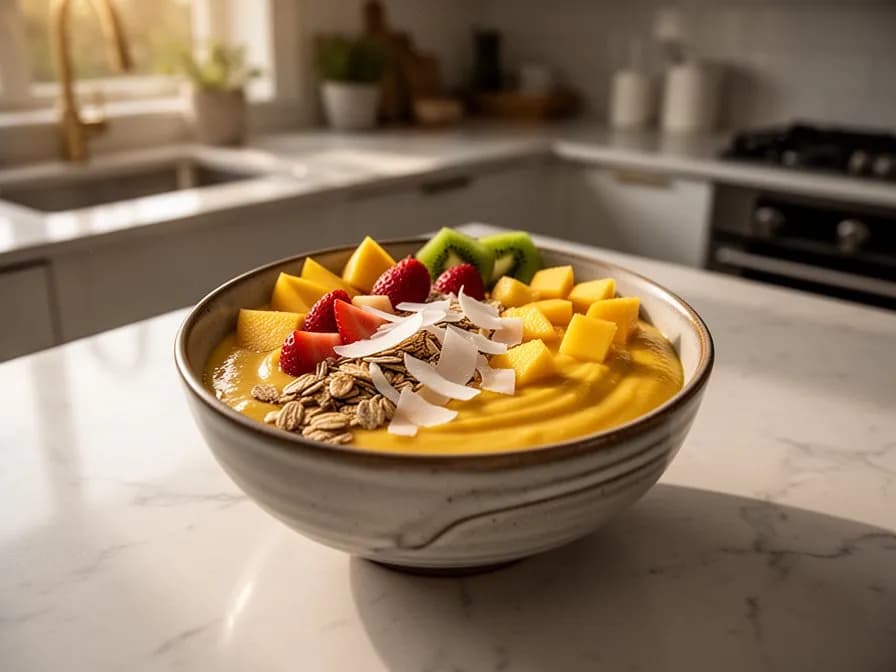
Thai Green Mango Salad
20 minutesA tangy, crunchy salad made with unripe green mango that is a staple of Thai street food cuisine. The sharp sourness of the green mango is balanced with fish sauce, lime, chili, and toasted peanuts for a complex, addictive flavor profile.
8 ingredientsCulinary Uses
Ripe mangoes are eaten fresh, sliced, or cubed in fruit salads, smoothies, and desserts. They are essential in Indian lassi drinks, Thai sticky rice with mango, and Latin American agua fresca. Green mangoes are used in chutneys, pickles, salads, and as a souring agent in cooking. Mango puree is used in ice cream, sorbet, and fruit leather. Dried mango is a popular snack worldwide.
What's inside
Health Benefits
- High vitamin C content supports immune function, collagen synthesis, and skin health, with one cup of mango providing nearly 70% of the recommended daily intake.
- Rich in beta-carotene and other carotenoids that are converted to vitamin A in the body, supporting healthy vision, immune defense, and cellular growth.
- Contains mangiferin, a bioactive compound unique to mangoes that has been studied for antioxidant, anti-inflammatory, antidiabetic, and potentially anti-tumor properties.
- The dietary fiber in mango supports healthy digestion, promotes beneficial gut bacteria, and contributes to feelings of satiety that can assist with healthy weight management.
- Mango provides folate (vitamin B9), which is essential for DNA synthesis and cell division and is particularly important for fetal development during early pregnancy.
- Naturally occurring digestive enzymes in mango, including amylases and proteases, help break down dietary starches and proteins, making it a digestion-friendly fruit.
Where Mango comes from
The mango (Mangifera indica) is one of humanity's oldest cultivated fruits, with a history stretching back more than 4,000 years on the Indian subcontinent. Archaeological evidence and ancient Sanskrit texts suggest that mangoes were being cultivated in the Indus Valley as early as 2000 BCE, and the fruit is mentioned in the ancient Hindu scriptures known as the Vedas. The mango holds deep cultural and religious significance throughout South and Southeast Asia, where it is considered a symbol of love, prosperity, and fertility. The Mughal emperor Akbar the Great reportedly planted an orchard of over 100,000 mango trees in Bihar, India, demonstrating the fruit's immense importance to royal courts and aristocratic culture. The Portuguese were responsible for introducing the mango to the rest of the world during the 15th and 16th centuries. Portuguese traders brought mango seeds from India to their colonies in East Africa and Brazil, from which the fruit spread throughout the tropics. By the 18th century, mangoes had been introduced to the Caribbean, Central America, and parts of North America. The variety now known as the Haden mango — which became the parent of most Florida-grown commercial varieties — was grown from a seed planted in Miami in 1902. Today, mangoes are cultivated commercially in over 100 countries across tropical and subtropical regions, including India, China, Thailand, Indonesia, Mexico, Brazil, and the Philippines. Global mango production exceeds 55 million metric tons annually, making it one of the most widely consumed tropical fruits on the planet. Selective breeding and grafting over millennia have produced an astonishing diversity of named varieties, ranging from the prized Alphonso of India's Konkan coast to the large, fiber-free Ataulfo of Mexico. The fruit's journey from a forest tree of South Asia to a globally beloved staple is a testament to centuries of agricultural knowledge, cultural exchange, and horticultural innovation.
Mango: did you know?
Fascinating facts about Mango
Mango is the national fruit of India, Pakistan, and the Philippines — three of the world's top mango-producing nations.
Mango questions, answered
When should I plant Mango?
What are good companion plants for Mango?
What hardiness zones can Mango grow in?
How much sun does Mango need?
How far apart should I space Mango?
What pests and diseases affect Mango?
How do I store Mango after harvest?
What are the best Mango varieties to grow?
What soil does Mango need?
How long does it take for a mango tree to bear fruit?
Can I grow a mango tree in a pot or container?
Why is my mango tree flowering but not setting fruit?
When is the right time to harvest mangoes?
What pests and diseases most commonly affect mango trees?
Do mango trees need a lot of water?
You just read the theory. Now grow it on autopilot.
Everything that makes Mango fiddly — the timing, the spacing, the companions, the harvest window — is exactly what PlotMyGarden handles for you, for every plant in your garden.
A plan that knows your weather
Set your location once. Get sow, feed and harvest dates built around your real last-frost date and live forecast — no more guessing from a generic seed packet.
From the “When to plant” sectionDrag-and-drop bed planner
Design beds on a grid. Every plant snaps to its proper spacing, and you can see your whole season laid out before you spend a cent on seed.
From the “Growing guide” sectionCompanion conflicts, caught early
200+ good-and-bad pairings checked live as you plant — so a season-wrecking mistake never makes it into the ground.
From the “Companions” sectionReminders you'll actually act on
“Water the beans.” “Pick today before it turns.” Timely, specific, and tied to the plants you're really growing.
From the “Harvest” sectionSuccession, scheduled
Want a harvest for six weeks, not six days? It spaces your sowings automatically and reminds you when each new block is due.
From the “When to plant” sectionA record that gets smarter
Every harvest you log teaches it your garden. Next year's plan starts from what actually worked in your soil, not a textbook's.
From the “Overview” sectionPlant these alongside Mango
More Tropical Fruits
Grow your best Mango yet — and everything around it.
Start a free plan today. Lay out your beds, drop in your Mango, and let PlotMyGarden handle the timing, spacing, companions and reminders from seed to harvest basket.