Fig
An ancient fruit tree producing sweet, soft fruits without need for cross-pollination in most cultivated varieties.





On this pageOverview
Meet Fig
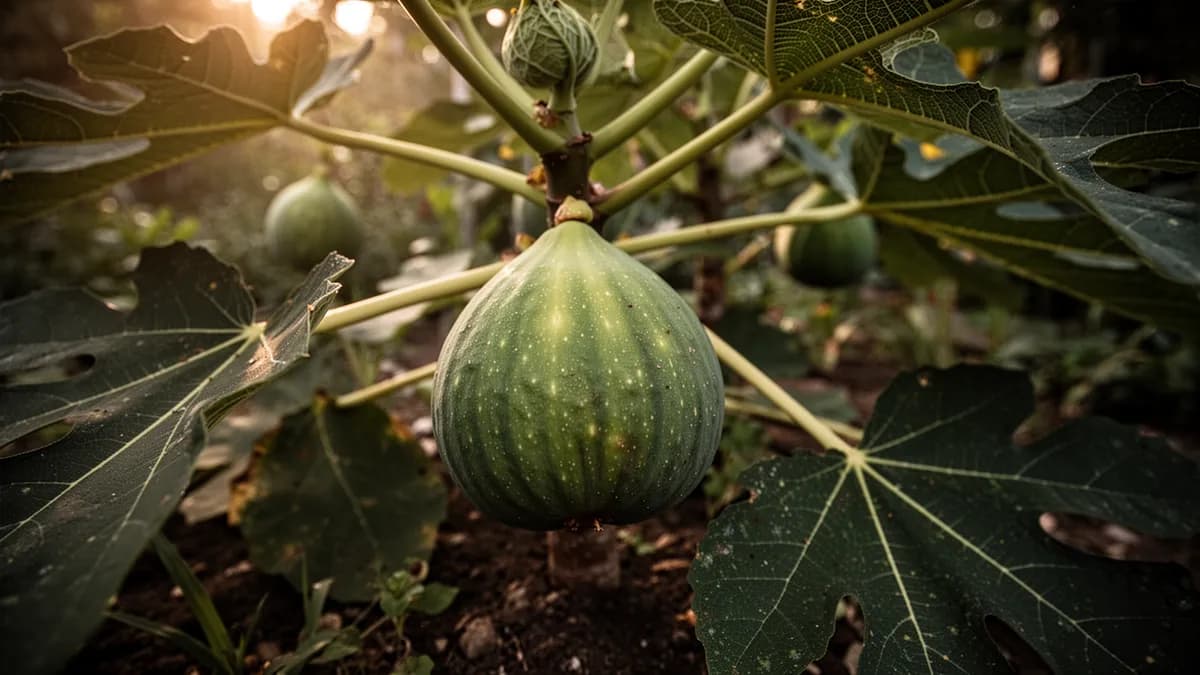
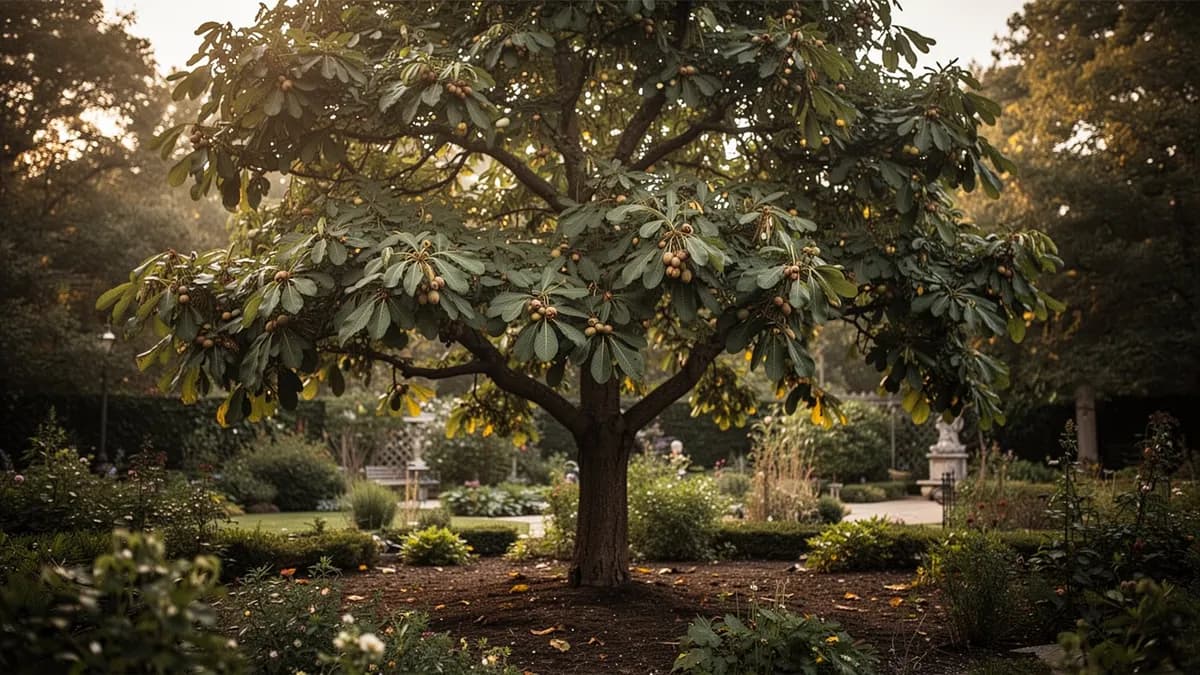
An ancient fruit tree producing sweet, soft fruits without need for cross-pollination in most cultivated varieties. Figs thrive in warm, sheltered locations and can be grown in large containers in cooler climates where winter protection is necessary. Prune minimally, mainly to remove dead wood and control size, as figs fruit on both old and new wood depending on the variety. Harvest when fruits droop on their stems, feel soft to the touch, and develop small cracks near the base indicating peak sweetness.
When to plant Fig
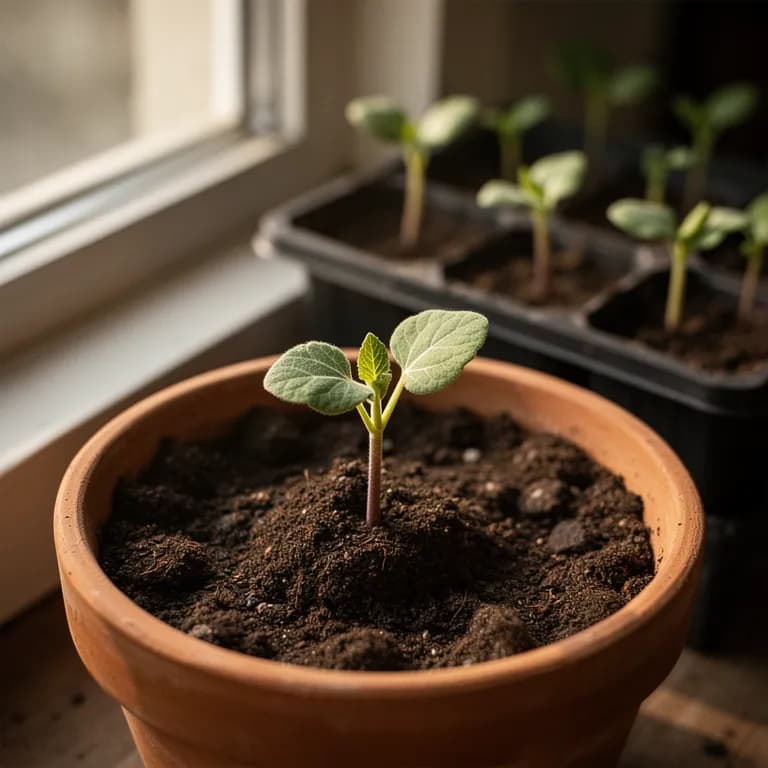
Figs are almost exclusively propagated from hardwood cuttings rather than seed, as seedlings do not come true to type. Take eight-to-ten-inch cuttings of dormant one-year-old wood in late winter, making a straight cut at the bottom and an angled cut at the top. Dip the base in rooting hormone and plant in a container of moist potting mix with only the top two buds exposed. Keep warm and consistently moist. Roots develop in four to eight weeks. Air layering is another reliable method: wound a branch, wrap with moist sphagnum and plastic, and sever when roots fill the moss ball.
Your Fig Year
Composed for Zone 7 · typical seasons · frost passes Apr 2, returns Nov 1
Plant Fig Mar – Apr, pick Jul – Sep. Check the planting methods below and set your climate to personalize these windows.
How to grow Fig
Choose the warmest, most sheltered spot in your garden, ideally against a south-facing wall that radiates stored heat. Figs need full sun and protection from cold winter winds. Dig a generous planting hole and amend with compost, but avoid overly rich soil which promotes leaf growth at the expense of fruit. In borderline hardiness zones, restrict root growth by planting in a buried container or between underground barriers to stress the tree slightly and improve fruiting.
In cooler climates, grow figs in large containers of at least 15 gallons, using a well-drained potting mix with added perlite. Container figs can be moved to an unheated garage or basement for winter dormancy when temperatures regularly drop below 20 degrees Fahrenheit. Water container-grown figs regularly during the growing season, as they dry out faster than in-ground trees.
Prune fig trees minimally compared to other fruit trees. Remove dead, damaged, or crossing branches in late winter. Thin the interior to allow sunlight and air circulation. Many varieties produce two crops: an early breba crop on previous year's wood and a larger main crop on current season's growth. In cold climates, the breba crop is often lost to frost, so choose varieties that produce well on new wood.
Fig needs more room than a 4 × 8 ft bed gives
Each Fig wants 300 cm of elbow room. The planner keeps that spacing for you — every plant, every bed.
Fig's best neighbours
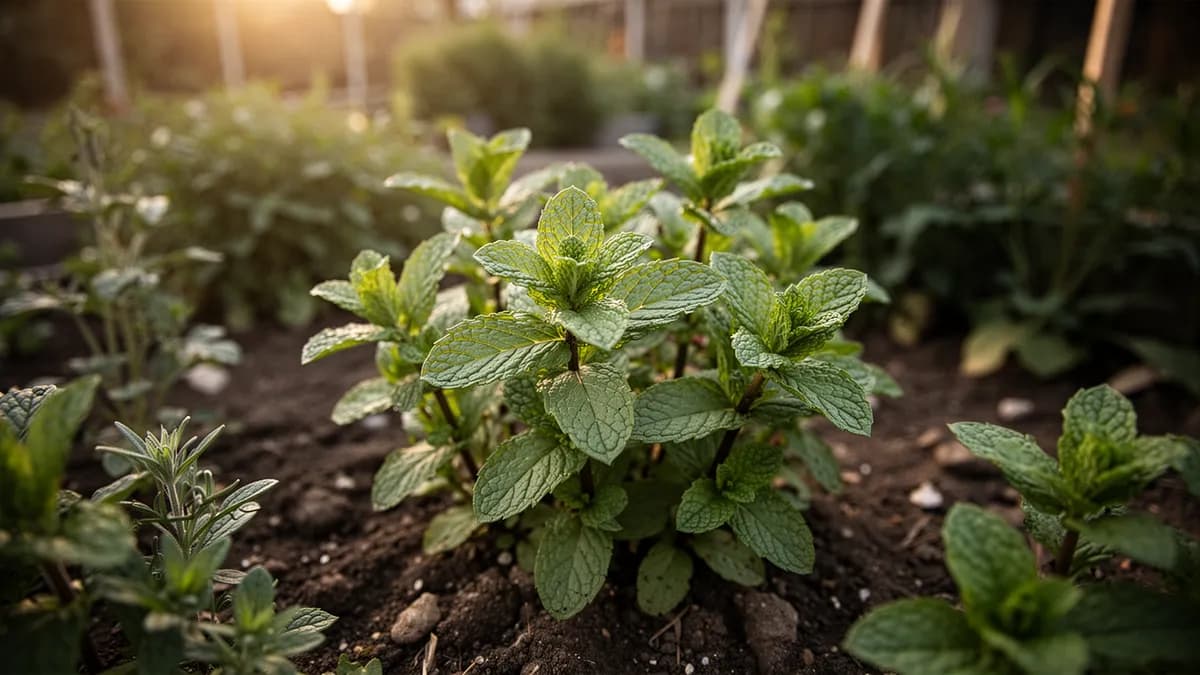
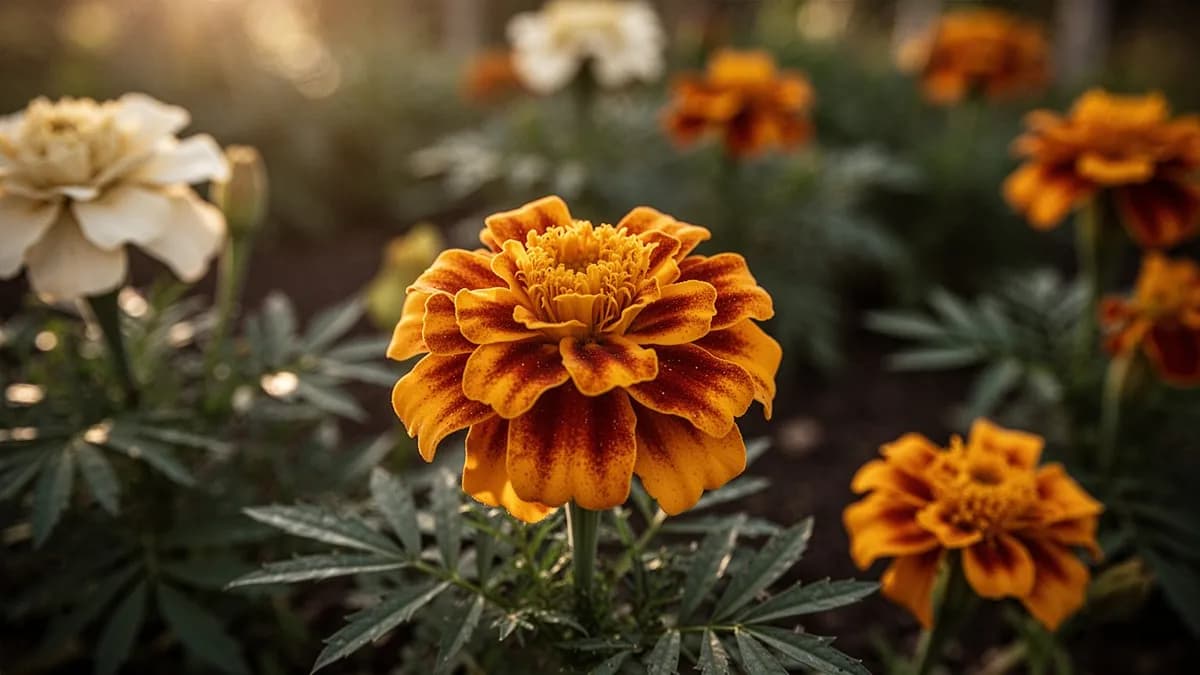
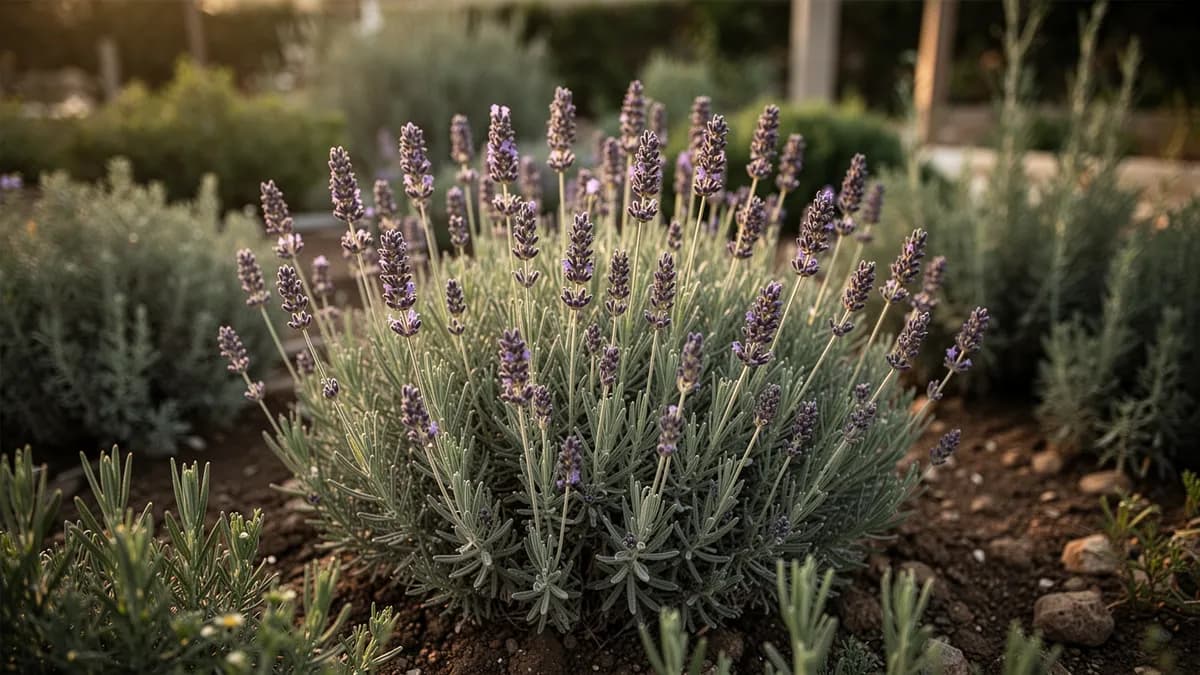
Mint and marigolds planted around fig trees may help deter certain pest insects with their aromatic oils. Lavender attracts pollinators and beneficial insects while thriving in similar warm, well-drained conditions. Comfrey grown under fig trees serves as a dynamic nutrient accumulator, pulling potassium and other minerals from deep soil layers and making them available as mulch when the leaves are cut. Avoid planting near walnut trees, which produce juglone that is toxic to many plants.
Mint belongs beside it. Walnut Tree doesn't.
Old growers' knowledge, checked against Fig's real companion table below — test any plant you're growing.
Try Fig in a bed — right here
A real planner bed with Fig already in it. Tap a companion to place it and watch the pairing checks answer — green for good neighbours, red for a clash.


Related growing guides
Feed it well
Figs are adaptable to most soil types but perform best in well-drained, moderately fertile soil with a pH of 6.0 to 6.5. Excessively rich soil causes excessive leaf growth and reduces fruiting. Fertilize lightly in early spring with a balanced fertilizer, and avoid high-nitrogen feeds. Container-grown figs need monthly feeding with a diluted liquid fertilizer during the growing season. Restrict root growth slightly in overly fertile soils to stress the tree into producing more fruit.
Ideal Temperature
Hardiness Zone Compatibility
From seed to harvest, stage by stage
Dormancy and Bud Break
Fig trees enter dormancy in late autumn, dropping their leaves and ceasing growth. During late winter to early spring, buds begin to swell as temperatures warm. In colder climates, protective wrapping may still be in place during this period. The first signs of life appear as small green buds emerge along the bare branches.
Leaf Emergence and Shoot Growth
New leaves unfurl rapidly from the swelling buds, and vigorous shoot growth begins. The large, deeply lobed leaves expand quickly, creating a dense canopy. Small embryonic figs called breba may already be visible on last year's wood, representing the first potential crop of the season.
Fruit Development
Small green figs form along the current season's branches, growing slowly through late spring and early summer. The tree channels significant energy into both vegetative growth and fruit production. Figs are actually inverted flowers, with the true flowers contained inside the fleshy receptacle. The fruits gradually increase in size throughout this stage.
Fruit Ripening
Figs undergo a dramatic transformation as they ripen, changing color from green to their mature shade of purple, brown, green-gold, or black depending on the variety. The fruits soften, droop slightly on their stems, and may develop small cracks or a bead of nectar at the eye. Sugar content increases rapidly during the final days of ripening.
Late Harvest and Pre-Dormancy
The main crop harvest continues into early autumn. Late-forming figs that will not ripen before frost should be removed from the tree to redirect energy. Leaves begin to yellow and drop as day length shortens and temperatures cool. The tree gradually enters dormancy, hardening its wood for winter.
Prune while the tree is still fully dormant, before buds begin to swell. Remove any dead, crossing, or damaged branches. Apply a layer of well-rotted compost around the base of the tree, keeping it away from the trunk. Remove winter protection gradually as frost risk diminishes.
Caring for Fig month by month
What to do each month for your Fig
October
You are hereHarvest any final ripe figs before the first frost. Allow leaves to drop naturally as the tree enters dormancy. Clean up fallen leaves and fruit to prevent overwintering pests and diseases. Apply a final layer of mulch around the root zone for winter insulation.
Know exactly what to do in your garden — every month
One email at the start of each month: what to sow, plant, and tackle right now — for your Fig and everything growing around it. Plus a short starter course that helps you dodge the classic mistakes.
- What to do, right now
- Matched to your season
- Starter course included
Harvesting Fig
Figs must ripen fully on the tree, as they do not continue to sweeten after picking. A ripe fig droops on its stem, feels soft and yielding when gently squeezed, and often develops small cracks near the base and a bead of nectar at the eye. The skin color deepens to the variety's mature hue, whether that is brown, purple, green, or yellow. Harvest by gently lifting the fruit upward from its hanging position to snap it cleanly from the branch. Handle carefully as ripe figs are extremely fragile.
assuming you plant when the window opens — set your real date
Check trees daily once figs start to soften. A ripe fig droops on its stem, feels soft and yielding to gentle pressure, shows its variety's mature colour (brown, purple, green or yellow-gold), often cracks slightly near the base and may show a bead of nectar at the eye. Figs must ripen fully on the tree; they do not sweeten after picking.
Storage & Preservation
Fresh figs are extremely perishable, lasting only two to three days refrigerated. Handle gently and store in a single layer on a paper towel-lined tray. For longer preservation, figs dry exceptionally well: halve them and sun-dry or use a dehydrator at 135 degrees Fahrenheit until leathery but still pliable. Fig preserves, jams, and chutneys are classic preparations. Figs can also be frozen whole on a baking sheet and stored in freezer bags for up to six months for later cooking use.
What goes wrong — and the fix
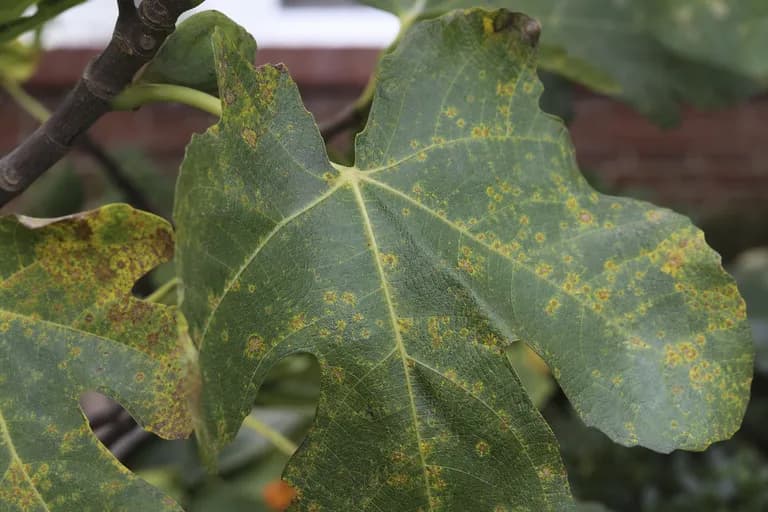
Fig Rust
DiseaseYellow-brown spots on leaf surfaces with corresponding rusty spore masses underneath; severe infections cause premature defoliation.
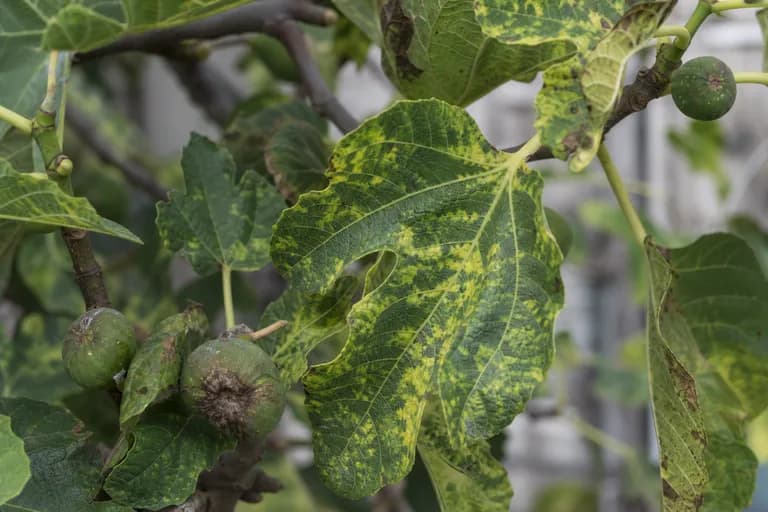
Fig Mosaic Virus
DiseaseYellow mosaic patterns on leaves, leaf distortion, reduced fruit quality, and overall decline in tree vigor over several seasons.
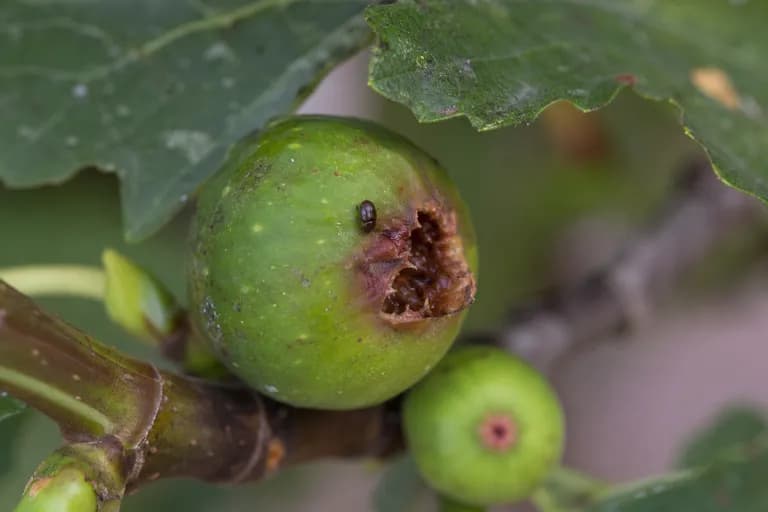
Dried Fruit Beetle
PestSmall beetles enter through the fig eye and feed on the interior, introducing souring yeasts that cause fruit to ferment and rot.
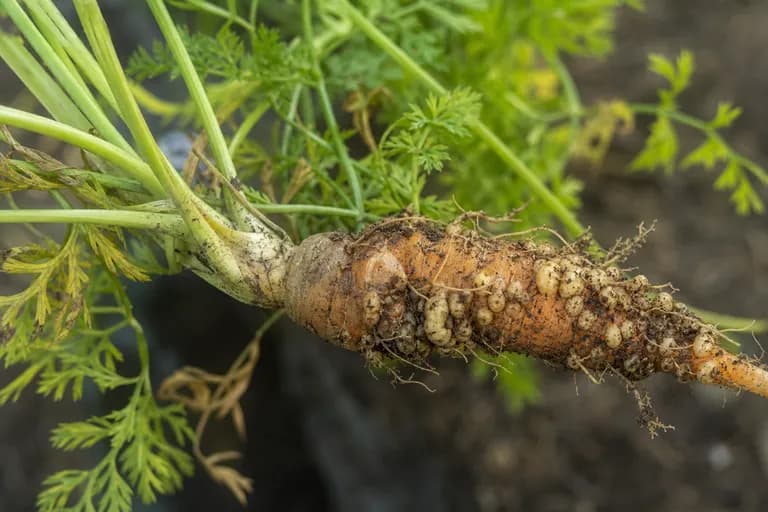
Root Knot Nematodes
PestSwollen galls on roots, stunted growth, yellowing leaves, and reduced fruit production, especially in sandy soils.
Troubleshooting Common Problems
Fruit dropping before ripening is the most common complaint and is usually caused by inconsistent watering, excessive nitrogen, or young tree stress. Splitting fruit often results from heavy rain or irrigation after a dry period. Poor fruit production on vigorous trees usually indicates too much nitrogen or insufficient root restriction. In cold climates, winter dieback kills fruiting wood; wrapping trees or growing in containers mitigates this. Birds and wasps are persistent pests on ripening fruit.
Growing Tips
- Plant fig trees in the warmest, most sheltered spot in your garden, ideally against a south-facing wall or fence that reflects heat and provides winter wind protection. Full sun with at least 8 hours of direct sunlight is essential for fruit ripening.
- Restrict root growth to boost fruit production by planting in a lined pit or large container. Fig trees with unrestricted roots tend to produce excessive vegetative growth at the expense of fruit, so root restriction of roughly 60 cm diameter encourages earlier and heavier fruiting.
- Water young fig trees deeply once or twice per week during the growing season, but allow established trees to develop some drought stress between waterings. Overly consistent watering on mature trees promotes leaf growth over fruit and can cause ripe figs to split.
- Prune fig trees during winter dormancy to maintain an open vase shape with 4-6 main scaffold branches. Remove any suckers from the base, thin out crossing branches, and cut back leggy growth to maintain a manageable harvesting height.
- Propagate fig trees for free by taking 20-30 cm hardwood cuttings in late autumn from healthy current-season growth. Dip the cut end in rooting hormone, plant in moist potting mix, and keep in a cool protected spot over winter for spring rooting.
- Protect fig trees in zones 6-7 by wrapping them after leaf drop with burlap stuffed with straw or leaves, and covering the root zone with 15-20 cm of mulch. Alternatively, grow in large containers that can be wheeled into an unheated garage for winter.
- Harvest figs only when fully ripe, as they do not continue to ripen after picking. A ripe fig will feel soft, droop slightly on its stem, show its mature color, and may have a small bead of nectar at the eye or a slight crack in the skin.
- Feed fig trees sparingly with a balanced or potassium-rich fertilizer in early spring. Avoid high-nitrogen feeds which promote excessive leafy growth and delay fruiting. Established trees in good soil may need little or no supplemental feeding.
- Grow compact fig varieties like Celeste, Petite Negra, or Little Miss Figgy in containers of at least 40-60 liters. Container culture allows gardeners in cold climates to move trees into frost-free winter storage and still enjoy fresh homegrown figs.
- Net ripening figs with bird netting or cover individual fruit clusters with organza bags to protect against birds, squirrels, and fig beetles. Ripe figs attract considerable wildlife interest, and unprotected fruit can be lost to animals overnight.
Grow your best Fig yet — and everything around it.
Start a free plan today. Lay out your beds, drop in your Fig, and let PlotMyGarden handle the timing, spacing, companions and reminders from seed to harvest basket.
Pick your Fig
Brown Turkey
The most widely grown fig in temperate climates, producing medium-sized brown-purple fruit with sweet amber flesh and reliable cold hardiness.
Celeste
A cold-hardy variety with small, sweet, violet-brown figs that resist souring, nicknamed the sugar fig for its rich honey flavor.
Black Mission
A classic California variety producing deep purple-black figs with intensely sweet, strawberry-colored interior flesh.
Kadota
A green-skinned Italian variety with golden amber flesh, excellent for preserving, canning, and drying due to its firm texture.
Chicago Hardy
The most cold-tolerant fig, dying back to the ground in zone 5 winters but regrowing and fruiting on new wood each season.
A single fig tree costing $15-40 at a nursery can produce 15-30 kg of fresh figs per year once mature, equivalent to $75-225 worth of fresh figs at typical market prices of $5-8 per pound. Fig trees are long-lived and increase their yield over time, providing decades of harvests from a one-time investment. Surplus figs can be dried at home for year-round use, and new trees are easily propagated from cuttings at no cost, making figs one of the most cost-effective fruit crops for the home garden.
Quick recipes
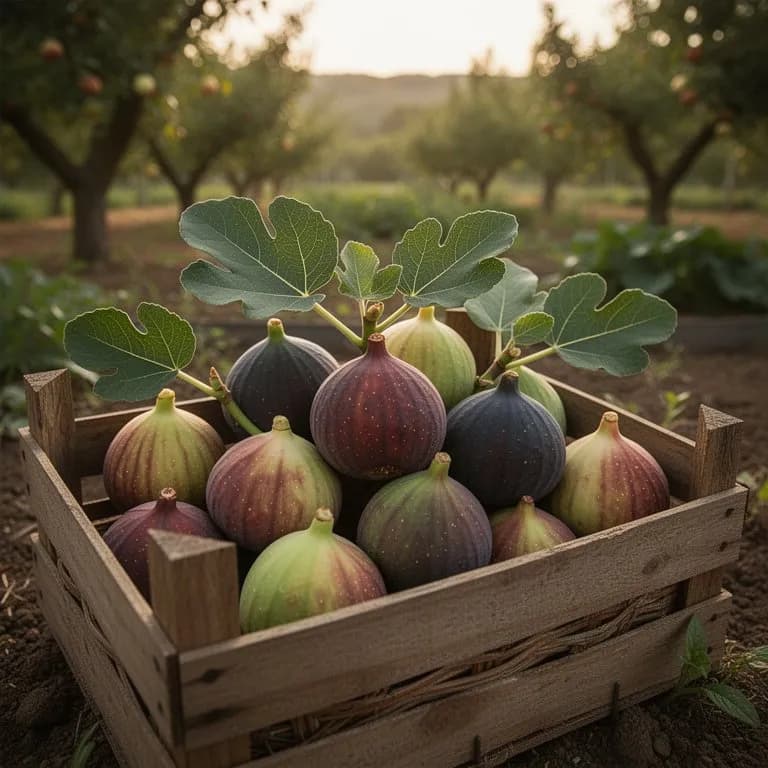
Honey-Roasted Figs with Goat Cheese
15 minutesAn elegant appetizer or dessert that pairs the caramelized sweetness of roasted figs with the tangy creaminess of fresh goat cheese. A drizzle of warm honey and a scattering of toasted walnuts complete this simple but stunning dish that showcases fresh figs at their finest.
7 ingredients
Classic Fig Preserves
45 minutesTraditional fig jam made with ripe figs, sugar, and a hint of lemon that captures the essence of the summer harvest in every jar. This slow-cooked preserve develops a deep amber color and rich, honeyed flavor that pairs beautifully with toast, cheese boards, or roasted meats throughout the year.
6 ingredients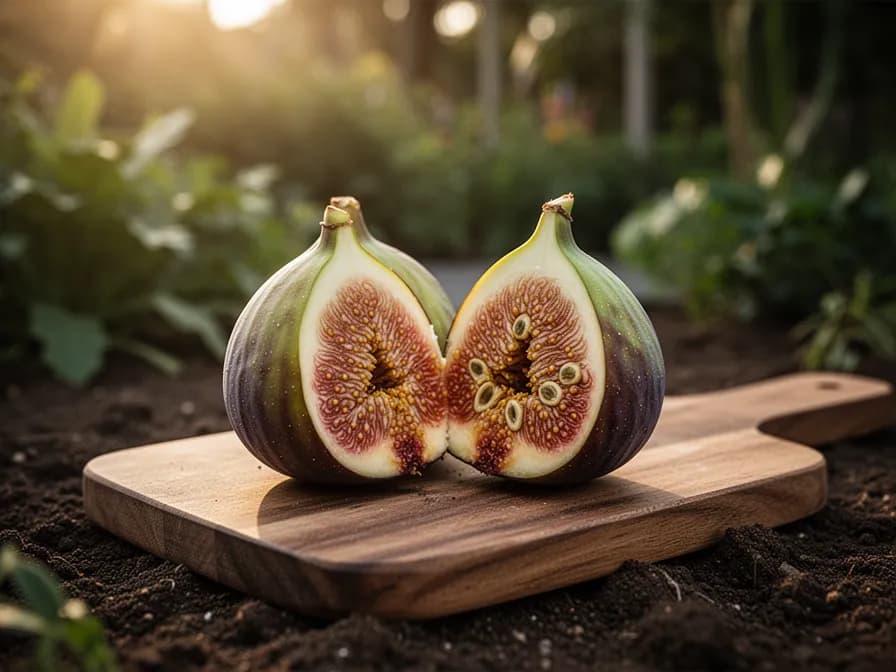
Fig and Prosciutto Flatbread
20 minutesA gourmet flatbread pizza combining sliced fresh figs, thin prosciutto, creamy mozzarella, and a peppery arugula finish. The contrast of sweet figs, salty cured meat, and fresh greens creates a sophisticated flavor profile that works as an appetizer, light meal, or party centerpiece.
7 ingredientsCulinary Uses
Fresh figs are a luxurious treat enjoyed with cheese, prosciutto, honey, and nuts. They pair beautifully with goat cheese, blue cheese, walnuts, and arugula in salads. Roasted figs with balsamic glaze make an elegant appetizer or dessert. Figs are a good source of fiber, potassium, and calcium. Dried figs are concentrated in nutrition and flavor, excellent in baking, stews, and Middle Eastern and Mediterranean cuisines.
What's inside
Health Benefits
- High in dietary fiber which promotes healthy digestion, supports regular bowel movements, and may help reduce the risk of colorectal conditions by maintaining a healthy gut microbiome
- Rich in potassium and low in sodium, a combination that supports cardiovascular health by helping regulate blood pressure and reducing strain on the heart and blood vessels
- Contains significant amounts of calcium and phosphorus, supporting bone mineral density and helping to reduce the risk of osteoporosis, especially notable as a plant-based calcium source
- Provides powerful antioxidant polyphenols including chlorogenic acid and gallic acid that help neutralize free radicals and may reduce oxidative stress linked to chronic diseases
- Offers natural prebiotic fiber that feeds beneficial gut bacteria, supporting a diverse and healthy intestinal microbiome which is increasingly linked to improved immune function
- Contains ficin, a proteolytic enzyme that aids protein digestion and has been studied for its potential anti-inflammatory and immune-modulating properties in traditional and modern medicine
Where Fig comes from
The common fig (Ficus carica) is native to the eastern Mediterranean region and western Asia, with its wild ancestors still found growing in rocky crevices and riverbanks from Turkey through Iran. Archaeological evidence from the Neolithic village of Gilgal in the Jordan Valley suggests that figs were cultivated as early as 9400 BCE, potentially making them the first domesticated crop in human history, predating grain agriculture by roughly a thousand years. The ancient Egyptians prized figs highly, and depictions of fig harvests appear in tomb paintings dating to 2500 BCE. Figs spread throughout the Mediterranean world via Phoenician and Greek traders, becoming a dietary staple in classical Greece where athletes consumed them as a primary training food during the original Olympic Games. The Romans further expanded fig cultivation across their empire, developing numerous named varieties and sophisticated drying techniques for long-term storage. Spanish missionaries introduced figs to the Americas in the early 16th century, planting them at mission settlements along the California coast, which gave rise to the beloved Mission fig variety still widely grown today. In Asia, related fig species had been independently cultivated for millennia, with the sacred fig tree holding profound significance in Buddhist tradition as the tree under which the Buddha achieved enlightenment. During the 18th and 19th centuries, European aristocrats grew fig trees in heated glasshouses and against south-facing walls, developing the techniques of espalier and winter protection that northern gardeners still use today. The modern fig industry is centered around Turkey, Egypt, Morocco, and California, which together produce the majority of the world's commercial fig crop. Home gardeners across temperate climates have experienced a renaissance of interest in fig growing, aided by cold-hardy cultivars and container-growing techniques that allow fig cultivation far beyond its traditional range.
Fig: did you know?
Fascinating facts about Fig
Figs are one of the earliest fruits cultivated by humans, with evidence of fig cultivation dating back over 11,000 years to the Jordan Valley, making them older than wheat, barley, and legumes in the agricultural record.
Fig questions, answered
When should I plant Fig?
What are good companion plants for Fig?
What hardiness zones can Fig grow in?
How much sun does Fig need?
How far apart should I space Fig?
What pests and diseases affect Fig?
How do I store Fig after harvest?
What are the best Fig varieties to grow?
What soil does Fig need?
Why is my fig tree not producing fruit?
How do I protect my fig tree from winter cold?
What is the difference between breba and main crop figs?
Can I grow a fig tree in a container?
Why are my figs splitting or cracking before harvest?
How do I dry figs at home?
You just read the theory. Now grow it on autopilot.
Everything that makes Fig fiddly — the timing, the spacing, the companions, the harvest window — is exactly what PlotMyGarden handles for you, for every plant in your garden.
A plan that knows your weather
Set your location once. Get sow, feed and harvest dates built around your real last-frost date and live forecast — no more guessing from a generic seed packet.
From the “When to plant” sectionDrag-and-drop bed planner
Design beds on a grid. Every plant snaps to its proper spacing, and you can see your whole season laid out before you spend a cent on seed.
From the “Growing guide” sectionCompanion conflicts, caught early
200+ good-and-bad pairings checked live as you plant — so a season-wrecking mistake never makes it into the ground.
From the “Companions” sectionReminders you'll actually act on
“Water the beans.” “Pick today before it turns.” Timely, specific, and tied to the plants you're really growing.
From the “Harvest” sectionSuccession, scheduled
Want a harvest for six weeks, not six days? It spaces your sowings automatically and reminds you when each new block is due.
From the “When to plant” sectionA record that gets smarter
Every harvest you log teaches it your garden. Next year's plan starts from what actually worked in your soil, not a textbook's.
From the “Overview” sectionPlant these alongside Fig
More Tropical Fruits
Keep Fig away from these
Grow your best Fig yet — and everything around it.
Start a free plan today. Lay out your beds, drop in your Fig, and let PlotMyGarden handle the timing, spacing, companions and reminders from seed to harvest basket.