Amaranth Greens
A heat-loving leaf vegetable with stunning red, green, and gold foliage that thrives in hot summer conditions when other greens struggle.





On this pageOverview
Meet Amaranth Greens
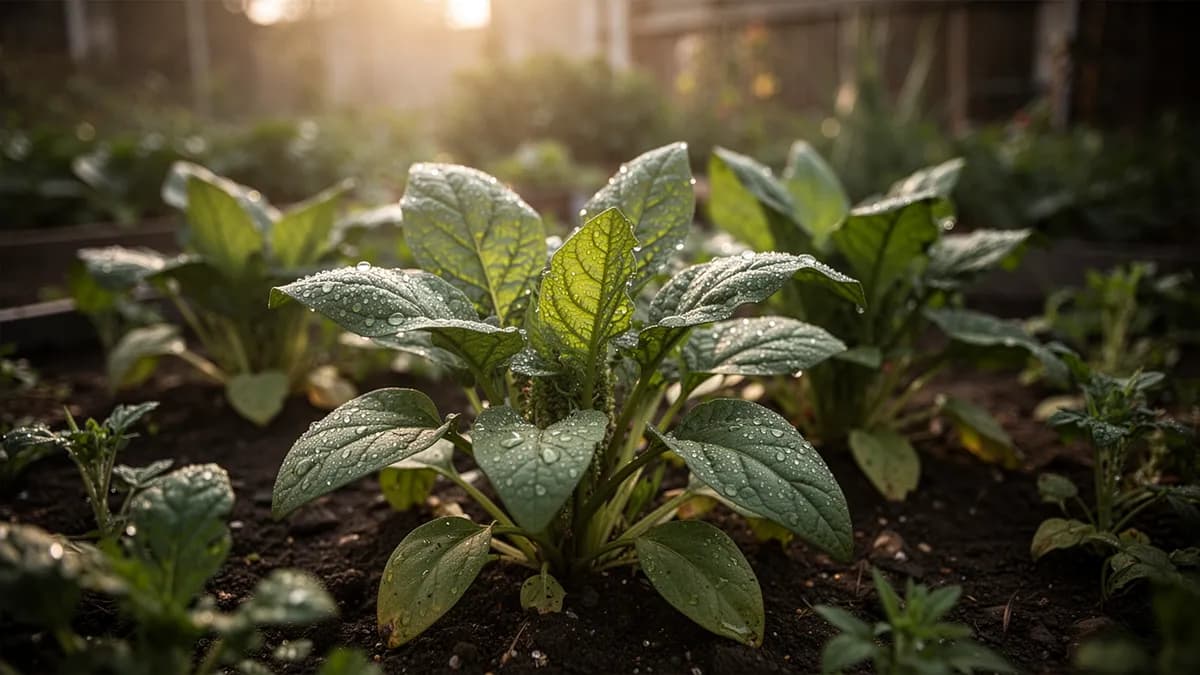
A heat-loving leaf vegetable with stunning red, green, and gold foliage that thrives in hot summer conditions when other greens struggle. Amaranth greens are a staple in many tropical cuisines and are packed with iron, calcium, and vitamins A and C. The young leaves and tender stems cook similarly to spinach but hold up better to heat without becoming slimy. Grow as a summer spinach substitute and harvest by cutting the top several inches of growth for continuous production.
When to plant Amaranth Greens
Sow seeds on the soil surface after last frost when soil reaches 65°F. Seeds need light to germinate; do not cover. Germination takes 7-14 days. For an earlier start, begin indoors 4-6 weeks before last frost. Thin to 12-18 inches for leaf harvest. Seeds are very small; mix with sand for even distribution. Succession sow every 3-4 weeks. Seeds remain viable for 4-5 years.
Your Amaranth Greens Year
Composed for Zone 7 · typical seasons · frost passes Apr 2, returns Nov 1
Plant Amaranth Greens May – Jun, pick Jul – Sep. Check the planting methods below and set your climate to personalize these windows.
How to grow Amaranth Greens
Direct sow amaranth seeds on the soil surface after all frost danger has passed and soil reaches 65°F. Seeds need light to germinate and sprout in 7-14 days. Thin to 12-18 inches apart for leaf harvest or 4-6 inches for dense baby greens. Amaranth can also be started indoors 4-6 weeks before last frost.
Amaranth thrives in hot weather and grows vigorously in conditions that stress most greens. It tolerates drought, heat above 90°F, and poor soil. Provide full sun for best growth and color development. Water moderately once established. Feed with balanced fertilizer monthly for maximum leaf production.
For leaf harvest, pinch growing tips regularly to encourage branching and delay flowering. Plants can grow 3-6 feet tall depending on variety. Begin harvesting young leaves when plants reach 8-12 inches. If also growing for grain, allow plants to flower and set seed in late summer.
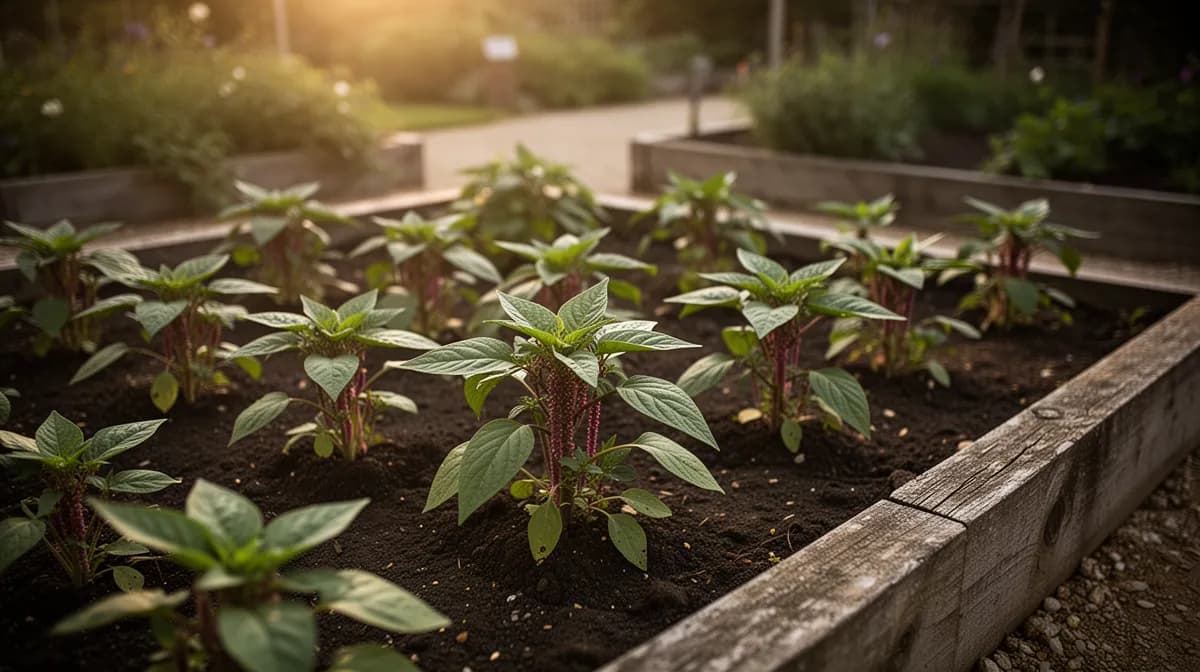
72 plants fit a 4 × 8 ft bed
Each Amaranth Greens wants 20 cm of elbow room. The planner keeps that spacing for you — every plant, every bed.
Amaranth Greens's best neighbours
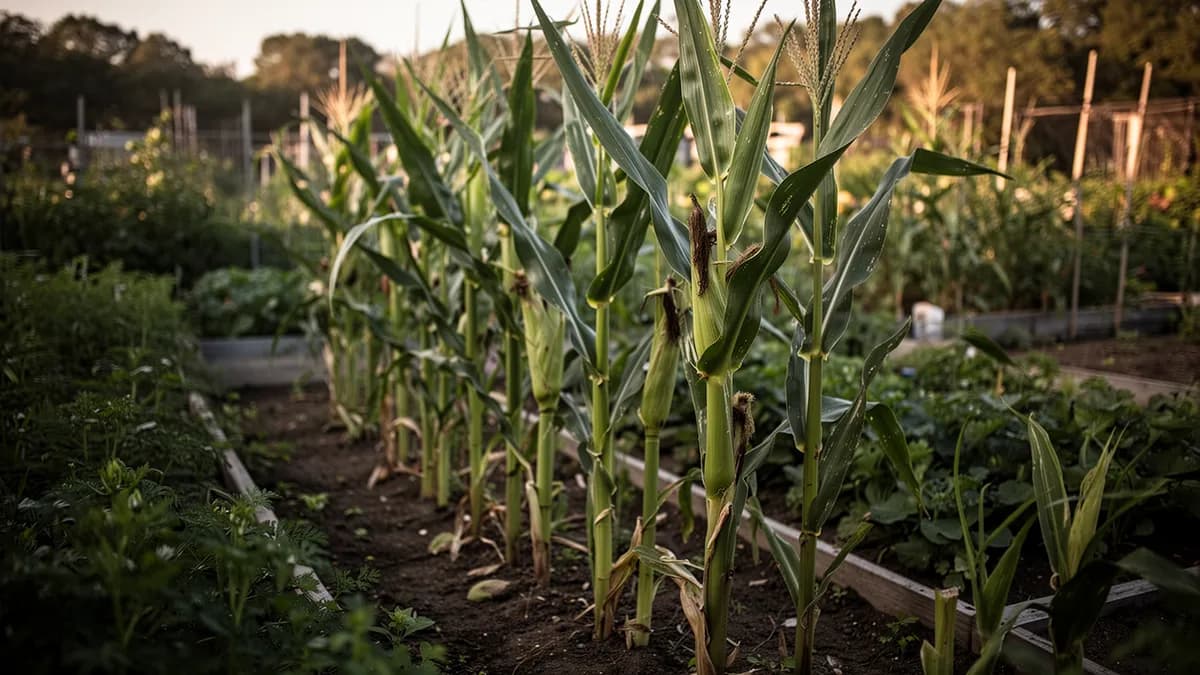
Amaranth grows well with corn, beans, and squash in traditional companion planting schemes. Its height provides shade for heat-sensitive lettuce below. The flowers attract beneficial pollinators and predatory insects. Avoid planting near smaller crops that could be overshadowed. The deep taproot helps break up compacted soil.
Corn belongs beside it.
Old growers' knowledge, checked against Amaranth Greens's real companion table below — test any plant you're growing.
Try Amaranth Greens in a bed — right here
A real planner bed with Amaranth Greens already in it. Tap a companion to place it and watch the pairing checks answer — green for good neighbours, red for a clash.


Related growing guides
Feed it well
Amaranth grows in almost any soil but produces best in fertile, well-drained soil with a pH of 6.0-7.5. It tolerates poor soil, drought, and heat better than most crops. Work in compost before planting and apply balanced fertilizer monthly for leaf production. Avoid overly wet conditions, which promote root rot. The deep taproot accesses nutrients that shallow-rooted crops cannot reach.
Ideal Temperature
Hardiness Zone Compatibility
From seed to harvest, stage by stage
Germination
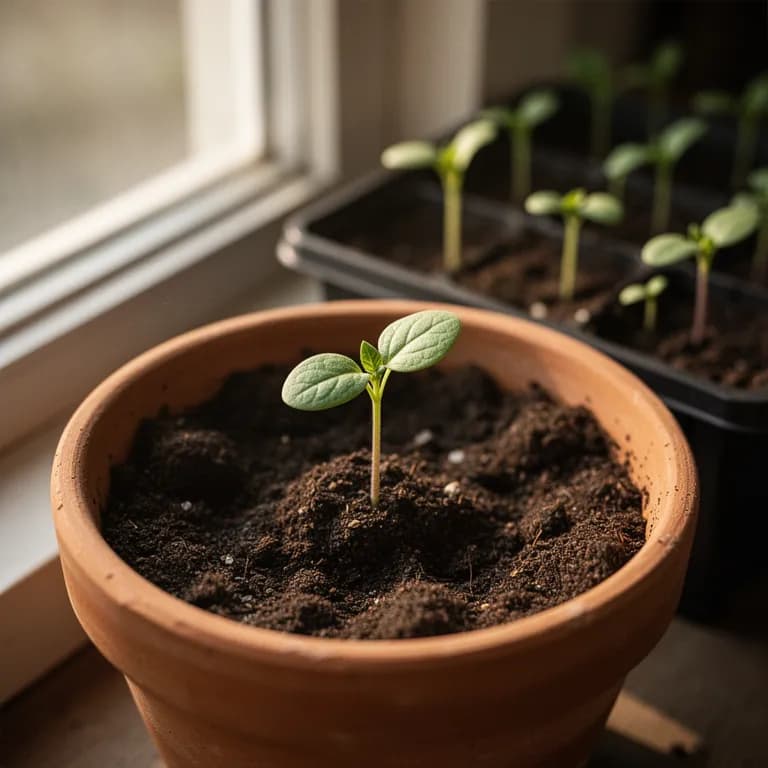
Tiny seeds sprout on the soil surface within 7-14 days when temperatures are warm. The minuscule seedlings emerge with small, rounded cotyledons that are often tinged pink or red depending on variety. Seeds require light to germinate and should not be covered with soil.
Seedling Development
True leaves emerge with the first hints of the variety's characteristic coloring — red, green, gold, or tricolor depending on cultivar. Seedlings grow slowly at first but establish a strong taproot. Thin plants to proper spacing during this phase.
Rapid Vegetative Growth
Plants grow vigorously as summer heat intensifies, adding significant height each week. The foliage develops its full, brilliant coloration. Branching increases, especially if growing tips are pinched. Plants may grow 3-5 cm per day in ideal hot conditions above 27°C (80°F).
Peak Harvest
Plants are in full production mode with abundant, tender leaves on multiple branches. Regular harvesting of shoot tips promotes continuous new growth. Leaf quality is at its best during this phase — tender, flavorful, and highly nutritious.
Flowering and Seed Set
Plants send up dense flower spikes in shades of red, purple, or gold as day length shortens. Once flowering begins, leaf quality declines as the plant shifts energy to seed production. Individual flower heads can produce thousands of tiny, grain-like seeds.
Keep the soil surface consistently moist with a fine mist spray — the tiny seeds dry out rapidly. Do not cover seeds with soil; they need light. A soil temperature of at least 18°C (65°F) is essential for reliable germination.
Caring for Amaranth Greens month by month
What to do each month for your Amaranth Greens
October
You are hereCollect mature seed heads before they shatter. Pull spent plants before seeds scatter to prevent volunteer seedlings next year. Compost healthy plant material. In warm zones, late-sown plants may still produce usable greens.
Know exactly what to do in your garden — every month
One email at the start of each month: what to sow, plant, and tackle right now — for your Amaranth Greens and everything growing around it. Plus a short starter course that helps you dodge the classic mistakes.
- What to do, right now
- Matched to your season
- Starter course included
Harvesting Amaranth Greens
Begin harvesting amaranth leaves when plants are 8-12 inches tall, about 40-50 days from sowing. Pick individual young leaves or cut entire young plants for baby greens. For continued harvest, pinch growing tips and harvest side shoots as they develop. Young leaves are most tender and mild. Older leaves should be cooked. For grain harvest, allow seed heads to dry on the plant before threshing.
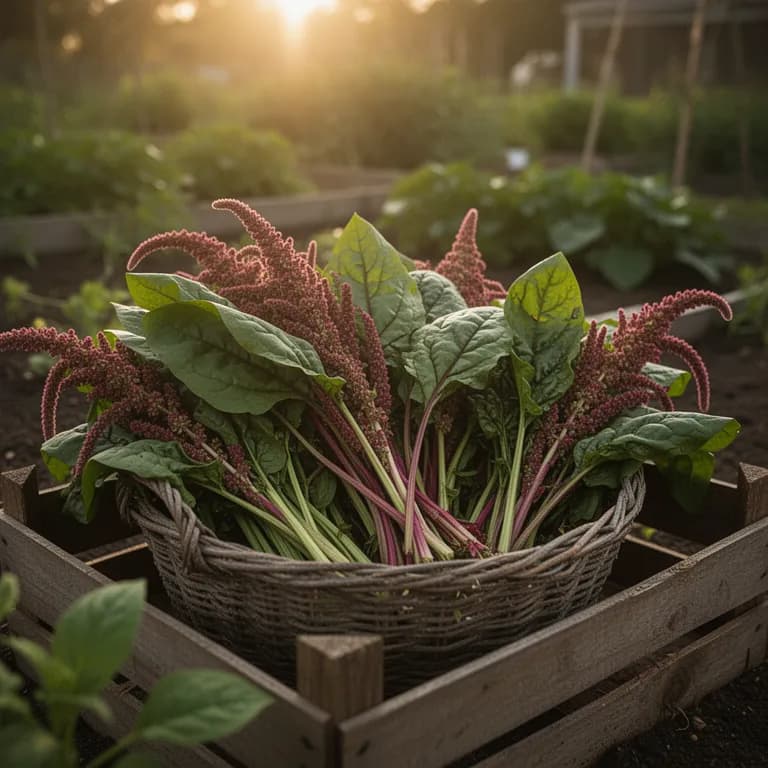
assuming you plant when the window opens — set your real date
Pick Amaranth Greens promptly and the plant keeps producing.
Storage & Preservation
Store fresh amaranth leaves in a plastic bag in the refrigerator for 3-5 days. Blanch and freeze for up to 8 months for use in cooked dishes. Dehydrate leaves and crumble for a nutritious addition to soups and smoothies. Dried amaranth grain stores for years in airtight containers. Fresh leaves can be pureed and frozen in ice cube trays for adding to recipes.
What goes wrong — and the fix
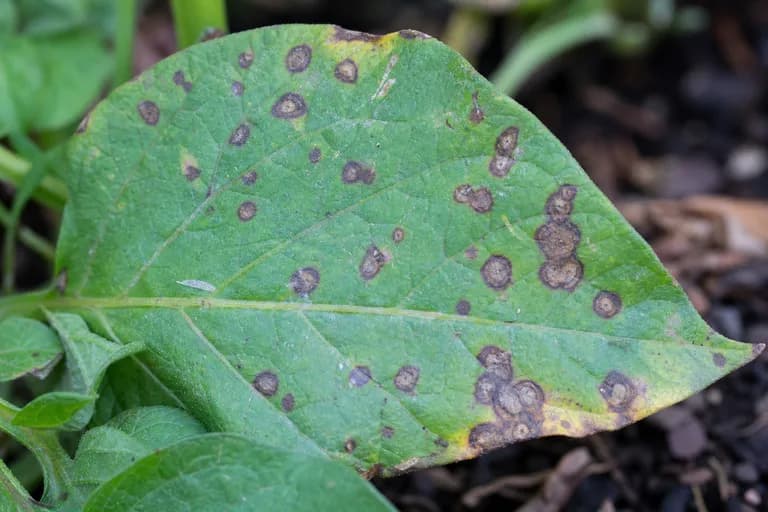
Leaf Spot
DiseaseBrown or dark spots on leaves, may have concentric rings, leaf drop in severe cases.
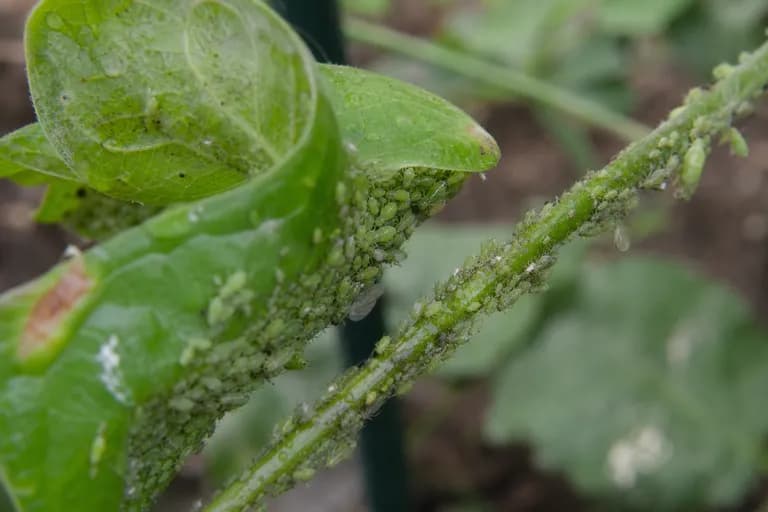
Aphids
PestClusters of insects on young growth and flower heads, sticky honeydew, distorted leaves.
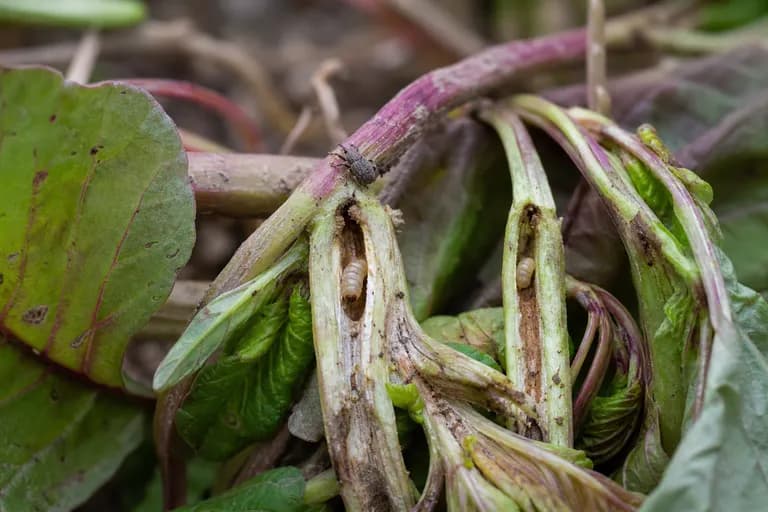
Stem Weevil
PestWilting stems, tunnels inside stems when cut open, larvae visible inside.
Troubleshooting Common Problems
Self-seeding can be aggressive; remove spent flower heads before seeds scatter. Tall varieties may need staking in windy locations. Leaf quality declines once the plant flowers; pinch flower buds for extended leaf harvest. Slow growth in cool weather; do not plant until soil is warm. Some varieties can reach 6 feet or taller, which may shade neighboring crops.
Growing Tips
- Do not cover seeds with soil. Amaranth seeds are among the tiniest of any garden vegetable and require light to germinate. Simply press seeds gently onto the moist soil surface or sprinkle a bare dusting of fine vermiculite over them.
- Wait for genuine warmth before planting. Amaranth planted in cool soil below 18°C (65°F) will either fail to germinate or produce stunted seedlings that never recover. Patience until late spring pays off with explosive summer growth.
- Pinch growing tips early and often. Once plants reach 20-25 cm tall, pinch the main growing tip to force branching. Each branch then produces its own growing tip for harvest, multiplying your yield dramatically.
- Grow amaranth as a summer spinach substitute. When lettuce bolts and spinach fails in the heat, amaranth is just hitting its stride. Plant it specifically to fill the midsummer greens gap in your garden.
- Harvest by cutting the top 10-15 cm of each shoot, leaving at least 3-4 leaf nodes below the cut for regrowth. New side shoots emerge within days and are ready for the next harvest in 7-10 days.
- Control self-seeding proactively. A single amaranth plant can produce hundreds of thousands of seeds. Remove flower heads before seeds mature unless you want amaranth volunteers throughout your garden for years to come.
- Use amaranth as a beneficial companion plant. Its height provides afternoon shade for heat-sensitive crops planted to its east side, and the flowers attract pollinators and predatory insects that benefit the entire garden.
- Succession sow every 3-4 weeks from late spring through midsummer for a continuous supply of tender baby greens. Dense sowings harvested young as baby greens produce the mildest, most tender leaves.
Grow your best Amaranth Greens yet — and everything around it.
Start a free plan today. Lay out your beds, drop in your Amaranth Greens, and let PlotMyGarden handle the timing, spacing, companions and reminders from seed to harvest basket.
Pick your Amaranth Greens
Red Leaf Amaranth
Striking deep red-purple foliage with excellent flavor. Dual-purpose for both leaves and ornamental value.
Callaloo
Caribbean variety grown specifically for leaves. Vigorous, upright growth with mild spinach-like flavor.
Love Lies Bleeding
Dramatic cascading red flower tassels with edible leaves and seeds. Outstanding ornamental variety.
Golden Giant
Tall variety grown primarily for grain production. Large golden seed heads. Leaves also edible when young.
Amaranth greens sell for $4-8 per bunch at farmers markets and specialty grocery stores, and are often unavailable in mainstream supermarkets. A single $2-3 seed packet contains hundreds of seeds — enough to plant a generous bed that produces greens all summer. Growing 10-15 plants can easily yield $50-100 worth of greens over the season. The savings are even greater if you value the organic, pesticide-free quality that is difficult to find commercially, and the fact that amaranth fills the summer gap when spinach and lettuce are unavailable from the garden.
Quick recipes
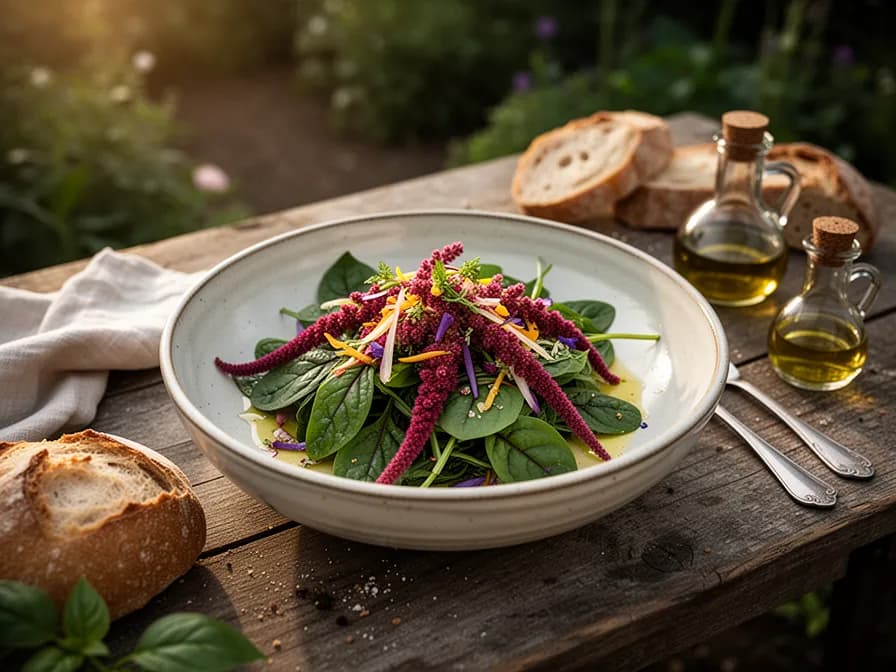
Garlic Stir-Fried Amaranth Greens
10 minA classic Asian preparation where tender amaranth leaves and stems are flash-cooked in a hot wok with garlic and a splash of soy sauce. The high heat wilts the greens quickly while preserving their vibrant color and nutrients. Ready in under five minutes of cooking.
7 ingredients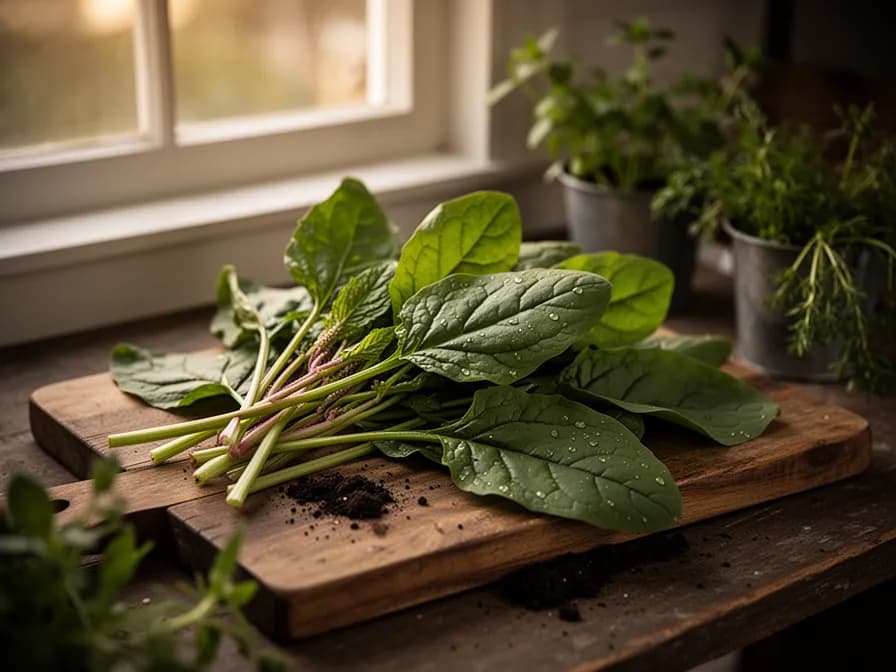
Caribbean Callaloo Soup
40 minA rich, creamy Caribbean soup where amaranth greens are simmered with coconut milk, onion, garlic, and Scotch bonnet pepper. This nourishing one-pot meal is a staple across the Caribbean islands and is often served with rice or crusty bread.
10 ingredientsIndian Amaranth Saag with Paneer
30 minA nutritious twist on the classic North Indian saag paneer, using amaranth greens in place of spinach. The greens are blanched, pureed with aromatics, and simmered with cubes of golden pan-fried paneer cheese for a protein-rich vegetarian main dish.
11 ingredientsCulinary Uses
Use young amaranth leaves as a spinach substitute in any cooked recipe. Popular in Caribbean callaloo soup and Indian saag. Stir-fry with garlic, ginger, and soy sauce. Add to soups, stews, and curries. Blanch and use in quiches, pasta, and fillings. The seeds can be popped like tiny popcorn or ground into flour for gluten-free baking.
What's inside
Health Benefits
- Amaranth greens are exceptionally rich in vitamin A (as beta-carotene), providing 58% of the daily value per 100g — crucial for maintaining healthy vision, supporting immune function, and promoting skin cell turnover.
- Outstanding source of vitamin C (48% DV per 100g), a powerful antioxidant that boosts immune defense, enhances iron absorption from plant foods, and supports collagen production for joint and skin health.
- One of the best non-dairy sources of calcium, providing approximately 215mg per 100g of cooked greens — essential for bone density, muscle contraction, nerve signaling, and blood clotting.
- Rich in iron (2.3mg per 100g) and uniquely paired with high vitamin C content that dramatically enhances non-heme iron absorption — making amaranth particularly valuable for vegetarians and vegans at risk of iron deficiency.
- Contains significant levels of folate (B9), which is critical for DNA synthesis, red blood cell formation, and the prevention of neural tube defects during pregnancy.
- The red and purple pigments in amaranth leaves are anthocyanins and betalains — potent antioxidant compounds associated with reduced inflammation, improved cardiovascular health, and protection against oxidative cell damage.
Where Amaranth Greens comes from
Amaranth (genus Amaranthus) originated in the Americas, with the greatest diversity of wild species found in Mexico and Central America. Archaeological evidence shows that amaranth grain was domesticated by indigenous peoples of Mesoamerica between 6,000 and 8,000 years ago, making it one of the oldest cultivated crops in the New World. The Aztec civilization elevated amaranth to a sacred status alongside maize and beans, with the grain comprising an estimated 80% of their caloric intake during some periods. Aztec farmers paid annual tributes of amaranth to the emperor Montezuma — over 200,000 bushels per year from conquered provinces.
The Spanish conquest of Mexico in the 16th century nearly destroyed amaranth cultivation entirely. The Aztec practice of mixing amaranth with honey and forming it into figures for religious ceremonies alarmed Spanish priests, who associated the practice with pagan rituals and specifically banned amaranth growing. This suppression lasted for centuries and pushed amaranth to the margins of agriculture in the Americas. However, the plant survived in small mountain communities and as a foraged green throughout Latin America.
Meanwhile, amaranth had already spread to Asia and Africa through pre-Columbian trade routes and later through Portuguese and Spanish colonial networks. In India, China, Southeast Asia, and across tropical Africa, amaranth greens became a dietary staple, valued for their ability to grow in poor soil, withstand heat and drought, and provide exceptional nutrition. The leafy varieties (Amaranthus tricolor, A. dubius, A. cruentus) became the primary cultivated forms in these regions, prized for their colorful foliage and spinach-like cooking qualities. In the Caribbean, African slaves brought their knowledge of amaranth cultivation, and callaloo — a soup made from amaranth greens — became a defining dish of Caribbean cuisine.
The late 20th century saw a revival of interest in amaranth in the West, driven by the health food movement and research into its exceptional nutritional profile. Today, amaranth is grown commercially across India, China, East Africa, and the Americas for both greens and grain. It is increasingly recognized as a climate-resilient crop capable of feeding populations in regions where rising temperatures threaten traditional agriculture.
Amaranth Greens: did you know?
Fascinating facts about Amaranth Greens
Amaranth was a sacred crop of the Aztec empire, who called it 'huauhtli' and cultivated it as extensively as maize and beans. The Aztecs used amaranth grain mixed with honey and sometimes human blood to form ritual figurines during religious ceremonies — a practice that led Spanish conquistadors to ban its cultivation for over 400 years.
Amaranth Greens questions, answered
When should I plant Amaranth Greens?
What are good companion plants for Amaranth Greens?
What hardiness zones can Amaranth Greens grow in?
How much sun does Amaranth Greens need?
How far apart should I space Amaranth Greens?
What pests and diseases affect Amaranth Greens?
How do I store Amaranth Greens after harvest?
What are the best Amaranth Greens varieties to grow?
What soil does Amaranth Greens need?
Is amaranth the same as the weed called pigweed?
Can I eat amaranth greens raw, or do they need to be cooked?
Why did my amaranth bolt and flower so quickly?
Are the seeds of leaf amaranth also edible as grain?
How does amaranth compare nutritionally to spinach?
Will amaranth grow in partial shade?
You just read the theory. Now grow it on autopilot.
Everything that makes Amaranth Greens fiddly — the timing, the spacing, the companions, the harvest window — is exactly what PlotMyGarden handles for you, for every plant in your garden.
A plan that knows your weather
Set your location once. Get sow, feed and harvest dates built around your real last-frost date and live forecast — no more guessing from a generic seed packet.
From the “When to plant” sectionDrag-and-drop bed planner
Design beds on a grid. Every plant snaps to its proper spacing, and you can see your whole season laid out before you spend a cent on seed.
From the “Growing guide” sectionCompanion conflicts, caught early
200+ good-and-bad pairings checked live as you plant — so a season-wrecking mistake never makes it into the ground.
From the “Companions” sectionReminders you'll actually act on
“Water the beans.” “Pick today before it turns.” Timely, specific, and tied to the plants you're really growing.
From the “Harvest” sectionSuccession, scheduled
Want a harvest for six weeks, not six days? It spaces your sowings automatically and reminds you when each new block is due.
From the “When to plant” sectionA record that gets smarter
Every harvest you log teaches it your garden. Next year's plan starts from what actually worked in your soil, not a textbook's.
From the “Overview” sectionPlant these alongside Amaranth Greens
More Leafy Greens
Grow your best Amaranth Greens yet — and everything around it.
Start a free plan today. Lay out your beds, drop in your Amaranth Greens, and let PlotMyGarden handle the timing, spacing, companions and reminders from seed to harvest basket.