Col Bastón
La col bastón (Brassica oleracea var. longata) es una curiosidad botánica originaria de las Islas del Canal de la Mancha (Jersey y Guernsey), donde se cultiva desde hace siglos.





En esta páginaResumen
Conoce Col Bastón
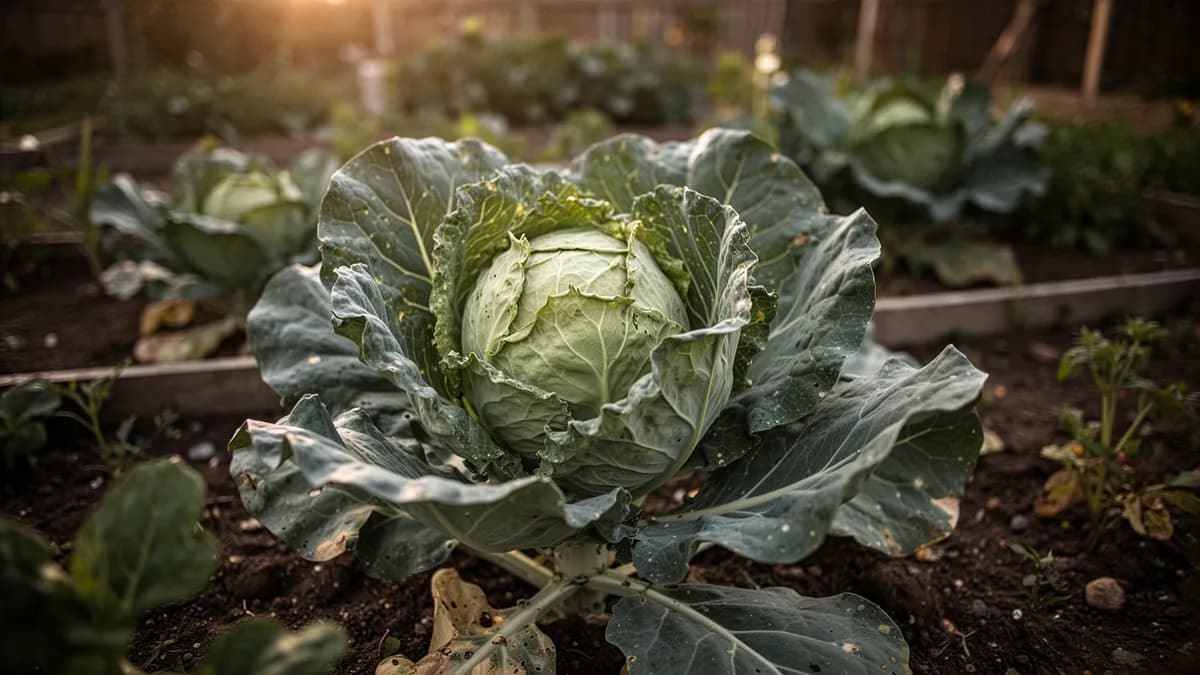
La col bastón (Brassica oleracea var. longata) es una curiosidad botánica originaria de las Islas del Canal de la Mancha (Jersey y Guernsey), donde se cultiva desde hace siglos. Produce un tallo leñoso recto que puede alcanzar 2-3 metros de altura, coronado por un penacho de hojas comestibles, y cuyo tallo seco se utilizaba tradicionalmente para fabricar bastones de paseo.
Cuándo plantar Col Bastón
Siembre en interiores a principios de primavera a 1 cm de profundidad. Germinación en 7-14 días a 15-20 °C. Trasplante con 4-6 hojas verdaderas. Las semillas son escasas; guarde semillas de las mejores plantas. La planta necesita pasar un invierno para florecer y producir semillas.
Tu año de Col Bastón
Ajustado a Zona 7 · temporada típica · la helada se va hacia el 2 abr y vuelve hacia el 1 nov
Planta Col Bastón Mar – May y cosecha Sep – Nov. Consulta los métodos de plantación y elige tu clima para adaptar los periodos.
Cómo cultivar Col Bastón
Siembre en interiores a principios de primavera, a 1 cm de profundidad a 15-20 °C para germinación en 7-14 días. Trasplante al exterior cuando las plántulas tengan 4-6 hojas verdaderas, espaciando 60-90 cm.
Las plantas crecen continuamente durante toda la temporada, alcanzando 1,5-3 metros de altura. Proporcione un tutor robusto ya que las plantas se vuelven pesadas con el viento. Riegue regularmente y aplique acolchado para mantener humedad.
Fertilice mensualmente con abono rico en nitrógeno para promover crecimiento vertical. Retire las hojas inferiores a medida que crecen para mantener el tallo recto y limpio. Al final de la temporada, corte la planta, retire la médula blanda y seque el tallo exterior para obtener un bastón ligero y resistente.
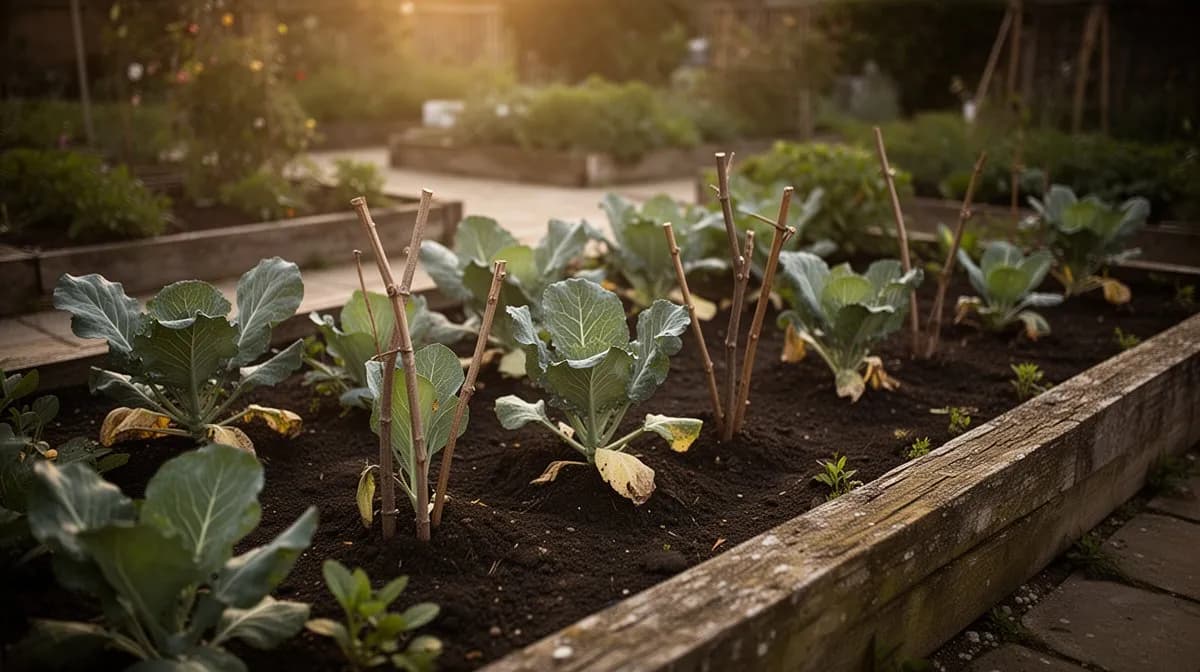
8 plantas caben en un bancal de 120 × 240 cm
Cada Col Bastón pide 60 cm de margen. El planificador guarda ese marco por ti — cada planta, cada bancal.
Los mejores vecinos de Col Bastón
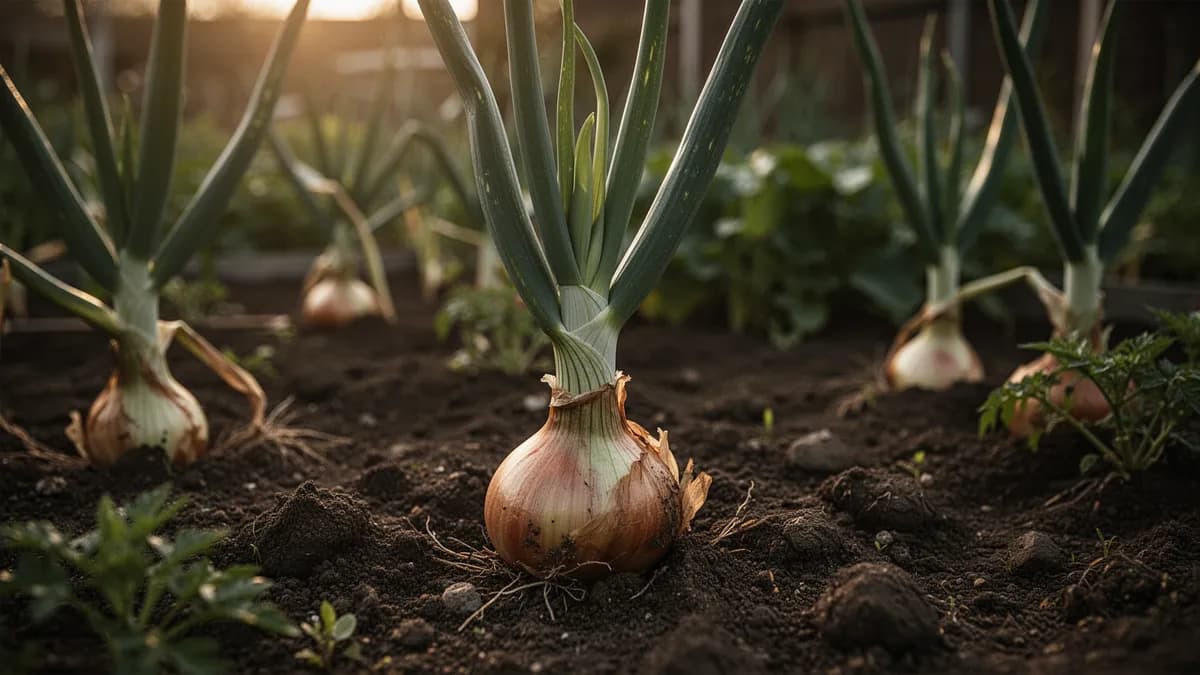
Por su gran tamaño, plante donde no sombrée otras verduras. Las cebollas y hierbas aromáticas en la base ayudan a repeler plagas. Las capuchinas plantadas al pie atraen pulgones lejos de la col.
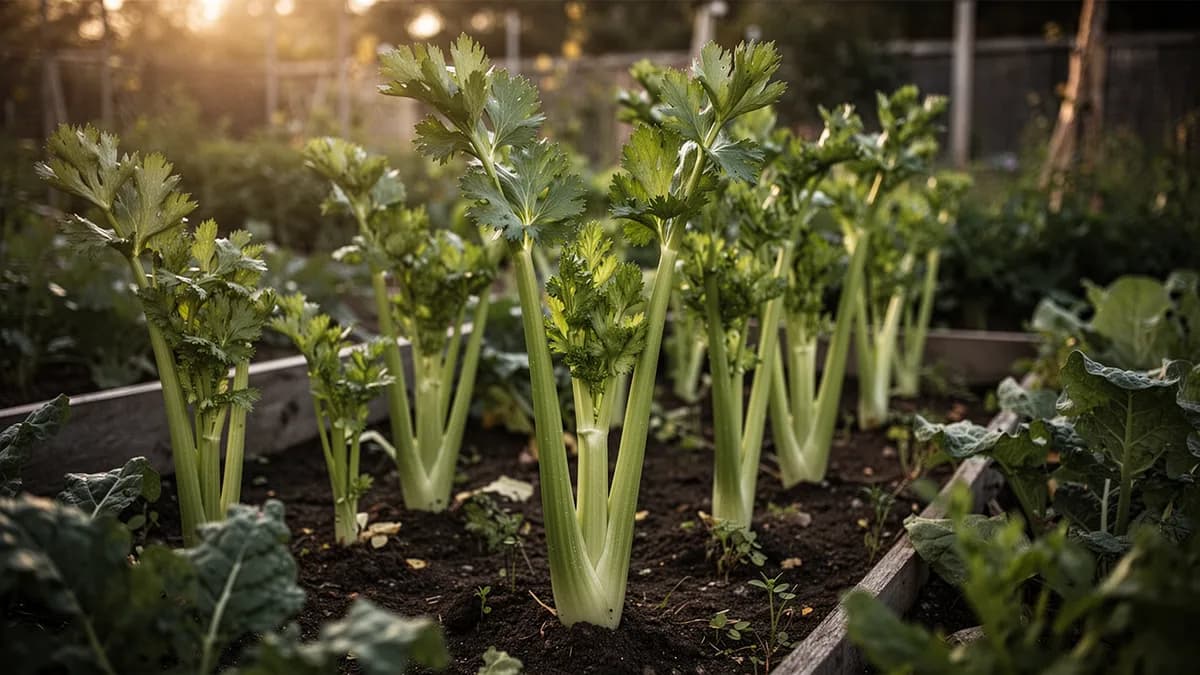
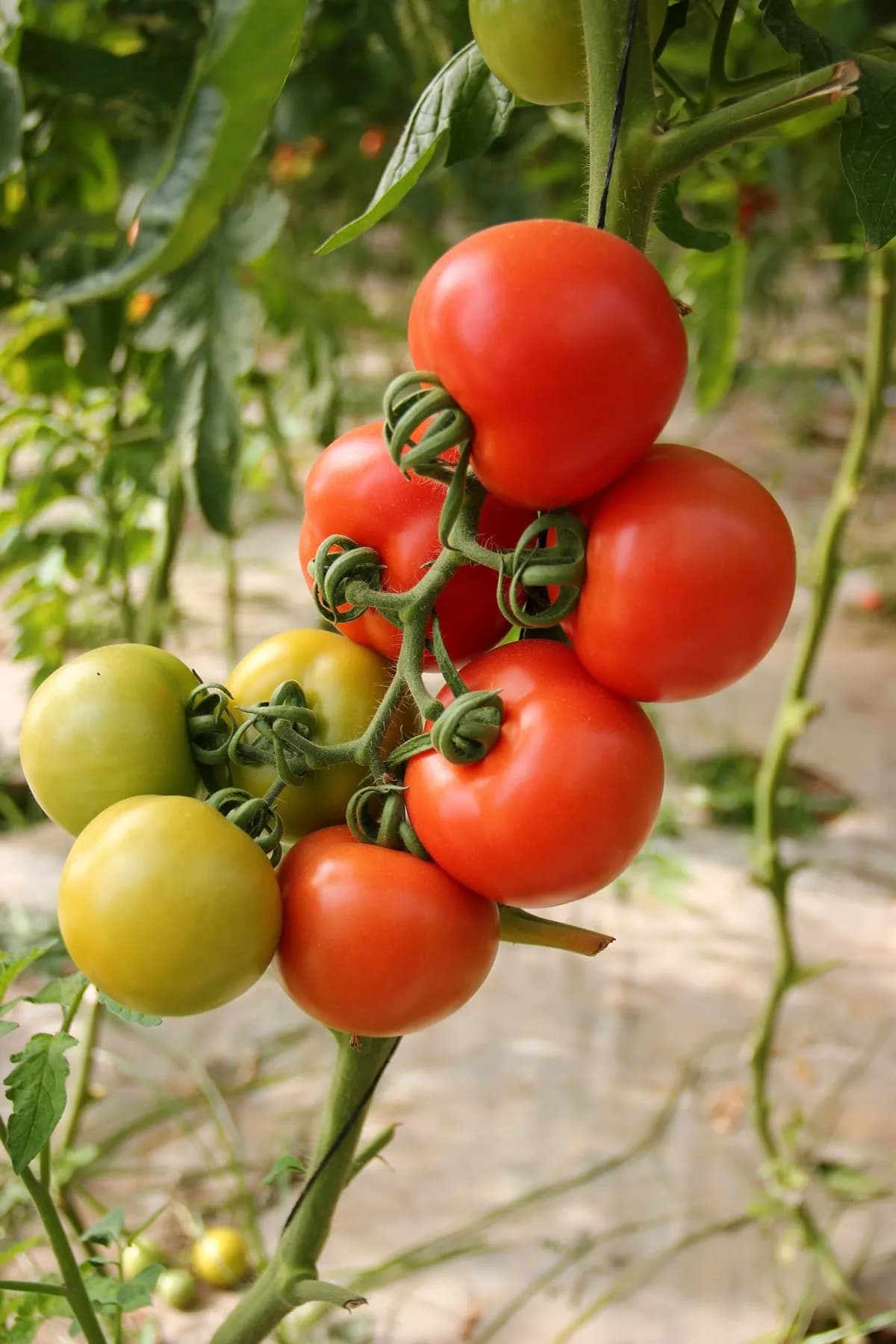
Apio va a su lado. Tomate no.
Saber de huerto de siempre, cotejado con la tabla real de Col Bastón — prueba cualquier planta que cultives.
Prueba Col Bastón en un bancal, aquí mismo
Un bancal real del planificador con Col Bastón ya plantado. Toca una planta compañera para colocarla y mira cómo responde la comprobación de vecinos: verde para buenos vecinos, rojo si hay conflicto.


Guías de cultivo relacionadas
Abónalo bien
Suelos muy fértiles, profundos y firmes con pH 6,5-7,5. Necesita nutrición abundante para sostener el crecimiento vertical. Enmiende generosamente con compost y fertilice mensualmente con nitrógeno.
Temperatura ideal
Compatibilidad de zonas de rusticidad
De la semilla a la cosecha, etapa por etapa
Siembra
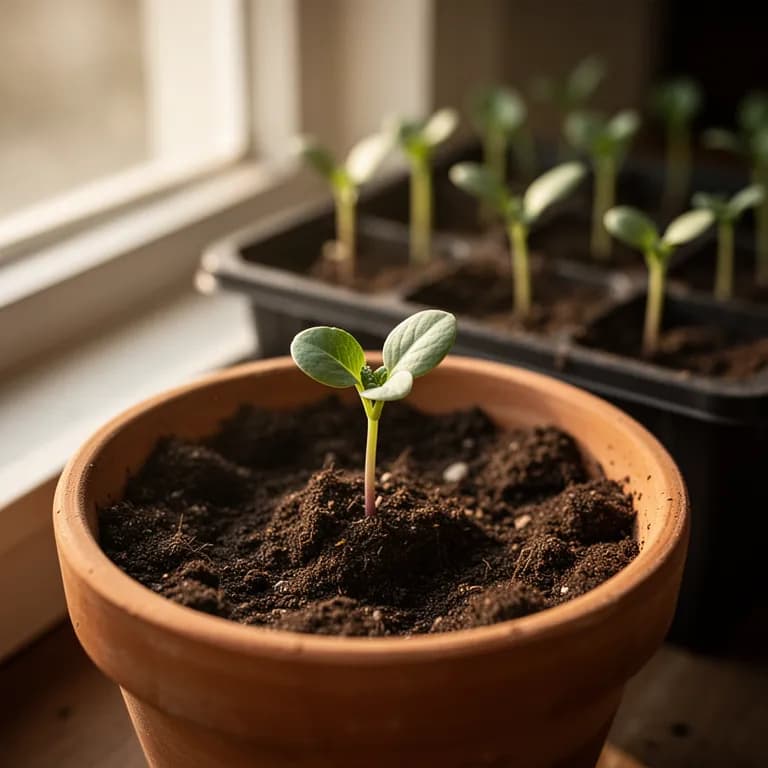
Las semillas germinan en un suelo fresco a templado y producen cotiledones anchos que se parecen mucho a los del repollo común. La germinación tarda 7–14 días con temperaturas del suelo de 10–20 °C. Las plántulas se inician mejor en interior o en un marco frío 6–8 semanas antes de la última helada.
Trasplante y establecimiento
Las plántulas se trasplantan al exterior cuando tienen 4–6 hojas verdaderas. La planta desarrolla un sistema radicular fuerte y empieza a formar el característico tallo central grueso. El crecimiento es constante, pero todavía no muy llamativo durante esta fase.
Crecimiento vertical rápido
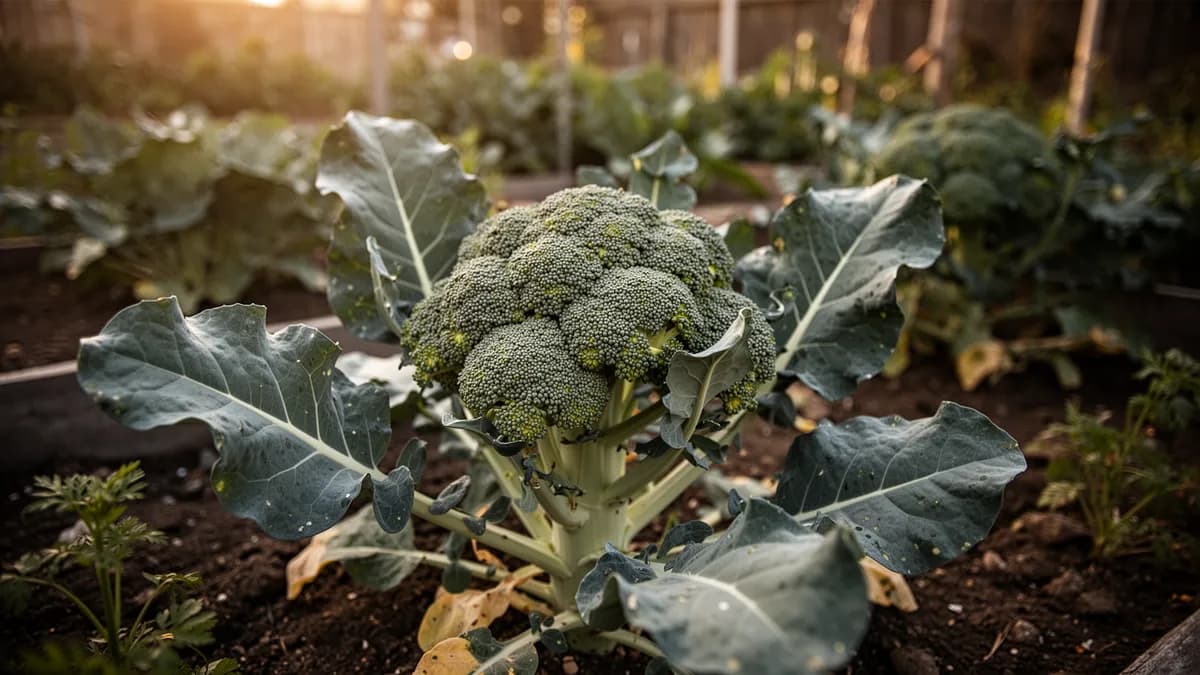
El tallo principal se alarga rápidamente y, en condiciones ideales, gana 2–5 cm de altura por semana. Las hojas inferiores van cayendo poco a poco a medida que la planta crece, dejando un tronco leñoso desnudo rematado por una roseta de grandes hojas azul verdosas. El tallo se engrosa y desarrolla una corteza externa dura.
Crecimiento maduro
Las plantas alcanzan su altura completa de 180–300 cm, y algunos ejemplares excepcionales superan los 350 cm. El tallo es duro y leñoso, con un interior esponjoso. La roseta de hojas en la parte superior sigue produciendo hojas frescas que se pueden cosechar para comer.
Invernada
Como planta bienal, la col de bastón pasa el invierno con su tallo alto intacto. En climas suaves (zonas 8–10) la planta sobrevive al invierno al aire libre. La roseta de hojas puede reducirse durante los meses fríos, pero el tallo permanece en pie. El crecimiento se reanuda en primavera.
Floración y formación de semillas
En la segunda primavera la planta espiga, enviando una vara floral alta desde el punto de crecimiento central. Los racimos de pequeñas flores amarillas de cuatro pétalos, típicas de las brassicas, atraen a los polinizadores. Las vainas de semillas se desarrollan durante el verano y se secan en la planta para su recolección.
Siembra las semillas a 1 cm de profundidad en bandejas con sustrato rico para semilleros. Mantén la humedad sin encharcar. La col de bastón germina con facilidad en condiciones frescas y no necesita manta térmica como muchas brassicas.
Cuidar Col Bastón mes a mes
Qué hacer cada mes para tu Col Bastón
Octubre
Mes actualIn mild climates the plant continues to stand and produce leaves. In colder zones, decide whether to overwinter the plant (for second-year flowering and seed) or harvest the stem now for cane-making. Apply thick mulch around the base for winter protection.
Ten claro qué hacer en tu huerto, cada mes
Un correo al empezar cada mes: qué sembrar, plantar y hacer ahora mismo — para tu Col Bastón y todo lo que crece alrededor. Más un breve curso inicial para esquivar los errores clásicos.
- Qué hacer ahora mismo
- Ajustado a tu temporada
- Curso inicial incluido
Cosechar Col Bastón
Las hojas del penacho superior se cosechan durante toda la temporada para consumo como col. Para fabricar bastones, corte la planta entera al final del otoño cuando el tallo esté completamente lignificado. Retire la médula interior con un alambre caliente y seque durante varios meses.
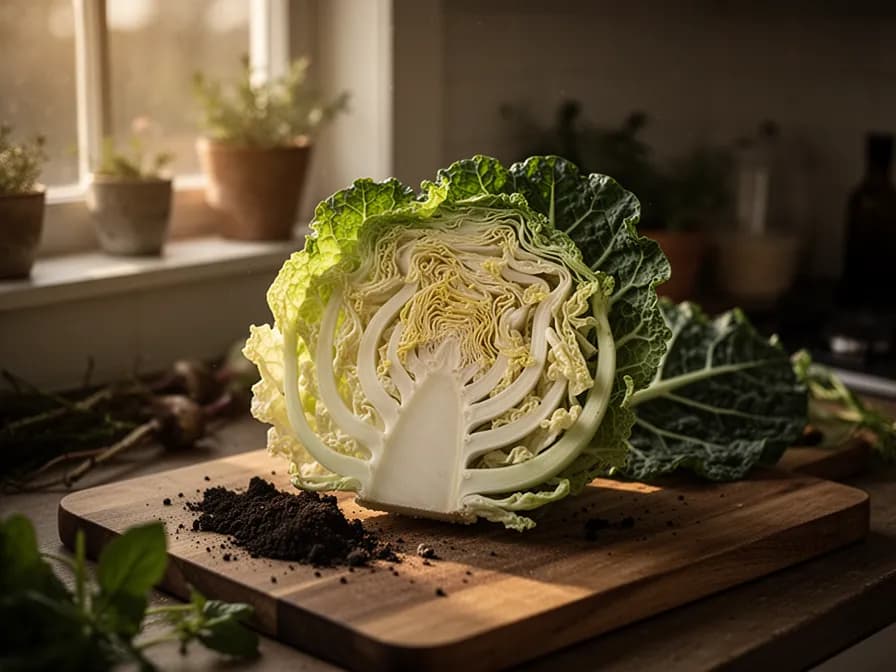
se supone que plantas al comenzar el periodo — indica tu fecha real
Recoge las hojas inferiores poco a poco desde la base de la roseta durante toda la temporada de crecimiento.
Almacenamiento y conservación
Las hojas frescas se conservan como cualquier col, 5-7 días en refrigerador. Los tallos secos para bastones se conservan indefinidamente una vez curados. Las hojas pueden blanquearse y congelarse.
Qué falla — y cómo solucionarlo
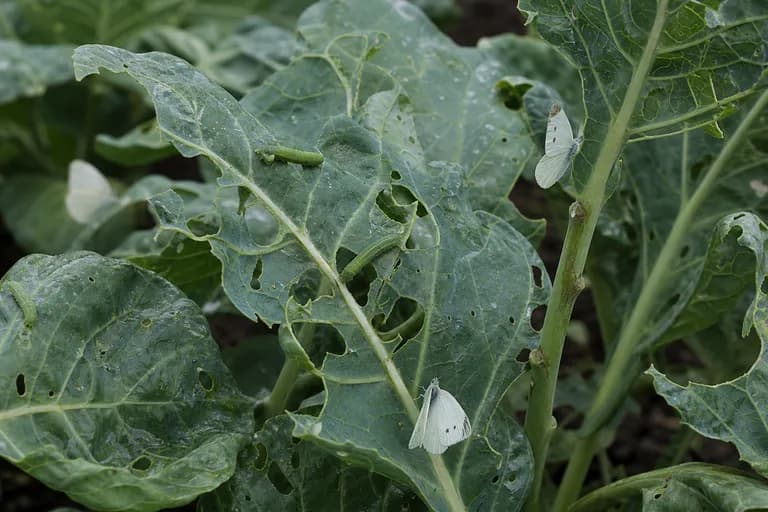
Oruga de la col (Pieris brassicae)
PlagaLarvas devoran hojas del penacho superior.
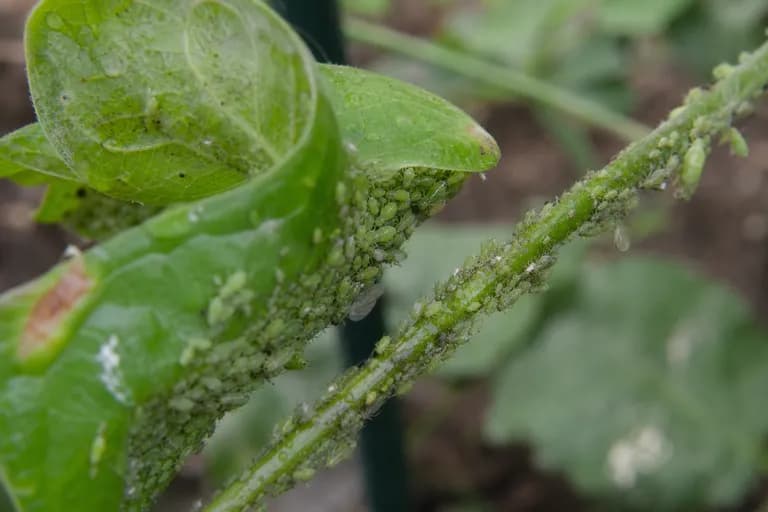
Pulgón ceroso (Brevicoryne brassicae)
PlagaColonias gris-azuladas en hojas y tallos, deformación.
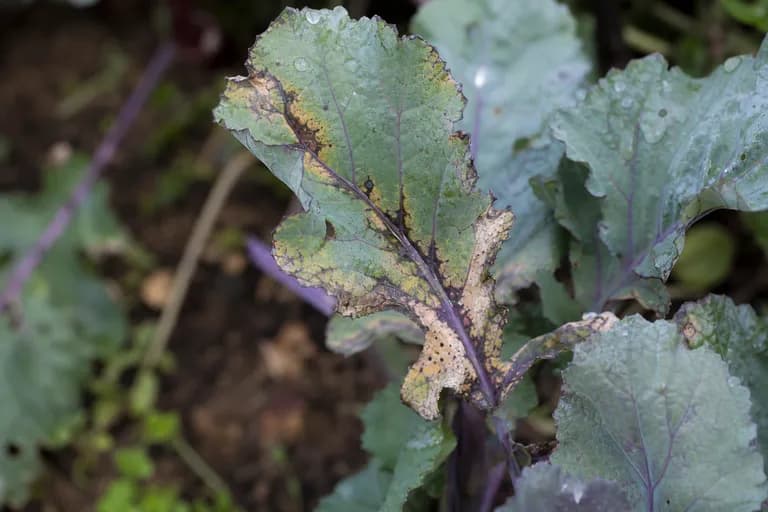
Mildiu (Peronospora parasitica)
EnfermedadManchas amarillas con pelusa grisácea en envés de hojas.
Solución de problemas comunes
Las plantas son vulnerables al viento por su gran altura; necesitan tutores robustos o ubicación protegida. El crecimiento es lento y requiere una temporada completa (10-12 meses). Las semillas son difíciles de encontrar fuera de las Islas del Canal.
Consejos de cultivo
- Choose the most sheltered, fertile spot in your garden. Walking stick cabbage needs rich, moisture-retentive soil and protection from strong winds that could snap the tall stems. A south-facing wall or fence makes an ideal backdrop and windbreak.
- Feed heavily and consistently throughout the growing season. This plant is a gross feeder that converts abundant nitrogen into rapid vertical growth — skimp on fertilizer and you will get a short, disappointing specimen instead of a towering conversation piece.
- Staking is essential and must be upgraded as the plant grows. Start with a 120 cm bamboo cane at transplanting, then upgrade to a 240 cm stake or strong post by midsummer. Tie loosely with soft twine every 30-40 cm along the stem.
- Harvest leaves regularly from the lower rosette to use in the kitchen — treat them exactly as you would collard greens or kale. Regular leaf removal encourages the plant to produce fresh leaves at the top and promotes the bare-stemmed palm-tree silhouette.
- Water deeply and consistently. Walking stick cabbage is not drought-tolerant and growth stalls quickly when the soil dries out. Aim for at least 3 cm of water per week during the active growing season, and mulch thickly to retain soil moisture.
- If your goal is maximum height for cane-making, grow the plant as a biennial in a mild climate. First-year stems reach their full height and lignify through winter, then can be harvested in early spring of the second year before flowering for the strongest, hardest canes.
- To make a walking stick, cut the mature stem at ground level in autumn or early spring, strip all leaves and side shoots, and hang upside down in a dry, well-ventilated shed for 3-6 months. Once fully dry, sand smooth and apply several coats of polyurethane or marine varnish.
- Save your own seed to ensure a continued supply of this uncommon variety. Allow one or two plants to flower and set seed in their second year. Isolate from other Brassica oleracea varieties by at least 500 meters to prevent cross-pollination, or bag individual flower clusters.
Cultiva tu mejor Col Bastón — y todo lo que la rodea.
Empieza un plan gratis hoy. Diseña tus bancales, coloca tu Col Bastón y deja que PlotMyGarden gestione el momento, el espaciado, las asociaciones y los recordatorios de la semilla a la cesta.
Elige tu Col Bastón
Jersey Walking Stick
La variedad tradicional de la isla de Jersey. Tallos rectos de 2-3 m. Hojas comestibles tipo kale. Ciclo de 10-12 meses.
Guernsey Walking Stick
Variedad de la isla de Guernsey, ligeramente más robusta. Tallo más grueso. Hojas más anchas.
Giant Jersey
Selección que alcanza hasta 3,5 m de altura en condiciones óptimas. La más alta de las variedades de col bastón.
Walking stick cabbage seeds cost $3-5 per packet but are otherwise difficult to find commercially as a fresh vegetable, making home-growing the only reliable source. Each plant produces 3-5 kg of nutritious greens comparable to collards or kale (valued at $3-5 per bunch retail), providing $30-60 worth of greens per plant over a season. The dried walking stick stems have novelty and craft value — finished canes sell for $15-40 each at craft fairs and tourist shops. Growing 4-6 plants provides a full season of cooking greens plus several unique handmade walking sticks, combining practical savings with a one-of-a-kind garden conversation piece.
Recetas rápidas
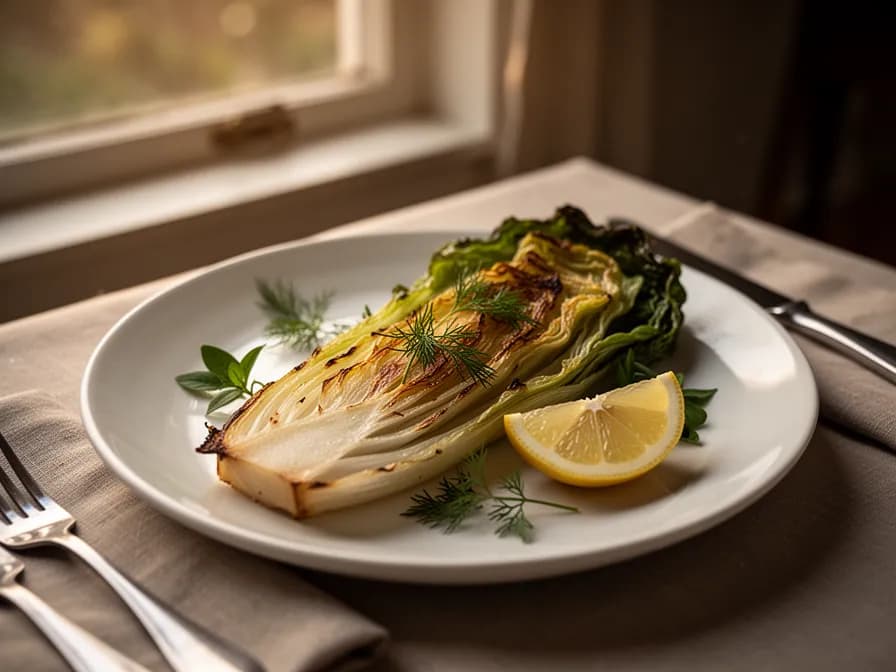
Channel Island Cabbage Leaf Stir-Fry
15 minThe classic preparation from Jersey and Guernsey where walking stick cabbage has been grown for centuries. Young leaves are quickly stir-fried with butter and garlic until just wilted, producing a side dish with the rich flavor of collard greens and the tenderness of spring cabbage.
6 ingredientesWalking Stick Cabbage and Potato Soup
35 minA hearty, warming soup that showcases the robust flavor of the large leaves. Similar to Portuguese caldo verde, this simple soup lets the earthy brassica flavor shine against a creamy potato base with a kick of black pepper.
7 ingredientesBraised Walking Stick Cabbage with Chorizo
30 minMature leaves stand up beautifully to slow braising, absorbing smoky chorizo flavors while maintaining their body. This one-pan dish transforms the sturdy leaves into a rich and satisfying meal served over crusty bread.
8 ingredientesUsos culinarios
Las hojas superiores se cocinan como col o kale: salteadas con ajo, en sopas y estofados, o en la tradicional sopa de col de Jersey. Las hojas jóvenes son tiernas y pueden comerse crudas en ensaladas. El interés principal de la planta es más artesanal que culinario.
Qué contiene
Beneficios para la salud
- Exceptionally high in vitamin C at over 100% of the daily value per 100g serving, supporting immune defense, collagen formation, and iron absorption — making it one of the most vitamin-C-dense brassicas available.
- Outstanding source of vitamin A as beta-carotene, providing antioxidant protection for eye health and supporting healthy skin, mucous membranes, and immune cell development.
- Rich in glucosinolates — the sulfur-containing compounds shared by all brassicas that are broken down into isothiocyanates during chewing and digestion, compounds extensively studied for their potential to support cellular detoxification processes.
- High calcium content compared to other leafy greens, with approximately 150mg per 100g of fresh leaves, contributing to bone density and muscle function — particularly valuable for those avoiding dairy products.
- Contains significant dietary fiber that supports digestive regularity, feeds beneficial gut bacteria, and may help moderate cholesterol absorption in the intestine.
- Provides meaningful amounts of iron, folate, and manganese, supporting red blood cell production, DNA synthesis, and enzyme function — nutrients especially important during pregnancy and for those on plant-based diets.
De dónde viene Col Bastón
Walking stick cabbage (Brassica oleracea var. longata) is a remarkable tall-stemmed variety of the wild cabbage that has been cultivated for centuries on the Channel Islands — Jersey, Guernsey, Sark, and Alderney — located in the English Channel between England and France. The mild, maritime climate of these islands, with cool summers, mild winters, and abundant rainfall, provides the ideal conditions for this plant to reach its extraordinary height of 2-4 meters in a single growing season.
The origins of the variety are uncertain, but it is believed to descend from wild cabbage (Brassica oleracea var. oleracea) that grows on the coastal cliffs of the Channel Islands and the Atlantic coasts of Western Europe. Over centuries of selective cultivation, Channel Island farmers chose the tallest and strongest-stemmed plants for seed saving, gradually developing the towering variety known today. The dual-purpose nature of the plant — edible leaves for humans and livestock, plus strong dried stems for walking sticks and garden stakes — made it uniquely valuable in the island's subsistence economy.
The plant gained wider fame in the Victorian era when tourists visiting the Channel Islands discovered the novelty of walking canes made from cabbage stems. Local craftspeople would harvest mature stems, dry and cure them for several months, then varnish and fit them with handles to create lightweight but sturdy walking sticks. These became popular souvenirs, and a small cottage industry developed around their production. Seed was exported to gardeners in England, France, and eventually North America, where the plant was grown as both a curiosity and a productive leaf vegetable. Today, walking stick cabbage remains a niche heritage variety, cherished by heirloom seed savers and adventurous gardeners who appreciate its dramatic vertical presence, productive edible leaves, and the unique novelty of growing a vegetable tall enough to lean on.
Col Bastón: ¿sabías que?
Datos fascinantes sobre Col Bastón
Walking stick cabbage (Brassica oleracea var. longata) has been cultivated on the Channel Islands of Jersey and Guernsey for centuries, where dried stems were harvested, varnished, and sold to Victorian-era tourists as souvenir walking sticks — a trade that persisted well into the 20th century.
Col Bastón: preguntas frecuentes
¿Cuándo debo plantar Col Bastón?
¿Cuáles son buenas plantas acompañantes para Col Bastón?
¿En qué zonas de rusticidad puede crecer Col Bastón?
¿Cuánto sol necesita Col Bastón?
¿A qué distancia debo espaciar Col Bastón?
¿Qué plagas y enfermedades afectan a Col Bastón?
¿Cómo almaceno Col Bastón después de la cosecha?
¿Cuáles son las mejores variedades de Col Bastón para cultivar?
¿Qué suelo necesita Col Bastón?
How tall will walking stick cabbage actually grow in my garden?
Can I actually eat walking stick cabbage or is it just ornamental?
How do I make a walking stick from the dried stem?
Does walking stick cabbage survive winter outdoors?
Where can I find walking stick cabbage seeds?
Can I grow walking stick cabbage in a hot climate?
Acabas de leer la teoría. Ahora cultívala en piloto automático.
Todo lo que hace que Col Bastón sea delicado — el momento, el espaciado, las asociaciones, la ventana de cosecha — es justo lo que PlotMyGarden resuelve por ti, para cada planta de tu huerto.
Un plan que conoce tu clima
Indica tu ubicación una vez. Recibe fechas de siembra, abonado y cosecha basadas en tu última helada real y el pronóstico en vivo — sin adivinar con un sobre genérico.
De la sección “Cuándo plantar”Planificador de bancales de arrastrar y soltar
Diseña bancales sobre una cuadrícula. Cada planta encaja con su espaciado correcto y ves toda la temporada antes de gastar un céntimo en semillas.
De la sección “Cultivo”Conflictos de asociación, detectados a tiempo
Más de 200 buenas y malas combinaciones comprobadas en vivo mientras plantas — para que un error que arruine la temporada nunca llegue a la tierra.
De la sección “Asociaciones”Recordatorios que sí vas a seguir
“Riega las judías.” “Recoge hoy antes de que se pase.” Oportunos, concretos y ligados a las plantas que de verdad cultivas.
De la sección “Cosecha”Escalonado, programado
¿Quieres cosechar seis semanas en vez de seis días? Reparte tus siembras automáticamente y te avisa cuando toca el siguiente lote.
De la sección “Cuándo plantar”Un registro que se vuelve más listo
Cada cosecha que registras le enseña tu huerto. El plan del año que viene parte de lo que de verdad funcionó en tu suelo, no en un manual.
De la sección “Resumen”Planta estos junto a Col Bastón
Más Crucíferas
Mantén Col Bastón lejos de estos
Cultiva tu mejor Col Bastón — y todo lo que la rodea.
Empieza un plan gratis hoy. Diseña tus bancales, coloca tu Col Bastón y deja que PlotMyGarden gestione el momento, el espaciado, las asociaciones y los recordatorios de la semilla a la cesta.