Lechuga Mantequilla
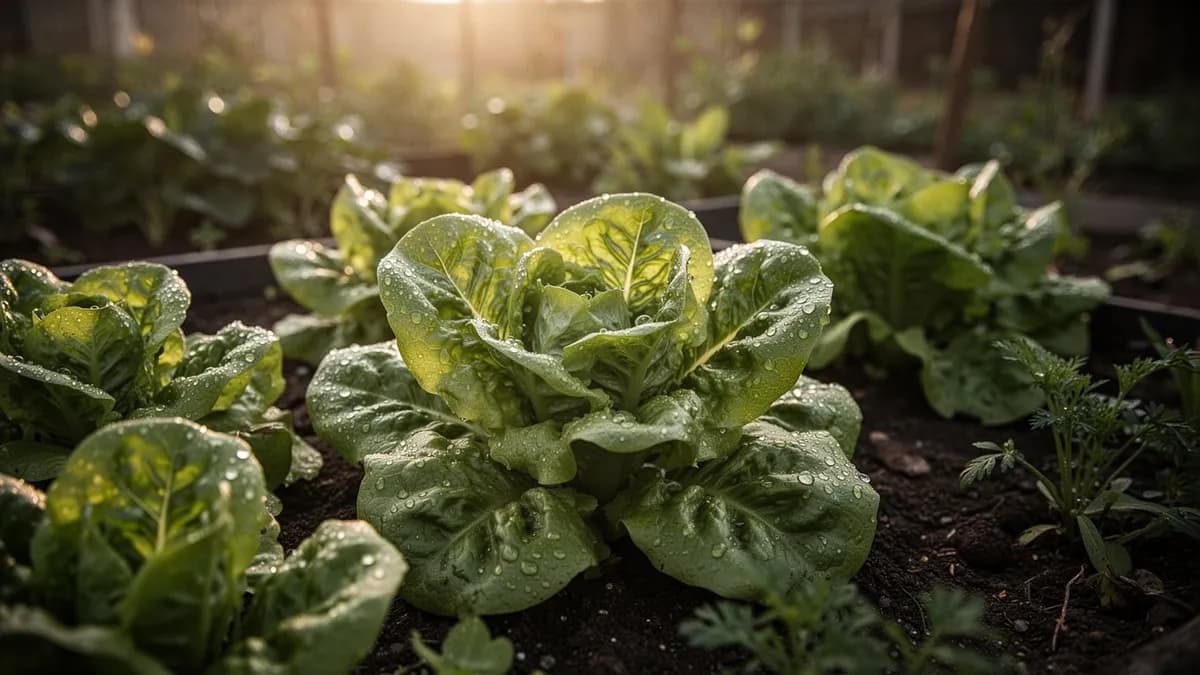
La lechuga mantequilla (Lactuca sativa var. capitata) forma cabezas sueltas y redondeadas de hojas extraordinariamente suaves y delicadas, con una textura mantecosa que se deshace en la boca.





En esta páginaResumen
Conoce Lechuga Mantequilla
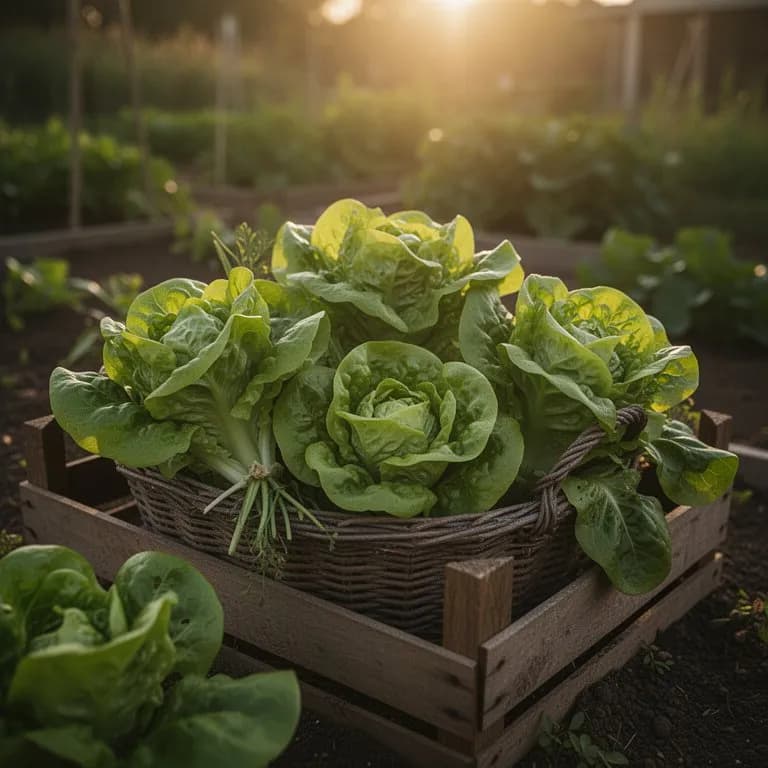
La lechuga mantequilla (Lactuca sativa var. capitata) forma cabezas sueltas y redondeadas de hojas extraordinariamente suaves y delicadas, con una textura mantecosa que se deshace en la boca. Incluye variedades clásicas como Boston y Bibb, y es considerada la lechuga de mayor calidad gastronómica, perfecta para ensaladas elegantes y como envoltorio natural de carnes y mariscos.
Cuándo plantar Lechuga Mantequilla
Siembre en superficie o a 0,5 cm de profundidad. Las semillas necesitan algo de luz para germinar. No siembre a más de 25 °C, ya que la germinación se inhibe. Para verano, pre-germine en refrigerador 24-48 horas antes de sembrar.
Tu año de Lechuga Mantequilla
Ajustado a Zona 7 · temporada típica · la helada se va hacia el 2 abr y vuelve hacia el 1 nov
Planta Lechuga Mantequilla Mar – Abr, Sep – Oct y cosecha May – Jun, Oct – Nov. Consulta los métodos de plantación y elige tu clima para adaptar los periodos.
Cómo cultivar Lechuga Mantequilla
Siembre directamente o inicie en interiores 4-5 semanas antes del trasplante. Siembre en la superficie o a apenas 0,5 cm de profundidad, ya que las semillas necesitan algo de luz para germinar. Mantenga a 15-20 °C para germinación en 5-10 días.
Trasplante o aclare a 20-25 cm entre plantas en filas de 30 cm. La lechuga mantequilla prefiere temperaturas frescas de 10-18 °C y se espiga rápidamente con calor. Riegue frecuentemente para mantener suelo uniformemente húmedo. Aplique acolchado para frescura.
Fertilice cada 2-3 semanas con abono equilibrado rico en nitrógeno para hojas tiernas. Siembre sucesivamente cada 2 semanas para cosecha continua. En verano, siembre en sombra parcial o use tela de sombreo.
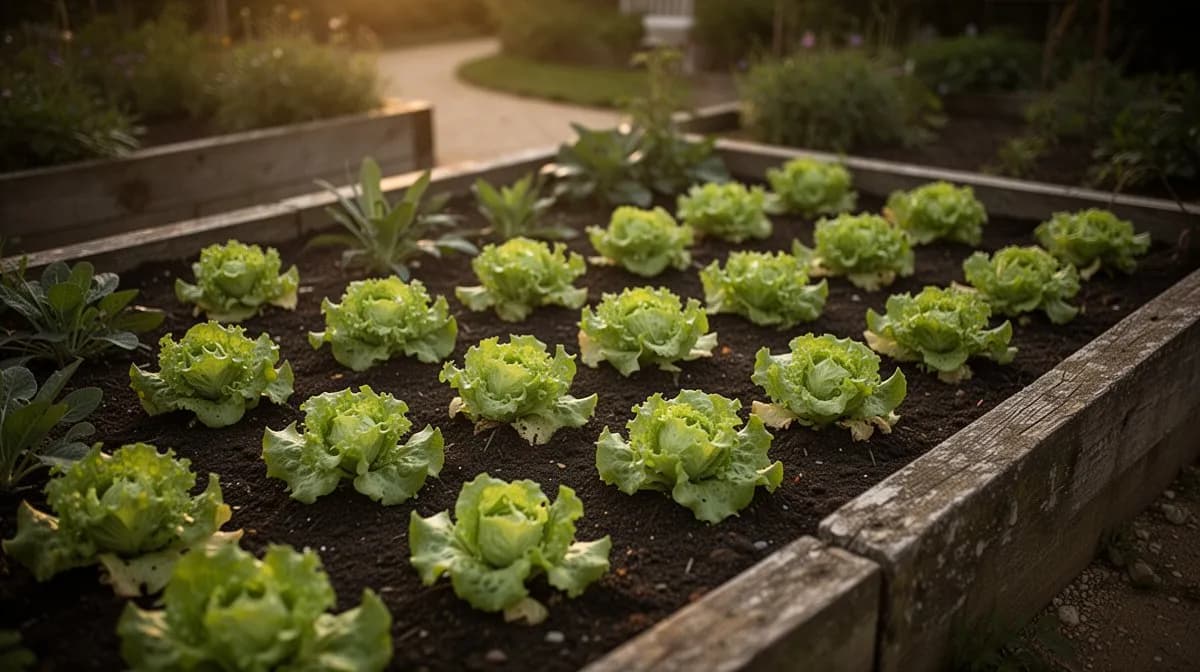
36 plantas caben en un bancal de 120 × 240 cm
Cada Lechuga Mantequilla pide 25 cm de margen. El planificador guarda ese marco por ti — cada planta, cada bancal.
Los mejores vecinos de Lechuga Mantequilla
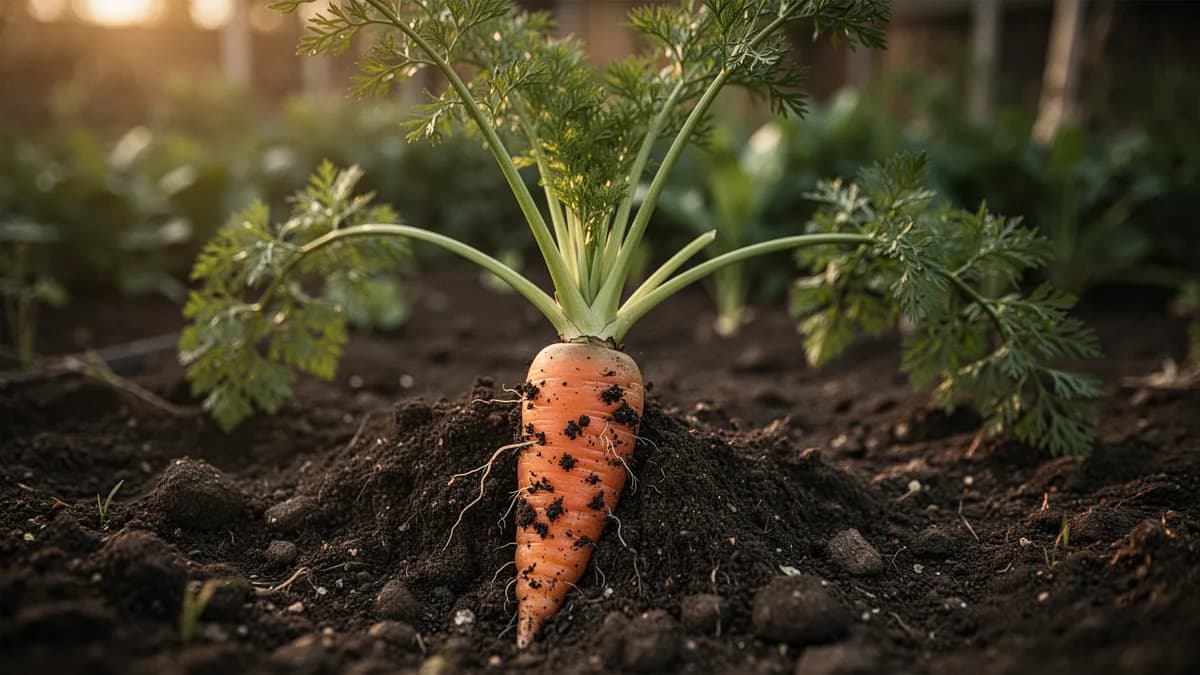
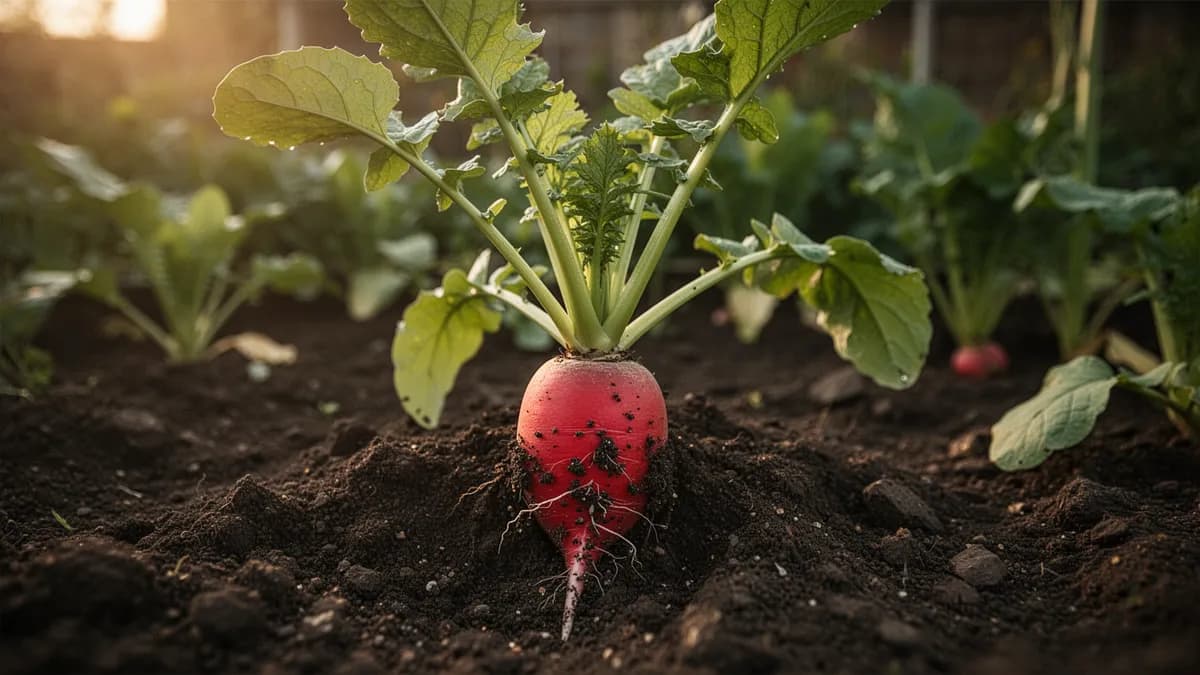
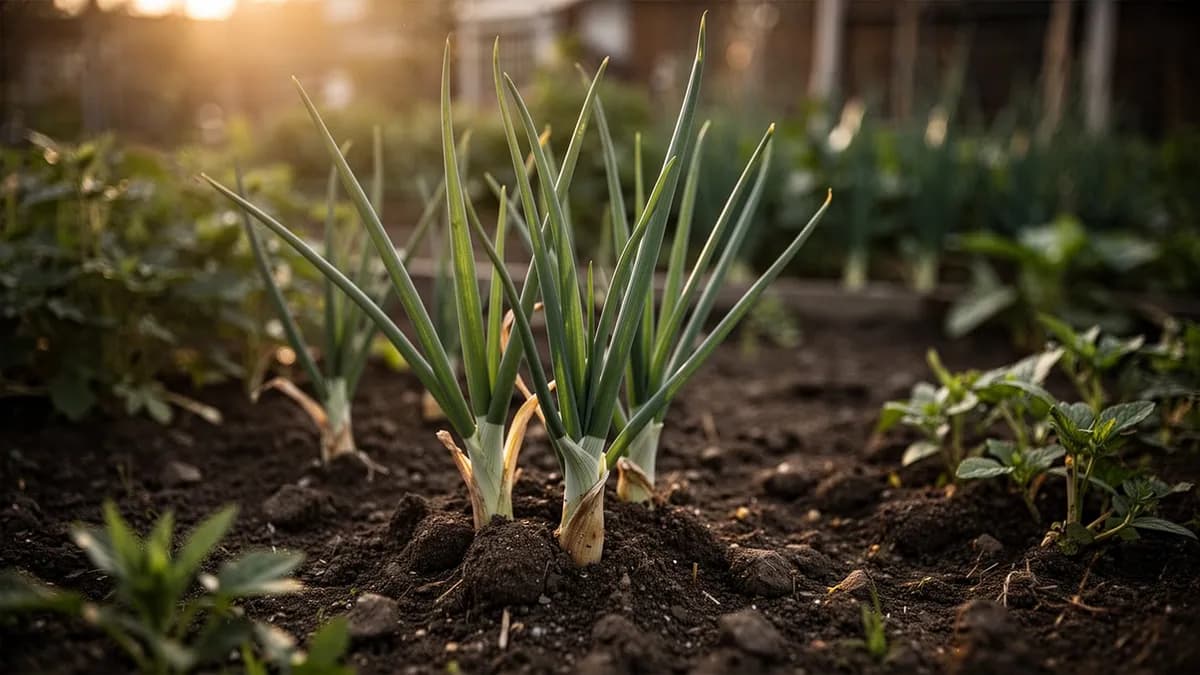
Crece bien junto a rábanos que maduran antes de que la lechuga necesite todo el espacio. Las zanahorias, fresas y cebolletas son buenos compañeros. Evite plantar junto a perejil que puede inhibir su crecimiento.
Zanahoria va a su lado.
Saber de huerto de siempre, cotejado con la tabla real de Lechuga Mantequilla — prueba cualquier planta que cultives.
Prueba Lechuga Mantequilla en un bancal, aquí mismo
Un bancal real del planificador con Lechuga Mantequilla ya plantado. Toca una planta compañera para colocarla y mira cómo responde la comprobación de vecinos: verde para buenos vecinos, rojo si hay conflicto.


Guías de cultivo relacionadas
Abónalo bien
Suelos ricos, sueltos y bien drenados con pH 6,0-7,0. Enmiende con compost maduro. Fertilice con abono rico en nitrógeno para hojas tiernas. Las lechugas tienen raíces superficiales; mantenga humedad constante en los primeros centímetros del suelo.
Temperatura ideal
Compatibilidad de zonas de rusticidad
De la semilla a la cosecha, etapa por etapa
Siembra
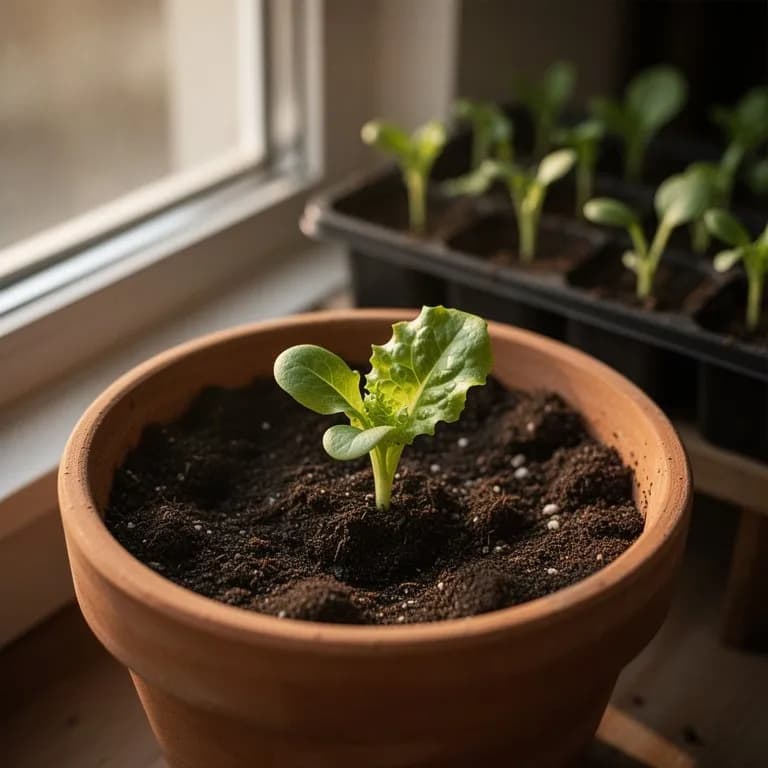
Las semillas diminutas se siembran en la superficie o apenas cubiertas porque la lechuga mantequilla necesita luz para germinar.
Desarrollo de plántulas
Aparecen las hojas verdaderas y las plantas empiezan a formar una pequeña roseta con un sistema radicular superficial.
Formación de roseta
Las hojas se multiplican rápidamente y la planta forma una roseta abierta con una textura tierna y sedosa.
Formación de la cabeza
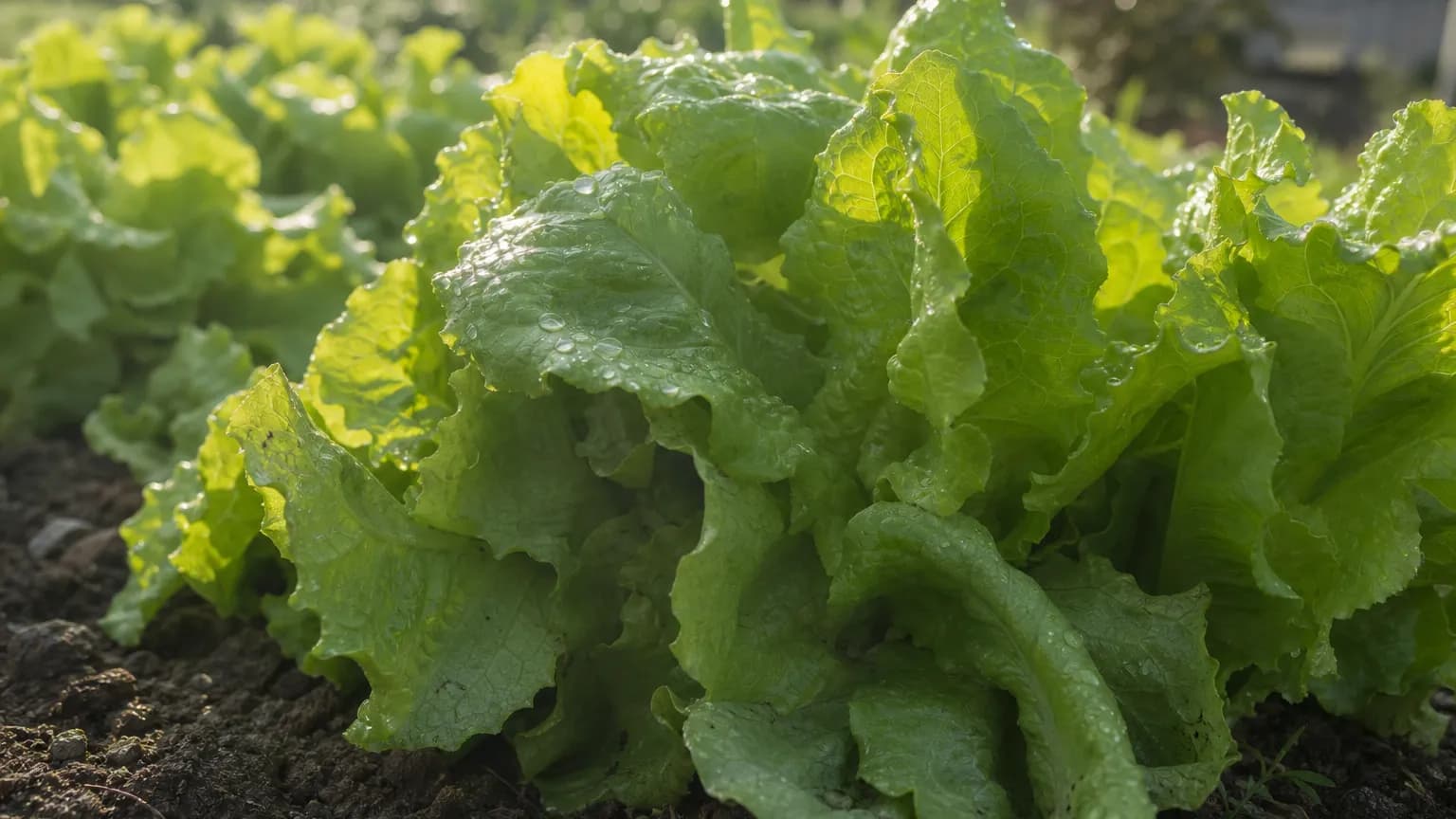
Las hojas internas se doblan con suavidad para formar una cabeza blanda y redondeada con un centro tierno.
Espigado
El tallo central se alarga, se forman racimos de flores y las hojas se vuelven amargas y duras.
Espigado
El tallo central se alarga, se forman racimos de flores y las hojas se vuelven amargas y duras.
No entierres las semillas; presiónalas sobre el sustrato húmedo y mantenlas uniformemente húmedas en un lugar fresco.
Cuidar Lechuga Mantequilla mes a mes
Qué hacer cada mes para tu Lechuga Mantequilla
Octubre
Mes actualHarvest autumn heads as they mature — fall-grown butter lettuce often surpasses spring quality due to cooler temperatures and shorter days. Protect late plantings with row cover as frost approaches. In mild zones, continue sowing for winter harvest.
Ten claro qué hacer en tu huerto, cada mes
Un correo al empezar cada mes: qué sembrar, plantar y hacer ahora mismo — para tu Lechuga Mantequilla y todo lo que crece alrededor. Más un breve curso inicial para esquivar los errores clásicos.
- Qué hacer ahora mismo
- Ajustado a tu temporada
- Curso inicial incluido
Cosechar Lechuga Mantequilla
Coseche cabezas completas cuando estén llenas pero antes de que el centro se alargue (signo de espigado), unos 55-70 días tras la siembra. Corte a nivel del suelo por la mañana temprano. También puede cosechar hojas exteriores progresivamente para extender la producción.
se supone que plantas al comenzar el periodo — indica tu fecha real
55 a 70 días después de la siembra, cuando las cabezas se sientan suaves pero llenas.
Almacenamiento y conservación
La lechuga mantequilla es la más delicada y perecedera: consérvela en refrigerador en bolsa de plástico con papel absorbente 3-5 días máximo. Lave justo antes de usar. No se puede congelar ni conservar; consúmala fresca.
Qué falla — y cómo solucionarlo
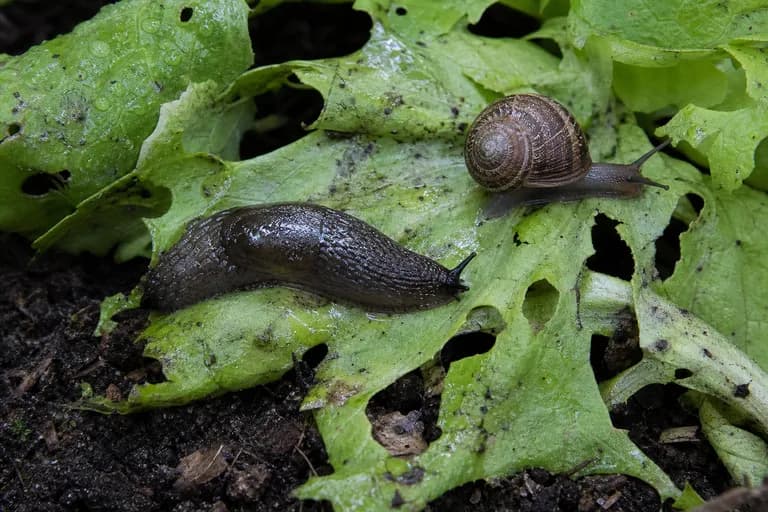
Babosas y caracoles
PlagaAgujeros irregulares en hojas tiernas, rastros de baba brillante.
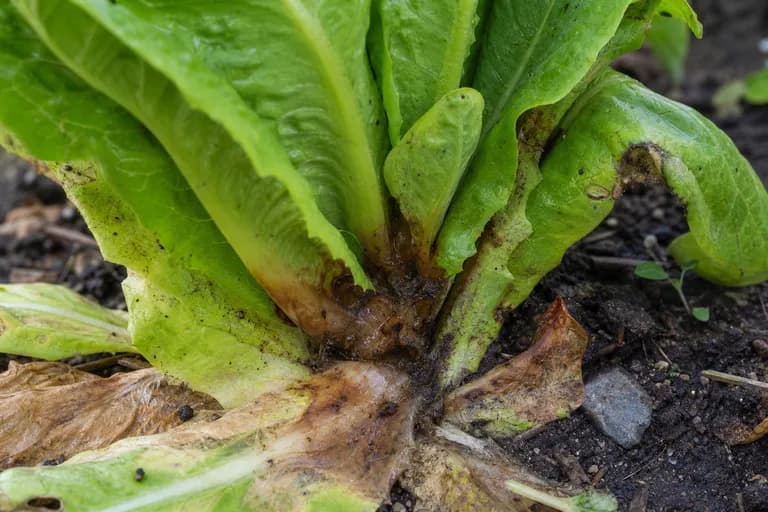
Mildiu de la lechuga (Bremia lactucae)
EnfermedadManchas angulares amarillentas en el haz con pelusa blanca en envés.
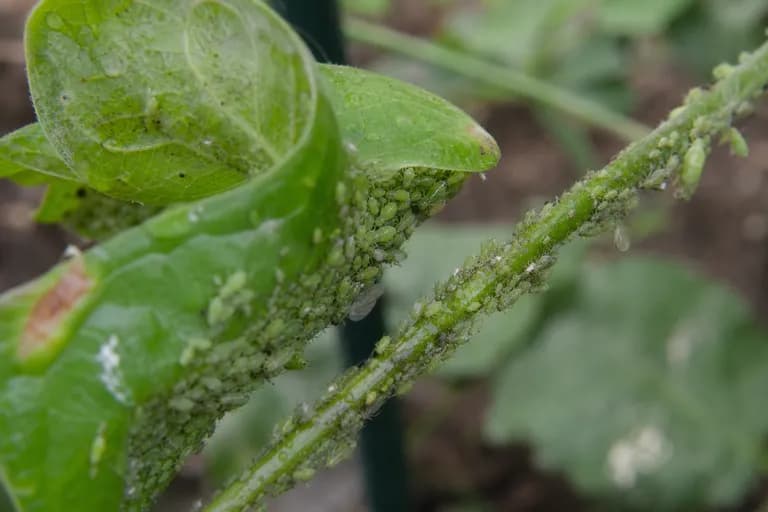
Pulgón de la lechuga (Nasonovia ribisnigri)
PlagaColonias en hojas interiores y corazón, difíciles de detectar y lavar.
Solución de problemas comunes
El espigado prematuro es el mayor desafío, causado por calor, días largos o estrés hídrico. Las babosas adoran las hojas tiernas. Las hojas internas pueden albergar pulgones invisibles desde fuera. El exceso de calor produce hojas amargas y duras.
Consejos de cultivo
- Succession planting is the single most important technique for butter lettuce success. Sow a small batch every 10-14 days from early spring through late autumn rather than one large planting — this ensures a continuous supply of heads at peak quality instead of a glut followed by nothing.
- Never bury butter lettuce seeds. They require light to germinate — simply press seeds onto moist soil surface and mist gently. Covering even with 5mm of soil can reduce germination rates from 90% to under 30%.
- Heat is the enemy. In warm climates, grow butter lettuce as a spring and autumn crop, skipping summer entirely. Use 40-50% shade cloth to extend the season by 2-3 weeks in spring and start 2-3 weeks earlier in autumn.
- Water consistently and shallowly. Butter lettuce has a shallow root system concentrated in the top 15 cm of soil. Irregular watering causes tip burn (brown leaf edges) and bitter flavor. Drip irrigation on a timer is ideal.
- Harvest entire heads in the early morning when leaves are coolest and most turgid. Afternoon-harvested lettuce wilts faster and stores poorly. Plunge harvested heads into cold water immediately to extend freshness by several days.
- Interplant butter lettuce between slower-growing crops like tomatoes, peppers, and brassicas. The lettuce matures and is harvested before the larger plants need the space — this doubles your garden's productivity per square meter.
- Protect against slugs from day one. Butter lettuce is a slug magnet due to its tender, low-growing leaves and the moist environment underneath. Use copper tape around bed edges, beer traps, or iron phosphate bait before damage appears.
- Grow in containers with excellent results. A 20-25 cm pot is sufficient for one head, and a window box can hold 3-4 plants. Container growing makes it easy to move plants into shade during heat waves and brings fresh lettuce to a balcony or patio.
Cultiva tu mejor Lechuga Mantequilla — y todo lo que la rodea.
Empieza un plan gratis hoy. Diseña tus bancales, coloca tu Lechuga Mantequilla y deja que PlotMyGarden gestione el momento, el espaciado, las asociaciones y los recordatorios de la semilla a la cesta.
Elige tu Lechuga Mantequilla
Buttercrunch
La variedad mantequilla más popular: cabezas compactas con corazón crujiente y hojas exteriores suaves. Resistente al espigado. Madura en 55 días.
Bibb (Limestone)
Variedad premium de Kentucky con cabezas pequeñas y perfectas. Sabor mantecoso excepcional. Madura en 60 días.
Tom Thumb
Variedad miniatura perfecta para macetas y espacios pequeños. Cabezas del tamaño de una pelota de tenis. Madura en 48 días.
Merveille des Quatre Saisons
Variedad francesa heritage con hojas teñidas de rojo. Muy hermosa y de excelente sabor. Madura en 60 días.
A packet of butter lettuce seeds ($2-4) contains 500-1,000 seeds — enough for an entire season of succession planting. A single head of organic butter lettuce costs $3-5 at the grocery store and often wilts within days of purchase. Growing just 2 heads per week for a 16-week spring-to-autumn season produces 32 heads worth $96-160 at retail prices, all from a $3 seed packet and minimal inputs. Hydroponic butter lettuce sold as 'living lettuce' retails for $4-6 per head, making homegrown savings even more dramatic.
Recetas rápidas
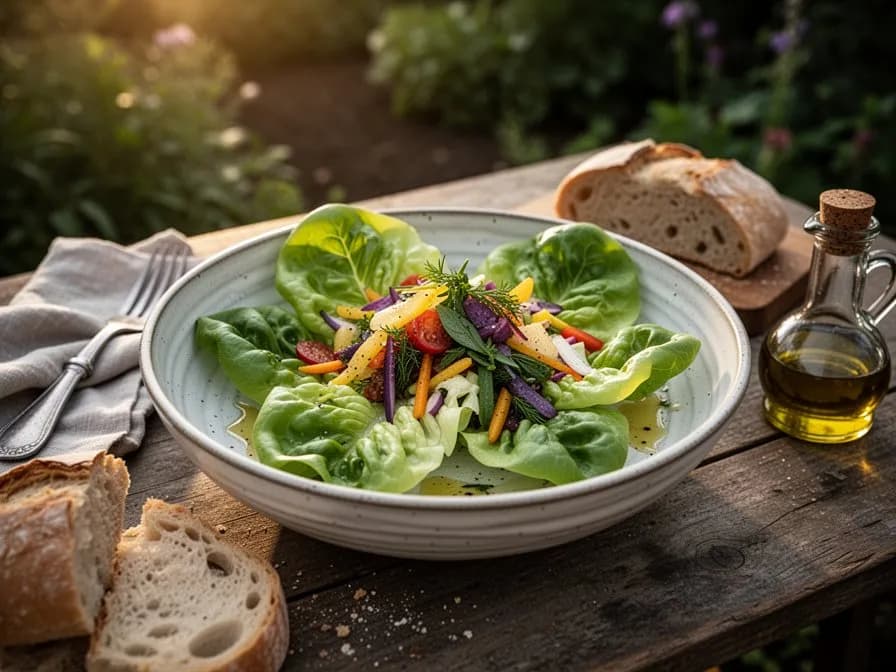
Classic Butter Lettuce Salad with Dijon Vinaigrette
10 minAn elegant French-inspired salad that lets the silky texture of butter lettuce shine. The gentle leaves pair perfectly with a creamy Dijon vinaigrette, fresh herbs, and a scattering of toasted walnuts for contrast.
8 ingredientes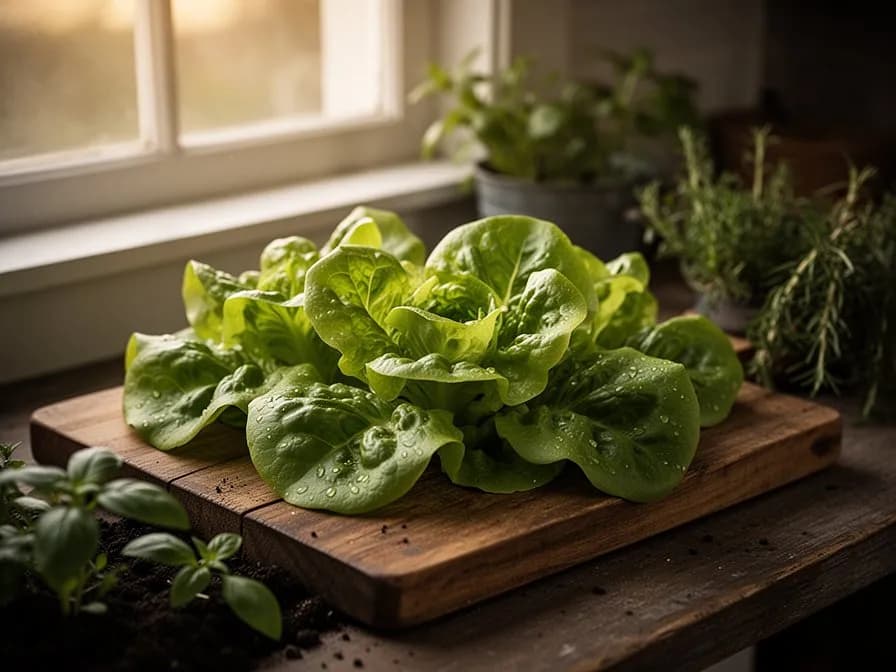
Asian Chicken Lettuce Wraps
25 minSavory stir-fried chicken in a sweet-salty sauce spooned into cupped butter lettuce leaves — a crowd-pleasing appetizer or light dinner. The crisp, cool lettuce provides the perfect contrast to the hot, boldly seasoned filling.
10 ingredientesButter Lettuce with Pears, Blue Cheese, and Pecans
15 minA sophisticated autumn salad combining the melt-in-your-mouth texture of butter lettuce with ripe pear slices, crumbled blue cheese, and candied pecans. A maple-sherry vinaigrette ties all the flavors together beautifully.
8 ingredientesUsos culinarios
La lechuga mantequilla es la reina de las ensaladas gourmet, servida con vinagreta ligera para no aplastar sus delicadas hojas. Es perfecta como envoltorio natural para carnes asiáticas (lettuce wraps), mariscos y arroz. Las hojas grandes forman copas ideales para servir ensaladas individuales.
Qué contiene
Beneficios para la salud
- Exceptionally rich in vitamin A as beta-carotene — a single head provides over 100% of the daily value, supporting eye health, immune function, and healthy skin cell production.
- Outstanding source of vitamin K, essential for proper blood clotting and calcium metabolism in bones. Regular consumption supports bone density maintenance, particularly important with aging.
- Contains folate (vitamin B9) needed for DNA synthesis and red blood cell formation, making butter lettuce a valuable food during pregnancy and for anyone with increased folate needs.
- High water content of approximately 96% makes butter lettuce an excellent hydrating food that contributes to daily fluid intake, especially important for people who struggle to drink enough water.
- The lactucarium compounds in lettuce have mild calming properties — while not a medicine, traditional use of lettuce as a gentle sleep aid has some basis in its natural sedative compounds.
- Provides antioxidant compounds including beta-carotene, lutein, and zeaxanthin that protect eye health and may reduce the risk of age-related macular degeneration with regular consumption.
De dónde viene Lechuga Mantequilla
Butter lettuce (Lactuca sativa var. capitata) belongs to the butterhead group of lettuces, one of the oldest cultivated vegetable types in human history. Wild lettuce (Lactuca serriola) originated in the Mediterranean basin and the Middle East, and its domestication began in ancient Egypt around 2680 BCE. Egyptian tomb paintings depict tall, bolting lettuce plants grown for their oily seeds and the milky sap in their stems, which was associated with fertility and used in religious rituals. These early lettuces bore little resemblance to modern heading types.
The Romans advanced lettuce cultivation significantly, developing varieties with broader, more tender leaves and selecting for plants that formed loose heads rather than bolting immediately. The name Lactuca derives from the Latin 'lac' (milk), referring to the white latex in the stems. By the medieval period, distinct butterhead types with soft, folding leaves were being grown in monastery gardens across France and the Low Countries. European plant breeders over the following centuries refined these into the smooth, heading butterheads we recognize today.
Two landmark American butterhead varieties emerged in the 19th century that remain popular today. Boston lettuce was developed in the 1860s in the greenhouses around Boston, Massachusetts, and became the standard greenhouse lettuce of the northeastern United States. Bibb lettuce was developed by John Bibb, an amateur horticulturist in Frankfort, Kentucky, around 1865 — his smaller, darker-leaved variety became prized for its exceptionally tender texture and sweet flavor. Today, butter lettuce is grown commercially on every inhabited continent, with significant production in the Netherlands, France, Spain, the United States, and increasingly in hydroponic vertical farms. Modern breeding continues to produce varieties with improved bolt resistance, disease tolerance, and shelf life while preserving the melt-in-your-mouth texture that defines the butterhead type.
Lechuga Mantequilla: ¿sabías que?
Datos fascinantes sobre Lechuga Mantequilla
Butter lettuce gets its name from the remarkably silky, almost oily texture of its leaves — they literally feel buttery smooth to the touch, a quality caused by their unusually thin cell walls and high water content compared to other lettuce types.
Lechuga Mantequilla: preguntas frecuentes
¿Cuándo debo plantar Lechuga Mantequilla?
¿Cuáles son buenas plantas acompañantes para Lechuga Mantequilla?
¿En qué zonas de rusticidad puede crecer Lechuga Mantequilla?
¿Cuánto sol necesita Lechuga Mantequilla?
¿A qué distancia debo espaciar Lechuga Mantequilla?
¿Qué plagas y enfermedades afectan a Lechuga Mantequilla?
¿Cómo almaceno Lechuga Mantequilla después de la cosecha?
¿Cuáles son las mejores variedades de Lechuga Mantequilla para cultivar?
¿Qué suelo necesita Lechuga Mantequilla?
Why did my butter lettuce bolt before forming a proper head?
Why do my butter lettuce leaves have brown edges (tip burn)?
Can I grow butter lettuce indoors year-round?
How do I store harvested butter lettuce to keep it fresh longest?
What is the difference between Boston and Bibb butter lettuce?
Is butter lettuce worth growing compared to buying it at the store?
Acabas de leer la teoría. Ahora cultívala en piloto automático.
Todo lo que hace que Lechuga Mantequilla sea delicado — el momento, el espaciado, las asociaciones, la ventana de cosecha — es justo lo que PlotMyGarden resuelve por ti, para cada planta de tu huerto.
Un plan que conoce tu clima
Indica tu ubicación una vez. Recibe fechas de siembra, abonado y cosecha basadas en tu última helada real y el pronóstico en vivo — sin adivinar con un sobre genérico.
De la sección “Cuándo plantar”Planificador de bancales de arrastrar y soltar
Diseña bancales sobre una cuadrícula. Cada planta encaja con su espaciado correcto y ves toda la temporada antes de gastar un céntimo en semillas.
De la sección “Cultivo”Conflictos de asociación, detectados a tiempo
Más de 200 buenas y malas combinaciones comprobadas en vivo mientras plantas — para que un error que arruine la temporada nunca llegue a la tierra.
De la sección “Asociaciones”Recordatorios que sí vas a seguir
“Riega las judías.” “Recoge hoy antes de que se pase.” Oportunos, concretos y ligados a las plantas que de verdad cultivas.
De la sección “Cosecha”Escalonado, programado
¿Quieres cosechar seis semanas en vez de seis días? Reparte tus siembras automáticamente y te avisa cuando toca el siguiente lote.
De la sección “Cuándo plantar”Un registro que se vuelve más listo
Cada cosecha que registras le enseña tu huerto. El plan del año que viene parte de lo que de verdad funcionó en tu suelo, no en un manual.
De la sección “Resumen”Planta estos junto a Lechuga Mantequilla
Más Hortalizas de hoja
Cultiva tu mejor Lechuga Mantequilla — y todo lo que la rodea.
Empieza un plan gratis hoy. Diseña tus bancales, coloca tu Lechuga Mantequilla y deja que PlotMyGarden gestione el momento, el espaciado, las asociaciones y los recordatorios de la semilla a la cesta.