Rúcula
Una verdura de hoja de rápido crecimiento con sabor picante.





En esta páginaResumen
Conoce Rúcula
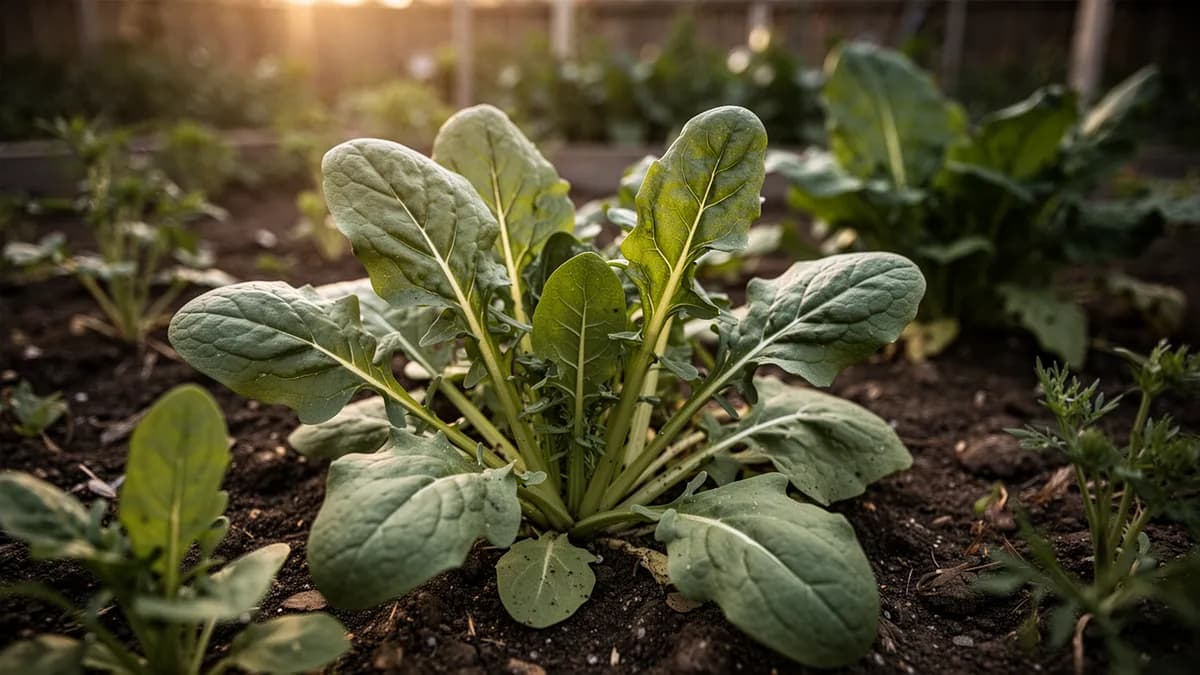
Una verdura de hoja de rápido crecimiento con sabor picante. Ideal para ensaladas y pizzas.
Cuándo plantar Rúcula
Siembre directamente en el exterior en primavera o finales de verano. Resiembre en tandas cada 2-3 semanas para cosechar de forma continua.
Tu año de Rúcula
Ajustado a Zona 7 · temporada típica · la helada se va hacia el 2 abr y vuelve hacia el 1 nov
Planta Rúcula Mar – May, Ago – Sep y cosecha Abr – Jun, Sep – Nov. Consulta los métodos de plantación y elige tu clima para adaptar los periodos.
Cómo cultivar Rúcula
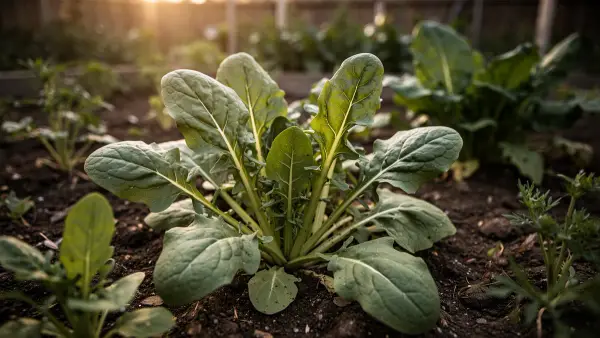
Elija un lugar con sol pleno o semisombra y suelo bien drenado con pH 6,0-7,0. Enmiende con compost para mejorar la fertilidad.
Siembre las semillas en la superficie del suelo y presione ligeramente sin cubrir, a 2-3 cm de separación. Resiembre cada 2-3 semanas para cosecha continua.
Riegue regularmente para mantener el suelo húmedo. En verano, proporcione sombra para retrasar el espigado. La rúcula crece rápidamente y no necesita mucho cuidado.
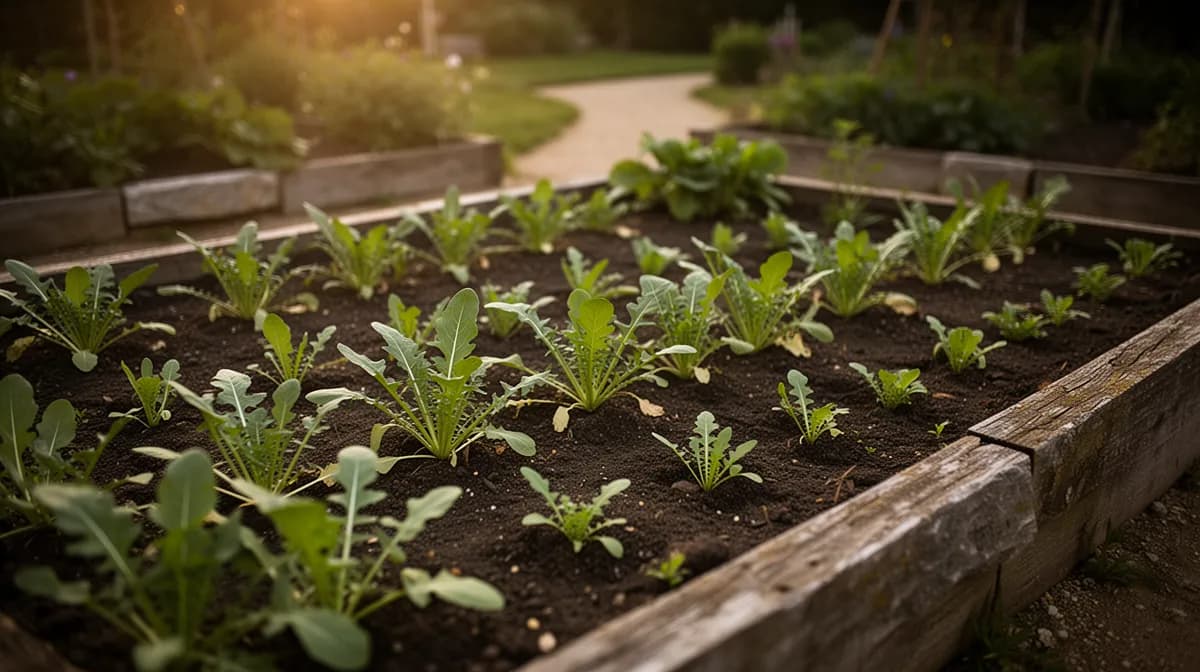
128 plantas caben en un bancal de 120 × 240 cm
Cada Rúcula pide 15 cm de margen. El planificador guarda ese marco por ti — cada planta, cada bancal.
Los mejores vecinos de Rúcula
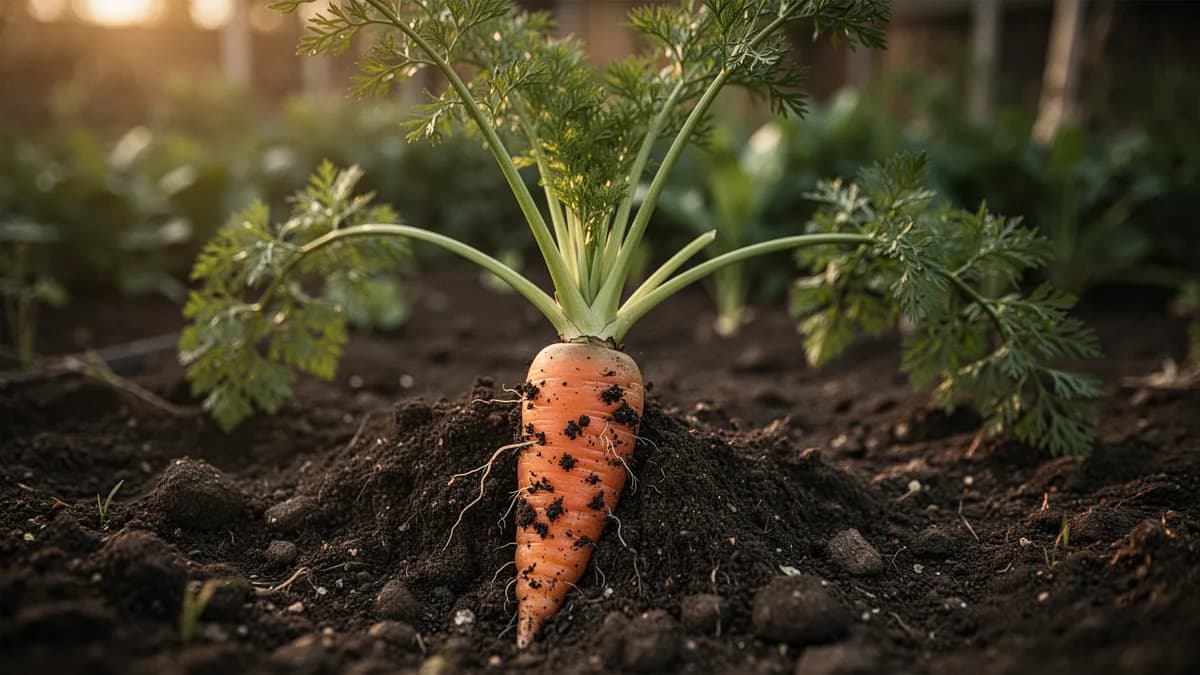
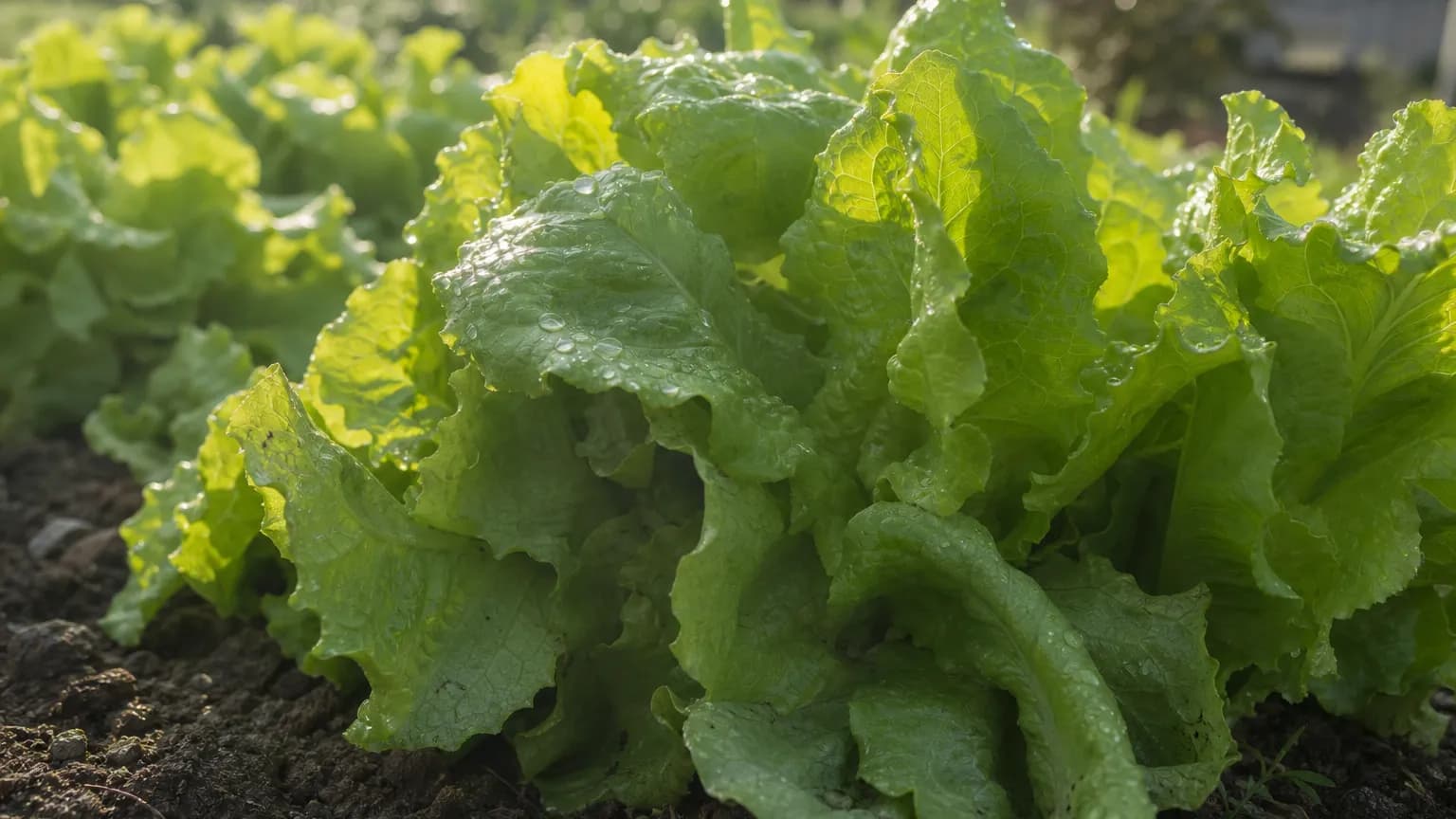
Se asocia bien con tomates, frijoles y hierbas aromáticas. Puede intercalarse con lechugas para aprovechar el espacio.
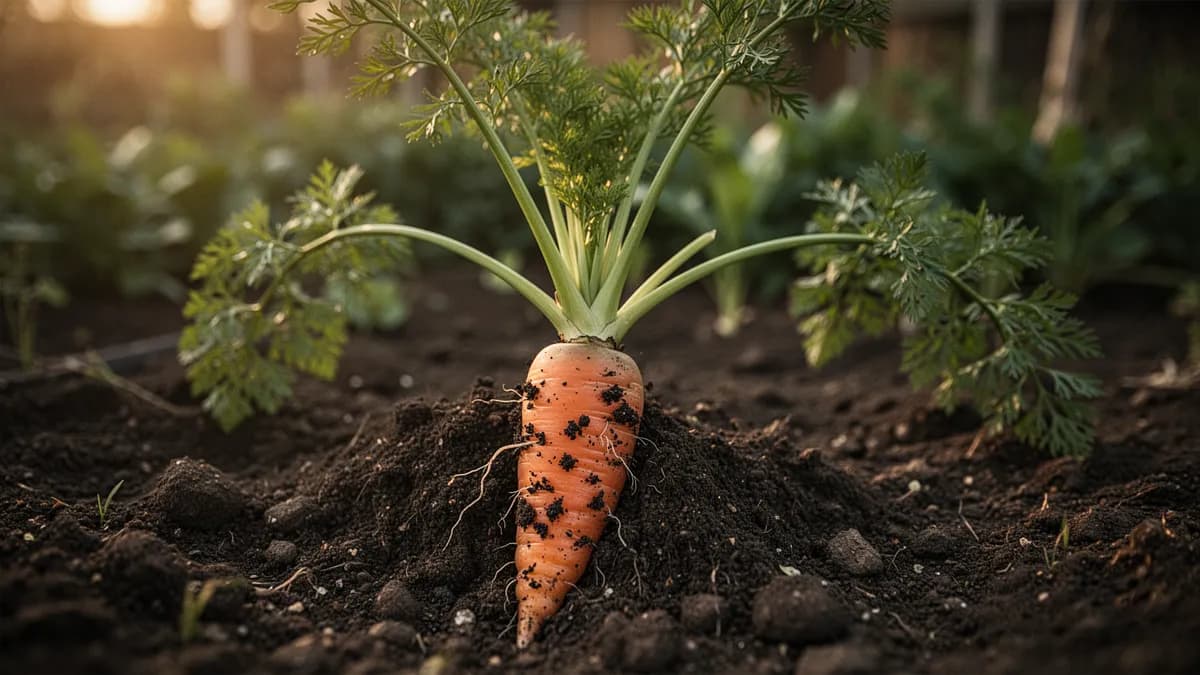
Zanahoria va a su lado.
Saber de huerto de siempre, cotejado con la tabla real de Rúcula — prueba cualquier planta que cultives.
Prueba Rúcula en un bancal, aquí mismo
Un bancal real del planificador con Rúcula ya plantado. Toca una planta compañera para colocarla y mira cómo responde la comprobación de vecinos: verde para buenos vecinos, rojo si hay conflicto.


Guías de cultivo relacionadas
Abónalo bien
Tolera suelos pobres pero prefiere suelo moderadamente fértil con pH 6,0-7,0. Aplique compost al inicio; el exceso de nitrógeno puede hacer las hojas amargas.
Temperatura ideal
Compatibilidad de zonas de rusticidad
De la semilla a la cosecha, etapa por etapa
Germinación
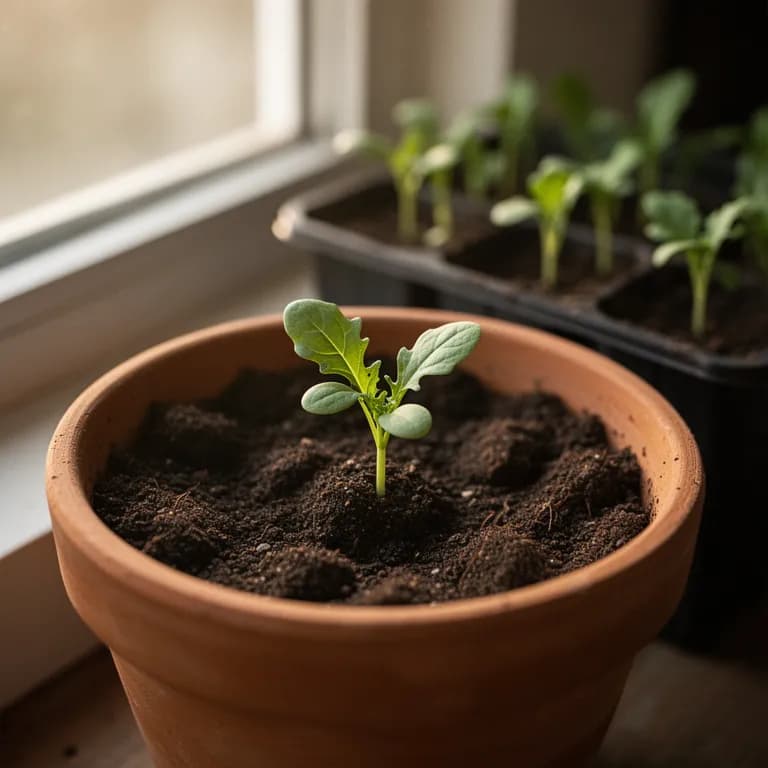
Las semillas de rúcula germinan con una rapidez notable, a menudo en 3-5 días incluso en suelo fresco de solo 4 °C. Las diminutas semillas producen pequeños cotiledones redondeados que emergen en grupos densos cuando se siembran al voleo.
Etapa de hoja baby
Las hojas verdaderas se desarrollan rápidamente con la forma lobulada característica. En esta etapa, las hojas son pequeñas, tiernas y de sabor suave. La rúcula baby es la forma comercial más popular y puede cosecharse tan pronto como 21 días después de la siembra.
Desarrollo de hoja completa
Las hojas alcanzan su tamaño completo con bordes profundamente lobulados, parecidos a una hoja de roble. El sabor picante se intensifica a medida que las hojas maduran. Se forma una roseta suelta y erguida de hojas que irradian desde un punto central de crecimiento.
Subida a flor
Un tallo floral central se alarga rápidamente, especialmente con calor o días largos. Las hojas se vuelven más pequeñas, más duras y mucho más picantes. Pequeñas flores blancas o crema de cuatro pétalos aparecen en la parte superior del tallo.
Floración y formación de semillas
Las flores son polinizadas por abejas y pequeños insectos, formando vainas de semillas delgadas que se secan y se abren para liberar pequeñas semillas redondas. Las flores comestibles tienen un sabor suave y picante. Las plantas que se dejan formar semilla se resiembran fácilmente para cultivos voluntarios futuros.
Mantén el suelo uniformemente húmedo, pero no encharcado, durante la germinación. No hacen falta esteras térmicas ni tratamientos especiales: la rúcula germina con facilidad en condiciones frescas que detendrían a la mayoría de las demás semillas.
Cuidar Rúcula mes a mes
Qué hacer cada mes para tu Rúcula
Octubre
Mes actualPeak fall harvest month. Arugula thrives in the cool autumn weather, producing mild, tender leaves. In zones 7-11, continue sowing for late fall and early winter harvest under row covers or cold frames.
Ten claro qué hacer en tu huerto, cada mes
Un correo al empezar cada mes: qué sembrar, plantar y hacer ahora mismo — para tu Rúcula y todo lo que crece alrededor. Más un breve curso inicial para esquivar los errores clásicos.
- Qué hacer ahora mismo
- Ajustado a tu temporada
- Curso inicial incluido
Cosechar Rúcula
Coseche las hojas exteriores cuando alcanzan 5-10 cm de largo. Puede hacer corte completo a 2-3 cm del suelo para una segunda brotación.
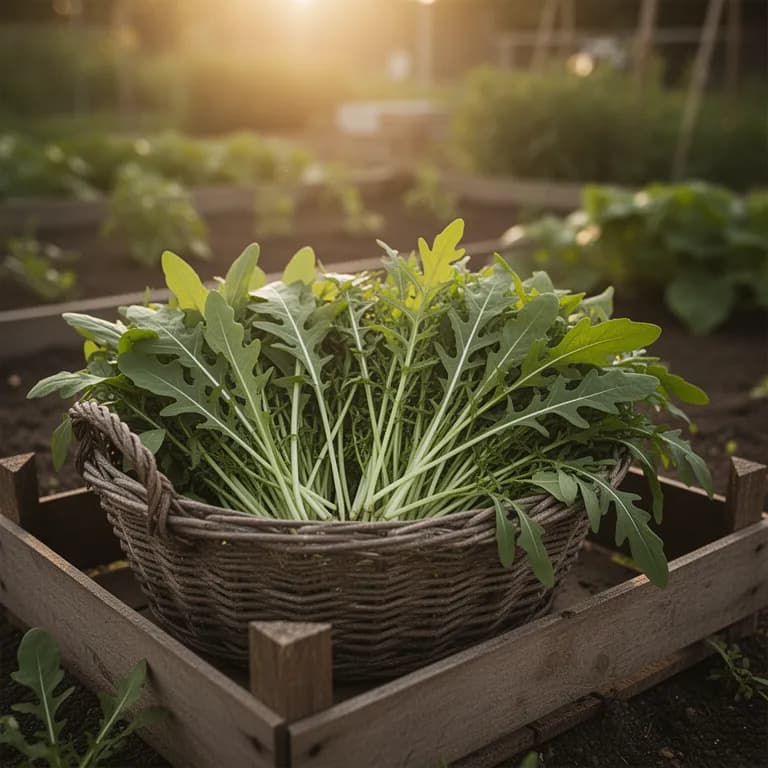
se supone que plantas al comenzar el periodo — indica tu fecha real
Empieza a cosechar hojas baby tan pronto como 21 días después de la siembra.
Almacenamiento y conservación
Conserve en bolsa hermética en el refrigerador hasta 5 días. Para mayor frescura, lave y seque bien antes de guardar.
Qué falla — y cómo solucionarlo
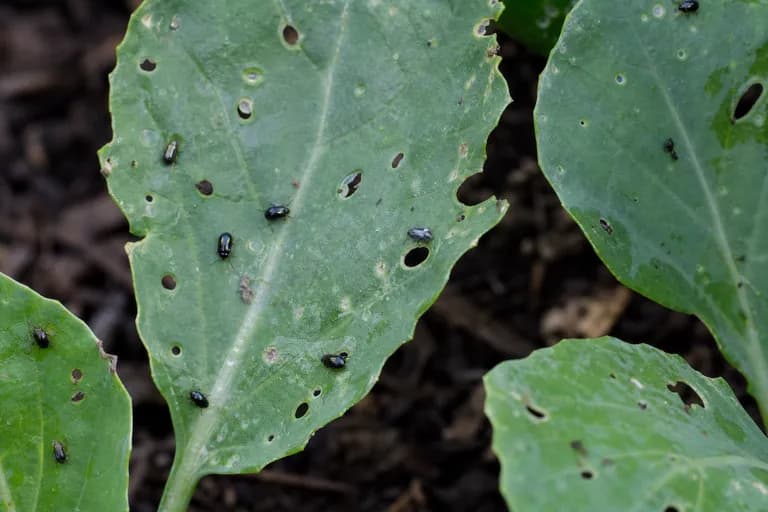
Pulgas saltadoras
PlagaPequeños agujeros redondos en las hojas que reducen el valor ornamental y la calidad.
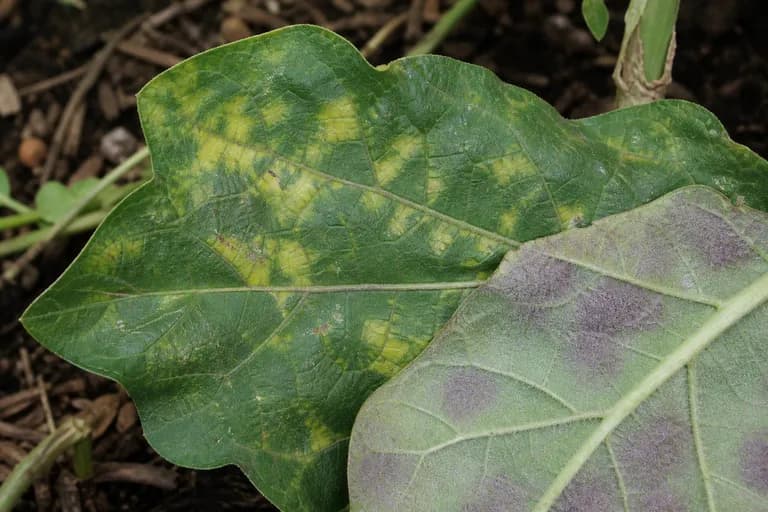
Pulgones
PlagaColonias en el envés de las hojas causando amarillamiento y distorsión.
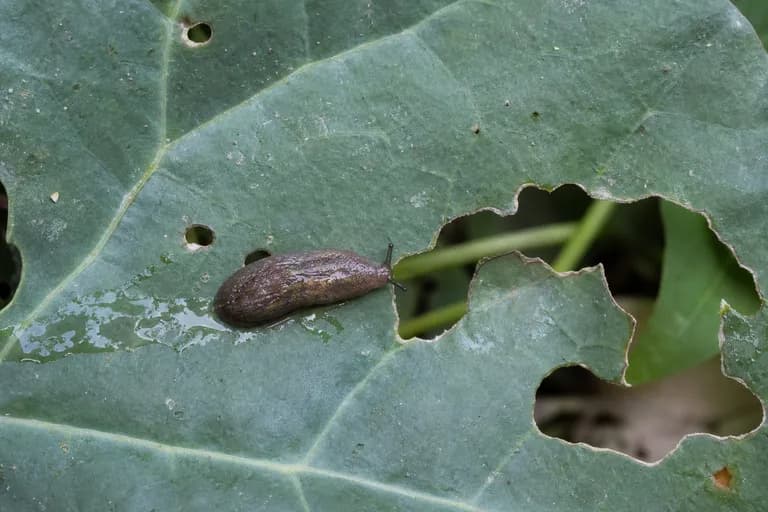
Mildiu polvoriento
EnfermedadPolvo blanco en la superficie de las hojas.
Solución de problemas comunes
Se espiga (florece) rápidamente con el calor veraniego, haciendo las hojas amargas. Plante en otoño o primavera para mejores resultados.
Consejos de cultivo
- Succession sow every 2-3 weeks without fail — this is the single most important practice for continuous arugula production. A single sowing provides only 2-3 weeks of quality harvest before bolting, so staggered plantings are essential.
- Provide afternoon shade in warm weather using shade cloth, tall companion plants, or strategic bed placement on the north side of taller crops. This simple step can delay bolting by 1-2 weeks and keep leaves mild-flavored.
- Water consistently and never let the soil dry out completely. Drought stress accelerates bolting and produces intensely bitter, tough leaves. Mulch around plants to maintain even soil moisture between waterings.
- Harvest early and often. Begin cutting baby leaves at 21 days and continue with cut-and-come-again harvesting at 2-3 cm above soil level. Regular harvesting stimulates new growth and delays bolting.
- Broadcast sow thickly for baby greens rather than spacing plants precisely. A dense carpet of arugula can be harvested with scissors like a living salad bar, and the close spacing also suppresses weeds effectively.
- Fall-sown arugula is almost always superior to spring crops — the cooling temperatures produce milder, more tender leaves with far less bolting pressure. Make fall your primary arugula season.
- Let a few plants flower and go to seed at the end of each season. Arugula self-sows freely, and volunteer seedlings often appear in the same bed the following season with no effort required.
- Interplant arugula between slow-growing crops like tomatoes, peppers, or brassicas. The arugula will be harvested long before the larger plants need the space, making efficient use of every square centimeter.
Cultiva tu mejor Rúcula — y todo lo que la rodea.
Empieza un plan gratis hoy. Diseña tus bancales, coloca tu Rúcula y deja que PlotMyGarden gestione el momento, el espaciado, las asociaciones y los recordatorios de la semilla a la cesta.
Elige tu Rúcula
Astro
Variedad de sabor suave con hojas medianas. Madura en 35 días, ideal para principiantes.
Rocket Selvatica
Rúcula silvestre de hojas más pequeñas y sabor más intenso y picante. Muy resistente.
Wasabi
Sabor picante pronunciado similar al wasabi. Hojas profundamente lobuladas y muy decorativas.
A single packet of arugula seeds costing $2-4 contains 500-1000 seeds — enough to sow a 3-5 meter row multiple times through the season. Organic baby arugula sells for $4-7 per 140g package at grocery stores, and a single succession-sown bed can produce the equivalent of 20-40 packages per season, representing $80-280 in retail value. Because arugula is so fast-growing and productive, it offers one of the highest returns on investment of any home garden crop.
Recetas rápidas
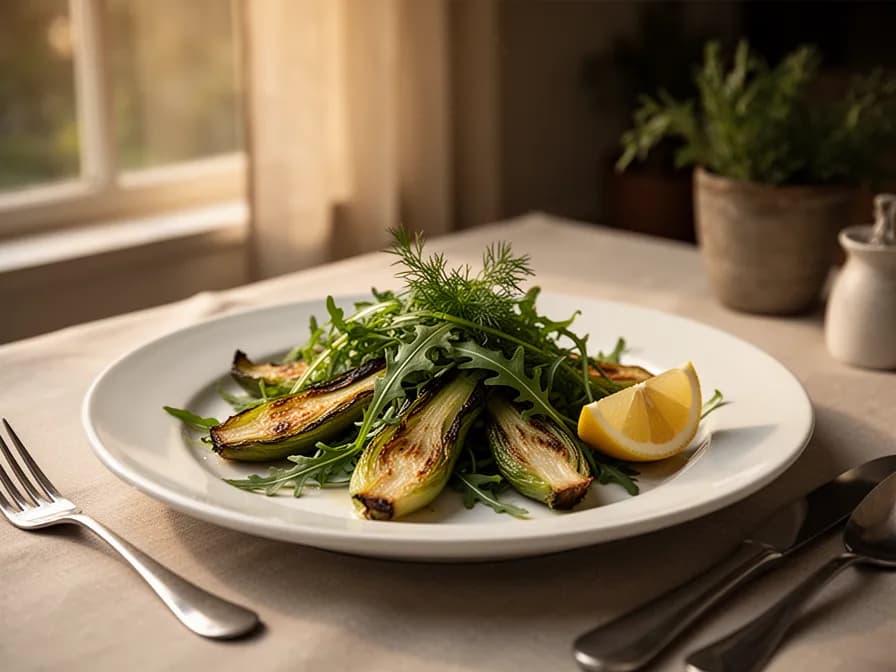
Classic Arugula Salad with Parmesan and Lemon
10 minThe simplest and most iconic way to serve arugula — peppery leaves tossed with fruity olive oil, sharp Parmesan shavings, and bright lemon juice. The contrast between the bitter greens, salty cheese, and acidic dressing is perfectly balanced.
6 ingredientesArugula Pesto
15 minA bold, peppery alternative to traditional basil pesto that makes excellent use of abundant arugula harvests. The assertive flavor pairs beautifully with pasta, grilled meats, and crusty bread. Freezes well in ice cube trays for year-round use.
7 ingredientesArugula and Prosciutto Flatbread
20 minA restaurant-quality flatbread that comes together in minutes — crispy dough topped with fresh arugula piled high after baking, with salty prosciutto and a drizzle of balsamic glaze. The heat-wilted greens meld beautifully with the toppings.
7 ingredientesUsos culinarios
Excelente fresca en ensaladas, como base de pizzas, en sándwiches o mezclada con pasta. Su sabor picante combina bien con quesos curados y frutos secos.
Qué contiene
Beneficios para la salud
- Exceptionally high in vitamin K (109 mcg per 100g, over 90% DV), essential for proper blood clotting, bone mineralization, and cardiovascular health — one of the richest leafy green sources available.
- Rich in glucosinolates, particularly erucin, which are converted in the body to isothiocyanates — compounds actively studied for their potential to inhibit cancer cell growth and support detoxification enzymes.
- Provides dietary nitrates that the body converts to nitric oxide, a molecule that relaxes blood vessels, lowers blood pressure, and improves blood flow — benefits confirmed in multiple clinical studies on leafy greens.
- Good source of calcium (160mg per 100g) with relatively low oxalate content compared to spinach, meaning a higher percentage of the calcium is bioavailable and actually absorbed by the body.
- Contains significant folate (97 mcg per 100g), supporting DNA synthesis and cell division, and is particularly important for women of childbearing age to prevent neural tube defects.
- High in beta-carotene (provitamin A) and lutein, carotenoid antioxidants that protect eye health, support immune function, and may reduce the risk of age-related macular degeneration.
De dónde viene Rúcula
Arugula (Eruca vesicaria subsp. sativa) is native to the Mediterranean basin, with wild populations found across southern Europe, North Africa, and western Asia. Archaeological evidence suggests it was cultivated in the eastern Mediterranean as early as the 1st century BCE. The Romans were the first to document arugula extensively — Pliny the Elder wrote about its cultivation in his Natural History, and the poet Virgil mentioned it in his works. Roman physicians prescribed arugula as a digestive aid and aphrodisiac, a reputation that persisted well into the Renaissance.
Throughout the Middle Ages, arugula fell in and out of favor across Europe. Italian and Middle Eastern cuisines maintained a continuous tradition of arugula cultivation, while northern Europe largely forgot about it. In Italy, rucola remained a beloved salad green and pizza topping for centuries, grown in kitchen gardens across the peninsula. The plant also spread eastward along trade routes, becoming established in Indian cuisine where it is grown for both its leaves and oil-rich seeds.
Arugula's modern global popularity began in the 1990s when it became a signature ingredient of the New American and farm-to-table restaurant movements. What was once an obscure European green became a mainstream supermarket staple within a decade. Today, arugula is commercially cultivated worldwide, with major production in Italy, Turkey, India, and the United States. California and Arizona lead American production, growing arugula year-round for the bagged salad market. The plant's rapid growth cycle, minimal input requirements, and bold flavor have made it one of the most popular specialty greens for both home gardeners and commercial growers.
Rúcula: ¿sabías que?
Datos fascinantes sobre Rúcula
Arugula has been cultivated since Roman times and was considered an aphrodisiac in ancient Rome — so much so that it was forbidden to grow in monastery gardens during the Middle Ages.
Rúcula: preguntas frecuentes
¿Cuándo debo plantar Rúcula?
¿Cuáles son buenas plantas acompañantes para Rúcula?
¿En qué zonas de rusticidad puede crecer Rúcula?
¿Cuánto sol necesita Rúcula?
¿A qué distancia debo espaciar Rúcula?
¿Qué plagas y enfermedades afectan a Rúcula?
¿Cómo almaceno Rúcula después de la cosecha?
¿Cuáles son las mejores variedades de Rúcula para cultivar?
¿Qué suelo necesita Rúcula?
Why does my arugula taste so bitter and peppery?
How do I stop arugula from bolting so quickly?
Can I grow arugula in containers or indoors?
Is wild arugula different from regular arugula?
Are arugula flowers edible?
How many times can I harvest arugula before replanting?
Acabas de leer la teoría. Ahora cultívala en piloto automático.
Todo lo que hace que Rúcula sea delicado — el momento, el espaciado, las asociaciones, la ventana de cosecha — es justo lo que PlotMyGarden resuelve por ti, para cada planta de tu huerto.
Un plan que conoce tu clima
Indica tu ubicación una vez. Recibe fechas de siembra, abonado y cosecha basadas en tu última helada real y el pronóstico en vivo — sin adivinar con un sobre genérico.
De la sección “Cuándo plantar”Planificador de bancales de arrastrar y soltar
Diseña bancales sobre una cuadrícula. Cada planta encaja con su espaciado correcto y ves toda la temporada antes de gastar un céntimo en semillas.
De la sección “Cultivo”Conflictos de asociación, detectados a tiempo
Más de 200 buenas y malas combinaciones comprobadas en vivo mientras plantas — para que un error que arruine la temporada nunca llegue a la tierra.
De la sección “Asociaciones”Recordatorios que sí vas a seguir
“Riega las judías.” “Recoge hoy antes de que se pase.” Oportunos, concretos y ligados a las plantas que de verdad cultivas.
De la sección “Cosecha”Escalonado, programado
¿Quieres cosechar seis semanas en vez de seis días? Reparte tus siembras automáticamente y te avisa cuando toca el siguiente lote.
De la sección “Cuándo plantar”Un registro que se vuelve más listo
Cada cosecha que registras le enseña tu huerto. El plan del año que viene parte de lo que de verdad funcionó en tu suelo, no en un manual.
De la sección “Resumen”Planta estos junto a Rúcula
Más Crucíferas
Diseños de jardín con Rúcula
Cultiva tu mejor Rúcula — y todo lo que la rodea.
Empieza un plan gratis hoy. Diseña tus bancales, coloca tu Rúcula y deja que PlotMyGarden gestione el momento, el espaciado, las asociaciones y los recordatorios de la semilla a la cesta.