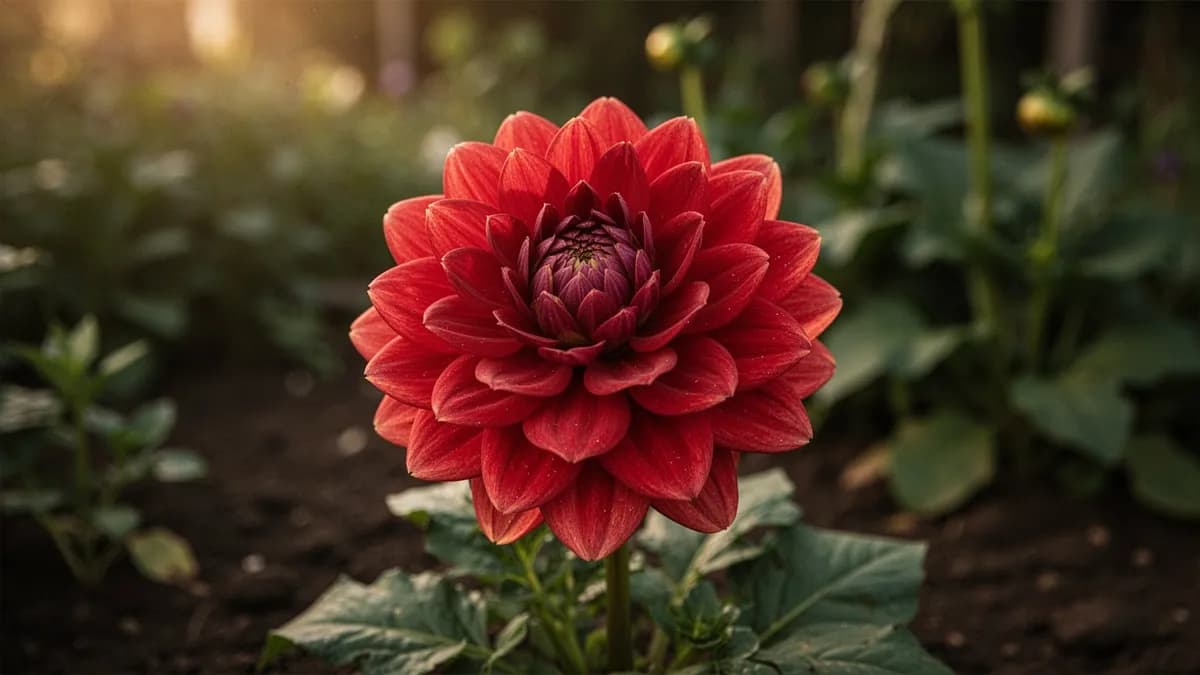
Column Stock
Matthiola incana
At a Glance
A fragrant cool-season cut flower with a single, unbranched spike densely packed with double flowers in soft pastels of purple, pink, cream, and white. Column stocks are prized by florists for their intense clove-like fragrance that fills a room. They prefer cool growing conditions and will bolt quickly in heat, so plant early for best results.
Planting & Harvest Calendar
Growth Stages
From Seed to Harvest
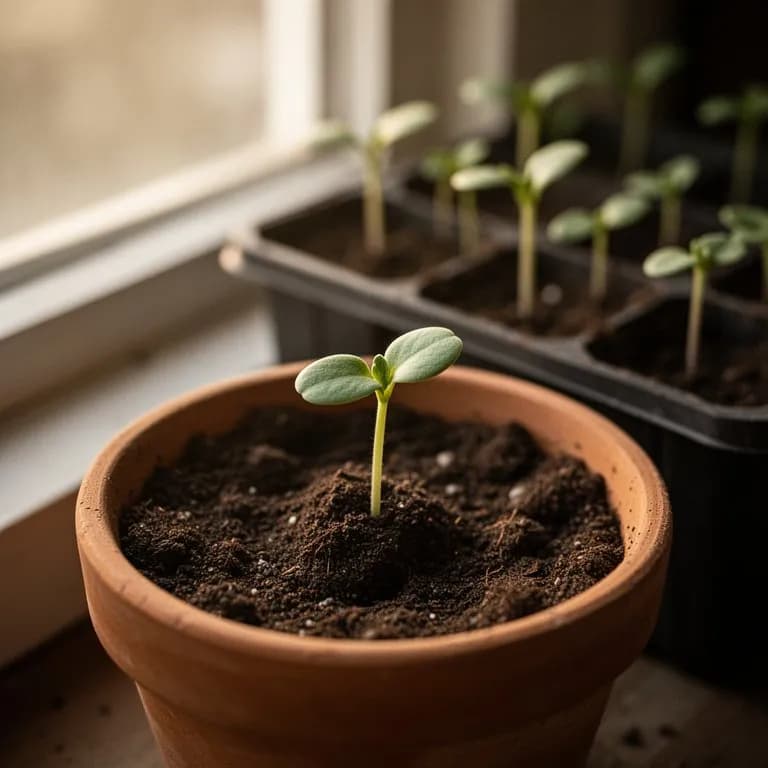
Seed Germination
Days 0–14
Seeds are surface-sown or lightly covered with fine vermiculite. Matthiola incana seeds require light for germination and should not be buried deeply. Germination occurs in 7-14 days at soil temperatures of 15-18°C (60-65°F). Seeds are tiny and benefit from bottom watering to avoid displacement.
💡 Care Tip
Keep the growing medium consistently moist but not waterlogged. Maintain temperatures below 20°C during germination, as excessive heat inhibits sprouting.
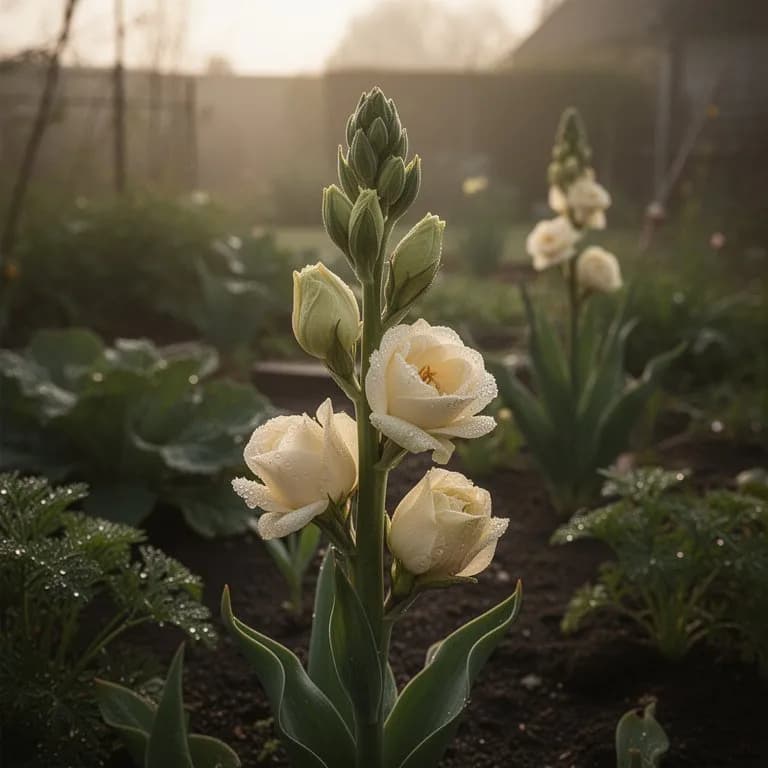
Dense flower buds develop along the central spike, promising a spectacular floral display.
Monthly Care Calendar
What to do each month for your Column Stock
May
You are hereMonitor for flea beetles and cabbage aphids, which target brassica-family plants including stock. Apply liquid fertilizer every two weeks. Stake tall varieties if exposed to wind. Keep soil evenly moist for best growth.
Did You Know?
Fascinating facts about Column Stock
Column stock belongs to the Brassicaceae family, making it a relative of broccoli, cabbage, and mustard. Despite this unlikely kinship, it has been cultivated purely for its ornamental beauty and fragrance since the 16th century.
Start column stock seeds indoors eight to ten weeks before the last frost date for spring production. Sow seeds on the surface of moist seed-starting mix, pressing them lightly into the surface but not covering, as they need light to germinate. Maintain temperatures of 60 to 65 degrees Fahrenheit for germination in seven to fourteen days. Column stocks need cool growing conditions throughout their life cycle.
Transplant outdoors four to six weeks before the last frost, spacing six to eight inches apart in full sun with rich, well-drained soil. Column stocks are half-hardy and tolerate light frost, performing best in the cool conditions of spring and autumn. They produce a single, unbranched spike densely packed with double flowers in exquisite shades of purple, pink, cream, white, and lavender.
Water at the base to avoid wetting the dense foliage and flower spike, which promotes botrytis. Feed with a balanced liquid fertilizer every two weeks. Column stocks bolt quickly in hot weather, so time plantings to mature during cool periods. In mild climates, autumn plantings provide winter and early spring flowers. The intense clove-like fragrance is one of the most powerful and delightful of any cut flower.
Matthiola incana, commonly known as stock or gillyflower, is native to the Mediterranean coastlines of southern Europe, North Africa, and parts of western Asia. The species thrives naturally on limestone sea cliffs and rocky coastal habitats from Portugal and Spain through Italy, Greece, and into Turkey. Its wild form produces modest single flowers in shades of purple and mauve, quite different from the lavish double-flowered cultivars we know today. The plant was among the earliest ornamentals brought into European gardens, with documented cultivation dating back to the early 1500s. Italian and Flemish gardeners were particularly fond of stock, selecting for fragrance, color range, and the prized double flowers that made the plant a centerpiece of Renaissance pleasure gardens. By the 17th century, stock had become one of the most important florists' flowers in Europe, with extensive breeding programs in Germany, France, and the Netherlands producing distinct strains. The column type, characterized by a single unbranched flower spike, was developed primarily for the cut flower industry in the 20th century. German and Japanese breeders were instrumental in refining the column habit, improving the percentage of double flowers, and extending the color palette to include pure white, cream, salmon, rose, crimson, and deep purple. The 'Column' series became a staple of commercial greenhouse production worldwide, valued for its uniform growth habit and excellent vase life. Today, column stock remains one of the most important specialty cut flowers globally, with major production in California, Colombia, Japan, and the Netherlands. The species continues to be popular in home gardens for borders, containers, and cottage garden plantings where its intense evening fragrance is particularly appreciated.
Start seeds indoors eight to ten weeks before the last frost date. Surface sow on moist seed-starting mix, pressing lightly but not covering. Maintain cool temperatures of 60 to 65 degrees Fahrenheit for germination in seven to fourteen days. For the highest percentage of double flowers, chill seedlings at 50 degrees Fahrenheit for seven to ten days at the cotyledon stage, then discard seedlings with dark green cotyledons, keeping only the lighter yellow-green ones which tend to produce doubles.
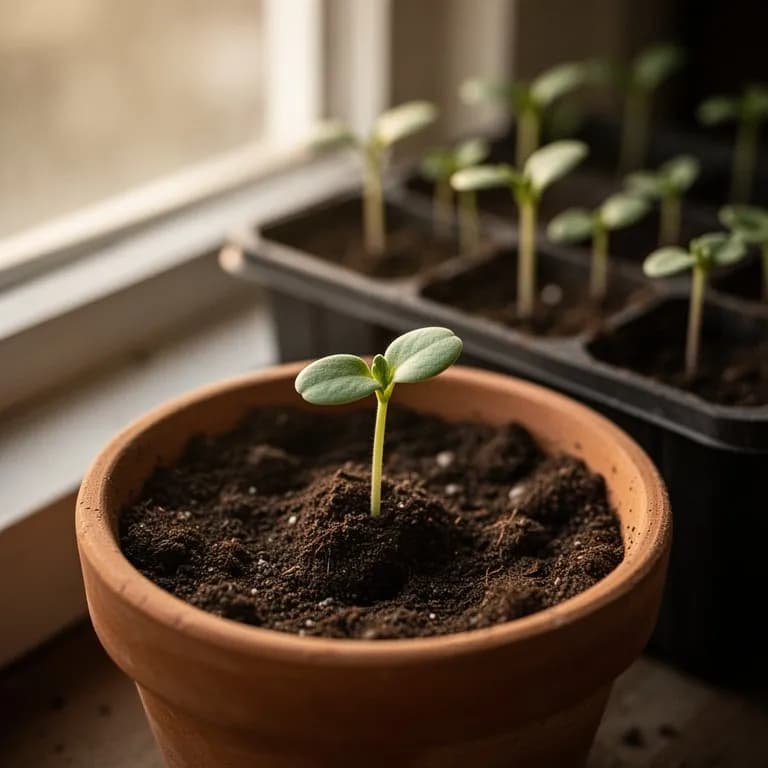
Young column stock seedlings ready for transplanting after 4-6 weeks of indoor growth.
Column stocks thrive in rich, well-drained, slightly alkaline soil with a pH of 6.5 to 7.5. The higher pH helps prevent clubroot, a devastating disease of the brassica family to which stocks belong. Amend the planting area with compost and lime if the soil is acidic. Feed every two weeks with a balanced liquid fertilizer during active growth. Stocks are moderate feeders and respond well to consistent nutrition without heavy fertilization.
Check Your Zone
See if Column Stock is suitable for your location.
5°C – 24°C
41°F – 75°F
Column stock thrives in cool growing conditions and performs best with daytime temperatures of 15-20°C (60-68°F) and night temperatures of 7-13°C (45-55°F). The plant tolerates light frost down to about -3°C (27°F) when established, but prolonged exposure to temperatures below 5°C (41°F) can damage foliage and stall growth. Heat above 24°C (75°F) causes rapid bolting, reduced flower quality, and shortened vase life. In commercial production, precise temperature management during bud initiation is critical for achieving the dense, high-quality flower spikes that the market demands.
Common issues affecting Column Stock and how to prevent and treat them organically.
The most common issue is premature bolting in hot weather, as stocks are strictly cool-season plants that flower poorly in heat. Time plantings to mature during cool periods for best results. Clubroot is a serious concern since stocks are members of the brassica family. Never plant where other crucifers have been grown recently. The desirable double flowers are sterile and do not set seed, so seed must be saved from the less ornamental single-flowered plants.
Column stocks are classic companions for other cool-season cut flowers including snapdragons, larkspur, ranunculus, and sweet peas. Plant in blocks of single colors in cutting gardens for impactful harvest. In borders, the intense fragrance makes stocks ideal near pathways, patios, and windows where the scent can be enjoyed. Pair with spring bulbs like tulips and daffodils for a complete cool-season flower display.
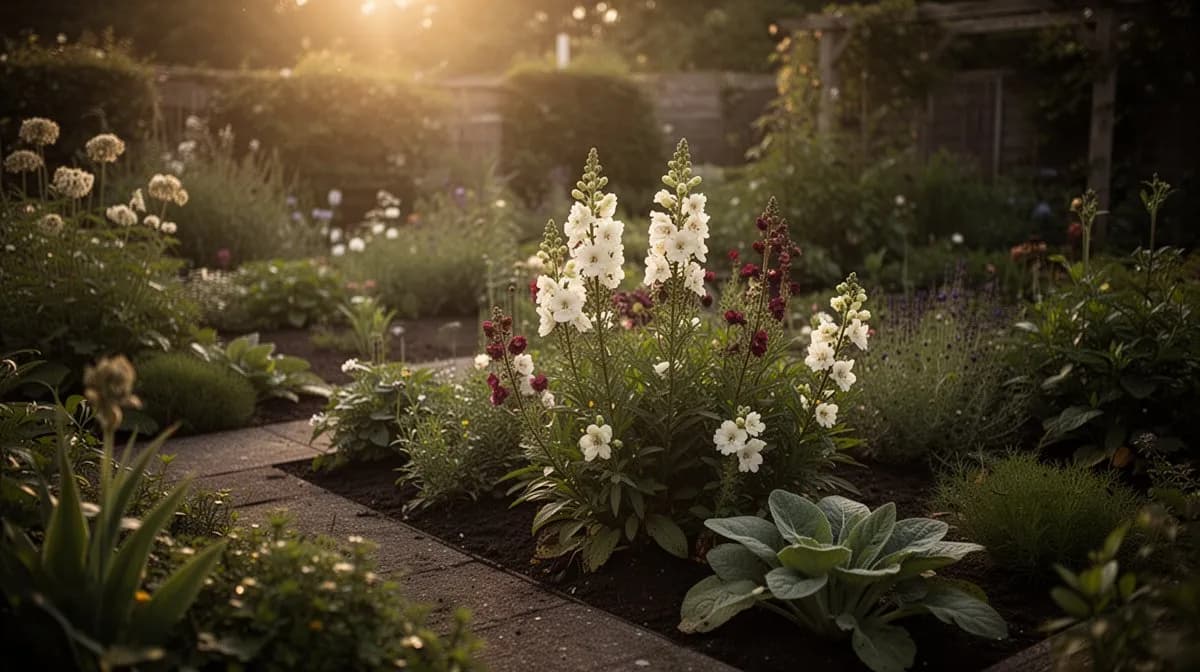
Column stock pairs beautifully with snapdragons and sweet peas in a classic cottage garden border.
- 1Sow seeds on the surface of moist seed-starting mix and press gently without covering, as Matthiola incana seeds need light exposure to germinate reliably.
- 2Maintain germination temperatures between 15-18°C (60-65°F) and avoid exceeding 20°C, as high temperatures significantly reduce germination rates in stock seeds.
- 3To select for double flowers, chill seedlings at 5-8°C for 3-4 days at the cotyledon stage and remove darker green seedlings, which are more likely to produce single flowers.
- 4Transplant seedlings when they have 4-6 true leaves, handling them carefully by the leaves rather than the stems to avoid damaging the single growing point that forms the flower spike.
- 5Provide full sun in cool climates but partial afternoon shade in regions where temperatures regularly exceed 24°C to prevent premature bolting and poor flower quality.
- 6Amend soil with lime if your garden soil is acidic, as column stock strongly prefers a slightly alkaline pH between 6.5 and 7.5, reflecting its natural limestone cliff habitat.
- 7Water at the base of plants rather than overhead to prevent botrytis and other fungal diseases, which readily attack the dense flower spikes in humid conditions.
- 8Apply a potassium-rich liquid fertilizer every 10-14 days once flower buds become visible to enhance color intensity and improve the structural strength of the flower spike.
- 9Stake individual plants with thin bamboo canes in exposed or windy locations, as the heavy flower spike can cause the single stem to bend or snap during storms.
- 10For the longest vase life, harvest flower spikes early in the morning when the bottom quarter to third of florets have opened, and immediately place stems in cool water with floral preservative.
Cut column stock stems when about half the florets on the spike have opened. Cut in the cool of morning and place immediately in cool water with floral preservative. The intense clove fragrance fills a room from even a few stems. Strip lower foliage and change water every two days. Cut column stocks last five to ten days in a vase. The single, unbranched form makes them ideal for formal arrangements where clean, vertical lines are desired.
Column stock makes an outstanding cut flower with a vase life of 7-10 days and intense clove-like fragrance.
Column stocks are cool-season annuals that cannot be stored over winter. Seeds can be saved from plants that produce single flowers, which set seed more readily than the desirable doubles. Store seeds in paper envelopes in a cool, dry location. A special selectable seedling trait allows experienced growers to identify double-flowered seedlings at the cotyledon stage: in cold conditions, seedlings with lighter-colored cotyledons tend to produce double flowers.
Plan your garden with ease
Love growing Column Stock? Use our free garden planner to design your beds, track planting dates, and get personalized care reminders.
Nutritional Info
Per 100g serving
0
Calories
Health Benefits
- Column stock is grown exclusively as an ornamental and cut flower; it is not cultivated for consumption.
- While some Matthiola species have historical mentions in herbal medicine, modern column stock varieties are not used for food or nutritional purposes.
- The flowers contain glucosinolates typical of the Brassicaceae family, which contribute to the plant's natural pest resistance.
- Essential oils from stock flowers have been studied for their aromatic compounds, primarily methylbenzoate, which produces the characteristic clove-like scent.
- Stock flowers are sometimes used in potpourri and sachets for their lasting fragrance rather than for any nutritional value.
💰 Why Grow Your Own?
A single packet of column stock seeds (approximately 100-200 seeds) costs around $3-5 and can produce dozens of cut flower stems worth $3-5 each at retail florist prices. A small garden bed of 20-30 column stock plants can yield 20-30 premium flower spikes, representing $60-150 worth of cut flowers from a minimal seed investment. By growing your own, you save significantly compared to purchasing specialty stock from florists, where individual stems often command premium prices due to their popularity in wedding and event floristry.
Quick Recipes
Simple recipes using fresh Column Stock
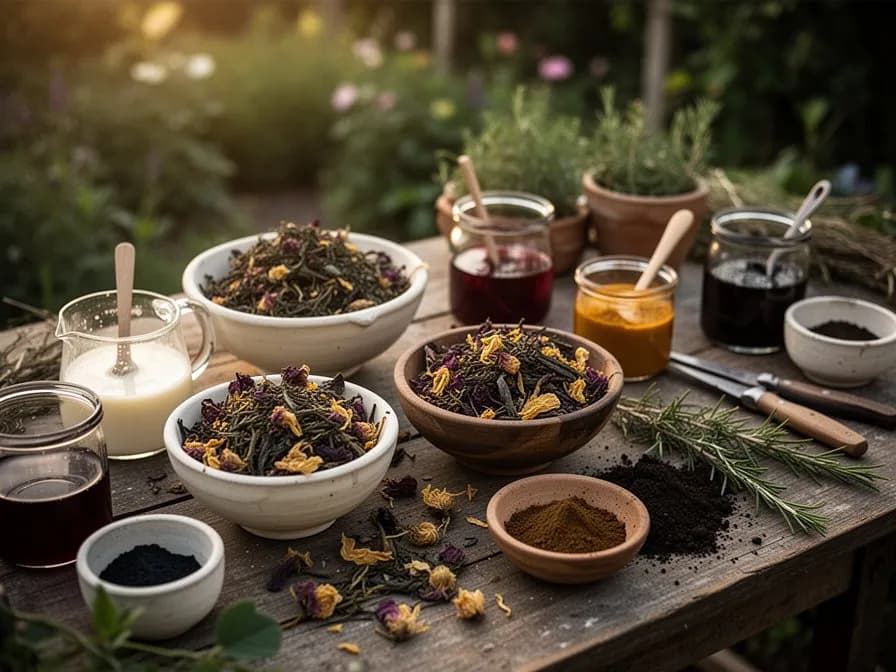
Stock Flower Fragrance Sachets
20 minutes plus drying timeDried column stock petals retain their sweet, spicy fragrance for months, making them perfect for homemade sachets. Harvest fully open flowers and dry them gently in a warm, dark, well-ventilated area for 5-7 days. The resulting sachets add a natural clove-like scent to drawers and closets.
Edible Flower Garnish Arrangement
15 minutesWhile stock flowers themselves are not typically eaten, their stunning spikes make elegant garnishes for platters and cake displays. Use unsprayed flowers as decorative (non-edible) elements alongside genuinely edible blooms like nasturtiums and violas to create a visually striking presentation for special occasions.
Stock Flower Infused Room Spray
30 minutes plus overnight steepingCapture the intense evening fragrance of column stock in a simple homemade room spray. This gentle infusion method preserves the delicate floral notes without harsh chemicals. The spray brings the garden's sweetest scent indoors and lasts for several weeks when stored in a cool, dark place.
Yield & Spacing Calculator
See how many Column Stock plants fit in your garden bed based on the recommended 20cm spacing.
36
Column Stock plants in a 4×4 ft bed
6 columns × 6 rows at 20cm spacing
Popular Varieties
Some of the most popular column stock varieties for home gardeners, each with unique characteristics.
Iron Series
The professional standard with tall, strong stems and high percentage of double flowers in a full color range. Outstanding for commercial production.
Katz Series
Early-flowering column stocks with excellent stem length and a high double flower percentage, available in mixed or individual colors.
Cheerful Mix
A colorful blend of purple, pink, cream, and white, excellent for home cutting gardens and mixed spring bouquets.
Vintage Series
Antique shades including copper, apricot, and soft lavender that bring a vintage elegance to arrangements.
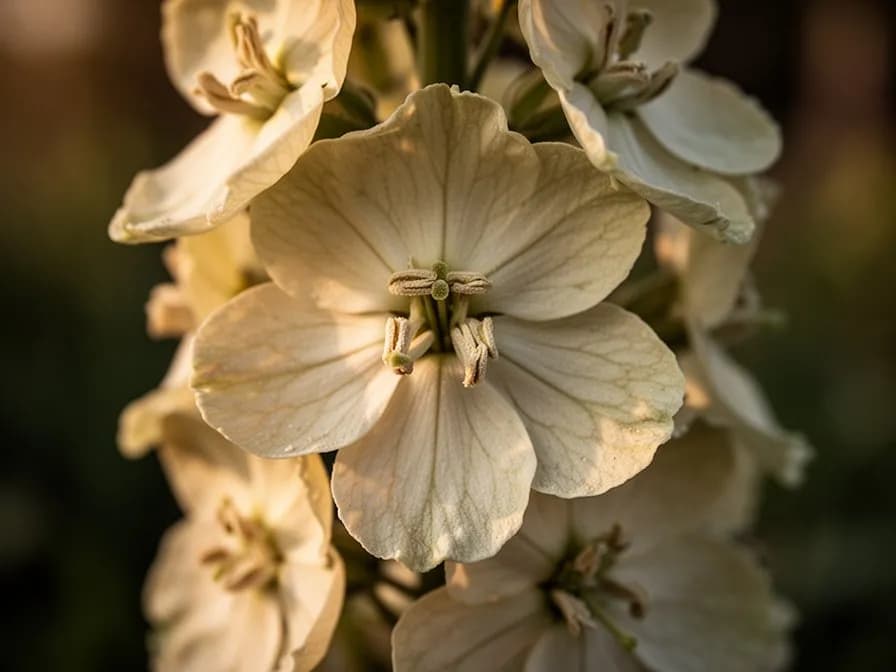
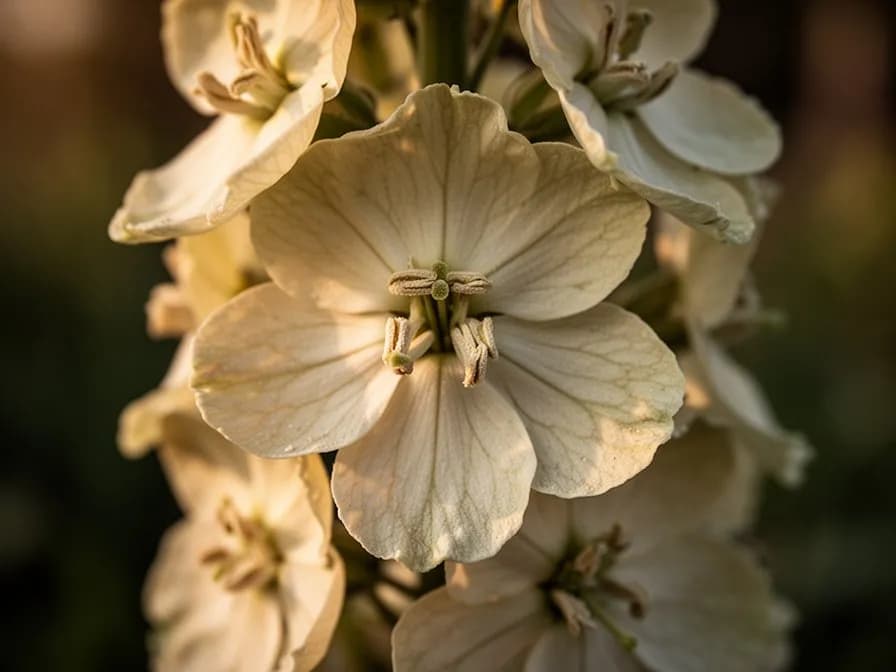
Column stock is available in a wide palette of colors including white, pink, lavender, purple, and crimson.
When should I plant Column Stock?
Plant Column Stock in February, March. It takes approximately 75 days to reach maturity, with harvest typically in April, May, June.
What are good companion plants for Column Stock?
Column Stock grows well alongside Stock, Rocket Snapdragon, Larkspur. Companion planting can improve growth, flavor, and natural pest control.
What hardiness zones can Column Stock grow in?
Column Stock thrives in USDA hardiness zones 7 through 10. With greenhouse protection, it may be grown in zones 5 through 11.
How much sun does Column Stock need?
Column Stock requires Full Sun (6-8h+). This means at least 6-8 hours of direct sunlight daily.
How far apart should I space Column Stock?
Space Column Stock plants 20cm (8 inches) apart for optimal growth and air circulation.
What pests and diseases affect Column Stock?
Common issues include Clubroot, Aphids, Gray Mold (Botrytis). Prevention through good garden practices like crop rotation, proper spacing, and companion planting is the best approach. See the detailed pests and diseases section above for symptoms, prevention, and treatment for each.
How do I store Column Stock after harvest?
Column stocks are cool-season annuals that cannot be stored over winter. Seeds can be saved from plants that produce single flowers, which set seed more readily than the desirable doubles. Store seeds in paper envelopes in a cool, dry location. A special selectable seedling trait allows experienced ...
What are the best Column Stock varieties to grow?
Popular varieties include Iron Series, Katz Series, Cheerful Mix, Vintage Series. Each has unique characteristics suited to different growing conditions and culinary preferences. See the varieties section above for detailed descriptions.
What soil does Column Stock need?
Column stocks thrive in rich, well-drained, slightly alkaline soil with a pH of 6.5 to 7.5. The higher pH helps prevent clubroot, a devastating disease of the brassica family to which stocks belong. Amend the planting area with compost and lime if the soil is acidic. Feed every two weeks with a bala...
Why does my column stock only produce single flowers instead of doubles?
Double-flowered column stock is genetically recessive, meaning even the best seed strains typically produce 50-60% doubles and 40-50% singles. Commercial growers use a cold-selection technique at the seedling stage to identify and remove likely singles. You can try this at home by chilling seedlings at 5-8°C for several days and discarding those with the darkest green cotyledons, which tend to be singles. Purchasing seed from reputable suppliers who have selected heavily for double flowers will also improve your ratio.
Can I get column stock to rebloom after the first flower spike is finished?
Unlike branching stock varieties, column types are specifically bred to produce a single unbranched flower spike and do not reliably rebloom after the main spike is spent. Once the primary flower has finished, the plant has essentially completed its purpose. For continuous color, practice succession sowing every 2-3 weeks during the appropriate season, or grow branching stock varieties alongside column types for extended garden display.
What causes my column stock plants to bolt prematurely before forming a full spike?
Premature bolting in column stock is most commonly caused by heat stress when temperatures exceed 24°C (75°F), irregular watering that causes drought stress, or root disturbance during transplanting. Being a cool-season crop, column stock performs best when grown during spring or autumn in most climates. Ensure consistent moisture, avoid transplant shock by minimizing root disturbance, and provide afternoon shade in warm regions to encourage full spike development before flowering.
Is column stock susceptible to clubroot disease like other brassicas?
Yes, as a member of the Brassicaceae family, column stock is susceptible to clubroot (Plasmodiophora brassicae), though it is somewhat less commonly affected than vegetable brassicas. To minimize risk, avoid planting stock in beds where clubroot has been present, maintain soil pH above 7.0 with lime applications, ensure excellent drainage, and practice crop rotation. If clubroot is a known problem in your garden, consider growing column stock in containers with fresh potting mix.
How long do column stock flowers last as cut flowers in a vase?
Column stock is one of the longest-lasting cut flowers, with properly handled stems lasting 7-10 days in a vase. For best results, harvest in the cool morning when the lower third of florets have opened, strip all foliage that would sit below the waterline, and use a clean vase with fresh water and commercial floral preservative. Change the water every 2-3 days and recut the stems at an angle. The fragrance remains strong throughout the vase life, making stock a favorite among florists.
When is the best time to sow column stock seeds for cut flower production?
The optimal sowing time depends on your climate. In temperate regions, sow indoors 6-8 weeks before the last spring frost for early summer blooms, or in late summer for autumn flowering. In mild winter climates (zones 8-10), sow in September through November for winter and spring cut flowers. For greenhouse production, sowings can be made year-round with temperature control, though the highest quality spikes are produced during the naturally cool months of autumn through spring when night temperatures stay between 7-13°C (45-55°F).
Ready to Grow Column Stock?
Add Column Stock to your garden plan and start designing your perfect layout.

Vladimir Kusnezow
Gardener and Software Developer
Zone 6b gardener. Growing vegetables and fruits in soil and hydroponics for 6 years. I built PlotMyGarden to plan my own gardens.
Jump to Section