Rocket Snapdragon
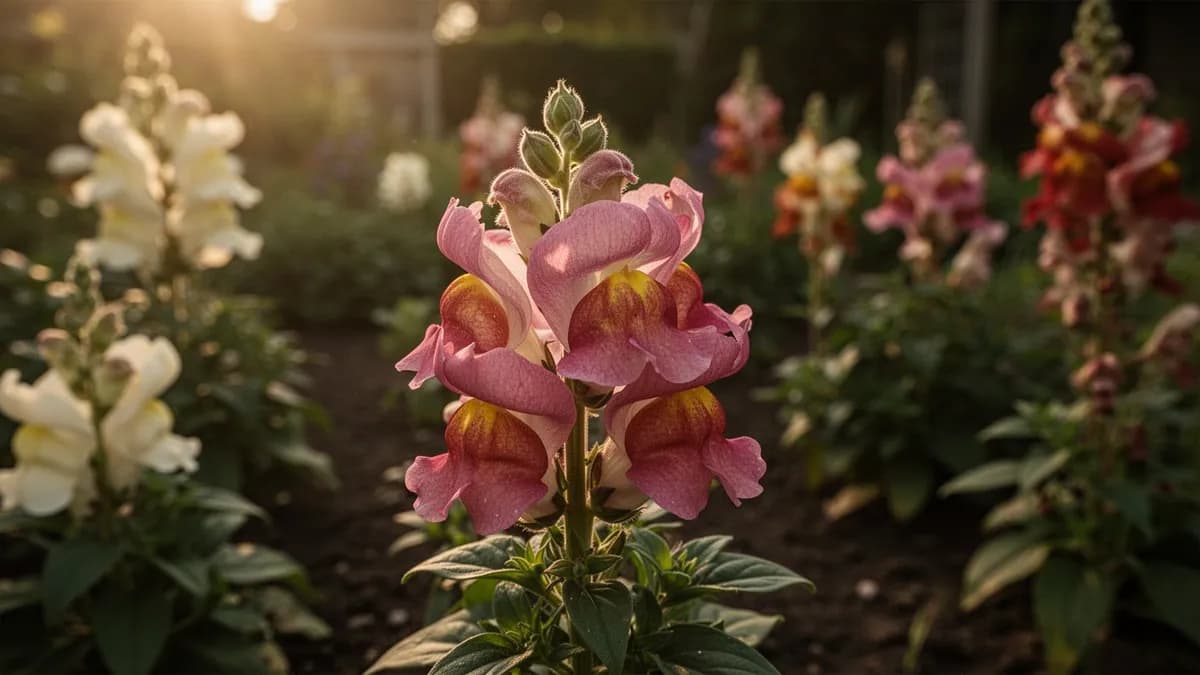
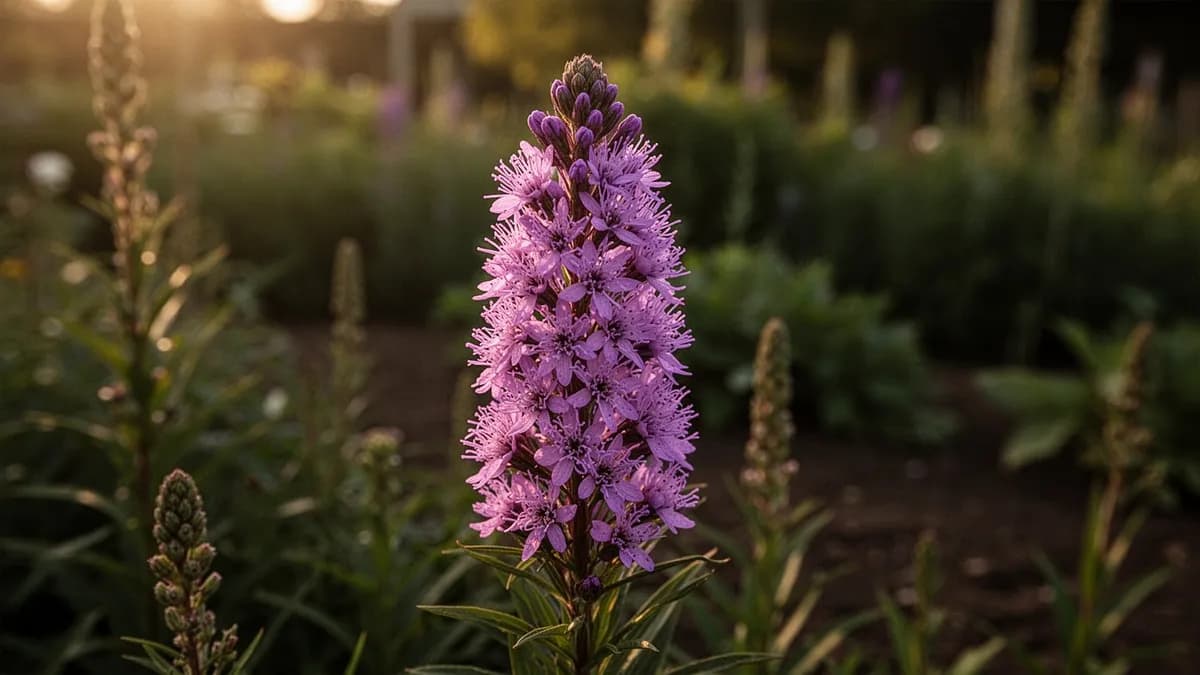
A tall, professional-grade cut flower snapdragon producing long, dense spikes of closely packed florets in a wide range of colors.





On this pageOverview
Meet Rocket Snapdragon
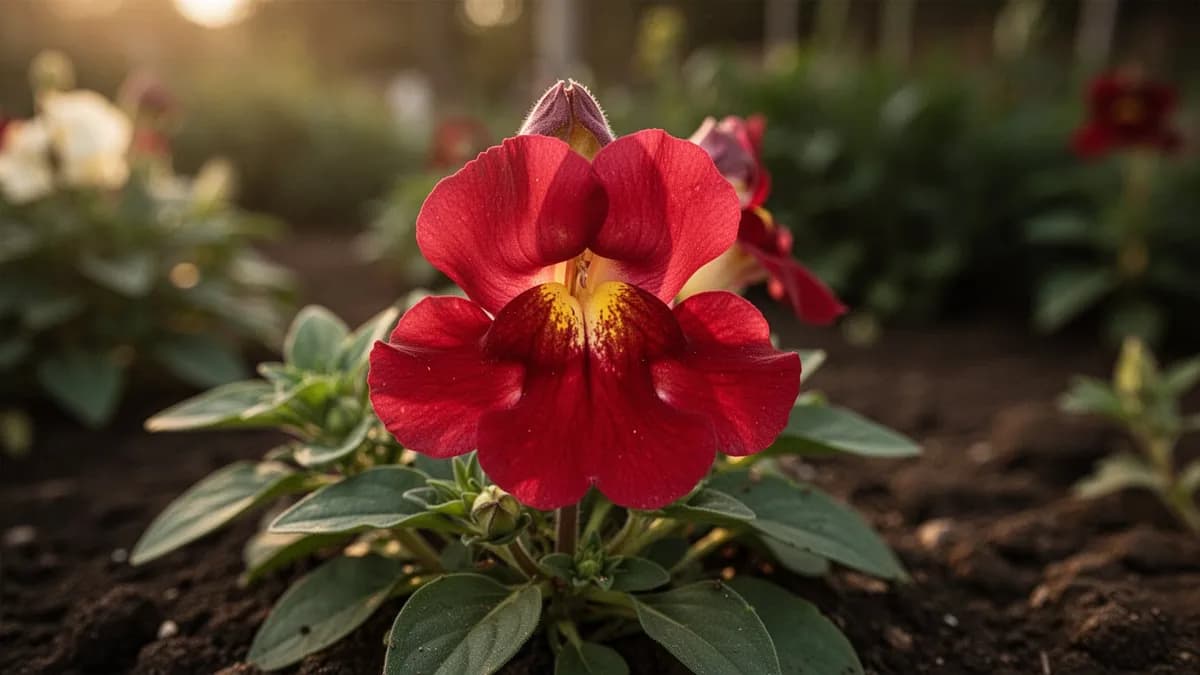
A tall, professional-grade cut flower snapdragon producing long, dense spikes of closely packed florets in a wide range of colors. Rocket series snapdragons are the industry standard for florist-quality stems, growing three to four feet tall. Start seeds very early indoors as they need a long, cool growing period for maximum stem length.
When to plant Rocket Snapdragon
Start seeds indoors ten to twelve weeks before the last frost for the longest stems. Surface sow tiny seeds on moist seed-starting mix without covering. Provide bright light and temperatures of 65 to 70 degrees Fahrenheit. Seeds germinate in seven to fourteen days. Do not allow seedlings to become root-bound, as this stunts final height permanently. Transplant to individual pots at the two-leaf stage and grow on in cool, bright conditions. Plant out four to six weeks before the last frost.
Your Rocket Snapdragon Year
Composed for Zone 7 · typical seasons · frost passes Apr 2, returns Nov 1
Plant Rocket Snapdragon Feb – Apr, pick May – Sep. Check the planting methods below and set your climate to personalize these windows.
How to grow Rocket Snapdragon
Start Rocket snapdragon seeds indoors ten to twelve weeks before the last frost date, as these professional-grade cut flowers need a long, cool growing season to produce maximum stem length. Surface sow the tiny seeds on moist, fine seed-starting mix without covering, as they need light to germinate. Maintain temperatures of 65 to 70 degrees Fahrenheit for germination in seven to fourteen days.
Transplant outdoors four to six weeks before the last frost date, as snapdragons are half-hardy and tolerate light frost. Space eight to ten inches apart in full sun with rich, well-drained soil. Rocket series snapdragons are the professional florist standard, producing single, unbranched stems three to four feet tall with dense spikes of closely packed florets in a wide range of colors.
Net or stake plants early, as the tall, heavy flower spikes need support, especially during rain or wind. Use horticultural netting stretched horizontally at twelve and twenty-four inch heights as the plants grow. Water at the base to avoid fungal issues on the dense foliage. Feed every two weeks with a high-potassium liquid fertilizer once flower buds begin to develop.
36 plants fit a 4 × 8 ft bed
Each Rocket Snapdragon wants 25 cm of elbow room. The planner keeps that spacing for you — every plant, every bed.
Rocket Snapdragon's best neighbours
Rocket snapdragons are essential in professional cutting gardens alongside stock, larkspur, and sweet peas for spring production, and dahlias, zinnias, and cosmos for summer and autumn harvest. In mixed borders, the tall vertical spikes provide dramatic contrast with rounded flower forms. Plant in blocks of single colors for the most impactful cut flower harvest. Succession planting extends the harvest season significantly.
Snapdragon belongs beside it.
Old growers' knowledge, checked against Rocket Snapdragon's real companion table below — test any plant you're growing.
Try Rocket Snapdragon in a bed — right here
A real planner bed with Rocket Snapdragon already in it. Tap a companion to place it and watch the pairing checks answer — green for good neighbours, red for a clash.


Related growing guides

Feed it well
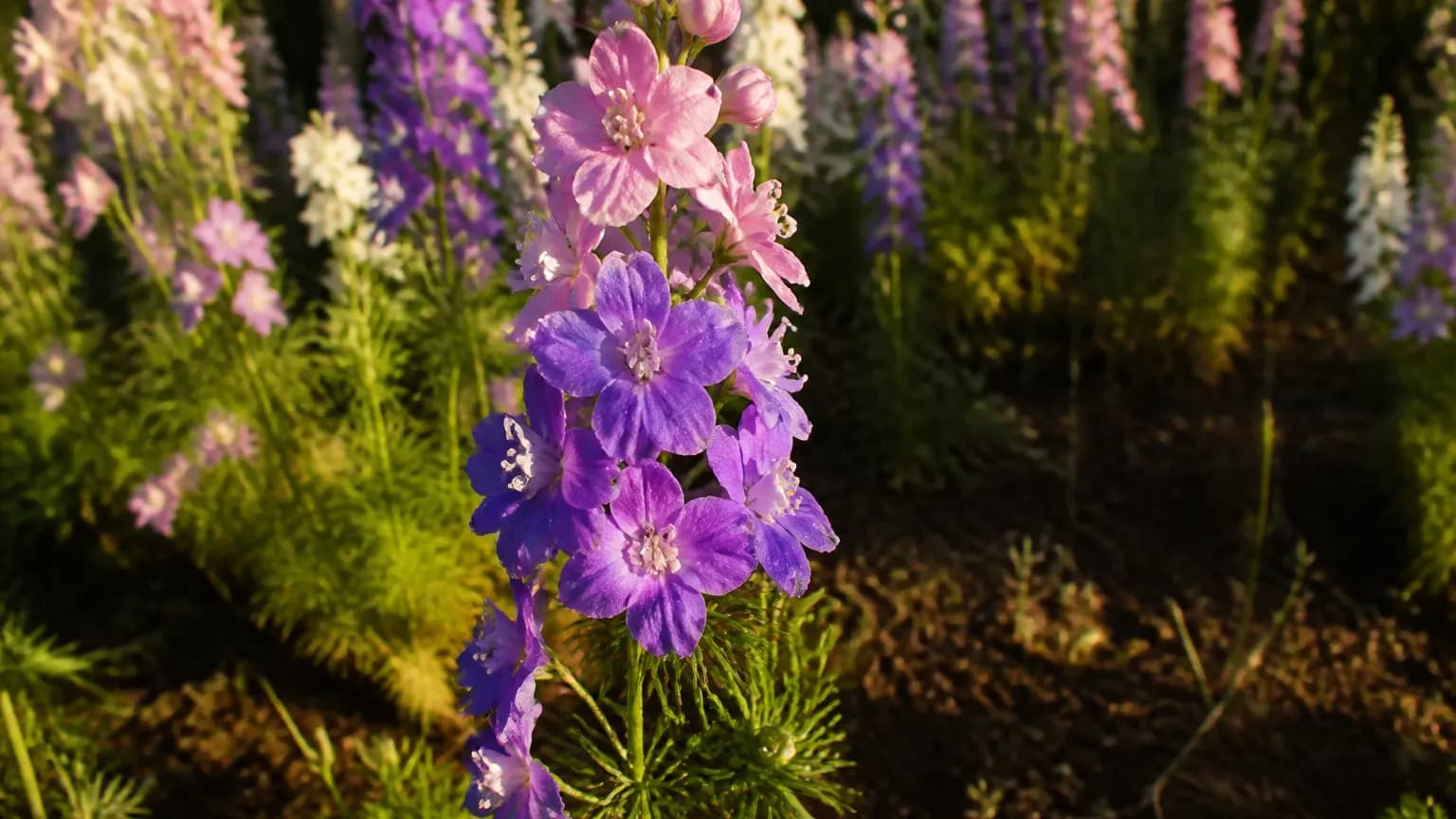
Rocket snapdragons thrive in rich, well-drained soil with a pH of 6.0 to 7.0. Amend the planting area with compost and ensure excellent drainage. Feed every two weeks with a balanced liquid fertilizer during active growth, switching to a high-potassium formulation once flower buds develop. Avoid high-nitrogen feeds which promote foliage at the expense of flowers. In containers, use a premium potting mix and feed weekly.
Ideal Temperature
Hardiness Zone Compatibility
From seed to harvest, stage by stage
Seed Germination
Snapdragon seeds are extremely fine, almost dust-like, and require light to germinate. They should be pressed onto the surface of moist seed-starting mix without covering. At optimal temperatures of 18-21°C (65-70°F), seedlings emerge in 10-14 days. The seeds need consistent moisture and bright indirect light throughout this period.
Seedling Development
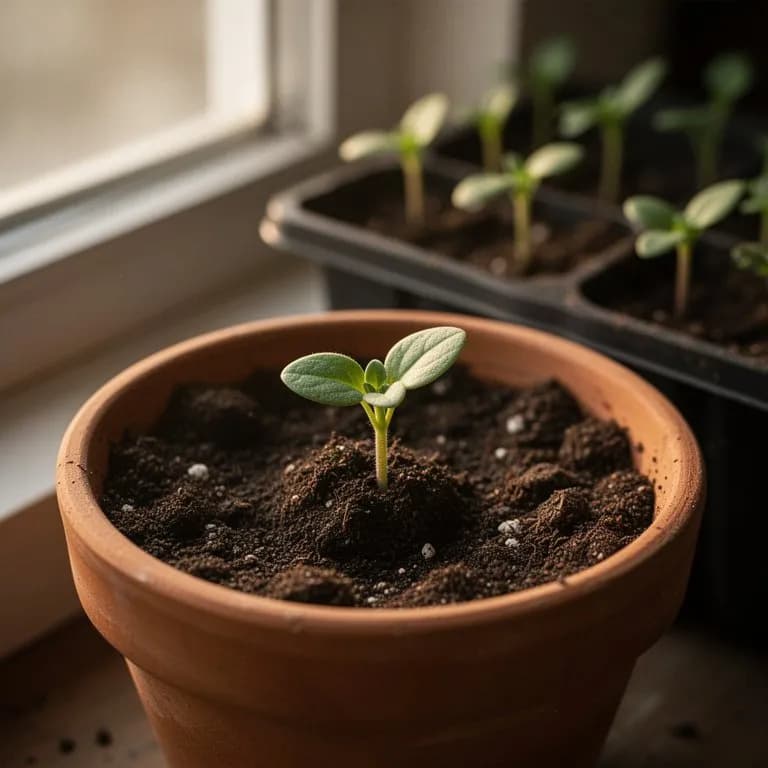
Tiny seedlings develop their first true leaves, which are small, oval, and opposite on the stem. Growth is slow at this stage and seedlings are delicate. The cotyledons are rounded and much smaller than the true leaves that follow. Seedlings benefit from cool growing conditions around 16°C (60°F) to develop sturdy stems.
Vegetative Growth
The plant establishes a strong central stem with pairs of lance-shaped opposite leaves. The Rocket series develops a vigorous upright habit reaching 60-90 cm (24-36 inches) tall. Lateral branching begins near the base, and the root system expands rapidly during this phase. Foliage is dark green and slightly sticky to the touch.
Bud Formation
Elongated flower spikes begin to emerge from the terminal growing points. Individual buds form along the spike from bottom to top in a sequential pattern called acropetal flowering. The buds are tightly closed and show their eventual color before opening. Each spike develops 20-35 individual florets.
Peak Bloom
The characteristic dragon-shaped flowers open sequentially from the bottom of the spike upward. Each individual floret has a distinctive hinged jaw that opens when squeezed from the sides. Bumblebees and other heavy pollinators are strong enough to open the flowers naturally to access nectar and pollen. The Rocket series produces sturdy stems ideal for cutting.
Seed Set and Decline
If flowers are not deadheaded, seed pods develop that resemble small skulls or monkey faces when dried. Each capsule contains hundreds of tiny black seeds. The plant gradually declines as energy shifts to seed production. In mild climates, snapdragons may survive winter as short-lived perennials and rebloom the following spring.
Do not cover the seeds with soil as they are light-dependent germinators. Mist the surface gently with a spray bottle to keep it evenly moist. Using a clear humidity dome helps maintain consistent moisture levels without overwatering.
Caring for Rocket Snapdragon month by month
What to do each month for your Rocket Snapdragon
October
You are hereContinue harvesting flowers as snapdragons often bloom until the first hard frost. Allow some seed pods to mature for seed saving. Reduce watering as temperatures drop.
Know exactly what to do in your garden — every month
One email at the start of each month: what to sow, plant, and tackle right now — for your Rocket Snapdragon and everything growing around it. Plus a short starter course that helps you dodge the classic mistakes.
- What to do, right now
- Matched to your season
- Starter course included
Harvesting Rocket Snapdragon
Cut Rocket snapdragons when the bottom third of the spike has opened and the top florets are still in tight bud. This timing ensures the longest vase life and the best show as florets continue opening from bottom to top. Cut in the morning with sharp, clean shears and place immediately in cool water with floral preservative. Strip all foliage below the waterline. Cut stems last seven to twelve days and are a staple of the professional cut flower industry.
assuming you plant when the window opens — set your real date
Pick Rocket Snapdragon promptly and the plant keeps producing.
Storage & Preservation
Snapdragons are cool-season annuals that do not need winter storage in mild climates where they can be overwintered. Seeds can be collected from mature pods and stored in paper envelopes for the following season. For dried arrangements, snapdragon spikes can be air-dried but lose much of their color and form. The flower spikes are best enjoyed fresh. Saved seed from hybrid Rocket varieties will not produce uniform offspring.
What goes wrong — and the fix
Rust
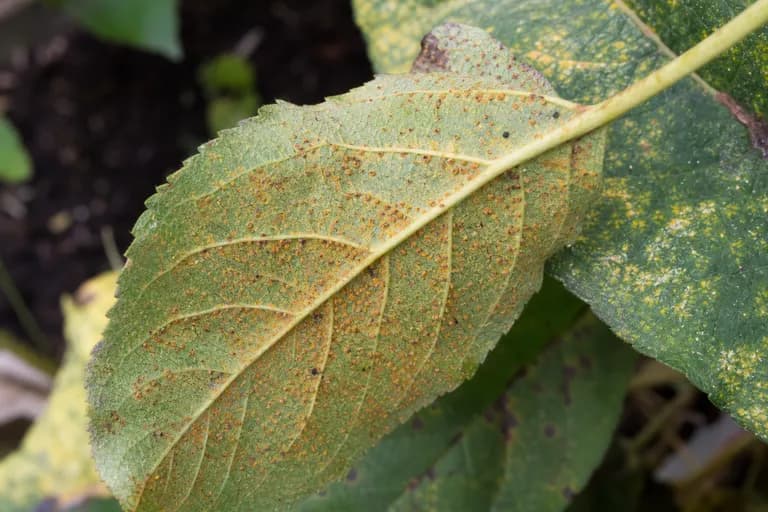
DiseaseDark brown pustules on the undersides of leaves and stems. Yellow spots visible on upper leaf surfaces. Can cause severe defoliation.
Aphids
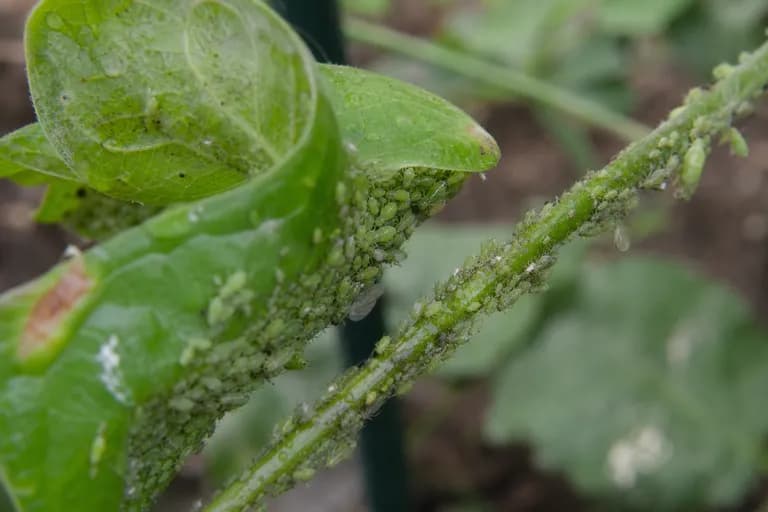
PestClusters of small insects on stem tips and developing flower spikes. Distorted growth and sticky honeydew. Can transmit virus diseases.
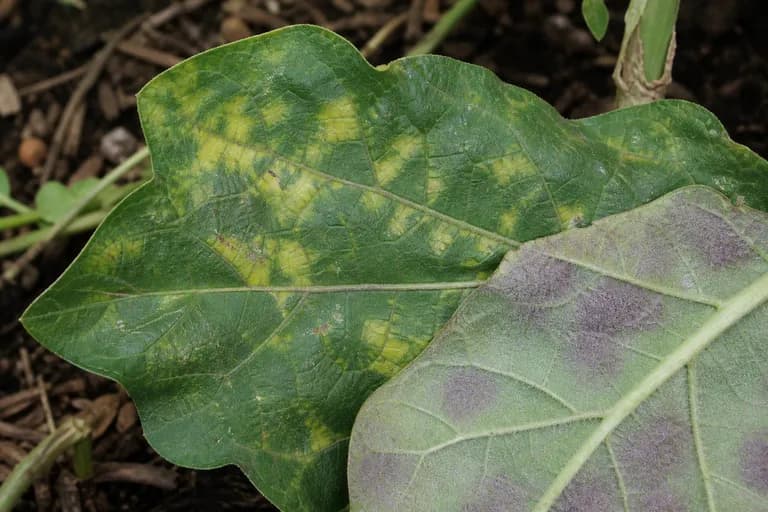
Downy Mildew
DiseasePale yellow patches on upper leaf surfaces with grayish-purple fuzzy growth underneath. Leaves may curl and die.
Troubleshooting Common Problems
Rust is the most serious disease threat to snapdragons and can be devastating in humid climates. Strict sanitation and preventive fungicide applications are essential. The Rocket series needs a long, cool growing season to reach maximum height, so starting seeds very early indoors is critical. In hot climates, flower quality declines rapidly and plants may stop blooming altogether. Plant for spring and autumn production, avoiding the hottest summer months.
Growing Tips
- Start seeds indoors 8-10 weeks before the last frost date for the earliest blooms. Snapdragon seeds need light to germinate, so press them onto the soil surface without covering.
- Keep germination temperatures between 18-21°C (65-70°F) and be patient as snapdragon seeds can take 10-14 days to sprout, which is slower than many annual flowers.
- Pinch the central growing tip when seedlings reach 10-15 cm tall to encourage multiple flowering branches rather than a single spike, resulting in a bushier plant with more blooms overall.
- Plant Rocket snapdragons in full sun for the sturdiest stems and most prolific flowering. They tolerate partial shade but stems may become leggy and require staking in lower light conditions.
- Space Rocket series plants 25-30 cm apart to allow adequate airflow, which helps prevent rust and downy mildew, the two most common fungal diseases affecting snapdragons.
- Water at the base of the plant rather than overhead to keep foliage dry and reduce disease pressure. Snapdragons prefer consistently moist but well-drained soil and are sensitive to waterlogging.
- Deadhead spent flower spikes by cutting back to just above a strong lateral branch or leaf pair. This redirects energy into producing new flowering side shoots for continuous bloom.
- Apply a balanced liquid fertilizer every two weeks during the growing season, switching to a higher-phosphorus formula when buds begin to form to support strong flower development.
- For the longest vase life as cut flowers, harvest snapdragon spikes in the cool morning when the bottom one-third of florets are open. Cut stems at an angle and place immediately in lukewarm water.
- Allow a few seed pods to mature at the end of the season for free plants next year. The distinctive skull-shaped pods release hundreds of tiny seeds that often self-sow successfully in mild climates.
Grow your best Rocket Snapdragon yet — and everything around it.
Start a free plan today. Lay out your beds, drop in your Rocket Snapdragon, and let PlotMyGarden handle the timing, spacing, companions and reminders from seed to harvest basket.
Pick your Rocket Snapdragon
Rocket Mix
The complete color range including red, pink, yellow, bronze, white, and cherry, all producing three to four foot single-stem spikes.
Rocket Pink
Clear pink flowers with excellent stem length and uniformity, a florist favorite for spring bouquets and wedding work.
Rocket Red
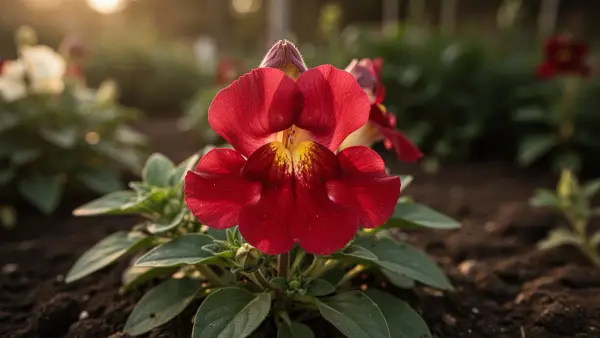
Deep crimson-red flowers with strong stems, dramatic in large arrangements and mixed garden borders.
Rocket White
Pure white flowers on tall stems, essential for bridal work and formal arrangements.
A single packet of Rocket series snapdragon seeds costing around $3-4 can produce 50-100 plants, each yielding 5-10 cut flower stems over the growing season. A comparable number of cut snapdragon stems from a florist would cost $150-300 or more. Additionally, snapdragons readily self-sow in mild climates, providing free plants in subsequent years without any additional seed cost.
Quick recipes
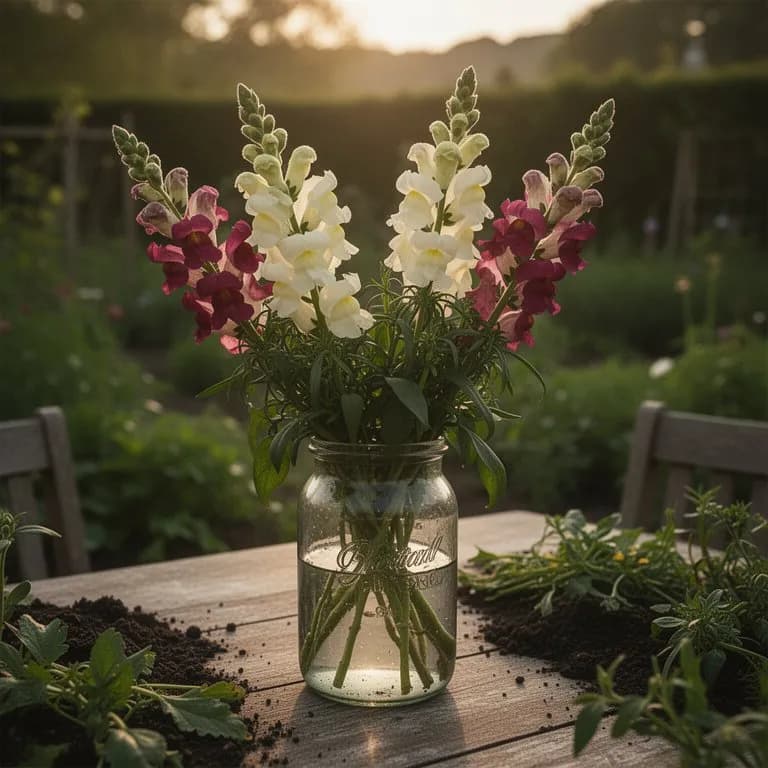
Snapdragon Petal Garden Salad
10 minutesA vibrant spring salad featuring fresh snapdragon petals as an edible garnish over mixed greens with a light citrus vinaigrette. The petals add a mild, slightly bitter flavor and stunning color contrast to the dish.
7 ingredients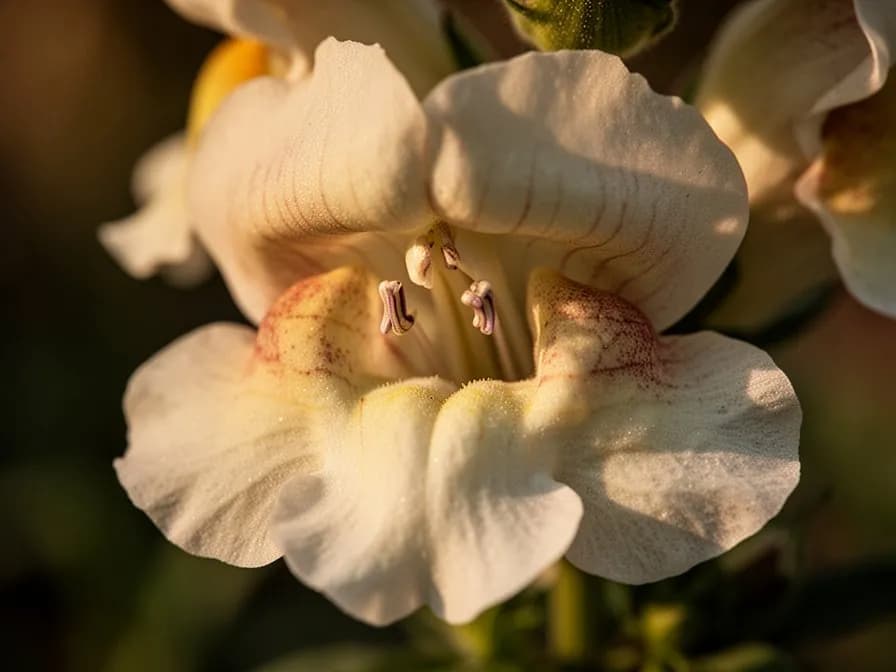
Snapdragon Flower Ice Cubes
15 minutes plus freezing timeElegant floral ice cubes made by freezing individual snapdragon florets in water. These add a stunning decorative touch to summer cocktails, lemonade, or sparkling water at garden parties.
4 ingredients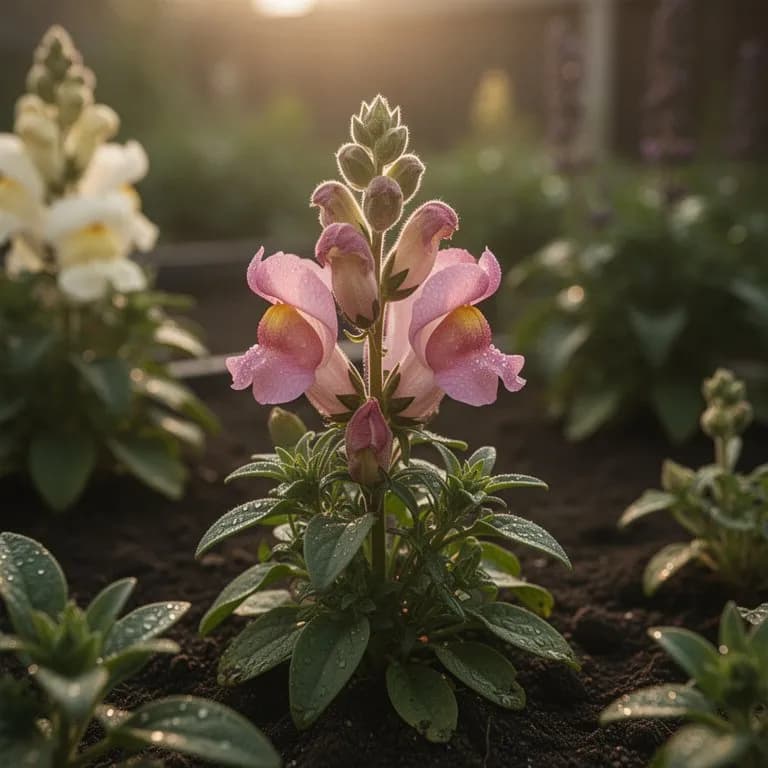
Candied Snapdragon Petals for Cake Decorating
30 minutes plus drying timeDelicate sugar-coated snapdragon petals that make beautiful decorations for cakes, cupcakes, and dessert platters. The crystallized petals retain their vibrant color and add a subtle floral sweetness.
5 ingredientsWhat's inside
Health Benefits
- Snapdragon petals contain anthocyanin antioxidants, particularly in red and purple varieties, which may help reduce oxidative stress when consumed as part of a varied diet.
- Traditional European herbal medicine used snapdragon infusions as a mild anti-inflammatory poultice for minor skin irritations and swelling, though this use is not clinically validated.
- Growing snapdragons provides significant mental health benefits through horticultural therapy, as the rewarding process of tending and cutting flowers has been shown to reduce stress and improve mood.
- The act of pinching snapdragon flowers open and closed serves as a calming sensory activity, making them popular in therapeutic garden programs for children and adults alike.
- Snapdragon blooms attract bumblebees and other beneficial pollinators to the garden, supporting ecosystem health and improving pollination rates for nearby food crops.
- The extended bloom season of snapdragons from late spring through fall provides ongoing opportunities for outdoor activity and nature engagement, supporting physical and mental well-being.
Where Rocket Snapdragon comes from
The common snapdragon (Antirrhinum majus) is native to the rocky soils of the western Mediterranean region, particularly Spain, southern France, Italy, and North Africa. Wild populations have been found growing in limestone cliffs, old stone walls, and rocky outcrops throughout these areas for thousands of years. The genus name Antirrhinum derives from the Greek words 'anti' meaning resembling and 'rhin' meaning nose, referring to the nose-like shape of the flower.
Snapdragons have been cultivated as ornamental garden plants since at least the 15th century, with early herbalists documenting their use in European physic gardens. By the 18th century, snapdragons had become popular cottage garden flowers across Britain and continental Europe. Selective breeding intensified in the 19th and 20th centuries, producing the wide range of heights, colors, and flower forms available today.
The Rocket series was developed through careful hybridization to produce exceptionally tall, straight stems with dense flower spikes, specifically targeting the cut flower market. This series typically reaches 60-90 cm in height with strong, non-branching central spikes that make ideal long-stemmed cut flowers. The Rocket series is classified as a Group III snapdragon, meaning it responds to long day lengths and warm temperatures for flowering, making it well-suited for spring and summer production in temperate climates.
Snapdragons hold a distinguished place in the history of genetics. In the early 1900s, German botanist Erwin Baur used Antirrhinum extensively in his studies of inheritance, and the species became one of the key model organisms for understanding flower development and color genetics, contributing significantly to the field of plant molecular biology.
Rocket Snapdragon: did you know?
Fascinating facts about Rocket Snapdragon
The name 'snapdragon' comes from the flower's resemblance to a dragon's face that opens and closes its mouth when squeezed gently from the sides, delighting children and gardeners for centuries.
Rocket Snapdragon questions, answered
When should I plant Rocket Snapdragon?
What are good companion plants for Rocket Snapdragon?
What hardiness zones can Rocket Snapdragon grow in?
How much sun does Rocket Snapdragon need?
How far apart should I space Rocket Snapdragon?
What pests and diseases affect Rocket Snapdragon?
How do I store Rocket Snapdragon after harvest?
What are the best Rocket Snapdragon varieties to grow?
What soil does Rocket Snapdragon need?
Are Rocket snapdragons annuals or perennials?
Why have my Rocket snapdragons stopped blooming in summer?
What causes rust-colored spots on snapdragon leaves?
Can I grow Rocket snapdragons in containers?
How do I save seeds from my Rocket snapdragons?
Are snapdragon flowers safe to eat?
You just read the theory. Now grow it on autopilot.
Everything that makes Rocket Snapdragon fiddly — the timing, the spacing, the companions, the harvest window — is exactly what PlotMyGarden handles for you, for every plant in your garden.
A plan that knows your weather
Set your location once. Get sow, feed and harvest dates built around your real last-frost date and live forecast — no more guessing from a generic seed packet.
From the “When to plant” sectionDrag-and-drop bed planner
Design beds on a grid. Every plant snaps to its proper spacing, and you can see your whole season laid out before you spend a cent on seed.
From the “Growing guide” sectionCompanion conflicts, caught early
200+ good-and-bad pairings checked live as you plant — so a season-wrecking mistake never makes it into the ground.
From the “Companions” sectionReminders you'll actually act on
“Water the beans.” “Pick today before it turns.” Timely, specific, and tied to the plants you're really growing.
From the “Harvest” sectionSuccession, scheduled
Want a harvest for six weeks, not six days? It spaces your sowings automatically and reminds you when each new block is due.
From the “When to plant” sectionA record that gets smarter
Every harvest you log teaches it your garden. Next year's plan starts from what actually worked in your soil, not a textbook's.
From the “Overview” sectionPlant these alongside Rocket Snapdragon
More Cut Flowers
Grow your best Rocket Snapdragon yet — and everything around it.
Start a free plan today. Lay out your beds, drop in your Rocket Snapdragon, and let PlotMyGarden handle the timing, spacing, companions and reminders from seed to harvest basket.