Trailing Rosemary
Salvia rosmarinus 'Prostratus'
At a Glance
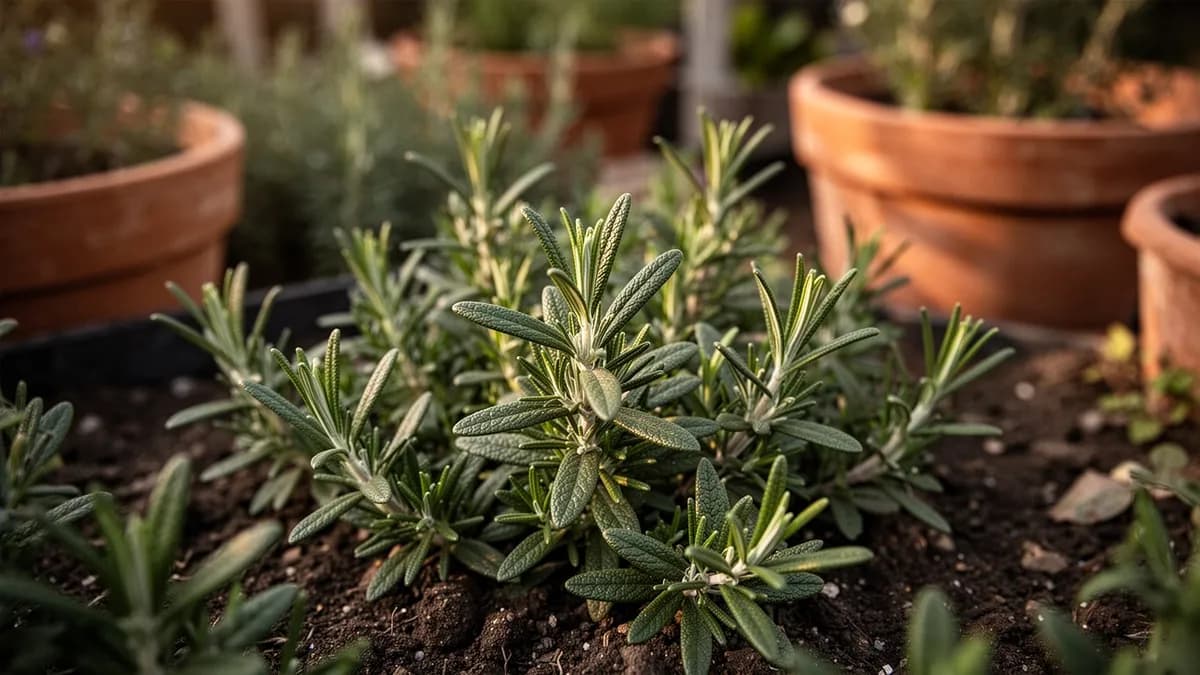
A prostrate rosemary variety that cascades beautifully over walls, raised beds, and hanging baskets. It shares the same piney flavor as upright rosemary but grows only 6-12 inches tall while spreading up to 4 feet wide. Excellent for ground cover in Mediterranean-style gardens with well-drained, rocky soil.
Planting & Harvest Calendar
Growth Stages
From Seed to Harvest
Propagation & Rooting
Days 0–28
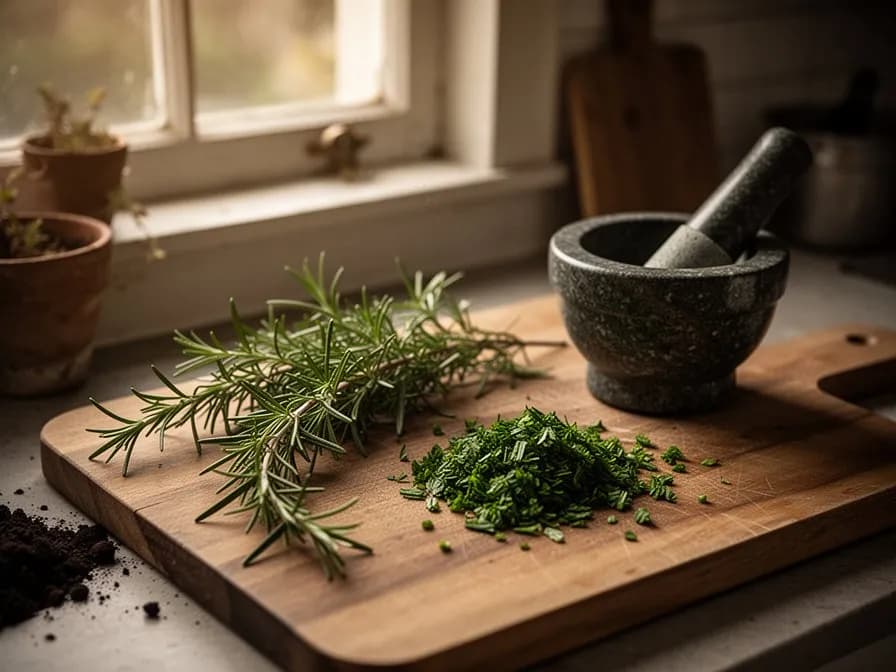
Trailing rosemary is almost always propagated from semi-hardwood cuttings rather than seed, as seeds are slow and unreliable. Cuttings 10-15 cm long are stripped of lower leaves and placed in moist sandy compost or perlite. Roots begin emerging from the nodes within 2-4 weeks in warm, humid conditions. Misting and bottom heat accelerate rooting significantly.
💡 Care Tip
Take cuttings from healthy, non-flowering shoots in late spring or early summer. Dip the cut end in rooting hormone powder and insert into a well-drained propagation mix. Cover with a clear plastic bag or place in a propagator to maintain humidity. Avoid overwatering — the medium should be moist but never soggy.
Trailing rosemary roots easily from semi-hardwood cuttings taken in late spring or early summer
Monthly Care Calendar
What to do each month for your Trailing Rosemary
June
You are herePeak growing season. The trailing stems extend rapidly and the plant fills out its cascading form. Continue light monthly feeding. Watch for spider mites in hot, dry conditions — a strong spray of water on the undersides of leaves dislodges them. Ensure good air circulation around container plants.
Did You Know?
Fascinating facts about Trailing Rosemary
Trailing rosemary (Salvia rosmarinus 'Prostratus') was first described from plants found growing wild on rocky cliffs and sea-facing slopes along the Mediterranean coast, where its prostrate habit evolved to withstand salt-laden winds and cling to steep limestone faces.
Propagate trailing rosemary from stem cuttings rather than seed, as cuttings root more reliably and produce plants true to the prostrate growth habit. Take 4-6 inch cuttings from current season's growth in late spring or early summer. Strip the lower two inches of needles, dip the cut end in rooting hormone, and insert into a well-draining mix of perlite and peat. Roots develop in 3-6 weeks under warm, humid conditions.
Plant trailing rosemary in a location with excellent drainage and full sun. This variety is less cold-hardy than upright types and performs best in zones 8-11. It thrives in rocky, sandy, or gravelly soil that mimics its native Mediterranean coastal habitat. A pH of 6.0-7.5 is ideal; add lime if your soil is acidic. Space plants 2-3 feet apart to allow for spreading growth, as mature plants can reach 4 feet wide.
Water sparingly once established. Trailing rosemary is extremely drought-tolerant and suffers far more from overwatering than underwatering. Position plants at the edges of raised beds, atop retaining walls, or in hanging baskets where the cascading branches can drape beautifully. Light pruning after the winter flowering period helps maintain shape and prevent the center from becoming woody and bare.
Trailing rosemary is unmatched as a cascading ornamental herb for walls, raised beds, and slopes
Trailing rosemary (Salvia rosmarinus 'Prostratus', formerly Rosmarinus officinalis 'Prostratus') is a prostrate, ground-hugging cultivar of the common rosemary native to the rocky coastal cliffs and sun-baked hillsides of the Mediterranean Basin. The species as a whole has been intertwined with human civilization for millennia, with evidence of rosemary use found in Egyptian tombs dating to 3000 BCE and extensive mentions in ancient Greek, Roman, and Arabic texts. The trailing form was historically collected from wild populations growing on steep limestone cliffs along the coasts of southern France, Spain, Italy, and North Africa, where its creeping habit allowed it to survive in thin, rocky soils exposed to fierce coastal winds.
The cultivar 'Prostratus' was formally introduced to horticulture in the early 20th century, though Mediterranean gardeners had long transplanted wild prostrate rosemary plants onto terrace walls and stone embankments. Its low, cascading growth — rarely exceeding 30-45 cm in height but spreading 1-1.5 meters wide — distinguished it from the upright shrub forms used in formal hedging. In the 1950s and 1960s, trailing rosemary gained popularity in California and other Mediterranean-climate regions of the world as a drought-tolerant ornamental ground cover and erosion-control plant for slopes, highway embankments, and coastal landscapes.
Culturally, rosemary has carried deep symbolic meaning across civilizations. The ancient Romans burned rosemary as incense and considered it sacred to Venus, the goddess of love. In medieval Europe, it was one of the most important herbs in monastery gardens, used medicinally as a digestive tonic, headache remedy, and antiseptic wound wash. Shakespeare's famous line linking rosemary with remembrance reflects a tradition stretching back to ancient Greece. Today, trailing rosemary is prized worldwide as both a culinary herb and an ornamental landscape plant, thriving in USDA zones 8-11 and grown in containers in colder regions where it must be overwintered indoors.
Trailing rosemary is best propagated by cuttings rather than seed, as seed-grown plants rarely maintain the true prostrate habit. Take 4-6 inch stem cuttings from healthy current-season growth in late spring. Strip needles from the lower 2 inches, dip in rooting hormone, and insert into a perlite-peat mix. Cover with a humidity dome and maintain 65-75°F. Roots develop in 3-6 weeks. Once rooted, pot up individually and grow on for 2-3 months before planting outdoors in their permanent location.
Trailing rosemary demands sharply drained soil above all else. Sandy, rocky, or gravelly soil is ideal. Add coarse sand or perlite to clay soils, or plant in raised beds filled with a lean mix of sand, perlite, and a small amount of compost. Maintain a pH of 6.0-7.5; add garden lime if soil is acidic. Feed sparingly with a light application of balanced granular fertilizer in early spring. Avoid rich, heavily amended soil that promotes soft, disease-prone growth. A gravel mulch around the plant crown helps prevent moisture-related rot.
Check Your Zone
See if Trailing Rosemary is suitable for your location.
7°C – 28°C
45°F – 82°F
Trailing rosemary is a Mediterranean herb that thrives in warm, dry conditions with mild winters. The ideal growing temperature range is 15-28°C (59-82°F), but established plants tolerate brief dips to -5°C (23°F) in well-drained soil. Prolonged wet cold is far more damaging than dry cold — root rot from waterlogged winter soil kills more rosemary plants than frost. In hot summers above 35°C (95°F), trailing rosemary copes well provided it has good air circulation and is not overwatered. Container plants should be overwintered above 2°C (35°F) in cold climates.
Common issues affecting Trailing Rosemary and how to prevent and treat them organically.
Overwatering and poor drainage are by far the most common killers of trailing rosemary. The prostrate growth habit means branches rest on soil, creating moisture traps that promote fungal disease; use gravel mulch beneath the plant to reduce contact with wet soil. Trailing rosemary is less cold-hardy than many upright varieties and can be damaged below 20°F. In borderline climates, plant against a south-facing wall for extra warmth. Indoor wintering is challenging because trailing rosemary needs high light, cool temperatures, and excellent air circulation to avoid root rot and spider mites.
Trailing rosemary shares the same companion planting benefits as upright varieties. Its aromatic oils deter cabbage moths, carrot flies, and bean beetles. Plant near brassicas, carrots, and beans for natural pest protection. Trailing rosemary grows well with other drought-tolerant Mediterranean herbs like sage, thyme, and lavender. Its ground-covering habit suppresses weeds and provides living mulch. Avoid planting near basil and other moisture-loving herbs that require more frequent watering.
- 1Choose a planting site with at least 6-8 hours of direct sunlight daily. Trailing rosemary is a full-sun Mediterranean herb that becomes leggy, sparse, and prone to disease in shade. South-facing walls, raised bed edges, and sun-drenched slopes are ideal locations.
- 2Drainage is the single most critical factor for success. Trailing rosemary will not tolerate waterlogged soil under any circumstances. Amend heavy clay or compacted soil generously with coarse grit, perlite, and sharp sand before planting. In containers, use a mix of equal parts potting compost, perlite, and coarse sand.
- 3Water established plants sparingly — trailing rosemary is extremely drought-tolerant and far more plants are killed by overwatering than by drought. Allow the soil to dry out completely between waterings. When in doubt, do not water. Newly planted specimens need regular watering only until their root systems are established.
- 4Propagate from semi-hardwood cuttings taken in late spring or late summer rather than from seed. Rosemary seed is slow and unreliable with low germination rates. Cuttings 10-15 cm long, stripped of lower leaves and dipped in rooting hormone, root readily in 2-4 weeks in a sandy propagation mix with bottom heat.
- 5Prune after the main spring flowering flush by cutting back the trailing stems by one-third. This prevents the plant from becoming woody and bare at the center and encourages dense, leafy new growth. Never cut into old bare wood — rosemary does not regenerate from leafless woody stems.
- 6Feed lightly and infrequently. Trailing rosemary is adapted to poor, rocky Mediterranean soils and excessive fertilizer produces soft, flavorless growth that is susceptible to pests and cold damage. A light application of balanced liquid fertilizer once a month during the growing season is ample.
- 7In zones 7 and colder, grow trailing rosemary in containers that can be moved indoors for winter. Use terracotta or unglazed clay pots that allow the soil to breathe and dry evenly. Overwinter in the brightest, coolest spot available — a sunny windowsill in an unheated room is ideal.
- 8Position trailing rosemary where its cascading habit can be displayed to full advantage. The edges of raised beds, the tops of retaining walls, hanging baskets, and elevated containers all allow the stems to trail gracefully downward, creating a living curtain of fragrant evergreen foliage.
- 9Monitor for the two most common problems: powdery mildew (caused by poor air circulation and humidity) and root rot (caused by overwatering or heavy soil). Both are prevented by proper siting, spacing, and conservative watering rather than by chemical treatment.
- 10Harvest regularly throughout the growing season by snipping 10-15 cm sprigs from the tips of trailing stems. Regular harvesting is the best pruning technique — it keeps the plant compact, bushy, and productive while providing a continuous supply of the freshest, most flavorful rosemary for the kitchen.
Harvest trailing rosemary sprigs year-round in mild climates by snipping 3-4 inch stem tips. The prostrate growth habit means stems trail along the ground or over edges, so harvest from the tips of cascading branches. Avoid cutting into old, woody growth at the center, which does not regenerate well. Trailing rosemary has the same piney, aromatic flavor as upright varieties. Morning harvests yield the most aromatic sprigs. Never remove more than one-quarter of the plant's total growth to maintain its cascading form.
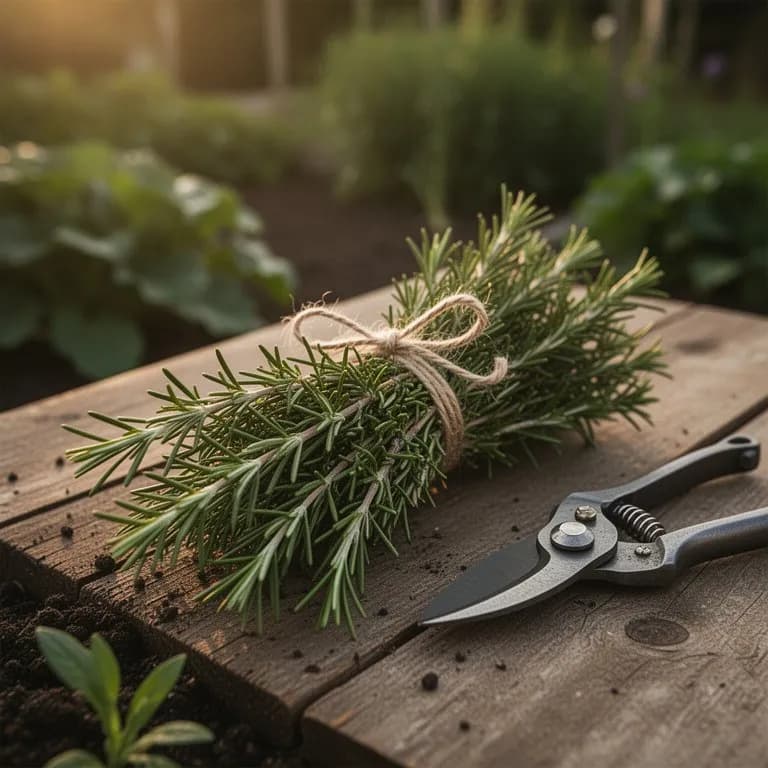
Regular harvesting of 10-15 cm sprigs encourages dense new growth and keeps the plant shapely
Fresh trailing rosemary keeps for 1-2 weeks wrapped in a damp paper towel inside a sealed bag in the refrigerator. Dry sprigs by hanging small bundles in a warm, dark area for 1-2 weeks, then strip needles from stems and store in airtight jars for up to a year. Freeze individual sprigs in airtight bags for convenient use in roasts and soups. Rosemary-infused olive oil made by steeping sprigs in warm oil creates a flavorful cooking oil. Rosemary salt, made by blending dried needles with coarse sea salt, is an excellent seasoning for grilled meats.
Plan your garden with ease
Love growing Trailing Rosemary? Use our free garden planner to design your beds, track planting dates, and get personalized care reminders.
Nutritional Info
Per 100g serving
131
Calories
Health Benefits
- Exceptionally rich in antioxidants — rosemary contains rosmarinic acid, carnosic acid, and carnosol, which are among the most potent plant-derived antioxidants studied and may help protect cells from oxidative damage
- Good source of iron at 6.65mg per 100g (37% DV), providing a meaningful mineral boost when used generously as a culinary herb in roasted meats, breads, and vegetable dishes
- High in dietary fiber at 14.1g per 100g (56% DV), though typical culinary portions are small — dried rosemary sprinkled on dishes still contributes beneficial plant fiber
- Contains significant vitamin A at 2924 IU per 100g (58% DV), supporting immune function, skin health, and vision — even small amounts of fresh rosemary in daily cooking provide meaningful micronutrient value
- Rich in calcium at 317mg per 100g (32% DV), making rosemary one of the more mineral-dense culinary herbs and a worthy addition to calcium-conscious diets when used frequently
- The essential oils (1,8-cineole, camphor, alpha-pinene) provide both flavor and potential health benefits including anti-inflammatory and antimicrobial properties documented in numerous peer-reviewed studies
💰 Why Grow Your Own?
Fresh rosemary at supermarkets typically costs $2-4 for a small 20-30g package, and a household using rosemary regularly might purchase 15-25 packages per year, spending $30-100 annually. A single trailing rosemary plant costs $5-12 at a nursery and provides an unlimited supply of fresh rosemary for 10-20 years with minimal care. Over its lifetime, one plant can save a household $300-1500 or more compared to purchasing fresh rosemary. Propagating additional plants from cuttings costs nothing and makes excellent gifts for fellow gardeners and cooks.
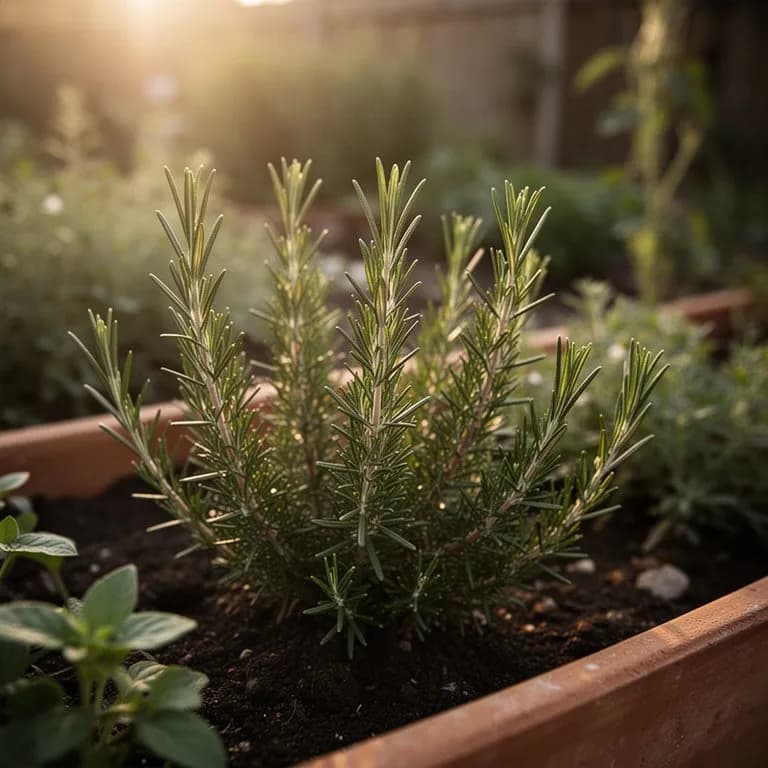
The narrow needle-like leaves with silvery undersides are packed with fragrant essential oils
Quick Recipes
Simple recipes using fresh Trailing Rosemary

Crispy Rosemary Roasted Potatoes
45 minGolden, shatteringly crisp potatoes infused with piney rosemary aroma and finished with flaky sea salt. The high-heat roasting renders the edges irresistibly crunchy while the interior stays fluffy. A universally beloved side dish that lets trailing rosemary shine.
Rosemary-Infused Olive Oil
15 min + 1 week infusionA beautifully fragrant infused oil that captures the piney, slightly peppery essence of trailing rosemary in every drop. Use it for dipping crusty bread, drizzling over soups, dressing salads, or finishing grilled vegetables and meats. Makes an elegant homemade gift.
Rosemary and Lemon Focaccia
2.5 hours (including rise time)A pillowy, olive oil-rich flatbread dimpled with pools of rosemary-scented oil and brightened with thin lemon slices. The trailing rosemary needles become crisp and intensely aromatic in the oven, filling the kitchen with an irresistible Mediterranean fragrance.

Crispy rosemary roasted potatoes — a timeless pairing that showcases the herb at its best
Yield & Spacing Calculator
See how many Trailing Rosemary plants fit in your garden bed based on the recommended 60cm spacing.
4
Trailing Rosemary plants in a 4×4 ft bed
2 columns × 2 rows at 60cm spacing
Popular Varieties
Some of the most popular trailing rosemary varieties for home gardeners, each with unique characteristics.
Prostratus
The standard prostrate rosemary with pale blue flowers and a true creeping habit growing only 6-12 inches tall. The most widely available trailing variety.
Huntington Carpet
A very low-growing selection reaching just 6 inches tall with dense branching and light blue flowers. Excellent for cascading over low walls.
Irene
A vigorous trailing variety with deeper blue flowers and slightly more cold tolerance than standard Prostratus. Spreads up to 5 feet wide.
Trailing rosemary has the same robust, piney, slightly peppery flavor as upright varieties. Use sprigs to season roasted meats, grilled vegetables, focaccia, and potatoes. The long trailing stems make attractive skewers for grilling kebabs. Strip fresh needles and chop finely for herb rubs and marinades. Trailing rosemary holds its flavor well in slow-cooked dishes like stews and braises. The pretty pale blue flowers are edible and add a mild rosemary flavor to salads.
When should I plant Trailing Rosemary?
Plant Trailing Rosemary in March, April, May. It takes approximately 90 days to reach maturity, with harvest typically in January, February, March, April, May, June, July, August, September, October, November, December.
What are good companion plants for Trailing Rosemary?
Trailing Rosemary grows well alongside Sage, Thyme, Lavender. Companion planting can improve growth, flavor, and natural pest control.
What hardiness zones can Trailing Rosemary grow in?
Trailing Rosemary thrives in USDA hardiness zones 8 through 11. With greenhouse protection, it may be grown in zones 6 through 12.
How much sun does Trailing Rosemary need?
Trailing Rosemary requires Full Sun (6-8h+). This means at least 6-8 hours of direct sunlight daily.
How far apart should I space Trailing Rosemary?
Space Trailing Rosemary plants 60cm (24 inches) apart for optimal growth and air circulation.
What pests and diseases affect Trailing Rosemary?
Common issues include Root Rot, Spider Mites, Scale Insects. Prevention through good garden practices like crop rotation, proper spacing, and companion planting is the best approach. See the detailed pests and diseases section above for symptoms, prevention, and treatment for each.
How do I store Trailing Rosemary after harvest?
Fresh trailing rosemary keeps for 1-2 weeks wrapped in a damp paper towel inside a sealed bag in the refrigerator. Dry sprigs by hanging small bundles in a warm, dark area for 1-2 weeks, then strip needles from stems and store in airtight jars for up to a year. Freeze individual sprigs in airtight b...
What are the best Trailing Rosemary varieties to grow?
Popular varieties include Prostratus, Huntington Carpet, Irene. Each has unique characteristics suited to different growing conditions and culinary preferences. See the varieties section above for detailed descriptions.
What soil does Trailing Rosemary need?
Trailing rosemary demands sharply drained soil above all else. Sandy, rocky, or gravelly soil is ideal. Add coarse sand or perlite to clay soils, or plant in raised beds filled with a lean mix of sand, perlite, and a small amount of compost. Maintain a pH of 6.0-7.5; add garden lime if soil is acidi...
What is the difference between trailing rosemary and upright rosemary?
Trailing rosemary (Salvia rosmarinus 'Prostratus') grows horizontally with a low, cascading habit, reaching only 30-45 cm tall but spreading 1-1.5 meters wide. Upright rosemary varieties grow vertically to 1-1.5 meters tall with stiff, erect stems. Both have the same aromatic, needle-like foliage and culinary uses. The trailing form is preferred for hanging baskets, wall-top plantings, ground cover, and anywhere a cascading ornamental herb is desired, while upright forms are used for hedging and formal gardens.
Can trailing rosemary survive frost and cold winters?
Trailing rosemary is hardy to about -5°C (23°F) for brief periods in well-drained soil, making it reliably perennial in USDA zones 8-11. In zones 6-7, it may survive mild winters with excellent drainage, a sheltered south-facing position, and a gravel mulch over the root zone. In zones 5 and colder, grow it in containers and bring indoors to a bright, cool, frost-free location for winter. Wet cold is far more damaging than dry cold — well-drained soil is essential for winter survival.
How do I prevent my trailing rosemary from becoming woody and bare?
Annual pruning after flowering is essential. Cut back the trailing stems by about one-third immediately after the main spring bloom, always cutting to a point where there are visible green leaves or new growth buds. Never cut into bare, leafless wood — rosemary cannot regenerate from old wood. Regular harvesting of stem tips throughout the growing season also keeps the plant compact and bushy. If a plant has already become severely woody and bare, it is usually easier to replace it with a new cutting-grown plant.
Why is my trailing rosemary turning brown and dying?
The most common cause by far is root rot from overwatering or poorly drained soil. Rosemary roots are adapted to dry, rocky Mediterranean conditions and will rot quickly in wet, heavy soil. Other possibilities include fungal disease from poor air circulation, frost damage in cold climates, or severe drought stress in containers that have dried out completely for extended periods. Check the roots — healthy roots are white and firm, while rotten roots are brown and mushy. Improve drainage immediately and reduce watering frequency.
Is trailing rosemary safe to eat, and does it taste different from upright varieties?
Yes, trailing rosemary is completely safe to eat and is used in exactly the same culinary applications as upright rosemary. The flavor profile is essentially identical — piney, slightly peppery, and warmly aromatic with notes of camphor and eucalyptus. Some growers report that trailing rosemary has a very slightly milder flavor than the most pungent upright varieties like Tuscan Blue, but the difference is subtle. Use the fresh or dried leaves in exactly the same way as any other culinary rosemary.
How often should I water trailing rosemary in a container?
In containers, water only when the top 3-5 cm of soil feels completely dry to the touch. During the active growing season in warm weather, this typically means watering once every 7-10 days. In winter or cool weather, reduce to once every 2-3 weeks or even less. Always water deeply until it drains from the bottom, then empty any saucer so the pot never sits in standing water. Terracotta pots are ideal because they allow soil to dry evenly. When in doubt, wait another day — trailing rosemary tolerates drought far better than wet feet.
Ready to Grow Trailing Rosemary?
Add Trailing Rosemary to your garden plan and start designing your perfect layout.

Vladimir Kusnezow
Gardener and Software Developer
Zone 6b gardener. Growing vegetables and fruits in soil and hydroponics for 6 years. I built PlotMyGarden to plan my own gardens.
Jump to Section