Champion Quince
typical season: plant Feb – Mar · harvest Oct – Nov · set your climate
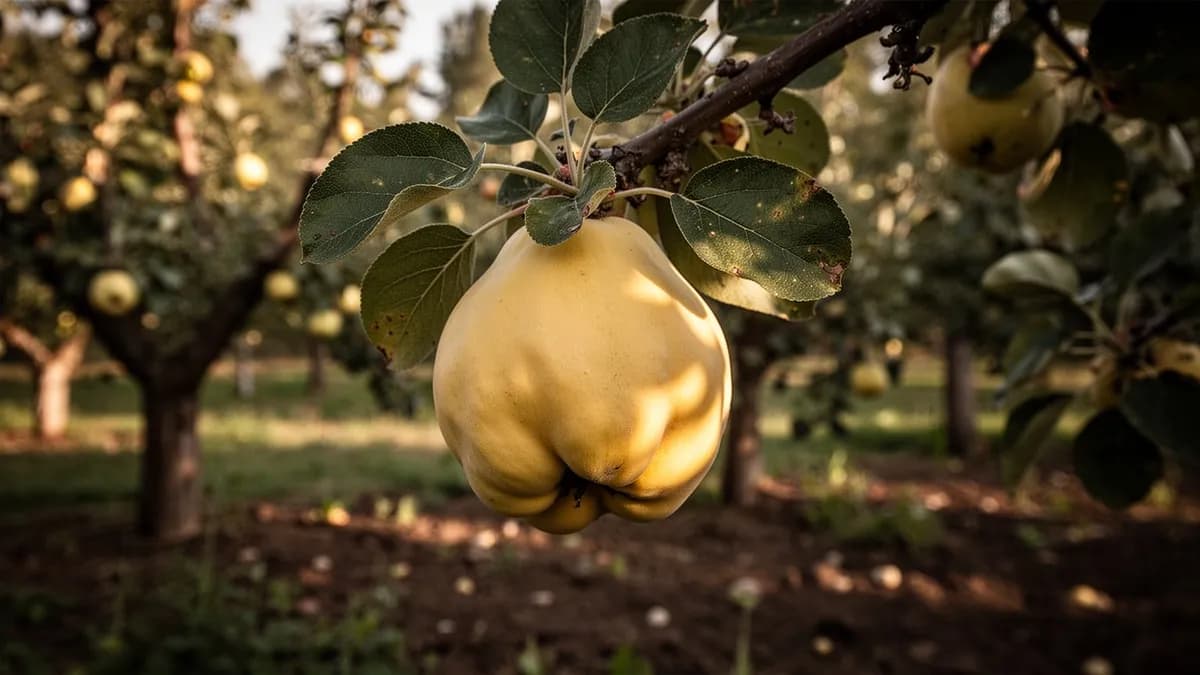
A self-fertile quince variety producing large, pear-shaped fruits with intense fragrance and tender flesh that cooks to a beautiful deep rose color.
On this pageOverview
Meet Champion Quince
A self-fertile quince variety producing large, pear-shaped fruits with intense fragrance and tender flesh that cooks to a beautiful deep rose color. Champion is one of the most tender-fleshed quinces and can occasionally be eaten raw when fully tree-ripened in warm climates. The fruits make exquisite membrillo paste, jelly, and poached desserts.
When to plant Champion Quince
Quince seeds require 60 to 90 days of cold stratification before planting. Stratify cleaned seeds in moist peat at 33 to 40 degrees Fahrenheit. Plant one inch deep in spring and expect germination in three to five weeks. Quince seedlings are often used as dwarfing rootstock for pear trees. Seedling quinces may take four to six years to fruit and are variable in quality. Named varieties like Champion are propagated by hardwood cuttings or grafting for true-to-type fruit.
Your Champion Quince Year
Composed for Zone 7 · typical seasons · frost passes Apr 2, returns Nov 1
Plant Champion Quince Feb – Mar, pick Oct – Nov. Check the planting methods below and set your climate to personalize these windows.
Picking Champion Quince this season? Get next year's dates
One email when the next sowing window opens where you garden, and one before the first autumn frost.
Set your climate above so the dates are yours, not the typical-season default.
One email per milestone, never more than one a week. Unsubscribe with one tap. No account needed.
How to grow Champion Quince
Plant Champion quince in late winter while dormant, in full sun with well-drained soil. This self-fertile variety does not require a pollinizer, though planting a second quince nearby may improve yields. Space trees 12 to 15 feet apart, as quince remains relatively small at 10 to 15 feet tall. Dig a planting hole twice the root ball width and amend with compost.
Water regularly during the first two growing seasons, then provide supplemental irrigation during dry periods. Champion quince tolerates a wider range of conditions than many fruit trees, including partial shade, clay soil, and moderate drought once established. The tree produces attractive pink-white blossoms in spring and aromatic golden fruit in autumn.
Prune in late winter to maintain an open vase or bush shape. Remove suckers, water sprouts, and crossing branches. Quince fruits on the tips of new growth, so avoid heavy heading cuts that remove fruiting wood. The tree requires little maintenance compared to apples and pears. Protect from fire blight by avoiding excess nitrogen and maintaining good air circulation through the canopy.
Related growing guides
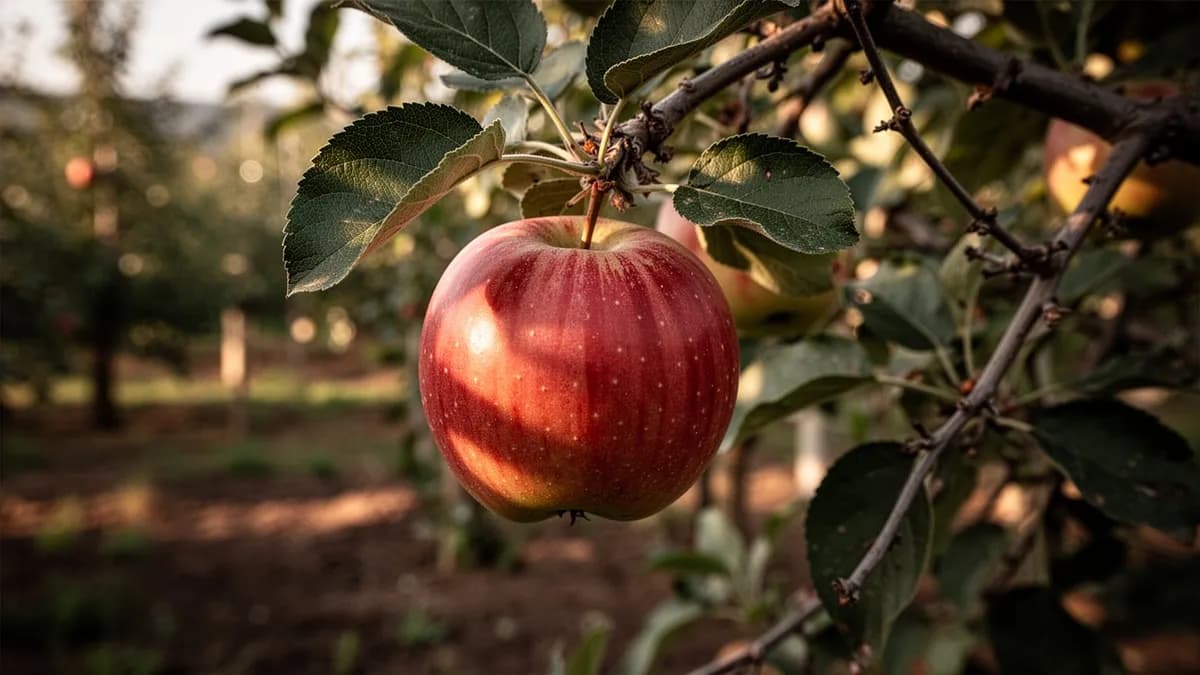
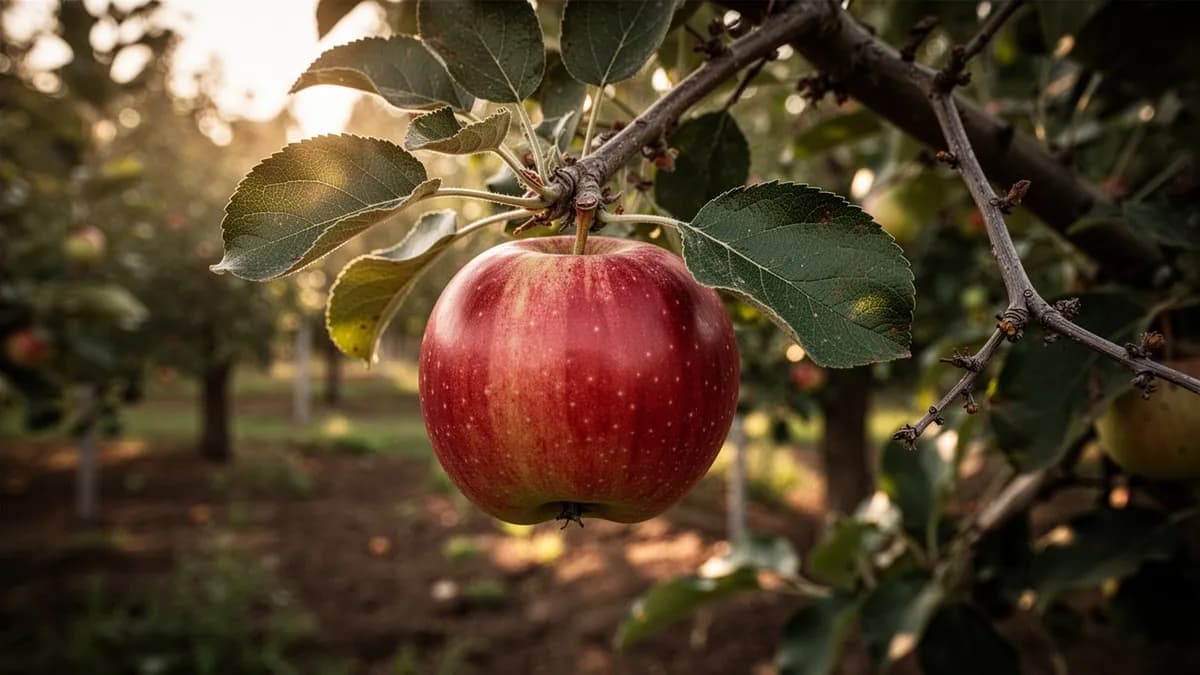
Feed it well
Champion quince grows in a range of soils from sandy to clay, tolerating heavier soils better than most fruit trees. Preferred pH is 6.0 to 7.0. The tree has modest fertility needs and over-fertilization promotes fire blight susceptibility. Apply a light application of balanced fertilizer in early spring. Annual compost mulching provides adequate nutrition for most soils. Iron chlorosis may occur in very alkaline soils.
Ideal Temperature
Hardiness Zone Compatibility
From seed to harvest, stage by stage
Dormancy and Planting
Champion quince trees are planted as bare-root stock during winter dormancy when the tree has shed all foliage and energy is concentrated in the root system. Quince requires 300-500 chill hours below 7°C to break dormancy properly in spring. The dormant period allows the root system to establish in its new location before the demands of spring growth begin.
Bud Break and Flowering
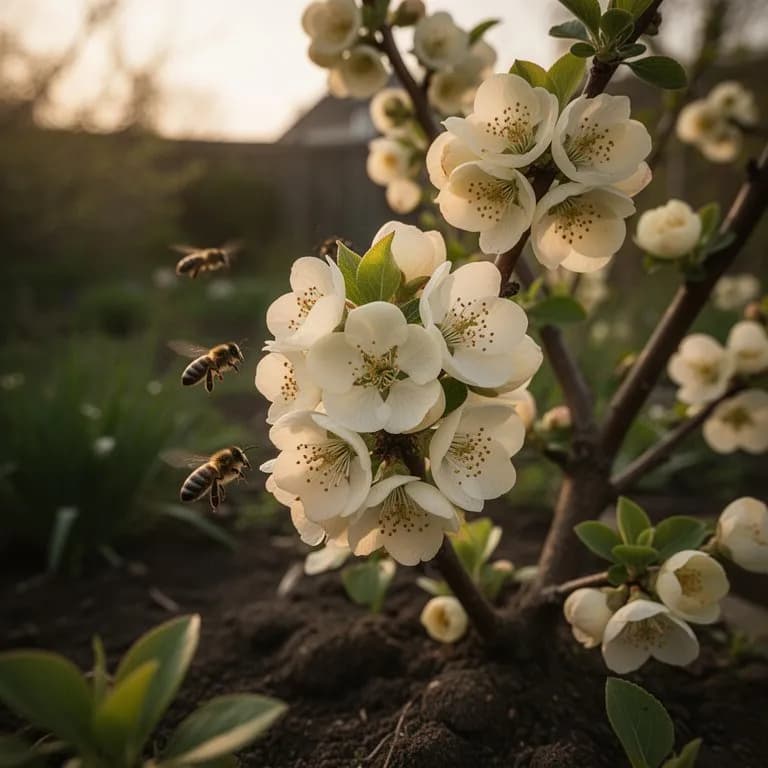
As spring temperatures rise, buds swell and break to reveal silvery-green foliage and large solitary flower buds. Champion quince blooms later than most pome fruit, typically in mid- to late spring, producing striking 4-5 cm wide flowers with five pale pink to white petals. Unlike apples and pears, Champion quince is largely self-fertile, though cross-pollination with another quince variety can improve fruit set and size.
Fruit Set and Early Development
Following successful pollination, small green fruitlets develop at the base of each flower. Young Champion quince fruit are covered in a dense woolly down that gives them a distinctive silvery appearance. The tree may naturally shed some fruitlets in early summer to regulate its crop load. Remaining fruit grows steadily, transitioning from round to the characteristic pear shape that distinguishes Champion from other quince varieties.
Fruit Sizing and Maturation
Through summer and into early autumn, Champion quince fruit undergo rapid cell expansion and sugar accumulation. The woolly down gradually disappears from the skin as the fruit matures, revealing a smooth surface that transitions from green to pale yellow. The fruit develops its intensely aromatic fragrance as volatile compounds accumulate in the skin and flesh. Champion is noted for producing larger, more tender fruit than many other quince varieties.
Harvest and Ripening
Champion quince fruit reach maturity in mid- to late autumn, later than most other tree fruit. Ripe fruit turns a deep golden yellow and releases an extraordinarily fragrant perfume that can scent an entire room. The fruit is typically harvested when fully colored but still hard, as quince is one of the few pome fruits that is almost always cooked before eating. Champion is prized for its relatively tender flesh compared to other quince cultivars, making it one of the best varieties for culinary use.
Post-Harvest and Dormancy Preparation
After harvest, the tree redirects energy into hardening off new wood and storing carbohydrates in the root system for the following season. Leaves turn golden yellow before dropping in late autumn. The tree enters full dormancy once temperatures consistently fall below 7°C, beginning the accumulation of chill hours required for the next season's growth cycle.
Plant bare-root trees in late winter in a hole wide enough to spread the roots without crowding. Position the graft union 10 cm above soil level. Water deeply at planting and apply an 8-10 cm ring of organic mulch around the base, keeping it 15 cm away from the trunk to prevent collar rot.
Caring for Champion Quince month by month
What to do each month for your Champion Quince
October
You are hereHarvest fruit when skin turns fully golden yellow and the fragrance is strong. Cut stems with secateurs rather than twisting. Store in a single layer in a cool area at 2-5°C. Place a few quince in a fruit bowl indoors to enjoy their perfume.
Harvesting Champion Quince
Champion quince ripens in mid- to late autumn, turning from green to golden yellow with an intense, sweet fragrance that can perfume an entire room. Harvest when the fruit is fully yellow and aromatic, yielding slightly to pressure. Cut from the branch with pruning shears. The downy fuzz on the skin should be wiped off before cooking. Champion is one of the most tender-fleshed quinces and may be eaten raw in warm climates when tree-ripened, though it is traditionally cooked.
Storage & Preservation
Fresh quince stores for two to three months in cold storage at 32 to 35 degrees Fahrenheit. The intensely aromatic fruit should be stored separately from other produce, as it will impart its fragrance. Quince transforms through cooking, turning from pale to deep rose color with a rich, honeyed flavor. Make membrillo paste, jelly, preserves, or poached quince. The flesh freezes well when cooked. Quince adds pectin and flavor when combined with apple or pear preserves.
What goes wrong — and the fix
Fire Blight
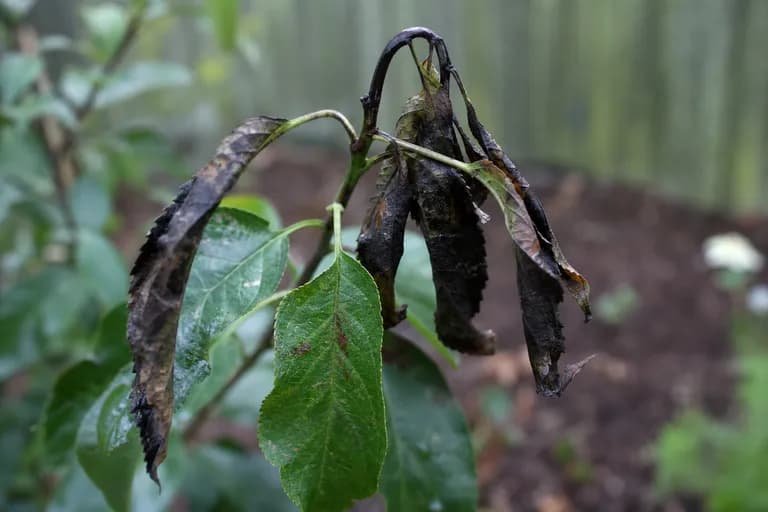
DiseaseBlackened shoot tips with shepherd's crook wilting; oozing amber bacterial cankers on branches; scorched blossoms.
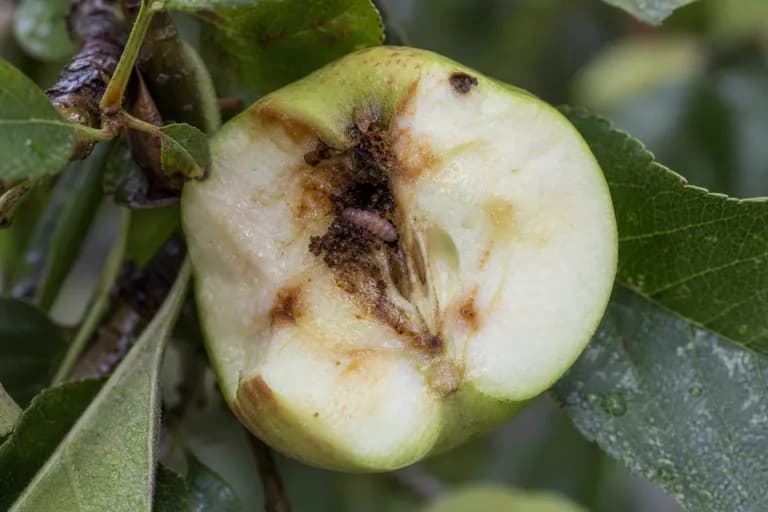
Codling Moth
PestEntry holes in fruit with frass-filled tunnels; larvae feed inside the fruit causing brown internal damage.
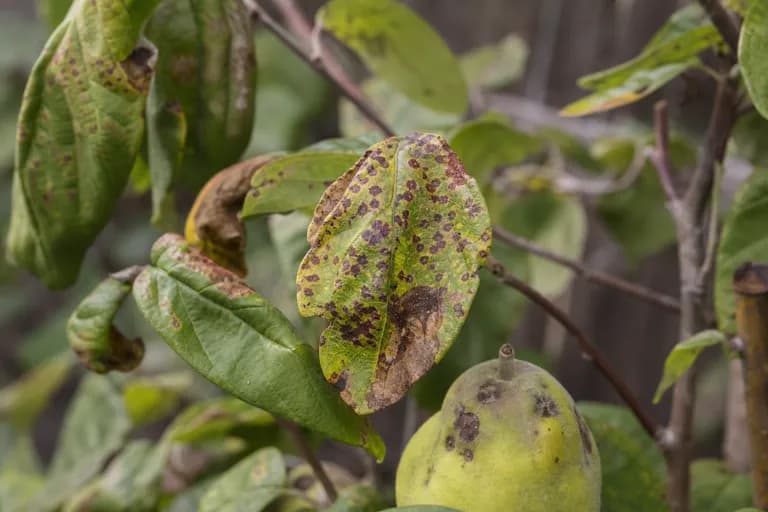
Leaf Blight (Fabraea)
DiseaseSmall, round, dark red to purple spots on leaves; spots merge causing premature defoliation; fruit spots reduce quality.
Troubleshooting Common Problems
Fire blight is the most serious disease threat, especially during warm, wet springs. The hard, astringent raw flesh surprises people expecting a fruit ready to eat from the tree, as nearly all quince must be cooked. Leaf blight can cause premature defoliation in wet years. The aromatic fruit attracts wasps and hornets. Quince may bear erratically in regions with very mild winters that do not provide adequate chill hours.
Growing Tips
- Champion quince performs best in a sheltered, sunny position with at least 6-8 hours of direct sunlight daily. While the tree tolerates partial shade, fruit production and flavor are significantly better in full sun locations.
- Plant in deep, moisture-retentive but well-drained soil with a slightly acidic to neutral pH of 6.0-7.0. Quince tolerates heavier clay soils better than most fruit trees but will struggle in waterlogged or very alkaline conditions.
- Although Champion is self-fertile and will produce fruit on its own, planting a second quince variety such as Vranja or Meech's Prolific within 15 meters will improve pollination rates and increase both fruit set and average fruit size.
- Water deeply and consistently during the growing season, especially during fruit development from early summer through early autumn. Irregular watering is the most common cause of fruit cracking and uneven ripening in quince.
- Apply a 10 cm layer of organic mulch such as wood chips or well-rotted compost around the root zone each spring, keeping it at least 15 cm away from the trunk to prevent collar rot and discourage rodent damage.
- Prune annually during winter dormancy to maintain an open vase or goblet shape that allows sunlight and air circulation to reach all parts of the canopy. Remove any suckers growing from below the graft union promptly throughout the growing season.
- Feed in early spring with a balanced organic fertilizer and follow up with a liquid seaweed application in midsummer to support fruit development. Avoid high-nitrogen feeds after midsummer as they promote soft growth that is vulnerable to frost and disease.
- Monitor regularly for quince leaf blight (Diplocarpon mespili), the most common disease affecting quince. Remove and destroy affected leaves promptly, and apply a copper-based fungicide at bud burst as a preventive measure in areas where the disease is prevalent.
- Harvest fruit in mid-autumn when the skin has turned fully golden yellow and the characteristic intense fragrance has developed. Cut the stem with sharp secateurs rather than twisting to avoid damaging the fruiting spur for next year's crop.
- Store harvested quince in a single layer in a cool, dark, well-ventilated space at 2-5°C where they will keep for 2-3 months. Do not store quince with other fruit, as their powerful aroma can transfer to nearby produce.
Pick your Champion Quince
Champion
The most widely planted quince variety in North America, self-fertile with large, tender-fleshed fruit and intense fragrance.
Smyrna
A larger-fruited variety with excellent flavor and slightly firmer flesh, popular in Mediterranean-climate gardens.
Van Deman
An American cultivar with large, elongated fruit and outstanding flavor for membrillo paste and jelly making.
A single mature Champion quince tree can produce 25-50 kg of fruit annually for decades. With fresh quince retailing at $4-8 per kilogram at specialty grocers and farmers markets, and membrillo (quince paste) costing $15-30 per 250g block, a home tree can easily provide $150-400 worth of fruit and preserves each year. Because quince stores exceptionally well for 2-3 months in cool conditions and the fruit is almost exclusively used in cooked preparations like jams, pastes, and desserts that have long shelf lives, virtually nothing goes to waste. The tree also requires minimal inputs compared to other fruit trees, needing no thinning sprays and fewer pest treatments than apples or pears.
Quick recipes
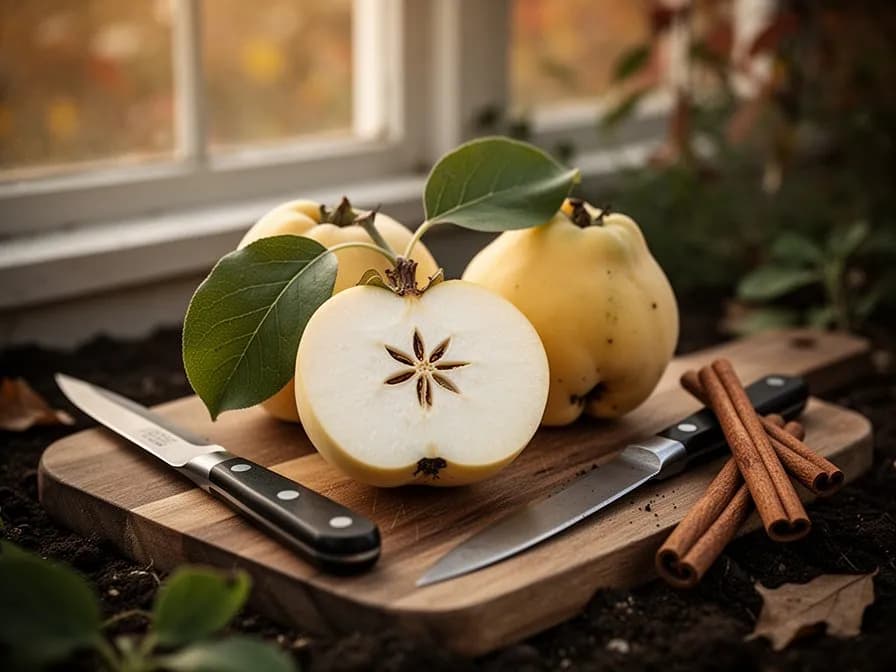
Classic Membrillo (Quince Paste)
2.5 hoursA traditional Spanish-Portuguese quince paste that transforms raw quince into a dense, jewel-toned confection with a deep floral flavor. The long slow cooking develops the characteristic rosy-amber color and concentrated sweetness. Serve sliced alongside Manchego cheese, on a charcuterie board, or spread on toast.
5 ingredients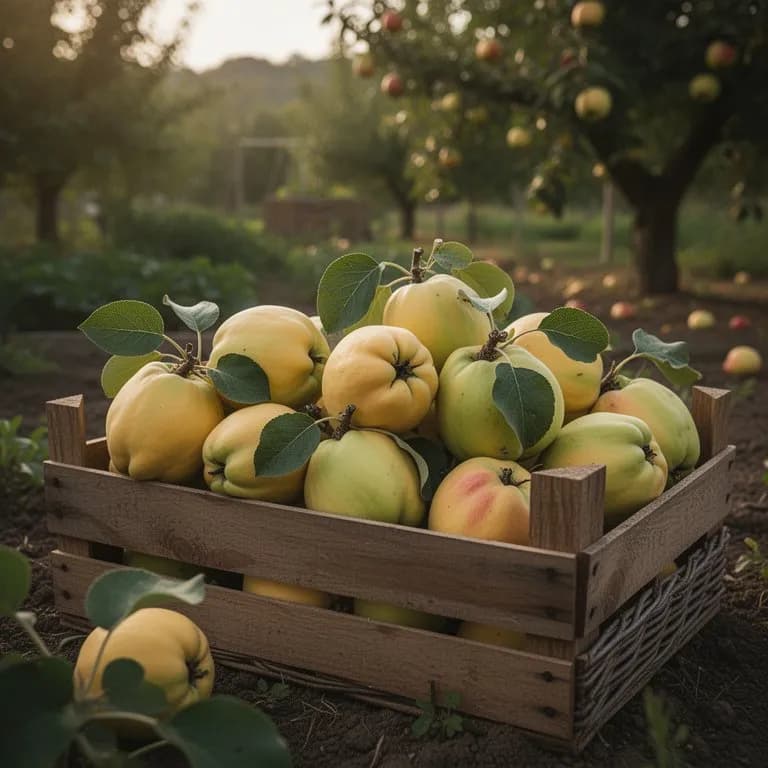
Honey-Poached Quince with Cardamom
1.5 hoursQuince quarters poached gently in a honey and cardamom syrup until they turn a beautiful blush pink and become meltingly tender. This elegant dessert showcases the unique floral aromatics of Champion quince. Serve warm with Greek yogurt, vanilla ice cream, or alongside a simple almond cake.
7 ingredientsQuince and Apple Crumble
1 hour 15 minutesA comforting autumn dessert that pairs the intense fragrance of Champion quince with the familiar sweetness of apples, topped with a buttery oat crumble. Pre-cooking the quince ensures both fruits reach perfect tenderness together. The quince adds a floral depth and rosy hue that elevates a classic crumble into something extraordinary.
8 ingredientsCulinary Uses
Champion quince transforms through cooking into a luxurious ingredient with deep rose color and honeyed flavor. Membrillo paste served with Manchego cheese is a classic Spanish tapa. Quince jelly is a prized preserve with brilliant ruby color. Poached quince in vanilla syrup makes an elegant dessert. Add quince to apple pie for complexity. Quince paste, compote, and liqueur are traditional European preparations.
What's inside
Health Benefits
- The exceptionally high pectin content in quince acts as a prebiotic soluble fiber that feeds beneficial gut bacteria, supports healthy digestion, and may help relieve symptoms of inflammatory bowel conditions.
- Quince phenolic compounds, including chlorogenic acid and various catechins, provide strong antioxidant protection that helps neutralize free radicals and may reduce the risk of chronic diseases.
- Traditional herbal medicine across Middle Eastern and Mediterranean cultures has used quince preparations for centuries to soothe sore throats, reduce nausea, and calm digestive discomfort.
- The anti-inflammatory properties of quince tannins and flavonoids may help reduce symptoms of allergic reactions and support respiratory health, a use documented in traditional Iranian medicine.
- Regular consumption of pectin-rich fruits like quince has been associated with improved cholesterol profiles, as soluble fiber binds to bile acids in the digestive tract and promotes their excretion.
- Quince provides a meaningful source of copper and iron, minerals that work together to support healthy red blood cell formation, energy production, and immune system function.
Where Champion Quince comes from
The Champion quince (Cydonia oblonga 'Champion') was developed and introduced in 1870 by Prosper Julius Alphonse Berckmans at his Fruitland Nursery in Augusta, Georgia. Berckmans, a Belgian-born horticulturist who became one of the most influential nurserymen in American history, selected Champion for its notably large fruit, tender flesh, and superior flavor compared to the quince varieties commonly grown at the time. The variety quickly gained recognition for producing fruit that was more pear-shaped and significantly easier to cook than the hard, astringent types that had previously dominated quince cultivation in North America.
The quince species itself has a history stretching back thousands of years to the Caucasus Mountains and the forests of northern Iran, where wild quince trees still grow today. Ancient civilizations across Mesopotamia, Greece, and Rome cultivated quince long before the common apple became widespread. The Greeks associated the fruit with Aphrodite and fertility, and quince played a central role in wedding rituals, where brides would eat a piece before entering the bridal chamber to ensure sweet breath and a harmonious marriage. Roman cookbook author Apicius recorded multiple quince recipes in the first century, including preserves made with honey that are considered precursors to modern marmalade.
Quince cultivation spread throughout the medieval Islamic world and into the Iberian Peninsula, where Portuguese and Spanish confectioners refined the art of making membrillo, the dense quince paste that remains a beloved delicacy paired with cheese across Mediterranean cultures. European colonists brought quince to the Americas in the seventeenth century, where it became a common dooryard fruit tree valued for preserves and as rootstock for pear grafting. Champion emerged from this long tradition as one of the finest culinary varieties ever developed, and it remains widely recommended for home orchards today.
Champion Quince: did you know?
Fascinating facts about Champion Quince
The Champion quince variety was introduced in 1870 by the Berckmans nursery in Augusta, Georgia, and was selected for producing the largest and most tender fruit of any quince cultivar available at the time.
Champion Quince questions, answered
When should I plant Champion Quince?
What hardiness zones can Champion Quince grow in?
How much sun does Champion Quince need?
How far apart should I space Champion Quince?
What pests and diseases affect Champion Quince?
How do I store Champion Quince after harvest?
What are the best Champion Quince varieties to grow?
What soil does Champion Quince need?
Can you eat Champion quince raw?
How long does it take for a Champion quince tree to bear fruit?
Does Champion quince need a pollination partner?
Why does quince turn pink when cooked?
What are the most common pests and diseases affecting Champion quince?
How should I store quince after harvesting?
More Pome Fruits
Grow your best Champion Quince yet — and everything around it.
Start a free plan today. Lay out your beds, drop in your Champion Quince, and let PlotMyGarden handle the timing, spacing, companions and reminders from seed to harvest basket.
