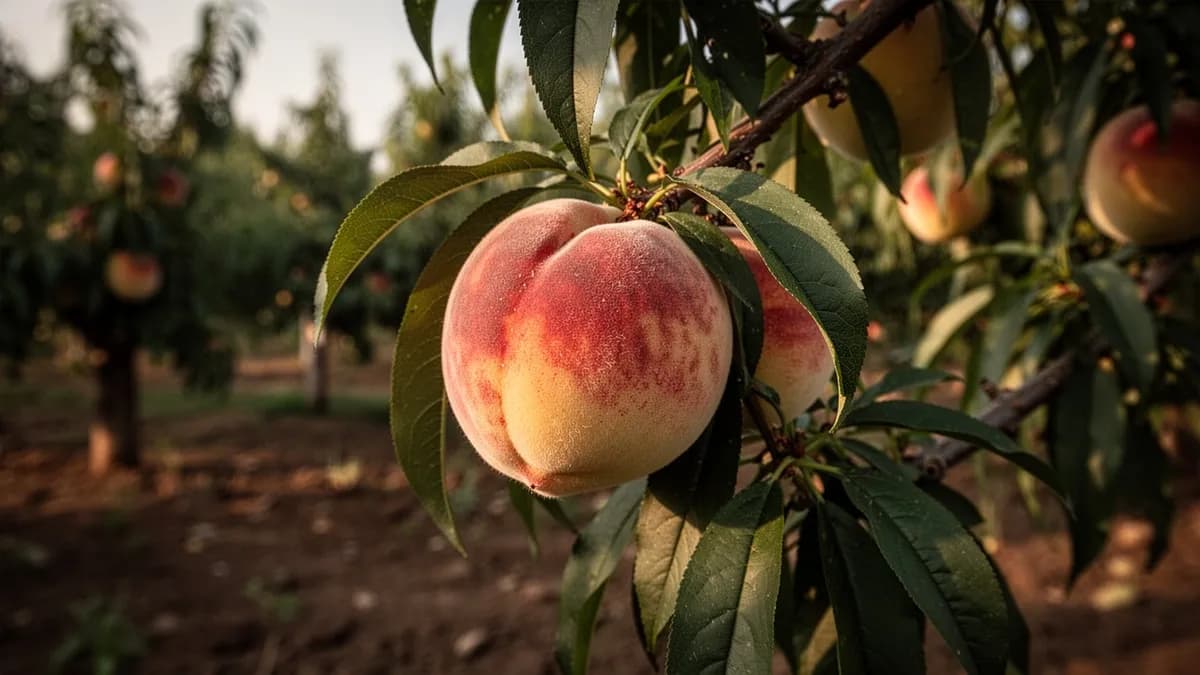
Donut Peach
Prunus persica var. platycarpa
At a Glance
A flat, disc-shaped peach variety also known as Saturn peach, with white flesh and an exceptionally sweet, almond-like flavor. The unique shape makes the small pit easy to remove and the fruits fun for children to eat. Donut peaches require fewer chill hours than standard peaches, making them suitable for milder winter climates.
Planting & Harvest Calendar
Growth Stages
From Seed to Harvest
Dormancy
Days 0–60
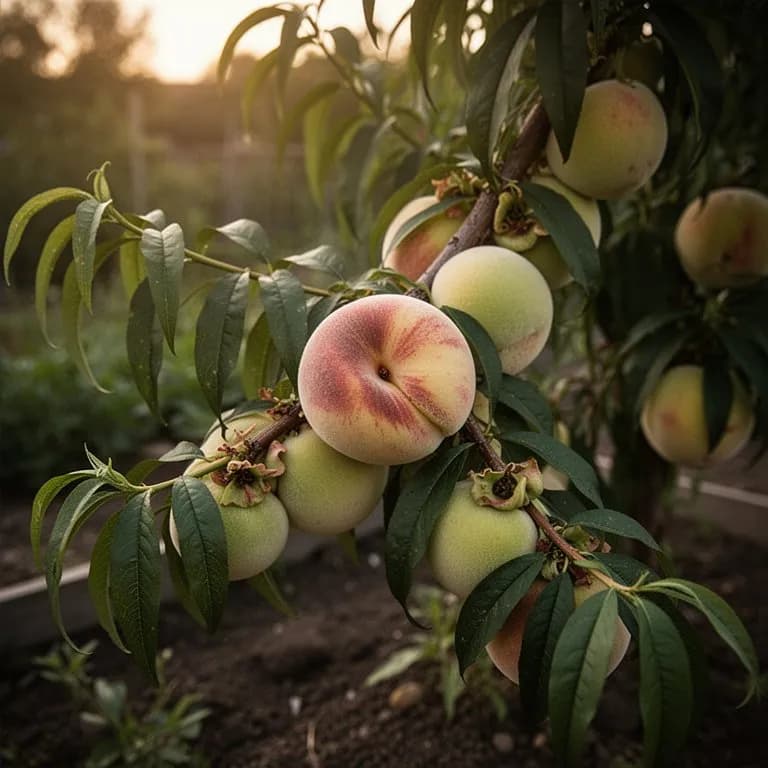
Through late autumn and winter the donut peach tree stands leafless, its reddish-brown bark and compact branching structure visible. Plump flower buds are already formed along the one-year-old shoots, awaiting sufficient chilling hours — time below 7 °C — before they will respond to warming temperatures in late winter. Root activity continues at a slow pace beneath the surface, storing carbohydrate reserves that will fuel the spectacular bloom ahead. Most donut peach varieties have a moderate chill requirement of 500–700 hours, making them more adaptable to mild-winter climates than many standard peach cultivars.
💡 Care Tip
Dormancy is the ideal window for structural pruning. Shape the tree to an open-center vase form with three to five scaffold branches, removing crossing limbs, vigorous upright water shoots, and any dead or diseased wood. Apply a dormant horticultural oil spray on a dry frost-free day above 4 °C to smother overwintering scale insects, mite eggs, and brown rot spores.
Monthly Care Calendar
What to do each month for your Donut Peach
May
You are hereConfirm thinning is complete — this is the primary lever for achieving large, high-Brix donut peaches. Begin deep irrigation if rainfall is below 2.5 cm per week. Scout new shoot tips for aphid colonies; treat with insecticidal soap if needed. Check the trunk base for gum deposits indicating peach tree borer activity.
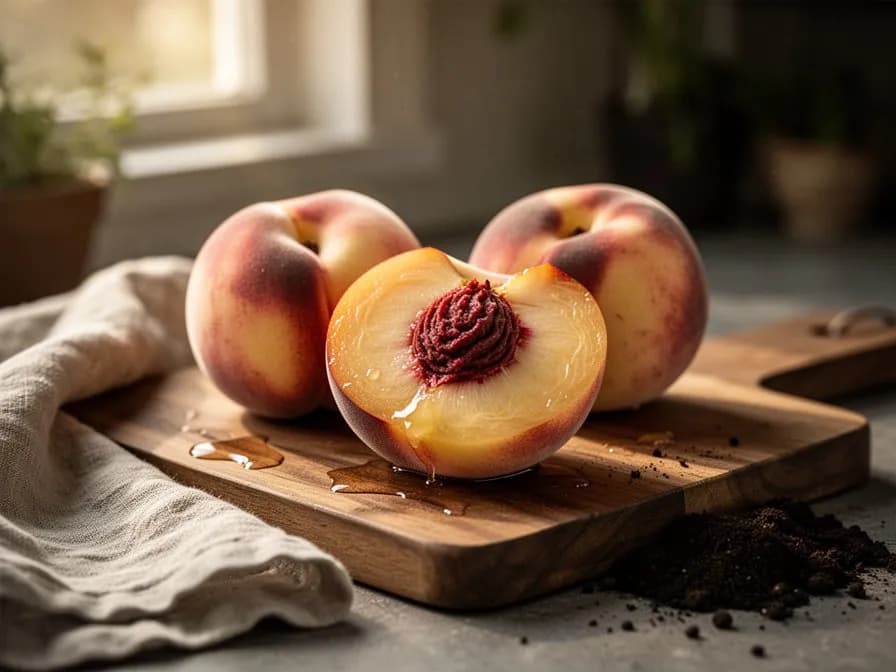
Thinning to one fruitlet every 12–15 cm is even more important for donut peaches than standard varieties, as their naturally compact form means overcrowded fruit rarely develops full sweetness.
Did You Know?
Fascinating facts about Donut Peach
The donut peach's distinctive flattened shape is not the result of human breeding selection but of a naturally occurring genetic mutation — a single recessive allele that compresses the fruit along its stem-to-tip axis and has been maintained in cultivation because of the remarkable sweetness and eating quality that accompany it.
Donut peaches grow in USDA zones 5 through 9 and typically require 400 to 600 chill hours, fewer than standard peaches, making them suitable for warmer winter climates. Plant bare-root trees in late winter, spacing 15 to 20 feet apart for standard trees or 8 to 10 feet for semi-dwarf. Choose a site with full sun, good air drainage, and well-drained soil.
Prune to an open vase shape like any peach, removing about one-third of the previous year's growth each winter. The flat fruit shape means donut peaches are especially prone to rain-induced splitting, so consistent watering is important to avoid the stress-relief cycle that causes cracking. Thin fruit to six to eight inches apart in early summer for the best size and sweetness.
Fertilize in early spring with a balanced fruit tree fertilizer. Apply dormant copper or lime-sulfur spray in late fall and late winter to prevent peach leaf curl. Water deeply every seven to ten days during the growing season. The trees produce pink blossoms in spring that are both ornamental and fragrant. Donut peaches tend to be somewhat smaller trees than standard peach varieties, making them manageable in smaller gardens.
The donut peach (Prunus persica var. platycarpa) shares its deep roots with all peaches: its ultimate origin lies in China, where the species has been cultivated for at least 4,000 years and where wild ancestors grew in the river valleys of the Yangtze basin and beyond. The flattened peach mutation — likely a spontaneous recessive allele affecting fruit development along the polar axis — has been recorded in Chinese horticultural literature for well over a thousand years. In classical Chinese mythology the flat pantao peach occupied a place of special reverence, believed to be the variety cultivated in the celestial garden of Xiwangmu, the Queen Mother of the West, whose immortality-conferring peaches ripened once every three thousand years. This association between the distinctively shaped flat peach and spiritual longevity elevated the pantao to a status beyond ordinary fruit, appearing in festivals, paintings, and porcelain decoration throughout Chinese cultural history.
Despite its antiquity in East Asia, the donut peach remained essentially unknown to Western growers and consumers until relatively recently. Spanish horticulturalists encountered the flat peach variety — which they named paraguayo — through trade contacts and introduced it to Iberian orchards sometime in the 19th century. Spain subsequently became the primary European commercial producer, and the paraguayo became a familiar sight in Spanish summer markets long before the variety gained international recognition. In parts of the Mediterranean basin — particularly Spain, Italy, and southern France — flat peach cultivation developed modest but stable commercial footing through the early and mid 20th century.
The pivotal moment for the donut peach in the English-speaking world came in the late 1980s and early 1990s, when American plant importers and California growers, experimenting with specialty stone fruit varieties, introduced the flat peach to US farmers markets and upscale grocery retailers under the evocative name "donut peach" — a name chosen for its immediate visual accuracy that proved extraordinarily effective as a marketing tool. Consumers who tried the fruit were captivated by its unusual sweetness, low acidity, and the novelty of the shape, and demand grew rapidly through word of mouth. By the mid-1990s, donut peaches had become one of the most discussed specialty fruits in American food media.
Modern breeding programs in the United States, Spain, Italy, Australia, and China have since developed numerous named commercial cultivars optimized for yield, shelf life, and adaptation to a range of climates, ensuring that this ancient Chinese flat peach continues to find new gardens and new admirers worldwide.
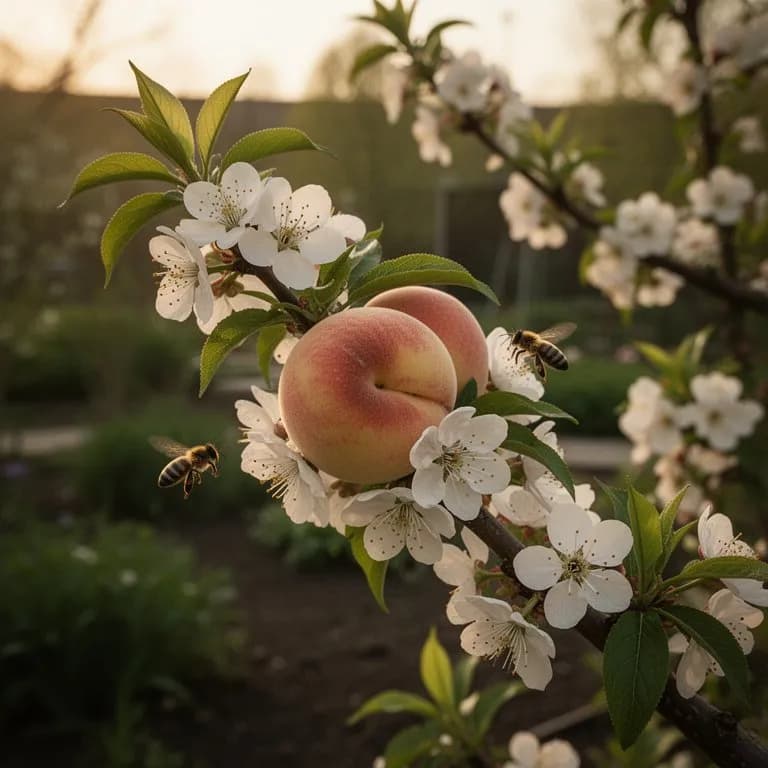
Donut peach trees produce the same lavish flush of soft pink flowers as standard peaches, decorating the bare branches in late winter before the leaves emerge.
Donut peach pits require 90 to 120 days of cold stratification before germination. Clean pits and wrap in damp paper towels in a sealed bag in the refrigerator over winter. Plant outdoors in spring one inch deep after the last frost. Seedlings will produce variable fruit that may not retain the flat shape. For guaranteed donut-shaped fruit, purchase grafted trees on Lovell, Nemaguard, or Citation rootstock. Grafted trees typically fruit in two to three years.
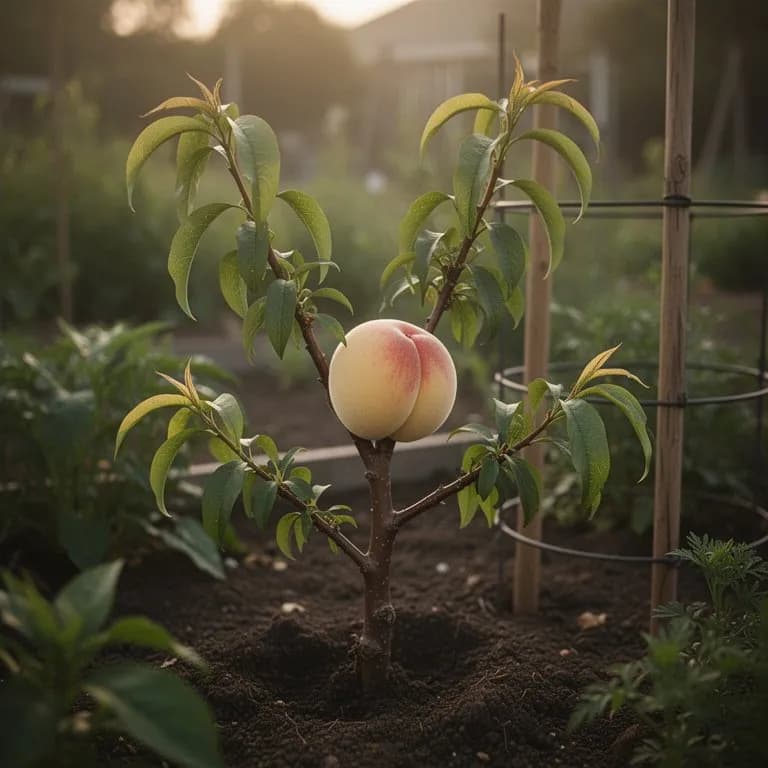
Fan-training donut peach trees against a warm south-facing wall (or north-facing in the Southern Hemisphere) advances ripening and provides frost protection during the vulnerable bloom period.
Donut peaches prefer well-drained sandy loam with a pH of 6.0 to 6.8, identical to standard peach requirements. Poor drainage is the most common cause of tree death. Apply a balanced fruit tree fertilizer in early spring before bloom. Avoid excessive nitrogen that promotes vegetative growth at the expense of fruit. Calcium supplements help fruit firmness. Maintain organic mulch around the tree, keeping it away from the trunk to prevent moisture-related bark diseases.
Check Your Zone
See if Donut Peach is suitable for your location.
7°C – 32°C
45°F – 90°F
Donut peaches share the fundamental temperate-climate requirements of all peaches but are notable for their moderate chilling hour requirements — most commercial varieties need 500–700 hours below 7 °C, making them more adaptable to mild-winter climates than many standard high-chill cultivars. Some specialty low-chill donut peach selections have been developed requiring as few as 300–400 chilling hours, extending the range into warm-winter regions such as coastal California, the Gulf Coast, and the Mediterranean. During the growing season, optimal daytime temperatures of 22–32 °C produce the highest sugar accumulation and the intense sweetness the variety is prized for. Temperatures above 38 °C during fruit swell cause sunburn and can trigger premature, poorly flavored ripening. Open blossoms are damaged below -2 °C and killed at -4 °C. In regions with warm, moderately dry summers and mild but sufficient winters, donut peaches are among the most rewarding and trouble-free stone fruits a home grower can plant.
Common issues affecting Donut Peach and how to prevent and treat them organically.
The flat fruit shape is prone to splitting after rain due to the broad surface area that catches water. Consistent irrigation prevents the stress cycle that causes splitting. Donut peaches bruise easily due to their thin skin and flat shape, making commercial handling difficult. Brown rot is a persistent threat during humid ripening periods. Peach leaf curl must be prevented with dormant sprays, as there is no cure once infection occurs.
Plant garlic, chives, and alliums around the base to deter peach tree borers. Tansy and nasturtiums repel various insect pests. Crimson clover or white clover as ground cover fixes nitrogen and suppresses weeds. Comfrey at the drip line mines nutrients from deep soil. Keep the area directly under the canopy clear of tall competing plants for the first few years. Avoid planting near walnut trees due to juglone sensitivity.
- 1Confirm your local average annual chill hour accumulation before selecting a variety — most donut peach cultivars need 500–700 hours below 7 °C, but specialty low-chill selections requiring as few as 300 hours have been developed for mild-winter gardens in coastal California, the Gulf South, and the Mediterranean.
- 2Plant donut peach trees against a warm south-facing wall or fence in the Northern Hemisphere (north-facing in the Southern Hemisphere): the reflected and stored heat can advance ripening by ten to fourteen days, meaningfully increase fruit Brix by providing more warmth during sugar loading, and provide critical frost protection during the bloom period.
- 3The single most important disease-prevention action of the entire year is a copper or lime-sulfur spray applied at the half-inch green-tip bud stage in late winter, before any leaf tissue has emerged. This one well-timed spray prevents peach leaf curl almost entirely; once the fungal symptoms appear on expanded leaves, no treatment will reverse the infection in those leaves that season.
- 4Donut peaches fruit only on one-year-old wood, exactly like round peach varieties, which means annual dormant pruning removing 30–40% of last season's growth is not optional — it is the mechanism by which the tree continuously renews its supply of productive fruiting wood and maintains the open, light-flooded canopy required for high-Brix fruit development.
- 5Thin more aggressively than instinct suggests: spacing fruitlets to one every 12–15 cm along each branch — even when this means removing 60–70% of the apparent crop — concentrates the tree's photosynthetic resources into each remaining fruit, dramatically increasing final size, sweetness, and flavor complexity compared with an underthinned tree.
- 6Donut peaches bruise exceptionally easily at full ripeness due to their high juice content and naturally soft flesh texture; harvest with both hands supporting the fruit, place directly into a padded harvest trug rather than dropping, and never stack more than two layers deep. Even gentle mishandling at harvest creates internal bruising invisible at picking that surfaces as brown spots within 24 hours.
- 7Brown rot spreads with alarming speed through a donut peach crop in warm, humid weather — a single infected fruit can sporulate and infect its neighbours within 48 hours after rain. Inspect the crop every two to three days during ripening, remove any affected fruit immediately (do not compost it), and apply a pre-harvest myclobutanil or propiconazole spray if warm wet weather is forecast in the two weeks before expected harvest.
- 8The sunken centre dimple of ripe donut peaches collects moisture and harbours brown rot fungal spores more readily than the smooth surface of round varieties; after any rain event during the final month before harvest, gently shake each fruit to dislodge pooled water or inspect the dimple for early grey spore growth.
- 9Container culture is highly viable for donut peach trees on semi-dwarfing rootstocks such as Citation or St. Julien A: use a minimum 100-litre container with excellent drainage, water daily in hot weather, apply a balanced liquid fertilizer monthly through the growing season, and move containers to a sheltered position before severe frost events to protect both roots and early-developing flower buds.
- 10Summer-prune vigorous upright water shoots in late June or early July — before they begin to shade the developing fruit — rather than waiting for dormant pruning. Removing or reducing these shoots during the growing season improves light penetration, promotes red blush development on the fruit's sun-exposed cheek, and reduces the volume of material requiring removal at the main dormant pruning.
Donut peaches ripen from late June through August depending on cultivar and climate. The flat shape makes ripeness easy to judge: the fruit should give slightly to gentle pressure and the background color should change from green to creamy white or yellow. The small, easily removed pit pops out cleanly from freestone varieties. Pick by cupping and twisting gently. Handle with extra care as the flat shape makes them prone to stacking damage.

Donut peaches ripen in mid-summer on most varieties, their creamy-yellow skin blushed with deep rose-red and their small sunken pit making them exceptionally easy to eat.
Donut peaches have a short shelf life of two to four days at room temperature after picking. Refrigerate for up to one week. The white flesh browns quickly when cut, so add lemon juice when slicing. Freeze halved fruit with lemon juice for later use. The sweet, almond-like flavor makes excellent preserves and jam. Donut peach slices dehydrate well into chewy, sweet snacks. The unique shape makes them a conversation piece when served fresh at gatherings.
Plan your garden with ease
Love growing Donut Peach? Use our free garden planner to design your beds, track planting dates, and get personalized care reminders.
Nutritional Info
Per 100g serving
38
Calories
Health Benefits
- At approximately 38 kcal per 100 g, donut peaches are one of the most naturally sweet low-calorie fruits available from the home garden — satisfying sugar cravings with a nutritional profile that supports rather than undermines a healthy diet.
- The pale cream to white flesh of most donut peach varieties contains measurable chlorogenic acid, catechins, and quercetin — polyphenol antioxidants linked to reduced cardiovascular disease risk and protection against oxidative cellular damage.
- Beta-carotene and cryptoxanthin found in the skin and flesh are precursors to vitamin A, supporting visual health, immune function, and the maintenance of healthy skin and epithelial tissue throughout the body.
- Potassium content of approximately 188 mg per 100 g contributes to healthy blood pressure regulation and electrolyte balance, with the naturally very low sodium content of fresh peaches amplifying the net cardiovascular benefit.
- The combination of soluble pectin fiber and sorbitol in fresh peaches supports healthy digestive motility and feeds beneficial gut bacteria, contributing to a well-functioning gut microbiome with downstream benefits for immunity and mood.
- The exceptionally high water content of donut peaches — approximately 89–90% — makes them a hydrating summer snack, providing meaningful fluid intake at the peak of the hot season when dehydration risk is highest.
💰 Why Grow Your Own?
Donut peaches typically command a significant premium over standard round peach varieties at retail — specialty grocers and farmers markets commonly price them at $8–14 USD per kilogram when available, and their short season and delicate nature mean they are frequently unavailable entirely in many regions. A well-managed home tree at peak bearing typically yields 15–40 kg per season over a productive lifespan of twelve to fifteen years, representing a potential cumulative retail value of $1,800–$8,400 from a tree that costs $30–60 to purchase as a bare-root or container specimen. Beyond the financial savings, home-grown donut peaches harvested at true tree-ripeness — when Brix levels peak and aromatic esters are at maximum concentration — deliver a flavor that no commercially harvested specimen, picked firm for transport, can replicate.
Quick Recipes
Simple recipes using fresh Donut Peach
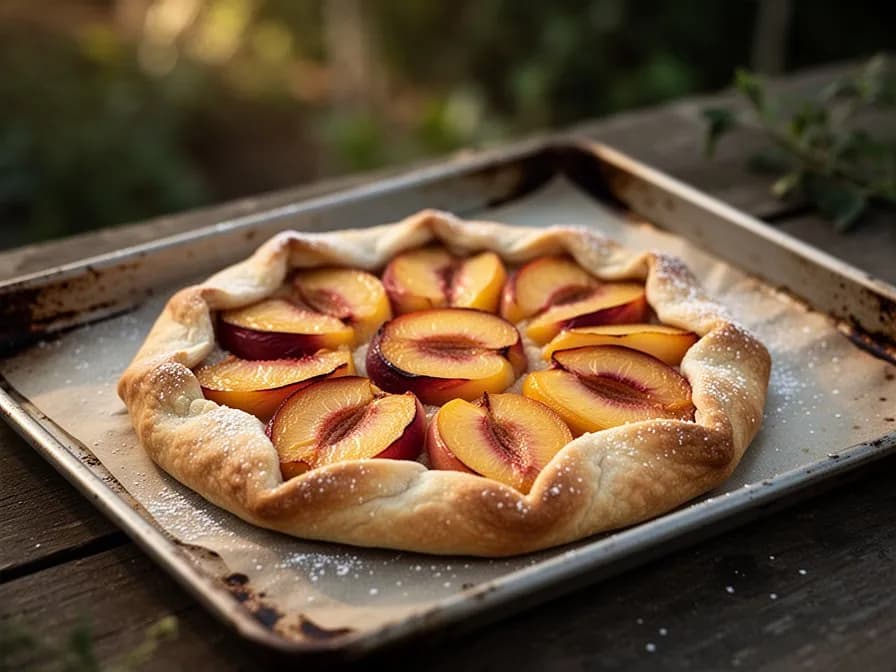
Donut Peach and Burrata Salad
10 minutesA showstopper summer salad that lets the exceptional sweetness of ripe donut peaches shine against creamy burrata, peppery rocket, and a light honey-balsamic dressing. The combination of soft cheese, sweet fruit, and bitter greens achieves a balance that is both elegant and effortless. Serve immediately while the burrata is cold and the peaches are fragrant.
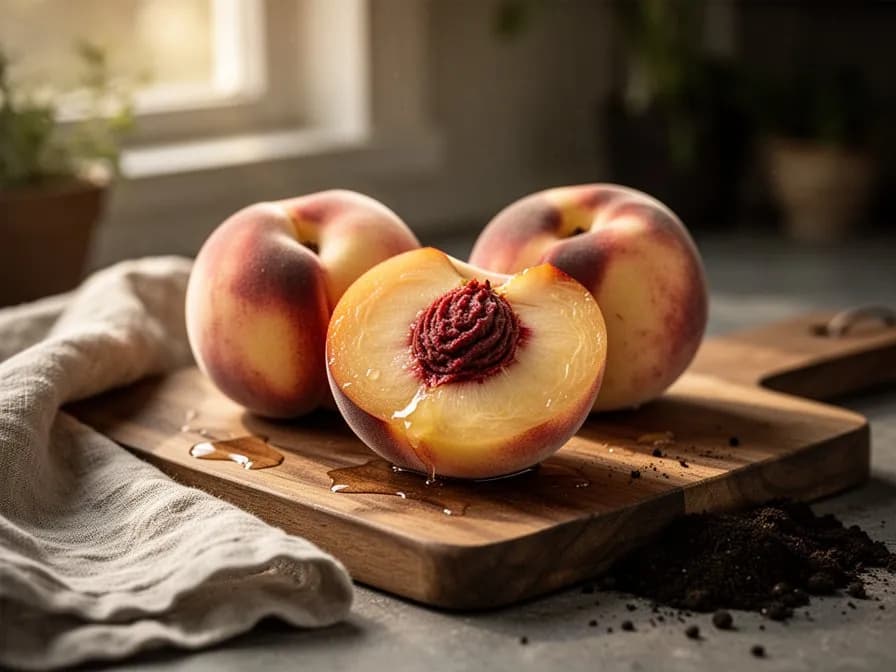
Donut Peach Galette
30 minutesA rustic free-form tart that requires no tart tin, no blind baking, and no pastry expertise — just good-quality butter pastry, fragrant ripe donut peaches, and a scattering of ground almonds to absorb the abundant juices. The folded edges caramelize beautifully and the filling sets to a glossy, concentrated jam-like consistency. Serve warm with crème fraîche or vanilla ice cream.
Chilled Donut Peach Soup
15 minutes plus 1 hour chillingA silky, no-cook chilled soup that captures the pure honeyed flavor of peak-season donut peaches in liquid form. A splash of sweet wine or elderflower cordial deepens the floral notes, while a touch of lime juice lifts and brightens the overall flavour. Serve in chilled bowls or glasses as an elegant first course or a refreshing summer dessert.
Yield & Spacing Calculator
See how many Donut Peach plants fit in your garden bed based on the recommended 300cm spacing.
0
Donut Peach plants in a 4×4 ft bed
0 columns × 0 rows at 300cm spacing
Popular Varieties
Some of the most popular donut peach varieties for home gardeners, each with unique characteristics.
Saturn
The original donut peach variety with white flesh, almond-like sweetness, and a small freestone pit. Requires 400 to 500 chill hours. Ripens mid-July.
Galaxy
A white-fleshed donut peach with excellent flavor and good disease resistance. Slightly larger than Saturn. Requires 400 chill hours. Ripens late July.
UFO Series
A series of improved flat peach varieties with better disease resistance and productivity. Available in several ripening windows from early to late season.
Stark Saturn
An improved Saturn selection with more consistent production and slightly better cold tolerance. Same excellent sweet, almond flavor profile.
The flesh of a ripe donut peach is typically cream to pale yellow, very low in acidity, and intensely sweet — with a sugar-to-acid ratio noticeably higher than most round peach varieties.
Donut peaches are best enjoyed fresh to appreciate their distinctive almond-vanilla sweetness. The flat shape and easy pit removal make them perfect for children. Slice into salads with arugula, prosciutto, and mozzarella. The sweet white flesh makes elegant tarts and galettes. Grill halved donut peaches for a smoky-sweet dessert. The flavor pairs beautifully with vanilla ice cream, honey, and toasted almonds.
When should I plant Donut Peach?
Plant Donut Peach in March, April. It takes approximately 730 days to reach maturity, with harvest typically in July, August.
What are good companion plants for Donut Peach?
Donut Peach grows well alongside Garlic, Basil, Marigold. Companion planting can improve growth, flavor, and natural pest control.
What hardiness zones can Donut Peach grow in?
Donut Peach thrives in USDA hardiness zones 5 through 9. With greenhouse protection, it may be grown in zones 3 through 10.
How much sun does Donut Peach need?
Donut Peach requires Full Sun (6-8h+). This means at least 6-8 hours of direct sunlight daily.
How far apart should I space Donut Peach?
Space Donut Peach plants 300cm (118 inches) apart for optimal growth and air circulation.
What pests and diseases affect Donut Peach?
Common issues include Peach Leaf Curl, Plum Curculio, Brown Rot. Prevention through good garden practices like crop rotation, proper spacing, and companion planting is the best approach. See the detailed pests and diseases section above for symptoms, prevention, and treatment for each.
How do I store Donut Peach after harvest?
Donut peaches have a short shelf life of two to four days at room temperature after picking. Refrigerate for up to one week. The white flesh browns quickly when cut, so add lemon juice when slicing. Freeze halved fruit with lemon juice for later use. The sweet, almond-like flavor makes excellent pre...
What are the best Donut Peach varieties to grow?
Popular varieties include Saturn, Galaxy, UFO Series, Stark Saturn. Each has unique characteristics suited to different growing conditions and culinary preferences. See the varieties section above for detailed descriptions.
What soil does Donut Peach need?
Donut peaches prefer well-drained sandy loam with a pH of 6.0 to 6.8, identical to standard peach requirements. Poor drainage is the most common cause of tree death. Apply a balanced fruit tree fertilizer in early spring before bloom. Avoid excessive nitrogen that promotes vegetative growth at the e...
Are donut peaches a different species from regular peaches, and do they need different care?
Donut peaches (Prunus persica var. platycarpa) are not a separate species but a variety of the common peach, differing from round peaches by a single naturally occurring recessive genetic mutation that compresses the fruit along its polar axis and is associated with higher sugar-to-acid ratios. Their fundamental growing requirements — chilling hours, soil, pruning system, irrigation, and disease management — are essentially identical to standard peach varieties. The practical differences are modest: donut peaches typically have slightly lower chill requirements than many traditional cultivars, making them somewhat better suited to mild-winter gardens; they require slightly tighter fruit thinning (one fruit every 12–15 cm rather than 15–20 cm) to achieve full size and sweetness; and their soft, high-juice flesh at ripeness demands gentler handling at harvest to avoid bruising.
Why do my donut peaches taste bland or watery rather than sweet?
The most common causes of bland donut peaches are: insufficient fruit thinning (the single largest controllable factor in Brix development — an unthinned tree produces small, watery fruit regardless of variety); inadequate sunshine reaching the canopy due to overcrowded branches or shaded siting; excessive irrigation in the final two to three weeks before harvest, which dilutes accumulated sugars; and harvesting before the fruit is physiologically ripe, when starch conversion to soluble sugars is incomplete. Donut peaches develop their characteristic sweetness very close to the final days of ripening — fruit picked even four or five days early can register 6–8° Brix compared to 14–18° at peak ripeness. Allow the fruit to reach full ground color (cream to pale gold) and to yield noticeably to gentle pressure before picking.
Why is the centre of my donut peach sunken so deeply, and is that normal?
Yes, the pronounced sunken centre — sometimes deep enough to appear almost hollow — is a completely normal and characteristic feature of the variety caused by the same genetic mutation responsible for the flattened shape. The degree of the depression varies between cultivars and is more pronounced in some growing conditions than others, but it never indicates a problem with the fruit. The pit sits within this cavity and is typically much smaller and more loosely attached than the pit of a round peach, which is one of the variety's most appreciated practical qualities. In very wet years or with excessive irrigation, the dimple may appear more pronounced due to differential skin expansion, but this does not affect eating quality.
How do I know when a donut peach is actually ripe and ready to pick?
The ripeness indicators for donut peaches follow the same principles as standard peaches but require extra attention because the unusual shape can make the standard "give" test feel different. The most reliable signs are: the ground color beneath the red blush has fully transitioned from green to cream, pale yellow, or gold depending on the variety; the fruit yields distinctly to gentle pressure applied to the equatorial edge (the widest point) rather than the top; the fruit separates from the branch with a slight upward twist and light pull with no tugging; and the characteristic rich, honeyed fragrance is clearly detectable without cutting the fruit. Red blush color alone is an unreliable indicator — many donut peach varieties develop full red color several days before physiological ripeness. Check every two to three days once color development is underway.
Can I train a donut peach tree as a fan against a wall to save space?
Yes, and fan-training against a warm wall is one of the best uses of a donut peach tree in a small garden. The wall provides reflected heat that advances ripening and increases fruit sweetness, while the trained form allows the tree to occupy minimal horizontal space. Fan training requires a solid support of horizontal wires spaced 30–40 cm apart from about 30 cm off the ground. Establish the initial framework of six to eight ribs radiating from a low trunk in the first two years, then manage annual growth by tying in selected new shoots to extend or replace old ribs and rubbing off shoots growing directly toward or away from the wall as they appear. The fundamental pruning principle — that donut peaches fruit only on one-year-old wood — applies equally to fan-trained trees, meaning a proportion of older fruited wood must be removed each year and replaced with well-placed new growth.
Do I need to plant two donut peach trees for cross-pollination, or will one tree produce on its own?
A single donut peach tree will produce a full crop without any other peach, nectarine, or stone fruit variety nearby. Peaches, including all donut peach cultivars, are self-fertile — their flowers contain both male (pollen-producing stamens) and female (pollen-receiving pistil) reproductive structures, and the pollen from a flower can fertilize the same tree's own flowers. That said, the presence of bees and other pollinators visiting the tree during bloom measurably improves the percentage of flowers that set fruit and the evenness of fruit sizing within the crop. In gardens with low pollinator activity — enclosed courtyards, very early-blooming conditions before bees are active, or areas with heavy pesticide use nearby — lightly dabbing a soft brush from flower to flower during mid-morning can meaningfully improve fruit set without requiring a second tree.
Ready to Grow Donut Peach?
Add Donut Peach to your garden plan and start designing your perfect layout.

Vladimir Kusnezow
Gardener and Software Developer
Zone 6b gardener. Growing vegetables and fruits in soil and hydroponics for 6 years. I built PlotMyGarden to plan my own gardens.
Jump to Section