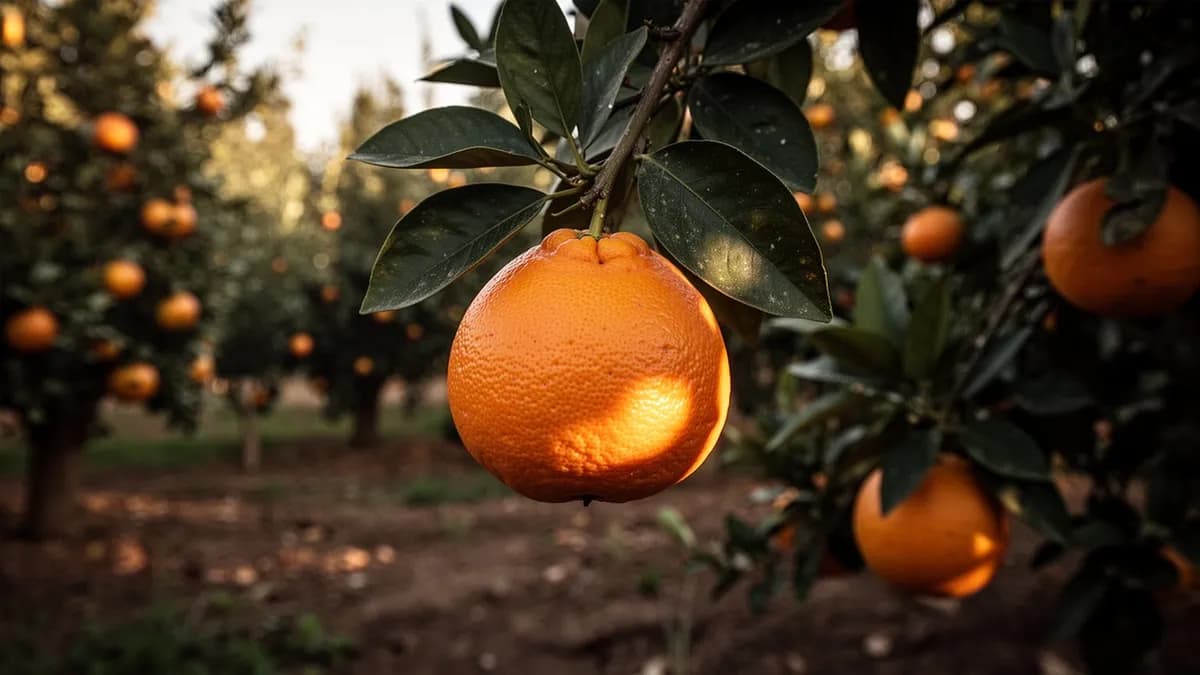
Valencia Orange
Citrus sinensis 'Valencia'
At a Glance
It's planting season for Valencia Orange! Start planning your garden now.
The premier juicing orange, producing sweet, thin-skinned fruits that ripen in spring and summer, complementing winter navel oranges. Valencia oranges have few seeds and high juice content that does not turn bitter, making them ideal for freshly squeezed juice. The fruits can stay on the tree for months without losing quality.
Planting & Harvest Calendar
Growth Stages
From Seed to Harvest
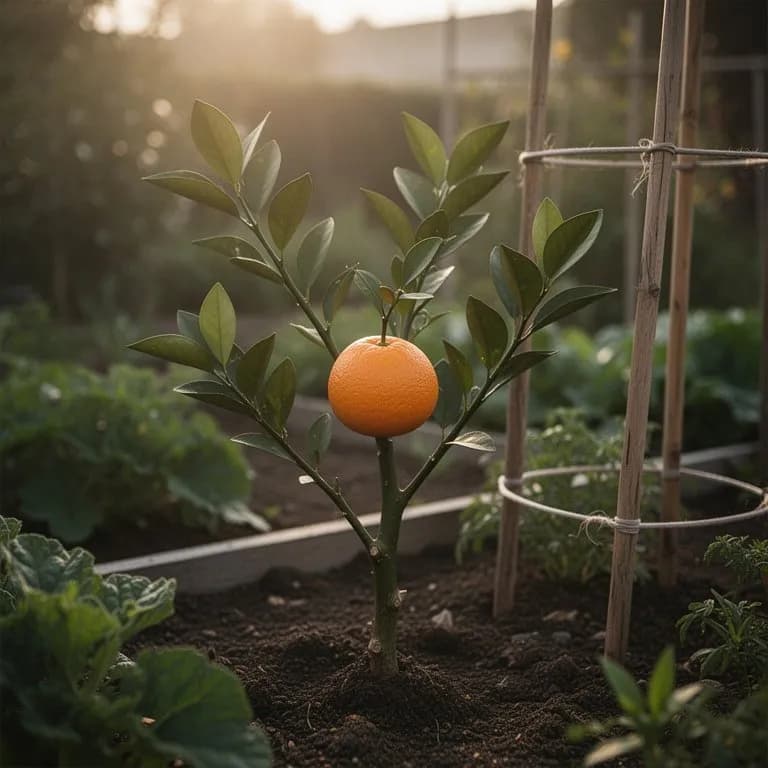
Establishment and Root Development
Days 0–90
Following planting, the Valencia orange focuses its energy on establishing a functional root system rather than producing new top growth. Roots extend into surrounding soil, developing the fine feeder roots that will absorb water and nutrients for decades. Above-ground growth may appear slow or stagnant during this phase, which is entirely normal. Choosing a well-drained planting site and providing consistent moisture without waterlogging is critical during establishment to prevent root rot and fungal infections at the graft union.
💡 Care Tip
Water newly planted trees deeply two to three times per week for the first eight weeks, then transition to once-weekly deep watering. Apply a 7 cm ring of organic mulch from 15 cm outside the trunk to the drip line to retain moisture and moderate soil temperature. Avoid all fertilizer for the first six to eight weeks to prevent root burn on the tender new feeder roots.
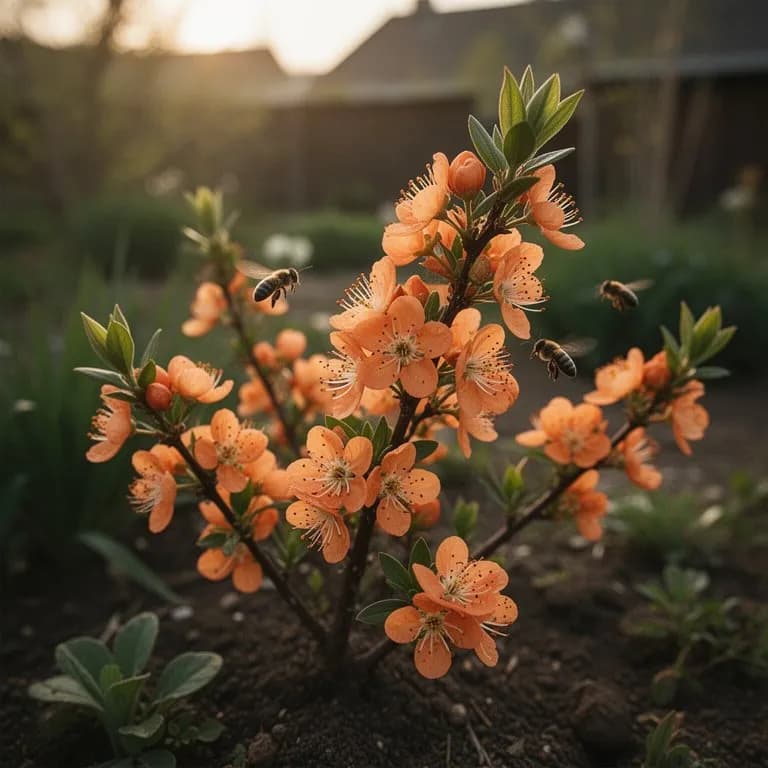
The intensely fragrant white blossoms of Valencia orange emerge in spring, attracting pollinators and perfuming the surrounding garden
Monthly Care Calendar
What to do each month for your Valencia Orange
May
You are hereIncrease irrigation frequency as spring temperatures rise and the new vegetative flush expands. Apply a nitrogen-dominant citrus fertilizer to support the vigorous spring growth flush. Monitor for developing fruitlets after petal fall and note fruit set levels. Scout for citrus leafminer damage on the soft new shoots and treat with spinosad spray if infestation is heavy on young trees.
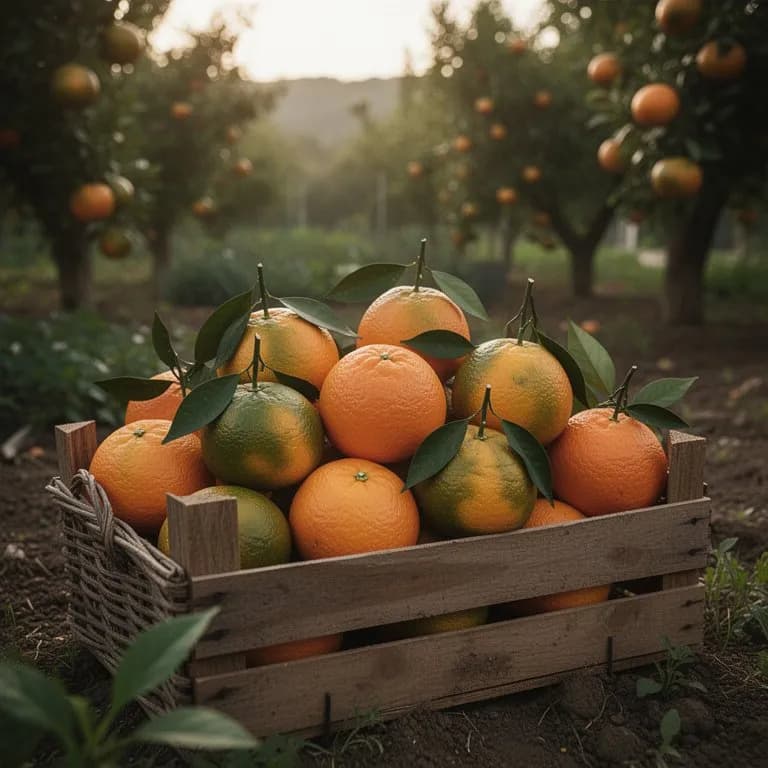
Valencia oranges gradually develop their signature deep orange color as sugars accumulate and the fruit approaches harvest readiness
Did You Know?
Fascinating facts about Valencia Orange
The Valencia orange is named after the city of Valencia in Spain, but its actual origin is disputed — it was most likely developed from Portuguese or Chinese stock in the Azores and only acquired its Spanish name when an English nurseryman brought it to California via London in the 1870s.
Valencia oranges perform best in USDA zones 9 through 12 with full sun exposure and protection from cold winds. Plant in well-drained soil with a pH of 6.0 to 7.0, spacing trees 12 feet apart for standard sizes or 8 feet for semi-dwarf varieties. Water deeply and regularly during the first two years, then maintain consistent moisture during flowering and fruit development.
Unlike most citrus that ripens in winter, Valencia oranges mature from March through July, providing fresh oranges during the off-season for other varieties. The fruit can remain on the tree for several months after ripening without deteriorating, a trait called extended harvest or tree storage. However, fruit left on the tree in warm weather may undergo regreening, where the rind turns from orange back to green. This cosmetic change does not affect internal quality.
Fertilize with a citrus-specific formula in late January, May, and September. Valencia trees tend to be vigorous growers and benefit from annual pruning to maintain manageable size and improve air circulation. Remove interior suckers and any branches below the graft union promptly. Water stress during summer can cause fruit splitting, so mulch heavily and irrigate consistently during hot, dry periods.
The Valencia orange (Citrus sinensis 'Valencia') belongs to the vast and complex family of sweet oranges whose ultimate ancestry traces to southern China and Southeast Asia, where early forms of Citrus sinensis were cultivated thousands of years before the common era. Ancient Chinese texts reference citrus cultivation as early as 2200 BCE, and wild relatives of the orange still grow in the forests of Yunnan province and the surrounding region. Arab traders and explorers spread sweet oranges westward along trade routes through Persia and the Middle East, reaching the Mediterranean basin by the 10th and 11th centuries. Portuguese navigators and explorers of the 15th and 16th centuries became pivotal figures in distributing orange varieties throughout their expanding empire, establishing citrus orchards in the Azores, Madeira, coastal Brazil, and their trading outposts along the African coast and in India. The specific variety now known as Valencia is believed to have been selected or developed in the Azores islands, possibly from stock of ultimately Chinese or Indian origin brought by Portuguese ships. The orange acquired its current name somewhat by accident. In the 1860s, an English nurseryman named Thomas Rivers imported cuttings from the Azores and sold the variety in England, where it became known as the Rivers Late orange. A subsequent importation to California in the 1870s by nurseryman A.B. Chapman led to the tree being renamed after Valencia, Spain — perhaps to signal its Mediterranean pedigree and appeal to American buyers. The real breakthrough for Valencia oranges came with the development of the fresh juice industry in California and Florida in the early 20th century. Unlike navel oranges, which contain limonin compounds that make juice bitter within hours of extraction, Valencia juice retains its flavor and sweetness, making it ideal for commercial processing. This property, combined with its late season extending well into spring when other orange varieties had been harvested, made Valencia the cornerstone of the global orange juice industry. By the mid-20th century, Valencia was grown commercially across six continents, from California and Florida to Brazil, South Africa, Australia, and Spain, a testament to its extraordinary adaptability and the universal appeal of its juice.
Valencia oranges grown from seed will not produce fruit identical to the parent tree and may take eight to fifteen years to bear. For dependable results, purchase grafted nursery trees that will fruit within three to five years. If growing from seed as an educational project or for rootstock, extract seeds from ripe fruit, rinse off the pulp, and plant immediately as citrus seeds lose viability quickly. Sow one inch deep in moist, sterile potting mix and maintain warmth of 70 to 85 degrees Fahrenheit. Expect germination in two to six weeks. Seedlings need strong light and should be fertilized lightly once established.
Valencia oranges adapt to various soil types but perform best in deep, well-drained sandy loam with a pH of 6.0 to 7.0. In heavy clay soils, plant on raised mounds to ensure adequate drainage. Apply a complete citrus fertilizer with micronutrients three times per year, increasing rates as trees mature. Young trees need about one pound of actual nitrogen per year, while mature trees require three to four pounds. Supplement with foliar sprays of zinc and manganese if deficiency symptoms appear. Organic growers can use composted manure, fish emulsion, and kelp meal as primary nutrient sources.
Check Your Zone
See if Valencia Orange is suitable for your location.
2°C – 38°C
36°F – 100°F
Valencia orange is one of the more cold-tolerant sweet orange varieties but still requires a frost-free or nearly frost-free climate for reliable long-term cultivation. Young trees suffer leaf and twig damage below -1°C and can be killed to the graft union at -3°C. Established mature trees can tolerate brief dips to -4°C or even -5°C with minimal lasting damage. Optimal growth and fruit quality occur when daytime temperatures range from 25-35°C during summer fruit sizing, with cool nights in the range of 8-14°C during the winter ripening period — cool nights are essential for triggering the chlorophyll breakdown that produces the deep orange skin color. Unlike some citrus, Valencia does not require chill hours for flowering, making it well-suited to subtropical and warm Mediterranean climates where winters are mild but not tropical.
Common issues affecting Valencia Orange and how to prevent and treat them organically.
Regreening is the most common concern, where ripe fruit turns green again on the tree during warm spring weather. This is purely cosmetic and does not affect taste or juice quality. Alternate bearing causes heavy crops one year followed by light crops the next, and can be mitigated by thinning fruit in heavy years. Fruit splitting results from irregular watering patterns, especially heavy rain after drought. Navel end rot, a dry brown patch at the blossom end, occurs during hot dry winds and can be reduced by consistent irrigation.
Grow leguminous cover crops such as white clover or hairy vetch beneath Valencia orange trees to fix atmospheric nitrogen and improve soil fertility. Plant lemongrass and citronella grass nearby to help repel mosquitoes and some citrus pests. Marigolds planted around the drip line deter nematodes and attract hoverflies whose larvae consume aphids. Borage attracts pollinators with its blue flowers and self-seeds readily for ongoing benefit. Avoid planting corn or other heavy nitrogen feeders near citrus trees, as they compete for nutrients.
- 1Plant Valencia orange in the warmest, most frost-protected microclimate available in your garden — south or southwest-facing walls radiate stored heat that can protect the tree from temperatures several degrees colder than an open position, effectively expanding your growing zone by half a USDA zone.
- 2Valencia orange performs best in deep, well-draining sandy loam or loam soils with a pH between 6.0 and 7.0. Avoid planting in areas where water pools after rain, as Phytophthora root rot is the most common and devastating disease of citrus and is almost always caused by poorly drained soils.
- 3Always plant on a citrus rootstock appropriate to your soil conditions: trifoliate orange rootstock for heavy soils and cold climates, sweet orange or Carrizo citrange for deep sandy soils with good drainage, and Cleopatra mandarin for high-pH or slightly saline soils. Never plant own-rooted cuttings, as grafted trees are superior in almost every respect.
- 4Feed with a complete citrus-specific granular fertilizer three times per year: in late winter just before the spring flush, in early summer during fruit sizing, and in early autumn to support root development before winter. Citrus are heavy feeders with high nitrogen and micronutrient requirements; magnesium and zinc deficiencies are particularly common and show as yellowing between leaf veins.
- 5Deep, infrequent watering trains roots to grow downward rather than laterally near the surface, producing a more drought-tolerant tree. Apply water slowly at the drip line rather than against the trunk, allowing it to penetrate 50-60 cm into the soil. Use a soil probe or long screwdriver to check moisture depth before each irrigation.
- 6Citrus trees should be pruned lightly and strategically rather than heavily cut back. Remove dead, diseased, or crossing wood annually in late winter or after harvest. The objective is to maintain an open vase shape with 4-6 main scaffold branches, remove any shoots below the graft union immediately, and keep the tree at a height where all fruit can be reached by hand for harvest.
- 7Protect young trees from cold using 100-watt incandescent string lights draped through the canopy, which generate enough heat to protect against several degrees of frost. Wrap the lower trunk and graft union in burlap or hessian for additional protection. A well-watered tree tolerates cold far better than a dry one — water deeply the day before a forecast frost.
- 8The most important single pest to monitor for is the Asian citrus psyllid (Diaphorina citri), the insect vector of the devastating citrus greening disease (Huanglongbing). Inspect new growth flushes for tiny, waxy, pale-blue tubular excretions on young shoots — the distinctive excrement of psyllid nymphs. Report any suspected psyllid finds to your local agricultural authority immediately.
- 9Harvest Valencia oranges by cutting cleanly through the stem with sharp secateurs rather than pulling or twisting, as tearing the stem end creates an entry point for pathogens that cause post-harvest decay. For best juice quality, allow harvested oranges to rest at room temperature for 24-48 hours before juicing, as room-temperature fruit releases 20-30% more juice than cold fruit.
- 10Regreening of ripe Valencia oranges — where fully sweet, mature fruit turns from orange back to green during warm spring weather — is harmless and does not indicate loss of quality. The internal flesh and juice remain fully ripe and delicious. Taste rather than skin color is always the correct indicator of harvest readiness for Valencia oranges.
Valencia oranges ripen from March through July, significantly later than most citrus varieties. Test for ripeness by tasting rather than relying on rind color, as regreening can make ripe fruit appear unripe. Cut fruit from the tree with clippers rather than pulling, which can tear the rind and shorten storage life. Harvest progressively over several months as the fruit holds well on the tree. Morning harvesting produces the juiciest fruit. Valencia oranges have the highest juice content of any orange variety, yielding roughly one-third cup of juice per medium fruit.
Fresh Valencia oranges store at room temperature for one week or in the refrigerator for up to six weeks. Their high juice content makes them the premier juicing orange, and fresh juice can be frozen in ice cube trays for up to eight months. Make orange concentrate by reducing fresh juice over low heat. Valencia orange marmalade has a brighter, sweeter flavor than Seville orange marmalade. Dehydrate thin slices for snacking or as natural air fresheners. The zest freezes well and can be grated directly from frozen.
Plan your garden with ease
Love growing Valencia Orange? Use our free garden planner to design your beds, track planting dates, and get personalized care reminders.
Nutritional Info
Per 100g serving
47
Calories
Health Benefits
- Exceptional source of vitamin C at 59% of the daily value per 100g, providing more than half the adult daily requirement in a single medium orange — essential for immune function, collagen synthesis, and iron absorption
- Rich in flavanone glycosides including hesperidin and narirutin, plant compounds unique to citrus that have demonstrated anti-inflammatory, antioxidant, and cardiovascular-protective effects in clinical research
- Contains folate at approximately 30 mcg per 100g, an important B vitamin essential for DNA synthesis and particularly critical for fetal neural tube development during early pregnancy
- Provides a meaningful source of potassium at 181 mg per 100g, supporting heart health, blood pressure regulation, and proper muscle and nerve function
- Natural source of thiamine (vitamin B1) and pyridoxine (vitamin B6), both essential for energy metabolism and supporting a healthy nervous system
- Contains calcium and magnesium in modest but bioavailable amounts, contributing to bone health alongside the vitamin C that enhances calcium absorption from other dietary sources
💰 Why Grow Your Own?
A mature Valencia orange tree in a warm climate can produce 50-150 kg of fruit annually, equivalent to $100-$400 worth of fresh oranges at typical organic market prices of $2-$3 per kg. Premium fresh-squeezed Valencia orange juice retails for $8-$15 per liter, making home production even more economically significant — 150 kg of fruit yields approximately 60-75 liters of juice, representing $480-$1,125 in retail value. Once a Valencia tree reaches full production at 5-7 years of age, it can continue bearing abundantly for 50 or more years with relatively modest annual inputs of water and fertilizer, making it one of the most valuable long-term investments available to gardeners in suitable climates.
Quick Recipes
Simple recipes using fresh Valencia Orange
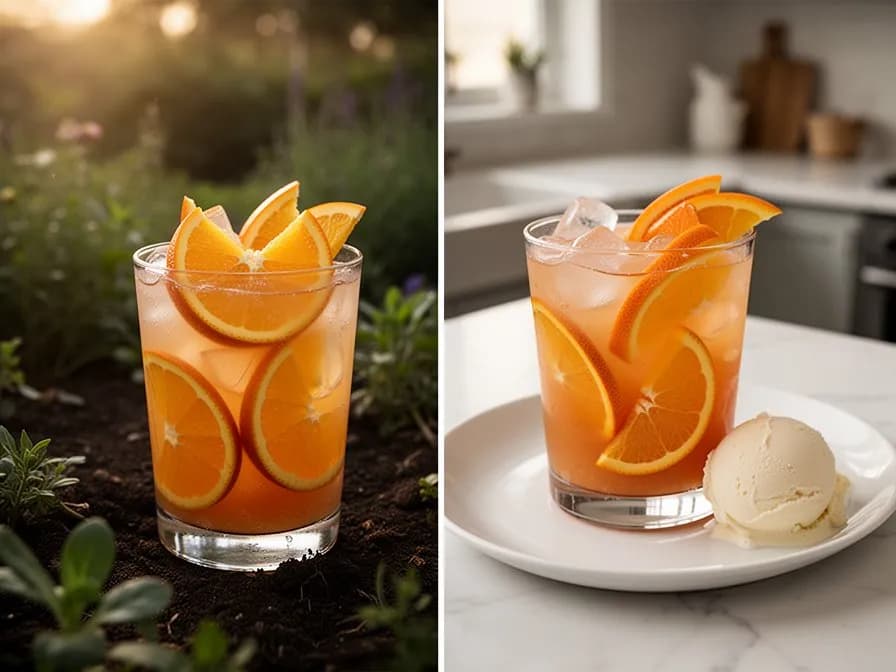
Classic Fresh-Squeezed Valencia Orange Juice
10 minutesThere is simply nothing comparable to a glass of juice pressed from Valencia oranges picked fresh from your own tree. The juice is sweeter, more aromatic, and infinitely more flavorful than anything available in a carton. Serve immediately after squeezing, as the flavor is at its peak within minutes of extraction and deteriorates within a few hours due to oxidation.
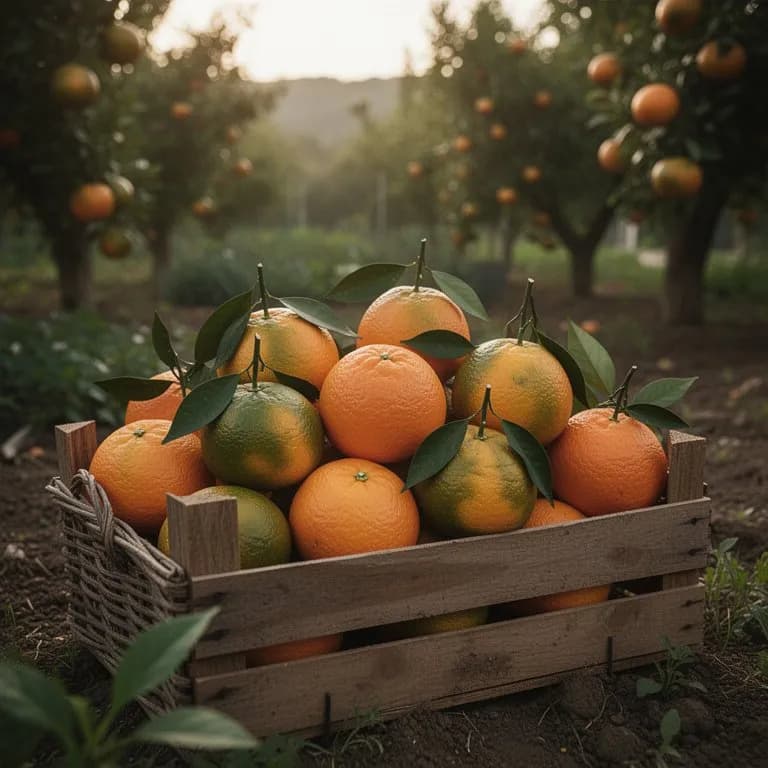
Valencia Orange Marmalade
30 minutes prep, 1 hour cookingValencia oranges make a supremely balanced marmalade — sweet enough to be pleasant, but with sufficient natural acidity and the aromatic oils of the rind to give the finished preserve a complex, rounded flavor. The naturally high pectin content of orange pith means this marmalade sets reliably without added pectin, producing a clear amber preserve with suspended rind.
Moroccan Orange and Olive Salad
15 minutesA vibrant North African salad that showcases the sweet, juicy flesh of Valencia oranges alongside briny olives, red onion, and warm spices in a combination that sounds unusual but delivers extraordinary results. This dish highlights how versatile Valencia oranges are beyond juice, pairing beautifully with savory ingredients. Serve alongside grilled lamb, chicken, or as a refreshing side to any rich main course.
Harvesting Valencia oranges at peak ripeness, when the fruit is heavy with juice and the rind has achieved its full deep orange color
Yield & Spacing Calculator
See how many Valencia Orange plants fit in your garden bed based on the recommended 360cm spacing.
0
Valencia Orange plants in a 4×4 ft bed
0 columns × 0 rows at 360cm spacing
Popular Varieties
Some of the most popular valencia orange varieties for home gardeners, each with unique characteristics.
Midknight Valencia
A seedless late-season variety with excellent juice quality. Ripens two to four weeks earlier than standard Valencia.
Delta Valencia
Developed for warmer climates with less regreening tendency. Produces medium-sized, juicy fruit with few seeds.
Campbell Valencia
An early-ripening selection with deeper orange internal color and excellent juice yield. Popular in California.
Rhode Red Valencia
A pigmented Valencia mutation with red-blushed flesh and rind, combining Valencia juice quality with visual appeal.
Valencia oranges are the gold standard for fresh-squeezed juice, producing sweet, non-bitter juice that holds its flavor. Use the juice in smoothies, cocktails like screwdrivers and mimosas, and homemade popsicles. Segments brighten fruit salads and pair well with avocado in savory dishes. The zest adds brightness to cakes, cookies, and glazes. Valencia juice reduces beautifully into sauces for duck, chicken, and pork.
When should I plant Valencia Orange?
Plant Valencia Orange in March, April, May. It takes approximately 365 days to reach maturity, with harvest typically in March, April, May, June, July.
What are good companion plants for Valencia Orange?
Valencia Orange grows well alongside Basil, Lavender, Marigold. Companion planting can improve growth, flavor, and natural pest control.
What hardiness zones can Valencia Orange grow in?
Valencia Orange thrives in USDA hardiness zones 9 through 12. With greenhouse protection, it may be grown in zones 7 through 13.
How much sun does Valencia Orange need?
Valencia Orange requires Full Sun (6-8h+). This means at least 6-8 hours of direct sunlight daily.
How far apart should I space Valencia Orange?
Space Valencia Orange plants 360cm (142 inches) apart for optimal growth and air circulation.
What pests and diseases affect Valencia Orange?
Common issues include Citrus Scale Insects, Citrus Greening (HLB), Citrus Rust Mite, Alternaria Brown Spot. Prevention through good garden practices like crop rotation, proper spacing, and companion planting is the best approach. See the detailed pests and diseases section above for symptoms, prevention, and treatment for each.
How do I store Valencia Orange after harvest?
Fresh Valencia oranges store at room temperature for one week or in the refrigerator for up to six weeks. Their high juice content makes them the premier juicing orange, and fresh juice can be frozen in ice cube trays for up to eight months. Make orange concentrate by reducing fresh juice over low h...
What are the best Valencia Orange varieties to grow?
Popular varieties include Midknight Valencia, Delta Valencia, Campbell Valencia, Rhode Red Valencia. Each has unique characteristics suited to different growing conditions and culinary preferences. See the varieties section above for detailed descriptions.
What soil does Valencia Orange need?
Valencia oranges adapt to various soil types but perform best in deep, well-drained sandy loam with a pH of 6.0 to 7.0. In heavy clay soils, plant on raised mounds to ensure adequate drainage. Apply a complete citrus fertilizer with micronutrients three times per year, increasing rates as trees matu...
How long does it take for a Valencia orange tree to bear fruit?
Most grafted Valencia orange trees purchased from a reputable nursery will produce a small trial crop in their third or fourth year after planting in the ground. However, fruit in these early years is often smaller and less flavorful than mature-tree production. Full productive capacity — with large, well-developed fruit in significant quantity — is typically reached between years 7 and 10. Container-grown trees often fruit slightly earlier as the restricted root zone encourages earlier reproductive growth. To enjoy fruit as quickly as possible, purchase the largest available nursery specimen rather than a small tube stock, and ensure you are providing optimal nutrition from the beginning.
Why are my Valencia oranges staying green instead of turning orange?
Valencia orange rind color develops in response to cool temperatures. The breakdown of green chlorophyll in the rind is triggered by temperatures below approximately 13°C, which is why oranges grown in tropical climates with consistently warm temperatures often remain green even when perfectly ripe internally. If your climate is warm year-round, this is the likely explanation. Taste the fruit rather than relying on color — if the juice is sweet and refreshing, the fruit is ready to harvest regardless of rind color. Additionally, fruit on the shaded interior of the canopy always colors up later than fruit on the sunny exterior. If some fruit remains stubbornly green while exterior fruit is orange, simply wait a few more weeks or harvest and taste to confirm ripeness.
Can I grow a Valencia orange tree in a pot?
Yes, Valencia orange can be grown successfully in a container of at least 50-75 liters (15-20 gallons), ideally in a terracotta or glazed ceramic pot with excellent drainage holes. Use a premium potting mix blended with 20-30% coarse sand or perlite to ensure rapid drainage. Container trees require more frequent watering than ground-planted trees — daily during summer heat — and more frequent feeding, ideally with a liquid citrus fertilizer every two to three weeks during the growing season rather than granular slow-release formulations. The great advantage of container cultivation is the ability to move the tree into a heated greenhouse or conservatory during winter in climates too cold for outdoor cultivation. Expect somewhat reduced yields from container trees, but the quality of fruit is equivalent.
What is the difference between Valencia orange and navel orange for home growing?
The two varieties differ in several important ways for the home gardener. Navel oranges ripen in late autumn to early winter and are generally considered superior for fresh eating, with slightly thicker, easier-to-peel skin and seedless fruit. Valencia oranges ripen from spring through early summer and are the definitive juicing variety due to their thinner rind, higher juice content, and the absence of the limonin compounds that make navel orange juice bitter after extraction. For home gardens in climates with warm winters, Valencia provides fruit when navel trees are bare, effectively extending the fresh citrus season. Many home growers plant one of each to enjoy fresh-eating navels from December onwards and juicing Valencias from March through May.
What are the signs of citrus greening disease and what should I do if I suspect it?
Citrus greening (Huanglongbing) is a devastating bacterial disease spread by the Asian citrus psyllid insect. Early symptoms include a distinctive asymmetrical yellowing of leaves called blotchy mottle — unlike nutrient deficiencies which show symmetrical yellowing, greening produces irregular yellow patches that do not match on both sides of the leaf midrib. Affected trees also produce small, lopsided, bitter fruit with poorly developed, aborted seeds and a green rather than orange tip even when ripe. There is currently no cure for citrus greening; affected trees decline irreversibly and must ultimately be removed to prevent spread. If you suspect greening, contact your local agricultural extension office or plant health authority immediately, as many regions have mandatory reporting and assistance programs. The best current protection is rigorous psyllid control through monitoring and treatment before the disease is introduced.
How do I fix yellowing leaves on my Valencia orange tree?
Yellowing leaves on citrus are among the most common concerns for home growers and have several distinct causes that require different responses. Uniform yellowing of older leaves throughout the canopy typically indicates nitrogen deficiency — apply a nitrogen-rich citrus fertilizer. Yellow leaves with green veins (interveinal chlorosis) on young new growth points to iron deficiency in alkaline or waterlogged soils — treat with chelated iron and address any drainage problems. Interveinal chlorosis on older mid-canopy leaves indicates magnesium deficiency — apply magnesium sulfate (Epsom salts) as a foliar spray or soil drench. Pale overall color with small leaves often indicates zinc deficiency — apply zinc sulfate foliar spray. Yellowing accompanied by waterlogged soil almost always indicates Phytophthora root rot — improve drainage immediately and treat with phosphonate fungicide. Always check the pattern and location of yellowing across the tree before treating, as applying the wrong remedy can worsen rather than help the situation.
Ready to Grow Valencia Orange?
Add Valencia Orange to your garden plan and start designing your perfect layout.

Vladimir Kusnezow
Gardener and Software Developer
Zone 6b gardener. Growing vegetables and fruits in soil and hydroponics for 6 years. I built PlotMyGarden to plan my own gardens.
Jump to Section