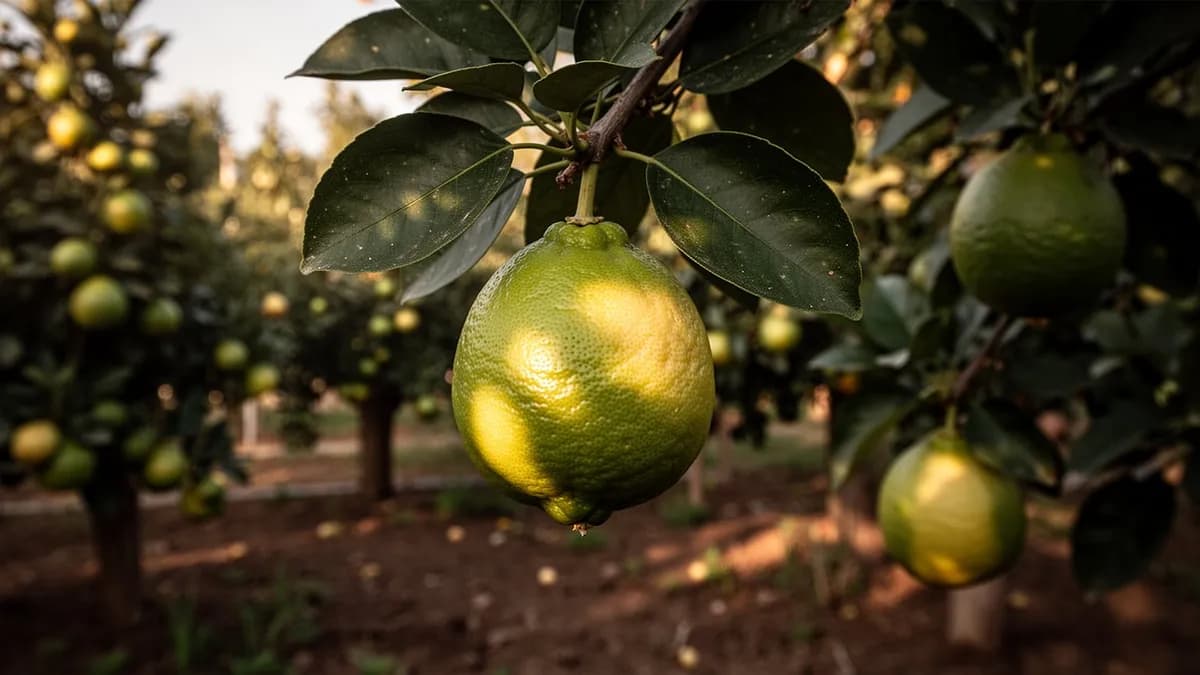
Lime
Citrus aurantiifolia
At a Glance
It's planting season for Lime! Start planning your garden now.
A tropical citrus tree producing small, aromatic green fruits essential in Southeast Asian and Latin American cuisines. Limes are the most cold-sensitive of the common citrus and need protection below 50 degrees Fahrenheit. Harvest when fruits are fully sized and bright green for maximum acidity and aromatic punch.
Planting & Harvest Calendar
Growth Stages
From Seed to Harvest
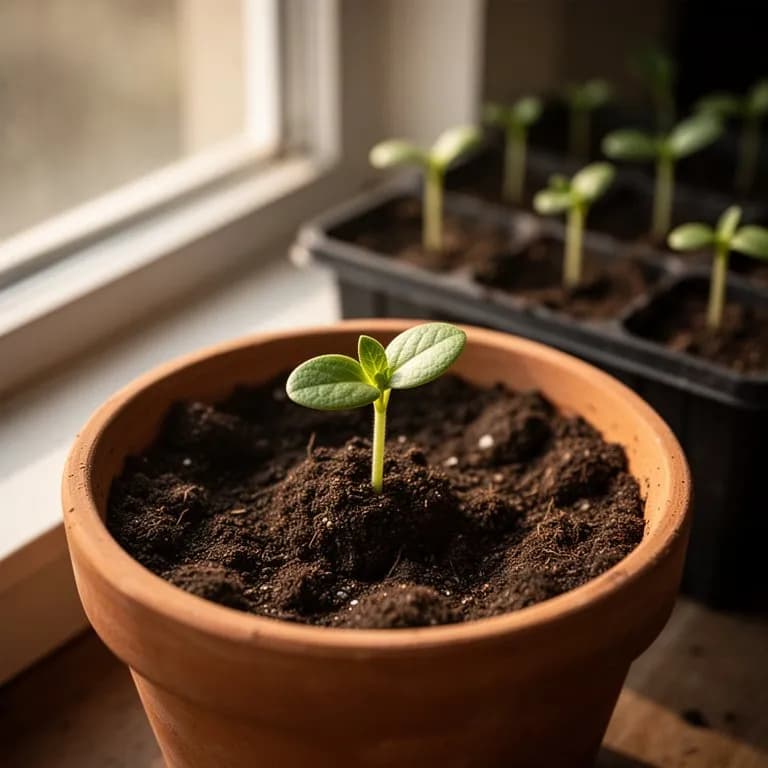
Seed Germination or Grafting
Days 0–21
Lime seeds germinate in 1-3 weeks when kept warm and moist, but seed-grown trees often take 5-8 years to bear fruit and may not produce true to type. Most productive lime trees are grown from grafted nursery stock, which dramatically shortens the time to first harvest and ensures variety reliability. Grafted trees arrive ready to begin active establishment.
💡 Care Tip
Purchase a grafted lime tree from a reputable nursery for the fastest path to fruit. If starting from seed, soak seeds overnight and plant 1 cm deep in moist seed-starting mix at 24-28°C. Keep consistently warm and moist until germination occurs.
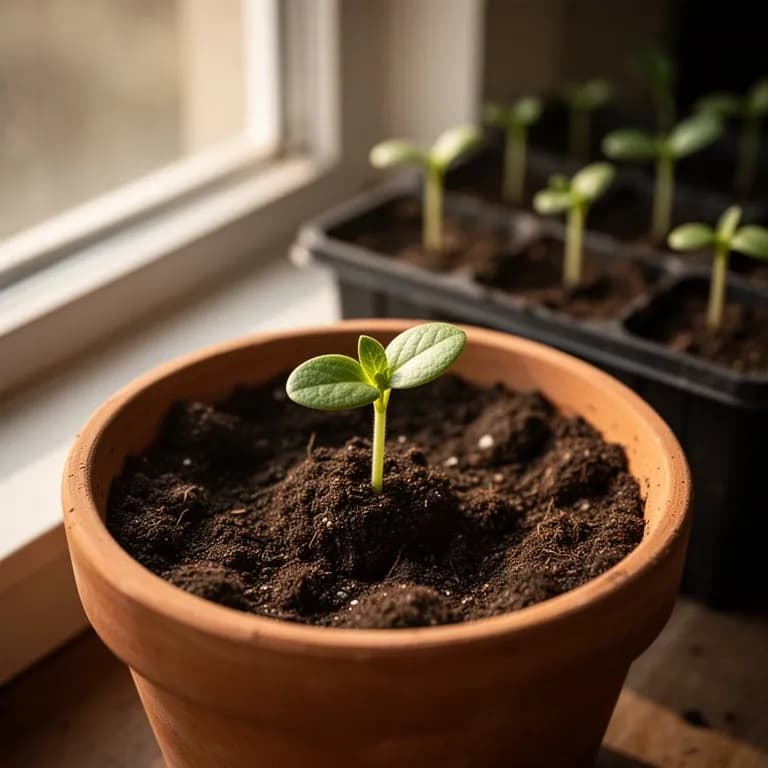
A grafted lime seedling developing its first mature leaves, ready to establish in a sunny container or garden bed
Monthly Care Calendar
What to do each month for your Lime
May
You are hereMove container lime trees outdoors to their summer position once nighttime temperatures are consistently above 10°C. Apply a thick layer of organic mulch around the base of in-ground trees to conserve moisture and regulate soil temperature. Resume feeding every 4-6 weeks.
Did You Know?
Fascinating facts about Lime
The Key lime (Citrus aurantiifolia) is not actually native to the Florida Keys where it became famous — it originated in Southeast Asia and was brought to the Caribbean and Florida by Spanish explorers in the 16th century, where it naturalized so successfully that it became synonymous with the region.
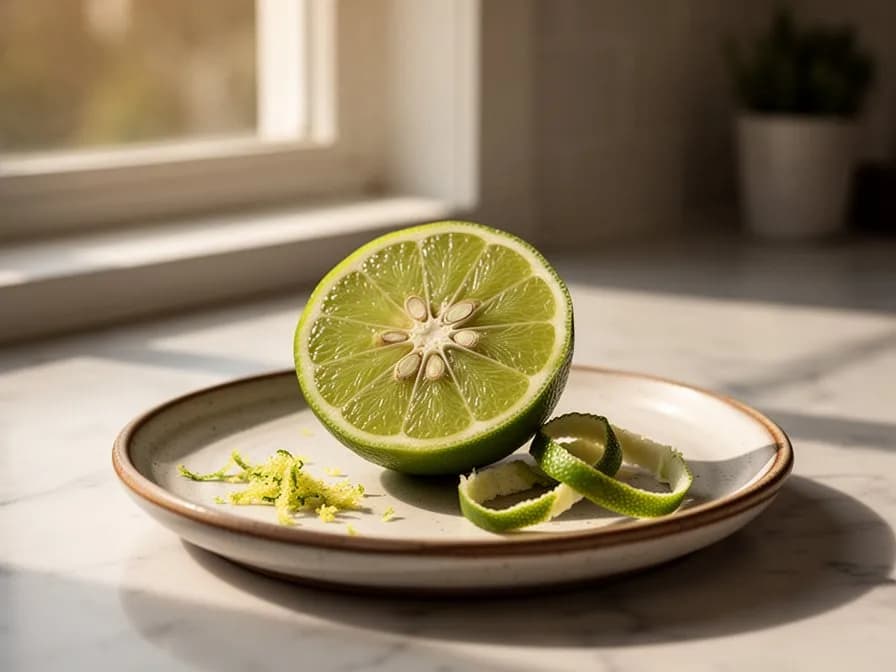
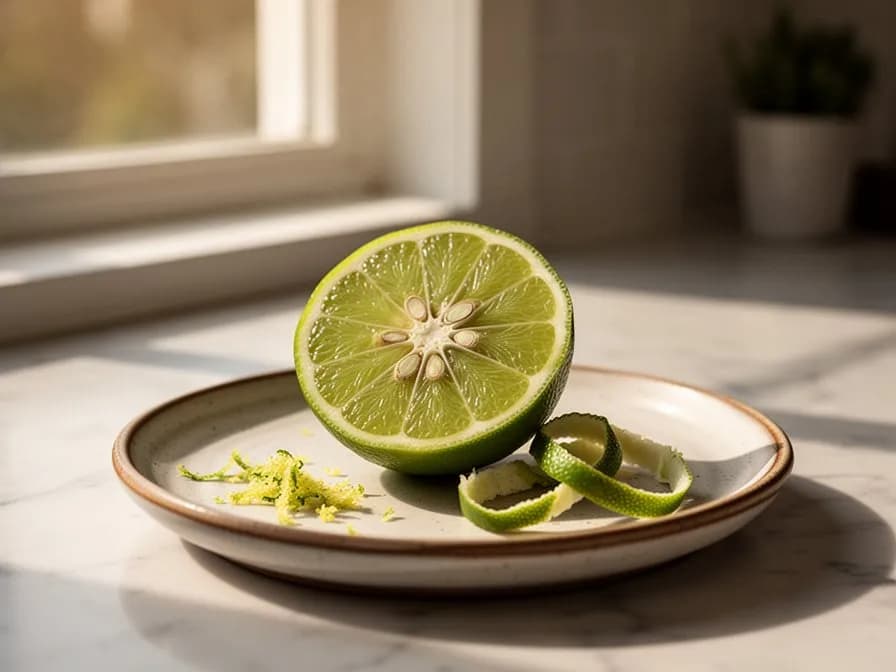
A freshly cut lime reveals its intensely aromatic, acidic juice — the defining flavour of countless cuisines around the world
Lime trees thrive in warm, humid climates and require full sun exposure of at least eight hours daily to produce abundant fruit. Select a planting site sheltered from cold winds, ideally on the south or southeast side of a building that radiates warmth. In-ground planting works best in zones 10 through 12, while container culture allows gardeners in cooler regions to move trees indoors when temperatures drop below 50 degrees Fahrenheit.
Prepare the planting hole twice the width of the root ball and at the same depth, ensuring the graft union stays above the soil line. Water deeply after planting and maintain consistent moisture throughout the growing season without allowing the roots to sit in standing water. Lime trees are heavy feeders and benefit from citrus-specific fertilizer applied three times per year in late winter, late spring, and early fall.
Prune lime trees lightly to maintain an open canopy that allows sunlight to reach interior branches. Remove any suckers that emerge below the graft union, as these grow from the rootstock and will not produce desirable fruit. Container-grown limes should be repotted every two to three years into slightly larger pots with fresh, well-draining potting mix amended with perlite.
The Key lime (Citrus aurantiifolia) is believed to have originated in the Indo-Malayan archipelago, in the region spanning eastern India, Malaysia, and Indonesia, where related wild citrus species still grow today. Genetic and historical evidence suggests that the Key lime arose through natural hybridization in tropical Southeast Asia thousands of years ago, long before written records document its cultivation. Arab traders carried the lime westward across the Indian Ocean, introducing it to the Middle East, East Africa, and North Africa during the medieval period, and from there it entered Mediterranean horticulture.
The Spanish and Portuguese were instrumental in spreading the lime to the New World during the Age of Exploration in the 15th and 16th centuries. Christopher Columbus brought citrus seeds including limes on his second voyage to the Americas in 1493, and Spanish missionaries planted lime trees throughout the Caribbean, Mexico, Central America, and eventually Florida. In the Florida Keys, the imported lime naturalized so completely in the tropical limestone environment that it became the iconic local fruit — Key lime pie, first recorded in the late 19th century, cemented its place in American culinary culture.
The Persian lime (Citrus latifolia), which dominates global supermarket shelves today, is a 20th-century development — a seedless, triploid hybrid selected for its thick rind, long shelf life, and ease of shipping rather than for flavour. It became the commercial standard after the Key lime crop in Florida was devastated by a hurricane in 1926, creating demand for a more resilient cultivated alternative. Today Mexico is by far the world's largest lime producer, supplying a significant portion of global demand, followed by Brazil, India, Argentina, and China. Lime is now one of the most economically important citrus fruits worldwide, integral to the cuisines and drink cultures of Latin America, Southeast Asia, South Asia, Mexico, and the Caribbean.
Lime trees grown from seed rarely produce true-to-type fruit and take five to ten years to bear, so grafted nursery trees are strongly recommended. If starting from seed, extract seeds from ripe fruit and plant immediately, as citrus seeds lose viability quickly when dried. Sow seeds half an inch deep in moist, sterile seed-starting mix and maintain temperatures between 70 and 80 degrees Fahrenheit. Germination takes two to four weeks. Seedlings grow slowly and should be kept in bright indirect light until large enough to transplant.
Limes prefer slightly acidic soil with a pH between 6.0 and 7.0 and excellent drainage. Sandy loam enriched with organic matter is ideal. Apply a citrus-specific fertilizer containing nitrogen, phosphorus, potassium, and essential micronutrients including iron, zinc, and manganese three times per year. Supplement with chelated iron if leaves show interveinal yellowing. Mulch around the base with organic material, keeping it several inches away from the trunk to prevent rot.
Check Your Zone
See if Lime is suitable for your location.
13°C – 35°C
55°F – 95°F
Lime trees are among the most cold-sensitive of all citrus, preferring consistently warm tropical and subtropical conditions between 13-35°C (55-95°F). Optimal growth and fruiting occur between 25-32°C (77-90°F). Temperatures below 4°C (39°F) cause significant leaf and fruit damage, and frost is nearly always fatal to Key lime trees. Persian lime is marginally more cold-tolerant but still suffers below 2°C (36°F). In climates that regularly experience frost, growing lime trees in containers that can be moved indoors is essential.
Common issues affecting Lime and how to prevent and treat them organically.
Leaf drop is the most common lime tree complaint and usually results from cold stress, overwatering, or sudden environmental changes when moving container trees indoors. Yellow leaves with green veins indicate iron or zinc deficiency, common in alkaline soils. Blossom drop without fruit set often signals insufficient watering during flowering or temperatures below 60 degrees Fahrenheit. Splitting fruit occurs from irregular watering patterns, especially heavy rain following a dry spell.
Plant basil, lavender, and marigolds near lime trees to attract pollinators and repel aphids and whiteflies. Nasturtiums serve as trap crops for aphids, drawing them away from citrus foliage. Leguminous ground covers such as clover fix nitrogen in the soil, benefiting the heavy-feeding lime tree. Avoid planting near walnut trees, which release juglone that inhibits citrus growth. Comfrey planted nearby accumulates potassium in its leaves, which can be used as mulch around the lime tree.
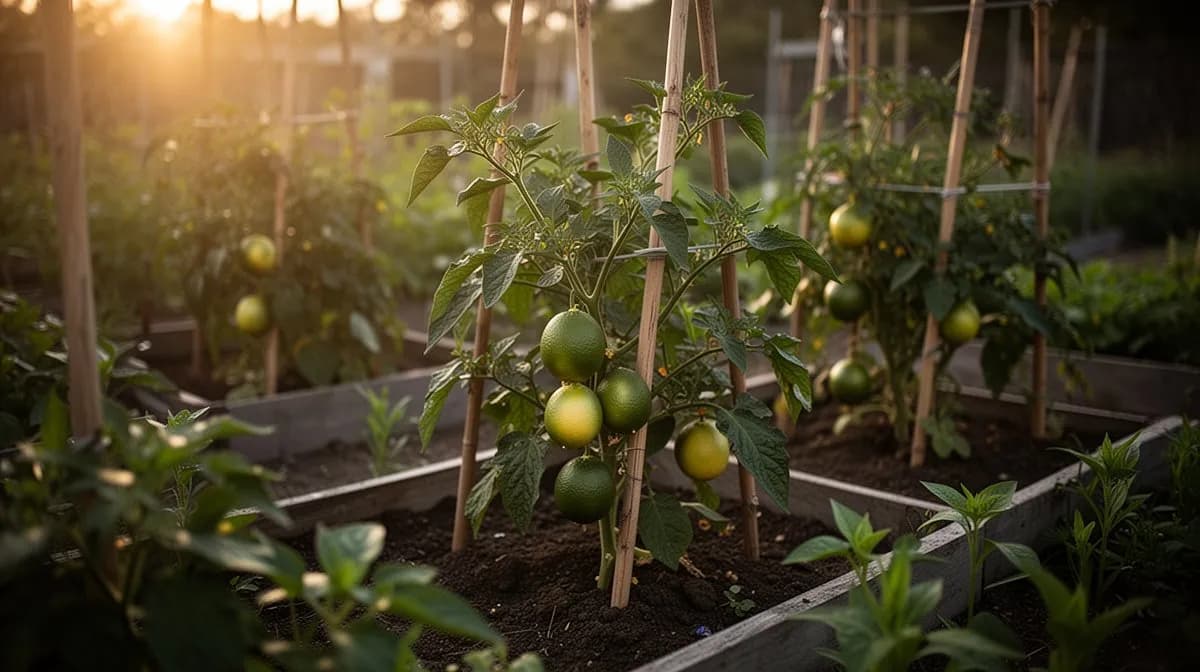
Container-grown lime trees thrive on sunny balconies and patios and can be brought indoors during cold winters
- 1Always buy a grafted lime tree from a nursery rather than growing from seed. Grafted trees fruit in 2-3 years, produce reliably to variety, and benefit from disease-resistant rootstock. Seed-grown lime trees can take 6-8 years to bear fruit and are highly variable in quality.
- 2Lime trees need more heat than any other common citrus. In marginal climates, plant against a south- or west-facing masonry wall that absorbs and radiates heat, or grow in a dark-coloured container that warms in the sun. Even a few extra degrees of warmth significantly improves fruiting.
- 3Use a citrus-specific fertilizer rather than a general-purpose product. Lime trees are heavy feeders that require not only nitrogen, phosphorus, and potassium but also micronutrients including iron, zinc, and manganese that are often absent from general fertilizers. Deficiencies cause yellowing leaves and poor fruit production.
- 4Water deeply but allow the top few centimetres of soil to dry between waterings. Lime trees planted in containers are especially prone to both overwatering (which causes root rot) and underwatering (which causes fruit and blossom drop). Check soil moisture by probing with your finger before watering.
- 5Protect lime trees from even light frost. Key lime is the most cold-sensitive common citrus and can be severely damaged at -1°C. In frost-prone areas, keep trees in containers that can be moved inside, install frost cloth, or use festoon lights around the canopy to provide gentle warmth on cold nights.
- 6Harvest limes while they are still green. Unlike lemons, limes are at their aromatic and culinary best before full ripeness. Once they begin to turn yellow on the tree they lose acidity and aroma, though yellow limes are sweeter and still edible. For maximum juice yield and flavour, harvest when the skin is deep green and the fruit is slightly soft.
- 7Hand-pollinate indoor or enclosed lime trees to improve fruit set. While lime trees are self-fertile, trees grown indoors or in greenhouses lack wind and insect pollination. Use a soft brush or cotton bud to gently transfer pollen from flower to flower, particularly during the main spring flowering flush.
- 8Treat for scale insects proactively. Scale is the most persistent and damaging pest on lime trees — it weakens the tree, causes sooty mold, and reduces fruit yield. Inspect branch undersides and leaf axils every few weeks. Apply horticultural oil in spring before new growth begins and again in early autumn to smother eggs and crawlers.
- 9Mulch heavily around the base of in-ground lime trees to retain soil moisture, suppress weeds, moderate soil temperature, and gradually feed the tree as organic matter decomposes. Keep mulch 15-20 cm away from the trunk to prevent collar rot.
- 10In hot, arid climates, provide afternoon shade during the hottest months. While lime trees need full sun, temperatures consistently above 38°C can cause fruit sunburn, leaf scorch, and reduced juice quality. A shade cloth at 30% can make a significant difference in tree health and fruit quality during heat waves.
Harvest limes when they reach full size and feel slightly soft when gently squeezed. For maximum acidity and aromatic punch, pick limes while they are still bright green. Fruits left on the tree will eventually turn yellow, becoming sweeter but losing their characteristic tart lime flavor. Use clippers to cut the fruit from the branch with a short stem attached to prevent tearing the rind. Limes do not continue to ripen significantly after picking, so harvest at the desired ripeness.
Store fresh limes at room temperature for up to one week or refrigerate for two to three weeks in the crisper drawer. For longer preservation, juice limes and freeze the juice in ice cube trays for up to six months. Lime zest can be dried or frozen separately for later use. Limes also preserve well as marmalade, lime curd, or pickled limes. Dehydrated lime slices make attractive garnishes and can be stored in airtight containers for several months.
Plan your garden with ease
Love growing Lime? Use our free garden planner to design your beds, track planting dates, and get personalized care reminders.
Nutritional Info
Per 100g serving
30
Calories
Health Benefits
- Rich in vitamin C, providing 48% of the daily recommended value per 100g — an essential antioxidant that supports immune function, collagen production, and enhanced absorption of dietary iron
- Contains citric acid at concentrations of 5-8%, among the highest of all citrus fruits, which aids mineral absorption, may help prevent kidney stones by raising urinary citrate levels, and contributes to the uniquely tart flavour profile
- Good source of dietary fiber at 2.8g per 100g, including soluble pectin fiber that supports healthy cholesterol levels, promotes satiety, and feeds beneficial gut bacteria
- Provides flavonoid antioxidants including quercetin, kaempferol, and hesperidin that have demonstrated anti-inflammatory and cardiovascular protective properties in research studies
- Low in calories at only 30 per 100g with virtually no fat, making fresh lime juice an excellent flavour enhancer that adds significant culinary impact with negligible caloric contribution
- Contains limonene and other terpene compounds concentrated in the peel that have shown promising anti-inflammatory, antimicrobial, and potential anticancer properties in laboratory and early clinical studies
💰 Why Grow Your Own?
A single dwarf lime tree costing $20-45 at a nursery can produce 50-150 limes per year once established, replacing $40-150 worth of store-bought organic limes annually (at $0.50-1.00 per lime). Key lime trees are especially cost-effective since Key limes command premium prices at specialty stores — often $4-8 for a small bag. The tree remains productive for 30-50 years with proper care, representing a potential lifetime saving of over $1,000. Home-grown limes also eliminate spending on bottled lime juice, lime zest products, and premium cocktail garnishes.
Quick Recipes
Simple recipes using fresh Lime
Classic Fresh Lime Margarita
5 minutesA timeless cocktail that showcases fresh lime juice at its vibrant best. The key is using freshly squeezed juice from garden limes — bottled juice simply cannot replicate the bright, floral, intensely aromatic character that makes a great margarita. This version is balanced, tart, and endlessly refreshing.
Simple Lime Ceviche
15 minutes (plus 20 minutes marinating)A vibrant Latin American classic where the acidity of fresh lime juice 'cooks' the fish without heat, producing silky, flavourful bites. The quality of the lime juice is paramount — only freshly squeezed juice will give the bright, aromatic result that makes ceviche extraordinary.
Authentic Key Lime Pie
20 minutes (plus 3 hours chilling)The definitive use of Key lime juice — a creamy, perfectly balanced custard filling in a cracker crumb crust. Key lime juice is essential here; its unique floral tartness and higher acidity produce a flavour and texture that Persian lime juice cannot fully replicate. A true Key lime pie should be pale yellow, not green.
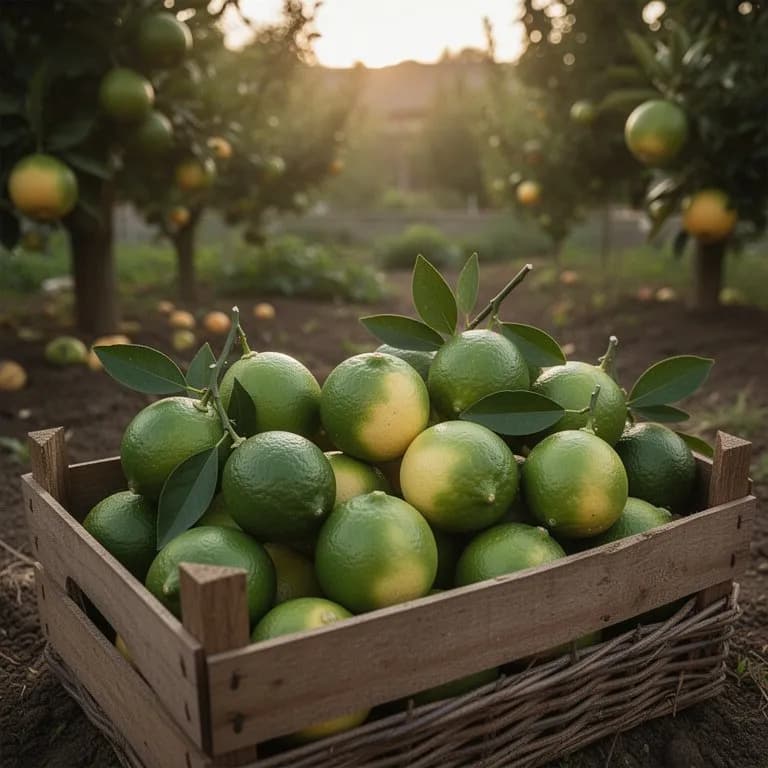
Limes are harvested before full ripeness when the skin is deep green and the fruit feels firm yet yields slightly to pressure
Yield & Spacing Calculator
See how many Lime plants fit in your garden bed based on the recommended 300cm spacing.
0
Lime plants in a 4×4 ft bed
0 columns × 0 rows at 300cm spacing
Popular Varieties
Some of the most popular lime varieties for home gardeners, each with unique characteristics.
Mexican Lime
The classic bartender's lime with small, intensely aromatic fruits and a thorny growth habit. Also known as the common lime.
Bearss Lime
A seedless Persian-type lime commonly grown in California, producing large, juicy fruits on nearly thornless trees.
Australian Finger Lime
A gourmet specialty producing elongated fruits filled with caviar-like vesicles that burst with citrus flavor.
Sweet Lime
A low-acid variety popular in India and the Middle East, with mild, sweet juice used in beverages and traditional medicine.
Limes are indispensable in Mexican, Thai, Vietnamese, and Indian cuisines. Use the juice in ceviche, marinades, cocktails like margaritas and mojitos, and dressings. The zest adds bright citrus notes to curries, rice dishes, and baked goods. Lime leaves from certain varieties flavor Southeast Asian soups and stir-fries. The fruit is rich in vitamin C and antioxidants.
When should I plant Lime?
Plant Lime in March, April, May. It takes approximately 365 days to reach maturity, with harvest typically in May, June, July, August, September, October, November.
What are good companion plants for Lime?
Lime grows well alongside Basil, Lavender, Marigold. Companion planting can improve growth, flavor, and natural pest control.
What hardiness zones can Lime grow in?
Lime thrives in USDA hardiness zones 10 through 12. With greenhouse protection, it may be grown in zones 8 through 13.
How much sun does Lime need?
Lime requires Full Sun (6-8h+). This means at least 6-8 hours of direct sunlight daily.
How far apart should I space Lime?
Space Lime plants 300cm (118 inches) apart for optimal growth and air circulation.
What pests and diseases affect Lime?
Common issues include Citrus Leafminer, Citrus Canker, Asian Citrus Psyllid. Prevention through good garden practices like crop rotation, proper spacing, and companion planting is the best approach. See the detailed pests and diseases section above for symptoms, prevention, and treatment for each.
How do I store Lime after harvest?
Store fresh limes at room temperature for up to one week or refrigerate for two to three weeks in the crisper drawer. For longer preservation, juice limes and freeze the juice in ice cube trays for up to six months. Lime zest can be dried or frozen separately for later use. Limes also preserve well ...
What are the best Lime varieties to grow?
Popular varieties include Mexican Lime, Bearss Lime, Australian Finger Lime, Sweet Lime. Each has unique characteristics suited to different growing conditions and culinary preferences. See the varieties section above for detailed descriptions.
What soil does Lime need?
Limes prefer slightly acidic soil with a pH between 6.0 and 7.0 and excellent drainage. Sandy loam enriched with organic matter is ideal. Apply a citrus-specific fertilizer containing nitrogen, phosphorus, potassium, and essential micronutrients including iron, zinc, and manganese three times per ye...
What is the difference between Key lime and Persian lime — which should I grow?
Key lime (Citrus aurantiifolia) is the original small, seedy, intensely aromatic lime with a thinner rind and more complex, floral tartness. It is the lime of Key lime pie and traditional Mexican and Caribbean cooking. Persian lime (Citrus latifolia) is the large, seedless, thick-skinned variety found in supermarkets, bred for shelf life and commercial convenience rather than flavour. For home gardeners, Key lime is often the better choice for flavour and productivity, but it is more cold-sensitive and thornier. Persian lime is easier to handle, more cold-tolerant, and each fruit yields more juice. If space is limited, consider a Persian lime for practicality; if flavour is the priority, grow Key lime.
Can I grow a lime tree indoors year-round?
Yes, dwarf Persian lime varieties and some Key lime cultivars can be grown indoors successfully in a large container with the right conditions. The absolute requirements are at least 6-8 hours of bright direct sunlight daily (a south-facing window or supplemental grow lights are essential), temperatures consistently above 13°C, good air circulation, and regular fertilizing with a citrus-specific product. Indoor lime trees will be less productive than outdoor ones, but a well-maintained dwarf tree can still yield useful quantities of fruit. Hand-pollination is important for indoor trees since they lack natural pollinators.
Why is my lime tree flowering but not setting fruit?
Poor fruit set in lime trees most commonly results from insufficient pollination, temperature stress during flowering, inconsistent watering, or over-fertilizing with nitrogen. For indoor trees, try hand-pollinating flowers with a soft brush. Outdoors, ensure bees and other pollinators have access to the tree — avoid pesticide applications during flowering. Blossom drop caused by sudden temperature swings or drought stress can be reduced by maintaining consistent soil moisture and protecting the tree from cold drafts and extreme heat. Excessive nitrogen fertilizer promotes leafy growth at the expense of flowering and fruiting — switch to a lower-nitrogen formula with higher phosphorus and potassium when you want to encourage fruit production.
When and how should I harvest limes?
Harvest limes when the skin is deep green, smooth, and the fruit yields very slightly to gentle thumb pressure. Unlike lemons, limes do not need to be fully ripe before harvesting — green limes are at their aromatic and acidic peak. If left on the tree until yellow, limes lose acidity and aroma but become sweeter. Cut the fruit from the tree with small pruning snips rather than pulling, which can tear the branch. Store harvested limes at room temperature for up to one week, or refrigerate in a mesh bag for up to three weeks. Rolling the lime firmly on a hard surface before cutting maximizes juice extraction.
Why does my lime tree have yellow leaves?
Yellow leaves on a lime tree indicate one of several common issues. Uniform pale yellowing across the whole canopy, especially in older leaves, suggests nitrogen deficiency — apply a citrus fertilizer. Yellowing between leaf veins while the veins remain green (interveinal chlorosis) indicates iron or manganese deficiency, common in alkaline or waterlogged soils — correct by acidifying the soil with sulfur and applying chelated iron as a foliar spray. Yellowing of a few lower leaves occasionally is normal. If many leaves yellow and drop simultaneously, check for overwatering, root rot, or cold damage. Always check soil pH (should be 5.5-6.5) and drainage before diagnosing.
How cold-hardy are lime trees, and how do I protect them from frost?
Lime trees are the most cold-sensitive of all commonly grown citrus. Key lime begins showing damage at about 0°C (32°F) and can be killed outright by even a brief hard freeze. Persian lime tolerates slightly cooler conditions but is still damaged below -1 to -2°C (28-30°F). For frost protection, cover trees with frost cloth or old blankets on nights when temperatures threaten to drop below 2°C, making sure to cover the whole canopy and seal around the base. String incandescent lights (not LED) under the cloth to add gentle heat. Container trees should be moved indoors when sustained cold is forecast. In climates with regular hard frosts, growing lime trees in containers that can overwinter inside is the only reliable long-term strategy.
Ready to Grow Lime?
Add Lime to your garden plan and start designing your perfect layout.

Vladimir Kusnezow
Gardener and Software Developer
Zone 6b gardener. Growing vegetables and fruits in soil and hydroponics for 6 years. I built PlotMyGarden to plan my own gardens.
Jump to Section