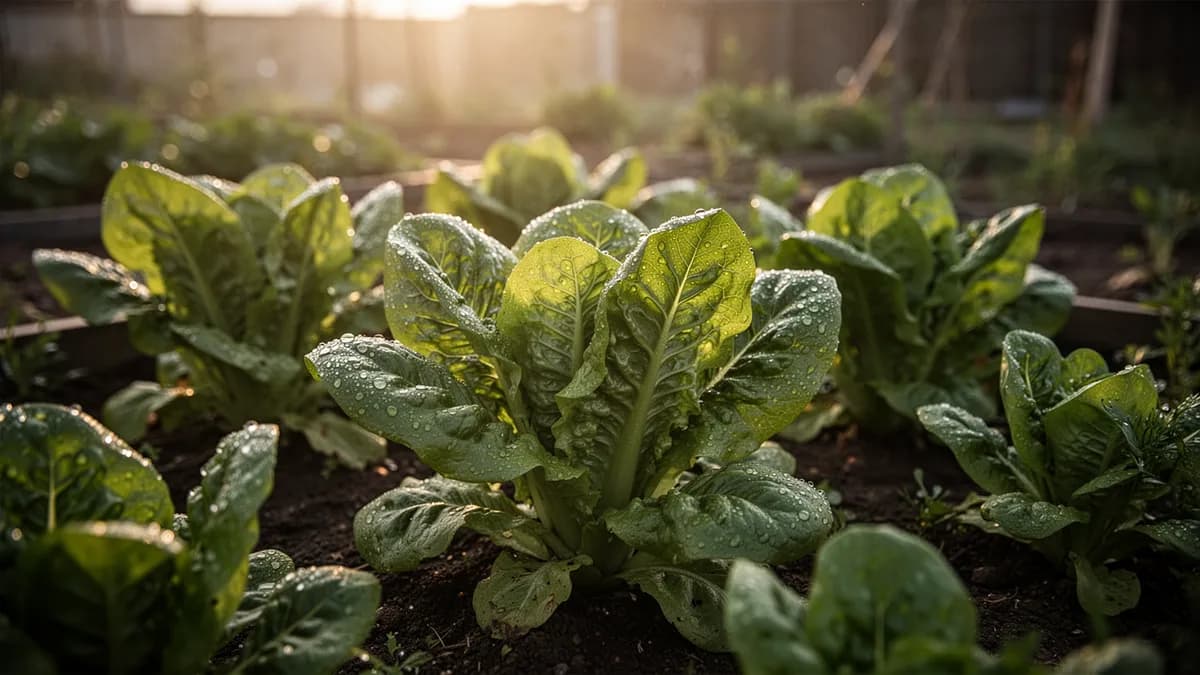
Romaine Lettuce
Lactuca sativa var. longifolia
At a Glance
It's planting season for Romaine Lettuce! Start planning your garden now.
A tall, upright lettuce with sturdy, crisp leaves and a mild, slightly sweet flavor that is the classic choice for Caesar salads. Romaine is more heat-tolerant than many lettuce types and forms a loose, elongated head over time. Harvest outer leaves for extended picking or cut the full head at the base when it feels firm. Provide consistent moisture and light shade in summer to delay bolting and maintain crisp texture.
Planting & Harvest Calendar
Growth Stages
From Seed to Harvest
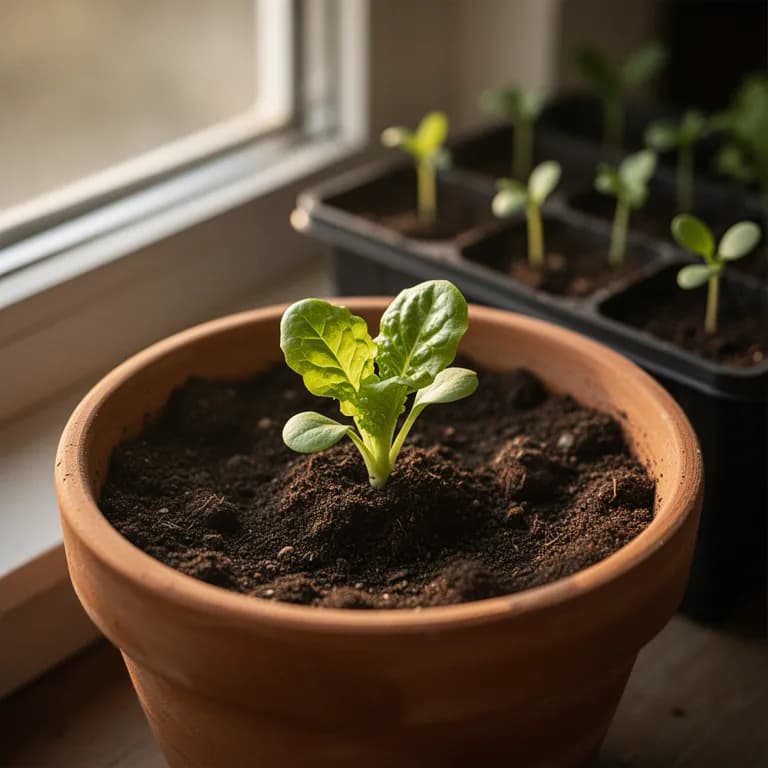
Seed Germination
Days 0–10
Tiny seeds germinate on the soil surface where light triggers sprouting. The first pair of small, rounded cotyledon leaves emerge within 4-10 days. Romaine seeds are very small — roughly 800 seeds per gram — and should not be buried.
💡 Care Tip
Keep soil consistently moist with a mist sprayer. Maintain temperatures between 13-21°C (55-70°F). If sowing in warm weather, refrigerate seeds for 24 hours before planting to break heat-induced dormancy.
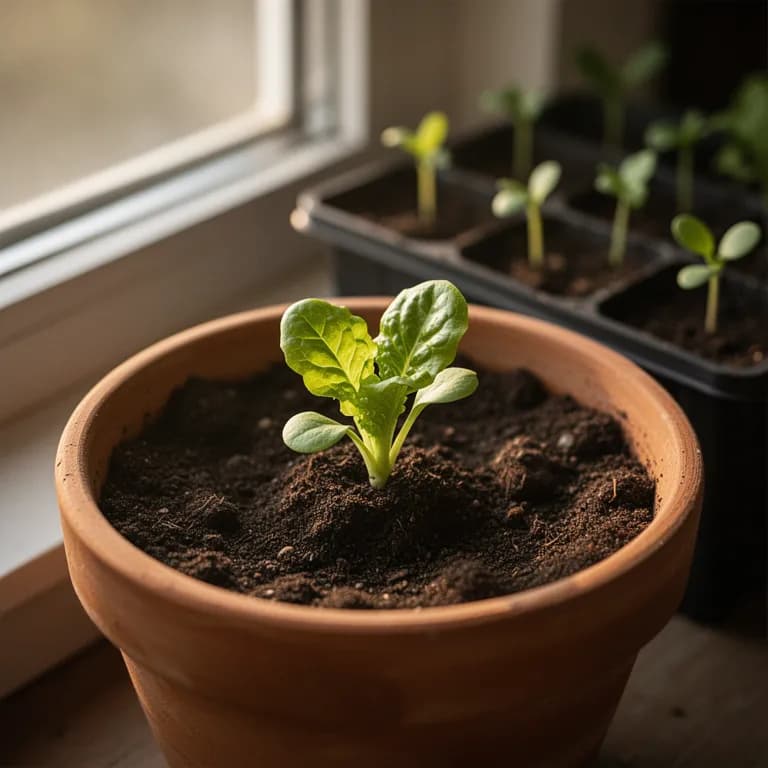
Young romaine seedlings ready for thinning or transplanting
Monthly Care Calendar
What to do each month for your Romaine Lettuce
May
You are hereHarvest outer leaves from early plantings for cut-and-come-again salads. Begin providing afternoon shade as temperatures rise. Watch for aphids and slugs. Side-dress with balanced fertilizer.
Did You Know?
Fascinating facts about Romaine Lettuce
Romaine lettuce gets its name from Rome — it was the lettuce of choice in ancient Roman cuisine, where it was believed to have sleep-inducing properties due to the milky sap (lactucarium) in its stems.
Start romaine lettuce seeds indoors 4-6 weeks before last frost, sowing on the soil surface or barely covered (seeds need light to germinate). Seeds germinate in 4-10 days at 55-70°F. Transplant hardened-off seedlings 10-12 inches apart in rows 12-18 inches apart. Direct sowing is also effective, scattering seeds thinly and thinning to proper spacing.
Romaine lettuce grows best in cool weather between 55-70°F but is more heat-tolerant than many lettuce types. Provide consistent moisture to maintain crisp leaf texture. In warm weather, provide afternoon shade with taller plants or shade cloth to delay bolting. Mulch around plants to keep roots cool and retain moisture. A light feeding with balanced fertilizer every 3-4 weeks supports steady growth.
Succession plant every 2-3 weeks from early spring through fall for continuous harvest. For the best quality heads, harvest in the morning when leaves are most turgid. Romaine can be grown as a cut-and-come-again crop by harvesting outer leaves, or left to form full heads over 55-70 days. In mild climates, romaine can be grown through the winter with minimal protection.
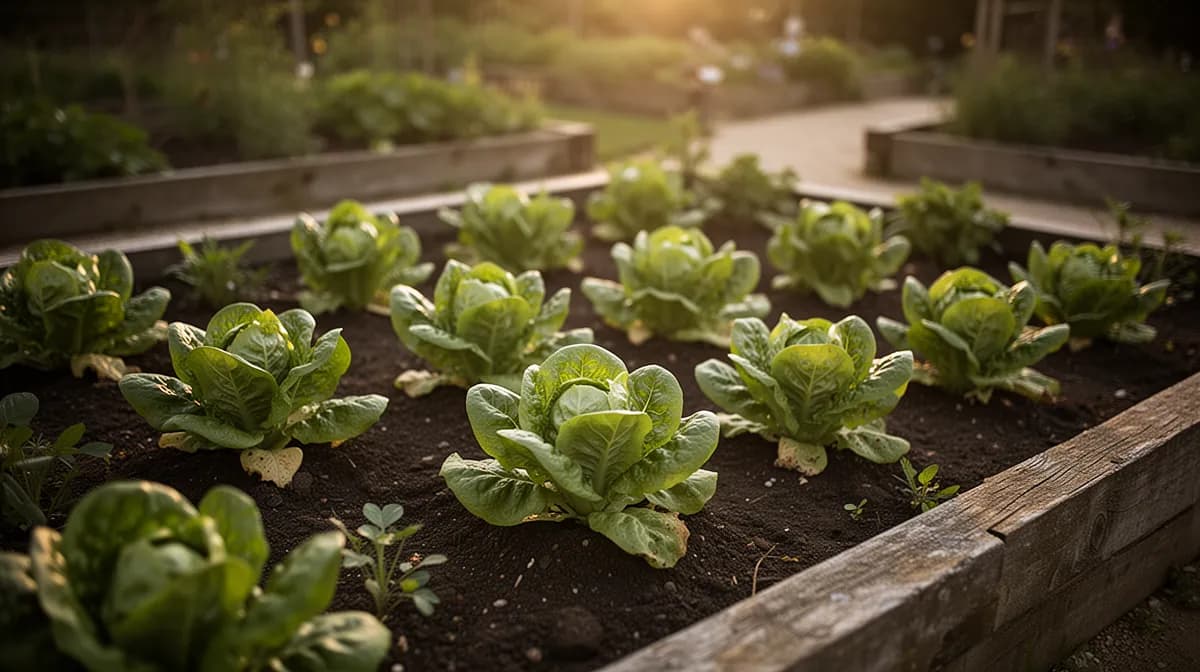
Succession-planted romaine in a well-mulched raised bed
Lettuce cultivation traces back over 4,500 years to ancient Egypt, where tall, romaine-like varieties were first grown not for food but for the oil extracted from their seeds. Wall paintings in Egyptian tombs depict lettuce remarkably similar to modern romaine, with its characteristic upright, elongated form. The plant was sacred to Min, the Egyptian god of fertility and harvest.
From Egypt, lettuce cultivation spread to ancient Greece and Rome, where it became a staple table vegetable. The Romans are credited with developing the cos-type lettuce (another name for romaine, from the Greek island of Cos where a popular variety grew). Roman emperors reportedly served it at banquets both as an appetizer to stimulate appetite and as a post-meal digestive aid. The Roman naturalist Pliny the Elder documented multiple lettuce varieties in his writings around 79 AD.
Romaine lettuce arrived in France via papal gardens in Avignon during the 14th century, where it became known as 'laitue romaine' — Roman lettuce — giving it the name used worldwide today. From France, it spread across Europe and eventually to the Americas with early colonists. In the 20th century, romaine's popularity surged with the rise of the Caesar salad, invented in Tijuana, Mexico in 1924 by Italian-American restaurateur Caesar Cardini. Today, romaine is the second most popular lettuce type in the United States and remains essential to Mediterranean, Middle Eastern, and Asian cuisines.
Sow seeds on the surface of moist seed-starting mix, pressing lightly but not covering (lettuce needs light to germinate). Seeds germinate in 4-10 days at 55-70°F. Temperatures above 80°F inhibit germination; refrigerate seeds for 24 hours before sowing in warm weather. Transplant when seedlings have 3-4 true leaves. For direct sowing, scatter seeds thinly and thin to 10-12 inches. Succession sow every 2-3 weeks for continuous harvest. Seeds remain viable for 3-5 years.
Romaine lettuce thrives in fertile, well-drained soil with a pH of 6.0-7.0. Amend with compost before planting for moisture retention and fertility. Apply a balanced fertilizer at planting and side-dress lightly every 3-4 weeks. Avoid excessive nitrogen, which produces lush but bitter-tasting growth susceptible to disease. Lettuce has shallow roots, so consistent surface moisture is more important than deep watering. Organic mulch helps maintain the cool, moist conditions lettuce prefers.
Check Your Zone
See if Romaine Lettuce is suitable for your location.
7°C – 24°C
45°F – 75°F
Romaine lettuce grows best in cool conditions between 15-20°C (60-68°F). It tolerates light frost down to -2°C (28°F) when established, making it suitable for early spring and late fall growing. Above 24°C (75°F), growth slows and bolting risk increases sharply. Germination is inhibited above 27°C (80°F) — refrigerate seeds before sowing in warm weather.
Common issues affecting Romaine Lettuce and how to prevent and treat them organically.
Bolting (premature flowering) is the main challenge, triggered by temperatures above 80°F, long days, or drought stress. Choose bolt-resistant varieties and provide afternoon shade in summer. Tip burn on inner leaves indicates calcium deficiency or erratic watering. Bitter flavor develops from heat stress or delayed harvest. Bottom rot occurs when leaves contact wet soil; use mulch as a barrier. Pale, leggy growth indicates insufficient light. Slugs are persistent pests in moist conditions.
Romaine lettuce grows well with carrots, radishes, chives, and strawberries. Taller crops like tomatoes and corn provide beneficial afternoon shade in summer. Quick-growing radishes can be interplanted as row markers and harvested before lettuce needs the space. Avoid planting near celery, which may inhibit lettuce growth. Herbs like dill and cilantro attract beneficial predatory insects. Lettuce makes an excellent understory crop beneath trellised beans or peas.
- 1Lettuce seeds need light to germinate — never bury them. Press seeds gently onto moist soil surface or cover with the thinnest dusting of vermiculite. Germination rates drop dramatically when seeds are planted even 5mm deep.
- 2Succession plant every 2-3 weeks from early spring through fall for a continuous romaine supply. A single planting produces one harvest; staggered sowing ensures you always have fresh lettuce coming in.
- 3Romaine is more heat-tolerant than other lettuce types, but still bolts in sustained heat above 27°C (80°F). Extend your harvest by choosing bolt-resistant varieties like Jericho or Parris Island Cos for summer growing.
- 4Provide afternoon shade in summer using shade cloth (40-50% shade rating), taller companion plants like tomatoes or corn, or by planting on the north side of trellised crops. Even 2-3 hours of shade delay bolting significantly.
- 5Water consistently at soil level — overhead watering promotes leaf diseases and soil splash that causes bottom rot. Drip irrigation or soaker hoses are ideal. Romaine needs about 2.5cm (1 inch) of water per week.
- 6Harvest outer leaves starting at 25-30 days for an extended cut-and-come-again harvest, or wait 55-70 days for full heads. Morning harvest produces the crispest, sweetest leaves because overnight sugars have not yet been consumed by daytime metabolism.
- 7Interplant romaine with quick-maturing radishes as row markers and space-fillers. The radishes mature and are harvested in 25-30 days, just as the romaine needs more room to spread.
- 8If your romaine tastes bitter, the most likely causes are heat stress, drought stress, or delayed harvest. Soak bitter leaves in ice water for 15-20 minutes to reduce bitterness before serving.
Harvest romaine lettuce as baby leaves starting at 25-30 days, or wait 55-70 days for full heads. For cut-and-come-again harvest, pick outer leaves when they reach 6-8 inches, leaving the inner growth to continue. For full heads, cut at the base when the head feels firm and upright. Harvest in the early morning for maximum crispness. If the center starts to elongate upward, the plant is beginning to bolt; harvest immediately as flavor turns bitter after bolting.
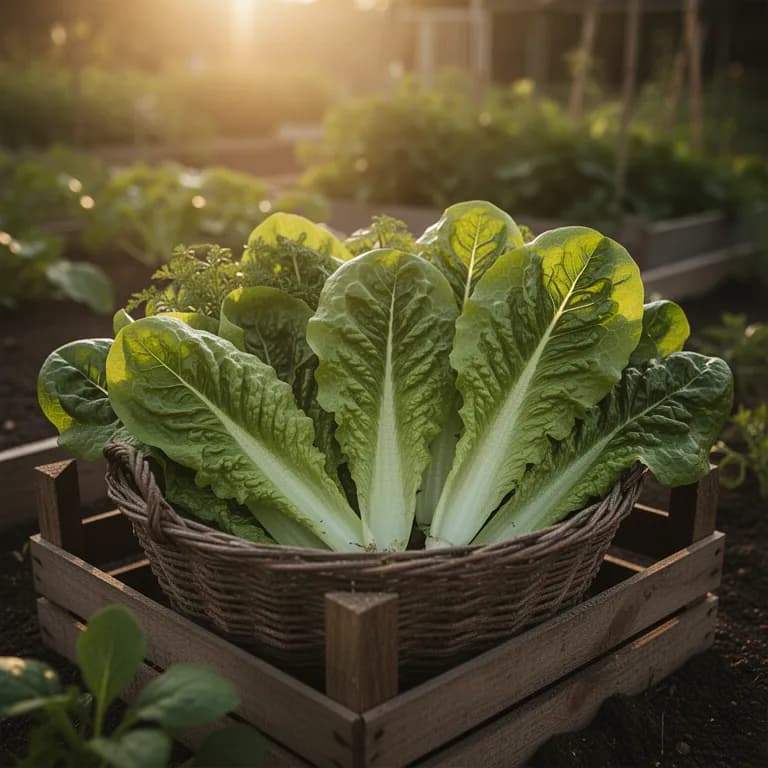
Harvest romaine when the head feels firm and upright
Store whole heads or loose leaves in a plastic bag in the refrigerator crisper for 7-10 days. Romaine stores longer than most lettuce types due to its sturdy leaves. Wrap heads in damp paper towels for extended freshness. Lettuce does not freeze or dry well. For maximum shelf life, do not wash until ready to use. Romaine hearts (with outer leaves removed) keep particularly well. Revive slightly wilted leaves by soaking in ice water for 15-30 minutes.
Plan your garden with ease
Love growing Romaine Lettuce? Use our free garden planner to design your beds, track planting dates, and get personalized care reminders.
Nutritional Info
Per 100g serving
17
Calories
Health Benefits
- One of the most nutrient-dense lettuces — romaine contains significantly more vitamins and minerals than iceberg lettuce
- Exceptionally rich in Vitamin A (as beta-carotene), providing 174% of daily value per 100g — important for eye health and immune function
- Excellent source of Vitamin K (102 mcg per 100g, 128% DV), essential for blood clotting and bone metabolism
- Good source of folate (136 mcg, 34% DV), a B-vitamin critical during pregnancy for neural tube development
- Contains lutein and zeaxanthin, carotenoid pigments that protect against age-related macular degeneration
- Very low calorie at only 17 calories per 100g, making it ideal for volume eating in weight management
💰 Why Grow Your Own?
A packet of romaine seeds costs $2-4 and contains 500-1,000 seeds — enough for several seasons. A single head of organic romaine costs $3-5 at the grocery store. Growing just 10 heads per season saves $25-45 in produce costs. Romaine is also one of the crops most frequently recalled for food safety issues (E. coli contamination), so homegrown lettuce offers both financial savings and peace of mind about food safety.
Quick Recipes
Simple recipes using fresh Romaine Lettuce
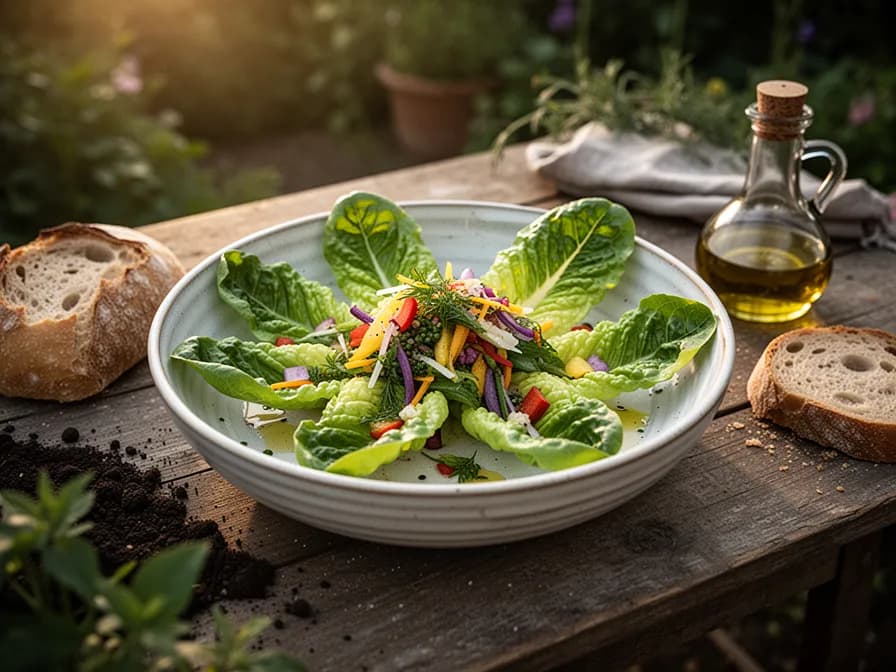
Classic Caesar Salad
15 minThe quintessential romaine recipe. Crisp romaine hearts tossed with a creamy garlic-anchovy dressing, shaved Parmesan, and crunchy croutons. A timeless salad that showcases romaine's sturdy, crunchy leaves perfectly.
Grilled Romaine Hearts
10 minA surprisingly delicious way to enjoy lettuce. Halved romaine hearts get a quick sear on a hot grill, developing smoky char while keeping their inner crunch. Drizzle with balsamic and shaved Parmesan for an elegant side.
Asian Lettuce Wraps
20 minSturdy romaine leaves make perfect edible cups for savory fillings. Spiced ground chicken or turkey with water chestnuts, ginger, and soy sauce, spooned into crisp romaine leaves for a light, flavorful meal.
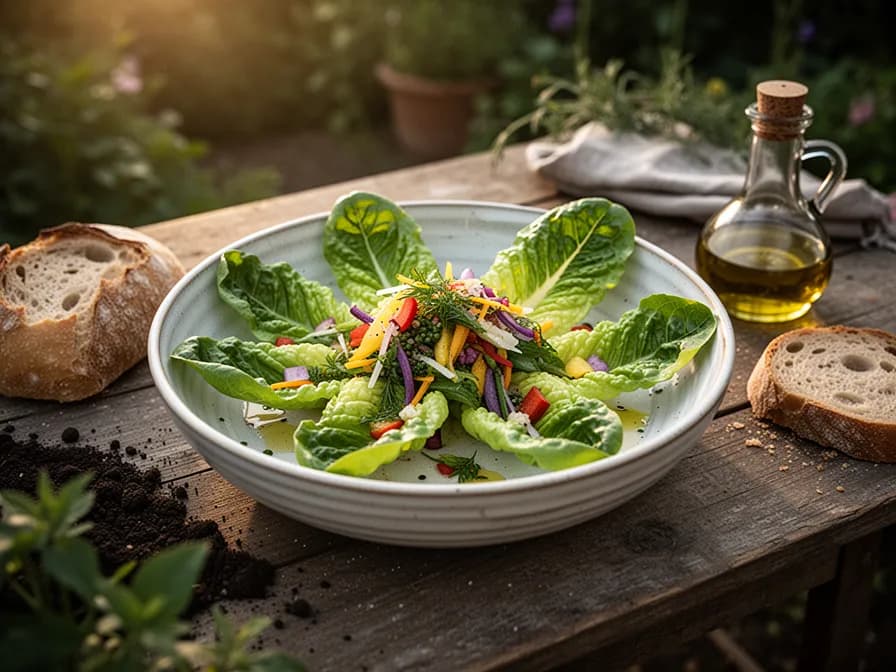
The classic Caesar salad — romaine's signature dish
Yield & Spacing Calculator
See how many Romaine Lettuce plants fit in your garden bed based on the recommended 30cm spacing.
16
Romaine Lettuce plants in a 4×4 ft bed
4 columns × 4 rows at 30cm spacing
Popular Varieties
Some of the most popular romaine lettuce varieties for home gardeners, each with unique characteristics.
Parris Island Cos
Classic heirloom romaine with tall, dark green heads and crisp white ribs. Excellent heat tolerance and disease resistance.
Little Gem
Compact mini romaine that matures quickly. Sweet, crunchy hearts perfect for individual salad servings.
Jericho
Exceptionally heat-tolerant Israeli variety. Maintains sweet flavor and resists bolting even in warm conditions.
Rouge d'Hiver
Beautiful red-bronze French heirloom romaine. Cold-hardy with excellent flavor for fall and winter growing.
Cimmaron
Striking deep red romaine with green interiors. Adds color to salads while maintaining classic romaine crunch.
Romaine is the essential lettuce for Caesar salad, providing the ideal crisp, sturdy base. Grill halved romaine hearts for a smoky charred salad. Use leaves as wraps for tacos, burgers, or lettuce cups. Chop for green salads, wedge salads, or add to sandwiches and wraps. The sturdy leaves hold up well to heavier dressings. Hearts can be braised in broth for a warm French-style side dish.
When should I plant Romaine Lettuce?
Plant Romaine Lettuce in March, April, May, August, September. It takes approximately 55 days to reach maturity, with harvest typically in May, June, July, October, November.
What are good companion plants for Romaine Lettuce?
Romaine Lettuce grows well alongside Carrot, Radish, Chives. Companion planting can improve growth, flavor, and natural pest control.
What hardiness zones can Romaine Lettuce grow in?
Romaine Lettuce thrives in USDA hardiness zones 2 through 11. With greenhouse protection, it may be grown in zones 1 through 12.
How much sun does Romaine Lettuce need?
Romaine Lettuce requires Partial Sun (3-6h). This means 3-6 hours of sunlight, ideally morning sun with afternoon shade.
How far apart should I space Romaine Lettuce?
Space Romaine Lettuce plants 30cm (12 inches) apart for optimal growth and air circulation.
What pests and diseases affect Romaine Lettuce?
Common issues include Aphids, Lettuce Mosaic Virus, Slugs and Snails, Bottom Rot. Prevention through good garden practices like crop rotation, proper spacing, and companion planting is the best approach. See the detailed pests and diseases section above for symptoms, prevention, and treatment for each.
How do I store Romaine Lettuce after harvest?
Store whole heads or loose leaves in a plastic bag in the refrigerator crisper for 7-10 days. Romaine stores longer than most lettuce types due to its sturdy leaves. Wrap heads in damp paper towels for extended freshness. Lettuce does not freeze or dry well. For maximum shelf life, do not wash until...
What are the best Romaine Lettuce varieties to grow?
Popular varieties include Parris Island Cos, Little Gem, Jericho, Rouge d'Hiver, Cimmaron. Each has unique characteristics suited to different growing conditions and culinary preferences. See the varieties section above for detailed descriptions.
What soil does Romaine Lettuce need?
Romaine lettuce thrives in fertile, well-drained soil with a pH of 6.0-7.0. Amend with compost before planting for moisture retention and fertility. Apply a balanced fertilizer at planting and side-dress lightly every 3-4 weeks. Avoid excessive nitrogen, which produces lush but bitter-tasting growth...
Why is my romaine lettuce bolting and how do I prevent it?
Bolting (sending up a flower stalk) is triggered by long days, high temperatures above 27°C (80°F), and drought stress. Once bolting starts, it cannot be reversed — harvest immediately as flavor turns bitter. To prevent it: choose bolt-resistant varieties like Jericho or Parris Island Cos, provide afternoon shade, water consistently, and time your planting so romaine matures during cool weather (spring or fall).
Can I regrow romaine lettuce from the base I bought at the store?
Yes, but with realistic expectations. Place the bottom 5cm of a romaine heart in shallow water on a sunny windowsill. New leaves will sprout from the center within 3-5 days. However, regrown leaves are typically smaller, thinner, and less flavorful than the original. For a real harvest, transplant the sprouted base into soil after 1-2 weeks. This method works best as a fun experiment rather than a serious growing strategy.
How do I keep romaine lettuce crisp after harvesting?
Harvest in early morning when leaves have maximum water content. Do not wash until ready to eat — moisture accelerates decay. Store whole heads wrapped in a slightly damp paper towel inside a loosely closed plastic bag in the refrigerator crisper drawer. Properly stored, romaine keeps 7-10 days — longer than most lettuce types due to its sturdy leaves. To revive slightly wilted romaine, soak in ice water for 15-30 minutes.
Is romaine safe to grow at home given the E. coli recalls?
Homegrown romaine is actually safer than commercially grown lettuce. The E. coli contamination events that triggered major recalls were linked to industrial farming conditions — proximity to cattle operations, contaminated irrigation water, and processing facility cross-contamination. Home gardeners control their own water source, soil amendments, and handling practices. Use clean water, wash hands before harvesting, and avoid using fresh manure as fertilizer.
Can I grow romaine lettuce indoors or in containers?
Absolutely. Romaine grows well in containers at least 15-20cm deep with good drainage. Use quality potting mix, not garden soil. Indoors, provide 12-14 hours of bright light from a south-facing window or grow lights. Keep temperatures between 15-21°C (60-70°F). Container romaine may produce slightly smaller heads but is perfect for cut-and-come-again leaf harvesting. Water when the top 2cm of soil feels dry.
Ready to Grow Romaine Lettuce?
Add Romaine Lettuce to your garden plan and start designing your perfect layout.

Vladimir Kusnezow
Gardener and Software Developer
Zone 6b gardener. Growing vegetables and fruits in soil and hydroponics for 6 years. I built PlotMyGarden to plan my own gardens.
Jump to Section