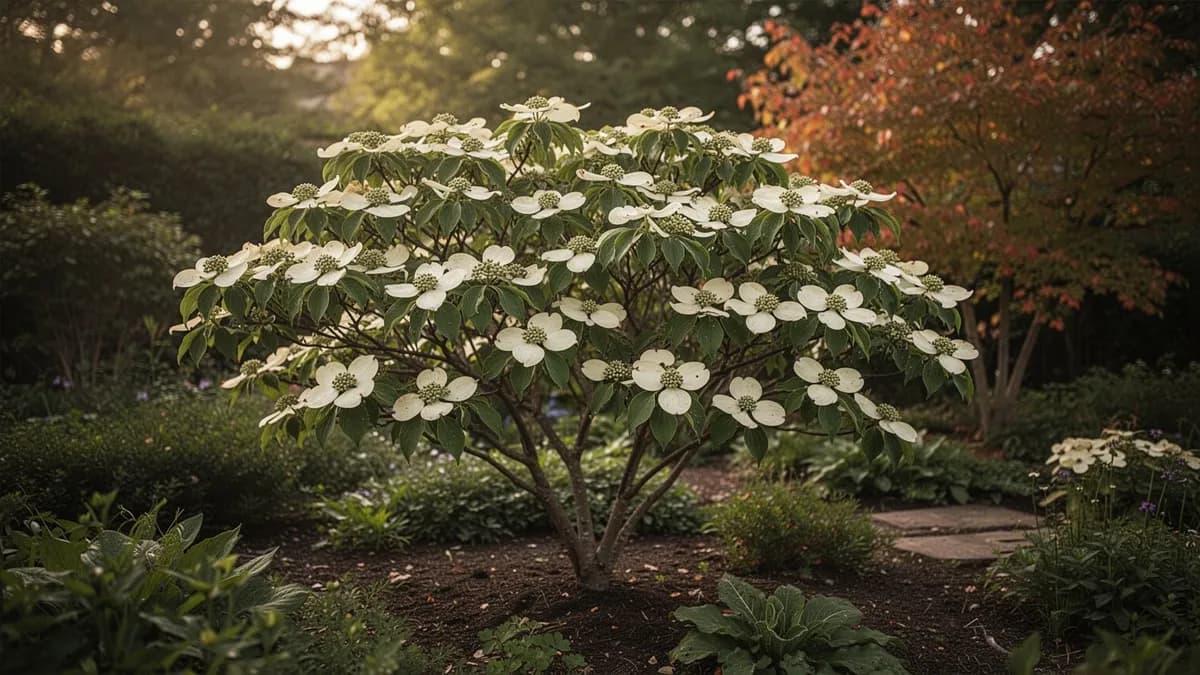
Kousa Dogwood
Cornus kousa
At a Glance
It's planting season for Kousa Dogwood! Start planning your garden now.
An Asian dogwood species that blooms later than the native flowering dogwood, avoiding late frost damage, with pointed white bracts that cover the tree in early summer. Kousa dogwoods produce raspberry-like red fruits in autumn that are edible and attractive, and the bark develops an exfoliating camouflage pattern with age. They are significantly more resistant to dogwood anthracnose than the native species, making them a safer choice in areas where the disease is prevalent. Plant in well-drained, acidic soil with some afternoon shade in hot climates.
Planting & Harvest Calendar
Growth Stages
From Seed to Harvest
Dormancy
Days 0–75
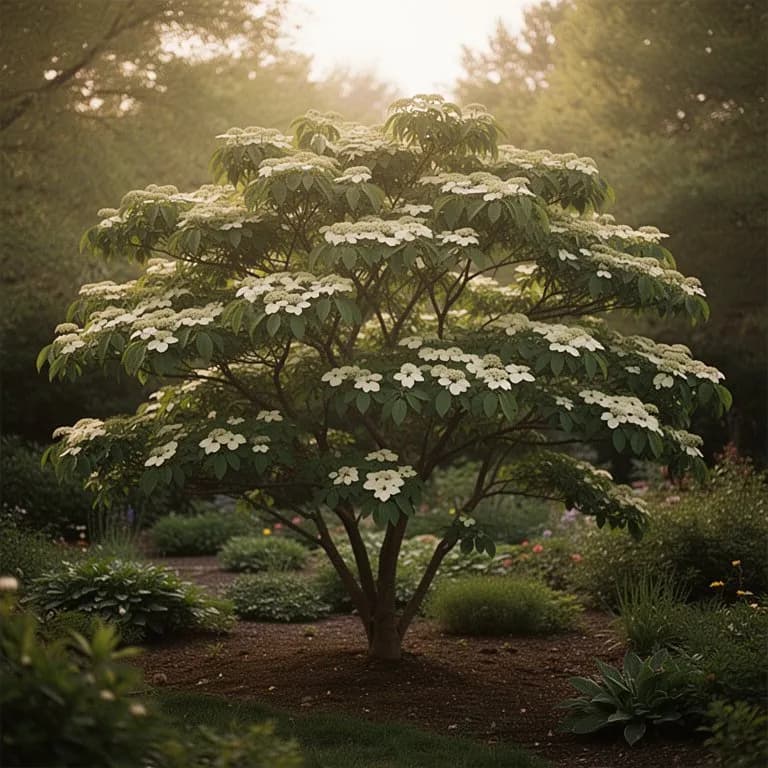
The tree enters winter dormancy after leaf drop in late autumn. Buds are tightly closed and the exfoliating bark is most visible during this period. Root systems continue slow development underground when soil temperatures remain above freezing.
💡 Care Tip
Apply a 3-4 inch layer of organic mulch around the root zone to insulate roots and retain soil moisture through winter. Avoid piling mulch against the trunk.
Monthly Care Calendar
What to do each month for your Kousa Dogwood
April
You are hereNo specific care tasks for this month.
Autumn brings stunning crimson, scarlet, and purple leaf coloration
Did You Know?
Fascinating facts about Kousa Dogwood
Kousa dogwood is native to Japan, Korea, and China and has been cultivated in East Asian gardens for over a thousand years before becoming popular in Western landscapes.
Kousa dogwood is a superior alternative to the native flowering dogwood in many landscapes, offering greater disease resistance, later bloom that avoids frost damage, edible fruit, and beautiful exfoliating bark as the tree matures. It blooms in late spring to early summer, 2 to 3 weeks after native dogwoods, producing pointed white or pink bracts that cover the tree for 4 to 6 weeks, far longer than the native species. Choose a site with full sun to partial shade and well-drained, acidic soil with a pH of 5.5 to 6.5.
Plant container-grown specimens in spring or fall. Set the root ball at grade level and backfill with native soil lightly amended with compost. Water deeply at planting and maintain consistent moisture during the first two growing seasons. Apply 3 to 4 inches of organic mulch, keeping it away from the trunk.
Kousa dogwood develops a layered, horizontal branching pattern similar to the native species but with a more rounded overall form. Minimal pruning is needed; remove only dead, crossing, or damaged branches in late winter. The tree is slow to moderate in growth, reaching 15 to 25 feet tall and wide over 15 to 20 years. The exfoliating bark, which develops a beautiful mottled pattern of gray, tan, and brown with age, is one of its finest features and provides winter interest long after the leaves have fallen.
Cornus kousa, commonly known as kousa dogwood, Japanese dogwood, or Chinese dogwood, is native to the temperate forests of East Asia, with its natural range spanning Japan, Korea, and parts of eastern China. The species thrives in the understory of mixed deciduous forests at elevations ranging from sea level to approximately 2,500 meters in mountainous regions. For centuries it has held cultural significance in Japan, where it is called yama-boushi and valued both as an ornamental flowering tree and for its edible fruits that ripen in late summer.
The species was first introduced to Western horticulture in 1875 when seeds were sent to European botanical gardens from Japan. It arrived in North America shortly afterward and gradually gained recognition as a superior landscape tree. However, it was not until the late twentieth century that kousa dogwood experienced a dramatic surge in popularity. The primary catalyst was the devastating spread of dogwood anthracnose, caused by the fungus Discula destructiva, which began killing native North American flowering dogwoods (Cornus florida) in the 1970s and 1980s. Kousa dogwood demonstrated strong natural resistance to this disease, making it an attractive replacement in gardens and municipal plantings across the eastern United States and Europe.
Modern breeding programs have produced numerous cultivars with traits including pink bracts, weeping habits, variegated foliage, and heavy fruit production. Hybrid crosses between Cornus kousa and Cornus florida, known as Stellar series dogwoods, combine the disease resistance of kousa with the earlier bloom time and floral impact of the native species. Today kousa dogwood is one of the most widely planted ornamental trees in temperate regions worldwide, prized for its four-season interest including late spring flowers, edible summer fruits, vivid autumn color, and striking winter bark texture.
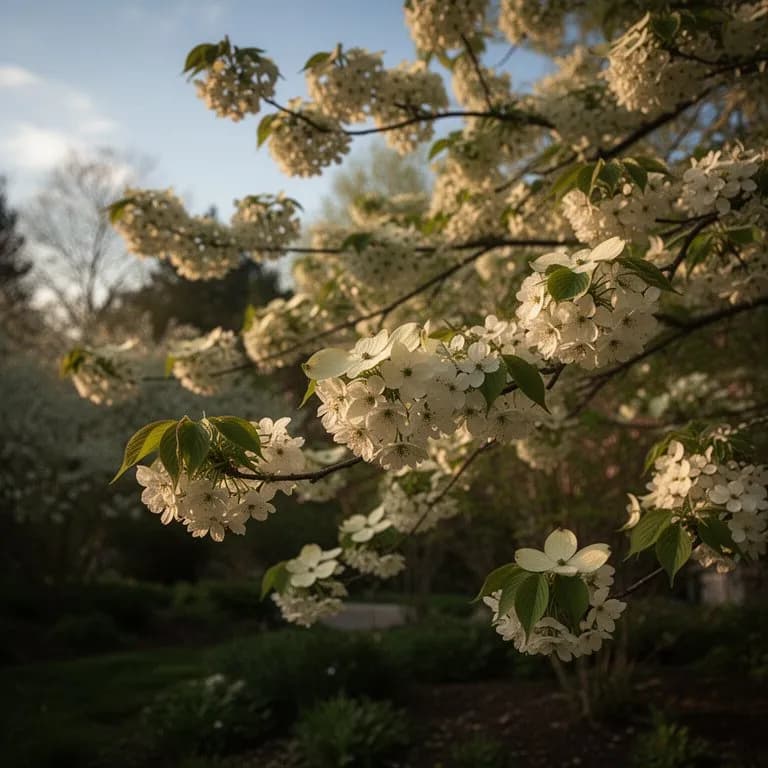
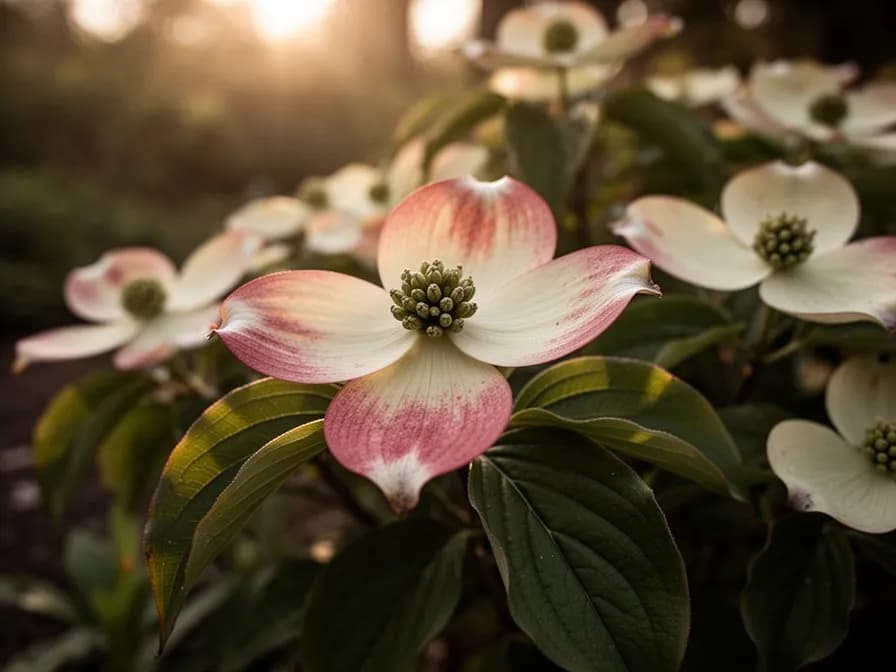
Kousa dogwood bracts appear in late spring to early summer, lasting up to six weeks
Extract seeds from ripe fruit by mashing and washing away the pulp. Seeds require 90 to 120 days of cold stratification in moist peat at 35 to 40 degrees Fahrenheit. Sow stratified seeds half an inch deep in moist, acidic seedling mix in spring. Germination occurs in 4 to 8 weeks at 65 to 70 degrees. Seedlings are variable and grow moderately, reaching 6 to 12 inches in the first year. Provide partial shade and consistent moisture. Seedlings may take 6 to 10 years to flower. Named cultivars must be propagated by budding or grafting onto seedling rootstock or by softwood cuttings taken in early summer.
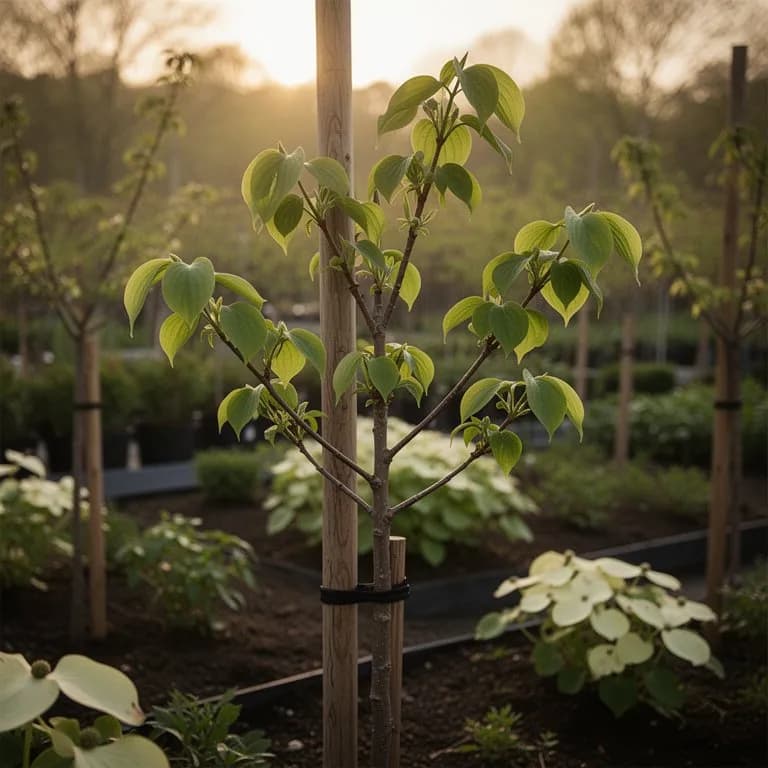
A well-placed young kousa dogwood adds year-round ornamental interest
Kousa dogwood prefers moist, well-drained, acidic soil with a pH of 5.5 to 6.5 and high organic matter content. It tolerates a wider range of conditions than the native flowering dogwood but still benefits from acidic, humus-rich soil. Amend heavy clay with compost and pine bark before planting. Mulch generously with organic matter to maintain soil moisture and acidity. Fertilize lightly in early spring with an acidifying fertilizer or organic compost. Avoid excessive nitrogen that promotes soft growth at the expense of flowering. Iron chlorosis occurs in alkaline soils and is corrected with chelated iron applications and soil acidification.
Check Your Zone
See if Kousa Dogwood is suitable for your location.
-25°C – 32°C
-13°F – 90°F
Kousa dogwood is cold hardy to USDA zones 5 through 8 and performs best with moderate summer temperatures. It tolerates winter lows down to approximately -25 degrees Celsius once established, though young trees benefit from winter protection in the coldest zones. Summer temperatures above 32 degrees Celsius can cause leaf scorch, especially if soil moisture is insufficient. The tree prefers climates with distinct seasons and requires a period of winter chill to flower reliably the following year.
Common issues affecting Kousa Dogwood and how to prevent and treat them organically.
While far more disease-resistant than the native flowering dogwood, kousa is not completely immune to anthracnose and can develop it under severe conditions. Leaf scorch from hot afternoon sun and drought is common in exposed locations; provide afternoon shade in hot climates. The fruit drop in fall can create a mess on patios, driveways, and walkways, staining surfaces with pulpy residue. Some homeowners consider the fallen fruit a nuisance, so position accordingly. The exfoliating bark takes 5 to 10 years to develop, so patience is required for this feature. Late spring freezes can occasionally damage the early flower buds.
Kousa dogwood pairs beautifully with the same shade-loving, acid-tolerant plants that complement native dogwoods. Rhododendrons, azaleas, and mountain laurel provide spring bloom before kousa flowers in early summer. Hostas, ferns, and astilbes create layered interest beneath the canopy. Daffodils and other spring bulbs naturalize well in the filtered shade. The later bloom time of kousa creates a sequential display when planted with native dogwoods and redbuds, extending the spring flowering season by several weeks.
- 1Plant kousa dogwood in well-drained acidic soil with a pH between 5.5 and 6.5 for optimal nutrient uptake and healthy root development
- 2Choose a site with morning sun and light afternoon shade in hot climates, or full sun in cooler northern regions where summer heat is less intense
- 3Water deeply once per week during the first two growing seasons to establish a strong root system, then reduce to supplemental watering only during extended dry spells
- 4Maintain a 3 to 4 inch layer of organic mulch such as shredded bark or leaf mold around the root zone, keeping it several inches away from the trunk to prevent rot
- 5Prune only during late winter dormancy to maintain shape and remove crossing or damaged branches, as kousa dogwood naturally develops an attractive layered form with minimal intervention
- 6Plant at least two different kousa dogwood cultivars within 50 feet of each other to improve cross-pollination and maximize fruit production
- 7Protect young trees from deer browsing with tree cages or fencing during the first three to four years until the trunk develops tougher bark
- 8Avoid planting in heavy clay soils with poor drainage, as kousa dogwood roots are susceptible to root rot in waterlogged conditions
- 9Apply a granular fertilizer formulated for acid-loving plants in early spring before bud break, using the rate recommended on the product label for the size of the tree
- 10Monitor for dogwood borer by inspecting the lower trunk regularly for small holes or sawdust-like frass, and treat promptly if detected to prevent structural damage
Kousa dogwood produces distinctive raspberry-like compound fruit that ripens from green to bright red-orange in September through October. The fruit is edible with a tropical-custard flavor described as a cross between mango, persimmon, and banana. Harvest when fruit is fully colored and slightly soft, falling easily from the tree. Pick directly from branches or gather fallen fruit from a clean mulched area beneath the tree. The fruit has a gritty texture that some find off-putting raw, making it better suited for processing into jams, wines, and purees.
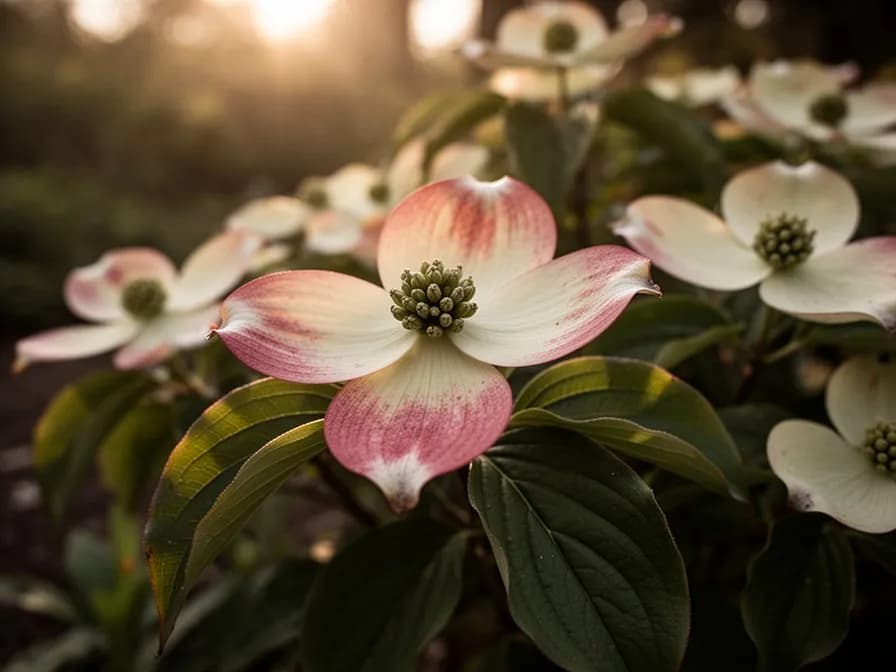
The distinctive raspberry-like fruits ripen in late summer and are fully edible
Fresh kousa dogwood fruit is highly perishable and should be used within 1 to 2 days of harvest. Refrigerate in a single layer for short-term storage. For longer preservation, puree the fruit and freeze in containers or ice cube trays. The pulp can be strained to remove the gritty seeds and used for jelly, jam, syrup, or fruit leather. Kousa fruit wine is a traditional Japanese preparation. Dried fruit puree can be made into fruit leather using a food dehydrator. Kousa fruit vinegar, made by fermenting the fruit, is a specialty condiment.
Plan your garden with ease
Love growing Kousa Dogwood? Use our free garden planner to design your beds, track planting dates, and get personalized care reminders.
Nutritional Info
Per 100g serving
65
Calories
Health Benefits
- Rich in vitamin C with over half the daily recommended value per 100g serving of fresh fruit pulp
- Contains significant dietary fiber that supports healthy digestion and gut microbiome balance
- Provides anthocyanins and carotenoid pigments that function as powerful antioxidants
- Low in calories compared to many cultivated fruits making it a nutritious snack option
- Contains moderate amounts of potassium which supports cardiovascular health and muscle function
- The fruit pulp contains pectin which may help regulate blood sugar levels after meals
💰 Why Grow Your Own?
A single mature kousa dogwood tree can produce 50 to 100 pounds of edible fruit annually, which would cost $150 to $400 at specialty farmers markets where kousa fruits sell for $3 to $5 per pound. Beyond fruit savings the tree provides exceptional ornamental value that can increase property values by $1,000 to $5,000 according to arborist assessments. The tree also serves as a shade provider that can reduce summer cooling costs by 10 to 15 percent when strategically placed near south or west facing walls. With a lifespan of 50 to 100 years and minimal maintenance requirements once established, a kousa dogwood delivers cumulative value far exceeding the initial $40 to $150 investment for a nursery-grown specimen.
Quick Recipes
Simple recipes using fresh Kousa Dogwood

Kousa Dogwood Fruit Jam
45 minutesA vibrant ruby-colored jam with tropical undertones that captures the unique mango-persimmon flavor of kousa fruits. This jam spreads beautifully on toast, scones, or can be swirled into yogurt for a distinctive breakfast treat.
Kousa Fruit Smoothie Bowl
10 minutesA creamy and refreshing smoothie bowl that highlights the natural custard-like texture of kousa dogwood fruit. The tropical flavor pairs wonderfully with granola and fresh berries for a satisfying and nutritious breakfast or afternoon snack.
Kousa Dogwood Fruit Leather
20 minutes active, 6-8 hours dryingA chewy naturally sweet fruit leather made from pureed kousa fruits that is a perfect lunchbox snack or hiking trail treat. The dehydration process concentrates the complex tropical flavors into a portable and shelf-stable form.
Yield & Spacing Calculator
See how many Kousa Dogwood plants fit in your garden bed based on the recommended 500cm spacing.
0
Kousa Dogwood plants in a 4×4 ft bed
0 columns × 0 rows at 500cm spacing
Popular Varieties
Some of the most popular kousa dogwood varieties for home gardeners, each with unique characteristics.
Milky Way
The most prolific bloomer among kousa cultivars, producing so many flowers that the entire canopy appears white. Vigorous grower to 20 to 25 feet. Heavy fruit production. Good disease resistance.
Satomi
Deep pink bracts are the most intensely colored of any kousa cultivar. Compact grower to 15 to 20 feet. Bracts deepen in color as they age. Excellent fall color.
Gold Star
Green leaves with a bold central golden-yellow splash that brightens as summer progresses. White flowers and typical fruit. Unique foliage coloring adds year-long interest.
Wolf Eyes
Cream-and-green variegated foliage on a compact, slow-growing tree to 10 feet. White flowers. Variegation holds well in partial shade. Outstanding specimen for small gardens.
Summer Stars
Selected for exceptionally long bloom period lasting 6 weeks or more. Large white bracts age to pink. Vigorous grower with excellent form and outstanding disease resistance.
Kousa dogwood fruit has a unique tropical flavor often compared to mango, papaya, or custard apple. The flesh is soft and sweet when fully ripe, though the gritty texture from numerous small seeds makes it better suited for processing than eating fresh. Puree the flesh and strain through a food mill to make smooth jam, jelly, or syrup. The puree also makes excellent ice cream, sorbet, and fruit wines. In Japan and Korea, the fruit has been used traditionally to make preserves and alcoholic beverages. The high sugar content makes it naturally suitable for fermentation.
When should I plant Kousa Dogwood?
Plant Kousa Dogwood in March, April, October, November. It takes approximately 1825 days to reach maturity, with harvest typically in September, October.
What are good companion plants for Kousa Dogwood?
Kousa Dogwood grows well alongside Daffodil, Tulip, Pansy. Companion planting can improve growth, flavor, and natural pest control.
What hardiness zones can Kousa Dogwood grow in?
Kousa Dogwood thrives in USDA hardiness zones 5 through 8. With greenhouse protection, it may be grown in zones 3 through 9.
How much sun does Kousa Dogwood need?
Kousa Dogwood requires Partial Sun (3-6h). This means 3-6 hours of sunlight, ideally morning sun with afternoon shade.
How far apart should I space Kousa Dogwood?
Space Kousa Dogwood plants 500cm (197 inches) apart for optimal growth and air circulation.
What pests and diseases affect Kousa Dogwood?
Common issues include Dogwood Anthracnose, Dogwood Borer, Powdery Mildew. Prevention through good garden practices like crop rotation, proper spacing, and companion planting is the best approach. See the detailed pests and diseases section above for symptoms, prevention, and treatment for each.
How do I store Kousa Dogwood after harvest?
Fresh kousa dogwood fruit is highly perishable and should be used within 1 to 2 days of harvest. Refrigerate in a single layer for short-term storage. For longer preservation, puree the fruit and freeze in containers or ice cube trays. The pulp can be strained to remove the gritty seeds and used for...
What are the best Kousa Dogwood varieties to grow?
Popular varieties include Milky Way, Satomi, Gold Star, Wolf Eyes, Summer Stars. Each has unique characteristics suited to different growing conditions and culinary preferences. See the varieties section above for detailed descriptions.
What soil does Kousa Dogwood need?
Kousa dogwood prefers moist, well-drained, acidic soil with a pH of 5.5 to 6.5 and high organic matter content. It tolerates a wider range of conditions than the native flowering dogwood but still benefits from acidic, humus-rich soil. Amend heavy clay with compost and pine bark before planting. Mul...
Are kousa dogwood fruits safe to eat and what do they taste like?
Yes, kousa dogwood fruits are completely safe and edible for humans. The ripe fruit has a soft custard-like texture with a flavor often described as a blend of mango, persimmon, and banana. To eat them, wait until the fruits turn deep red and feel soft to the touch, then peel back the bumpy skin and eat the sweet pulp inside. The seeds are not typically consumed but are not toxic. The skin is edible but has a slightly bitter and gritty texture that most people prefer to discard.
How long does it take for a kousa dogwood to produce fruit?
A kousa dogwood grown from a nursery container typically begins producing fruit 5 to 7 years after planting, though some cultivars selected for heavy fruiting may start a year or two earlier. Trees grown from seed can take 8 to 10 years or longer to reach fruiting maturity. Fruit production increases steadily with tree age and size, with peak yields occurring once the tree reaches 15 to 20 years old. Planting two or more different cultivars nearby improves cross-pollination and generally results in earlier and heavier fruit set.
Is kousa dogwood resistant to dogwood anthracnose?
Kousa dogwood has excellent natural resistance to dogwood anthracnose, the fungal disease caused by Discula destructiva that has devastated populations of the native North American flowering dogwood. While not entirely immune, kousa dogwood rarely suffers significant damage from anthracnose even when grown in close proximity to infected native dogwoods. This disease resistance is one of the primary reasons kousa dogwood has become so popular as a replacement and alternative to the native species in landscapes throughout the eastern United States.
What is the difference between kousa dogwood and flowering dogwood?
Kousa dogwood (Cornus kousa) and flowering dogwood (Cornus florida) differ in several key ways. Kousa dogwood blooms two to three weeks later in spring with pointed bracts rather than the rounded notched bracts of flowering dogwood. Kousa produces large edible raspberry-like fruits while flowering dogwood produces small inedible red berries. Kousa develops distinctive exfoliating bark on mature trees and is significantly more disease resistant. Flowering dogwood is native to eastern North America while kousa is native to East Asia. Both are excellent ornamental trees but kousa is generally considered more resilient and lower maintenance.
How large does a kousa dogwood tree grow?
A mature kousa dogwood typically reaches 15 to 30 feet tall with an equal or slightly wider spread, developing a rounded to vase-shaped canopy with distinctive horizontal branching layers. Growth rate is moderate at roughly 12 to 18 inches per year under favorable conditions. The ultimate size depends on the specific cultivar, growing conditions, and whether the tree receives full sun or partial shade. Dwarf cultivars are available that mature at 8 to 12 feet for smaller garden spaces. The tree can be maintained at a smaller size through careful pruning during the dormant season.
When is the best time to plant a kousa dogwood?
The ideal planting time for kousa dogwood is early spring after the last hard frost or early to mid autumn while soil temperatures are still warm enough for root establishment. Spring planting gives the tree an entire growing season to develop roots before winter. Autumn planting works well in zones 6 through 8 where winters are moderate, allowing roots to establish during the cool moist months. Avoid planting during the heat of summer or after the ground begins to freeze in late autumn. Container-grown trees can be planted throughout the growing season if adequate irrigation is provided.
Ready to Grow Kousa Dogwood?
Add Kousa Dogwood to your garden plan and start designing your perfect layout.

Vladimir Kusnezow
Gardener and Software Developer
Zone 6b gardener. Growing vegetables and fruits in soil and hydroponics for 6 years. I built PlotMyGarden to plan my own gardens.
Jump to Section