Lemon Cucumber
Cucumis sativus
At a Glance
It's planting season for Lemon Cucumber! Start planning your garden now.
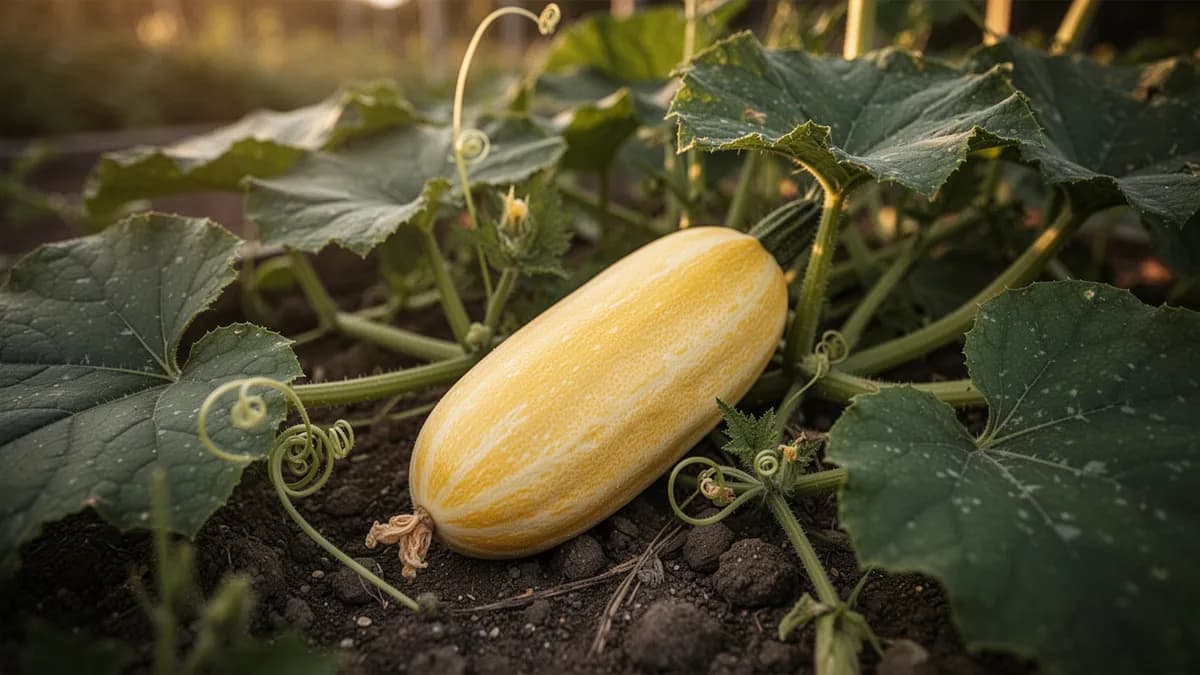
A round, yellow cucumber resembling a lemon in shape and color, with a mild, sweet, never-bitter flavor. Lemon cucumbers are highly productive and make charming additions to salads, relish trays, and pickles. Harvest when the fruits are bright yellow and about the size of a tennis ball, before they become overly seedy. The thin skin is edible and the crisp flesh is excellent for those who find traditional cucumbers too strong or bitter.
Planting & Harvest Calendar
Growth Stages
From Seed to Harvest
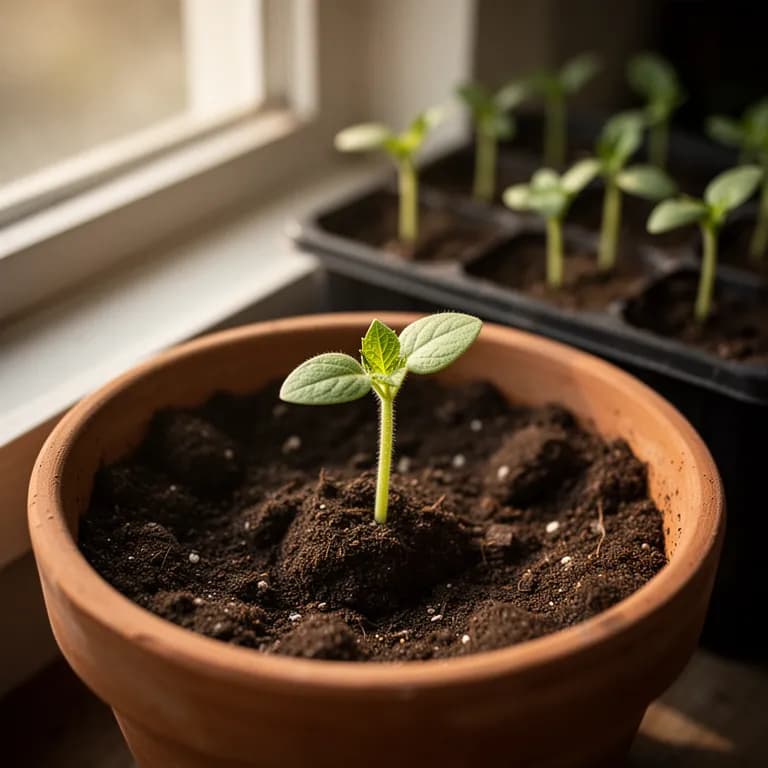
Seed Germination
Days 0–10
Seeds swell and crack open in warm, moist soil. The white radicle root emerges first, anchoring into the ground, followed by the hypocotyl arch pushing rounded cotyledon leaves above the surface. Germination requires soil temperatures of at least 18°C (65°F) and takes 5-10 days.
💡 Care Tip
Keep soil consistently moist but not waterlogged during germination. A light layer of vermiculite over the seeds helps retain moisture. Soil temperatures of 24-29°C (75-85°F) produce the fastest and most reliable germination.
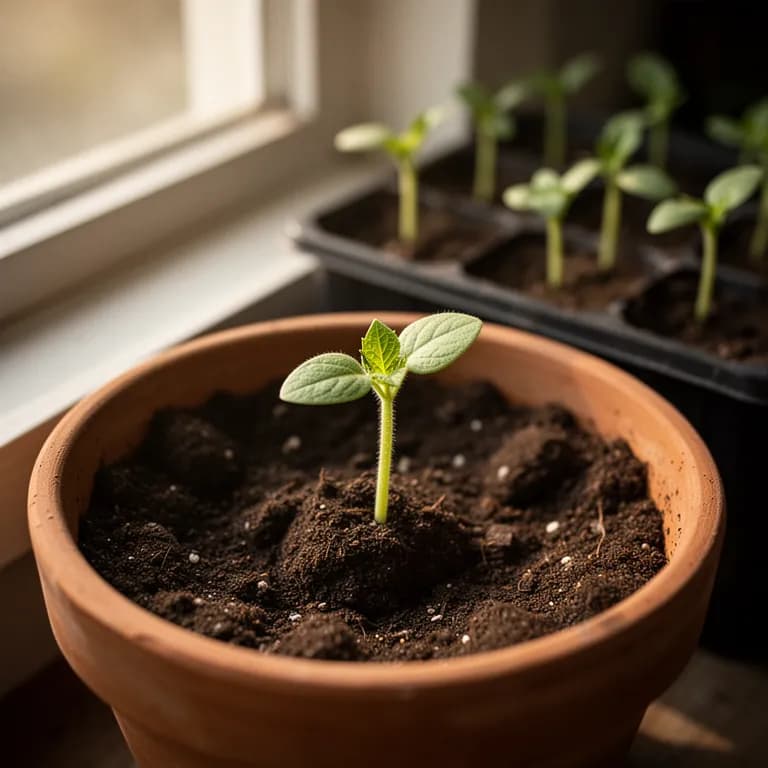
Lemon cucumber seedling developing its first true leaves after direct sowing
Monthly Care Calendar
What to do each month for your Lemon Cucumber
May
You are herePrimary planting month for most zones. Direct sow seeds 2.5 cm deep and 30 cm apart, or transplant seedlings. Apply balanced fertilizer at planting. Mulch with straw after soil is warm. Water deeply and consistently from the start.
Did You Know?
Fascinating facts about Lemon Cucumber
Despite their name and appearance, lemon cucumbers taste nothing like lemons — they are pure cucumber with a mild, sweet flavor and zero bitterness. The name comes solely from their round shape and bright yellow color at maturity.
Lemon cucumbers are charming heirloom varieties that produce round, yellow-skinned fruits about the size and shape of a lemon, though they taste purely like a mild, sweet cucumber. Direct sow seeds 1 inch deep and 12 inches apart after frost danger passes and soil reaches 65°F. These vigorous plants can be grown on a trellis or allowed to sprawl, though trellising keeps fruits cleaner and saves space.
Lemon cucumbers are prolific producers that are incredibly easy to grow, making them excellent for beginning gardeners. They tolerate a wider range of conditions than many cucumber varieties and continue producing well into warm weather. Water consistently with 1-1.5 inches per week and mulch to maintain soil moisture. Like all cucumbers, they are sensitive to cold and should not be planted until the soil has thoroughly warmed.
These open-pollinated plants require bee pollination for fruit set. Avoid spraying insecticides during flowering to protect pollinators. Lemon cucumbers tend to produce an abundance of fruit all at once; stagger plantings 3 weeks apart for a more even harvest. The plants are vigorous growers that benefit from occasional pruning of lateral shoots to improve air circulation and direct energy toward fruit production.
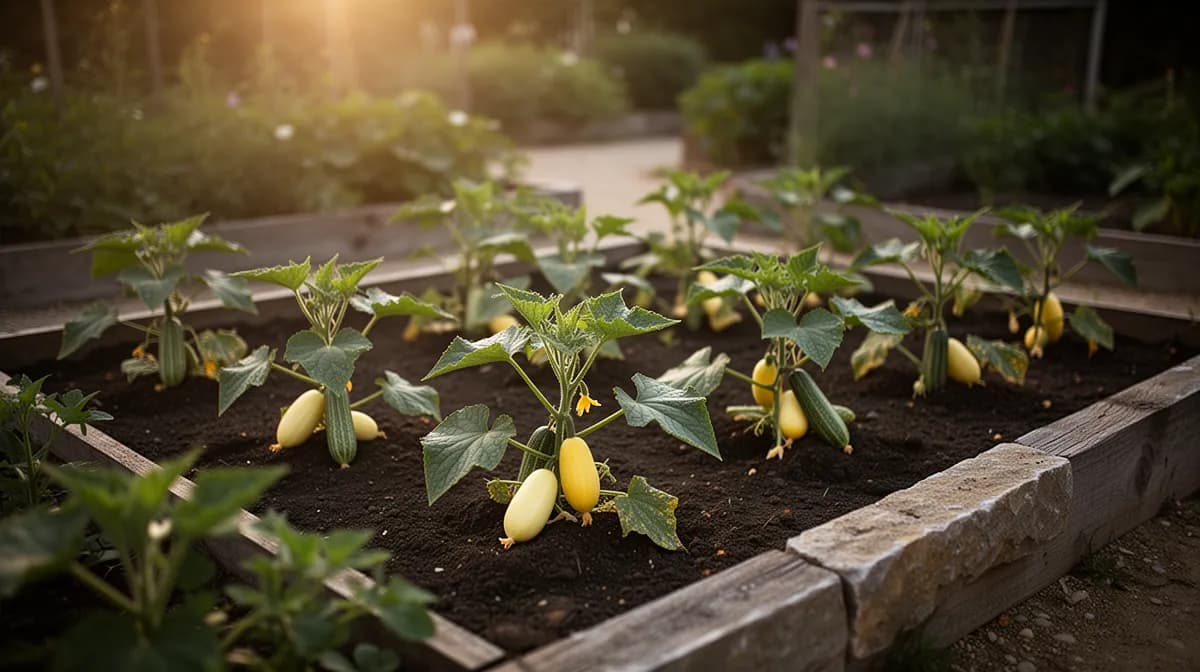
Growing lemon cucumbers on a trellis saves space and keeps fruits clean and round
The lemon cucumber is a cherished American heirloom variety of Cucumis sativus that first appeared in seed catalogs in the late 1800s. Its exact origin is debated, but most horticultural historians trace it to introductions from India or the Middle East, where round and yellow cucumber varieties have been grown for centuries. Samuel Wilson of Mechanicsville, Pennsylvania is often credited with popularizing the variety in the United States after listing it in his seed catalog around 1894.
The variety gained steady popularity through the early twentieth century among home gardeners who valued its unusual appearance, prolific production, and exceptionally mild flavor. Unlike many heirloom vegetables that fell out of favor during the mid-century push for commercial uniformity, lemon cucumbers maintained a loyal following among seed savers and cottage gardeners. Their round shape made them impractical for commercial packing and shipping, which ironically preserved them as a purely home-garden treasure.
In the late twentieth century, the heirloom seed movement brought renewed attention to lemon cucumbers. Organizations like Seed Savers Exchange and Baker Creek Heirloom Seeds championed the variety, introducing it to a new generation of gardeners drawn to unusual, flavorful, and historically significant crops. Today, lemon cucumbers are among the most popular heirloom cucumber varieties worldwide, grown on every continent and prized for their unique appearance, reliable production, gentle flavor, and the simple joy of harvesting something that looks like a lemon but tastes like the mildest, sweetest cucumber imaginable.
Direct sow lemon cucumber seeds outdoors when soil temperature reaches 65°F, planting 1 inch deep and 12 inches apart. Germination occurs in 5-10 days in warm soil. For an earlier start, sow seeds indoors 3-4 weeks before the last frost in biodegradable pots. Maintain 75-85°F soil temperature with a heat mat. Transplant carefully without disturbing roots. As an open-pollinated heirloom, lemon cucumbers produce true-to-type seeds that can be saved from ripe fruits for next season's planting.
Lemon cucumbers grow best in rich, well-drained soil with a pH of 6.0-7.0 amended with plenty of compost. Apply a balanced vegetable fertilizer at planting and side-dress with compost or fish emulsion when plants begin to flower. Feed every 2-3 weeks during active fruiting to sustain the heavy production these plants are known for. Avoid excessive nitrogen which produces more vines than fruit. Mulch with straw or shredded leaves to maintain consistent soil moisture and suppress weeds.
Check Your Zone
See if Lemon Cucumber is suitable for your location.
18°C – 30°C
64°F – 86°F
Lemon cucumbers thrive in warm conditions between 18-30°C (65-86°F) and will not tolerate any frost. Seeds rot in cold soil below 15°C (60°F) and germination is poor below 18°C (65°F). Growth stalls when nighttime temperatures drop below 10°C (50°F). The ideal range for maximum fruit production is 21-29°C (70-85°F). Above 35°C (95°F), pollen viability decreases and fruit set may suffer — provide afternoon shade in extremely hot climates to extend the productive season.
Common issues affecting Lemon Cucumber and how to prevent and treat them organically.
Overripe fruits left on the vine are the biggest issue, as they suppress new production and become seedy and bland. Harvest frequently even if you cannot use all the fruits. Bitter fruit is rare in lemon cucumbers but can occur with severe water stress. Misshapen fruits indicate poor pollination; attract bees by planting flowers nearby. Lemon cucumbers are susceptible to the same diseases as other cucumbers; practice crop rotation and remove plant debris at season end.
Lemon cucumbers benefit from the same companions as other cucumber types. Plant near corn and beans which provide mutual benefits through the Three Sisters arrangement. Sunflowers and zinnias nearby attract pollinators critical for fruit set. Dill attracts beneficial predatory insects but should be planted at a distance as mature dill may inhibit cucumber growth. Nasturtiums serve as trap crops for aphids. Avoid planting near potatoes and strongly aromatic herbs like sage.
- 1Grow on a trellis whenever possible. Lemon cucumbers grown vertically produce rounder, cleaner fruits with fewer blemishes and are much easier to spot among the foliage than ground-sprawled vines where ripe fruits hide under leaves.
- 2Harvest at the pale yellow stage — about the size of a tennis ball (5-7 cm diameter). Once fruits turn deep gold or orange, they are overripe with tough seeds and diminished flavor. Check plants daily during peak production.
- 3Stagger plantings every 3 weeks from late spring through early summer. Lemon cucumbers tend to produce an intense flush of fruit followed by declining yields. Succession planting ensures a continuous supply throughout the season.
- 4Mulch heavily with straw or shredded leaves after the soil has warmed. Lemon cucumbers are shallow-rooted and sensitive to soil temperature fluctuations and moisture swings — a 7-10 cm mulch layer moderates both effectively.
- 5Water at the base of plants using drip irrigation or a soaker hose, never overhead. Wet foliage dramatically increases the risk of powdery mildew, which is the most common disease affecting lemon cucumbers in humid climates.
- 6Plant flowers like marigolds, zinnias, and borage nearby to attract pollinators. Lemon cucumbers require bee pollination for fruit set, and gardens with abundant pollinator activity produce significantly higher yields.
- 7Save seeds from your best fruits for next year — lemon cucumbers are open-pollinated and produce true-to-type offspring. Let one fruit turn fully gold on the vine, scoop out seeds, ferment in water for 2-3 days to remove the gel coating, rinse, and dry completely before storing.
- 8Remove the first few flowers that appear on young plants to redirect energy toward vine and root development. This brief sacrifice results in a stronger plant that ultimately produces more total fruit over the season.
Harvest lemon cucumbers when they are about the size of a tennis ball, 2-3 inches in diameter, and still pale yellow to light gold. At this stage they are crisp, mild, and virtually seedless. Once fruits turn deep gold-orange, they become seedy and less flavorful. Check plants daily during peak season as fruits mature quickly. Twist or cut fruits from the vine gently. Lemon cucumbers are ready approximately 60-70 days from sowing and plants continue producing for 4-6 weeks with regular harvesting.
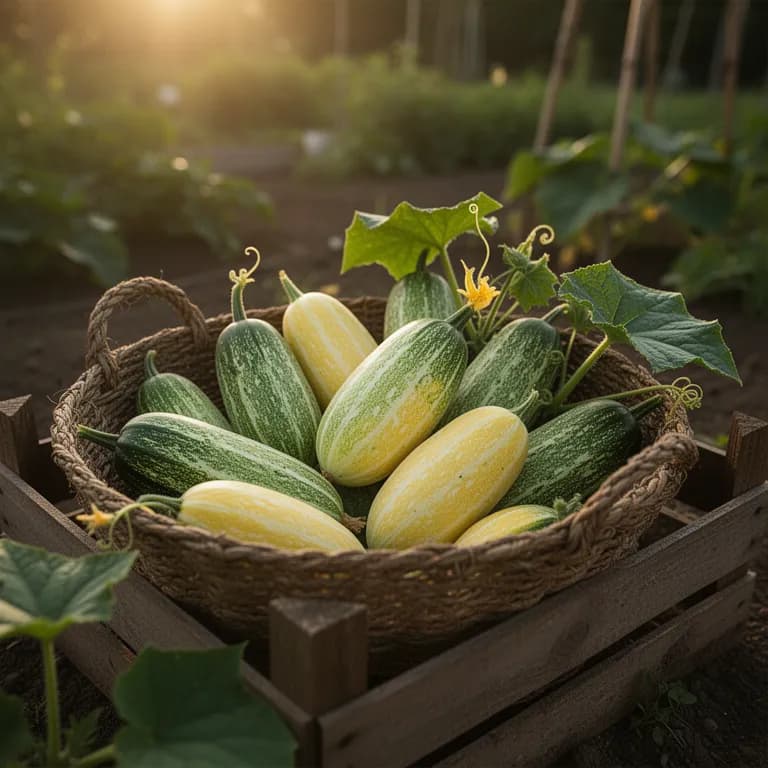
A generous harvest of lemon cucumbers picked at their peak of crispness and flavor
Fresh lemon cucumbers keep in the refrigerator for up to one week. Their round shape and mild flavor make them ideal for slicing into salads and pickle jars. For pickling, use whole small fruits or halves for a visually striking preserved product. Quick refrigerator pickles with rice vinegar and sesame create an Asian-inspired snack. For longer storage, lemon cucumbers can be processed using standard cucumber pickle canning recipes. They also make attractive additions to relish trays and charcuterie boards.
Plan your garden with ease
Love growing Lemon Cucumber? Use our free garden planner to design your beds, track planting dates, and get personalized care reminders.
Nutritional Info
Per 100g serving
15
Calories
Health Benefits
- Extremely low calorie at just 15 calories per 100g, making lemon cucumbers an ideal snack for weight management and healthy hydration
- Composed of approximately 96% water, providing excellent natural hydration along with electrolytes like potassium and magnesium
- Contains silica, a trace mineral that supports connective tissue health, promotes strong nails and hair, and contributes to healthy skin elasticity
- Provides vitamin K at about 16% of the daily value per 100g, supporting blood clotting and bone metabolism
- Rich in antioxidant flavonoids including fisetin and quercetin, which have anti-inflammatory properties and may support brain health
- The thin, edible skin provides additional fiber and nutrients — unlike waxed store-bought cucumbers, homegrown lemon cucumbers are best eaten unpeeled
💰 Why Grow Your Own?
A single lemon cucumber vine grown from a packet of seeds costing $3-4 (which contains 25-50 seeds) can produce 25-40 fruits over the season. Specialty heirloom cucumbers like lemon cucumbers sell for $3-6 per pound at farmers markets when they are available at all — most grocery stores simply do not carry them. Growing just 3-4 plants can yield 10-20 kg of this hard-to-find variety worth $60-150 at market prices. The true value goes beyond cost savings: homegrown lemon cucumbers harvested minutes before eating deliver a crisp, sweet experience that is impossible to replicate with shipped produce.
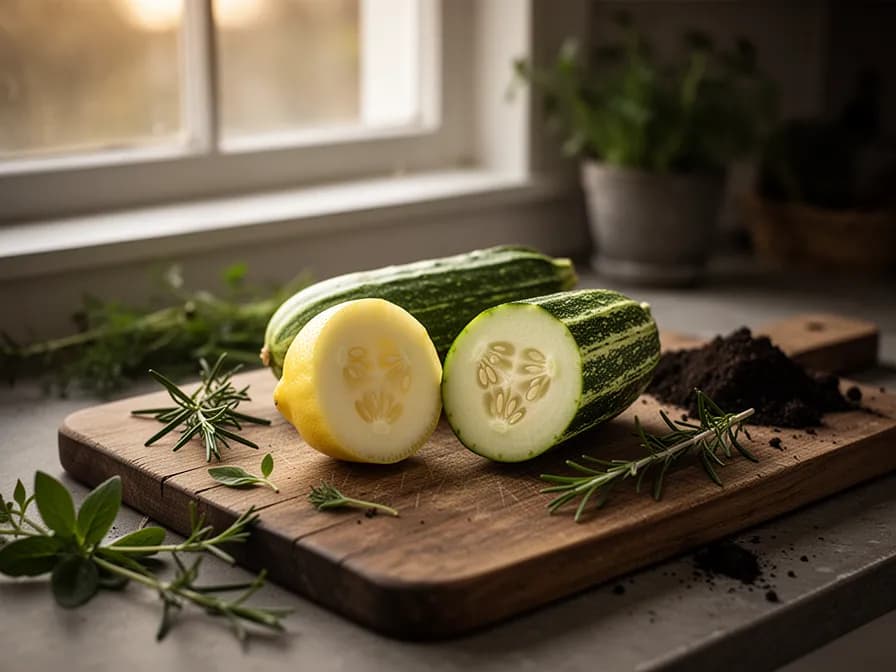
Sliced lemon cucumber reveals crisp, mild flesh perfect for salads and snacking
Quick Recipes
Simple recipes using fresh Lemon Cucumber
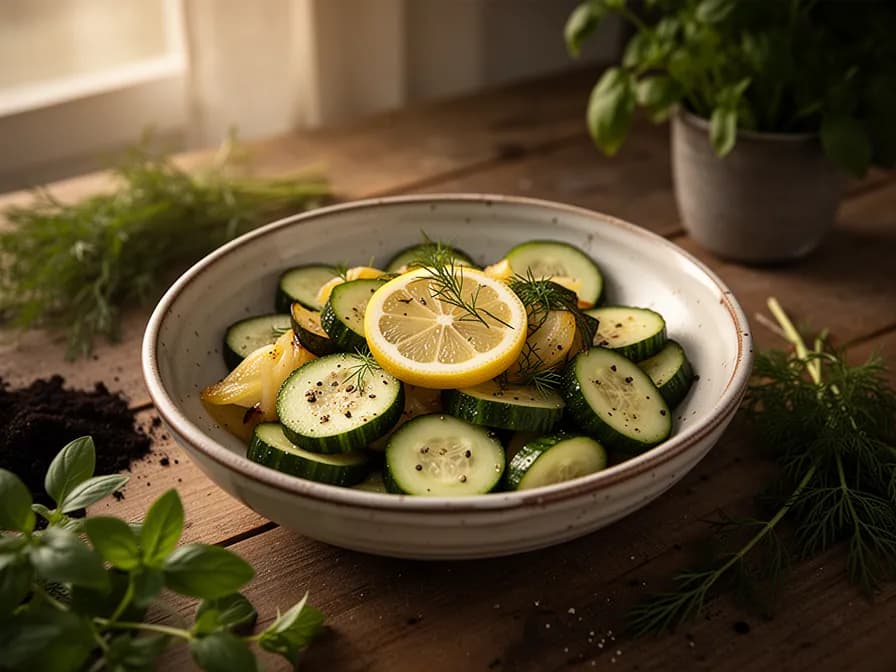
Lemon Cucumber and Feta Summer Salad
10 minA refreshing no-cook salad that showcases the mild sweetness of lemon cucumbers. The round slices pair beautifully with salty feta, fresh mint, and a bright lemon vinaigrette for a stunning side dish.
Quick Refrigerator Pickled Lemon Cucumbers
15 minHalved lemon cucumbers pickled in a sweet-tangy brine with dill and garlic. Their round shape makes visually stunning pickle jars, and the mild flesh absorbs flavors beautifully. Ready to eat in just 24 hours.
Lemon Cucumber Gazpacho
15 minA chilled summer soup that highlights the delicate, never-bitter flavor of lemon cucumbers. Blended with yogurt, fresh herbs, and a hint of garlic, this is the perfect light lunch on a hot day.
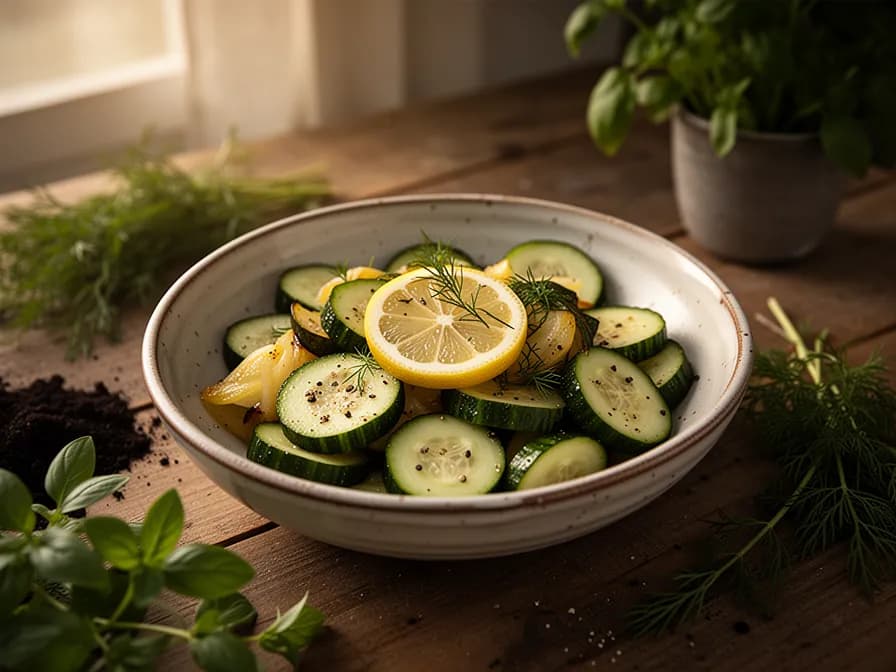
Lemon cucumber slices add a mild sweetness and charming shape to summer salads
Yield & Spacing Calculator
See how many Lemon Cucumber plants fit in your garden bed based on the recommended 60cm spacing.
4
Lemon Cucumber plants in a 4×4 ft bed
2 columns × 2 rows at 60cm spacing
Popular Varieties
Some of the most popular lemon cucumber varieties for home gardeners, each with unique characteristics.
Lemon
The standard heirloom lemon cucumber with round, yellow fruits and mild, sweet flavor. Very productive and easy to grow from saved seed.
Crystal Lemon
Refined selection with more uniform fruit size and shape. Slightly earlier maturity and good disease tolerance.
True Lemon
Selected strain with consistent tennis-ball size and pale yellow color at peak ripeness. Crisp texture and sweet flavor.
Lemon cucumbers have a mild, sweet flavor with no bitterness, making them perfect for eating fresh right from the garden. Their round shape is ideal for slicing into attractive circles for salads and sandwiches. They shine in cucumber water, gazpacho, and summer salads. Children love their unusual appearance and gentle flavor. Use halved and hollowed as edible cups for dips or chicken salad. They pickle beautifully, maintaining their unique shape in jars, and make stunning additions to relish trays.
When should I plant Lemon Cucumber?
Plant Lemon Cucumber in April, May, June. It takes approximately 65 days to reach maturity, with harvest typically in July, August, September.
What are good companion plants for Lemon Cucumber?
Lemon Cucumber grows well alongside Peas, Lettuce, Dill. Companion planting can improve growth, flavor, and natural pest control.
What hardiness zones can Lemon Cucumber grow in?
Lemon Cucumber thrives in USDA hardiness zones 4 through 12. With greenhouse protection, it may be grown in zones 2 through 13.
How much sun does Lemon Cucumber need?
Lemon Cucumber requires Full Sun (6-8h+). This means at least 6-8 hours of direct sunlight daily.
How far apart should I space Lemon Cucumber?
Space Lemon Cucumber plants 60cm (24 inches) apart for optimal growth and air circulation.
What pests and diseases affect Lemon Cucumber?
Common issues include Cucumber Beetle, Powdery Mildew, Aphids. Prevention through good garden practices like crop rotation, proper spacing, and companion planting is the best approach. See the detailed pests and diseases section above for symptoms, prevention, and treatment for each.
How do I store Lemon Cucumber after harvest?
Fresh lemon cucumbers keep in the refrigerator for up to one week. Their round shape and mild flavor make them ideal for slicing into salads and pickle jars. For pickling, use whole small fruits or halves for a visually striking preserved product. Quick refrigerator pickles with rice vinegar and ses...
What are the best Lemon Cucumber varieties to grow?
Popular varieties include Lemon, Crystal Lemon, True Lemon. Each has unique characteristics suited to different growing conditions and culinary preferences. See the varieties section above for detailed descriptions.
What soil does Lemon Cucumber need?
Lemon cucumbers grow best in rich, well-drained soil with a pH of 6.0-7.0 amended with plenty of compost. Apply a balanced vegetable fertilizer at planting and side-dress with compost or fish emulsion when plants begin to flower. Feed every 2-3 weeks during active fruiting to sustain the heavy produ...
Do lemon cucumbers actually taste like lemons?
No, not at all. Lemon cucumbers taste purely like a mild, sweet cucumber with no citrus flavor whatsoever. The name refers only to their round shape and yellow color, which resemble a lemon. In fact, lemon cucumbers are prized specifically because they are milder and less bitter than most standard cucumber varieties, making them excellent for people who find regular cucumbers too strong.
When exactly should I pick lemon cucumbers — how do I know they are ready?
Harvest when fruits are about the size of a tennis ball (5-7 cm or 2-3 inches in diameter) and pale to light yellow in color. At this stage the skin is thin and tender, the flesh is crisp and virtually seedless, and the flavor is at its sweetest. If fruits turn deep gold or orange, they are overripe — the seeds harden, the skin toughens, and the flavor becomes bland. During peak season, check plants daily because fruits can go from perfect to overripe in just one or two days.
Why are my lemon cucumber plants producing flowers but no fruit?
Lemon cucumbers produce separate male and female flowers on the same vine, with male flowers typically appearing 7-10 days before the first females. If you see only flowers with no fruit, you may simply be seeing the initial male blooms — wait a week for females to appear. If female flowers are present but dropping without setting fruit, poor pollination is the likely cause. Encourage bees by planting pollinator-friendly flowers nearby and avoid using insecticides during flowering hours. You can also hand-pollinate by transferring pollen from male flowers to females with a small brush.
Can I grow lemon cucumbers in a container on my patio?
Yes, lemon cucumbers can be grown successfully in containers of at least 20 liters (5 gallons), though 40 liters is better for vigorous production. Use a high-quality potting mix, place in full sun (at least 6-8 hours), and provide a small trellis or tomato cage for vine support. Container-grown plants need daily watering in hot weather and biweekly liquid fertilizer since nutrients leach from pots quickly. Expect slightly lower yields of 15-25 fruits per plant compared to garden-grown vines.
Are lemon cucumbers good for pickling?
Lemon cucumbers are excellent for pickling and produce some of the most visually striking pickles you can make. Their round shape creates charming whole or halved pickles in jars. Use slightly underripe fruits (still pale green-yellow and 4-5 cm diameter) for the crunchiest results. Standard cucumber pickle recipes work well — refrigerator dill pickles, bread-and-butter pickles, and quick vinegar pickles all produce outstanding results. The mild flesh absorbs brine flavors beautifully.
How do lemon cucumbers compare to regular slicing cucumbers for growing difficulty?
Lemon cucumbers are generally easier to grow than standard slicing cucumbers, making them excellent for beginners. They are naturally more tolerant of variable conditions, rarely develop bitterness even under mild stress, and produce prolifically with minimal fuss. They are susceptible to the same pests and diseases as other cucumbers (powdery mildew, cucumber beetles, aphids), but their vigorous growth often helps them outpace moderate pest damage. The main challenge is keeping up with the harvest during peak production.
Ready to Grow Lemon Cucumber?
Add Lemon Cucumber to your garden plan and start designing your perfect layout.

Vladimir Kusnezow
Gardener and Software Developer
Zone 6b gardener. Growing vegetables and fruits in soil and hydroponics for 6 years. I built PlotMyGarden to plan my own gardens.
Jump to Section