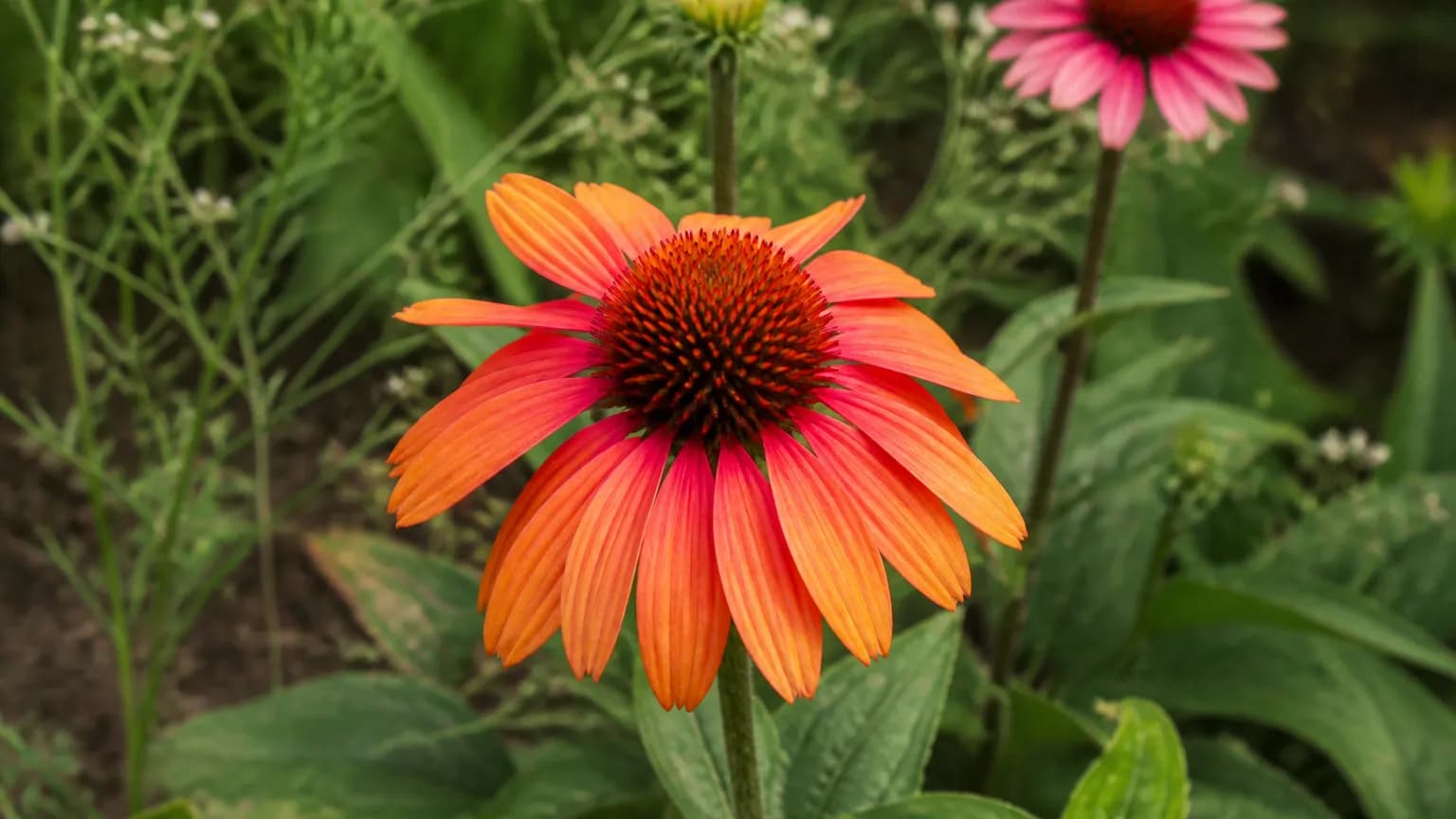
Coneflower
Echinacea purpurea
At a Glance
It's planting season for Coneflower! Start planning your garden now.
A tough native perennial with prominent cone-shaped centers, valued for both garden beauty and herbal medicinal uses. Coneflowers are extremely drought-tolerant and low-maintenance once established, requiring only well-drained soil and full sun to thrive. Deadhead spent blooms to extend flowering, or leave the distinctive seed cones standing in fall and winter to feed goldfinches and other songbirds. Divide clumps every four to five years in spring to rejuvenate plantings, and watch for aster yellows disease which causes distorted green flowers.
Planting & Harvest Calendar
Growth Stages
From Seed to Harvest
Seed Stratification and Sowing
Days 0–14
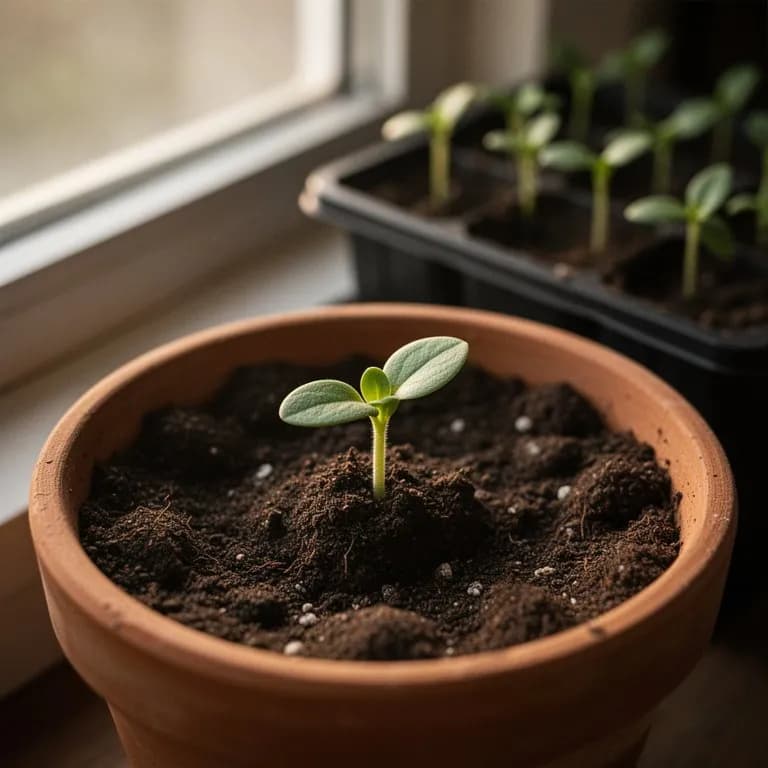
Echinacea seeds have a hard coat and benefit from cold stratification for 4-6 weeks before sowing. After stratification, surface-sow seeds on moist seed-starting mix and press lightly into the surface. Seeds need light and consistent moisture to germinate and may take 10-21 days to sprout.
💡 Care Tip
To cold-stratify, place seeds in a damp paper towel inside a sealed plastic bag in the refrigerator for 4-6 weeks before planting. This mimics the natural winter chill the seeds would experience outdoors and dramatically improves germination rates.
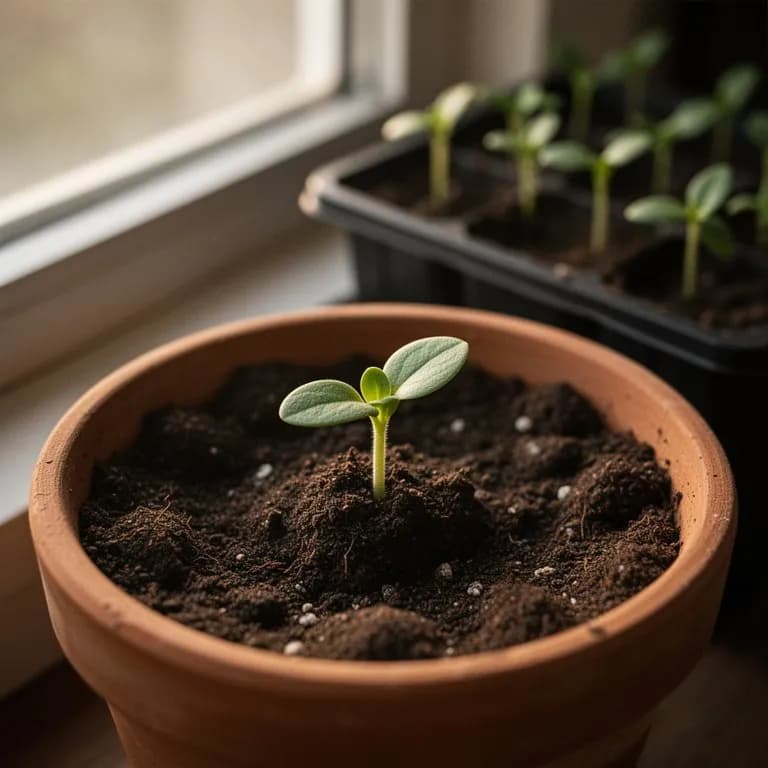
Echinacea seedlings emerge slowly, producing their first rough-textured true leaves after several weeks
Monthly Care Calendar
What to do each month for your Coneflower
May
You are hereWater newly planted coneflowers regularly until established. Watch for emerging stems on second-year and older plants. Apply a thin layer of organic mulch around the base of plants to conserve soil moisture and suppress weeds, keeping mulch a few centimeters away from the crown to prevent rot.
Did You Know?
Fascinating facts about Coneflower
The name Echinacea comes from the Greek word 'echinos' meaning hedgehog or sea urchin, referring to the spiny central cone of the flower that resembles the prickly animal.
Plant coneflowers in spring or early fall in full sun with well-drained soil. They tolerate a wide range of soil types from sandy to clay, but consistent drainage is critical to avoid root rot. Space plants eighteen to twenty-four inches apart to allow for mature clump size. Water deeply at planting and keep soil consistently moist during the first growing season while roots establish.
Once established, coneflowers are remarkably drought-tolerant and need supplemental water only during extended dry spells. Apply a two-inch layer of mulch around plants to conserve moisture and suppress weeds, keeping mulch a few inches away from the crown. Feed lightly with compost or a balanced slow-release fertilizer in early spring. Avoid over-fertilizing, which leads to floppy stems and reduced flowering.
Deadhead the first flush of spent blooms by cutting stems back to a lateral bud to encourage a second wave of flowering. Leave the final round of seed heads standing through winter, as goldfinches and other birds feed on the seeds and the dark cones provide attractive winter garden structure. Divide congested clumps every four to five years in early spring by digging and separating the outer rosettes.
Echinacea, commonly known as coneflower, is a genus of nine species of herbaceous perennial plants in the daisy family (Asteraceae), all native exclusively to North America. The genus is centered on the tallgrass prairies, open woodlands, and dry rocky glades of the central and eastern United States and southern Canada. Archaeological and ethnobotanical evidence indicates that Native American peoples have used echinacea medicinally for at least 400 years, and likely far longer. The Cheyenne, Lakota, Pawnee, and Comanche nations relied on echinacea more extensively than any other medicinal plant, using root preparations to treat sore throats, toothaches, coughs, burns, insect bites, and even snakebites. The Lakota name for the plant translates roughly as 'it makes the mouth numb,' referring to the tingling sensation produced by alkamides in the root. European settlers learned of the plant's medicinal value from indigenous peoples in the late 18th century. By the 1880s, echinacea had become the cornerstone remedy of the Eclectic medical movement in the United States, championed by Dr. John King and later by the pharmaceutical firm Lloyd Brothers. It was widely prescribed for infections and immune support and was listed in the US National Formulary from 1916 to 1950. Interest waned with the advent of antibiotics, but a parallel tradition took root in Germany where physician Dr. Gerhard Madaus brought seeds back to Europe in the 1930s and began systematic cultivation and research. German phytomedicine embraced echinacea enthusiastically, and by the 1980s it had become one of the most researched and widely used herbal remedies in Europe. The herbal renaissance of the 1990s brought echinacea back into mainstream popularity in North America, where it consistently ranks among the top-selling herbal supplements to this day.
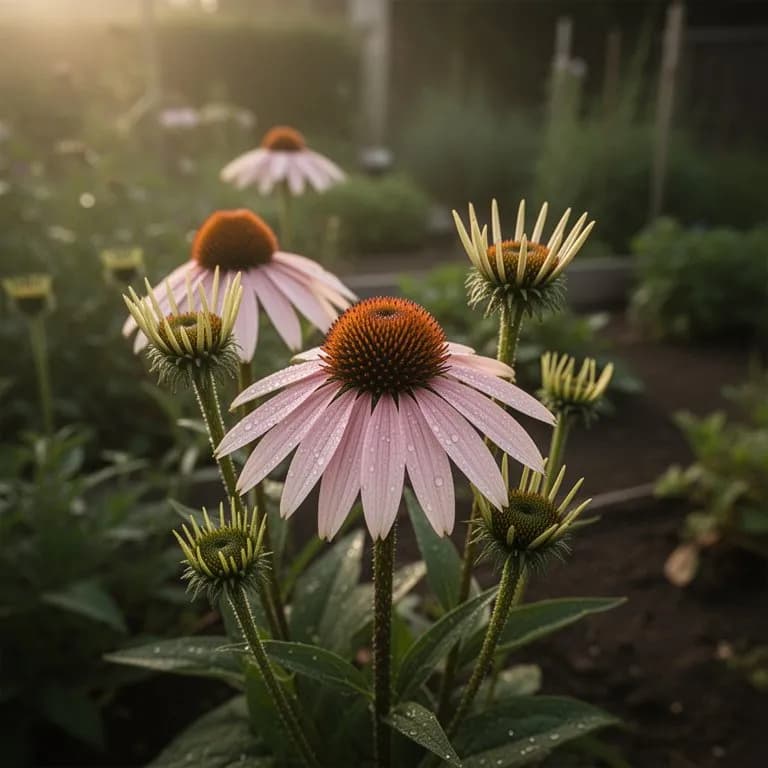
The raised central cone is composed of hundreds of tiny tubular disc florets that open from the outside inward
Coneflower seeds germinate best after a cold stratification period of thirty days in the refrigerator mixed with moist sand. Sow seeds indoors eight to ten weeks before the last frost, pressing lightly into the surface of moist seed-starting mix as light aids germination. Keep at 65 to 70 degrees Fahrenheit and expect sprouting in ten to twenty days. Transplant outdoors after the last frost. Seeds can also be sown directly outdoors in fall for natural stratification, with seedlings emerging the following spring.
Coneflowers grow in a wide range of soil types from sandy to clay, as long as drainage is adequate. They prefer a slightly acidic to neutral pH of 6.0 to 7.0. Amend heavy clay soils with compost and coarse sand to improve drainage. Apply a light top-dressing of compost in early spring. A single application of balanced slow-release fertilizer at the start of the growing season is sufficient. Rich, highly amended soil can lead to floppy growth and susceptibility to crown rot.
Check Your Zone
See if Coneflower is suitable for your location.
-29°C – 35°C
-20°F – 95°F
Echinacea is an exceptionally cold-hardy perennial, surviving winter temperatures as low as -29°C (USDA zones 3-9) thanks to its deep, fleshy taproot system. It thrives during the growing season with daytime temperatures between 18°C and 30°C and tolerates summer heat up to 35°C without difficulty, provided it receives adequate moisture. Seeds germinate best at soil temperatures of 18-21°C. Echinacea actually requires a period of winter cold to break dormancy and flower reliably each spring, making it poorly suited to tropical climates without distinct cool seasons.
Common issues affecting Coneflower and how to prevent and treat them organically.
Aster yellows is the most devastating disease, causing grotesque flower deformities with no available cure. Infected plants must be removed and destroyed. Crown rot occurs in heavy, poorly drained soils, especially in winter. Some newer hybrid varieties, particularly those in unusual colors like orange and yellow, tend to be short-lived and may decline after two to three years. Overwatering is more harmful than underwatering for established coneflowers.
Coneflowers are quintessential prairie companions for black-eyed Susans, ornamental grasses like switchgrass and little bluestem, and other native perennials. They combine beautifully with Russian sage, butterfly weed, and bee balm for a pollinator-rich native garden. Plant shorter varieties in front of tall sedums and Joe Pye weed for layered late-summer color. Coneflowers attract butterflies, native bees, and beneficial predatory insects to the garden.
Coneflowers are a magnet for pollinators including bees, butterflies, and hoverflies throughout mid to late summer
- 1Cold-stratify echinacea seeds for 4-6 weeks in the refrigerator before sowing to break dormancy and improve germination rates from around 30% to over 70%. Place seeds between moist paper towels in a sealed bag at 2-4°C.
- 2Choose a planting site with full sun and well-drained soil. Echinacea is native to prairies and thrives in lean, slightly alkaline soils. It will tolerate clay soil if drainage is adequate but rots quickly in waterlogged conditions.
- 3Space plants 45-60 cm apart to allow good air circulation, which helps prevent fungal diseases. Echinacea clumps expand slowly over the years and will fill in gaps naturally without becoming aggressively invasive.
- 4Water young transplants regularly during their first growing season to help establish deep roots. Once established, echinacea is remarkably drought-tolerant and rarely needs supplemental irrigation except during prolonged dry spells.
- 5Avoid high-nitrogen fertilizers, which cause floppy, weak stems and reduce the concentration of medicinal compounds in roots and flowers. A light topdressing of compost in early spring is all the feeding echinacea requires.
- 6Deadhead spent flowers throughout summer to extend the bloom period by several weeks. Cut stems back to just above a set of leaves rather than just removing the flower head, which encourages branching and additional buds.
- 7Wait at least three full growing seasons before harvesting roots for medicinal use. Younger roots have significantly lower concentrations of alkamides and cichoric acid compared to roots from mature plants.
- 8Divide crowded clumps every 3-4 years in early spring just as new growth emerges. Use a sharp spade to cut the root mass into sections, each with several growing points and a generous portion of root, and replant immediately.
- 9Leave seed heads standing through winter to provide food for goldfinches and other seed-eating birds, and to allow natural self-sowing. Cut back old stems in early spring when you see new basal leaves emerging from the crown.
- 10Watch for aster yellows, a phytoplasma disease spread by leafhoppers that causes distorted green flowers and stunted growth. There is no cure, so remove and destroy affected plants promptly to prevent the disease from spreading to healthy plants.
Cut coneflower stems for fresh arrangements when petals have just reflexed back from the central cone. Choose stems with blooms at various stages for the most natural-looking bouquets. For seed saving, leave seed heads on the plant until they are fully dry and the central cone has darkened to near-black. Break cones apart over a tray to extract the small, pointed seeds. Deadhead earlier blooms to encourage reblooming, then leave the final fall flush for the birds and winter interest.
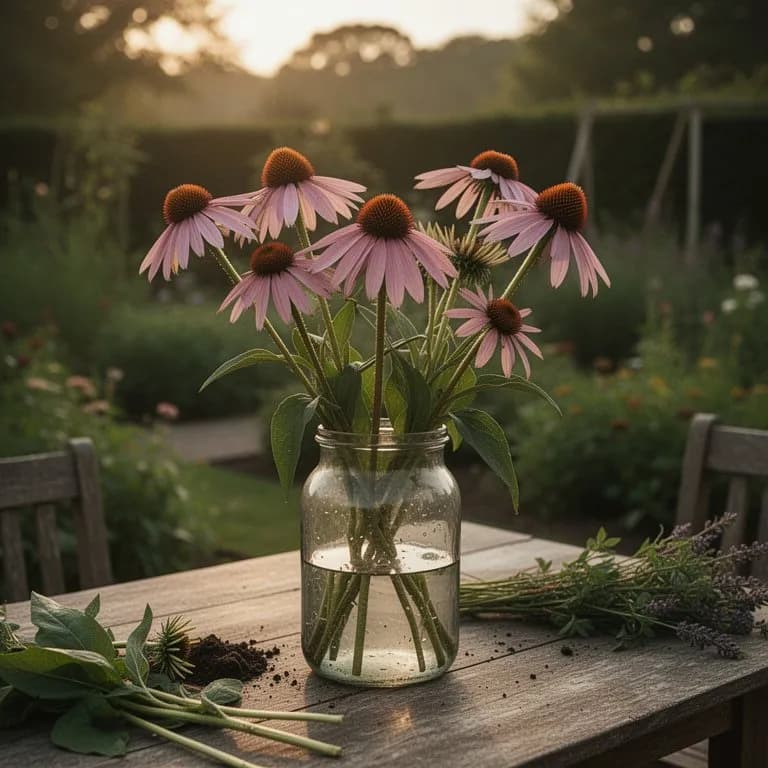
Echinacea roots are harvested after three or more years of growth when their medicinal compound concentration is highest
Fresh-cut coneflowers last seven to ten days in a vase with clean water and floral preservative. The sturdy stems and long-lasting blooms make them excellent cut flowers. For drying, cut stems when the cone is fully developed and petals are still fresh. Hang upside down in a warm, dark, well-ventilated area for two to three weeks. Dried coneflower cones are attractive in winter arrangements. Seeds remain viable for two to three years when stored in paper envelopes in a cool, dry location.
Plan your garden with ease
Love growing Coneflower? Use our free garden planner to design your beds, track planting dates, and get personalized care reminders.
Nutritional Info
Per 100g serving
2
Calories
Health Benefits
- Contains alkamides, particularly isobutylamides, which stimulate the immune system and produce the characteristic tongue-tingling sensation
- Rich in phenolic compounds including cichoric acid, caftaric acid, and chlorogenic acid, which exhibit strong antioxidant activity
- Provides polysaccharides such as arabinogalactans and fucogalactoxyloglucans that may enhance macrophage activity
- Contains volatile oils including borneol, bornyl acetate, and germacrene D with anti-inflammatory properties
- Extremely low in calories when consumed as tea, with roughly 2 kcal per 100 ml of brewed infusion
- Free of caffeine, making it suitable for consumption at any time of day without disrupting sleep
💰 Why Grow Your Own?
A packet of Echinacea purpurea seeds costs around $3-5 and yields 50-100 long-lived perennial plants that return year after year for decades without replanting. A single mature plant produces enough root material after three years to make several bottles of tincture worth $12-18 each at retail. With premium echinacea supplements and tinctures selling for $15-25 per bottle and echinacea tea boxes retailing at $5-8 for 16 bags, a small home planting of 5-10 plants can save $80-150 per year in supplement costs while providing a fresher, more potent product than most commercial offerings.
Quick Recipes
Simple recipes using fresh Coneflower
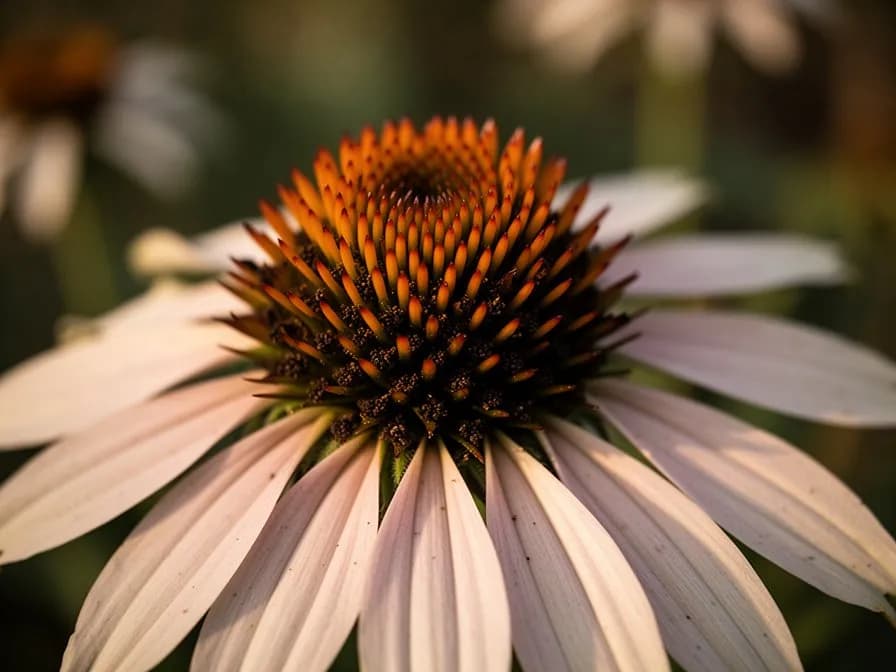
Fresh Echinacea Root and Flower Tea
15 minutesA robust immune-supporting tea brewed from freshly harvested echinacea root and flower heads. The root imparts an earthy, slightly peppery flavor with a mild tingling sensation, while the flower petals add a subtle floral note. Best consumed at the first sign of a cold or during winter months for daily immune support.
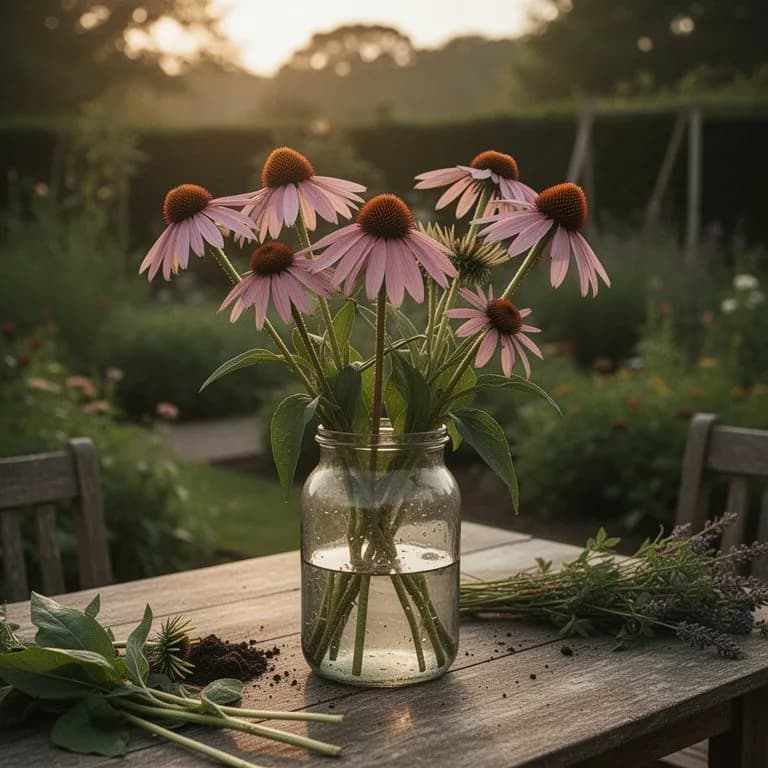
Echinacea Root Tincture
20 minutes active, 6-8 weeks steepingA concentrated alcohol-based extract of echinacea root that preserves the immune-active alkamides and phenolic compounds for long-term use. A properly made tincture keeps for 3-5 years and provides a convenient way to take echinacea in small measured doses throughout cold and flu season.
Echinacea Honey Throat Drops
30 minutesSoothing homemade throat lozenges combining the immune-boosting properties of echinacea with the antimicrobial benefits of raw honey and the cooling relief of peppermint. These drops are ideal for easing sore throats and supporting the immune system during cold season.
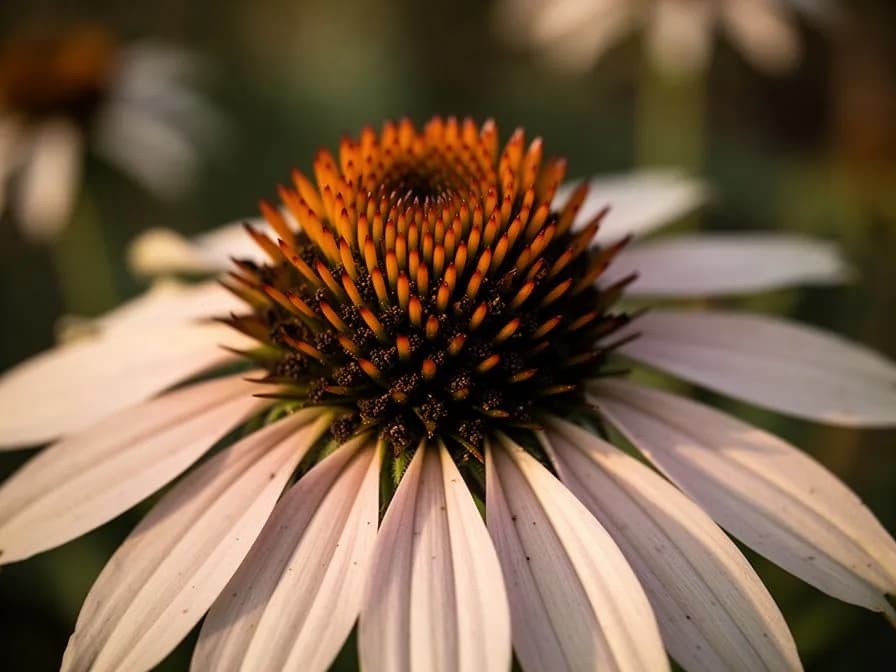
Dried echinacea root and flower material can be stored for over a year in airtight containers away from light
Yield & Spacing Calculator
See how many Coneflower plants fit in your garden bed based on the recommended 45cm spacing.
4
Coneflower plants in a 4×4 ft bed
2 columns × 2 rows at 45cm spacing
Popular Varieties
Some of the most popular coneflower varieties for home gardeners, each with unique characteristics.
Magnus
The classic Echinacea purpurea selection with large rose-pink flowers on sturdy three-foot stems, winner of the Perennial Plant of the Year award.
White Swan
A reliable white-flowered coneflower with drooping petals and a prominent orange-bronze cone on two to three foot stems.
Cheyenne Spirit
An award-winning seed strain producing flowers in a remarkable range of colors including red, orange, yellow, purple, cream, and bicolors.
PowWow Wild Berry
Compact plants reaching two feet tall with vivid deep rose-purple flowers and excellent first-year flowering from seed.
Green Jewel
Unique green-petaled flowers with a large dark cone, adding an unusual color element to perennial borders and arrangements.
When should I plant Coneflower?
Plant Coneflower in March, April, May. It takes approximately 90 days to reach maturity, with harvest typically in July, August, September.
What are good companion plants for Coneflower?
Coneflower grows well alongside Black-eyed Susan, Aster, Salvia. Companion planting can improve growth, flavor, and natural pest control.
What hardiness zones can Coneflower grow in?
Coneflower thrives in USDA hardiness zones 3 through 10. With greenhouse protection, it may be grown in zones 1 through 11.
How much sun does Coneflower need?
Coneflower requires Full Sun (6-8h+). This means at least 6-8 hours of direct sunlight daily.
How far apart should I space Coneflower?
Space Coneflower plants 45cm (18 inches) apart for optimal growth and air circulation.
What pests and diseases affect Coneflower?
Common issues include Aster Yellows, Japanese Beetles, Powdery Mildew. Prevention through good garden practices like crop rotation, proper spacing, and companion planting is the best approach. See the detailed pests and diseases section above for symptoms, prevention, and treatment for each.
How do I store Coneflower after harvest?
Fresh-cut coneflowers last seven to ten days in a vase with clean water and floral preservative. The sturdy stems and long-lasting blooms make them excellent cut flowers. For drying, cut stems when the cone is fully developed and petals are still fresh. Hang upside down in a warm, dark, well-ventila...
What are the best Coneflower varieties to grow?
Popular varieties include Magnus, White Swan, Cheyenne Spirit, PowWow Wild Berry, Green Jewel. Each has unique characteristics suited to different growing conditions and culinary preferences. See the varieties section above for detailed descriptions.
What soil does Coneflower need?
Coneflowers grow in a wide range of soil types from sandy to clay, as long as drainage is adequate. They prefer a slightly acidic to neutral pH of 6.0 to 7.0. Amend heavy clay soils with compost and coarse sand to improve drainage. Apply a light top-dressing of compost in early spring. A single appl...
Which species of echinacea is best for medicinal use?
The three species most commonly used medicinally are Echinacea purpurea, Echinacea angustifolia, and Echinacea pallida. Echinacea purpurea is the easiest to cultivate and the most widely researched, with both roots and aerial parts used in preparations. Echinacea angustifolia is considered by many herbalists to have the most potent roots, with higher concentrations of alkamides, but it is slower growing and more challenging to cultivate. Echinacea pallida roots are primarily used in European herbal medicine. For home gardeners, Echinacea purpurea is the best starting point due to its vigor, adaptability, and well-documented medicinal properties.
How long does it take for echinacea to bloom from seed?
Echinacea grown from seed typically does not bloom until its second year. In the first year, the plant focuses its energy on developing a strong basal rosette of leaves and establishing its deep taproot system. By the second growing season, sturdy flower stems emerge in early to midsummer, and the plant blooms from July through September. Some vigorous seedlings started very early indoors may produce a few flowers in their first autumn, but this is the exception rather than the rule. Patience is rewarded, as established echinacea plants bloom reliably for decades.
When and how should I harvest echinacea roots?
Harvest echinacea roots in autumn after the plant has finished flowering and begun to go dormant, or in early spring before active growth resumes. Wait until the plant is at least three years old to ensure adequate root mass and maximum concentration of medicinal compounds. Use a garden fork to carefully loosen the soil around the plant and lift the entire root mass. You can harvest the whole plant or divide the clump, replanting a portion with healthy growing points. Wash the roots thoroughly, slice them into thin pieces or small chunks, and dry them on screens in a warm, well-ventilated area away from direct sunlight for 1-2 weeks until completely dry and brittle.
Is echinacea safe to take every day as a supplement?
Most research suggests echinacea is safe for short-term use of 10-14 days, particularly at the onset of cold symptoms. Whether daily long-term use is beneficial or advisable is debated among herbalists and researchers. Some traditional herbalists recommend cycling echinacea, taking it for 2-3 weeks followed by a 1-week break, to maintain immune responsiveness. Echinacea should be avoided by individuals with autoimmune conditions, allergies to plants in the daisy family (Asteraceae), or those taking immunosuppressant medications. As with any herbal supplement, consult a qualified healthcare provider before beginning regular use.
Why are my coneflowers producing green, distorted flowers?
Green, distorted, or tufted flowers on echinacea are almost always a sign of aster yellows, a disease caused by phytoplasma organisms spread by aster leafhoppers. Infected plants produce bizarre-looking flowers with green petal-like structures replacing normal purple petals, and the central cone may elongate abnormally. There is no cure for aster yellows. Affected plants must be removed and destroyed immediately to prevent leafhoppers from spreading the phytoplasma to healthy plants nearby. Do not compost infected material. Controlling leafhopper populations with row covers or reflective mulch can help reduce transmission.
Can I grow echinacea in containers on a balcony or patio?
Yes, echinacea can be grown in containers, though it performs best in the ground due to its deep taproot. Choose a pot at least 30-40 cm deep and wide to accommodate the root system, and use a well-draining potting mix amended with perlite or coarse sand. Place the container in full sun with at least 6-8 hours of direct light daily. Container-grown echinacea requires more frequent watering than garden plants since pots dry out faster, but avoid leaving the pot sitting in a saucer of standing water. In cold climates, overwinter potted echinacea in an unheated garage or wrap the container with insulating material, as roots in above-ground pots are more vulnerable to freeze damage than those in the ground.
Ready to Grow Coneflower?
Add Coneflower to your garden plan and start designing your perfect layout.

Vladimir Kusnezow
Gardener and Software Developer
Zone 6b gardener. Growing vegetables and fruits in soil and hydroponics for 6 years. I built PlotMyGarden to plan my own gardens.
Jump to Section