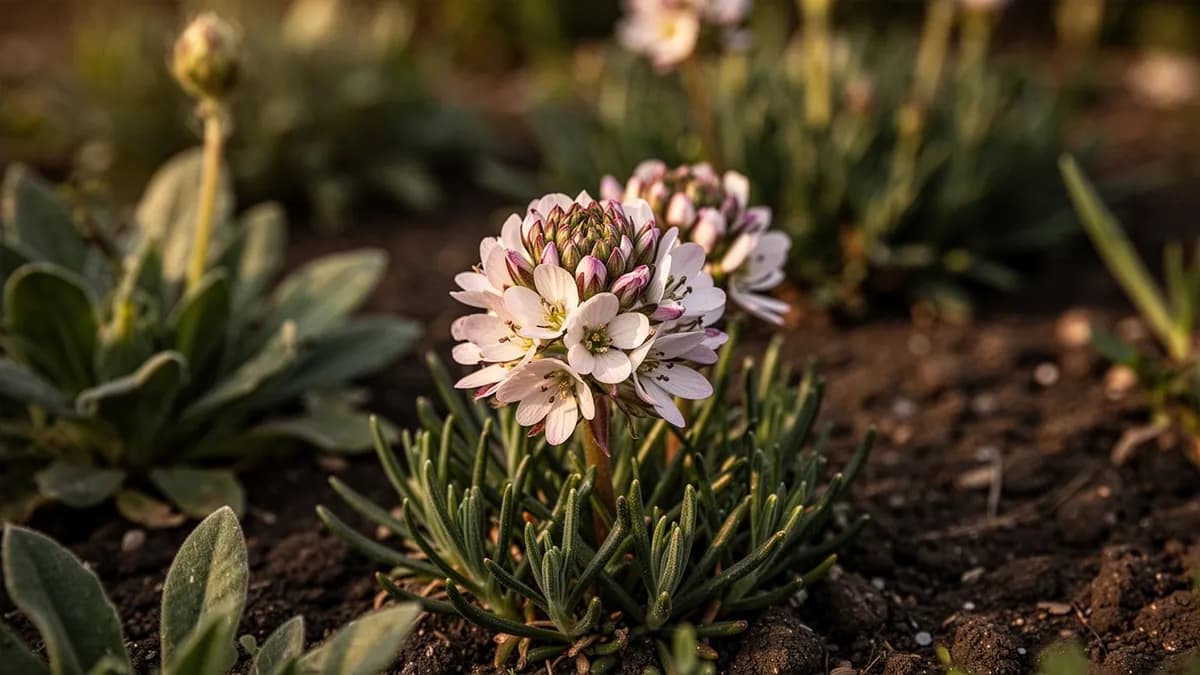
Sea Thrift
Armeria maritima
At a Glance
It's planting season for Sea Thrift! Start planning your garden now.
A compact, evergreen perennial forming dense tufts of grass-like foliage topped by round, pink flower heads on slender stems. Sea thrift is extremely salt and wind tolerant, making it ideal for coastal gardens, rock gardens, and edging. It prefers lean, sandy soil and will rot in heavy, wet clay.
Planting & Harvest Calendar
Growth Stages
From Seed to Harvest
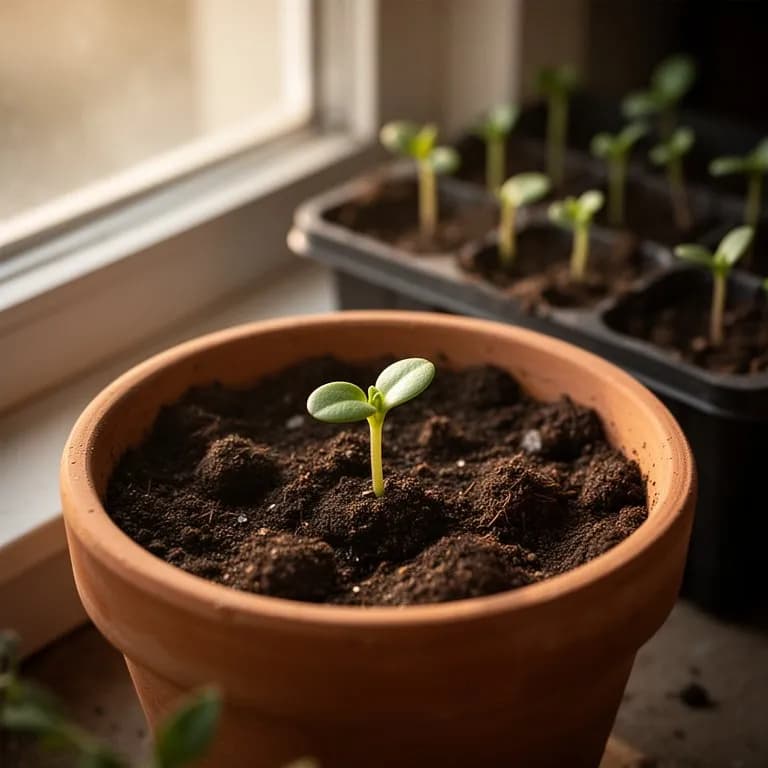
Seed Germination
Days 0–21
Armeria seeds require light to germinate, so sow them on the surface of a moist, well-draining seed-starting mix and press gently without covering. Maintain a consistent temperature of 15-20°C and keep the medium evenly moist. Germination is somewhat erratic and can take 10-21 days. A brief cold stratification period of 2-3 weeks in the refrigerator before sowing can improve germination rates significantly.
💡 Care Tip
Use a fine mist sprayer to water seeds to avoid displacing them from the surface. A clear humidity dome helps maintain consistent moisture without waterlogging.
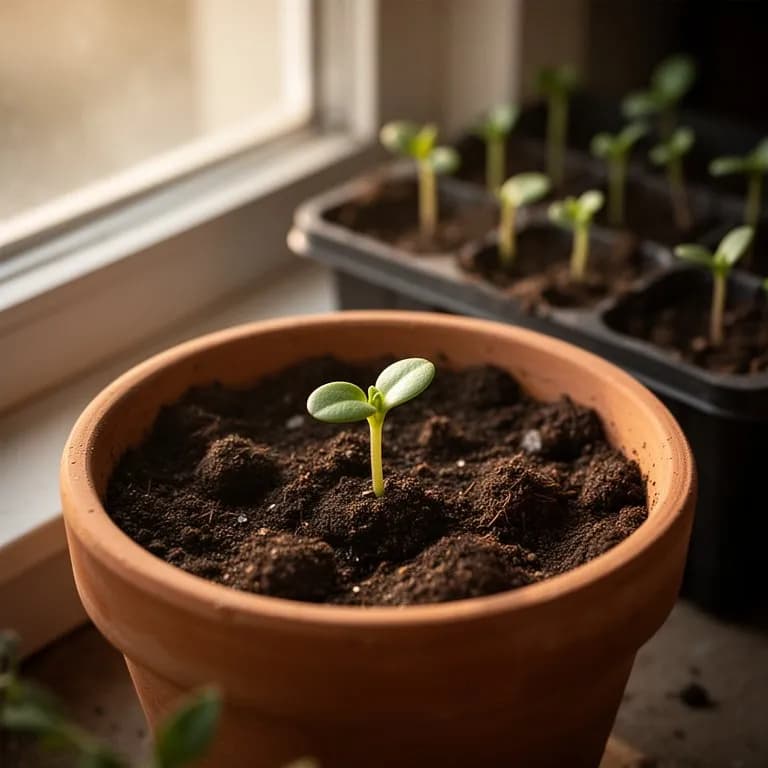
Armeria seedlings develop fine, linear leaves that gradually form the characteristic dense tufted mound
Monthly Care Calendar
What to do each month for your Sea Thrift
May
You are hereWatch for the first flower stalks emerging from the center of the cushion. Water newly planted armeria sparingly, allowing soil to dry between waterings. Established plants rarely need supplemental watering. Enjoy early pollinators visiting the opening buds.
Did You Know?
Fascinating facts about Sea Thrift
Armeria maritima is one of the few flowering plants that can tolerate salt spray and grow directly in coastal cliff crevices just meters from the ocean, earning it the common name 'sea thrift.'
Sea thrift is a tough, compact perennial native to coastal cliffs and salt marshes. Plant in spring, spacing 10-12 inches apart in full sun with very well-drained, lean soil. Sea thrift thrives in poor, sandy, or gravelly soil and rots quickly in rich, moisture-retentive conditions.
The evergreen grass-like tufts form dense cushion-like mounds 6-8 inches tall, topped with round pink flower heads on wiry stems in late spring through early summer. Deadhead spent flowers to encourage sporadic reblooming throughout the season.
Sea thrift is exceptionally tolerant of salt spray, strong winds, drought, and poor soil. This makes it invaluable for seaside gardens, exposed rock gardens, and tough spots near roads. Divide clumps every 3-4 years in spring to maintain vigor, as centers can become woody and bare over time.
Armeria maritima, commonly known as sea thrift, sea pink, or simply thrift, is native to the coastal cliffs, salt marshes, and rocky shorelines of Europe's Atlantic seaboard, from the Arctic coasts of Scandinavia and Iceland south through Britain, Ireland, France, Spain, and Portugal. Its range also extends inland to alpine meadows in the mountains of central and southern Europe, where it thrives at elevations exceeding 3,000 meters. This remarkable geographic spread, from sea level to high alpine zones, reflects the plant's extraordinary tolerance for poor, well-drained soils, wind exposure, and temperature extremes. Sea thrift has been a familiar wildflower in Britain for centuries and holds a special place in British horticultural and cultural history. It appeared on the reverse of the threepenny bit coin between 1937 and 1952, chosen both for its beauty and because the word 'thrift' resonated with wartime values of economy and prudence. The plant has been cultivated in British gardens since at least the 16th century, when it was grown as an edging plant for formal knot gardens and parterres. John Gerard described it in his 1597 herbal as a plant found abundantly on coastal cliffs and admired for its neat, tufted growth. By the 18th and 19th centuries, armeria had become a staple of cottage gardens and rock gardens throughout Europe. Plant breeders developed cultivars in shades ranging from deep crimson to pure white, expanding its garden appeal beyond the typical wild pink. In modern horticulture, sea thrift is valued as a drought-tolerant, low-maintenance perennial for rock gardens, green roofs, coastal landscapes, and pollinator-friendly plantings. Its ability to grow in contaminated soils has also attracted attention for ecological restoration projects on former mining and industrial sites across Europe.
Sow seeds in spring, covering lightly with gritty compost. Keep at 60-65°F (15-18°C). Germination takes 14-21 days but can be erratic. Grow seedlings in individual pots with free-draining compost. Division of established clumps in spring is faster and more reliable.
Sea thrift demands lean, well-drained soil with a pH of 5.5-7.5. It thrives in sandy, gravelly, and rocky conditions. Avoid enriching the soil—sea thrift performs poorly in rich conditions and may rot. If soil is heavy clay, add copious grit or grow in raised beds. No fertilizer is needed.
Check Your Zone
See if Sea Thrift is suitable for your location.
-30°C – 30°C
-22°F – 86°F
Sea thrift is exceptionally cold-hardy, tolerating winter temperatures down to -30°C (USDA Zone 4) once established. It performs best with cool to moderate summer temperatures between 15-25°C and struggles in areas with prolonged heat and humidity above 30°C. Coastal breezes and good air circulation help the plant cope with warmer conditions. Its natural adaptations to exposed coastal and alpine environments make it far more tolerant of cold and wind than of heat and stagnant humid air.
Common issues affecting Sea Thrift and how to prevent and treat them organically.
Crown rot from too-rich or too-wet soil is the most common issue. Sea thrift must have excellent drainage. Clumps developing bare, woody centers need dividing—lift, remove dead material, and replant healthy outer portions. In humid climates, rust may spot foliage but rarely causes serious damage.
Sea thrift is a natural partner for other drought-tolerant, lean-soil plants: sedums, dianthus, thyme, and ornamental grasses. In rock gardens, pair with alpine plants like saxifrages and sempervivums. For coastal gardens, combine with sea holly, lavender, and rosemary.
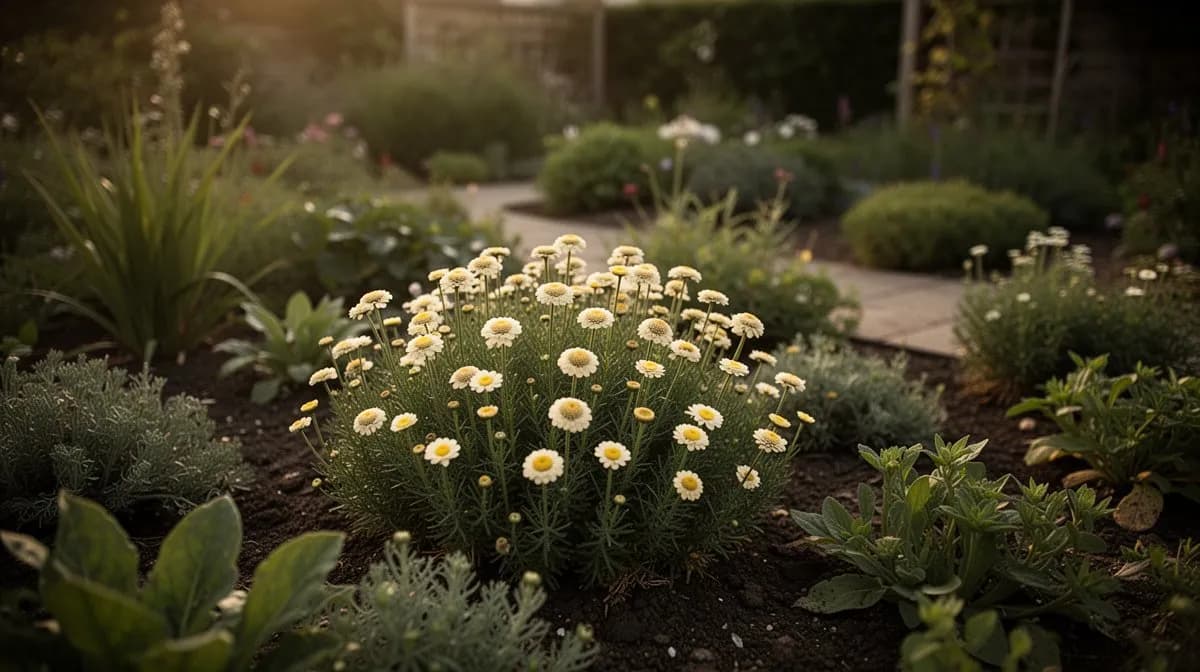
Sea thrift creates a stunning display when planted in drifts along borders, rock walls, or coastal garden edges
- 1Plant armeria in the leanest, sharpest-draining soil available. Sandy, gravelly, or rocky soil is ideal. Rich, moisture-retentive soil causes the cushion to open up, flop, and rot at the center. Amend heavy clay with generous amounts of coarse grit or perlite before planting.
- 2Full sun is essential for compact growth and abundant flowering. Plants grown in partial shade become leggy and loose, produce fewer flower stalks, and are more susceptible to crown rot from poor air circulation.
- 3Water sparingly and only during establishment or prolonged drought exceeding 2-3 weeks. Established sea thrift is extremely drought-tolerant and strongly prefers dry conditions to wet ones. Overwatering is the most common cause of plant death.
- 4Use gravel, stone chips, or coarse sand as mulch rather than organic materials like bark or compost. Organic mulches hold moisture against the crown and create conditions favorable for fungal rot, which is sea thrift's primary enemy.
- 5Deadhead spent flower stalks promptly by cutting them off at the base of the cushion. This redirects energy from seed production into forming new flower buds, often extending the bloom season by several additional weeks.
- 6Divide congested clumps every 3-4 years in early autumn or early spring. Lift the entire plant, discard the woody dead center, and replant the healthy outer sections with intact roots. This rejuvenates flowering and prevents the bare-center problem common in older plants.
- 7Avoid fertilizing armeria. This plant evolved on nutrient-poor coastal cliffs and alpine scree, and excess nutrients cause weak, floppy growth that is prone to disease. If soil is extremely poor and sandy, a light dusting of bone meal in early spring is sufficient.
- 8Space plants 20-30 cm apart for continuous ground cover or 15 cm apart along border edges. Allow enough room between plants for air to circulate freely, which is critical for preventing moisture-related crown rot.
- 9Sea thrift tolerates salt spray and saline soils exceptionally well, making it one of the best perennials for oceanfront gardens, seaside planters, and areas treated with road salt in winter.
- 10In regions with hot, humid summers, improve success by planting armeria on raised mounds, berms, or in elevated rock garden pockets where drainage is maximized and air movement around the foliage is unimpeded.
Sea thrift flower heads can be cut for small arrangements when fully open. The round pink globes on slender stems are charming in posies. They dry well for everlasting arrangements—hang upside down for 1-2 weeks. Dried flower heads retain their shape and a muted pink color.
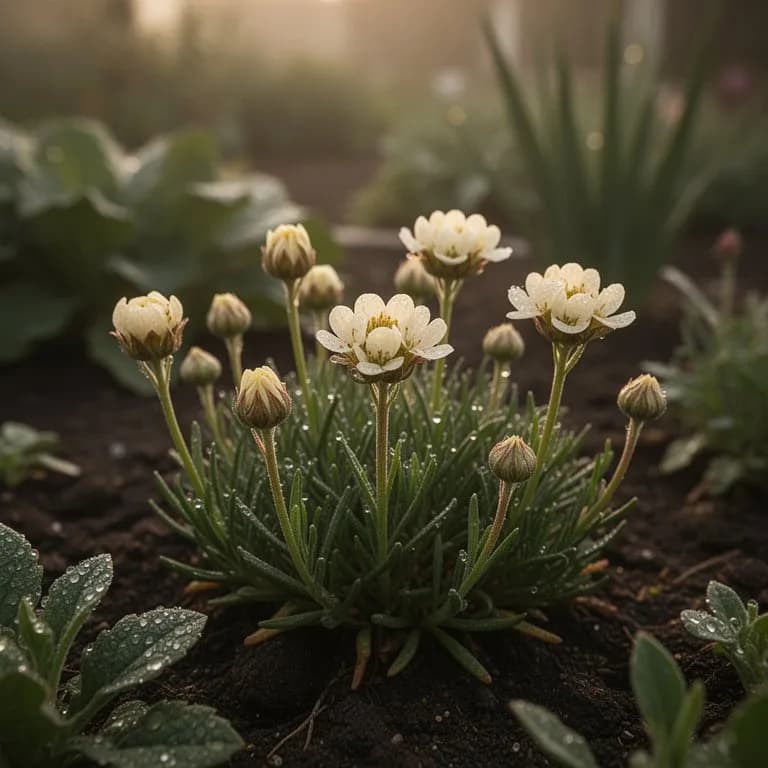
Armeria flowers dry beautifully, retaining their spherical shape and soft pink color for dried arrangements
Sea thrift is a hardy perennial requiring no special storage. Plants are evergreen and maintain their tufted appearance year-round. Divide overcrowded clumps in spring and replant immediately. Dried flower heads can be stored indefinitely in a dry location.
Plan your garden with ease
Love growing Sea Thrift? Use our free garden planner to design your beds, track planting dates, and get personalized care reminders.
Nutritional Info
Per 100g serving
15
Calories
Health Benefits
- Armeria maritima is primarily an ornamental plant and is not widely consumed as food, so comprehensive nutritional data is limited
- Historically used in European folk medicine as a mild astringent and diuretic, though these uses lack modern clinical validation
- The plant contains tannins and flavonoids that have been identified in phytochemical analyses of wild populations
- Sea thrift flowers are technically edible and occasionally used as a decorative garnish on salads and desserts
- Rich in secondary metabolites that contribute to its heavy metal tolerance, including specialized metal-binding proteins
- The flowers produce nectar with moderate sugar content that supports a wide range of pollinating insects
💰 Why Grow Your Own?
Armeria maritima plants cost $3-7 each at garden centers, and a single established clump can be divided into 3-5 new plants every 3-4 years at no additional cost. Because sea thrift requires no fertilizer, minimal watering once established, and no pest or disease treatments, ongoing maintenance costs are virtually zero. Compared to purchasing annual bedding plants each year to fill the same garden space, a $5 armeria plant that lives 10-15 years and multiplies through division can replace $50-100 worth of annuals over its lifetime. Its drought tolerance also reduces water bills in summer, and its evergreen foliage eliminates the need for seasonal replanting.
Quick Recipes
Simple recipes using fresh Sea Thrift
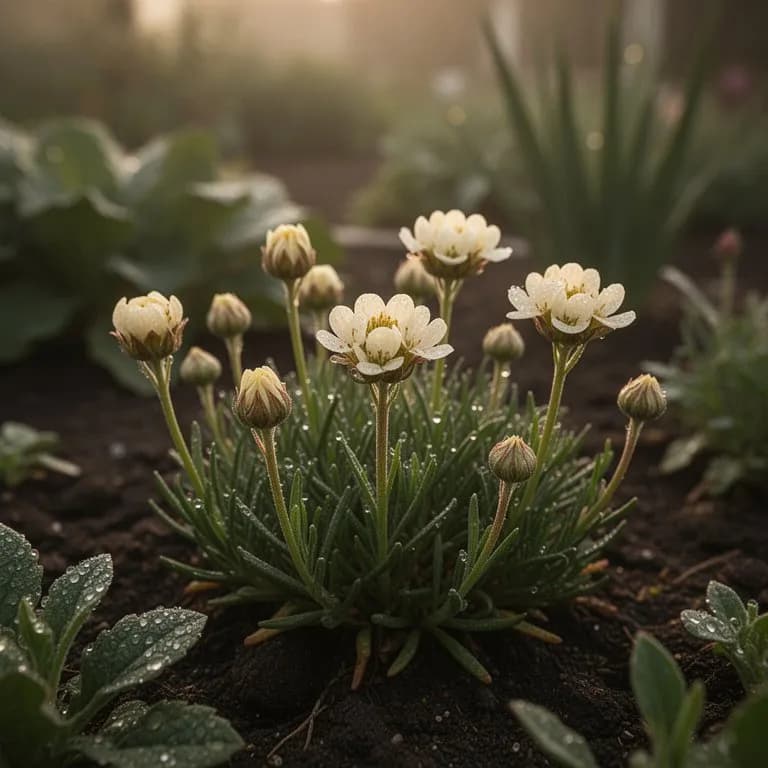
Sea Thrift Flower Garnish Salad
10 minutesA light spring salad using armeria flower heads as an edible garnish. The tiny pink florets add a delicate pop of color and a mild, slightly grassy flavor to mixed greens. This showcases sea thrift as a decorative culinary element rather than a primary ingredient, celebrating the beauty of garden-to-table presentation.
Thrift Blossom Infused Vinegar
15 minutes + 2 weeks infusionA delicately tinted floral vinegar made by steeping fresh armeria flowers in white wine vinegar. The infusion takes on a soft pink hue and a subtle, mildly floral aroma that complements light salad dressings and seafood dishes. This preparation captures the essence of a coastal garden in a bottle.
Coastal Garden Flower Ice Cubes
15 minutes + 4 hours freezingDecorative ice cubes featuring individual armeria florets frozen in crystal-clear ice. These stunning cubes transform ordinary drinks into elegant garden-party refreshments. The frozen flowers maintain their color and shape, releasing gentle hints of floral flavor as they melt into summer beverages.
Yield & Spacing Calculator
See how many Sea Thrift plants fit in your garden bed based on the recommended 25cm spacing.
16
Sea Thrift plants in a 4×4 ft bed
4 columns × 4 rows at 25cm spacing
Popular Varieties
Some of the most popular sea thrift varieties for home gardeners, each with unique characteristics.
Armeria maritima 'Rubrifolia'
Bronze-red foliage providing year-round interest, topped with deep pink flower globes. Unusual and attractive.
Armeria maritima 'Alba'
Pure white flower heads that glow against the dark green grass-like foliage. Elegant and clean.
Armeria maritima 'Bloodstone'
Deep rose-red flowers on 8-inch stems. The most intensely colored sea thrift variety available.
When should I plant Sea Thrift?
Plant Sea Thrift in March, April, May. It takes approximately 365 days to reach maturity, with harvest typically in May, June, July.
What are good companion plants for Sea Thrift?
Sea Thrift grows well alongside Sedum, Perennial Dianthus, Yarrow. Companion planting can improve growth, flavor, and natural pest control.
What hardiness zones can Sea Thrift grow in?
Sea Thrift thrives in USDA hardiness zones 3 through 9. With greenhouse protection, it may be grown in zones 1 through 10.
How much sun does Sea Thrift need?
Sea Thrift requires Full Sun (6-8h+). This means at least 6-8 hours of direct sunlight daily.
How far apart should I space Sea Thrift?
Space Sea Thrift plants 25cm (10 inches) apart for optimal growth and air circulation.
What pests and diseases affect Sea Thrift?
Common issues include Crown Rot, Rust. Prevention through good garden practices like crop rotation, proper spacing, and companion planting is the best approach. See the detailed pests and diseases section above for symptoms, prevention, and treatment for each.
How do I store Sea Thrift after harvest?
Sea thrift is a hardy perennial requiring no special storage. Plants are evergreen and maintain their tufted appearance year-round. Divide overcrowded clumps in spring and replant immediately. Dried flower heads can be stored indefinitely in a dry location.
What are the best Sea Thrift varieties to grow?
Popular varieties include Armeria maritima 'Rubrifolia', Armeria maritima 'Alba', Armeria maritima 'Bloodstone'. Each has unique characteristics suited to different growing conditions and culinary preferences. See the varieties section above for detailed descriptions.
What soil does Sea Thrift need?
Sea thrift demands lean, well-drained soil with a pH of 5.5-7.5. It thrives in sandy, gravelly, and rocky conditions. Avoid enriching the soil—sea thrift performs poorly in rich conditions and may rot. If soil is heavy clay, add copious grit or grow in raised beds. No fertilizer is needed.
Why is my armeria dying in the center of the cushion?
Bare or dead centers are the most common problem with established armeria and typically result from one of two causes: age or excess moisture. As plants mature over 3-4 years, the center of the cushion becomes woody and stops producing new growth while the outer edges continue expanding. The solution is to lift and divide the plant in early autumn, discarding the dead center and replanting the vigorous outer sections. If the die-back is occurring in younger plants, the cause is almost certainly too much moisture around the crown. Improve drainage by adding grit to the soil and switching to gravel mulch.
Can armeria grow in containers and pots?
Armeria grows very well in containers, especially shallow alpine pans, troughs, and window boxes with excellent drainage holes. Use a gritty, fast-draining compost mix of roughly 50% peat-free potting compost and 50% horticultural grit or perlite. Terra cotta or stone containers are preferable to plastic because they allow moisture to evaporate through the walls. Water only when the compost has dried out completely. Top-dress with a layer of fine gravel to keep the crown dry and create an attractive alpine display.
Is armeria deer and rabbit resistant?
Yes, armeria maritima is generally avoided by deer and rabbits. The tough, wiry foliage is not palatable to most browsing animals, and the plant does not appear on standard deer-preferred plant lists. This makes sea thrift an excellent choice for gardens in areas with heavy deer pressure, particularly when used as a border or edging plant to frame more vulnerable plantings. However, no plant is completely deer-proof if animals are hungry enough, especially in harsh winters with limited natural forage.
How do I propagate armeria from seed?
Sow armeria seeds indoors in late winter or early spring, 8-10 weeks before the last expected frost. Surface-sow seeds on moist, well-draining seed-starting mix and press them lightly into the surface without covering, as they need light to germinate. Maintain temperatures of 15-20°C and keep the medium consistently moist but not waterlogged. Germination typically takes 14-21 days. A 2-3 week cold stratification in the refrigerator before sowing improves germination rates. Transplant seedlings outdoors after the last frost once they have developed a small rosette of foliage. Plants grown from seed may not flower until their second year.
What companion plants work well with armeria?
Sea thrift pairs beautifully with other low-growing, drought-tolerant perennials that share its preference for lean soil and sharp drainage. Excellent companions include creeping thyme, sedums, dianthus, saxifrage, aubrieta, and alpine phlox. In rock gardens, combine it with dwarf grasses like blue fescue (Festuca glauca) and silver-leaved artemisia for textural contrast. Along borders, it complements lavender, catmint, and salvia. Avoid pairing armeria with moisture-loving or heavy-feeding plants like hostas or delphiniums, which require conditions that would harm the sea thrift.
Does armeria tolerate salt and coastal conditions?
Armeria maritima is one of the most salt-tolerant ornamental perennials available, making it an outstanding choice for seaside gardens. In the wild, it grows directly on sea cliffs and coastal salt marshes, often within reach of salt spray. It tolerates saline soils, strong coastal winds, and sandy, nutrient-poor conditions that would stress or kill most garden plants. It also performs well in roadside plantings where winter salt application is common. This exceptional salt tolerance is due to specialized glands on the leaf surface that actively excrete excess salt, a unique adaptation among garden perennials.
Ready to Grow Sea Thrift?
Add Sea Thrift to your garden plan and start designing your perfect layout.

Vladimir Kusnezow
Gardener and Software Developer
Zone 6b gardener. Growing vegetables and fruits in soil and hydroponics for 6 years. I built PlotMyGarden to plan my own gardens.
Jump to Section