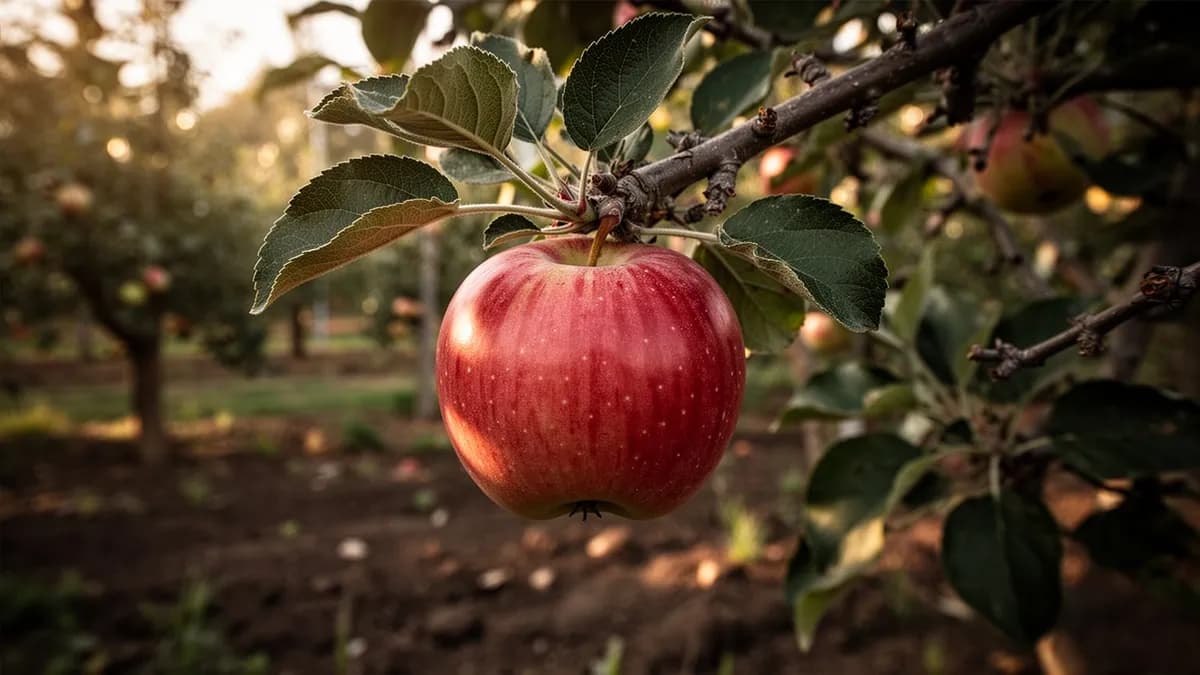
Pink Lady Apple
Malus domestica 'Cripps Pink'
At a Glance
A late-season Australian apple with a distinctive pink blush and a perfect balance of sweetness and acidity. Pink Lady requires one of the longest growing seasons of any apple variety and needs warm climates to develop its signature color. The firm, fine-grained flesh is excellent for both fresh eating and cooking.
Planting & Harvest Calendar
Growth Stages
From Seed to Harvest
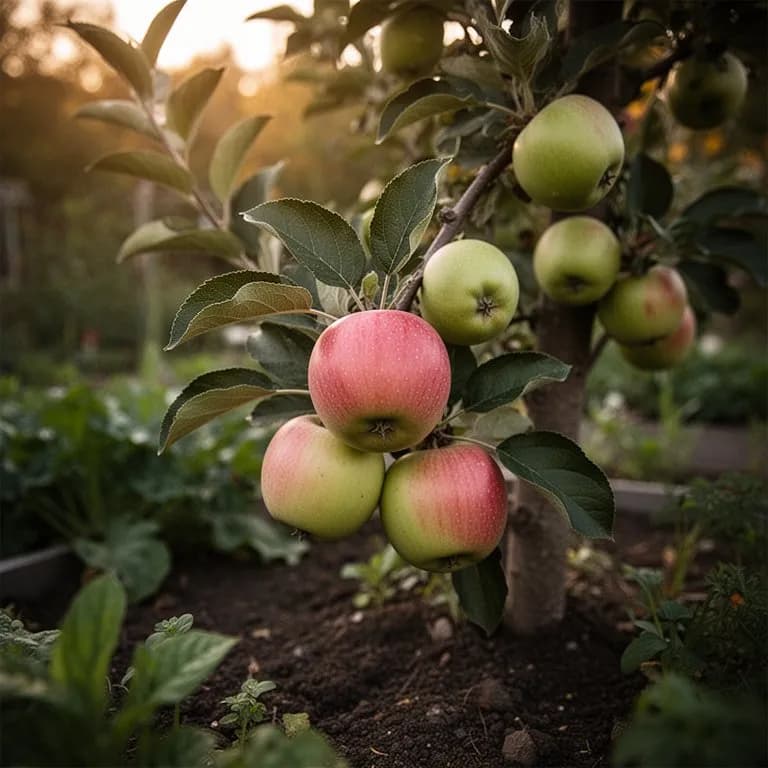
Dormancy and Bud Break
Days 0–30
The tree spends winter in dormancy, accumulating chill hours essential for proper flowering. As temperatures warm in late winter, buds begin to swell and break open, signaling the start of the growing season.
💡 Care Tip
Apply dormant oil spray during late dormancy to smother overwintering pests and mite eggs. Avoid spraying after green tip stage to prevent phytotoxicity.
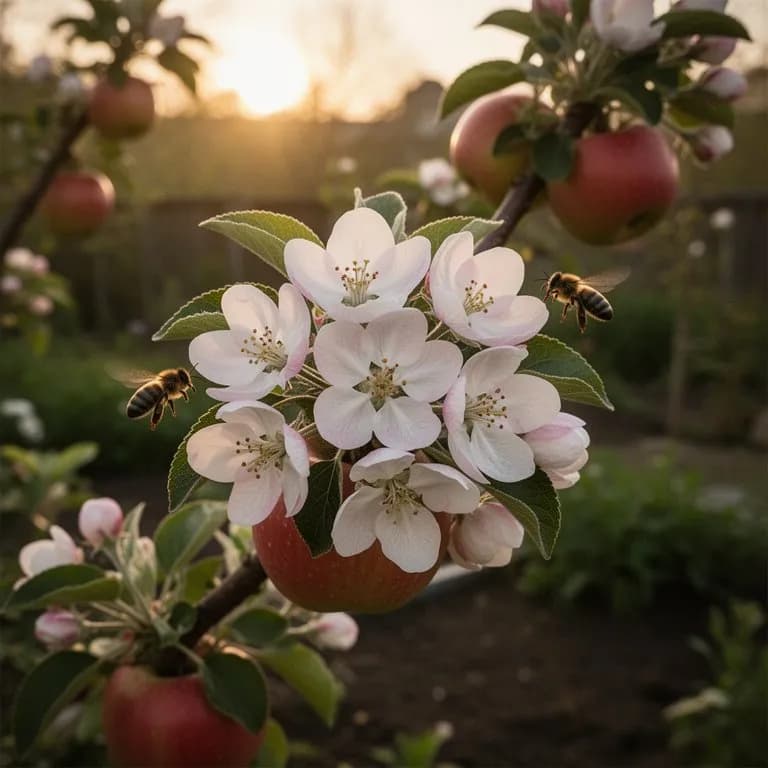
Spring bloom: Pink Lady trees produce delicate white-pink flowers that attract pollinators.
Monthly Care Calendar
What to do each month for your Pink Lady Apple
May
You are hereHand-thin fruit clusters to one fruitlet per spur within two weeks of petal fall. Apply first summer spray for codling moth based on degree-day models. Begin weekly scouting for aphids and mite populations.
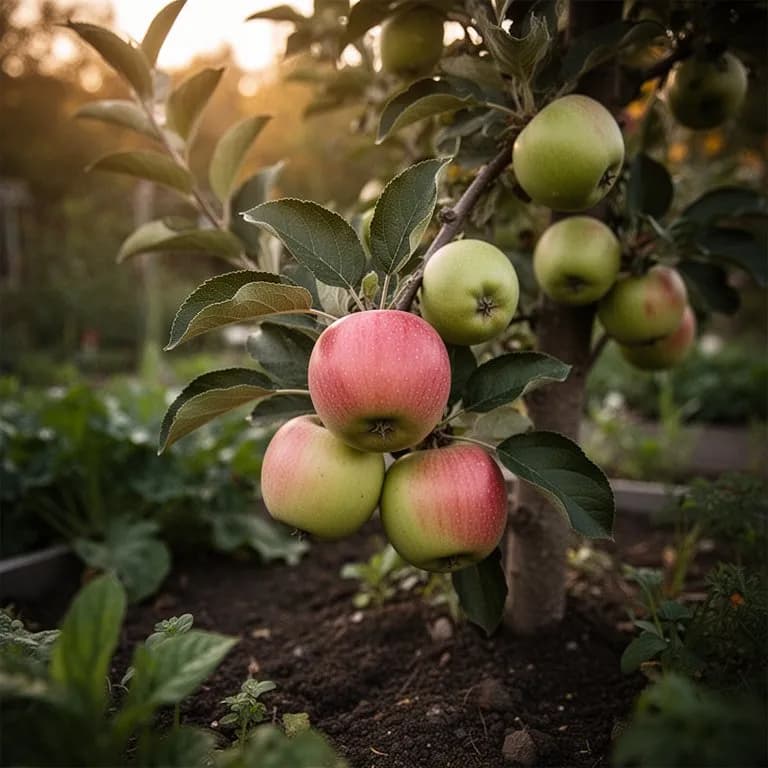
Annual pruning in late winter or early spring encourages strong scaffold branches and good fruit color.
Did You Know?
Fascinating facts about Pink Lady Apple
Pink Lady is a registered trademark name; the variety's actual name is Cripps Pink, developed in Western Australia by John Cripps in 1973 by crossing Golden Delicious with Lady Williams.
Pink Lady apple trees demand a warm climate with at least 200 frost-free days and high heat units to develop their signature pink blush and balanced flavor. Plant in full sun in early spring, selecting a south-facing slope if available to maximize warmth and light exposure. The trees are moderately vigorous and train well to either central leader or tall spindle systems.
Pollination partners are essential as Pink Lady is not self-fertile. Good pollinators include Granny Smith, Gala, and Fuji, which overlap in bloom timing. Pink Lady blooms mid-season and sets fruit readily, but thinning to one fruit per cluster is necessary for good size and color development. The variety naturally produces well-colored fruit in warm climates but may struggle to develop pink blush in cooler regions.
Provide consistent irrigation throughout the long growing season, as water stress during summer reduces fruit size and quality. Apply fertilizer conservatively in spring, as excessive nitrogen promotes vegetative growth at the expense of fruit coloring. Prune for an open canopy that allows maximum light penetration to all fruit, since the pink blush develops only on surfaces exposed to sunlight. Harvest is very late, often extending into November.
Pink Lady apple, officially known by its cultivar name Cripps Pink, was developed by Australian horticulturist John Cripps at the Department of Agriculture research station in Stoneville, Western Australia. The variety was created through a deliberate cross between Golden Delicious, an American variety prized for its sweetness and productivity, and Lady Williams, a late-maturing Western Australian variety known for its crunch, keeping quality, and distinctive tartness. The cross was made in 1973, and after years of selection, trialing, and evaluation, the variety was officially released to Australian growers in the early 1980s.
The timing of the release coincided with growing consumer demand for premium, differentiated apple varieties in international markets. Australian growers quickly recognized the variety's potential for export, as its late harvest date in the Southern Hemisphere perfectly aligned with the Northern Hemisphere's off-season, allowing Australian Pink Lady to fill market gaps during Northern Hemisphere spring and early summer. This commercial advantage accelerated its adoption and helped establish Australia as a major apple-exporting nation.
During the 1990s, the variety was introduced to growers in Europe, the United States, Chile, and South Africa. The trademarked Pink Lady brand was established to distinguish high-quality fruit meeting specific color, size, and sugar standards from generic Cripps Pink production. This branding strategy proved highly effective and Pink Lady became one of the first apple varieties to be aggressively marketed directly to consumers as a premium brand rather than a commodity crop.
Today, Pink Lady is grown commercially on every continent capable of producing apples and consistently ranks among the top five best-selling apple varieties in Europe and Australasia. Ongoing research programs continue to develop improved strains with better color development, reduced biennial bearing tendency, and enhanced disease resistance, ensuring the variety remains commercially competitive well into the future.
Pink Lady is a trademarked brand and Cripps Pink is a patented cultivar, so commercial propagation requires licensing. Seeds will not produce true Pink Lady trees. For experimental purposes, clean and stratify seeds in moist medium at 35 to 40 degrees Fahrenheit for 60 to 90 days. Sow one-half inch deep in seed-starting mix under bright light at 65 to 75 degrees Fahrenheit. Seedlings will produce variable fruit after many years of growth and would need to be evaluated on their own merits.
Pink Lady trees perform best in deep, well-drained soils with a pH between 6.0 and 7.0. Moderate fertility is ideal; excessive nitrogen delays fruit maturation and reduces the pink blush. Apply a balanced fertilizer in early spring at a conservative rate. Potassium is particularly important for color development and flavor, so maintain adequate levels through soil amendments. Calcium sprays help prevent storage disorders in the dense flesh.
Check Your Zone
See if Pink Lady Apple is suitable for your location.
-2°C – 35°C
28°F – 95°F
Pink Lady apples thrive in climates with warm, long growing seasons and cool autumns. The tree requires 400-600 chill hours below 7°C during winter dormancy to ensure uniform bud break and consistent cropping. Summer temperatures between 25°C and 32°C promote rapid fruit sizing, while cool autumn nights below 15°C are essential to trigger the anthocyanin production responsible for the variety's signature pink-red blush. The tree can withstand brief frosts down to -2°C during the growing season but open blossoms are damaged by temperatures below -1.5°C. Regions with hot, arid summers and cool autumns — such as inland southeastern Australia, South Africa's Western Cape, and inland Washington State — produce the best-colored and most flavorful fruit.
Common issues affecting Pink Lady Apple and how to prevent and treat them organically.
The primary challenge with Pink Lady is the extremely long growing season required for fruit to mature and develop color. In cooler regions or years with early frost, fruit may not reach full ripeness, resulting in green, tart apples that lack the signature blush. Sunburn during summer heat waves can damage the exposed side of fruit. The variety is trademarked, and only fruit meeting specific color and quality standards can be sold under the Pink Lady brand name.
Companion plant with chives and garlic to deter aphids and borers from the base of Pink Lady trees. Marigolds attract beneficial insects while adding color to the orchard floor. Low-growing herbs like thyme and marjoram provide ground cover and attract pollinators during bloom. Comfrey planted at the drip line accumulates potassium and minerals that can be cut and used as nutrient-rich mulch around the tree.
- 1Pink Lady requires 400-600 chill hours below 7°C to break dormancy reliably; if your local winters are mild, consider a low-chill pollinator variety rather than assuming standard Pink Lady will perform in subtropical climates.
- 2Because Pink Lady blooms late in spring, it naturally avoids most late frosts, but if a surprise frost threatens open blossoms, drape the canopy with frost cloth overnight and remove it in the morning once temperatures rise above 2°C.
- 3Hand-thin to one fruit per spur no later than six weeks after petal fall — overcrowded fruit clusters produce small, poorly colored apples and encourage the tree to produce a light crop the following year (biennial bearing).
- 4The pink blush develops best when night temperatures drop below 13°C during the final four to six weeks before harvest; if your autumn remains warm, expect lighter coloring but no reduction in flavor quality.
- 5Consistent calcium nutrition is essential to prevent bitter pit, a physiological disorder that causes brown corky spots in the flesh — apply calcium chloride foliar sprays (0.5% solution) every two weeks from late fruitlet stage through to six weeks before harvest.
- 6Pink Lady performs best in deep, well-drained loam soils with a pH between 6.0 and 6.5; if your soil is heavy clay, plant on a raised mound or in a raised bed filled with improved loam to prevent waterlogging and collar rot.
- 7In high-humidity climates, apple scab (Venturia inaequalis) and powdery mildew (Podosphaera leucotricha) are significant threats; begin a preventive fungicide program at green tip and maintain coverage through summer using products alternated to prevent resistance.
- 8Reflective mulch film laid under the tree in late summer significantly boosts the pink-red blush on the sun-exposed side and helps color the shaded side of fruit, improving overall appearance without any impact on flavor.
- 9When storing harvested Pink Lady, maintain temperature at 0-1°C with relative humidity of 90-95%; in these conditions, fruit quality is maintained for four to six months, meaning you can enjoy homegrown apples well into the following spring.
- 10If space is limited, consider a multi-graft espalier against a sunny wall using Pink Lady and its pollinators (Fuji or Granny Smith) trained on horizontal wires — this maximizes wall warmth for color development while keeping the footprint to under one square meter of ground space.
Pink Lady apples are among the very last to ripen, typically in late October to November and sometimes into early December in warm climates. The fruit needs cool autumn nights to develop its signature pink blush over a green-yellow background. Harvest when the background color shifts from green to golden yellow and the pink blush is well established. The fruit hangs well on the tree and actually improves in flavor with extended hang time. Pick over multiple harvests as color develops unevenly across the canopy.
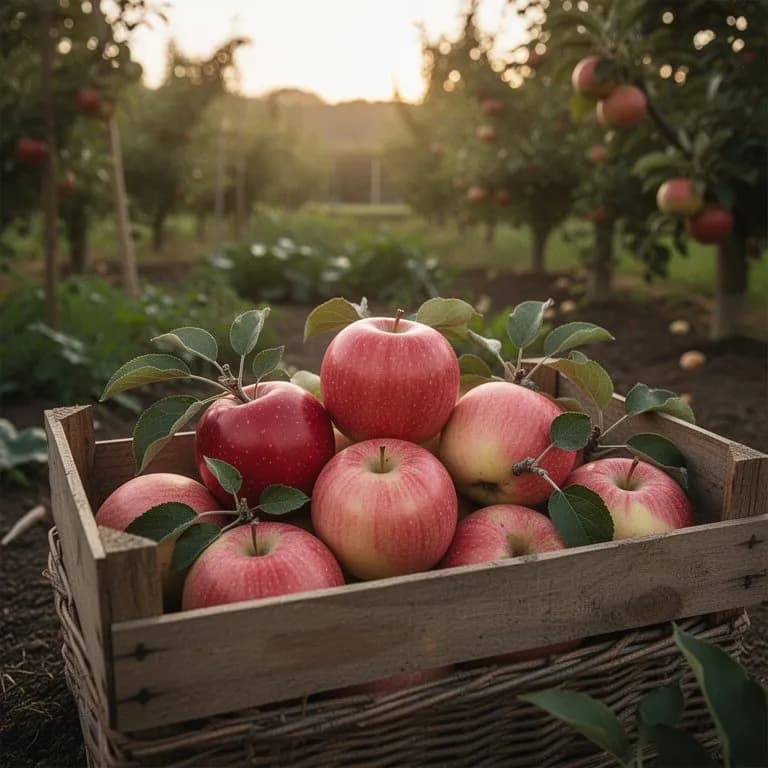
A bountiful late-season harvest of Pink Lady apples, typically ready in October to November.
Pink Lady apples store exceptionally well, keeping for four to six months in cold storage at 32 to 35 degrees Fahrenheit. The firm, fine-grained flesh maintains its crisp texture and balanced sweet-tart flavor throughout storage. They make excellent dried apple slices that retain their bright flavor. For freezing, slice and treat with lemon juice before flash-freezing for use in baking. Pink Lady also makes a distinctive single-variety cider with good acid balance.
Plan your garden with ease
Love growing Pink Lady Apple? Use our free garden planner to design your beds, track planting dates, and get personalized care reminders.
Nutritional Info
Per 100g serving
72
Calories
Health Benefits
- Exceptionally high in quercetin, a flavonoid antioxidant concentrated in the skin that has been linked to reduced inflammation
- Contains catechins and chlorogenic acid, plant polyphenols that support cardiovascular health and blood sugar regulation
- One medium Pink Lady apple provides approximately 14% of daily dietary fiber needs, supporting digestive health and satiety
- Naturally low in sodium and fat, making it suitable for heart-healthy and weight-management diets
- The high malic acid content contributes to both the distinctive flavor and may support energy metabolism at the cellular level
- Rich in pectin, a soluble fiber that acts as a prebiotic, feeding beneficial gut microbiota and supporting immune function
💰 Why Grow Your Own?
A well-established Pink Lady apple tree on a semi-dwarfing rootstock such as MM106 can produce 30-60 kg of fruit annually at full maturity. At typical retail prices of $4-7 per kilogram for organic or premium Pink Lady apples, a single tree can yield $120-$420 worth of fruit each season. Over a 20-year productive lifespan, the cumulative value of home-grown fruit easily reaches several thousand dollars — far exceeding the initial cost of purchase, planting, and ongoing care. Home growers also benefit from being able to harvest at peak ripeness rather than consuming fruit picked early for extended transport and storage.
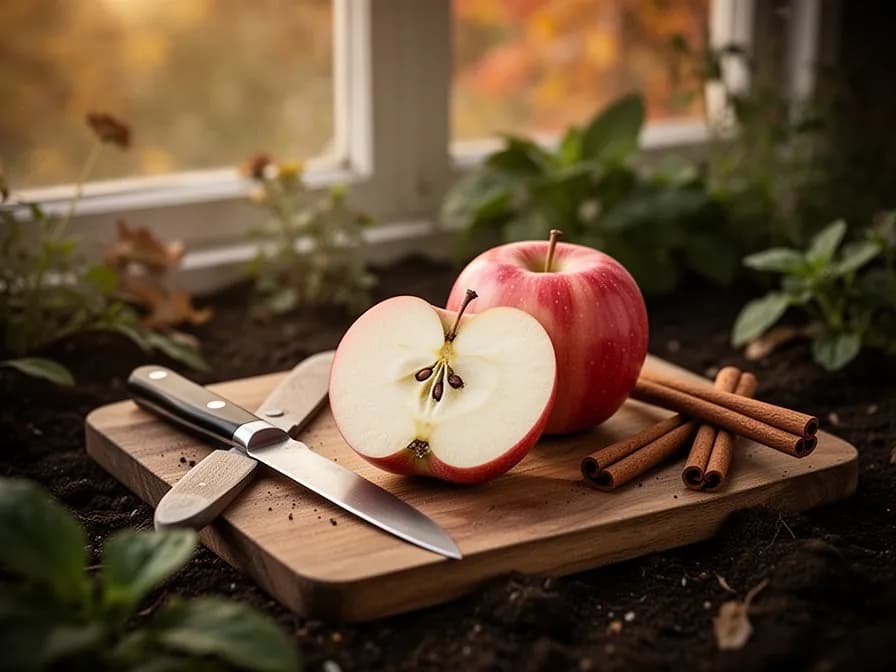
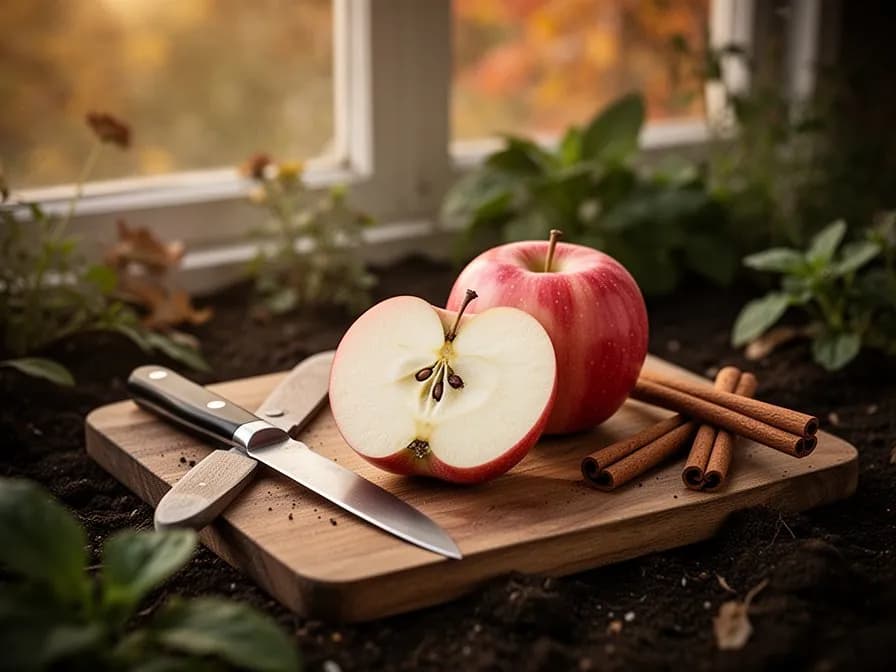
The creamy white flesh of Pink Lady is exceptionally dense and crisp with a fine cell structure.
Quick Recipes
Simple recipes using fresh Pink Lady Apple
Pink Lady and Brie Flatbread
15 minutesA sophisticated savory-sweet flatbread that balances the crisp tartness of Pink Lady with creamy brie and fresh thyme, finished with a drizzle of honey. Perfect as a quick appetizer or light lunch.
Pink Lady Autumn Galette
40 minutesA rustic free-form pastry showcasing Pink Lady's ability to hold its shape and caramelize beautifully during baking. The apples retain a slight bite and their natural tartness balances the buttery, flaky crust perfectly.
Crispy Pink Lady Slaw with Ginger Dressing
10 minutesA bright, no-cook side salad or topping that celebrates the raw crunch and sweet-tart flavor of Pink Lady. The ginger dressing amplifies the apple's natural effervescence while adding a warming note.
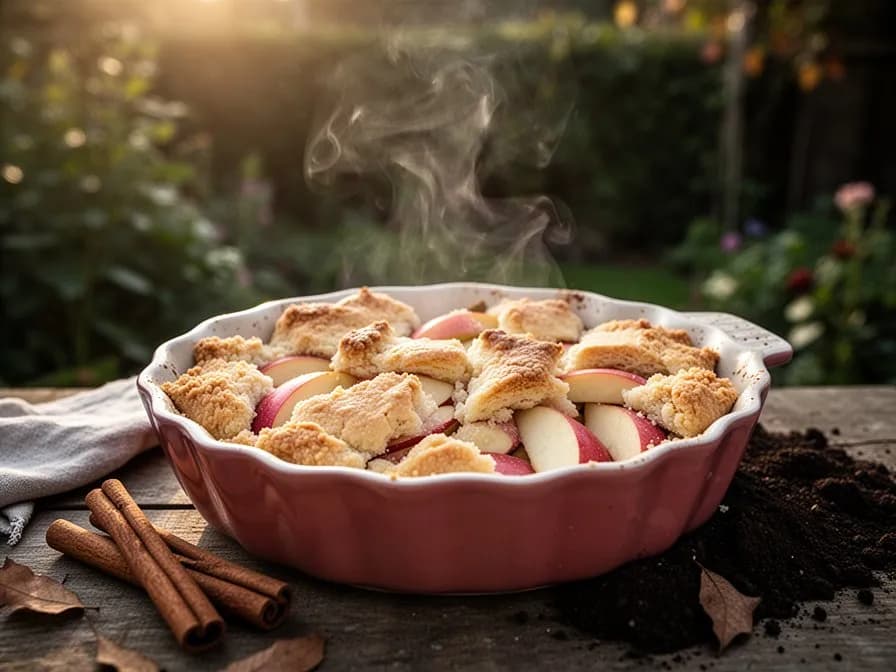
Pink Lady holds its shape beautifully during baking, making it ideal for tarts and galettes.
Yield & Spacing Calculator
See how many Pink Lady Apple plants fit in your garden bed based on the recommended 300cm spacing.
0
Pink Lady Apple plants in a 4×4 ft bed
0 columns × 0 rows at 300cm spacing
Popular Varieties
Some of the most popular pink lady apple varieties for home gardeners, each with unique characteristics.
Cripps Pink
The original cultivar name for Pink Lady; all Pink Lady apples are Cripps Pink, but only fruit meeting color standards is sold as Pink Lady.
Rosy Glow
A sport of Cripps Pink with improved and more consistent red-pink coloring, requiring less heat to develop full blush.
Ruby Pink
A highly colored sport with deeper red blush that performs well in both warm and moderately cool climates.
Lady in Red
A full-red sport of Cripps Pink selected for maximum color coverage while maintaining the balanced Pink Lady flavor.
Pink Lady trees are vigorous growers and can carry heavy crops when properly thinned.
Pink Lady apples are outstanding dual-purpose apples, equally suited for fresh eating and cooking. Their firm flesh holds its shape beautifully in pies and tarts while their balanced sweet-tart flavor needs minimal sugar adjustment. They make elegant additions to salads and cheese plates. The fine-grained texture produces smooth, rosy-hued applesauce, and the balanced juice is excellent for single-variety cider.
When should I plant Pink Lady Apple?
Plant Pink Lady Apple in March, April. It takes approximately 730 days to reach maturity, with harvest typically in October, November.
What are good companion plants for Pink Lady Apple?
Pink Lady Apple grows well alongside Chives, Garlic, Marigold. Companion planting can improve growth, flavor, and natural pest control.
What hardiness zones can Pink Lady Apple grow in?
Pink Lady Apple thrives in USDA hardiness zones 6 through 9. With greenhouse protection, it may be grown in zones 4 through 10.
How much sun does Pink Lady Apple need?
Pink Lady Apple requires Full Sun (6-8h+). This means at least 6-8 hours of direct sunlight daily.
How far apart should I space Pink Lady Apple?
Space Pink Lady Apple plants 300cm (118 inches) apart for optimal growth and air circulation.
What pests and diseases affect Pink Lady Apple?
Common issues include Apple Scab, Codling Moth, Sunburn, Aphids. Prevention through good garden practices like crop rotation, proper spacing, and companion planting is the best approach. See the detailed pests and diseases section above for symptoms, prevention, and treatment for each.
How do I store Pink Lady Apple after harvest?
Pink Lady apples store exceptionally well, keeping for four to six months in cold storage at 32 to 35 degrees Fahrenheit. The firm, fine-grained flesh maintains its crisp texture and balanced sweet-tart flavor throughout storage. They make excellent dried apple slices that retain their bright flavor...
What are the best Pink Lady Apple varieties to grow?
Popular varieties include Cripps Pink, Rosy Glow, Ruby Pink, Lady in Red. Each has unique characteristics suited to different growing conditions and culinary preferences. See the varieties section above for detailed descriptions.
What soil does Pink Lady Apple need?
Pink Lady trees perform best in deep, well-drained soils with a pH between 6.0 and 7.0. Moderate fertility is ideal; excessive nitrogen delays fruit maturation and reduces the pink blush. Apply a balanced fertilizer in early spring at a conservative rate. Potassium is particularly important for colo...
Does Pink Lady apple need a pollinator tree, and which varieties are compatible?
Yes, Pink Lady (Cripps Pink) is self-incompatible and requires a different apple variety blooming at the same time to set fruit. Because Pink Lady blooms late in the season, you need a late-blooming pollinator. Good choices include Fuji, Granny Smith, Braeburn, and Golden Delicious. Avoid early-blooming varieties like Gala or Cox as their bloom may be over before Pink Lady opens. Plant the pollinator within 15 meters of your Pink Lady tree for reliable cross-pollination by bees.
Why are my Pink Lady apples green instead of pink at harvest time?
The pink-red blush on Pink Lady apples is produced by anthocyanin pigments that only develop when cool nights (below 13°C) follow warm days during the final four to six weeks before harvest. If your autumn remains unseasonably warm, the fruit may be fully mature and flavorful but remain green or pale yellow with minimal blush. Other contributing factors include heavy fruit set (thin more aggressively next season), excessive nitrogen fertilization, and insufficient sunlight reaching the fruit. Removing leaves shading fruit clusters and using reflective mulch under the tree in late summer can help maximize color in marginal climates.
When is the right time to harvest Pink Lady apples, and how do I know they are ready?
Pink Lady is one of the latest-maturing apple varieties, typically ready from mid-October to late November in the Northern Hemisphere. Do not rely on color alone to judge maturity, as warm autumns can delay color development independently of ripeness. Use a starch-iodine test kit — cut the apple in half, apply iodine solution to the cut surface, and compare the staining pattern to a reference chart. Harvest when the starch pattern index reads 4-6 out of 8. Additionally, the background skin color should have shifted from green to yellow-green and the flesh should feel firm but the apple should come away from the spur with a gentle upward twist.
What is biennial bearing and how do I prevent it in my Pink Lady tree?
Biennial bearing is the tendency of apple trees to produce a very heavy crop one year followed by a very light or absent crop the next year. It occurs because heavy fruiting exhausts the tree's carbohydrate reserves and suppresses flower bud initiation for the following season. Pink Lady is moderately prone to this pattern. The most effective prevention is aggressive fruit thinning every year — remove all but one fruit per cluster within six weeks of petal fall, spacing fruit 15-20 cm apart. Consistent annual pruning, appropriate nitrogen management (avoiding excess), and good irrigation also help maintain cropping regularity.
Can I grow Pink Lady apple in a container or small garden?
Yes, Pink Lady grafted onto a true dwarfing rootstock such as M9 or M26 can be grown in a large container (at least 100 liters) or in a small garden bed. Container-grown trees require more frequent irrigation and feeding than those in the ground, as the restricted root zone dries out quickly. You will still need a compatible pollinator within reasonable distance — a second container-grown tree of a compatible variety works well. Expect yields of 5-15 kg per year from a mature container tree maintained with annual pruning and repotting every three to four years. An espalier or cordon training system against a warm, sunny wall is an excellent space-saving option that also improves fruit color.
How do I store Pink Lady apples after harvest to maximize their shelf life?
Pink Lady has outstanding storage characteristics compared to most apple varieties. For best results, store unwashed fruit in a refrigerator or cold room maintained at 0-1°C with relative humidity of 90-95%. In home refrigerator conditions (typically 3-5°C), expect good quality for two to three months. In a dedicated cold store or commercial refrigeration at 0°C, Pink Lady maintains eating quality for four to six months. Store apples away from vegetables such as carrots and broccoli as the ethylene gas apples emit can accelerate spoilage of nearby produce. Check stored fruit monthly and remove any showing signs of rot to prevent spread.
Ready to Grow Pink Lady Apple?
Add Pink Lady Apple to your garden plan and start designing your perfect layout.

Vladimir Kusnezow
Gardener and Software Developer
Zone 6b gardener. Growing vegetables and fruits in soil and hydroponics for 6 years. I built PlotMyGarden to plan my own gardens.
Jump to Section