Giant Zinnia
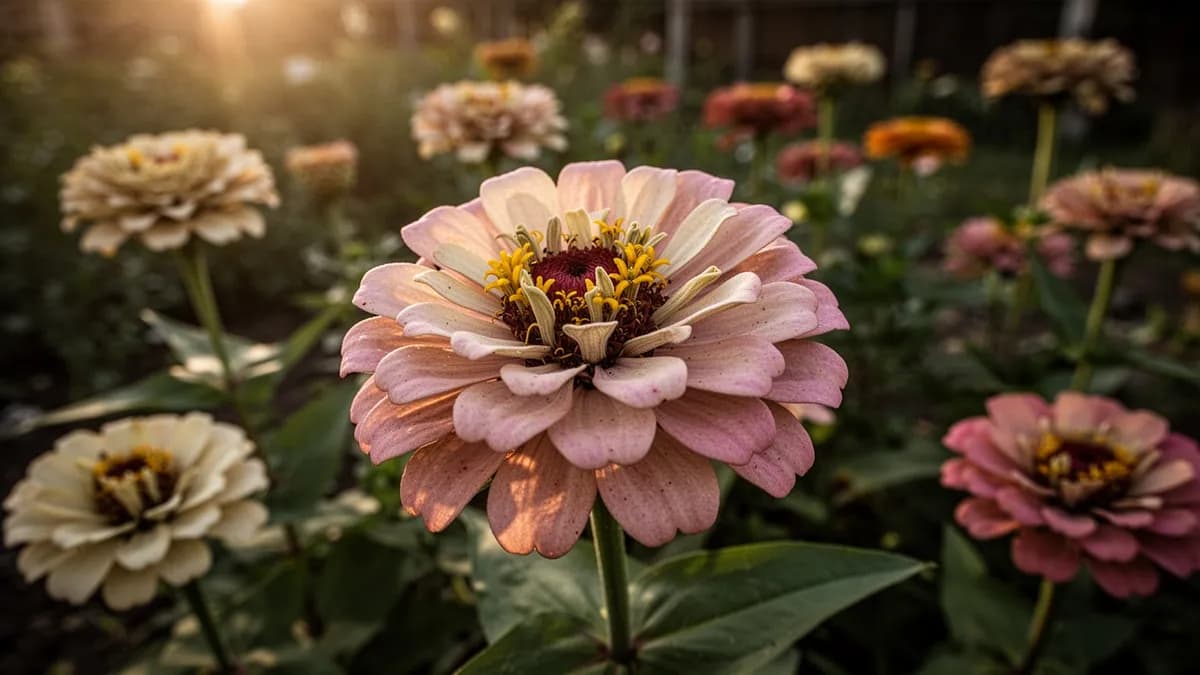
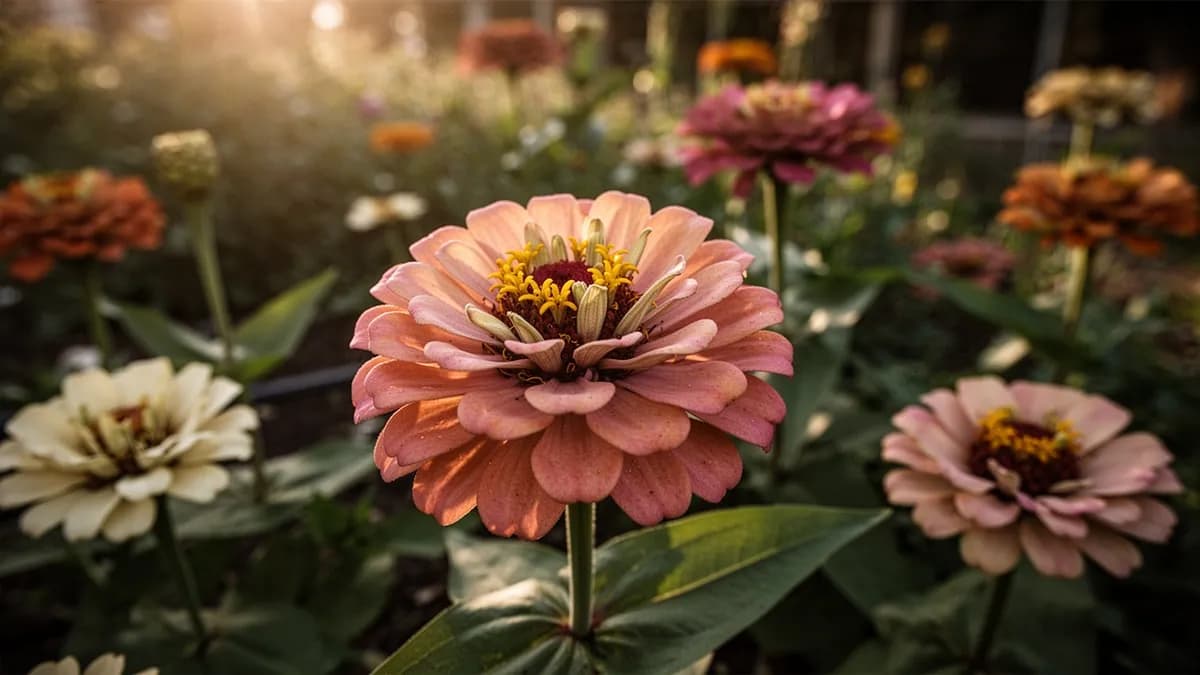
A towering zinnia cultivar reaching four feet with massive dahlia-like blooms prized by cut-flower growers.





On this pageOverview
Meet Giant Zinnia
A towering zinnia cultivar reaching four feet with massive dahlia-like blooms prized by cut-flower growers. Giant zinnias produce long, sturdy stems and double flowers up to six inches across in a wide range of vivid colors. Sow directly after frost and provide good air circulation to minimize powdery mildew.
When to plant Giant Zinnia
Giant zinnia seeds are large, flat, and easy to handle. Direct sowing outdoors after the last frost is strongly preferred, as zinnias develop a taproot that resents transplanting. Sow seeds a quarter inch deep in warm soil above 70 degrees Fahrenheit. Germination takes five to seven days. For an earlier start, sow in biodegradable peat pots three to four weeks before the last frost and transplant the entire pot to avoid root disturbance. Successive sowings every two to three weeks extend the harvest season.
Your Giant Zinnia Year
Composed for Zone 7 · typical seasons · frost passes Apr 2, returns Nov 1
Plant Giant Zinnia Apr – Jun, pick Jul – Oct. Check the planting methods below and set your climate to personalize these windows.
How to grow Giant Zinnia
Direct sow giant zinnia seeds outdoors after all danger of frost has passed and soil temperature is at least 70 degrees Fahrenheit. Sow seeds a quarter inch deep and keep moist until germination, which occurs in five to seven days. Thin seedlings to twelve to eighteen inches apart to allow room for these large plants to develop strong stems and adequate air circulation.
Giant zinnias are bred specifically for cut-flower production and need more attention to spacing and air flow than smaller varieties, as powdery mildew is their primary vulnerability. Water only at the base of plants using drip irrigation or a soaker hose, never overhead. The dahlia-like double blooms can reach four to six inches across on stems three to four feet tall, making them the premier annual for cutting gardens.
Pinch the central growing tip when seedlings reach twelve inches tall to promote branching and produce more cutting stems. Feed every three to four weeks with a balanced fertilizer or top-dress with compost monthly. When harvesting cut flowers, always cut the stem back to just above a leaf node, which triggers new lateral growth and additional blooms. Giant zinnias respond vigorously to cutting and will produce more stems the more you harvest.
32 plants fit a 4 × 8 ft bed
Each Giant Zinnia wants 30 cm of elbow room. The planner keeps that spacing for you — every plant, every bed.
Giant Zinnia's best neighbours
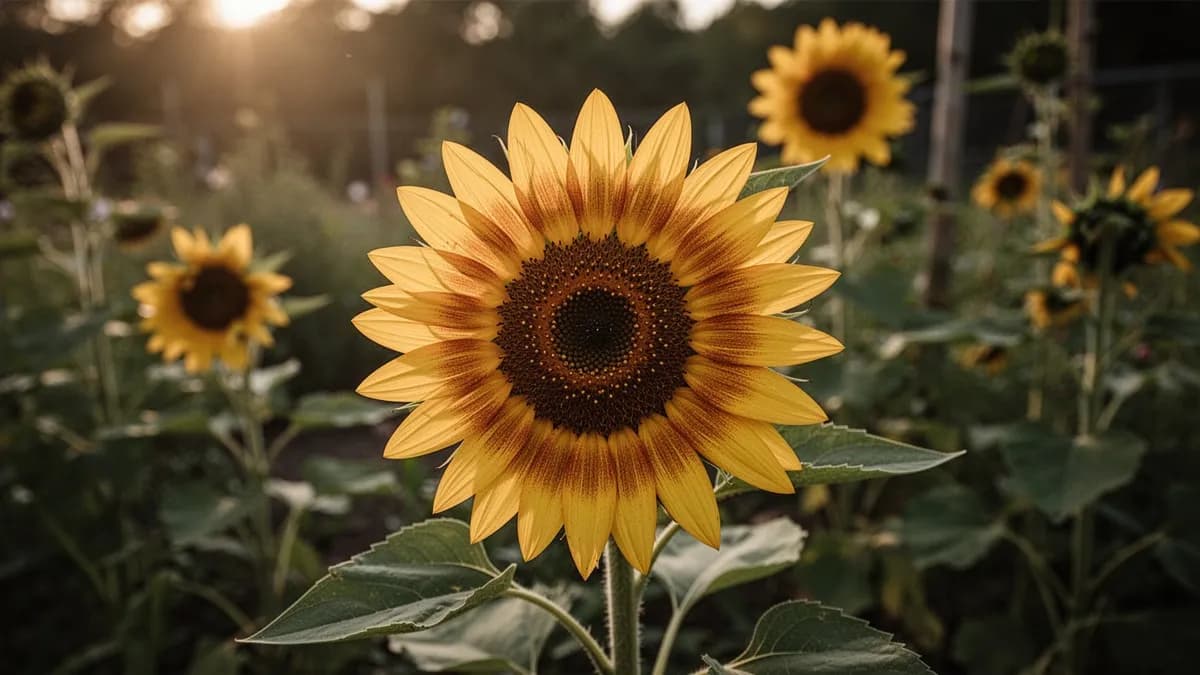
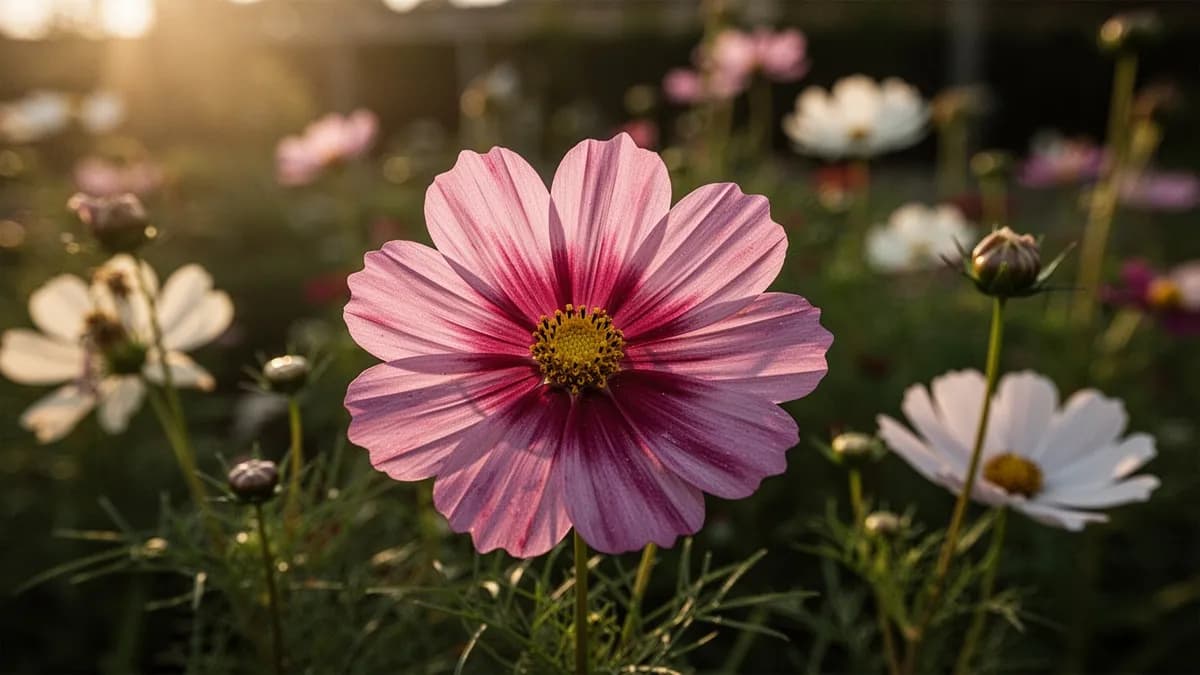
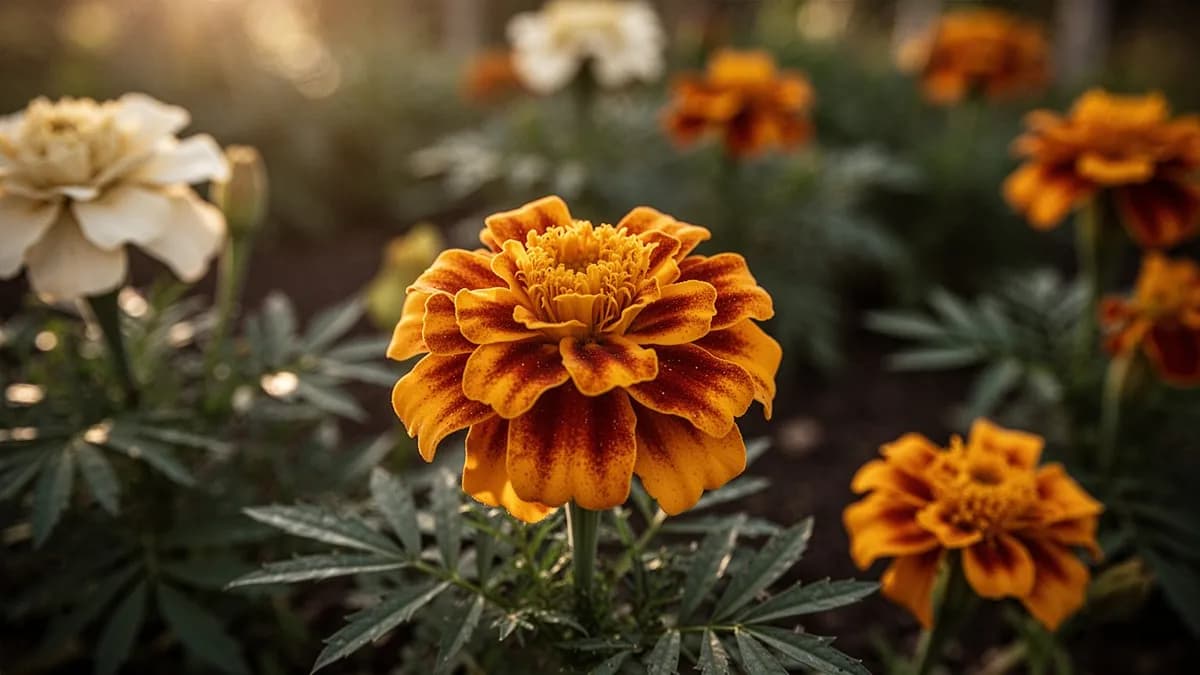
Giant zinnias attract butterflies, hummingbirds, and beneficial insects to the garden, making them valuable companions for vegetable plots. Plant alongside tomatoes, beans, and squash to boost pollination. They combine beautifully with cosmos, sunflowers, and dahlias in cottage-style cutting gardens. Their tall stature provides a colorful backdrop for shorter annuals like marigolds and alyssum. Interplant with basil, which thrives in similar warm, sunny conditions.
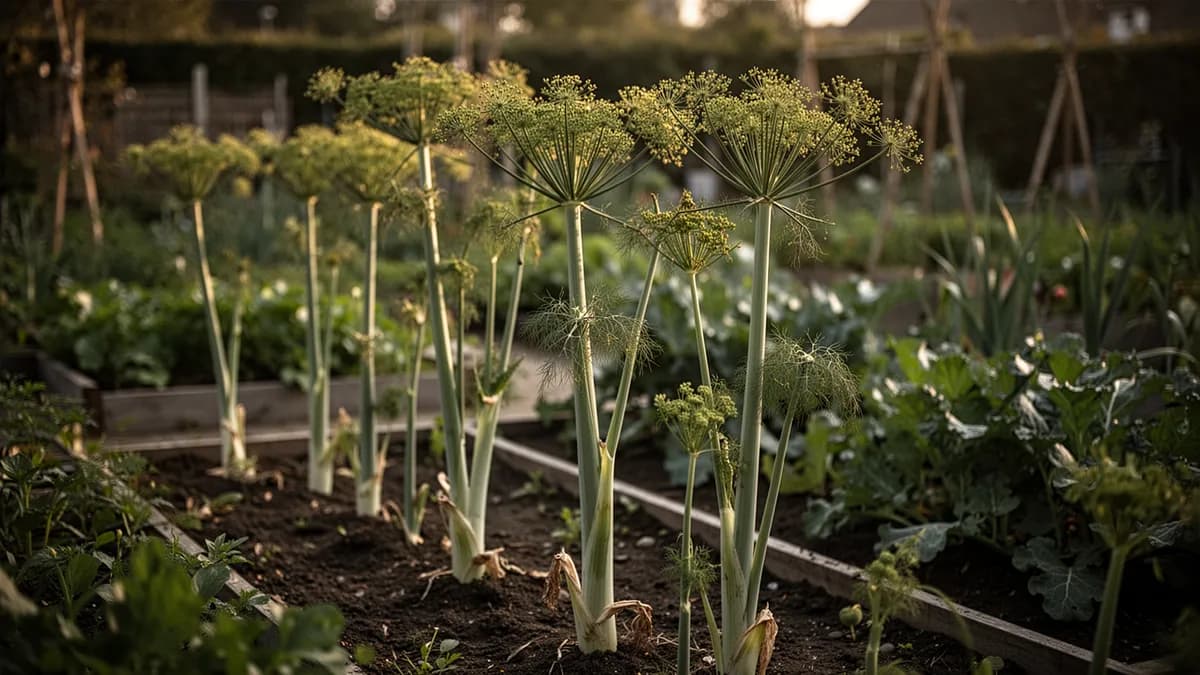
Sunflower belongs beside it. Fennel doesn't.
Old growers' knowledge, checked against Giant Zinnia's real companion table below — test any plant you're growing.
Try Giant Zinnia in a bed — right here
A real planner bed with Giant Zinnia already in it. Tap a companion to place it and watch the pairing checks answer — green for good neighbours, red for a clash.


Related growing guides
Feed it well
Giant zinnias perform best in fertile, well-drained soil with a pH of 5.5 to 7.5. Work two to three inches of compost into the planting bed before sowing to provide the rich conditions these vigorous growers need. Feed every three to four weeks with a balanced liquid fertilizer during the growing season. A side-dressing of compost at midsummer helps sustain growth and flower production. Unlike some flowers, giant zinnias actually benefit from moderately rich soil to achieve their full potential.
Ideal Temperature
Hardiness Zone Compatibility
From seed to harvest, stage by stage
Seed Germination
Giant Zinnia seeds are flat, arrowhead-shaped, and relatively large, making them easy to handle and direct sow. They germinate quickly in warm soil, typically within four to seven days when soil temperatures reach 21-27°C (70-80°F). Seeds should be sown 6 mm deep in moist, well-drained soil after all danger of frost has passed.
Seedling Development
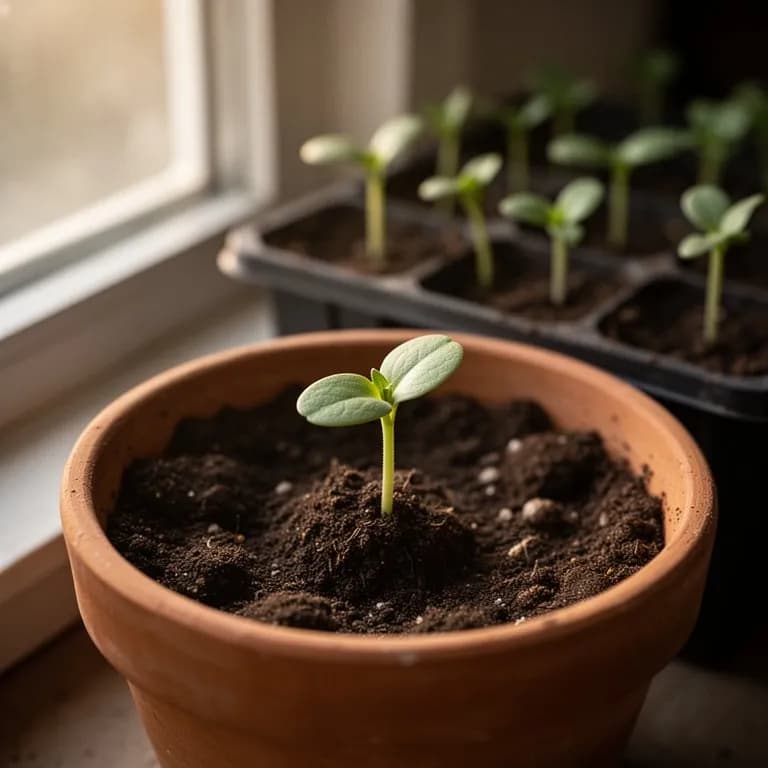
Seedlings emerge with a pair of rounded cotyledons followed by the first true leaves, which are oval, slightly rough-textured, and arranged in opposite pairs along the stem. At this stage the plants are establishing their root systems and beginning to develop the sturdy central stem that will support large blooms later.
Vegetative Growth
The plant grows rapidly in height, often reaching 60-90 cm, developing a thick central stem with lateral branches. Leaves become larger, rougher, and clasp the stem in opposite pairs. The root system deepens significantly during this phase, allowing the plant to access moisture during hot weather.
Budding and First Bloom
Flower buds form at the tips of stems and gradually swell before opening into fully double, dahlia-like blooms measuring 10-15 cm across. The first flowers typically appear 60-70 days from sowing. Each bloom consists of multiple rows of ray florets surrounding a central disc of tiny tubular florets that provide nectar to pollinators.
Peak Flowering
The plant enters its most productive phase, producing multiple large blooms simultaneously on branching stems. A well-grown Giant Zinnia can produce dozens of cut-quality flowers during this period. Pollinators visit the blooms heavily, and the garden display reaches its most impressive point.
Late Season and Seed Set
As temperatures cool in autumn, flower production slows and individual blooms become smaller. If deadheading is stopped, the plants will set seed in the dried flower heads. The central disc florets mature into elongated, flat seeds that can be collected and stored for next season. Plants will continue until the first hard frost kills the foliage.
Sow seeds directly in the garden after the last frost date, as zinnias dislike root disturbance from transplanting. Keep the soil evenly moist but not waterlogged during germination. Avoid overhead watering to reduce the risk of fungal disease from the very start.
Caring for Giant Zinnia month by month
What to do each month for your Giant Zinnia
October
You are hereHarvest dried seed heads from plants allowed to go to seed. Clean and dry seeds before storing in paper envelopes. In frost-free areas, zinnias may continue blooming well into the month.
Know exactly what to do in your garden — every month
One email at the start of each month: what to sow, plant, and tackle right now — for your Giant Zinnia and everything growing around it. Plus a short starter course that helps you dodge the classic mistakes.
- What to do, right now
- Matched to your season
- Starter course included
Harvesting Giant Zinnia
Cut giant zinnia stems for arrangements when flowers are about three-quarters open for the longest vase life. Cut stems long, at least twelve to eighteen inches, making the cut just above a leaf node to stimulate new branching. Harvest in the early morning and place immediately in warm water. For seed saving, allow a few flowers to dry completely on the plant until petals are papery and seeds are visible in the dried flower head. Pull the head apart to extract the arrow-shaped seeds.
assuming you plant when the window opens — set your real date
Pick Giant Zinnia promptly and the plant keeps producing.
Storage & Preservation
Fresh-cut giant zinnias last seven to twelve days in a vase with clean water and floral preservative, making them among the longest-lasting annual cut flowers. Recut stems at an angle every two to three days and change water frequently. For drying, cut blooms at full maturity and hang upside down individually in a dark, warm, ventilated space. Giant zinnia heads hold their shape well when dried. Seeds remain viable for three to five years when stored in paper envelopes in a cool, dry location.
What goes wrong — and the fix
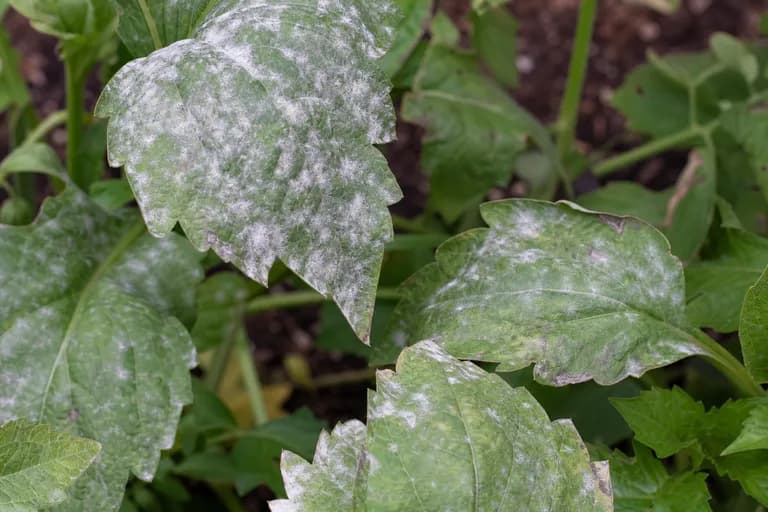
Powdery Mildew
DiseaseWhite or gray powdery coating on leaves, often starting on lower foliage and spreading upward. Severe infections cause leaf distortion, browning, and defoliation.
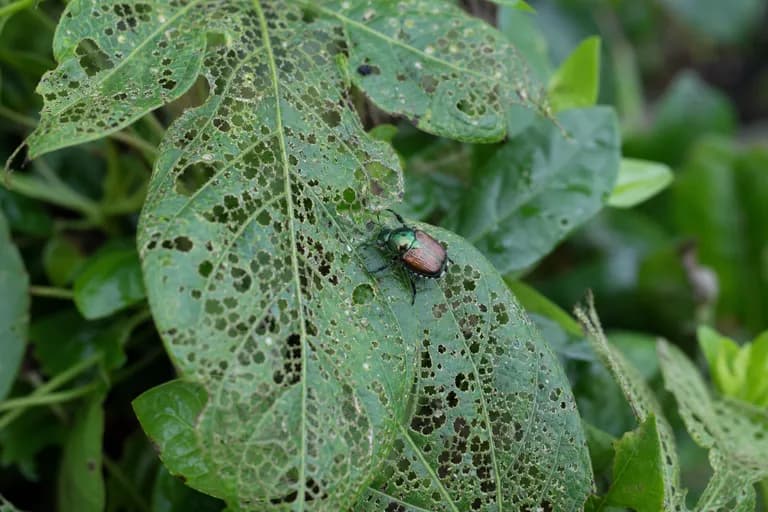
Japanese Beetles
PestSkeletonized leaves and ragged flower petals. Metallic green and copper beetles feed in groups, most active on warm, sunny days.
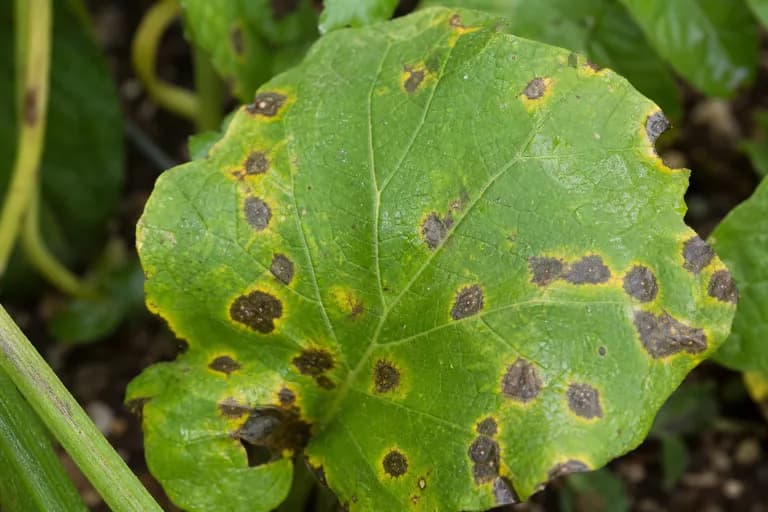
Bacterial Leaf Spot
DiseaseAngular, water-soaked spots on leaves that turn brown with yellow halos. Spots may merge, causing large areas of dead tissue. Spreads rapidly in wet conditions.
Troubleshooting Common Problems
Powdery mildew is by far the most common problem, especially in humid climates and when plants are spaced too closely. Adequate spacing and ground-level watering are the best prevention. Stem breakage can occur in windy locations or after heavy rain when large blooms become waterlogged. Japanese beetles are attracted to zinnia foliage and flowers in many regions. In cool, wet summers, bacterial leaf spot can become problematic.
Growing Tips
- Direct sow seeds outdoors after all danger of frost has passed and soil temperatures have reached at least 21°C (70°F), as zinnias germinate quickly in warm soil and resent root disturbance from transplanting.
- Space plants 25-30 cm apart to allow adequate air circulation, which is the single most effective cultural practice for preventing powdery mildew, the most common disease affecting zinnias.
- Always water at the base of the plants using drip irrigation or a soaker hose rather than overhead sprinklers, as wet foliage dramatically increases susceptibility to powdery mildew and bacterial leaf spot.
- Pinch the central growing tip once seedlings reach about 30 cm tall to stimulate lateral branching, which results in more flowering stems per plant and a bushier, more productive growth habit.
- Deadhead spent blooms every three to four days by cutting the stem back to just above a leaf node, which redirects the plant's energy into producing new flowers rather than setting seed.
- Apply a balanced granular fertilizer at planting time and follow up with a liquid fertilizer high in phosphorus every two to three weeks during the flowering season to support continuous bloom production.
- Grow zinnias in full sun with a minimum of six to eight hours of direct sunlight daily for the strongest stems, most vivid petal colors, and greatest resistance to fungal diseases.
- Make succession sowings every two to three weeks from late spring through midsummer to extend the harvest window and ensure a continuous supply of fresh blooms well into autumn.
- When cutting stems for bouquets, harvest in the early morning when flowers are fully hydrated, select blooms that are fully open, and immediately place stems in clean water with floral preservative for the longest vase life.
- At the end of the season, allow several of the finest blooms to dry completely on the plant for seed saving. The flat, arrow-shaped seeds are easy to collect from the dried flower heads and store in paper envelopes for the following year.
Grow your best Giant Zinnia yet — and everything around it.
Start a free plan today. Lay out your beds, drop in your Giant Zinnia, and let PlotMyGarden handle the timing, spacing, companions and reminders from seed to harvest basket.
Pick your Giant Zinnia
Benary's Giant Series
The gold standard for cut-flower zinnias with fully double four to six inch dahlia-type blooms on long, strong stems in twelve individual colors.
Giant Dahlia Mix
Heirloom variety producing massive fully double blooms in a cheerful mix of warm colors on three to four foot stems.
Oklahoma Series
Improved giant zinnia with better stem strength and disease resistance, producing large double flowers ideal for commercial and home cutting gardens.
Benary's Giant Lime
A standout color in the series with chartreuse-green double flowers that add a fresh, unusual element to bouquets and arrangements.
State Fair Mix
Vigorous tall zinnias reaching four feet with large double and semi-double blooms in a full range of bright colors.
A single packet of Benary's Giant Zinnia seeds (approximately 25-50 seeds) costs around $4-6 and can produce dozens of premium cut flower stems throughout the summer. Comparable bouquets of specialty zinnias retail for $8-15 per bunch at farmers' markets and florist shops. A well-maintained planting of 10-15 plants can yield over 200 stems per season, representing a potential value of $150-400 in cut flowers from a minimal seed investment. Seeds can also be saved from open-pollinated plants year after year, further reducing costs.
Quick recipes
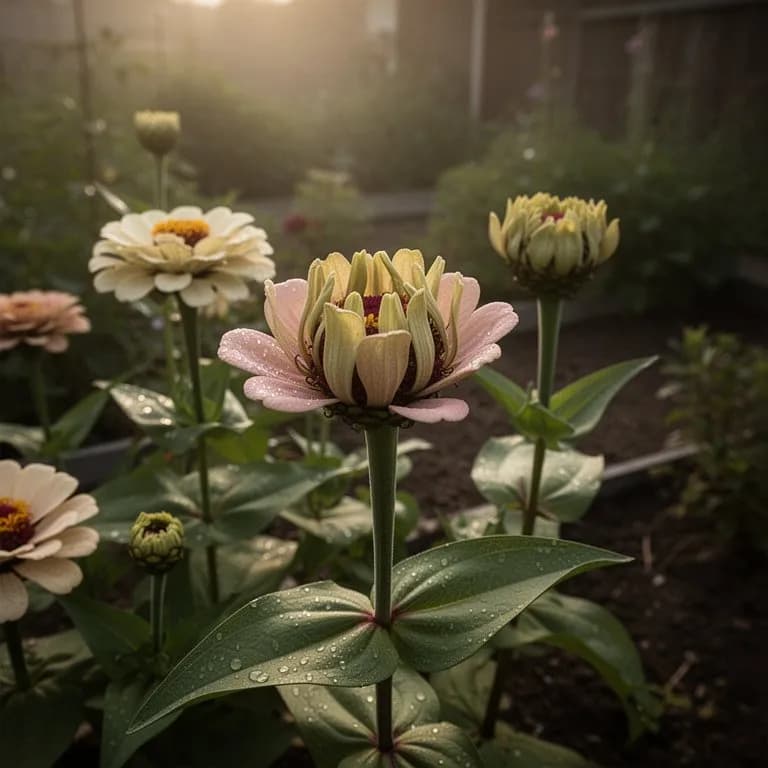
Zinnia Petal Confetti Salad
10 minutesA vibrant garden-fresh salad topped with colorful Giant Zinnia petals for a stunning presentation. The mild petals add a splash of color to mixed greens and pair beautifully with a light vinaigrette dressing.
7 ingredients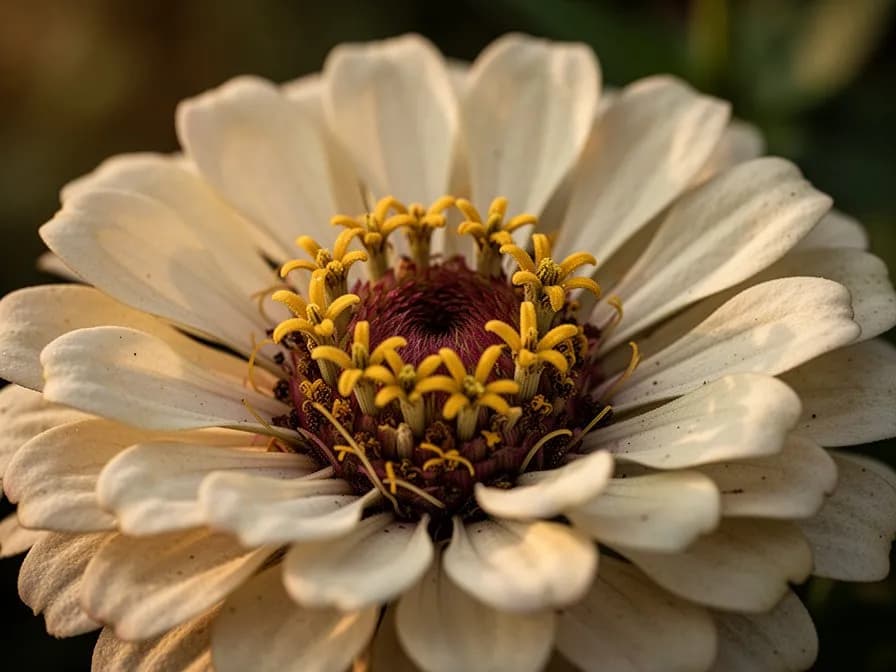
Zinnia Flower Ice Cubes
15 minutes plus 4 hours freezingElegant ice cubes embedded with individual zinnia petals or small florets, perfect for summer lemonade, cocktails, or sparkling water. These decorative cubes make any beverage feel like a garden party.
4 ingredientsPressed Zinnia Flower Shortbread Cookies
30 minutes plus 15 minutes bakingButtery shortbread cookies decorated with pressed zinnia petals for a beautiful edible garnish. The petals are pressed into the cookie dough before baking, creating an elegant floral design that makes these treats perfect for garden parties and gifts.
7 ingredientsWhat's inside
Health Benefits
- Giant Zinnias attract a wide range of beneficial pollinators including butterflies, native bees, and hummingbirds, supporting local ecosystem health and improving pollination rates for nearby food crops in the garden.
- Growing and tending zinnias has been shown to reduce stress and improve mental wellbeing, as regular gardening activities lower cortisol levels and provide a meditative, grounding outdoor activity.
- Zinnia petals contain trace amounts of carotenoid pigments and flavonoids, which function as antioxidants when the edible petals are consumed as garnishes on food and beverages.
- Cultivating zinnias encourages outdoor physical activity including bending, reaching, and walking, which contributes to improved cardiovascular fitness and joint flexibility over the growing season.
- Zinnia gardens provide habitat and nectar sources for beneficial insects such as lacewings and parasitic wasps, which help control pest populations naturally and reduce the need for chemical pesticides.
- The bright, warm colors of Giant Zinnia blooms have been associated with mood elevation and positive emotional responses, and bringing cut flowers indoors has been linked in studies to increased feelings of happiness and life satisfaction.
Where Giant Zinnia comes from
Zinnia elegans is native to the dry grasslands and scrubby hillsides of Mexico, particularly in the states of Durango, Chihuahua, and Oaxaca, where it grows as a modest annual wildflower with small, single purple or lilac blooms on wiry stems. The genus was first formally described in 1759 by the German botanist Johann Gottfried Zinn, a professor of medicine and botany at the University of Goettingen, who documented specimens that had been brought to European botanical gardens from the New World. Early Europeans initially called zinnias 'everybody's flower' and even 'poorhouse flower' because of how easy they were to grow, but breeders soon recognized their potential. Throughout the 19th and 20th centuries, intensive selection by European and American seed companies transformed this humble wildflower into the spectacular garden ornamental we know today. The Benary's Giant series represents one of the pinnacles of zinnia breeding, developed by the Ernst Benary seed company of Hann. Muenden, Germany, a firm founded in 1843 that remains family-owned. Through meticulous selection, Benary created a strain producing enormous fully double blooms reaching 12 to 15 centimeters across on strong, upright stems of 75 to 120 centimeters tall. The series is renowned for its uniformity, disease tolerance, and exceptional performance as a cut flower. Today, Benary's Giant Zinnias are grown worldwide by home gardeners, market farmers, and professional florists alike. They are a staple of the specialty cut flower industry and a favorite in pollinator gardens, cottage garden borders, and children's gardens due to their fast growth, vibrant colors, and undemanding care requirements.
Giant Zinnia: did you know?
Fascinating facts about Giant Zinnia
Zinnias were among the first flowers grown in space aboard the International Space Station in 2016, when astronaut Scott Kelly successfully cultivated them in the Veggie plant growth system as part of NASA's research into growing flowering plants in microgravity.
Giant Zinnia questions, answered
When should I plant Giant Zinnia?
What are good companion plants for Giant Zinnia?
What hardiness zones can Giant Zinnia grow in?
How much sun does Giant Zinnia need?
How far apart should I space Giant Zinnia?
What pests and diseases affect Giant Zinnia?
How do I store Giant Zinnia after harvest?
What are the best Giant Zinnia varieties to grow?
What soil does Giant Zinnia need?
Why are my Giant Zinnia leaves turning white or powdery?
Can I start Giant Zinnia seeds indoors before the last frost?
How long do Benary's Giant Zinnias last in a vase as cut flowers?
Are Giant Zinnia flowers edible and safe to eat?
Why are my Giant Zinnia stems weak and floppy instead of tall and straight?
Can I save seeds from my Benary's Giant Zinnias for next year?
You just read the theory. Now grow it on autopilot.
Everything that makes Giant Zinnia fiddly — the timing, the spacing, the companions, the harvest window — is exactly what PlotMyGarden handles for you, for every plant in your garden.
A plan that knows your weather
Set your location once. Get sow, feed and harvest dates built around your real last-frost date and live forecast — no more guessing from a generic seed packet.
From the “When to plant” sectionDrag-and-drop bed planner
Design beds on a grid. Every plant snaps to its proper spacing, and you can see your whole season laid out before you spend a cent on seed.
From the “Growing guide” sectionCompanion conflicts, caught early
200+ good-and-bad pairings checked live as you plant — so a season-wrecking mistake never makes it into the ground.
From the “Companions” sectionReminders you'll actually act on
“Water the beans.” “Pick today before it turns.” Timely, specific, and tied to the plants you're really growing.
From the “Harvest” sectionSuccession, scheduled
Want a harvest for six weeks, not six days? It spaces your sowings automatically and reminds you when each new block is due.
From the “When to plant” sectionA record that gets smarter
Every harvest you log teaches it your garden. Next year's plan starts from what actually worked in your soil, not a textbook's.
From the “Overview” sectionPlant these alongside Giant Zinnia
More Annuals
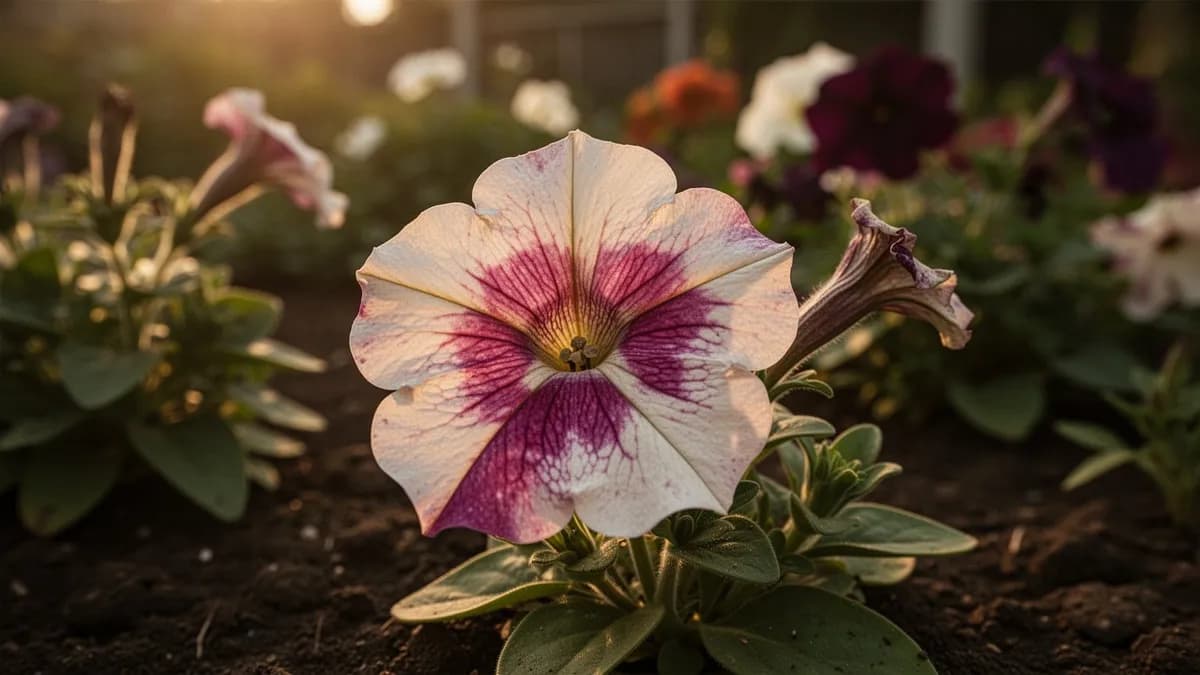
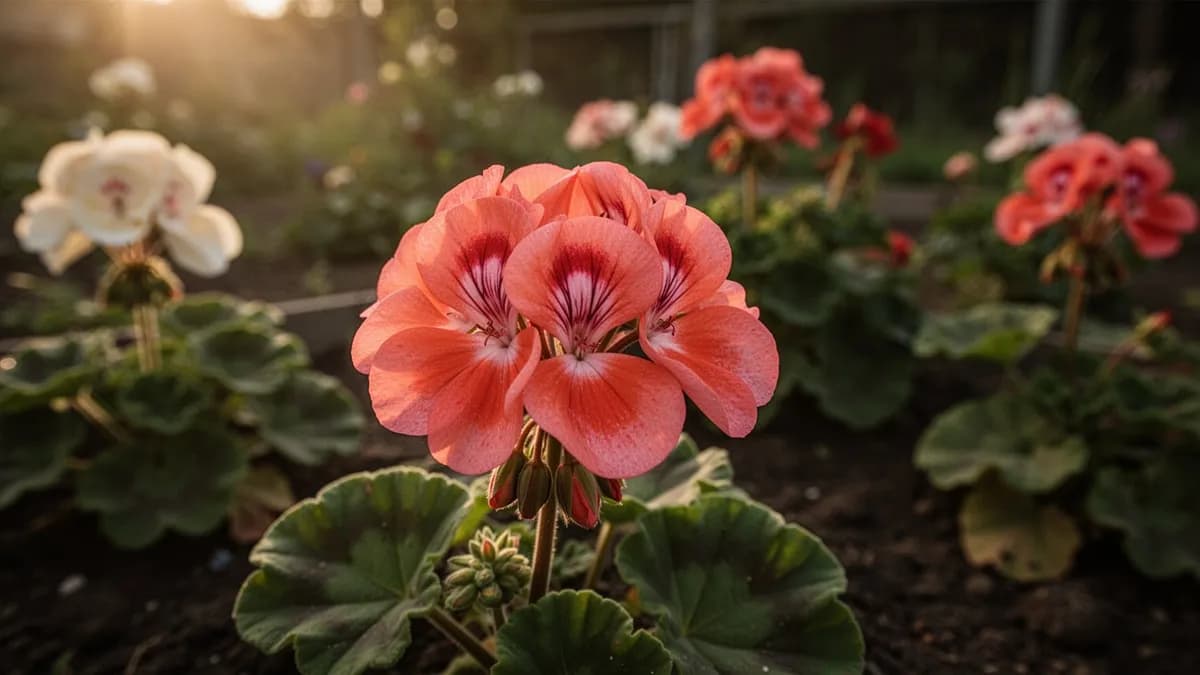
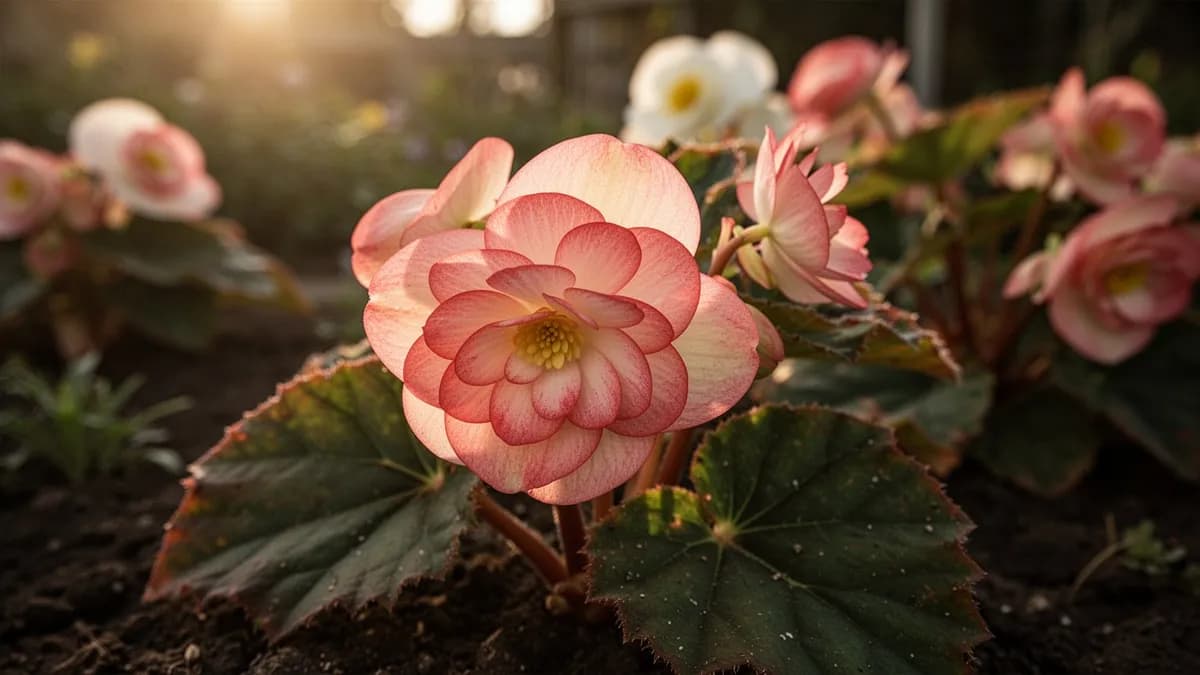
Keep Giant Zinnia away from these
Grow your best Giant Zinnia yet — and everything around it.
Start a free plan today. Lay out your beds, drop in your Giant Zinnia, and let PlotMyGarden handle the timing, spacing, companions and reminders from seed to harvest basket.