Winter Savory
A woody perennial savory with a stronger, more resinous flavor than summer savory, staying evergreen in mild climates.





On this pageOverview
Meet Winter Savory
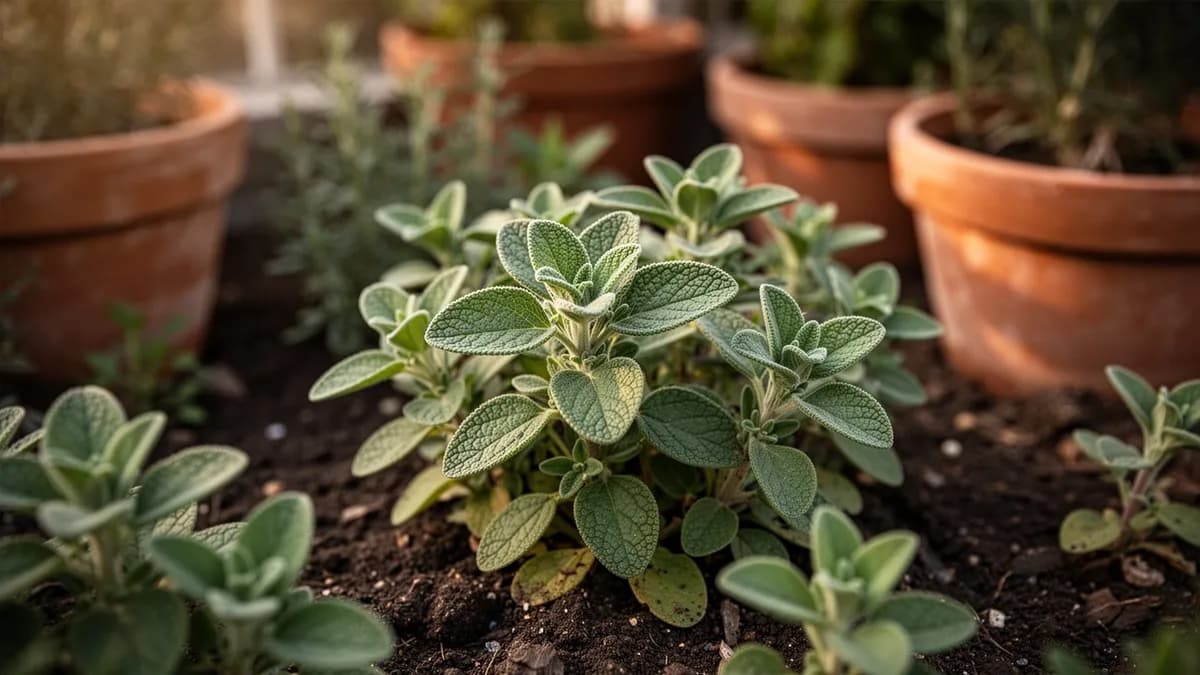
A woody perennial savory with a stronger, more resinous flavor than summer savory, staying evergreen in mild climates. Winter savory forms a compact, bushy sub-shrub ideal for low hedges and edging in herb gardens. Its robust flavor stands up to long cooking in stews, braises, and dried bean dishes throughout the colder months.
When to plant Winter Savory
Sow winter savory seeds indoors 6-8 weeks before the last frost date. Scatter tiny seeds on the surface of moist, well-drained seed-starting mix and press gently without covering, as seeds need light to germinate. Maintain soil temperature at 60-70°F. Germination is slow and irregular, taking 10-21 days. Keep the surface consistently moist with a fine mist sprayer. Seedlings grow slowly at first. Thin to one plant per cell when seedlings have two sets of true leaves. Harden off over 7-10 days before transplanting outdoors after the last frost.
Your Winter Savory Year
Composed for Zone 7 · typical seasons · frost passes Apr 2, returns Nov 1
Plant Winter Savory Mar – May, pick Jan – Dec. Check the planting methods below and set your climate to personalize these windows.
How to grow Winter Savory
Winter savory is best started from seed indoors 6-8 weeks before the last frost, or propagated from stem cuttings or root divisions of established plants. Sow seeds on the surface of moist seed-starting mix and press lightly, as the tiny seeds need some light to germinate. Germination takes 10-21 days at soil temperatures of 60-70°F.
Transplant seedlings outdoors after the last frost into a sunny, well-drained location. Space plants 12 inches apart in rows or group them in herb garden beds. Winter savory thrives in poor to moderately fertile, alkaline soils and actually produces more aromatic oils when grown lean. Avoid rich soils and heavy fertilization, which cause lush but flavorless growth.
Once established, winter savory requires minimal care. Water sparingly, allowing the soil to dry between waterings. Prune plants back by one-third in early spring to encourage fresh, compact growth and prevent the woody base from becoming bare. In zones 5-6, mulch the base with gravel or coarse sand in winter to protect roots from freeze-thaw cycles while ensuring good drainage.
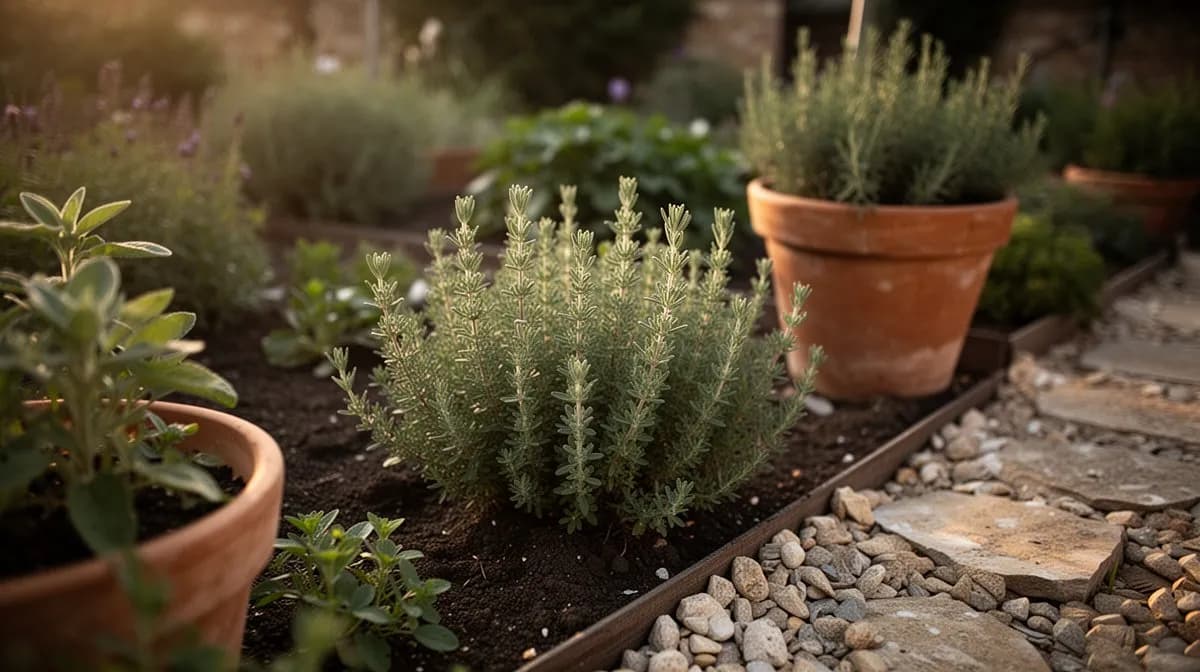
32 plants fit a 4 × 8 ft bed
Each Winter Savory wants 30 cm of elbow room. The planner keeps that spacing for you — every plant, every bed.
Winter Savory's best neighbours
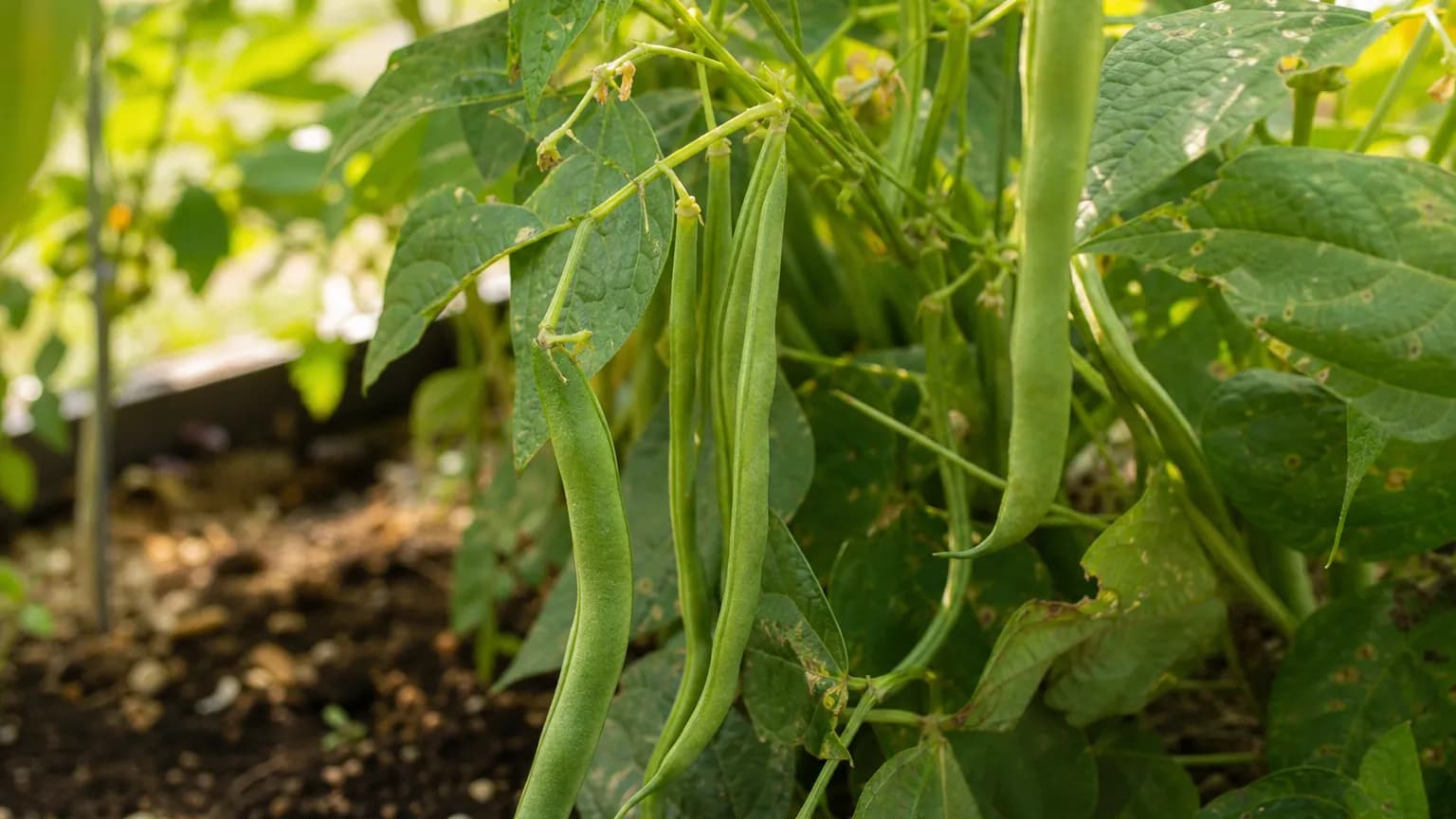
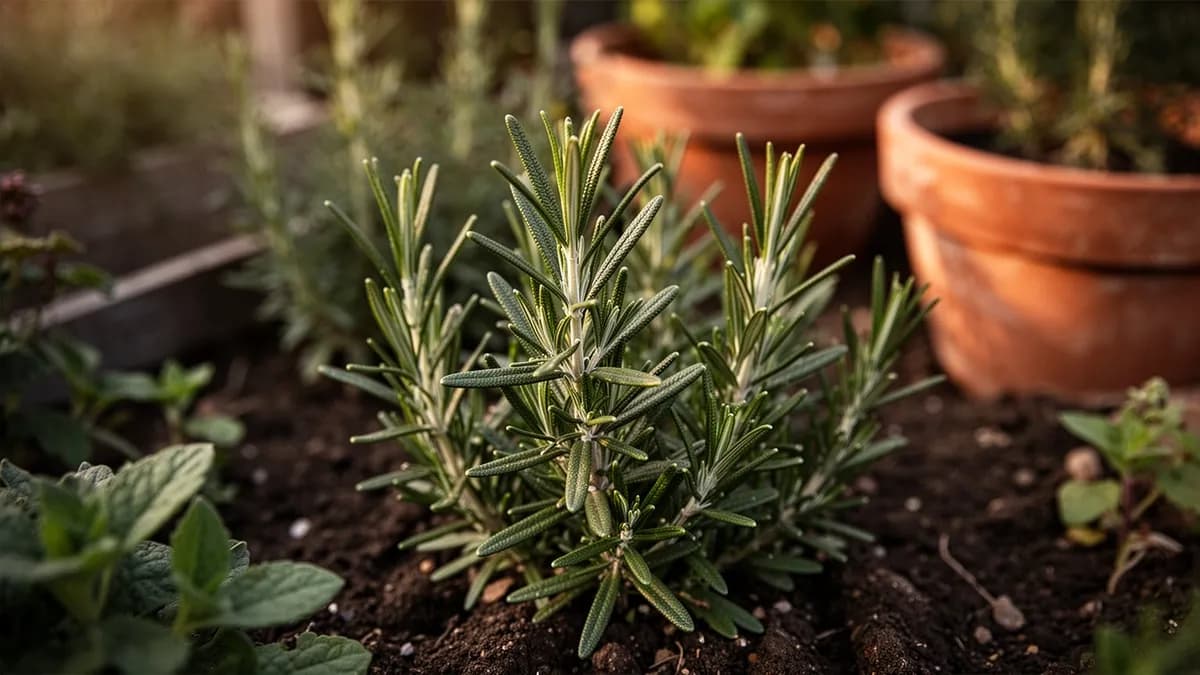
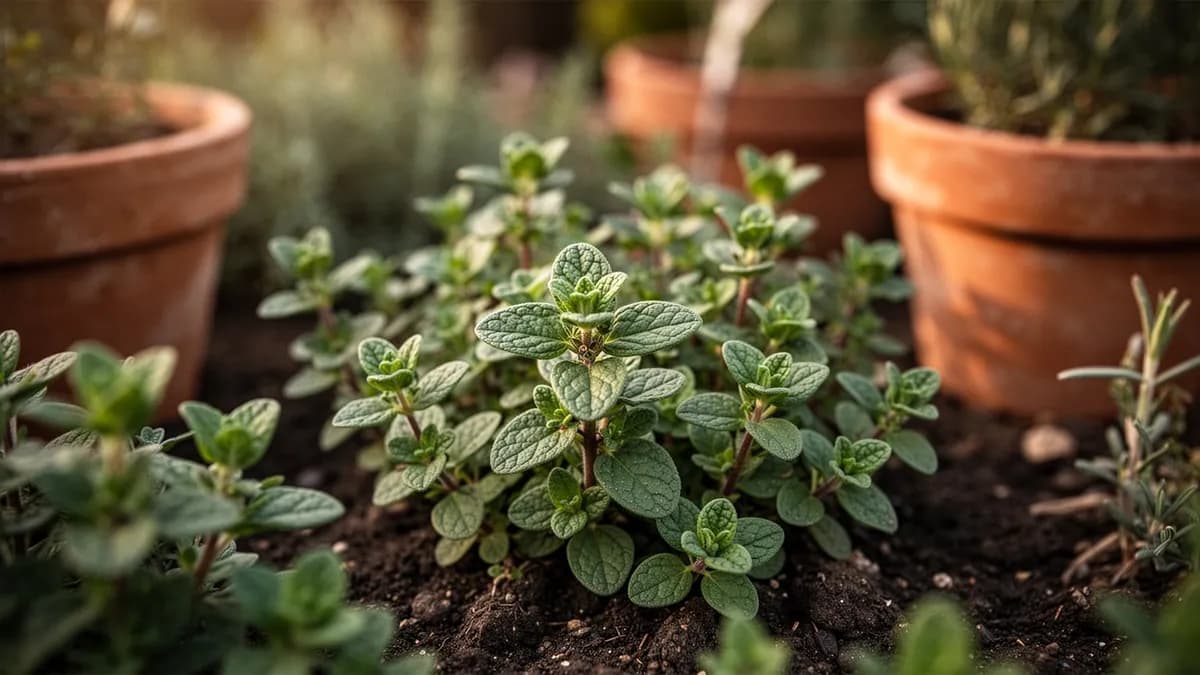
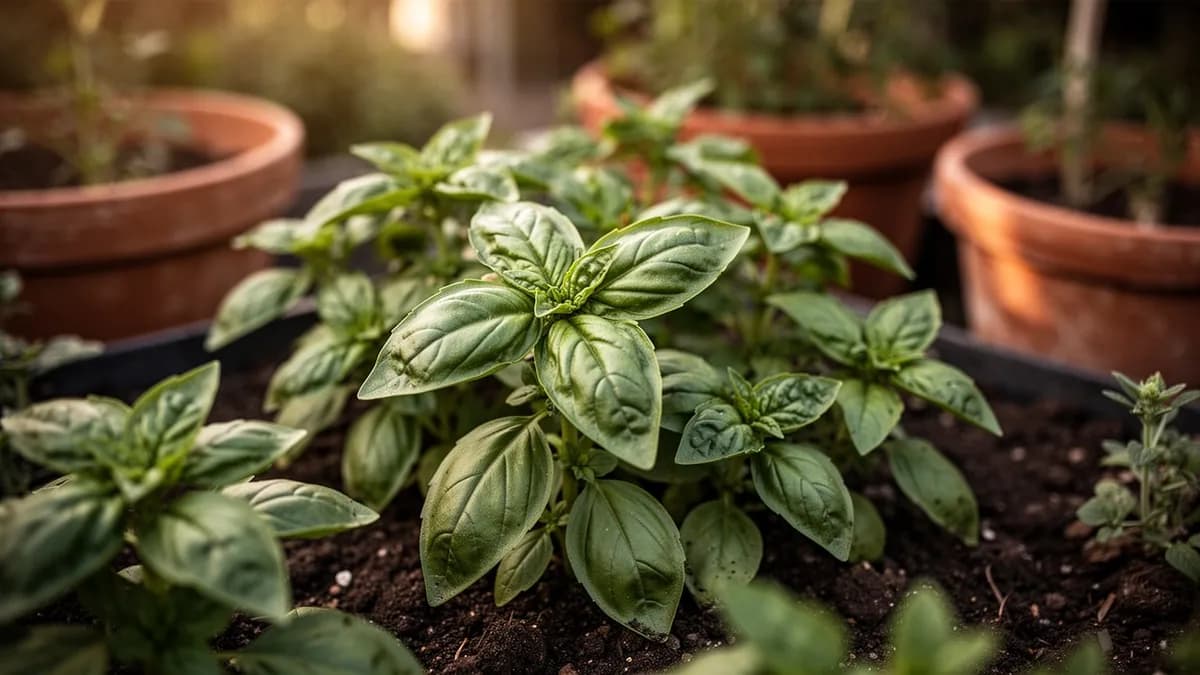
Winter savory is an excellent companion for green beans and other legumes, repelling bean beetles and aphids with its aromatic oils. Plant it alongside rosemary and thyme in a Mediterranean herb section where all three appreciate similar dry, sunny conditions. Winter savory also benefits onions and garlic by deterring certain pests. Avoid planting near mint, which prefers moist conditions and can aggressively spread into winter savory's space.
Green Beans belongs beside it. Mint doesn't.
Old growers' knowledge, checked against Winter Savory's real companion table below — test any plant you're growing.
Try Winter Savory in a bed — right here
A real planner bed with Winter Savory already in it. Tap a companion to place it and watch the pairing checks answer — green for good neighbours, red for a clash.


Related growing guides
Feed it well
Winter savory thrives in lean, well-drained soil with a pH of 6.5-7.5. Sandy or gravelly soils produce the most aromatic plants. Amend heavy clay with coarse sand and perlite to improve drainage. Minimal fertilization is needed; a light application of balanced granular fertilizer in early spring is sufficient. Avoid rich compost or high-nitrogen feeds, which promote lush but less flavorful growth. Topdress with a thin layer of fine gravel or crushed limestone to maintain alkaline conditions and improve drainage around the crown.
Ideal Temperature
Hardiness Zone Compatibility
From seed to harvest, stage by stage
Seed Germination
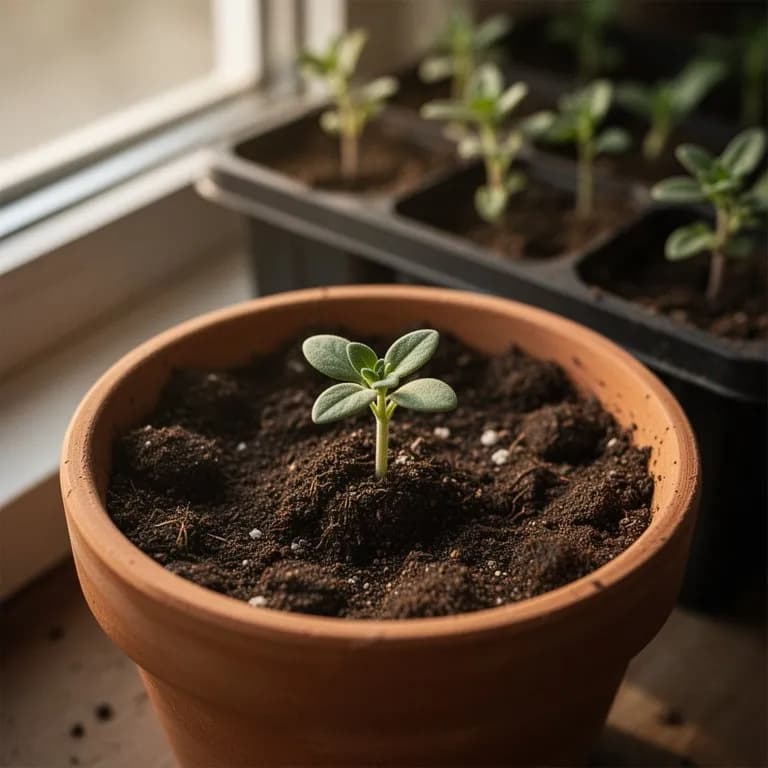
Winter savory seeds are tiny and germinate slowly compared to most herbs, typically requiring 10-21 days under optimal conditions. Seeds need light to germinate and should be surface-sown or barely covered with a fine dusting of vermiculite. Germination is most reliable at 18-21°C (65-70°F) with consistent moisture.
Seedling Establishment
Seedlings develop very slowly, producing pairs of tiny, narrow leaves along thin stems. The first true leaves are small, glossy, and slightly leathery in texture. Root development is steady but growth above ground appears almost stalled during this phase — this is normal for winter savory.
Vegetative Growth
The plant begins to bush out, developing multiple branching stems from the base. Leaves become darker green, more aromatic, and develop the characteristic peppery scent when brushed. The stems begin to lignify (turn woody) at the base while remaining green and flexible at the tips. By the end of this phase, the plant forms a dense, mound-shaped subshrub 20-30 cm tall.
Flowering
Small tubular flowers appear in whorls along the upper stems from midsummer to early autumn. Flowers range from white to pale pink or lilac and are extremely attractive to honeybees, bumblebees, and beneficial insects. The plant remains productive during flowering, though leaf flavor becomes slightly more bitter once blooms open fully.
Autumn Hardening and Dormancy
As temperatures cool, new growth slows and the plant enters a semi-dormant state. Winter savory is semi-evergreen in mild climates, retaining many of its leaves through winter, though they may darken and become tougher. Woody stems at the base remain alive even when upper growth dies back in colder regions. The plant becomes fully dormant in zones with hard freezes.
Press seeds gently onto the surface of moist seed-starting mix without covering them. Keep the soil consistently moist using a mist sprayer and cover trays with a clear dome to maintain humidity. Germination can be erratic, so sow more seeds than needed and be patient.
Caring for Winter Savory month by month
What to do each month for your Winter Savory
October
You are hereGrowth slows as temperatures drop. Clean up any dead or damaged stems but avoid heavy pruning. Apply a thin layer of gravel mulch around the plant crown to protect against winter moisture. In zones 4-5, consider covering with a cloche or cold frame.
Know exactly what to do in your garden — every month
One email at the start of each month: what to sow, plant, and tackle right now — for your Winter Savory and everything growing around it. Plus a short starter course that helps you dodge the classic mistakes.
- What to do, right now
- Matched to your season
- Starter course included
Harvesting Winter Savory
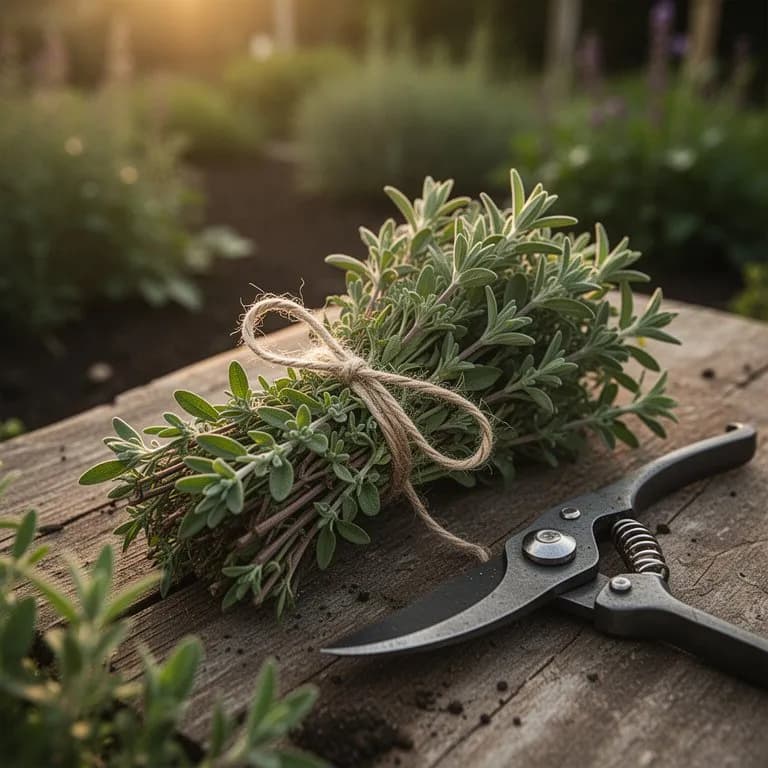
Begin harvesting winter savory once stems reach 6 inches in length, typically 80 days after sowing. Snip sprigs as needed throughout the growing season, cutting just above a leaf node to encourage branching. For the strongest flavor, harvest in the morning after dew has dried. The leaves are most aromatic just before flowering in midsummer. Cut entire stems for drying by bundling and hanging upside down in a warm, well-ventilated area. Winter savory retains its flavor well when dried, making it an excellent candidate for year-round preservation.
assuming you plant when the window opens — set your real date
Pick Winter Savory promptly and the plant keeps producing.
Storage & Preservation
Store fresh winter savory sprigs wrapped in a damp paper towel inside a sealed plastic bag in the refrigerator for up to two weeks. For drying, hang small bundles upside down in a warm, airy location for 7-10 days, then strip leaves and store in airtight glass jars away from light. Winter savory can also be frozen by chopping leaves and packing them into ice cube trays with a little olive oil or water. Dried winter savory retains its robust flavor for up to one year when stored properly.
What goes wrong — and the fix
Spider Mites
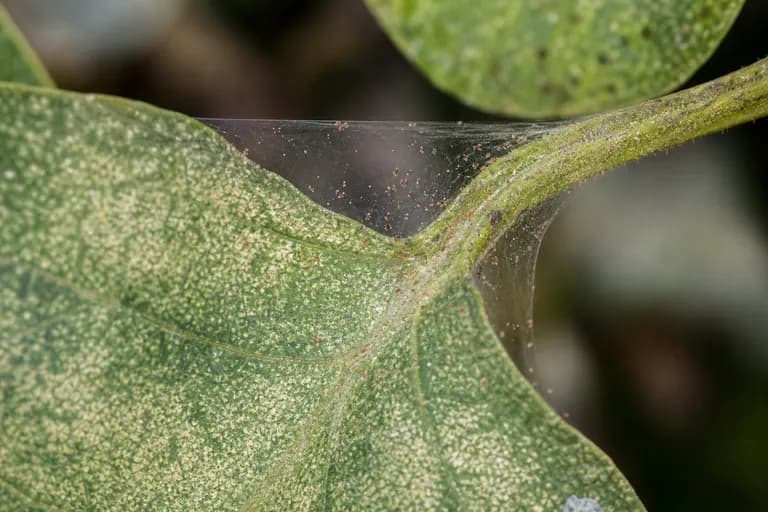
PestFine webbing on leaf undersides, stippled or bronzed foliage, tiny moving dots visible with a hand lens.
Root Rot
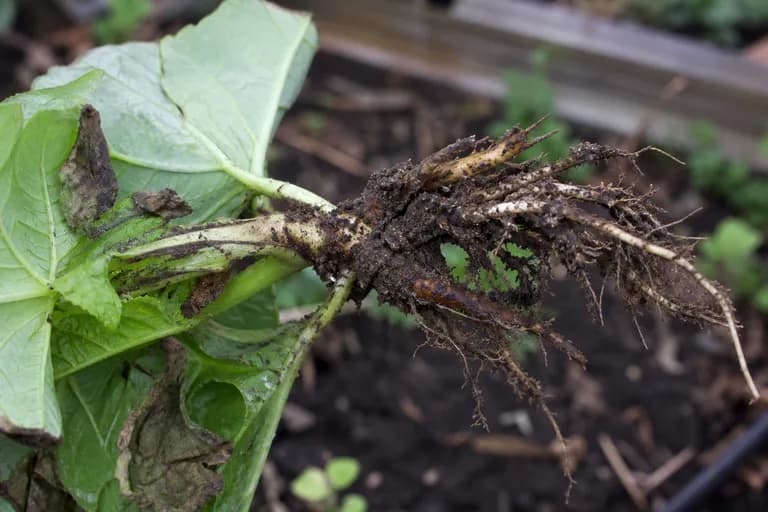
DiseaseWilting despite moist soil, yellowing lower leaves, mushy blackened roots, stunted growth.
Aphids
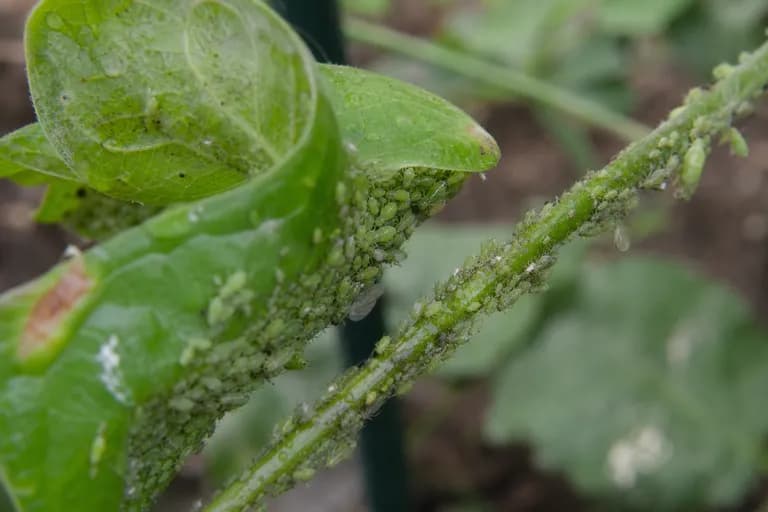
PestClusters of small green or black insects on tender shoot tips, sticky honeydew residue, distorted new growth.
Troubleshooting Common Problems
Woody, bare lower stems are the most common issue with aging winter savory plants. Prevent this by pruning back by one-third each spring to stimulate fresh growth from the base. Overwatering causes root rot and is the primary killer of winter savory, especially in heavy clay soils. Sparse foliage and weak aroma typically indicate overly fertile soil. Plants may decline after 4-5 years and should be replaced with new divisions or cuttings. In very cold zones, lack of snow cover combined with freeze-thaw cycles can heave roots out of the ground.
Growing Tips
- Choose the sunniest, most well-drained spot in your garden for winter savory. This Mediterranean native demands full sun (at least 6-8 hours daily) and fast-draining soil. Heavy clay or waterlogged soil is the number one killer of winter savory plants — amend with coarse sand, gravel, or perlite if drainage is poor.
- Do not overfeed winter savory. Rich, fertile soil produces lush but bland-tasting growth with reduced essential oil content. Lean, slightly poor soil produces the most intensely flavored and aromatic foliage. A single light application of balanced fertilizer in early spring is sufficient for the entire year.
- Prune established plants back by one-third in early spring just as new growth begins. This removes dead wood, prevents the plant from becoming leggy and sparse in the center, and stimulates dense new growth from the base. Never prune hard into old wood with no visible buds — it may not regenerate.
- Propagate by semi-ripe cuttings taken in late summer for the most reliable results. Take 8-10 cm cuttings from non-flowering shoot tips, strip the lower leaves, dip in rooting hormone, and insert into a mix of equal parts perlite and peat. Roots develop in 4-6 weeks with bottom heat.
- Water sparingly once established. Winter savory is genuinely drought-tolerant and overwatering causes more problems than underwatering. Water deeply but infrequently, allowing the soil to dry out between waterings. In most climates, natural rainfall is sufficient after the first growing season.
- Grow winter savory in containers if your garden soil is heavy or poorly drained. Use a terracotta pot with a gritty, well-draining mix of equal parts potting soil, coarse sand, and perlite. The porous terracotta allows excess moisture to evaporate and prevents the root rot that kills container-grown herbs in plastic pots.
- Plant winter savory near beans, both as a companion plant and a convenient culinary pairing. Traditional European gardeners have grown savory alongside beans for centuries, believing the herb repels bean beetles and aphids while enhancing the flavor of the harvest. Modern companion planting guides continue to recommend this classic pairing.
- Harvest sprigs in the morning after dew has dried but before the heat of midday for the highest essential oil concentration and best flavor. Cut stem tips 10-15 cm long rather than stripping individual leaves — this encourages branching and results in a bushier, more productive plant.
- Divide mature clumps every 3-4 years in early spring to rejuvenate plants that have become woody and sparse. Dig up the entire plant, separate it into sections with healthy roots and fresh growth, and replant in refreshed soil with added grit. Discard the old, woody central portion.
- In zones 4-5, grow winter savory in a sheltered south-facing location against a stone wall or foundation, which provides radiated warmth and wind protection. Alternatively, grow it in a container that can be moved to an unheated garage or cold frame during the harshest winter months.
Grow your best Winter Savory yet — and everything around it.
Start a free plan today. Lay out your beds, drop in your Winter Savory, and let PlotMyGarden handle the timing, spacing, companions and reminders from seed to harvest basket.
Pick your Winter Savory
Common Winter Savory
The standard species forming a compact, evergreen sub-shrub with small, dark green aromatic leaves and white to pale lilac flowers in summer.
Nana
A dwarf cultivar growing just 6-8 inches tall, ideal for rock gardens, container edges, and low borders with the same peppery flavor.
Purple Winter Savory
A selection with purple-tinged flowers and slightly more compact growth. Offers the same strong savory flavor with added ornamental appeal.
A single winter savory plant costs $3-5 as a starter and lives for 5-10 years, producing abundant harvests each season. Fresh savory sprigs sell for $3-4 per small package at specialty grocers, and dried winter savory retails for $6-10 per ounce at herb shops. One established plant yields enough fresh and dried herb to replace $40-80 worth of purchased savory annually. Over a 7-year lifespan, a single plant can save $280-560 — an extraordinary return on a $4 investment. Propagation by division or cuttings produces additional free plants, further multiplying the savings.
Quick recipes
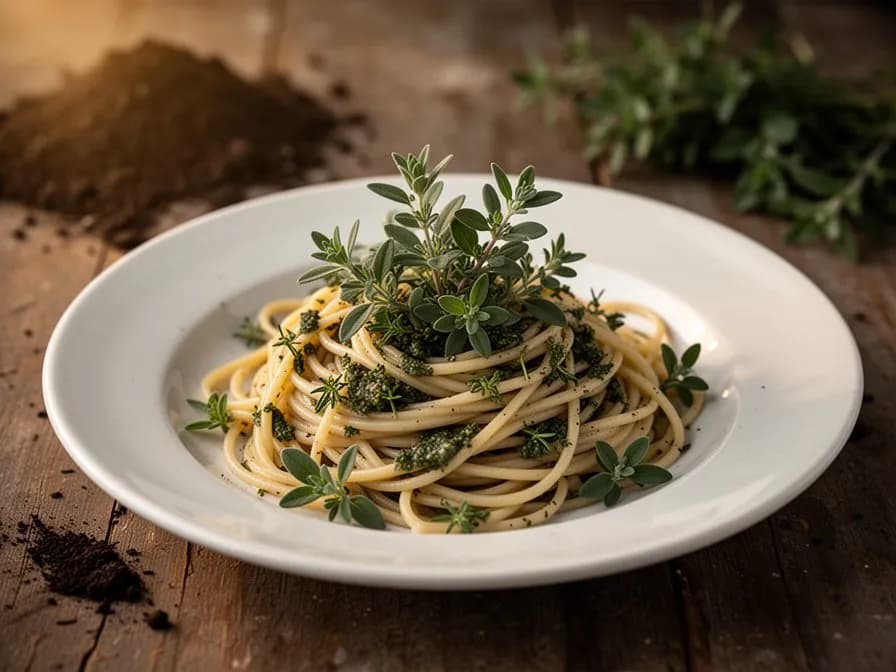
Classic White Bean and Winter Savory Stew
30 min (plus overnight bean soaking)The quintessential winter savory dish — a hearty Provençal-style white bean stew where the herb's peppery warmth cuts through the creaminess of the beans. This traditional pairing has been a staple of European peasant cooking for centuries and showcases why savory earned its name as the bean herb.
11 ingredientsWinter Savory Compound Butter
10 min (plus 1 hour chilling)A versatile herb butter that captures the peppery, slightly piney flavor of winter savory in a form that melts beautifully over grilled meats, roasted vegetables, or warm bread. This compound butter freezes well and keeps for months, making it a perfect way to preserve a summer harvest.
6 ingredientsRoasted Root Vegetables with Winter Savory
15 min (plus 40 min roasting)A simple but deeply flavored sheet-pan side dish where winter savory's robust peppery notes complement the caramelized sweetness of roasted root vegetables. Unlike more delicate herbs that burn in high-oven heat, winter savory's sturdy leaves hold up beautifully during roasting.
9 ingredientsCulinary Uses
Winter savory has a robust, peppery flavor that pairs excellently with dried beans, lentils, and hearty stews. In German and Eastern European cooking it is known as the bean herb for its ability to reduce the gassy effects of legumes. Use it in stuffings, meat pies, sausage seasoning, and herb butter. The strong flavor withstands long cooking times better than summer savory.
What's inside
Health Benefits
- Contains powerful antimicrobial compounds carvacrol and thymol, which have been shown in laboratory studies to inhibit the growth of harmful bacteria and fungi — supporting the traditional use of winter savory as a natural preservative and antiseptic herb.
- Recognized in traditional European herbal medicine as a carminative that relieves gas, bloating, and digestive discomfort — this is the scientific basis for the centuries-old practice of cooking savory with beans and other gas-producing foods.
- Rich in antioxidant polyphenols including rosmarinic acid and caffeic acid, which help neutralize free radicals in the body and may reduce oxidative stress associated with chronic inflammation.
- Winter savory tea has been used for centuries as a natural sore throat remedy and mild expectorant. The thymol content has documented antibacterial properties that support upper respiratory health.
- The iron content of winter savory is exceptionally high among culinary herbs, and regular use as a seasoning can contribute meaningfully to daily iron intake, particularly valuable for individuals following plant-based diets.
- Contains ursolic acid, a triterpene compound studied for its potential anti-inflammatory and muscle-preserving properties. While research is ongoing, this compound adds to the herb's overall antioxidant and health-supportive profile.
Where Winter Savory comes from
Winter savory (Satureja montana) is a hardy perennial herb native to the warm, rocky hillsides and limestone slopes of the Mediterranean basin, with its natural range stretching from the Iberian Peninsula through southern France, Italy, and the Balkans to Turkey and North Africa. It thrives in the thin, well-drained soils of the garrigue and maquis shrublands, growing wild alongside rosemary, thyme, and lavender in sun-baked landscapes where few other plants can survive.
The ancient Greeks and Romans were the first to cultivate winter savory as a culinary and medicinal plant. The Romans considered it one of their most important culinary herbs and used it to flavor sauces, meats, and vinegar-based dressings. Roman legions carried winter savory throughout their empire, and the herb became naturalized across much of Europe as a result. Pliny the Elder wrote about savory in his Natural History, and the physician Dioscorides recommended it for digestive ailments. The association between savory and bean dishes, which persists to this day in European cuisine, dates back to at least the Roman period.
During the medieval era, winter savory was a staple of monastery herb gardens across Europe. Charlemagne included it in his Capitulare de Villis, the decree listing plants required to be grown in imperial gardens. Monks used it both in the kitchen and the infirmary, prescribing preparations of the herb for coughs, digestive complaints, and sore throats. The essential oils in winter savory, particularly carvacrol and thymol, gave these remedies genuine antimicrobial properties, though this was not understood scientifically until centuries later.
European colonists brought winter savory to North America in the 17th century, where it was grown in colonial herb gardens alongside other Mediterranean herbs. Thomas Jefferson cultivated it at Monticello. Today, winter savory remains an essential herb in French, Italian, and Eastern European cuisines, valued for its strong peppery flavor that intensifies rather than diminishes with cooking — making it particularly well suited to slow-cooked dishes, robust stews, and preserved meats.
Winter Savory: did you know?
Fascinating facts about Winter Savory
Winter savory has been cultivated for over 2,000 years and was one of the most important culinary and medicinal herbs in the Roman Empire. Roman soldiers spread it across Europe as they established garrisons, planting it wherever they settled as both a flavoring and a digestive remedy.
Winter Savory questions, answered
When should I plant Winter Savory?
What are good companion plants for Winter Savory?
What hardiness zones can Winter Savory grow in?
How much sun does Winter Savory need?
How far apart should I space Winter Savory?
What pests and diseases affect Winter Savory?
How do I store Winter Savory after harvest?
What are the best Winter Savory varieties to grow?
What soil does Winter Savory need?
What is the difference between winter savory and summer savory?
Why is winter savory called the bean herb?
How do I keep my winter savory plant from becoming woody and bare in the center?
Can I grow winter savory indoors in a pot?
How do I dry winter savory for storage?
Is winter savory safe to use during pregnancy or for young children?
You just read the theory. Now grow it on autopilot.
Everything that makes Winter Savory fiddly — the timing, the spacing, the companions, the harvest window — is exactly what PlotMyGarden handles for you, for every plant in your garden.
A plan that knows your weather
Set your location once. Get sow, feed and harvest dates built around your real last-frost date and live forecast — no more guessing from a generic seed packet.
From the “When to plant” sectionDrag-and-drop bed planner
Design beds on a grid. Every plant snaps to its proper spacing, and you can see your whole season laid out before you spend a cent on seed.
From the “Growing guide” sectionCompanion conflicts, caught early
200+ good-and-bad pairings checked live as you plant — so a season-wrecking mistake never makes it into the ground.
From the “Companions” sectionReminders you'll actually act on
“Water the beans.” “Pick today before it turns.” Timely, specific, and tied to the plants you're really growing.
From the “Harvest” sectionSuccession, scheduled
Want a harvest for six weeks, not six days? It spaces your sowings automatically and reminds you when each new block is due.
From the “When to plant” sectionA record that gets smarter
Every harvest you log teaches it your garden. Next year's plan starts from what actually worked in your soil, not a textbook's.
From the “Overview” sectionPlant these alongside Winter Savory
More Culinary Herbs
Keep Winter Savory away from these
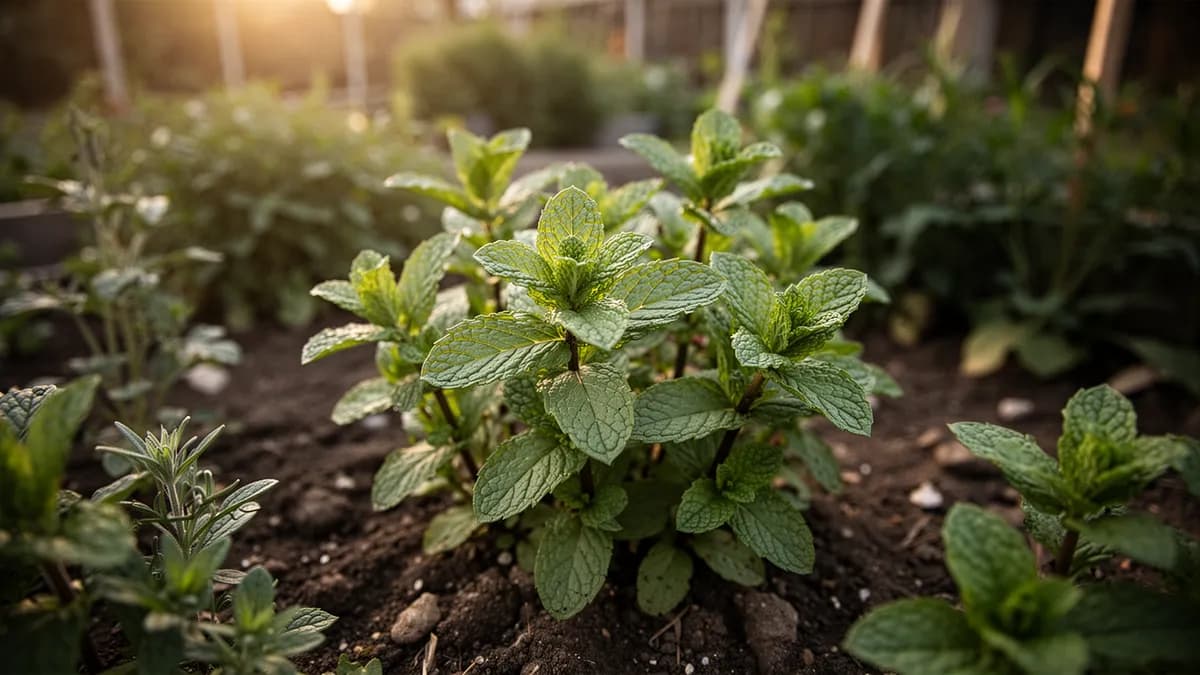
Garden plans featuring Winter Savory
Grow your best Winter Savory yet — and everything around it.
Start a free plan today. Lay out your beds, drop in your Winter Savory, and let PlotMyGarden handle the timing, spacing, companions and reminders from seed to harvest basket.