Ugli Fruit
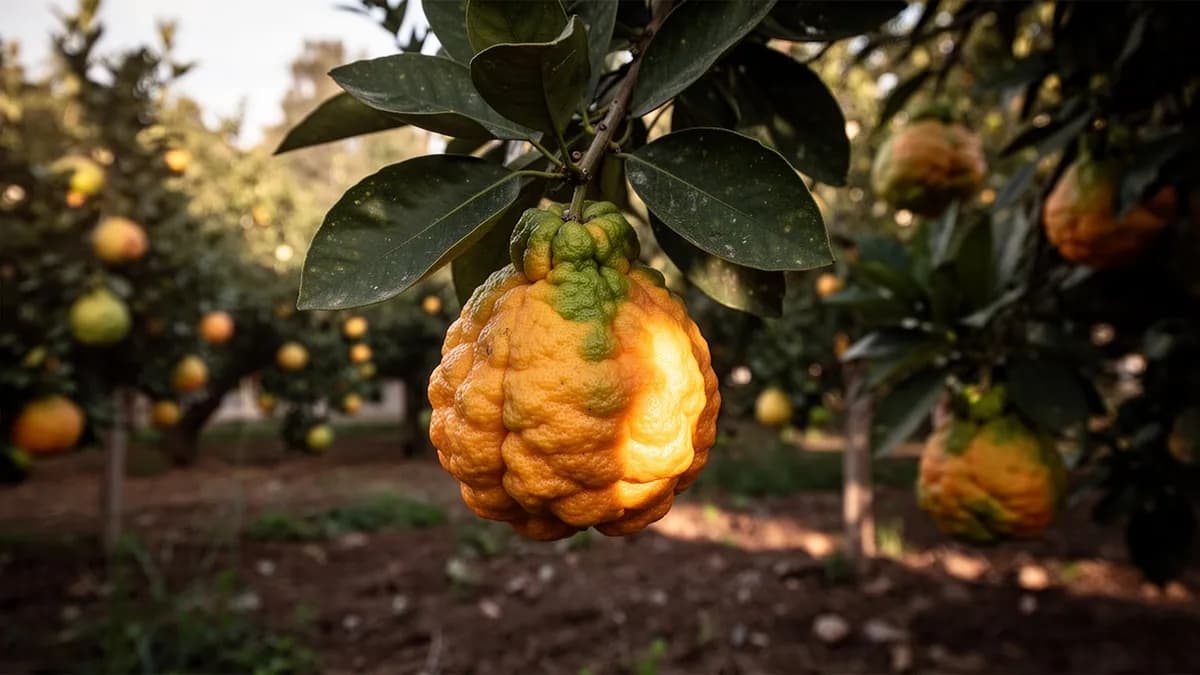
A Jamaican citrus hybrid with an unattractive, loose, wrinkled rind that belies its exceptionally sweet, juicy interior.





On this pageOverview
Meet Ugli Fruit
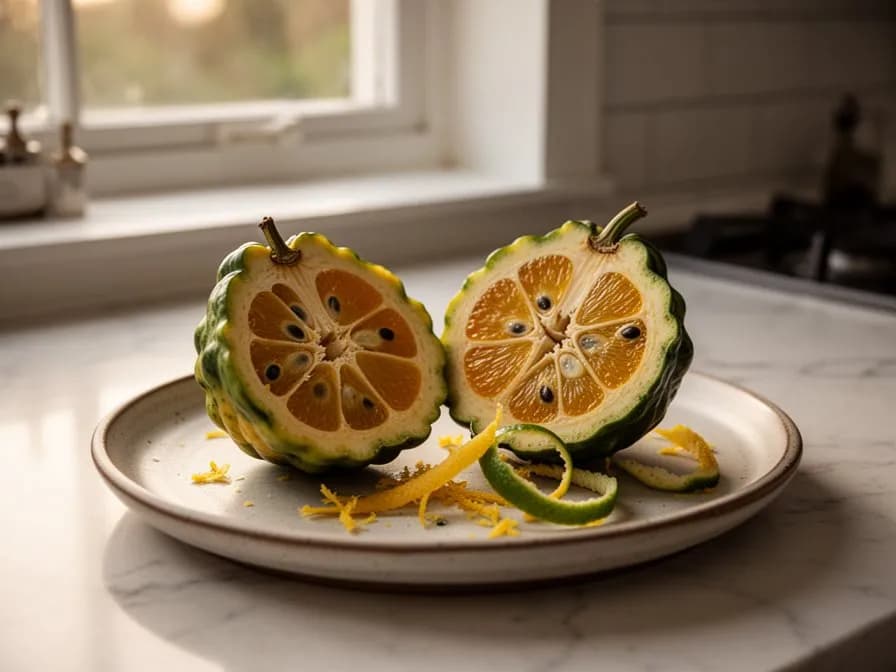
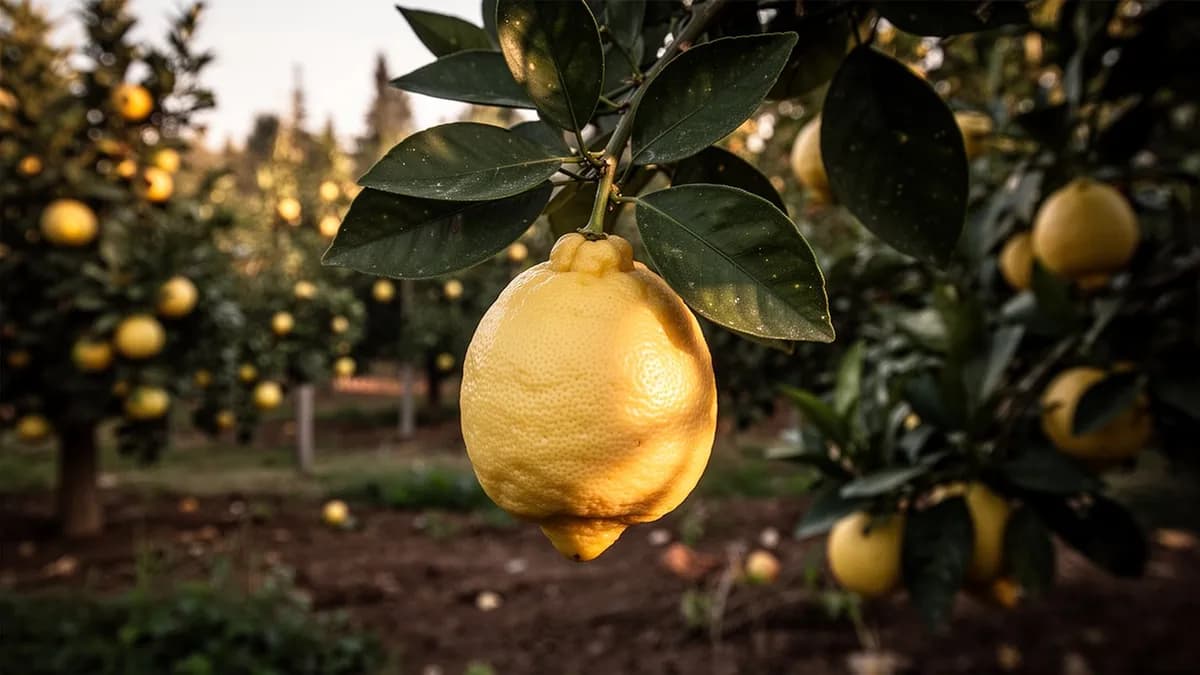
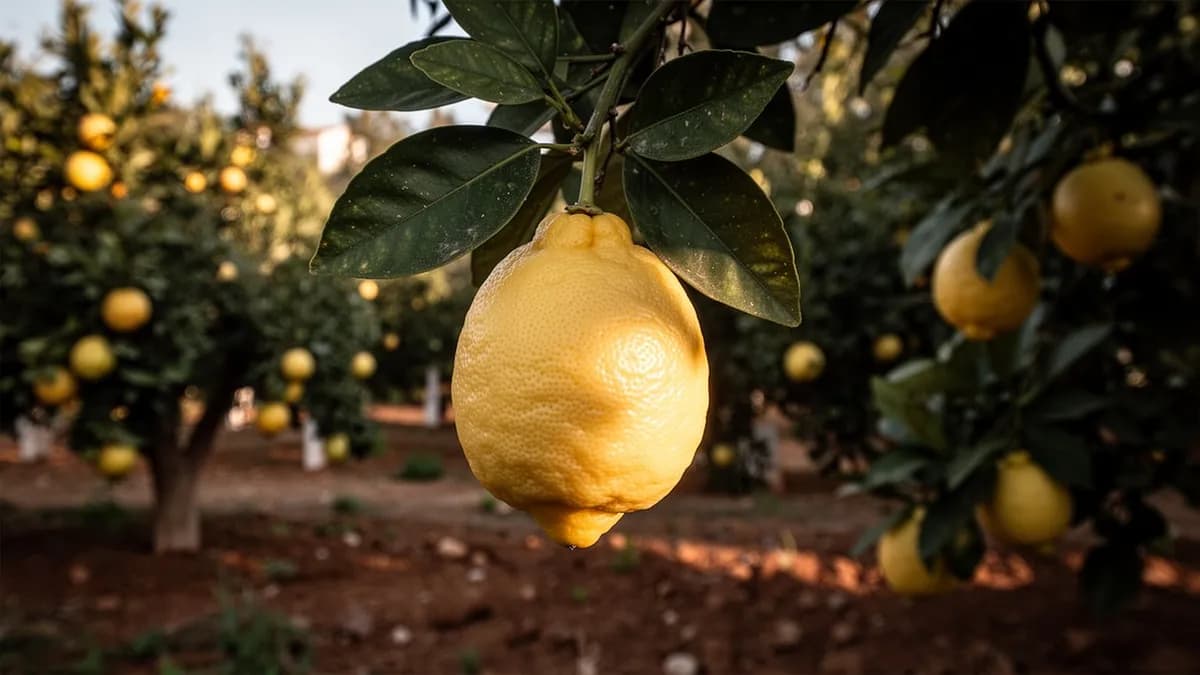
A Jamaican citrus hybrid with an unattractive, loose, wrinkled rind that belies its exceptionally sweet, juicy interior. Despite its rough appearance, the flesh is a delicious combination of tangerine sweetness and grapefruit tang without the bitterness. Ugli fruit peels easily and has very few seeds, making it an excellent fresh-eating citrus.
When to plant Ugli Fruit
Ugli fruit seeds produce variable offspring due to the hybrid parentage, and seedlings may take eight to twelve years to bear fruit. For reliable results, seek grafted nursery stock, though availability is limited outside Jamaica. If growing from seed, plant fresh seeds one inch deep in warm, moist potting mix. Maintain temperatures of 75 to 85 degrees for germination in two to four weeks. Grow seedlings in a warm, humid environment with bright light. Air layering from existing trees is another propagation option.
Your Ugli Fruit Year
Composed for Zone 7 · typical seasons · frost passes Apr 2, returns Nov 1
Plant Ugli Fruit Mar – May, pick Jan – Mar, Dec. Check the planting methods below and set your climate to personalize these windows.
How to grow Ugli Fruit
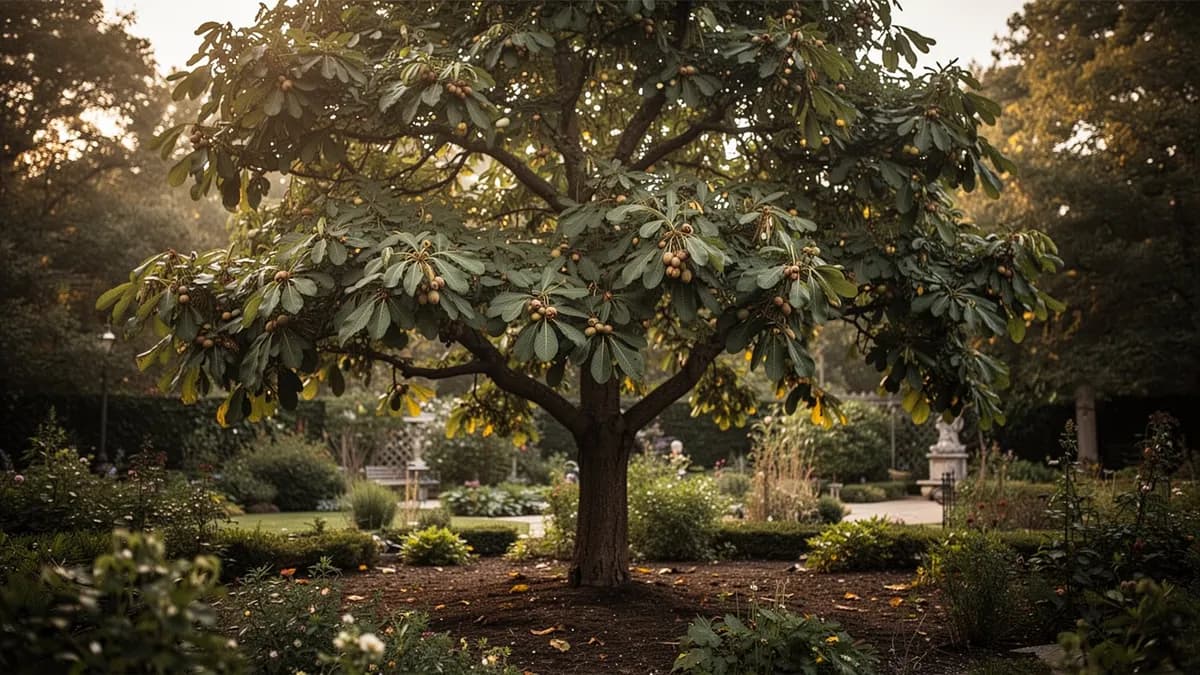
Ugli fruit grows best in tropical and subtropical climates of USDA zones 9 through 12 with warm, humid conditions. Plant grafted trees in full sun with well-drained soil, spacing 12 to 15 feet apart. The tree is moderately vigorous, reaching 15 to 20 feet tall with a spreading canopy. Water deeply at planting and maintain consistent moisture through the first two years.
The loose, wrinkled rind that gives the fruit its name develops naturally and is not a sign of poor growing conditions. The fruit matures from December through April. Ugli fruit is self-fertile but produces better crops when cross-pollinated by nearby grapefruit or tangerine trees.
Fertilize three times per year with a balanced citrus fertilizer. The tree is relatively low-maintenance once established. Prune to remove dead wood and maintain an open canopy. Water consistently during fruit development to ensure juicy, full-sized fruit. Provide frost protection below 30 degrees, as the tree is less cold-hardy than many mandarin types due to its grapefruit parentage.
Ugli Fruit needs more room than a 4 × 8 ft bed gives
Each Ugli Fruit wants 360 cm of elbow room. The planner keeps that spacing for you — every plant, every bed.
Ugli Fruit's best neighbours
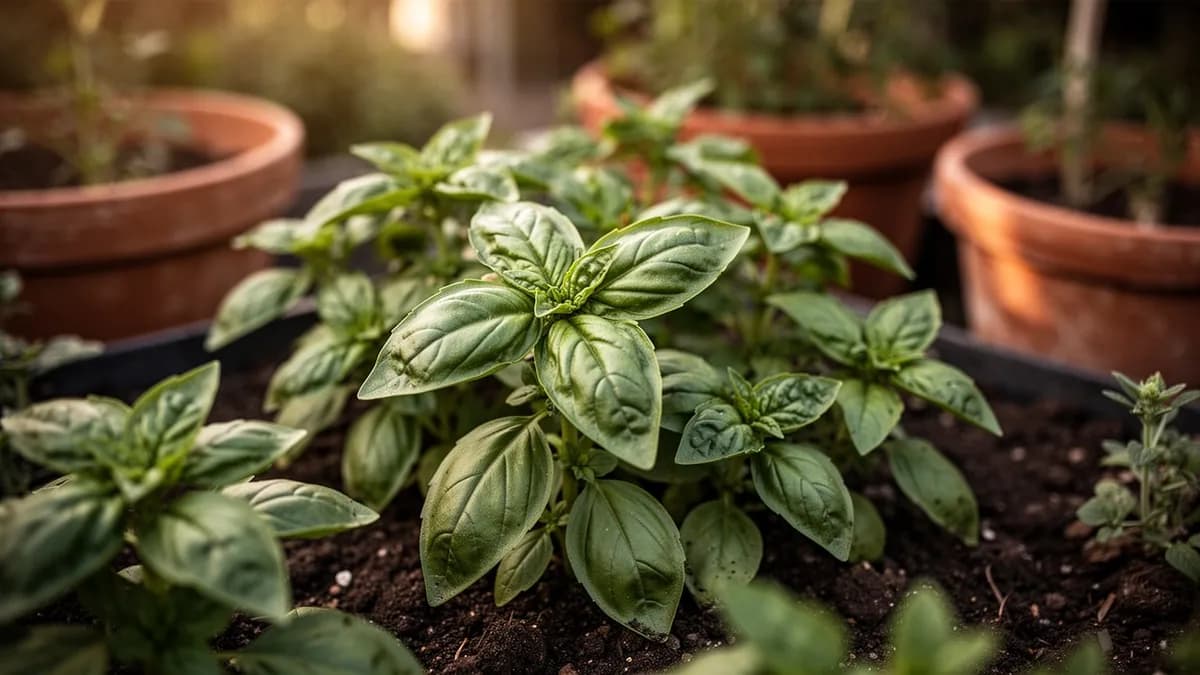
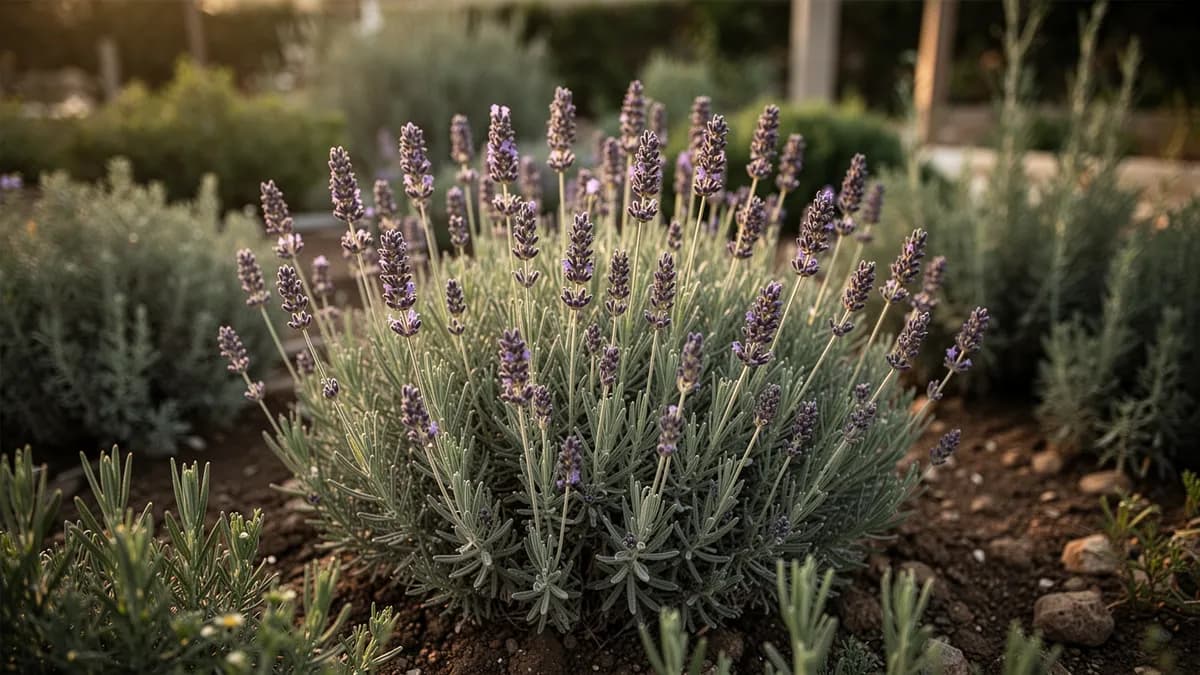
Plant ugli fruit alongside other tropical citrus, mangoes, and avocados in a mixed tropical fruit garden. Underplant with tropical ground covers like sweet potato vine or perennial peanut for nitrogen fixation. Banana plants provide windbreak protection. Pineapple and papaya make attractive tropical companion plantings. Flowering tropical herbs attract pollinators that improve fruit set.
Basil belongs beside it. Walnut Tree doesn't.
Old growers' knowledge, checked against Ugli Fruit's real companion table below — test any plant you're growing.
Try Ugli Fruit in a bed — right here
A real planner bed with Ugli Fruit already in it. Tap a companion to place it and watch the pairing checks answer — green for good neighbours, red for a clash.


Related growing guides
Feed it well
Ugli fruit prefers well-drained, fertile soil with a pH of 5.5 to 7.0. The tree performs best in rich loam with generous organic matter. Apply a balanced citrus fertilizer three times per year, supplementing with potassium during fruit development for sweetness. Micronutrient sprays of zinc, manganese, and iron prevent common tropical citrus deficiencies. Maintain thick mulch around the drip line to conserve moisture in warm climates.
Ideal Temperature
Hardiness Zone Compatibility
From seed to harvest, stage by stage
Planting and Establishment
Ugli fruit trees are typically planted as grafted nursery stock in spring once all frost risk has passed. During the first three months, the tree's primary task is root establishment rather than visible top growth. The graft union must be positioned above soil level, and the tree requires consistent moisture, warmth, and shelter from strong winds to develop the root network it needs to support long-term growth.
Vegetative Growth
Once rooted in, ugli fruit trees enter a sustained period of leafy vegetative growth. Vigorous flushes of new bright-green growth emerge two to three times per year in subtropical climates, each flush hardening to a darker, glossier green over several weeks. Root and canopy development during this phase directly determines the tree's future fruiting capacity, making sound nutrition and watering practices in year one essential.
First Flowering
Most grafted ugli fruit trees produce their first significant flowering in their second or third spring. Clusters of intensely fragrant white blossoms emerge from leaf axils along the previous season's wood, filling the surrounding air with a heady, jasmine-like perfume. Each flower contains both male and female parts, making ugli fruit self-fertile, though cross-pollination from nearby citrus improves fruit set.
Fruit Development
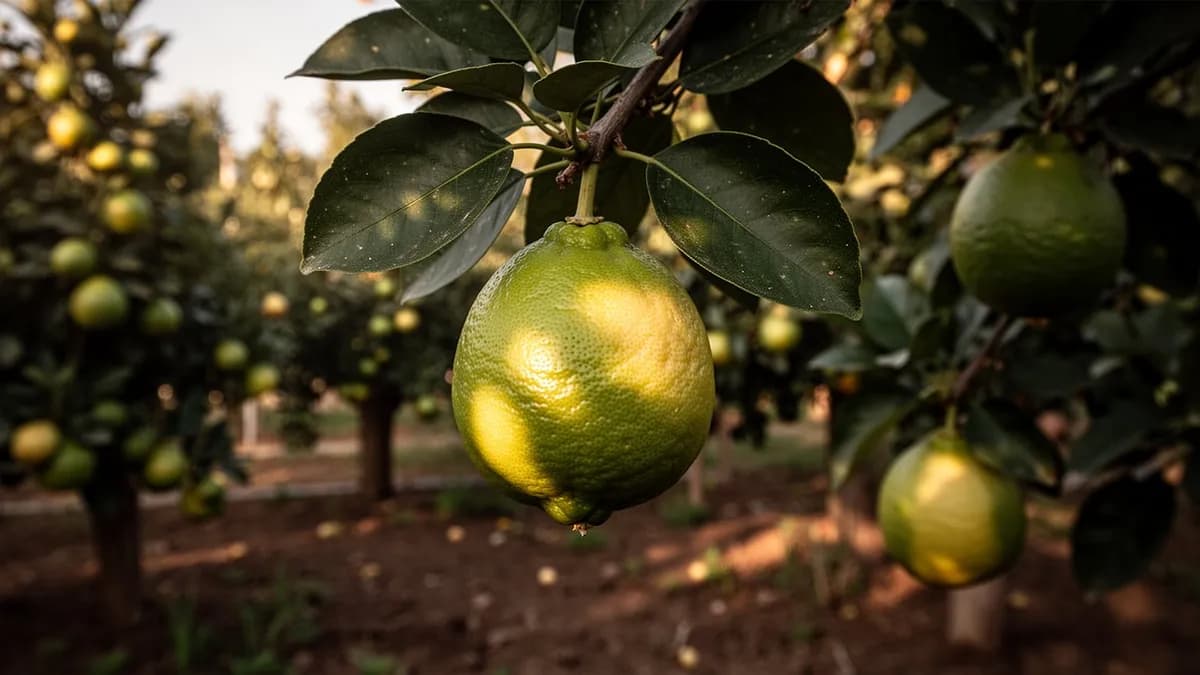
After successful pollination, tiny fruitlets develop and expand over a period of six to eight months. The fruits remain entirely green through summer and early autumn, gradually increasing in size from marble to tennis ball to their final grapefruit-sized dimensions. The characteristic wrinkled, loose skin begins to develop as the rind grows faster than the flesh inside, a natural and desirable trait that makes the fruit so easy to peel.
Ripening
Ugli fruits ripen through winter, typically from November to April depending on climate and variety. The skin transitions from solid green to a mottled yellow-green blush and then to a predominantly yellow-orange with irregular green patches. Unlike many citrus fruits, ugli fruit does not need to be fully yellow to be ripe — the internal sweetness and juice content are reliable guides. Ripe fruits develop a slight give when gently squeezed and detach easily with a gentle upward twist.
Post-Harvest Recovery
After harvest, the tree enters a brief recovery phase before initiating the next season's growth flushes. This is an ideal time for light pruning, fertilization, and any pest or disease management. Evergreen citrus trees do not go fully dormant, but growth slows noticeably in cooler months. The energy invested in post-harvest feeding directly fuels the following spring's blossom and fruit set.
Plant in the warmest, most sheltered position in your garden with at least six hours of direct sun. Dig a hole twice as wide as the root ball but no deeper. Backfill with native soil rather than heavily amended mix to encourage roots to venture outward. Water deeply twice weekly for the first two months, reducing gradually as roots establish.
Caring for Ugli Fruit month by month
What to do each month for your Ugli Fruit
October
You are hereStop all fertilization for the season. Carry out any corrective pruning needed to open the canopy or remove structural problems while the tree is still in full leaf and issues are visible. Apply a preventative copper fungicide spray before autumn rains begin to suppress melanose and greasy spot fungal diseases. Check drainage around the root zone ahead of winter wet.
Know exactly what to do in your garden — every month
One email at the start of each month: what to sow, plant, and tackle right now — for your Ugli Fruit and everything growing around it. Plus a short starter course that helps you dodge the classic mistakes.
- What to do, right now
- Matched to your season
- Starter course included
Harvesting Ugli Fruit
Ugli fruit ripens from December through April in Jamaica and similar tropical climates. The fruit is ready when the loose, wrinkled skin gives easily to gentle pressure and the fruit feels heavy with juice. Despite the unattractive exterior, the flesh should be juicy, sweet, and easily separable into segments. Clip from the tree with pruning shears. The fruit peels as easily as a tangerine. Taste-test before harvesting broadly.
assuming you plant when the window opens — set your real date
Pick Ugli Fruit promptly and the plant keeps producing.
Storage & Preservation
Fresh ugli fruit keeps one to two weeks at room temperature and three to four weeks refrigerated. The loose rind means it dehydrates faster than tight-skinned citrus, so store in a plastic bag in the crisper. The juice is excellent fresh and freezes well. Segments can be preserved in light syrup. The unique flavor makes outstanding marmalade that combines tangerine sweetness with subtle grapefruit undertones.
What goes wrong — and the fix
Citrus Rust Mite
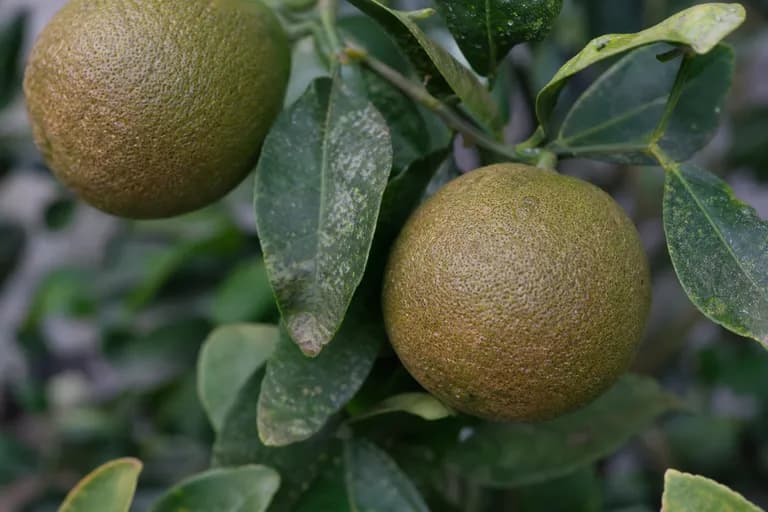
PestBronzed, russeted fruit rind that feels rough to the touch. The fruit interior is unaffected but cosmetic appeal is reduced. Most damaging during summer.
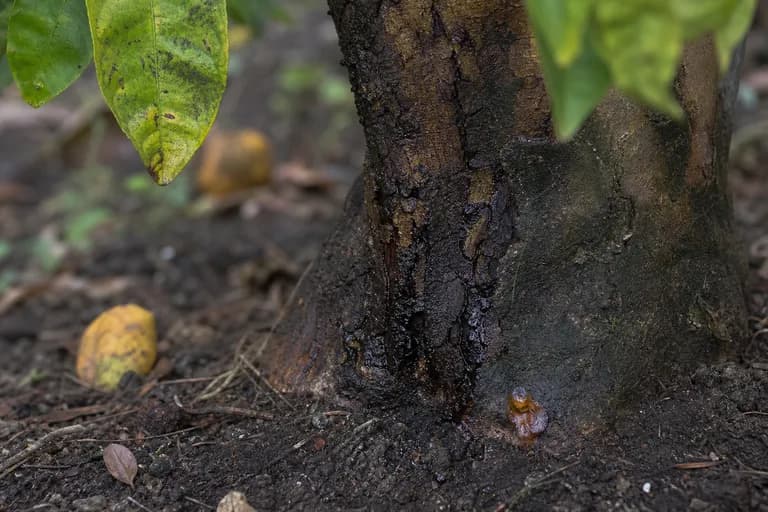
Foot Rot (Phytophthora)
DiseaseDark, water-soaked bark at the base of the trunk, gum exudation, bark cracking, and progressive decline of the tree.
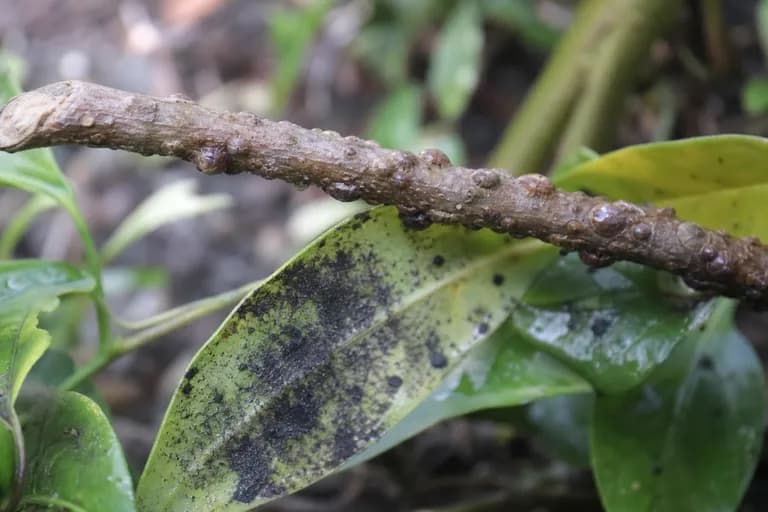
Scale Insects
PestWaxy bumps on branches and leaf surfaces. Heavy infestations cause yellowing, branch dieback, and sooty mold from honeydew.
Troubleshooting Common Problems
The biggest challenge is availability, as ugli fruit trees are not widely sold outside Jamaica and tropical growing regions. The unattractive appearance puts off some gardeners despite the excellent internal quality. Trees require tropical warmth and humidity to produce their best fruit. In drier climates, the loose rind may develop excessively, creating a very thick, pithy barrier. Fruit drop can occur from water stress during development.
Growing Tips
- Select a planting position with maximum sun exposure and shelter from cold winds — ugli fruit requires at least six hours of direct sun daily and performs best when planted against a south or west-facing wall that absorbs and radiates heat, particularly in marginal climates at the edge of its growing range.
- In cooler climates, grow ugli fruit in a large 60-100 litre container using a well-draining citrus potting mix and move it under glass or into a frost-free conservatory when temperatures regularly drop below 5°C. Container trees perform remarkably well given adequate pot size, regular feeding, and consistent watering.
- Water deeply but infrequently once the tree is established, allowing the top 5 cm of soil to dry out between waterings. Ugli fruit, like all citrus, is highly susceptible to Phytophthora root rot in waterlogged soils, so excellent drainage is non-negotiable whether planting in the ground or in a container.
- Feed with a dedicated citrus fertilizer three times per year in the cooler months and monthly during spring through summer. Citrus are heavy feeders with specific requirements for magnesium, iron, zinc, and manganese, which are not present in general-purpose fertilizers. Yellowing between leaf veins is the classic sign of micronutrient deficiency that a citrus-specific fertilizer will correct.
- Resist heavy pruning — ugli fruit trees require only light shaping to remove dead wood, crossing branches, and inward-facing shoots after the harvest season. Unlike apple trees, citrus produce fruit on relatively young wood distributed throughout the canopy, and heavy pruning removes productive wood and delays fruiting.
- Mulch generously around the drip line with organic material such as wood chips, straw, or sugarcane mulch to a depth of 7-10 cm to conserve soil moisture, regulate soil temperature, and suppress weeds that compete with the shallow feeding roots. Always keep mulch at least 20 cm away from the trunk to prevent collar rot.
- Monitor for citrus leaf miner, whose larvae tunnel within new leaf tissue creating characteristic silvery curling trails. Affected flushes will not recover but the tree is rarely seriously harmed. Apply neem oil or spinosad spray to protect new flushes as they emerge rather than treating already-damaged growth, timing applications for when new leaves are unrolling.
- Hand-pollinate flowers in poor pollinator conditions or when growing under glass by transferring pollen between flowers using a small soft paintbrush. While ugli fruit is self-fertile, fruit set and fruit size improve when multiple flowers are cross-pollinated, and trees grown in enclosed spaces without bee access benefit noticeably from manual pollination.
- Thin excessive fruit clusters on young trees in their first two to three bearing years, allowing no more than 20-30 fruits to develop on a tree under four years old. Heavy early cropping stunts canopy development, shortens the productive life of the tree, and results in small, underdeveloped fruits with poor flavor in subsequent seasons.
- Protect the tree from frost when night temperatures are forecast below 3°C by draping horticultural fleece over the canopy before dark and removing it during the day. A single severe frost can destroy an entire crop of near-ripe fruits and damage young wood. In climates with regular winter frosts, ugli fruit should be considered a container plant and overwintered under glass.
Grow your best Ugli Fruit yet — and everything around it.
Start a free plan today. Lay out your beds, drop in your Ugli Fruit, and let PlotMyGarden handle the timing, spacing, companions and reminders from seed to harvest basket.
Pick your Ugli Fruit
Uniq Fruit (Ugli)
The trademarked Jamaican variety that originated as a chance hybrid. Large, loose-skinned fruit with sweet, juicy flesh combining the best of tangerine and grapefruit flavors.
Jamaican Tangelo
The original name for the ugli fruit before commercial branding. Variable in size and shape but consistently sweet and juicy when grown in tropical conditions.
A mature ugli fruit tree can produce 100-200 fruits per season in a favorable subtropical climate. Given that ugli fruits retail for $3-$6 per fruit in specialty grocery stores due to their rarity and seasonal availability, a productive home tree producing even 80 fruits per year represents $240-$480 worth of fresh fruit that would otherwise be difficult or impossible to source locally. Grafted trees cost $25-$60 from specialist citrus nurseries and begin producing meaningful crops within 3-4 years of planting, making the return on investment rapid and long-lasting given the tree's potential lifespan of 50 or more years with proper care.
Quick recipes
Ugli Fruit and Avocado Salad
15 minutesA vibrant, refreshing salad that pairs the sweet-tart complexity of fresh ugli fruit segments with creamy avocado, peppery watercress, and a light honey-lime dressing. This recipe showcases the fruit's exceptional juice and flavor, which complement rich ingredients in a way that standard grapefruit rarely achieves without bitterness.
9 ingredientsUgli Fruit Curd
30 minutesA silky, intensely flavored citrus curd made with freshly squeezed ugli fruit juice that makes an extraordinary alternative to lemon curd. The fruit's natural sweetness reduces the amount of added sugar required while its complex floral notes produce a curd with greater aromatic depth than any single-citrus recipe. Excellent on toast, scones, or as a filling for tarts and sponge cakes.
6 ingredients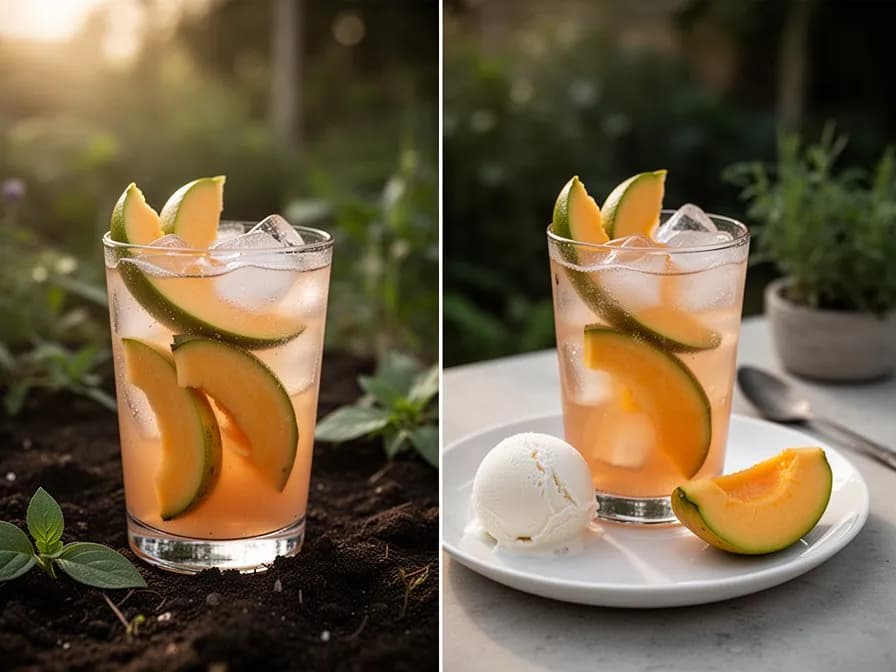
Ugli Fruit Agua Fresca
10 minutesA light, refreshing Mexican-style agua fresca that allows the full natural flavor of ugli fruit juice to shine with minimal additions. Lightly sweetened and diluted with cold water, this drink captures the fruit's unique grapefruit-tangerine-orange complexity in a way that is far more nuanced and interesting than commercial citrus juices. Ideal for summer entertaining or as a non-alcoholic brunch drink.
6 ingredientsCulinary Uses
Ugli fruit is excellent eaten fresh, with segments that separate cleanly and a balanced sweet-tart flavor without grapefruit bitterness. The juice is superb for cocktails, especially rum punches and Caribbean-inspired beverages. Segments add tropical flair to salads with shrimp, avocado, and jicama. The juice makes delightful vinaigrettes, curd, and sorbet. Ugli fruit pairs well with coconut, ginger, and tropical spices in both sweet and savory preparations.
What's inside
Health Benefits
- Provides nearly half the recommended daily intake of vitamin C in a single medium fruit, supporting immune function, collagen synthesis for skin and joint health, and acting as a potent water-soluble antioxidant that neutralizes free radicals throughout the body
- Contains a favorable profile of citrus flavonoids including hesperidin, narirutin, and naringenin that have been associated in clinical studies with reduced blood pressure, improved arterial flexibility, and lower levels of inflammatory markers linked to cardiovascular disease
- Offers a substantial potassium content that supports healthy blood pressure by counteracting the blood-pressure-raising effects of dietary sodium, contributing to proper muscle contraction, and maintaining optimal fluid balance in cells
- Significantly lower in naringin than true grapefruit, making it suitable for people who are sensitive to grapefruit bitterness or who take medications affected by grapefruit consumption, as the reduced naringin content substantially diminishes the cytochrome P450 enzyme-inhibiting effect for which grapefruit is cautioned
- High water content of approximately 88% combined with good dietary fiber and low calorie density makes ugli fruit an effective satiety food for weight management, providing a feeling of fullness and satisfaction for relatively few calories while contributing to daily fluid intake
- Rich in limonoids — naturally occurring plant compounds concentrated in citrus peel and juice — that have demonstrated anti-proliferative effects on several cancer cell lines in laboratory studies and are being investigated as potential chemopreventive agents, particularly against breast and colon cancers
Where Ugli Fruit comes from
Ugli fruit (Citrus reticulata × Citrus paradisi) is one of the most intriguing stories in modern citrus history — a plant that emerged not from a deliberate breeding program but entirely by accident. The fruit was discovered growing wild on a Jamaican farm in the Upton district of St. Mary Parish around 1914 and was first brought to commercial attention by citrus grower George Sharp in the 1930s. Sharp recognized the exceptional eating quality concealed beneath the fruit's rough, mottled exterior and began cultivating it for export. The Cabel Hall Citrus Company of Jamaica registered the trade name 'Ugli' and began marketing the fruit to North American and European specialty markets in the 1940s and 1950s, where it gradually gained a devoted following among consumers willing to overlook its appearance in favor of its flavor. The genetic identity of ugli fruit was long a matter of botanical debate. Early pomologists speculated it was a cross between a grapefruit and a tangerine or mandarin. More recent molecular analysis has confirmed it is indeed a complex hybrid of Citrus reticulata (mandarin or tangerine), Citrus paradisi (grapefruit), and likely Citrus aurantium (Seville orange), placing it in the same broad family as tangelos and other grapefruit-mandarin hybrids. Jamaica remains the primary and, for most of the year, sole commercial source of ugli fruit in international markets. The island's warm, humid climate and rich volcanic soils in the central highlands produce ideal conditions for citrus cultivation. Production is entirely seasonal, with harvesting running from November through April, which gives the fruit a scarcity value that has kept it a premium product despite decades on the market. Outside Jamaica, a small number of citrus growers in Florida, California, and parts of the Mediterranean have successfully cultivated ugli fruit trees, but commercial export from these regions remains negligible. The fruit's combination of obscure origins, trademark name, distinctively unattractive exterior, and surprisingly excellent flavor has made it a favorite of food writers and culinary adventurers, cementing its status as one of the most memorable and unusual fruits a home gardener can grow in a suitable climate.
Ugli Fruit: did you know?
Fascinating facts about Ugli Fruit
Ugli fruit is a naturally occurring hybrid discovered growing wild in Jamaica in the 1930s, believed to be a spontaneous cross between a Seville orange, a grapefruit, and a tangerine. Its exact parentage was debated for decades before genetic analysis confirmed its complex hybrid origin.
Ugli Fruit questions, answered
When should I plant Ugli Fruit?
What are good companion plants for Ugli Fruit?
What hardiness zones can Ugli Fruit grow in?
How much sun does Ugli Fruit need?
How far apart should I space Ugli Fruit?
What pests and diseases affect Ugli Fruit?
How do I store Ugli Fruit after harvest?
What are the best Ugli Fruit varieties to grow?
What soil does Ugli Fruit need?
What does ugli fruit taste like and how does it differ from grapefruit?
Can I grow ugli fruit outside of Jamaica or tropical climates?
Does ugli fruit interact with medications the way grapefruit does?
How do I know when ugli fruit is ripe and ready to pick?
Why is my ugli fruit tree flowering but not setting fruit?
How should I store ugli fruit after harvesting and how long does it keep?
You just read the theory. Now grow it on autopilot.
Everything that makes Ugli Fruit fiddly — the timing, the spacing, the companions, the harvest window — is exactly what PlotMyGarden handles for you, for every plant in your garden.
A plan that knows your weather
Set your location once. Get sow, feed and harvest dates built around your real last-frost date and live forecast — no more guessing from a generic seed packet.
From the “When to plant” sectionDrag-and-drop bed planner
Design beds on a grid. Every plant snaps to its proper spacing, and you can see your whole season laid out before you spend a cent on seed.
From the “Growing guide” sectionCompanion conflicts, caught early
200+ good-and-bad pairings checked live as you plant — so a season-wrecking mistake never makes it into the ground.
From the “Companions” sectionReminders you'll actually act on
“Water the beans.” “Pick today before it turns.” Timely, specific, and tied to the plants you're really growing.
From the “Harvest” sectionSuccession, scheduled
Want a harvest for six weeks, not six days? It spaces your sowings automatically and reminds you when each new block is due.
From the “When to plant” sectionA record that gets smarter
Every harvest you log teaches it your garden. Next year's plan starts from what actually worked in your soil, not a textbook's.
From the “Overview” sectionPlant these alongside Ugli Fruit
More Citrus
Keep Ugli Fruit away from these
Grow your best Ugli Fruit yet — and everything around it.
Start a free plan today. Lay out your beds, drop in your Ugli Fruit, and let PlotMyGarden handle the timing, spacing, companions and reminders from seed to harvest basket.