Wolliger Thymian
Eine dicht behaarte, bodennahe Thymiansorte, die vor allem als Zierbodendecker mit weichem, silbrigem Laub geschätzt wird.





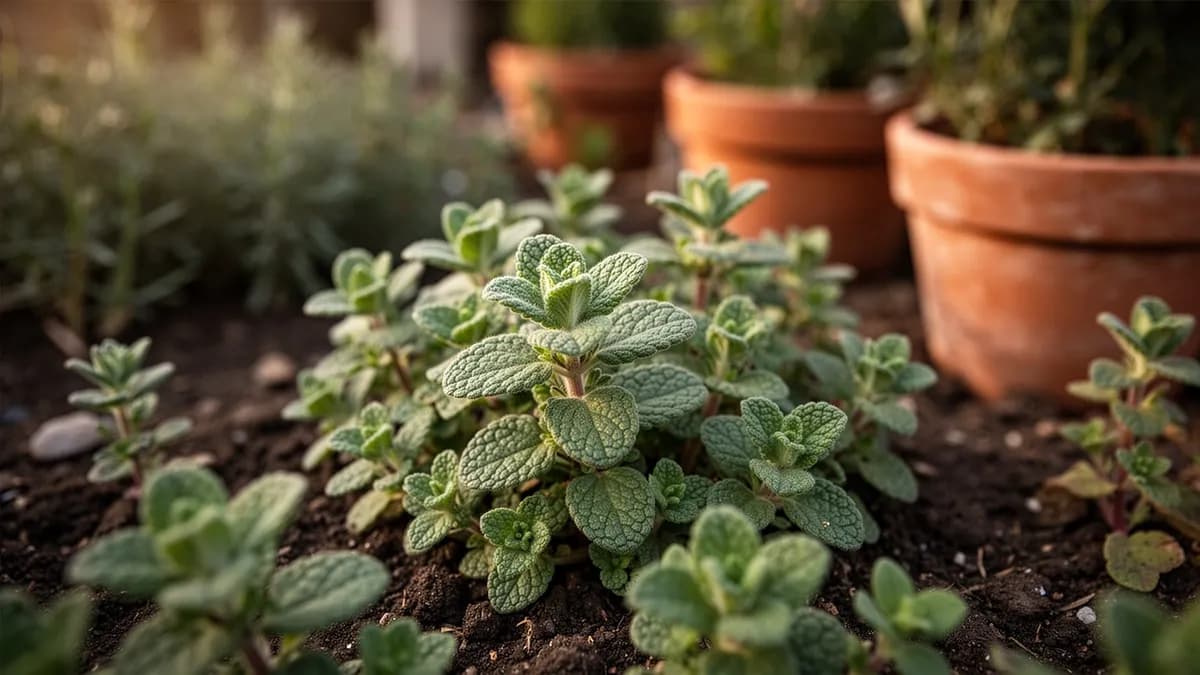
Auf dieser SeiteÜberblick
Wolliger Thymian im Überblick
Eine dicht behaarte, bodennahe Thymiansorte, die vor allem als Zierbodendecker mit weichem, silbrigem Laub geschätzt wird. Die dichte Matte aus wolligen Blättern blüht selten und ist weniger aromatisch als Küchensorten. Beliebt für Steingärten und Einfassungen, wo ihre einzigartige Textur visuelles Interesse und Trockenheitstoleranz bietet.
Wann Wolliger Thymian pflanzen
Wolliger Thymian ist sehr schwierig aus Samen zu ziehen und wird am besten durch Teilung oder Topfpflanzen vermehrt. Wenn Sie es mit Samen versuchen, säen Sie 10–12 Wochen vor dem letzten Frost drinnen auf der Oberfläche einer sehr körnigen, gut durchlässigen Aussaatmischung aus. Drücken Sie die Samen an, ohne sie zu bedecken, da sie Licht benötigen. Die Keimung ist extrem langsam und dauert 21–30 Tage oder mehr bei 15–18 °C. Die Sämlinge sind winzig und anfällig für Umfallkrankheit; gießen Sie von unten und sorgen Sie für ausgezeichnete Belüftung. Für praktische Zwecke ist der Kauf von Topfpflanzen oder das Teilen einer bestehenden Matte weitaus zuverlässiger und schneller.
Dein Wolliger Thymian-Jahr
Abgestimmt auf Zone 7 · typische Saison · Frost geht um den 2. Apr. und kehrt um den 1. Nov. zurück
Wolliger Thymian Mär – Mai pflanzen, Mai – Aug ernten. Beachte die Pflanzmethoden unten und wähle dein Klima für passende Zeiträume.
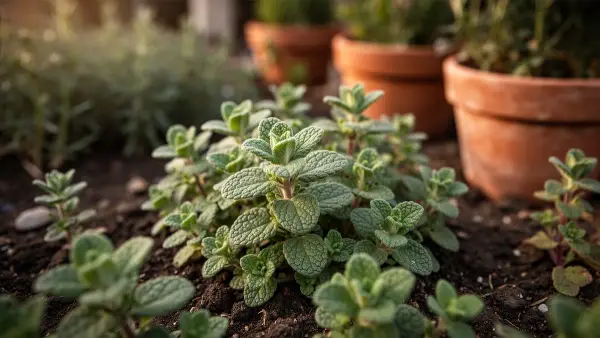
So baust du Wolliger Thymian an
Pflanzen Sie Wolligen Thymian im Frühjahr aus Topfpflanzen oder Teilstücken und halten Sie einen Abstand von 20–30 cm für die Bodendeckung ein. Samen sind manchmal erhältlich, aber die Keimung ist sehr langsam und ungleichmäßig. Topfpflanzen werden dringend empfohlen, um zuverlässige Ergebnisse zu erzielen. Bereiten Sie den Pflanzplatz vor, indem Sie für eine gute Drainage sorgen; arbeiten Sie bei Bedarf groben Sand oder feinen Kies in die oberen 10–15 cm des Bodens ein.
Wolliger Thymian gedeiht in voller Sonne und magerem, sehr gut durchlässigem Boden. Er wird vor allem als Zierbodendecker und nicht als Küchenkraut geschätzt und bildet eine dichte, weiche Matte aus winzigen, flauschigen silbergrünen Blättern von nur 2–8 cm Höhe. Die einzigartige samtige Textur ist unwiderstehlich zum Anfassen und erzeugt einen wunderschönen Teppicheffekt in Steingärten, zwischen Trittsteinen und entlang von Wegrändern.
Gießen Sie nach der Etablierung sparsam; Wolliger Thymian gehört zu den trockenheitstolerantesten Thymianarten. Übermäßiges Gießen ist die häufigste Ursache für Misserfolge, besonders in feuchten Klimazonen, wo das dichte wollige Laub Feuchtigkeit einschließt und Fäulnis fördert. In feuchten Regionen oder bei nassen Wintern sollten Sie die Pflanzung an einem Hang oder einer erhöhten Stelle anlegen, um überschüssiges Wasser abzuleiten. Wolliger Thymian blüht selten, daher ist kein Ausputzen nötig. Teilen Sie die Matten alle 3–4 Jahre, um die Vitalität zu erhalten und ein Absterben in der Mitte zu verhindern.
32 Pflanzen passen in ein Beet von 120 × 240 cm
Wolliger Thymian braucht 30 cm Platz pro Pflanze. Der Planer hält diesen Abstand für dich ein — jede Pflanze, jedes Beet.
Die besten Nachbarn für Wolliger Thymian
Wolliger Thymian eignet sich hervorragend als lebender Mulch und Bodendecker unter höheren Pflanzen in Steingärten und trockenen Rabatten. Seine dichte Matte unterdrückt Unkraut und lässt gleichzeitig Wasser in den Boden einsickern. Pflanzen Sie ihn um die Basis etablierter mediterraner Kräuter wie Rosmarin, Salbei und Lavendel, wo alle ähnliche magere, trockene Bodenansprüche teilen. Wolliger Thymian zwischen Trittsteinen in Kräutergärten schafft attraktive, pflegeleichte Wege. Er bietet eine gewisse Feuchtigkeitsregulierung und Temperaturmäßigung auf Bodenniveau für benachbarte Pflanzen bei extremer Hitze.
Rosmarin gehört daneben. Basilikum nicht.
Altes Gärtnerwissen, geprüft an der echten Nachbartabelle von Wolliger Thymian — teste jede Pflanze, die du anbaust.
Probiere Wolliger Thymian direkt hier im Beet
Ein echtes Planer-Beet, Wolliger Thymian steht schon drin. Tippe einen Begleiter an, platziere ihn und sieh, wie die Nachbarschaftsprüfung antwortet — grün für gute Nachbarn, rot bei Streit.


Passende Anbau-Ratgeber
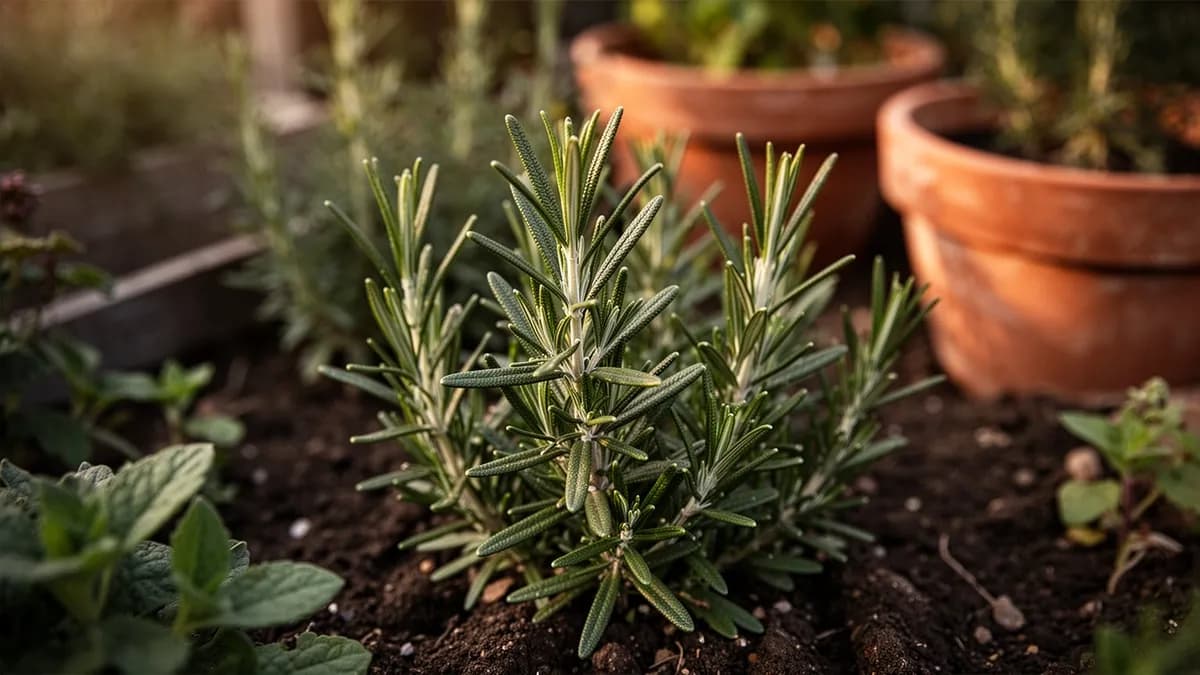
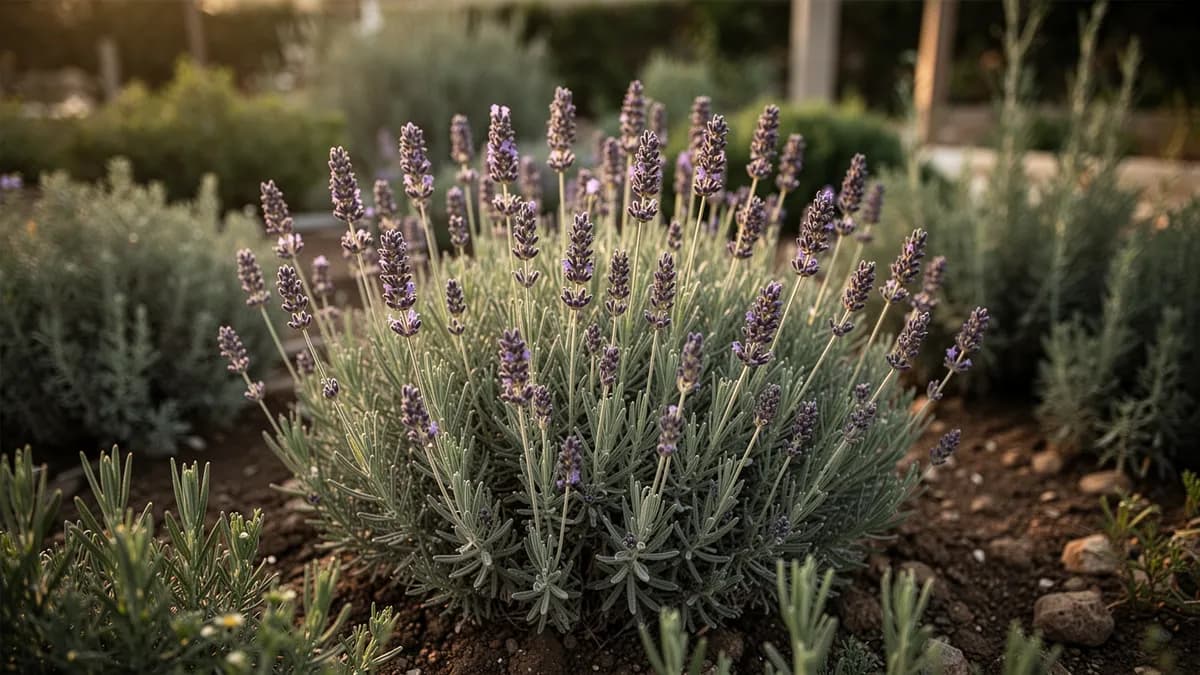
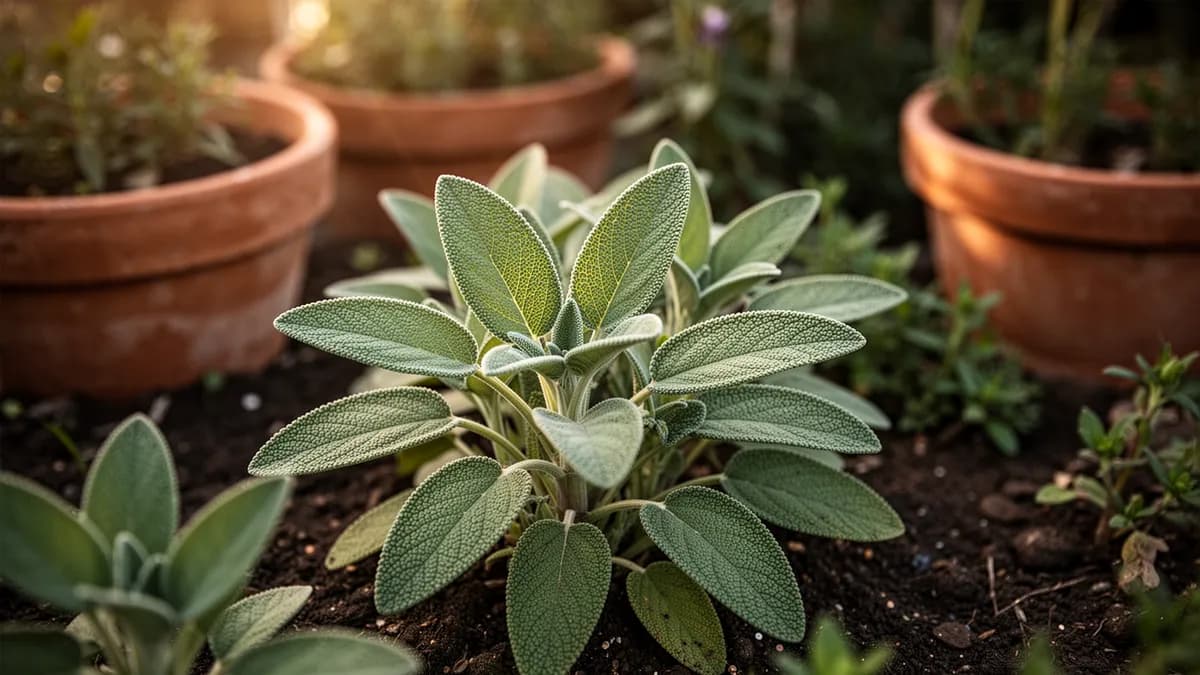
Richtig düngen
Wolliger Thymian benötigt den magersten und am schärfsten drainierten Boden aller Thymianarten. Reiner Sand, Kies, Granitgrus oder steiniger Boden sind ideal. In reichem, organischem oder lehmigem Boden fault er schnell. Düngen Sie Wolligen Thymian niemals; jede zusätzliche Nährstoffzufuhr erzeugt lockeres, langbeiniges Wachstum, das den Zweck seiner dichten Mattenform zunichtemacht. Der pH-Wert kann zwischen 6,0 und 8,5 liegen; Wolliger Thymian ist sehr tolerant gegenüber alkalischen Bedingungen. Verwenden Sie nur mineralischen Mulch (Kies, Schotter) um die Pflanzungen. Vermeiden Sie jeglichen organischen Mulch, der tödliche Feuchtigkeit am flauschigen Laub hält.
Ideale Temperatur
Winterhärtezone-Kompatibilität
Von der Saat zur Ernte, Schritt für Schritt
Keimung
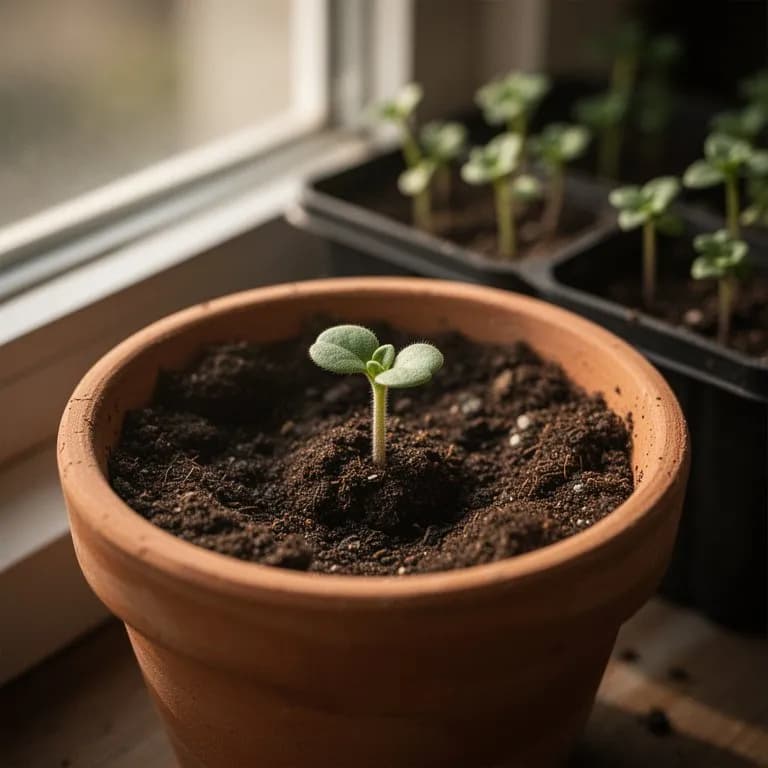
Die Samen des Wolligen Thymians sind extrem klein und keimen langsam, typischerweise benötigen sie 14–21 Tage unter warmen Bedingungen. Die Samen brauchen Licht zum Keimen und sollten nicht mit Erde bedeckt werden. Die ersten Sämlinge sind winzig, mit kaum sichtbaren ersten Blättern, die bereits einen Hauch feiner Härchen zeigen. Die Keimraten können ungleichmäßig sein, daher wird empfohlen, reichlich Saatgut auszusäen.
Sämlingsetablierung
Junge Sämlinge entwickeln ihre ersten echten Blätter, wobei die charakteristischen wolligen Haare sichtbar werden. Das Wachstum ist in dieser Phase langsam, da die Pflanze sich auf den Aufbau eines Wurzelsystems konzentriert. Einzelne Sämlinge sind klein und zart und erreichen nur 2–3 cm Höhe. Das Laub beginnt sein typisches silbriges, flauschiges Erscheinungsbild anzunehmen.
Ausbreitung und Mattenbildung
Die Pflanze wechselt von einem aufrechten Wuchshabitus zu einem kriechenden, mattenbildenden Muster. Stängel strecken sich horizontal über den Boden und bewurzeln sich an den Knoten, während sie sich ausbreiten. Die Matte füllt sich allmählich und bildet einen dichten Teppich aus weichem, wolligem Laub, der typischerweise 2–5 cm Höhe erreicht. Am Ende der ersten Saison kann eine einzelne Pflanze eine Fläche von 30–45 cm Durchmesser bedecken.
Blüte
Im zweiten Jahr und darüber hinaus produziert der Wollige Thymian eine üppige Blütenpracht winziger röhrenförmiger Blüten in Zartrosa bis Blasslavendel. Die Blüten werden in kleinen endständigen Büscheln getragen, die nur leicht über die Laubmatte hinausragen. Die Blütezeit dauert typischerweise 3–4 Wochen im Früh- bis Hochsommer. Während der Blüte verwandelt sich die gesamte Matte in einen schimmernden Farbteppich, belebt von besuchenden Bestäubern.
Reife Matte und Überwinterung
Die voll etablierte Matte ist ein dichter, unkrautunterdrückender Teppich aus silbergrünem, wolligem Laub. Ausgewachsene Pflanzen können sich 60–90 cm ausbreiten und vertragen leichten Fußverkehr. Das immergrüne Laub überdauert den Winter, kann aber bei Kälte bronze- oder purpurfarbene Töne annehmen. Die Pflanze wird mit zunehmendem Alter immer trockenheitstoleranter und pflegeleichter.
Säen Sie die Samen auf feuchte, feinkörnige Aussaaterde und drücken Sie sie vorsichtig an, ohne sie zu bedecken. Halten Sie Temperaturen zwischen 18–22 °C und sorgen Sie für helles Licht. Besprühen Sie vorsichtig, um die Oberfläche feucht zu halten – vermeiden Sie starkes Gießen, das die winzigen Samen wegspülen oder vergraben kann. Erwägen Sie die Anzucht im Haus für bessere Kontrolle.
Wolliger Thymian Monat für Monat pflegen
Was du jeden Monat für deine Wolliger Thymian tun solltest
Oktober
Aktueller MonatNehmen Sie letzte Teilungen und Umpflanzungen der Saison vor. Entfernen Sie herabgefallenes Laub von der Mattenoberfläche – eingeschlossene Feuchtigkeit unter Laubstreu ist eine Hauptursache für Winterfäule beim Wolligen Thymian. Stellen Sie sicher, dass Drainagekanäle um die Pflanzungen herum frei sind, bevor der Winterregen einsetzt.
Immer wissen, was jetzt im Garten zu tun ist
Eine E-Mail zum Monatsanfang: was du jetzt säen, pflanzen und anpacken solltest — für deine Wolliger Thymian und alles, was drumherum wächst. Dazu ein kurzer Startkurs, der dich vor den klassischen Fehlern bewahrt.
- Was jetzt zu tun ist
- Passend zu deiner Saison
- Startkurs inklusive
Wolliger Thymian ernten
Wolliger Thymian wird hauptsächlich wegen seines Zierwertes und nicht für die kulinarische Verwendung angebaut, da sein Geschmack im Vergleich zu Küchenthymian-Sorten sehr mild ist. Die weichen, flauschigen Blätter können sparsam für Teemischungen oder Potpourri geerntet werden. Schneiden Sie beim Ernten kleine Abschnitte vom Rand der Matte und nicht aus der Mitte, um unschöne kahle Stellen zu vermeiden. Die seltenen Blüten können, wenn sie erscheinen, für Duftsäckchen getrocknet werden. Die eigentliche Ernte des Wolligen Thymians ist seine schöne Textur und seine Leistung als trockenheitstoleranter Bodendecker.
angenommen, du pflanzt zu Beginn des Zeitraums — trage dein tatsächliches Datum ein
Ernte Wolliger Thymian zügig, dann trägt die Pflanze weiter.
Lagerung & Konservierung
Falls geerntet, trocknet Wolliger Thymian leicht, indem Sie die Zweige etwa eine Woche lang auf Gittern in einem warmen, dunklen Bereich ausbreiten. Die getrockneten Blätter behalten einen milden Kräuterduft, der sich eher für Potpourri, Duftsäckchen und Kräuterbadmischungen als für kulinarische Zwecke eignet. Lagern Sie getrocknetes Material in luftdichten Behältern lichtgeschützt. Frische Zweige können in kleinen Blumenarrangements verwendet werden, wo ihre einzigartige flauschige Textur visuelles Interesse hinzufügt. Das silbrige Laub lässt sich gut in Blumenpressen für Bastelprojekte und botanische Kunst pressen.
Was schiefgeht — und die Lösung
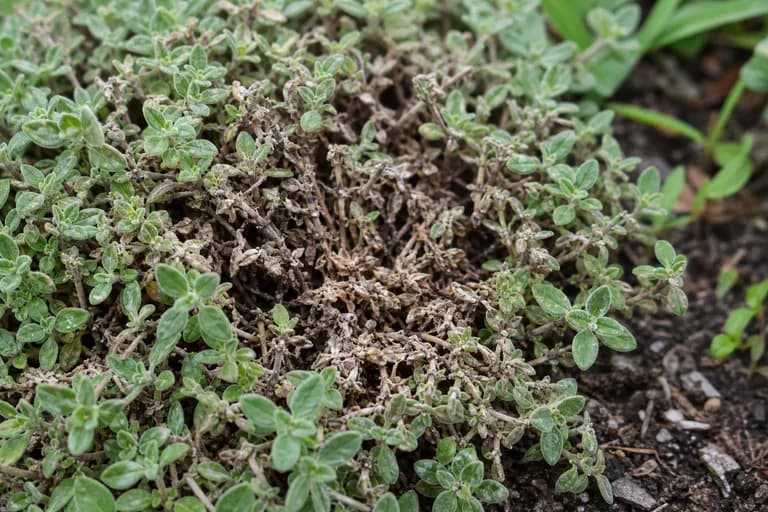
Kronen- und Wurzelfäule
KrankheitBraune, abgestorbene Flecken, die sich in der Matte entwickeln, oft von der Mitte ausgehend, matschige Stängel an der Bodenoberfläche.
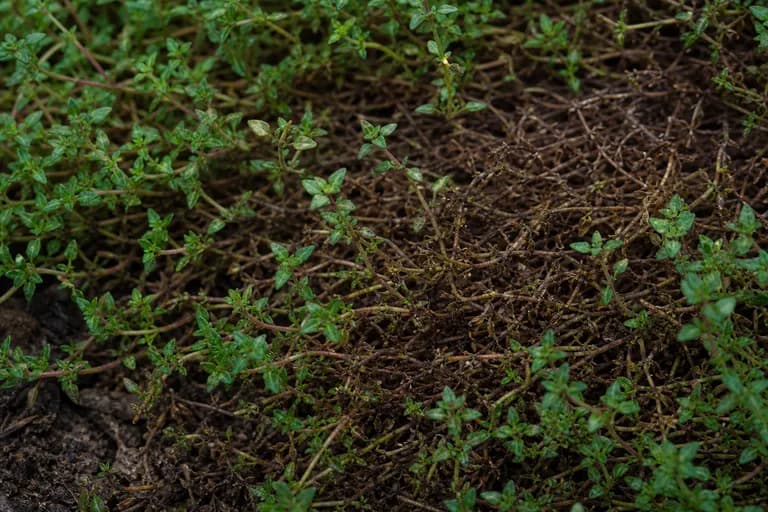
Pilzbefall und Triebsterben
KrankheitAbschnitte der wolligen Matte verfärben sich graubraun und sterben ab, besonders nach Phasen mit nassem Wetter oder hoher Luftfeuchtigkeit.
Fehlerbehebung bei häufigen Problemen
Feuchtigkeit ist der Hauptfeind des Wolligen Thymians. Die dichten, flauschigen Blätter fangen Wasser ein und schaffen ideale Bedingungen für Pilzfäule in feuchten Klimazonen. Verwenden Sie niemals Überkopfbewässerung und pflanzen Sie nicht in Bereichen, in denen sich Staunässe sammelt. In feuchten südlichen Regionen versagt Wolliger Thymian oft vollständig; er ist am besten für trockene westliche und nördliche Klimazonen geeignet. Die Mitte der Matten kann nach 3–4 Jahren auch unter idealen Bedingungen absterben; teilen und verpflanzen Sie, um die Pflanzung aufzufrischen. Wolliger Thymian verträgt Fußverkehr nicht so gut wie Kriechender Thymian.
Anbautipps
- Drainage ist der wichtigste Einzelfaktor für den Erfolg mit Wolligem Thymian. Pflanzen Sie in scharf drainierten Boden, der mit grobem Sand oder feinem Kies verbessert wurde – die Pflanze gedeiht in armen, steinigen, alkalischen Böden, fault aber schnell in schwerem Lehm oder staunassen Bedingungen. Hochbeete und Steingärten sind ideale Standorte.
- Volle Sonne ist essenziell. Wolliger Thymian benötigt mindestens 6–8 Stunden direkte Sonneneinstrahlung täglich, um seinen dichten, kompakten Wuchs beizubehalten. Im Schatten wird die Matte spärlich, langbeinig und viel anfälliger für Pilzkrankheiten und Winterschäden.
- Vermeiden Sie das Düngen von Wolligem Thymian. Reicher Boden und zusätzliche Nährstoffe verursachen weiches, schlaffes Wachstum, das weniger trockenheitstolerant, weniger winterhart und anfälliger für Krankheiten ist. Die Pflanze hat sich in nährstoffarmen, felsigen Böden entwickelt und gedeiht tatsächlich am besten, wenn sie nicht gedüngt wird.
- Gießen Sie während der Etablierung tief, aber selten, und reduzieren Sie das Gießen dann drastisch. Ausgewachsener Wolliger Thymian ist extrem trockenheitstolerant und benötigt typischerweise nur bei anhaltenden Trockenperioden von mehr als drei Wochen ohne Niederschlag zusätzliches Wasser. Überwässerung ist der häufigste Killer.
- Vermehren Sie durch Teilung im Frühjahr oder Frühherbst – heben Sie einfach einen Abschnitt der Matte mit Wurzeln an und pflanzen Sie ihn sofort wieder ein. Stängelstecklinge von 5–8 cm, die im Sommer genommen werden, bewurzeln sich ebenfalls leicht in einer sandigen Vermehrungsmischung innerhalb von drei bis vier Wochen.
- Pflanzen Sie Wolligen Thymian zwischen Trittsteine, entlang von Wegrändern und in die Spalten von Trockenmauern, wo sein kriechender Wuchs voll zur Geltung kommt. Halten Sie einen Abstand von 20–30 cm für die Bodendeckung ein; die Pflanzen werden innerhalb von ein bis zwei Vegetationsperioden vollständig zusammenwachsen.
- Scheren Sie nach der Blüte im Hochsommer die gesamte Matte leicht mit einer Gartenschere, um verblühte Blütenstiele zu entfernen und frisches, dichtes Nachwachsen zu fördern. Vermeiden Sie es, in das alte holzige Wachstum an der Basis zu schneiden, da dies Lücken erzeugen kann, die sich nur langsam erholen.
- Beobachten Sie abgestorbene Stellen in der Mitte älterer Matten, was ein häufiges Merkmal von Kriechthymianen ist. Schneiden Sie abgestorbene Abschnitte heraus, füllen Sie sie mit körnigem Kompost und heften Sie benachbarte lebende Stängel mit kleinen Drahtklammern oder Kieselsteinen über die Lücke, um das Nachwachsen zu fördern.
- Verbessern Sie in feuchten Klimazonen die Luftzirkulation, indem Sie die Pflanzen etwas weiter auseinander setzen und sicherstellen, dass der Pflanzbereich nicht von Mauern oder dichter Vegetation umschlossen ist. Mulchen Sie mit Erbsenkies, um Feuchtigkeit von der Krone und den unteren Stängeln fernzuhalten, wo die Fäulnis typischerweise beginnt.
- Wolliger Thymian ist eine ausgezeichnete Dachbegrünungspflanze dank seines flachen Wurzelsystems, seiner extremen Trockenheitstoleranz und seines geringen Gewichts. Für Dachbegrünungsanwendungen verwenden Sie eine Mindestsubstrattiefe von 8–10 cm mit einem hochmineralischen, frei drainierenden Substrat.
Bau deine beste Wolliger Thymian an — und alles drumherum.
Starte heute kostenlos. Lege deine Beete an, setze deine Wolliger Thymian ein und lass PlotMyGarden Timing, Abstände, Begleiter und Erinnerungen von der Saat bis zum Erntekorb übernehmen.
Finde deine Wolliger Thymian
Wolliger Thymian (Standard)
Die klassische Form mit dichtem, silbriggrünem, flauschigem Laub, das 2–8 cm hoch wächst. Blüht selten und bildet einen reinen Teppich aus texturreichem Laub.
Hall's Wolliger Thymian
Eine besonders dichte und flach wachsende Selektion mit extra-wolligen Silberblättern. Gilt als die am dichtesten mattende verfügbare Form für die Verwendung als Bodendecker.
Wolliger Thymian ist einer der kostengünstigsten Bodendecker, gemessen am langfristigen Wert. Eine einzelne Startpflanze kostet im Gartencenter 4–8 €, und durch natürliche Ausbreitung und einfache Teilung kann eine Pflanze innerhalb von zwei bis drei Saisons einen vollen Quadratmeter bedecken. Im Vergleich zu herkömmlichem Rasengras entfallen die Mähkosten vollständig (Einsparung von 200–500 € jährlich für Kraftstoff, Gerätewartung oder Rasenpflegedienst), es wird kein Dünger benötigt und 60–75 % weniger Bewässerungswasser verbraucht. Für eine 10-Quadratmeter-Fläche ersetzt eine Anfangsinvestition von 40–80 € in Pflanzen einen gleichwertigen Rasenabschnitt, dessen Pflege auf unbestimmte Zeit 100–250 € pro Jahr kosten würde.
Schnelle Rezepte
Aromatisches Fußbad mit Wolligem Thymian
10 Min.Obwohl er kein klassisches Küchenkraut ist, eignet sich Wolliger Thymian hervorragend für ein aromatisches Fußbad. Das Thymol in den Blättern hat natürliche antimykotische Eigenschaften, und der warme Aufguss beruhigt müde Füße nach einem langen Tag im Garten. Die wolligen Blätter geben einen sanften, kräuterigen Duft ab, wenn sie in heißem Wasser ziehen.
5 ZutatenThymian-Honig
15 Min.Sanftes Erwärmen lässt die aromatischen Verbindungen aus den Blüten und Blättern des Wolligen Thymians in rohen Honig übergehen. Der entstehende Honig hat eine subtile kräuterige Wärme, die wunderbar über Joghurt, Käseplatten oder warme Brötchen geträufelt werden kann. Verwenden Sie Blüten, die zur Hauptblütezeit gesammelt wurden, für den stärksten Duft.
4 ZutatenKräuter-Duftsäckchen mit Wolligem Thymian
15 Min.Getrockneter Wolliger Thymian behält seinen Duft wunderbar und die flauschigen Blätter verleihen Potpourri-Säckchen eine angenehme Textur. Diese kleinen Stoffbeutel können in Schubladen, Schränken oder unter Kissen platziert werden. Das Thymol wehrt auf natürliche Weise Motten und andere textilschädigende Insekten ab, was sie sowohl duftend als auch funktional macht.
5 ZutatenKulinarische Verwendung
Wolliger Thymian hat einen sehr milden Geschmack und wird typischerweise nicht als Küchenkraut verwendet. Die Blätter können jedoch in Teemischungen in Kombination mit aromatischeren Kräutern wie Minze, Kamille oder Zitronenverbene eine sanfte Kräuternote beisteuern. Die seltenen Blüten sind leicht aromatisch und können Salate oder Desserts garnieren. Wolliger Thymian wird mehr für seine dekorativen und landschaftsgestalterischen Qualitäten als für seinen Küchennutzen geschätzt, aber neugierige Gärtner finden vielleicht Verwendung in subtilen Aufgüssen und dekorativen Garnituren.
Was drinsteckt
Gesundheitsvorteile
- Enthält Thymol, eine kraftvolle natürliche antiseptische Verbindung, die seit Jahrhunderten in der traditionellen Medizin zur Behandlung von Wunden, Halsschmerzen und Atemwegsinfektionen verwendet wird – moderne Forschung bestätigt ihre antibakterielle und antimykotische Wirksamkeit.
- Reich an Carvacrol, einer phenolischen Verbindung mit nachgewiesenen entzündungshemmenden Eigenschaften, die Schwellungen und Schmerzen bei äußerlicher Anwendung als Umschlag oder Aufguss reduzieren kann.
- Die aromatischen Öle, die freigesetzt werden, wenn man über Wolligen Thymian geht oder ihn streift, haben milde aromatherapeutische Vorteile – Studien deuten darauf hin, dass Thymianaroma Stress und Angstzustände reduzieren und gleichzeitig die Stimmung und geistige Klarheit verbessern kann.
- Thymianarten werden in der traditionellen europäischen Kräuterheilkunde als Schleimlöser eingesetzt, um Brustverkrampfungen zu lockern und Husten zu lindern – Thymian ist heute noch ein aktiver Bestandteil vieler handelsüblicher Hustensäfte und Lutschtabletten.
- Die ätherischen Öle im Wolligen Thymian haben natürliche insektenabwehrende Eigenschaften, und zerdrückte Blätter, die auf die Haut gerieben werden, werden als Hausmittel zur Abwehr von Mücken und anderen stechenden Insekten verwendet.
- Enthält bedeutende Mengen antioxidativer Flavonoide, darunter Apigenin und Luteolin, die laut Forschung Zellen vor oxidativem Schaden schützen und die kardiovaskuläre Gesundheit langfristig unterstützen können.
Woher Wolliger Thymian stammt
Wolliger Thymian (Thymus pseudolanuginosus) stammt aus den Bergregionen Südeuropas, insbesondere der Iberischen Halbinsel, Südfrankreich und dem westlichen Mittelmeerraum. In freier Natur besiedelt er felsige Kalksteinaufschlüsse, Geröllhalden und trockene alpine Wiesen in Höhen zwischen 500 und 2000 Metern, wo die rauen Bedingungen aus intensiver Sonne, armem Boden, Windexposition und periodischer Trockenheit seinen niedrigen, mattenbildenden Wuchs und sein dicht behaartes Laub geformt haben.
Die Gattung Thymus hat eine reiche Kulturgeschichte, die Tausende von Jahren zurückreicht. Die alten Griechen verbanden Thymian mit Mut und Lebenskraft – der Name leitet sich wahrscheinlich vom griechischen Wort "thymon" ab, was Geist oder Mut bedeutet. Griechische Soldaten badeten vor der Schlacht in thymianhaltigem Wasser, und ein Geschenk von Thymian galt als großes Kompliment. Die Römer verbreiteten Thymian in ihrem gesamten Reich und verwendeten ihn zur Raumreinigung sowie als Würze für Käse und Liköre. Obwohl Wolliger Thymian in antiken Texten nicht von anderen Thymianarten unterschieden wurde, wurden die Kriechthymiane der mediterranen Hügel – einschließlich der Vorfahren des modernen Wolligen Thymians – seit Jahrtausenden für medizinische und aromatische Zwecke gesammelt.
Wolliger Thymian wurde im 19. Jahrhundert als eigenständige Zierart anerkannt, als europäische Botaniker begannen, die verwirrende Vielfalt der Gattung Thymus systematisch zu katalogisieren. Der Artname "pseudolanuginosus" bedeutet "falsch wollig" und unterscheidet ihn vom echten Thymus lanuginosus. Steingarten-Enthusiasten der viktorianischen Ära übernahmen den Wolligen Thymian als geschätztes Exemplar für alpine Pflanzungen und Steinmauern und schätzten seine silbrige Textur und seine Fähigkeit, in den ärmsten, am besten drainierten Böden zu gedeihen.
In der modernen Gartenkultur ist Wolliger Thymian zu einer der beliebtesten Bodendeckerpflanzen weltweit geworden, geschätzt für wassersparende Gartengestaltung, Dachbegrünungen und als nachhaltiger Rasenersatz. Sein minimaler Wasserbedarf, der wartungsfreie Betrieb ohne Mähen und die Toleranz gegenüber armen Böden passen perfekt zu zeitgenössischen ökologischen Gartenprinzipien. Landschaftsarchitekten spezifizieren ihn häufig für gewerbliche und öffentliche Projekte, bei denen eine niedrige, immergrüne, trockenheitstolerante Bodenfläche benötigt wird.
Wolliger Thymian: Schon gewusst?
Faszinierende Fakten über Wolliger Thymian
Wolliger Thymian (Thymus pseudolanuginosus) ist einer der flachsten verfügbaren Bodendecker und bildet Matten von nur 2–5 cm Höhe – so niedrig, dass Mähroboter harmlos darüber fahren und er niemals in der Höhe geschnitten werden muss.
Wolliger Thymian: Fragen & Antworten
Wann sollte ich Wolliger Thymian pflanzen?
Was sind gute Begleitpflanzen für Wolliger Thymian?
In welchen Winterhärtezonen kann Wolliger Thymian wachsen?
Wie viel Sonne braucht Wolliger Thymian?
Welchen Abstand sollte ich zwischen Wolliger Thymian lassen?
Welche Schädlinge und Krankheiten befallen Wolliger Thymian?
Wie lagere ich Wolliger Thymian nach der Ernte?
Was sind die besten Wolliger Thymian-Sorten zum Anbauen?
Welchen Boden braucht Wolliger Thymian?
Kann Wolliger Thymian als Rasenersatz verwendet werden?
Wie schnell breitet sich Wolliger Thymian aus?
Ist Wolliger Thymian essbar wie normaler Küchenthymian?
Warum stirbt die Mitte meiner Wolligen-Thymian-Matte ab?
Kann Wolliger Thymian in Kübeln oder Töpfen wachsen?
Zieht Wolliger Thymian Bienen an und kann man sicher darauf laufen?
Du hast die Theorie gelesen. Jetzt baue sie auf Autopilot an.
Alles, was Wolliger Thymian knifflig macht — das Timing, die Abstände, die Begleiter, das Erntefenster — genau das übernimmt PlotMyGarden für dich, für jede Pflanze im Garten.
Ein Plan, der dein Wetter kennt
Standort einmal festlegen. Aussaat-, Dünge- und Erntedaten rund um deinen echten letzten Frosttermin und die Live-Vorhersage — kein Raten mehr nach Saattüte.
Aus dem Abschnitt „Pflanzzeit“Beetplaner per Drag & Drop
Beete auf einem Raster gestalten. Jede Pflanze rastet im richtigen Abstand ein, und du siehst die ganze Saison, bevor du einen Cent für Saatgut ausgibst.
Aus dem Abschnitt „Anbau“Begleiter-Konflikte früh erkannt
Über 200 gute und schlechte Kombinationen werden beim Pflanzen live geprüft — so landet ein saisonruinierender Fehler nie in der Erde.
Aus dem Abschnitt „Begleiter“Erinnerungen, nach denen du wirklich handelst
„Gieß die Bohnen.“ „Heute ernten, bevor's umschlägt.“ Pünktlich, konkret und auf deine echten Pflanzen bezogen.
Aus dem Abschnitt „Ernte“Staffel-Aussaat, geplant
Sechs Wochen ernten statt sechs Tage? Die App verteilt deine Aussaaten automatisch und erinnert dich, wenn der nächste Satz fällig ist.
Aus dem Abschnitt „Pflanzzeit“Ein Verlauf, der schlauer wird
Jede protokollierte Ernte bringt der App deinen Garten bei. Der Plan fürs nächste Jahr startet bei dem, was in deinem Boden wirklich funktioniert hat.
Aus dem Abschnitt „Überblick“Pflanze diese neben Wolliger Thymian
Weitere Küchenkräuter
Halte Wolliger Thymian von diesen fern
Bau deine beste Wolliger Thymian an — und alles drumherum.
Starte heute kostenlos. Lege deine Beete an, setze deine Wolliger Thymian ein und lass PlotMyGarden Timing, Abstände, Begleiter und Erinnerungen von der Saat bis zum Erntekorb übernehmen.