Tomillo inglés
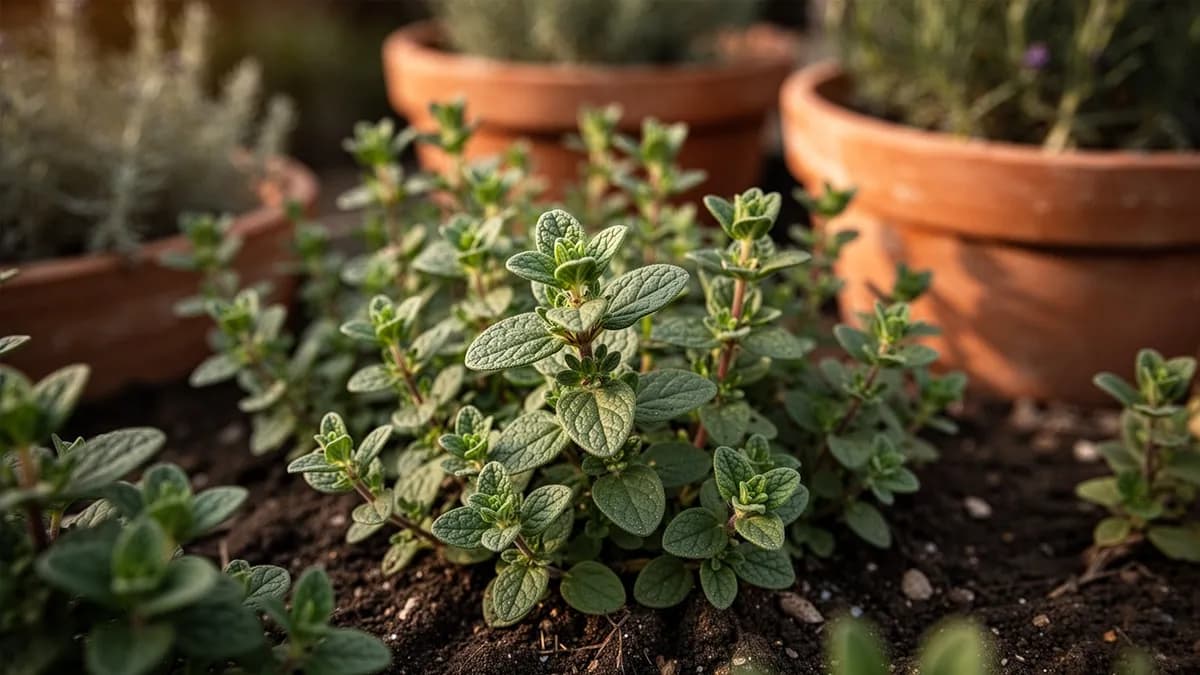
Una hierba mediterránea perenne, compacta y de aroma intenso, con tallos leñosos y pequeñas hojas muy fragantes.





En esta páginaResumen
Conoce Tomillo inglés
Una hierba mediterránea perenne, compacta y de aroma intenso, con tallos leñosos y pequeñas hojas muy fragantes. Es excelente para platos asados, sopas y guisos, y una vez establecida tolera muy bien la sequía. Plántela en suelo bien drenado y evite el exceso de riego, que perjudica mucho a esta especie. También puede cultivarse en macetas, en borduras aromáticas o entre piedras donde desprende olor al rozarla.
Cuándo plantar Tomillo inglés
Siembre el tomillo inglés en interior entre 6 y 8 semanas antes de la última helada. Esparza las semillas sobre la superficie de un sustrato húmedo para semilleros y presione muy ligeramente, sin enterrarlas demasiado, porque germinan mejor con algo de luz. Mantenga el suelo a una temperatura templada y con humedad constante, pero sin encharcar. La germinación puede tardar entre 10 y 21 días. Endurezca las plántulas con cuidado antes de trasplantarlas al exterior cuando el tiempo sea estable y cálido.
Tu año de Tomillo inglés
Ajustado a Zona 7 · temporada típica · la helada se va hacia el 2 abr y vuelve hacia el 1 nov
Planta Tomillo inglés Mar – May y cosecha Ene – Dic. Consulta los métodos de plantación y elige tu clima para adaptar los periodos.
Cómo cultivar Tomillo inglés
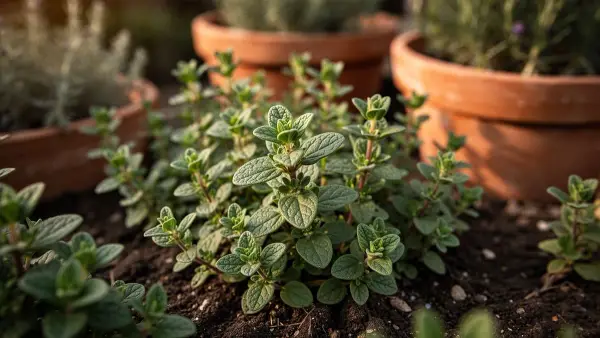
Propague el tomillo inglés a partir de esquejes o plantas de vivero en lugar de semillas si desea resultados más rápidos, aunque la siembra también funciona. Siembra en interior entre 6 y 8 semanas antes de la última helada, sobre un sustrato húmedo y sin cubrir demasiado, porque las semillas necesitan algo de luz para germinar. Mantenga una temperatura templada y una humedad ligera hasta que broten, algo que suele tardar entre 10 y 21 días.
Plante en un lugar con pleno sol y suelo arenoso o muy bien drenado, con un pH entre 6.0 y 8.0. El tomillo inglés detesta el encharcamiento, así que en suelos pesados conviene plantar en bancales elevados o sobre montículos. Separe las plantas entre 30 y 45 cm para que el aire circule bien y el follaje se mantenga sano.
Una vez establecido, riegue con moderación y deje que el suelo se seque entre riegos. Pode después de la floración para mantener la mata compacta y evitar que la base se vuelva leñosa en exceso. En climas fríos, el tomillo inglés sigue siendo una de las hierbas más fiables del jardín, y puede permanecer verde todo el año si el drenaje es bueno y el invierno no es demasiado húmedo.
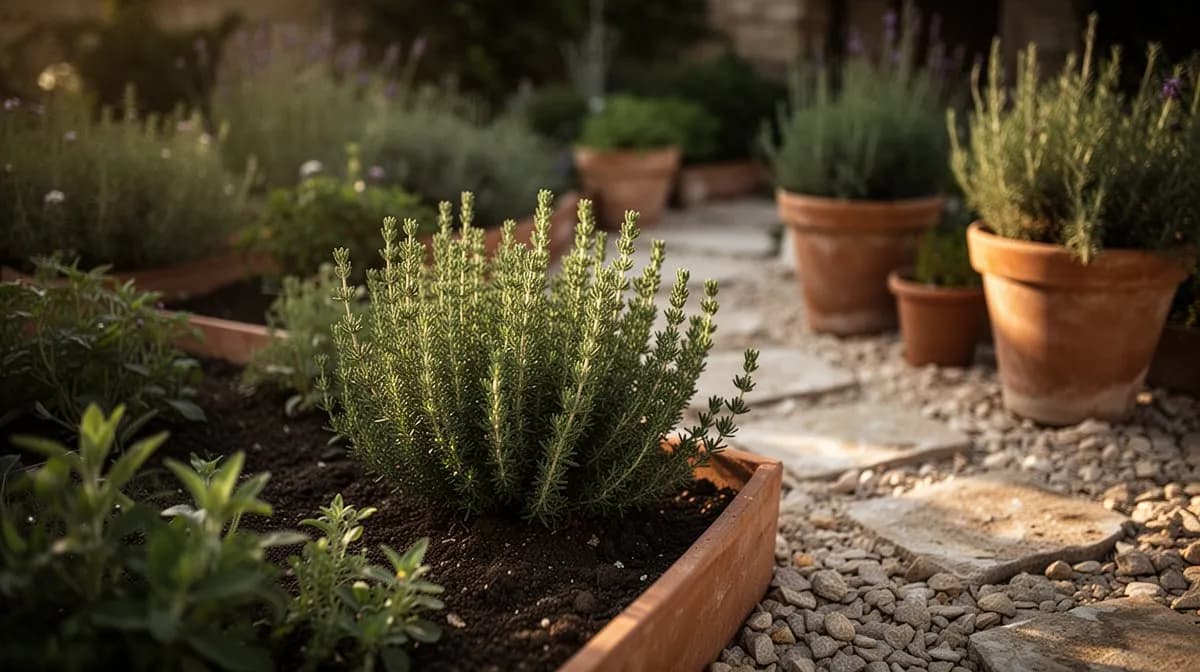
32 plantas caben en un bancal de 120 × 240 cm
Cada Tomillo inglés pide 30 cm de margen. El planificador guarda ese marco por ti — cada planta, cada bancal.
Los mejores vecinos de Tomillo inglés
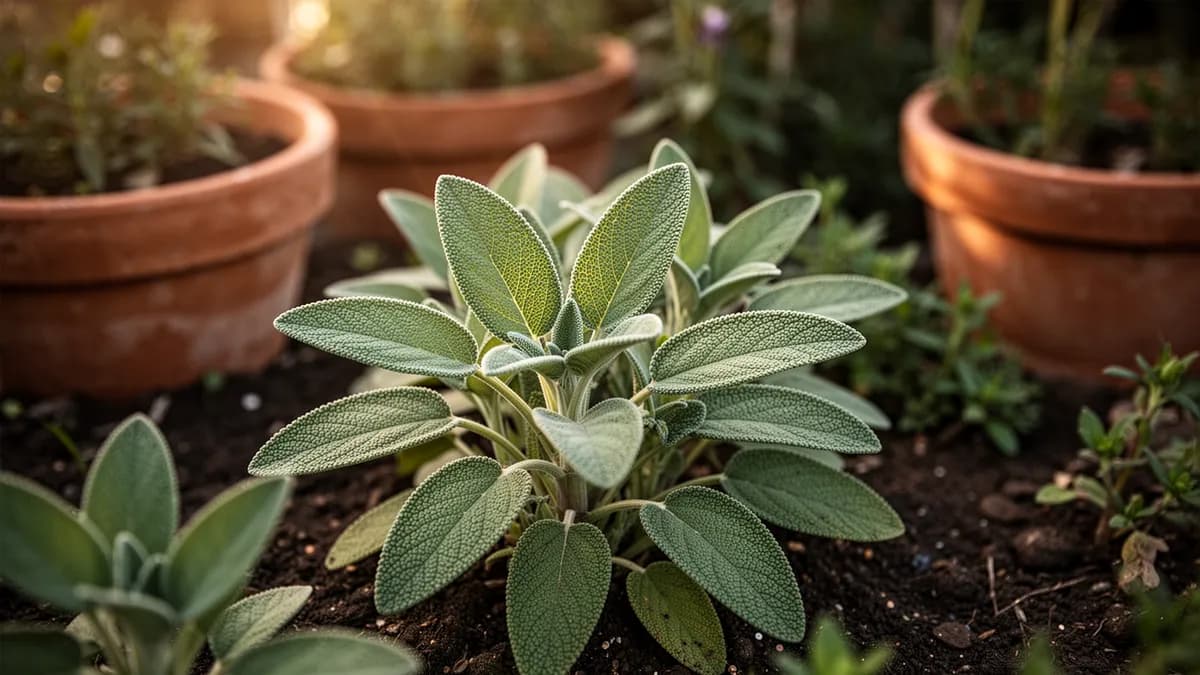
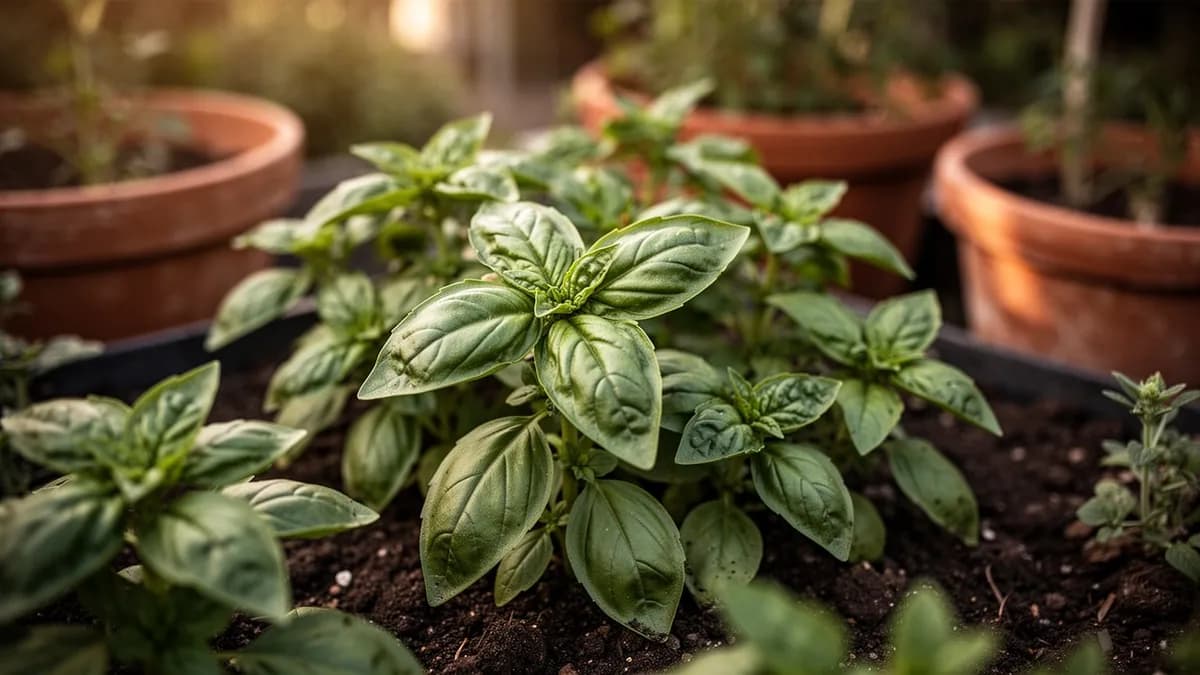
El tomillo inglés se lleva bien con otras plantas mediterráneas como el romero, la salvia y la lavanda, porque comparten el gusto por suelos secos y mucho sol. Sus aceites aromáticos ayudan a disuadir algunas plagas pequeñas y atraen polinizadores cuando florece. Funciona muy bien como borde bajo o entre piedras, donde el olor se libera al rozarlo. Evite plantarlo junto a hierbas que necesiten mucha más humedad, como la albahaca o la menta.
Romero va a su lado. Albahaca no.
Saber de huerto de siempre, cotejado con la tabla real de Tomillo inglés — prueba cualquier planta que cultives.
Prueba Tomillo inglés en un bancal, aquí mismo
Un bancal real del planificador con Tomillo inglés ya plantado. Toca una planta compañera para colocarla y mira cómo responde la comprobación de vecinos: verde para buenos vecinos, rojo si hay conflicto.


Guías de cultivo relacionadas
Abónalo bien
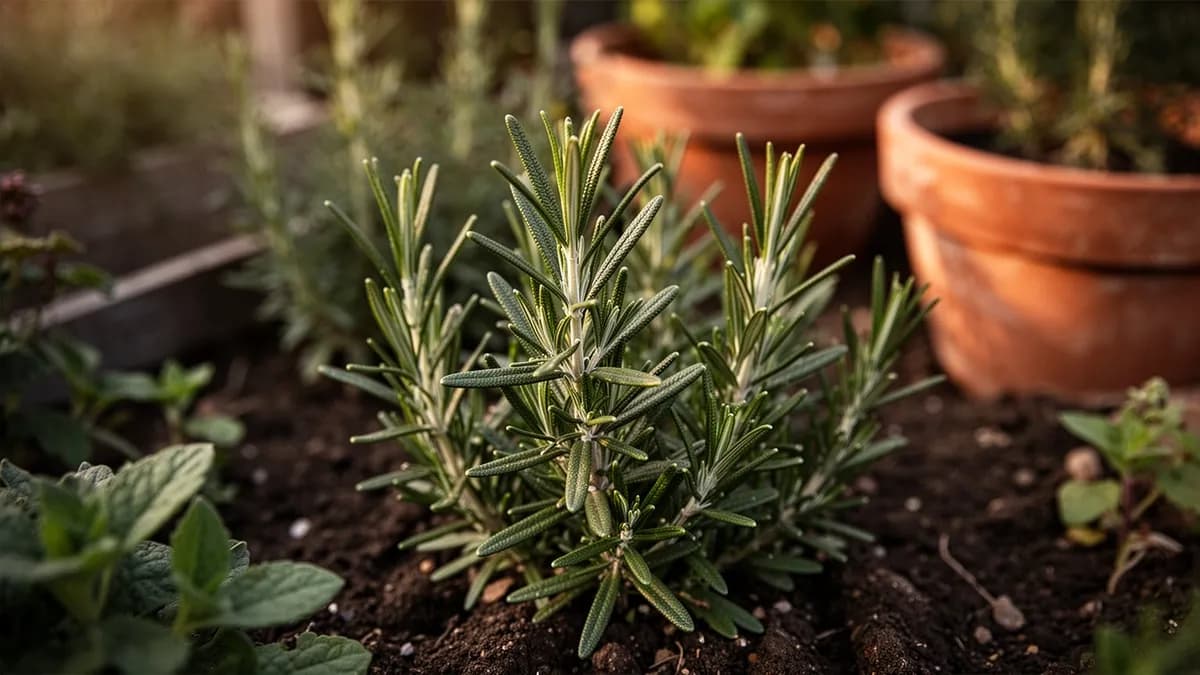
El tomillo inglés exige un suelo pobre o moderadamente fértil, muy bien drenado, con un pH de 6.0 a 8.0. Los suelos arenosos, pedregosos o gravosos son ideales. Evite el exceso de materia orgánica y los suelos pesados, que retienen demasiada humedad. Aplique una capa ligera de compost solo una vez al año si el suelo es muy pobre; demasiada fertilización reduce el aroma. En macetas, use un sustrato muy drenante y no abone en exceso.
Temperatura ideal
Compatibilidad de zonas de rusticidad
De la semilla a la cosecha, etapa por etapa
Germinación
Las semillas de tomillo inglés son pequeñas y tardan algo en germinar, especialmente si la temperatura baja o el sustrato se seca. Necesitan humedad constante y algo de luz para brotar bien. En general emergen en 10 a 21 días, a veces un poco más si las condiciones no son ideales.
Desarrollo de plántulas
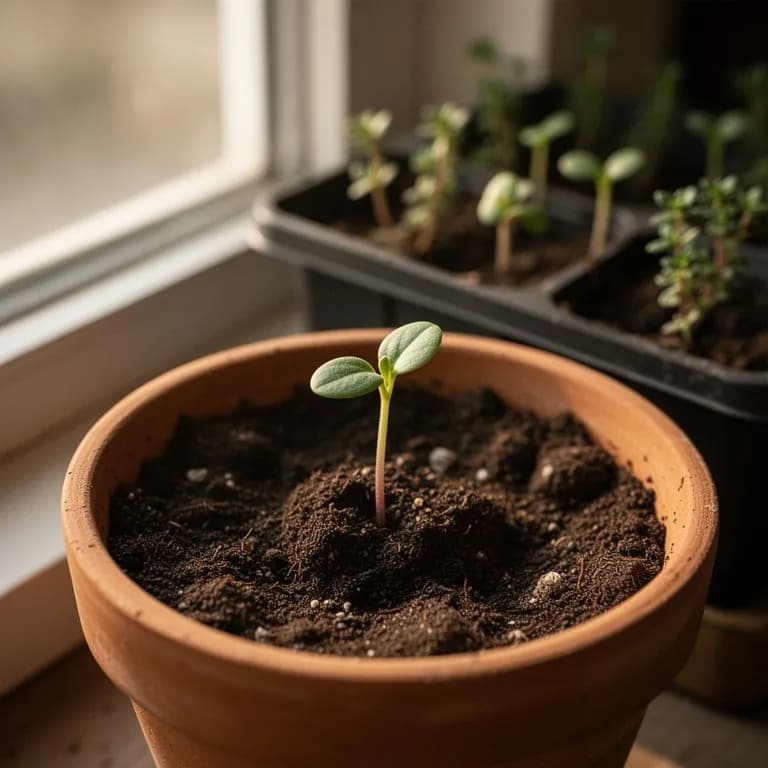
Aparecen plántulas diminutas con sus primeras hojas ovaladas verdaderas. El crecimiento es lento, pero la planta empieza a desarrollar una base fuerte. En esta fase hay que vigilar el exceso de agua, porque las plántulas son sensibles al colapso por hongos.
Crecimiento vegetativo
La planta empieza a formar tallos leñosos y un porte ramificado. Las hojas se vuelven más aromáticas a medida que aumentan los aceites esenciales. El sistema radicular se expande y la mata adquiere un aspecto más denso y resistente.
Fase de establecimiento
La planta desarrolla una base leñosa robusta y ya ofrece hojas cosechables con regularidad. El aroma se vuelve más profundo y la mata gana resistencia a la sequía. Si las condiciones son buenas, empieza a comportarse como un pequeño subarbusto perenne.
Perenne maduro
Un tomillo inglés plenamente maduro puede formar una mata densa, compacta y perenne con una gran cantidad de follaje aromático. Si se deja florecer, produce pequeñas flores claras que atraen numerosos polinizadores. Su porte bajo lo hace útil para borduras, rocallas y huertos de hierbas.
Perenne longevo
Las plantas bien mantenidas pueden vivir muchos años y permanecer útiles durante largo tiempo. El tronco se vuelve más leñoso y la mata adquiere un aspecto compacto y envejecido, pero sigue aportando hojas aromáticas. En climas adecuados, el tomillo puede mantenerse casi siempre verde.
Mantenga la superficie del semillero ligeramente húmeda, no empapada. Use una manta térmica si necesita mantener el calor constante y no cubra las semillas en profundidad, ya que la luz ayuda a la germinación.
Cuidar Tomillo inglés mes a mes
Qué hacer cada mes para tu Tomillo inglés
Octubre
Mes actualFinal significant harvest of the season. Clean up around plants, removing fallen leaves and debris that could trap moisture against stems. Ensure containers have adequate drainage holes and are elevated off the ground to prevent waterlogging over winter.
Ten claro qué hacer en tu huerto, cada mes
Un correo al empezar cada mes: qué sembrar, plantar y hacer ahora mismo — para tu Tomillo inglés y todo lo que crece alrededor. Más un breve curso inicial para esquivar los errores clásicos.
- Qué hacer ahora mismo
- Ajustado a tu temporada
- Curso inicial incluido
Cosechar Tomillo inglés
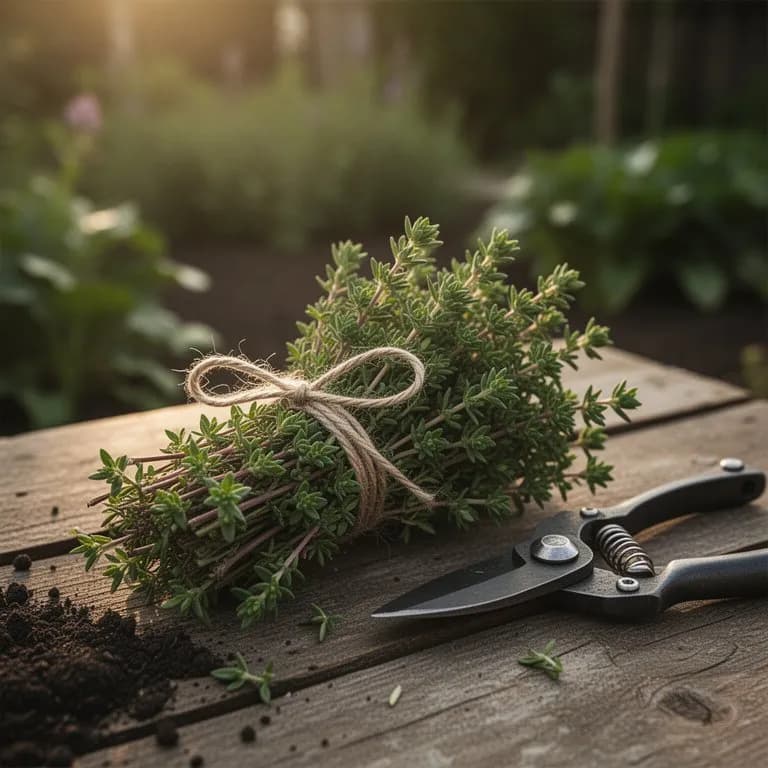
Recoja ramitas de tomillo inglés en cualquier momento de la temporada de crecimiento cortando las puntas de los tallos de 10 a 15 cm con tijeras afiladas o de podar. Evite cortar en la madera vieja, que rebota mal. Para obtener el mejor sabor, coseche por la mañana después de que se haya secado el rocío. Nunca quite más de un tercio de la planta a la vez para conservar su vigor. En climas suaves puede cosecharse todo el año, y su sabor se intensifica con el tiempo más fresco, cuando el crecimiento se ralentiza.
se supone que plantas al comenzar el periodo — indica tu fecha real
Cosecha Tomillo inglés a tiempo y la planta sigue produciendo.
Almacenamiento y conservación
El tomillo fresco se conserva de 1 a 2 semanas envuelto en papel de cocina húmedo dentro de una bolsa sellada en el frigorífico. Para guardarlo a largo plazo, desprenda las hojas de los tallos y congélelas en recipientes herméticos, o congele ramitas enteras en bolsas de congelación. El tomillo se seca muy bien colgándolo en pequeños ramilletes boca abajo en un lugar cálido y oscuro durante 1 a 2 semanas. Guarde las hojas secas en tarros herméticos, lejos de la luz. El aceite de oliva y el vinagre aromatizados con tomillo son métodos excelentes de conservación que además dan lugar a ingredientes de cocina muy sabrosos.
Qué falla — y cómo solucionarlo
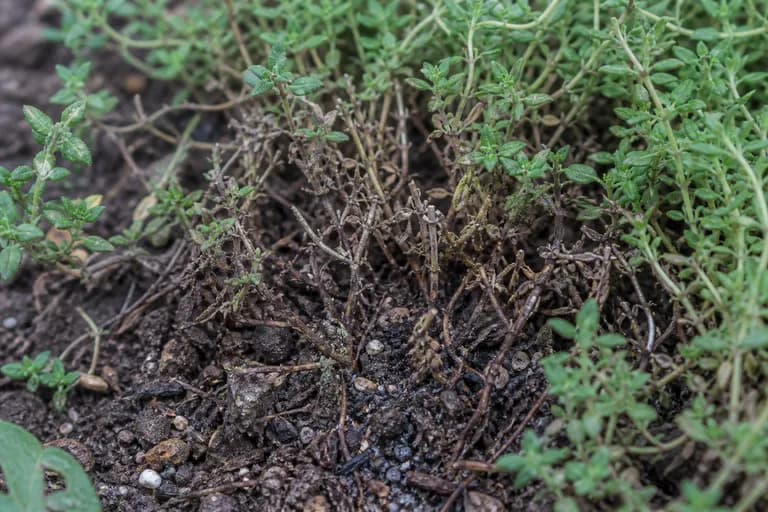
Pudrición de raíces
EnfermedadMarchitez a pesar de que el suelo está húmedo, hojas amarillentas, raíces marrones y blandas, y colapso de la planta.
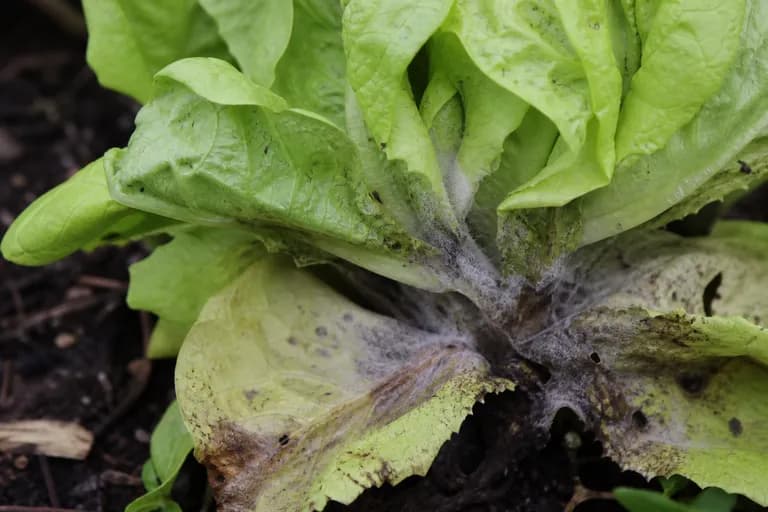
Oídio
EnfermedadRecubrimiento blanco polvoriento en hojas y tallos, deformación del follaje y pérdida de vigor.
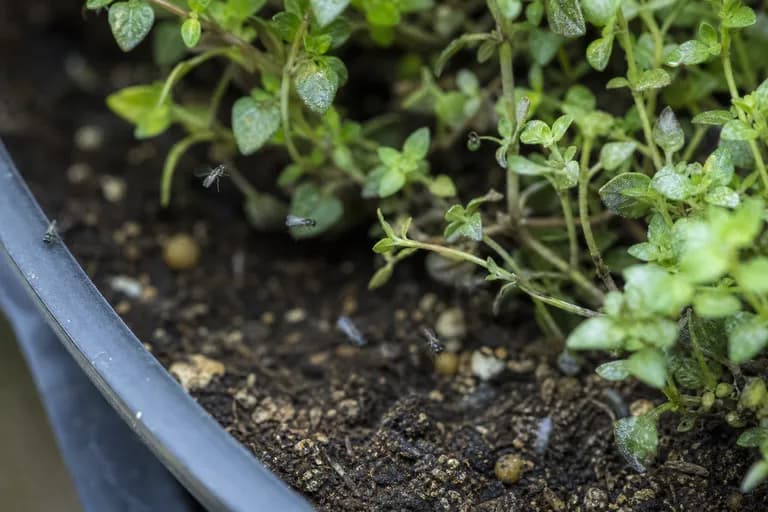
Ácaros araña
PlagaFinas telarañas en el envés de las hojas, hojas moteadas o bronceadas y pequeños puntos móviles visibles con lupa.
Salivazo
PlagaMasas espumosas blancas en tallos y axilas foliares, ligera deformación de hojas y daño puramente estético.
Solución de problemas comunes
El principal problema del tomillo inglés es el exceso de agua y el mal drenaje, que provocan pudrición de raíces. Las hojas amarillas suelen indicar demasiada humedad más que falta de nutrientes. Las plantas viejas pueden volverse demasiado leñosas y perder vigor si no se podan con regularidad. En interiores, la falta de luz provoca un crecimiento débil y menos aromático. En climas muy húmedos también puede aparecer oídio, sobre todo si el aire está estancado.
Consejos de cultivo
- Plántelo en el lugar más soleado y seco que tenga: el tomillo inglés quiere calor y drenaje excelente.
- No lo riegue como a una albahaca; el exceso de agua es el error más común y el que más daño le hace.
- Pode después de la floración para conservar una forma redondeada y compacta.
- Si el suelo es pesado, plante en bancales elevados o en una pequeña loma para evitar el encharcamiento.
- Cultívelo cerca del camino o entre losas para que el aroma se libere al pasar.
- En maceta, use un sustrato muy drenante y deje secar la capa superior antes de volver a regar.
- Coseche por la mañana para obtener el mejor aroma y use los tallos jóvenes en cocina fresca o para secar.
- Combine tomillo con romero y salvia para formar una franja mediterránea de bajo mantenimiento.
Cultiva tu mejor Tomillo inglés — y todo lo que la rodea.
Empieza un plan gratis hoy. Diseña tus bancales, coloca tu Tomillo inglés y deja que PlotMyGarden gestione el momento, el espaciado, las asociaciones y los recordatorios de la semilla a la cesta.
Elige tu Tomillo inglés
Tomillo común
La variedad clásica más cultivada, con aroma intenso y hojas pequeñas muy fragantes, ideal para uso culinario diario.
Tomillo francés
Una selección especialmente aromática y compacta, muy apreciada en la cocina mediterránea por su sabor equilibrado.
Tomillo limón
Una forma con notas cítricas que combina el carácter del tomillo con un perfume fresco a limón.
Cultivar su propio tomillo inglés resulta muy rentable porque una sola planta puede producir hojas durante muchos años con muy pocos cuidados. Comprado en tienda, el tomillo fresco se vende en pequeños ramilletes que a menudo se usan solo parcialmente antes de perder aroma. Tener una mata en el jardín o en maceta permite cortar lo necesario justo antes de cocinar y evita desperdicios. Además, el tomillo se seca muy bien, así que una sola cosecha puede durar todo el año.
Recetas rápidas
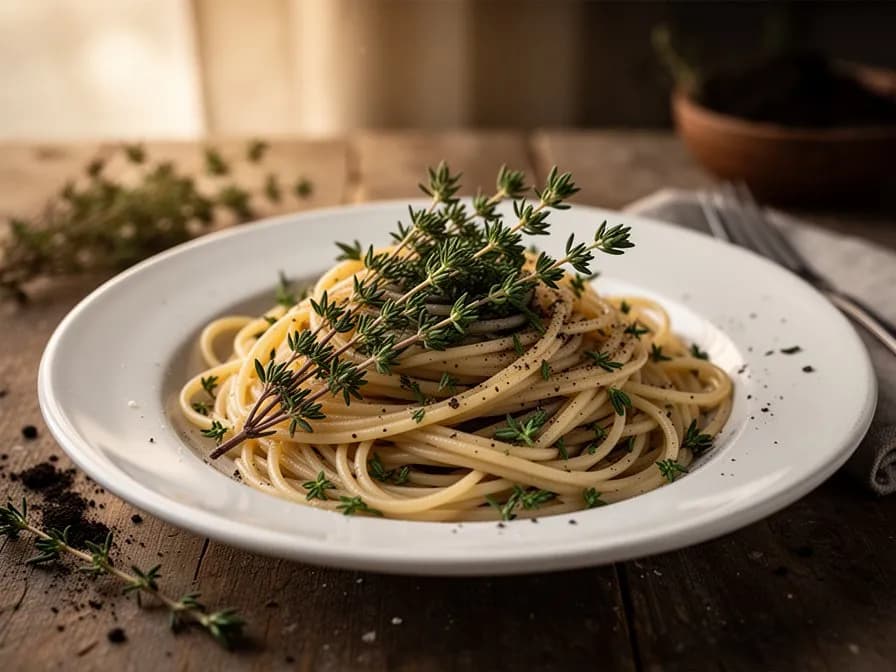
Pollo asado con tomillo
15 minUn clásico reconfortante en el que el tomillo perfuma la piel crujiente del pollo y aporta un sabor cálido y terroso a los jugos del asado. Perfecto para una comida de domingo o para acompañar verduras al horno.
6 ingredientesCompota de ruibarbo y tomillo
20 minUna compota delicada y ligeramente herbácea en la que el tomillo acompaña al ruibarbo sin taparlo. Su aroma resalta el dulzor natural de la fruta y funciona muy bien con yogur o helado.
5 ingredientesMantequilla de tomillo y ajo
10 minUna mantequilla compuesta sencilla para untar en pan, derretir sobre verduras o terminar carnes y pescados. El tomillo aporta profundidad y un toque mediterráneo que combina con todo.
5 ingredientesUsos culinarios
El tomillo inglés es un clásico de los asados, las sopas, los guisos y las verduras al horno. Añada ramitas enteras a platos que se cocinan lentamente para perfumar el conjunto, o desprenda las hojas para mezclarlas con rellenos, pan, mantequillas compuestas y marinadas. Combina de forma excelente con ajo, limón, aceite de oliva, pollo, pescado y setas. También es una hierba magnífica para vinagres aromáticos y mezclas de hierbas secas.
Qué contiene
Beneficios para la salud
- Aporta una cantidad muy alta de vitamina C, que apoya las defensas y el cuidado de los tejidos.
- Su vitamina A contribuye a la visión, la piel y el sistema inmunitario.
- La fibra ayuda a una digestión saludable y a la saciedad.
- Los compuestos aromáticos del tomillo se han valorado tradicionalmente por su uso culinario y doméstico.
- Es una hierba de gran sabor y muy pocas calorías cuando se usa en pequeñas cantidades.
- El tomillo forma parte de recetas y remedios culinarios tradicionales desde hace siglos.
De dónde viene Tomillo inglés
English thyme (Thymus vulgaris 'English') belongs to the mint family Lamiaceae and is native to the western Mediterranean region, particularly southern France, Spain, and Italy, where it grows wild on sun-baked rocky hillsides, dry grasslands, and coastal cliffs. The species has been cultivated for at least 5,000 years, making it one of the oldest herbs in continuous human use.
The ancient Egyptians were among the first to recognize thyme's practical value, using it in embalming preparations due to its powerful antimicrobial properties. Greek civilization elevated thyme to near-sacred status — the herb was burned as incense in temples, added to baths for purification, and associated with courage and martial virtue. Roman legions spread thyme cultivation throughout their empire, planting it in garrison gardens across Europe. Roman cooks used thyme extensively in flavoring meats, cheeses, and liquors, establishing culinary traditions that persist today.
During the Middle Ages, thyme became one of the most important herbs in European monastic gardens, where monks cultivated it for both medicine and cooking. It was a key ingredient in the apothecary, prescribed as a remedy for respiratory ailments, digestive complaints, and wound care. The herb's association with courage continued through the medieval period — ladies embroidered bees hovering over thyme sprigs on knights' scarves as tokens of bravery.
English thyme specifically became the predominant culinary variety in British and northern European cooking from the 16th century onward, valued for its robust flavor that holds up well in the cooler, wetter conditions of northern gardens. English colonists carried thyme to the New World, where it became a staple of early American kitchen gardens. Today, English thyme remains the most widely cultivated thyme variety worldwide, fundamental to French cuisine as part of the classic bouquet garni and herbes de Provence, and essential in kitchens from London to New York to Melbourne.
Tomillo inglés: ¿sabías que?
Datos fascinantes sobre Tomillo inglés
The name 'thyme' derives from the Greek word 'thymos,' meaning courage or spirit — ancient Greek soldiers bathed in thyme-infused water before battle, and medieval knights embroidered sprigs of thyme onto their scarves as symbols of bravery.
Tomillo inglés: preguntas frecuentes
¿Cuándo debo plantar Tomillo inglés?
¿Cuáles son buenas plantas acompañantes para Tomillo inglés?
¿En qué zonas de rusticidad puede crecer Tomillo inglés?
¿Cuánto sol necesita Tomillo inglés?
¿A qué distancia debo espaciar Tomillo inglés?
¿Qué plagas y enfermedades afectan a Tomillo inglés?
¿Cómo almaceno Tomillo inglés después de la cosecha?
¿Cuáles son las mejores variedades de Tomillo inglés para cultivar?
¿Qué suelo necesita Tomillo inglés?
¿Con qué frecuencia debo cosechar el tomillo inglés?
¿Puedo cultivar tomillo inglés en interior todo el año?
¿Cuál es la diferencia entre el tomillo inglés y el tomillo común?
Acabas de leer la teoría. Ahora cultívala en piloto automático.
Todo lo que hace que Tomillo inglés sea delicado — el momento, el espaciado, las asociaciones, la ventana de cosecha — es justo lo que PlotMyGarden resuelve por ti, para cada planta de tu huerto.
Un plan que conoce tu clima
Indica tu ubicación una vez. Recibe fechas de siembra, abonado y cosecha basadas en tu última helada real y el pronóstico en vivo — sin adivinar con un sobre genérico.
De la sección “Cuándo plantar”Planificador de bancales de arrastrar y soltar
Diseña bancales sobre una cuadrícula. Cada planta encaja con su espaciado correcto y ves toda la temporada antes de gastar un céntimo en semillas.
De la sección “Cultivo”Conflictos de asociación, detectados a tiempo
Más de 200 buenas y malas combinaciones comprobadas en vivo mientras plantas — para que un error que arruine la temporada nunca llegue a la tierra.
De la sección “Asociaciones”Recordatorios que sí vas a seguir
“Riega las judías.” “Recoge hoy antes de que se pase.” Oportunos, concretos y ligados a las plantas que de verdad cultivas.
De la sección “Cosecha”Escalonado, programado
¿Quieres cosechar seis semanas en vez de seis días? Reparte tus siembras automáticamente y te avisa cuando toca el siguiente lote.
De la sección “Cuándo plantar”Un registro que se vuelve más listo
Cada cosecha que registras le enseña tu huerto. El plan del año que viene parte de lo que de verdad funcionó en tu suelo, no en un manual.
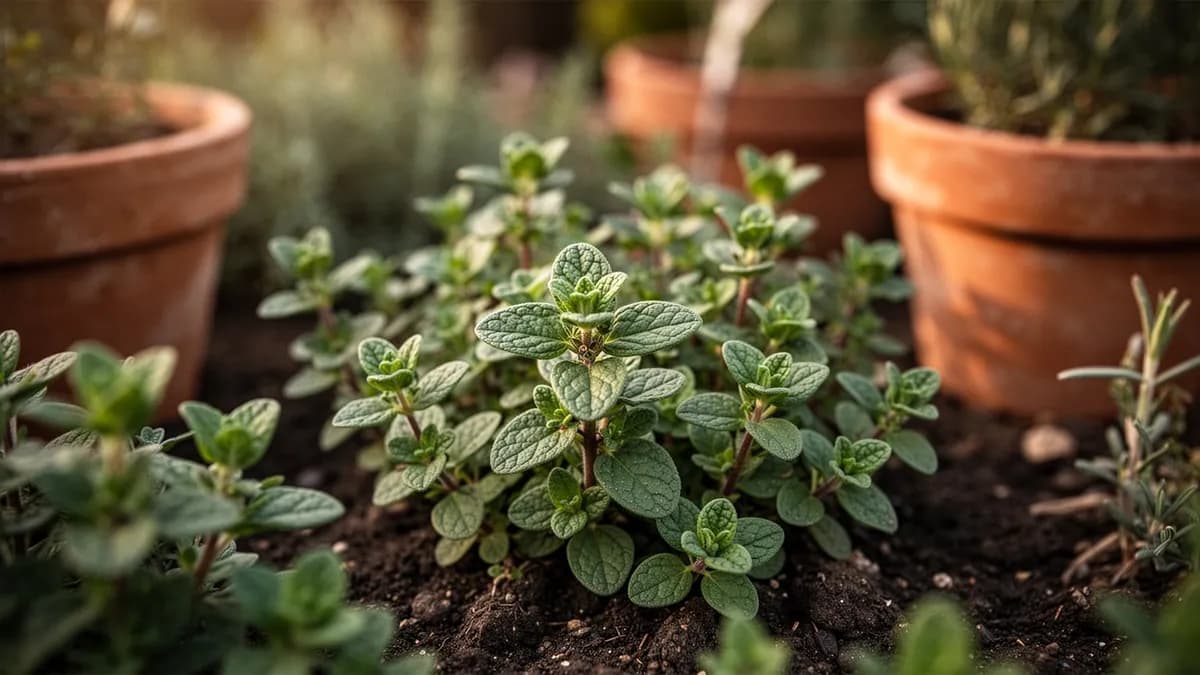
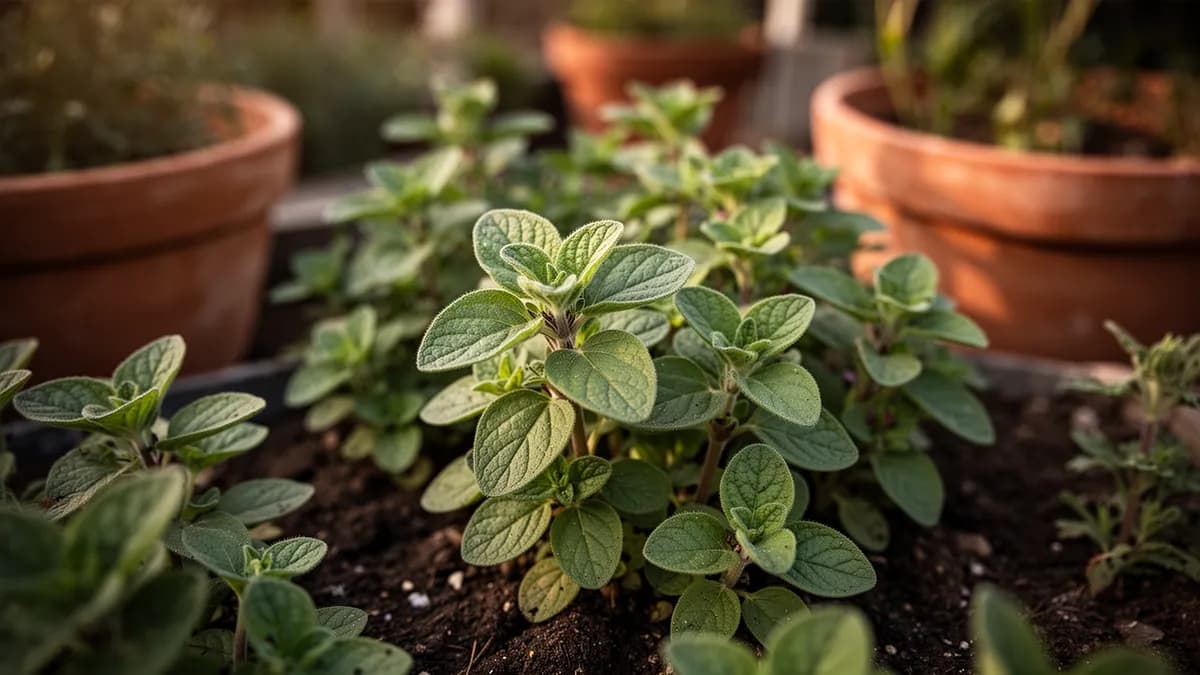
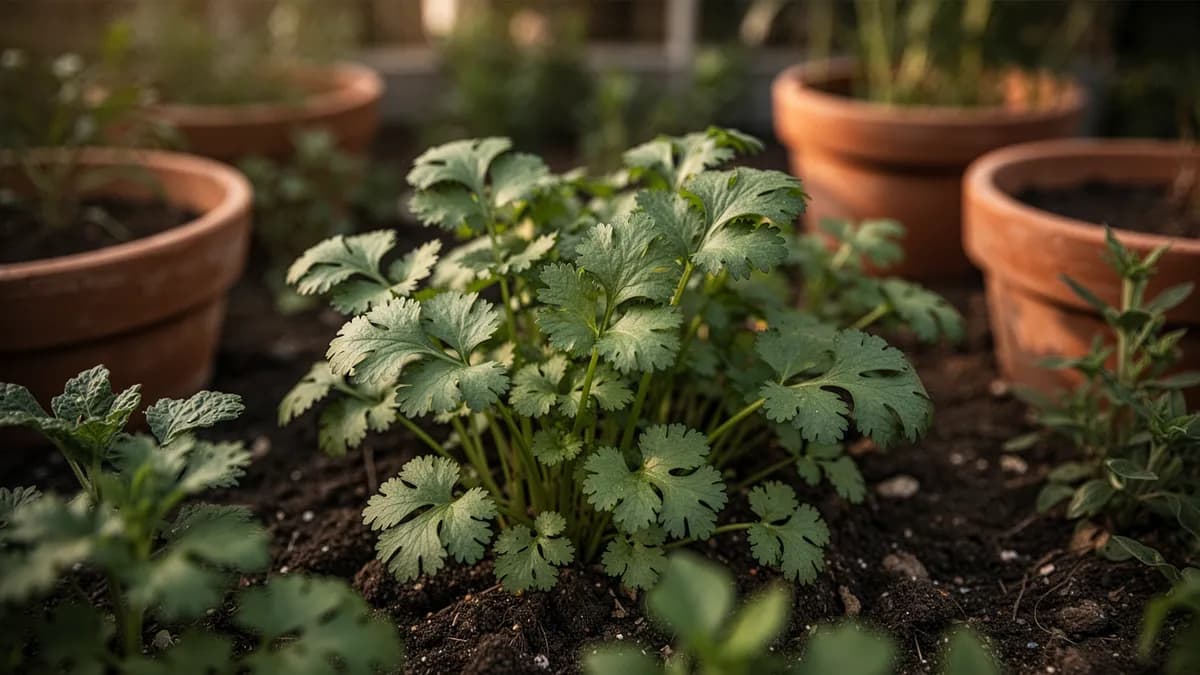
De la sección “Resumen”Planta estos junto a Tomillo inglés
Más Hierbas culinarias
Mantén Tomillo inglés lejos de estos
Cultiva tu mejor Tomillo inglés — y todo lo que la rodea.
Empieza un plan gratis hoy. Diseña tus bancales, coloca tu Tomillo inglés y deja que PlotMyGarden gestione el momento, el espaciado, las asociaciones y los recordatorios de la semilla a la cesta.