Kümmelthymian
Eine niedrig wachsende Thymianart mit einem deutlichen Kümmelaroma, die historisch auf Korsika und Sardinien zum Würzen von Rinderbraten verwendet wurde.





Auf dieser SeiteÜberblick
Kümmelthymian im Überblick
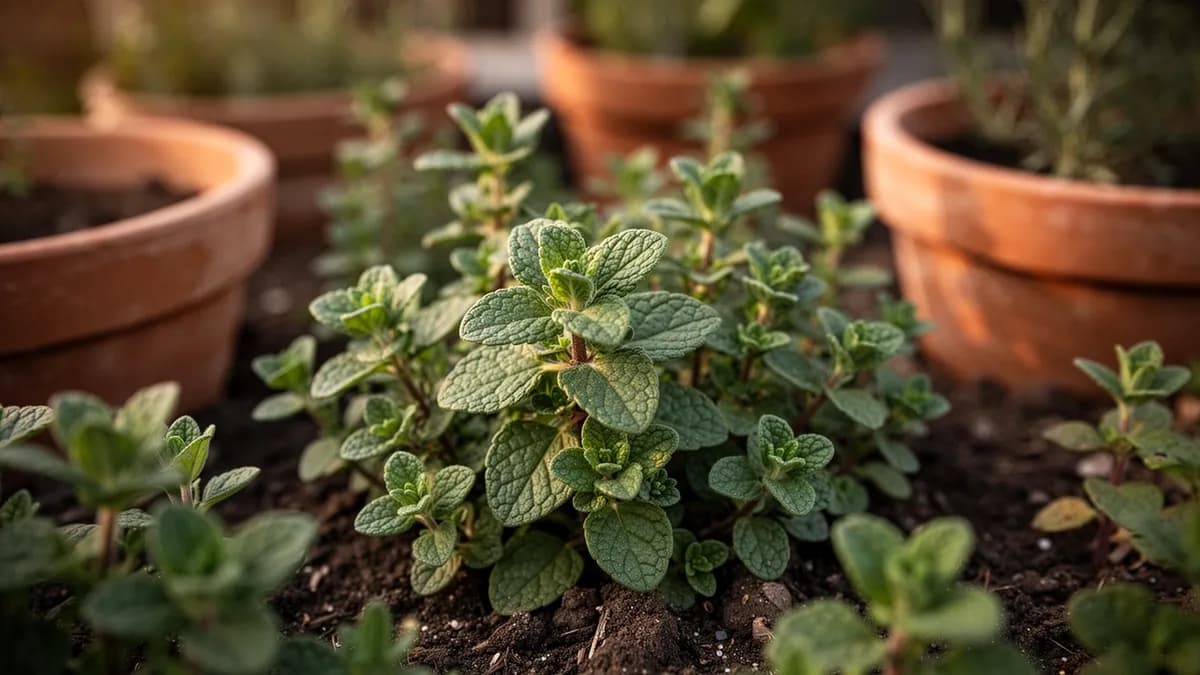
Eine niedrig wachsende Thymianart mit einem deutlichen Kümmelaroma, die historisch auf Korsika und Sardinien zum Würzen von Rinderbraten verwendet wurde. Die winzigen dunklen Blätter bilden dichte Matten und bringen im Frühsommer rosa Blüten hervor. Eignet sich als Bodendecker zwischen Trittsteinen oder in Steingärten, wo sein Kümmelduft beim Berühren freigesetzt wird.
Wann Kümmelthymian pflanzen
Kümmelthymian-Samen auf die Oberfläche feuchter, kiesiger Anzuchterde säen – Samen brauchen Licht zum Keimen. 18–22 °C für die Keimung in 14–28 Tagen aufrechterhalten. Sämlinge sind winzig und wachsen langsam; Geduld ist gefragt. Nach dem Abhärten ins Freiland verpflanzen, wenn die Frostgefahr vorbei ist. Die Teilung etablierter Matten im Frühling ist die schnellste und zuverlässigste Vermehrungsmethode. Halbreife Stängelstecklinge im Frühsommer bewurzeln sich leicht in einer sandigen Mischung mit Bodenwärme.
Dein Kümmelthymian-Jahr
Abgestimmt auf Zone 7 · typische Saison · Frost geht um den 2. Apr. und kehrt um den 1. Nov. zurück
Kümmelthymian Mär – Mai pflanzen, Mai – Sep ernten. Beachte die Pflanzmethoden unten und wähle dein Klima für passende Zeiträume.
So baust du Kümmelthymian an
Kümmelthymian ist eine besondere, niedrig wachsende Art mit winzigen dunklen Blättern, die beim Zerreiben einen kräftigen Kümmelduft verströmen – eine einzigartige Kombination aus Thymian- und Kümmelaromen. Ursprünglich auf Korsika und Sardinien beheimatet, bildet er dichte, kriechende Matten von nur 5–10 cm Höhe, was ihn zu einem idealen aromatischen Bodendecker macht. Pflanzen Sie ihn in voller Sonne mit sehr gut durchlässigem, magerem Boden im Abstand von 25 cm.
Diese Art benötigt die schärfste Drainage aller Thymianarten – sie hat sich unter felsigen, windgepeitschten mediterranen Bergbedingungen entwickelt. Schwere Böden großzügig mit Kies und grobem Sand verbessern. Eine Kiesmulchschicht hält den Wurzelhals trocken und reflektiert Wärme. Nach dem Anwachsen sparsam gießen; Kümmelthymian ist äußerst trockenheitstolerant und entwickelt unter trockenen, mageren Bedingungen sogar ein intensiveres Aroma.
Pflanzen Sie ihn zwischen Trittsteinen, in Steingartenspalten und an Wegrändern, wo Fußverkehr das Kümmel-Thymian-Aroma freisetzt. Die flache Mattenform eignet sich hervorragend für Gründächer und Tröge. Nach der Blüte im Frühsommer leicht zurückschneiden, um dichtes, kompaktes Wachstum zu erhalten. Matten alle 3–4 Jahre im Frühjahr teilen, wenn die Mitte dünn und verholzt wird.
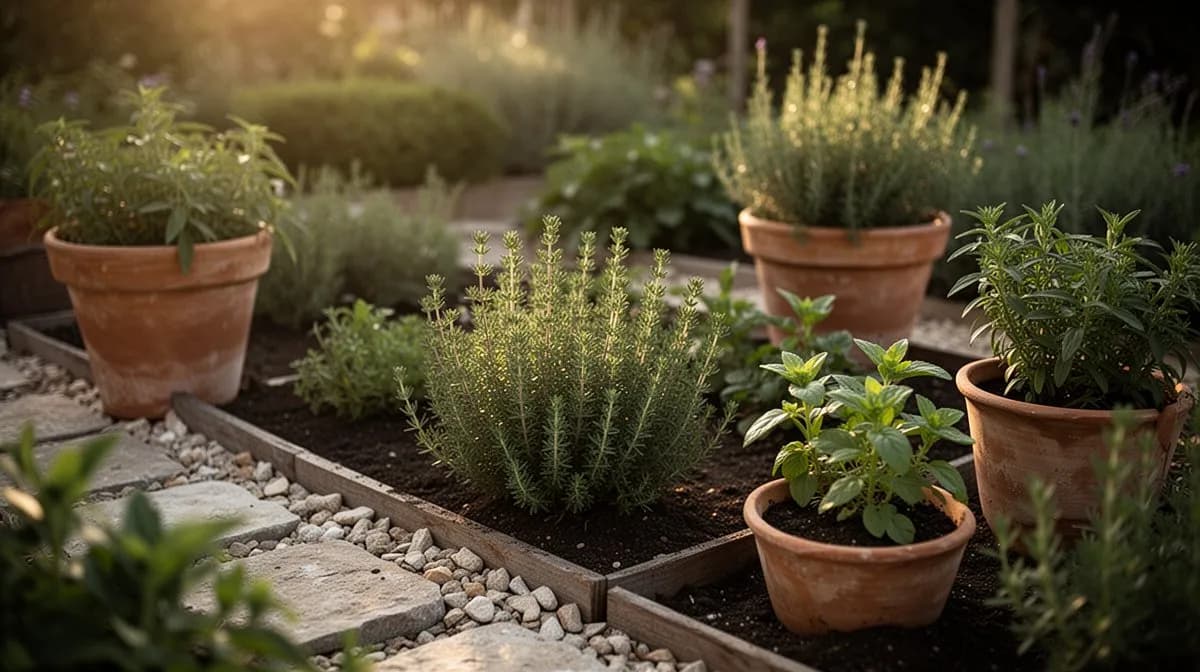
36 Pflanzen passen in ein Beet von 120 × 240 cm
Kümmelthymian braucht 25 cm Platz pro Pflanze. Der Planer hält diesen Abstand für dich ein — jede Pflanze, jedes Beet.
Die besten Nachbarn für Kümmelthymian
Kümmelthymian eignet sich wunderbar als aromatischer Bodendecker unter höheren mediterranen Kräutern wie Rosmarin und Salbei. Die niedrige Mattenform füllt Zwischenräume zwischen Trittsteinen und an Rändern, ohne mit aufrechten Pflanzen zu konkurrieren. Seine aromatischen Öle bieten auf Bodenniveau allgemeine schädlingsabwehrende Vorteile. Zieht während der Blüte nützliche Bestäuber an. Zusammen mit anderen trockenheitstoleranten mediterranen Kräutern pflanzen, die ähnliche magere, trockene Wachstumsbedingungen bevorzugen.
Rosmarin gehört daneben. Basilikum nicht.
Altes Gärtnerwissen, geprüft an der echten Nachbartabelle von Kümmelthymian — teste jede Pflanze, die du anbaust.
Probiere Kümmelthymian direkt hier im Beet
Ein echtes Planer-Beet, Kümmelthymian steht schon drin. Tippe einen Begleiter an, platziere ihn und sieh, wie die Nachbarschaftsprüfung antwortet — grün für gute Nachbarn, rot bei Streit.


Passende Anbau-Ratgeber
Richtig düngen
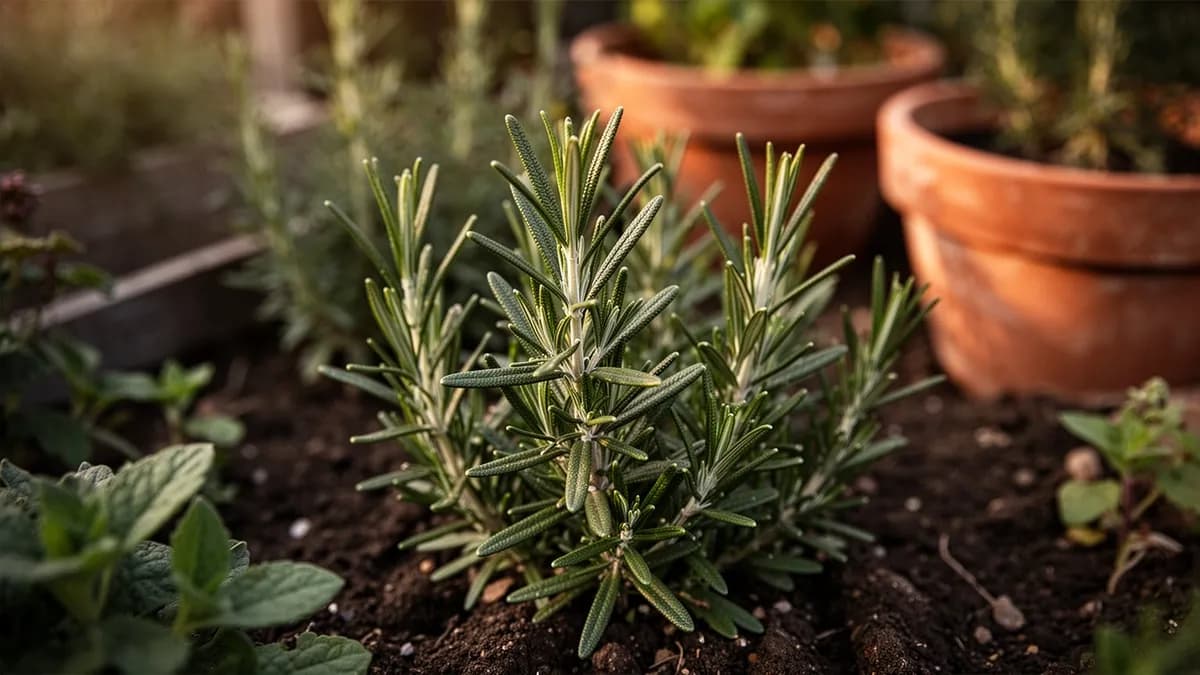
In sehr magerem, perfekt durchlässigem Boden mit pH 6,5–8,0 anbauen. Jeden schweren Boden großzügig mit Kies und grobem Sand verbessern. Keine Düngung nötig – übermäßige Nährstoffe erzeugen üppiges, aber schwach duftendes Wachstum. Eine Schicht feiner Kies dient sowohl als Mulch als auch als Dekoration. In Gefäßen eine Mischung aus 50 % Blumenerde und 50 % Perlit oder Kies verwenden. Dies ist eines der trockenheitstolerantesten Küchenkräuter nach dem Anwachsen.
Ideale Temperatur
Winterhärtezone-Kompatibilität
Von der Saat zur Ernte, Schritt für Schritt
Keimung
Kümmelthymian-Samen sind extrem klein und keimen langsam, typischerweise brauchen sie 14–21 Tage unter optimalen Bedingungen. Die Samen brauchen Licht zum Keimen und sollten auf feuchte, gut durchlässige Anzuchterde gestreut werden. Gleichmäßige Wärme zwischen 18–22 °C und sanftes Besprühen sind in dieser empfindlichen Phase unerlässlich.
Sämlingsetablierung
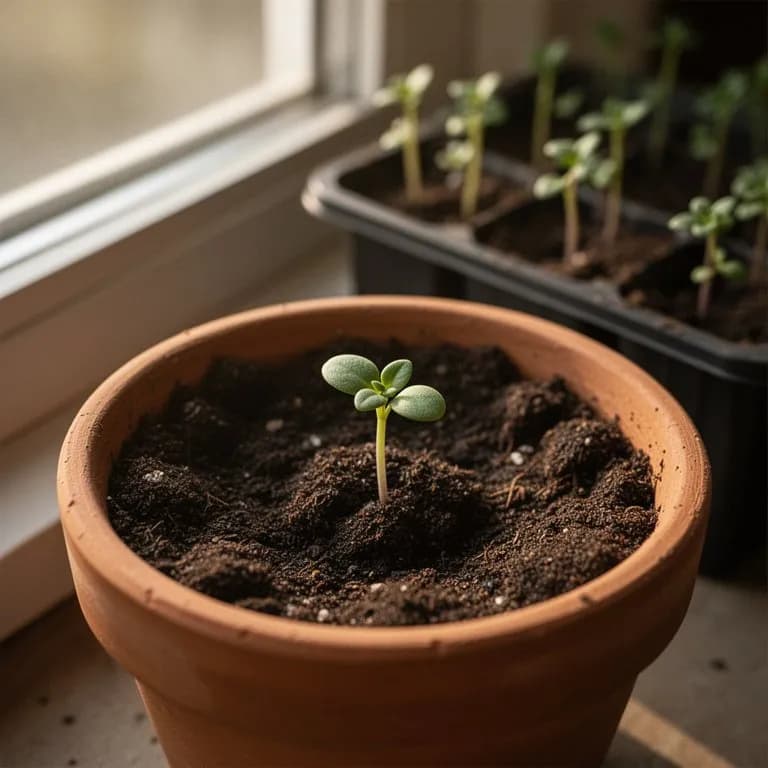
Winzige Sämlinge entwickeln ihre ersten Paare echter Blätter, die beim sanften Reiben bereits den charakteristischen Kümmelduft tragen. Das Wachstum ist in dieser Phase langsam, da die Pflanze sich auf den Aufbau eines Wurzelsystems konzentriert, das an magere, gut durchlässige Bedingungen angepasst ist. Sämlinge sind anfällig für Übergießen und Umfallkrankheit.
Vegetative Ausbreitung
Die Pflanze beginnt ihre charakteristische niedrige, sich ausbreitende Matte aus verholzten Stängeln mit winzigen aromatischen Blättern zu bilden. Seitliche Triebe kriechen über die Bodenoberfläche und bewurzeln sich an den Knoten. Dieser niederliegende Wuchs unterscheidet Kümmelthymian von aufrechteren Thymianarten und macht ihn zu einem ausgezeichneten Bodendecker.
Erste Blüte
Im späten Frühling bis Frühsommer des zweiten Jahres (oder im späten ersten Jahr in warmen Klimazonen) bildet die Pflanze aufrechte Blütenstängel mit Büscheln winziger röhrenförmiger rosa bis lavendelfarbener Blüten. Die Blüten sind sehr attraktiv für Bienen, Schmetterlinge und andere nützliche Bestäuber. Die Blüte signalisiert die höchste Konzentration ätherischer Öle im Laub.
Ausgewachsenes mehrjähriges Wachstum
Die Pflanze findet ihren mehrjährigen Rhythmus, erweitert ihre Matte jedes Jahr und wird zunehmend trockenheitstoleranter und pflegeleichter. Verholzte Basisstängel entwickeln mit der Zeit einen knorrigen, attraktiven Charakter. In milden Winterregionen ist Kümmelthymian halb- bis immergrün und bietet ganzjährige Bodenbedeckung und Duft.
Samen nicht mit Erde bedecken — einfach auf die Oberfläche drücken und leicht besprühen. Anzuchtschalen mit Klarsichtfolie oder einer Feuchtigkeitshaube abdecken, um die Feuchtigkeit zu halten, ohne zu übergießen. Die Abdeckung entfernen, sobald die Sämlinge erscheinen, um Umfallkrankheit zu vermeiden.
Kümmelthymian Monat für Monat pflegen
Was du jeden Monat für deine Kümmelthymian tun solltest
Oktober
Aktueller MonatContainerpflanzen in Zonen 7–10 zur Etablierung vor dem Winter pflanzen. Abgestorbenes Laub aufräumen. Sicherstellen, dass die Drainage vor der Nassperiode ausgezeichnet ist — Kümmelthymian verträgt extreme Kälte, aber keine staunassen Wurzeln. Topfpflanzen in kalten Zonen näher an geschützte Wände bringen.
Immer wissen, was jetzt im Garten zu tun ist
Eine E-Mail zum Monatsanfang: was du jetzt säen, pflanzen und anpacken solltest — für deine Kümmelthymian und alles, was drumherum wächst. Dazu ein kurzer Startkurs, der dich vor den klassischen Fehlern bewahrt.
- Was jetzt zu tun ist
- Passend zu deiner Saison
- Startkurs inklusive
Kümmelthymian ernten
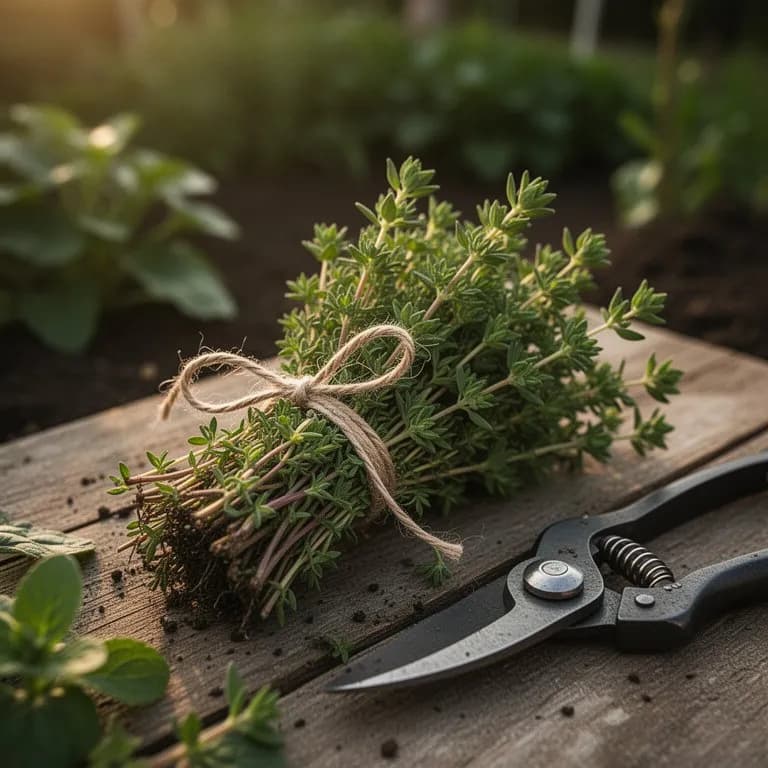
Ernten Sie Kümmelthymian, indem Sie während der gesamten Wachstumsperiode Stängelspitzen mit einer Schere abschneiden. Die winzigen Blätter werden zum Kochen am besten von den Stängeln abgestreift. Für den intensivsten Kümmel-Thymian-Geschmack kurz vor der Blüte ernten, wenn die Konzentration der ätherischen Öle ihren Höhepunkt erreicht. Ganze Zweige als Würze in lang gekochten Gerichten verwenden und vor dem Servieren entfernen. Regelmäßiges leichtes Ernten fördert dichtes Nachwachsen. Die rosa Blüten sind ebenfalls essbar und attraktiv in Salaten.
angenommen, du pflanzt zu Beginn des Zeitraums — trage dein tatsächliches Datum ein
Ernte Kümmelthymian zügig, dann trägt die Pflanze weiter.
Lagerung & Konservierung
Frischer Kümmelthymian hält sich etwa eine Woche gekühlt in einem verschlossenen Behälter. Die winzigen Blätter trocknen schnell und behalten ausgezeichnetes Aroma – auf Gittern ausbreiten oder kleine Bündel 1 Woche an einem warmen, dunklen Ort aufhängen. Getrockneten Thymian in luftdichten Gläsern bis zu einem Jahr aufbewahren. Das getrocknete Kraut hat ein konzentriertes, leicht anderes Geschmacksprofil. Frische Zweige in Gefrierbeuteln einfrieren oder gehackt in Olivenöl in Eiswürfelformen einfrieren.
Was schiefgeht — und die Lösung
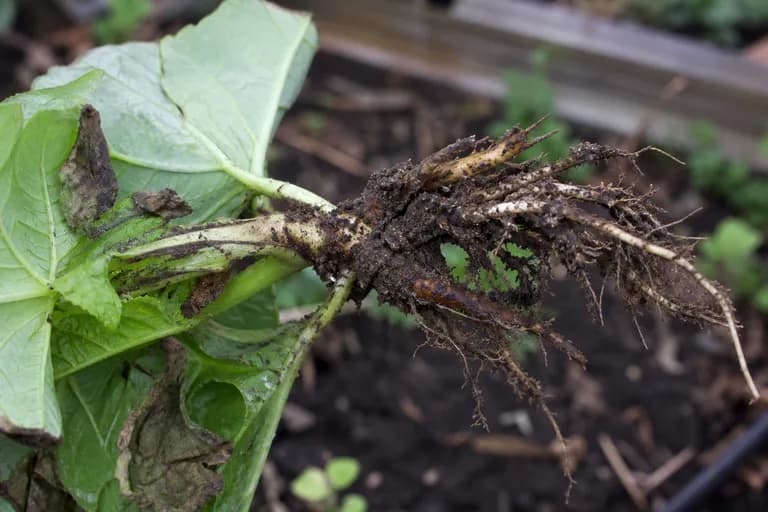
Wurzelfäule
KrankheitBraune Flecken in der Matte, welkende Stängel, matschiges Kronengewebe. Die häufigste Ursache für Misserfolg.
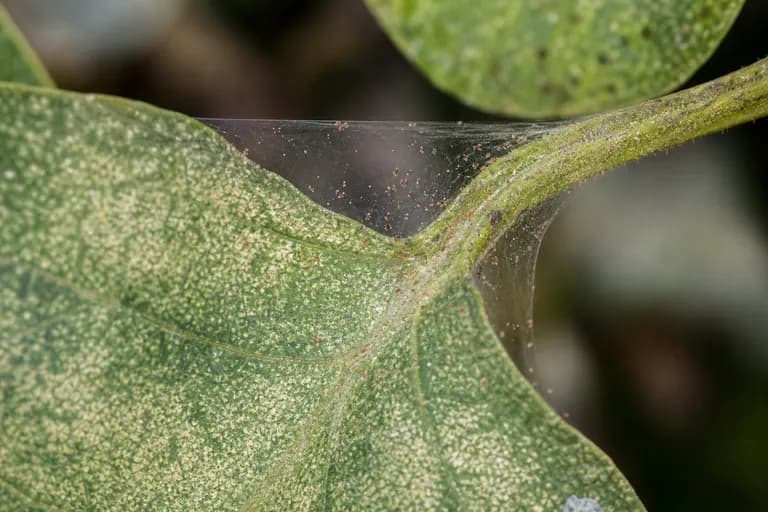
Spinnmilben
SchädlingFeine Bronzierung und Sprenkelung auf den winzigen Blättern, ausgetrocknete Stellen in der Matte, besonders bei heißem, trockenem Wetter.
Fehlerbehebung bei häufigen Problemen
Absterben durch nasse Wurzeln ist das Hauptproblem – die Drainage als ersten und wichtigsten Schritt verbessern. Verholzte, dünne Mitten in älteren Matten müssen durch Teilung verjüngt werden. Bei zu viel Schatten wird das Wachstum spärlich und langbeinig mit vermindertem Duft. Weniger winterhart als gewöhnlicher Thymian; in Zonen 4–5 leicht mit Kies mulchen. Kann aus Samen langsamer keimen als gewöhnlicher Thymian.
Anbautipps
- Pflanzen Sie Kümmelthymian an der magersten, kiesigsten, am besten durchlässigen Stelle Ihres Gartens — dieses Kraut gedeiht bei Vernachlässigung und magerem Boden. Reicher, fruchtbarer oder feuchtigkeitsspeichernder Boden erzeugt langbeiniges, geschmackloses Wachstum und erhöht das Risiko von Wurzelfäule.
- Lehmboden mit mindestens 50 % grobem Sand, Perlit oder feinem Kies vor dem Pflanzen verbessern. Hochbeete oder aufgehügelte Pflanzungen funktionieren ebenfalls gut. Die häufigste Ursache für das Scheitern von Kümmelthymian sind staunasse Wurzeln, nicht Kälte oder Hitze.
- Pflanzen im Abstand von 25–30 cm als Bodendecker setzen. Die kriechenden Stängel füllen Lücken innerhalb von ein bis zwei Vegetationsperioden und bilden eine dichte, unkrautunterdrückende Matte, die beim Berühren oder Betreten Duft freisetzt.
- Einfach durch Stängelstecklinge im späten Frühling oder Frühsommer vermehren. 5–8 cm Triebe abschneiden, die unteren Blätter entfernen und in ein kiesiges, feuchtes Bewurzelungsmedium stecken. Stecklinge bewurzeln sich in 3–4 Wochen und etablieren sich schneller als samengewachsene Pflanzen.
- Mit einer Schere Zweige abschneiden statt zu ziehen, was das flache Wurzelsystem entwurzeln kann. Nie mehr als ein Drittel der Pflanze auf einmal entfernen und nicht in altes, verholztes Holz schneiden, das sich schlecht regeneriert.
- Nachdem die Blüte im Hochsommer beendet ist, die gesamte Pflanze leicht um ein Drittel zurückschneiden, um einen Schub zarten neuen Wachstums zu fördern und zu verhindern, dass die Mitte kahl und verholzt wird — dieser jährliche Schnitt ist die wichtigste Pflegemaßnahme.
- Organischen Mulch wie Rindenmulch oder Kompost um Kümmelthymian vermeiden. Stattdessen mit Erbskies, Schotter oder grobem Sand mulchen, der den Wurzelhals trocken hält, Wärme reflektiert und den natürlichen felsigen Mittelmeerlebensraum der Pflanze nachahmt.
- Kümmelthymian ist ein hervorragendes Topfkraut, wenn er in Terrakotta-Töpfe mit schnell durchlässiger Kakteen- oder Sukkulentenerde gepflanzt wird. Der poröse Ton leitet überschüssige Feuchtigkeit ab, und der hängende Wuchs fällt attraktiv über die Topfränder.
- In kalten Winterzonen (4–6) ist ausgezeichnete Drainage die oberste Priorität statt Isolation. Kümmelthymian überlebt extreme Kälte in durchlässigem Boden, fault aber schnell in nassem, gefrorenem Boden. Eine Kiesmulchschicht um den Wurzelhals hilft, Winterfeuchtigkeit abzuleiten.
- Kümmelthymian zwischen Trittsteinen, in Steinmauerspalten oder an Wegrändern pflanzen, wo er gelegentlich betreten wird — leichter Fußverkehr setzt seine aromatischen Öle frei und schadet den widerstandsfähigen, mattenbildenden Stängeln nicht.
Bau deine beste Kümmelthymian an — und alles drumherum.
Starte heute kostenlos. Lege deine Beete an, setze deine Kümmelthymian ein und lass PlotMyGarden Timing, Abstände, Begleiter und Erinnerungen von der Saat bis zum Erntekorb übernehmen.
Finde deine Kümmelthymian
Thymus herba-barona (Kümmelthymian)
Die Standardart mit kräftigem Kümmel-Thymian-Duft. Heimisch auf Korsika und Sardinien. Benannt nach seiner historischen Verwendung mit Rindfleisch (Baron of Beef).
Muskatnussthymian (T. herba-barona 'Nutmeg')
Eine Variante mit warmem Muskatnuss-Unterton zum Kümmelduft. Etwas aufrechter Wuchs als der Standard-Kümmelthymian.
Zitronenthymian (Thymus citriodorus)
Verwandter aromatisierter Thymian mit hellem Zitronenduft statt Kümmel. Breiter verfügbar. Hervorragend zu Fisch und Geflügel.
Frischer Thymian wird für 3–5 € pro kleiner Supermarktpackung mit kaum 15–20 g Zweigen verkauft, und spezieller Kümmelthymian ist in Geschäften zu keinem Preis erhältlich. Eine einzelne 4–6 € Jungpflanze oder 3 € Samenpackung liefert frische Ernten für 5–8 Jahre ohne Neupflanzung und liefert ein Kraut, das frisch 30–60 € pro Jahr kosten würde. Getrockneter Kümmelthymian ist kommerziell praktisch nicht erhältlich, was selbst angebauter die einzige zuverlässige Quelle macht. Die Pflanze eliminiert auch Mähkosten bei Verwendung als Bodendecker, und ihr Bestäuberwert unterstützt die Erträge benachbarter Obst- und Gemüsepflanzen.
Schnelle Rezepte
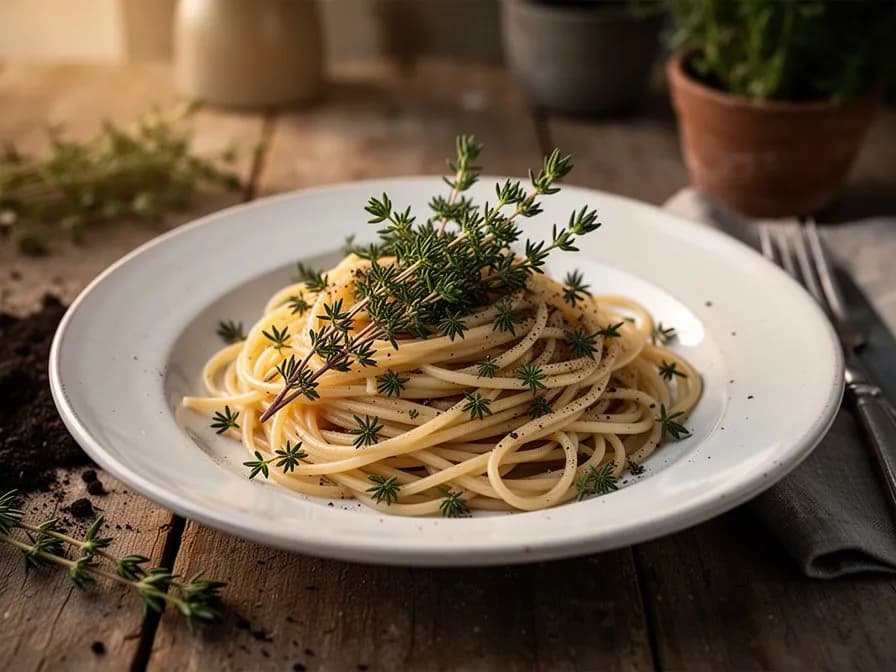
Lammbraten mit Kümmelthymian-Kruste
15 Min. + BratenDie natürliche Affinität zwischen Kümmelthymian und Lamm ist in der sardischen und korsischen Küche legendär. Eine einfache Kräuterkruste verwandelt ein Lammkarree in etwas Außergewöhnliches, wobei der warme Kümmel-Thymian-Duft die Küche beim Braten durchzieht.
8 ZutatenKräuter-Focaccia mit Kümmelthymian und Meersalz
20 Min. + GehzeitKümmelthymian, in die genoppte Oberfläche goldener Focaccia gedrückt, ergibt ein aromatisches Fladenbrot, das italienische und nordeuropäische Geschmackstraditionen vereint. Die Kümmelnoten im Kraut ergänzen das hefige Brot wunderbar.
8 ZutatenKümmelthymian-Honig-Aufguss
5 Min. + 2 Wochen ZiehzeitEine unkomplizierte Zubereitung, die den einzigartigen Kümmel-Thymian-Geschmack in rohem Honig einfängt und ein vielseitiges Würzmittel für Käseplatten, geröstetes Wurzelgemüse, Tee oder zum Beträufeln von Joghurt ergibt. Die ätherischen Öle des Krauts lösen sich über zwei Wochen langsam im Honig.
4 ZutatenKulinarische Verwendung
Kümmelthymian bietet einen einzigartigen Doppelgeschmack aus Kümmelsamen und Thymian, der traditionell in der korsischen und sardischen Küche zum Würzen von Rinderbraten verwendet wird – daher sein lateinischer Name herba-barona (Kraut des Rinderbraten-Barons). Hervorragend zu geröstetem Wurzelgemüse, Lamm, Schwein und Wildfleisch. Beim Brotbacken für eine dezente Kümmelnote verwenden. Zu Kohl-, Sauerkraut- und Kartoffelgerichten hinzufügen. Als Verdauungstee mit Honig aufbrühen.
Was drinsteckt
Gesundheitsvorteile
- Enthält Thymol und Carvacrol, phenolische Verbindungen mit klinisch nachgewiesenen antibakteriellen und antimykotischen Eigenschaften — die traditionelle Kräutermedizin verwendet Thymianpräparate seit Jahrhunderten zur Behandlung von Atemwegsinfektionen, Halsschmerzen und Bronchialstauung.
- Die Carvon-Komponente (verantwortlich für den Kümmelduft) hat in Studien karminative Wirkungen gezeigt, die bei der Linderung von Blähungen, Gasbildung und Darmbeschwerden helfen — eine Eigenschaft, die sie mit Kümmelsamen teilt und die in traditionellen europäischen Verdauungsmitteln genutzt wird.
- Reich an Vitamin C und Flavonoid-Antioxidantien, die helfen, freie Radikale zu neutralisieren und die Immunfunktion zu unterstützen, wobei selbst die kleinen beim Kochen verwendeten Mengen im Laufe der Zeit sinnvoll zur täglichen Antioxidantienaufnahme beitragen.
- Ätherische Thymianöle haben schleimlösende Eigenschaften gezeigt, die helfen, Schleim zu lösen und Husten zu lindern — Thymianextrakt ist nach wie vor ein Wirkstoff in vielen modernen europäischen Hustensäften und Lutschtabletten.
- Enthält Rosmarinsäure, ein Polyphenol mit entzündungshemmenden Eigenschaften, das auf sein Potenzial zur Verringerung allergischer Reaktionen und zur Unterstützung der Atemwegsgesundheit bei Menschen mit saisonalen Allergien und leichtem Asthma untersucht wird.
- Der Eisengehalt von Thymian (17,4 mg pro 100 g) gehört zu den höchsten aller Küchenkräuter, und die regelmäßige Verwendung als Gewürz kann zur täglichen Eisenaufnahme beitragen, was besonders wichtig für Personen mit pflanzenbasierter Ernährung ist.
Woher Kümmelthymian stammt
Kümmelthymian (Thymus herba-barona) stammt aus den rauen Berglandschaften der westlichen Mittelmeerinseln — hauptsächlich Sardinien, Korsika, Mallorca und Teilen des spanischen und südfranzösischen Festlands. In diesen harschen, windgepeitschten Lebensräumen entwickelte die Pflanze ihren charakteristischen niederliegenden, mattenbildenden Wuchs, winzige Blätter und eine intensive Konzentration aromatischer ätherischer Öle als Anpassung an dünne, felsige Böden, heftige Winde und die intensive Sommersonne der hohen mediterranen Macchia.
Das Kraut ist seit Jahrtausenden mit den Hirtenkulturen Sardiniens und Korsikas verwoben. Sardische Hirten, die Monate auf abgelegenen Bergweiden mit ihren Herden verbrachten, verwendeten Kümmelthymian ausgiebig zum Würzen von gebratenem Lamm und zum Aromatisieren der frischen Käse, die sie aus Schaf- und Ziegenmilch herstellten. Die Praxis, frisch gepflückten Kümmelthymian in reifenden Pecorino-Käse einzureiben, wurde zu einem Markenzeichen der sardischen Käseherstellung, und bestimmte traditionelle Pecorino-Sardo-Sorten tragen noch heute den aromatischen Abdruck dieses Krauts. Der Artname ‚herba-barona' — Kraut des Barons — verweist auf seine historische Verwendung beim Würzen des ‚Baron of Beef', eines großen Bratenstücks, das bei mittelalterlichen Festmählern im Mittelmeerraum und in englischen Herrenhäusern serviert wurde.
Trotz seiner uralten mediterranen Wurzeln blieb Kümmelthymian außerhalb seiner Heimatinseln bis zum 18. und 19. Jahrhundert relativ unbekannt, als europäische Pflanzensammler und Kuratoren botanischer Gärten ihn als Zier- und Aromapflanze für Steingärten zu schätzen begannen. Seine außergewöhnliche Winterhärte — er überlebt Temperaturen bis minus 30 Grad Celsius — überraschte Gärtner, die von einem mediterranen Kraut Frostempfindlichkeit erwartet hatten, und diese Widerstandsfähigkeit half ihm, sich in Gärten in ganz Nordeuropa und Nordamerika auszubreiten. Heute wird Kümmelthymian weltweit als Küchenkraut, Bodendecker, Steingartenpflanze und Bestäuberpflanze geschätzt, obwohl er am tiefsten in den Esstraditionen Sardiniens und Korsikas verwurzelt bleibt, wo er noch immer wild von Berghängen gesammelt und zum Würzen von Fleischgerichten, Eintöpfen, handwerklichen Käsesorten und lokalen Honigen verwendet wird.
Kümmelthymian: Schon gewusst?
Faszinierende Fakten über Kümmelthymian
Kümmelthymian (Thymus herba-barona) verdankt seinen Artnamen dem ‚Baron of Beef' — einem großen doppelten Lendenbraten, der in mittelalterlichen englischen und korsischen Küchen traditionell mit diesem Kraut gewürzt wurde. Der Name bedeutet wörtlich ‚Thymian des Rindfleisch-Barons' und bewahrt eine jahrhundertealte kulinarische Paarung im botanischen Latein.
Kümmelthymian: Fragen & Antworten
Wann sollte ich Kümmelthymian pflanzen?
Was sind gute Begleitpflanzen für Kümmelthymian?
In welchen Winterhärtezonen kann Kümmelthymian wachsen?
Wie viel Sonne braucht Kümmelthymian?
Welchen Abstand sollte ich zwischen Kümmelthymian lassen?
Welche Schädlinge und Krankheiten befallen Kümmelthymian?
Wie lagere ich Kümmelthymian nach der Ernte?
Was sind die besten Kümmelthymian-Sorten zum Anbauen?
Welchen Boden braucht Kümmelthymian?
Schmeckt Kümmelthymian tatsächlich nach Kümmel?
Kann ich Kümmelthymian als Bodendecker oder Rasenersatz verwenden?
Wie winterhart ist Kümmelthymian im Vergleich zu gewöhnlichem Thymian?
Wie trockne und lagere ich Kümmelthymian für die Winterverwendung?
Warum stirbt mein Kümmelthymian in der Mitte der Matte ab?
Kann ich Kümmelthymian drinnen auf der Fensterbank anbauen?
Du hast die Theorie gelesen. Jetzt baue sie auf Autopilot an.
Alles, was Kümmelthymian knifflig macht — das Timing, die Abstände, die Begleiter, das Erntefenster — genau das übernimmt PlotMyGarden für dich, für jede Pflanze im Garten.
Ein Plan, der dein Wetter kennt
Standort einmal festlegen. Aussaat-, Dünge- und Erntedaten rund um deinen echten letzten Frosttermin und die Live-Vorhersage — kein Raten mehr nach Saattüte.
Aus dem Abschnitt „Pflanzzeit“Beetplaner per Drag & Drop
Beete auf einem Raster gestalten. Jede Pflanze rastet im richtigen Abstand ein, und du siehst die ganze Saison, bevor du einen Cent für Saatgut ausgibst.
Aus dem Abschnitt „Anbau“Begleiter-Konflikte früh erkannt
Über 200 gute und schlechte Kombinationen werden beim Pflanzen live geprüft — so landet ein saisonruinierender Fehler nie in der Erde.
Aus dem Abschnitt „Begleiter“Erinnerungen, nach denen du wirklich handelst
„Gieß die Bohnen.“ „Heute ernten, bevor's umschlägt.“ Pünktlich, konkret und auf deine echten Pflanzen bezogen.
Aus dem Abschnitt „Ernte“Staffel-Aussaat, geplant
Sechs Wochen ernten statt sechs Tage? Die App verteilt deine Aussaaten automatisch und erinnert dich, wenn der nächste Satz fällig ist.
Aus dem Abschnitt „Pflanzzeit“Ein Verlauf, der schlauer wird
Jede protokollierte Ernte bringt der App deinen Garten bei. Der Plan fürs nächste Jahr startet bei dem, was in deinem Boden wirklich funktioniert hat.
Aus dem Abschnitt „Überblick“Pflanze diese neben Kümmelthymian
Weitere Küchenkräuter
Halte Kümmelthymian von diesen fern
Bau deine beste Kümmelthymian an — und alles drumherum.
Starte heute kostenlos. Lege deine Beete an, setze deine Kümmelthymian ein und lass PlotMyGarden Timing, Abstände, Begleiter und Erinnerungen von der Saat bis zum Erntekorb übernehmen.