Sorrel
A perennial green with a bright, lemony tang that makes it a distinctive ingredient in French soups, sauces, and salads.





On this pageOverview
Meet Sorrel
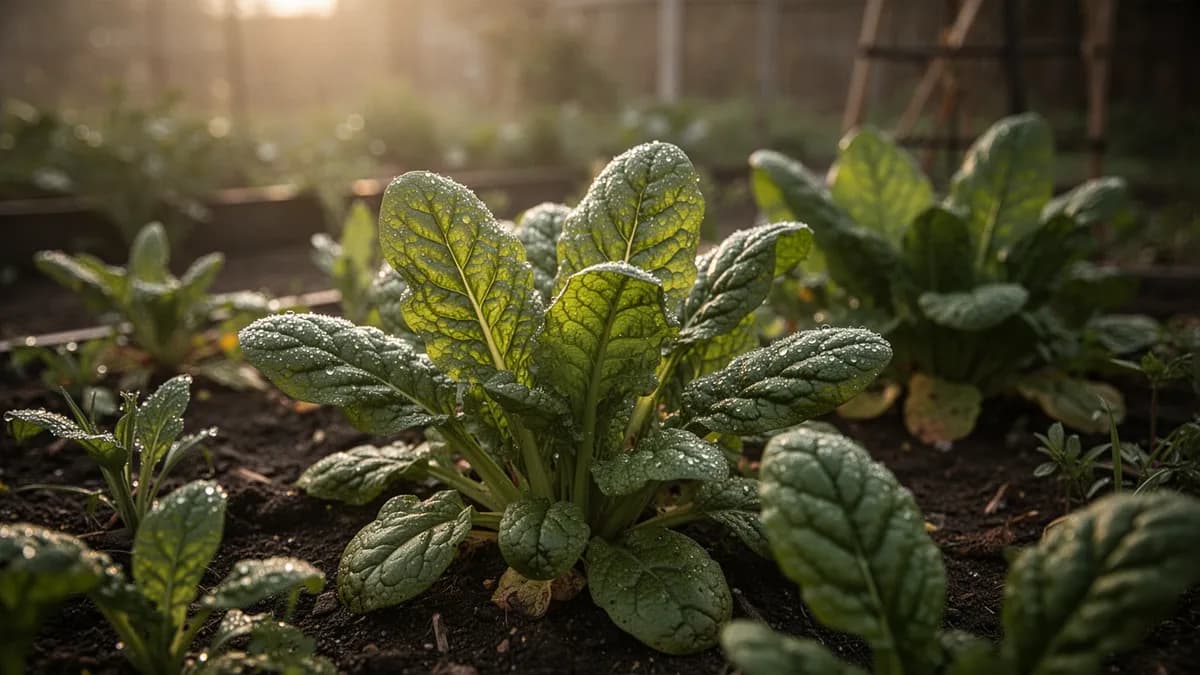
A perennial green with a bright, lemony tang that makes it a distinctive ingredient in French soups, sauces, and salads. Sorrel is one of the first greens to emerge in spring and produces continuously from a single planting for many years. Remove flower stalks as they appear to keep the plant focused on producing tender, flavorful leaves. The high oxalic acid content provides its signature sour taste, so use in moderation and cook in non-reactive pans.
When to plant Sorrel
Sow seeds 1/4 inch deep indoors 4-6 weeks before last frost or direct sow in spring. Seeds germinate in 7-14 days at 60-70°F. Thin to 12-18 inches apart. Sorrel can also be purchased as transplants or propagated from root divisions. Plants reach harvestable size in 60 days from seed. Once established, sorrel returns year after year with minimal care. Seeds remain viable for 2-3 years.
Your Sorrel Year
Composed for Zone 7 · typical seasons · frost passes Apr 2, returns Nov 1
Plant Sorrel Mar – Apr, pick Apr – Oct. Check the planting methods below and set your climate to personalize these windows.
How to grow Sorrel
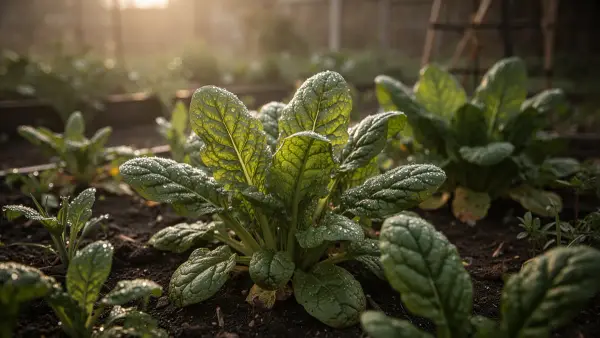
Sow sorrel seeds 1/4 inch deep in early spring or start indoors 4-6 weeks before last frost. Seeds germinate in 7-14 days at 60-70°F. Thin to 12-18 inches apart. Sorrel can also be propagated by dividing established clumps in spring or fall. Plant in a permanent location as it is a long-lived perennial.
Sorrel thrives in partial shade to full sun and tolerates a wide range of conditions. It prefers consistently moist soil but adapts to moderate drought once established. Feed with compost or balanced fertilizer in early spring as new growth emerges. Remove flower stalks promptly to redirect energy to leaf production and prevent self-seeding.
Harvest outer leaves regularly to encourage continuous new growth. A single plant can produce for 5-7 years before needing division. In hot summer weather, sorrel leaves become more intensely tart and may become tough; cut plants back hard and they will produce fresh, tender regrowth as weather cools. Divide crowded clumps every 3-4 years in spring to maintain vigor.
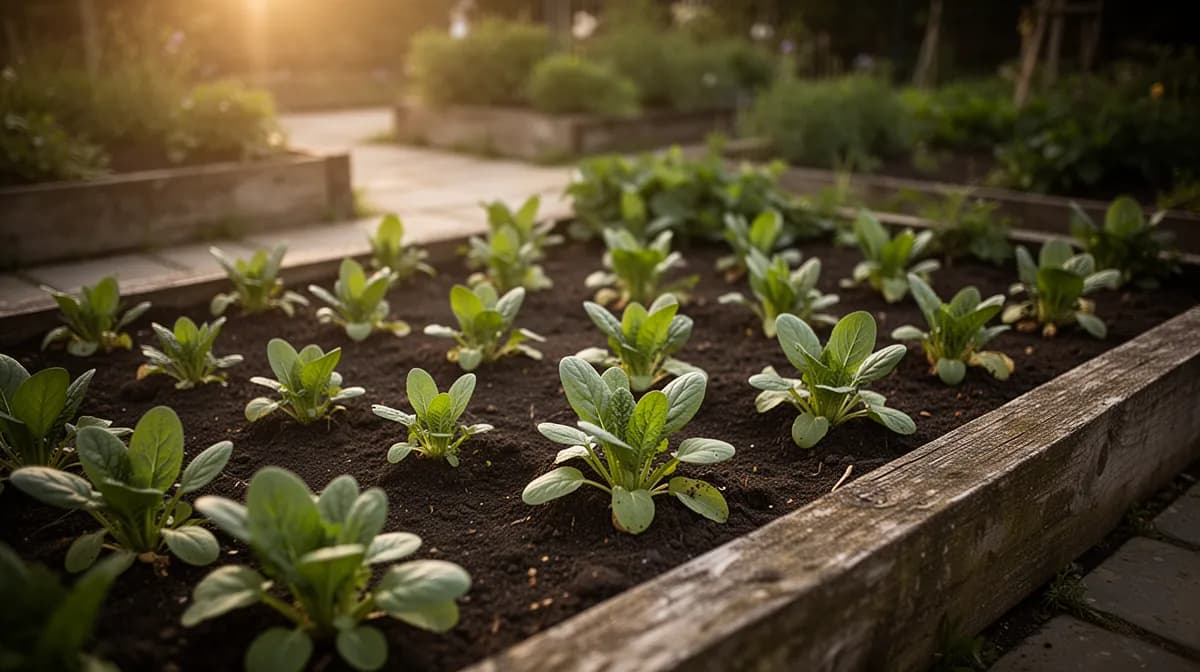
36 plants fit a 4 × 8 ft bed
Each Sorrel wants 25 cm of elbow room. The planner keeps that spacing for you — every plant, every bed.
Sorrel's best neighbours
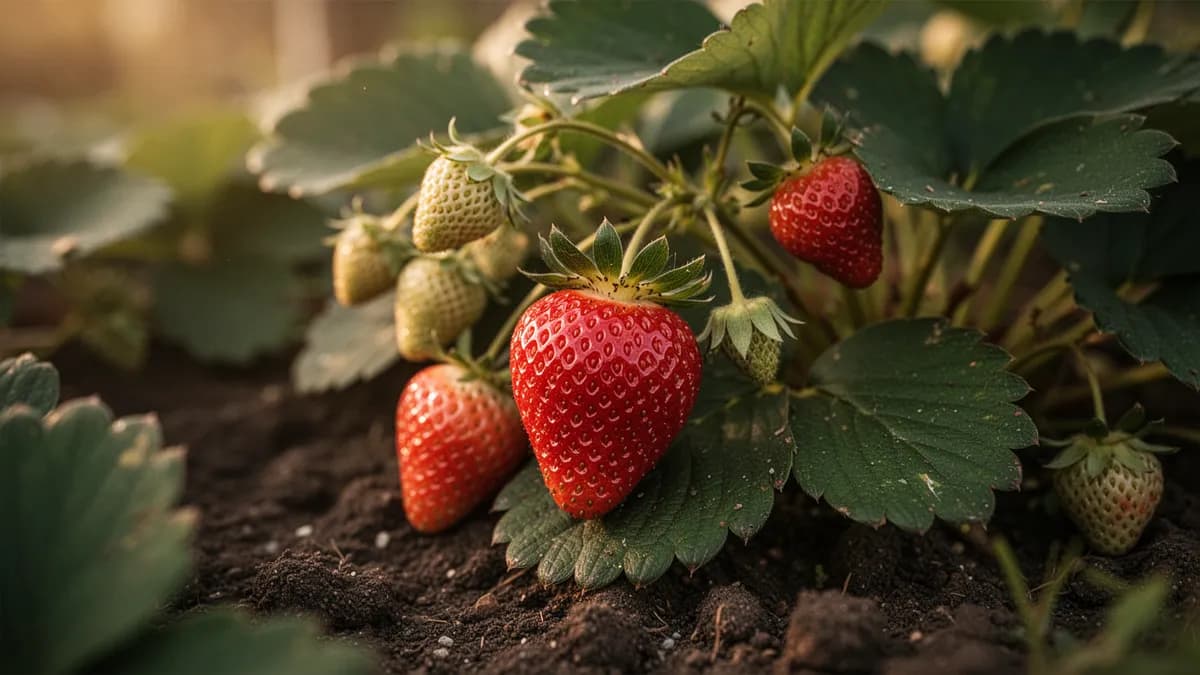
Sorrel grows well near strawberries, tomatoes, and other vegetables as a perennial border plant. Its deep roots help break up soil. The tart leaves may deter some browsing pests. Avoid planting near plants that need alkaline soil, as sorrel prefers slightly acidic conditions. Makes an attractive edible border or ground cover when planted in mass. Compatible with most garden herbs and perennials.
Strawberry belongs beside it.
Old growers' knowledge, checked against Sorrel's real companion table below — test any plant you're growing.
Try Sorrel in a bed — right here
A real planner bed with Sorrel already in it. Tap a companion to place it and watch the pairing checks answer — green for good neighbours, red for a clash.


Related growing guides
Feed it well
Sorrel adapts to most soils but prefers fertile, moist, slightly acidic soil with a pH of 5.5-6.8. Amend with compost annually in early spring. Apply balanced fertilizer as new growth emerges. Sorrel tolerates partial shade, which helps maintain tender, mild leaves. Consistent moisture produces the best quality foliage. Mulch around plants to conserve moisture and suppress weeds.
Ideal Temperature
Hardiness Zone Compatibility
From seed to harvest, stage by stage
Seed Germination
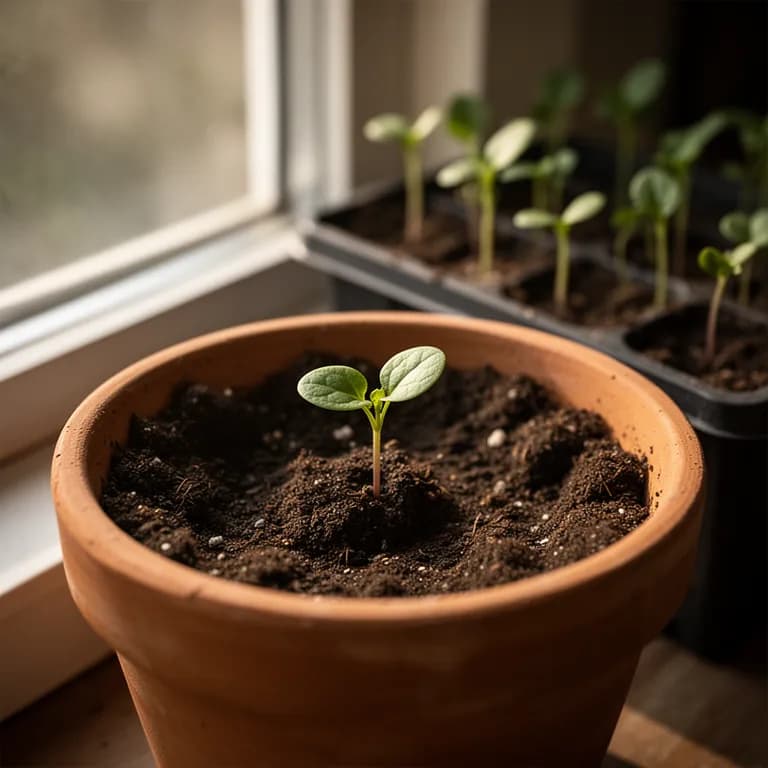
Tiny sorrel seeds germinate in cool to moderate soil temperatures of 15-20°C (60-70°F). The seedlings emerge with smooth, oval cotyledon leaves that look nothing like the mature arrow-shaped foliage. Germination takes 7-14 days and is reliable in consistently moist soil.
Seedling Development
True leaves appear with the characteristic arrow or shield shape (sagittate) that distinguishes sorrel from other seedlings. The rosette of basal leaves expands outward as the taproot establishes. Growth is steady in cool spring weather.
Rosette Establishment
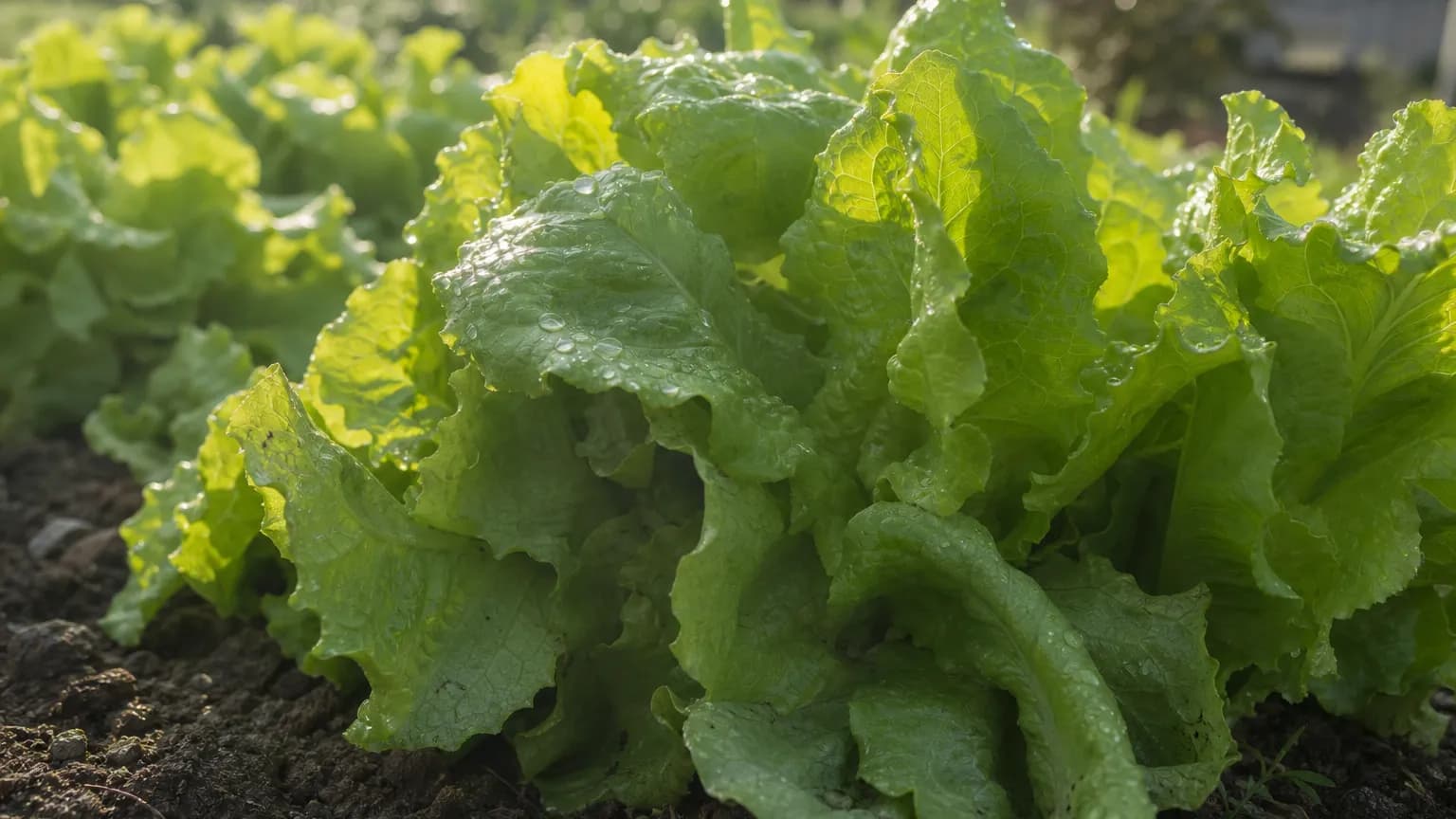
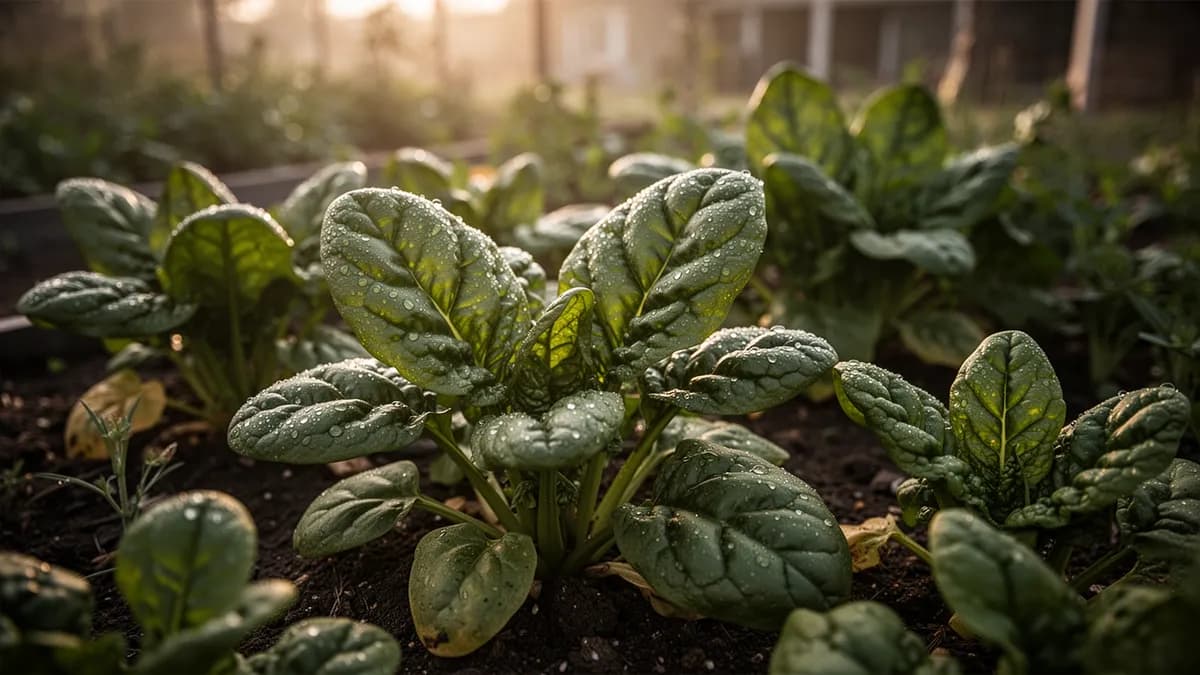
The plant forms a dense rosette of arrow-shaped leaves 15-25 cm long. The deep taproot system fully establishes, making the plant increasingly drought-tolerant. Leaf production accelerates as the root system matures, and the first light harvests can begin.
Peak Leaf Production
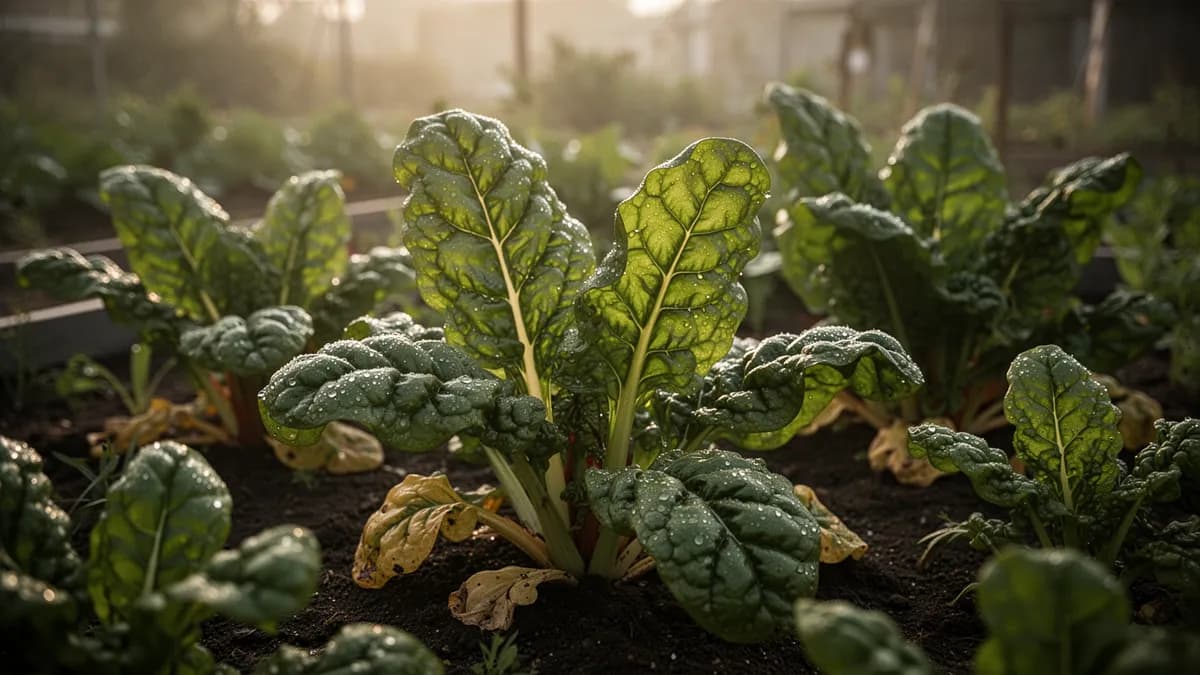
The plant enters its most productive phase, generating new leaves continuously from the central crown. In ideal cool-to-mild weather (15-24°C), a single mature clump produces enough leaves for regular kitchen use. Leaves are at their best flavor — pleasantly tart with a bright lemony tang.
Flowering and Bolting
As day length increases and temperatures rise above 27°C (80°F), sorrel sends up tall, wiry flower stalks topped with small reddish-green flowers that ripen into papery brown seeds. Leaf quality declines during flowering — leaves become smaller, tougher, and more intensely acidic.
Dormancy and Renewal
In cold climates, sorrel dies back to the ground after hard frost, with the deep taproot surviving underground through winter. In mild climates, the plant may remain semi-evergreen. Each spring, vigorous new growth emerges from the crown, often earlier than any other edible in the garden.
Sow seeds very shallowly — barely 5mm deep — as they need some light to germinate well. Keep the soil surface evenly moist with a fine mist. Do not let the seed bed dry out or crust over.
Caring for Sorrel month by month
What to do each month for your Sorrel
October
You are hereContinue autumn harvest of tender regrowth. Flavor is excellent in cool weather — mild and pleasantly lemony. Divide and transplant established clumps if needed. In zones 4-6, begin preparing plants for winter by reducing harvest to allow the crown to store energy.
Know exactly what to do in your garden — every month
One email at the start of each month: what to sow, plant, and tackle right now — for your Sorrel and everything growing around it. Plus a short starter course that helps you dodge the classic mistakes.
- What to do, right now
- Matched to your season
- Starter course included
Harvesting Sorrel
Begin harvesting sorrel leaves when plants are well-established, typically 60 days from seed or immediately from transplants. Pick individual outer leaves regularly, leaving the center to continue growing. Young leaves (4-6 inches) are the most tender and mildly flavored. Harvest regularly to keep plants producing fresh foliage. Remove flower stalks immediately to prolong leaf harvest. Sorrel is one of the first greens available in spring and produces until hard frost.
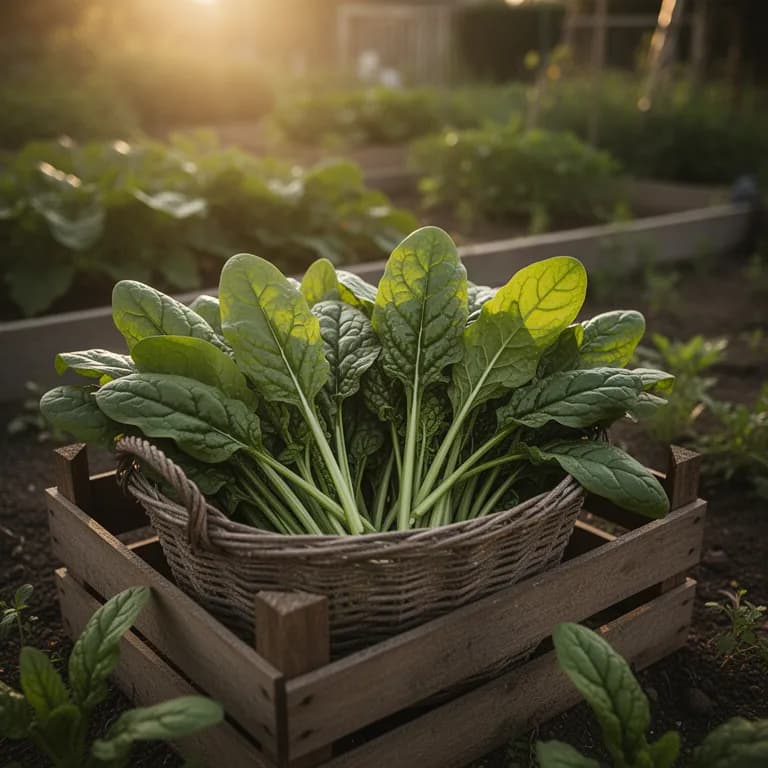
assuming you plant when the window opens — set your real date
Pick Sorrel promptly and the plant keeps producing.
Storage & Preservation
Store fresh sorrel in a plastic bag in the refrigerator for 3-5 days. The delicate leaves wilt quickly, so use promptly. Sorrel puree freezes beautifully; blend leaves with a splash of water and freeze in ice cube trays for up to 8 months. Use frozen sorrel directly in soups and sauces. Sorrel can also be dried, though it loses much of its fresh, tangy character. The acid in sorrel causes it to turn olive-green when cooked, which is normal.
What goes wrong — and the fix
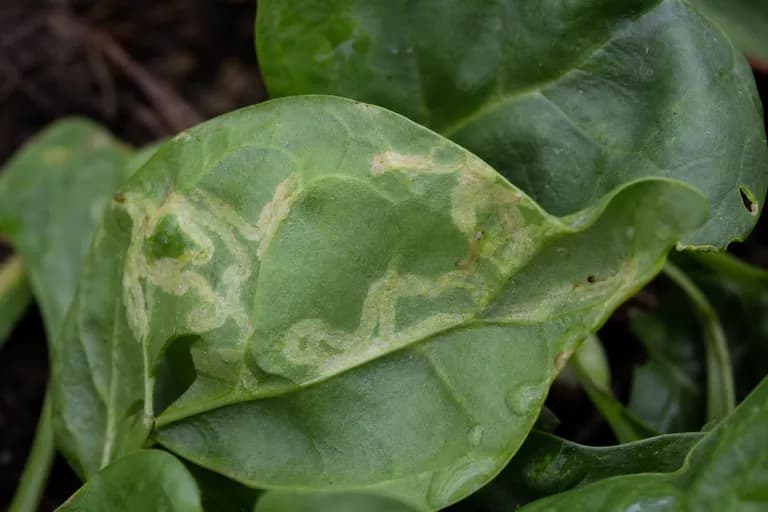
Leaf Miners
PestWinding white-brown trails inside leaves, blistered leaf surfaces.
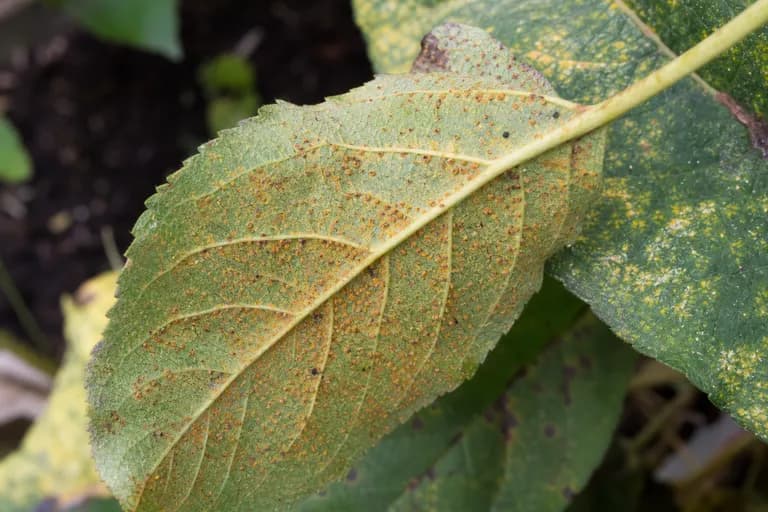
Rust
DiseaseOrange-brown powdery spots on undersides of leaves, yellowing foliage.
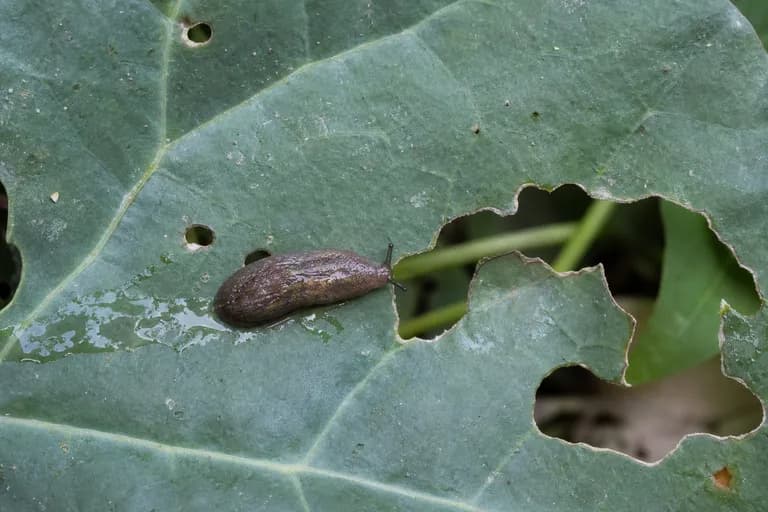
Slugs
PestIrregular holes in leaves, slimy trails, damage worst in spring.
Troubleshooting Common Problems
Excessive tartness develops in hot, dry conditions; provide shade and water. Flower stalk production reduces leaf quality; remove stalks promptly. Self-seeding can become aggressive; deadhead before seeds form. Older plants become woody at the base; divide every 3-4 years. Leaf miners can be persistent; remove damaged leaves immediately. People with kidney concerns should consume sorrel in moderation due to oxalic acid content.
Growing Tips
- Sorrel is one of the easiest perennials to establish from seed, but patience is key the first year. Resist heavy harvesting until the rosette has at least 10-12 well-developed leaves. From the second year onward, the plant will produce prolifically with almost no attention.
- Remove flower stalks the moment they appear — this is the single most important maintenance task. Each flower stalk that goes to seed dramatically reduces leaf production and allows aggressive self-seeding that can become weedy. Snap stalks off at the base.
- Partial shade is sorrel's friend, especially in warmer climates. Unlike most vegetables, sorrel actually produces better leaves with 4-6 hours of direct sun than in full all-day sun. The ideal spot gets morning sun and afternoon shade.
- When summer heat makes leaves tough and excessively tart, do not hesitate to cut the entire plant down to 5 cm above ground level. This feels drastic but sorrel regenerates aggressively from the crown, producing a flush of tender new leaves within 2-3 weeks.
- Divide established clumps every 3-4 years in early spring or autumn. Each division should have a section of root with at least 2-3 growing points. This keeps plants vigorous and is the easiest way to expand your sorrel patch or share with other gardeners.
- Sorrel's deep taproot makes it surprisingly drought-tolerant once established, but consistent moisture produces the most tender, mild-flavored leaves. Irregular watering causes flavor to swing between mild and aggressively sour.
- Plant sorrel as a permanent edible border along garden paths or bed edges. Its attractive arrow-shaped foliage stays low and tidy when flower stalks are removed, and it returns year after year without replanting. Red-veined varieties are especially ornamental.
- For winter harvests in zones 7-10, protect plants with a cold frame or row cover. Sorrel is remarkably cold-hardy and can produce usable leaves well into December and again from February onward with minimal frost protection.
Grow your best Sorrel yet — and everything around it.
Start a free plan today. Lay out your beds, drop in your Sorrel, and let PlotMyGarden handle the timing, spacing, companions and reminders from seed to harvest basket.
Pick your Sorrel
Garden Sorrel
Standard large-leaved sorrel with bold, tart flavor. The most common culinary variety, growing 18-24 inches tall.
French Sorrel
Smaller, shield-shaped leaves with milder, more refined tartness. Lower-growing and less likely to bolt.
Red-Veined Sorrel
Ornamental variety with green leaves and striking red veins. Milder flavor, beautiful in salads.
Fresh sorrel is rarely found in mainstream grocery stores and commands premium prices of $4-8 per small bunch at farmers markets and specialty shops. A single $2-3 seed packet or transplant produces a perennial plant that returns for 5-7 years with zero replanting cost. Over its lifetime, one sorrel plant can easily provide $50-100 worth of fresh greens at market prices. The savings are even greater considering that sorrel is a cut-and-come-again crop — a single plant regenerates its leaves dozens of times per season, making it one of the highest-value perennials for the home kitchen garden.
Quick recipes
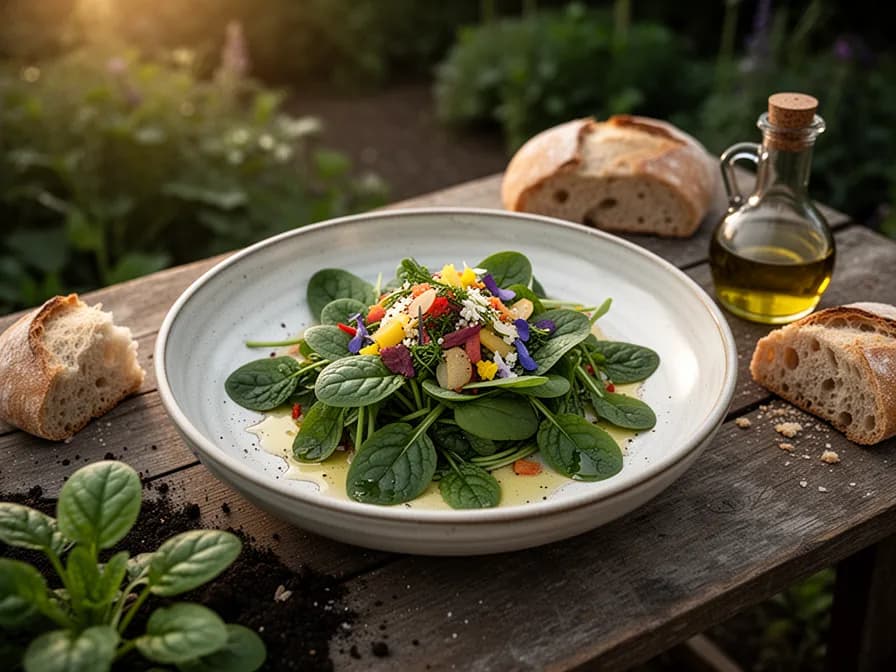
Classic French Cream of Sorrel Soup
30 minThe quintessential French potage — silky, tangy, and elegant. Fresh sorrel wilts into a velvety puree that turns a distinctive olive-green when cooked. Finished with cream and egg yolks for richness, this soup is traditionally served warm or chilled.
8 ingredientsSorrel Sauce for Grilled Fish
15 minA classic French sauce that pairs magnificently with salmon, trout, or any rich fish. The bright acidity of sorrel cuts through the richness of the fish just as lemon would, but with far more depth and complexity. Ready in minutes.
6 ingredientsSpring Sorrel and Potato Frittata
25 minA satisfying egg dish that showcases sorrel's lemony tang beautifully. Thinly sliced potatoes provide substance while the sorrel melts into the eggs, creating pockets of tangy flavor throughout. Perfect for brunch or a light supper with crusty bread.
7 ingredientsCulinary Uses
Sorrel is classic in French cuisine for cream of sorrel soup. Use fresh young leaves in salads for a lemony zing. Make sorrel sauce for fish, especially salmon. Fold into omelets and scrambled eggs. Add to risotto for brightness. Puree into green sauces and vinaigrettes. The tangy flavor cuts richness in cream-based dishes. In Eastern European cuisine, sorrel is used in borscht and spring soups.
What's inside
Health Benefits
- Exceptionally high in vitamin C (53% DV per 100g), supporting immune function, collagen production, and iron absorption — historically used by sailors and explorers to prevent and treat scurvy on long voyages.
- Outstanding source of vitamin A as beta-carotene (80% DV per 100g), crucial for maintaining healthy vision, skin integrity, and mucous membrane function.
- Contains significant iron (2.4mg per 100g) in a form enhanced by the plant's own high vitamin C content, which dramatically improves non-heme iron absorption — particularly beneficial for vegetarians.
- Rich in magnesium (103mg per 100g), supporting over 300 enzymatic reactions in the body including muscle and nerve function, blood sugar regulation, and bone health.
- Provides quercetin and other flavonoid antioxidants that have demonstrated anti-inflammatory properties in studies, potentially helping to reduce oxidative stress and chronic inflammation.
- The high fiber and low calorie content (22 calories per 100g) supports digestive regularity and healthy weight management, while the tangy flavor adds satisfaction to meals without added fat or salt.
Where Sorrel comes from
Sorrel (Rumex acetosa) is native to Europe and northern Asia, where it grows wild across meadows, grasslands, and woodland edges from the British Isles to Siberia. As one of the oldest cultivated greens in human history, sorrel was gathered and eaten long before the development of agriculture — archaeological evidence suggests it was consumed by Neolithic peoples across Europe. The ancient Egyptians, Greeks, and Romans all cultivated sorrel and valued it both as a food and a medicine. The Roman naturalist Pliny the Elder recommended sorrel for improving digestion, and it appeared frequently in the cooking of ancient Rome as a souring agent.
During the Middle Ages, sorrel became one of the most important culinary plants in Northern Europe. Before citrus fruits were widely available north of the Mediterranean, sorrel was the primary source of acidity in cooking — performing the role that lemon juice and vinegar play in modern kitchens. It was a staple in monastery gardens and appeared in nearly every medieval herb garden. The plant's ability to return each spring with minimal care made it especially valuable in an era when reliable perennial food sources were precious.
French cuisine embraced sorrel more passionately than any other culinary tradition. By the 17th century, sorrel soups, sauces, and purees were fixtures of French cooking from peasant farmhouses to royal courts. The dish potage Germiny — a refined cream of sorrel soup — became a classic of haute cuisine. In Eastern Europe, sorrel soup (known as schav in Yiddish, shchavel in Russian, and szczaw in Polish) became an essential spring dish, particularly in Jewish, Russian, Polish, and Ukrainian cooking traditions. Today, sorrel remains widely cultivated in France, Eastern Europe, and Scandinavia, and is experiencing a renaissance among chefs and home gardeners worldwide who value its unique lemony flavor and its remarkable ease of cultivation as a hardy perennial.
Sorrel: did you know?
Fascinating facts about Sorrel
Sorrel has been cultivated for at least 5,000 years and was one of the most important vegetables in medieval European cuisine before the introduction of New World crops like tomatoes and peppers. It provided the sour, acidic note in cooking long before lemons became widely available in Northern Europe.
Sorrel questions, answered
When should I plant Sorrel?
What are good companion plants for Sorrel?
What hardiness zones can Sorrel grow in?
How much sun does Sorrel need?
How far apart should I space Sorrel?
What pests and diseases affect Sorrel?
How do I store Sorrel after harvest?
What are the best Sorrel varieties to grow?
What soil does Sorrel need?
Is sorrel safe to eat in large quantities given its oxalic acid content?
Why do my sorrel leaves turn olive-green when cooked?
What is the difference between garden sorrel, French sorrel, and red-veined sorrel?
How do I prevent sorrel from taking over my garden?
Can I grow sorrel in containers?
When is the best time to harvest sorrel for the mildest flavor?
You just read the theory. Now grow it on autopilot.
Everything that makes Sorrel fiddly — the timing, the spacing, the companions, the harvest window — is exactly what PlotMyGarden handles for you, for every plant in your garden.
A plan that knows your weather
Set your location once. Get sow, feed and harvest dates built around your real last-frost date and live forecast — no more guessing from a generic seed packet.
From the “When to plant” sectionDrag-and-drop bed planner
Design beds on a grid. Every plant snaps to its proper spacing, and you can see your whole season laid out before you spend a cent on seed.
From the “Growing guide” sectionCompanion conflicts, caught early
200+ good-and-bad pairings checked live as you plant — so a season-wrecking mistake never makes it into the ground.
From the “Companions” sectionReminders you'll actually act on
“Water the beans.” “Pick today before it turns.” Timely, specific, and tied to the plants you're really growing.
From the “Harvest” sectionSuccession, scheduled
Want a harvest for six weeks, not six days? It spaces your sowings automatically and reminds you when each new block is due.
From the “When to plant” sectionA record that gets smarter
Every harvest you log teaches it your garden. Next year's plan starts from what actually worked in your soil, not a textbook's.
From the “Overview” sectionPlant these alongside Sorrel
More Leafy Greens
Garden plans featuring Sorrel
Grow your best Sorrel yet — and everything around it.
Start a free plan today. Lay out your beds, drop in your Sorrel, and let PlotMyGarden handle the timing, spacing, companions and reminders from seed to harvest basket.