Snow Peas
A flat-podded pea variety eaten whole, pod and all, before the peas inside develop fully.





On this pageOverview
Meet Snow Peas
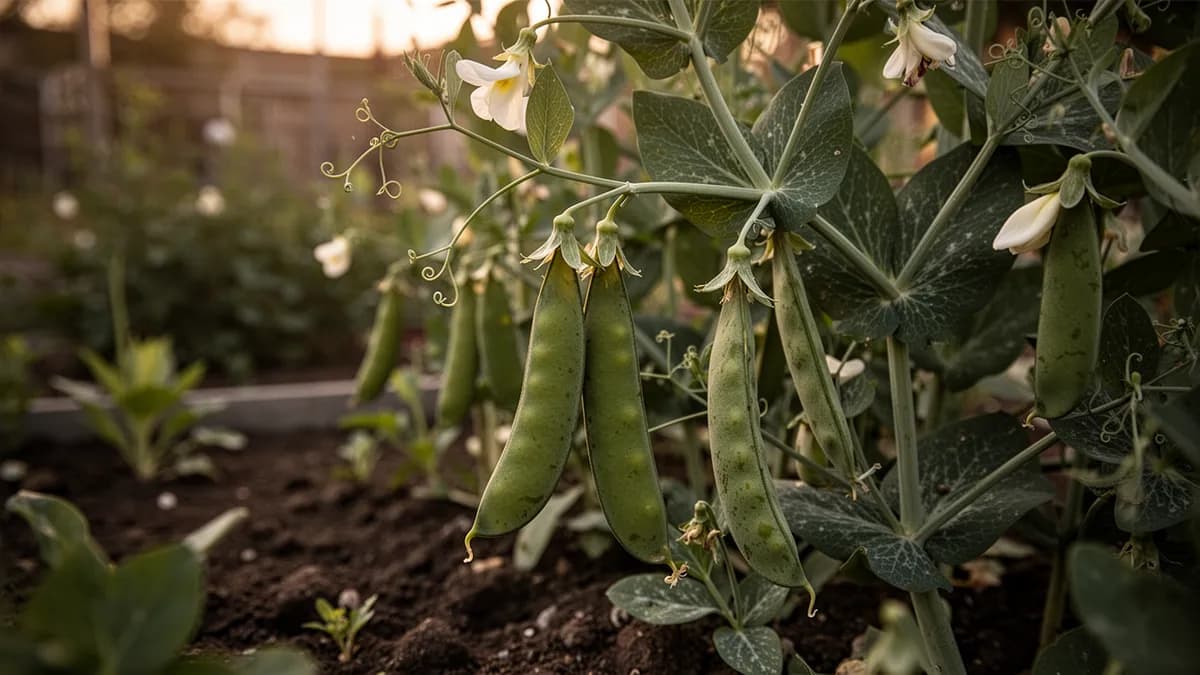
A flat-podded pea variety eaten whole, pod and all, before the peas inside develop fully. Snow peas are a staple in Asian stir-fries and have a delicate, sweet crunch when harvested young and tender. Like other peas, they prefer cool weather and should be sown as early as soil can be worked in spring. Provide a trellis for climbing varieties and pick pods frequently when they are flat and translucent to encourage continued production.
When to plant Snow Peas
Direct sowing is preferred as peas resent root disturbance during transplanting. Sow seeds 1 inch deep and 2-3 inches apart as early as 4-6 weeks before the last frost when soil temperature is at least 40°F. Germination is slow in cold soil, taking 7-14 days at 40-50°F but just 5-7 days at 60-70°F. Pre-soaking seeds overnight speeds germination slightly. Inoculate with pea-specific Rhizobium before planting. For fall crops, sow in late summer when soil is still warm for quick germination.
Your Snow Peas Year
Composed for Zone 7 · typical seasons · frost passes Apr 2, returns Nov 1
Plant Snow Peas Feb – Apr, pick May – Jul. Check the planting methods below and set your climate to personalize these windows.
How to grow Snow Peas
Snow peas are cool-season crops that thrive in temperatures of 55-65°F and can tolerate light frosts down to 28°F. Direct sow seeds 1 inch deep and 2-3 inches apart in early spring as soon as the ground can be worked, typically 4-6 weeks before the last frost date. For fall harvests, sow 8-10 weeks before the first expected frost.
Most snow pea varieties are climbing types that benefit from a trellis, netting, or pea fence 4-6 feet tall. Even dwarf varieties produce better with some support. Install supports at planting time to avoid disturbing roots later. Water consistently, providing about 1 inch per week, as irregular moisture leads to tough, fibrous pods. Mulch to keep roots cool as temperatures rise.
Snow peas perform poorly in hot weather, with production declining sharply when temperatures exceed 80°F. In warm climates, grow as a fall, winter, or early spring crop. Succession plantings every 2 weeks extend the harvest period. As nitrogen-fixing legumes, snow peas improve soil for subsequent plantings. Inoculate seeds with pea-specific Rhizobium inoculant if growing in soil that has not previously supported peas or other legumes.
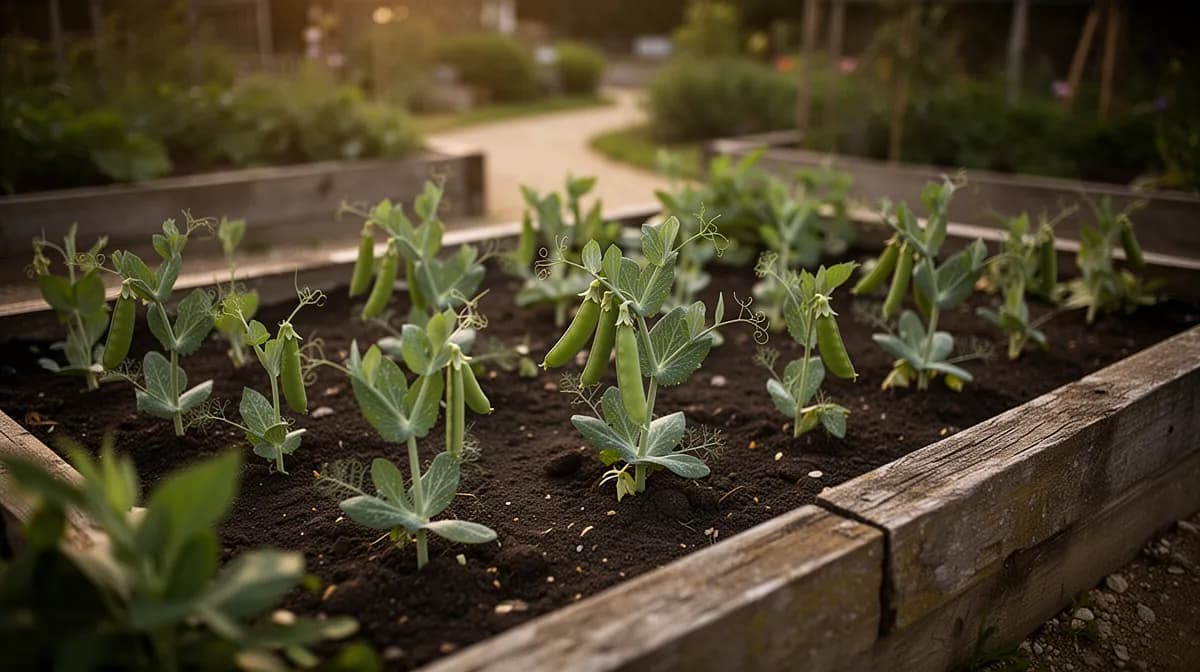
450 plants fit a 4 × 8 ft bed
Each Snow Peas wants 8 cm of elbow room. The planner keeps that spacing for you — every plant, every bed.
Snow Peas's best neighbours
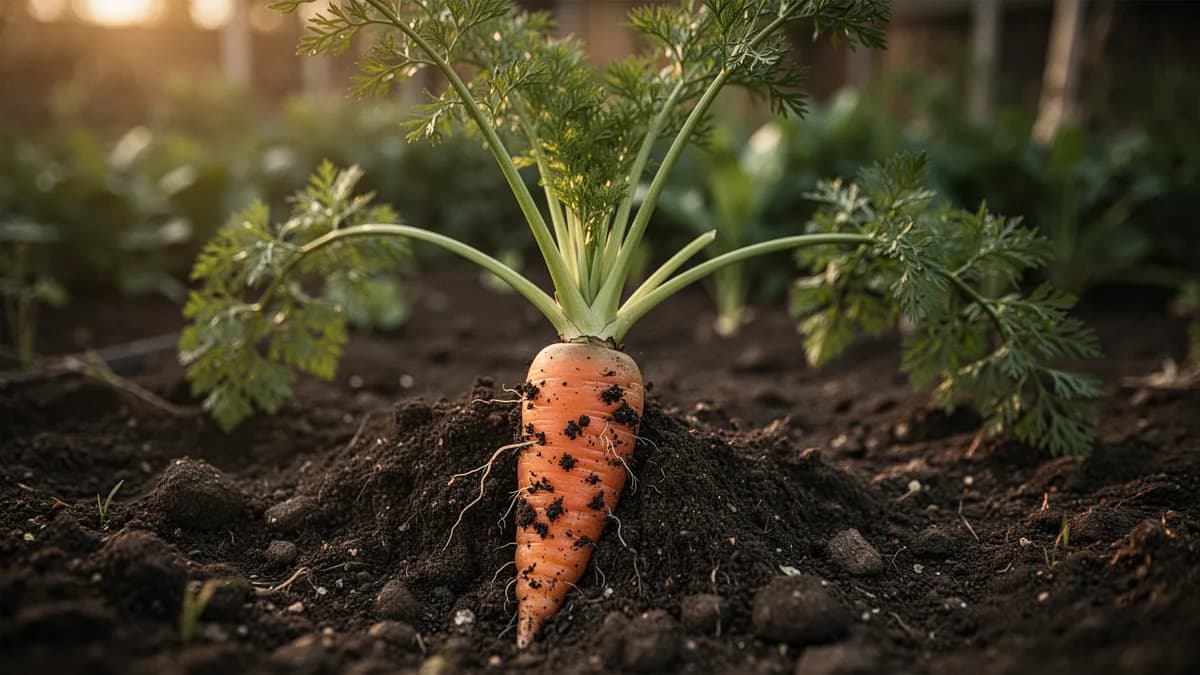
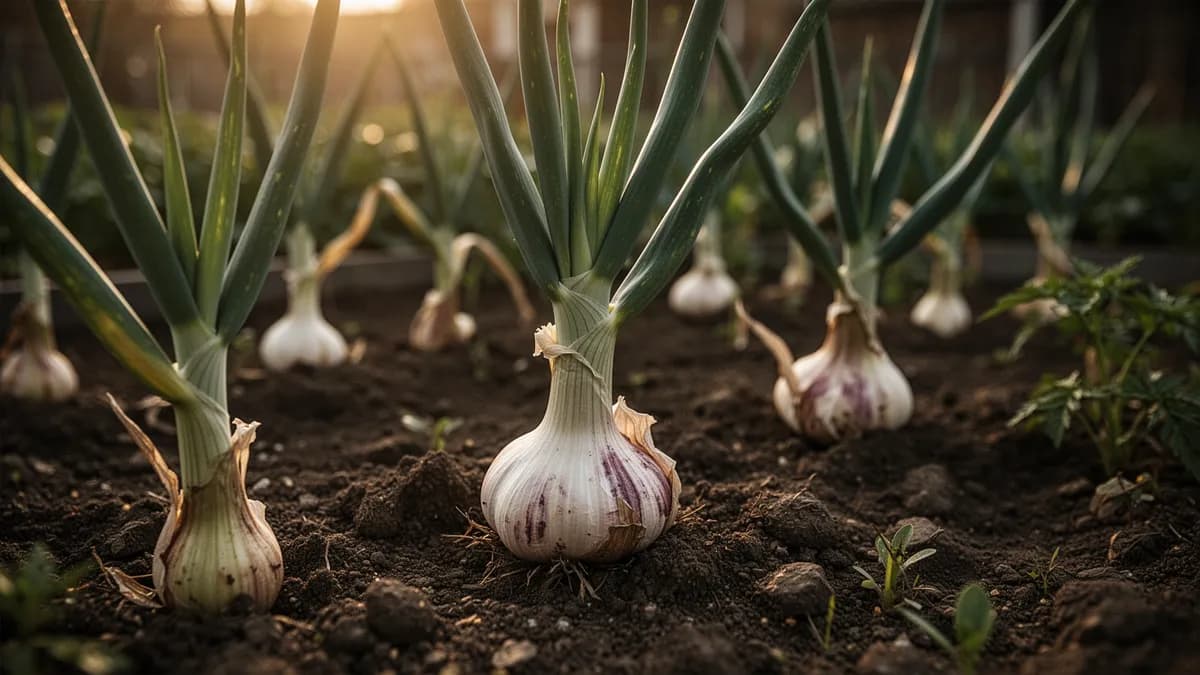
Snow peas grow well alongside carrots, radishes, turnips, and spinach which share cool-season preferences. The nitrogen they fix benefits neighboring and subsequent crops. Plant near corn which benefits from the nitrogen but avoid shading the peas. Mint and other aromatic herbs planted nearby help deter pea moths. Avoid planting near alliums like onions and garlic which inhibit pea growth. Lettuce and other salad greens appreciate the light shade from pea vines on trellises.
Carrot belongs beside it. Onion doesn't.
Old growers' knowledge, checked against Snow Peas's real companion table below — test any plant you're growing.
Try Snow Peas in a bed — right here
A real planner bed with Snow Peas already in it. Tap a companion to place it and watch the pairing checks answer — green for good neighbours, red for a clash.


Related growing guides
Feed it well
Snow peas prefer well-drained, fertile soil with a pH of 6.0-7.5. Work in compost before planting but avoid high-nitrogen fertilizers which promote foliage at the expense of pods. As nitrogen-fixing legumes, peas benefit from phosphorus and potassium rather than nitrogen. Apply bone meal or a 5-10-10 fertilizer at planting. Inoculate seeds with pea/vetch Rhizobium for optimal nitrogen fixation, especially in soils that have not previously grown legumes. Avoid heavy clay soils that remain cold and wet in spring.
Ideal Temperature
Hardiness Zone Compatibility
From seed to harvest, stage by stage
Germination
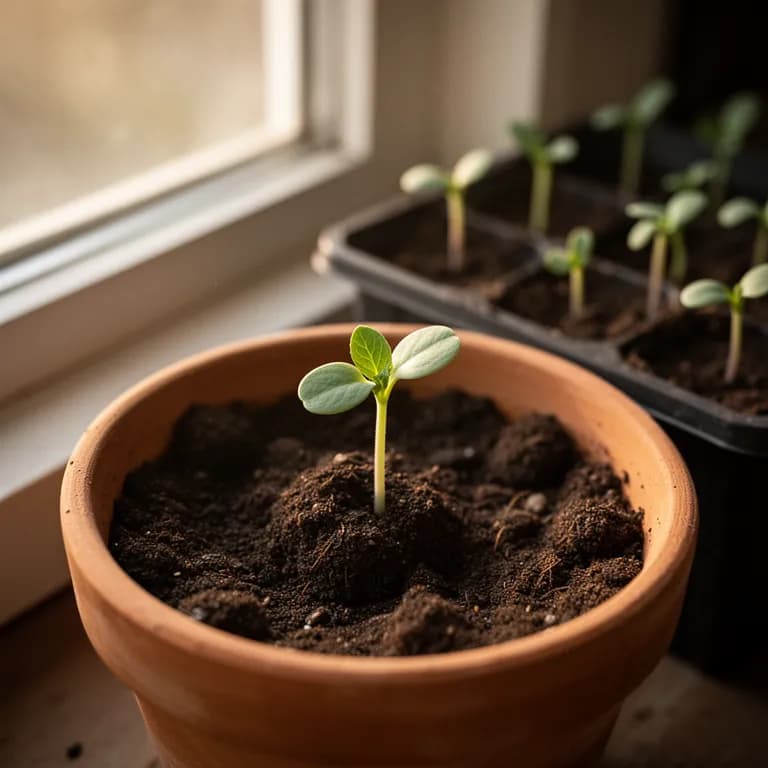
Seeds swell and split as the radicle root pushes downward into cool spring soil. The arched hypocotyl emerges, pulling two fleshy rounded cotyledons above the surface. Snow peas germinate reliably at soil temperatures as low as 4°C (40°F), though warmer soil speeds the process significantly.
Tendril & Vine Development
True leaves unfold in pairs along the stem, each ending in delicate curling tendrils that actively seek support. The plant transitions from upright seedling to climbing vine, growing 5-8 cm per day in ideal conditions. Nitrogen-fixing root nodules begin forming with Rhizobium bacteria.
Flowering
Beautiful white or bicolored white-and-purple flowers appear at leaf nodes along the vine. Snow pea flowers are self-pollinating but benefit from pollinator visits. Each flower will develop into a single flat pod. Flowering proceeds from the bottom of the vine upward over several weeks.
Pod Development
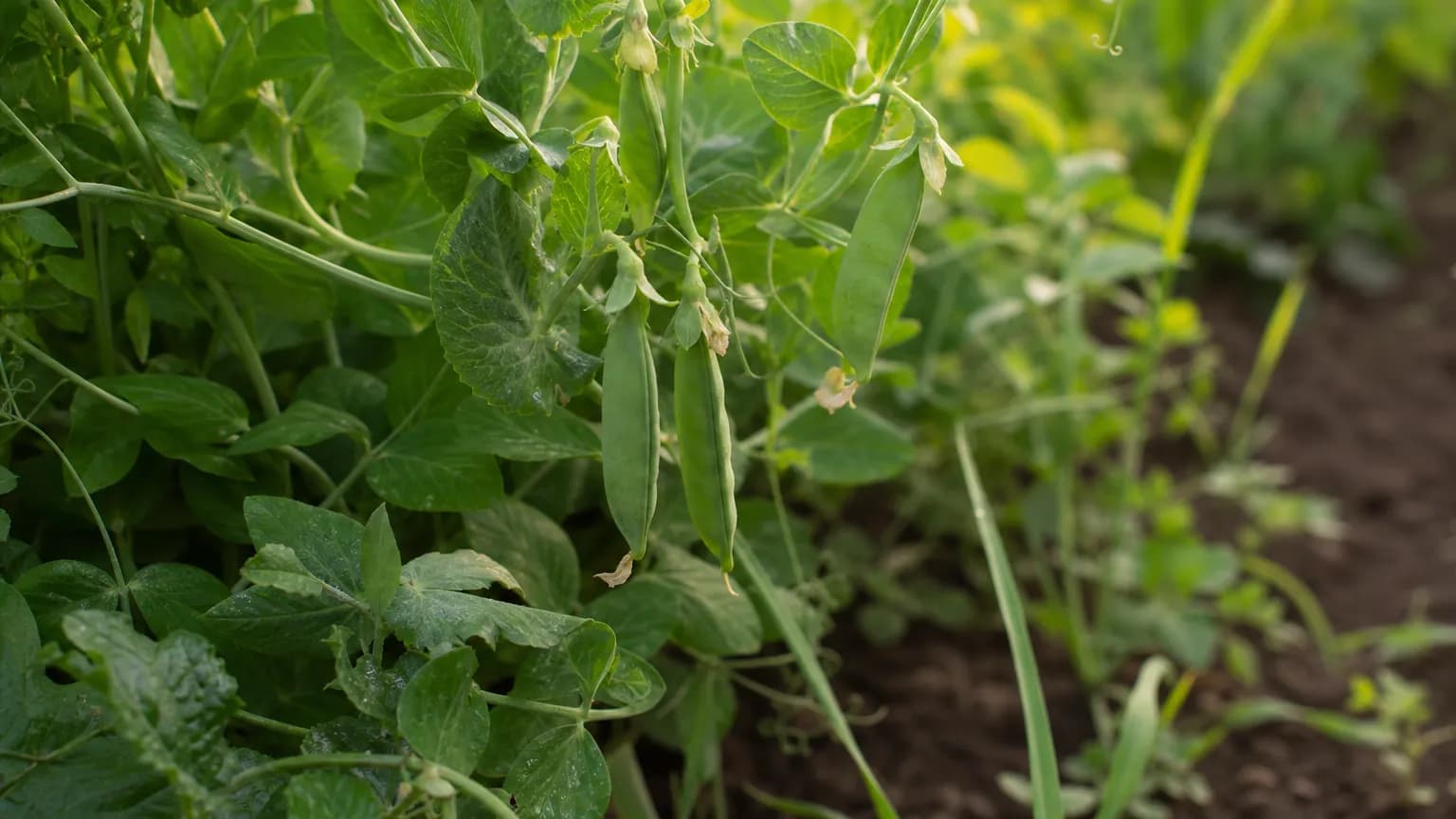
Flat, translucent pods elongate rapidly after pollination, reaching full size within 5-7 days. Pods should remain flat with only the faintest outline of tiny immature peas visible inside. The edible pod wall is sweet and crisp at this stage, with no fibrous parchment layer developing.
Harvest & Succession
Peak harvest lasts 2-4 weeks as pods mature sequentially up the vine. Regular picking stimulates continued flowering and pod set. Production slows as temperatures rise above 27°C (80°F), and vines eventually yellow and senesce in warm weather.
Keep soil evenly moist but not waterlogged during germination. Pre-soaking seeds overnight can shave 2-3 days off germination time. Protect from birds and mice with row cover or netting until seedlings are established.
Caring for Snow Peas month by month
What to do each month for your Snow Peas
October
You are hereHarvest fall crop snow peas. Production continues until hard frost kills the vines. Cover plants with frost blankets to extend harvests by several weeks. Pick all remaining pods before a killing freeze, even slightly immature ones.
Know exactly what to do in your garden — every month
One email at the start of each month: what to sow, plant, and tackle right now — for your Snow Peas and everything growing around it. Plus a short starter course that helps you dodge the classic mistakes.
- What to do, right now
- Matched to your season
- Starter course included
Harvesting Snow Peas
Harvest snow peas when pods are full-sized but still flat, before peas inside begin to swell. The pods should be bright green, crisp, and translucent enough that you can barely see the outline of tiny developing peas. Pick every 1-2 days during peak production to encourage continued flowering. Snap or cut pods from the vine carefully to avoid damaging the plant. Morning harvest produces the crispest pods. Overripe snow peas with visible bulging peas can still be shelled and used as regular peas.
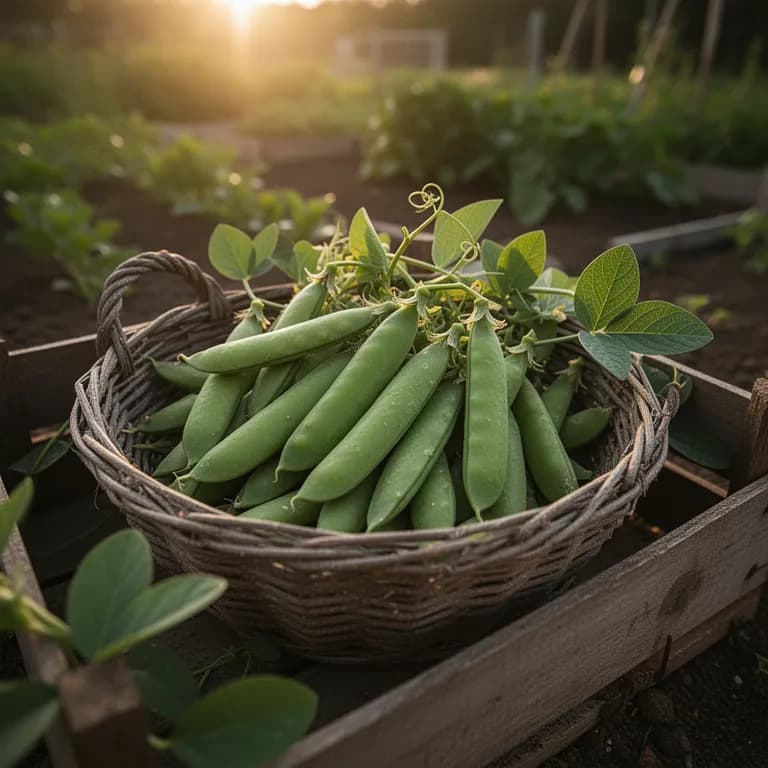
assuming you plant when the window opens — set your real date
Pick Snow Peas promptly and the plant keeps producing.
Storage & Preservation
Fresh snow peas keep in the refrigerator for 5-7 days in a perforated plastic bag. For best quality, use within 2-3 days of harvest. To freeze, remove strings if present, blanch whole pods for 1-2 minutes, cool in ice water, and freeze flat on trays before bagging. Frozen snow peas keep for up to 12 months but are best used in cooked dishes rather than raw applications after freezing. Snow peas can also be pickled lightly for a crisp, tangy snack.
What goes wrong — and the fix
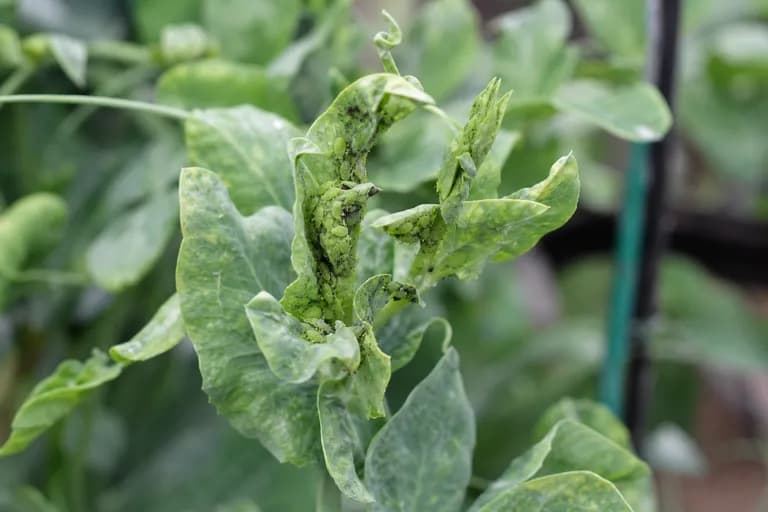
Pea Aphid
PestLarge green aphids clustering on shoot tips and flower buds, causing distorted growth, sticky honeydew, and reduced pod set.
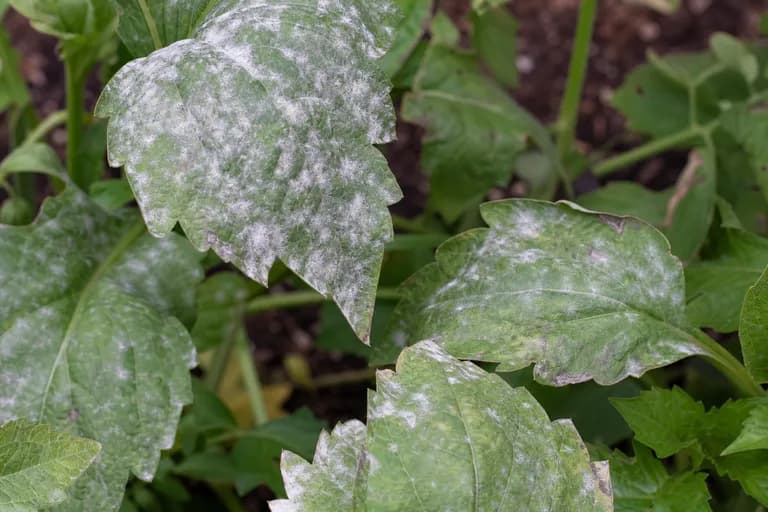
Powdery Mildew
DiseaseWhite powdery coating starting on lower leaves and spreading upward, eventually causing leaf yellowing and death.
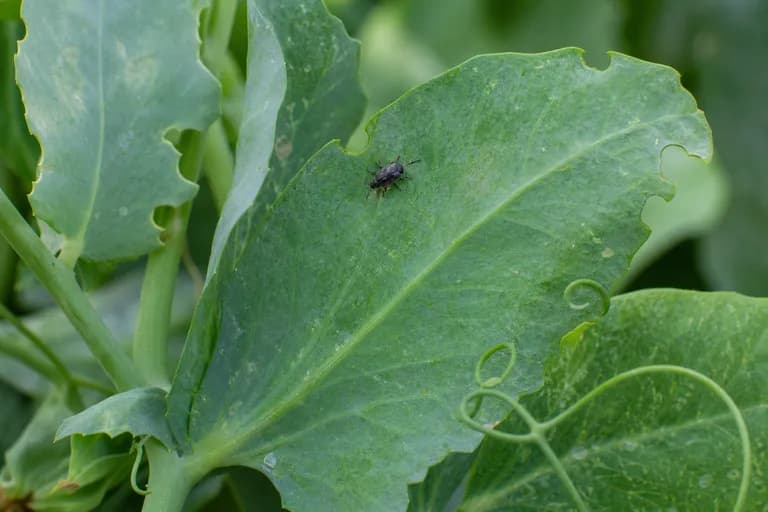
Pea Leaf Weevil
PestDistinctive U-shaped notches chewed along leaf margins by adults, root nodule damage by larvae reducing nitrogen fixation.
Troubleshooting Common Problems
Heat stress is the primary issue, causing flowers to drop and production to cease when temperatures exceed 80°F. Plant early and use shade cloth if warm weather arrives unexpectedly. Powdery mildew is nearly universal in warm, dry conditions; choose resistant varieties. Root rot occurs in waterlogged soils; ensure good drainage and avoid overwatering. Birds may eat newly planted seeds; cover beds with netting until seedlings emerge. Peas planted too deeply in cold soil often rot before germinating.
Growing Tips
- Sow snow peas as early as 4-6 weeks before your last frost date — they are one of the first crops you can plant in spring. Seeds germinate in soil as cool as 4°C (40°F), and established seedlings tolerate frosts down to -3°C (27°F).
- Install trellis or netting supports at planting time, not after vines are growing. Even dwarf varieties produce more pods and are easier to harvest with some support. String netting between two posts is the simplest effective system.
- Inoculate seeds with pea-specific Rhizobium bacteria before planting, especially if the bed has not grown peas or beans in the last 3 years. This ensures optimal nitrogen fixation, boosting plant health and enriching the soil for subsequent crops.
- Water consistently at about 1 inch per week, but never let the soil become waterlogged. Snow peas are susceptible to root rot in soggy conditions. Mulch with straw or shredded leaves to maintain even soil moisture and keep roots cool.
- Harvest pods when they are flat, bright green, and you can just barely see the outline of tiny peas inside. Overripe pods with bulging peas are tough and starchy. Check plants daily during peak production — the window between perfect and overripe is only 2-3 days.
- Use two hands when picking: hold the vine with one hand and snap the pod with the other. Snow pea stems are brittle and easily broken, which can sever the vine above the break and end production on that branch.
- Succession plant every 2 weeks for an extended harvest. Since each planting produces for only 3-4 weeks, staggering sowings ensures a continuous supply. Plan a fall crop too — sow 8-10 weeks before first frost for a second season of pods.
- After the last harvest, cut vines at soil level rather than pulling them up. The root nodules contain fixed nitrogen that benefits the next crop planted in that space. Follow snow peas with nitrogen-hungry crops like tomatoes, squash, or corn.
Grow your best Snow Peas yet — and everything around it.
Start a free plan today. Lay out your beds, drop in your Snow Peas, and let PlotMyGarden handle the timing, spacing, companions and reminders from seed to harvest basket.
Pick your Snow Peas
Oregon Sugar Pod II
The standard for snow peas with thick, sweet, stringless pods on 4-foot vines. Excellent powdery mildew resistance and heavy yields.
Mammoth Melting Sugar
Heirloom variety with extra-large pods up to 5 inches on tall 4-5 foot vines. Sweet, tender, and very productive.
Dwarf Grey Sugar
Compact 2-3 foot plants with beautiful purple flowers and sweet, tender pods. Good for containers and small spaces.
Oregon Giant
Large, flat pods on vigorous vines with excellent cold tolerance. Good for northern gardens and early spring planting.
Fresh snow peas are one of the most expensive vegetables at the grocery store, typically $6-10 per pound for organic. A single $2-3 seed packet plants a 3-meter row yielding 4-6 kg of pods worth $50-130 at retail prices. Snow peas are also one of the fastest crops from seed to harvest (55 days), delivering exceptional value per square foot of garden space. Growing your own means harvesting at peak sweetness — store-bought snow peas are often 5-7 days old and noticeably less crisp.
Quick recipes
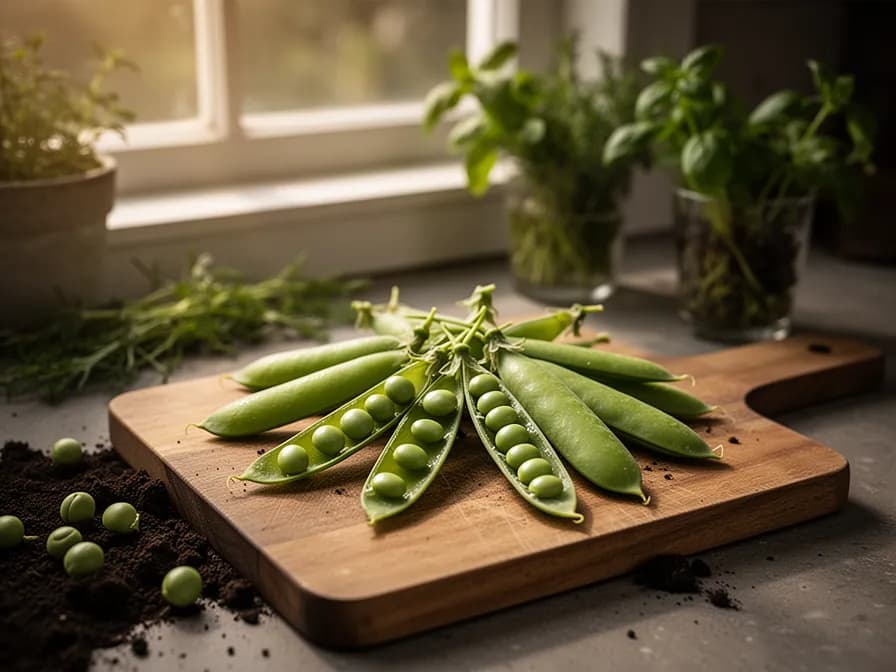
Garlic Ginger Snow Pea Stir-Fry
10 minThe quintessential snow pea dish — blistering-hot wok cooking preserves their signature crunch while infusing them with aromatic garlic and fresh ginger. Ready in minutes and a perfect side for any Asian-inspired meal.
8 ingredients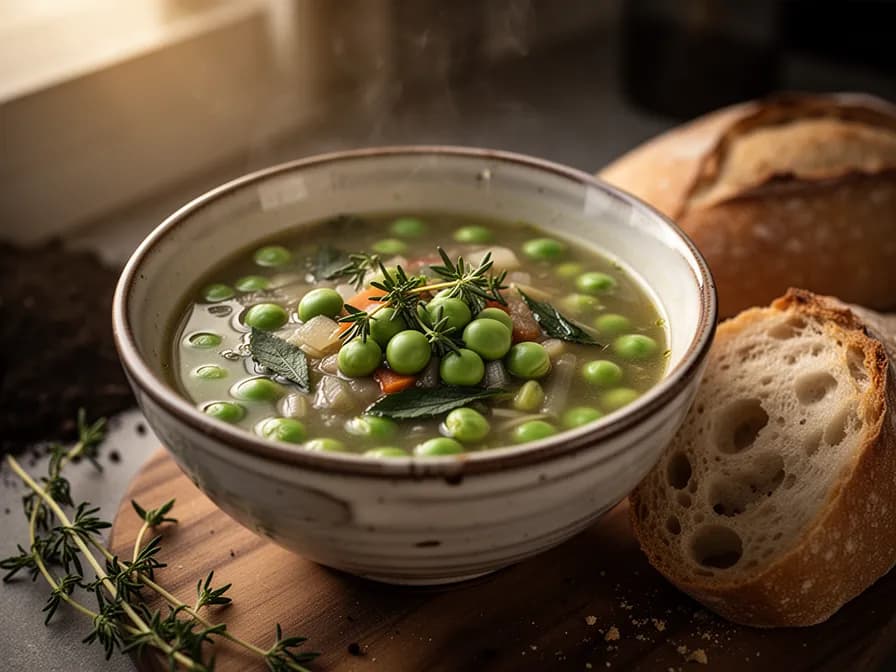
Snow Pea & Radish Spring Salad
10 minA bright, crunchy salad celebrating spring's first harvests. Raw snow peas sliced on the diagonal pair beautifully with peppery radishes and a light citrus dressing — no cooking required.
8 ingredientsSesame Snow Peas with Shiitake Mushrooms
15 minAn umami-rich side dish pairing crisp snow peas with meaty shiitake mushrooms. The mushrooms add depth while the snow peas bring freshness and crunch — a balance of textures and flavors.
8 ingredientsCulinary Uses
Snow peas are prized for their crisp, sweet, entirely edible pods. They are a staple in Chinese and Thai stir-fries, often paired with garlic, ginger, and soy sauce. Serve raw with dips or in salads for maximum crunch. Add to pasta dishes, rice bowls, and spring vegetable medleys in the last minute of cooking. Snow peas are essential in moo goo gai pan and many other Cantonese dishes. Lightly sauteed with sesame oil and toasted sesame seeds makes an elegant side dish.
What's inside
Health Benefits
- Outstanding Vitamin C content — 100g of raw snow peas delivers 67% of the daily value, supporting collagen synthesis, immune defense, and iron absorption from plant foods.
- Rich in Vitamin K, essential for proper blood clotting and bone metabolism. Regular consumption supports long-term bone density maintenance.
- Provides meaningful plant-based iron alongside the Vitamin C needed to maximize its absorption — a nutritional synergy rarely found in a single vegetable.
- High fiber content supports digestive health, feeds beneficial gut bacteria, and contributes to feeling full longer, aiding healthy weight management.
- Contains folate (Vitamin B9), critical for DNA synthesis and cell division, making snow peas particularly beneficial during pregnancy and for cardiovascular health.
- The carotenoids lutein and zeaxanthin concentrated in snow peas accumulate in the retina and may help protect against age-related macular degeneration and cataracts.
Where Snow Peas comes from
Snow peas trace their ancestry to the wild pea Pisum sativum subsp. elatius, native to the Mediterranean basin and the Near East. Peas are among the oldest domesticated crops, with archaeological evidence dating cultivation to roughly 10,000 years ago in the Fertile Crescent. Early cultivated peas were dried for storage and eaten as a staple protein source long before fresh green peas became fashionable.
The flat-podded, edible-pod mutation that defines snow peas likely arose multiple times in different regions. While shelling peas became dominant in European agriculture, flat-podded varieties found their greatest cultural home in East and Southeast Asia, where they have been a culinary staple for centuries. Chinese, Thai, and Vietnamese cuisines elevated the snow pea to an essential stir-fry ingredient, prized for its sweet crunch and ability to absorb flavors while retaining texture.
The variety name 'saccharatum' (from Latin for sugar) reflects the sweetness of the edible pod. By the 17th century, snow peas were cultivated in European kitchen gardens as a spring delicacy, and Thomas Jefferson grew several pea varieties at Monticello, including flat-podded types. Today, China is the world's largest producer and consumer of snow peas, while Guatemala is the primary export grower supplying North American and European markets year-round.
Snow Peas: did you know?
Fascinating facts about Snow Peas
Snow peas are one of the oldest cultivated vegetables — archaeological evidence from the Spirit Cave in Thailand dates pea cultivation to roughly 9,750 BCE, making them among humanity's earliest crops.
Snow Peas questions, answered
When should I plant Snow Peas?
What are good companion plants for Snow Peas?
What hardiness zones can Snow Peas grow in?
How much sun does Snow Peas need?
How far apart should I space Snow Peas?
What pests and diseases affect Snow Peas?
How do I store Snow Peas after harvest?
What are the best Snow Peas varieties to grow?
What soil does Snow Peas need?
What is the difference between snow peas and sugar snap peas?
Why are my snow pea pods tough and stringy?
Can I grow snow peas in containers?
Do snow peas need a trellis or support?
Can I grow snow peas in hot climates?
How do I prevent powdery mildew on snow peas?
You just read the theory. Now grow it on autopilot.
Everything that makes Snow Peas fiddly — the timing, the spacing, the companions, the harvest window — is exactly what PlotMyGarden handles for you, for every plant in your garden.
A plan that knows your weather
Set your location once. Get sow, feed and harvest dates built around your real last-frost date and live forecast — no more guessing from a generic seed packet.
From the “When to plant” sectionDrag-and-drop bed planner
Design beds on a grid. Every plant snaps to its proper spacing, and you can see your whole season laid out before you spend a cent on seed.
From the “Growing guide” sectionCompanion conflicts, caught early
200+ good-and-bad pairings checked live as you plant — so a season-wrecking mistake never makes it into the ground.
From the “Companions” sectionReminders you'll actually act on
“Water the beans.” “Pick today before it turns.” Timely, specific, and tied to the plants you're really growing.
From the “Harvest” sectionSuccession, scheduled
Want a harvest for six weeks, not six days? It spaces your sowings automatically and reminds you when each new block is due.
From the “When to plant” sectionA record that gets smarter
Every harvest you log teaches it your garden. Next year's plan starts from what actually worked in your soil, not a textbook's.
From the “Overview” sectionPlant these alongside Snow Peas
More Legumes
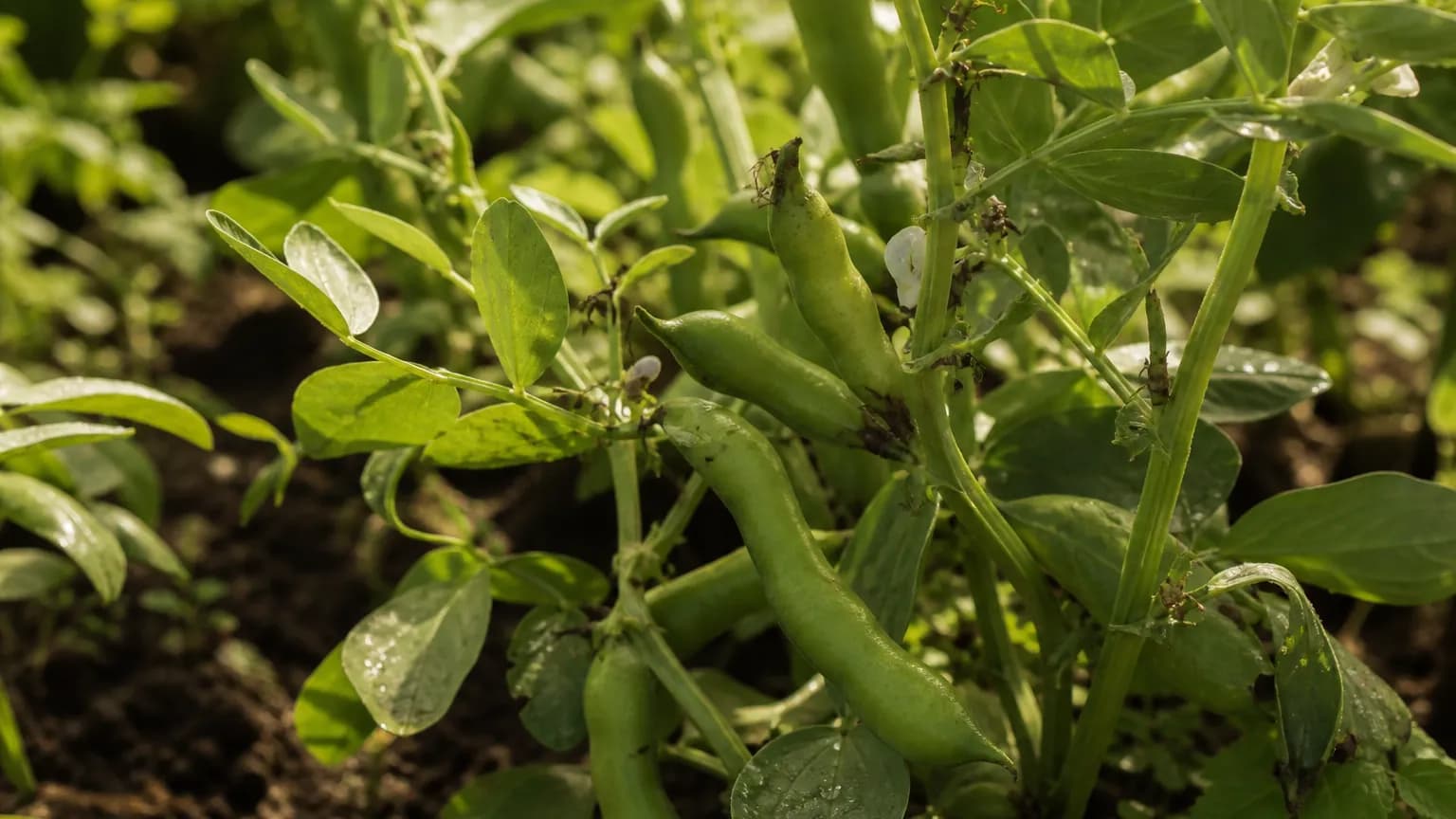
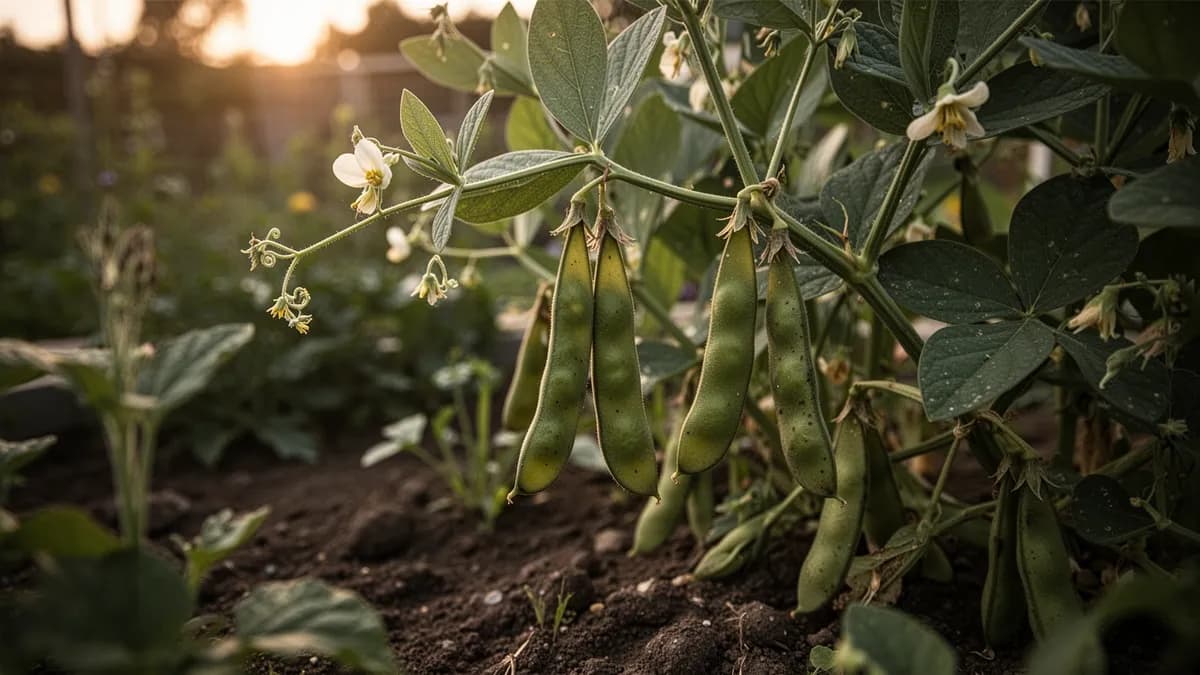
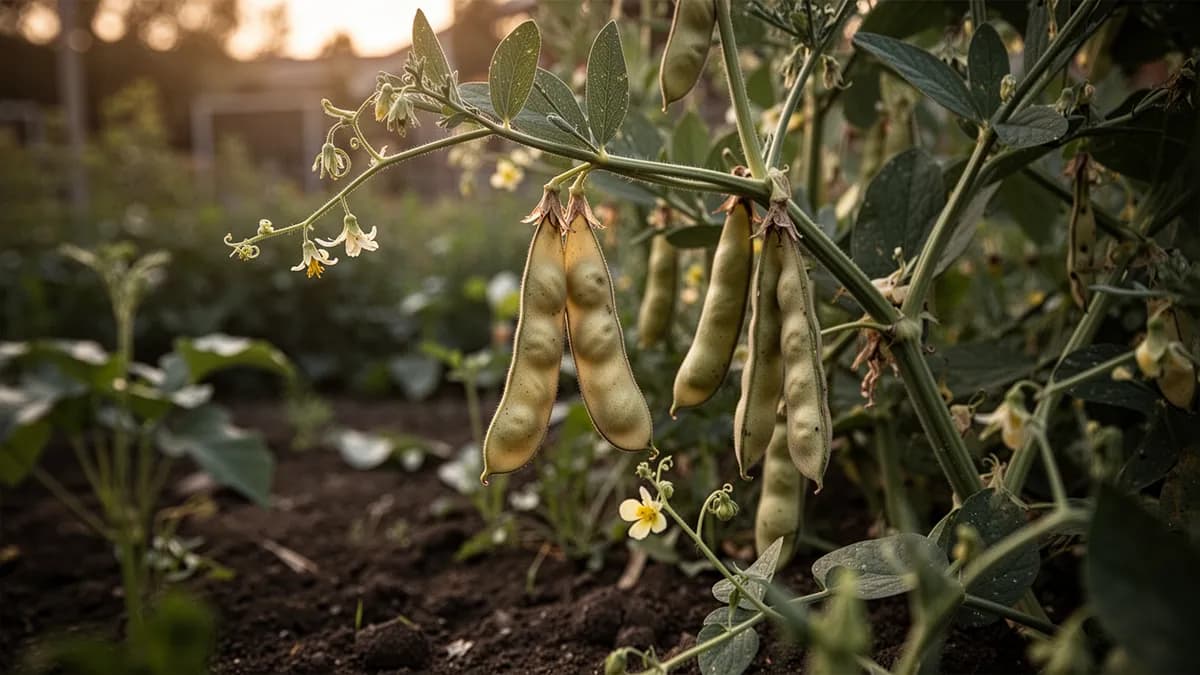
Keep Snow Peas away from these
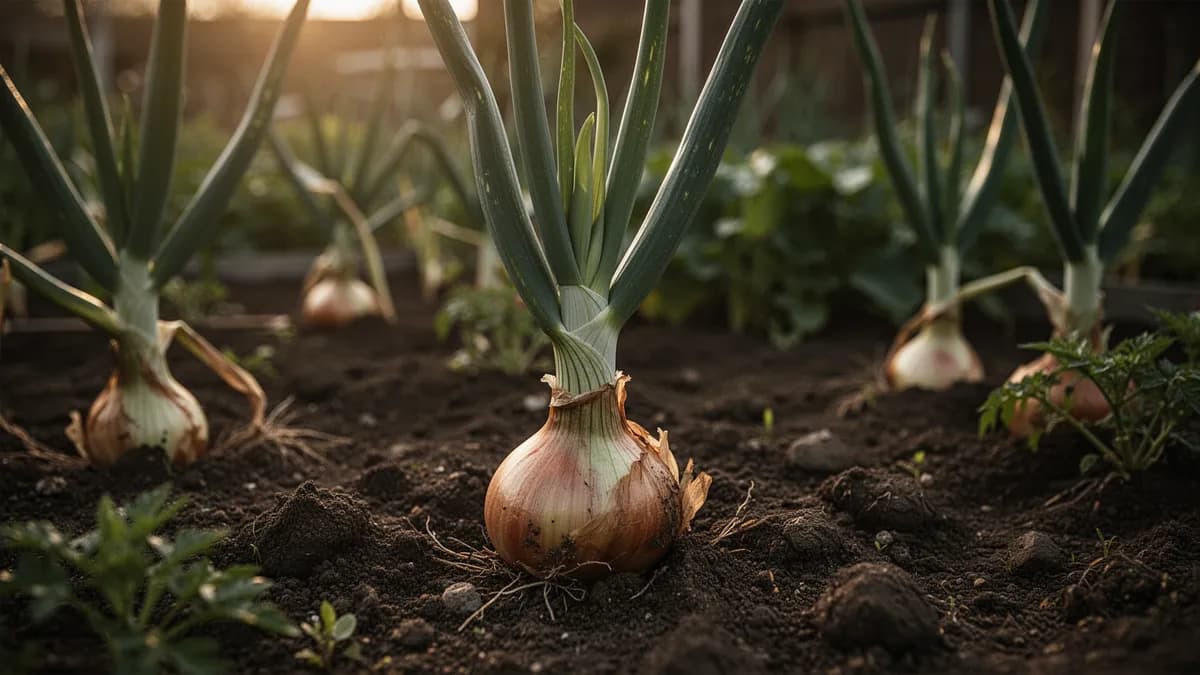
Garden plans featuring Snow Peas
Grow your best Snow Peas yet — and everything around it.
Start a free plan today. Lay out your beds, drop in your Snow Peas, and let PlotMyGarden handle the timing, spacing, companions and reminders from seed to harvest basket.