Chalota Francesa
La chalota francesa es una variedad de Allium cepa var. aggregatum originaria de Francia, muy apreciada en la alta cocina por su sabor dulce, suave y complejo que combina notas de cebolla y ajo sin resultar agresivo.





En esta páginaResumen
Conoce Chalota Francesa
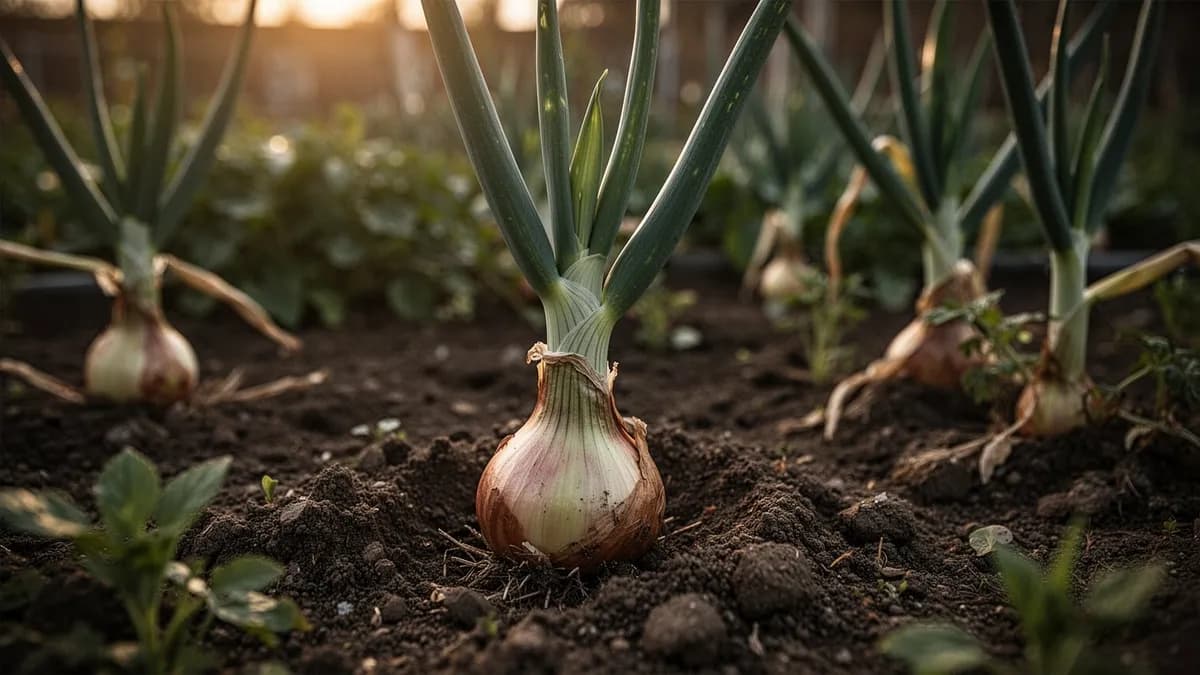
La chalota francesa es una variedad de Allium cepa var. aggregatum originaria de Francia, muy apreciada en la alta cocina por su sabor dulce, suave y complejo que combina notas de cebolla y ajo sin resultar agresivo. Los bulbos alargados de piel cobriza o grisácea se multiplican vegetativamente formando grupos de 3-8 bulbos, y constituyen un ingrediente fundamental de la gastronomía francesa.
Cuándo plantar Chalota Francesa
Las chalotas francesas se propagan tradicionalmente de forma vegetativa plantando bulbos enteros o divididos. Plante los bulbos desde finales de febrero hasta abril, colocándolos con la punta hacia arriba y enterrándolos hasta que solo asome el ápice. En climas fríos, puede plantarlos en otoño para una cosecha más temprana al año siguiente, protegiéndolos con acolchado durante el invierno.
Tu año de Chalota Francesa
Ajustado a Zona 7 · temporada típica · la helada se va hacia el 2 abr y vuelve hacia el 1 nov
Planta Chalota Francesa Feb – Abr y cosecha Jul – Ago. Consulta los métodos de plantación y elige tu clima para adaptar los periodos.
Cómo cultivar Chalota Francesa
Plante los bulbos de chalota francesa a finales de invierno o principios de primavera, tan pronto como el suelo pueda trabajarse, en un lugar a pleno sol con suelo suelto, fértil y bien drenado. El pH ideal está entre 6,0 y 7,0. Prepare el terreno con compost bien descompuesto incorporado a una profundidad de 15-20 cm.
Coloque los bulbos con la punta hacia arriba, enterrándolos hasta que solo asome el extremo superior, con una separación de 15-20 cm entre bulbos y 30 cm entre hileras. Cada bulbo producirá un grupo de 3-8 bulbos nuevos durante la temporada. No los empuje con fuerza en el suelo, ya que esto puede dañar la base.
Riegue moderadamente y de forma regular durante la fase de crecimiento activo, pero reduzca el riego gradualmente a medida que las hojas comiencen a amarillear en verano. Mantenga el área libre de malas hierbas con escardas superficiales o acolchado ligero. Evite el exceso de nitrógeno, que favorece el follaje en detrimento del desarrollo del bulbo.
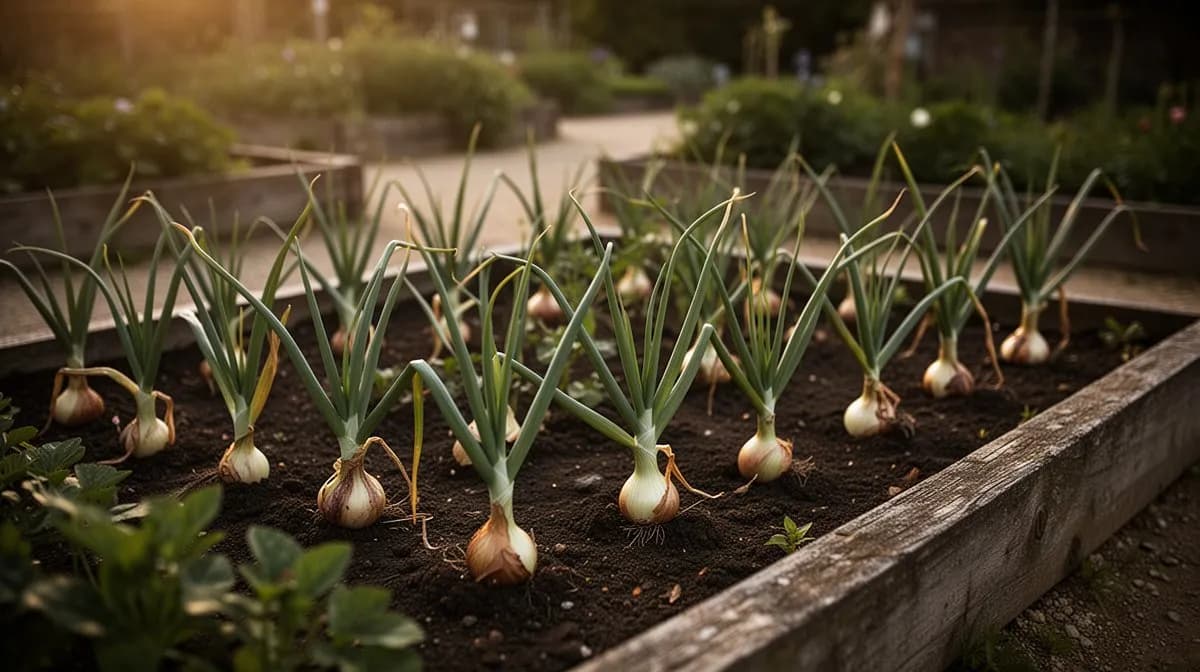
128 plantas caben en un bancal de 120 × 240 cm
Cada Chalota Francesa pide 15 cm de margen. El planificador guarda ese marco por ti — cada planta, cada bancal.
Los mejores vecinos de Chalota Francesa
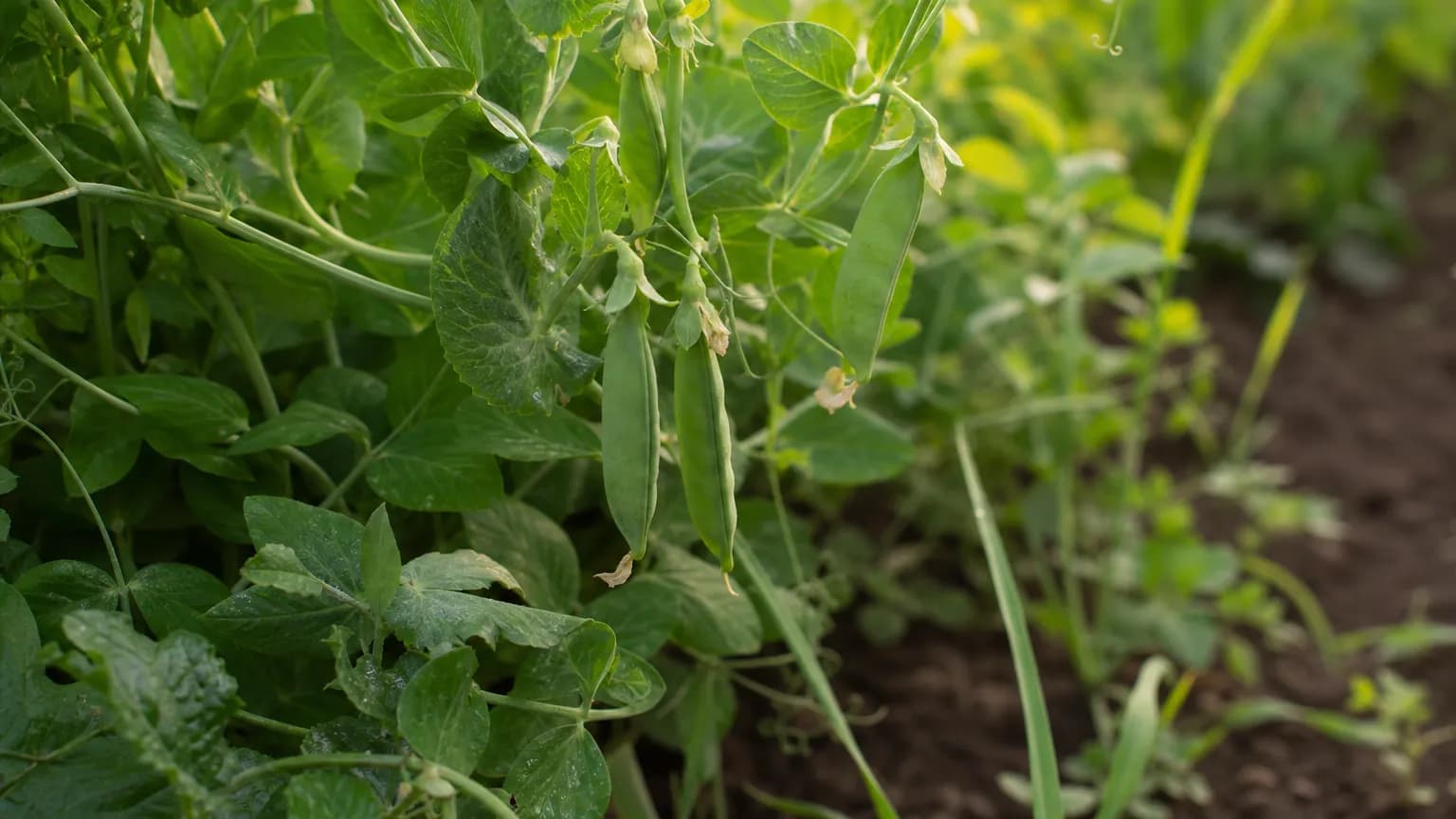
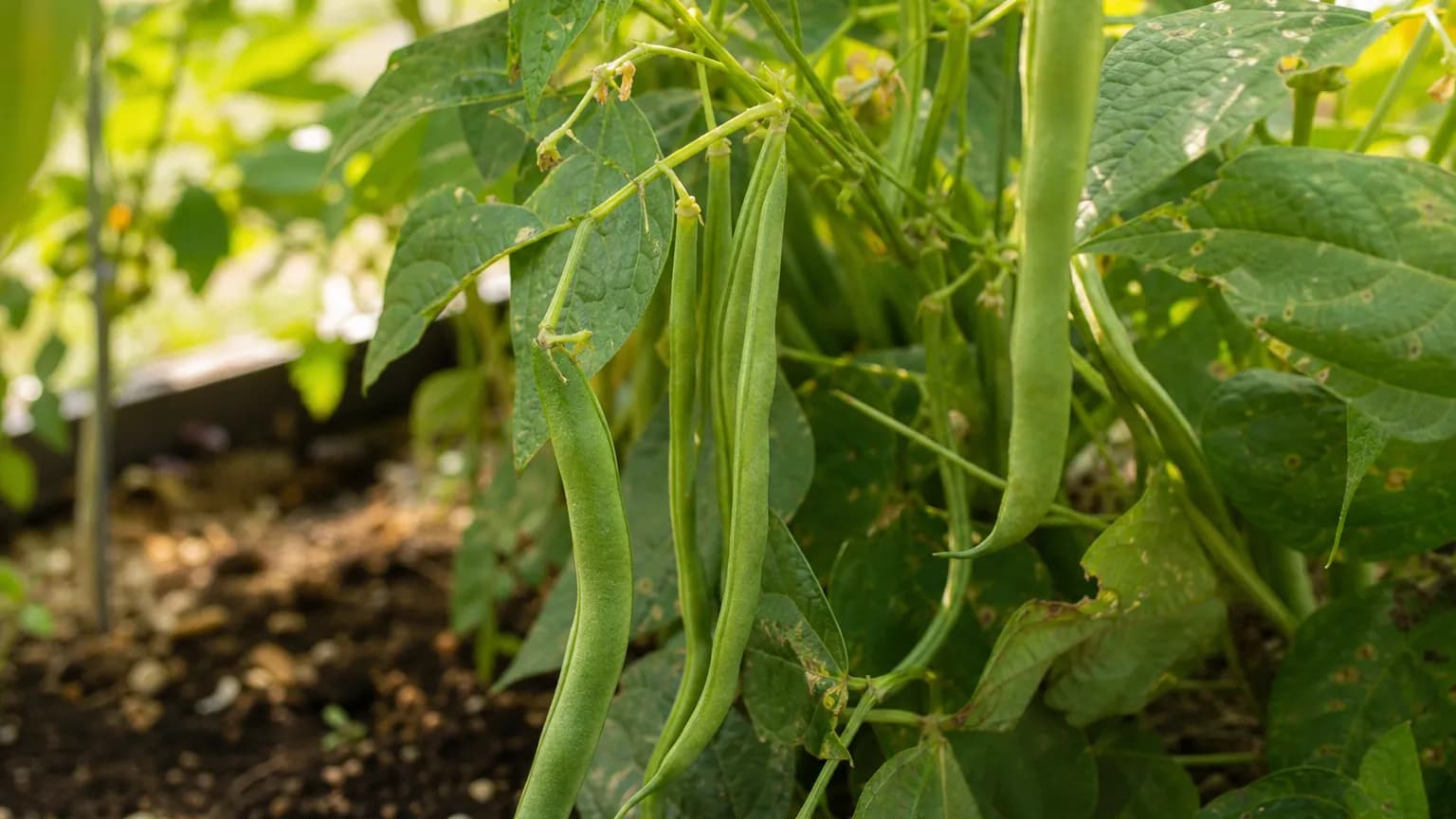
Las chalotas son excelentes compañeras de zanahorias, ya que su aroma ayuda a repeler la mosca de la zanahoria, mientras las zanahorias disuaden a la mosca de la cebolla. También crecen bien junto a fresas, lechugas y remolacha. Evite plantarlas cerca de leguminosas (guisantes, judías), ya que los aliáceos pueden inhibir su crecimiento.
Zanahoria va a su lado. Guisantes no.
Saber de huerto de siempre, cotejado con la tabla real de Chalota Francesa — prueba cualquier planta que cultives.
Prueba Chalota Francesa en un bancal, aquí mismo
Un bancal real del planificador con Chalota Francesa ya plantado. Toca una planta compañera para colocarla y mira cómo responde la comprobación de vecinos: verde para buenos vecinos, rojo si hay conflicto.


Guías de cultivo relacionadas
Abónalo bien
Las chalotas francesas prosperan en suelo suelto, fértil y bien drenado con pH entre 6,0 y 7,0. Incorpore compost bien descompuesto antes de la plantación, pero evite el estiércol fresco que puede causar pudrición de los bulbos. Aplique un fertilizante equilibrado bajo en nitrógeno; el exceso de nitrógeno produce follaje abundante pero bulbos pequeños y de mala conservación.
Temperatura ideal
Compatibilidad de zonas de rusticidad
De la semilla a la cosecha, etapa por etapa
Plantación de bulbos
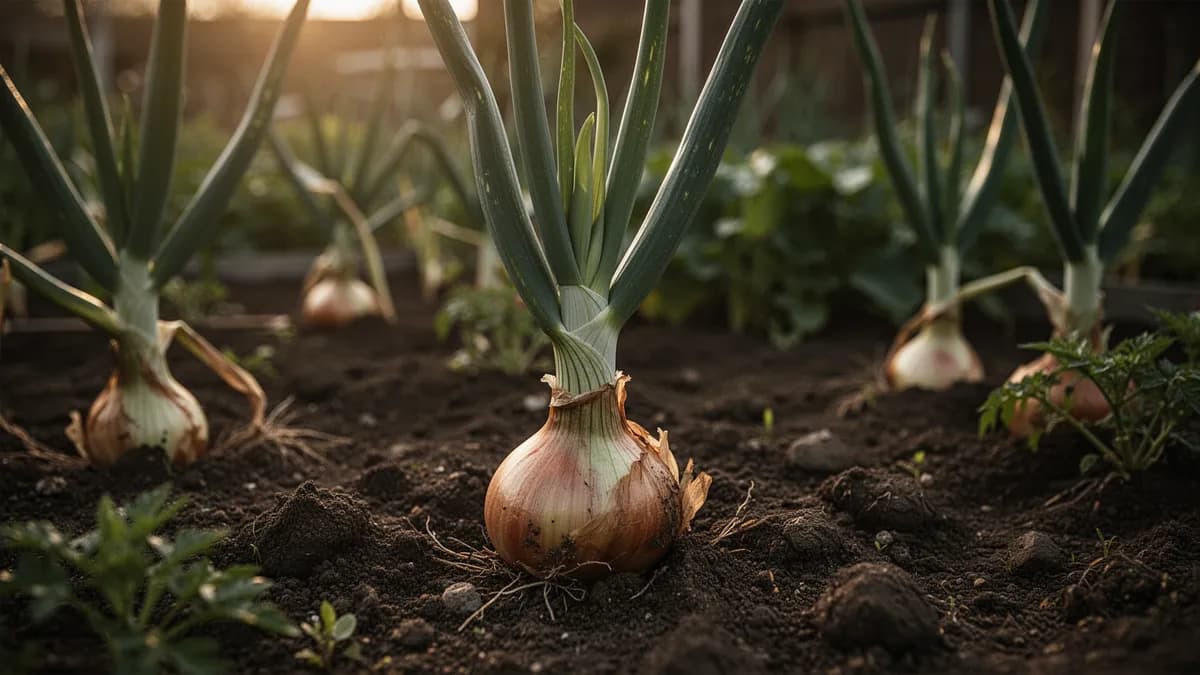
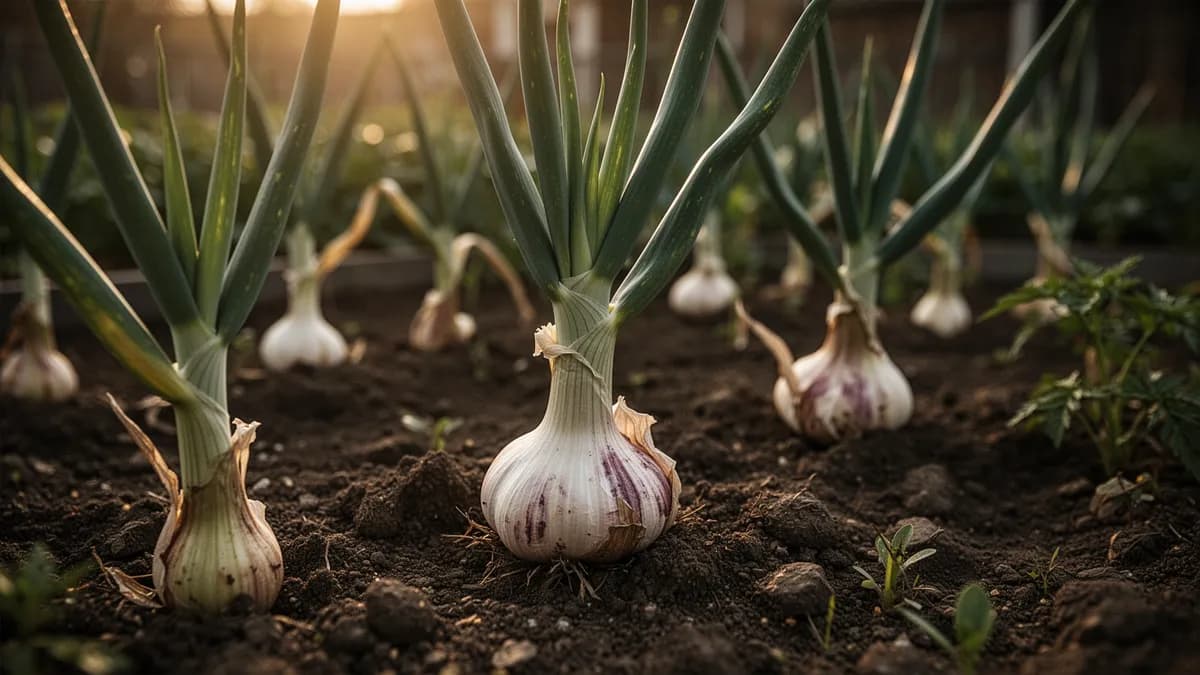
Los bulbos de chalota se plantan con la punta hacia arriba, de modo que la punta quede justo en la superficie del suelo o ligeramente por debajo. Cada bulbo es un órgano dormido que se dividirá bajo tierra en un grupo de nuevas chalotas. Las raíces empiezan a emerger de la placa basal en pocos días, anclando el bulbo en el suelo fresco de primavera.
Brotación
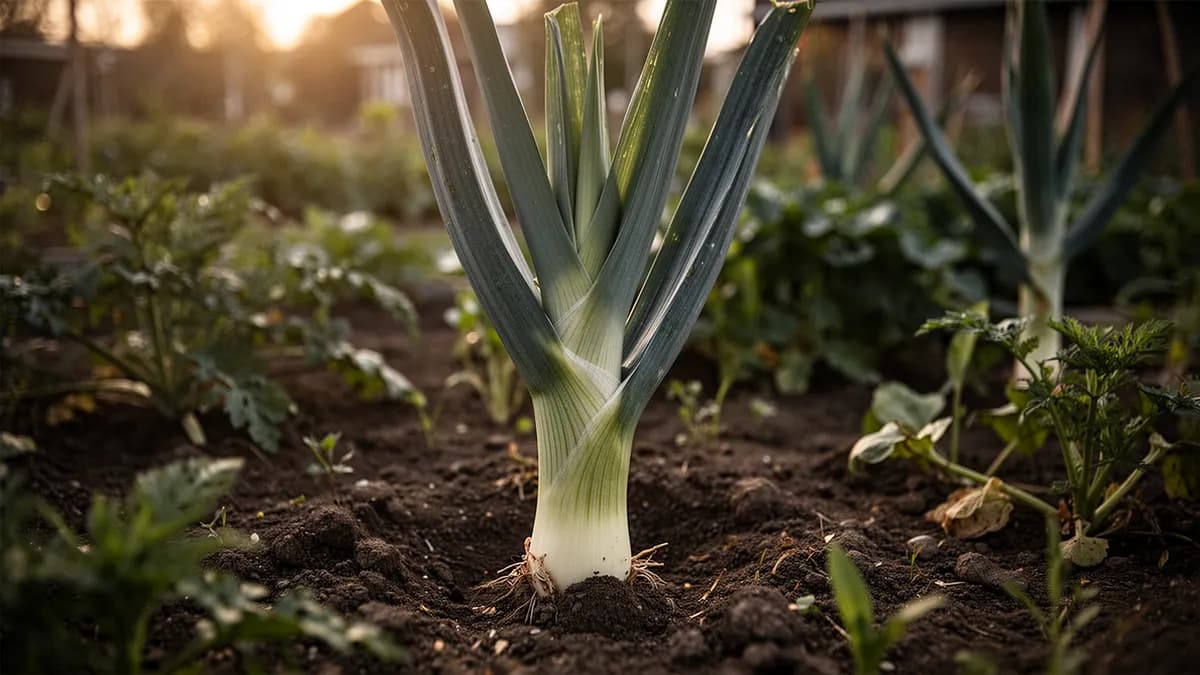
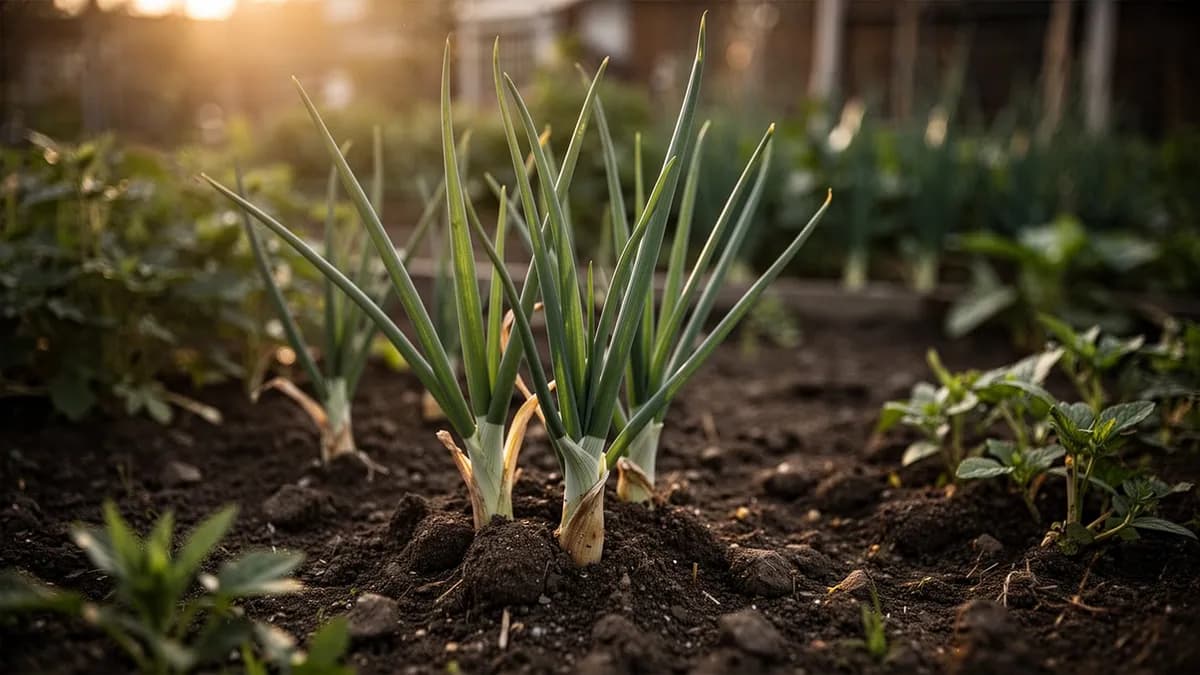
De cada bulbo salen brotes verdes, primero como una sola lanza que pronto se abre en varias hojas planas y huecas. El sistema radicular se expande rápidamente en un suelo fresco y húmedo. El bulbo plantado originalmente empieza a ablandarse mientras alimenta los brotes en desarrollo.
Crecimiento vegetativo
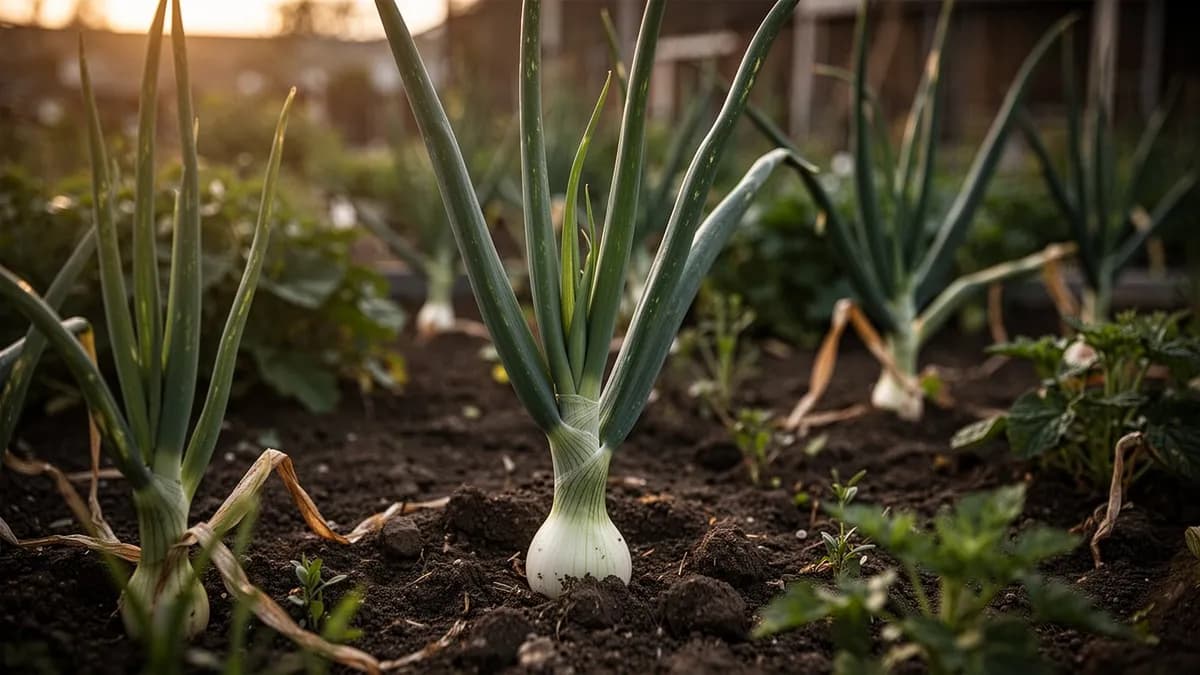
El follaje crece con vigor mientras empieza a formarse el grupo de bulbos bajo tierra. Cada abanico de hojas corresponde a un bulbo en desarrollo, así que puedes estimar el tamaño final del grupo contando los abanicos foliares. Un solo bulbo plantado suele producir de 4 a 8 bulbos distintos que se van separando a medida que engordan.
Maduración y curado
El follaje amarillea, se debilita en el cuello y se tumba de forma natural: la señal de que los bulbos están maduros. Las capas externas papiráceas se endurecen y se ajustan alrededor de cada chalota. Tras levantar los grupos, se curan en un lugar cálido, seco y bien ventilado durante 2-3 semanas hasta que las pieles crujen y los cuellos estén completamente secos.
Después de la cosecha
Las chalotas cosechadas se curan, se clasifican y se almacenan para la cocina o para replantar los bulbos más pequeños de cada grupo. Los bulbos bien curados se conservan muy bien en almacenamiento fresco y seco con buena circulación de aire.
Planta los bulbos a 15-20 cm de distancia en hileras separadas por 30 cm. Introduce cada bulbo con cuidado en un suelo suelto y bien drenado, dejando la punta apenas visible. Apreta la tierra alrededor de la base para evitar que los pájaros los saquen.
Cuidar Chalota Francesa mes a mes
Qué hacer cada mes para tu Chalota Francesa
Octubre
Mes actualIn zones 6-8, plant fall sets 6 weeks before the first hard frost. Fall-planted shallots develop roots before winter dormancy and produce earlier, larger harvests the following summer. Mulch heavily after the ground freezes.
Ten claro qué hacer en tu huerto, cada mes
Un correo al empezar cada mes: qué sembrar, plantar y hacer ahora mismo — para tu Chalota Francesa y todo lo que crece alrededor. Más un breve curso inicial para esquivar los errores clásicos.
- Qué hacer ahora mismo
- Ajustado a tu temporada
- Curso inicial incluido
Cosechar Chalota Francesa
Coseche las chalotas cuando las hojas se marchiten y caigan naturalmente, generalmente 90-120 días después de la plantación. Levante los grupos de bulbos con una horca y déjelos secar sobre el suelo durante 1-2 días si el clima lo permite. Cure los bulbos en un lugar seco y ventilado durante 2-3 semanas hasta que las capas exteriores estén completamente secas y crujientes.
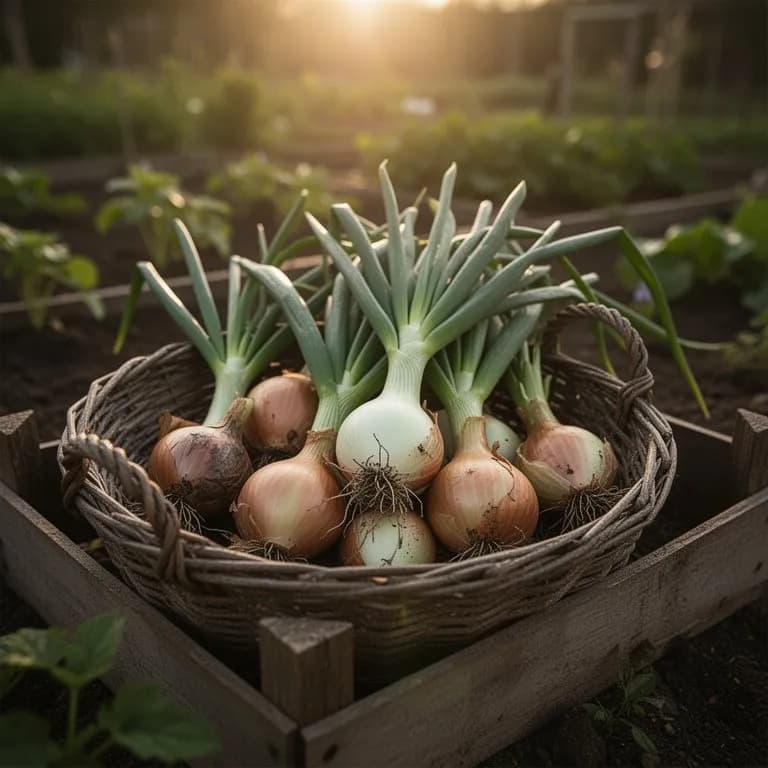
se supone que plantas al comenzar el periodo — indica tu fecha real
Cosecha cuando el follaje amarillee y se tumbe, normalmente desde finales de julio hasta agosto.
Almacenamiento y conservación
Las chalotas bien curadas se conservan durante 6-12 meses en un lugar fresco (10-15 °C), seco y bien ventilado, en mallas o trenzadas en ristras. No las almacene en bolsas de plástico cerradas, ya que la falta de ventilación provoca pudrición. Reserve los bulbos más pequeños y sanos como semilla para la próxima temporada. También pueden picarse y congelarse para uso culinario.
Qué falla — y cómo solucionarlo
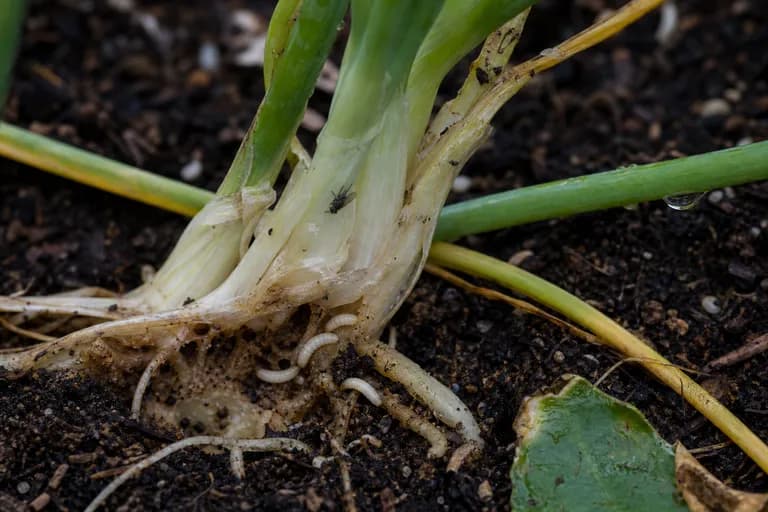
Mosca de la cebolla (Delia antiqua)
PlagaLas larvas blancas penetran en los bulbos, causando pudrición blanda y un olor desagradable. Las hojas amarillean y las plantas se arrancan fácilmente al estar las raíces destruidas.
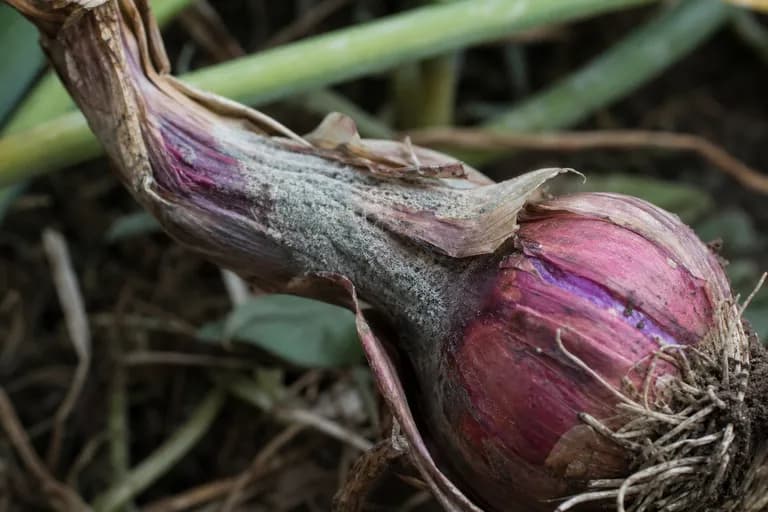
Podredumbre del cuello (Botrytis allii)
EnfermedadMoho gris que aparece en el cuello del bulbo tras la cosecha, ablandando el tejido y extendiéndose progresivamente hacia el interior. Los bulbos almacenados se pudren.
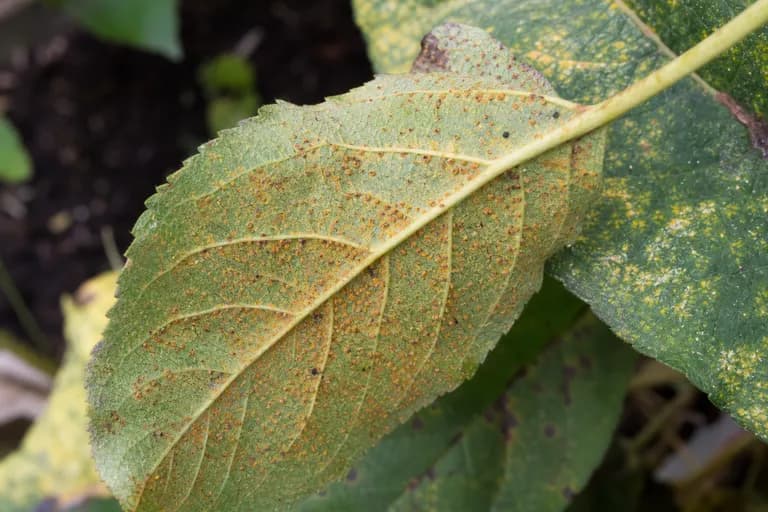
Mildiu de la cebolla (Peronospora destructor)
EnfermedadManchas amarillentas alargadas en las hojas con un moho violáceo en el envés. Las hojas se doblan y secan desde las puntas, debilitando el desarrollo del bulbo.
Solución de problemas comunes
El encharcamiento es el mayor enemigo de las chalotas, causando pudrición de los bulbos y favoreciendo enfermedades fúngicas. En suelos pesados, plante en bancales elevados. Los pájaros pueden arrancar los bulbos recién plantados; cúbralos con malla hasta que arraiguen. El almacenamiento en condiciones húmedas provoca brotación prematura y pudrición del cuello.
Consejos de cultivo
- Always plant sets, not seeds. True French shallots are propagated vegetatively from bulbs, which is what gives them their superior flavor and reliable cluster-forming habit. Seed-grown 'shallots' are often just small onions marketed as shallots.
- Drainage is the number one priority. French shallots will rot in waterlogged soil faster than almost any other allium. Raised beds or mounded rows are ideal, and heavy clay soils should be amended with coarse sand and compost before planting.
- Plant early in spring as soon as soil is workable — shallots need the cool growing period to develop roots and foliage before warm long days trigger bulb formation. Late planting results in small bulbs because the vegetative growth phase is cut short.
- Never bury the sets deeply. Plant with the pointed tip at or just above the soil surface. Buried too deeply, the developing cluster cannot push apart properly and you end up with misshapen, tightly packed bulbs that are difficult to cure and store.
- Snap off any flower stalks the moment they appear. Bolting is triggered by cold snaps after planting and diverts all the plant's energy into seed production rather than bulb development. Bolted shallots produce small, soft bulbs that do not store well.
- Stop watering and fertilizing once the foliage begins to yellow and fall over — typically in mid to late summer. Continued moisture at this stage is the primary cause of storage rot. Let the bulbs cure naturally in the ground for a week before lifting.
- Cure shallots thoroughly before storage. Spread them in a single layer in a warm (25-30C), dry, shaded area with good airflow for 2-3 weeks. They are properly cured when the outer skins rustle like paper and the neck is completely dry and tight.
- Save your best bulbs as planting stock for next year. Select the firmest, best-shaped shallots from the largest clusters and store them separately. This home selection over several years gradually adapts the variety to your specific growing conditions.
Cultiva tu mejor Chalota Francesa — y todo lo que la rodea.
Empieza un plan gratis hoy. Diseña tus bancales, coloca tu Chalota Francesa y deja que PlotMyGarden gestione el momento, el espaciado, las asociaciones y los recordatorios de la semilla a la cesta.
Elige tu Chalota Francesa
Griselle (Chalota Gris)
La chalota más prestigiosa de Francia, con piel gris-violácea y pulpa firme de sabor intenso y refinado. Es la preferida por los chefs profesionales. 90-110 días.
Longor
Chalota alargada de piel cobriza rosada y carne blanco-rosada. Sabor dulce y suave, muy productiva y de buena conservación. 100-120 días.
Jermor
Variedad semilarga de piel cobriza con excelente capacidad de almacenamiento. Sabor equilibrado y aromático, muy resistente a la podredumbre. 100-110 días.
Pikant
Chalota redonda-ovalada de piel rojo-cobriza con sabor más pronunciado. Muy productiva y resistente a enfermedades. Ideal para cocinar. 90-100 días.
French shallots are among the most expensive alliums at the grocery store, typically costing $6-12 per pound ($13-26 per kg) for quality specimens — significantly more than onions or garlic. A bag of 20 planting sets costs $8-15 and yields 3-6 kg of shallots worth $40-80 at retail prices. The savings are even greater for organic shallots, which command $10-16 per pound. Because properly cured French shallots store for 6-12 months, a single spring planting provides a year-round supply at a fraction of the store price.
Recetas rápidas
Caramelized French Shallots with Thyme
35 minWhole peeled shallots slowly cooked in butter and fresh thyme until golden, sweet, and meltingly tender. This is the classic French side dish that showcases the shallot's superior sweetness and silky texture when cooked low and slow.
7 ingredientesClassic French Shallot Vinaigrette
10 minThe foundation dressing of French cuisine — finely minced raw shallot macerated in Dijon mustard and vinegar creates a sophisticated vinaigrette with elegant depth and none of the harsh bite of raw onion.
7 ingredientesCrispy Fried Shallot Rings
20 minPaper-thin shallot rings fried until deeply golden and shattering-crisp. Used as a garnish across French and Southeast Asian cuisines to add crunch and concentrated sweet-savory allium flavor to soups, salads, and noodle dishes.
5 ingredientesUsos culinarios
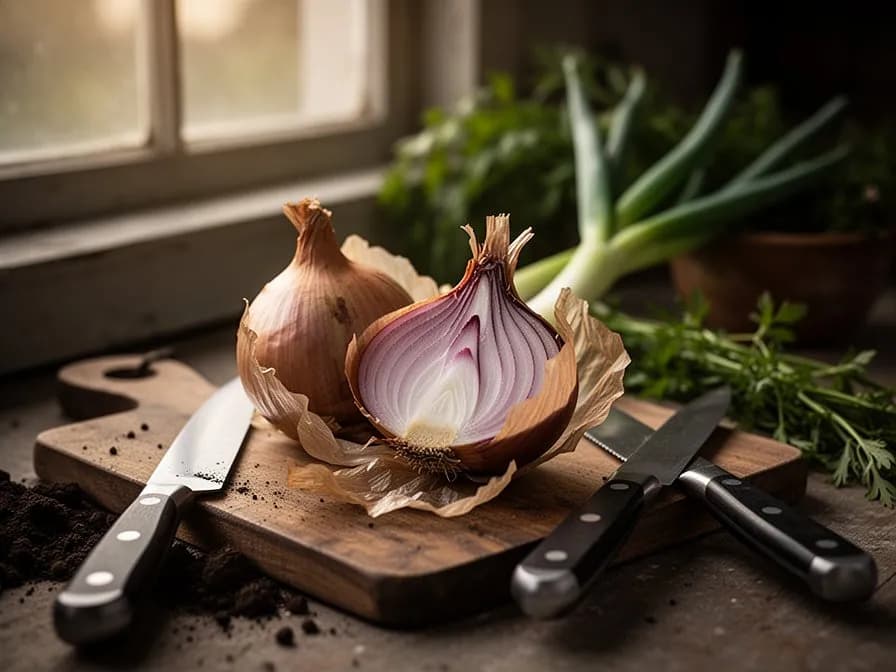
La chalota francesa es un pilar de la cocina clásica francesa. Se utiliza en salsas como la béarnaise, la bordelesa y el mignonette para ostras. Confitada lentamente en mantequilla, desarrolla una dulzura excepcional. Se pica finamente para vinagretas y aderezos, o se asa entera como guarnición elegante. Su sabor sutil y complejo la hace insustituible en la alta cocina.
Qué contiene
Beneficios para la salud
- Organosulfur compounds in shallots — particularly allicin and diallyl disulfide — have demonstrated cardiovascular protective effects, including helping to reduce LDL cholesterol, lower blood pressure, and inhibit platelet aggregation.
- Higher in flavonoid antioxidants than common onions, especially quercetin, which has anti-inflammatory, antihistamine, and antiviral properties that may help reduce allergy symptoms and support immune defense.
- Prebiotic fructooligosaccharides (FOS) in shallots selectively feed beneficial Bifidobacteria and Lactobacilli in the gut, supporting a healthy microbiome and improving calcium and magnesium absorption.
- Contain antibacterial and antifungal compounds that have been shown in laboratory studies to inhibit the growth of pathogens including E. coli, Staphylococcus aureus, and Candida species.
- Good source of vitamin B6, essential for the production of neurotransmitters like serotonin and dopamine, supporting mood regulation, cognitive function, and healthy sleep cycles.
- Chromium content in shallots helps improve insulin sensitivity, potentially assisting in blood sugar regulation and reducing the risk of type 2 diabetes when consumed regularly as part of a balanced diet.
De dónde viene Chalota Francesa
The French shallot (Allium cepa var. aggregatum) has origins that trace back over two millennia, likely arising in Central or Southwest Asia before spreading westward through trade routes. The Romans encountered shallots in the eastern Mediterranean and named them 'Ascalonia caepa' after the port of Ashkelon in ancient Palestine, a name that eventually evolved into the French 'echalote' and the English 'shallot.' Roman legions carried shallots across their empire, but it was in France where this delicate allium found its true culinary home.
By the medieval period, shallots were firmly established in French monastery gardens and peasant kitchen plots alike. French monks cultivated them not only for cooking but for their supposed medicinal properties — treatments for digestive complaints and as a blood purifier. The region of Brittany, particularly around Roscoff and the Ile de Batz, became the epicenter of French shallot cultivation, developing the prized pink-copper varieties that remain the gold standard today. The Breton 'Johnnies' — seasonal traders who sailed to Britain with strings of shallots and onions draped over their bicycles — became a beloved cultural institution from the 1820s onward.
French classical cuisine elevated the shallot from a humble garden crop to an indispensable culinary ingredient. Auguste Escoffier and the codifiers of haute cuisine enshrined the shallot in hundreds of sauces, reductions, and preparations where its refined sweetness and gentle complexity were preferred over the blunter flavor of onions. Today, France remains the spiritual home of quality shallot cultivation, though the Netherlands has become the largest European producer. Traditional French varieties like Griselle, Jermor, and Longor are propagated vegetatively from sets, preserving heritage genetics that have been selected by French gardeners for centuries.
Chalota Francesa: ¿sabías que?
Datos fascinantes sobre Chalota Francesa
French shallots (Allium cepa var. aggregatum) are not simply small onions — they are a distinct botanical variety that reproduces by dividing into clusters of bulbs underground rather than growing a single large bulb, a growth habit called 'vegetative multiplication.'
Chalota Francesa: preguntas frecuentes
¿Cuándo debo plantar Chalota Francesa?
¿Cuáles son buenas plantas acompañantes para Chalota Francesa?
¿En qué zonas de rusticidad puede crecer Chalota Francesa?
¿Cuánto sol necesita Chalota Francesa?
¿A qué distancia debo espaciar Chalota Francesa?
¿Qué plagas y enfermedades afectan a Chalota Francesa?
¿Cómo almaceno Chalota Francesa después de la cosecha?
¿Cuáles son las mejores variedades de Chalota Francesa para cultivar?
¿Qué suelo necesita Chalota Francesa?
What is the difference between French shallots and regular shallots?
Can I plant shallots from the grocery store?
Why are my shallots bolting (sending up flower stalks)?
How long do French shallots store and what is the best method?
Should I plant shallots in fall or spring?
How many shallots does one set produce?
Acabas de leer la teoría. Ahora cultívala en piloto automático.
Todo lo que hace que Chalota Francesa sea delicado — el momento, el espaciado, las asociaciones, la ventana de cosecha — es justo lo que PlotMyGarden resuelve por ti, para cada planta de tu huerto.
Un plan que conoce tu clima
Indica tu ubicación una vez. Recibe fechas de siembra, abonado y cosecha basadas en tu última helada real y el pronóstico en vivo — sin adivinar con un sobre genérico.
De la sección “Cuándo plantar”Planificador de bancales de arrastrar y soltar
Diseña bancales sobre una cuadrícula. Cada planta encaja con su espaciado correcto y ves toda la temporada antes de gastar un céntimo en semillas.
De la sección “Cultivo”Conflictos de asociación, detectados a tiempo
Más de 200 buenas y malas combinaciones comprobadas en vivo mientras plantas — para que un error que arruine la temporada nunca llegue a la tierra.
De la sección “Asociaciones”Recordatorios que sí vas a seguir
“Riega las judías.” “Recoge hoy antes de que se pase.” Oportunos, concretos y ligados a las plantas que de verdad cultivas.
De la sección “Cosecha”Escalonado, programado
¿Quieres cosechar seis semanas en vez de seis días? Reparte tus siembras automáticamente y te avisa cuando toca el siguiente lote.
De la sección “Cuándo plantar”Un registro que se vuelve más listo
Cada cosecha que registras le enseña tu huerto. El plan del año que viene parte de lo que de verdad funcionó en tu suelo, no en un manual.
De la sección “Resumen”Planta estos junto a Chalota Francesa
Más Aliáceas
Mantén Chalota Francesa lejos de estos
Diseños de jardín con Chalota Francesa
Cultiva tu mejor Chalota Francesa — y todo lo que la rodea.
Empieza un plan gratis hoy. Diseña tus bancales, coloca tu Chalota Francesa y deja que PlotMyGarden gestione el momento, el espaciado, las asociaciones y los recordatorios de la semilla a la cesta.