Cebolla Caminante Egipcia
La cebolla caminante egipcia (Allium × proliferum) es una fascinante cebolla perenne originaria de Oriente Medio que produce pequeños bulbillos aéreos en la punta de sus tallos en lugar de flores.





En esta páginaResumen
Conoce Cebolla Caminante Egipcia
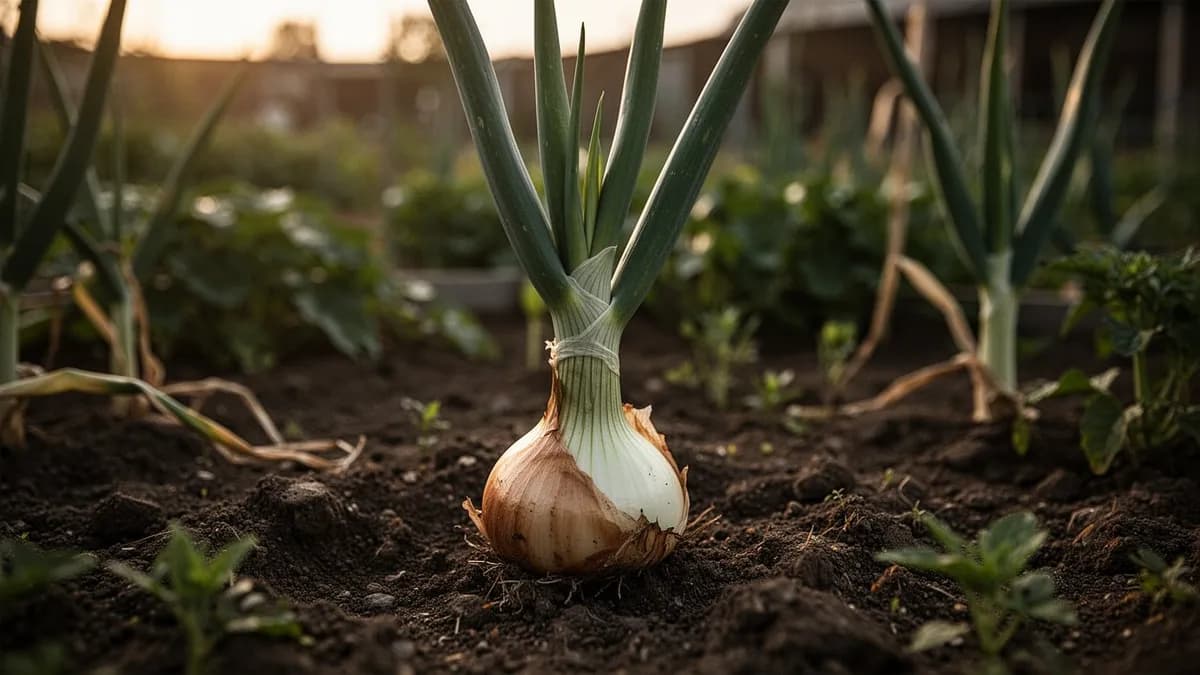
La cebolla caminante egipcia (Allium × proliferum) es una fascinante cebolla perenne originaria de Oriente Medio que produce pequeños bulbillos aéreos en la punta de sus tallos en lugar de flores. Estos bulbillos pesan lo suficiente como para doblar el tallo hasta el suelo, donde enraízan y generan nuevas plantas, dando la impresión de que la cebolla 'camina' por el jardín. Es una planta extremadamente resistente, productiva y de bajo mantenimiento, ideal para huertos permanentes.
Cuándo plantar Cebolla Caminante Egipcia
No se propaga por semillas sino por bulbillos aéreos o división de bulbos subterráneos. Plante los bulbillos en otoño a 5 cm de profundidad con la punta hacia arriba, espaciados 15-20 cm. También puede dividir matas establecidas en primavera u otoño, replantando las divisiones inmediatamente a la misma profundidad.
Tu año de Cebolla Caminante Egipcia
Ajustado a Zona 7 · temporada típica · la helada se va hacia el 2 abr y vuelve hacia el 1 nov
Planta Cebolla Caminante Egipcia Mar – Abr, Sep – Oct y cosecha May – Sep. Consulta los métodos de plantación y elige tu clima para adaptar los periodos.
Cómo cultivar Cebolla Caminante Egipcia
La cebolla caminante egipcia se establece plantando bulbillos aéreos o bulbos subterráneos en otoño o primavera, a una profundidad de 5 cm y con un espaciado de 15-20 cm entre plantas. Prefiere pleno sol aunque tolera sombra parcial, y se adapta a una amplia gama de suelos siempre que tengan buen drenaje. Una vez establecida, requiere mínimo mantenimiento y puede permanecer productiva durante décadas en el mismo lugar.
Durante la temporada de crecimiento, las hojas verdes tubulares aparecen temprano en primavera y pueden cosecharse continuamente. En verano, los tallos florales se elevan y producen racimos de bulbillos en sus puntas. Riegue regularmente durante periodos secos y aplique una capa de mantillo orgánico para conservar la humedad y suprimir las malas hierbas. Fertilice ligeramente con compost en primavera.
Para controlar la expansión, retire los bulbillos antes de que toquen el suelo o establezca la planta en un área contenida del jardín. Divida las matas cada 3-4 años para mantener el vigor. En climas fríos, la planta muere en superficie durante el invierno pero rebrota vigorosamente en primavera. Es una de las cebollas más resistentes, tolerando temperaturas de hasta -30°C sin protección.
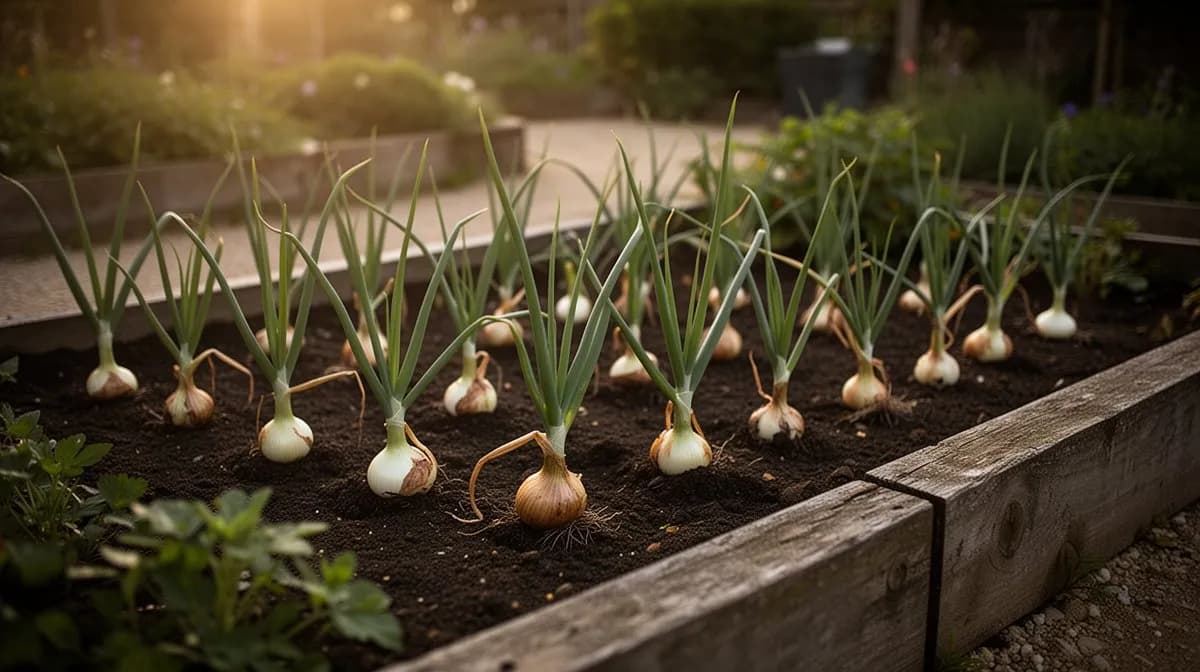
72 plantas caben en un bancal de 120 × 240 cm
Cada Cebolla Caminante Egipcia pide 20 cm de margen. El planificador guarda ese marco por ti — cada planta, cada bancal.
Los mejores vecinos de Cebolla Caminante Egipcia
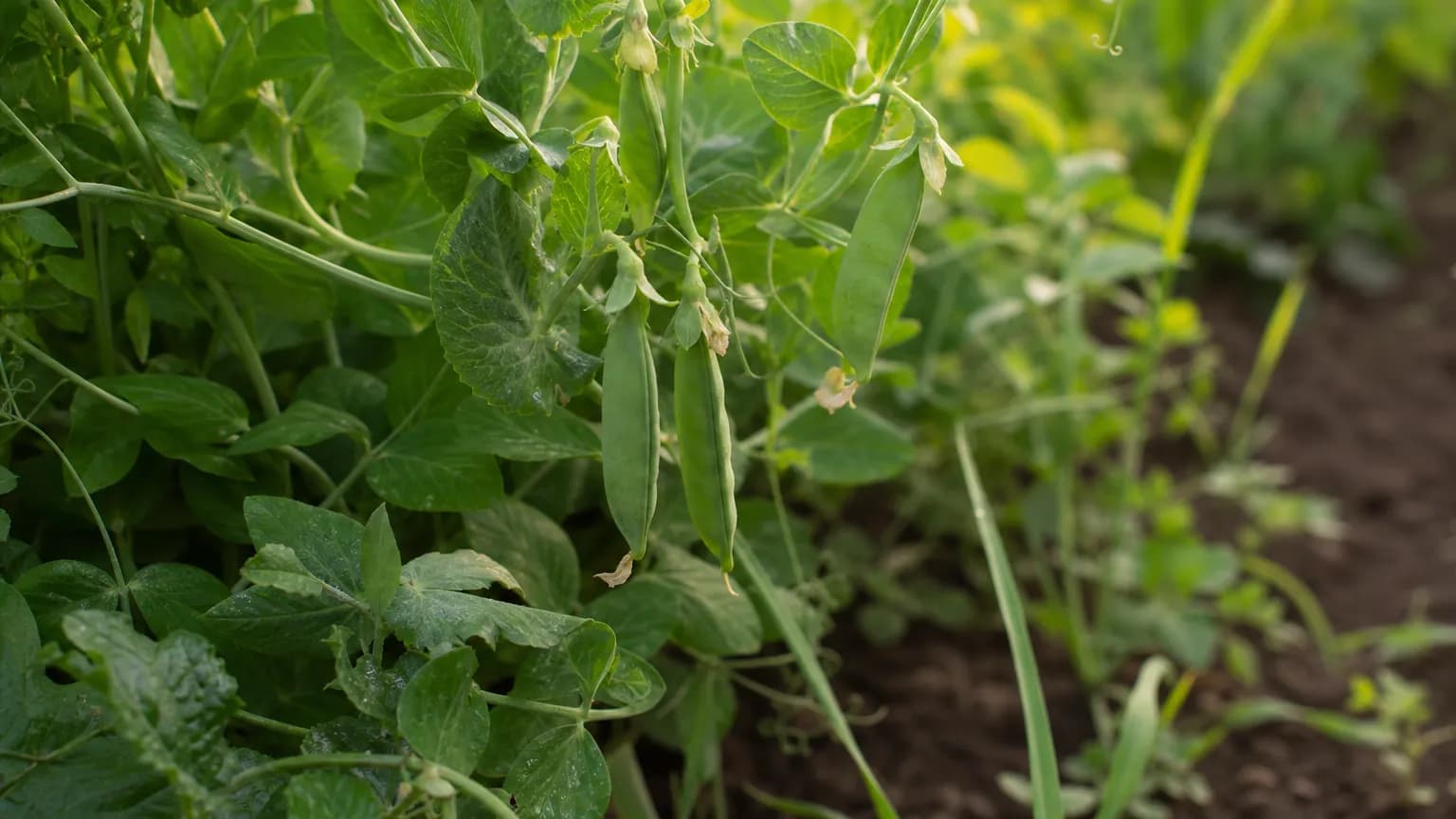
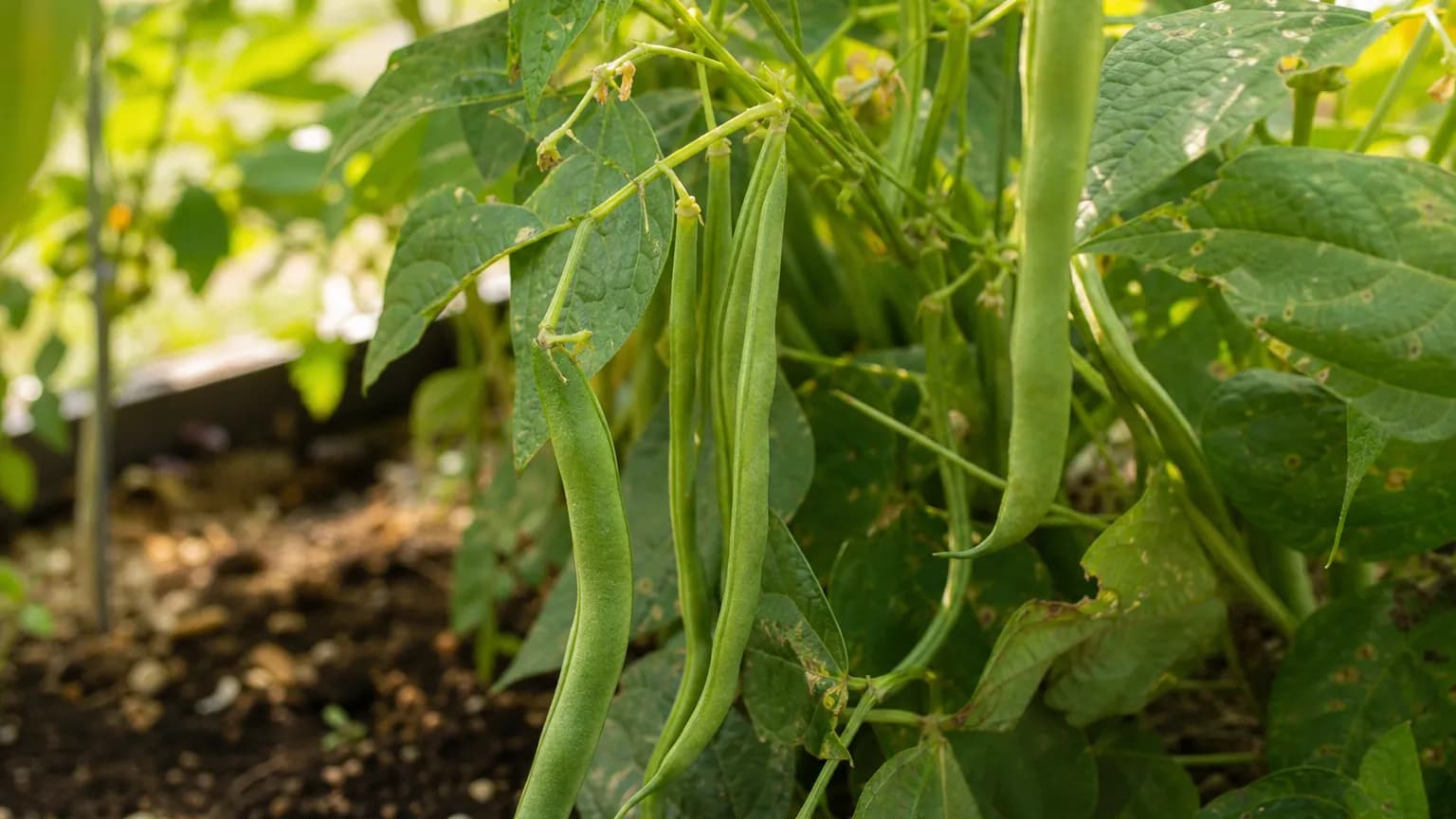
Excelente compañera de zanahorias, lechugas, remolachas y fresas, ya que su aroma repele plagas como la mosca de la zanahoria y los pulgones. Evite plantarla cerca de leguminosas como guisantes y habas, ya que los compuestos de azufre de las alliums pueden inhibir su crecimiento y la fijación de nitrógeno.
Zanahoria va a su lado. Guisantes no.
Saber de huerto de siempre, cotejado con la tabla real de Cebolla Caminante Egipcia — prueba cualquier planta que cultives.
Prueba Cebolla Caminante Egipcia en un bancal, aquí mismo
Un bancal real del planificador con Cebolla Caminante Egipcia ya plantado. Toca una planta compañera para colocarla y mira cómo responde la comprobación de vecinos: verde para buenos vecinos, rojo si hay conflicto.


Guías de cultivo relacionadas
Abónalo bien
Prospera en suelos bien drenados, fértiles y ricos en materia orgánica, con un pH entre 6,0 y 7,0. Incorpore compost maduro antes de la plantación y aplique un fertilizante equilibrado en primavera. Aunque tolerante a suelos pobres una vez establecida, la producción mejora significativamente con aportes regulares de compost y mantillo orgánico.
Temperatura ideal
Compatibilidad de zonas de rusticidad
De la semilla a la cosecha, etapa por etapa
Plantación de bulbillos
Los bulbillos superiores o las divisiones de bulbos subterráneos se plantan a 2-5 cm de profundidad en suelo bien drenado. A diferencia de la mayoría de las aliáceas, la cebolla egipcia caminante casi nunca se cultiva a partir de semilla verdadera. Los bulbillos empiezan a enraizar en 1-2 semanas y sacan sus primeros brotes verdes delgados.
Crecimiento temprano
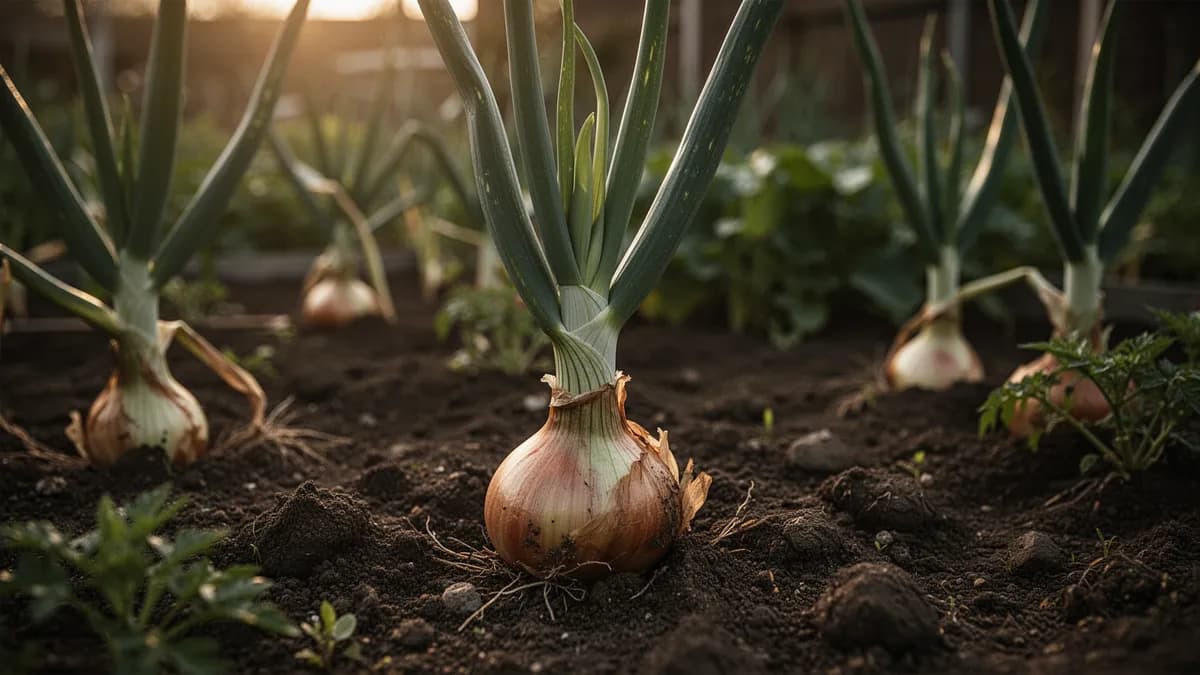
Aparecen hojas verdes huecas y cilíndricas que crecen con rapidez en el fresco clima primaveral. La planta desarrolla un sistema radicular fibroso y empieza a formar pequeños grupos de bulbos subterráneos. Las hojas se parecen a cebolletas gruesas y pueden alcanzar 30-45 cm de alto en los primeros meses.
Desarrollo del tallo
A finales de primavera y principios de verano emergen gruesos tallos florales huecos desde el centro de cada mata, alcanzando 60-90 cm de altura. Los tallos son más firmes y rígidos que las hojas basales y al principio se parecen a las varas florales de otras aliáceas.
Formación de topsets
En lugar de abrirse en flores, las puntas de los tallos se hinchan formando racimos de pequeños bulbillos rojizo-púrpura (topsets), cada uno de 1-2 cm de diámetro. Un solo tallo puede producir 5-20 bulbillos en un racimo apretado. Ocasionalmente, una segunda hilera de bulbillos más pequeños brota del primer racimo, creando un efecto de varios pisos único de esta aliácea.
Fase de caminata
A medida que los racimos de topsets se vuelven más pesados, los tallos se arquean y se inclinan hacia el suelo por su propio peso. Cuando los bulbillos tocan el suelo, enraízan en pocos días y establecen nuevas plantas a 30-60 cm de la planta madre; esta es la “caminata” que da nombre a la planta. Con el paso de varias temporadas, una colonia puede desplazarse varios metros por el jardín.
Reposo y renovación perenne
El follaje aéreo desaparece después de una helada fuerte en climas fríos. Los grupos de bulbos subterráneos permanecen en reposo durante el invierno y se multiplican lentamente bajo la superficie. En climas suaves (zonas 8-10), las plantas pueden conservar algo de follaje verde durante todo el año. El nuevo crecimiento se reanuda muy temprano en primavera, a menudo como la primera aliácea en brotar en el jardín.
Planta los bulbillos con la punta hacia arriba, separados 15-20 cm, en otoño para lograr el mejor establecimiento primaveral. Riega con suavidad al plantar, pero evita empapar el suelo: los bulbillos se pudren fácilmente en condiciones encharcadas.
Cuidar Cebolla Caminante Egipcia mes a mes
Qué hacer cada mes para tu Cebolla Caminante Egipcia
Octubre
Mes actualFoliage begins to yellow and die back after first hard frosts in cold climates. Clean up spent stalks and compost healthy material. Apply a light mulch of straw over colonies in zones 3-5 for extra winter insulation.
Ten claro qué hacer en tu huerto, cada mes
Un correo al empezar cada mes: qué sembrar, plantar y hacer ahora mismo — para tu Cebolla Caminante Egipcia y todo lo que crece alrededor. Más un breve curso inicial para esquivar los errores clásicos.
- Qué hacer ahora mismo
- Ajustado a tu temporada
- Curso inicial incluido
Cosechar Cebolla Caminante Egipcia
Las hojas verdes pueden cortarse en cualquier momento a partir de principios de primavera, dejando al menos 5 cm de la base para permitir el rebrote. Los bulbillos aéreos se cosechan en verano cuando están firmes y bien formados, generalmente entre julio y agosto. Los bulbos subterráneos pueden desenterrarse en cualquier época, aunque son más sabrosos en otoño después de la primera helada.
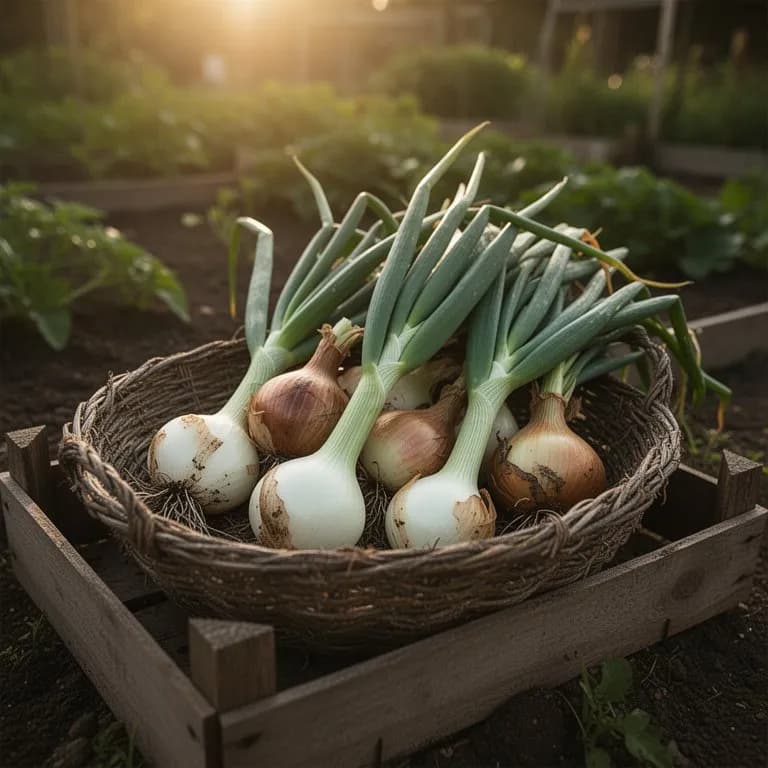
se supone que plantas al comenzar el periodo — indica tu fecha real
A partir de bulbos, tubérculos o dientes
Cosecha los topsets cuando sus pieles papiráceas se vuelvan de color marrón rojizo y se separen con facilidad del racimo; esto suele ocurrir a mediados del verano.
Almacenamiento y conservación
Las hojas frescas se conservan en el refrigerador envueltas en papel húmedo durante una semana. Los bulbillos aéreos se almacenan en un lugar fresco, seco y ventilado durante varios meses, similar al ajo. También pueden encurtirse en vinagre para una conservación prolongada, o deshidratarse y molerse para usar como condimento.
Qué falla — y cómo solucionarlo
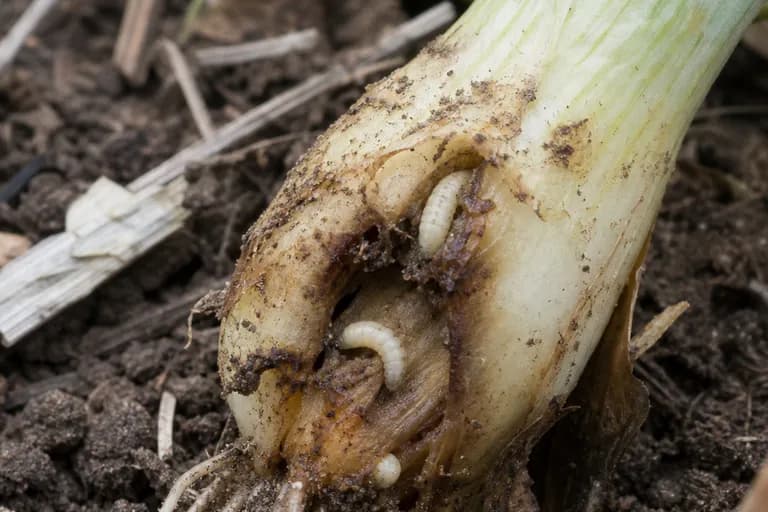
Mosca de la cebolla
PlagaLas larvas excavan en los bulbos y la base de las hojas, causando marchitamiento, amarillamiento y pudrición maloliente de los tejidos internos.
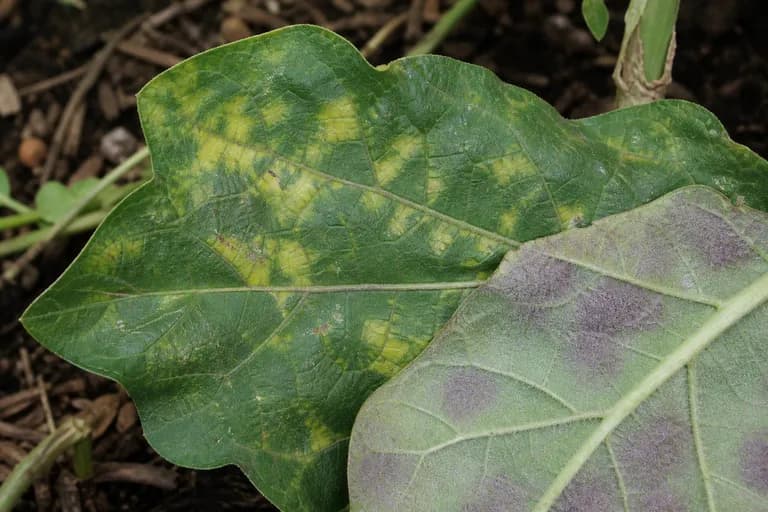
Mildiu velloso
EnfermedadAparecen manchas alargadas de color verde pálido a amarillento en las hojas, que luego se cubren con un moho grisáceo-violáceo en condiciones húmedas. Las hojas se marchitan y mueren progresivamente.
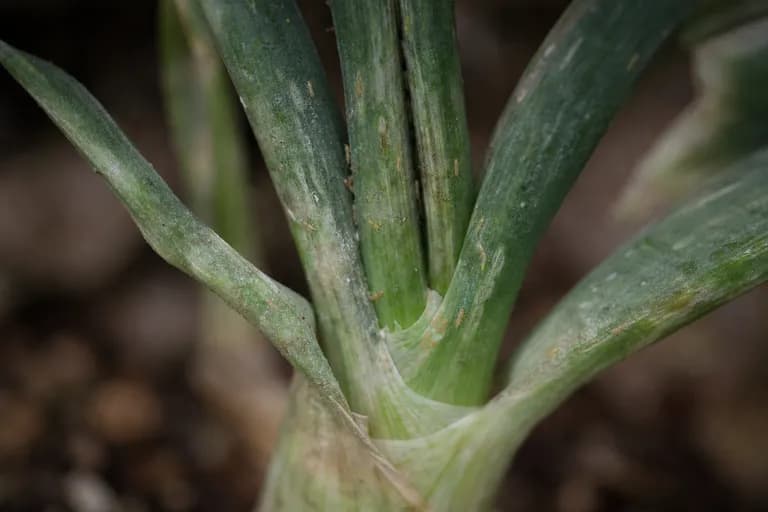
Trips de la cebolla
PlagaPequeños insectos alargados que se alimentan raspando las hojas, produciendo manchas plateadas y blanquecinas que luego se secan. En infestaciones severas, las hojas se retuercen y la planta pierde vigor.
Solución de problemas comunes
Su principal desafío es el potencial invasivo, ya que los bulbillos que caen al suelo enraízan rápidamente y la planta puede colonizar áreas no deseadas del jardín. Establezca barreras físicas o coseche los bulbillos antes de que toquen el suelo. En suelos muy húmedos puede sufrir pudrición del bulbo, especialmente durante inviernos lluviosos.
Consejos de cultivo
- Start with topset bulbils or divisions from an established colony, not seed. Egyptian walking onions rarely produce true seed, and even when they do, germination is unreliable. Bulbils planted in autumn establish the fastest and emerge strongly the following spring.
- Choose a permanent location with full sun and well-drained soil. These are long-lived perennials that will occupy the same spot for decades. Raised beds or slopes with excellent drainage are ideal — the underground bulbs rot in waterlogged winter soil.
- Give them room to walk. Plant colonies where they have space to spread naturally, or plan to harvest topsets regularly to contain them. A dedicated perennial allium bed alongside chives and garlic chives works beautifully.
- Harvest greens by cutting outer leaves at the base rather than pulling entire plants. Take no more than one-third of the foliage at a time to keep the plant producing vigorously. The hollow leaves regrow quickly in cool weather.
- Divide congested underground clumps every 3-4 years in early spring or autumn. Lift the entire clump, separate into individual bulbs or small clusters, and replant immediately at the original depth and spacing. This reinvigorates production.
- Use topset bulbils at every stage. Tiny green bulbils are mild and can be sliced into salads. Mature reddish bulbils are pungent and perfect for pickling or cooking. Dried bulbils store for months in a cool, dry place for autumn planting.
- Egyptian walking onions are remarkably pest- and disease-free. Their strong allium oils repel most insects, and the perennial root system resists the onion maggot that devastates annual onion crops. Avoid overhead watering to prevent occasional downy mildew in humid climates.
- In zones 3-5, apply a light straw mulch after the ground freezes in autumn. Remove mulch in early spring to let the soil warm quickly — walking onions break dormancy earlier when they feel the warming sun directly on the soil surface.
Cultiva tu mejor Cebolla Caminante Egipcia — y todo lo que la rodea.
Empieza un plan gratis hoy. Diseña tus bancales, coloca tu Cebolla Caminante Egipcia y deja que PlotMyGarden gestione el momento, el espaciado, las asociaciones y los recordatorios de la semilla a la cesta.
Elige tu Cebolla Caminante Egipcia
Catawissa
Variedad muy vigorosa y prolífica que produce múltiples niveles de bulbillos apilados en los tallos. Es extremadamente resistente al frío y se propaga rápidamente.
McCullar's White
Variedad de piel blanca con bulbillos de sabor suave y dulce. Produce tallos más cortos y compactos, ideal para jardines pequeños.
Red
Variedad con bulbillos de tonalidad rojiza y sabor más intenso. Los bulbos subterráneos también presentan una coloración rosa-rojiza muy atractiva.
Moritz Egyptian
Variedad tradicional alemana muy productiva con bulbillos de tamaño mediano y excelente sabor. Muy resistente a enfermedades y adaptada a climas fríos.
Egyptian walking onions are a one-time investment that pays dividends forever. A few starter bulbils ($5-10 from a specialty nursery or free from a fellow gardener) multiply into a permanent, self-sustaining colony within 2-3 years. Considering that fresh scallions cost $1-3 per bunch and specialty shallots run $6-12 per pound at farmers markets, a well-established walking onion patch easily saves $30-60 per year in fresh allium purchases — and the savings compound every year as the colony expands with zero additional cost.
Recetas rápidas
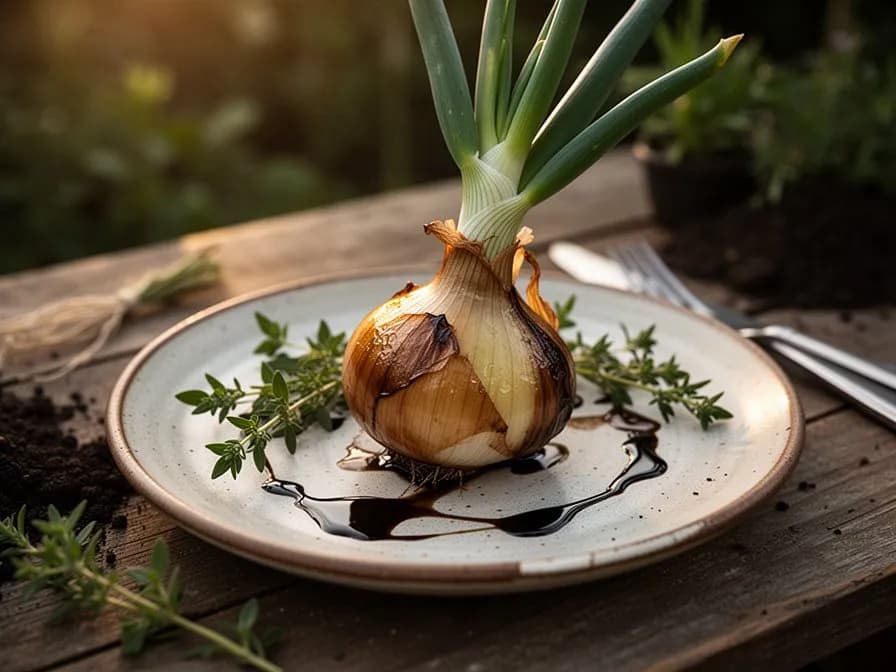
Pickled Walking Onion Bulbils
15 min + 1 weekTiny topset bulbils pickled in a tangy brine with mustard seed and bay leaf — they transform into crisp, complex cocktail onions far superior to anything from a jar. Perfect on charcuterie boards, in martinis, or as a pungent garnish.
9 ingredientesWalking Onion Green Pancakes
25 minA riff on Chinese scallion pancakes using the robust hollow greens of Egyptian walking onions. The stronger onion flavor and slightly meatier texture create a more savory, deeply flavored version of this classic street food.
7 ingredientesWalking Onion Compound Butter
10 minFinely chopped walking onion greens and minced bulbils folded into softened butter with a pinch of flaky salt. Melted over grilled steak, tossed with pasta, or spread on crusty bread, this keeps the complex allium flavor on hand all week.
6 ingredientesUsos culinarios
Las hojas verdes se utilizan como sustituto del cebollino o cebolleta en ensaladas, sopas, tortillas y platos salteados. Los bulbillos aéreos tienen un sabor más intenso que la cebolla verde y son excelentes encurtidos, asados o picados en salsas y adobos. Los bulbos subterráneos se emplean como cebollas pequeñas en guisos y estofados.
Qué contiene
Beneficios para la salud
- Contains organosulfur compounds including allicin, the same bioactive substance found in garlic, which has demonstrated antimicrobial, anti-inflammatory, and blood-pressure-lowering effects in numerous clinical studies.
- Rich in quercetin, a powerful flavonoid antioxidant concentrated in the outer skins of the bulbils, associated with reduced risk of cardiovascular disease and lower markers of chronic inflammation.
- Provides prebiotic fructans (inulin-type fructooligosaccharides) that selectively feed beneficial Bifidobacterium and Lactobacillus species in the gut, supporting a healthy digestive microbiome.
- Good source of vitamin C from the fresh green tops, supporting immune cell function, collagen synthesis, and enhanced absorption of non-heme iron from plant-based foods eaten at the same meal.
- Contains chromium, a trace mineral that plays a role in insulin signaling and glucose metabolism, potentially supporting healthy blood sugar regulation when consumed as part of a balanced diet.
- The combination of sulfur compounds, antioxidants, and anti-inflammatory phytochemicals in alliums like walking onions has been consistently associated with reduced risk of certain cancers, particularly gastric and colorectal cancers, in large epidemiological studies.
De dónde viene Cebolla Caminante Egipcia
The Egyptian walking onion (Allium x proliferum) is a perennial allium believed to be a naturally occurring hybrid between the common onion (Allium cepa) and the Welsh bunching onion (Allium fistulosum). Despite its evocative common name, there is no reliable evidence linking this plant to ancient Egypt. The 'Egyptian' label most likely originated from 19th-century European and American seed catalogs that routinely attached exotic-sounding names to unusual plants to boost sales. Botanical evidence suggests the hybrid arose somewhere in Central Asia or in European gardens where both parent species were cultivated in close proximity.
The plant has been grown in European kitchen gardens since at least the 17th century, valued for its extreme hardiness, self-propagating nature, and the fact that it provides fresh allium flavor in three forms: pungent green tops in early spring, small topset bulbils in summer, and shallot-like underground bulbs year-round. It became a favorite of cottage gardeners and rural homesteads because it never needed replanting, never needed purchasing, and thrived on neglect. In North America, walking onions arrived with early European settlers and quickly became a fixture of frontier gardens from New England to the Midwest.
The plant's unique method of locomotion — bending its topset-laden stalks to the ground where the bulbils root and start new plants — earned it the 'walking' descriptor and fascinated gardeners for centuries. A single planting can persist and slowly migrate across a garden for decades without any human intervention. Today, Egyptian walking onions remain a cult favorite among permaculture practitioners, perennial-garden enthusiasts, and self-sufficiency gardeners who appreciate a reliable, zero-maintenance allium that produces abundantly year after year in zones 3-10.
Cebolla Caminante Egipcia: ¿sabías que?
Datos fascinantes sobre Cebolla Caminante Egipcia
Despite the name 'Egyptian,' this onion has no confirmed connection to ancient Egypt. The name likely arose from 19th-century seed catalog marketing that associated unusual plants with exotic origins. Its true origin is believed to be somewhere in Central Asia or possibly a natural hybrid that appeared in European gardens.
Cebolla Caminante Egipcia: preguntas frecuentes
¿Cuándo debo plantar Cebolla Caminante Egipcia?
¿Cuáles son buenas plantas acompañantes para Cebolla Caminante Egipcia?
¿En qué zonas de rusticidad puede crecer Cebolla Caminante Egipcia?
¿Cuánto sol necesita Cebolla Caminante Egipcia?
¿A qué distancia debo espaciar Cebolla Caminante Egipcia?
¿Qué plagas y enfermedades afectan a Cebolla Caminante Egipcia?
¿Cómo almaceno Cebolla Caminante Egipcia después de la cosecha?
¿Cuáles son las mejores variedades de Cebolla Caminante Egipcia para cultivar?
¿Qué suelo necesita Cebolla Caminante Egipcia?
How do Egyptian walking onions actually 'walk' across the garden?
Are Egyptian walking onions actually from Egypt?
Which parts of the Egyptian walking onion are edible?
How do I keep Egyptian walking onions from taking over my garden?
Can I grow Egyptian walking onions in containers?
When is the best time to plant Egyptian walking onions?
Acabas de leer la teoría. Ahora cultívala en piloto automático.
Todo lo que hace que Cebolla Caminante Egipcia sea delicado — el momento, el espaciado, las asociaciones, la ventana de cosecha — es justo lo que PlotMyGarden resuelve por ti, para cada planta de tu huerto.
Un plan que conoce tu clima
Indica tu ubicación una vez. Recibe fechas de siembra, abonado y cosecha basadas en tu última helada real y el pronóstico en vivo — sin adivinar con un sobre genérico.
De la sección “Cuándo plantar”Planificador de bancales de arrastrar y soltar
Diseña bancales sobre una cuadrícula. Cada planta encaja con su espaciado correcto y ves toda la temporada antes de gastar un céntimo en semillas.
De la sección “Cultivo”Conflictos de asociación, detectados a tiempo
Más de 200 buenas y malas combinaciones comprobadas en vivo mientras plantas — para que un error que arruine la temporada nunca llegue a la tierra.
De la sección “Asociaciones”Recordatorios que sí vas a seguir
“Riega las judías.” “Recoge hoy antes de que se pase.” Oportunos, concretos y ligados a las plantas que de verdad cultivas.
De la sección “Cosecha”Escalonado, programado
¿Quieres cosechar seis semanas en vez de seis días? Reparte tus siembras automáticamente y te avisa cuando toca el siguiente lote.
De la sección “Cuándo plantar”Un registro que se vuelve más listo
Cada cosecha que registras le enseña tu huerto. El plan del año que viene parte de lo que de verdad funcionó en tu suelo, no en un manual.
De la sección “Resumen”Planta estos junto a Cebolla Caminante Egipcia
Más Aliáceas
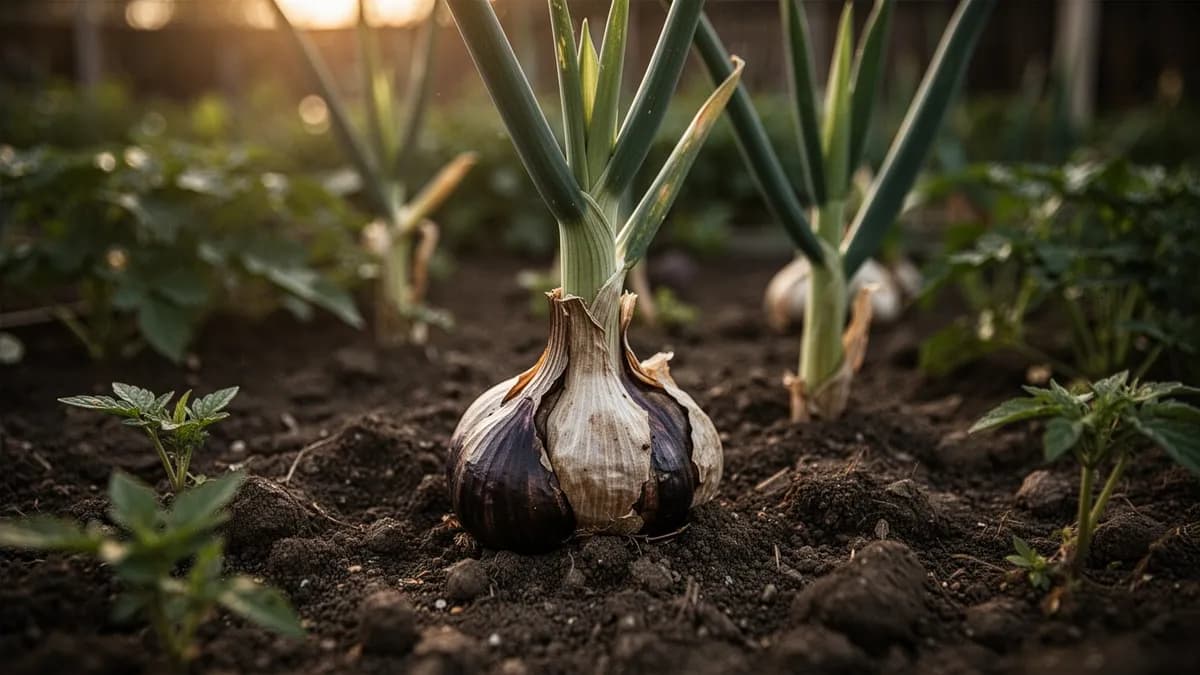
Mantén Cebolla Caminante Egipcia lejos de estos
Diseños de jardín con Cebolla Caminante Egipcia
Cultiva tu mejor Cebolla Caminante Egipcia — y todo lo que la rodea.
Empieza un plan gratis hoy. Diseña tus bancales, coloca tu Cebolla Caminante Egipcia y deja que PlotMyGarden gestione el momento, el espaciado, las asociaciones y los recordatorios de la semilla a la cesta.