Cebollín Chino
El cebollín chino (Allium tuberosum), también conocido como cebollino de ajo o nirá, es una planta perenne originaria del sudeste asiático con hojas planas y anchas que poseen un distintivo sabor a ajo suave.





En esta páginaResumen
Conoce Cebollín Chino
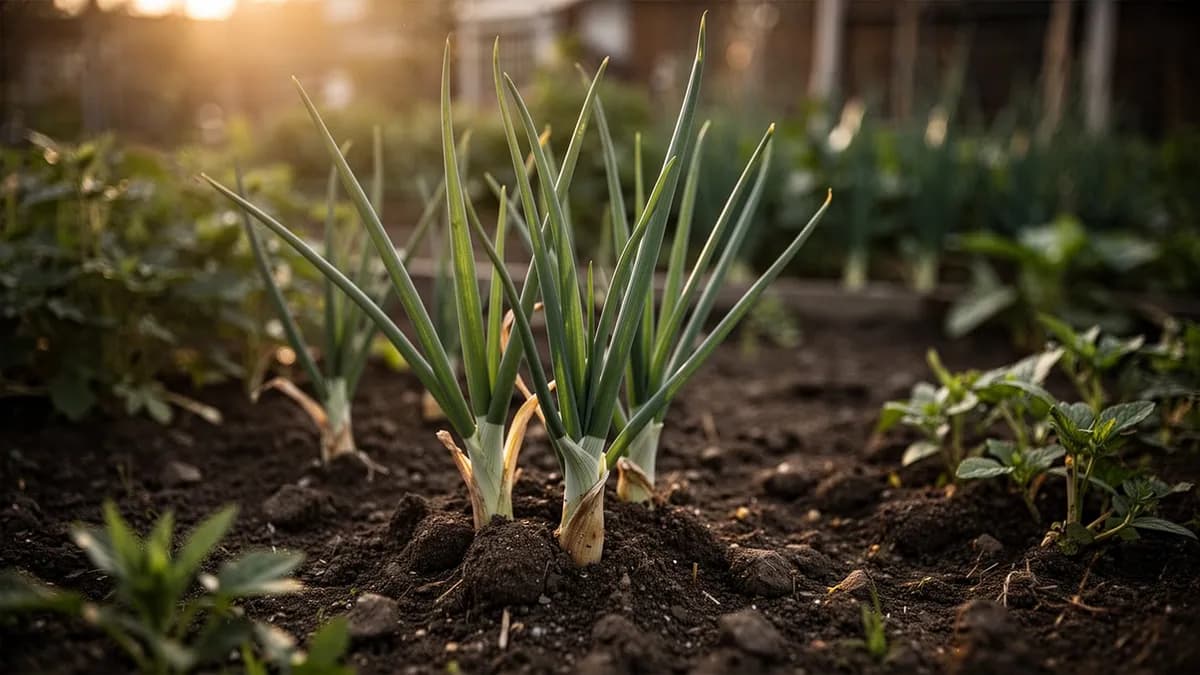
El cebollín chino (Allium tuberosum), también conocido como cebollino de ajo o nirá, es una planta perenne originaria del sudeste asiático con hojas planas y anchas que poseen un distintivo sabor a ajo suave. Sus flores blancas en forma de estrella son comestibles y muy decorativas, haciendo de esta planta un elemento atractivo tanto en el huerto como en el jardín ornamental.
Cuándo plantar Cebollín Chino
Siembre las semillas a 0,5-1 cm de profundidad en bandejas o directamente en el terreno en primavera cuando la temperatura del suelo alcance 15 °C. La germinación tarda 14-21 días y puede ser irregular. Para acelerar, remoje las semillas 24 horas antes de sembrar. Alternativamente, divida matas establecidas en primavera u otoño, separando grupos de 5-6 bulbillos, lo que produce resultados más rápidos.
Tu año de Cebollín Chino
Ajustado a Zona 7 · temporada típica · la helada se va hacia el 2 abr y vuelve hacia el 1 nov
Planta Cebollín Chino Mar – May y cosecha May – Oct. Consulta los métodos de plantación y elige tu clima para adaptar los periodos.
Cómo cultivar Cebollín Chino
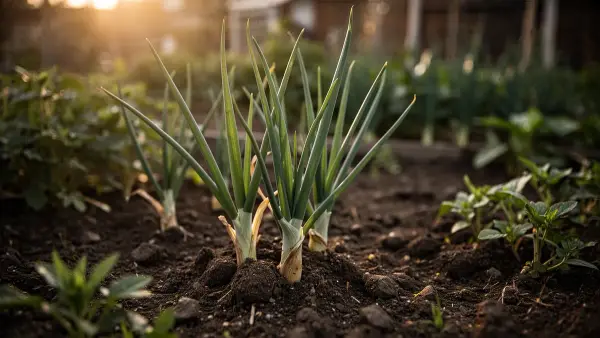
Plante en una ubicación con pleno sol a semisombra. El cebollín chino es extremadamente adaptable y crece en casi cualquier tipo de suelo bien drenado con pH entre 6,0 y 7,0. Incorpore compost maduro antes de la plantación para mejorar la fertilidad y estructura del suelo.
Siembre las semillas a 0,5 cm de profundidad en hileras separadas 25-30 cm, o trasplante matas divididas espaciadas 20-25 cm. La germinación tarda 14-21 días. Como planta perenne, se establece lentamente el primer año pero se expande vigorosamente a partir del segundo.
Riegue regularmente durante el establecimiento; una vez asentada, la planta tolera cierta sequía. Divida las matas cada 3-4 años para mantener el vigor y evitar la superpoblación. Corte las flores antes de que formen semilla si desea evitar la auto-siembra excesiva, que puede hacer que la planta se vuelva invasiva.
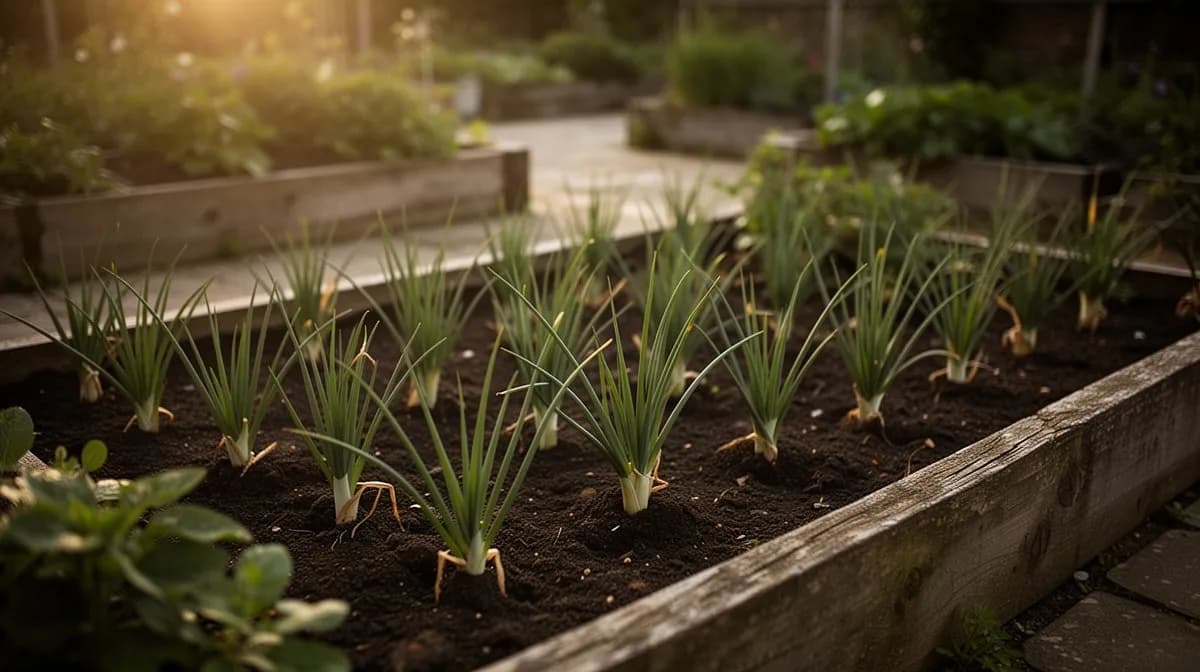
128 plantas caben en un bancal de 120 × 240 cm
Cada Cebollín Chino pide 15 cm de margen. El planificador guarda ese marco por ti — cada planta, cada bancal.
Los mejores vecinos de Cebollín Chino
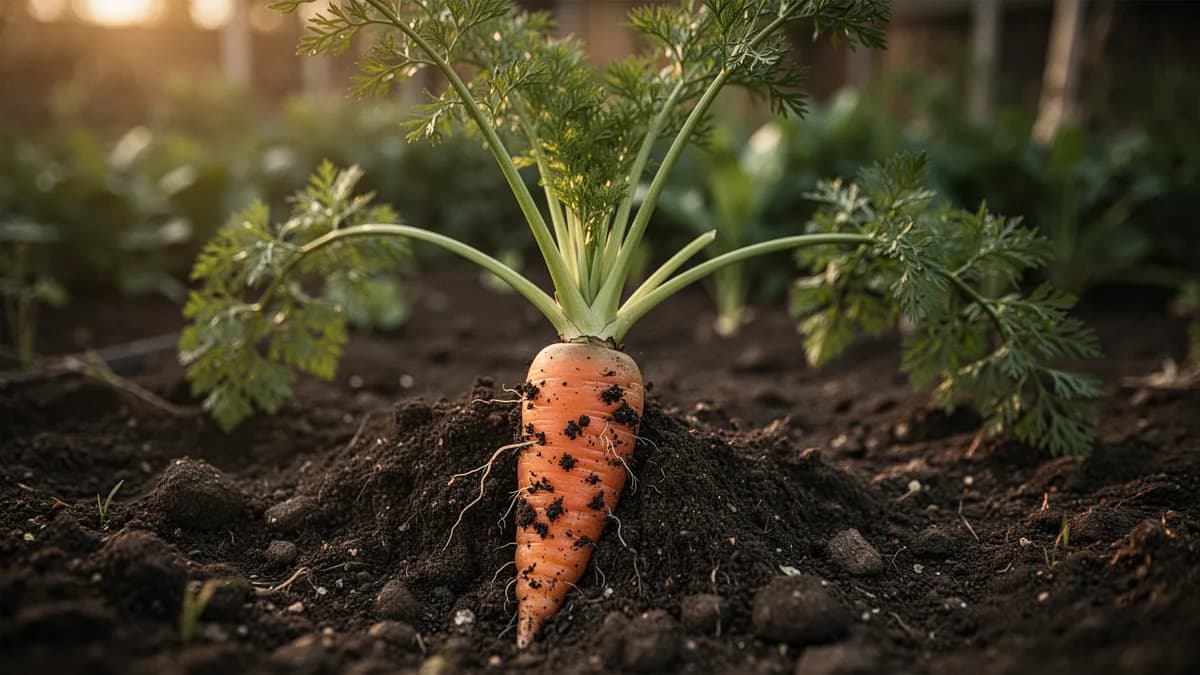
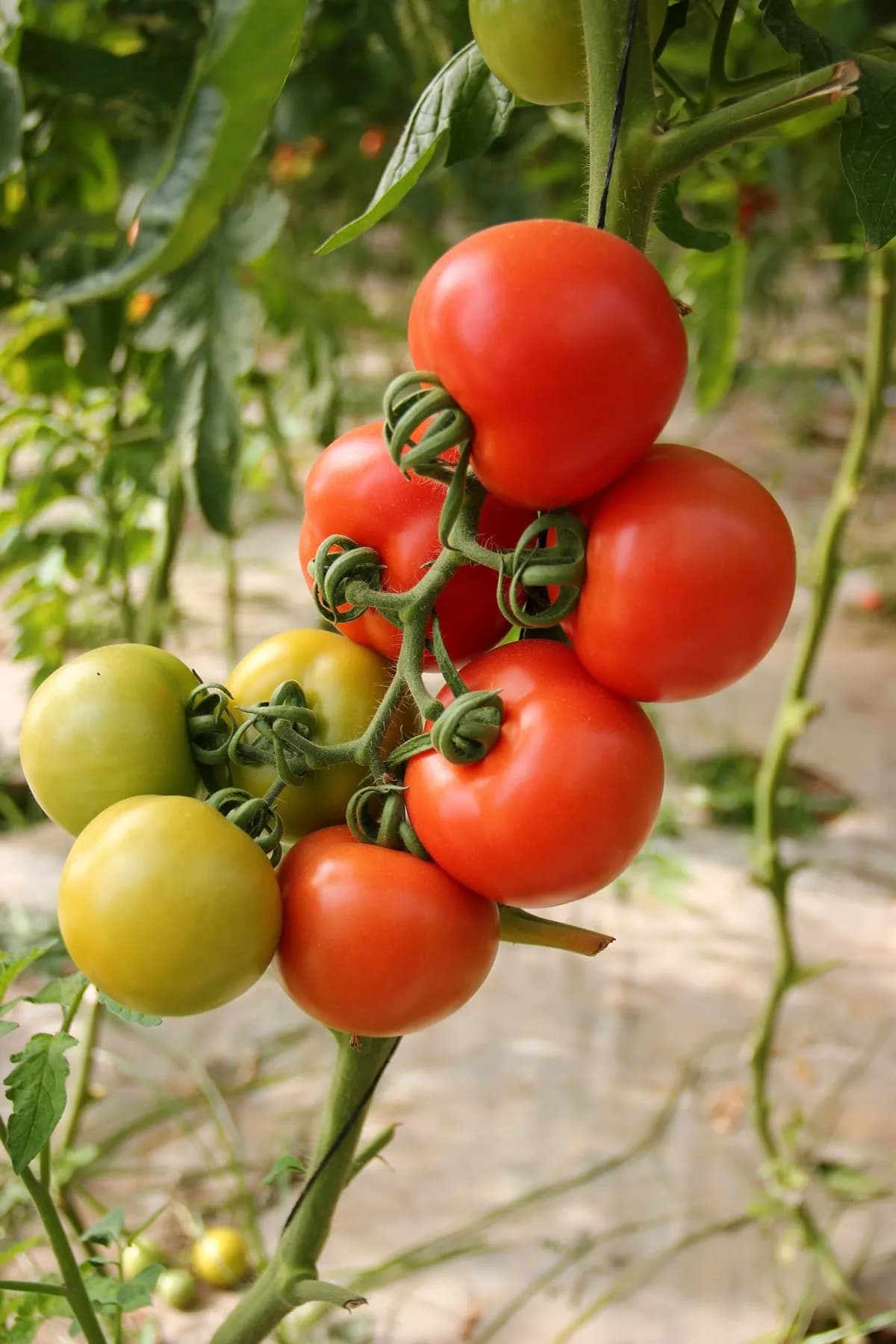
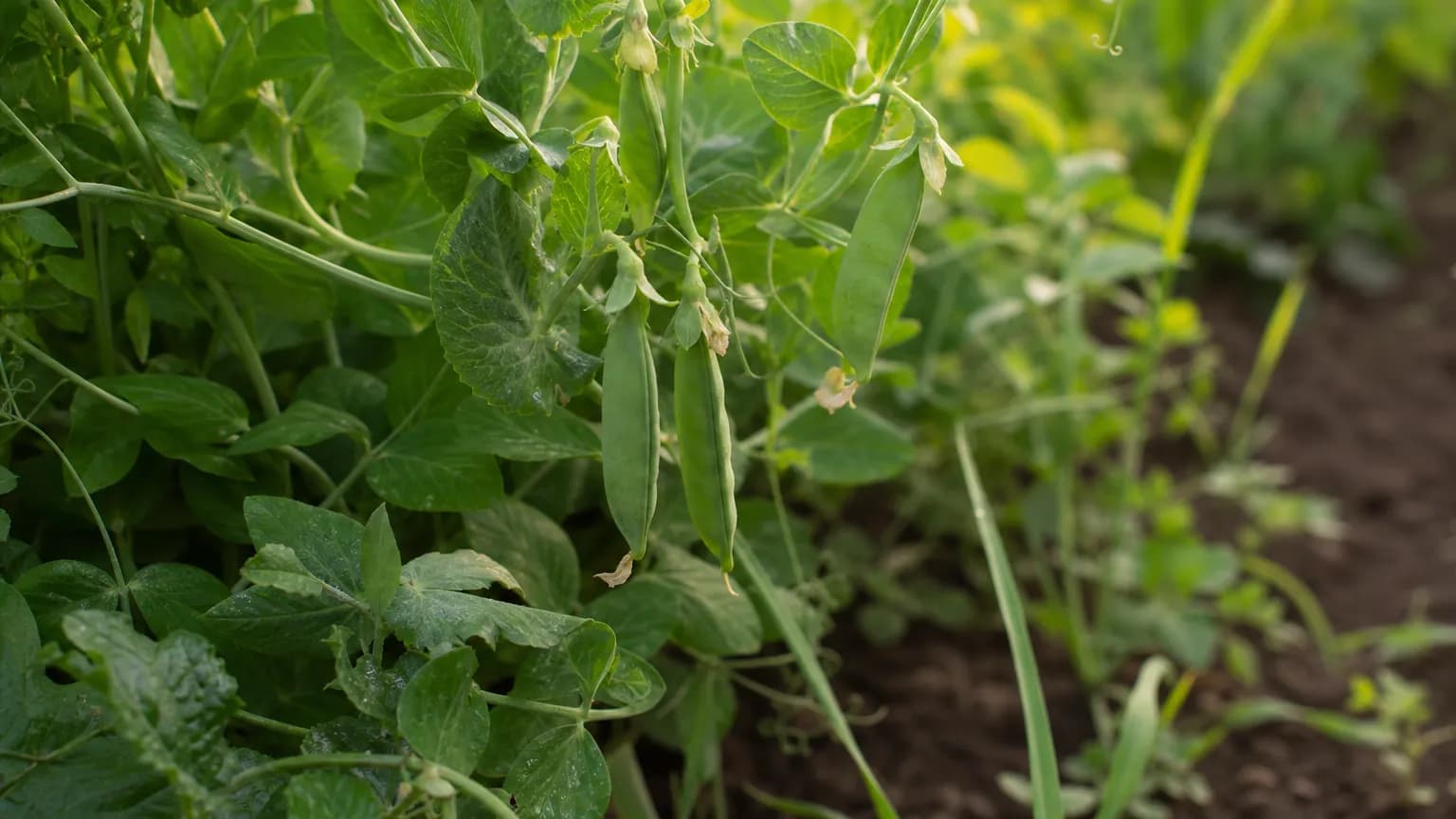
Excelente compañero para zanahorias, tomates y rosales, ya que su aroma a ajo repele pulgones, ácaros y otros insectos. Puede plantarse como bordura protectora alrededor del huerto. Evite asociar con leguminosas como guisantes y judías, ya que los alliums pueden inhibir su crecimiento.
Zanahoria va a su lado. Guisantes no.
Saber de huerto de siempre, cotejado con la tabla real de Cebollín Chino — prueba cualquier planta que cultives.
Prueba Cebollín Chino en un bancal, aquí mismo
Un bancal real del planificador con Cebollín Chino ya plantado. Toca una planta compañera para colocarla y mira cómo responde la comprobación de vecinos: verde para buenos vecinos, rojo si hay conflicto.


Guías de cultivo relacionadas
Abónalo bien
Crece en casi cualquier suelo bien drenado con pH entre 6,0 y 7,0. Prefiere suelos fértiles enriquecidos con compost, pero tolera suelos más pobres. Aplique un fertilizante equilibrado en primavera al inicio del crecimiento y después de cada cosecha abundante. Un aporte moderado de potasio favorece el desarrollo del sistema radicular.
Temperatura ideal
Compatibilidad de zonas de rusticidad
De la semilla a la cosecha, etapa por etapa
Germinación de semillas
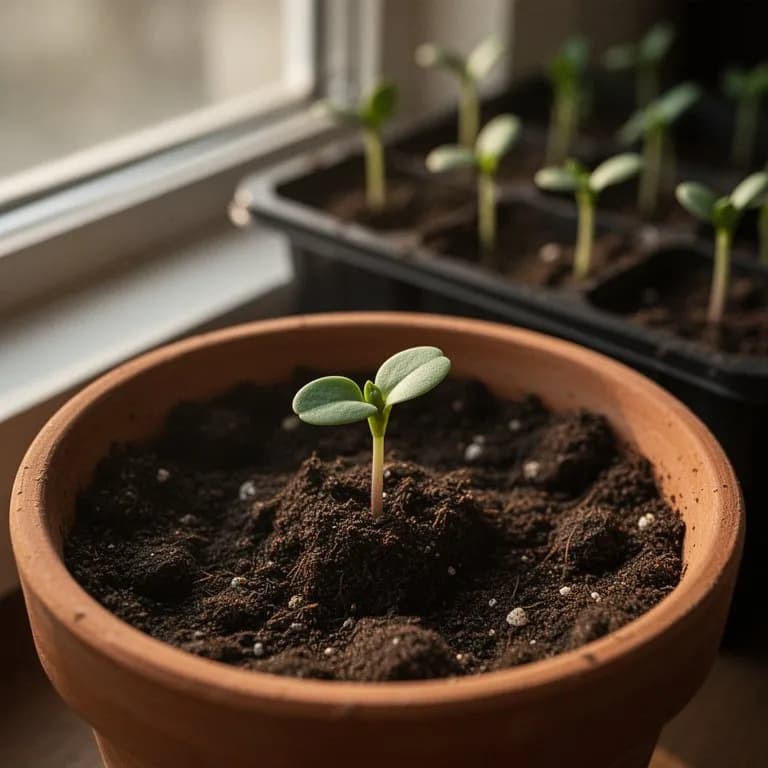
Las semillas de cebollino chino son pequeñas, negras y angulosas. Germinan lentamente en suelo cálido y suelen tardar entre 14 y 21 días en emerger. El primer crecimiento aparece como una sola hoja fina, parecida a una brizna de hierba, que fácilmente puede confundirse con una mala hierba. Las semillas necesitan al menos 15 °C para germinar con fiabilidad, con un rango óptimo de 20 a 25 °C.
Establecimiento de plántulas
Del punto de crecimiento central van apareciendo poco a poco más hojas finas. El crecimiento es lento durante esta fase, ya que la planta invierte energía en desarrollar un sistema radicular fuerte. Las plántulas parecen pequeños mechones de hierba y son tan delicadas que las malas hierbas pueden ahogarlas fácilmente si no se controlan.
Crecimiento vegetativo
Las plantas empiezan a producir las características hojas planas y acintadas a un ritmo cada vez mayor. La mata se vuelve más densa a medida que la planta macolla desde la base, enviando varios brotes foliares desde rizomas en expansión. Al final de esta fase, una planta sana tendrá entre 15 y 25 hojas, y el aroma a ajo se vuelve evidente al rozar el follaje.
Madurez para la primera cosecha
Las plantas alcanzan un tamaño cosechable con matas densas de 20 a 40 hojas, de 30 a 40 cm de altura cada una. Las hojas están en su punto más tierno y sabroso antes de que aparezcan los tallos florales. Las plantas del primer año deben cosecharse con moderación para permitir que las raíces sigan estableciéndose, pero a partir del segundo año pueden hacerse cosechas completas cada 3 a 4 semanas durante toda la temporada.
Floración
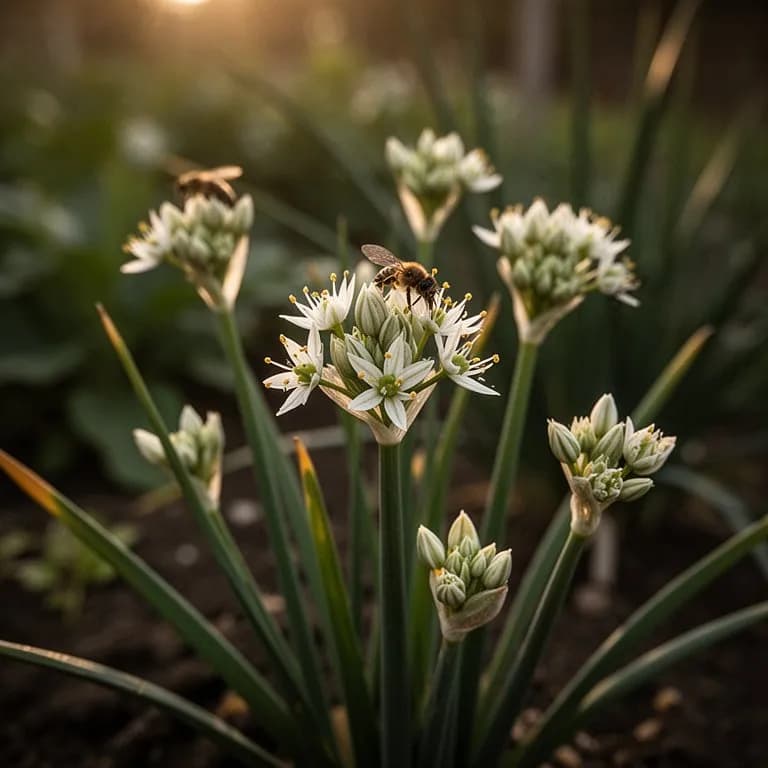
A finales del verano surgen tallos florales rígidos y redondeados por encima del follaje, cada uno coronado por un ramillete esférico de flores blancas en forma de estrella. Las flores son fragantes y atraen a numerosas abejas e insectos beneficiosos. Cuando empieza la floración, la calidad de las hojas disminuye porque la planta dirige su energía a la producción de semillas.
Latencia y renovación
Después de las heladas, el follaje se seca hasta el nivel del suelo y la planta entra en latencia invernal. El sistema radicular rizomatoso sobrevive a temperaturas de hasta -30 °C y almacena energía para un rebrote vigoroso en primavera. Cada año la mata se expande hacia afuera a medida que se forman nuevas divisiones de rizoma, y las plantas establecidas emergen antes y con más fuerza en cada primavera sucesiva.
Siembra las semillas a 6 mm de profundidad en sustrato de siembra húmedo y mantenlo siempre ligeramente húmedo, pero sin encharcar. El calor de una manta térmica acelera notablemente la germinación. Ten paciencia: una germinación lenta es normal y no significa que hayan fallado.
Cuidar Cebollín Chino mes a mes
Qué hacer cada mes para tu Cebollín Chino
Octubre
Mes actualReduce watering as growth slows. Remove any remaining flower stalks and yellowing foliage. In zones 4-6, apply 5-8 cm of mulch after the first hard frost for winter protection. In mild zones, light harvests can continue through autumn.
Ten claro qué hacer en tu huerto, cada mes
Un correo al empezar cada mes: qué sembrar, plantar y hacer ahora mismo — para tu Cebollín Chino y todo lo que crece alrededor. Más un breve curso inicial para esquivar los errores clásicos.
- Qué hacer ahora mismo
- Ajustado a tu temporada
- Curso inicial incluido
Cosechar Cebollín Chino
Coseche las hojas cuando alcancen 15-20 cm de longitud, cortando con tijeras a 3-5 cm sobre la base para permitir el rebrote continuo. La primera cosecha puede realizarse a los 60-90 días de la siembra. Realice 3-4 cosechas por temporada, dejando que la planta se recupere entre cortes. Las flores también son comestibles y se cosechan cuando están recién abiertas.
se supone que plantas al comenzar el periodo — indica tu fecha real
Empieza a cosechar cuando las hojas midan entre 15 y 20 cm, normalmente entre 50 y 60 días desde la siembra para el primer corte.
Almacenamiento y conservación
Las hojas frescas se conservan en el refrigerador envueltas en papel húmedo durante 5-7 días. Para congelar, pique finamente las hojas y congele en bandejas de cubitos con un poco de agua o aceite. También puede secar las hojas picadas al aire o en deshidratador a baja temperatura, aunque pierde algo de aroma.
Qué falla — y cómo solucionarlo
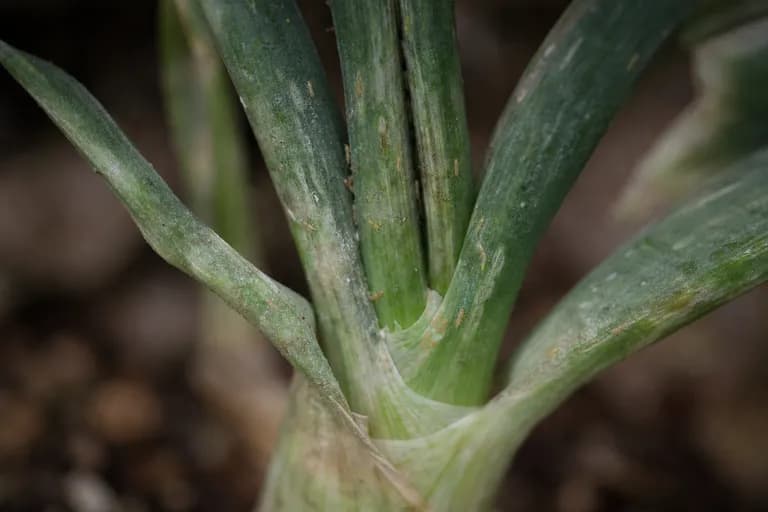
Trips (Thrips tabaci)
PlagaManchas plateadas irregulares en las hojas, decoloración y deformación de los brotes nuevos. Los insectos diminutos son difíciles de ver a simple vista.
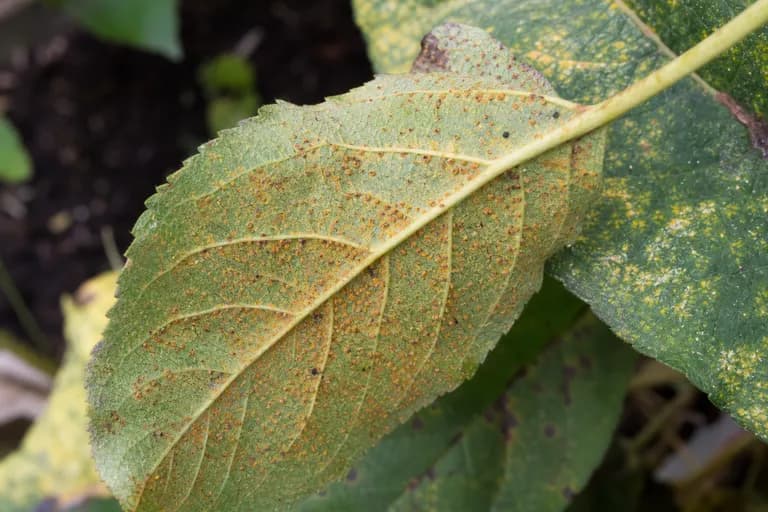
Roya (Puccinia allii)
EnfermedadPústulas anaranjadas o marrones en las hojas que liberan esporas polvorientas al tocarlas. Las hojas afectadas amarillean y se secan.
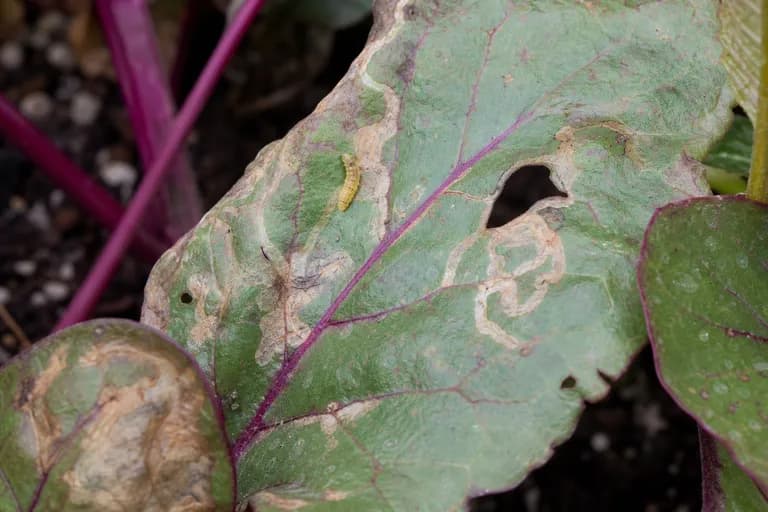
Mosca de la cebolla (Delia antiqua)
PlagaLarvas blancas que atacan la base de las plantas, causando amarillamiento, marchitez y eventual muerte de las hojas.
Solución de problemas comunes
El principal desafío es controlar su expansión: el cebollín chino se auto-siembra agresivamente y puede colonizar áreas no deseadas si no se eliminan las flores antes de la fructificación. Las hojas pierden calidad si la planta florece sin control. La roya puede aparecer en condiciones húmedas y cálidas. El exceso de sombra produce hojas más finas y menos aromáticas.
Consejos de cultivo
- Plant Chinese chives in clusters of 6-8 seedlings rather than individually. Clustering creates a substantial clump more quickly, allows earlier harvesting, and produces a more attractive garden display. Treat each cluster as a single unit for spacing purposes.
- Harvest by cutting the entire clump to 3 cm above the crown with sharp scissors or a knife — never pull individual leaves, which damages the growing point and invites disease. A clean cut heals quickly and promotes uniform regrowth.
- Water and fertilize immediately after every harvest. Chinese chives respond dramatically to post-harvest care — a dose of nitrogen-rich liquid fertilizer and deep watering can cut regrowth time from 4 weeks to 3 weeks.
- Prevent aggressive self-seeding by removing flower stalks before seed pods mature. Chinese chives are prolific self-sowers and can become invasive if flowers are allowed to go to seed. Harvest the flower buds for cooking instead.
- Divide clumps every 3-4 years in early spring when new growth first appears. Dig the entire clump, split into sections of 8-12 shoots each, and replant at the same depth. This prevents the dead center syndrome that afflicts old, overcrowded clumps.
- Try blanching a clump to produce yellow chives (jiu huang), a delicacy in Cantonese cuisine. Cover an established clump with an overturned bucket or light-proof pot for 2-3 weeks. The leaves will grow pale golden with a sweeter, milder flavor. Allow the clump to recover in full sun for 6-8 weeks before blanching again.
- Chinese chives make excellent companion plants throughout the vegetable garden. Their sulfurous compounds repel aphids, Japanese beetles, and carrot rust flies. Plant them as borders around rose beds, near fruit trees, or between rows of carrots and lettuce.
- For continuous supply, stagger your harvests across different clumps rather than cutting them all at once. Establish 3-4 clumps and rotate harvests so that fresh leaves are always available while other clumps recover and regrow.
Cultiva tu mejor Cebollín Chino — y todo lo que la rodea.
Empieza un plan gratis hoy. Diseña tus bancales, coloca tu Cebollín Chino y deja que PlotMyGarden gestione el momento, el espaciado, las asociaciones y los recordatorios de la semilla a la cesta.
Elige tu Cebollín Chino
Garlic Chives (estándar)
Variedad clásica con hojas planas verde oscuro y flores blancas estrelladas. Sabor a ajo suave y versátil. 60-90 días hasta primera cosecha.
Nien Hua
Variedad china seleccionada por sus tallos florales gruesos y tiernos, que se cosechan como verdura en sí mismos. Sabor delicado. 80-90 días.
Tender Pole
Selección con hojas más anchas y tiernas que la variedad estándar. Buen vigor y producción abundante. Ideal para climas templados. 60-70 días.
Chinese chives are a premium herb at Asian grocery stores, typically selling for $2-4 per small bunch (100-150g), and are even more expensive at mainstream supermarkets where they may reach $5-6 per bunch. A single established clump produces the equivalent of 10-20 store-bought bunches per season, delivering $25-80 worth of fresh chives from a $2-3 seed packet or a free division from a neighbor's garden. Since plants are perennial and expand each year, the lifetime value is exceptional — a clump can produce for 10-15 years with minimal care, providing hundreds of dollars of fresh chives from a single initial planting.
Recetas rápidas
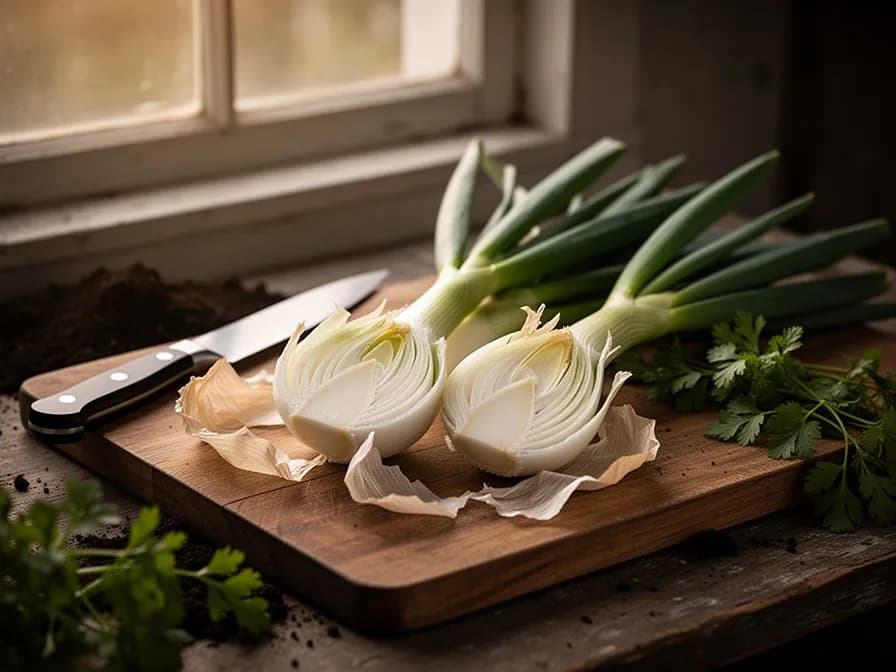
Chinese Chive and Pork Dumplings (Jiu Cai Jiao Zi)
45 minThe quintessential Chinese chive dish — hand-wrapped dumplings filled with a savory mixture of finely chopped chives, ground pork, ginger, and sesame oil. Pan-fried until golden on the bottom and steamed until the filling is juicy and fragrant.
10 ingredientes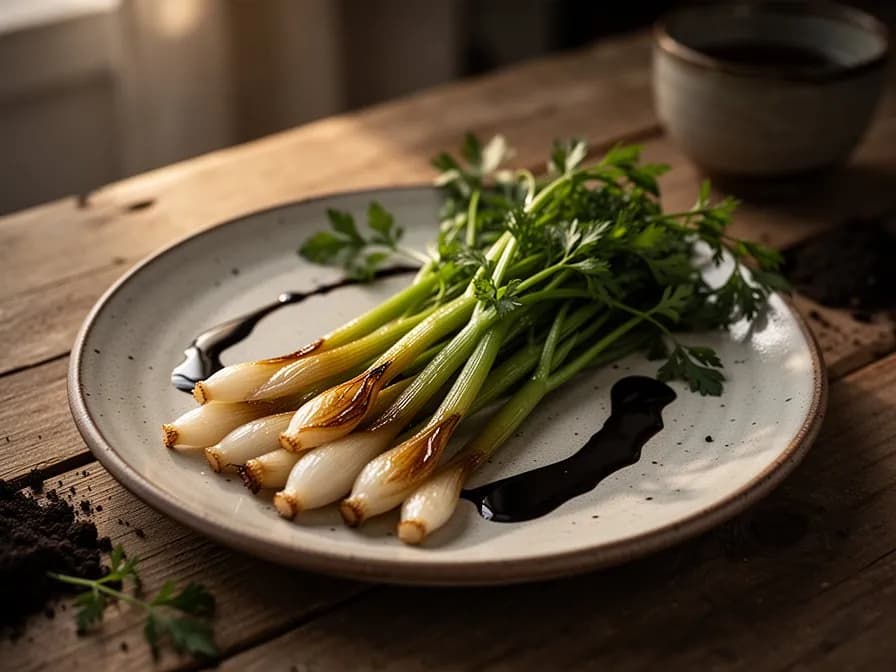
Stir-Fried Chinese Chives with Eggs
10 minA classic home-style Chinese dish that takes just minutes to prepare. Chinese chives are cut into 5 cm lengths and stir-fried with lightly scrambled eggs over high heat. The sweet garlic fragrance of the chives permeates the soft, golden egg curds.
6 ingredientesChinese Chive Pancakes (Jiu Cai Bing)
30 minCrispy, flaky flatbreads stuffed with a generous filling of chopped Chinese chives and a hint of sesame. These savory pancakes are a popular street food and breakfast item across northern China and Taiwan, with a satisfying crunch on the outside and an aromatic, savory interior.
8 ingredientesUsos culinarios
Ingrediente fundamental en la cocina china, japonesa y coreana. Las hojas picadas se añaden a salteados de carne y verduras, sopas de fideos, gyozas y empanadillas chinas. En Japón se usan en tortillas (nirá-tama) y como guarnición para ramen. Las flores comestibles se añaden a ensaladas y salteados. También es excelente en revueltos de huevo y platos de tofu.
Qué contiene
Beneficios para la salud
- Rich in organosulfur compounds similar to garlic (particularly allicin), which research has linked to antimicrobial activity, cardiovascular protection, and potential anti-cancer properties through the induction of detoxification enzymes.
- Excellent source of vitamin A and beta-carotene, with 100g providing over 50% of the daily value — critical for maintaining healthy vision, supporting immune cell function, and protecting skin from UV damage.
- Contains vitamin C that supports collagen production, enhances iron absorption from plant foods, and acts as a water-soluble antioxidant protecting cells from oxidative damage.
- Provides exceptional vitamin K content (approximately 170% DV per 100g), essential for proper blood coagulation and for activating osteocalcin, a protein that directs calcium into bone tissue.
- Traditional Chinese medicine has used Chinese chives for millennia to stimulate circulation, warm the body, and support digestive function — modern research has partially validated these uses by identifying bioactive compounds with vasodilatory and digestive-enzyme-stimulating properties.
- The dietary fiber and prebiotic compounds in Chinese chives support a healthy gut microbiome, promote regular digestion, and may help modulate inflammatory responses in the gastrointestinal tract.
De dónde viene Cebollín Chino
Chinese chives (Allium tuberosum), also called garlic chives or ku chai, are native to the grasslands and mountain slopes of Central and East Asia, with the center of origin believed to be the region spanning modern-day Mongolia, northern China, and Siberia. Archaeological evidence and ancient texts confirm their cultivation in China for at least 3,000 years, where they were valued both as a food crop and a medicinal herb. The Shijing (Book of Songs), compiled around 600 BCE, mentions chives as an offering in ritual ceremonies, indicating their cultural importance beyond the kitchen.
From China, cultivation spread throughout East and Southeast Asia following ancient trade routes and migration patterns. Chinese chives became staple ingredients in Korean cuisine (buchu), Japanese cooking (nira), and Vietnamese dishes (he), each culture developing its own characteristic preparations. Korean chive kimchi (buchu kimchi), Japanese chive-filled gyoza, and Vietnamese chive cakes (banh he) all reflect deep regional traditions built around this versatile allium.
Chinese chives reached Europe in the Middle Ages, likely introduced through Silk Road trade connections and monastic herb gardens. They were grown primarily as ornamental and medicinal plants in European gardens rather than as a culinary staple. The plant was introduced to North America by Chinese immigrants in the 19th century, initially cultivated in Chinatown market gardens along the Pacific Coast. Today, Chinese chives are grown commercially in China (by far the largest producer), Korea, Japan, India, and increasingly in Western countries to supply Asian grocery markets and the growing interest in diverse culinary herbs among home gardeners.
Cebollín Chino: ¿sabías que?
Datos fascinantes sobre Cebollín Chino
Chinese chives (Allium tuberosum) have been cultivated in China for over 3,000 years, making them one of the oldest continuously cultivated vegetables in human history. They are mentioned in ancient Chinese agricultural texts dating to the Zhou Dynasty (1046-256 BCE).
Cebollín Chino: preguntas frecuentes
¿Cuándo debo plantar Cebollín Chino?
¿Cuáles son buenas plantas acompañantes para Cebollín Chino?
¿En qué zonas de rusticidad puede crecer Cebollín Chino?
¿Cuánto sol necesita Cebollín Chino?
¿A qué distancia debo espaciar Cebollín Chino?
¿Qué plagas y enfermedades afectan a Cebollín Chino?
¿Cómo almaceno Cebollín Chino después de la cosecha?
¿Cuáles son las mejores variedades de Cebollín Chino para cultivar?
¿Qué suelo necesita Cebollín Chino?
What is the difference between Chinese chives and regular chives?
How do I prevent Chinese chives from becoming invasive?
Can I grow Chinese chives indoors during winter?
What are yellow chives and how do I grow them?
Why are my Chinese chive leaves thin and weak?
Are Chinese chive flowers edible?
Acabas de leer la teoría. Ahora cultívala en piloto automático.
Todo lo que hace que Cebollín Chino sea delicado — el momento, el espaciado, las asociaciones, la ventana de cosecha — es justo lo que PlotMyGarden resuelve por ti, para cada planta de tu huerto.
Un plan que conoce tu clima
Indica tu ubicación una vez. Recibe fechas de siembra, abonado y cosecha basadas en tu última helada real y el pronóstico en vivo — sin adivinar con un sobre genérico.
De la sección “Cuándo plantar”Planificador de bancales de arrastrar y soltar
Diseña bancales sobre una cuadrícula. Cada planta encaja con su espaciado correcto y ves toda la temporada antes de gastar un céntimo en semillas.
De la sección “Cultivo”Conflictos de asociación, detectados a tiempo
Más de 200 buenas y malas combinaciones comprobadas en vivo mientras plantas — para que un error que arruine la temporada nunca llegue a la tierra.
De la sección “Asociaciones”Recordatorios que sí vas a seguir
“Riega las judías.” “Recoge hoy antes de que se pase.” Oportunos, concretos y ligados a las plantas que de verdad cultivas.
De la sección “Cosecha”Escalonado, programado
¿Quieres cosechar seis semanas en vez de seis días? Reparte tus siembras automáticamente y te avisa cuando toca el siguiente lote.
De la sección “Cuándo plantar”Un registro que se vuelve más listo
Cada cosecha que registras le enseña tu huerto. El plan del año que viene parte de lo que de verdad funcionó en tu suelo, no en un manual.
De la sección “Resumen”Planta estos junto a Cebollín Chino
Más Aliáceas
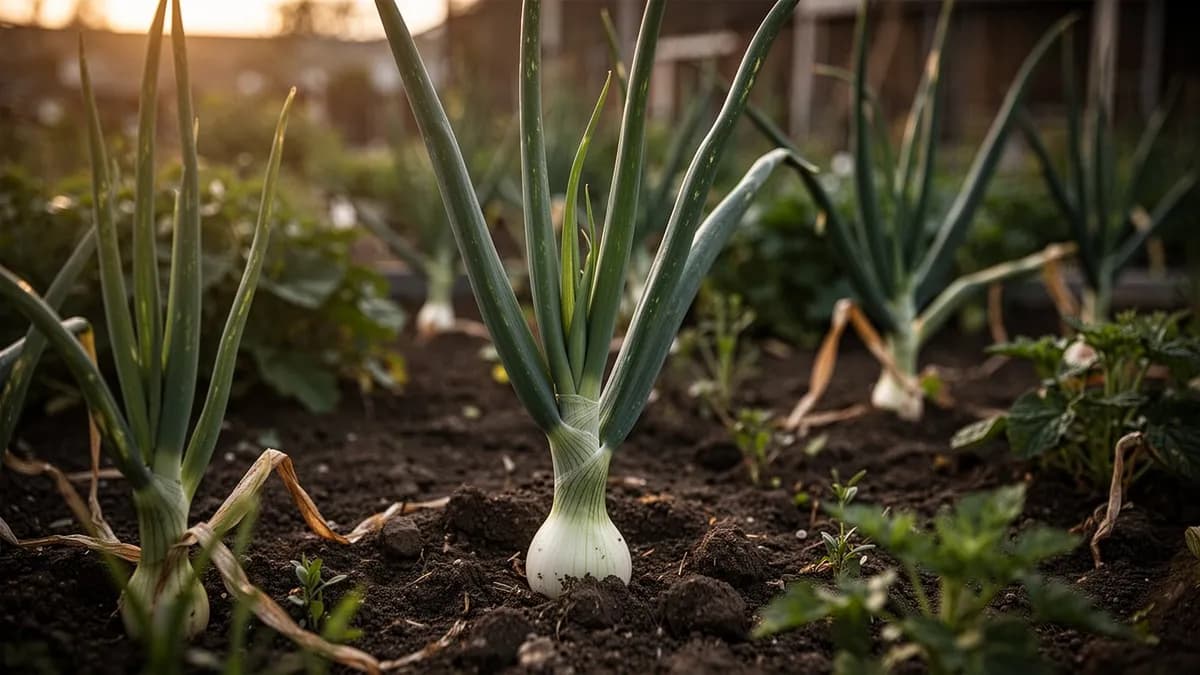
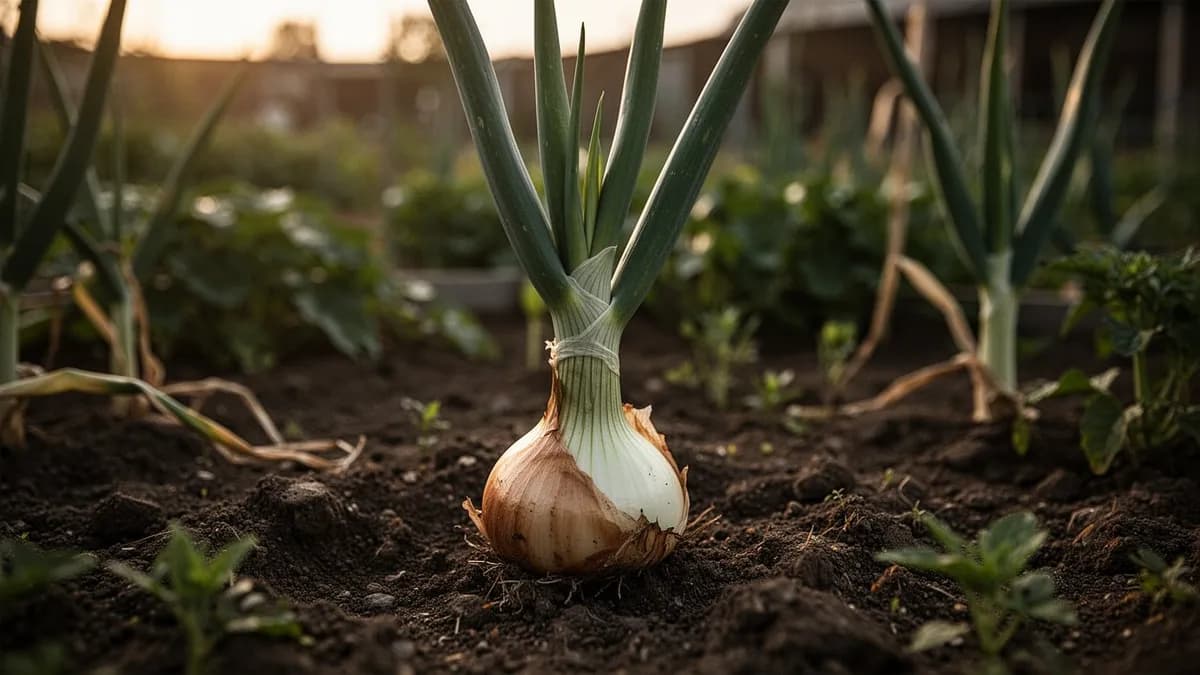
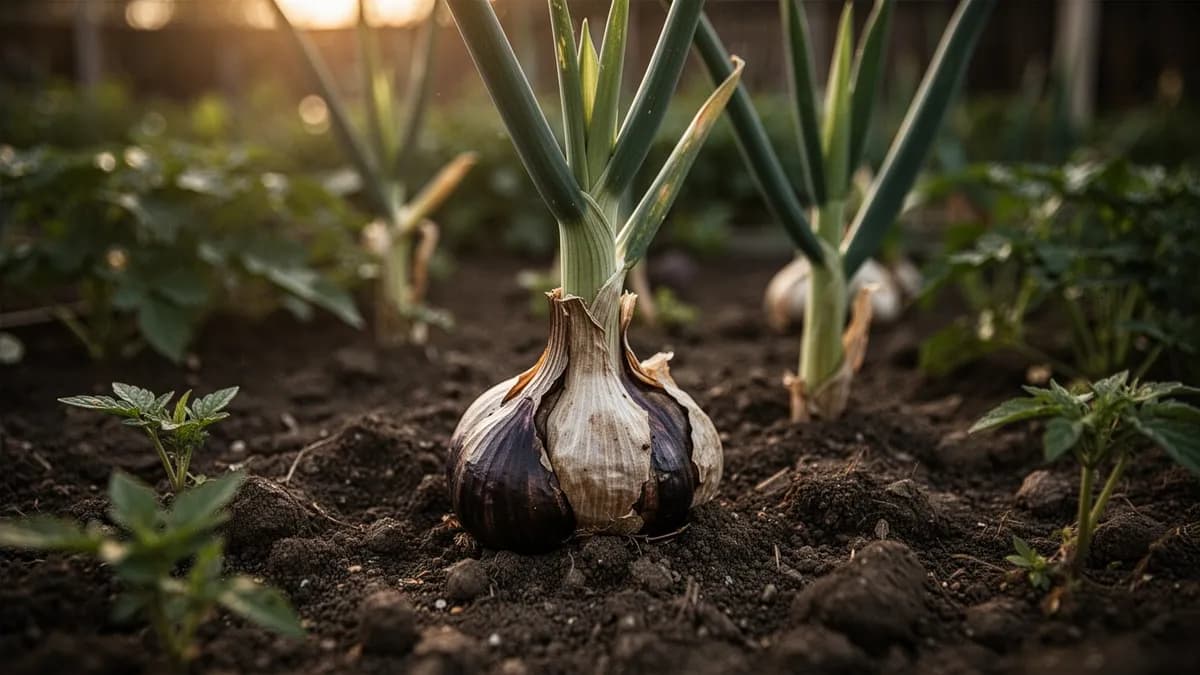
Mantén Cebollín Chino lejos de estos
Cultiva tu mejor Cebollín Chino — y todo lo que la rodea.
Empieza un plan gratis hoy. Diseña tus bancales, coloca tu Cebollín Chino y deja que PlotMyGarden gestione el momento, el espaciado, las asociaciones y los recordatorios de la semilla a la cesta.