Satsuma
Die kälteresistenteste Mandarinensorte, die kurzzeitige Temperaturabfälle bis -9 °C übersteht, was sie in der Golfküstenregion besonders beliebt macht.





Auf dieser SeiteÜberblick
Satsuma im Überblick
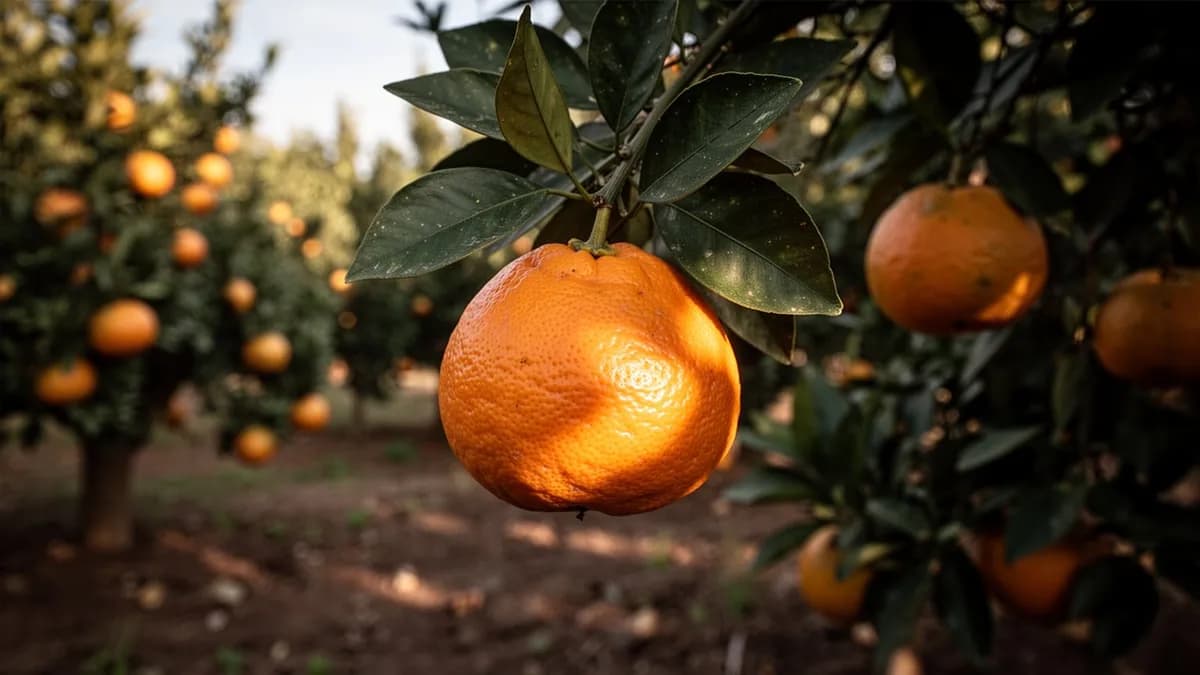
Die kälteresistenteste Mandarinensorte, die kurzzeitige Temperaturabfälle bis -9 °C übersteht, was sie in der Golfküstenregion besonders beliebt macht. Satsumas sind kernlos, leicht zu schälen und reifen früh in der Zitrussaison von Oktober bis Dezember. Die zarten, saftigen Segmente besitzen eine feine Süße, die am besten frisch genossen wird, da die Frucht nicht so lange lagerfähig ist wie andere Zitrusfrüchte.
Wann Satsuma pflanzen
Satsumas sind kernlos und müssen durch Veredelung vermehrt werden. Kaufen Sie Baumschulbäume, die auf Trifoliata-Unterlage veredelt sind, für maximale Kältehärte in den Zonen 8 und 9, oder auf Flying-Dragon-Unterlage für natürliche Wuchsbegrenzung. Veredelte Bäume beginnen typischerweise nach drei bis vier Jahren zu fruchten. Trifoliata-Unterlage bewirkt eine frühere Ruhephase und verbessert so die Frostresistenz. Für Gärtner an der Golfküste leisten lokal angepasste Baumschulware, die an regionale Bedingungen akklimatisiert ist, die besten Dienste. Containerbäume auf Flying-Dragon-Unterlage eignen sich gut für Terrassen und können bei starkem Frost ins Haus gebracht werden.
Dein Satsuma-Jahr
Abgestimmt auf Zone 7 · typische Saison · Frost geht um den 2. Apr. und kehrt um den 1. Nov. zurück
Satsuma Mär – Mai pflanzen, Okt – Dez ernten. Beachte die Pflanzmethoden unten und wähle dein Klima für passende Zeiträume.
So baust du Satsuma an
Satsumas sind die kältetolerantesten Mandarinen und überstehen kurzzeitige Temperaturabfälle bis -9 °C, was sie in den USDA-Zonen 8 bis 11 anbaufähig macht. Diese Kältehärte hat Satsumas zur bevorzugten Zitrusfrucht für Gärtnerinnen und Gärtner an der Golfküste und im tiefen Süden gemacht. Pflanzen Sie in voller Sonne in gut durchlässigem Boden mit einem Abstand von 3 bis 3,6 Metern für Standardbäume oder 1,8 Metern für Zwergbäume auf Flying-Dragon-Unterlage.
Satsumas reifen als früheste aller Mandarinen von Oktober bis Dezember und müssen zügig geerntet werden, da die empfindlichen Früchte am Baum schnell an Qualität verlieren. Die Frucht ist erntereif, wenn die Schale sich orange färbt, wobei grünlich getönte Früchte dennoch süß sein können. Satsumas sind kernlos und selbstfruchtbar, sodass kein Bestäuber erforderlich ist. Halten Sie sie von anderen Zitruspflanzen fern, um Kreuzbestäubung zu vermeiden, die Kerne einbringen könnte.
Düngen Sie dreimal jährlich mit einer ausgewogenen Zitrusdüngerformel. Satsumas auf Trifoliata-Unterlage bieten die beste Kombination aus Kältehärte und Wuchsbegrenzung für Hausgärten. Schützen Sie die Bäume in den ersten drei Wintern mit Frostschutzvlies vor starkem Frost. Mulchen Sie den Wurzelbereich großzügig mit zehn Zentimetern organischem Material zur Wurzelisolierung. Die Bäume bilden von Natur aus eine kompakte, runde Krone, die nur minimalen Rückschnitt erfordert.
Für Satsuma ist ein Beet von 120 × 240 cm zu klein
Satsuma braucht 300 cm Platz pro Pflanze. Der Planer hält diesen Abstand für dich ein — jede Pflanze, jedes Beet.
Die besten Nachbarn für Satsuma
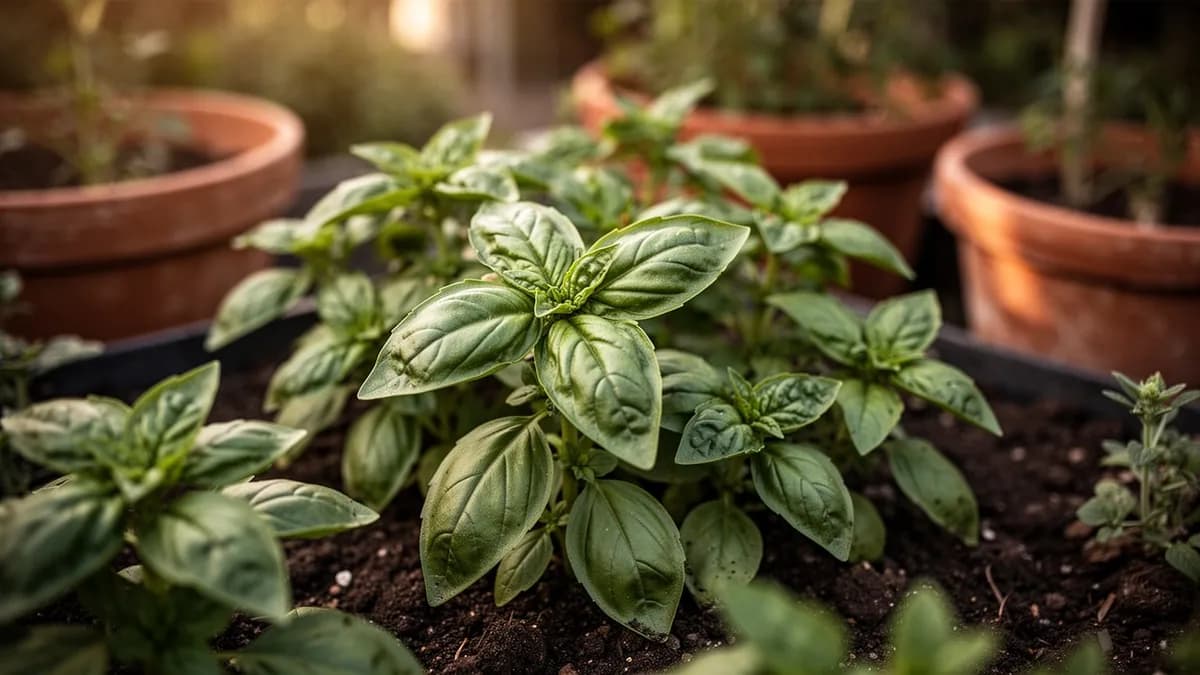
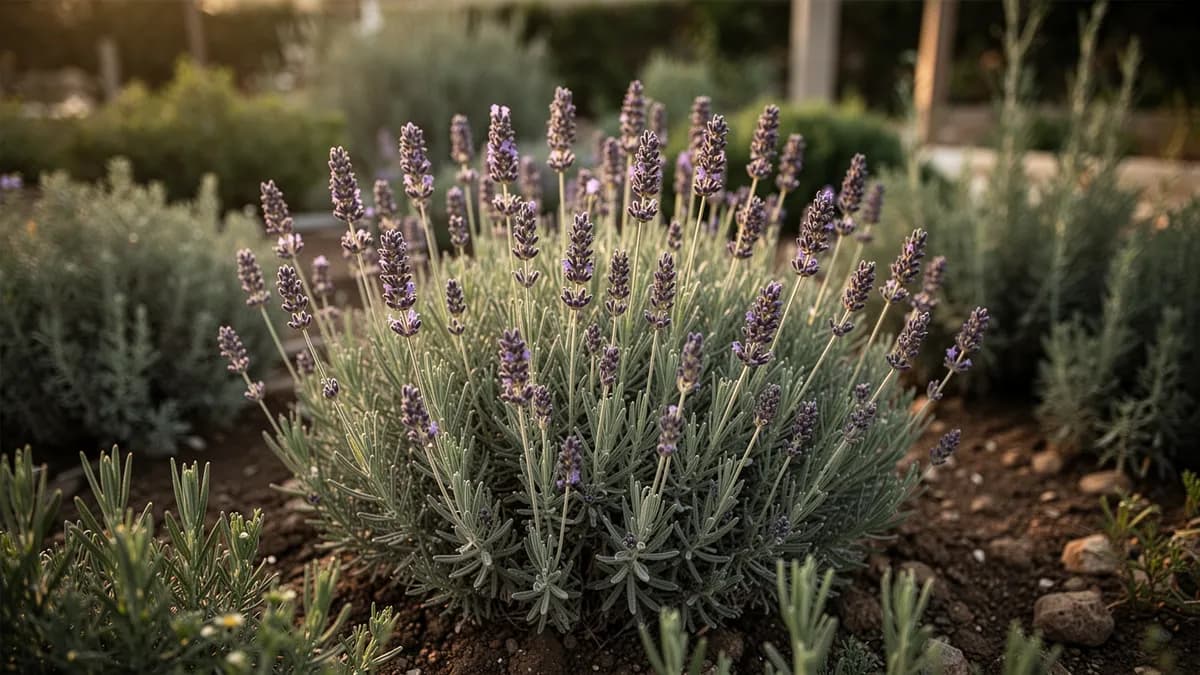
Pflanzen Sie Satsumas zusammen mit anderen kältetoleranten Zitrusarten wie Kumquats und Yuzu, um einen Zone-8-Zitrusgarten zu schaffen. Unterpflanzen Sie mit stickstofffixierendem Inkarnatklee oder Weißklee zur Bodenverbesserung. Rosmarin, Lavendel und Thymian ziehen Bestäuber an und vertragen ähnliche Wachstumsbedingungen. Pflanzen Sie an der Südseite von Gebäuden für reflektierte Wärme und Windschutz in Grenzlagen. An der Golfküste passen Satsumas gut zu Feigenbäumen und Heidelbeeren, die eine ähnliche Kältehärte aufweisen.
Basilikum gehört daneben. Walnussbaum nicht.
Altes Gärtnerwissen, geprüft an der echten Nachbartabelle von Satsuma — teste jede Pflanze, die du anbaust.
Probiere Satsuma direkt hier im Beet
Ein echtes Planer-Beet, Satsuma steht schon drin. Tippe einen Begleiter an, platziere ihn und sieh, wie die Nachbarschaftsprüfung antwortet — grün für gute Nachbarn, rot bei Streit.


Passende Anbau-Ratgeber
Richtig düngen
Satsumas gedeihen am besten in gut durchlässigem sandigem Lehm bis Lehm mit einem pH-Wert von 5,5 bis 6,5. Hochbeete eignen sich hervorragend für Gebiete mit schwerem Ton oder schlechter Drainage. Bringen Sie dreimal jährlich im Februar, Mai und September einen ausgewogenen Zitrusdünger aus. Vermeiden Sie späte Herbstdüngung, die zartes Neuwachstum fördert, das anfällig für Winterfröste ist. Satsumas sind mäßige Zehrer, die keine starke Düngung benötigen. Halten Sie eine drei bis vier Zentimeter dicke Schicht organischen Mulchs für Wurzelisolierung und Bodengesundheit aufrecht.
Ideale Temperatur
Winterhärtezone-Kompatibilität
Von der Saat zur Ernte, Schritt für Schritt
Pflanzung und Wurzeletablierung
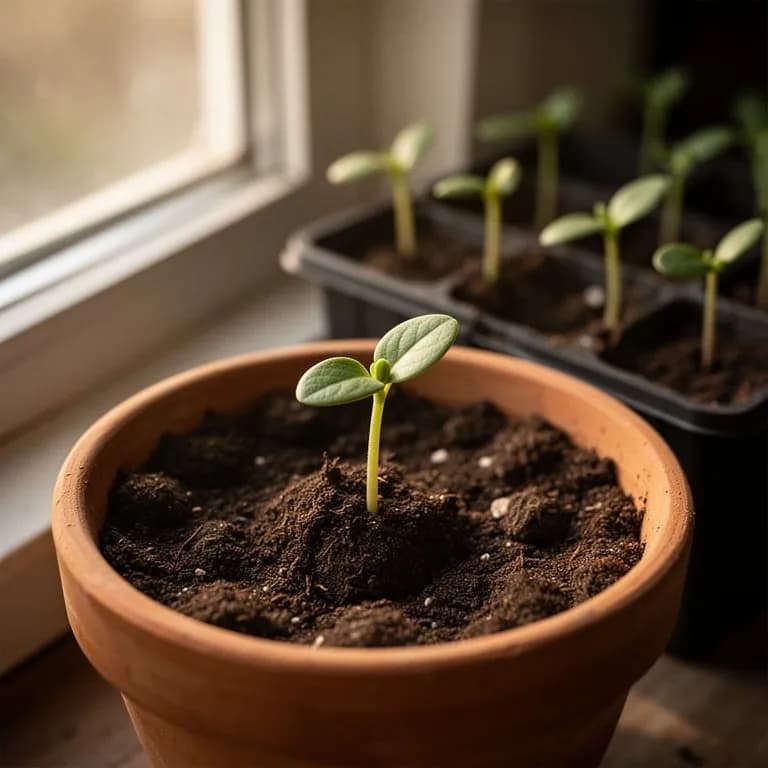
Satsumas werden fast ausschließlich aus veredelter Baumschulware gezogen, da Sämlinge 8–10 Jahre bis zur Fruchtbildung brauchen können und uneinheitliche Ergebnisse liefern. Nach dem Umpflanzen konzentriert der Baum seine Energie auf den Aufbau des Wurzelsystems. Das oberirdische Wachstum kann in dieser Phase langsam erscheinen, aber unter der Erdoberfläche bildet sich ein starkes Wurzelnetzwerk. Gleichmäßiges Gießen und Verzicht auf Dünger in den ersten 4–6 Wochen reduzieren den Verpflanzungsstress.
Vegetatives Wachstum und Kronenentwicklung
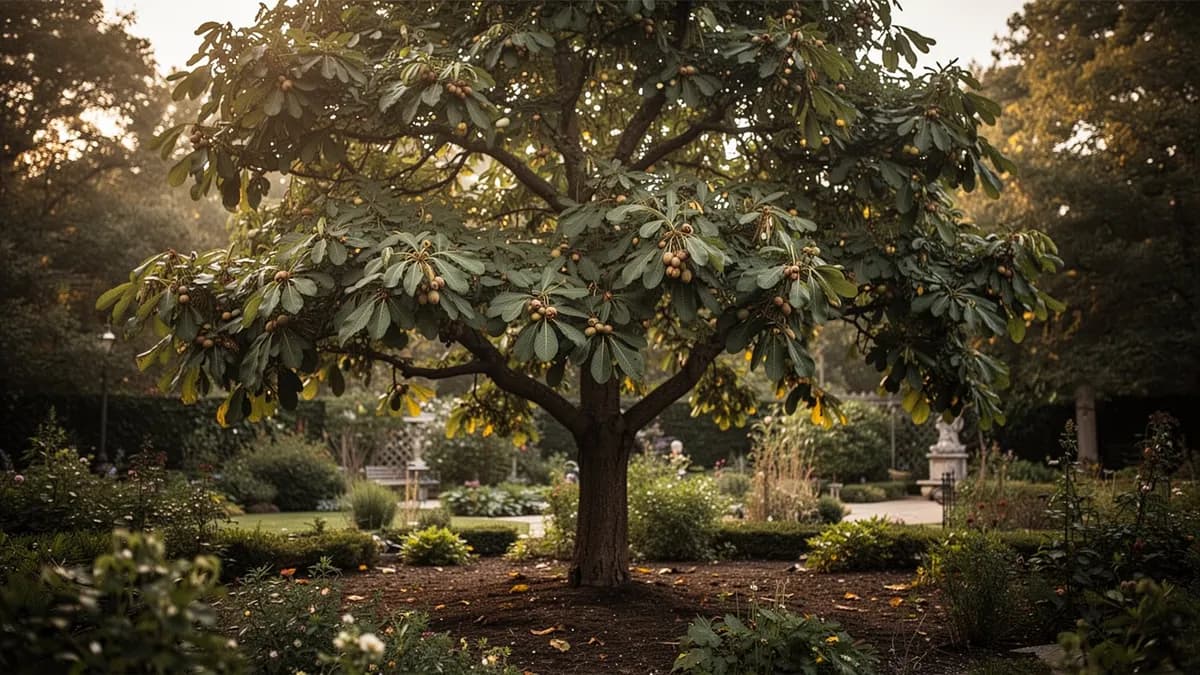
Die Satsuma treibt in jeder Vegetationsperiode mehrere Wachstumsschübe aus – typischerweise im Frühling, Sommer und Frühherbst. Neue Blätter erscheinen mit einem leicht rötlichen Ton, bevor sie zu tiefem, glänzendem Grün ausreifen. Der Baum entwickelt in dieser Phase seine charakteristische ausladende, runde Form. Satsumas sind im Vergleich zu anderen Zitrusarten von Natur aus kompakt und erreichen selten mehr als 3–4 Meter Höhe ohne Rückschnitt, was sie gut für kleinere Gärten geeignet macht.
Erste Blüte
Veredelte Satsuma-Bäume beginnen typischerweise in ihrem zweiten oder dritten Frühling nach der Pflanzung zu blühen. Die weißen, fünfblättrigen Blüten erscheinen in Büscheln an den Blattachseln und duften intensiv. Anders als viele Zitrussorten sind Satsumas stark parthenocarp – sie setzen Früchte ohne Bestäubung an, weshalb sie praktisch kernlose Früchte produzieren. Diese Eigenschaft bedeutet auch, dass ein einzelner Baum zuverlässig Früchte trägt, ohne einen Bestäubungspartner zu benötigen.
Fruchtentwicklung und Größenzunahme
Nach der Blüte entwickeln sich winzige grüne Fruchtansätze und der Baum durchläuft seinen natürlichen Junifruchtfall – er wirft überschüssige Fruchtansätze ab, die er nicht versorgen kann. Die verbleibenden Früchte schwellen den Sommer über stetig an. Eine Besonderheit der Satsumas ist, dass die Frucht beginnt, ihre Farbe zu wechseln, während sie noch etwas herb ist, und sich typischerweise im Herbst orange färbt, wenn die Nächte kühler werden. Die Frucht ist dank der parthenocarpen Natur des Baumes fast immer kernlos, und die lockere Schale entwickelt sich mit zunehmender Reife.
Farbumschlag und Reifung
Wenn die Herbsttemperaturen sinken, wechseln Satsumas von Grün zu ihrem charakteristischen tiefen Orange. Der Farbumschlag wird durch kühlere Nachttemperaturen ausgelöst und nicht durch den Zuckergehalt, sodass die Frucht sich orange färben kann, bevor sie die optimale Süße erreicht hat. Satsumas gehören zu den frühesten reifenden Mandarinensorten, wobei die meisten Sorten je nach Klima und Sorte von Ende September bis November erntereif sind. Die lockere, aufgeblähte Schale, die Satsumas so leicht von Hand schälbar macht, entwickelt sich in dieser Phase vollständig.
Ernte und Nachernte-Ruhe
Reife Satsumas werden je nach Sorte und Anbauregion von Ende September bis Dezember geerntet. Anders als Zitronen verbessern sich Satsumas nach dem Pflücken nicht mehr und werden am besten innerhalb von 2–3 Wochen bei Raumtemperatur oder 4–6 Wochen im Kühlschrank verzehrt. Nach der Ernte geht der Baum in eine kurze halbdormante Ruhephase über den Winter. Diese Ruhephase ist wichtig für die Blütenknospenbildung des Folgejahres und sollte nicht durch starkes Düngen oder übermäßiges Gießen unterbrochen werden.
Pflanzen Sie in ein Loch, das doppelt so breit wie der Wurzelballen ist, in derselben Tiefe, in der der Baum im Container stand. Halten Sie die Veredelungsstelle mindestens 10 cm über der Bodenoberfläche. Gießen Sie im ersten Monat alle 3–4 Tage gründlich, dann wechseln Sie zu wöchentlichem Tiefgießen. Verzichten Sie in den ersten 4–6 Wochen auf Dünger, um ein Verbrennen der neuen Wurzeln zu vermeiden.
Satsuma Monat für Monat pflegen
Was du jeden Monat für deine Satsuma tun solltest
Oktober
Aktueller MonatHaupterntezeit für die meisten Satsuma-Sorten. Ernten Sie die Früchte, wenn sie geschmacklich die volle Süße erreicht haben – Farbe allein ist kein zuverlässiger Indikator. Beginnen Sie mit der Vorbereitung des Frostschutzes für Freilandbäume. Bringen Sie Container-Bäume vor dem ersten starken Frost ins Haus, wenn Sie in einem Klima leben, in dem die Temperaturen unter -6 °C fallen.
Immer wissen, was jetzt im Garten zu tun ist
Eine E-Mail zum Monatsanfang: was du jetzt säen, pflanzen und anpacken solltest — für deine Satsuma und alles, was drumherum wächst. Dazu ein kurzer Startkurs, der dich vor den klassischen Fehlern bewahrt.
- Was jetzt zu tun ist
- Passend zu deiner Saison
- Startkurs inklusive
Satsuma ernten
Satsumas reifen von Oktober bis Dezember und sind damit die frühesten aller Zitrusfrüchte. Ernten Sie, wenn die Schale überwiegend orange ist, wobei etwas Grün in der Nähe des Stiels akzeptabel ist, sofern die Frucht süß schmeckt. Die zarte, dünnschalige Frucht muss vorsichtig behandelt werden, um Druckstellen zu vermeiden. Schneiden Sie sie mit einer Gartenschere vom Baum. Satsumas werden nach der Ernte nicht süßer und verschlechtern sich am Baum schnell, sobald sie reif sind – ernten Sie daher zügig innerhalb eines Zeitfensters von zwei bis drei Wochen.
angenommen, du pflanzt zu Beginn des Zeitraums — trage dein tatsächliches Datum ein
Ernte Satsuma zügig, dann trägt die Pflanze weiter.
Lagerung & Konservierung
Satsumas haben aufgrund ihrer dünnen, empfindlichen Schale eine kürzere Haltbarkeit als die meisten Zitrusfrüchte. Frische Früchte halten sich etwa eine Woche bei Raumtemperatur und zwei Wochen im Kühlschrank. Der Saft lässt sich gut einfrieren und behält seine feine Süße. Segmente können in leichtem Sirup für längere Lagerung eingemacht werden. Satsuma-Marmelade ist eine Spezialität der Golfküste. Die Schale lässt sich gut trocknen zum Backen. Getrocknete Satsuma-Scheiben ergeben süße, zähe Snacks. Verarbeiten Sie die Früchte für beste Qualität zeitnah nach der Ernte.
Was schiefgeht — und die Lösung
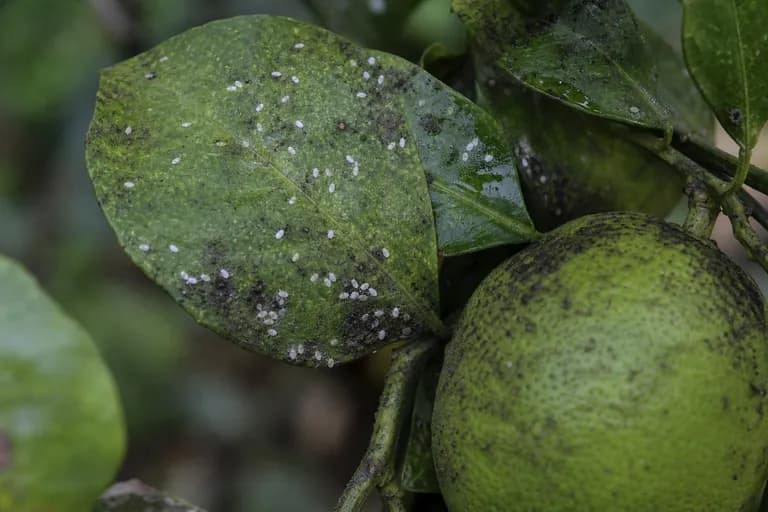
Zitrus-Weiße Fliege
SchädlingKleine weißflügelige Insekten fliegen von gestörtem Laub auf. Honigtauablagerungen führen zu schwarzem Rußtau auf Blättern und Früchten.
Frostschaden
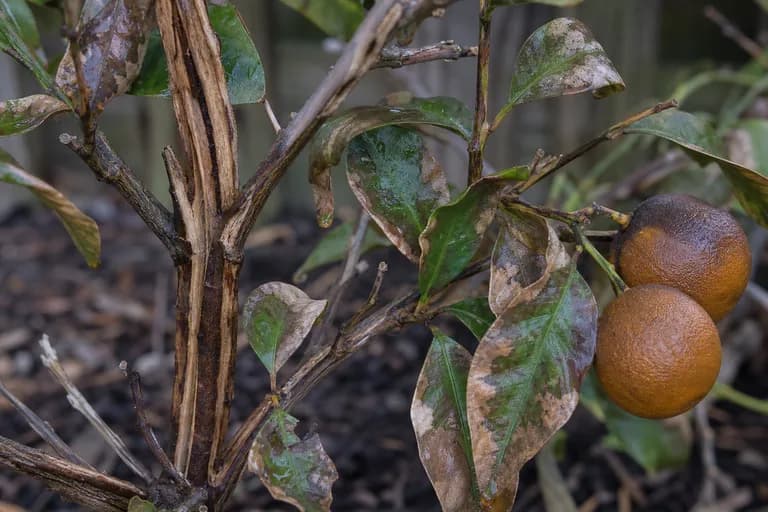
KrankheitWässrig durchtränkte Blätter, die braun eintrocknen, Rindenrisse an Stamm und Hauptästen, Absterben der äußeren Zweige und Fruchtschäden durch starken Frost.
Rußtau
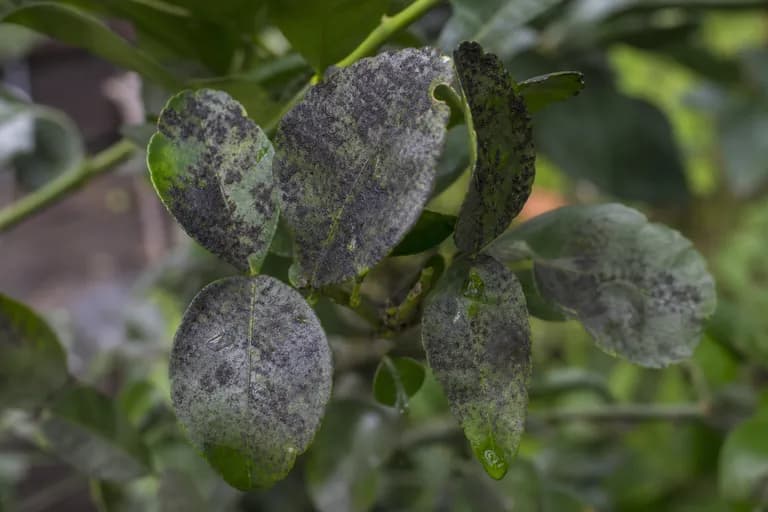
KrankheitSchwarzer, rußiger Pilzbelag auf Blättern und Früchten. Befällt das Pflanzengewebe nicht direkt, reduziert aber die Photosynthese und das Erscheinungsbild der Früchte.
Fehlerbehebung bei häufigen Problemen
Trotz ausgezeichneter Kältetoleranz für Zitrus können Satsumas bei extremen Kälteereignissen dennoch katastrophale Frostschäden erleiden. Die Fruchtqualität nimmt nach der Reife schnell ab, was ein enges Erntefenster ergibt. Die empfindliche Schale bekommt beim Pflücken und Handhaben leicht Druckstellen. Alternanztragen kann die Erntemenge in Nebenjahren verringern. Satsumas, die in sehr warmen tropischen Klimazonen angebaut werden, entwickeln möglicherweise nicht die Süße, die in kühleren subtropischen Anbaugebieten erreicht wird, wo Tag-Nacht-Temperaturunterschiede den Zucker konzentrieren.
Anbautipps
- Kaufen Sie stets einen veredelten Baum aus einer seriösen Zitrusbaumschule, anstatt zu versuchen, aus Samen zu ziehen. Veredelte Satsumas fruchten in 2–3 Jahren, während Sämlingsbäume 8–10 Jahre brauchen können und nicht sortentreu fruchten.
- Wählen Sie einen Pflanzplatz, der mindestens 6–8 Stunden direkte Sonneneinstrahlung täglich erhält. Süd- oder südwestseitige Wände sind in gemäßigten Klimazonen ideal, da die reflektierte Wärme die Reifung beschleunigt und während kalter Herbst- und Winternächte Frostschutz bietet.
- Satsumas gedeihen am besten in leicht saurem, gut durchlässigem Boden mit einem pH-Wert zwischen 5,5 und 6,5. In Gebieten mit schwerem Tonboden heben Sie den Pflanzbereich an oder schaffen Sie einen Hügel, um hervorragende Drainage zu gewährleisten, da Staunässe an den Wurzeln eine Hauptursache für den Verfall etablierter Bäume ist.
- Gießen Sie lieber tief und selten als flach und oft. Tiefes Gießen ermutigt die Wurzeln, zu stabilen Feuchtigkeitsreserven hinabzuwachsen, während häufiges flaches Gießen die Wurzeln nahe der Oberfläche hält, wo sie anfällig für Trockenheit und Temperaturextreme sind.
- Düngen Sie vom Spätwinter bis zum Sommer mit einem zitrusspezifischen Dünger, der die Spurenelemente Eisen, Zink und Mangan enthält. Vergilbung zwischen den Blattadern bei neuem Wachstum (Interkostalchlorose) ist ein zuverlässiges Zeichen dafür, dass eine Mikronährstoffergänzung erforderlich ist.
- In Klimazonen, in denen die Temperaturen gelegentlich auf -6 °C oder darunter sinken, schützen Sie junge Bäume mit Frostschutzvlies und wickeln Sie den Stamm mit Jute ein. Einmal etabliert, können ausgewachsene Satsumas kurzzeitig -9 °C tolerieren, aber die Früchte und das neue Wachstum bleiben frostempfindlich und sollten während Kälteperioden geschützt werden.
- Dünnen Sie den Fruchtbehang in Jahren mit ungewöhnlich reichem Ansatz aus. Das Reduzieren der Büschel auf ein bis zwei Früchte verhindert Astbruch, verbessert die individuelle Fruchtgröße und Süße und reduziert das Risiko von Alternanztragen, bei dem Bäume zwischen schweren und leichten Ernten wechseln.
- Widerstehen Sie der Versuchung, Satsumas allein nach der Hautfarbe zu ernten. In warmen Klimazonen kann die Frucht voll orange sein und dennoch leicht herb schmecken. Der zuverlässigste Test ist der Geschmack – pflücken Sie eine Frucht und probieren Sie sie. Reife Satsumas sind reichhaltig, süß und komplex mit sehr wenig Bitterkeit.
- Schneiden Sie Satsuma-Bäume im Spätwinter kurz vor dem Frühjahrsaustrieb zurück. Entfernen Sie totes Holz, nach innen kreuzende Äste und steil nach oben wachsende Wasserschosse durch die Kronenmitte. Halten Sie die Mitte offen, um Lichtdurchdringung und Luftzirkulation zu ermöglichen.
- Mulchen Sie den Wurzelbereich jeden Frühling mit einer 10 cm dicken Schicht aus Holzhäckseln oder Strohmulch, wobei Sie mindestens 20 cm Abstand zum Stamm einhalten. Mulch bewahrt die Bodenfeuchtigkeit, mäßigt die Wurzeltemperatur, unterdrückt Unkraut und nährt den Boden langsam bei der Zersetzung.
Bau deine beste Satsuma an — und alles drumherum.
Starte heute kostenlos. Lege deine Beete an, setze deine Satsuma ein und lass PlotMyGarden Timing, Abstände, Begleiter und Erinnerungen von der Saat bis zum Erntekorb übernehmen.
Finde deine Satsuma
Owari
Die weltweit am häufigsten angebaute Satsuma. Kernlos, hervorragende Süße und gute Kältehärte. Mittelgroße Frucht, leicht zu schälen. Reift Oktober bis November.
Brown Select
Eine Satsuma-Selektion von der Golfküste mit etwas größeren Früchten und verbesserter Kältetoleranz. Ausgezeichneter Geschmack und konstanter jährlicher Ertrag.
Miho
Eine extrem früh reifende japanische Satsuma, die bereits Ende September geerntet werden kann. Kleinere Frucht, aber sehr süß mit guter Kältetoleranz.
Armstrong Early
Reift zwei bis drei Wochen vor Owari mit guter Süße und Größe. Beliebt zur Verlängerung der frühen Satsuma-Saison in Golfküstengärten.
Ein veredelter Satsuma-Baum, der für 25–50 € in einer Baumschule gekauft wird, beginnt typischerweise innerhalb von 2–3 Jahren Früchte zu tragen und erreicht die volle Produktion in 5–6 Jahren. Bei einem Spitzenertrag von 30–50 kg pro Saison ersetzt ein einzelner Baum jährlich Satsumas im Wert von 50–120 € aus dem Laden (bei 4–6 € pro kg für Bio-Ware). Da Satsuma-Bäume bei grundlegender Pflege routinemäßig 30–50 Jahre leben und produzieren, erreichen die Einsparungen über die Lebenszeit eines Baumes leicht 1.500–6.000 €. Der eigene Anbau eliminiert zudem die stark verpackten Netzbeutel, die für Supermarkt-Mandarinen typisch sind.
Schnelle Rezepte
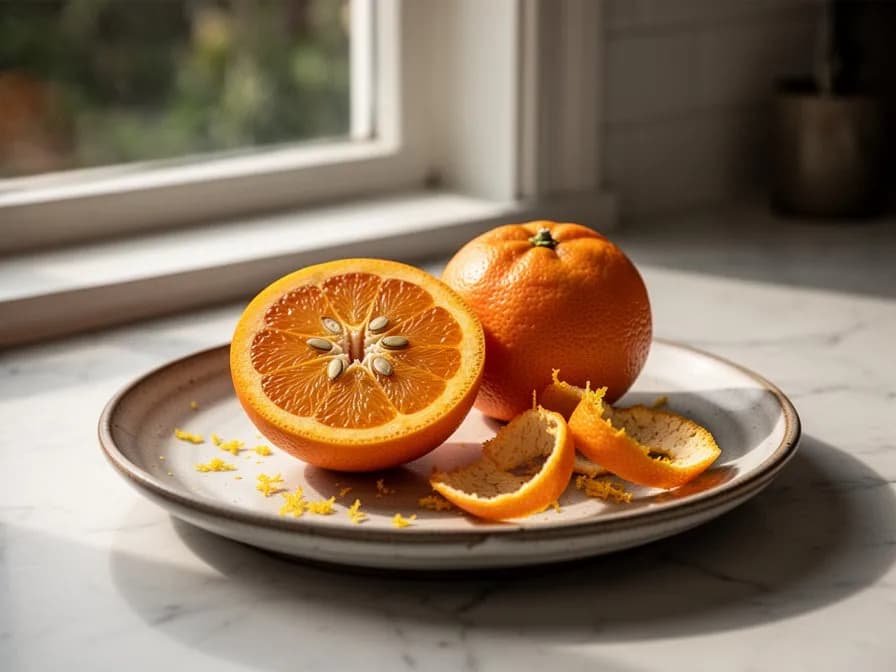
Satsuma-Fenchel-Wintersalat
15 MinutenEin frischer, belebender Salat, der süße Satsuma-Segmente mit knackig gehobeltem Fenchel, pfeffrigem Rucola und einem Honig-Zitrus-Dressing kombiniert. Dieses Rezept ist die perfekte Bühne für frisch gepflückte Garten-Satsumas im Herbst und Winter, wenn ihre Süße ihren Höhepunkt erreicht und die meisten anderen Gartenprodukte die Saison beendet haben.
9 Zutaten
Satsuma-Mandarinen-Marmelade
30 Minuten (plus 2 Stunden Kochen und Gelieren)Eine fein süße, hausgemachte Marmelade mit einer sanfteren Bitterkeit als traditionelle Sevilla-Orangenmarmelade. Satsumas ergeben eine wunderschön gefärbte Konfitüre mit einer frischen, blumigen Qualität, die hervorragend als Brotaufstrich und wunderbar zu Käseplatten und Entenbraten passt.
5 ZutatenSatsuma-glasierte Hähnchenschenkel
15 Minuten (plus 45 Minuten im Ofen)Saftige, im Ofen gebratene Hähnchenschenkel, lackiert mit einer klebrigen Satsuma-Soja-Glasur, die im heißen Ofen wunderbar karamellisiert. Die natürliche Süße von gartenfrischem Satsuma-Saft ergibt eine Glasur, die weitaus nuancierter ist als jede gekaufte Sauce, mit hellen Zitrusnoten, ausbalanciert durch herzhafte Tiefe von Soja und Ingwer.
9 ZutatenKulinarische Verwendung
Satsumas sind die Mandarine schlechthin zum Frischverzehr – mit zarten, kernlosen Segmenten und einer feinen Süße. An der Golfküste sind sie eine Weihnachtstradition und finden sich oft in Weihnachtsstrümpfen. Der Saft ergibt leichte, elegante Cocktails und Sprudelwasser-Infusionen. Segmente bereichern Wintersalate mit Pekannüssen, Ziegenkäse und gemischtem Blattsalat. Satsuma-Konfitüren und Marmeladen sind regionale Spezialitäten. Verwenden Sie die Schale in Muffins, Scones und Sahnesaucen.
Was drinsteckt
Gesundheitsvorteile
- Reich an Vitamin C, das eine zentrale Rolle bei der Immunfunktion spielt, indem es die Produktion und Aktivität weißer Blutkörperchen anregt, und als starkes Antioxidans die Zellen vor oxidativen Schäden durch freie Radikale schützt
- Eine ausgezeichnete Quelle für Beta-Cryptoxanthin, ein Carotinoid, das der Körper in Vitamin A umwandelt und das in Bevölkerungsstudien mit einem reduzierten Risiko für Lungenkrebs und entzündliche Gelenkerkrankungen einschließlich rheumatoider Arthritis in Verbindung gebracht wurde
- Enthält Nobiletin, ein polymethoxyliertes Flavonoid, das fast ausschließlich in Zitrusschale und -mark vorkommt und in Forschungsstudien entzündungshemmende, anti-adipöse und neuroprotektive Eigenschaften gezeigt hat
- Hesperidin, ein in Satsumas reichlich vorhandenes Flavonoid, stärkt nachweislich die Kapillarwände, senkt den Blutdruck bei hypertensiven Personen und verbessert die allgemeine kardiovaskuläre Funktion durch Unterstützung eines gesunden Endothelgewebes
- Der Ballaststoffgehalt unterstützt die Verdauungsgesundheit, indem er nützliche Darmmikrobiota nährt, regelmäßigen Stuhlgang fördert und zur Produktion kurzkettiger Fettsäuren beiträgt, die die Integrität der Darmbarriere aufrechterhalten
- Der hohe Wassergehalt in Kombination mit natürlichen Elektrolyten einschließlich Kalium unterstützt die Hydratation und die kardiovaskuläre Gesundheit, wobei Kalium speziell dazu beiträgt, den blutdrucksteigernden Effekten von Natriumaufnahme in der Nahrung entgegenzuwirken
Woher Satsuma stammt
Die Satsuma-Mandarine (Citrus unshiu) stammt vermutlich aus Japan und entstand höchstwahrscheinlich als Zufallssämling oder Knospenmutation aus Mandarinensorten, die zwischen dem 8. und 15. Jahrhundert aus China eingeführt wurden. Obwohl die breitere Mandarinenlinie auf den Nordosten Indiens und den Süden Chinas zurückgeht, wurde die Satsuma als eigenständige Sorte ausschließlich in Japan entwickelt und verfeinert. Die früheste dokumentierte Kultivierung geht auf die Domäne Satsuma (das heutige Präfektur Kagoshima) auf der südlichen Insel Kyushu zurück, wo das milde, halbtropische Klima ideal für die kältetolerante Sorte war. Jahrhundertelang blieb die Satsuma eine geschätzte regionale Kulturpflanze im südlichen Japan, besonders wertgeschätzt für ihre frühe Reifezeit, die leicht schälbare Haut und die nahezu kernlose Frucht in einer Zeit, als bei anderen Zitrussorten Kerne umständlich waren. Die Einführung der Frucht in die westliche Welt wird der Frau des US-Ministers in Japan, General Van Valkenburg, zugeschrieben, die 1876 Bäume nach Florida schickte, sowie der Frau eines nachfolgenden Botschafters, die 1878 Bäume breiter verteilte. Bis zum späten 19. Jahrhundert hatten Anbauer an der amerikanischen Golfküste die außergewöhnliche Kombination aus Zitrusgeschmack und Kältehärte der Satsuma erkannt – eine seltene Paarung, die den frostgefährdeten Wintern in Louisiana, Alabama und Mississippi weit besser entsprach als weniger widerstandsfähige Zitrusarten. Die Satsuma-Industrie in Louisiana war zu Beginn des 20. Jahrhunderts kommerziell bedeutsam und machte frische Mandarinen-Zitrus für Gemeinden zugänglich, die keine Orangen anbauen konnten. Verheerende Fröste in den 1940er und 1950er Jahren setzten die Satsuma-Produktion an der Golfküste vorübergehend zurück, doch die Industrie erholte sich und besteht bis heute fort. In Europa wurden Satsumas ab der Mitte des 20. Jahrhunderts in Spanien, Italien und der Türkei kommerziell bedeutsam, wo sie sowohl für den Inlandsverbrauch als auch für den Export ins Vereinigte Königreich und nach Nordeuropa angebaut werden. Heute erstreckt sich der weltweite Satsuma-Anbau über Japan, Spanien, China, Südkorea, die Türkei, Argentinien und die Vereinigten Staaten, wobei die Sorte weltweit für ihre einfache Handhabung, Kernlosigkeit und das relativ lange herbstliche Erntefenster geschätzt wird.
Satsuma: Schon gewusst?
Faszinierende Fakten über Satsuma
Satsumas sind nach der ehemaligen Provinz Satsuma in Japan (dem heutigen Präfektur Kagoshima) benannt, aus der die ersten Bäume 1878 von der Frau eines US-Botschafters in die Vereinigten Staaten exportiert wurden – damit sind sie eine der wenigen Zitrussorten, die direkt nach einem historischen japanischen Territorium benannt wurden.
Satsuma: Fragen & Antworten
Wann sollte ich Satsuma pflanzen?
Was sind gute Begleitpflanzen für Satsuma?
In welchen Winterhärtezonen kann Satsuma wachsen?
Wie viel Sonne braucht Satsuma?
Welchen Abstand sollte ich zwischen Satsuma lassen?
Welche Schädlinge und Krankheiten befallen Satsuma?
Wie lagere ich Satsuma nach der Ernte?
Was sind die besten Satsuma-Sorten zum Anbauen?
Welchen Boden braucht Satsuma?
Sind Satsumas dasselbe wie Clementinen oder Mandarinen?
Wie kältehart sind Satsuma-Bäume, und kann ich einen in einem kalten Klima anbauen?
Warum bleiben meine Satsumas grün, obwohl der Herbst da ist?
Warum trägt mein Satsuma-Baum ein Jahr reichlich und im nächsten kaum?
Kann ich einen Satsuma-Baum im Topf oder Kübel anbauen?
Welche Schädlinge und Krankheiten befallen Satsuma-Bäume am häufigsten?
Du hast die Theorie gelesen. Jetzt baue sie auf Autopilot an.
Alles, was Satsuma knifflig macht — das Timing, die Abstände, die Begleiter, das Erntefenster — genau das übernimmt PlotMyGarden für dich, für jede Pflanze im Garten.
Ein Plan, der dein Wetter kennt
Standort einmal festlegen. Aussaat-, Dünge- und Erntedaten rund um deinen echten letzten Frosttermin und die Live-Vorhersage — kein Raten mehr nach Saattüte.
Aus dem Abschnitt „Pflanzzeit“Beetplaner per Drag & Drop
Beete auf einem Raster gestalten. Jede Pflanze rastet im richtigen Abstand ein, und du siehst die ganze Saison, bevor du einen Cent für Saatgut ausgibst.
Aus dem Abschnitt „Anbau“Begleiter-Konflikte früh erkannt
Über 200 gute und schlechte Kombinationen werden beim Pflanzen live geprüft — so landet ein saisonruinierender Fehler nie in der Erde.
Aus dem Abschnitt „Begleiter“Erinnerungen, nach denen du wirklich handelst
„Gieß die Bohnen.“ „Heute ernten, bevor's umschlägt.“ Pünktlich, konkret und auf deine echten Pflanzen bezogen.
Aus dem Abschnitt „Ernte“Staffel-Aussaat, geplant
Sechs Wochen ernten statt sechs Tage? Die App verteilt deine Aussaaten automatisch und erinnert dich, wenn der nächste Satz fällig ist.
Aus dem Abschnitt „Pflanzzeit“Ein Verlauf, der schlauer wird
Jede protokollierte Ernte bringt der App deinen Garten bei. Der Plan fürs nächste Jahr startet bei dem, was in deinem Boden wirklich funktioniert hat.
Aus dem Abschnitt „Überblick“Pflanze diese neben Satsuma
Weitere Zitrusfrüchte
Halte Satsuma von diesen fern
Bau deine beste Satsuma an — und alles drumherum.
Starte heute kostenlos. Lege deine Beete an, setze deine Satsuma ein und lass PlotMyGarden Timing, Abstände, Begleiter und Erinnerungen von der Saat bis zum Erntekorb übernehmen.