Salmonberry
A Pacific Northwest native producing salmon-pink to deep red berries on arching canes with showy magenta flowers in early spring.





On this pageOverview
Meet Salmonberry
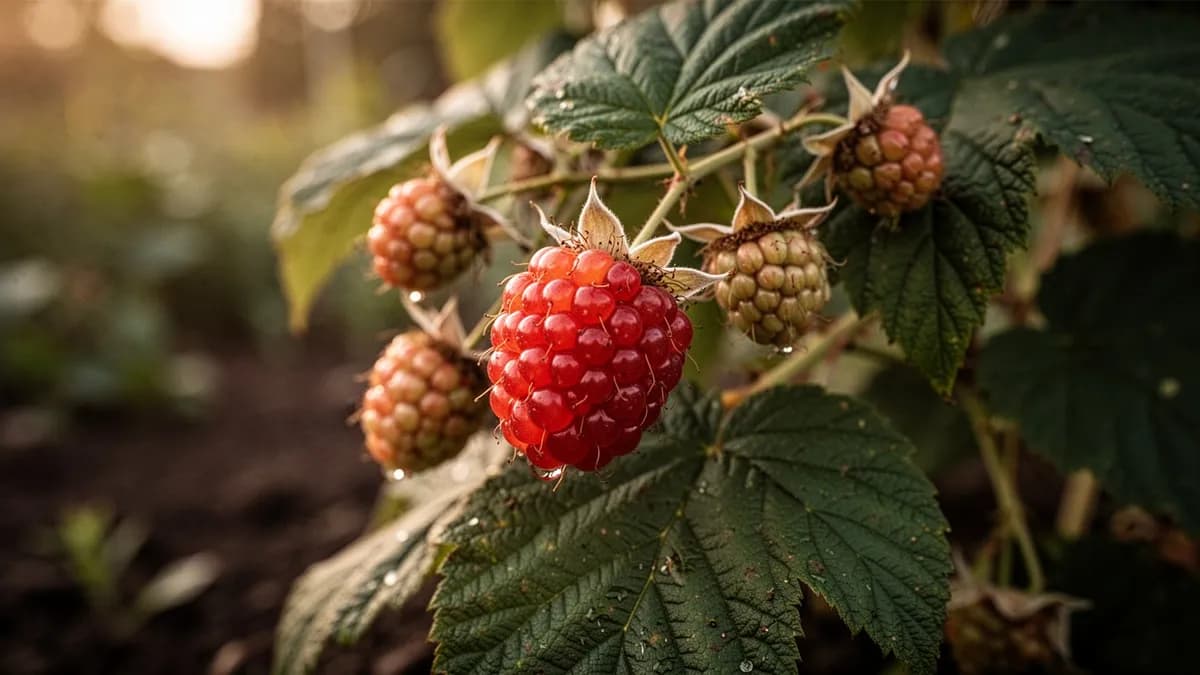
A Pacific Northwest native producing salmon-pink to deep red berries on arching canes with showy magenta flowers in early spring. Salmonberries prefer moist, shaded sites and are excellent for rain gardens or stream-side plantings. The berries are mild and juicy, best eaten fresh or in preserves shortly after picking.
When to plant Salmonberry
Salmonberry propagates most easily by rhizome division in early spring or by tip layering in autumn. For division, dig sections of rhizome with visible buds and replant at one to two inches deep. For seed propagation, mash ripe berries and clean seeds by floating off the pulp. Cold-stratify seeds at 34 degrees Fahrenheit for 90 to 120 days. Sow on the surface of moist seed mix and press gently without covering, as the tiny seeds need light for germination. Germination is slow and erratic. Softwood cuttings taken in early summer root readily with misting.
Your Salmonberry Year
Composed for Zone 7 · typical seasons · frost passes Apr 2, returns Nov 1
Plant Salmonberry Feb – Apr, pick Jun – Jul. Check the planting methods below and set your climate to personalize these windows.
How to grow Salmonberry
Salmonberry thrives in moist to wet, partially shaded sites that mimic its native streamside and forest-edge habitat in the Pacific Northwest. Plant in rich, humus-laden soil with a pH of 5.0 to 6.5. Space plants three to four feet apart, as they spread vigorously by underground rhizomes and arching canes that root at the tips. Container-grown plants establish best when planted in fall or early spring. Water deeply at planting and mulch generously.
Salmonberry is one of the earliest native shrubs to bloom, producing striking magenta-pink flowers in February to April before many pollinators are active. Hummingbirds are important pollinators for this early-blooming species. The arching canes reach five to ten feet and form dense thickets. Prune out dead or weak canes in late winter and thin colonies to manage spread.
This shrub is ideally suited for rain gardens, bioswales, riparian buffers, and moist woodland plantings. It excels in areas too wet for most berry crops. Once established, salmonberry requires no supplemental care in regions with adequate rainfall. In drier climates, provide regular irrigation to maintain the moist conditions it prefers. Avoid heavy fertilization, which promotes excessive vegetative growth; the plant thrives in naturally rich, decomposing organic matter.
2 plants fit a 4 × 8 ft bed
Each Salmonberry wants 100 cm of elbow room. The planner keeps that spacing for you — every plant, every bed.
Salmonberry's best neighbours
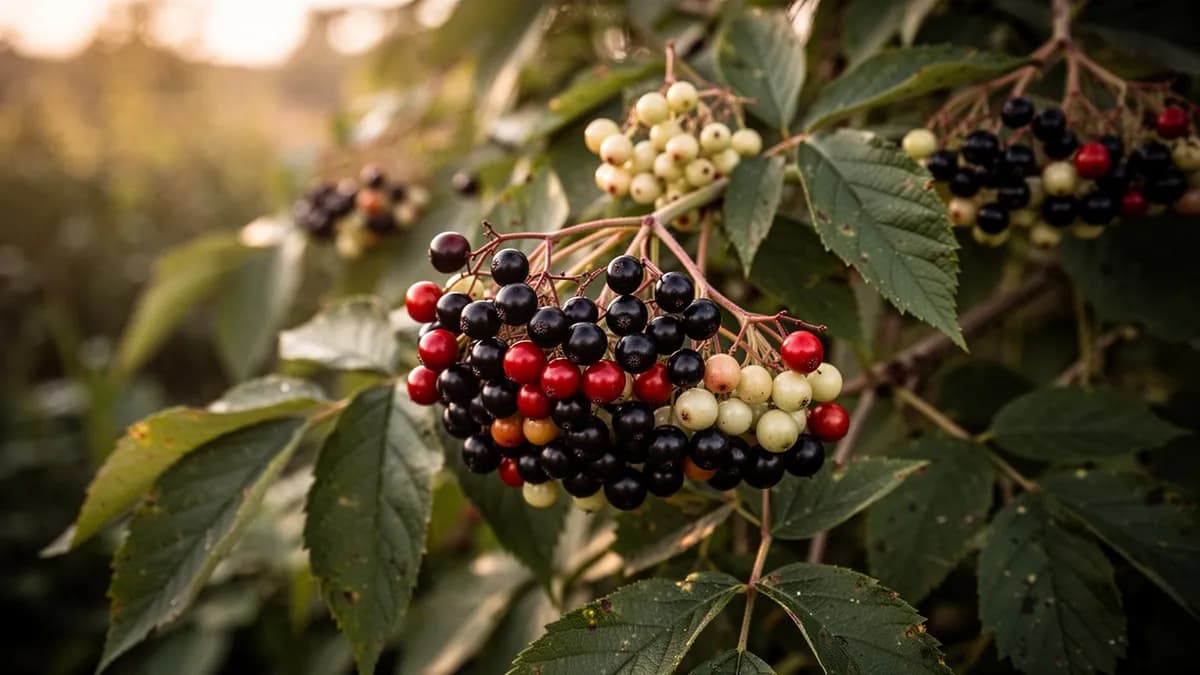
Salmonberry is excellent for native riparian restoration plantings alongside red osier dogwood, elderberry, and willows. The early flowers provide critical nectar for hummingbirds and early-emerging native bees. Plant with sword fern, skunk cabbage, and wild ginger in moist woodland settings. Salmonberry provides excellent stream bank stabilization and erosion control. The dense thickets create valuable habitat for nesting birds and small mammals in wildlife-friendly gardens.
Elderberry belongs beside it.
Old growers' knowledge, checked against Salmonberry's real companion table below — test any plant you're growing.
Try Salmonberry in a bed — right here
A real planner bed with Salmonberry already in it. Tap a companion to place it and watch the pairing checks answer — green for good neighbours, red for a clash.


Related growing guides
Feed it well
Salmonberry requires consistently moist to wet, humus-rich soil with a pH of 5.0 to 6.5. It thrives in the acidic, organic-rich soils of its native Pacific Northwest habitat. Amend planting areas with abundant compost, leaf mold, or rotted wood chips. The plant rarely needs supplemental fertilizer, deriving nutrition from decomposing organic mulch and its symbiotic relationships with soil fungi. If growth is slow, apply a light dressing of acidifying organic fertilizer in early spring. Maintain a deep organic mulch layer year-round.
Ideal Temperature
Hardiness Zone Compatibility
From seed to harvest, stage by stage
Dormant and Early Bud Break
Salmonberry emerges from dormancy earlier than almost any other fruiting shrub in temperate gardens. In late January to February, swelling buds appear along the previous year's canes. The plant is already preparing to flower before most deciduous shrubs show any sign of life, drawing on energy stored in its extensive root system.
Flowering
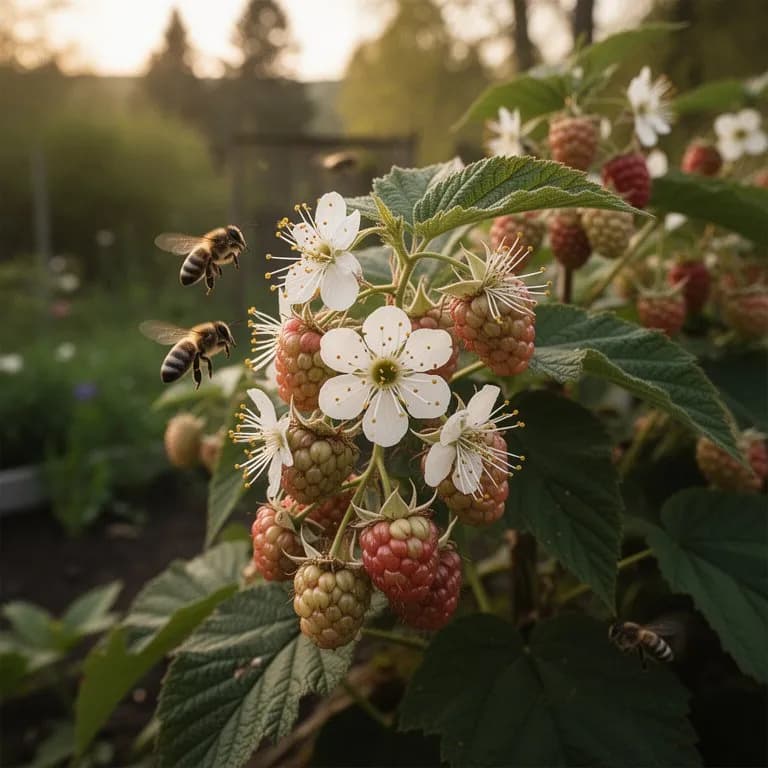
Salmonberry produces showy, five-petaled magenta-pink flowers from February through April, with the exact timing varying by elevation and latitude. Flowers open before or alongside the emerging leaves, making them highly visible to early pollinators. Each flower is approximately 3-4 cm across and held singly or in small clusters along the canes.
Leaf Development and Rapid Cane Growth
As flowers fade, compound leaves with three to five toothed leaflets unfurl along the canes. Simultaneously, new primocanes surge from the root crown, growing as much as 2-3 cm per day in optimal cool, moist conditions. These new canes can reach 1.5-3 m in their first season and will carry next year's flowers and fruit.
Fruit Development
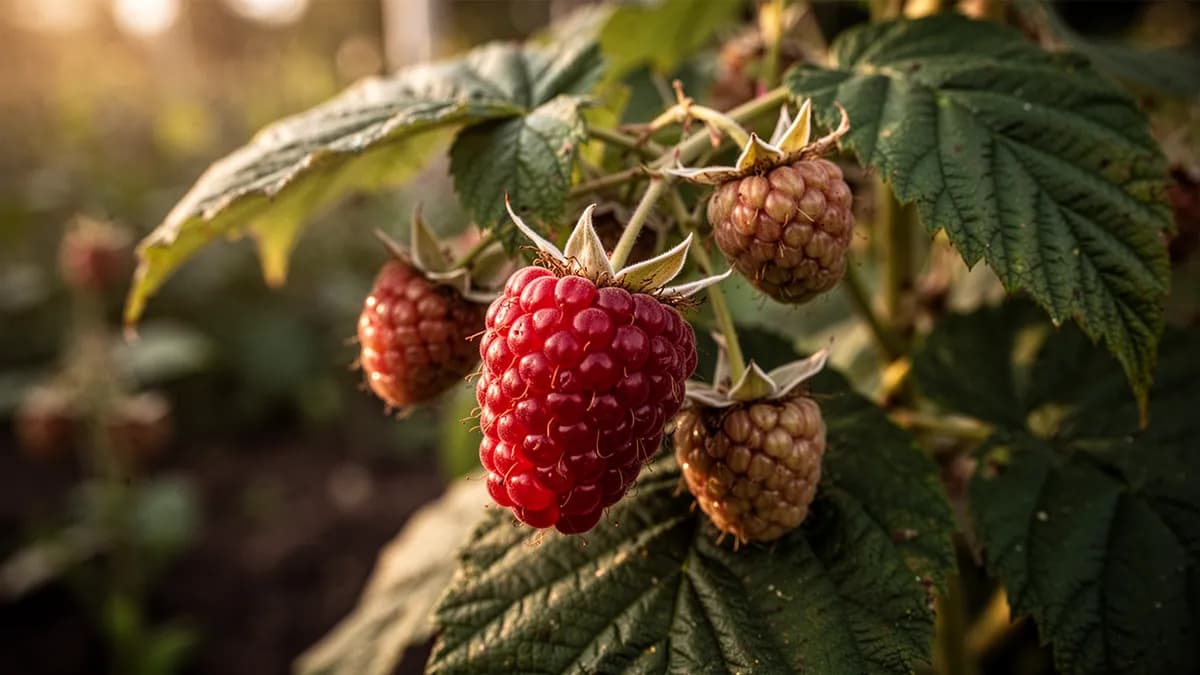
After pollination, the aggregate drupelets swell rapidly, progressing from green through yellow and orange to red or deep salmon-red. Unlike many bramble fruits, salmonberries do not have a single ripe color; individual plants produce fruit ranging from pale gold to rich salmon-red, and both colors are fully ripe. The fruit is soft, juicy, and loosely structured compared to blackberries or raspberries.
Harvest Season
Salmonberries ripen from late May through July, earlier than most summer berries and overlapping with the first strawberries in the Pacific Northwest. Berries are ready when they pull free of the receptacle with almost no resistance and feel slightly soft to the touch. Harvest is spread over three to five weeks as berries ripen unevenly across the plant.
Post-Harvest and Autumn Senescence
After fruiting, the canes continue growing and building carbohydrate reserves in their root system through summer and into autumn. Leaves turn yellow-orange before dropping with the first hard frosts. The plant enters a productive but low-visibility dormancy. This is the ideal time to assess the clump, identify old unproductive canes, and plan pruning for winter.
Plant bare-root or container salmonberry divisions in late winter while still dormant, setting the crown at soil level in a site with moist, humus-rich soil. Water in well and apply a 7-10 cm layer of wood chip mulch. Avoid disturbing the root zone, as salmonberry resents transplanting once established.
Caring for Salmonberry month by month
What to do each month for your Salmonberry
October
You are hereLeaves begin turning yellow. Remove spent, fruited canes and oldest woody canes from each clump, cutting cleanly at soil level. Top-dress the root zone with a generous layer of compost and wood chips in preparation for winter. Assess the overall health of the planting and plan any expansions or relocations before the ground freezes.
Know exactly what to do in your garden — every month
One email at the start of each month: what to sow, plant, and tackle right now — for your Salmonberry and everything growing around it. Plus a short starter course that helps you dodge the classic mistakes.
- What to do, right now
- Matched to your season
- Starter course included
Harvesting Salmonberry
Salmonberries ripen from late May through July, producing fruit in colors ranging from golden-salmon to deep ruby-red depending on ripeness and variety. The berries are ripe when they pull easily from the receptacle with a gentle tug. Harvest into shallow containers as the soft, juicy berries crush easily. The flavor is mild and juicy with a subtle sweetness when fully ripe. Berry color is not always a reliable ripeness indicator, so taste-test regularly. The extended harvest period provides fruit over many weeks.
assuming you plant when the window opens — set your real date
Pick Salmonberry promptly and the plant keeps producing.
Storage & Preservation
Fresh salmonberries are extremely perishable, lasting only one to two days even when refrigerated. Process or eat the same day as harvesting for best quality. Salmonberry jam has a mild, delicate flavor that can be enhanced with lemon juice for brightness. Freeze berries in single layers on trays before transferring to bags for longer storage. The berries make pleasant fruit leather and add a subtle sweetness to smoothies. Traditionally, Pacific Northwest indigenous peoples mixed salmonberries with fish oil for preservation.
What goes wrong — and the fix
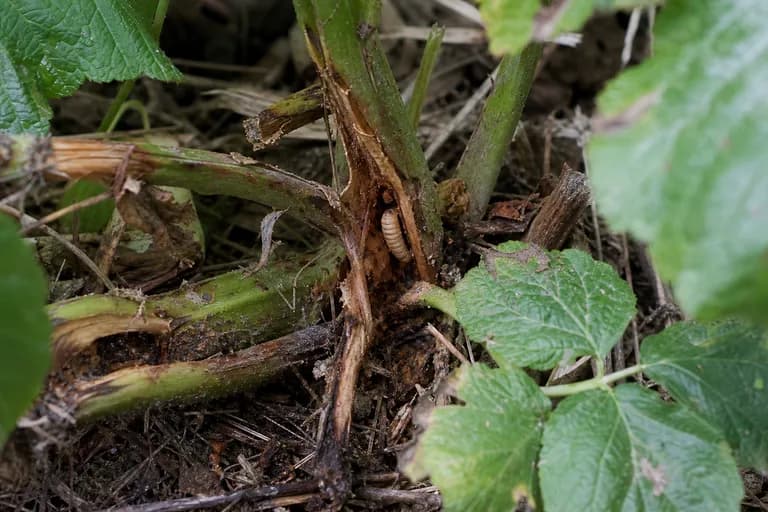
Raspberry Crown Borer
PestWilting and dying canes; sawdust-like frass near the base of canes; larvae tunneling inside cane crowns.
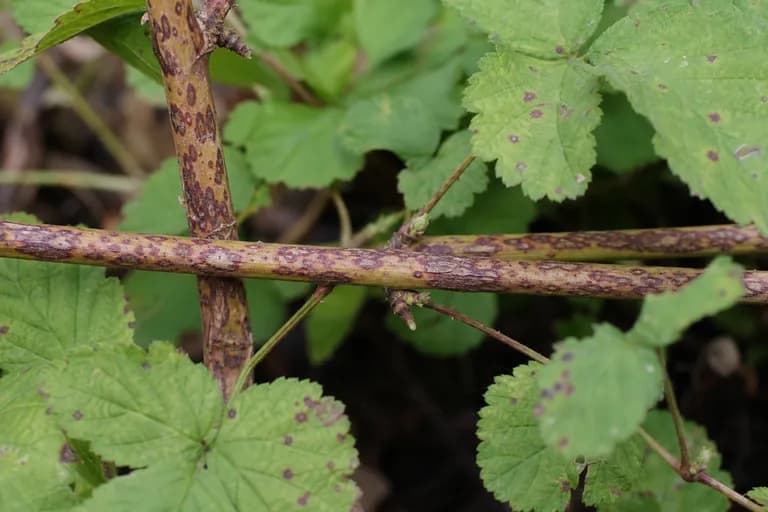
Cane Spot
DiseasePurple-brown spots on canes that enlarge and develop gray centers; affected canes may crack and weaken.
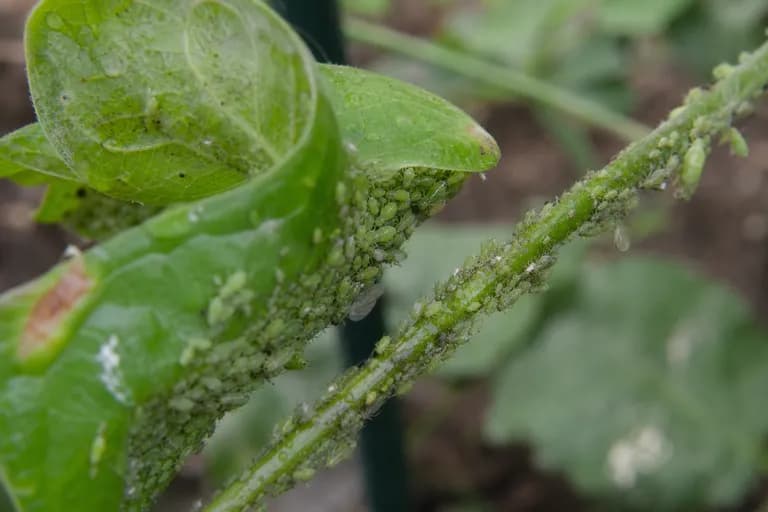
Aphids
PestClusters of green or pink aphids on new shoot tips; curled and distorted leaves; honeydew and sooty mold.
Troubleshooting Common Problems
The most significant issue with salmonberry is its vigorous spreading habit, which can overwhelm small gardens. Plant only where the colony can spread freely, or install root barriers. The mild flavor of the berries disappoints gardeners expecting the intensity of cultivated raspberries. In drier climates, the plant struggles without consistent irrigation and may defoliate in summer. The early bloom can be damaged by late frosts, reducing the crop. Birds compete for the ripe fruit and can harvest a bush before gardeners notice the berries are ripe.
Growing Tips
- Plant salmonberry in a site that replicates its native habitat as closely as possible: partial shade to full sun with consistently moist, humus-rich, slightly acidic soil at a pH of 5.5-6.5. A north-facing slope, the edge of a woodland garden, or a position near a downspout or rain garden are all ideal locations.
- Salmonberry is one of the most drought-sensitive native brambles and will not thrive without consistent soil moisture. In gardens outside of its Pacific Northwest native range, supplemental drip irrigation during dry summers is essentially non-negotiable for productive plants.
- Mulch the root zone heavily with wood chips, shredded leaves, or composted bark to a depth of 7-10 cm each spring. This single practice does more than almost anything else to retain moisture, moderate soil temperature, and build the humus-rich soil conditions that salmonberry evolved in.
- Salmonberry spreads naturally by root suckers and can form large thickets over time. In garden settings, install a root barrier of heavy-duty landscape fabric or rigid plastic edging buried at least 30 cm deep to keep the planting contained within its desired area.
- Prune established clumps in late autumn or early winter by removing the oldest, woodiest canes at ground level, keeping eight to ten healthy canes per clump. Avoid heavy spring pruning, as this removes the flowering wood that was set the previous year and will significantly reduce the current season's crop.
- Propagate salmonberry easily from tip cuttings taken in September, rooted in a moist perlite and peat mix, or by carefully digging and separating rooted suckers from the edge of an established clump in late winter while plants are dormant. This allows you to expand your planting for free.
- Plan to protect ripening fruit from birds, which are strongly attracted to salmonberries and can strip a plant in a single day during peak ripeness. Use lightweight bird netting draped over the canes and secured at the base, removing it after harvest is complete so birds can benefit from any remaining fruit.
- Salmonberry is an excellent plant for bioswales, rain gardens, and wet areas that are challenging for most fruiting plants. Its natural adaptation to seasonally flooded stream banks makes it one of the few edible brambles that tolerates brief periods of standing water without root damage.
- In the garden, salmonberry pairs beautifully with other Pacific Northwest natives including red-flowering currant, evergreen huckleberry, sword fern, and red alder. These companions create a layered planting that mimics a forest edge, supports pollinators and wildlife, and requires minimal maintenance once established.
Grow your best Salmonberry yet — and everything around it.
Start a free plan today. Lay out your beds, drop in your Salmonberry, and let PlotMyGarden handle the timing, spacing, companions and reminders from seed to harvest basket.
Pick your Salmonberry
Rubus spectabilis
The standard species with magenta flowers and salmon to red fruit; vigorous grower ideal for moist, shaded locations.
Olympic Double
A double-flowered ornamental selection with showy ruffled magenta blooms; reduced fruit set but exceptional beauty.
Rubus spectabilis var. franciscanus
A California variety adapted to slightly drier conditions with good fruit production.
Native plant nurseries sell salmonberry plants for approximately $8-18 per plant, and a well-sited plant begins producing meaningful harvests by its second or third year. Mature clumps can yield 2-4 kg of fruit per season, and salmonberries are essentially never available in mainstream grocery stores. Wild-harvested and specialty-foraged salmonberries sell at farmers' markets and specialty food stores for $12-20 per 250g when they appear at all, making home-grown salmonberry one of the highest-value-per-dollar native fruit plantings available to Pacific Northwest gardeners. Beyond the fruit, established plants contribute lasting landscape value as ornamental flowering shrubs, wildlife habitat, and erosion control on slopes and stream banks.
Quick recipes
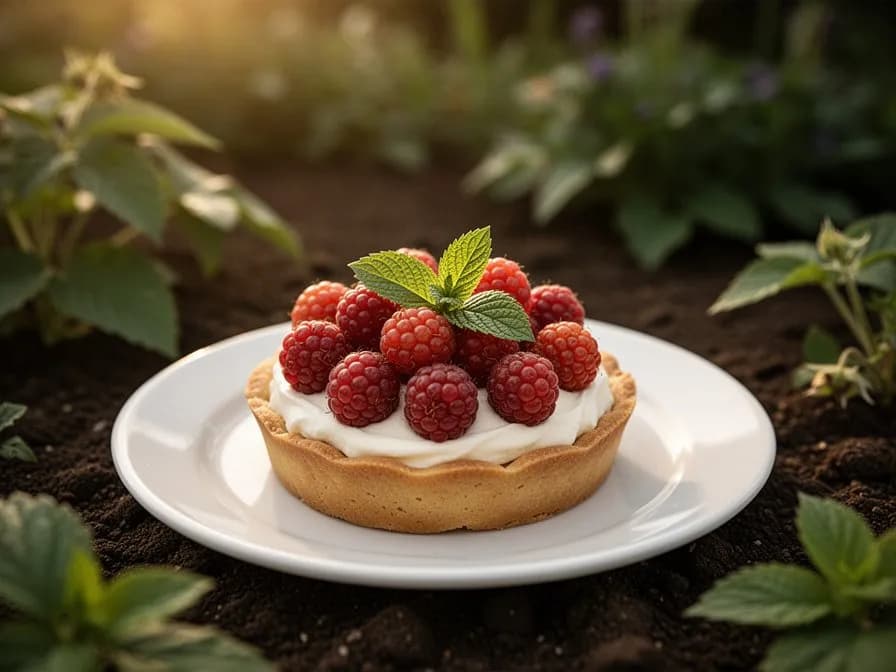
Salmonberry Jam
30 minutesA jewel-toned preserve that captures the delicate, floral sweetness of fresh salmonberries. Because salmonberries are naturally low in pectin, a small amount of lemon juice and commercial pectin ensures a reliable set. The resulting jam has a soft, spreadable consistency and a flavor that is uniquely floral and bright — unlike any commercial berry jam available in stores. Use on toast, scones, or as a glaze for grilled salmon for a beautiful Pacific Northwest pairing.
6 ingredients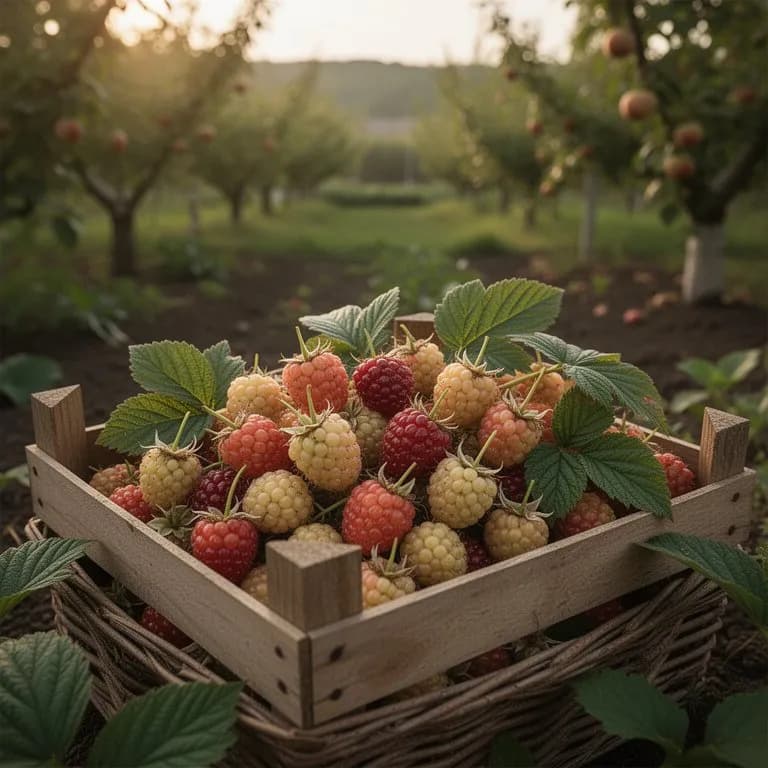
Salmonberry Shrub Drinking Vinegar
15 minutes (plus 48 hours steeping)A tangy, complex fruit shrub that transforms fresh salmonberries into a sophisticated non-alcoholic mixer or digestive tonic. Shrubs are traditionally made by combining fruit, sugar, and vinegar, and the natural floral notes of salmonberry pair exceptionally well with apple cider vinegar's mellow acidity. Stir a few tablespoons into sparkling water, lemonade, or cocktails for a uniquely Pacific Northwest flavor that makes the most of a short-season fruit.
5 ingredientsSalmonberry Fool
20 minutesA traditional British-style fruit fool is perhaps the most elegant way to showcase the delicate flavor and color of fresh salmonberries. Ripe berries are briefly cooked down to a loose compote with just a touch of sugar, then gently swirled through freshly whipped cream to create a beautiful, cloud-like dessert. The contrast of warm berry compote color against pale cream and the interplay of sweet, tart, and rich flavors makes this a stunning end to any summer meal when salmonberries are in season.
6 ingredientsCulinary Uses
Salmonberries are best enjoyed fresh, eaten directly from the bush on a forest walk. Their mild, juicy sweetness is refreshing but subtle compared to cultivated raspberries. Mix with stronger-flavored berries like blackberries or raspberries in jams and pies for improved flavor complexity. The berries make a pleasant light wine and can be added to smoothies and yogurt. Young spring salmonberry shoots can be peeled and eaten raw or steamed like asparagus, a traditional First Nations food.
What's inside
Health Benefits
- High in anthocyanins and ellagitannins, potent antioxidant compounds that neutralize free radicals, reduce systemic inflammation, and have been studied for potential roles in reducing chronic disease risk including cardiovascular disease and certain cancers
- Provides a meaningful dose of vitamin C per serving, supporting immune system function, enhancing the body's ability to absorb non-heme iron from plant-based foods, and contributing to collagen production for skin and connective tissue repair
- The dietary fiber content supports a healthy gut microbiome by providing prebiotic fuel for beneficial bacteria, promotes regular bowel movements, and contributes to stable post-meal blood sugar levels compared to low-fiber food sources
- Contains quercetin and other flavonoids shown in research to help relax blood vessels, reduce blood pressure, and lower levels of LDL cholesterol, contributing to long-term cardiovascular health when consumed as part of a varied diet
- Historically used in Pacific Northwest Indigenous medicine as an anti-inflammatory and wound-healing agent, with modern ethnobotanical research confirming tannin-rich extracts from the leaves and bark have demonstrated antimicrobial and astringent properties
- Low glycemic impact due to the combination of natural fruit sugars, fiber, and polyphenols that slow glucose absorption, making salmonberries a suitable fruit choice for individuals managing blood sugar levels or insulin sensitivity
Where Salmonberry comes from
Salmonberry (Rubus spectabilis) is a native bramble of the Pacific Coast of North America, with a natural range stretching from the Kenai Peninsula of Alaska south through British Columbia, Washington, and Oregon to the Santa Cruz Mountains of Northern California. It is one of the most ecologically significant understory shrubs of the temperate rainforest biome, forming dense thickets along stream banks, in forest clearings, and on moist hillsides from sea level to subalpine elevations. For thousands of years before European contact, salmonberry was an integral part of the food culture and traditional medicine of Pacific Northwest Indigenous peoples. Nations including the Haida, Tlingit, Tsimshian, Coast Salish, Kwakwaka'wakw, Nuu-chah-nulth, and many others relied on salmonberry fruit as one of the earliest fresh foods of spring, often consumed alongside dried salmon and other preserved foods from winter stores. Young salmonberry shoots, harvested in March and April as they push up through the soil, were eaten raw as a spring vegetable — a practice documented by early European naturalists and still maintained in some Indigenous communities. The species was first formally described by German botanist Heinrich Adolf Schrader in 1799, using specimens likely collected during early exploration voyages along the Pacific Coast. The Latin epithet spectabilis, meaning 'spectacular' or 'worthy of notice,' refers to the large, showy magenta flowers that make salmonberry one of the most ornamentally striking native shrubs in early spring. European settlers quickly recognized the edibility of the fruit, and salmonberry jam and preserves became regional traditions in coastal communities across the Pacific Northwest. Despite its long history of human use and its exceptional flavor, salmonberry has remained stubbornly resistant to domestication. The fruit's extraordinary softness and rapid deterioration after harvest — which gives it its unparalleled juiciness but makes it nearly impossible to transport commercially — has meant that it never entered the agricultural mainstream. It remains a plant of foragers, naturalistic gardeners, and those fortunate enough to live within its native range. Efforts to cultivate salmonberry in home gardens have grown steadily in recent decades as interest in native plants and wild-foraged flavors has increased, and it is now available from a growing number of native plant nurseries across the Pacific Coast.
Salmonberry: did you know?
Fascinating facts about Salmonberry
The name 'salmonberry' does not come from the fish directly but rather from the traditional Indigenous practice of eating the ripe berries mixed with eulachon fish grease — a rich, nutrient-dense oil rendered from smelt that was a staple trading commodity throughout the Pacific Northwest coast.
Salmonberry questions, answered
When should I plant Salmonberry?
What are good companion plants for Salmonberry?
What hardiness zones can Salmonberry grow in?
How much sun does Salmonberry need?
How far apart should I space Salmonberry?
What pests and diseases affect Salmonberry?
How do I store Salmonberry after harvest?
What are the best Salmonberry varieties to grow?
What soil does Salmonberry need?
Can I grow salmonberry outside of the Pacific Northwest?
Why did my salmonberry flower but produce very little fruit?
How do I tell when salmonberries are ripe if they come in two different colors?
Is salmonberry invasive, and will it take over my garden?
How long does it take for a salmonberry plant to produce fruit after planting?
Can I use salmonberry leaves or shoots for anything beyond the fruit?
You just read the theory. Now grow it on autopilot.
Everything that makes Salmonberry fiddly — the timing, the spacing, the companions, the harvest window — is exactly what PlotMyGarden handles for you, for every plant in your garden.
A plan that knows your weather
Set your location once. Get sow, feed and harvest dates built around your real last-frost date and live forecast — no more guessing from a generic seed packet.
From the “When to plant” sectionDrag-and-drop bed planner
Design beds on a grid. Every plant snaps to its proper spacing, and you can see your whole season laid out before you spend a cent on seed.
From the “Growing guide” sectionCompanion conflicts, caught early
200+ good-and-bad pairings checked live as you plant — so a season-wrecking mistake never makes it into the ground.
From the “Companions” sectionReminders you'll actually act on
“Water the beans.” “Pick today before it turns.” Timely, specific, and tied to the plants you're really growing.
From the “Harvest” sectionSuccession, scheduled
Want a harvest for six weeks, not six days? It spaces your sowings automatically and reminds you when each new block is due.
From the “When to plant” sectionA record that gets smarter
Every harvest you log teaches it your garden. Next year's plan starts from what actually worked in your soil, not a textbook's.
From the “Overview” sectionPlant these alongside Salmonberry
More Berries
Grow your best Salmonberry yet — and everything around it.
Start a free plan today. Lay out your beds, drop in your Salmonberry, and let PlotMyGarden handle the timing, spacing, companions and reminders from seed to harvest basket.