Elderberry
A fast-growing native shrub producing flat clusters of tiny berries used for syrups, wines, and immune-boosting remedies.





On this pageOverview
Meet Elderberry
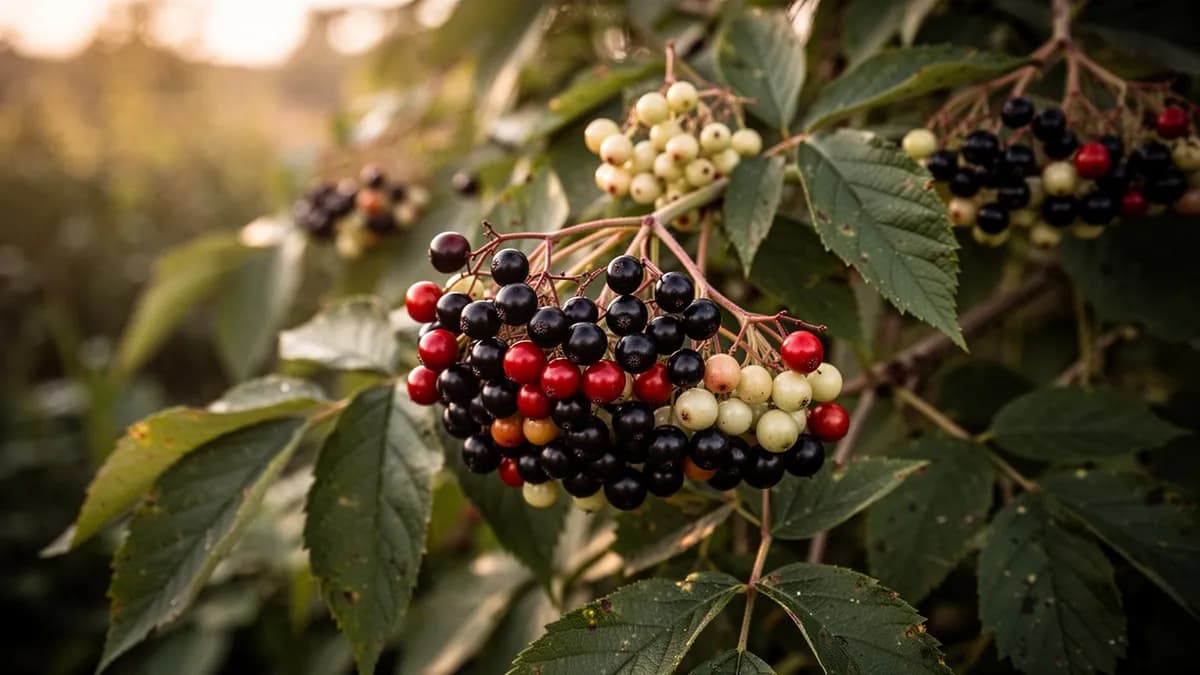
A fast-growing native shrub producing flat clusters of tiny berries used for syrups, wines, and immune-boosting remedies. Raw elderberries must be cooked before consumption to neutralize mildly toxic compounds present in unripe fruit and stems. Plant two or more varieties for cross-pollination and prune hard each spring to maintain vigorous new growth.
When to plant Elderberry
Elderberries can be grown from seed, but most gardeners prefer hardwood cuttings or divisions for faster results. Seeds require warm stratification for sixty days followed by cold stratification for ninety days before sowing. Sow stratified seeds in moist seed-starting mix and maintain at sixty-five to seventy degrees Fahrenheit. Germination takes two to four weeks. Hardwood cuttings taken in late winter root easily when placed in moist soil with bottom heat. Softwood cuttings taken in early summer also root well under mist.
Your Elderberry Year
Composed for Zone 7 · typical seasons · frost passes Apr 2, returns Nov 1
Plant Elderberry Mar – Apr, pick Aug – Sep. Check the planting methods below and set your climate to personalize these windows.
How to grow Elderberry
Elderberries are vigorous, adaptable shrubs that thrive in moist, fertile soil with full sun to partial shade. They tolerate a wide range of conditions but produce the heaviest crops in rich, well-drained loam. Plant bare-root or potted plants in early spring, spacing them six to ten feet apart. Two or more genetically different varieties are required for cross-pollination and good fruit set.
Elderberries grow rapidly, often reaching six to twelve feet in a single season. In the first year, allow the plant to establish without pruning. Beginning in the second year, prune in late winter or early spring before bud break, removing all canes older than three years at ground level. This stimulates new cane growth from the base, which produces fruit in its second year.
Water deeply during dry periods, especially while berries are developing. Mulch generously with wood chips or straw to suppress weeds and retain moisture. Fertilize in early spring with a balanced organic fertilizer or generous compost topdressing. Elderberries are heavy feeders and respond well to annual applications of nitrogen-rich amendments.
Elderberry needs more room than a 4 × 8 ft bed gives
Each Elderberry wants 240 cm of elbow room. The planner keeps that spacing for you — every plant, every bed.
Elderberry's best neighbours
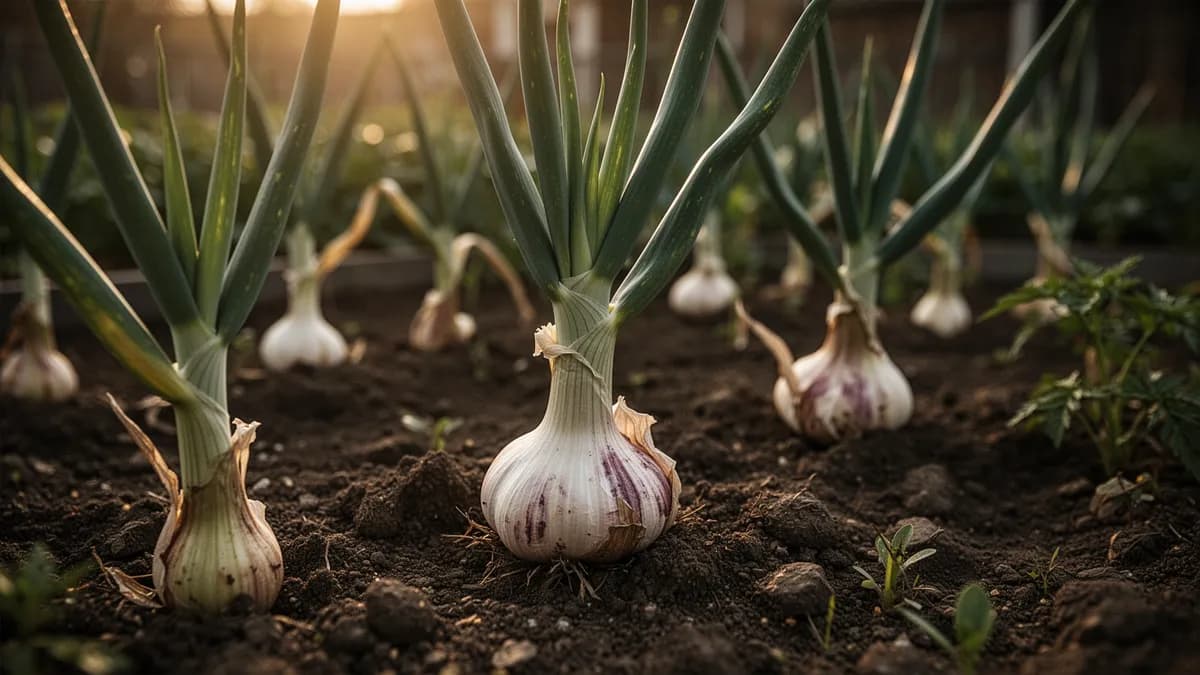
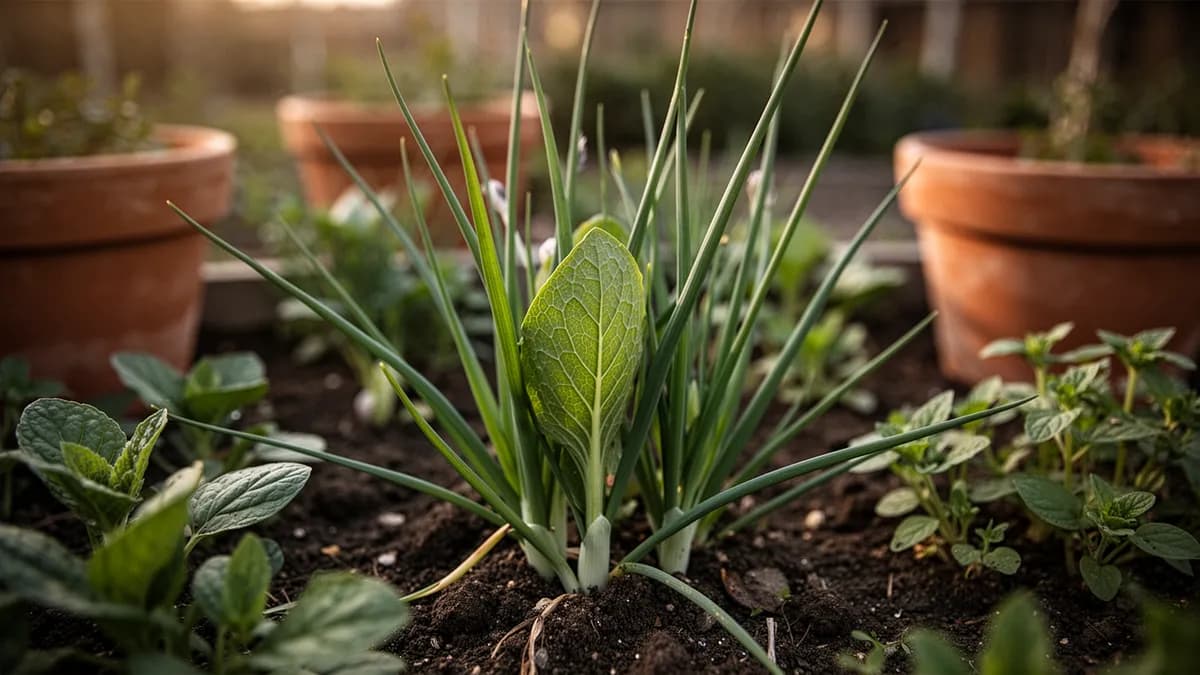
Elderberries benefit from garlic and chives planted nearby, which may help deter aphids and other pests. Their dense canopy provides shade for understory plants like ferns and hostas. Elderberries attract a wide range of beneficial insects and pollinators when in bloom. Avoid planting near black walnut trees, which produce juglone that can harm elderberries. They make excellent hedgerow plants and integrate well into permaculture food forest designs.
Garlic belongs beside it.
Old growers' knowledge, checked against Elderberry's real companion table below — test any plant you're growing.
Try Elderberry in a bed — right here
A real planner bed with Elderberry already in it. Tap a companion to place it and watch the pairing checks answer — green for good neighbours, red for a clash.


Related growing guides
Feed it well
Elderberries prefer moist, fertile, slightly acidic to neutral soil with a pH of 5.5 to 6.6, though they tolerate a wide range of conditions. They thrive in rich loam amended with generous compost. Apply a balanced fertilizer such as 10-10-10 in early spring at a rate of about one-eighth pound of nitrogen per plant. Supplement with additional compost or aged manure as a mulch layer. Elderberries are heavy feeders and benefit from generous annual fertilization to support rapid growth.
Ideal Temperature
Hardiness Zone Compatibility
From seed to harvest, stage by stage
Dormancy and Bud Break
Elderberry enters deep dormancy in winter, dropping all its leaves and resting as bare multi-stemmed canes. In early spring, small green buds swell along the canes and burst into clusters of bright lime-green compound leaves. New basal shoots also emerge from the crown. The root system is actively expanding underground during this phase.
Vigorous Vegetative Growth
The plant puts on rapid growth, with canes extending by several centimetres per week. Pinnate compound leaves composed of 5-9 oval leaflets develop fully. Young elderberry plants in their first two years focus energy almost entirely on establishing canes and roots and may not flower. First-year canes (primocanes) will not flower until their second year.
Flowering
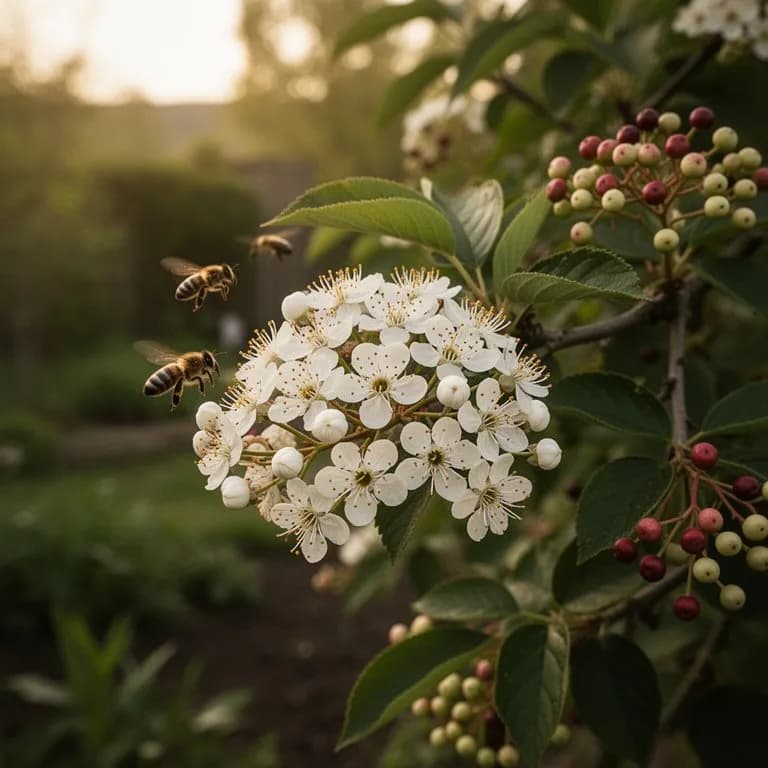
Mature canes produce spectacular flat-topped flower heads (corymbs) up to 30 cm across, composed of hundreds of tiny creamy-white five-petalled flowers. The blooms carry a distinctive muscat-grape fragrance that attracts enormous numbers of pollinators. Each flower head will develop into a berry cluster if pollinated. Most varieties benefit from cross-pollination with a second plant for maximum berry set.
Berry Development
Pollinated flowers develop into small green drupes arranged in the same flat-topped cluster structure as the flowers. Over eight to ten weeks, the berries gradually swell and shift colour from green to pale red to deep purple-black as sugars and anthocyanins accumulate. Clusters become pendulous under their own weight as the berries ripen fully.
Full Ripeness and Harvest
Ripe elderberries are uniformly deep purple to black with a slight bloom. The entire cluster typically ripens together over one to two weeks in late August through September depending on variety and climate. Ripe berries have a tart, earthy flavour and are rich in deep purple juice. Unripe or raw ripe berries contain sambunigrin and should always be cooked before consumption.
Senescence and Dormancy
After harvest, elderberry foliage transitions to yellow and gold tones before dropping in autumn. The plant redirects energy into root reserves for winter storage. This is when the shrub initiates next year's flower buds on the current season's canes. Canes continue to lignify and harden off in preparation for winter temperatures.
Apply a thick layer of compost or aged manure around the base of the shrub in late winter before buds break. This is the ideal window for hard pruning — cut one-third of the oldest, thickest canes to the ground to encourage vigorous new growth and a productive open structure.
Caring for Elderberry month by month
What to do each month for your Elderberry
October
You are hereFoliage begins to colour and drop. Remove any heavily diseased leaves and dispose of them (do not compost). Apply a fresh layer of mulch as temperatures drop. Plant container-grown elderberry while the soil still retains warmth, giving roots time to establish before hard frosts.
Know exactly what to do in your garden — every month
One email at the start of each month: what to sow, plant, and tackle right now — for your Elderberry and everything growing around it. Plus a short starter course that helps you dodge the classic mistakes.
- What to do, right now
- Matched to your season
- Starter course included
Harvesting Elderberry
Harvest elderberry clusters when the majority of berries in a cluster have turned deep purple-black and begin to droop under their own weight. Cut entire clusters with pruning shears rather than picking individual berries. Avoid harvesting any clusters that still contain red or green berries, as unripe elderberries contain higher levels of toxic glycosides. Process berries within a day of harvest by stripping them from their stems using a fork. Always cook elderberries before consumption.
assuming you plant when the window opens — set your real date
Pick Elderberry promptly and the plant keeps producing.
Storage & Preservation
Fresh elderberries should be processed the same day they are harvested, as they deteriorate quickly. Freeze stripped berries on trays and transfer to freezer bags for up to twelve months. Elderberry syrup, made by simmering cooked berries with honey and spices, is the most popular preservation method and keeps refrigerated for several months. Elderberries also make excellent wine, jelly, and tinctures. Never eat raw elderberries or use uncooked berries in any preparation.
What goes wrong — and the fix
Elderberry Borer
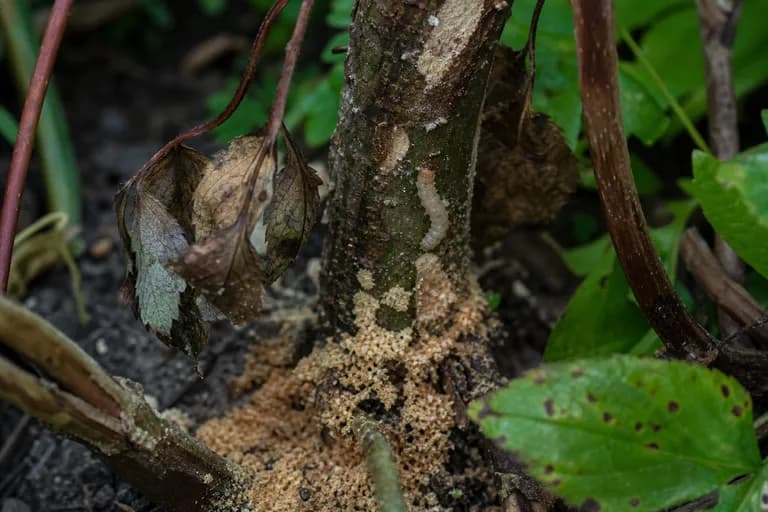
PestWilting and dying of individual canes; sawdust-like frass at the base of affected canes from larvae boring inside.
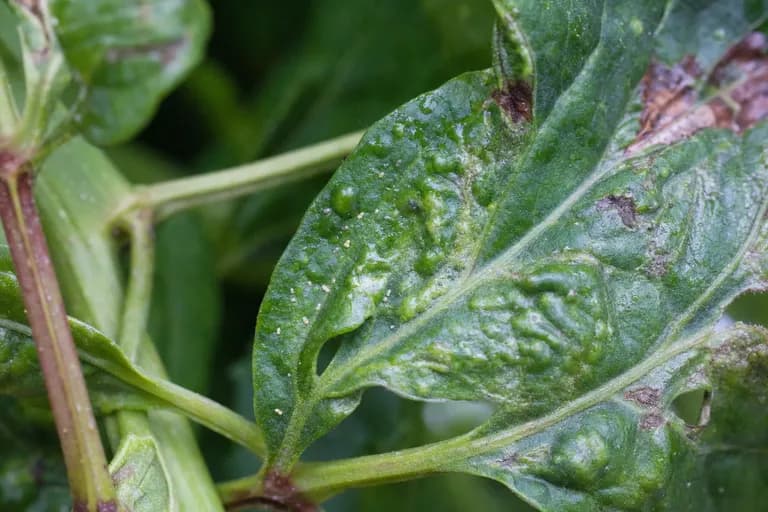
Eriophyid Mites
PestBlistered, distorted leaf surfaces with tiny, abnormal growths or galls; may cause leaf curling and reduced vigor.
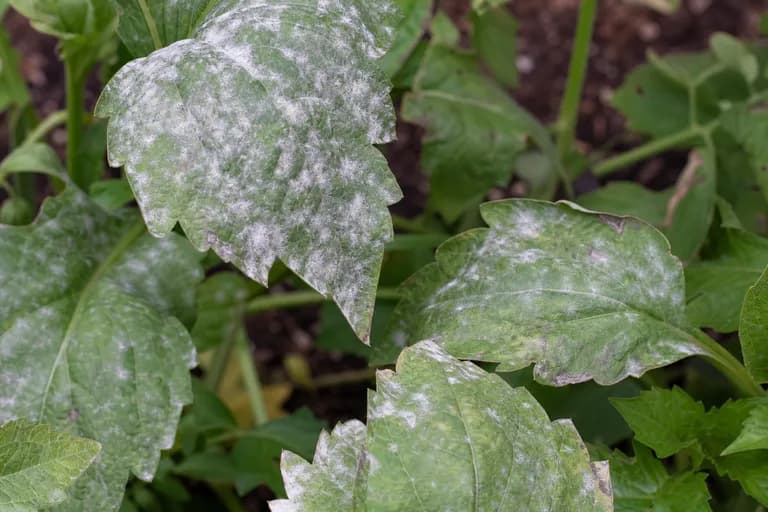
Powdery Mildew
DiseaseWhite powdery fungal growth on leaf surfaces, especially on young foliage during humid weather with cool nights.
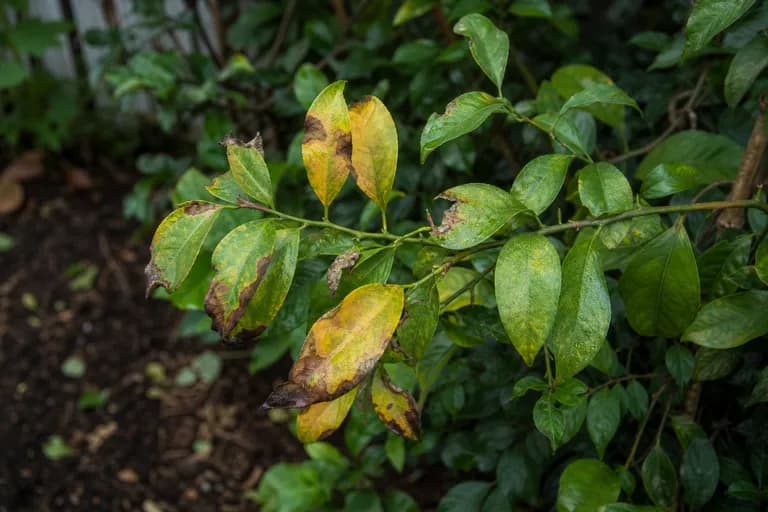
Verticillium Wilt
DiseaseYellowing and wilting of leaves on one side of the plant; cross-sections of affected wood show dark brown streaking.
Troubleshooting Common Problems
Poor fruit set is usually caused by planting only a single variety, as elderberries require cross-pollination. Birds are the greatest pest, stripping ripe clusters quickly, so netting is essential as berries darken. Suckering can be aggressive, with new shoots emerging several feet from the parent plant. Mow or remove suckers regularly to prevent unwanted spread. Cane dieback over winter is normal for older wood and should be addressed through annual renewal pruning.
Growing Tips
- Plant at least two different elderberry cultivars within 5-10 metres of each other to ensure cross-pollination and maximise berry set. While Sambucus nigra is self-fertile, berry clusters are noticeably larger and more numerous with a cross-pollinating partner nearby.
- Choose a planting site in full sun to partial shade with moist, humus-rich, slightly acidic to neutral soil (pH 5.5-6.5). Elderberry is highly adaptable but performs best in soils that retain moisture without becoming waterlogged — it naturally grows along stream banks and woodland edges.
- In the first two years, focus entirely on building strong root structure and cane development rather than flower or berry production. Remove any flower clusters that form in years one and two so the plant channels energy into root and cane establishment, which pays dividends from year three onwards.
- Practice rotational pruning each winter by removing one-third of the oldest, thickest canes completely at ground level. This keeps the shrub perpetually producing vigorous young canes, which are far more productive than old woody stems, and prevents the centre of the plant from becoming congested.
- Strip harvested berry clusters from their stems using a dinner fork, working over a large bowl. The stems, leaves, and unripe berries contain sambunigrin — a cyanogenic glycoside — and should be composted rather than eaten. Always cook elderberries before consumption; raw ripe berries can cause nausea.
- Elderberry is a fast and enthusiastic suckering shrub — manage its spread by mowing around the perimeter regularly or installing a root barrier 30-40 cm deep if planting near lawns, paths, or other garden beds where colonisation would be unwelcome.
- Water consistently during berry development from midsummer through harvest. Inconsistent moisture during this critical window leads to uneven ripening, premature drop, and smaller berries. A drip irrigation system or soaker hose under the mulch layer is ideal for maintaining even soil moisture.
- Propagate elderberry easily from hardwood cuttings taken in late autumn or winter. Cut pencil-thick sections of current-season growth into 20-25 cm lengths with a bud at the top and base, insert two-thirds of the cutting into moist soil in a cold frame or sheltered spot, and most cuttings will root reliably by spring.
- Elderberry is an outstanding wildlife plant — the flowers attract hundreds of pollinator species, the berries are eaten by over 50 bird species in Europe and North America, and the dense branching structure provides nesting habitat. Planting elder at the garden boundary creates a functional wildlife corridor as well as a productive fruiting shrub.
Grow your best Elderberry yet — and everything around it.
Start a free plan today. Lay out your beds, drop in your Elderberry, and let PlotMyGarden handle the timing, spacing, companions and reminders from seed to harvest basket.
Pick your Elderberry
Adams
A popular American elderberry with heavy yields of large berry clusters on vigorous plants, widely used for syrup and wine.
York
Produces the largest berries of the common cultivars, ripening later than Adams and making an excellent pollination partner for it.
Nova
A Canadian variety with sweet, large fruit clusters and good ornamental value from its attractive foliage and flowers.
Bob Gordon
A Missouri selection producing exceptionally heavy crops with high anthocyanin content, ideal for health-focused preparations.
Black Lace
An ornamental-culinary variety with deeply cut, dark purple foliage and pink flowers, producing edible berries on a strikingly beautiful plant.
A single mature elderberry shrub can produce 3-7 kg of fresh berries annually, which at current retail prices for fresh elderberries ($10-18 per kg) represents $30-126 worth of fruit per plant per season. High-quality elderberry syrup retails for $15-30 per 300ml bottle; a home batch made from one season's harvest can produce the equivalent of 20-30 bottles, representing $300-900 in savings. Elderflowers add further value — a single plant can yield 30-50 flower heads suitable for cordial or culinary use, each equivalent to a boutique product costing $3-5. Over a plant's 25-40 year productive lifespan, the cumulative savings are substantial.
Quick recipes
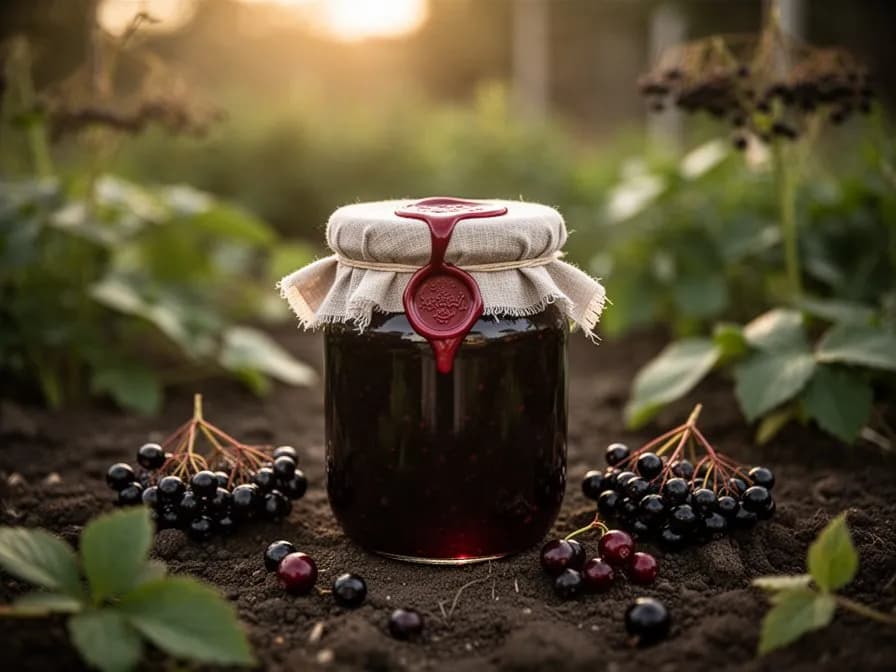
Classic Elderberry Immune Syrup
45 minutesA deeply flavoured, thick syrup made by simmering elderberries with spices and raw honey. This traditional preparation is taken by the spoonful as a daily immune tonic during cold and flu season, or stirred into hot water for a soothing drink. The berries must be cooked — never consume raw elderberries. The syrup keeps for up to three months in the refrigerator.
6 ingredientsElderflower Cordial
20 minutes active, 24 hours steepingA beautifully fragrant, lightly floral cordial made from freshly picked elderflower heads. Diluted with sparkling water it makes an elegant summer drink, and it pairs brilliantly with prosecco or gin. The flowers should be harvested when fully open and used the same day for the freshest flavour. This recipe makes approximately 1.5 litres of concentrate.
5 ingredients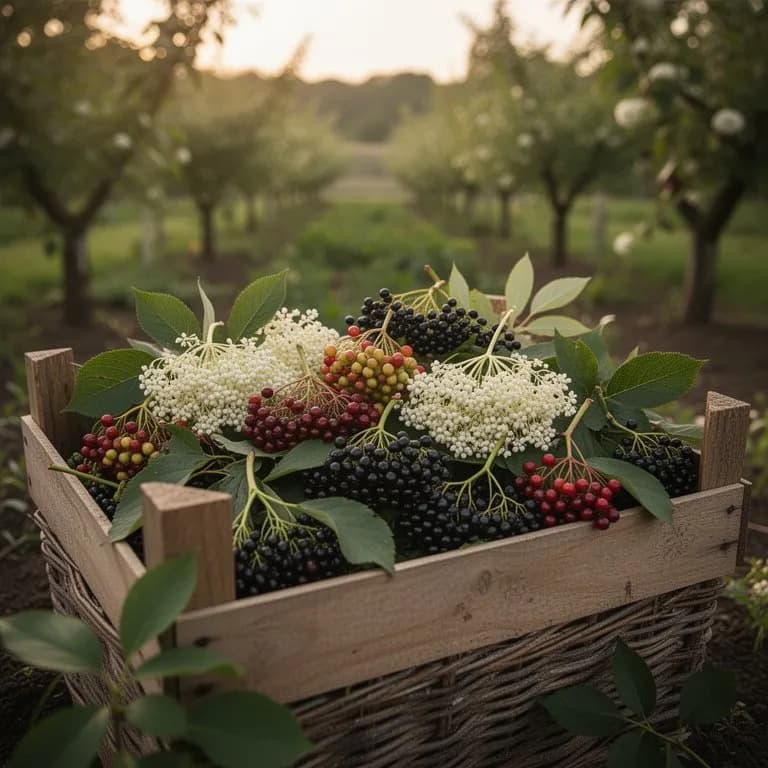
Elderberry and Apple Jam
1 hourA richly coloured, deeply flavoured jam that combines the tart earthiness of elderberries with the natural pectin and sweetness of cooking apples. The apple provides enough pectin for a good set without requiring commercial pectin. This jam is outstanding on sourdough toast, swirled through yoghurt, or served alongside sharp aged cheddar on a cheese board.
5 ingredientsCulinary Uses
Cooked elderberries make outstanding syrup, wine, jelly, and pie filling. Elderberry syrup mixed with honey is a popular immune-support remedy during cold and flu season. Elderflowers can also be harvested in early summer for elderflower cordial, fritters, and champagne. The berries pair well with apples, pears, and warm spices in baked goods. Always cook elderberries thoroughly before consuming.
What's inside
Health Benefits
- Clinical studies have found that standardised elderberry extract can reduce the duration and severity of influenza symptoms, with one randomised controlled trial showing recovery four days faster than placebo — attributed largely to elderberry's ability to inhibit viral replication and stimulate cytokine production
- The extraordinarily high anthocyanin content in elderberries exerts potent antioxidant effects, neutralising free radicals that contribute to cellular ageing, cardiovascular disease, and certain cancers according to extensive laboratory and epidemiological research
- Elderberries contain compounds that activate the immune system by increasing the production of infection-fighting cytokines, making them one of the most scientifically studied botanical immunomodulators alongside echinacea and astragalus
- Preliminary research suggests regular consumption of elderberry may support cardiovascular health by improving LDL cholesterol oxidation resistance, reducing blood pressure, and improving arterial flexibility — effects attributed primarily to the flavonoid and polyphenol content
- Elderflowers possess documented diaphoretic and mild diuretic properties in traditional herbal medicine, historically used to promote sweating during fevers and to relieve upper respiratory catarrh and sinusitis
- The high fibre content of elderberries supports a healthy gut microbiome by acting as a prebiotic substrate for beneficial bacteria, with research suggesting that polyphenol-rich fruits like elderberry can positively shift the composition of the intestinal microflora
Where Elderberry comes from
Elderberry (Sambucus nigra) is native to most of Europe, western Asia, and northern Africa, with fossil evidence of elder pollen dating back more than 100,000 years in European sediment layers. The plant has been intertwined with human culture since the Neolithic period; seeds have been found at Swiss lake dwellings dating to around 2000 BCE, and there is archaeological evidence of deliberate cultivation at prehistoric sites in Denmark and Britain. In ancient Egypt, elderflower ointments were recorded on medical papyri as treatments for burns, and the Greek physician Hippocrates described the elder as his 'medicine chest' for its extraordinary range of therapeutic applications including as a laxative, diuretic, and anti-inflammatory. The Romans used elder bark to produce black hair dye and described the plant in detail in agricultural texts. Throughout the early medieval period, the elder occupied an ambiguous but powerful place in European folklore. In Denmark, Norway, and Sweden, cutting down an elder without performing a ritual apology to the Elder Mother spirit was considered an invitation to misfortune. In England, elder was planted near homes as a protective ward against evil, and branches were hung above doorways on May Day. Despite — or perhaps because of — its supernatural associations, elder remained in active medicinal use throughout the Middle Ages and Renaissance. John Evelyn, the seventeenth-century English diarist and horticulturalist, wrote that if the medicinal properties of elder were fully known, he would not hesitate to call it a panacea. By the eighteenth century, elderberry wine, rob (concentrated berry syrup), and elderflower water were staple preparations in domestic medicine cabinets across Britain and Europe. European settlers brought elderberry knowledge and cultivated varieties to North America, where they also encountered indigenous peoples who had independently developed extensive uses for native Sambucus species. The Haudenosaunee (Iroquois), Cherokee, and many other nations used local elder species for fever reduction, respiratory ailments, and ceremonial purposes. Commercial interest in elderberry exploded in the early twenty-first century following a series of clinical studies suggesting significant antiviral and immune-modulating activity. Today, Sambucus nigra cultivars such as 'Bob Gordon,' 'Adams,' 'Scotia,' and the ornamental 'Black Lace' are grown commercially and in home gardens across the temperate world, and elderberry has become one of the fastest-growing categories in the global herbal supplement market.
Elderberry: did you know?
Fascinating facts about Elderberry
Every part of the elder tree has been used medicinally for thousands of years — the berries, flowers, leaves, bark, and roots all feature in traditional European and Native American pharmacopoeias, earning it the nickname 'the medicine chest of the country people.'
Elderberry questions, answered
When should I plant Elderberry?
What are good companion plants for Elderberry?
What hardiness zones can Elderberry grow in?
How much sun does Elderberry need?
How far apart should I space Elderberry?
What pests and diseases affect Elderberry?
How do I store Elderberry after harvest?
What are the best Elderberry varieties to grow?
What soil does Elderberry need?
Are elderberries safe to eat raw, straight from the bush?
How long does it take for a new elderberry plant to produce berries?
My elderberry is producing lots of leaves but very few flowers — what is wrong?
Which elderberry cultivar is best for making syrup and medicinal preparations?
Can I grow elderberry in a container?
How do I prevent and treat elderberry borers?
You just read the theory. Now grow it on autopilot.
Everything that makes Elderberry fiddly — the timing, the spacing, the companions, the harvest window — is exactly what PlotMyGarden handles for you, for every plant in your garden.
A plan that knows your weather
Set your location once. Get sow, feed and harvest dates built around your real last-frost date and live forecast — no more guessing from a generic seed packet.
From the “When to plant” sectionDrag-and-drop bed planner
Design beds on a grid. Every plant snaps to its proper spacing, and you can see your whole season laid out before you spend a cent on seed.
From the “Growing guide” sectionCompanion conflicts, caught early
200+ good-and-bad pairings checked live as you plant — so a season-wrecking mistake never makes it into the ground.
From the “Companions” sectionReminders you'll actually act on
“Water the beans.” “Pick today before it turns.” Timely, specific, and tied to the plants you're really growing.
From the “Harvest” sectionSuccession, scheduled
Want a harvest for six weeks, not six days? It spaces your sowings automatically and reminds you when each new block is due.
From the “When to plant” sectionA record that gets smarter
Every harvest you log teaches it your garden. Next year's plan starts from what actually worked in your soil, not a textbook's.
From the “Overview” sectionPlant these alongside Elderberry
More Berries
Grow your best Elderberry yet — and everything around it.
Start a free plan today. Lay out your beds, drop in your Elderberry, and let PlotMyGarden handle the timing, spacing, companions and reminders from seed to harvest basket.